Abstract Art
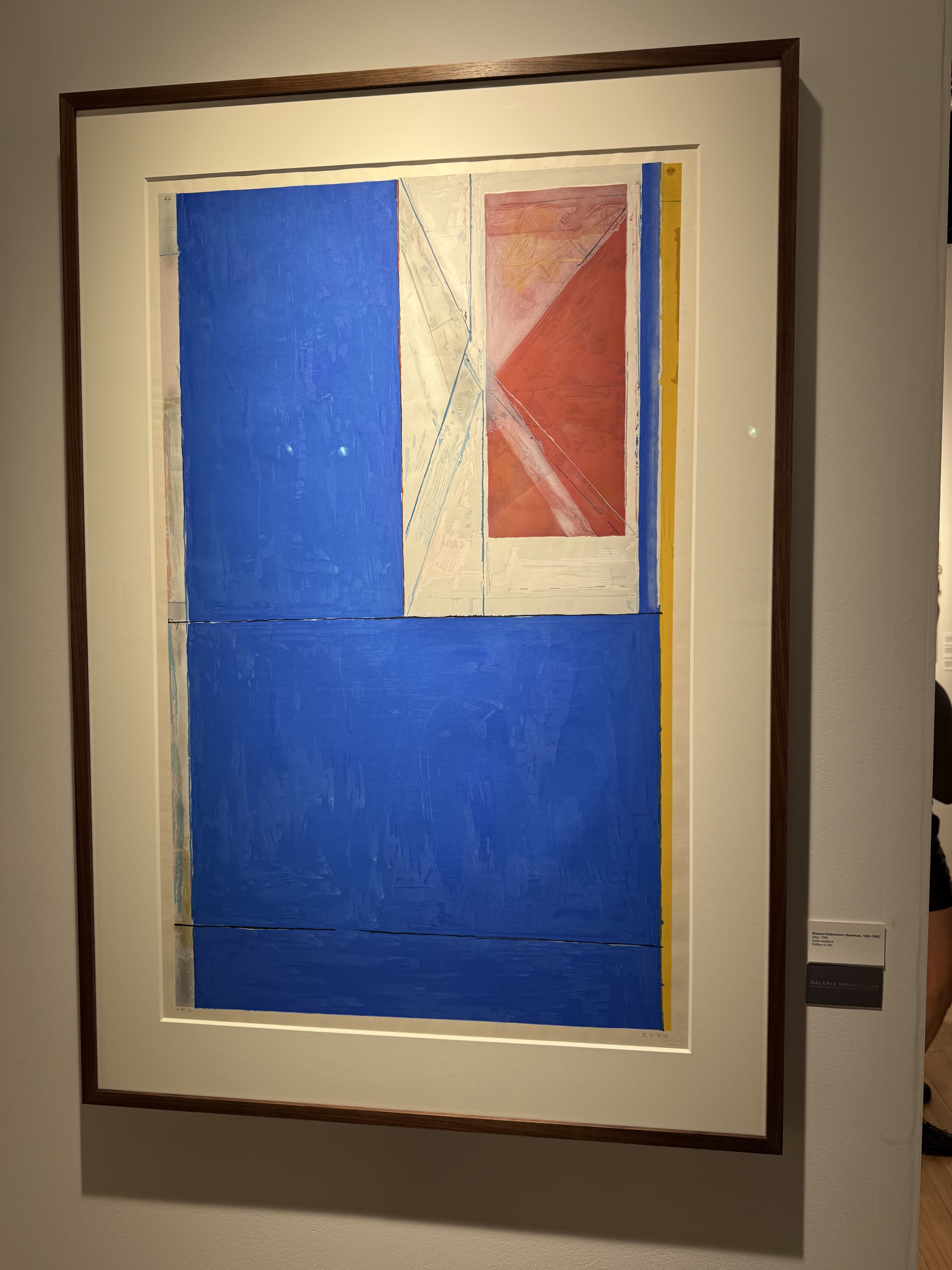
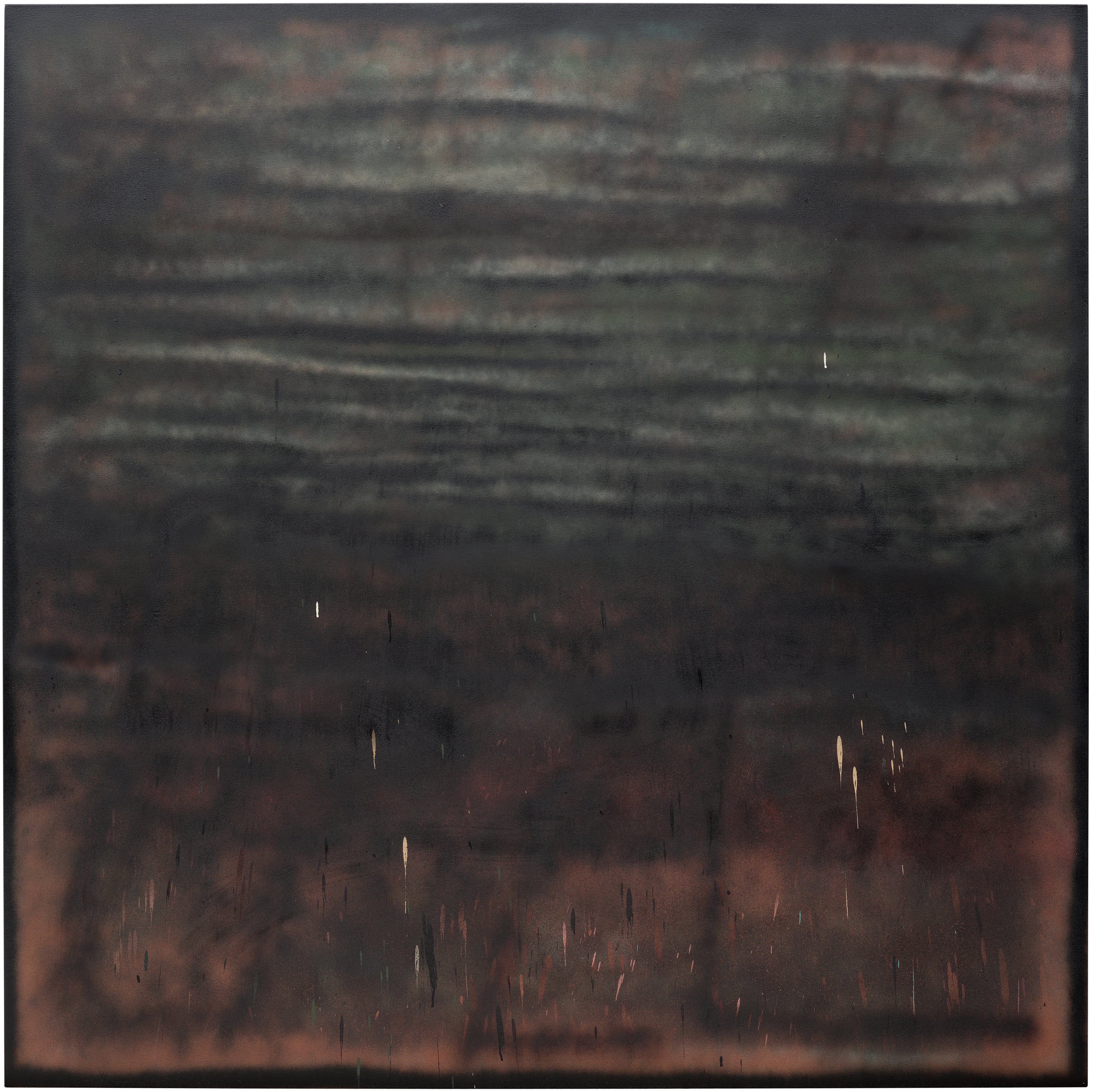
Richard Diebenkorn
Blue, 1984





The Art You Never Stop Looking At
There is a particular kind of collector who walks into a room, ignores the figurative paintings on the wall, and moves directly toward something that offers no immediate explanation. They stand in front of it longer than anyone else. They come back to it. They buy it.
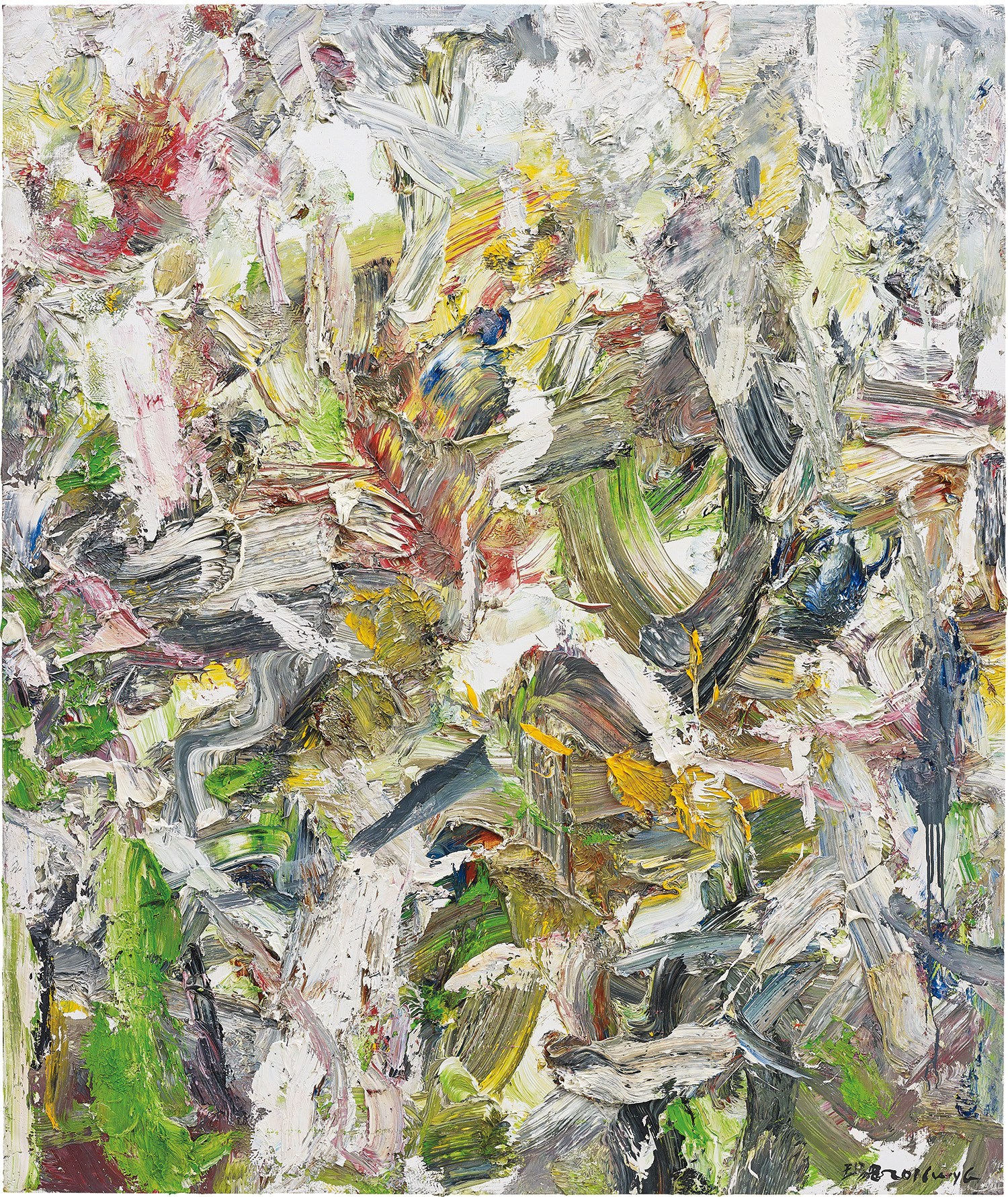
What draws serious collectors to abstract art is not the rejection of meaning but the pursuit of a different kind of meaning, one that lives in sensation, in color relationships, in the tension between form and edge. Unlike representational work, abstraction does not resolve itself. It keeps asking questions, and that quality of perpetual openness is precisely what makes it so compelling to live with over years and decades. There is also something deeply personal about how abstraction functions in a domestic or private space.
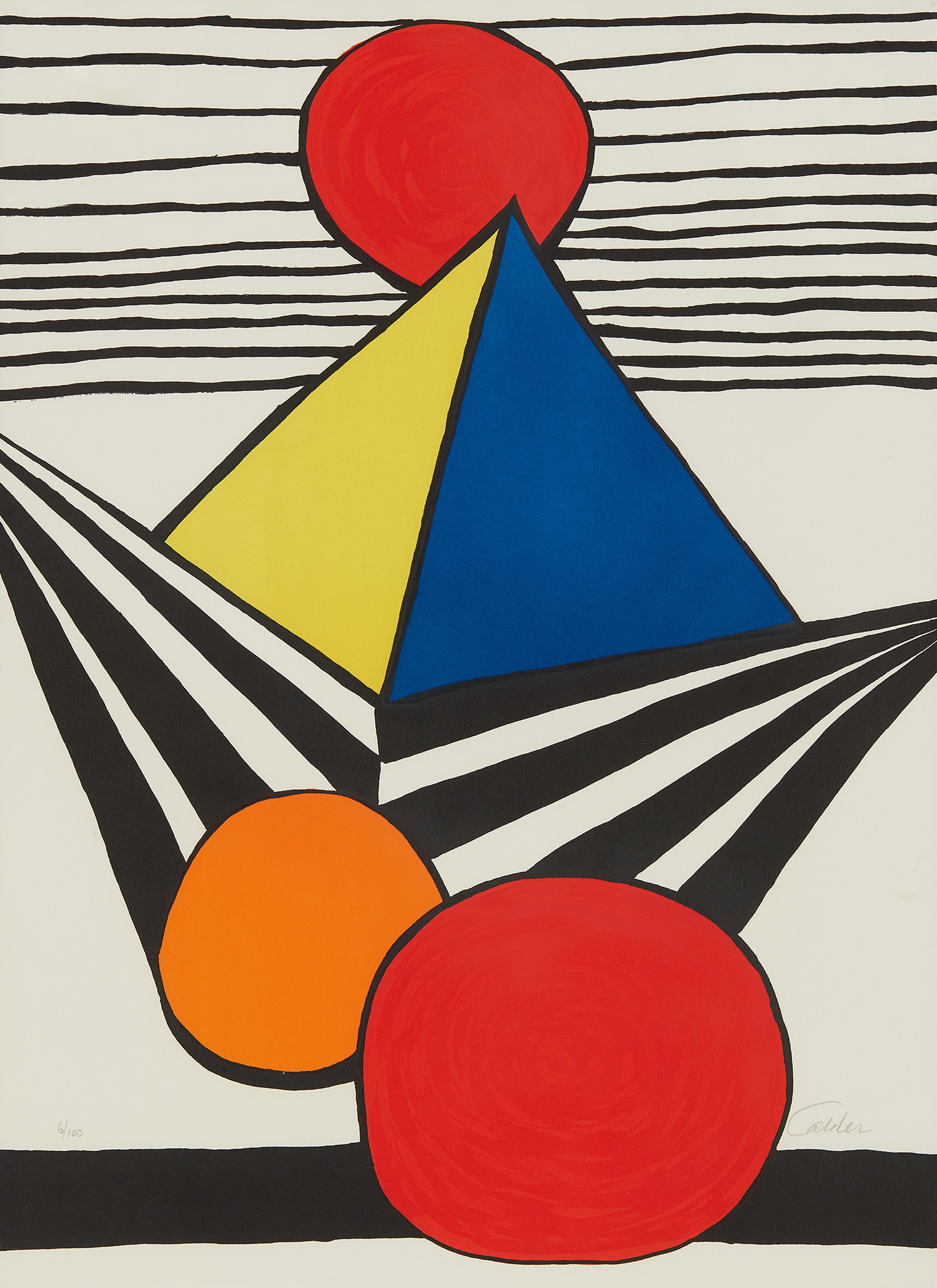
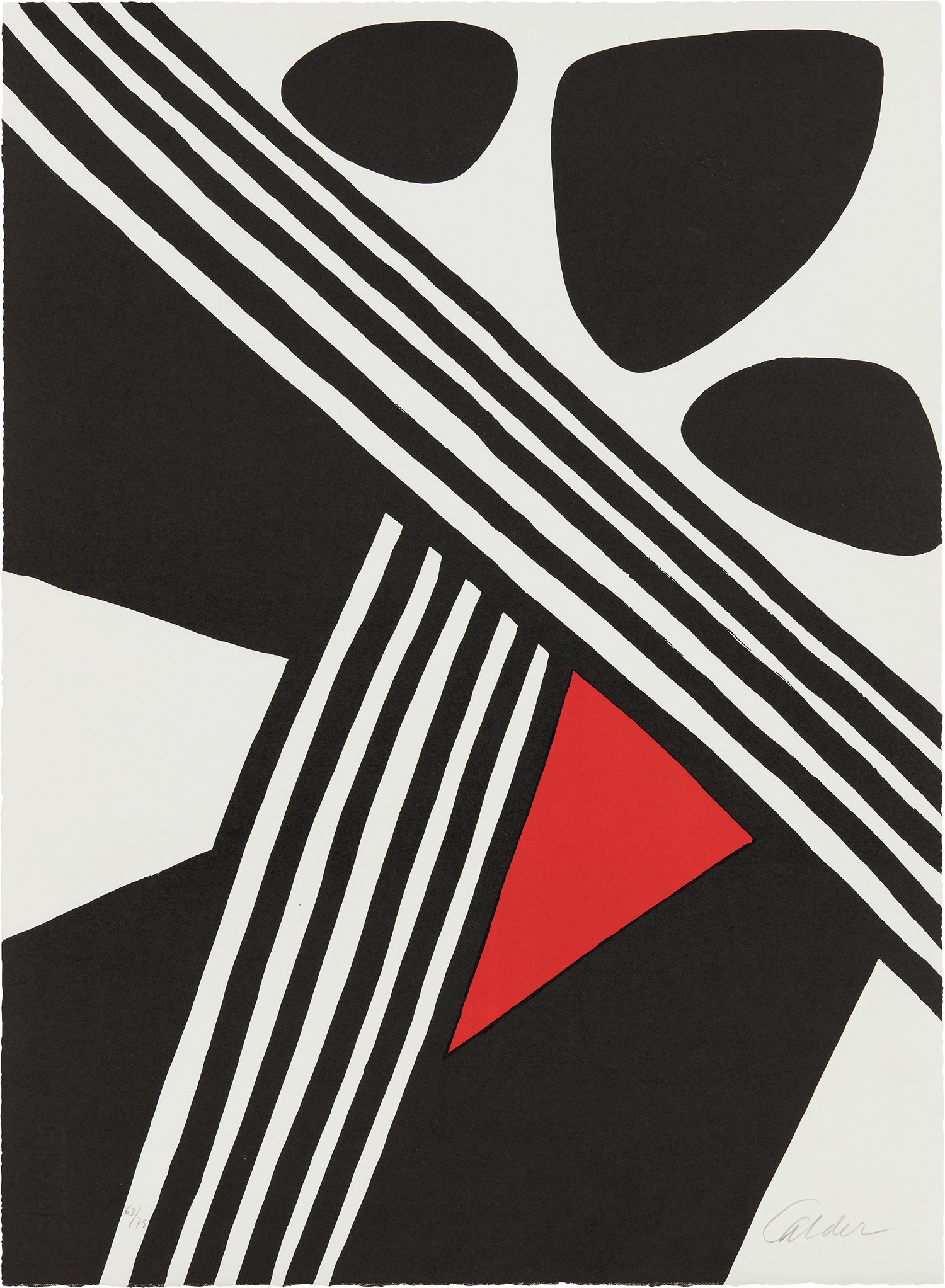
Alexander Calder
Pyramid and Red Sun, from La Mémoire élémentaire (The Elementary Memory)
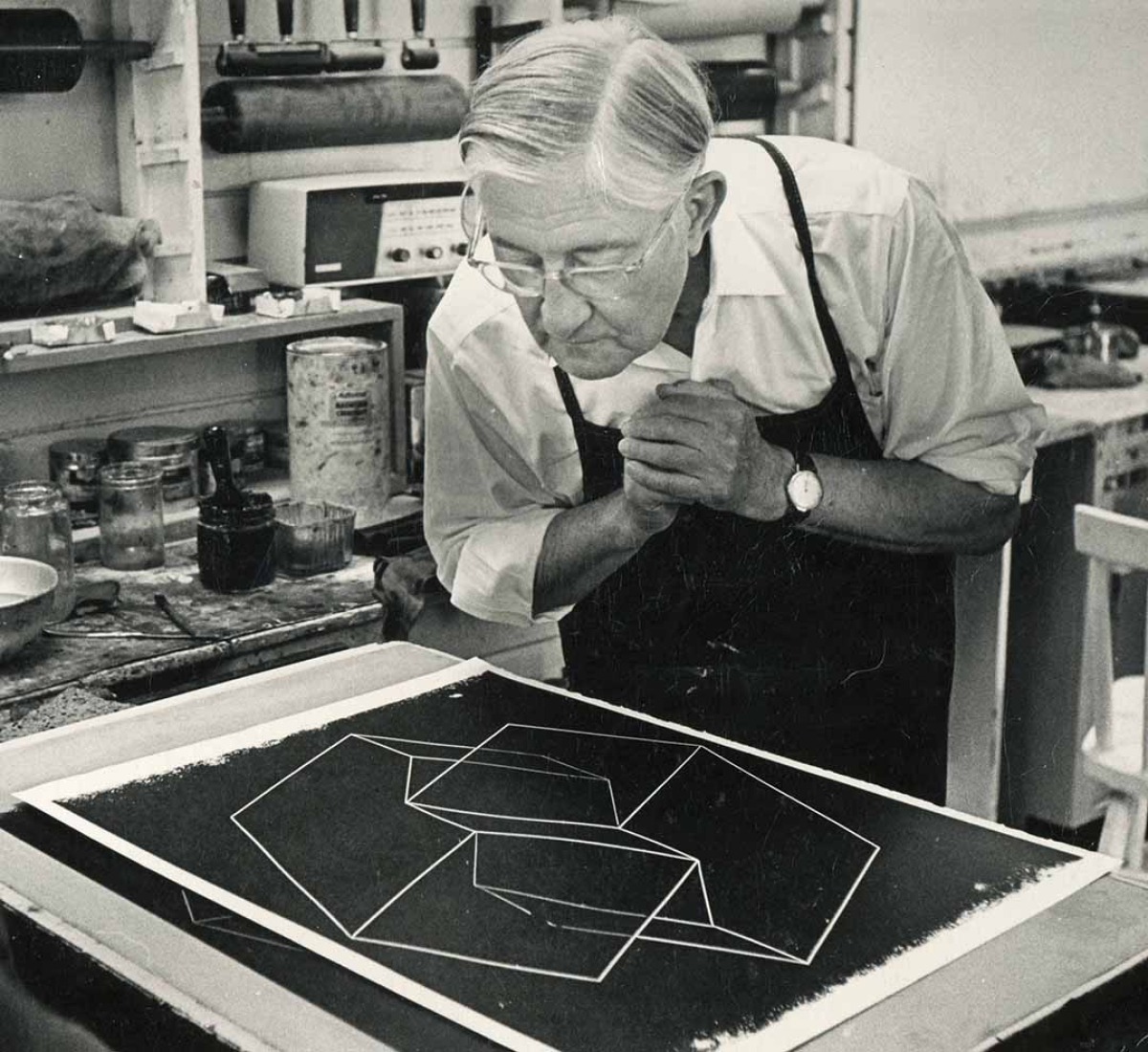
A figurative portrait brings a third presence into a room, a specific someone who is always there. An abstract work operates differently. It becomes a kind of visual atmosphere, something that shifts depending on the light, your mood, the hour of the day. Collectors who have lived with strong abstract works often describe them as reliable companions rather than objects, which is an unusual thing to say about paint on canvas, but anyone who has spent time with a great Ellsworth Kelly or a Josef Albers knows exactly what they mean.
So what separates a good abstract work from a truly great one? The question matters enormously at the collecting level, because the category is vast and uneven. The clearest marker is internal necessity. A great abstract work feels as though every decision, the color, the scale, the edge, the surface, was made because it had to be made that way.
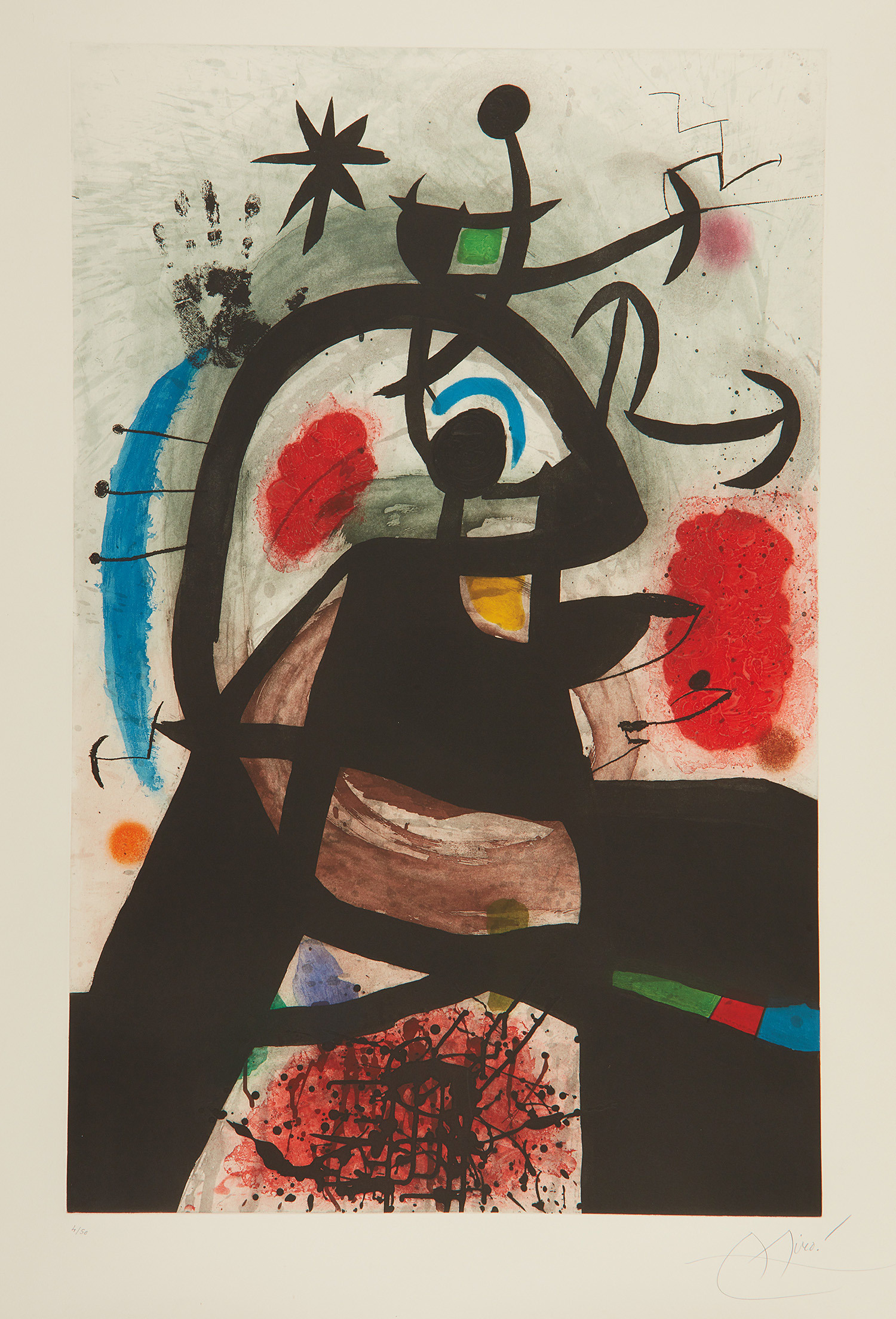
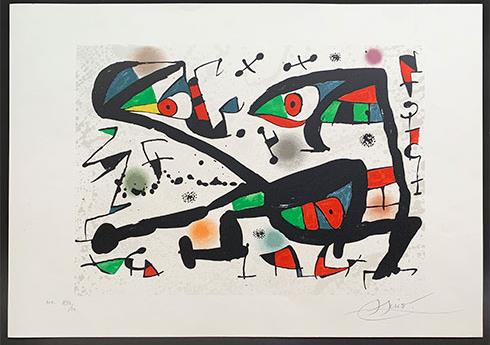
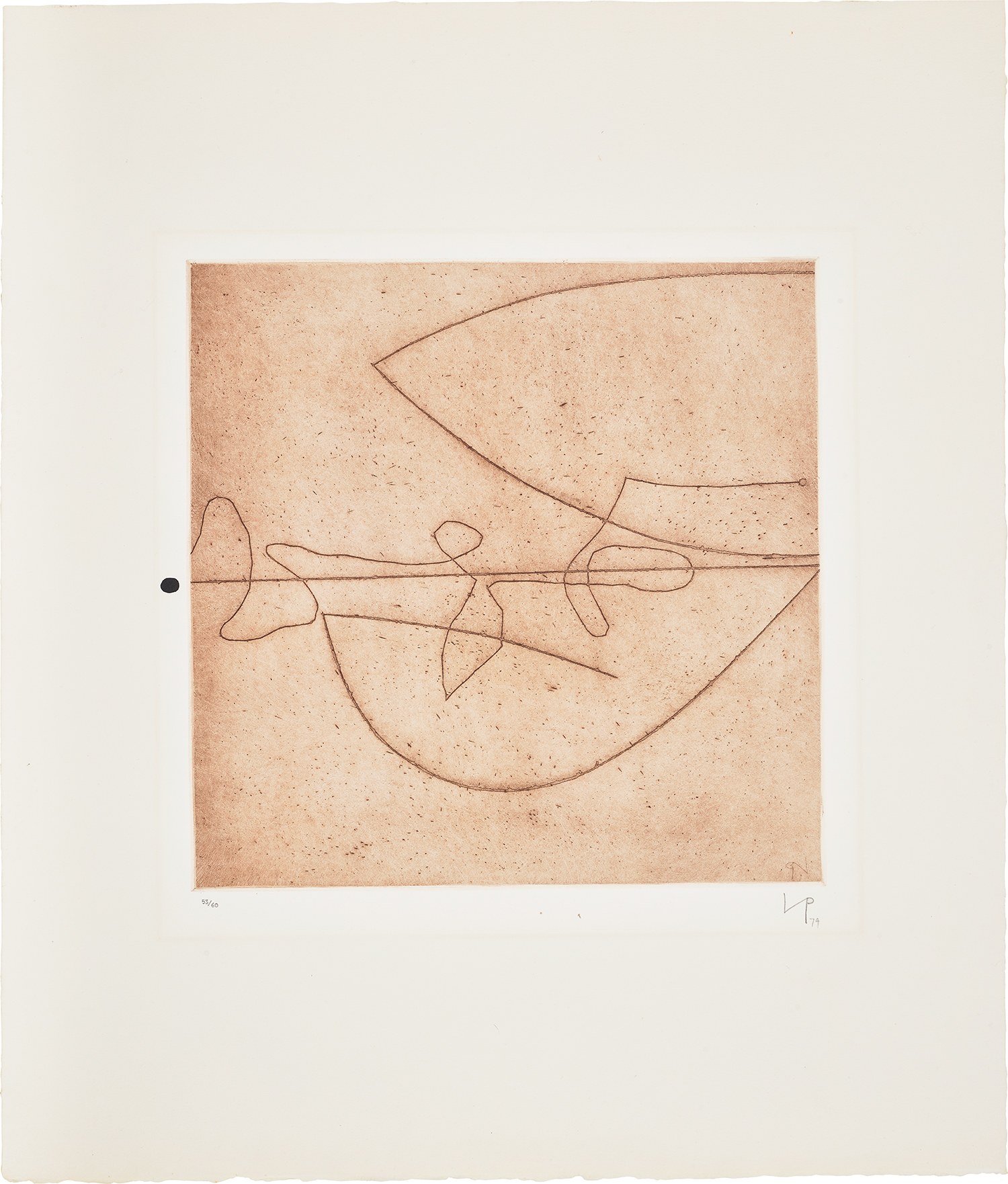
Joan Miró
Le Permissionaire (Soldier on Leave)
Nothing is decorative. Nothing is surplus. When you look at Albers working through his Homage to the Square series, or Kelly reducing form to its absolute essential gesture, there is a sense of inevitability that lesser abstraction simply does not achieve. Collectors should train themselves to ask whether a work could have been made differently, and whether those different choices would have mattered.
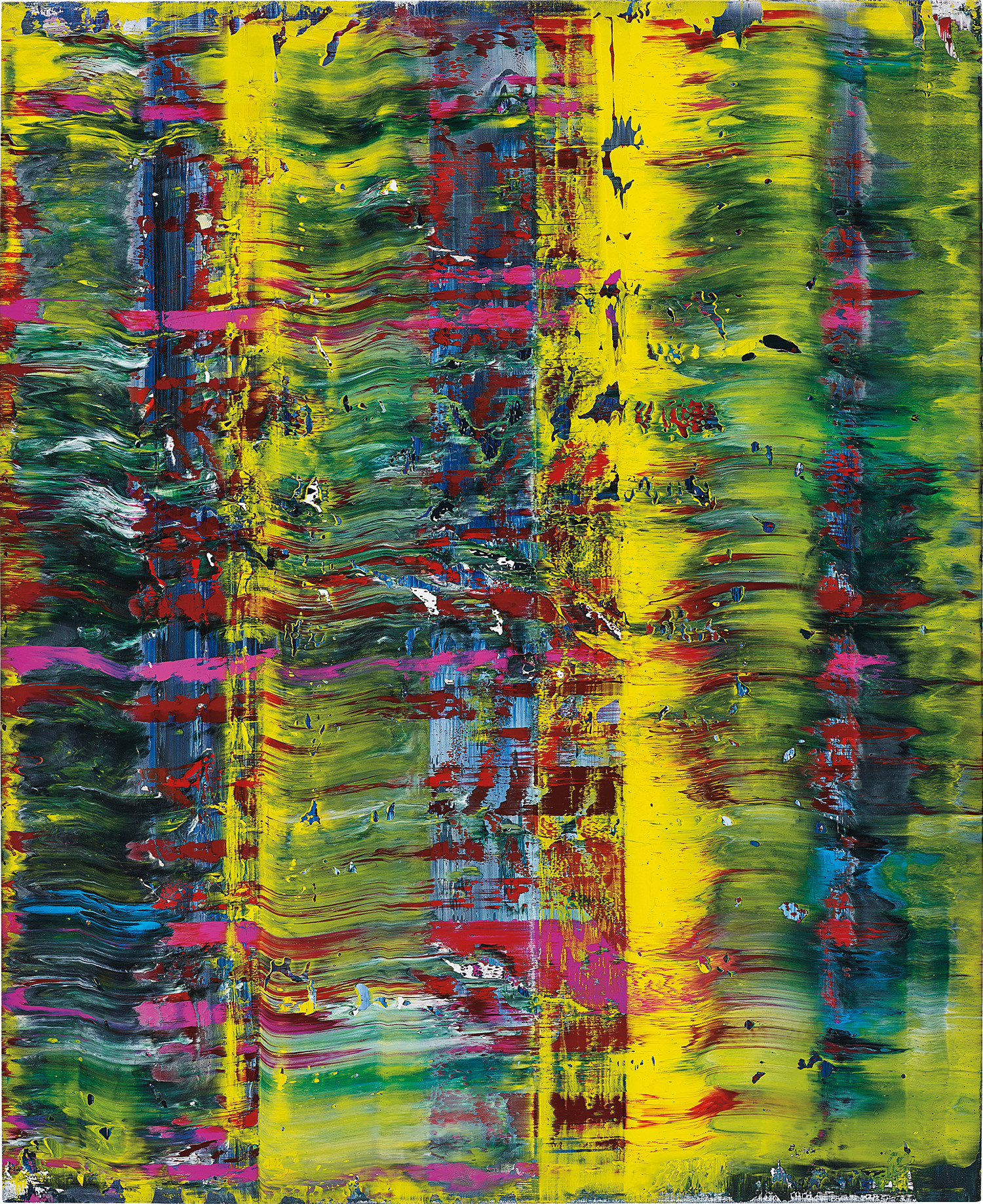
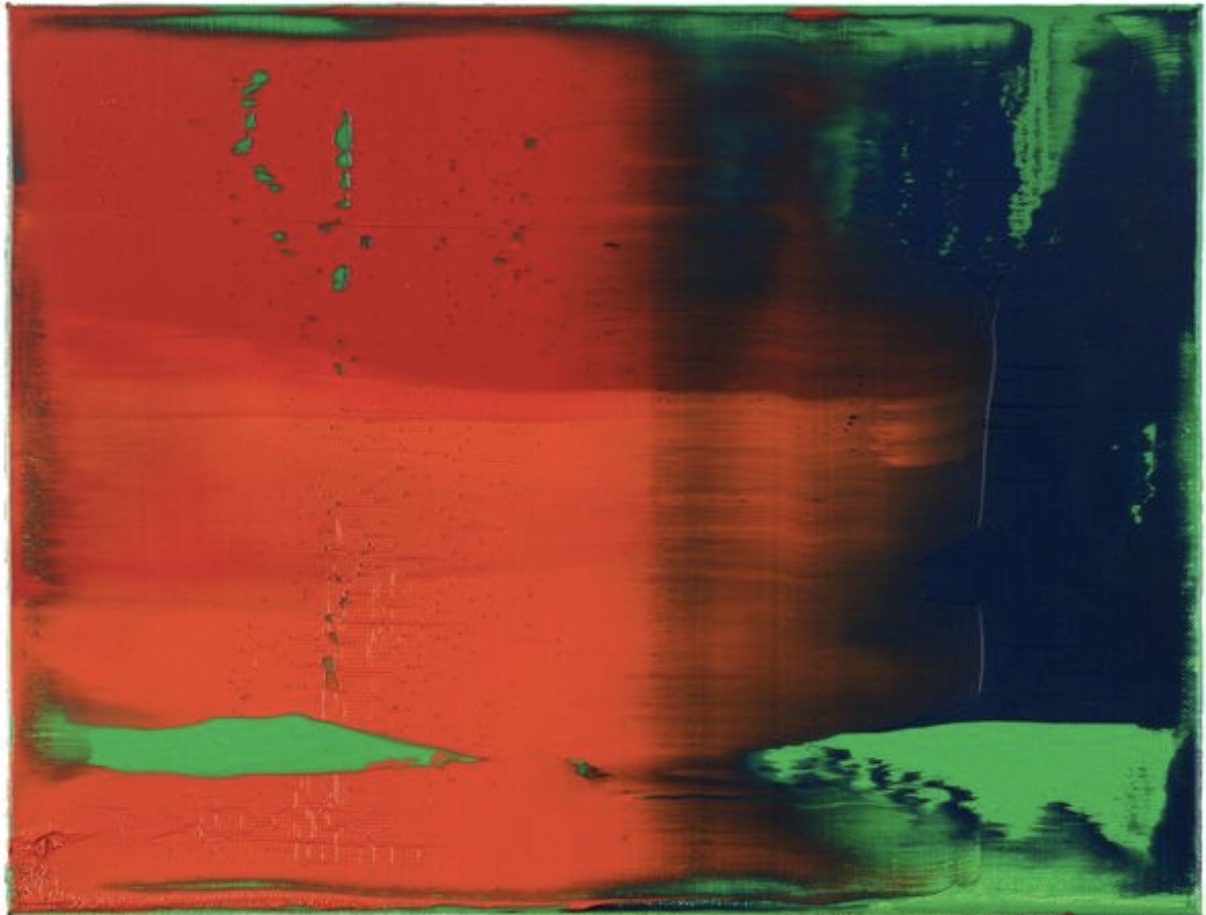
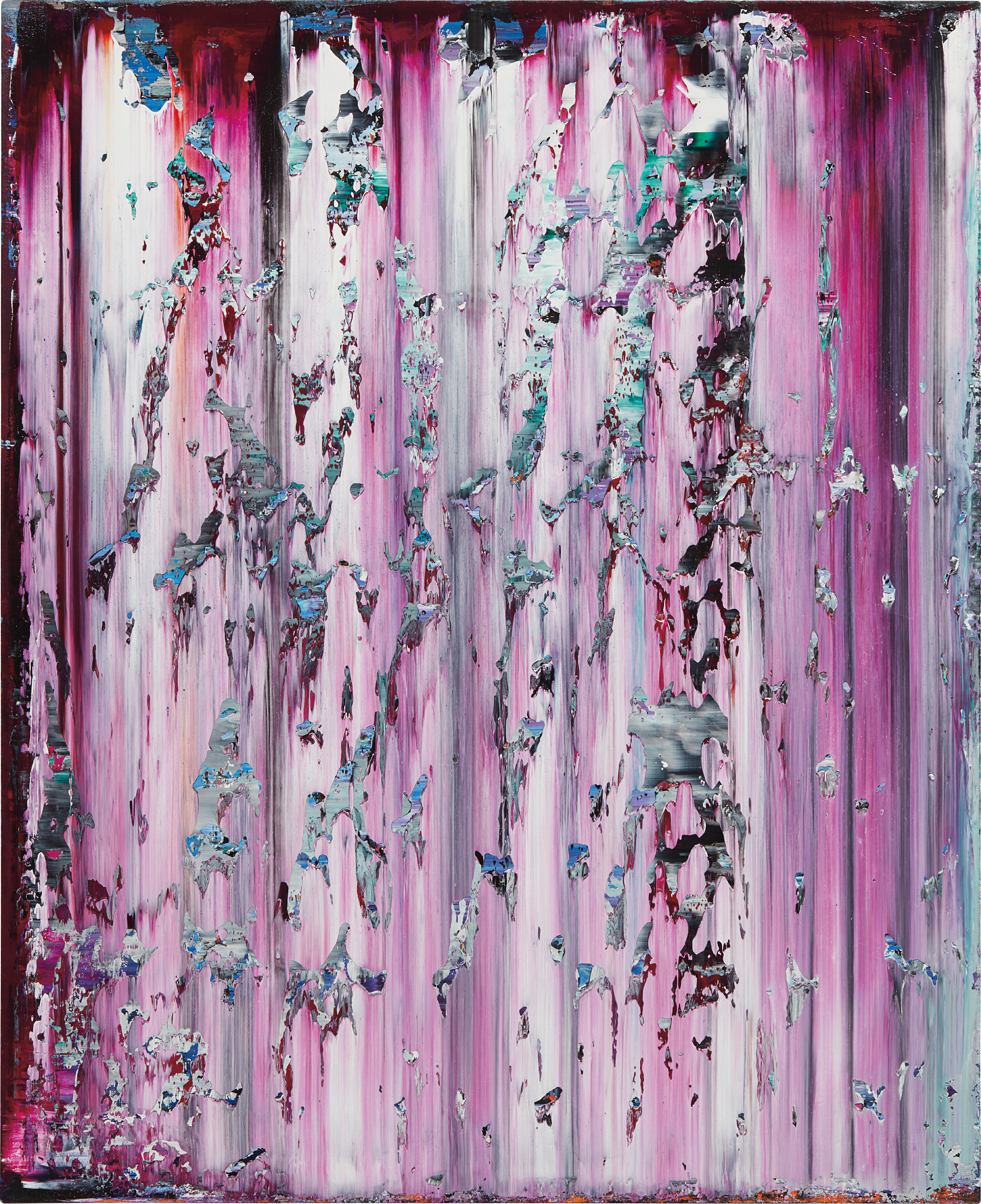
If the answer is that anything could have changed and the work would have been fine, something is missing. Surface and material also carry tremendous weight in this category. Frank Stella understood this early, moving from his Black Paintings of 1959 toward increasingly complex relief structures that made the relationship between painting and object physically undeniable. Gerhard Richter's squeegee abstractions carry an entirely different kind of surface intelligence, one in which accident and control are locked in a genuine struggle.
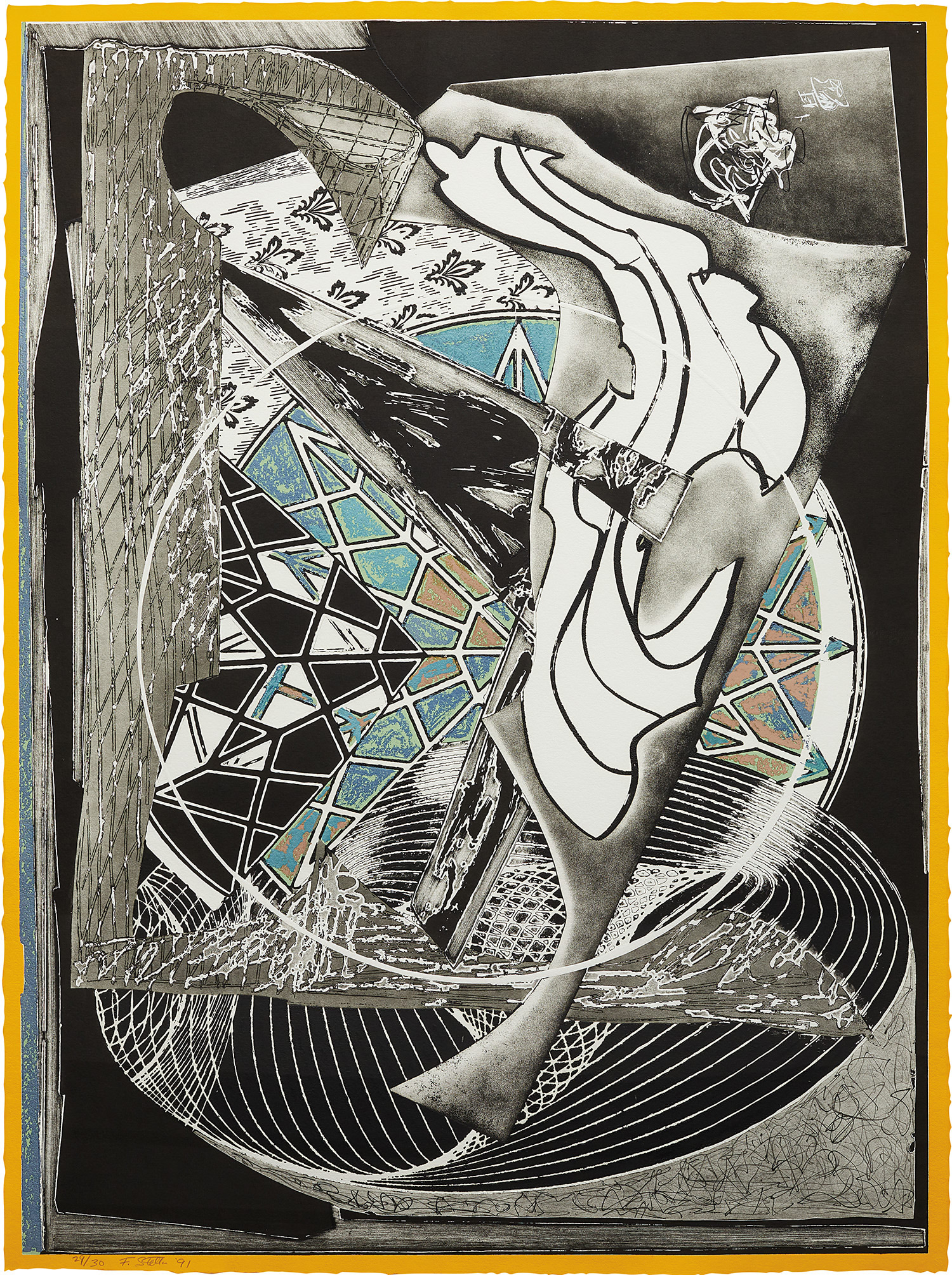
Frank Stella
Jonah Historically Regarded, from Moby Dick Engravings
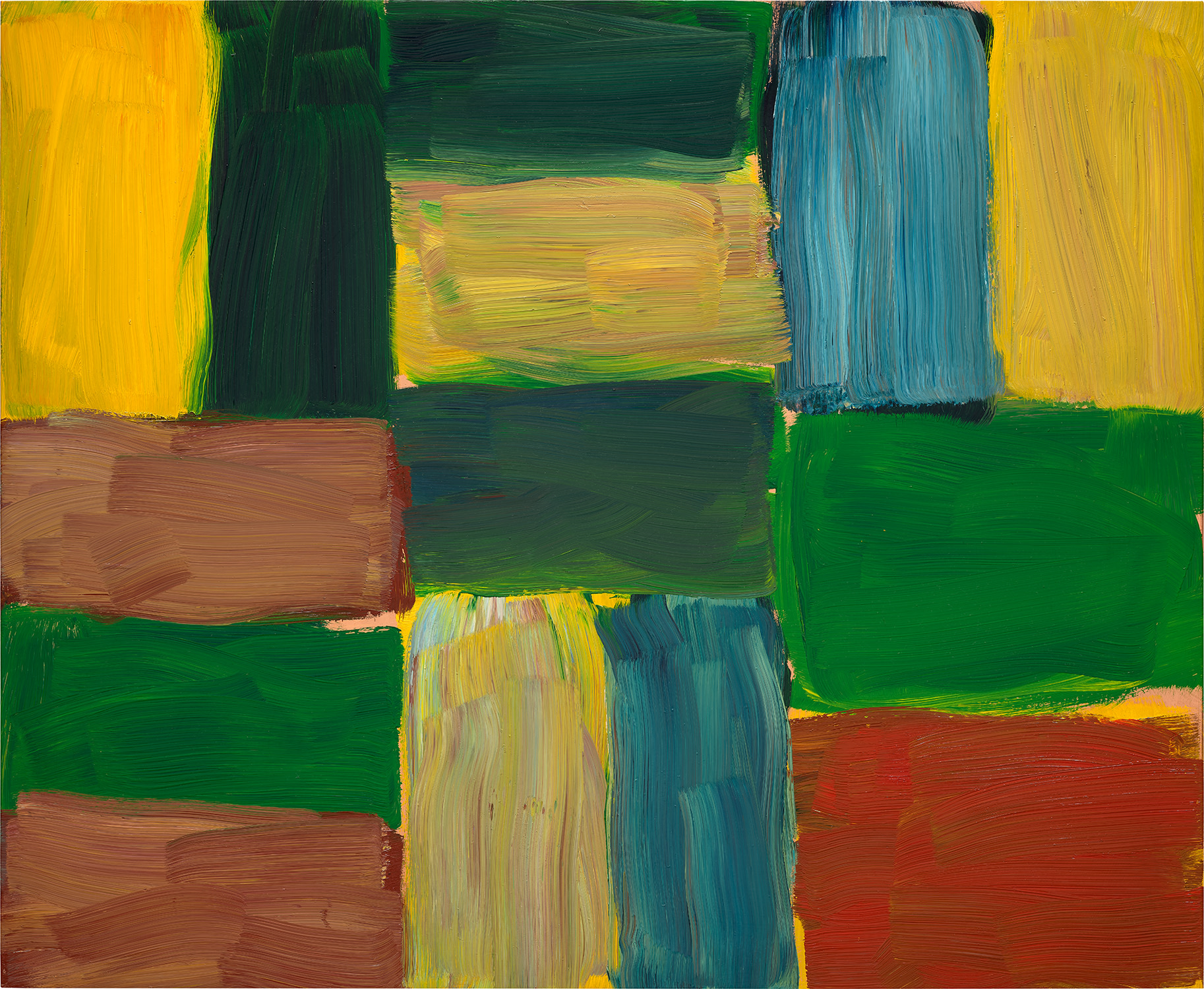
Collectors should look closely at how a work has been made and whether the making is inseparable from the meaning. Works where technique feels applied rather than intrinsic rarely hold up over time, either intellectually or in the market. In terms of where strong value resides right now, the artists on The Collection who represent the most compelling combination of art historical significance and continued market momentum include Sean Scully and Brice Marden, both of whom built careers around a rigorous engagement with the stripe and the plane that rewards sustained looking. Marden's Cold Mountain series of the late 1980s and early 1990s marked a pivotal moment in late abstraction, and his work continues to perform well at auction.
Mark Bradford brings a different kind of urgency: his layered paper and material works engage abstraction as a site of social excavation, and institutional support for his practice has been consistent and growing. Tauba Auerbach represents one of the more genuinely rigorous conceptual approaches to painting in her generation, and the work holds up exceptionally well under scholarly scrutiny, which is a quality that tends to support long term value. For collectors interested in emerging or underrecognized positions, there are several names in the current landscape worth serious attention. Sterling Ruby's practice spans painting, ceramics, and textile in ways that challenge the boundaries of what abstraction can contain, and his market is still developing relative to his critical standing.
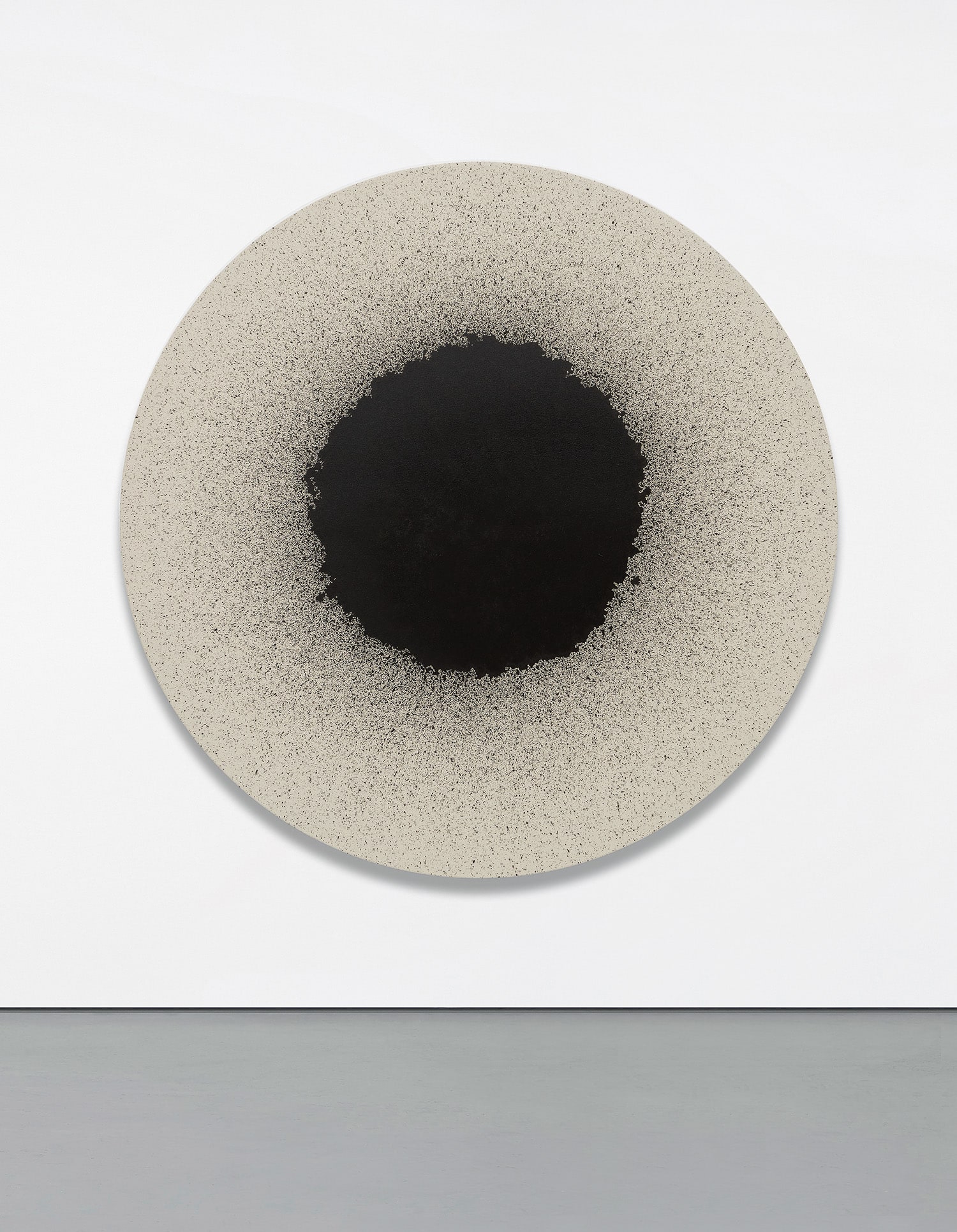
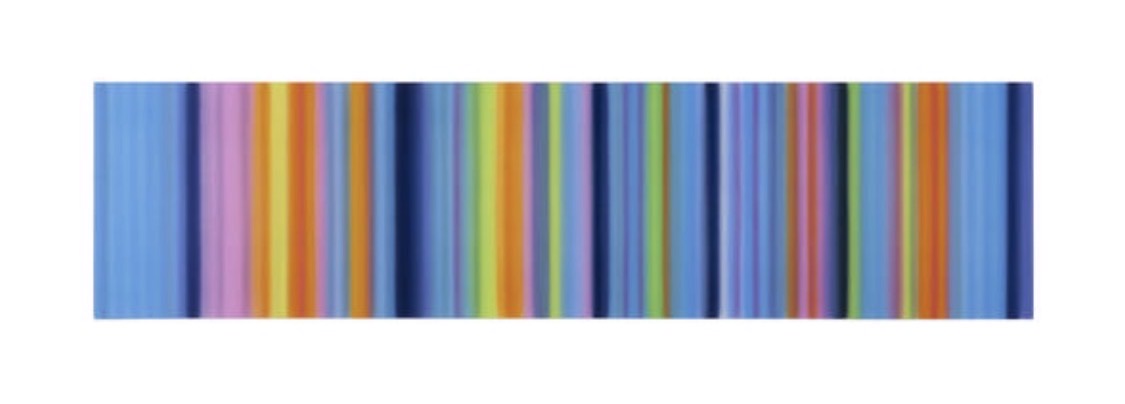
Latifa Echakhch
Tambour 77, 2012
Nick Darmstaedter and Jeff Elrod both occupy interesting positions at the edge of digital influence and painterly tradition, working through questions about how abstraction functions in a screen saturated visual culture. These are not safe bets in the conventional sense, but they represent the kind of positions that look prescient in retrospect. Sergej Jensen's quiet, textile based works operate at a register that the market has been slow to fully recognize, which is exactly the kind of situation attentive collectors look for. At auction, strong abstract works by historically significant figures have demonstrated real resilience.
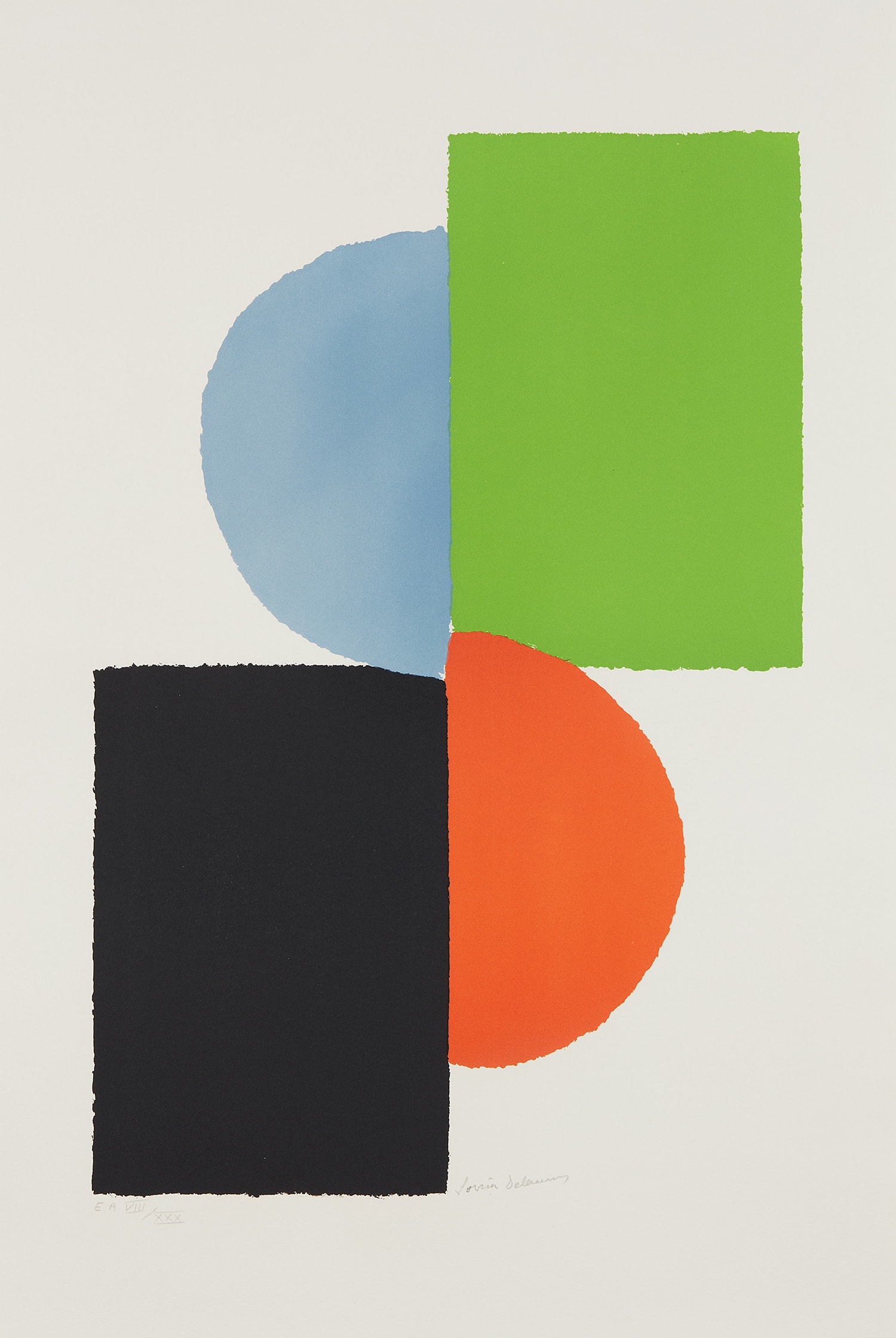
The secondary market for Kelly, Albers, and Richter has remained consistent across economic cycles, in part because institutional demand keeps a floor under the best examples. Sonia Delaunay has seen renewed scholarly and market interest as her contribution to the development of abstraction has been more fully acknowledged. Works by Lucio Fontana, particularly the Concetti Spaziali with their signature cuts, have performed strongly at the major houses in recent years. The important caveat is that within any artist's body of work, quality variation is significant and auction results at the top of the range can be misleading when evaluating mid level examples.
Practically speaking, there are several things collectors should ask when considering an abstract work. Condition is critical and sometimes difficult to assess: surfaces that appear simple often reveal significant issues under raking light, and any work with unconventional materials requires a detailed conservation history. For artists who work in editions, such as Damien Hirst's spot paintings or certain print based practices, understanding the exact edition size and how the market for that edition has moved is essential. Ask galleries directly about provenance, exhibition history, and whether the work has been shown institutionally.
Works with strong exhibition records tend to hold value more reliably. And finally, do not underestimate the importance of scale relative to your actual walls. A work that commands a space in a gallery can be diminished in a domestic setting, and the inverse is equally true. Living with abstraction is a long conversation, and starting that conversation with the right work matters enormously.