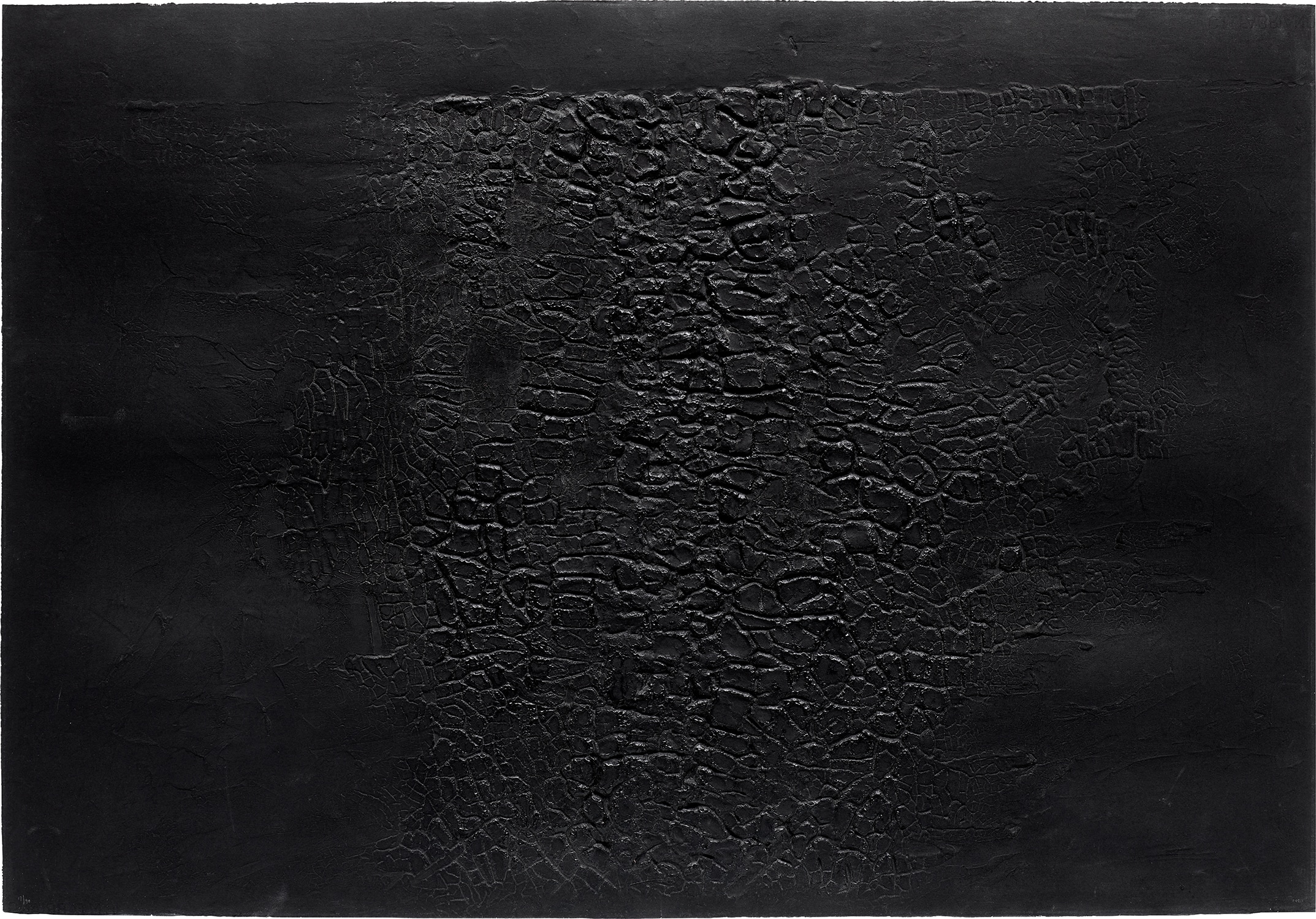
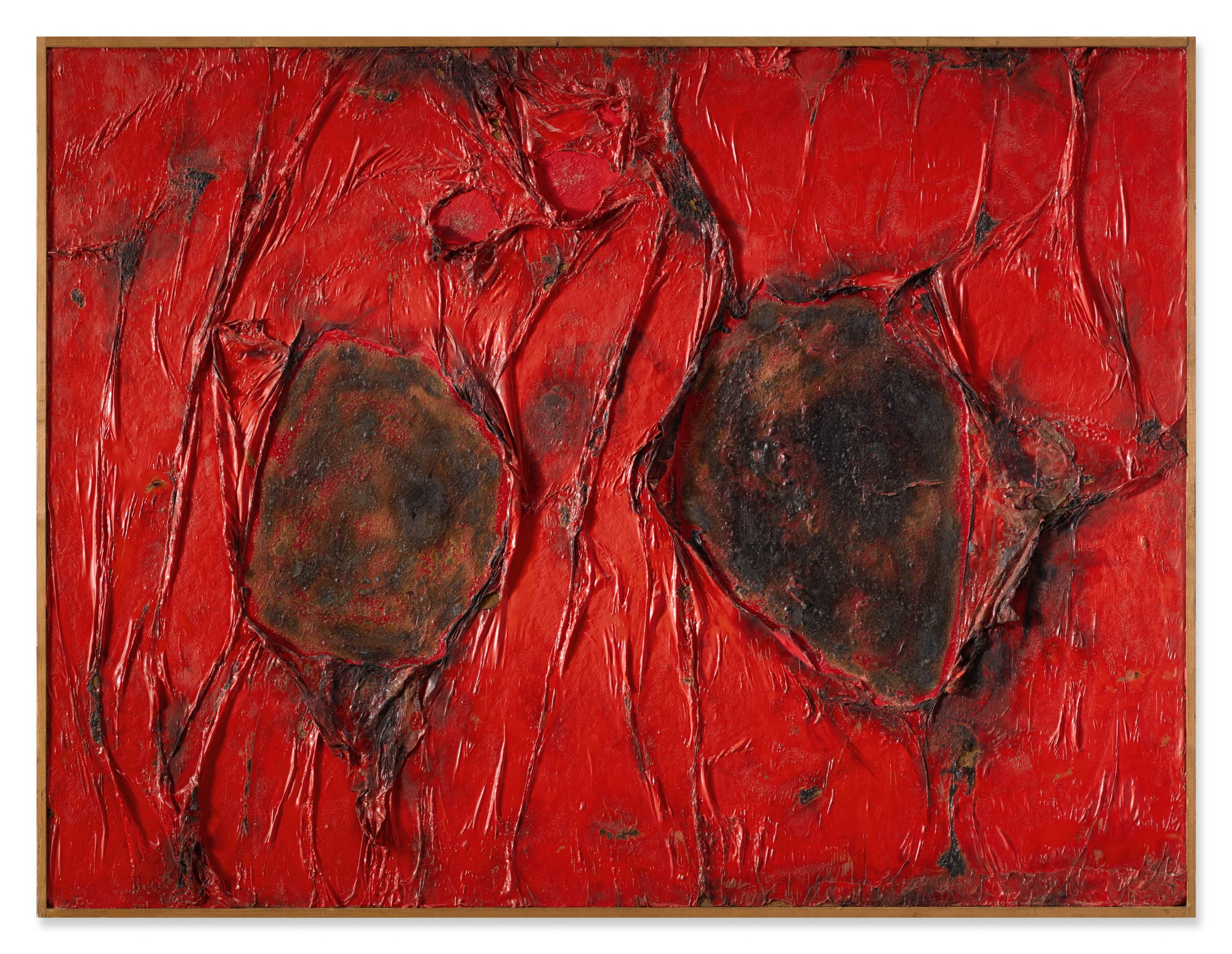
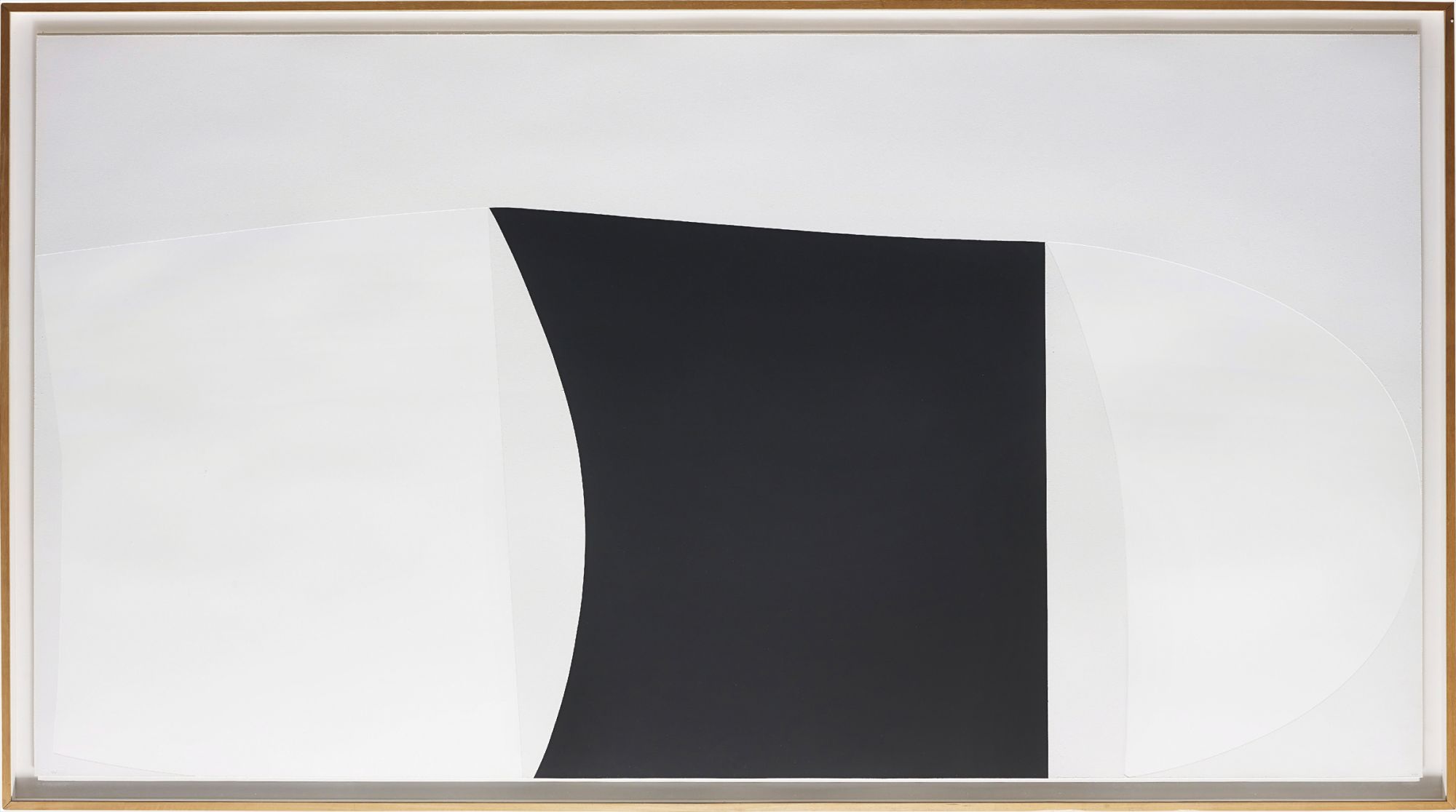
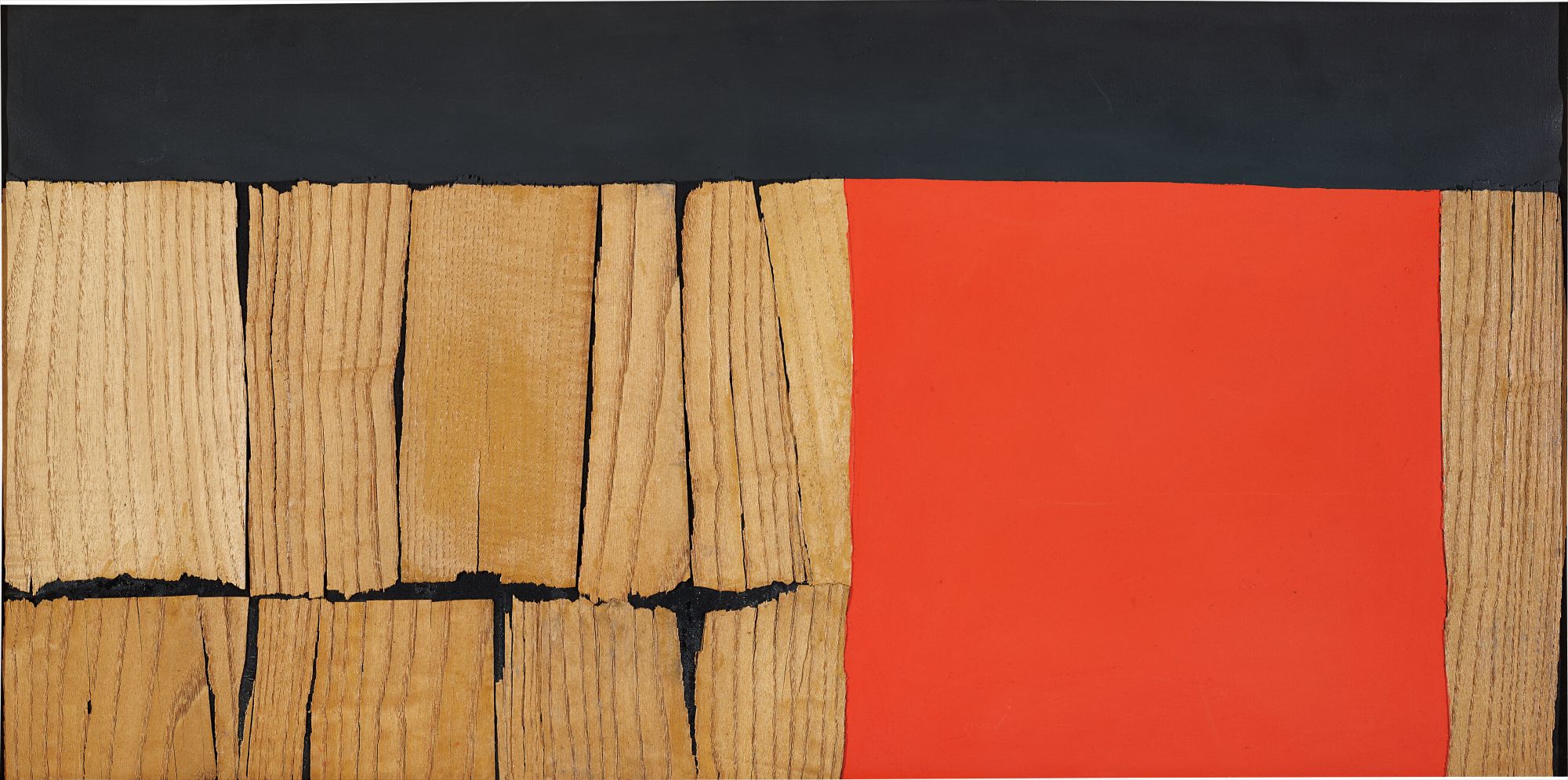
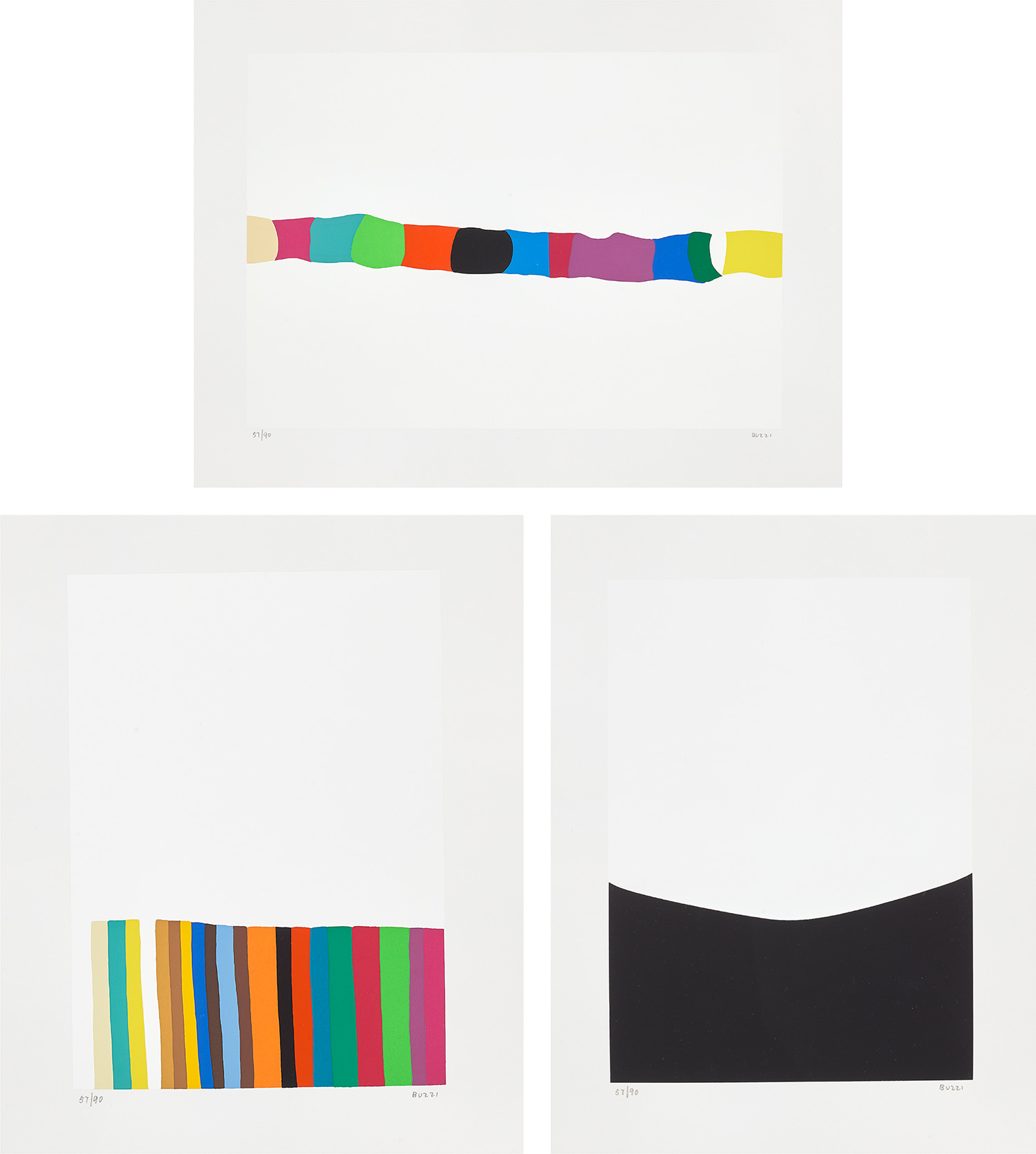
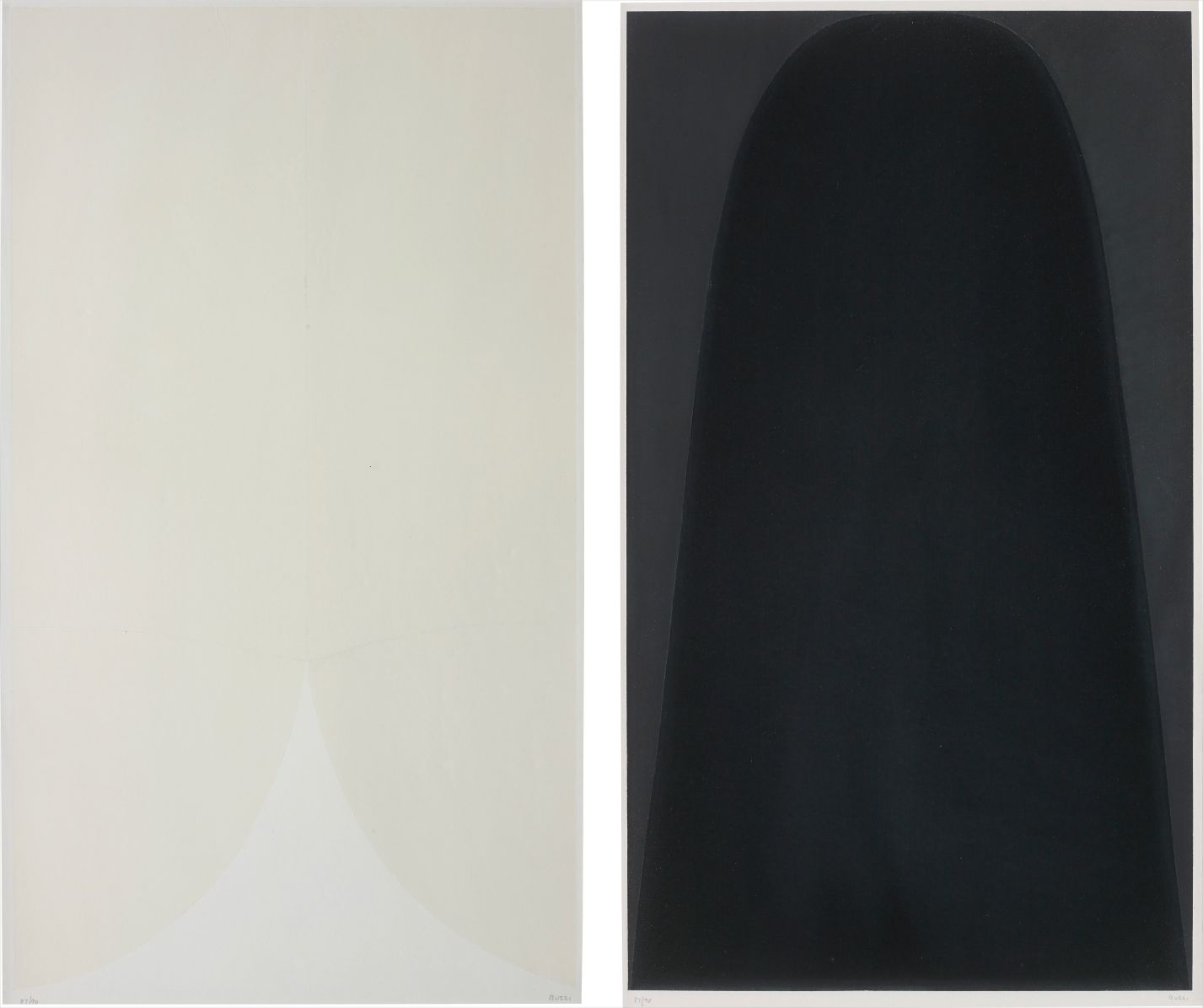
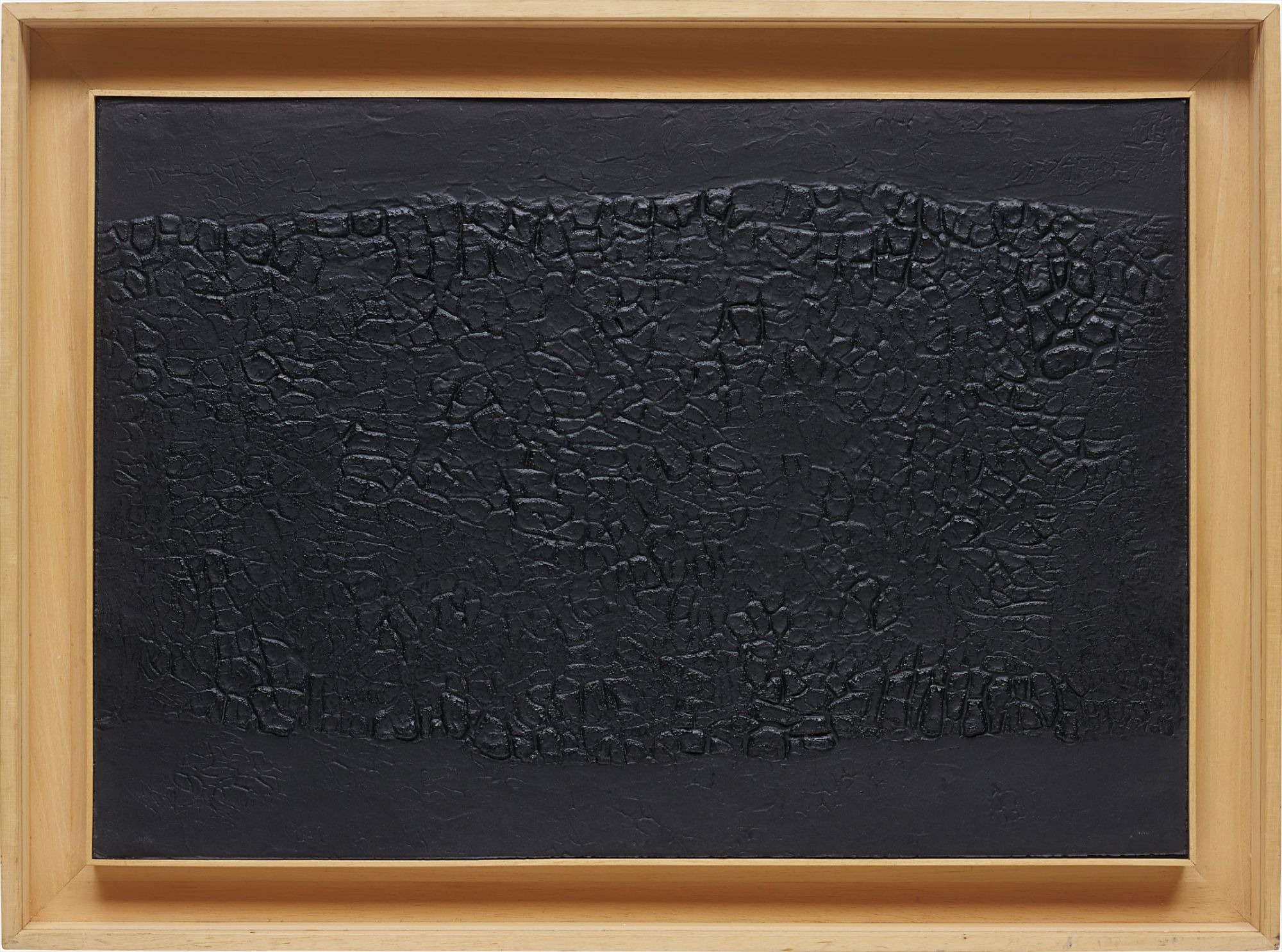
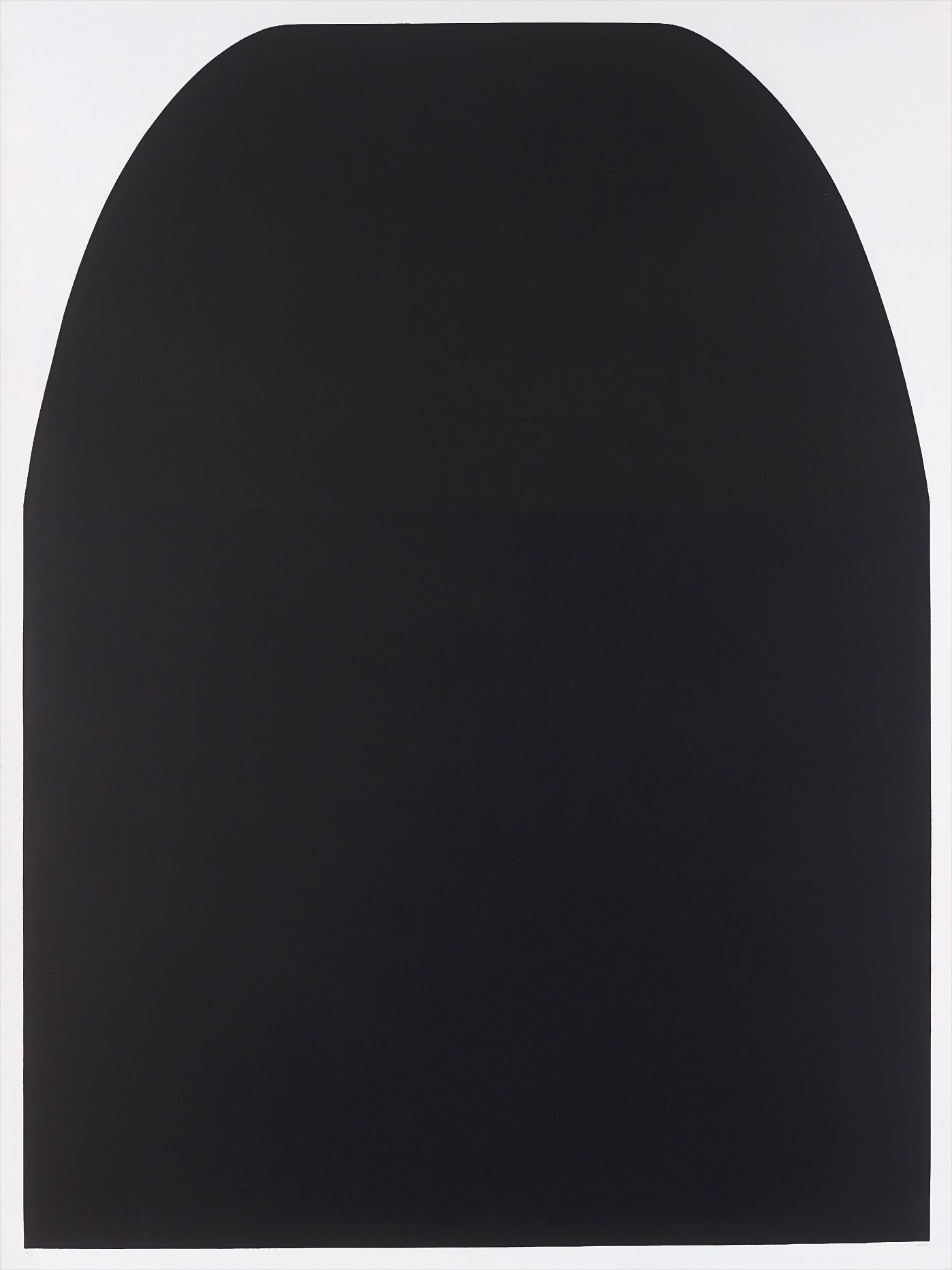
In the spring of 2015, the Guggenheim Museum in New York staged the most significant retrospective of Alberto Burri's work ever mounted in North America, drawing audiences who stood transfixed before surfaces scarred, scorched, stitched, and split open with an almost unbearable physical intensity. The exhibition, titled "The Trauma of Painting," reintroduced Burri to a generation of collectors and curators who had perhaps known his name without fully reckoning with the sheer force of his vision. It was a defining cultural moment, a long overdue recognition of an artist whose influence on postwar abstraction rivals that of any name in the canon. Walking those galleries, one understood immediately that Burri had not merely made paintings. He had made evidence. Alberto Burri was born in 1915 in Città di Castello, a small hilltop town in Umbria, central Italy, and it is impossible to understand his art without understanding the rupture that divided his life in two. He trained as a physician and served as a medical officer in the Italian army during the Second World War. Captured by Allied forces in North Africa in 1943, he was interned at a prisoner of war camp in Hereford, Texas. It was there, surrounded by scarcity and the raw materials of survival, that he began to paint. He used whatever was available, sacking, burlap, whatever he could find, and in that act of necessity something profound and irreversible was set in motion. After his release and return to Italy, Burri settled in Rome and made the decisive choice to abandon medicine entirely in favor of art. He became part of a circle of artists and intellectuals navigating the wreckage of postwar European culture, where the old languages of painting felt inadequate to the enormity of what had happened. Burri's response was not to retreat into figuration or to embrace the cool geometry of certain contemporaries. He moved deeper into material reality itself. By the early 1950s he had developed the series that would make his international reputation: the Sacchi, or sack paintings, in which lengths of burlap were stitched, torn, and affixed to canvas with a craftsmanship that was simultaneously surgical and viscerally emotional. The Sacchi remain among the most compelling objects in twentieth century art. Their rough textures and mended tears carry an unmistakable weight of human experience, evoking both wound and suture, destruction and the stubborn will toward repair. But Burri never allowed his work to become merely metaphorical. The burlap is burlap. The thread is thread. His great achievement was to insist on the absolute reality of his materials while simultaneously charging them with meaning that exceeds description. This tension between the literal and the felt is what distinguishes his practice from that of contemporaries working in assemblage or collage, and it is what gives his canvases their lasting power. Through the 1950s and 1960s Burri expanded his vocabulary with characteristic restlessness and rigor. The Legno works introduced wood, split and scarred, as a primary material. The Combustioni series brought fire directly into the process, burning plastic and paper to create surfaces of extraordinary textural complexity and strange, smoky beauty. By the 1970s he had arrived at the Cretti, those iconic cracked and fissured surfaces in which a mixture of white or black pigment and filler dries and contracts into a topography that resembles parched earth or geological strata. The most monumental expression of this idea, the Grande Cretto at Gibellina in Sicily, begun in 1984 over the ruins of a town destroyed by earthquake, stands as one of the great works of land art anywhere in the world. For collectors, Burri's work presents a remarkable breadth of entry points. His prints and multiples, produced in collaboration with the distinguished Roman publisher 2RC Edizioni d'Arte, are among the most accomplished in postwar Italian art. Works such as the Cretto Nero series, etchings and aquatints with embossing on Fabriano card, translate the tactile language of his paintings into the print medium with extraordinary fidelity. The Bianchi e Neri lithograph series, with their embossing and acetate collage, demonstrate how seriously Burri engaged with printmaking as its own discipline rather than a secondary pursuit. Collectors who encounter these works often remark on how much physical presence they carry, a quality rare in works on paper at any scale. Burri's place within the broader narrative of postwar abstraction is both central and singular. He was a close contemporary of Lucio Fontana, whose slashed canvases share a certain Italian commitment to material transgression, and his work resonates with the Arte Povera movement that emerged in Italy in the late 1960s, even though Burri preceded and in many ways anticipated its central concerns. Internationally, his dialogue with American artists such as Robert Rauschenberg, who visited Burri in Rome in the early 1950s and acknowledged his influence, helped shape the transatlantic conversation around materiality and process that defined the era. Yet Burri remained entirely himself, rooted in his Umbrian origins and in a moral seriousness that gave his career its extraordinary coherence. The market for Burri has strengthened steadily over the past two decades, reflecting a growing consensus among curators and collectors that his contribution to twentieth century art has been consistently undervalued outside Italy. Major works from the Sacchi and Combustioni series command serious attention at auction, and institutional interest continues to grow, with the Fondazione Palazzo Albizzini Collezione Burri in Città di Castello preserving one of the great permanent collections of a single artist in Europe. For collectors approaching his work today, the prints and works on paper offer an accessible way into a practice whose depth rewards sustained engagement. Each work, whether intimate or monumental, carries the signature of a mind that understood suffering and beauty as two faces of the same irreducible truth. Alberto Burri died in Nice in 1995, but his work has never felt more alive or more necessary. In an era when questions of materiality, process, and the relationship between art and lived experience are again central to critical conversation, Burri stands as a foundational figure, a physician who became a painter and in doing so discovered that the two vocations were never entirely separate. To collect his work is to bring into your life something that asks genuine questions of the world and bears genuine witness to it.