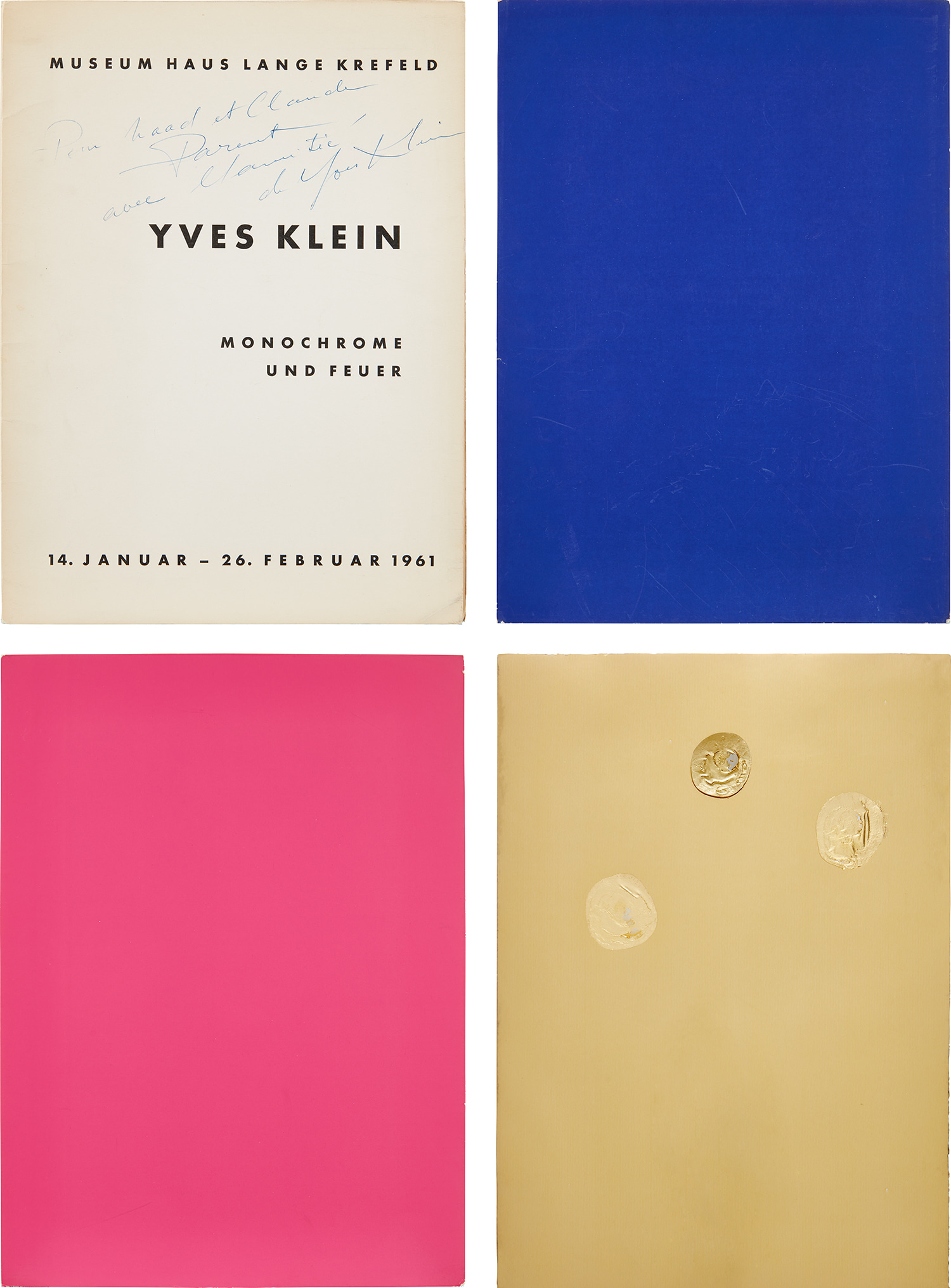
Yves Klein
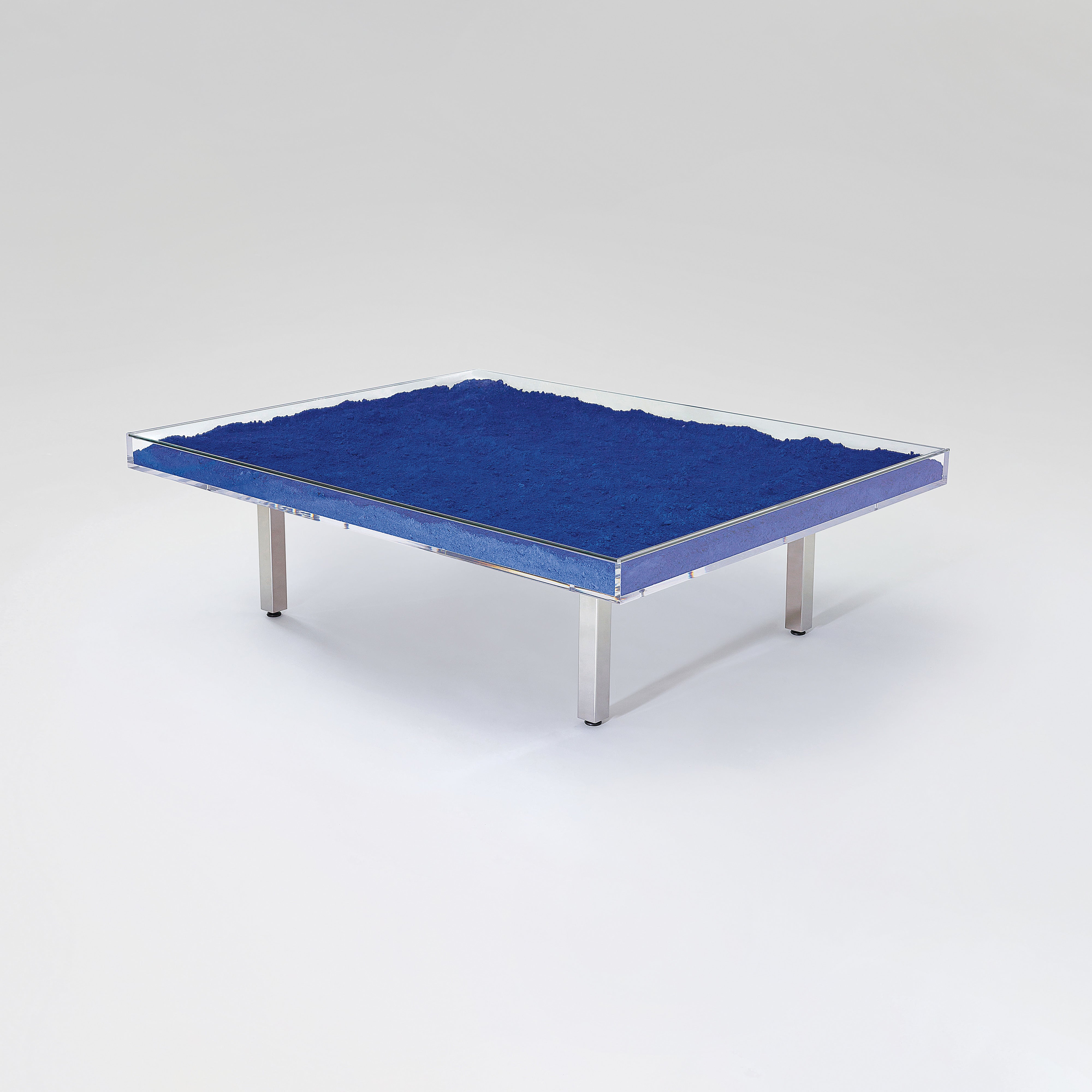
Artist Spotlight
Yves Klein: The Man Who Painted Infinity
Picture Paris in 1960, a Thursday afternoon in October, and a man in a dark suit stepping off the ledge of a building on Rue Gentil Bernard in Fontenay aux Roses. Arms outstretched, body surrendering to the void, Yves Klein falls into what he would call the infinite. The photograph, staged and composited by Klein himself with photographer Harry Shunk, became one of the most reproduced images in postwar art history: Leap into the Void. It was not a stunt. It was a manifesto made flesh, a declaration that the immaterial was the only territory worth claiming. More than six decades later, that… Continue reading
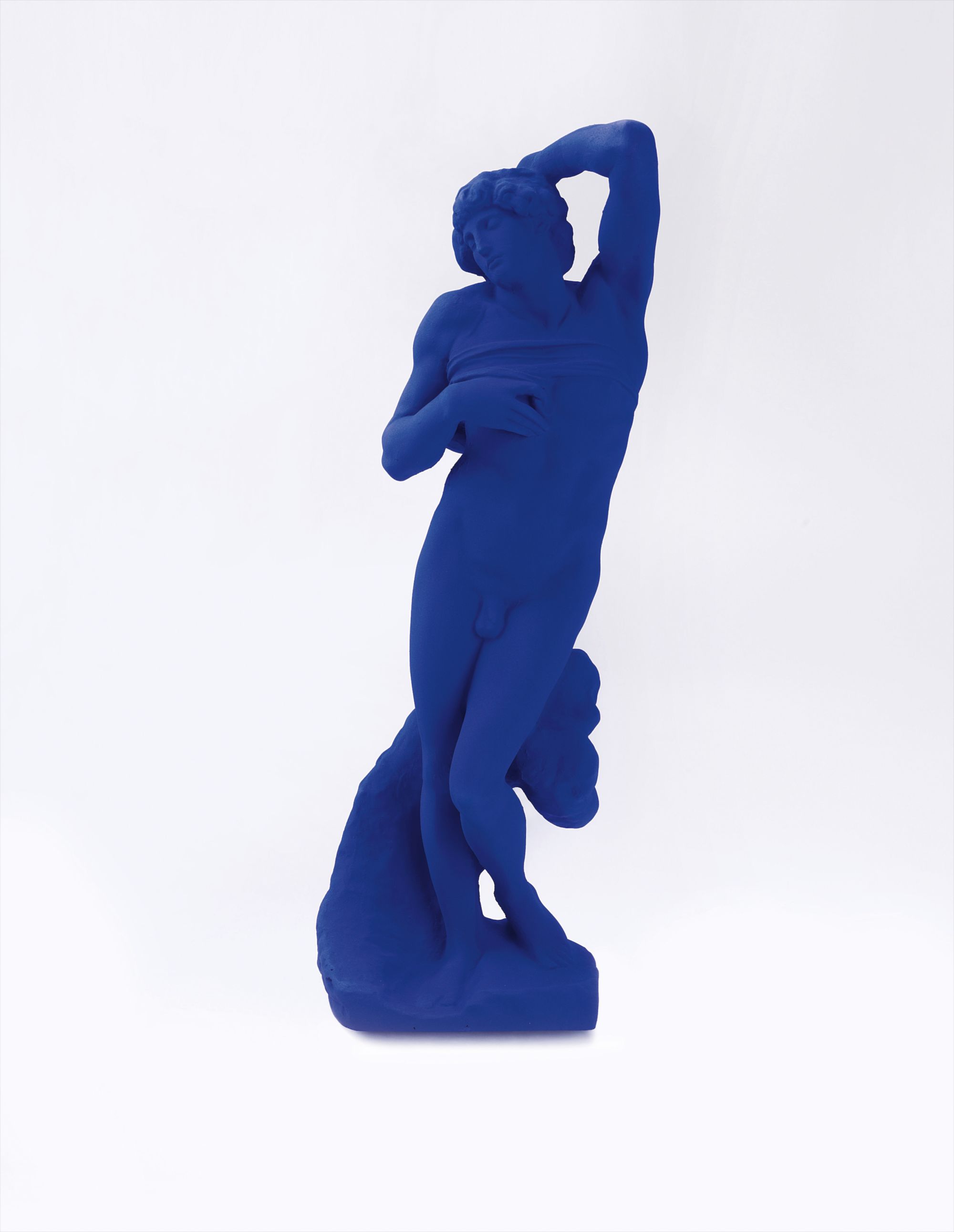
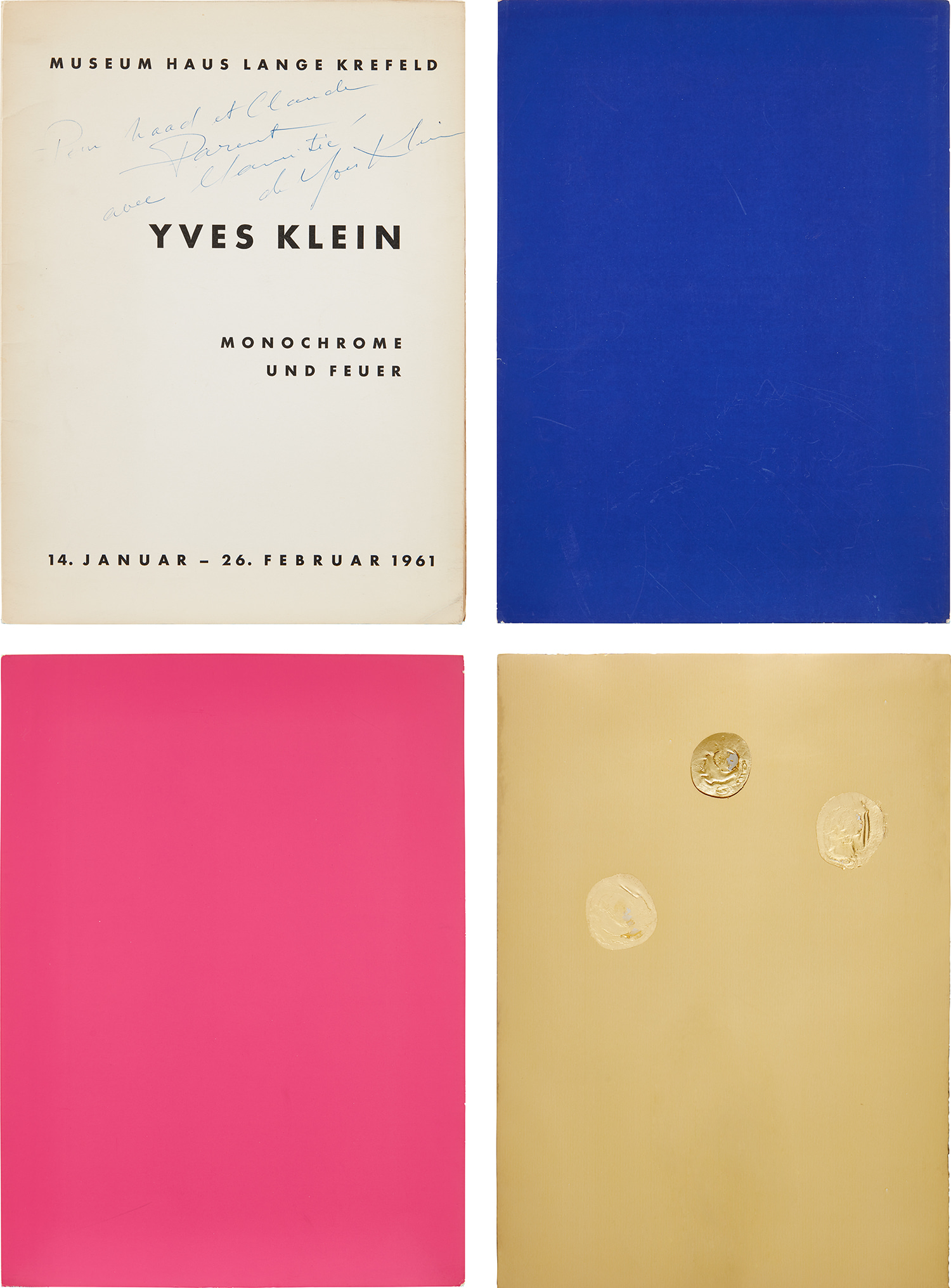
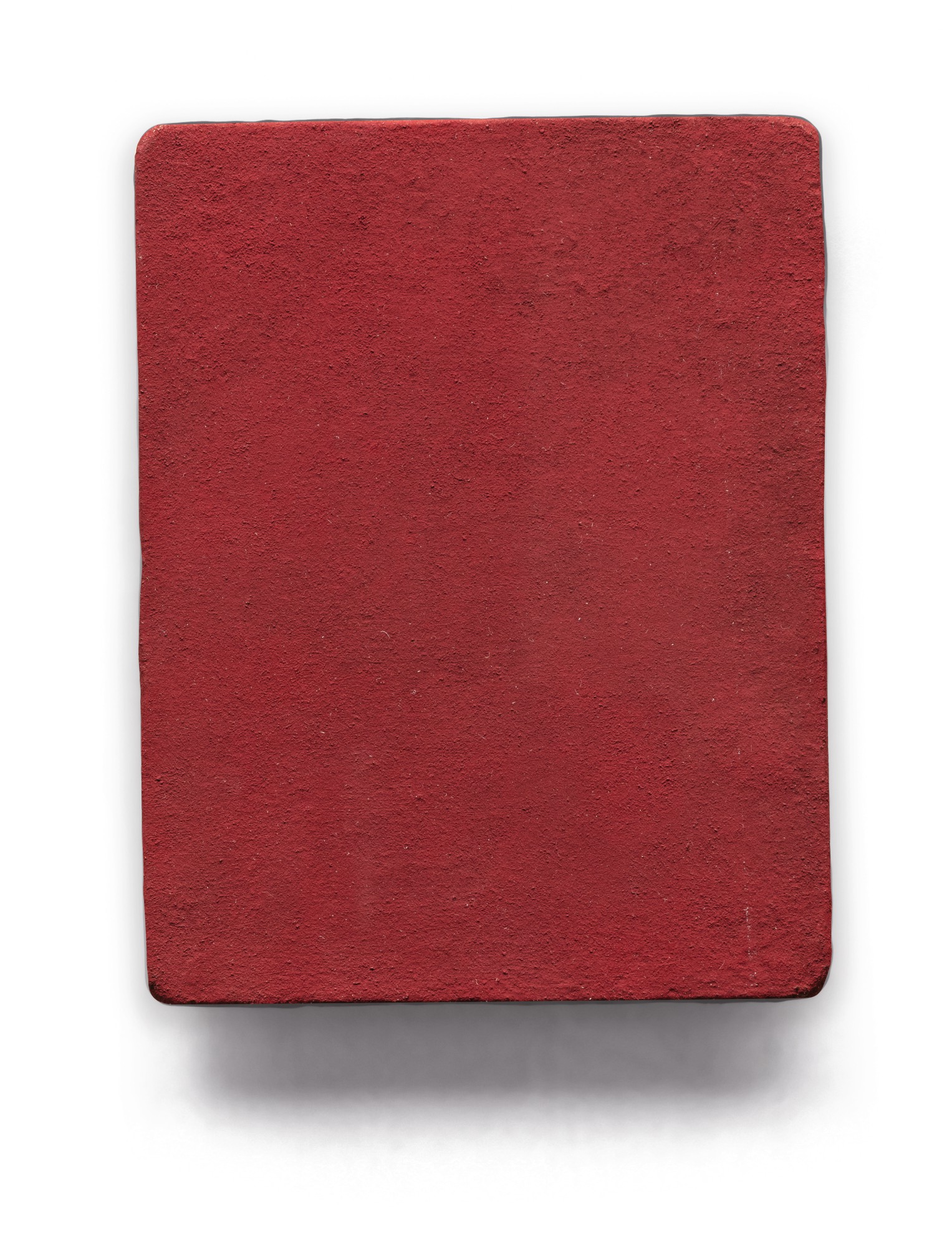
Artists in conversation
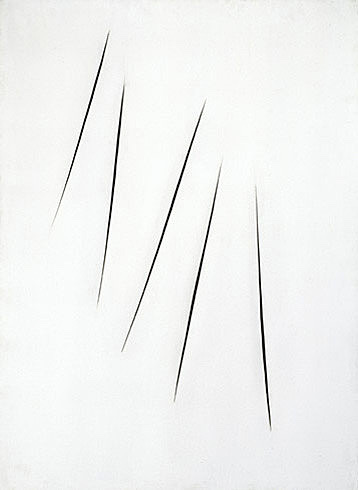
Lucio Fontana
Fontana shared Klein's commitment to monochromatic surfaces and Spatialism, using the physical canvas as a site for conceptual exploration beyond traditional painting. Both artists treated color and space as living, immersive forces rather than representational tools.
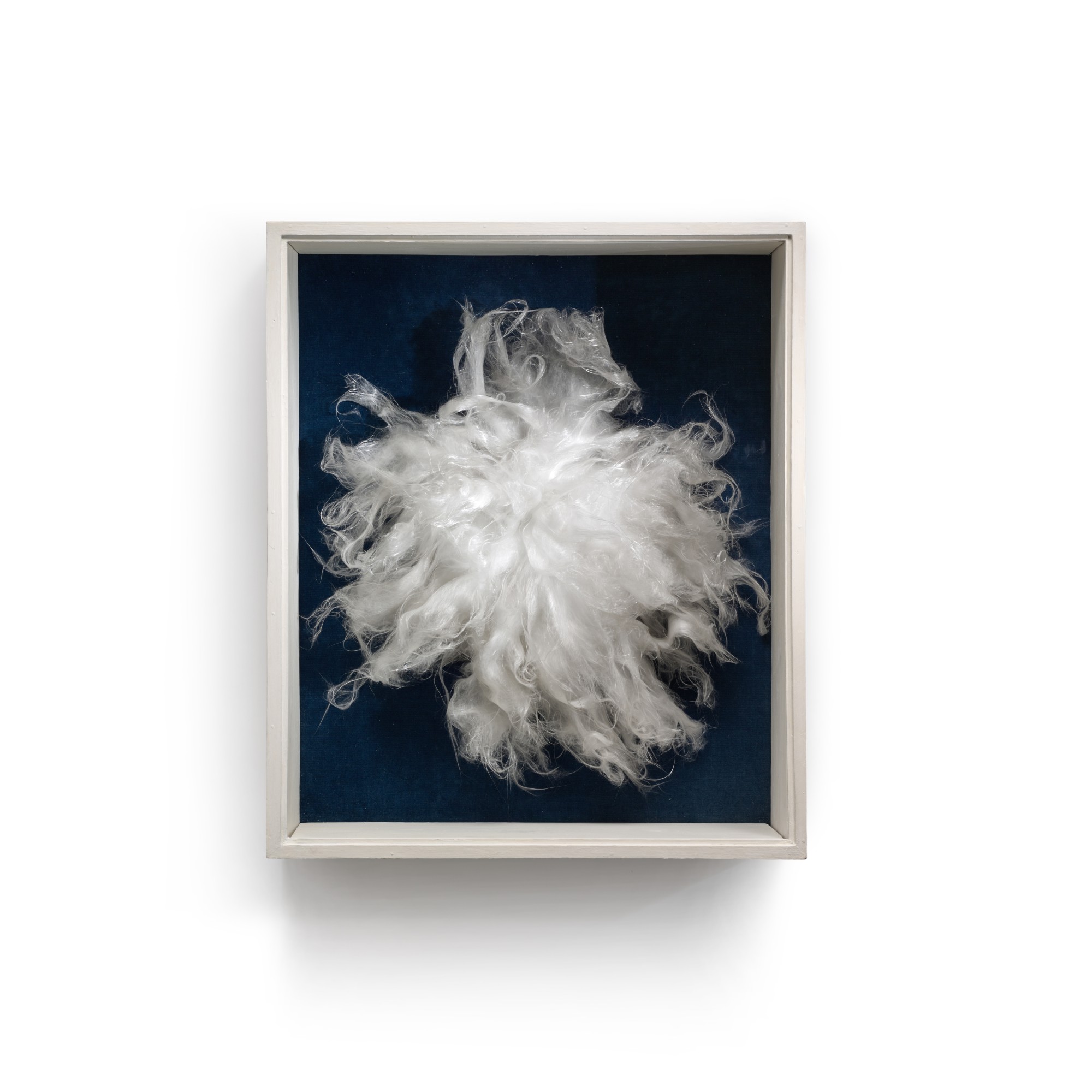
Piero Manzoni
Manzoni paralleled Klein in his use of pure white monochromes and radical conceptual gestures that blurred the boundary between art and performance. Like Klein, he provocatively questioned what constitutes artistic authorship and the artwork itself.
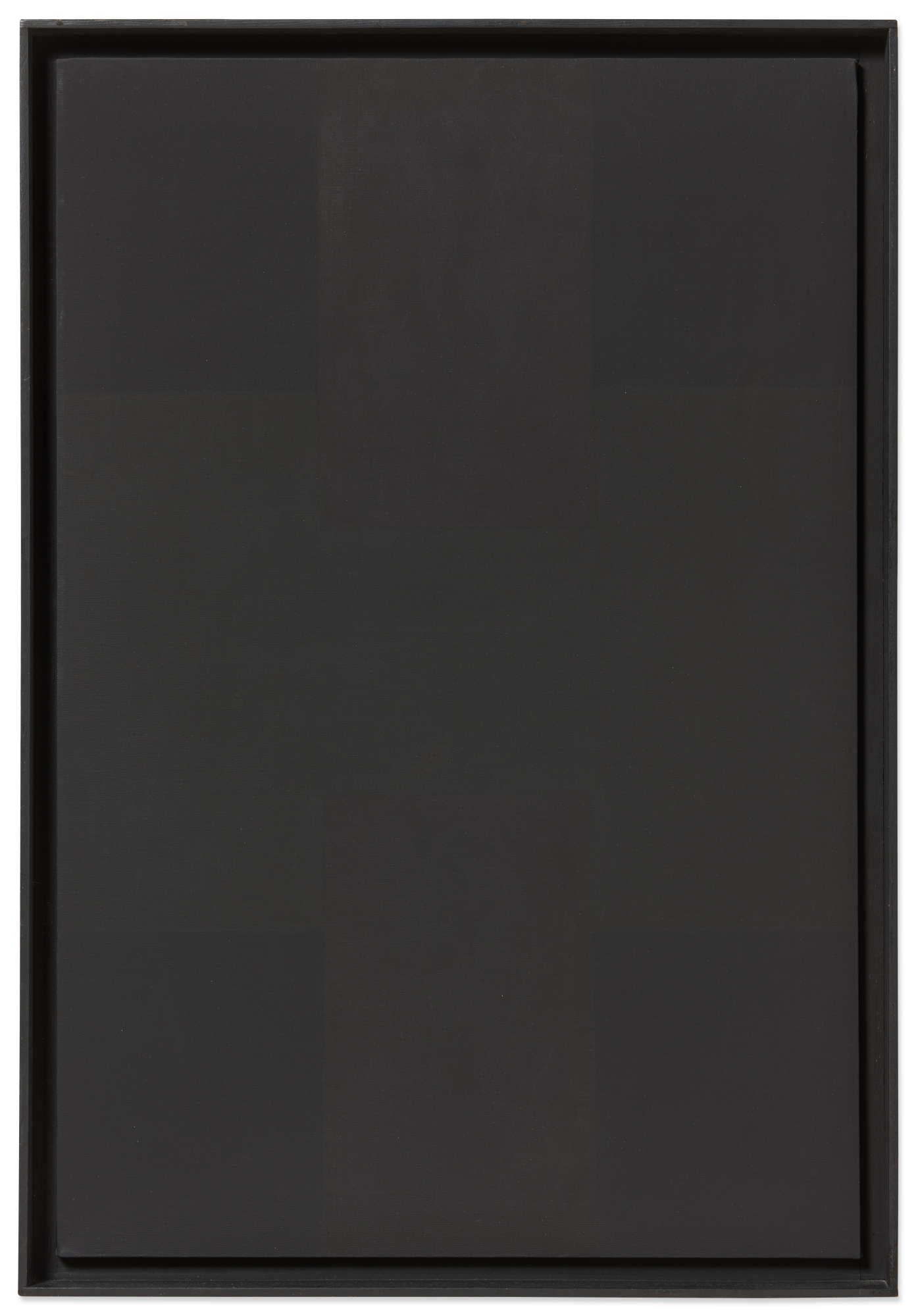
Ad Reinhardt
Reinhardt pursued an extreme monochromatic practice, most famously his black paintings, that shares Klein's drive to reduce painting to a single pure chromatic presence. Both treated color as a philosophical and near spiritual statement.
Artists who inspired them
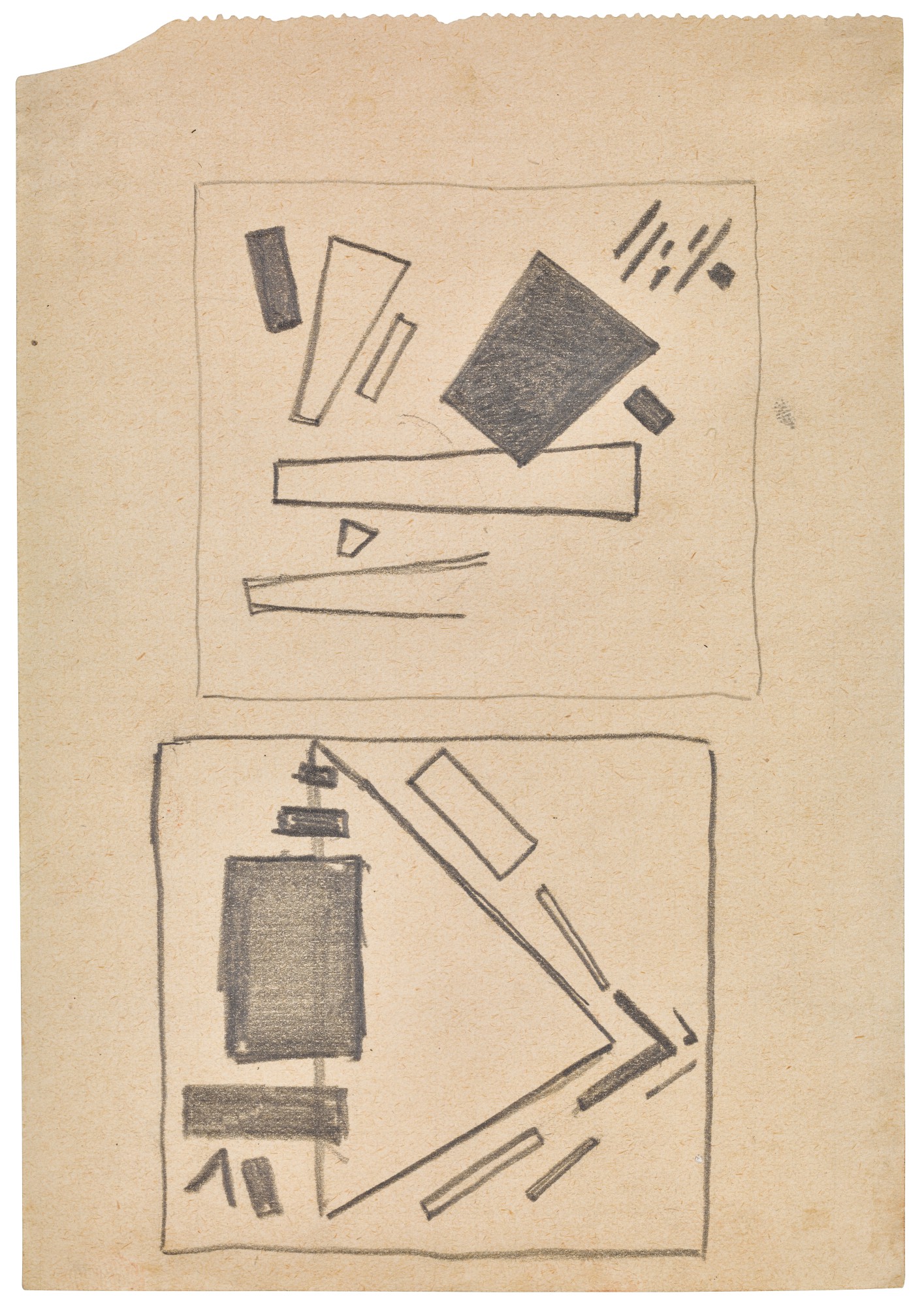
Kazimir Malevich
Malevich's Suprematist pursuit of pure form and monochromatic abstraction, especially his White on White paintings, laid the conceptual groundwork for Klein's own investigations into color as an absolute and transcendent experience. Klein directly acknowledged the importance of this legacy of radical reduction.
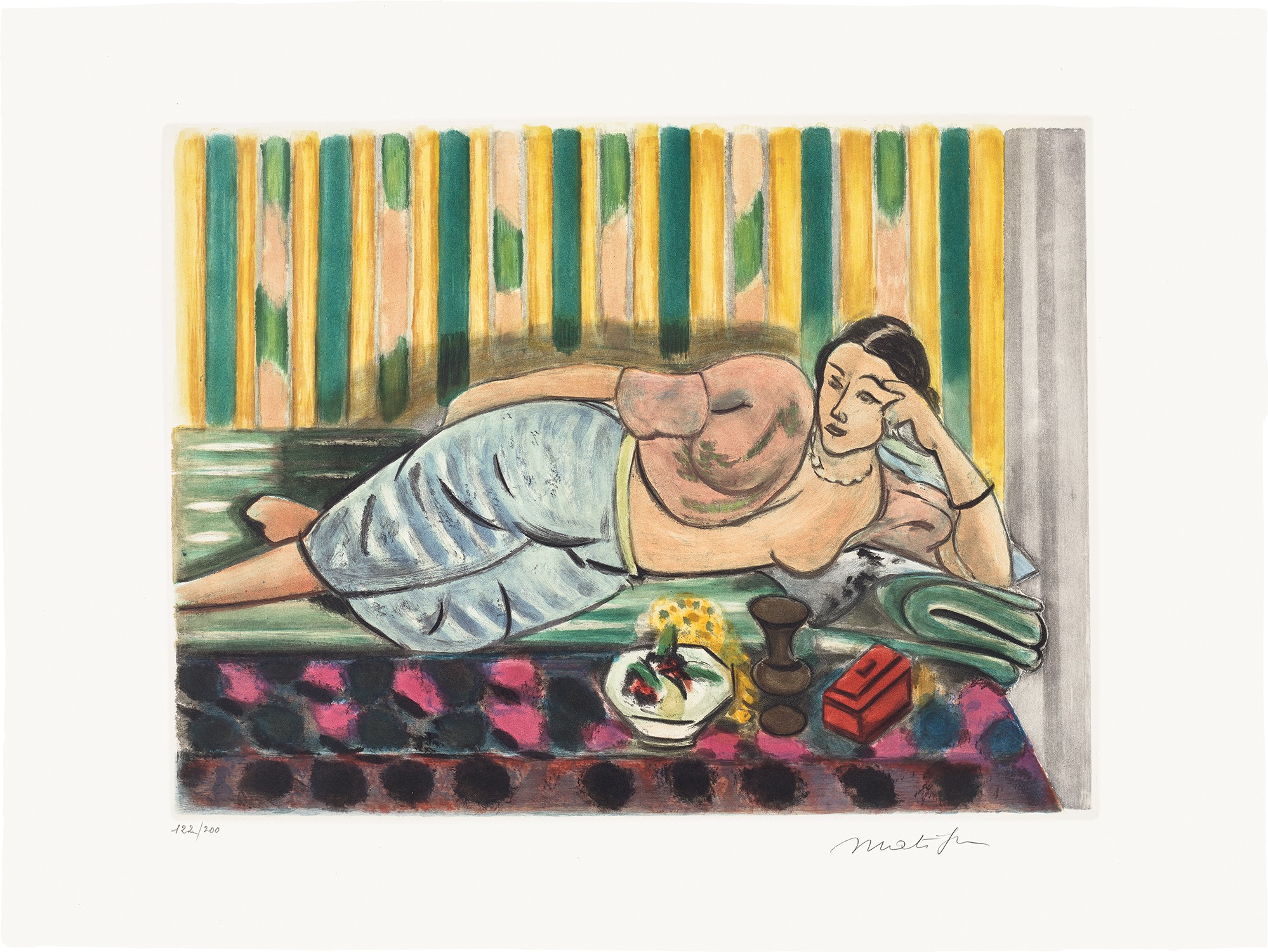
Henri Matisse
Matisse's bold and expressive use of pure color as an emotional and spatial force was a formative inspiration for Klein's own devotion to color as primary subject matter. Klein saw Matisse's late cut outs in particular as evidence that color could exist as a liberated immaterial presence.
Artists they inspired
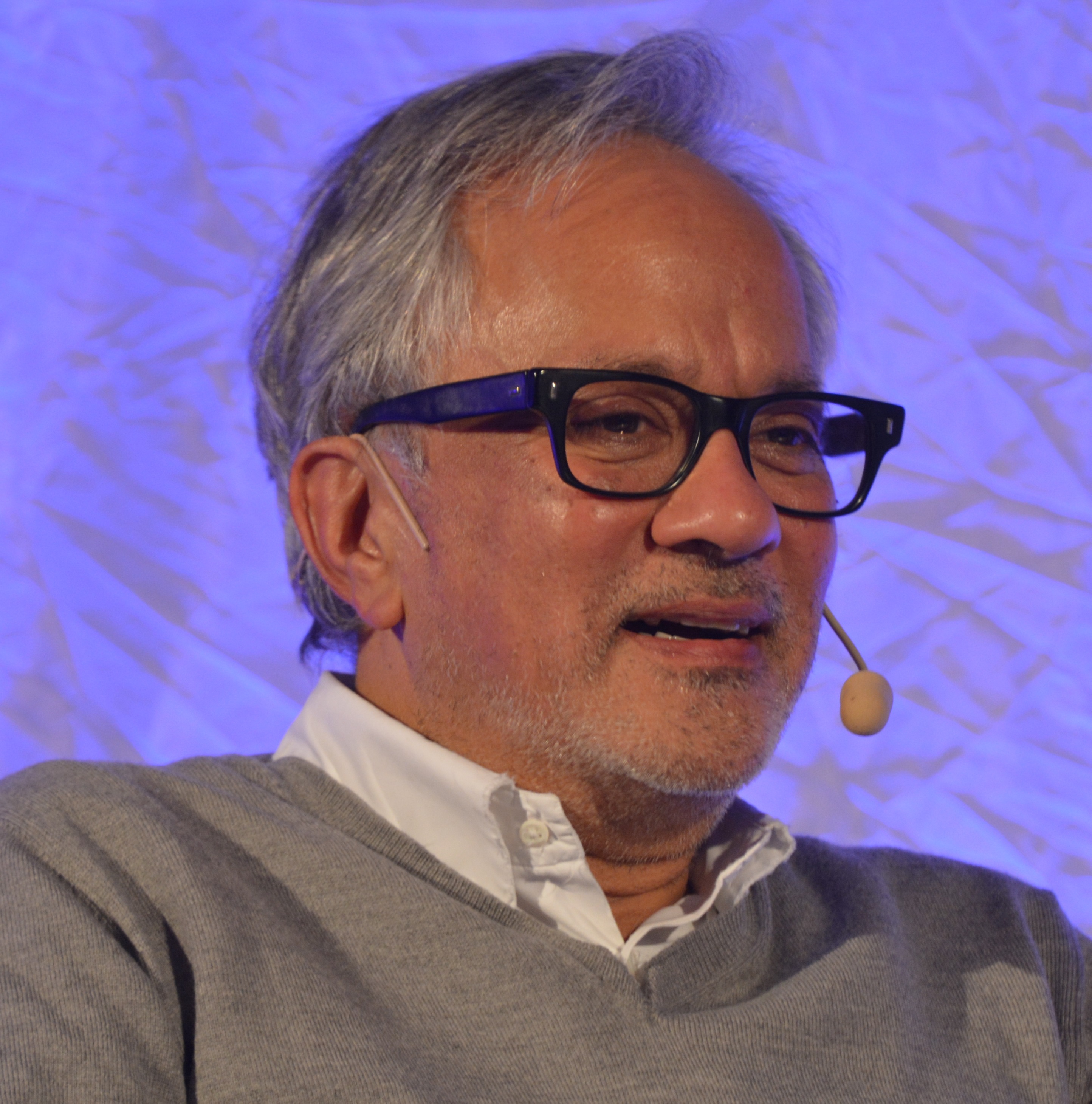
Anish Kapoor
Kapoor's obsession with pigment as a material substance and his Vantablack works reflect a direct lineage from Klein's conception of color as immaterial void. His monochromatic sculptures and installations echo Klein's treatment of color as an infinite and absorbing presence.
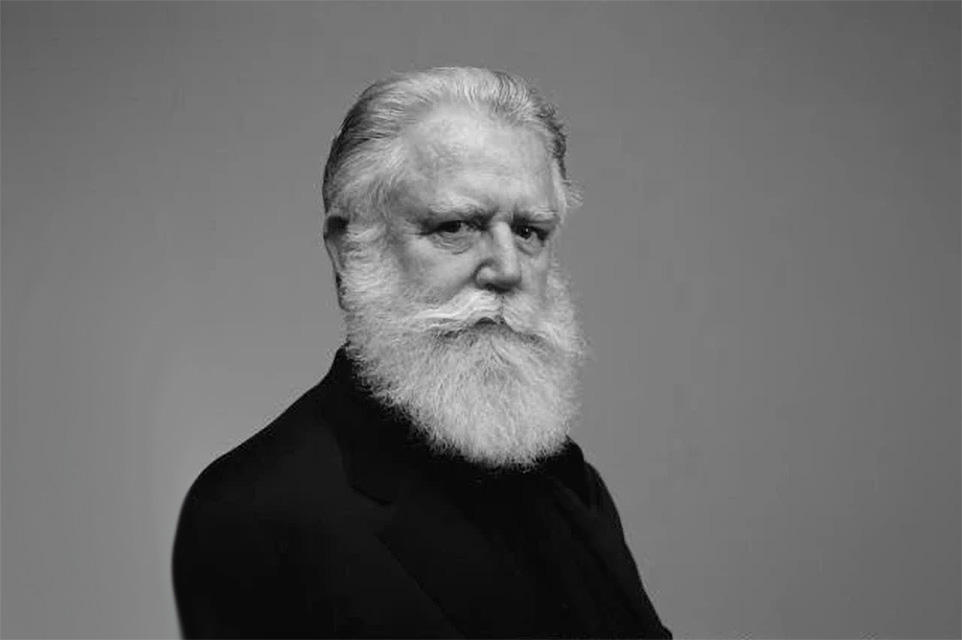
James Turrell
Turrell's immersive light installations pursue the same dissolution of material form into pure perceptual color experience that Klein sought with his blue monochromes. Critics and scholars consistently cite Klein as a conceptual predecessor to Turrell's transformation of color into environmental and spiritual encounter.

Niki de Saint Phalle
Saint Phalle's Tir or shooting paintings, in which she fired at paint filled canvases as a performative act, developed directly in dialogue with the Nouveau Réalisme movement that Klein co founded. Klein's pioneering use of performance and the body as artistic medium was a clear catalyst for her own practice.