Spatialism
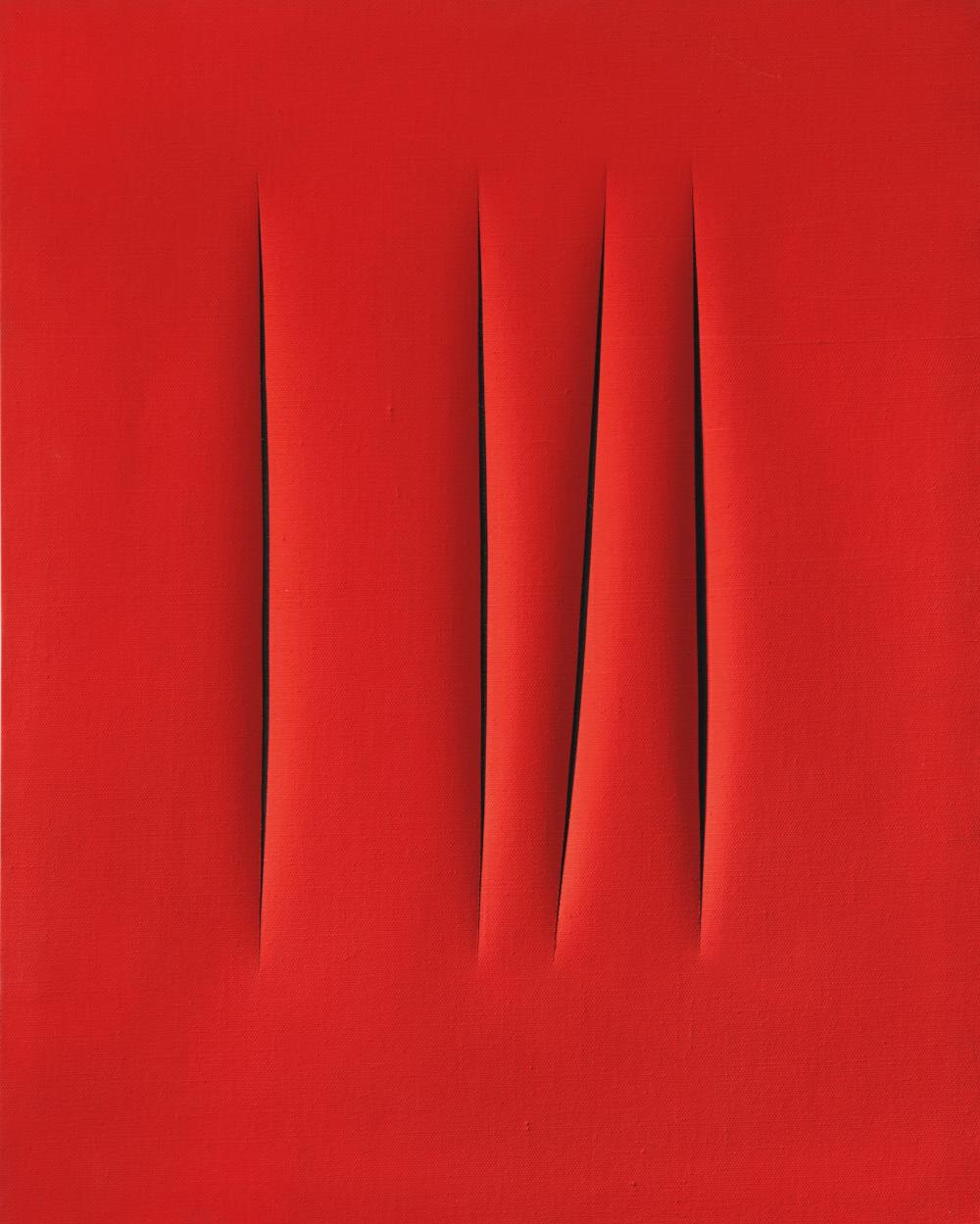
Lucio Fontana
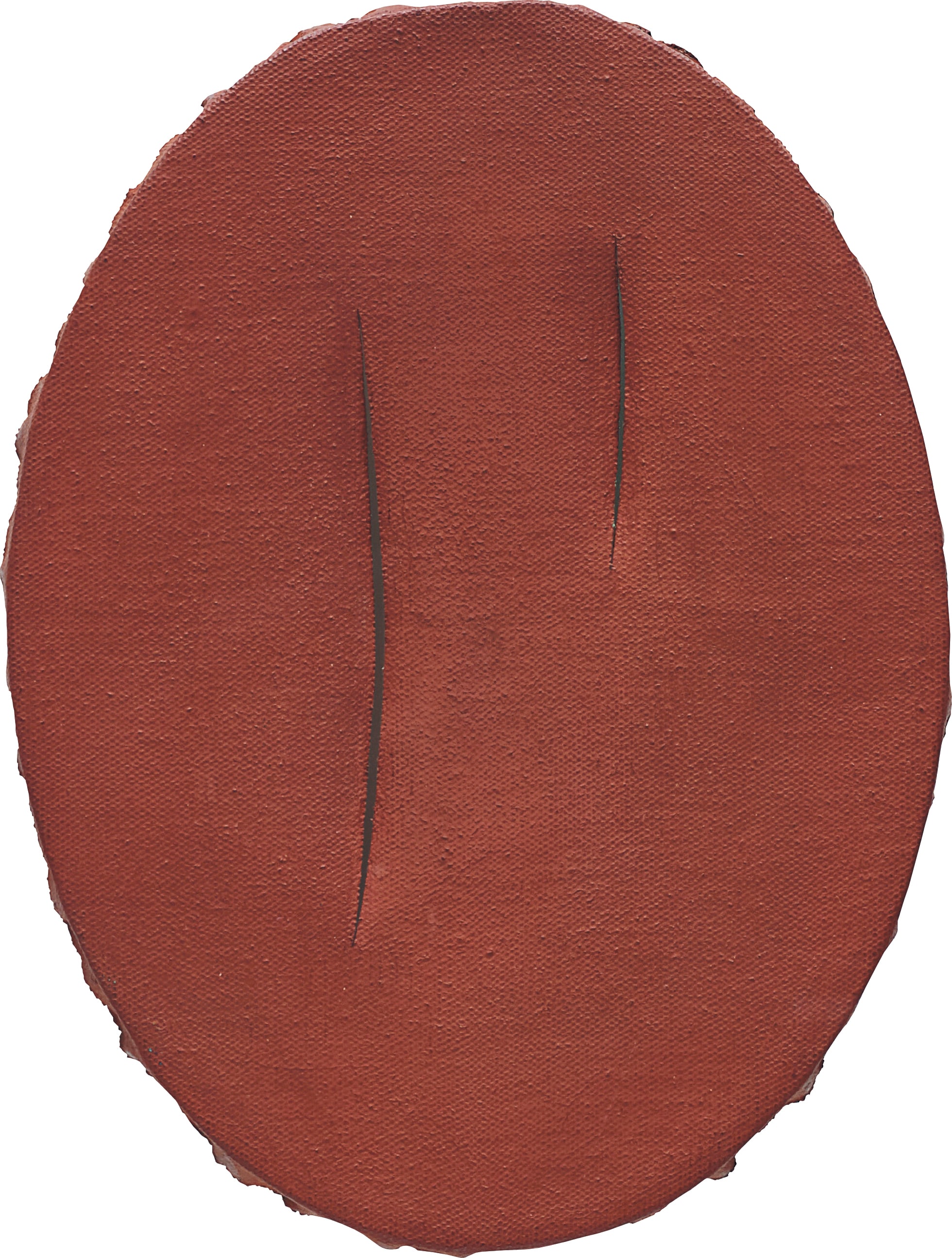
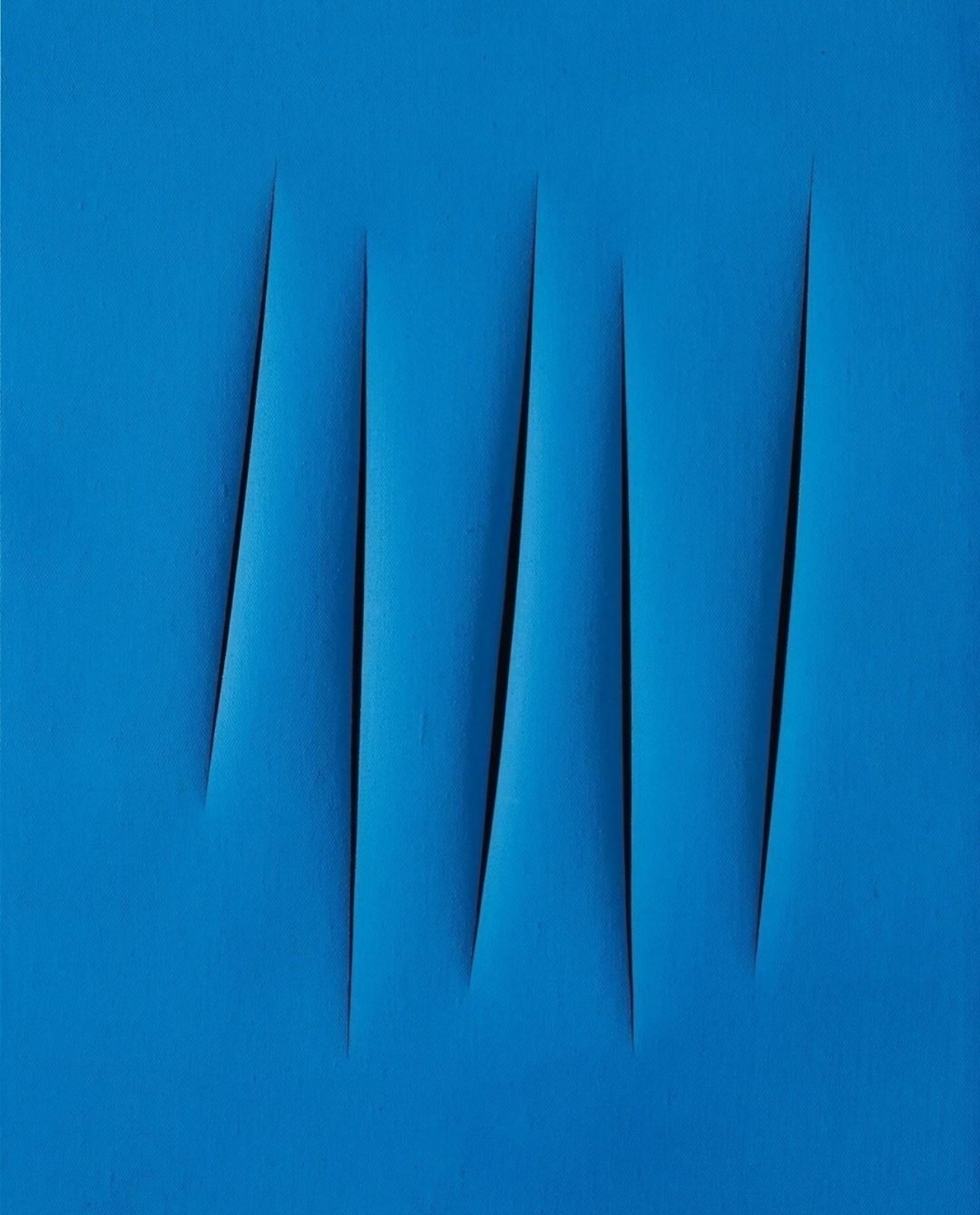
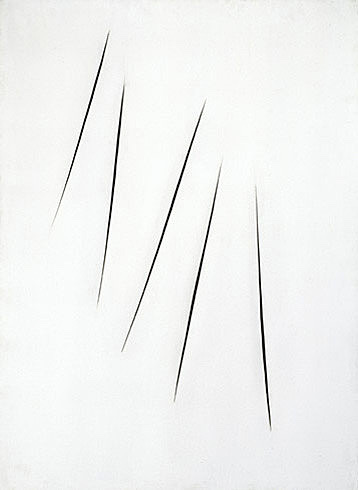
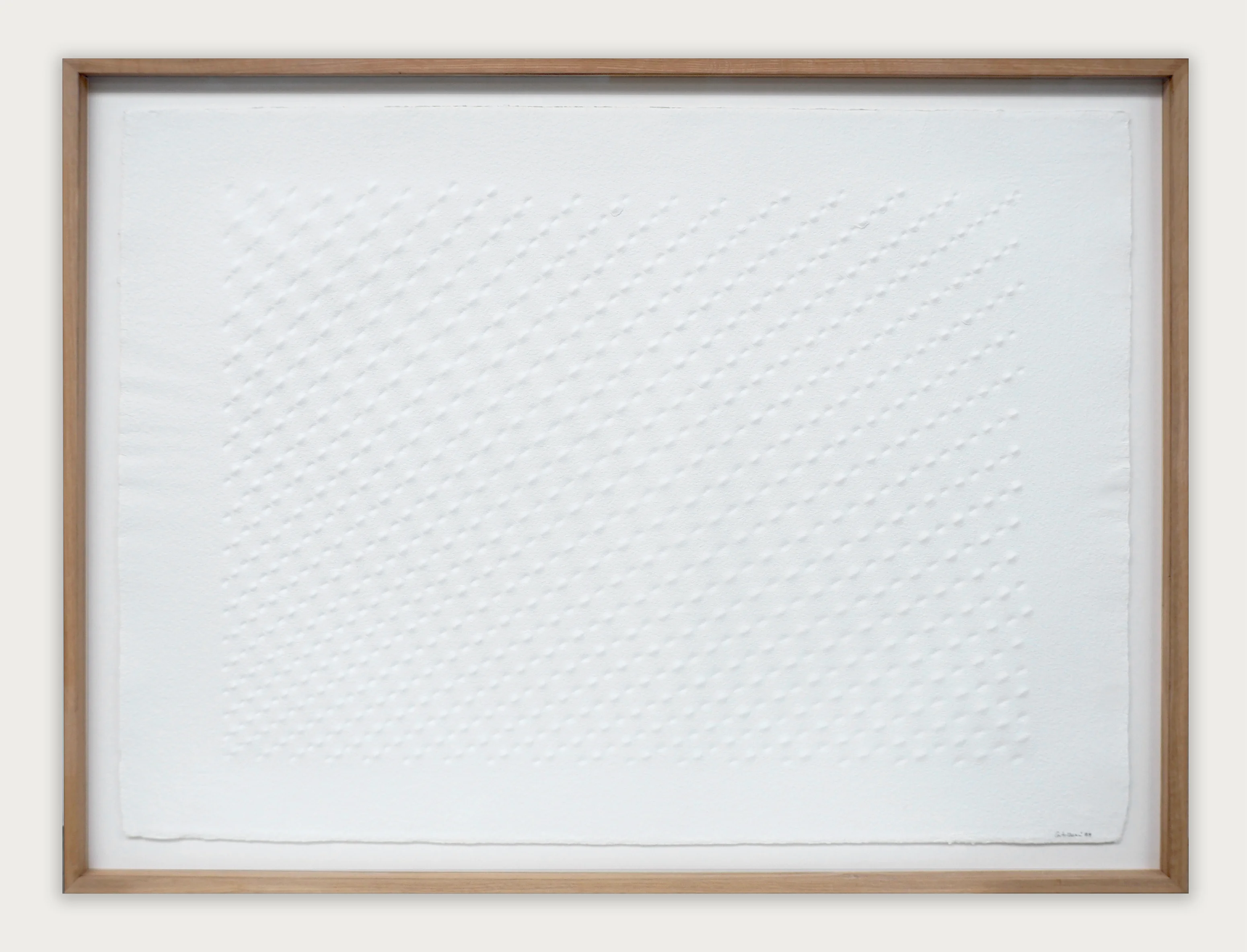
Concetto spaziale, Attese, 1966
The Void Was Always the Point
There is a moment, standing before a Lucio Fontana canvas, when the familiar coordinates of painting dissolve entirely. The cut is not damage. It is not provocation for its own sake. It is an opening, quite literally, into another dimension of thought.
Spatialism asked a question that had not been asked before in quite this way: what if the artwork were not a surface to be read, but a threshold to be crossed? That question, posed with radical clarity in postwar Milan, continues to reverberate through contemporary art in ways that feel more urgent with each passing decade. The movement's formal origins trace to 1947, when Fontana published the first Spatialist manifesto in Buenos Aires, a city where he had spent much of the war years and where the intellectual climate was unusually fertile for radical ideas. He called it Manifiesto Blanco, and it was actually drafted with a group of his students, which tells you something about the collaborative and generational ambition behind the project.
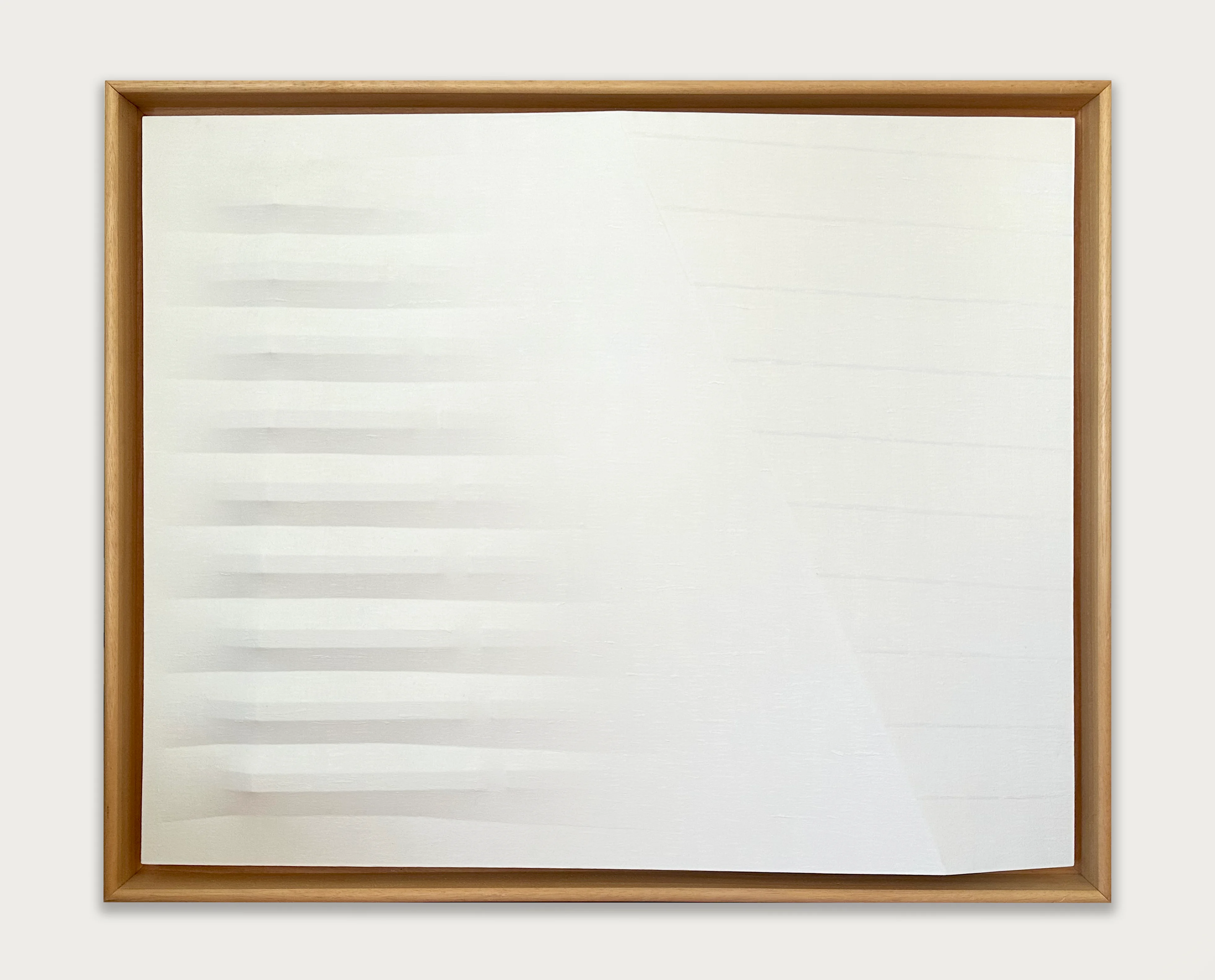
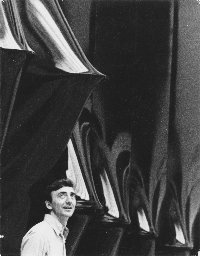
Agostino Bonalumi
Bianco, 1987
Fontana wanted art to break free from the flat rectangle, to incorporate space, time, light, and movement as its actual materials. The idea was not merely formal. It was philosophical, rooted in a sense that postwar modernity demanded a new conception of what it meant to be human in space and time. By 1948, Fontana was back in Milan and deepening the theoretical framework.
His Ambiente Spaziale, created for the Galleria del Naviglio in 1949, was a genuinely shocking proposition: a dark room lit by ultraviolet light, with a biomorphic form suspended in the center. It was not a painting. It was not sculpture in any traditional sense. It was an environment, an immersive condition, decades before that word became an art world cliché.
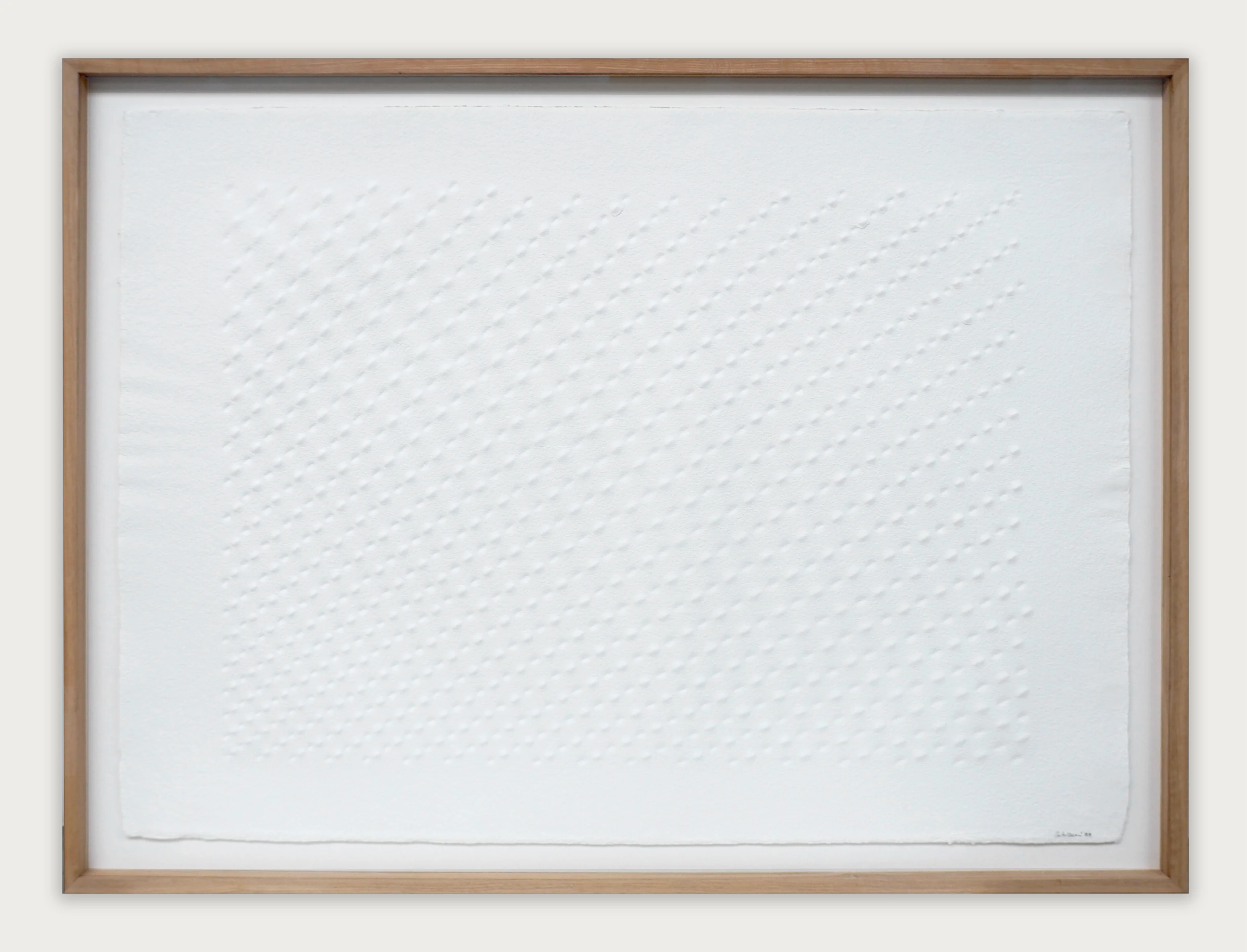
Enrico Castellani
Senza Titolo, 1988
The work anticipated so much of what would come later, from installation art to light and space practices on the American West Coast, that it is almost dizzying to sit with its implications. The artists who gathered around Fontana's ideas were not mere followers. Enrico Castellani took the logic of surface activation in a direction that is at once more restrained and more obsessive, building up fields of nails beneath monochrome canvases to create rippling topographies of light and shadow. The surface breathes, in a manner of speaking, and what you see changes depending on where you stand and how the light falls.
Agostino Bonalumi pursued a similar path, pushing and pulling the canvas into three dimensional relief, making the painting into something closer to an object that insists on its own physical presence in the room. These were not decorative gestures. They were rigorous investigations into how perception operates when the artwork refuses to stay flat. Giulio Turcato brought a more lyrical, almost cosmic sensibility to the broader Italian avant garde context that Spatialism helped define.
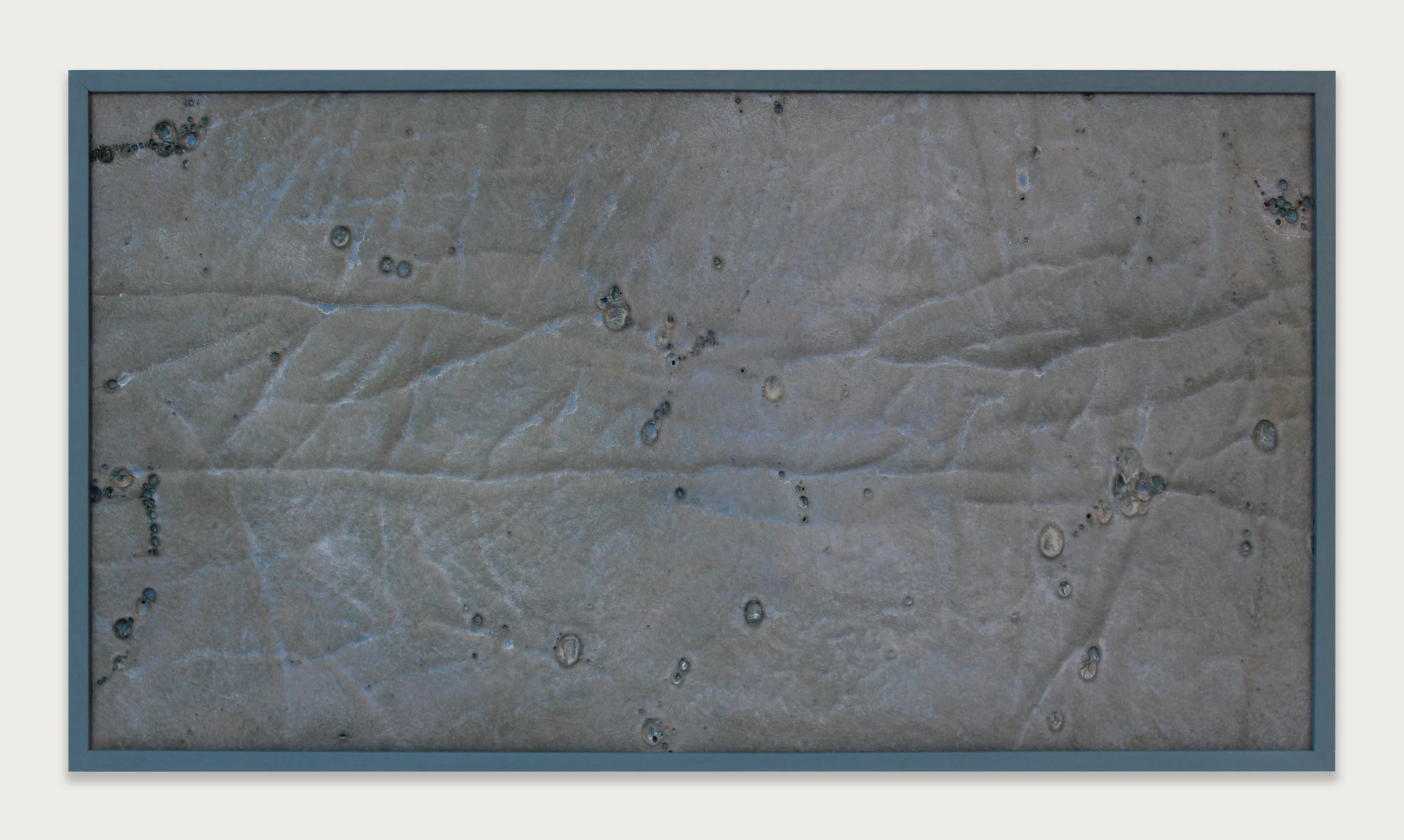
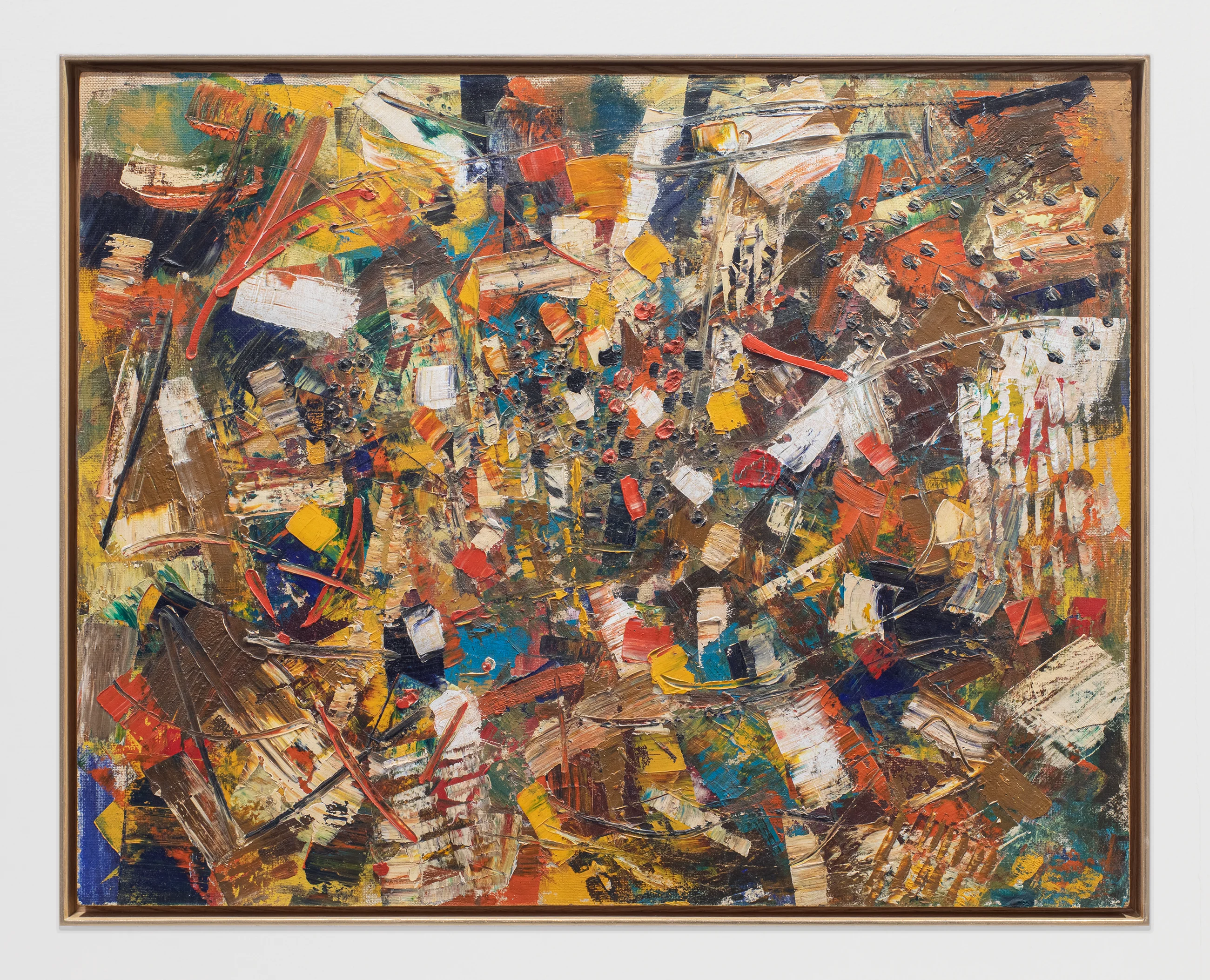
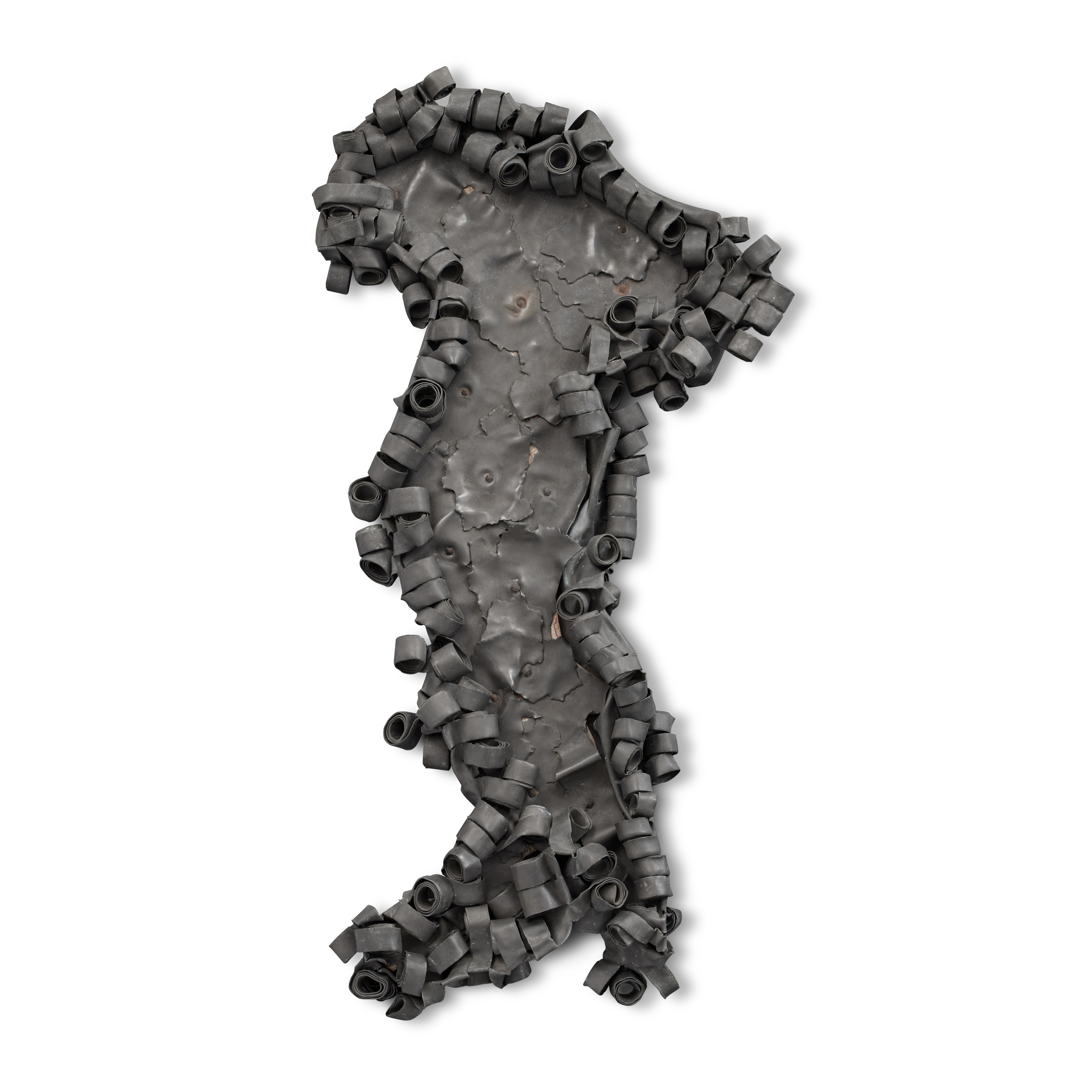
Giulio Turcato
Superficie lunare, 1971
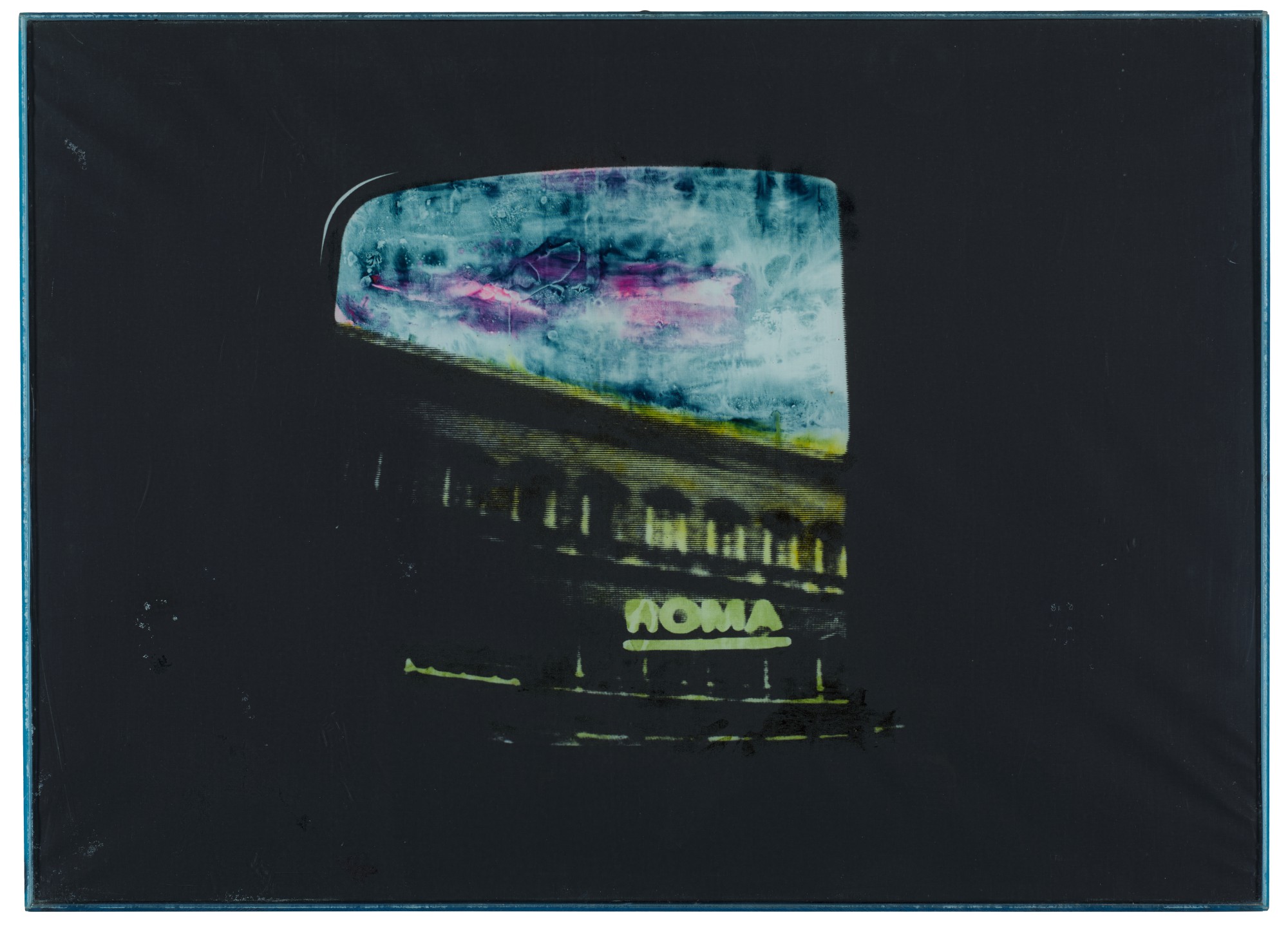
His surfaces shimmer with a sense of interstellar space, of matter caught in formation. Tancredi, the Venetian painter who worked with remarkable intensity before his early death in 1964, channeled Spatialist energy into something more gestural and atmospheric, connecting the movement to the broader currents of informal painting that were sweeping through Europe at the time. Mario Schifano arrived at a slightly different angle, absorbing Spatialist ideas about the environment and the perceptual field into a practice that would eventually incorporate popular imagery and the textures of the everyday. What unites these figures is a shared conviction that the artwork had to account for the full conditions of its own existence: light, space, the body of the viewer, the passage of time.
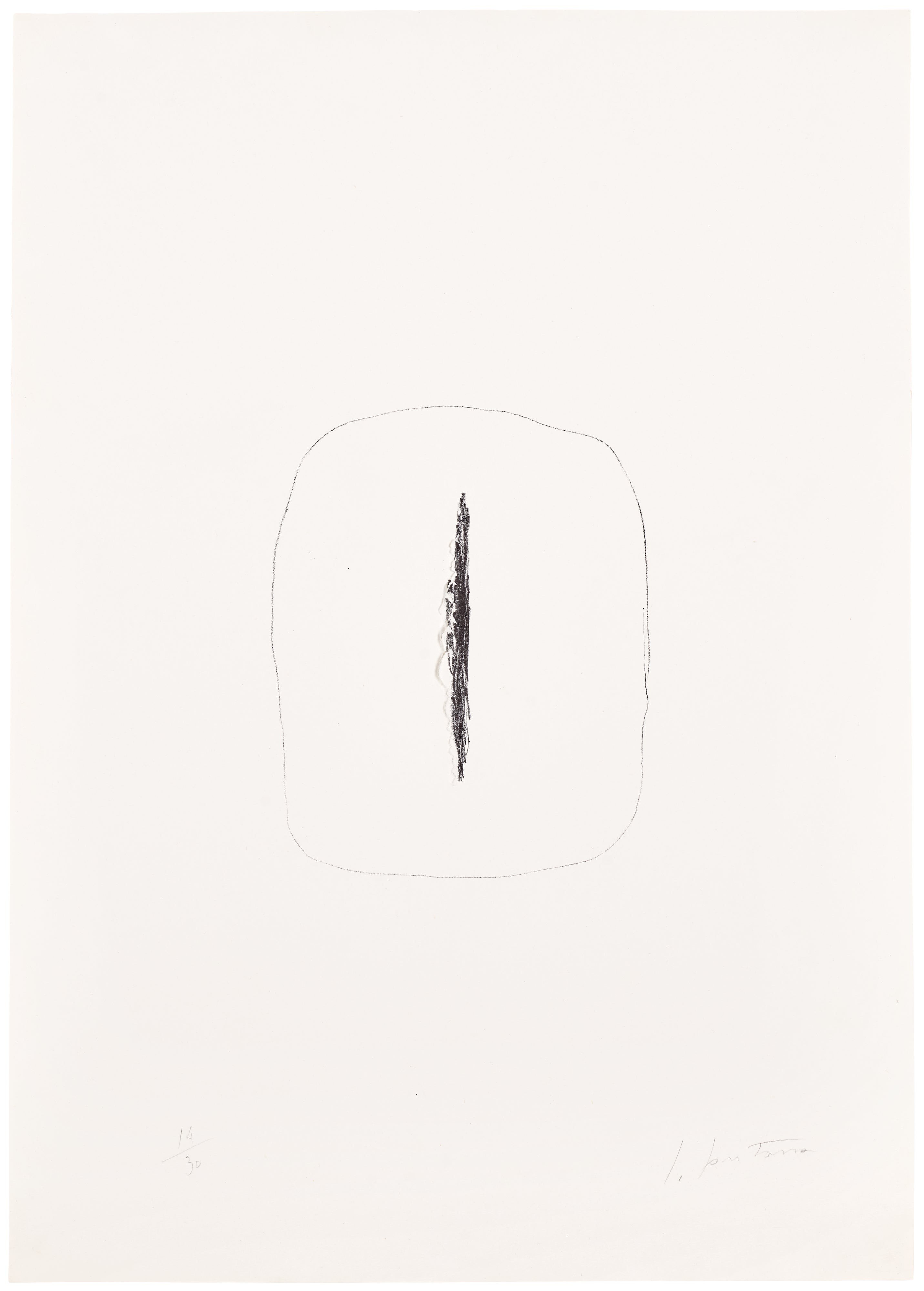
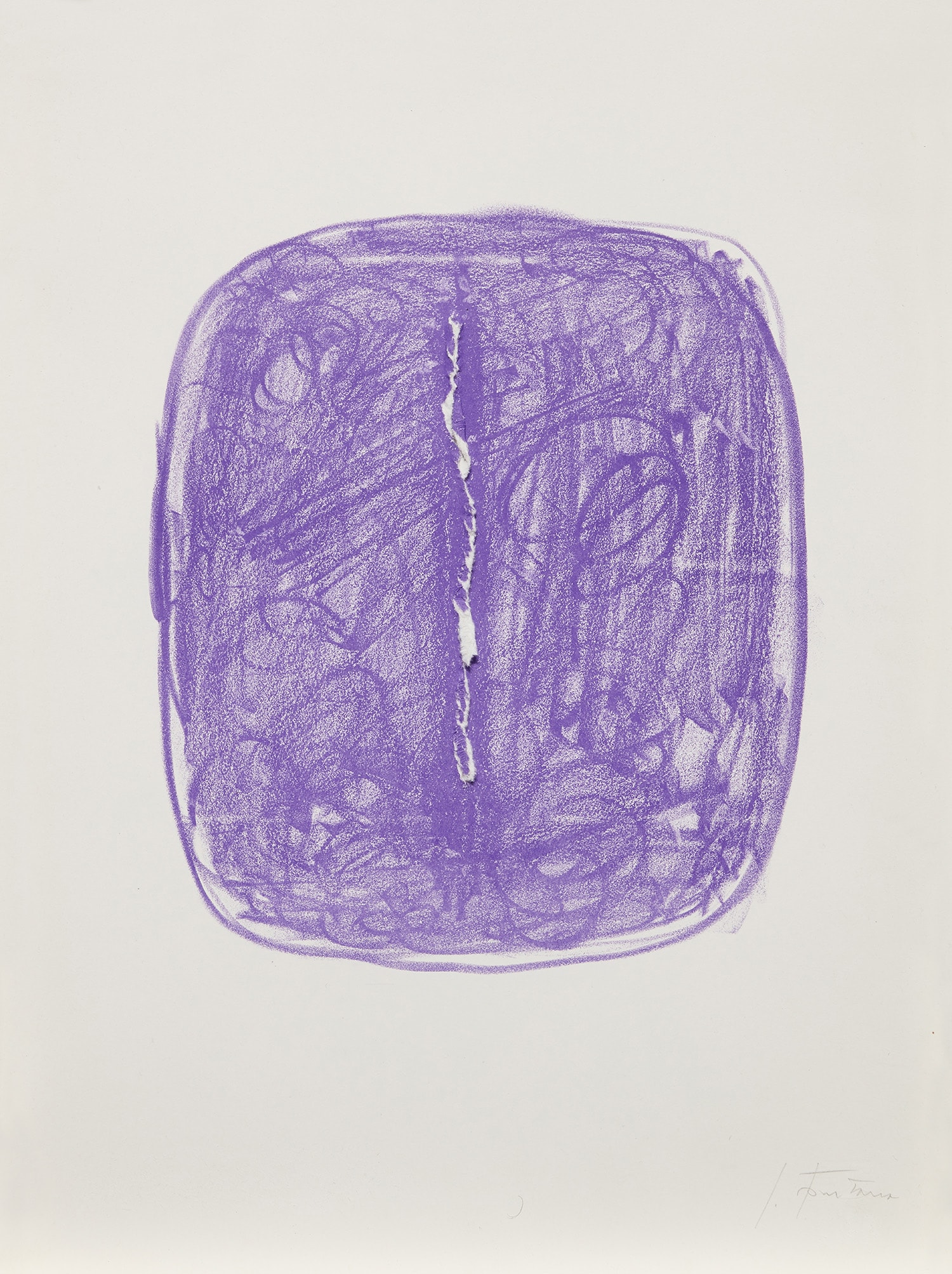
Fontana's Concetto Spaziale series, which he developed across the 1950s and 1960s, remains the most iconic expression of these ideas. The tagli, those single long cuts through raw canvas, achieve their effect through an almost surgical economy of means. There is no flourish, no attempt to beautify the gesture. The cut simply happens, and in happening it opens the painting onto the real space behind it, collapsing the distinction between representation and reality.
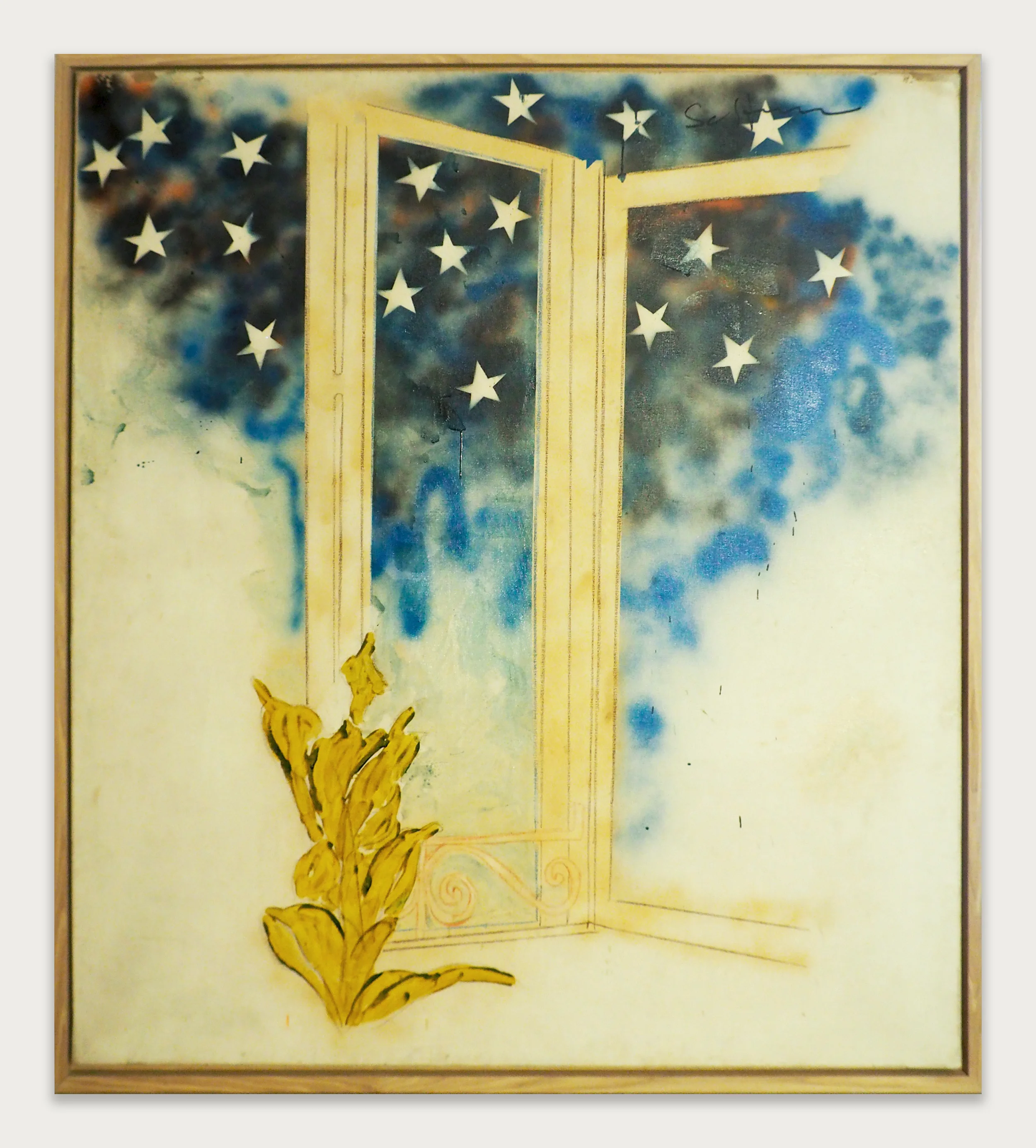
Mario Schifano
Senza Titolo, 1970
The works held in The Collection give a rich sense of how Fontana worked through this idea across different scales and moods, from intimate and contemplative to assertive and confrontational. Spending time with them in sequence is genuinely revelatory. The cultural stakes of Spatialism were always larger than any individual artwork. Fontana was responding to a world reshaped by scientific discovery, by the atom, by television, by the imminent reality of space travel.
The first Sputnik launched in 1957, and suddenly the cosmos was not metaphor but news. For an artist who had been writing about space as a material for a decade already, there was something almost vindictory about that moment. Spatialism was not nostalgia for a pre industrial world of handcraft and expression. It was an attempt to make art adequate to the actual conditions of modern existence, to acknowledge that space itself had become a political and perceptual category.
What is striking, considering the movement from the vantage point of the present, is how thoroughly Spatialism anticipated the concerns of so many subsequent art practices. The expanded field of sculpture theorized by Rosalind Krauss in 1979 makes more sense as a critical concept when you understand what Fontana and his circle had been doing thirty years earlier. Light and space art, process art, installation, even certain strands of digital and new media work, all carry traces of the Spatialist proposition. The idea that the artwork constitutes a situation rather than a picture, that it acts on the viewer's body and consciousness rather than simply presenting an image, is now so widely accepted that it barely registers as radical.
It is worth remembering that it once was. For collectors, Spatialism offers something genuinely rare: a movement with rigorous conceptual foundations and works of extraordinary physical presence. These are not easy objects to live with in the sense of being passive or decorative. They demand something from you.
They ask you to pay attention to space, to light, to your own position in the room. That quality of alertness, of heightened awareness, is precisely what the best art produces. It is what Fontana was after when he first put blade to canvas, and it is what continues to make this work feel so alive.