Italian
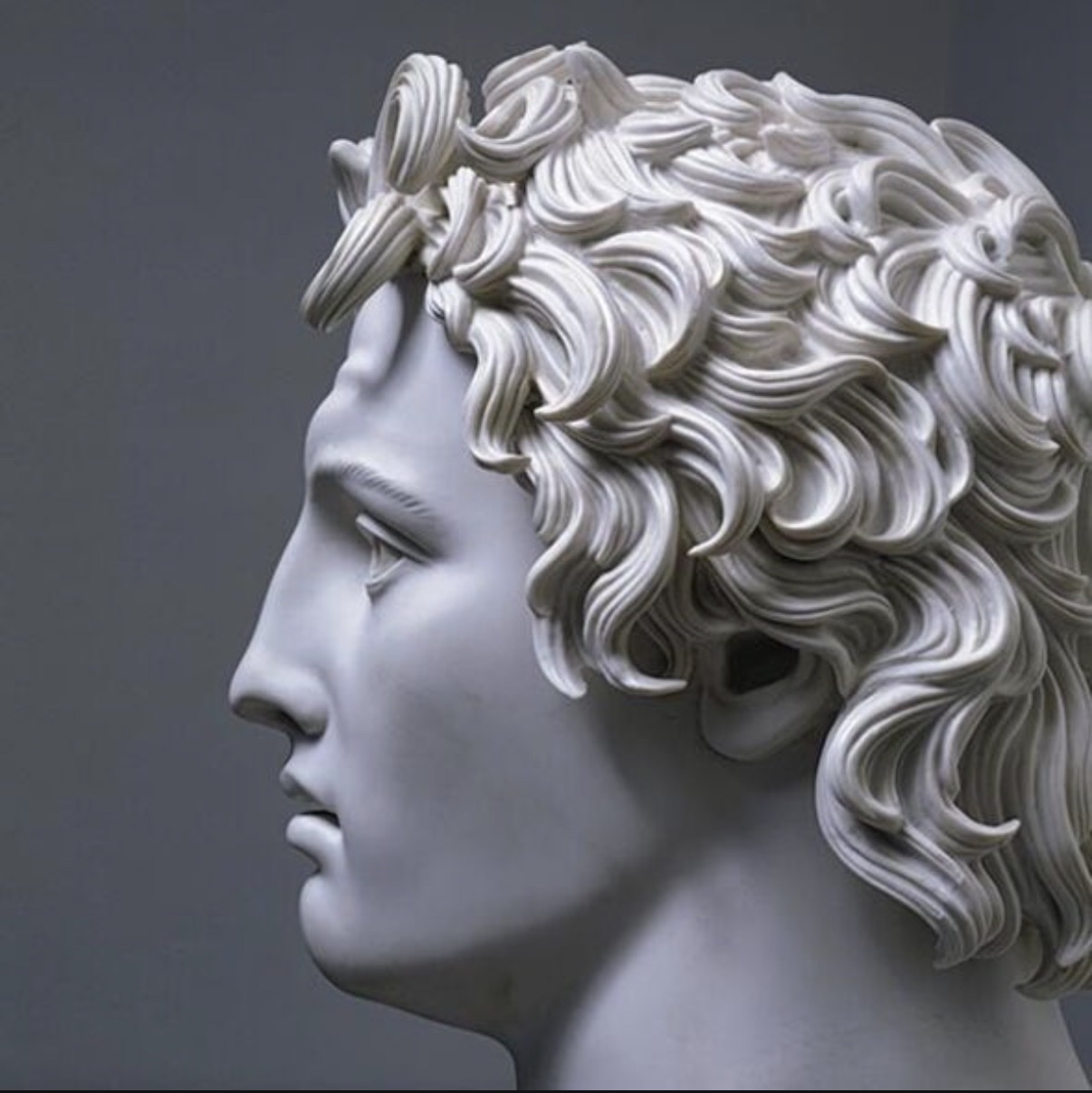
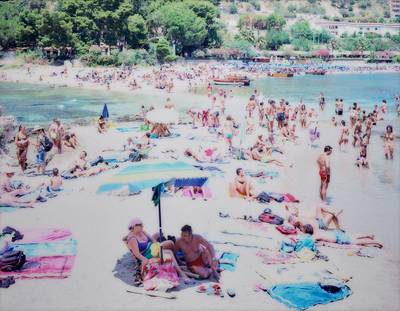
Massimo Listri
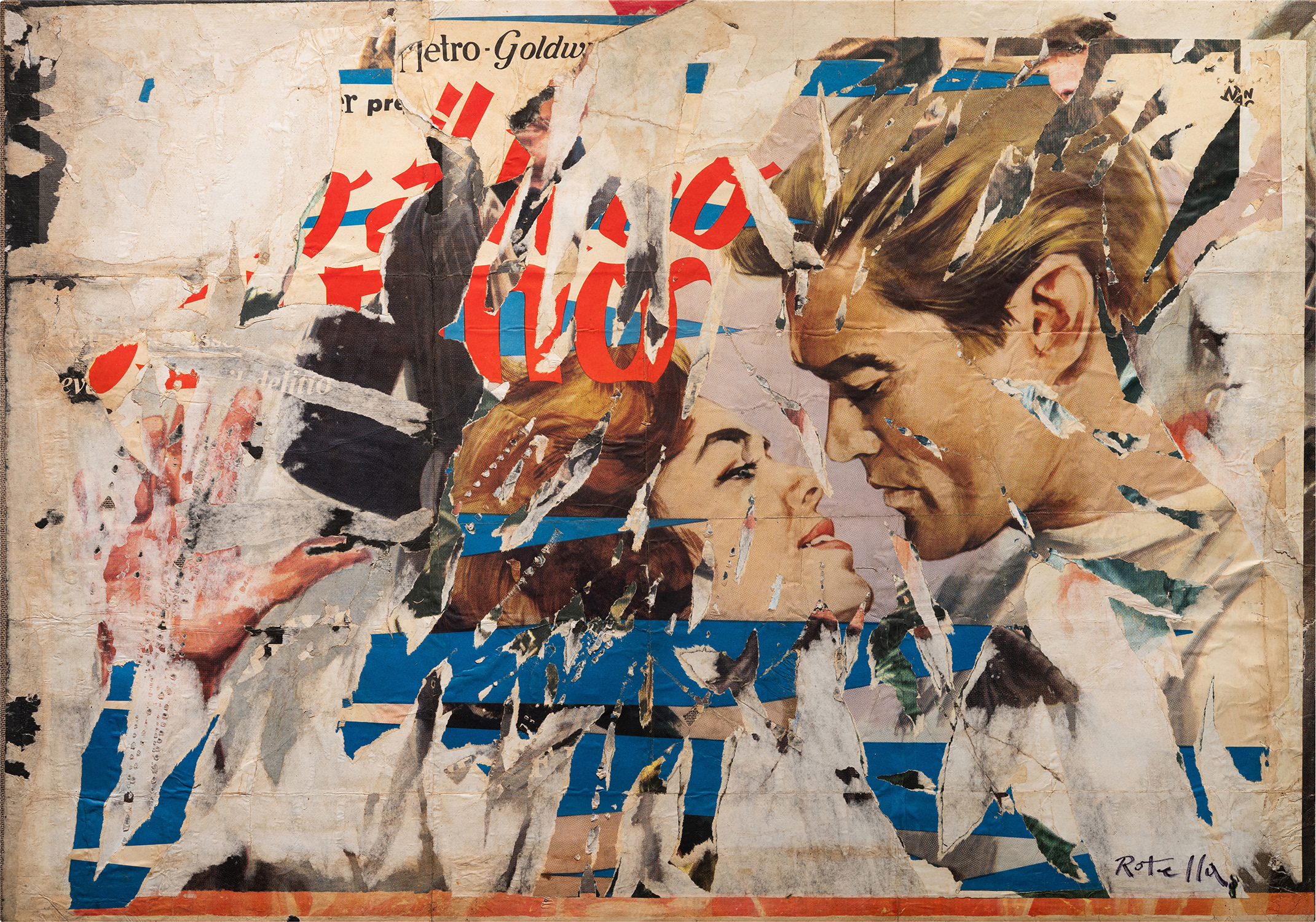
Arno Brecker II, 2005





The Italian Eye: Always Ahead, Never Finished
When a signed Lucio Fontana canvas sold at Sotheby's Milan for well above its high estimate in 2023, it felt less like a market correction and more like a confirmation. The world had been reminded, again, that Italian art does not behave like other categories. It does not peak and plateau. It spirals, returns, reinvents itself, and then surprises you by doing something you did not see coming.
The Fontana result was one data point among many in a sustained period of collector appetite for Italian work across centuries and movements, from the Baroque to Arte Povera to the irreverent provocations of the present day. The auction market for Italian artists has been unusually robust across several tiers. At the very top, Amedeo Modigliani remains one of the most consistently pursued names in any sale room anywhere in the world. His portraits and nudes carry an emotional directness that photographs beautifully, travels well across cultural contexts, and holds value with a stubbornness that frustrates speculators and rewards long term holders.
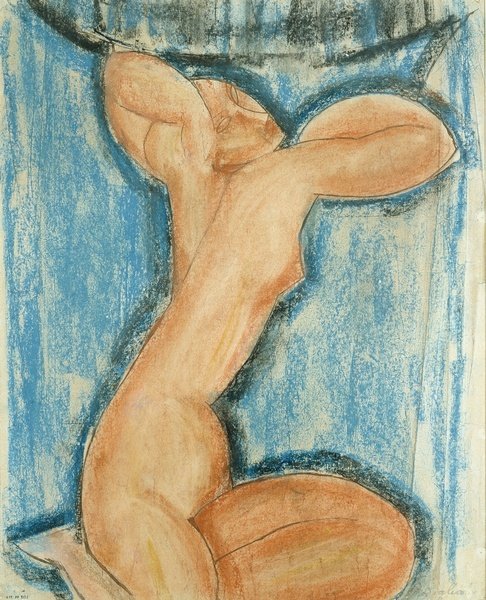
Amedeo Modigliani
Cariatide, 1913
Christie's and Sotheby's have both moved significant Modigliani works in recent seasons, and the appetite shows no sign of fatigue. What is interesting is that the Modigliani market has matured into something more discerning: condition, provenance, and exhibition history now drive the spread between estimates and results more sharply than they did a decade ago. Fontana, meanwhile, occupies a different kind of authority. His Concetti Spaziali, those canvases slashed or punctured with a physical directness that still feels radical, have become touchstones for collectors who want work that rewards sustained looking.
The critical consensus on Fontana has never been stronger. Scholars and curators who once debated whether his gestures were too minimal to sustain meaning now seem unified in reading them as foundational to everything that followed in European post war art. Institutions from the Centre Pompidou to the Guggenheim Bilbao have treated his retrospectives as major events, and the market has followed that institutional endorsement with predictable enthusiasm. Arte Povera continues to drive serious conversation both in the gallery world and the sale room.
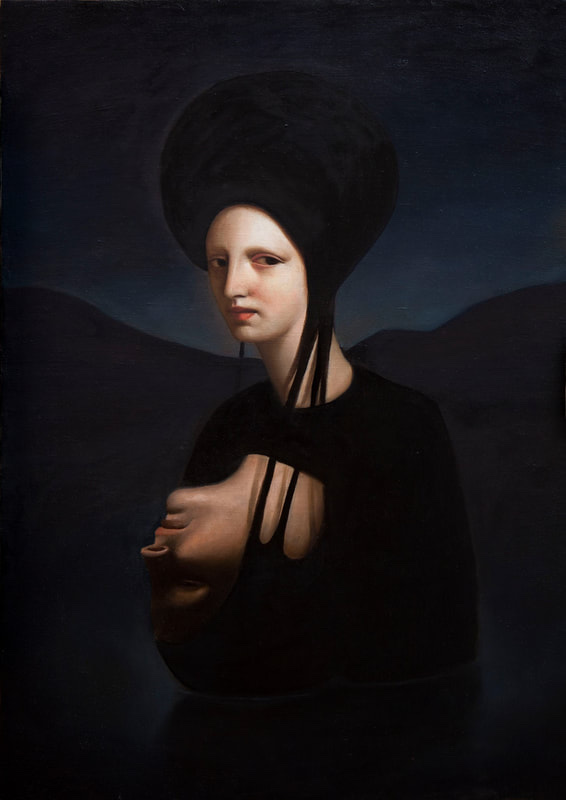
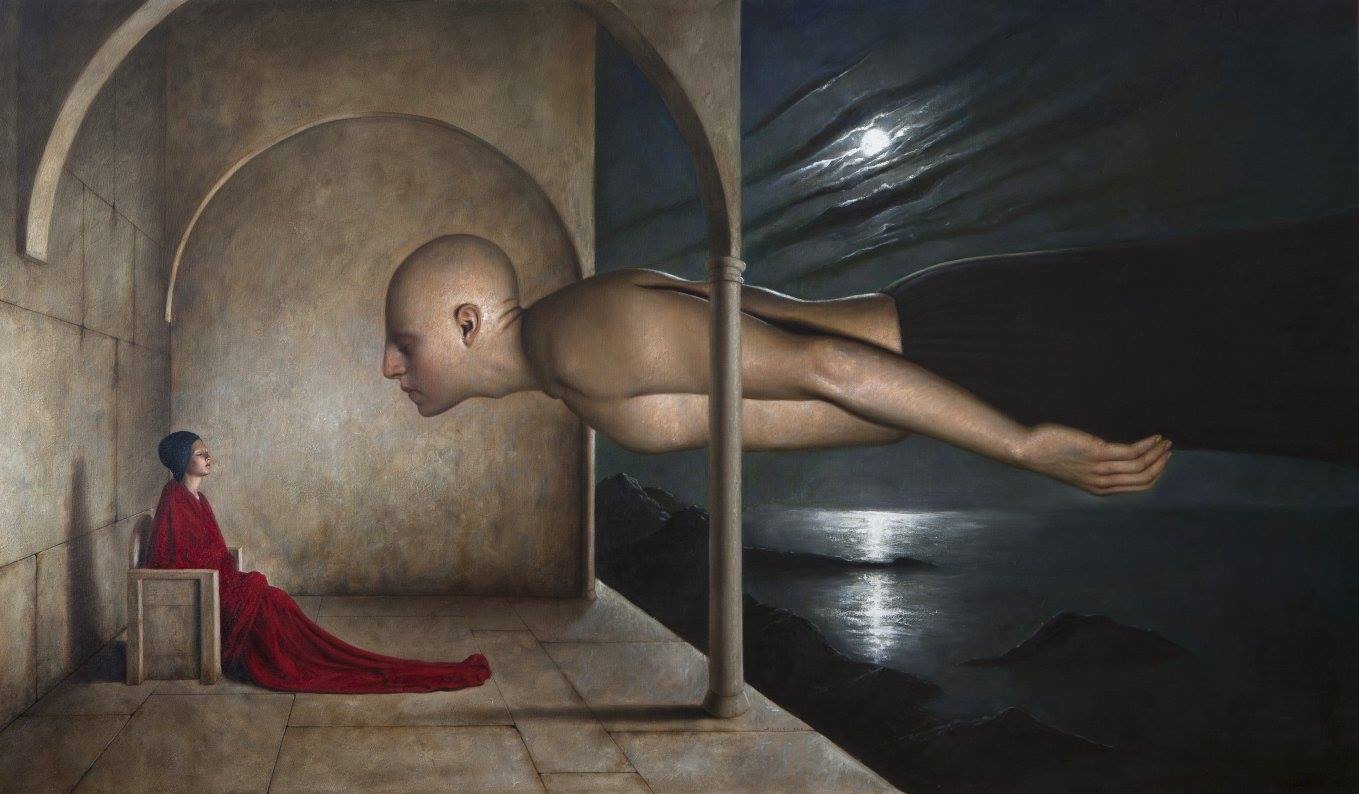
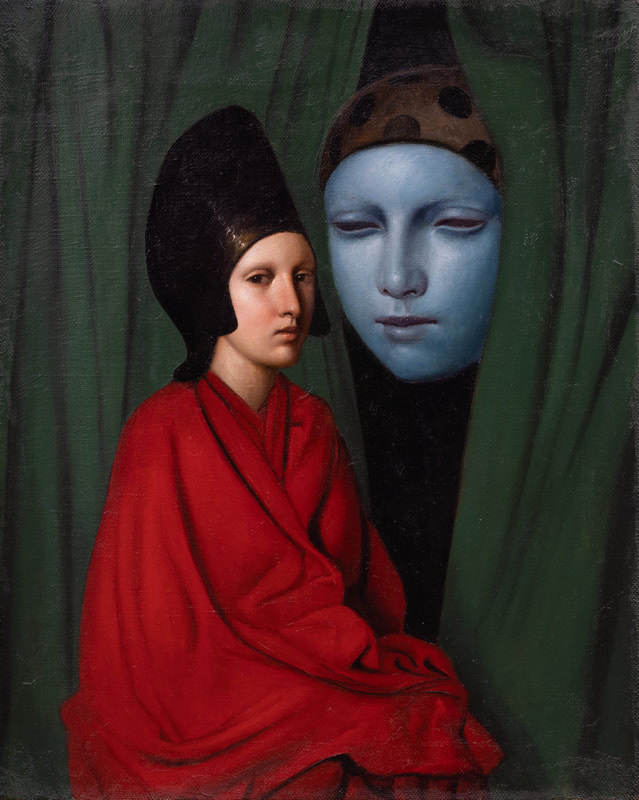
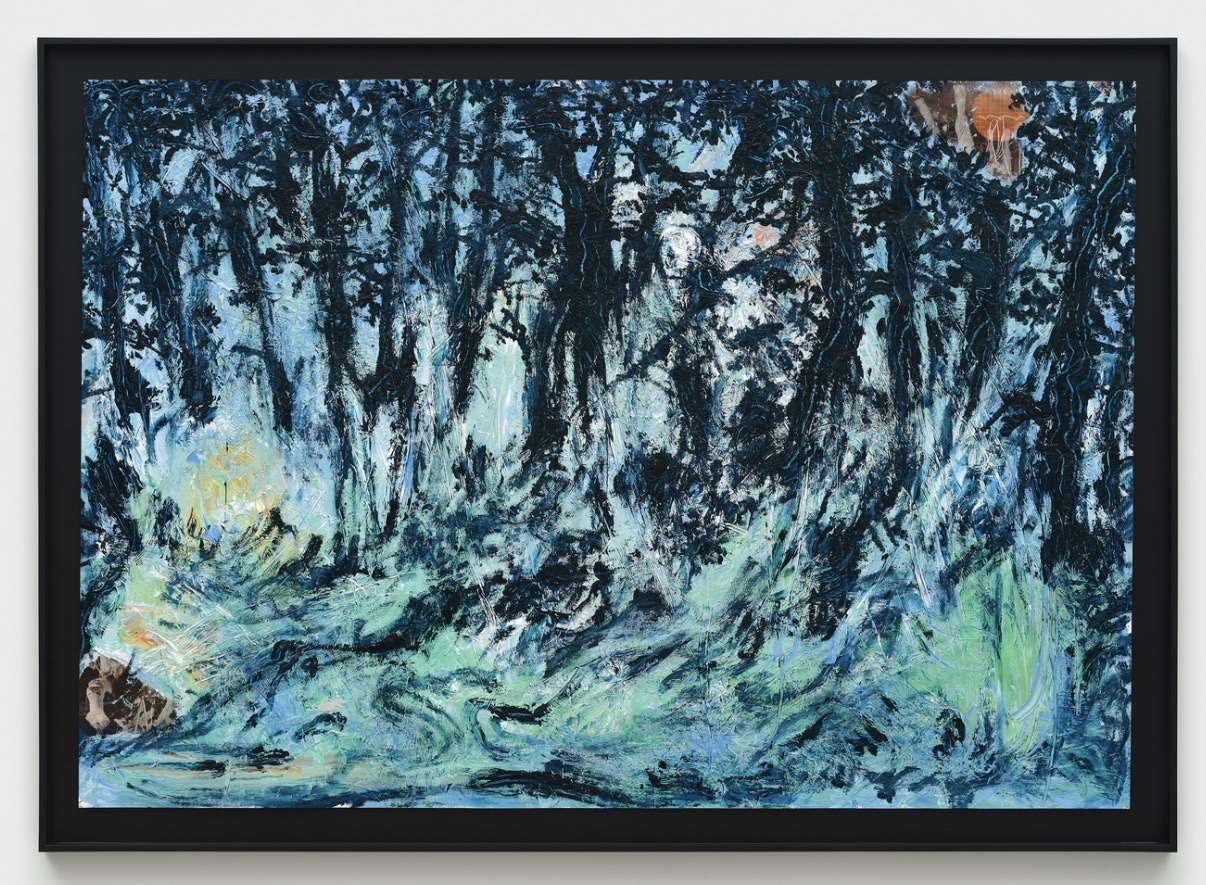
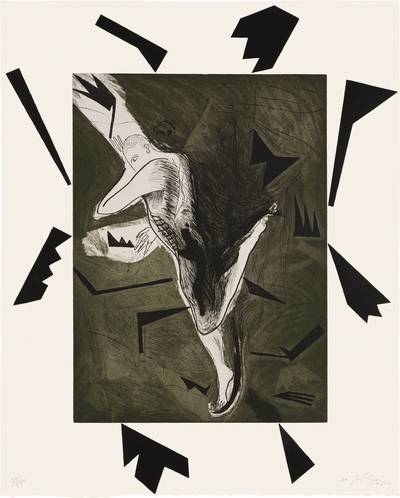
Alessandro Sicioldr
2018, 2018
The movement's fiftieth anniversary generated a wave of reconsideration that has not fully subsided. Alighiero Boetti, whose embroidered maps and systematic wordplay feel as alive today as they did in the 1970s, has become a particular favourite among collectors who prize conceptual rigour alongside visual pleasure. Jannis Kounellis, who died in 2017, has been the subject of renewed institutional attention, with posthumous survey shows reminding younger audiences how radical his material choices once were. Michelangelo Pistoletto, still active and still making work of genuine ambition, carries the rare distinction of being both historically important and presently relevant.
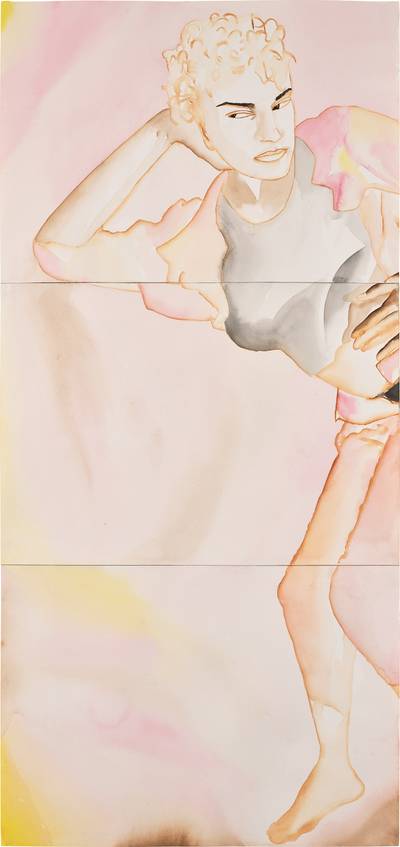
His mirror works continue to appear in major sales, and his foundation in Biella has become a serious destination for collectors making the pilgrimage through northern Italy. The Transavanguardia generation, including Francesco Clemente, Mimmo Paladino, and Sandro Chia, occupies a more complicated position in the current market. These painters were celebrated extravagantly in the 1980s, then reassessed with some severity, and are now undergoing a quieter rehabilitation that feels more durable than their initial reception. Clemente in particular has benefited from a renewed critical interest in figuration and in work that resists easy categorisation.
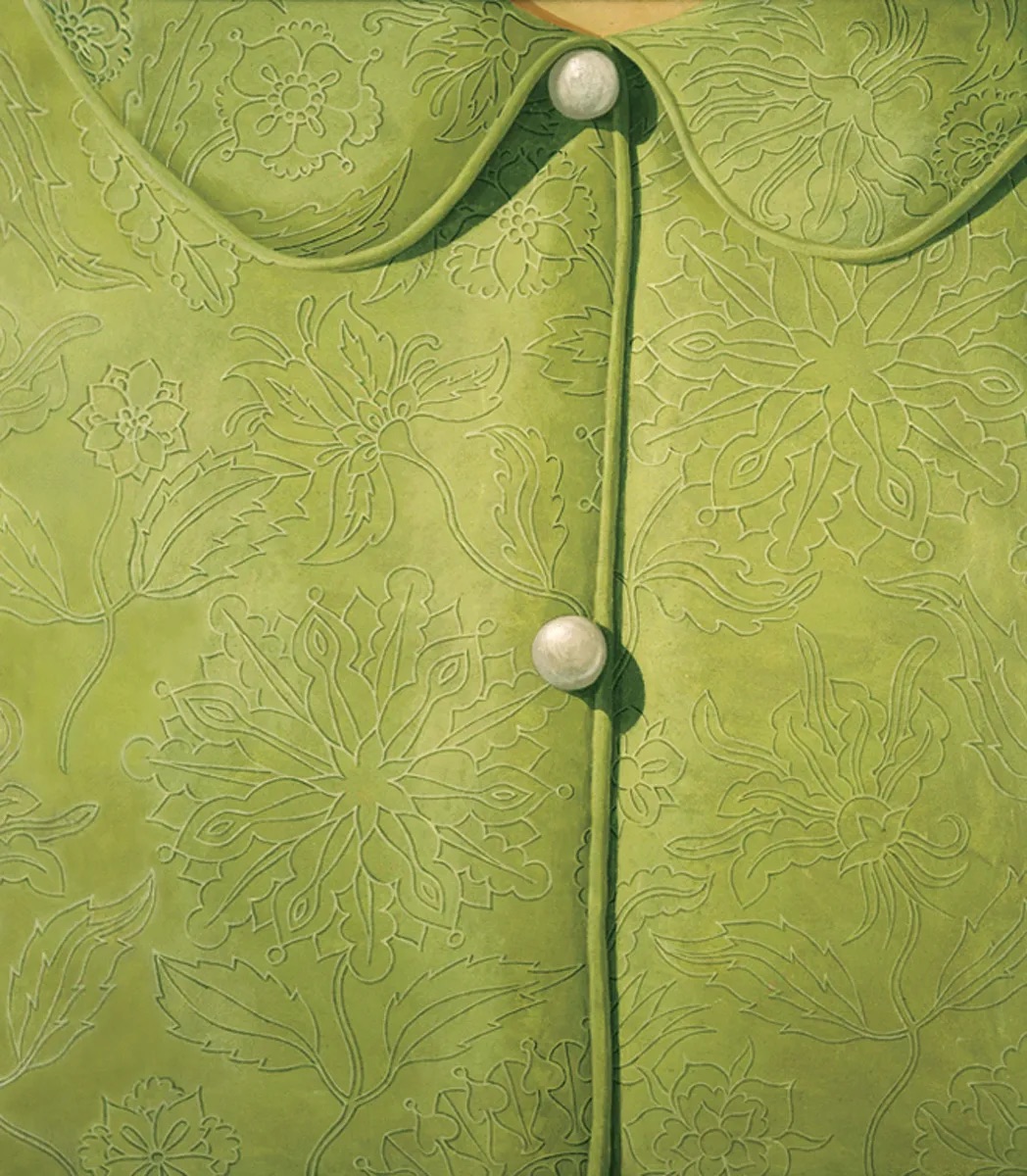
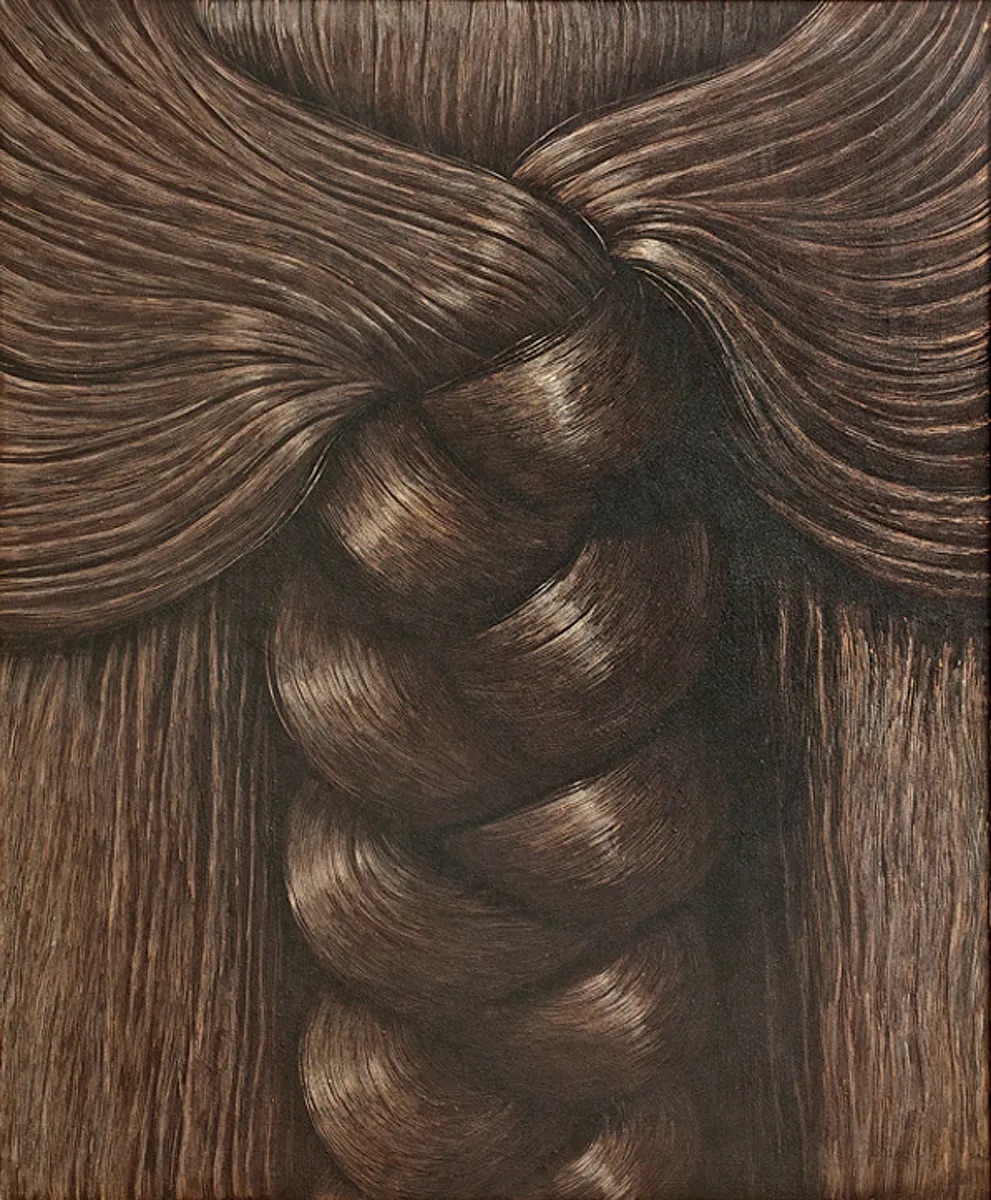
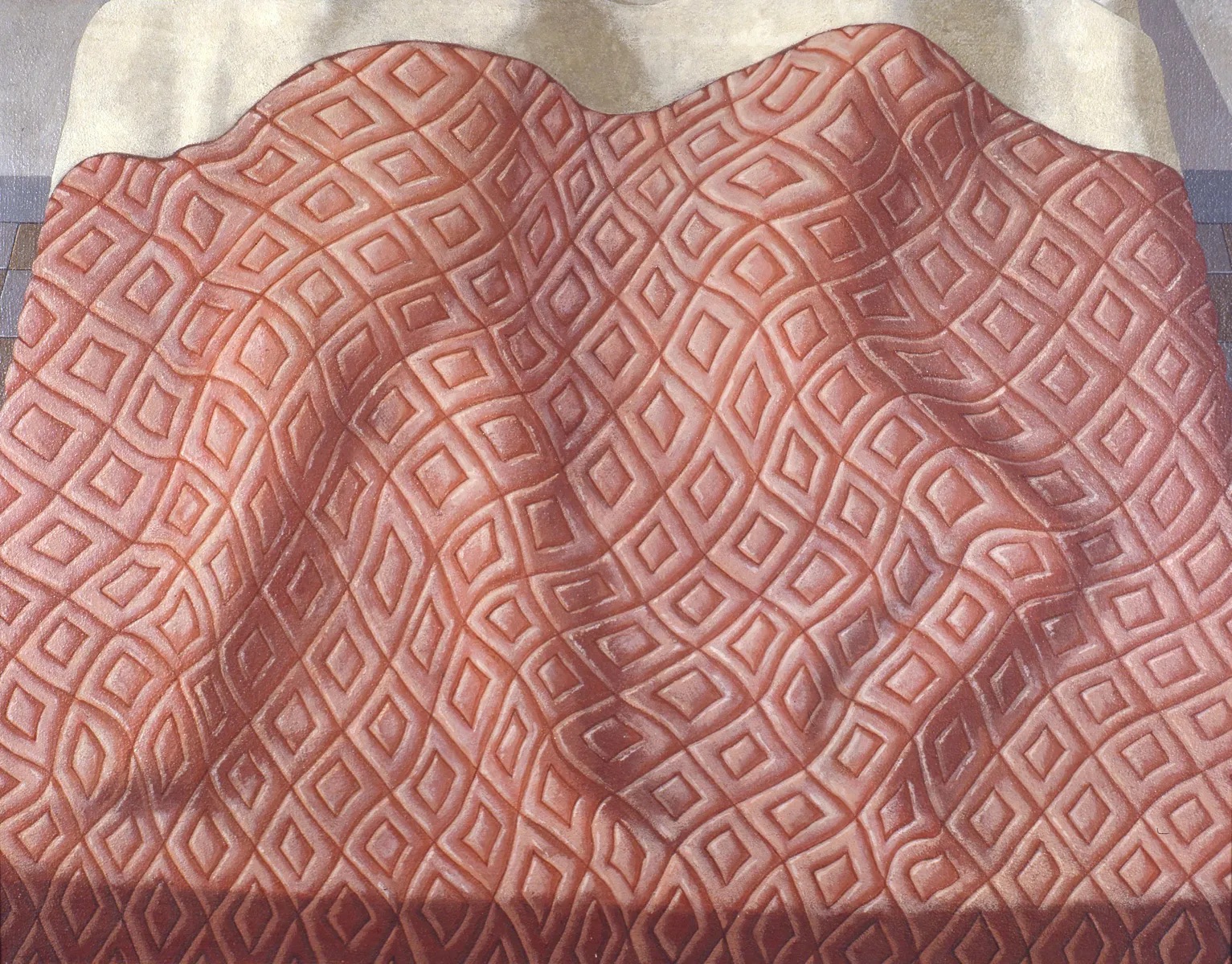
Domenico Gnoli
Chemisette Verte, 1967
His drawings and paintings have appeared in group exhibitions alongside much younger artists, and the framing has been generous. Paladino's monumental sensibility, so tied to southern Italian mythology and material culture, has found new admirers among collectors who are tiring of irony and want work that carries genuine weight. The question of what Italian art means institutionally is as interesting as the market data. The Pinault Collection, operating out of the Palazzo Grassi and Punta della Dogana in Venice, has shaped international collecting taste in ways that are difficult to overstate.
Its programming consistently returns to Italian artists and situates them within global conversations rather than national ones. The Fondazione Prada in Milan and Venice operates similarly, presenting Italian figures alongside international peers in a way that removes any sense of parochialism. When these institutions show Maurizio Cattelan or commission new work from living Italian artists, they are not making nationalist gestures. They are asserting that these artists belong at the centre of the conversation, not its margins.
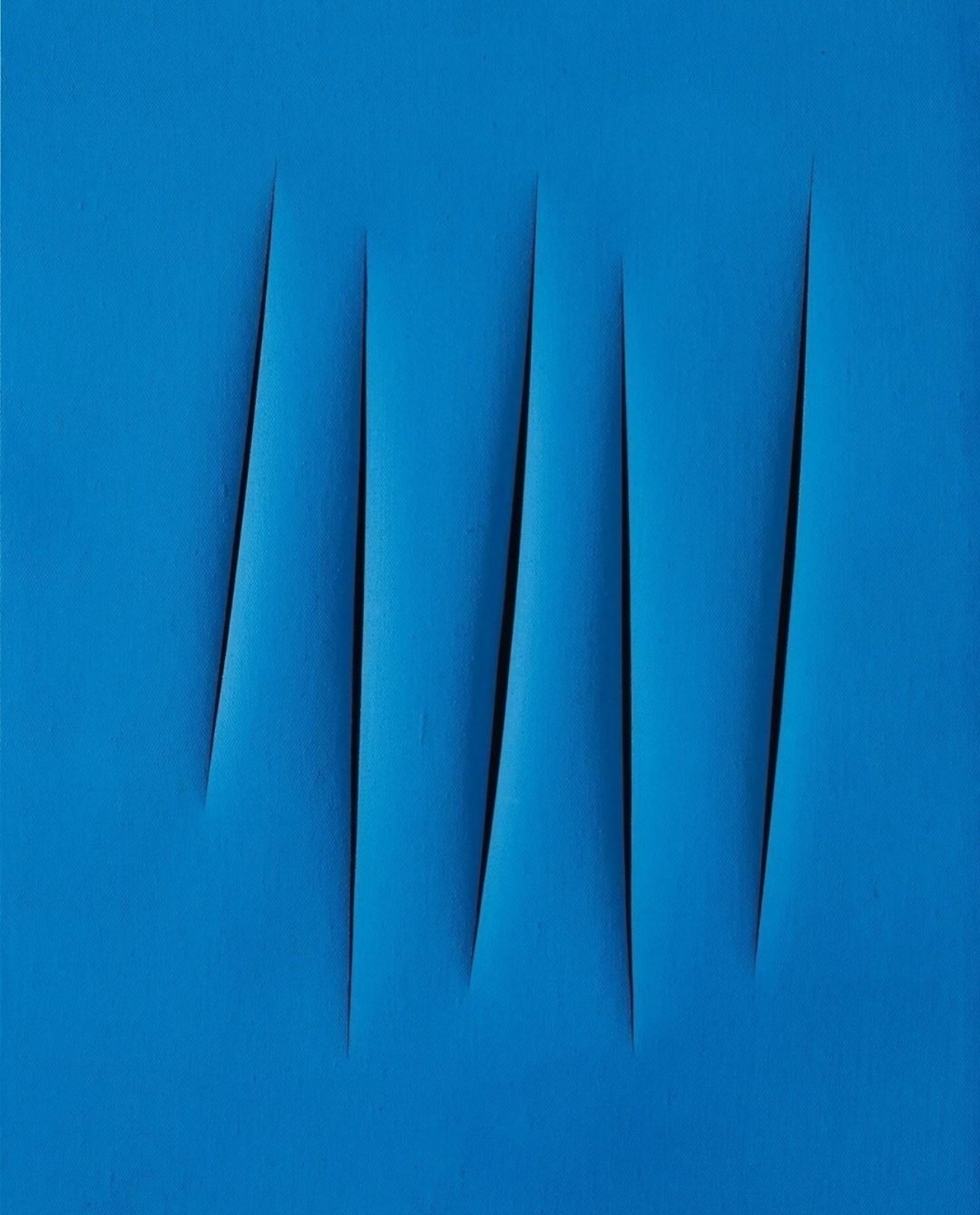
Lucio Fontana
Concetto Spaziale, Attese
Cattelan himself remains one of the most discussed artists working anywhere. His provocations, which appear effortless but are clearly the result of careful calculation, keep generating debate that spills beyond the art world into broader cultural media. The golden toilet, the banana taped to the wall, the Hitler kneeling in prayer: these works are known by people who have never set foot in a gallery, which is either the highest compliment or a complication depending on your perspective. Among serious collectors, Cattelan's market is both strong and selective.
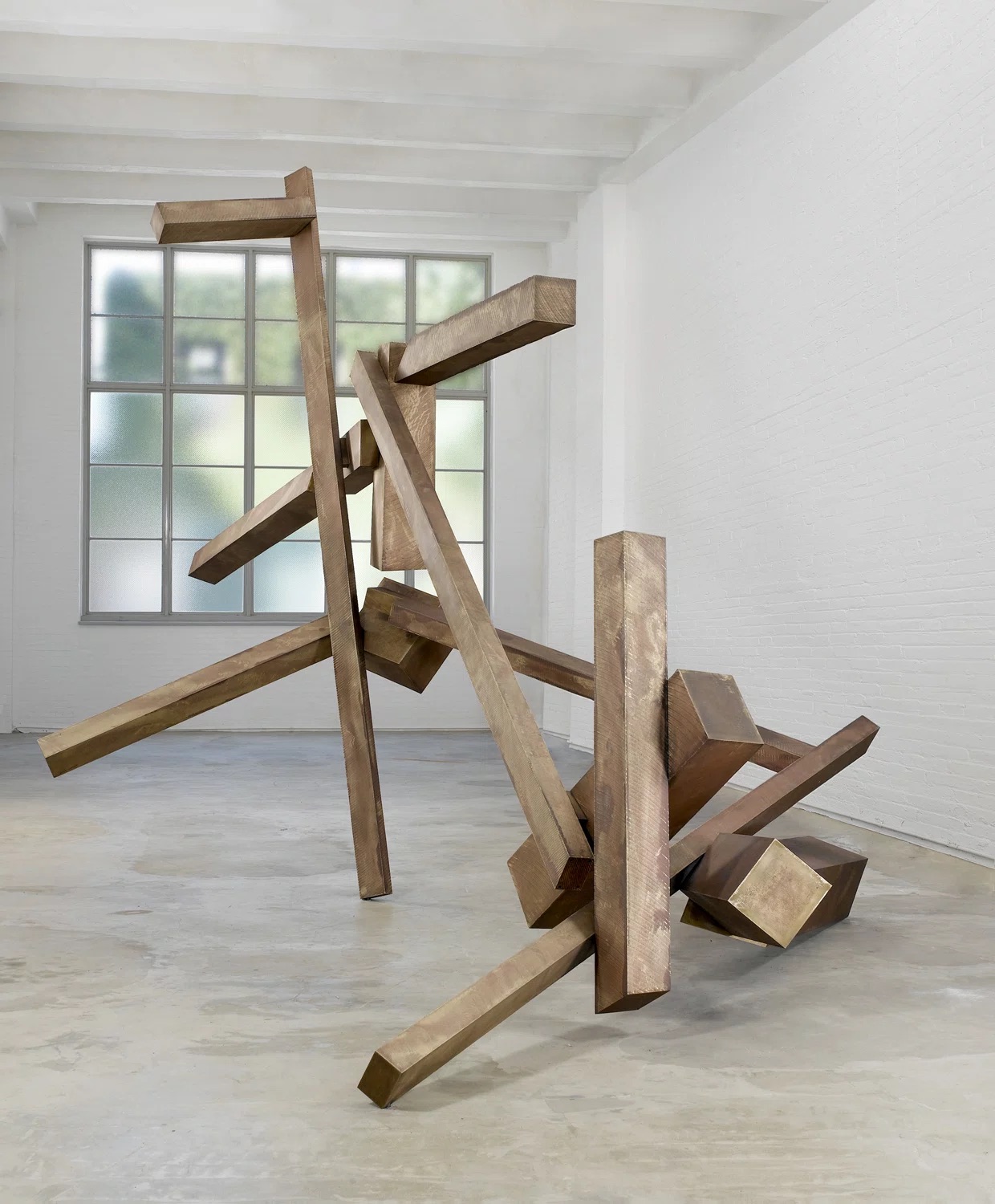
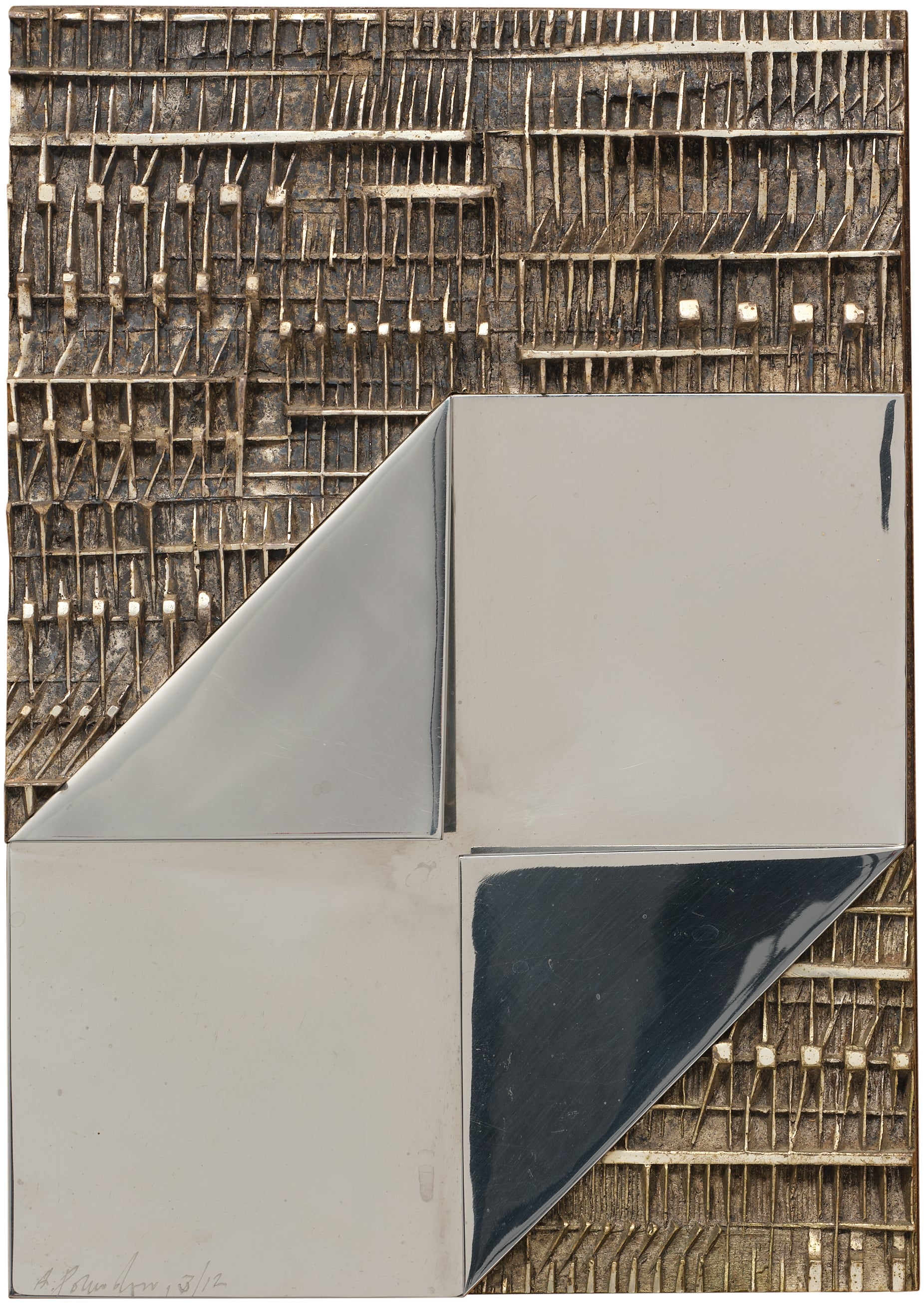
Works on paper and editions circulate, but the major pieces are held by institutions and private collections with the resources to steward them properly. Massimo Vitali offers a different kind of Italian looking, one focused outward at collective behaviour rather than inward at historical identity. His large format photographs of beaches, ski slopes, and public spaces have aged remarkably well, offering a sociological richness that sharpens with distance. Arnaldo Pomodoro's bronze spheres, once fixtures of corporate lobbies, are being re evaluated by a generation of collectors who understand their formal sophistication on its own terms, separate from the mid century institutional contexts in which they first appeared.
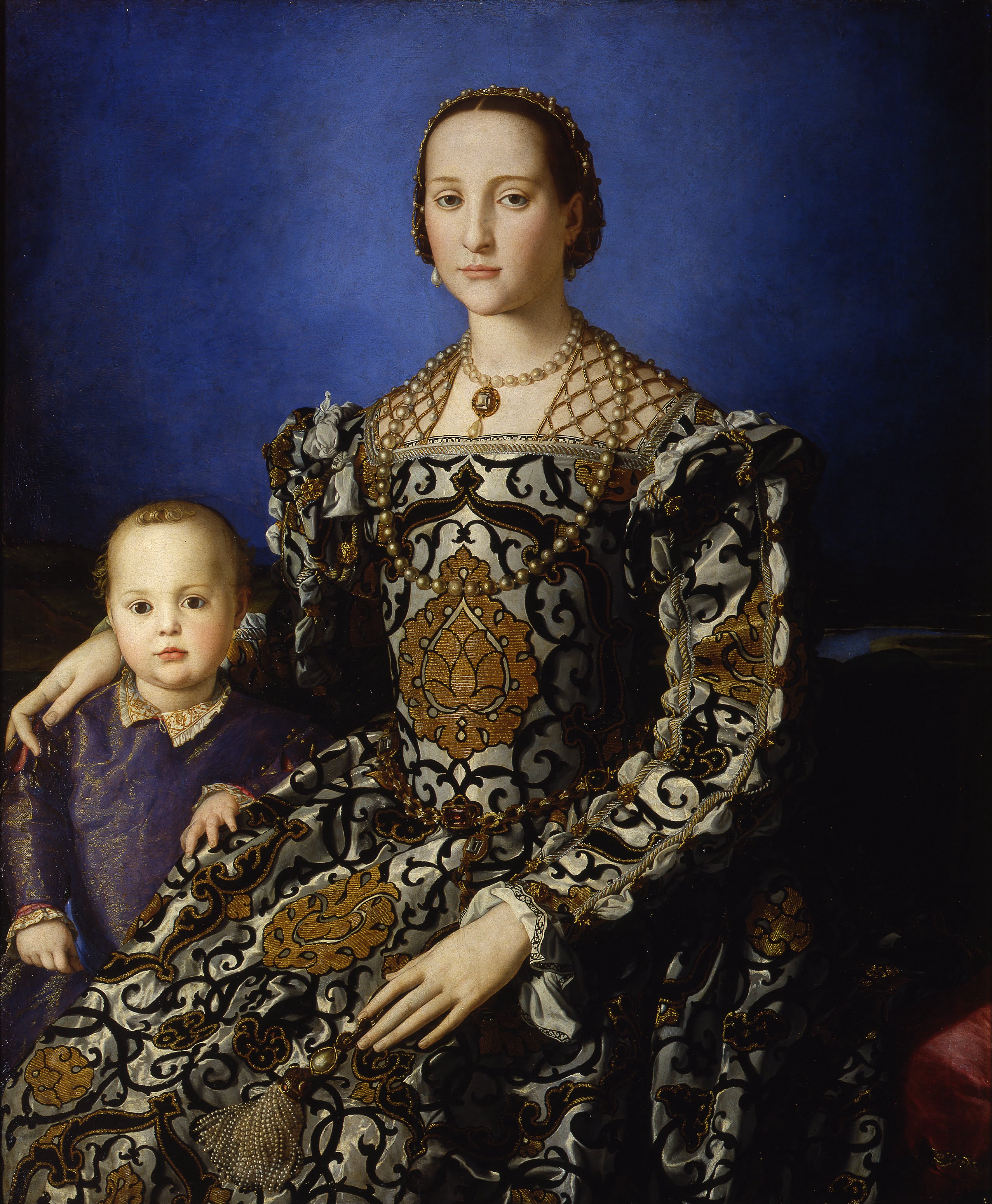
Marino Marini's equestrian bronzes continue to find homes in serious collections, their anguished figuration connecting ancient traditions to modern anxiety in ways that feel undiminished. Where is the energy heading? The honest answer is that it is heading in several directions simultaneously, which is what makes Italian art such a rewarding area to follow. The seventeenth century works, including the Italian School paintings that circulate through auction houses and specialist dealers, are attracting renewed attention from buyers who have grown tired of the volatility in the contemporary market.
The Memphis design movement associated with Ettore Sottsass, once dismissed as decorative excess, is now the subject of serious museum scholarship and brisk collector demand. Alessandro Sicioldr, working in a figurative tradition that draws on Renaissance sources without irony or distance, represents a strand of contemporary Italian practice that feels genuinely unresolved, which is another way of saying genuinely alive. The Italian eye, trained on beauty and on contradiction, keeps finding new things to see.