Avant-Garde
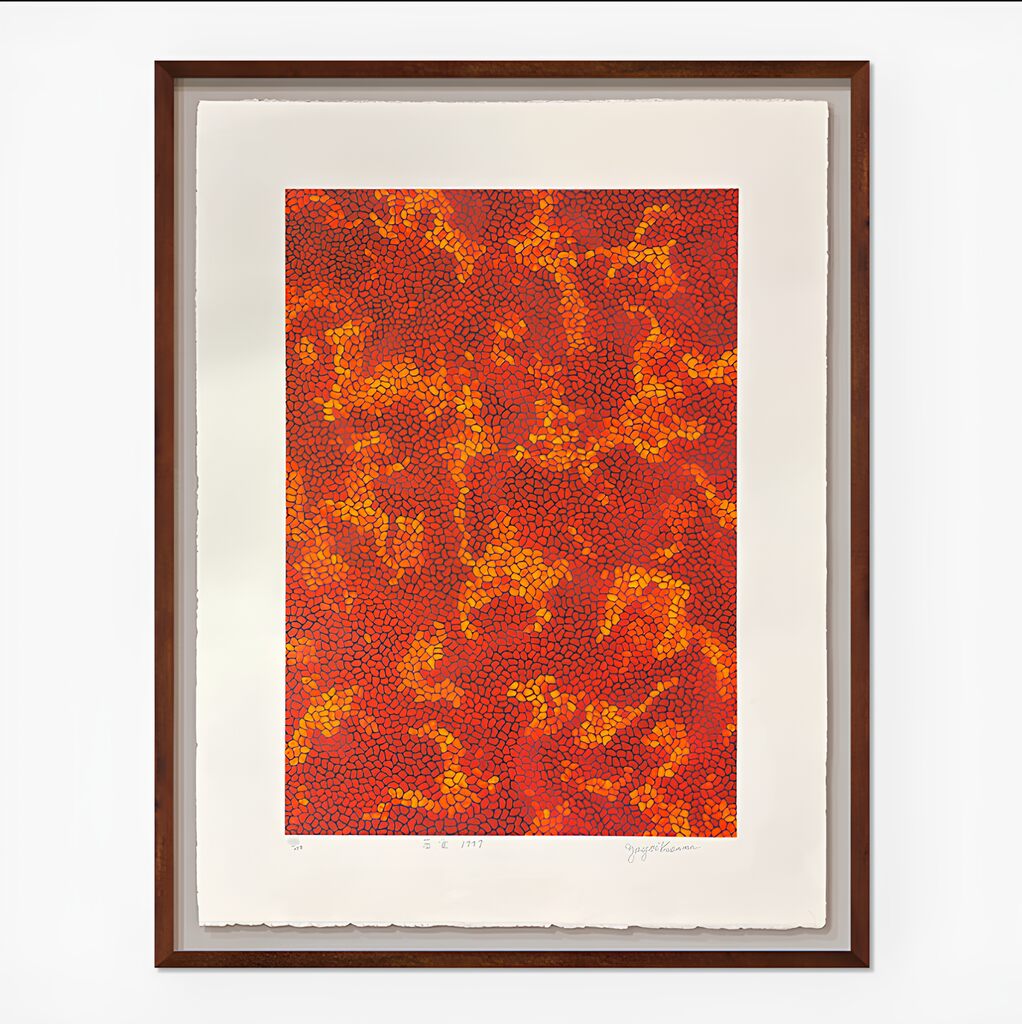
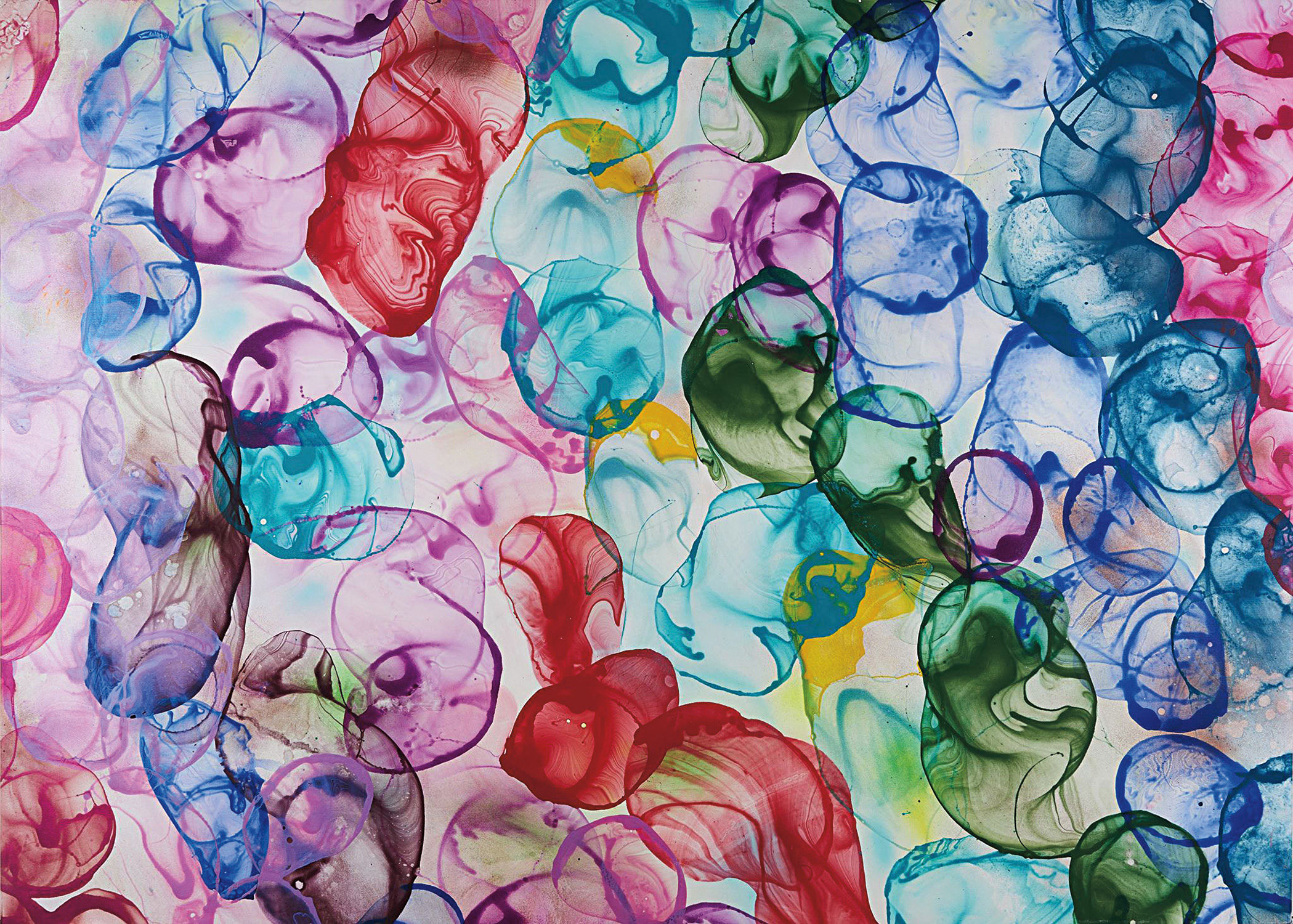
Yayoi Kusama
Madder-colored Cloud, 1997
The Rebels Who Became the Canon
There is something seductive about owning a piece of a rupture. Avant garde works carry a particular charge that more decorative or conventional art simply cannot replicate: the sense that you are living with an argument, a provocation, a moment when someone decided the rules no longer applied. Collectors who gravitate toward this territory often describe their acquisitions in almost physical terms, as if the work pushes back against the wall it hangs on. That resistance is not incidental.
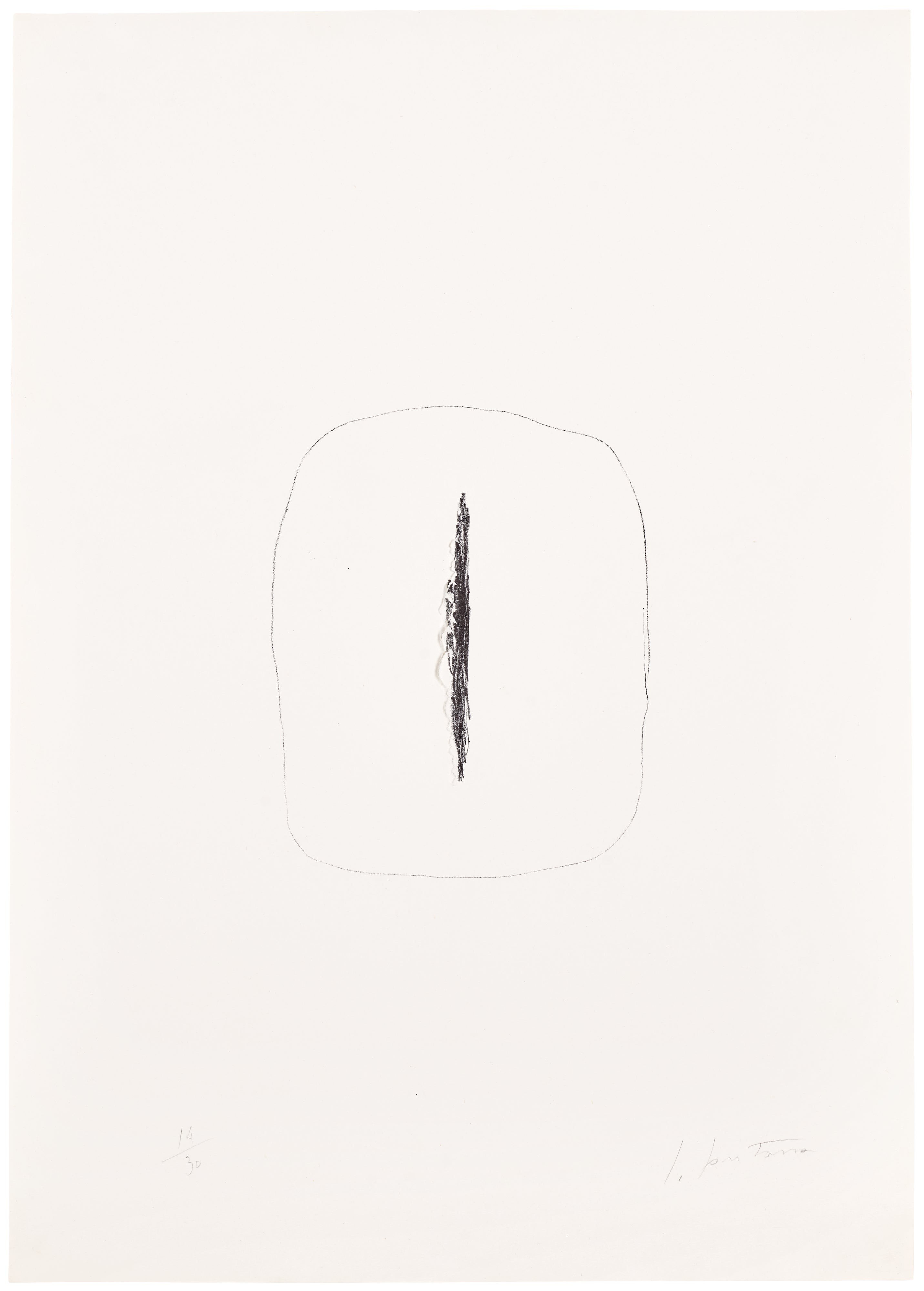
It is the point. And for those who have spent time with a Man Ray rayograph or a Lucio Fontana slashed canvas, the experience of cohabiting with genuinely radical work reshapes how you see everything else in your home and in your life. What separates a good avant garde work from a truly great one is rarely about rarity alone, though rarity matters. It is about legibility of intent.
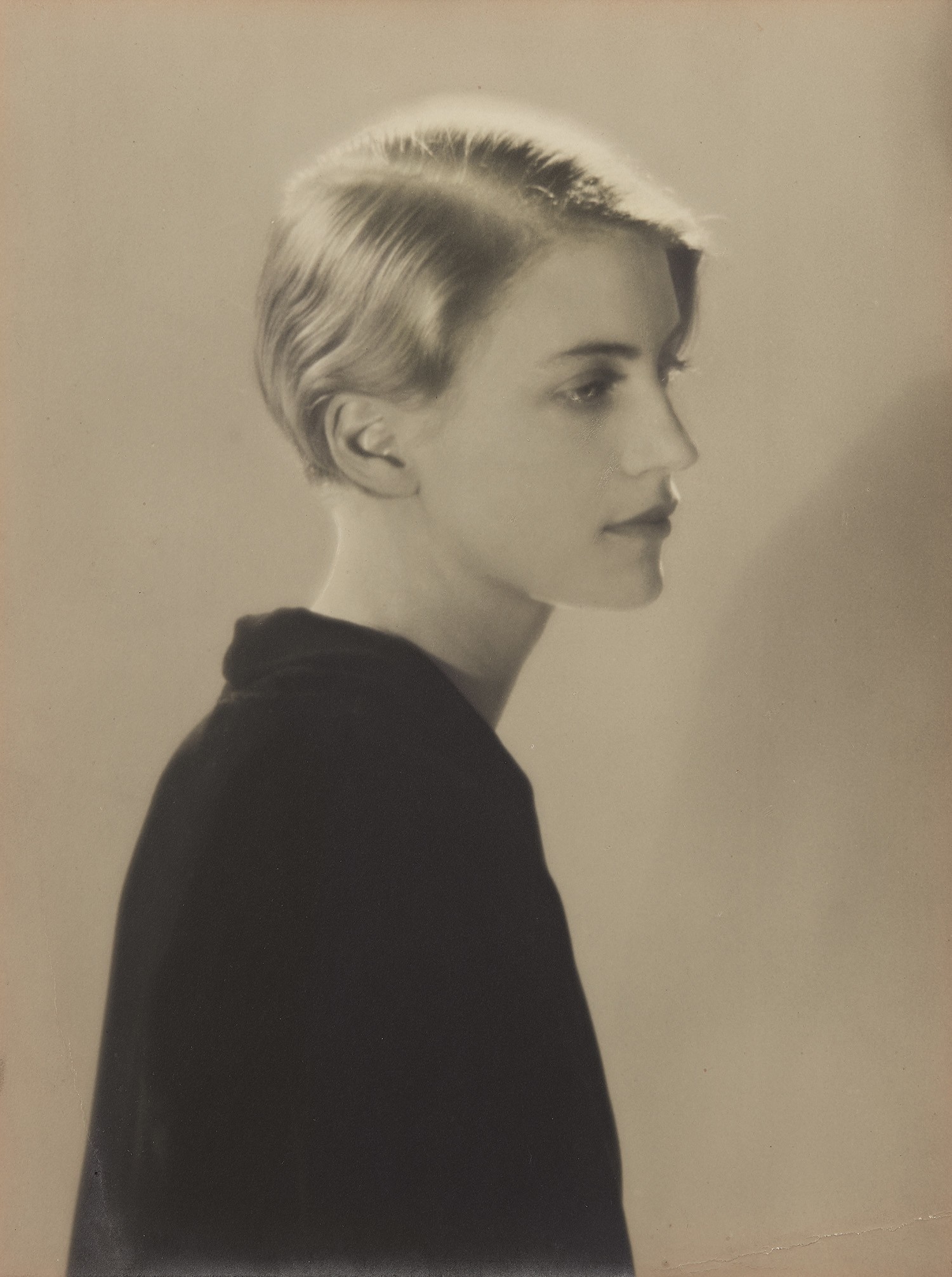
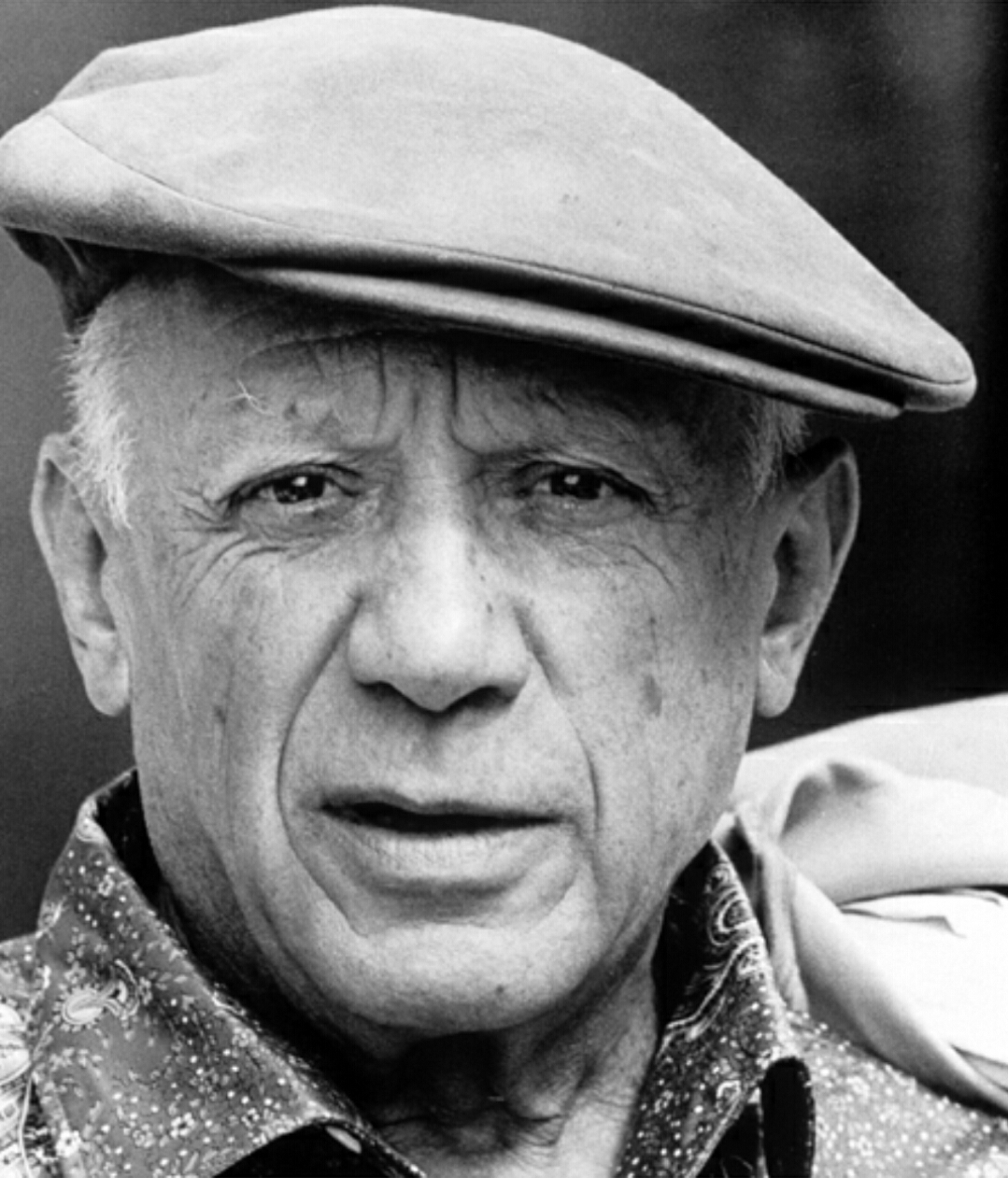
Man Ray
Lee Miller, Paris
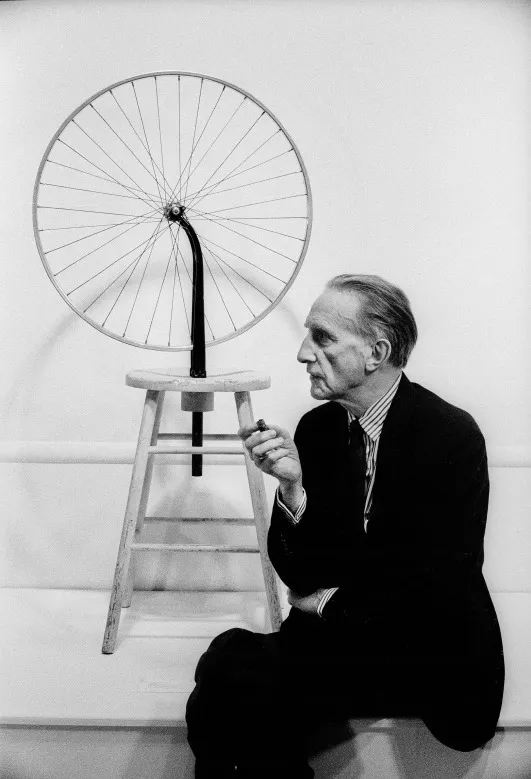
The strongest works in this territory make their conceptual proposition clear without illustration or explanation. When Marcel Duchamp submitted a urinal to a New York exhibition in 1917, the gesture was complete in itself. A collector looking at works in this lineage should ask whether the piece still generates that productive discomfort, whether it retains its capacity to destabilize. Derivative radicalism, work that performs transgression without genuine conviction, tends to reveal itself quickly in the living room.
Great avant garde work deepens over time. It becomes more unsettling, not less, the longer you know it. The artists well represented on The Collection offer a genuinely instructive map of where the strongest value lies. Man Ray occupies a position that is perhaps unique in the market: his work bridges Dada, Surrealism, and the history of photography in ways that give collectors multiple entry points and multiple reasons for institutional interest.
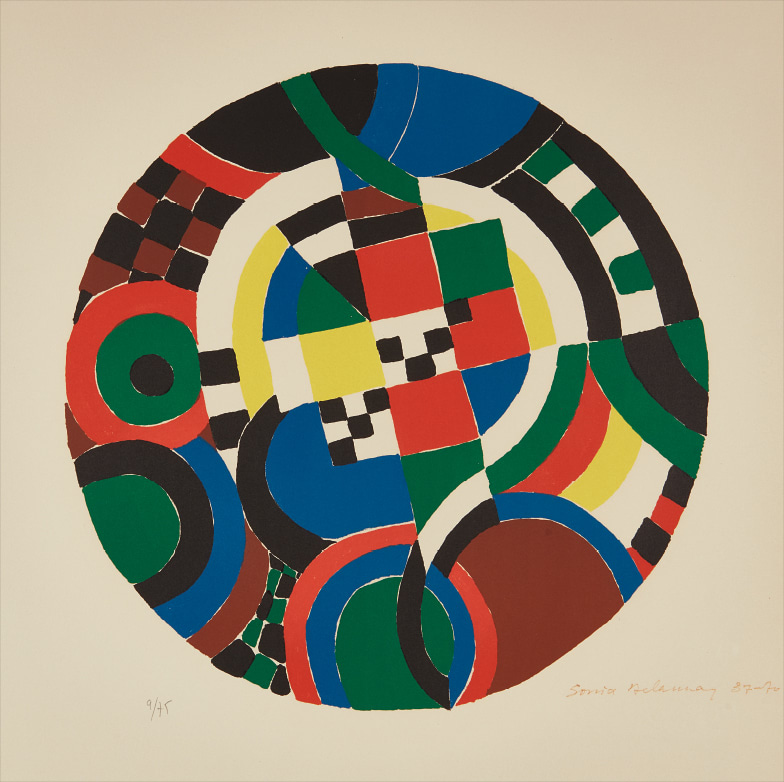
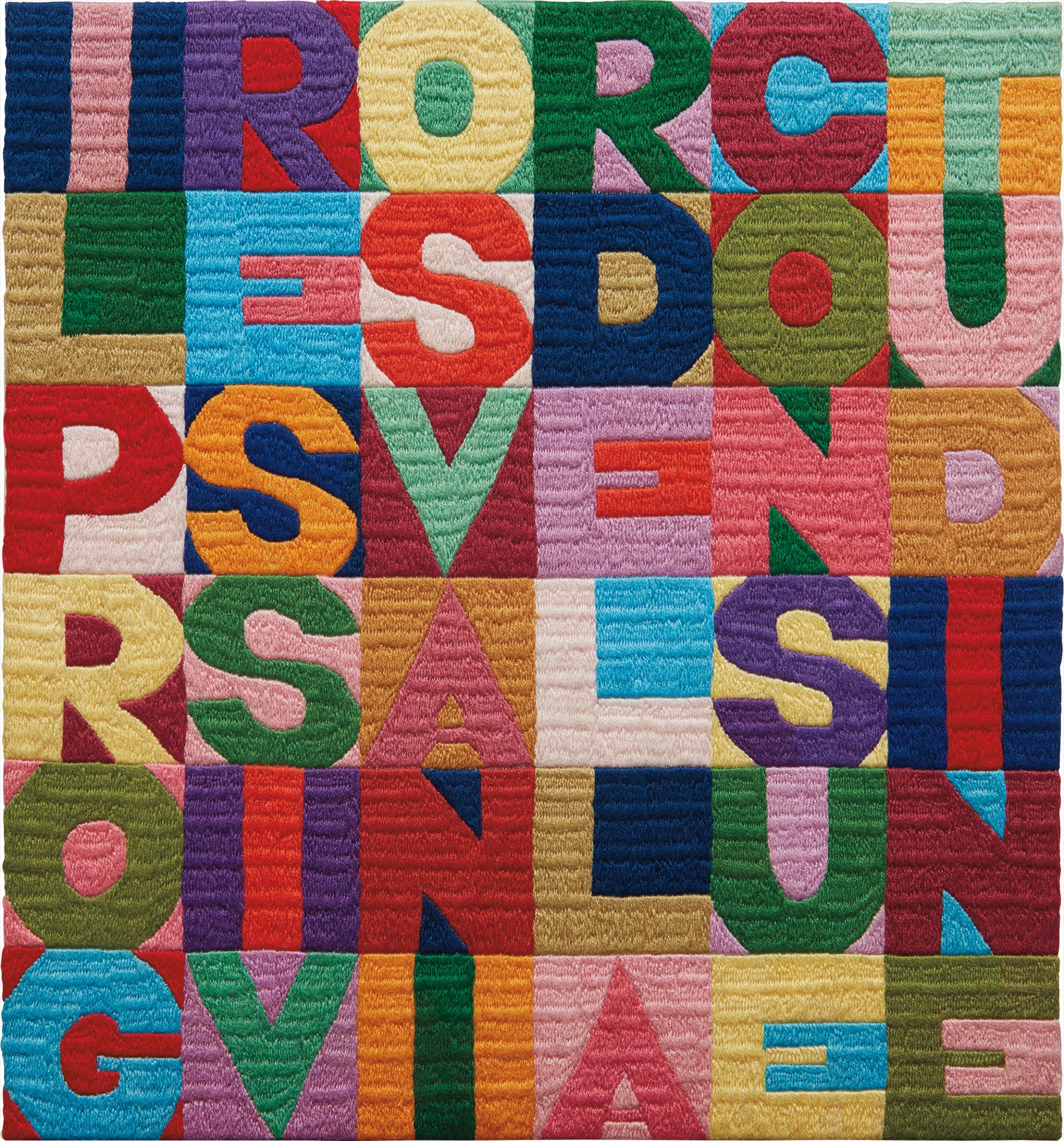
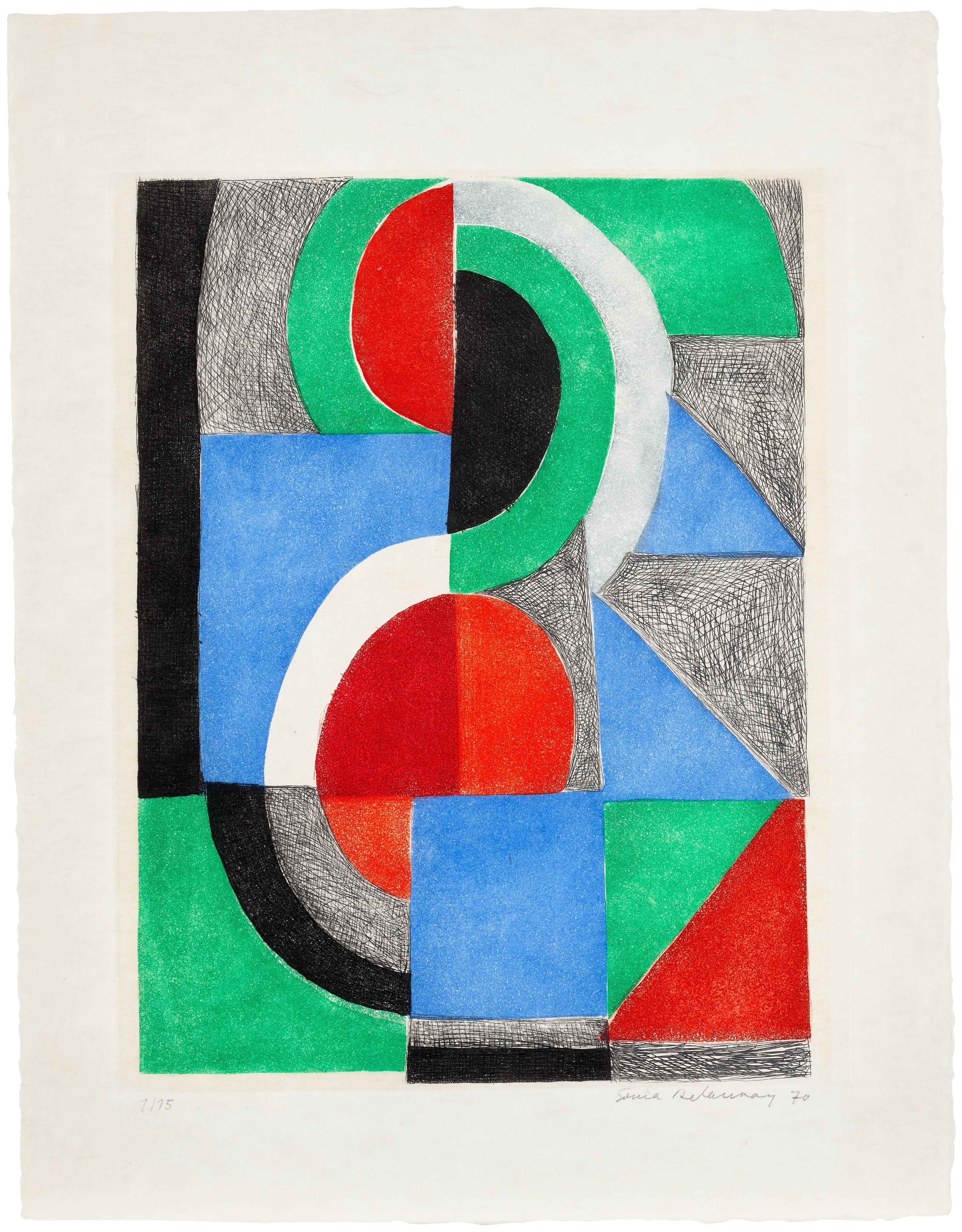
Sonia Delaunay
Sonia Delaunay
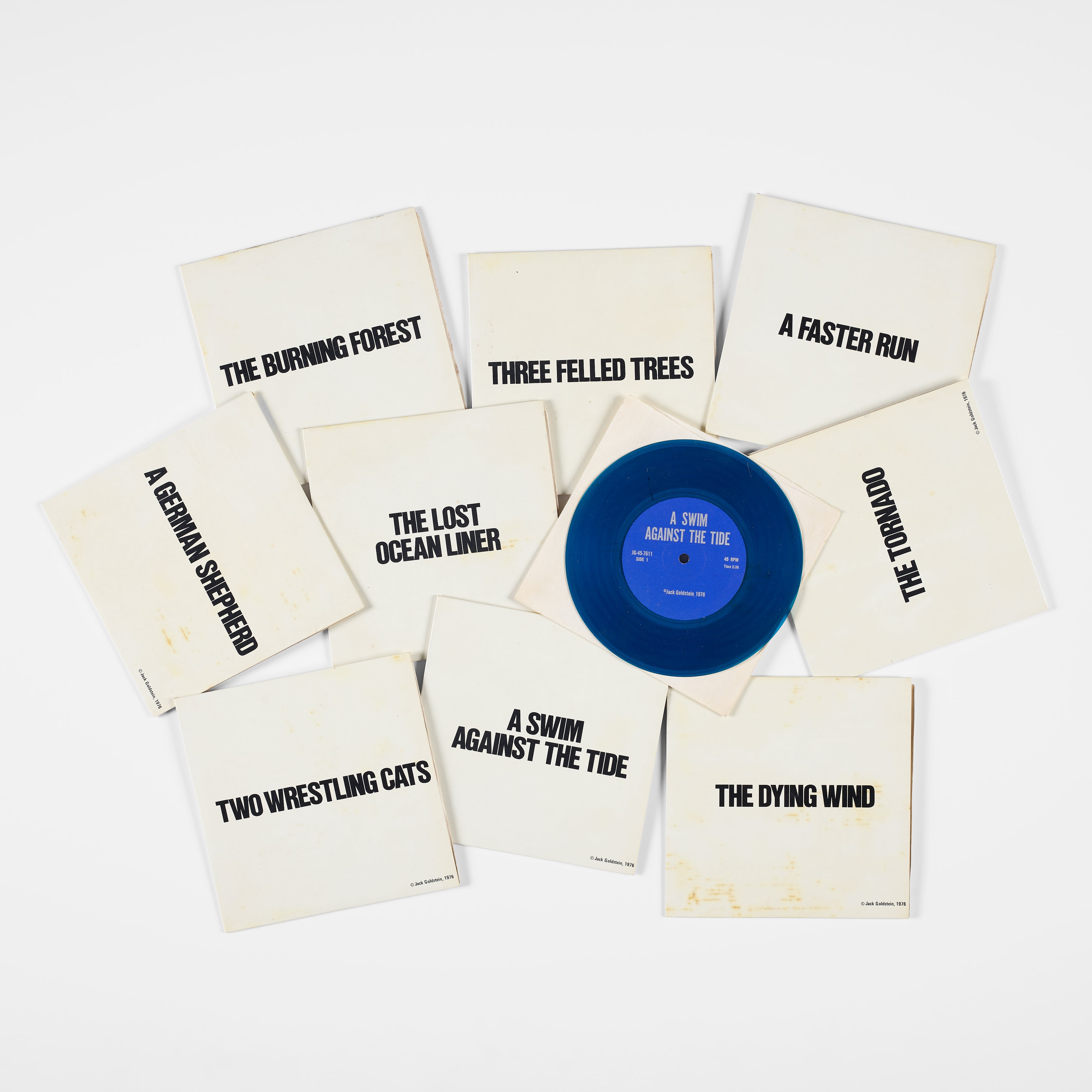
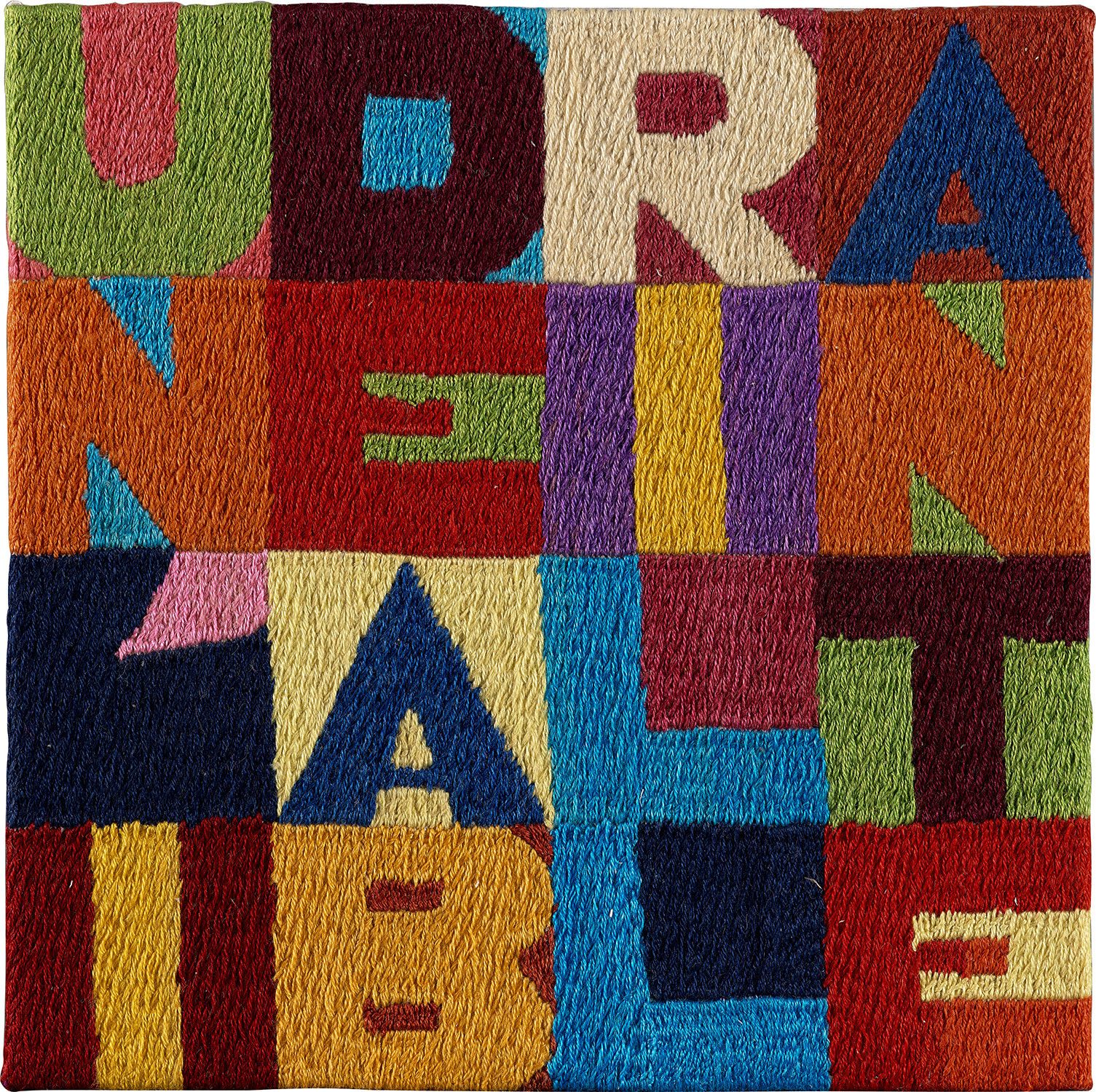
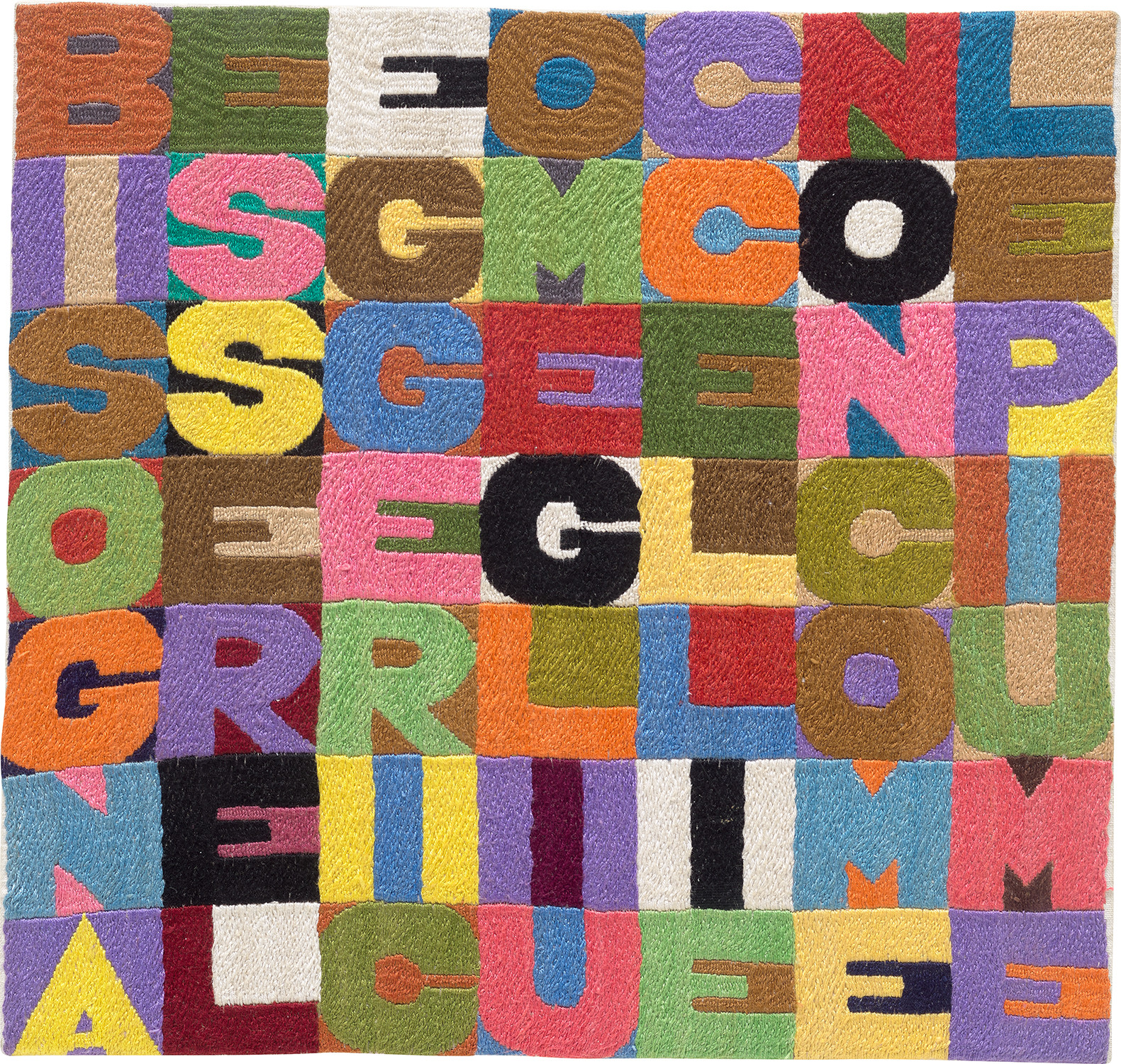
Joseph Beuys is more demanding, both intellectually and in terms of care, but his multiples and drawings remain surprisingly accessible relative to his canonical status, and scholarly attention to his legacy has only intensified since the major retrospectives of the 1990s and 2000s. Sonia Delaunay, whose Simultanism brought pure color theory into fashion, textile, and fine art simultaneously, has benefited enormously from a long overdue critical reassessment, and her work on paper and her prints represent strong value for collectors who want geometric abstraction with genuine historical weight. Alighiero Boetti is another name worth dwelling on. His embroideries and postal works occupy a fascinating position in the market: they are intellectually rigorous enough to satisfy collectors drawn to Arte Povera and Conceptualism, but materially beautiful enough to live with easily.
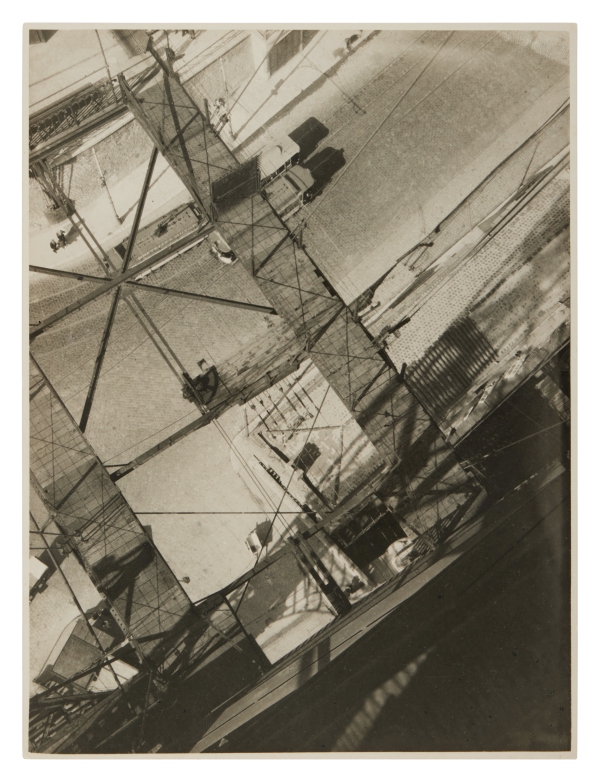
Prices for his work have risen steadily since the major retrospective at MoMA in 2012, and there is every reason to believe institutional interest will continue to support the market. László Moholy Nagy, whose experiments with light, photography, and transparency at the Bauhaus remain genuinely radical, is a name that younger collectors sometimes overlook in favor of flashier postwar figures. That oversight creates opportunity. His photograms in particular sit at an intersection of science, design, and fine art that feels entirely contemporary.
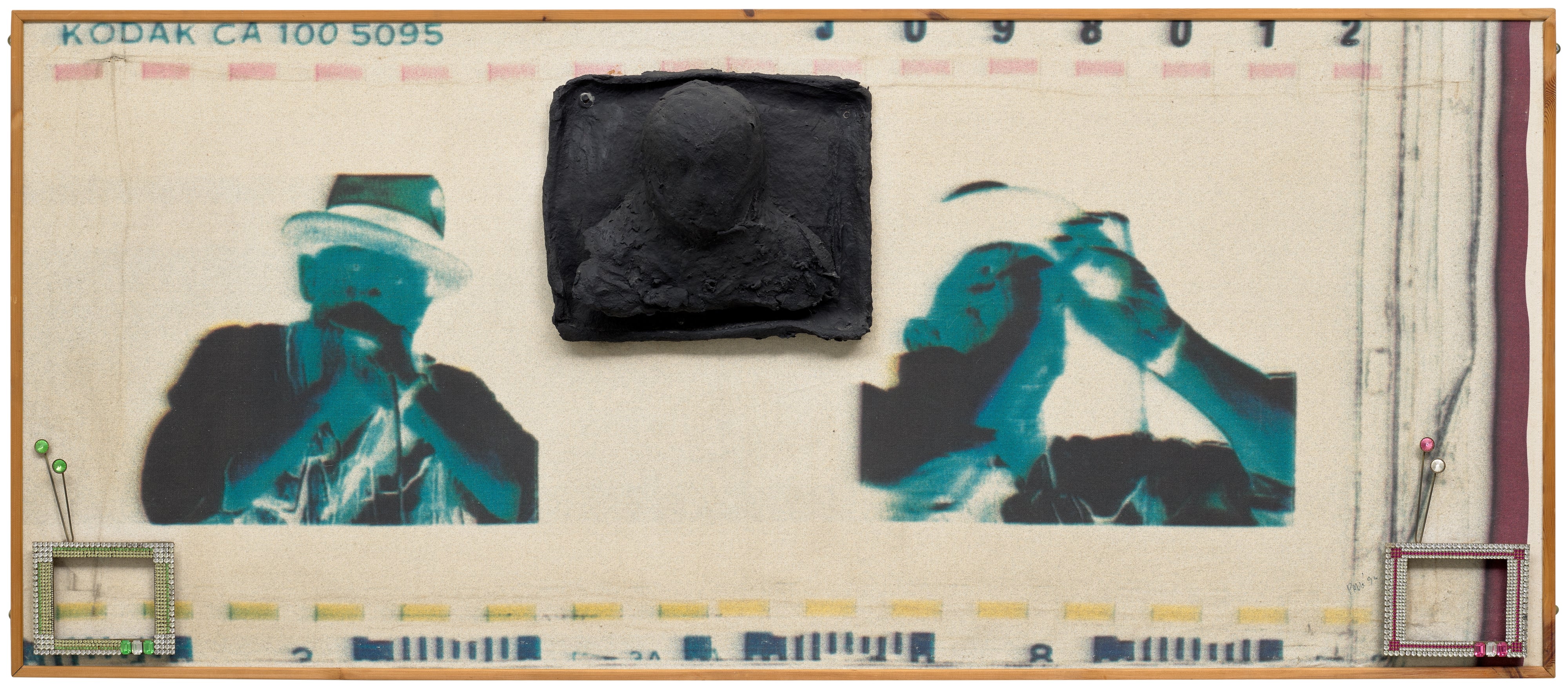
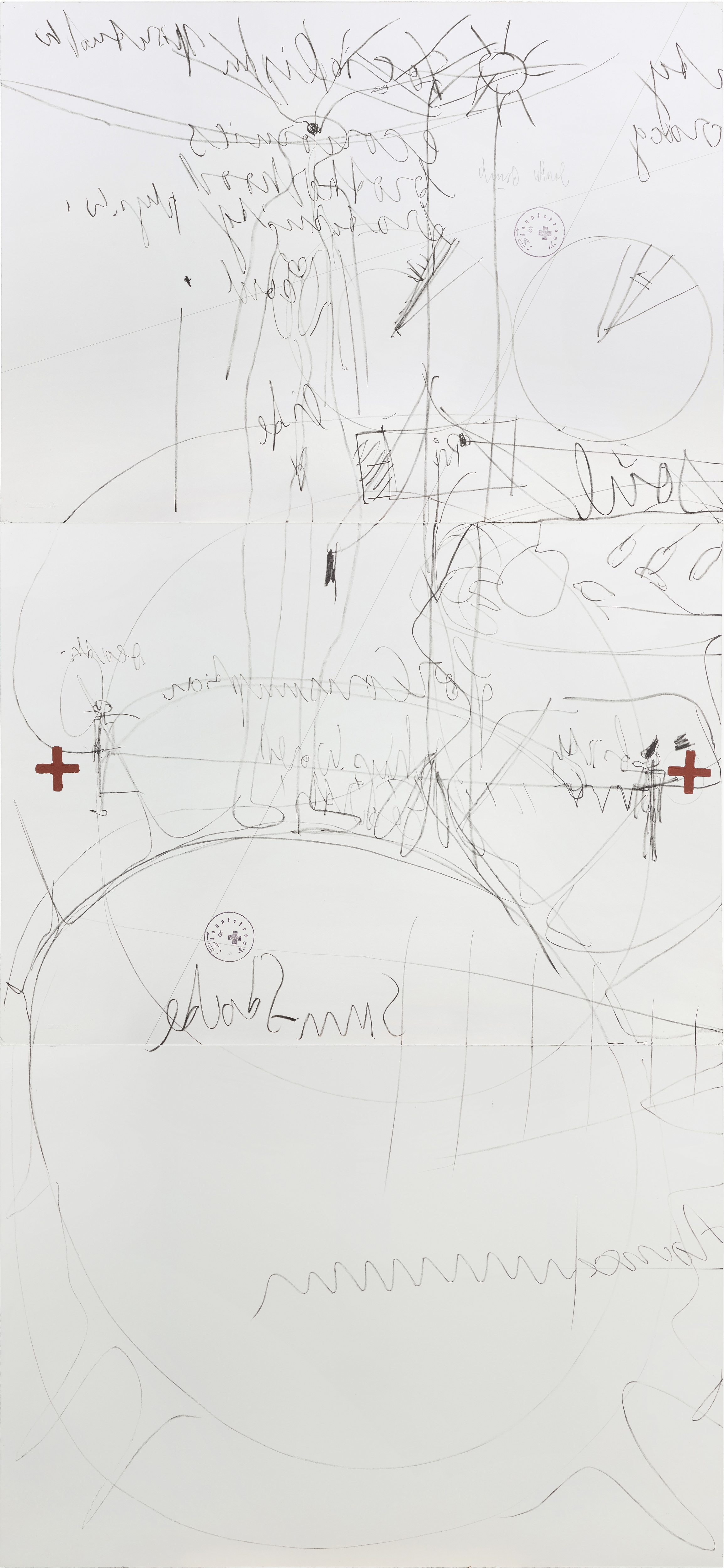
Nam June Paik
Untitled, 1994
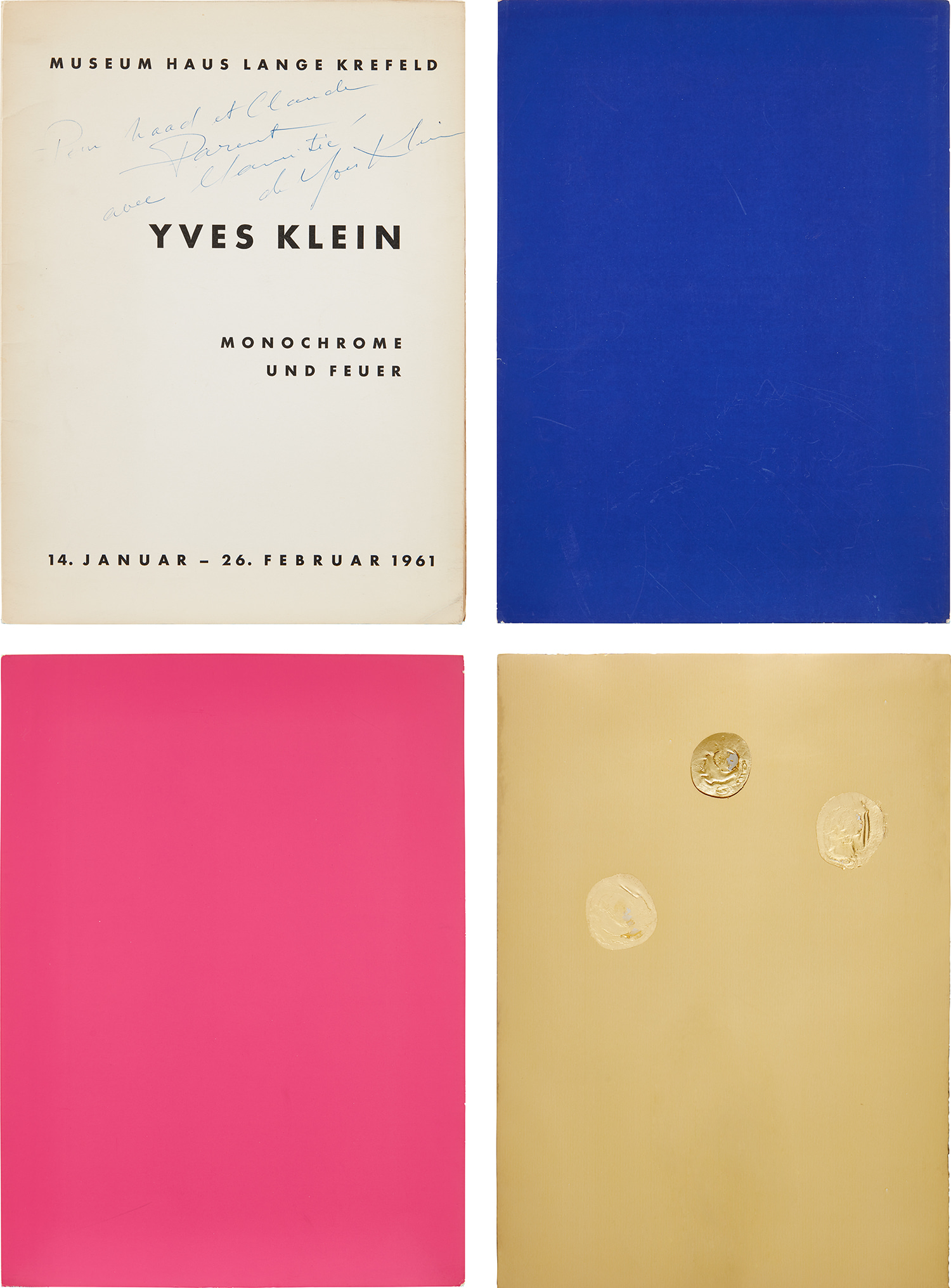
Yves Klein's monochromes and his IKB works are well known and priced accordingly, but the depth of his practice, including his fire paintings and his anthropometries, offers range for collectors at different levels. Nam June Paik, whose video sculptures essentially invented a medium, is increasingly recognized as one of the most consequential artists of the twentieth century, and works on paper and prints that entered the market modestly are now attracting serious institutional competition. Francis Picabia, whose restless reinvention across Dada, machine aesthetics, and figuration makes him impossible to categorize, remains undervalued relative to his importance and his influence on artists from Sigmar Polke onward. Polke himself, whose alchemical surfaces and political wit made him one of postwar Germany's most singular figures, rewards patient collectors who look beyond the most celebrated silkscreen editions.
For those watching where energy is moving among younger or less established practitioners, Paul McCarthy's confrontational sculptural installations continue to polarize, which in a collecting context often signals longevity. Jonathan Meese, whose theatrical, high pitched paintings draw on art history and political mythology with genuine ferocity, is building a body of institutional support in Europe that has not yet fully translated into secondary market momentum in other regions. That gap between critical standing and market price is precisely where thoughtful collectors find traction. At auction, avant garde works perform with notable consistency at the top end, though the middle market can be volatile.
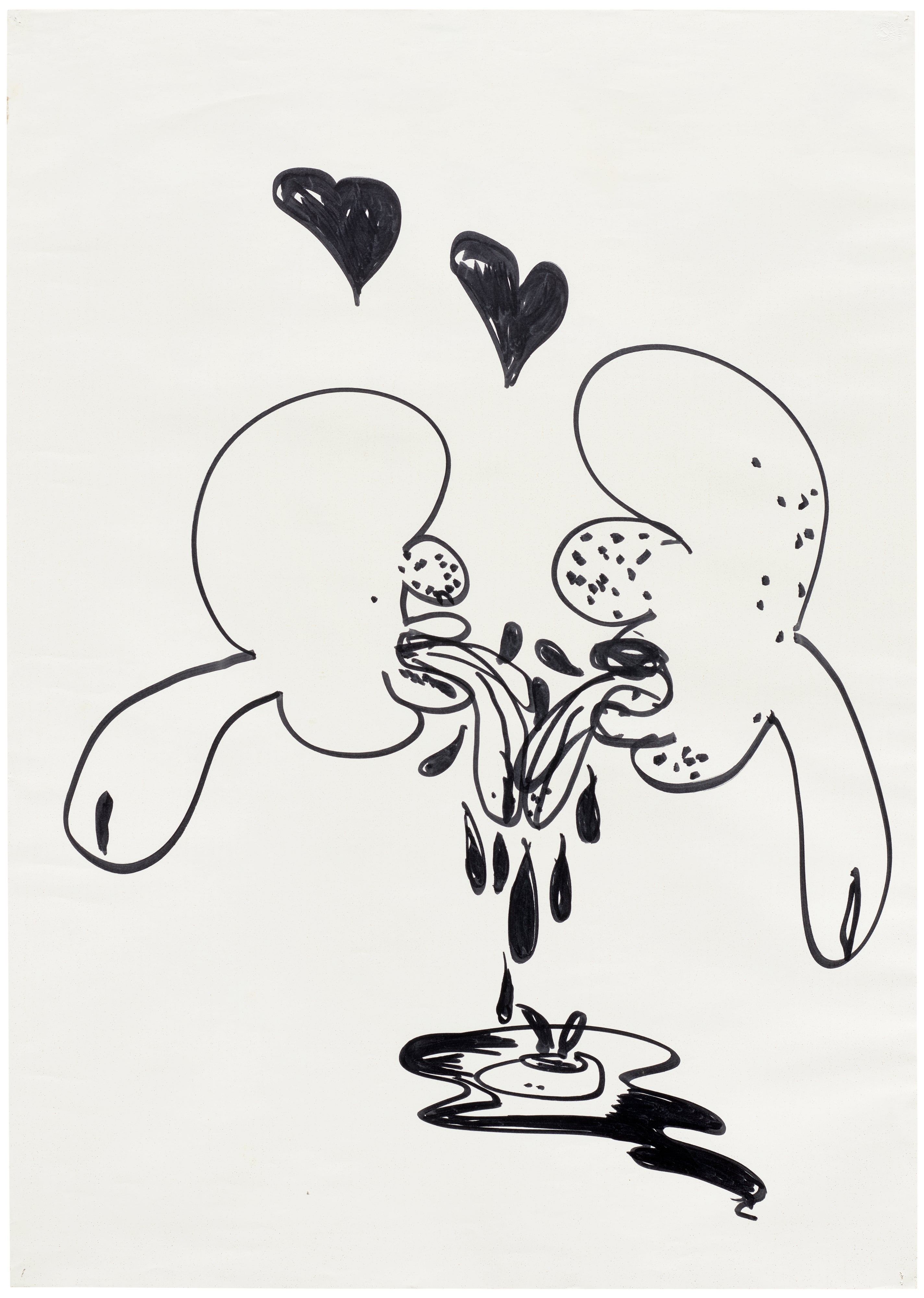
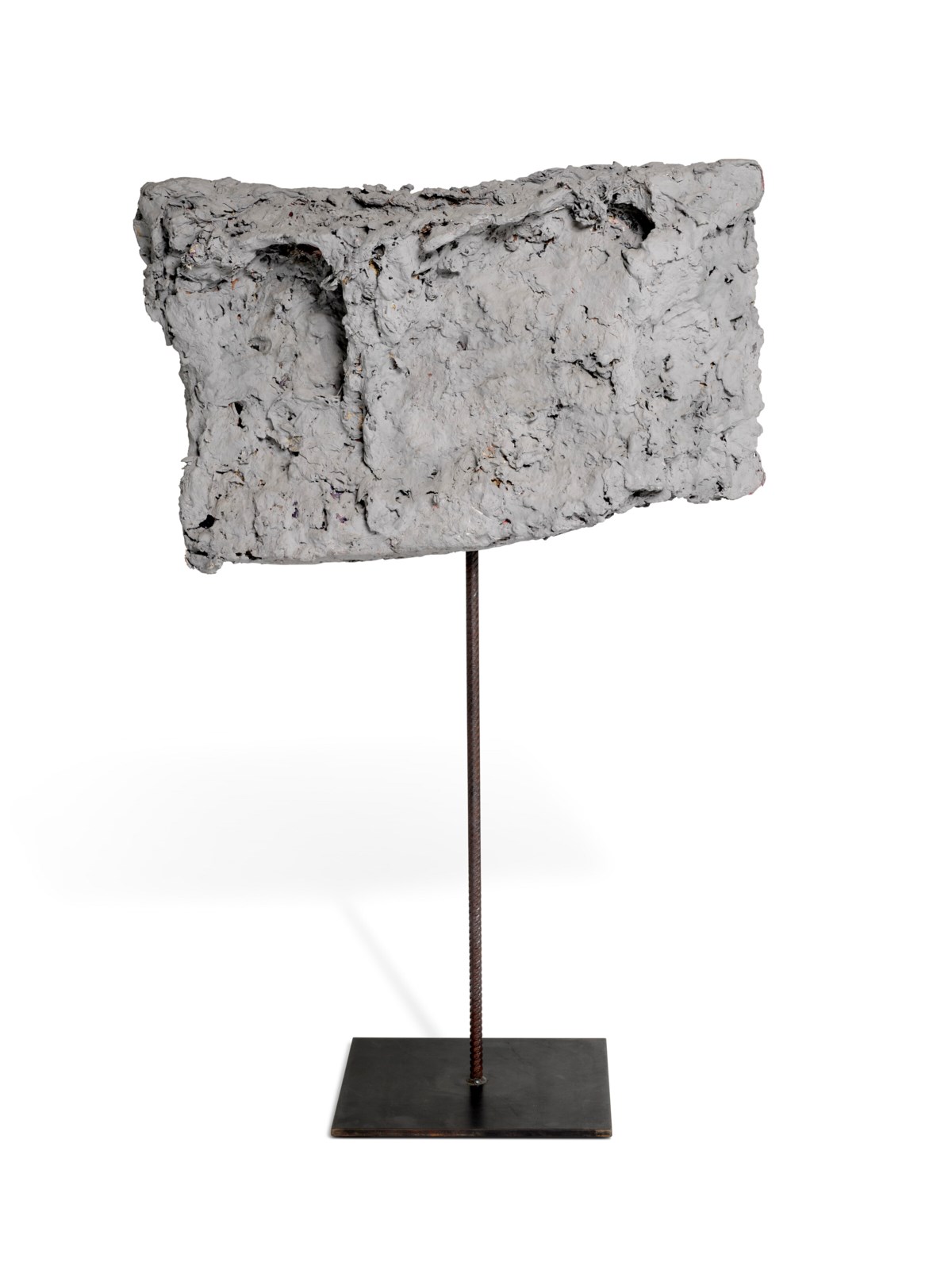
Paul McCarthy
Untitled, 1992
Works with clear provenance from significant collections or documented exhibition histories at major institutions tend to outperform estimates reliably. Duchamp multiples, for instance, require careful attention to edition numbering and documentation, since the conceptual nature of his practice has generated a complex landscape of authorized and posthumous editions. Before acquiring any multiple in this territory, ask the gallery directly about the edition number, the total edition size, whether the work was produced during the artist's lifetime, and what documentation accompanies the piece. These are not pedantic questions.
They are the difference between an asset and a liability. Condition is nuanced with avant garde work in ways that differ from traditional categories. A Fontana canvas depends on the integrity of the cut, and any attempt at repair, however invisible, fundamentally compromises the work's meaning. A Man Ray rayograph, produced without a camera by placing objects directly on photosensitive paper, requires careful attention to fading and foxing, and a condition report from a specialist in vintage photography is essential.
Display considerations matter too: many works in this territory were made in deliberate opposition to conventional exhibition conventions, and how you position them in your space is itself an interpretive act. The best avant garde collections tend to be assembled by people who understand that. They are not decorating. They are thinking.
And that distinction, in the end, is what this kind of collecting is entirely about.