Seascape
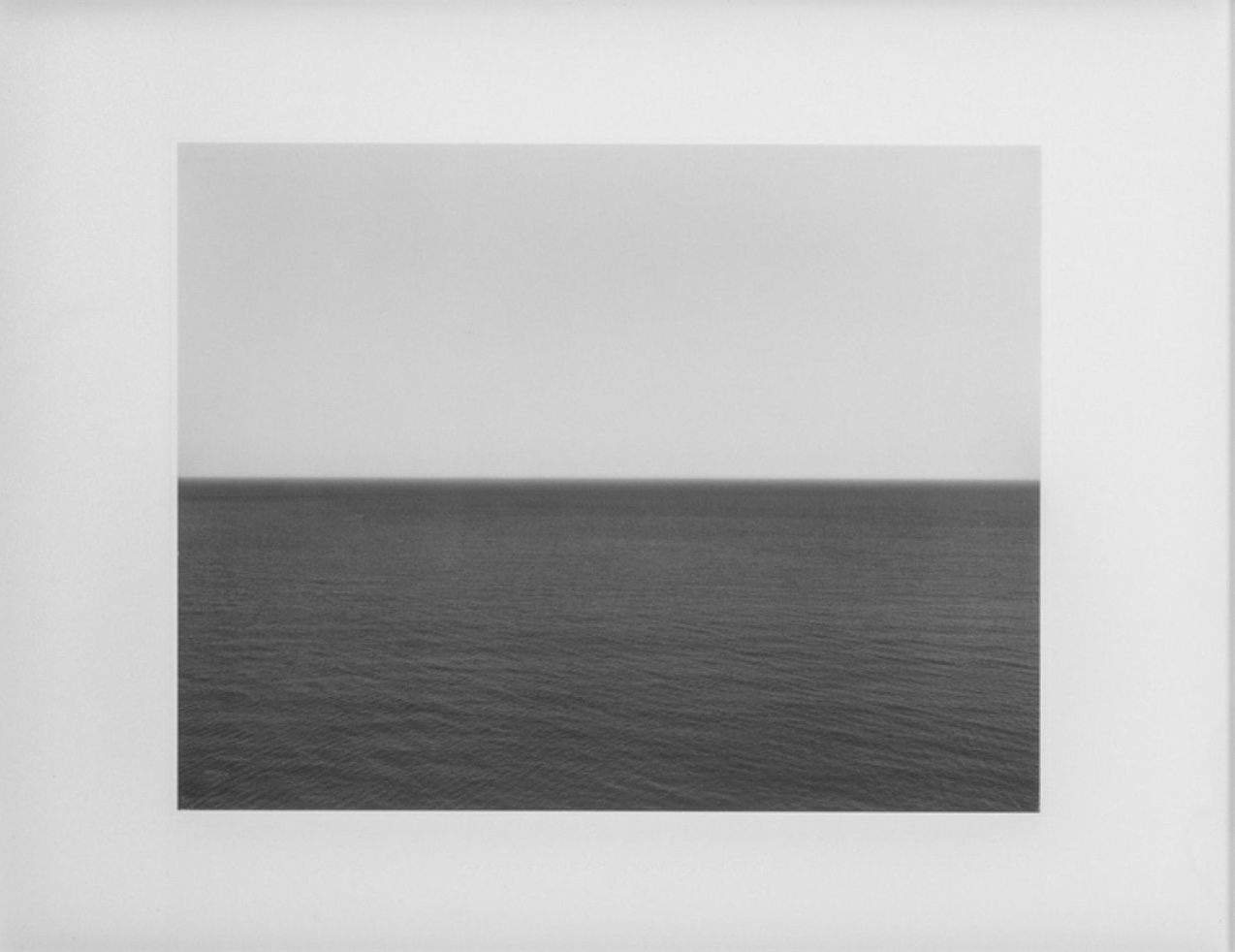
Hiroshi Sugimoto
Time Exposed, 1990


The Sea Has Always Known More Than Us
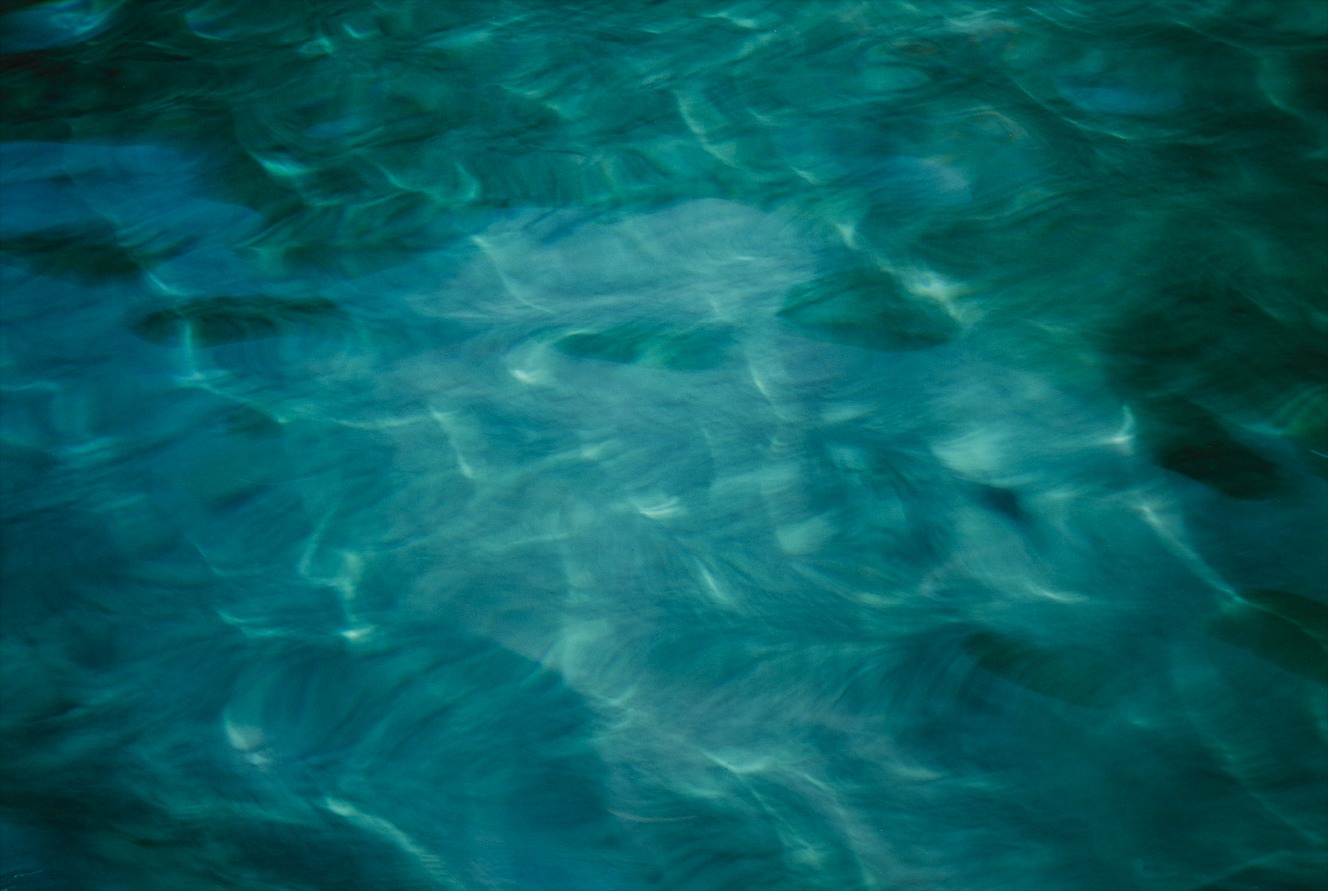
There is no subject in the history of art that has absorbed more ambition, more anxiety, more philosophical longing than the sea. It resists domestication. It refuses to hold still. Painters, printmakers, and photographers have returned to it across centuries not because they believed they could capture it but precisely because they knew they could not.
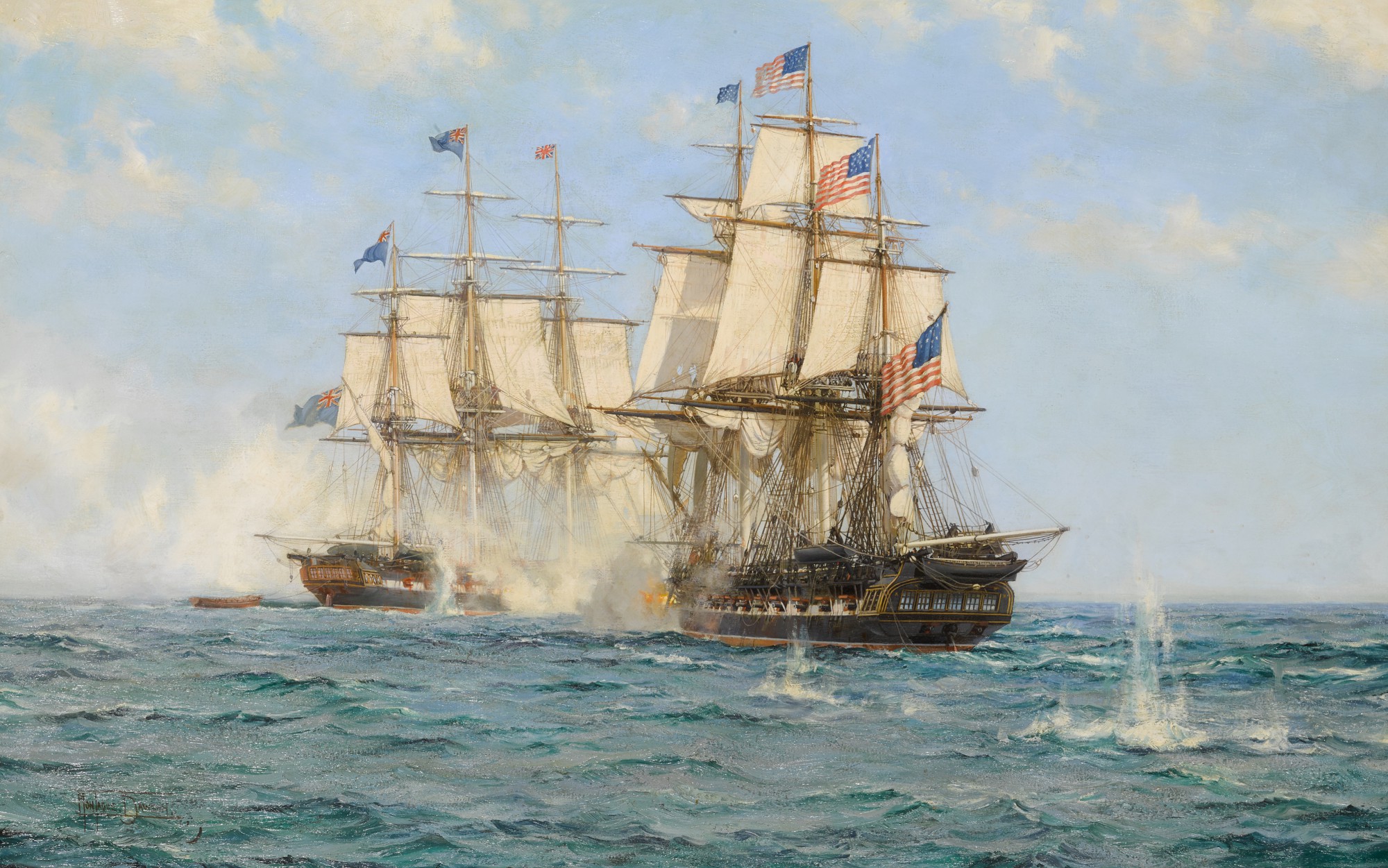
That tension between the desire to possess and the impossibility of possession sits at the heart of what makes seascape one of the most enduring and psychologically rich categories in all of collecting. The genre has roots that stretch back to seventeenth century Dutch maritime painting, when the sea was not a place of contemplation but a place of commerce and consequence. Artists like Ludolf Backhuysen painted the churning waters of the North Sea with the stakes of trade and empire visibly high, ships straining against weather that felt genuinely threatening rather than picturesque. These were not romantic visions.
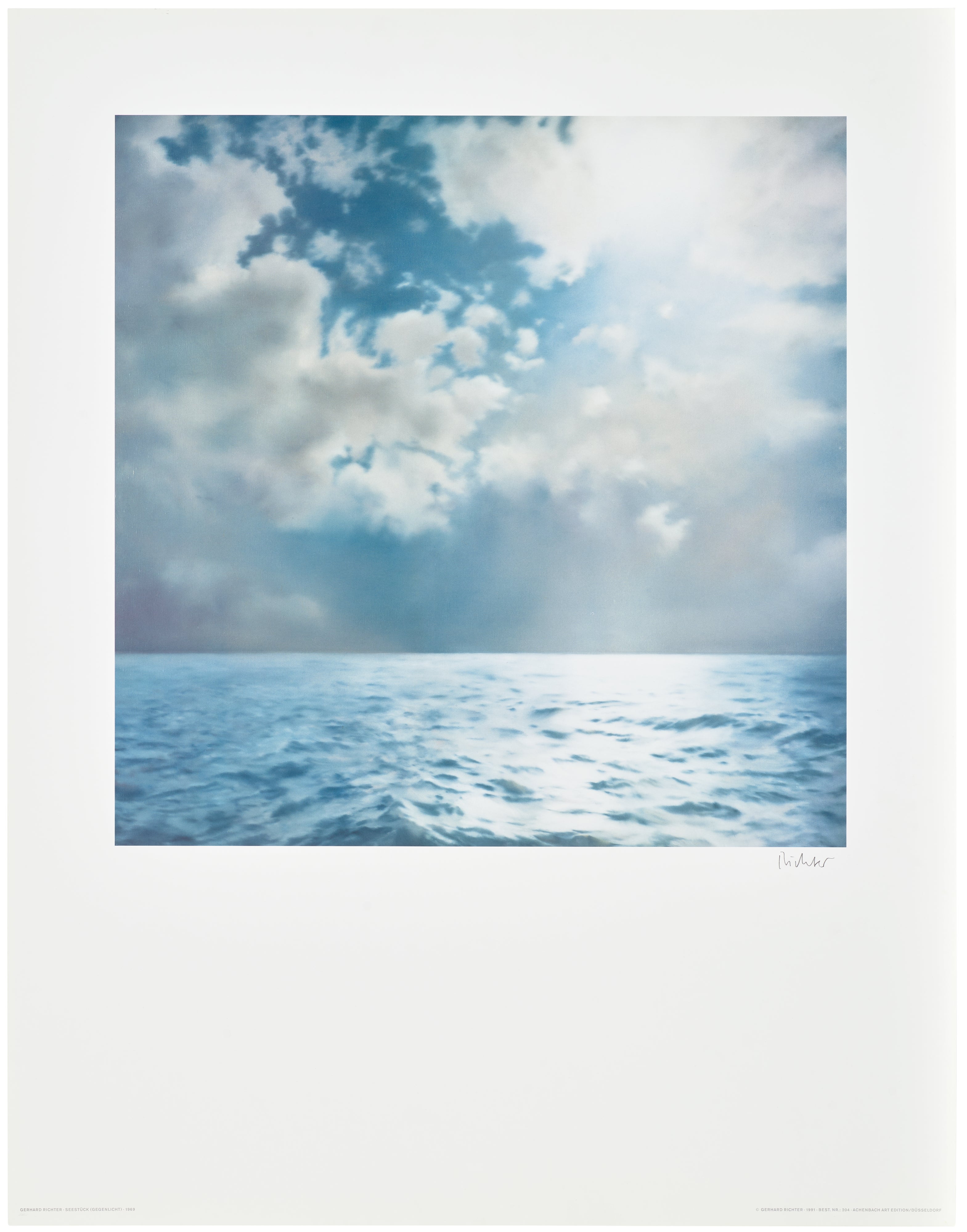
Gerhard Richter
Seestück (Gegenlicht) (Seascape)
They were documents of a world in which the ocean was a working partner and a mortal adversary in equal measure. The Dutch Golden Age established the vocabulary of the genre, its attention to light on water, to the weight of clouds, to the geometry of rigging against sky, and that vocabulary would be borrowed, challenged, and transformed for the next three hundred years. By the nineteenth century the seascape had become something more internal. The Romantic movement turned the ocean into a mirror for human emotion, and the shorelines of Normandy and Brittany became the sites of some of the most consequential landscape painting in European history.
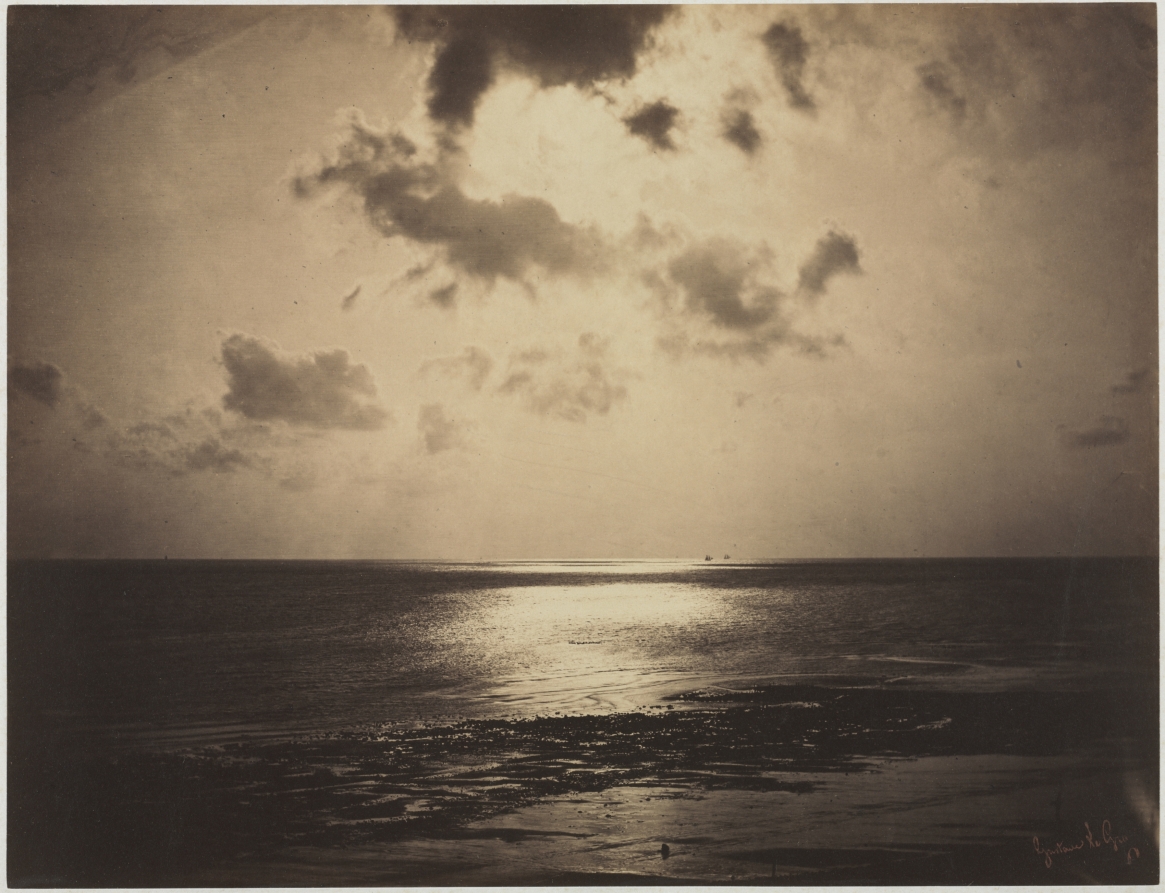
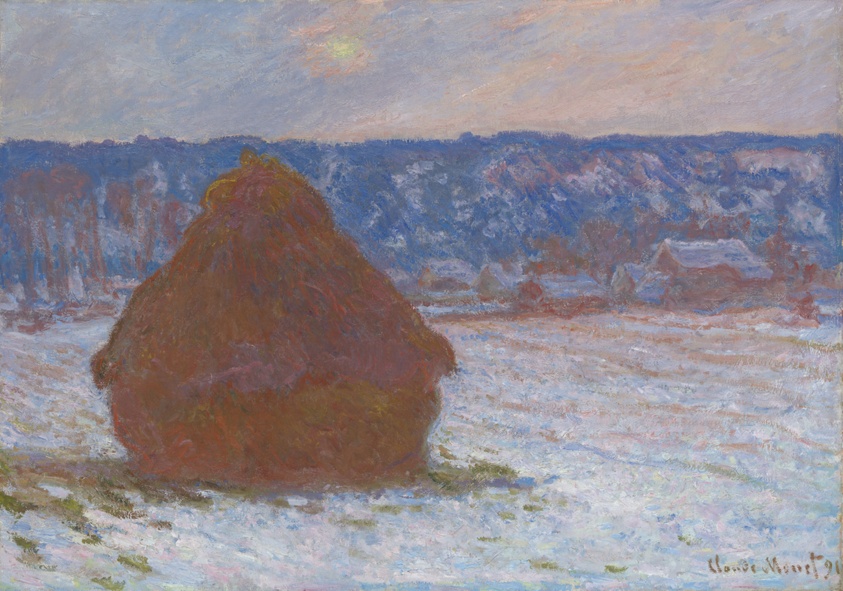
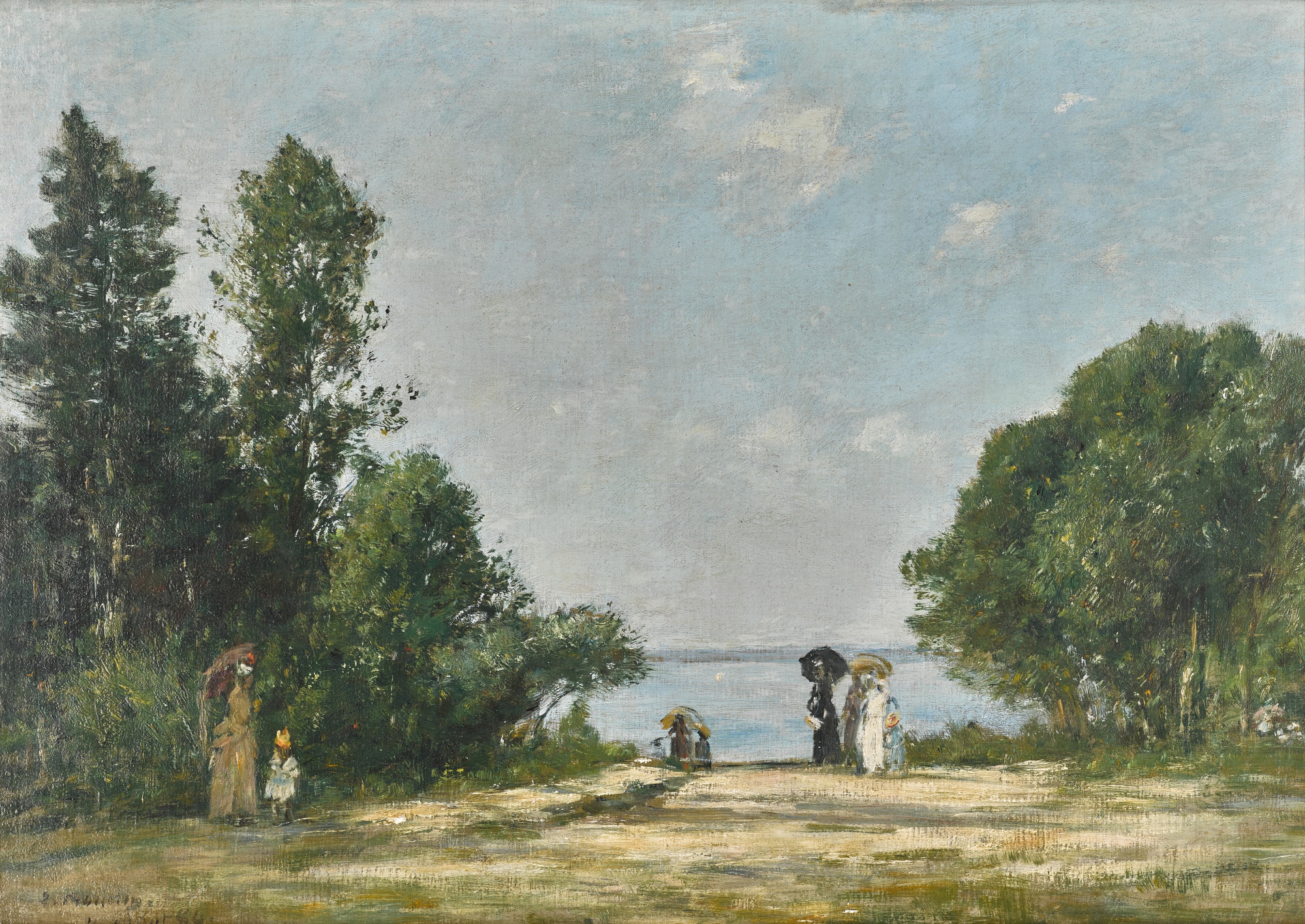
Gustave Le Gray, working in the 1850s and 1860s, did something almost impossible with his seascape photographs taken at the beaches of Normandy. By combining separate negatives for sky and sea he achieved a luminosity and drama that no single exposure could then produce, and in doing so he argued that photography was not documentation but art. His images remain among the most extraordinary objects in the history of the medium, and their presence on The Collection speaks to how seriously collectors now regard early photography as a genre equal to painting. Eugène Boudin, who famously encouraged the young Claude Monet to work outdoors, spent his career on the Channel coast painting the sky and water with a looseness that looked almost careless until you stood in front of the canvases and understood that the casualness was the point.

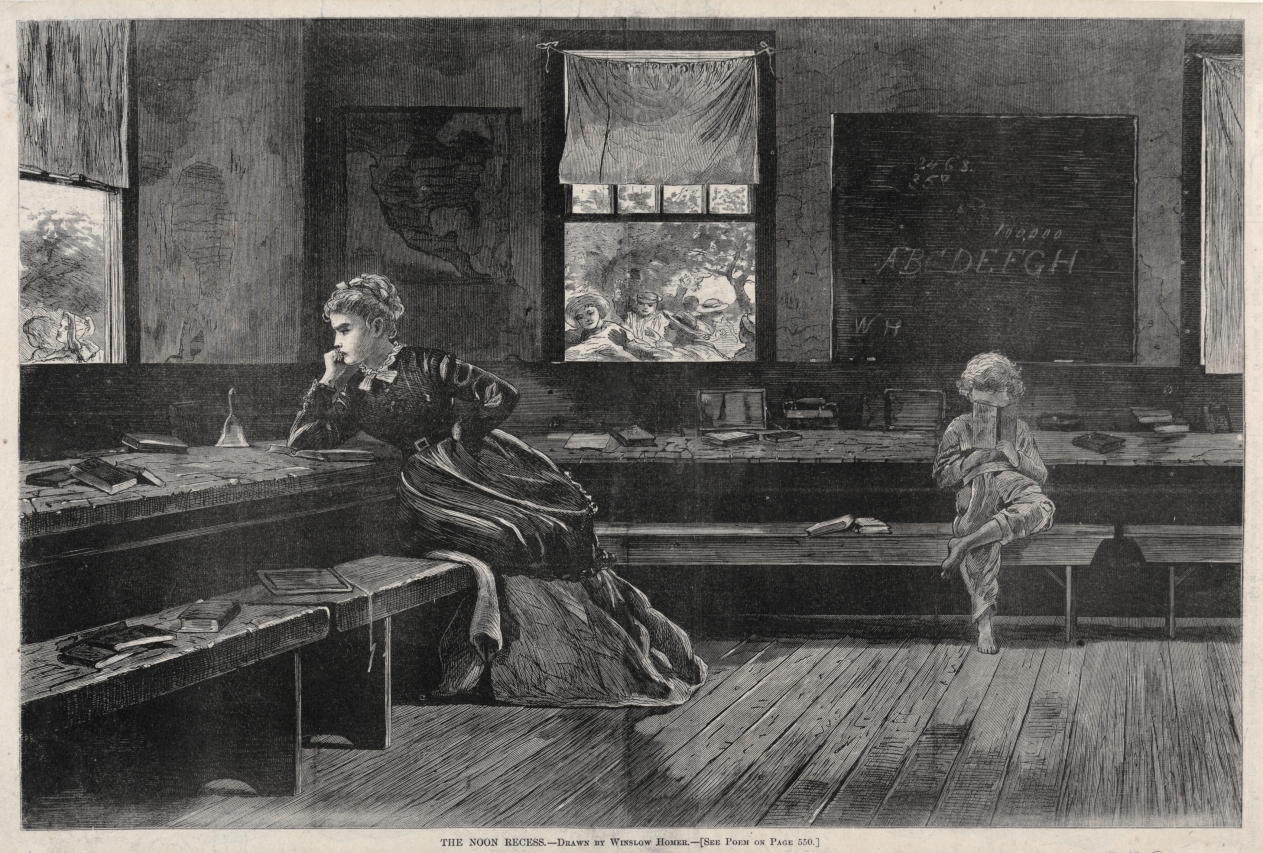
Winslow Homer
A Voice from the Cliff, 1880
Boudin was capturing atmosphere before atmosphere had a theory. Monet would take that inheritance and push it toward something almost hallucinatory in his later work, where the sea and the sky and the cliff face at Étretat dissolve into each other until what you are looking at is less a place than a state of perception. Both artists appear on The Collection, and together they trace the arc from observation to immersion that defines Impressionism's relationship to water. The same coastlines drew James McNeill Whistler, who approached the sea with a different set of questions entirely.
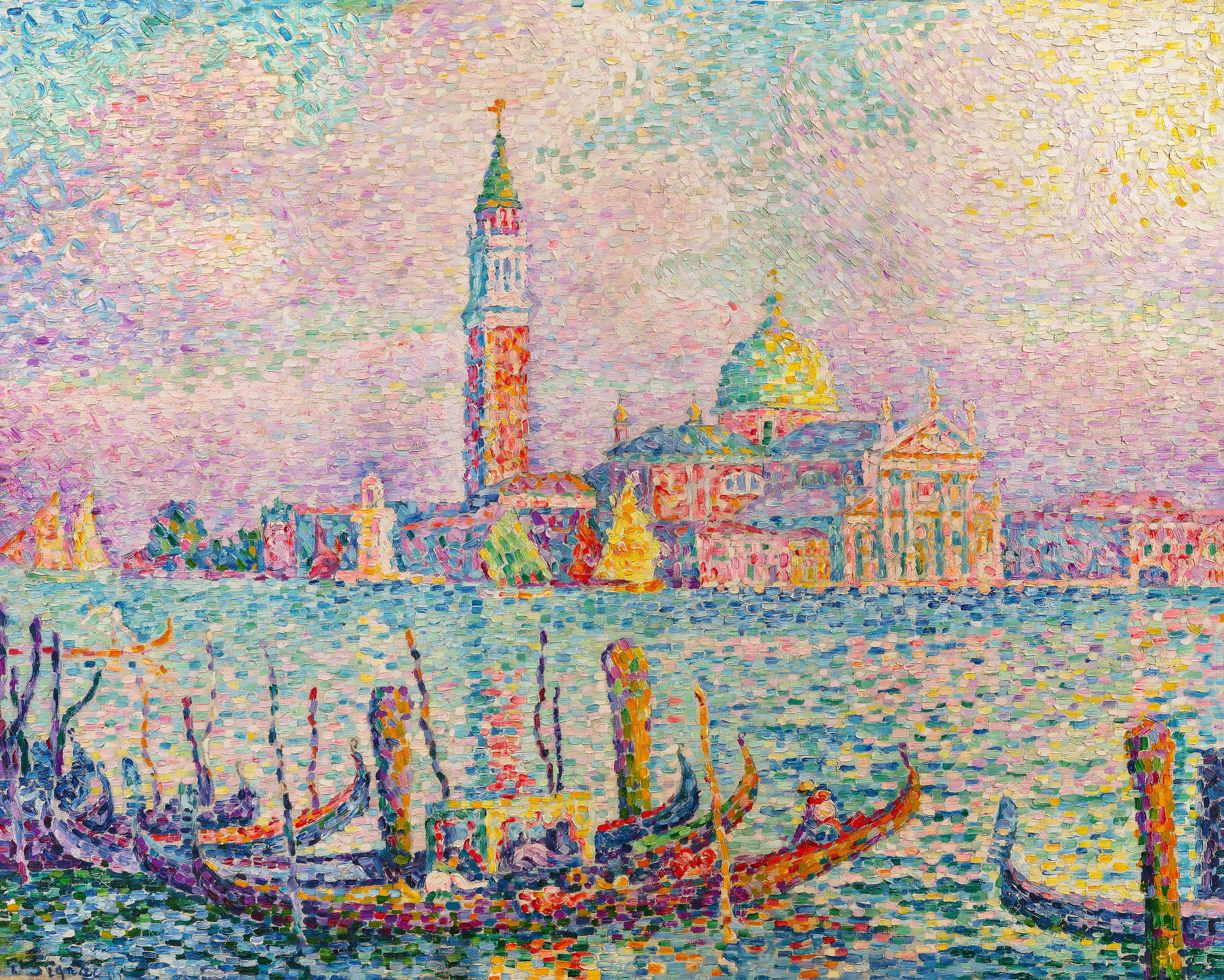
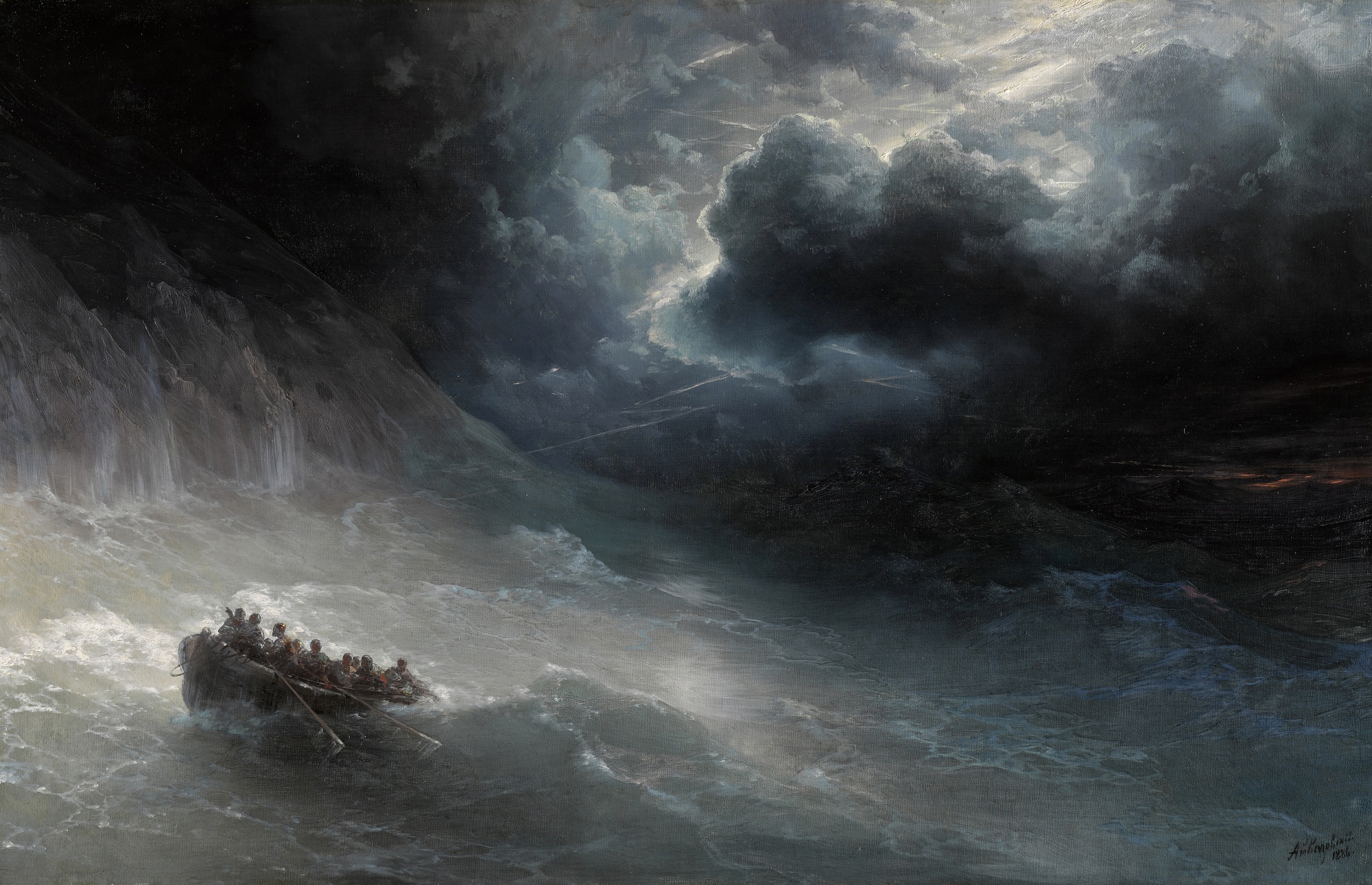
For Whistler the horizon was a compositional device, a way of stripping the picture down to essences. His Nocturnes reduced the Thames and the sea at Valparaíso to washes of tone that anticipated abstraction by decades. Paul Signac, working later and with the systematic dot by dot method of Neo Impressionism, brought a scientific rigor to harbor and coastal scenes that paradoxically made them feel more electric and alive. And Ivan Aivazovsky, the great Russian painter who became famous during his own lifetime, staged the sea as pure spectacle, with waves caught at the moment of their most theatrical power.
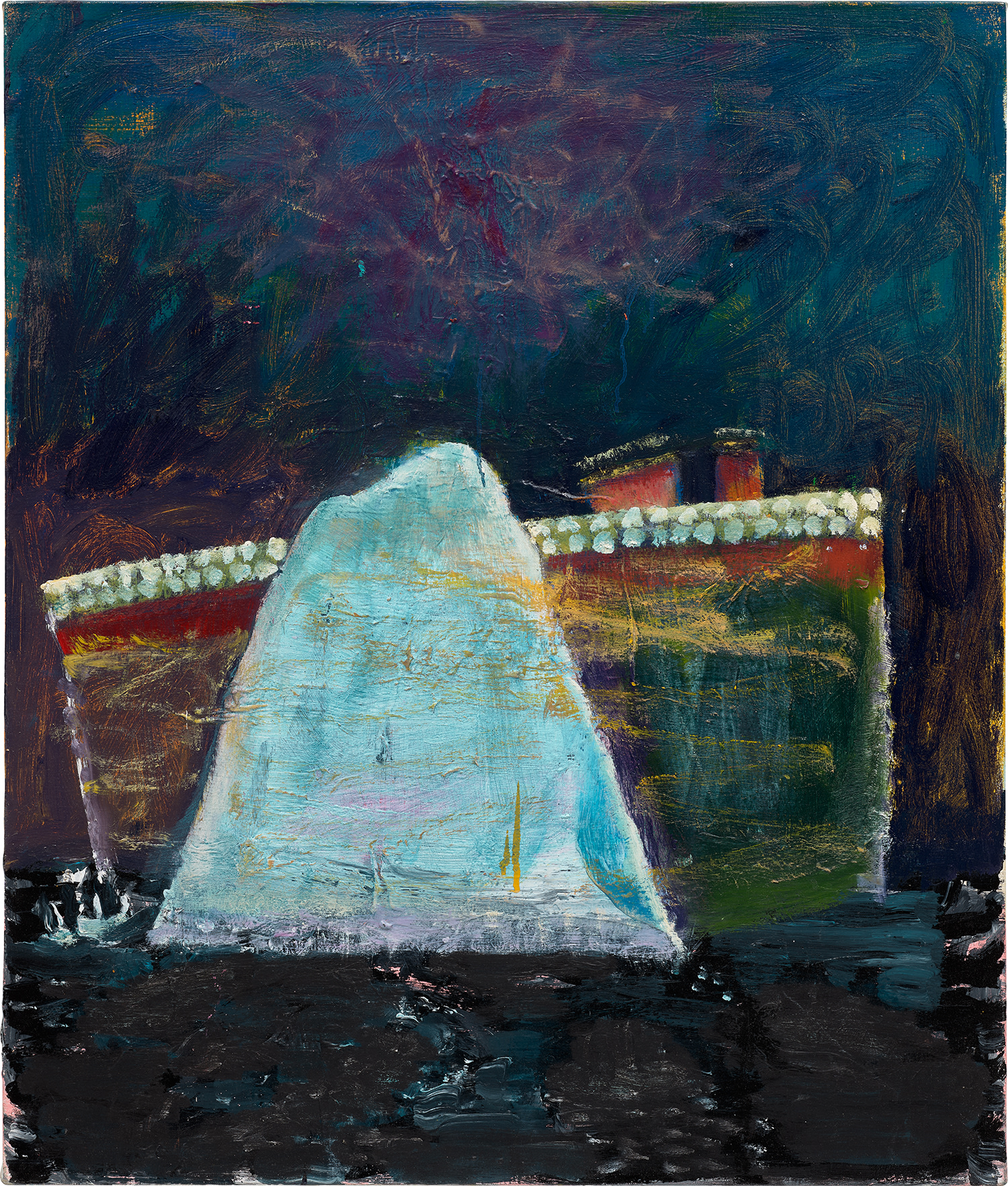
Katherine Bradford
Iceberg, 2014
Each of these figures approaches the same subject with an entirely different set of assumptions, and that diversity is part of what makes seascape so rewarding to collect across. The twentieth century did not abandon the sea so much as it reframed it. Winslow Homer, painting on the Maine coast through the 1890s and into the early 1900s, found something unsentimentalized and almost brutal in the Atlantic. His work connects the grand tradition of marine painting to American Realism and gives the seascape a new kind of plainness.
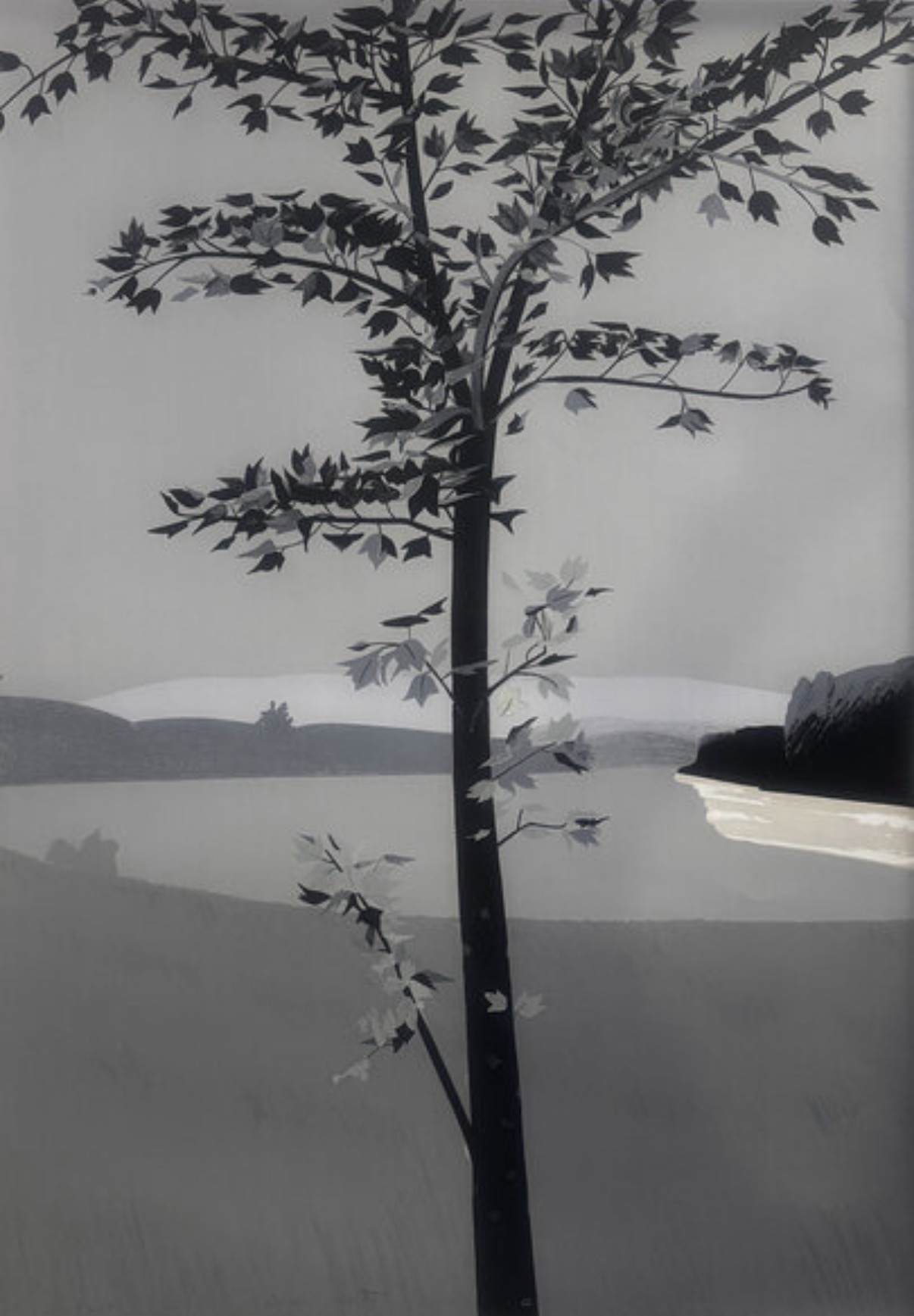
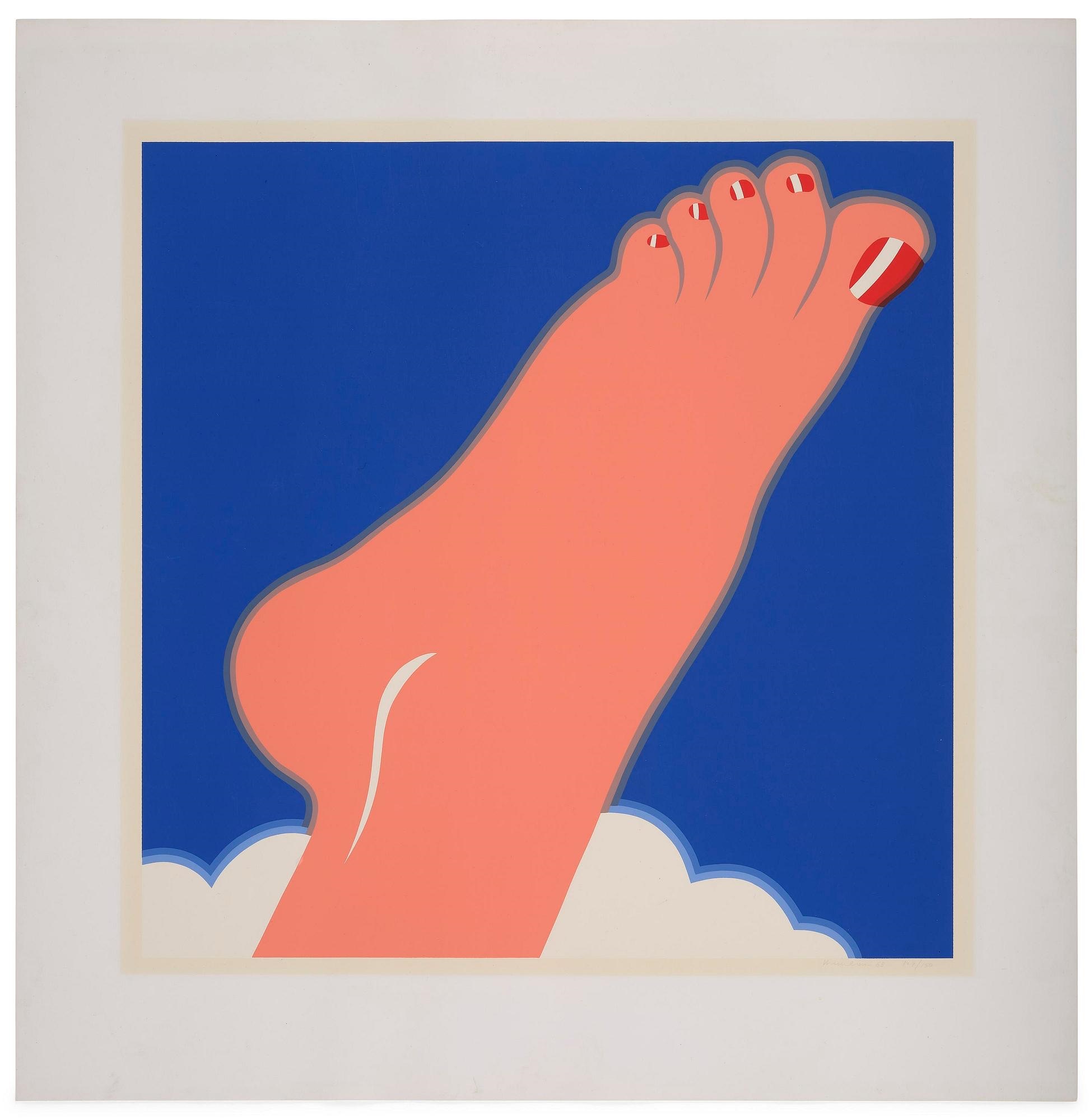
Later, Milton Avery and Alex Katz would reduce coastal scenes to flat planes of color that carry the weight of abstraction while remaining unmistakably descriptive. Roy Lichtenstein and Tom Wesselmann would bring Pop sensibility to the same subject, turning the breaking wave into a sign, a quotation, a consumer object. Each of these moves reanimates the genre rather than exhausting it. Hiroshi Sugimoto's long exposure photographs of the sea, begun in the 1980s as part of his ongoing Seascapes series, may be the most radical rethinking of the subject the genre has seen.
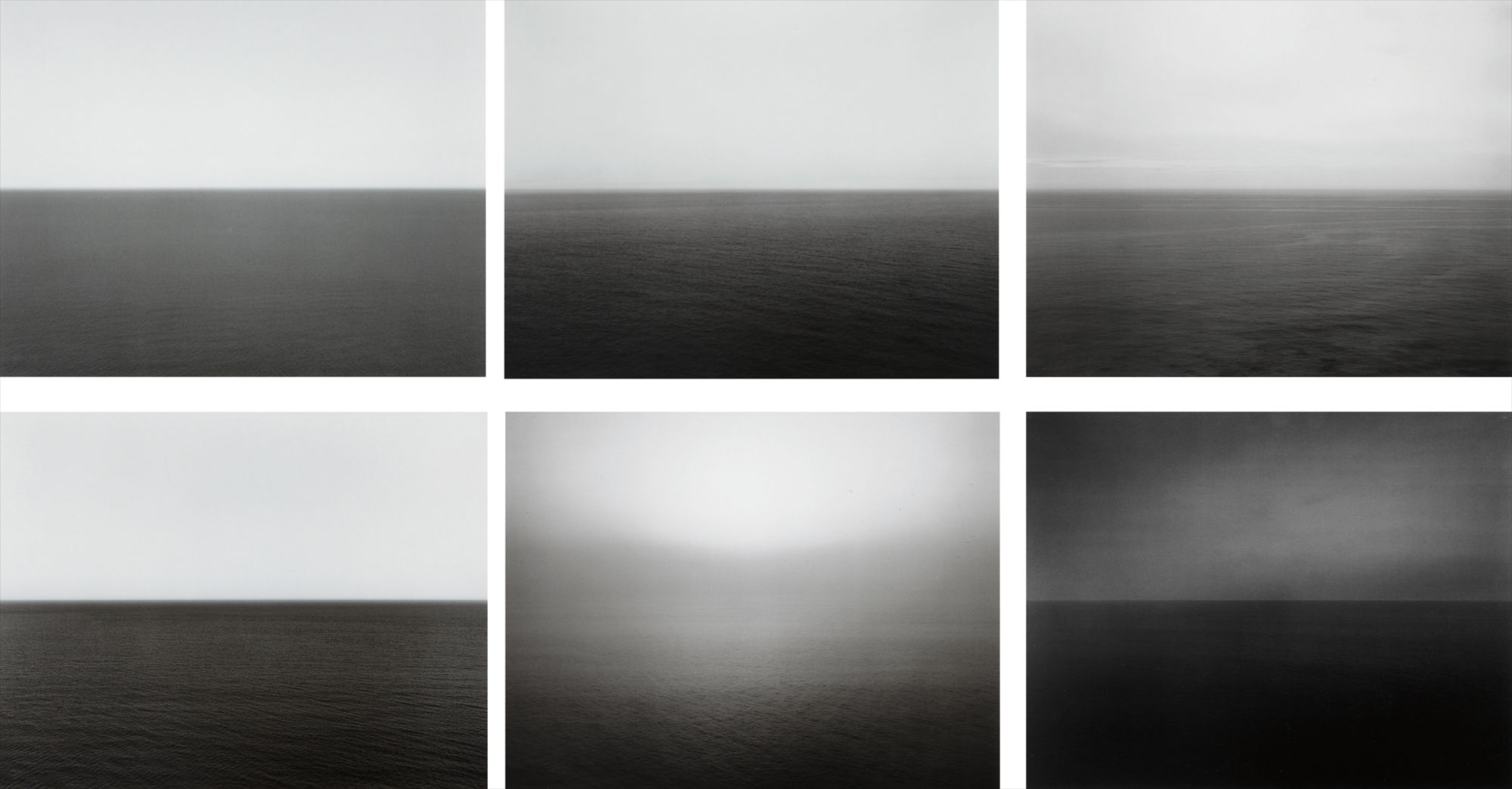
Hiroshi Sugimoto
Time Exposed, 1991
By using exposures long enough to smooth the water into a single horizontal band of light, Sugimoto arrived at images that look almost primordial, as though he had photographed not a specific sea but the concept of a sea. The works on The Collection represent him in depth, which reflects the platform's particular strength in photography as a collecting category. They reward sustained attention in a way that few photographic works do. Elger Esser, working in a similarly contemplative register, brings European melancholy to his large scale photographs of water and shore, and his presence alongside Sugimoto on The Collection creates a quiet but meaningful conversation across cultures and methods.
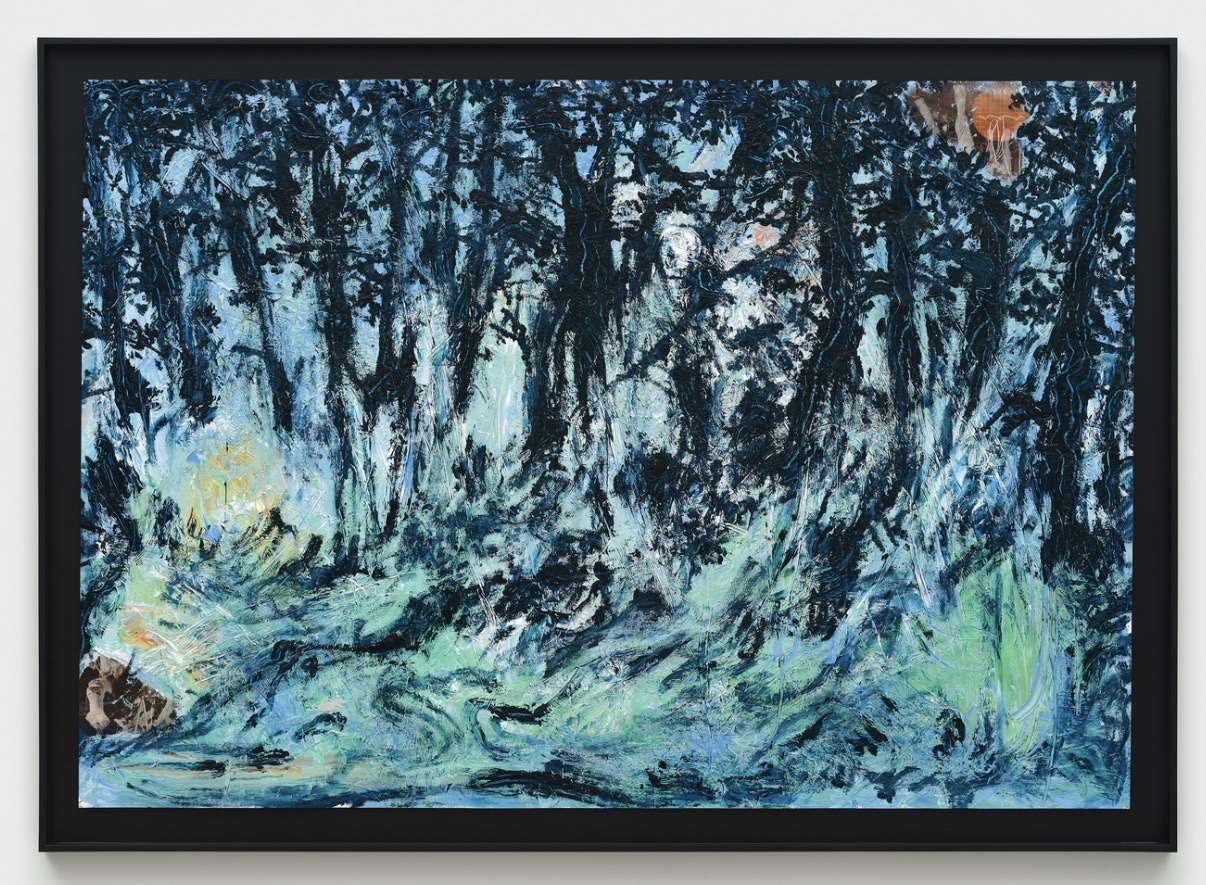
What all of this suggests for collectors is that the seascape is not a static category but a living one, constantly being renegotiated. From Backhuysen's merchant seas to Gerhard Richter's photorealist ocean surfaces, which use the water as a vehicle for thinking about paint and photography at the same time, the subject has proven elastic enough to carry almost any conceptual ambition while remaining visually immediate. Works in this category tend to hold their cultural weight well because the sea itself has not gone away as a source of meaning. If anything, with the changed relationship to climate and coastline that defines our current moment, the long history of artists staring at the water and trying to say something true feels more urgent than ever.