Artist Spotlight
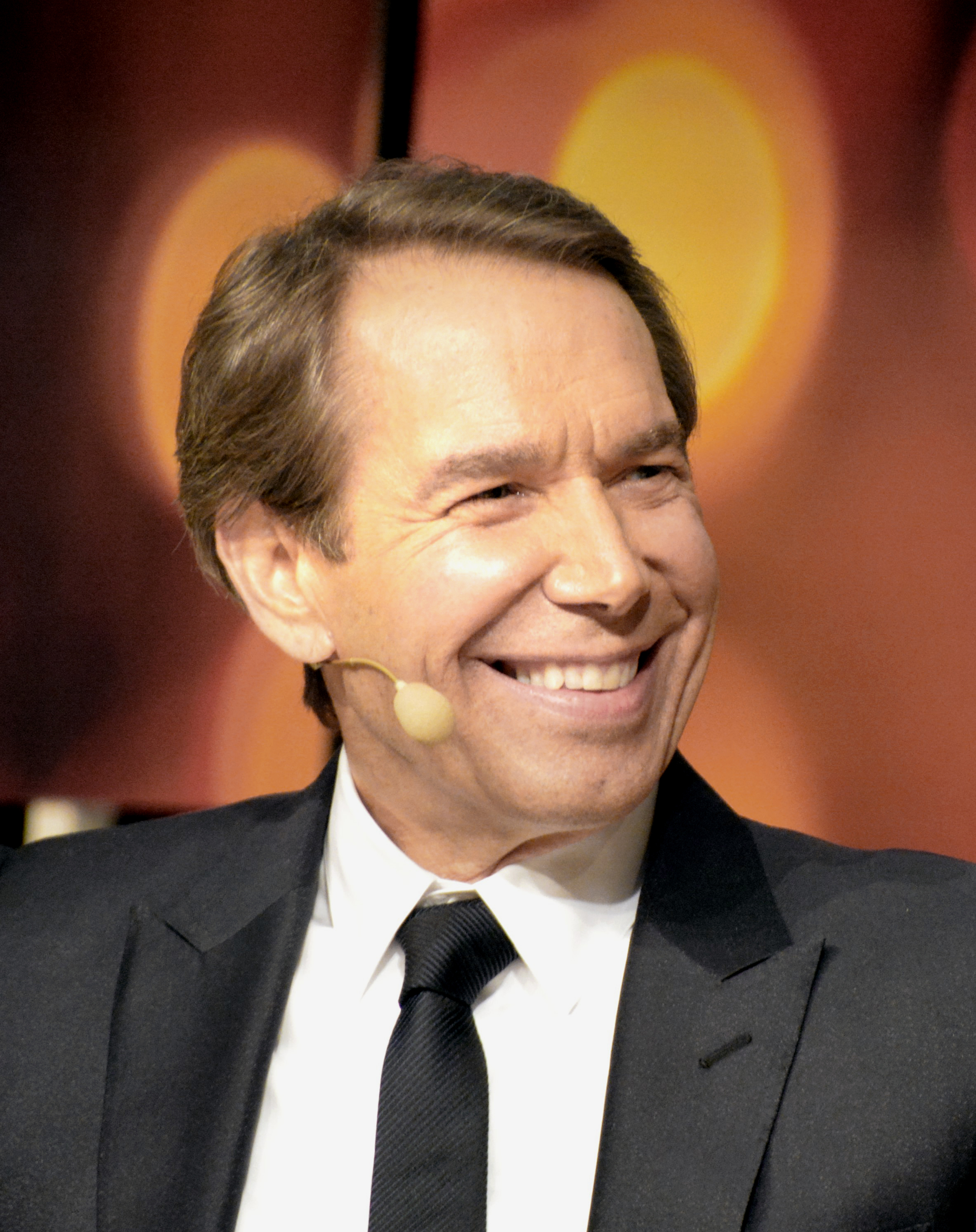
Jeff Koons: America's Most Joyful Art Visionary
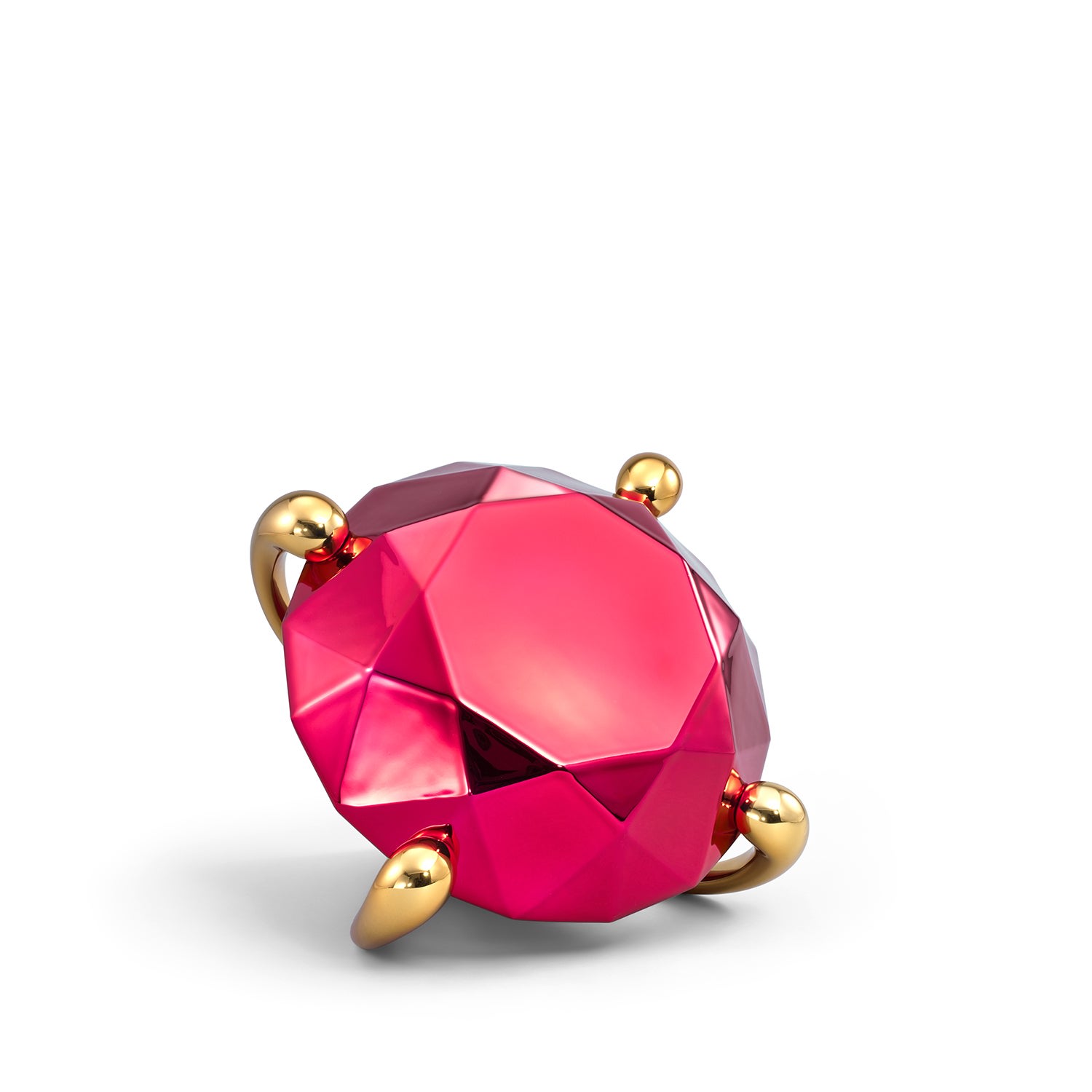
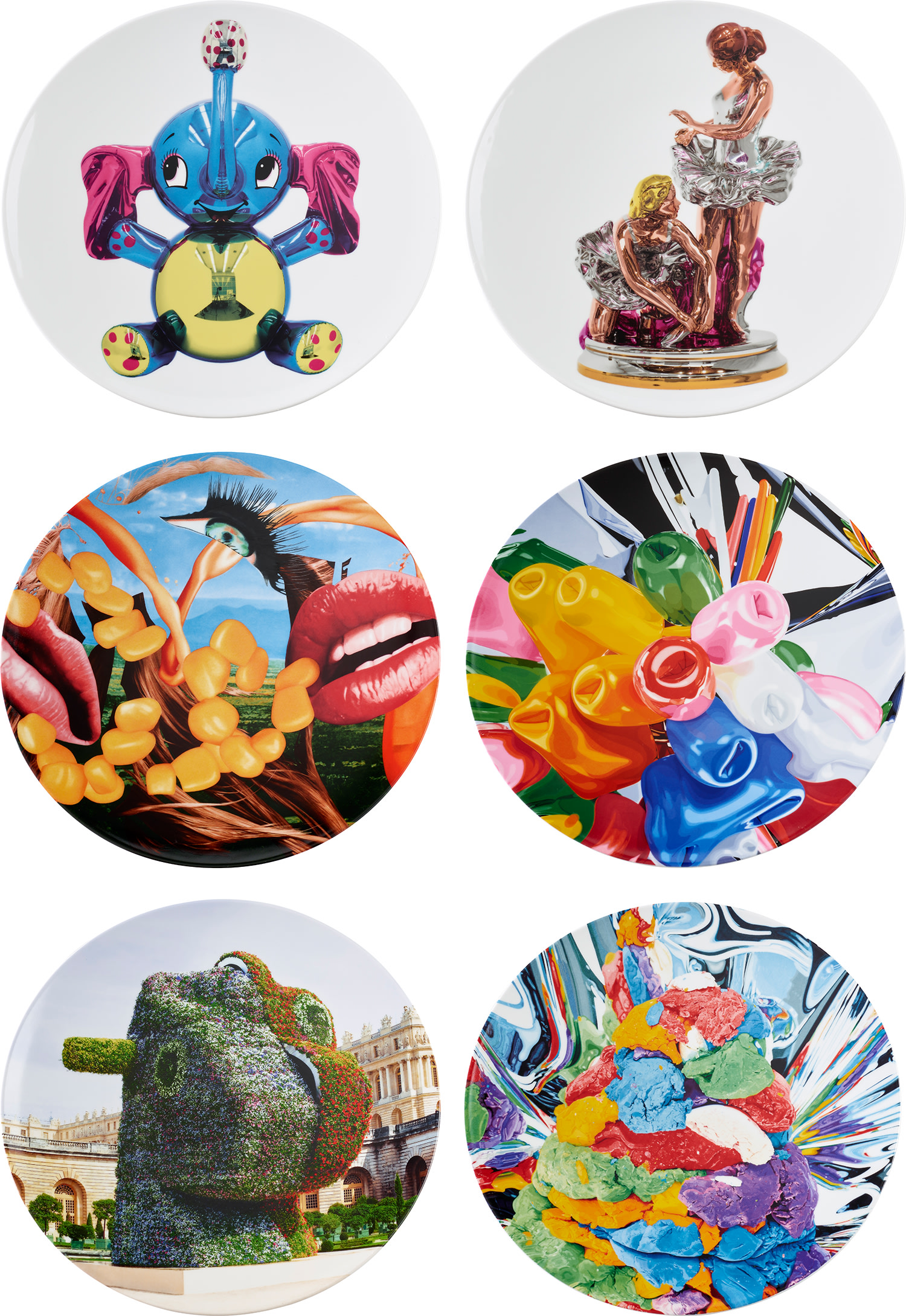
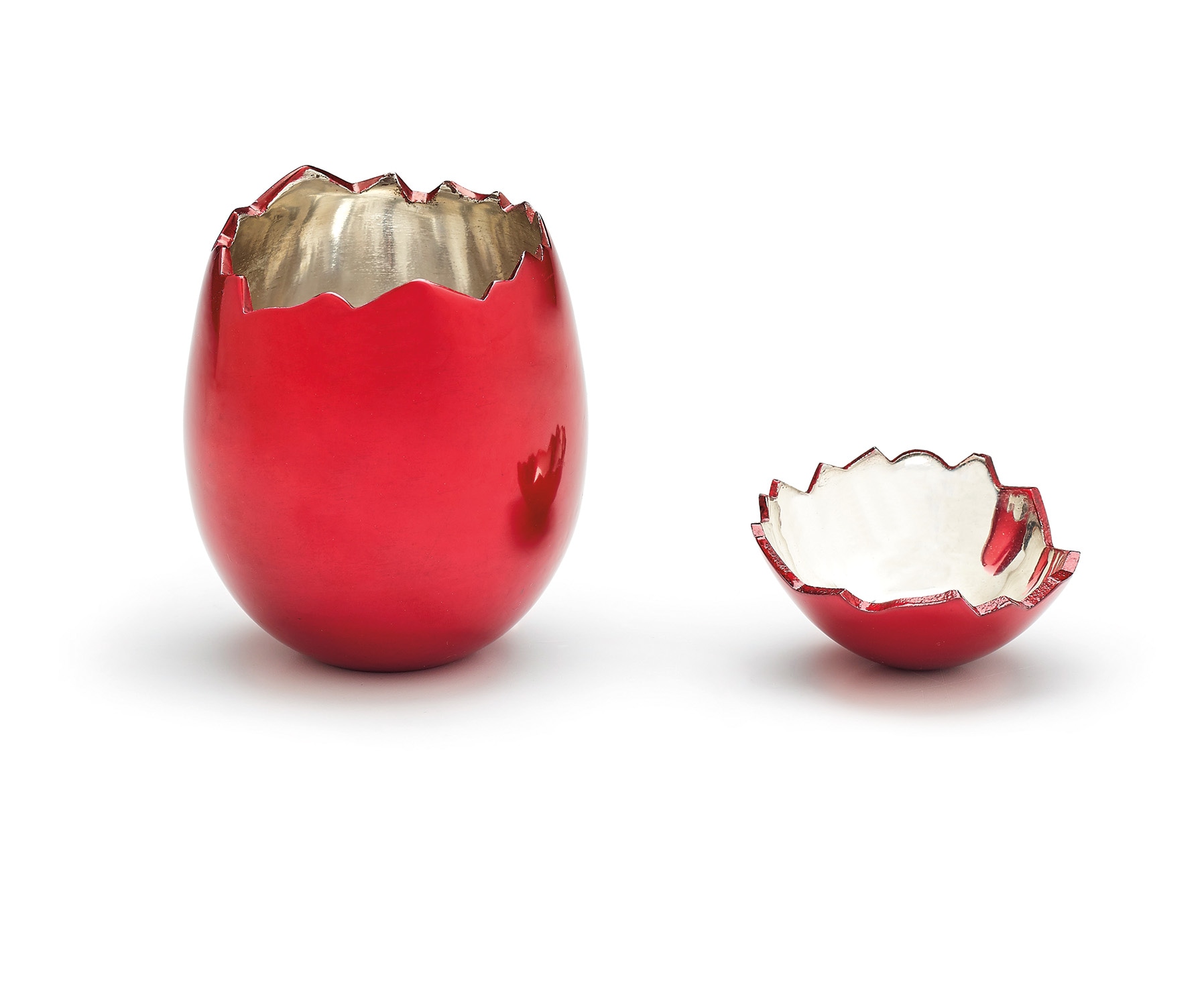
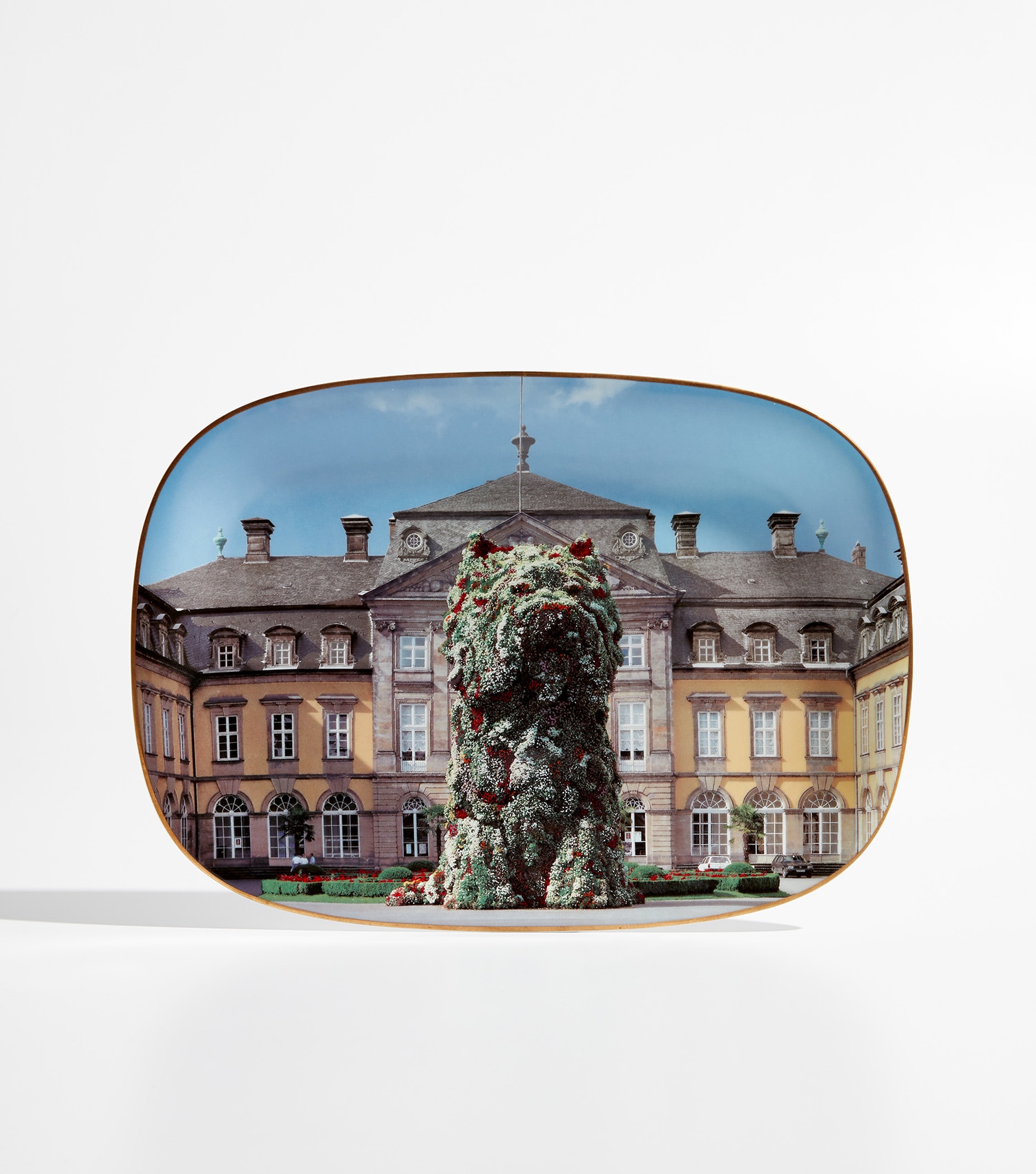
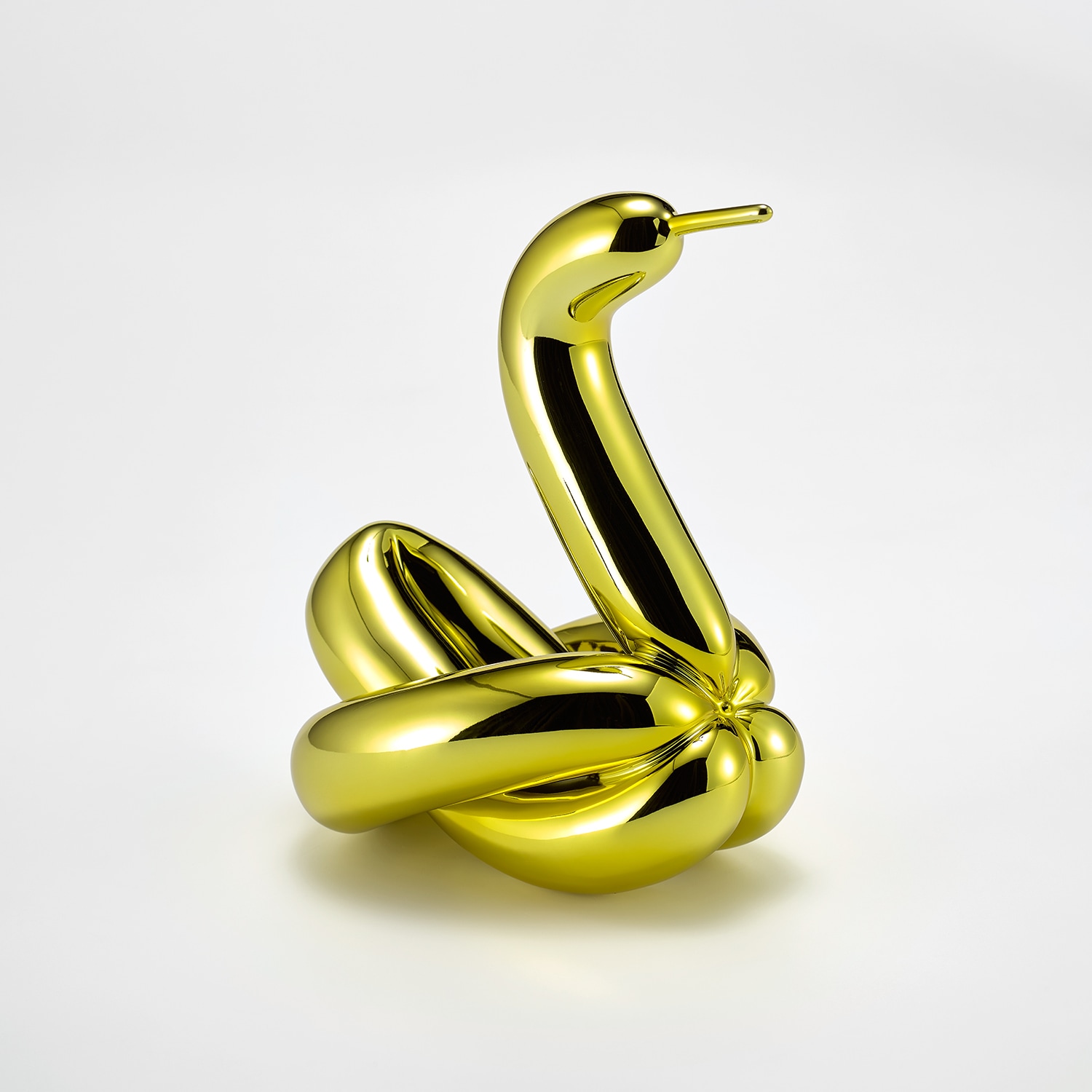
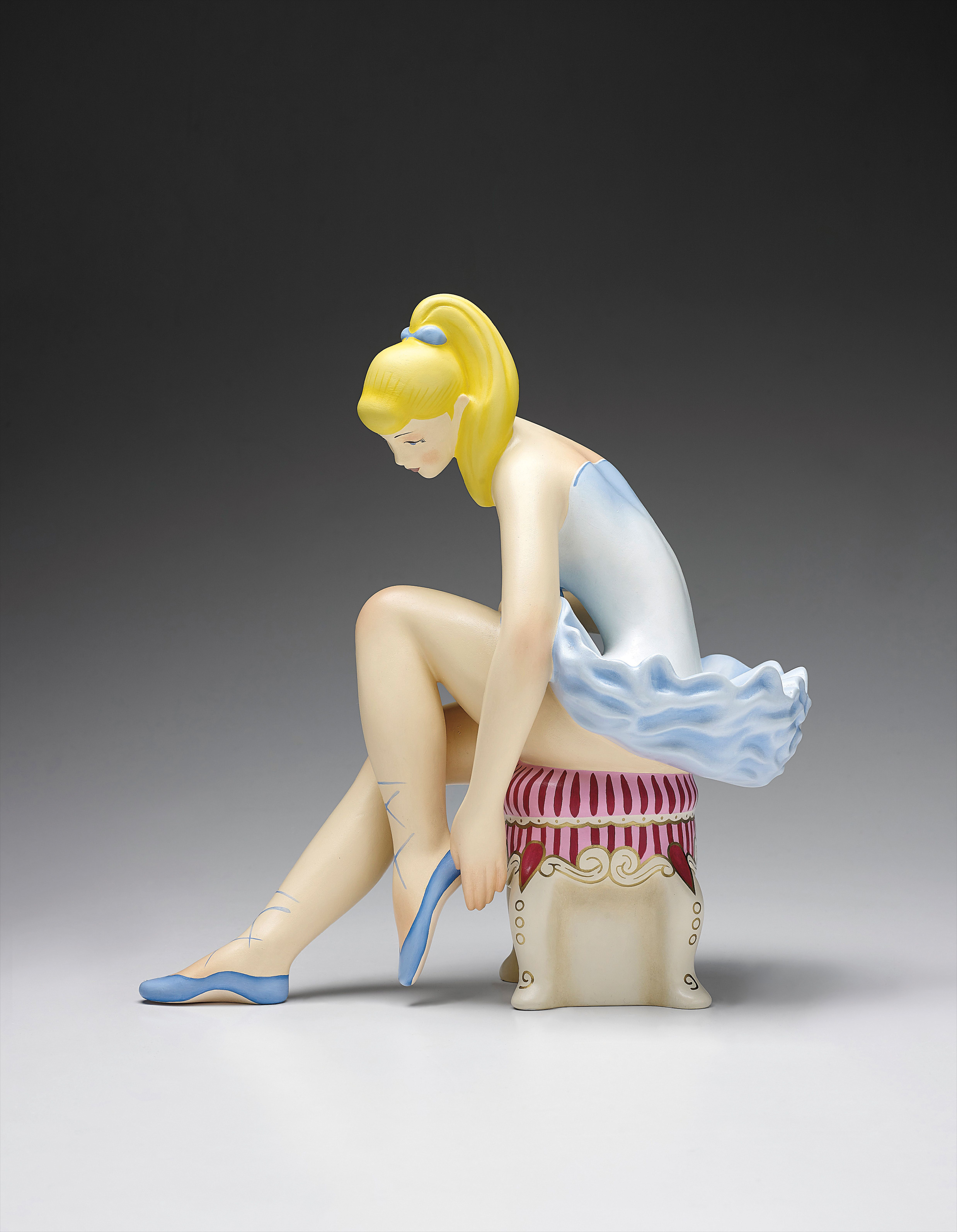
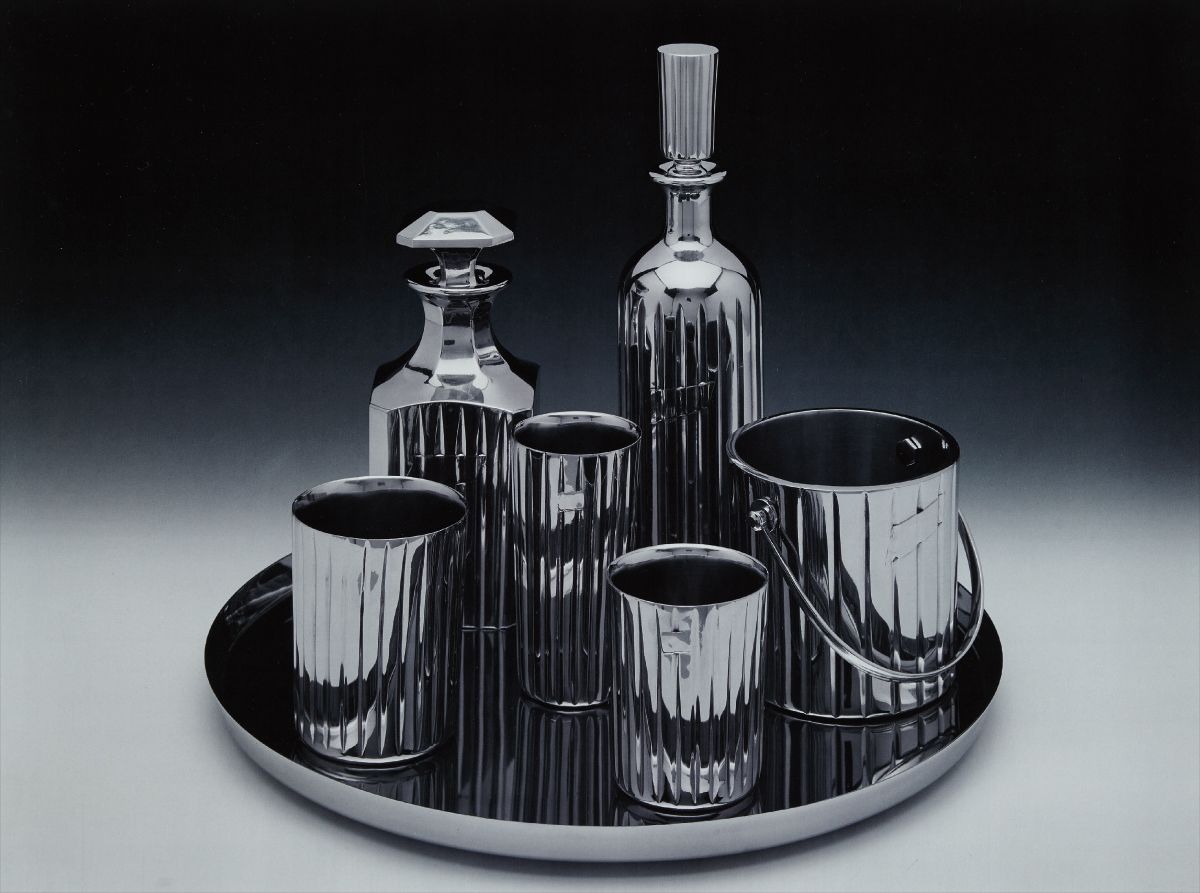
When Sotheby's New York brought down the hammer on Jeff Koons's Rabbit in May 2019, the stainless steel bunny sold for 91.1 million dollars, setting a new auction record for a living artist. The room, by all accounts, was electric. It was a moment that crystallized something essential about Koons: that his work operates simultaneously as aesthetic experience, cultural provocation, and extraordinary financial phenomenon. Few artists in the history of contemporary art have managed to hold all three of those registers at once, and fewer still have done so with such sustained energy across four… Continue reading






Artists in conversation
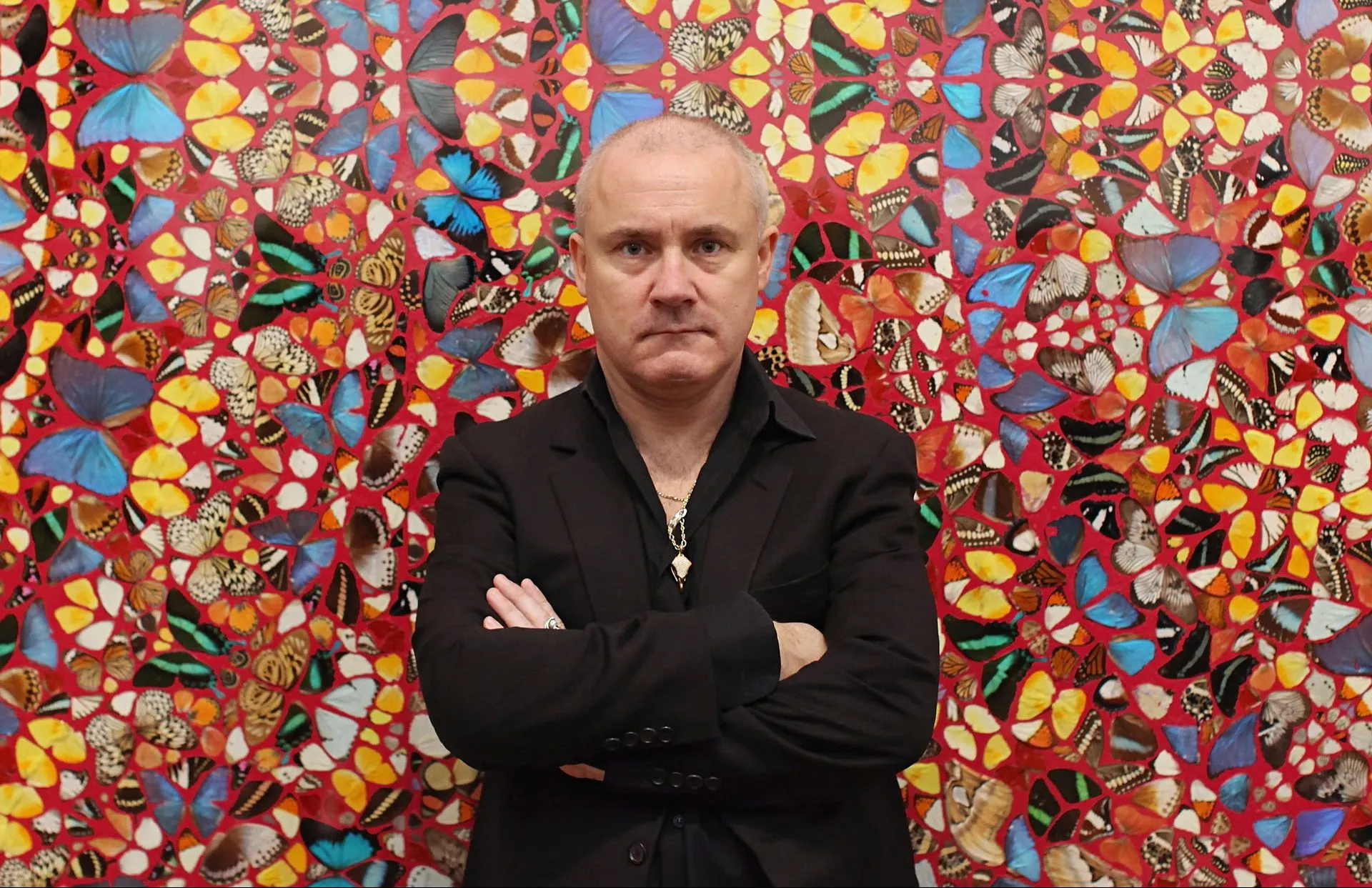
Damien Hirst
Hirst shares Koons's embrace of spectacle, commercial scale, and the blurring of high art with consumer culture, producing highly polished objects that provoke debates about taste and value. Both artists use industrial fabrication techniques and have built artistic empires around brand recognition.
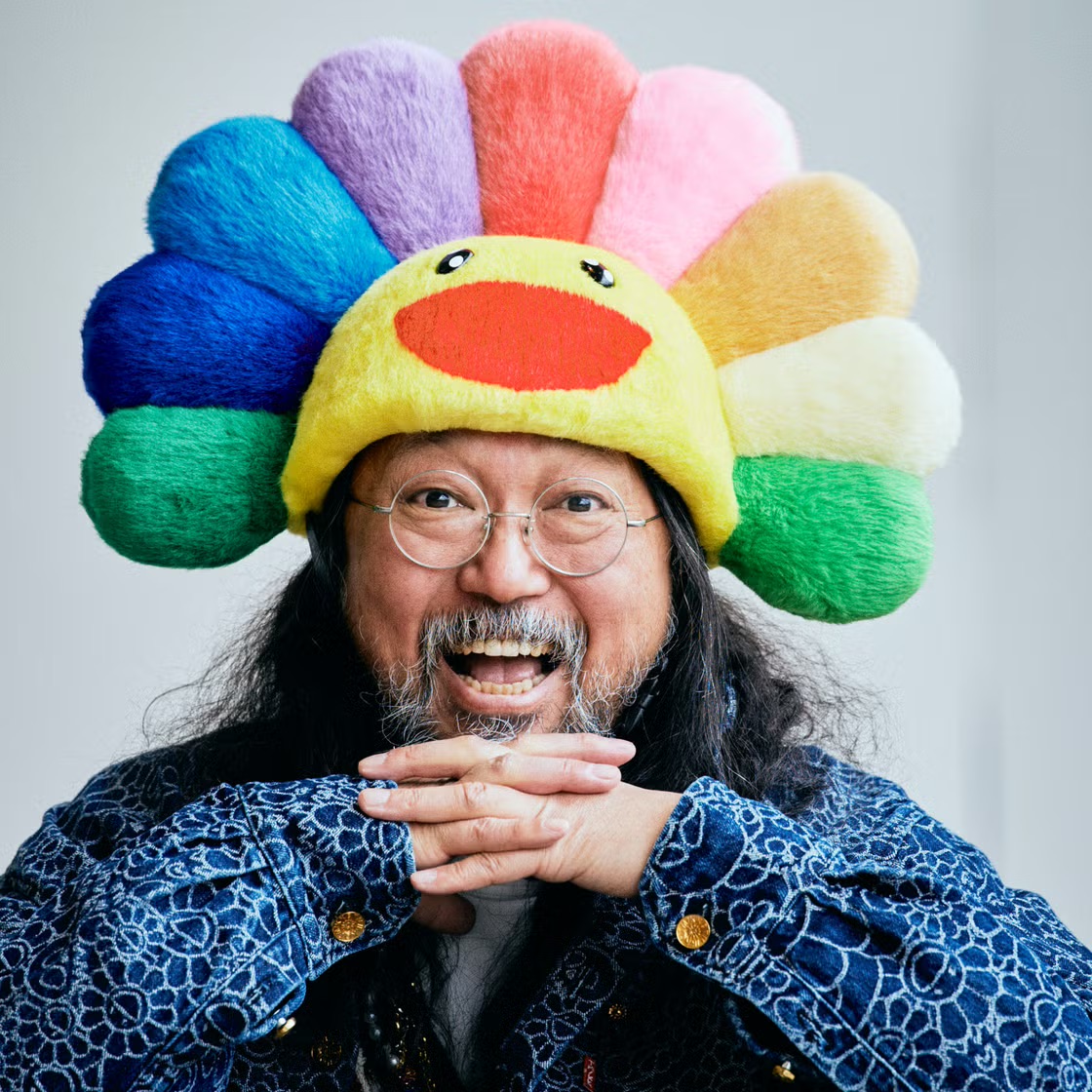
Takashi Murakami
Murakami similarly dissolves boundaries between fine art and popular imagery, deploying bold colors, cartoon iconography, and mass produced aesthetics in monumental sculptures and paintings. His Superflat theory mirrors Koons's interest in elevating kitsch and consumer culture to museum worthy status.
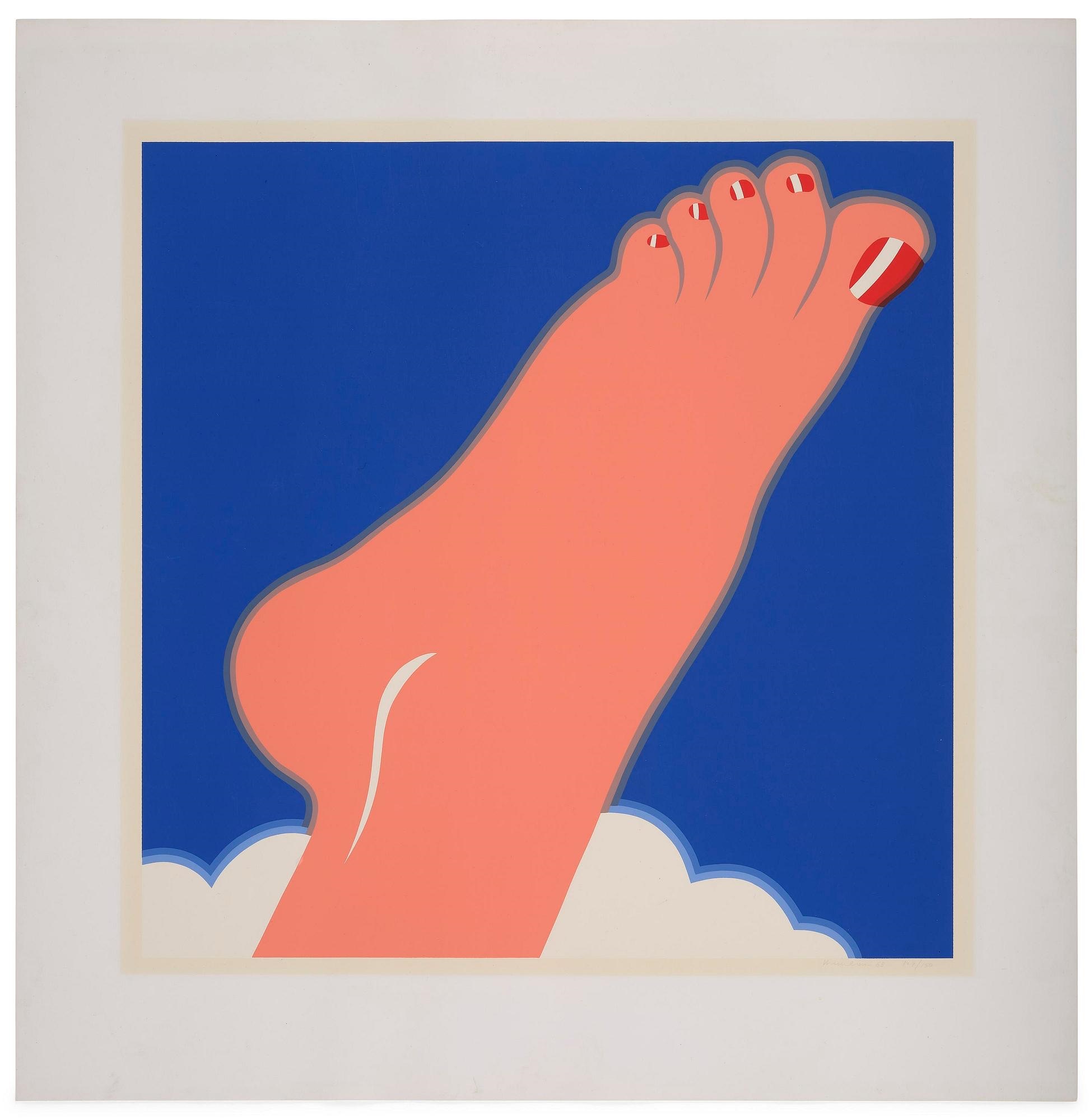
Tom Wesselmann
Wesselmann incorporated consumer goods, advertising imagery, and popular culture into sensuous and boldly colored compositions that anticipate Koons's celebration of everyday commercial objects. His Great American Nude series parallels Koons's own explorations of desire and commodified sexuality.
Artists who inspired them
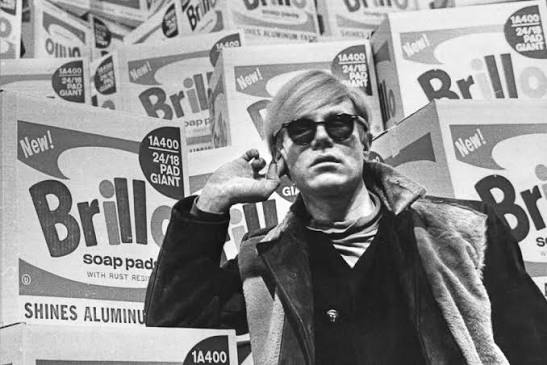
Andy Warhol
Warhol's radical elevation of consumer products and celebrity imagery into fine art was a foundational model for Koons's own embrace of commercial aesthetics and mass culture. Warhol's factory production methods and cult of personality also directly shaped Koons's studio practice and public persona.
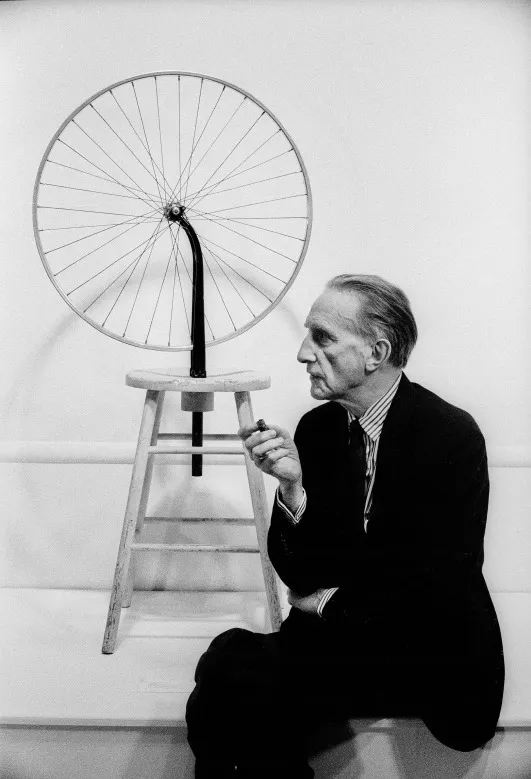
Marcel Duchamp
Duchamp's readymade concept, which repositioned everyday objects as art through context and intention, is a direct ancestor of Koons's practice of displaying vacuum cleaners and inflatable toys as sculpture. The conceptual challenge to artistic authenticity and originality that Duchamp pioneered runs throughout Koons's career.
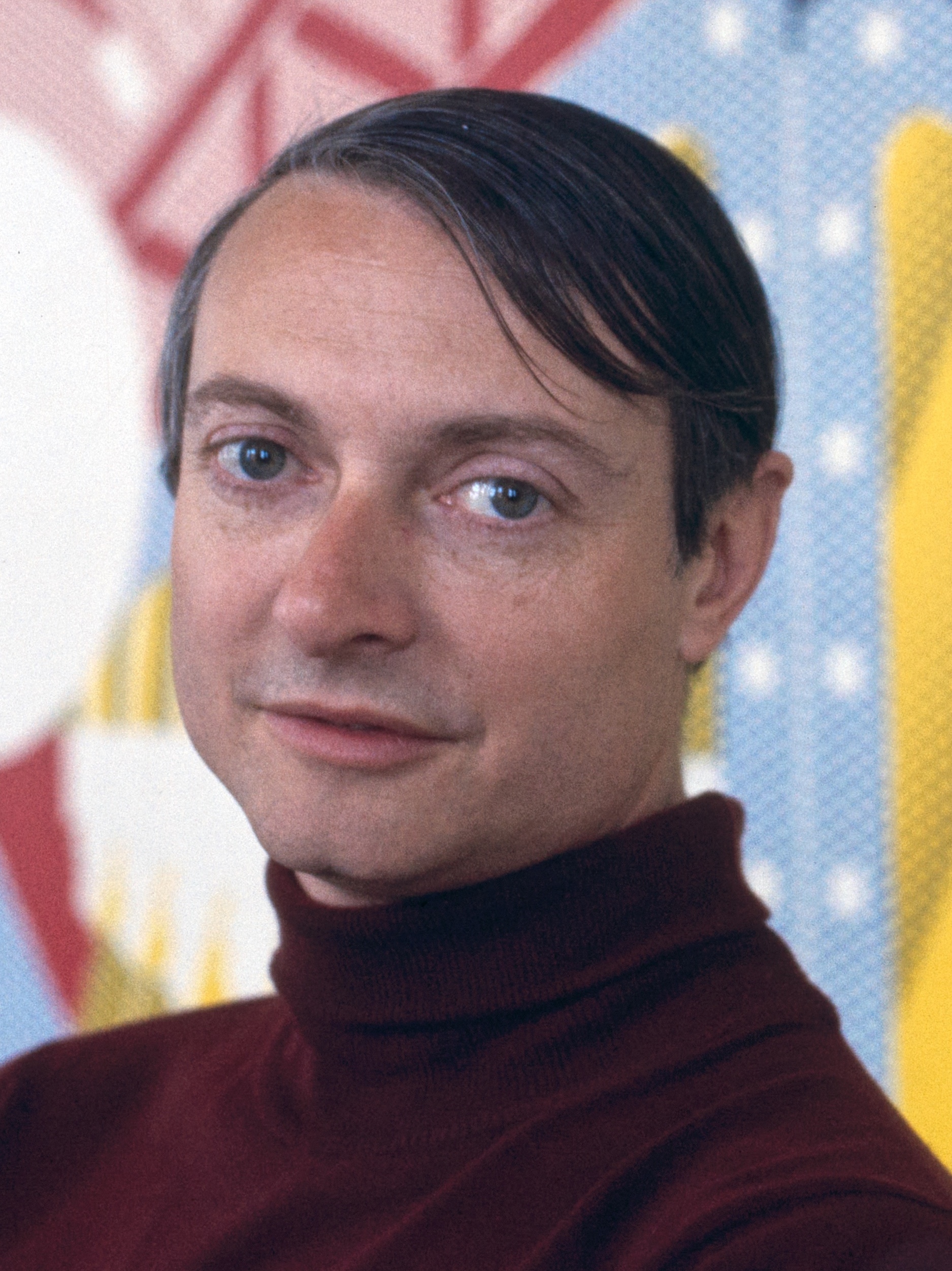
Roy Lichtenstein
Lichtenstein's transformation of comic book imagery and commercial illustration into monumental fine art provided a key precedent for Koons's own appropriation of popular and kitsch visual sources. His interest in the relationship between high and low culture is echoed throughout Koons's Banality and Celebration series.
Artists they inspired
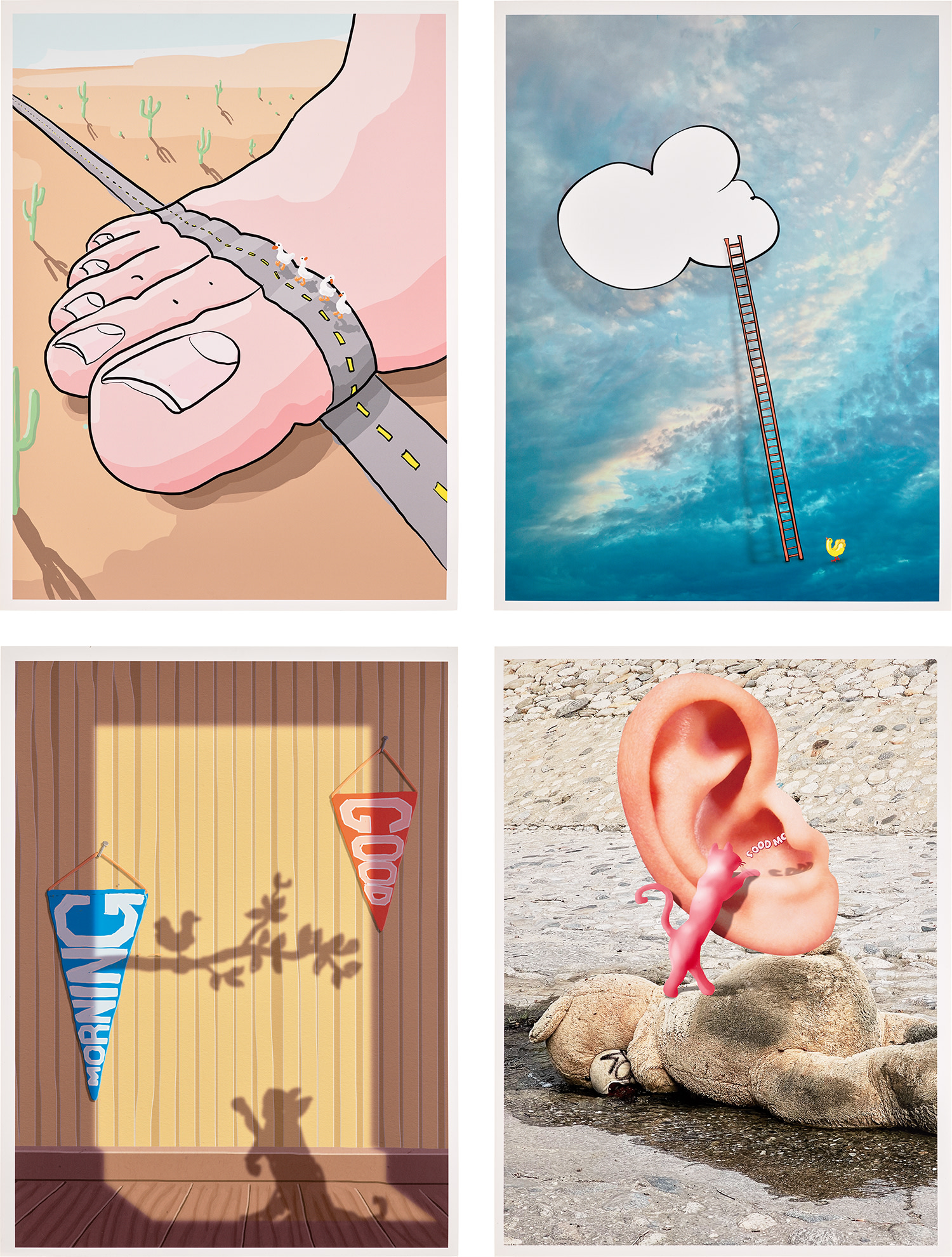
Urs Fischer
Fischer's monumental sculptures employing everyday objects, playful imagery, and highly polished surfaces reflect a clear debt to Koons's transformation of kitsch and consumer culture into gallery scale spectacle. His work shares Koons's interest in provoking wonder and discomfort through technically immaculate fabrication.
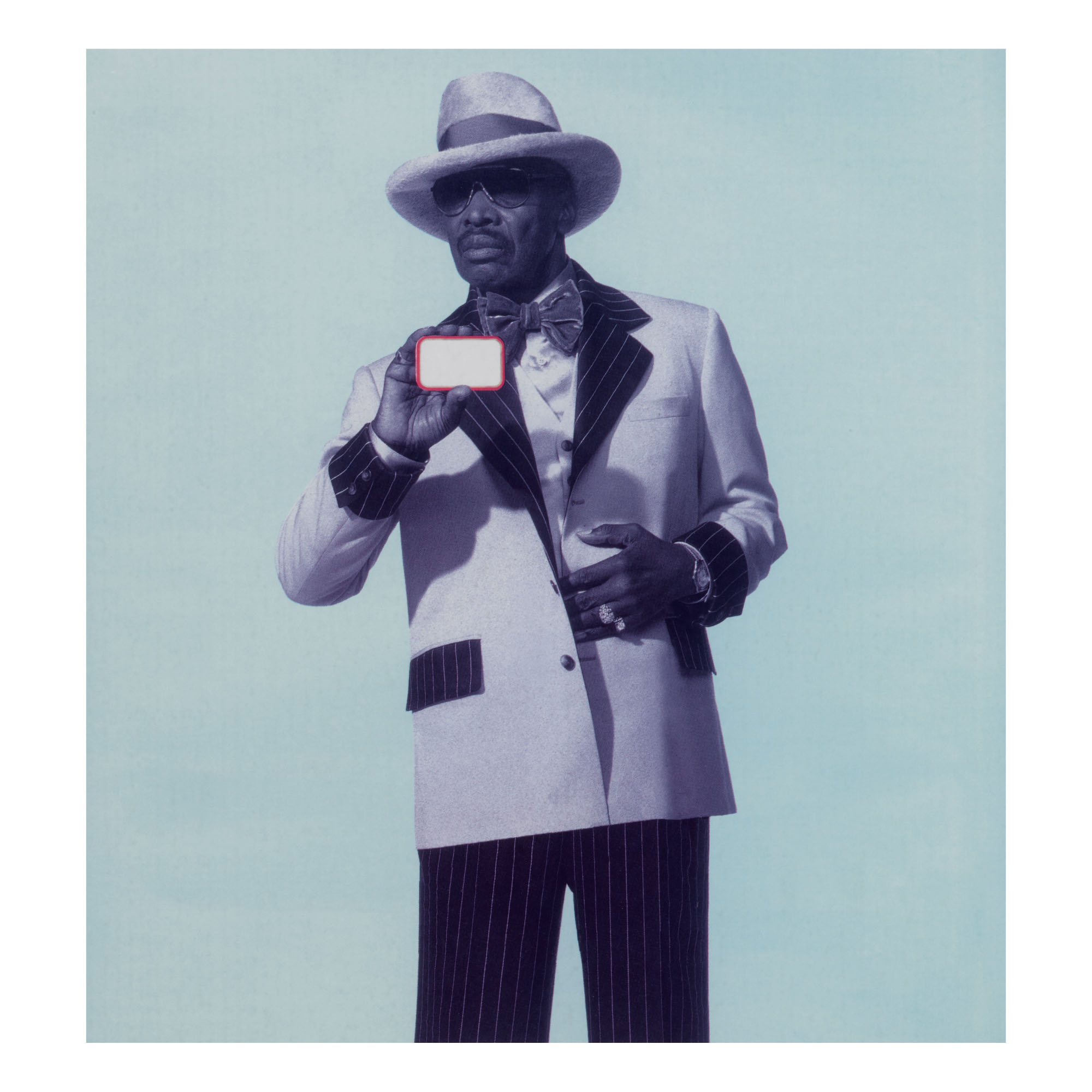
Hank Willis Thomas
Thomas's use of reflective surfaces, commercial iconography, and provocative juxtapositions in sculpture and conceptual work echoes Koons's strategy of using the visual language of advertising and consumer culture to unsettle viewers. Koons's redefinition of what constitutes valid artistic subject matter opened space for Thomas's own practice.
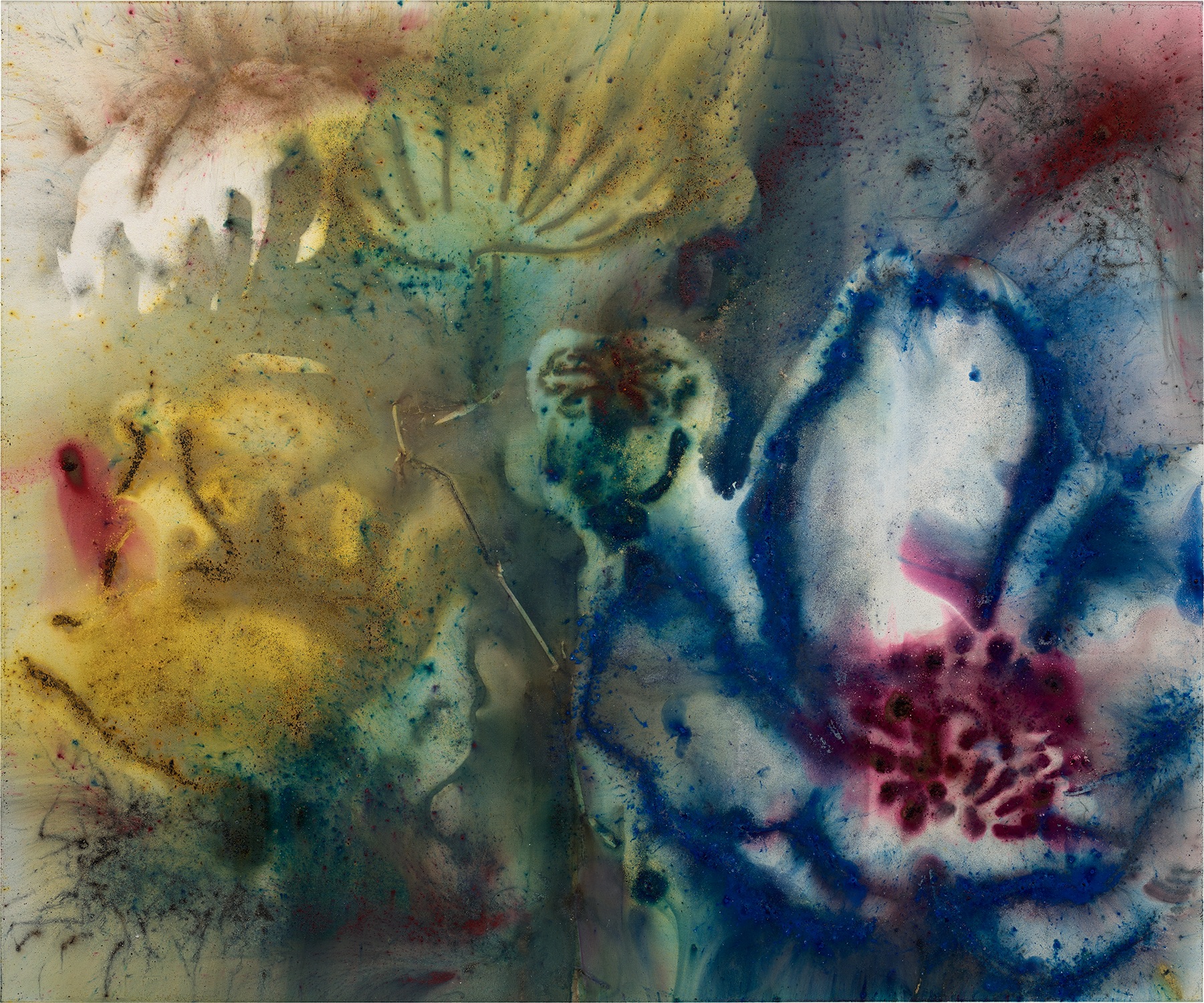
Cai Guo-Qiang
Cai's massive installation works employing popular imagery, spectacle, and bold visual impact reflect Koons's influence in legitimizing grand scale theatrical gestures within contemporary fine art. His use of culturally familiar objects elevated into monumental artistic statements mirrors Koons's enduring approach.