Renaissance
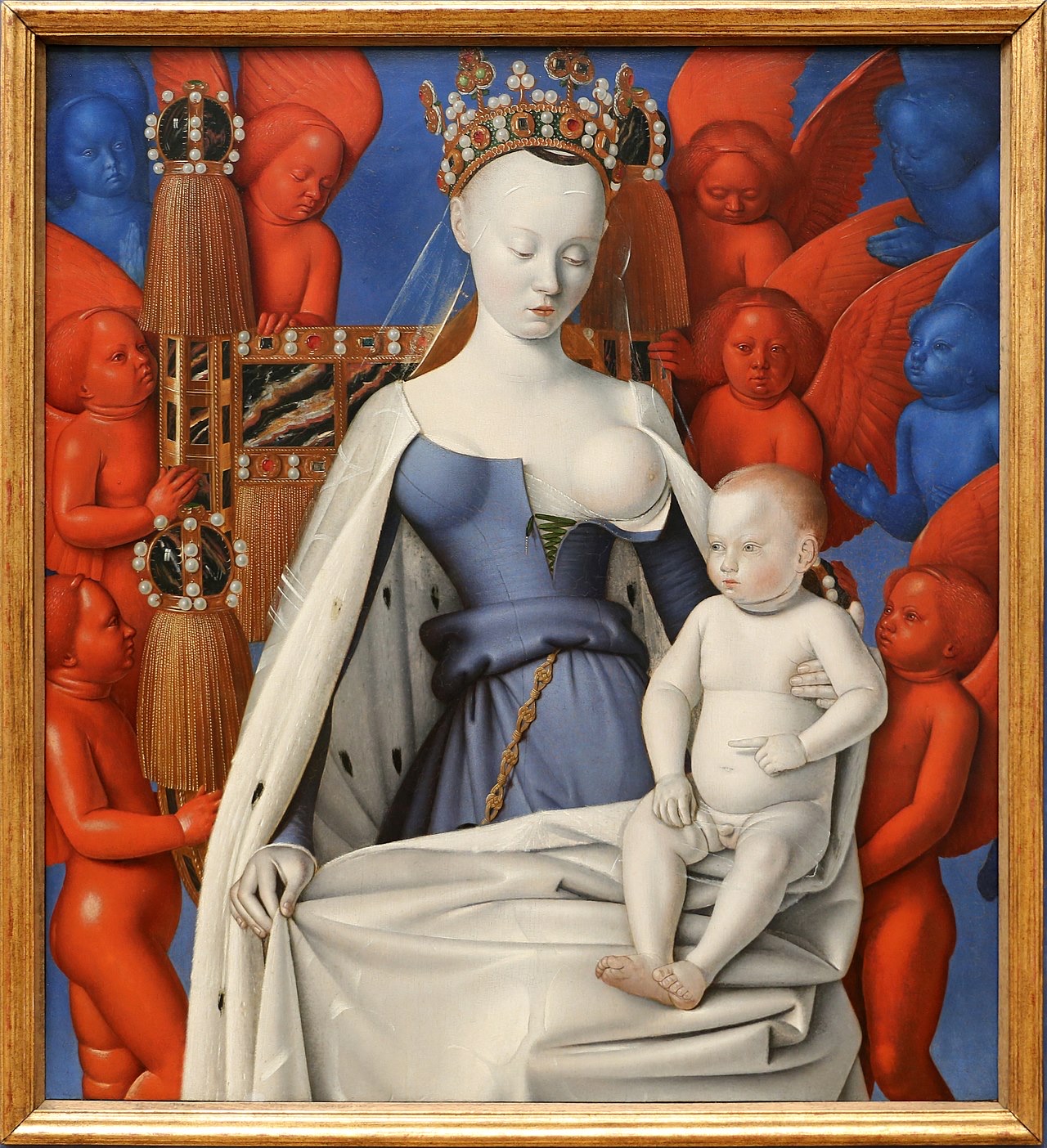
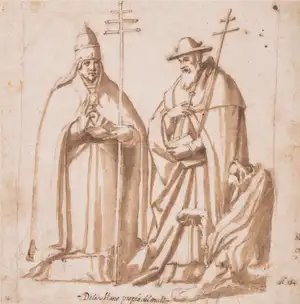
Jean Fouquet
Virgin and Child Surrounded by Angels, 1452
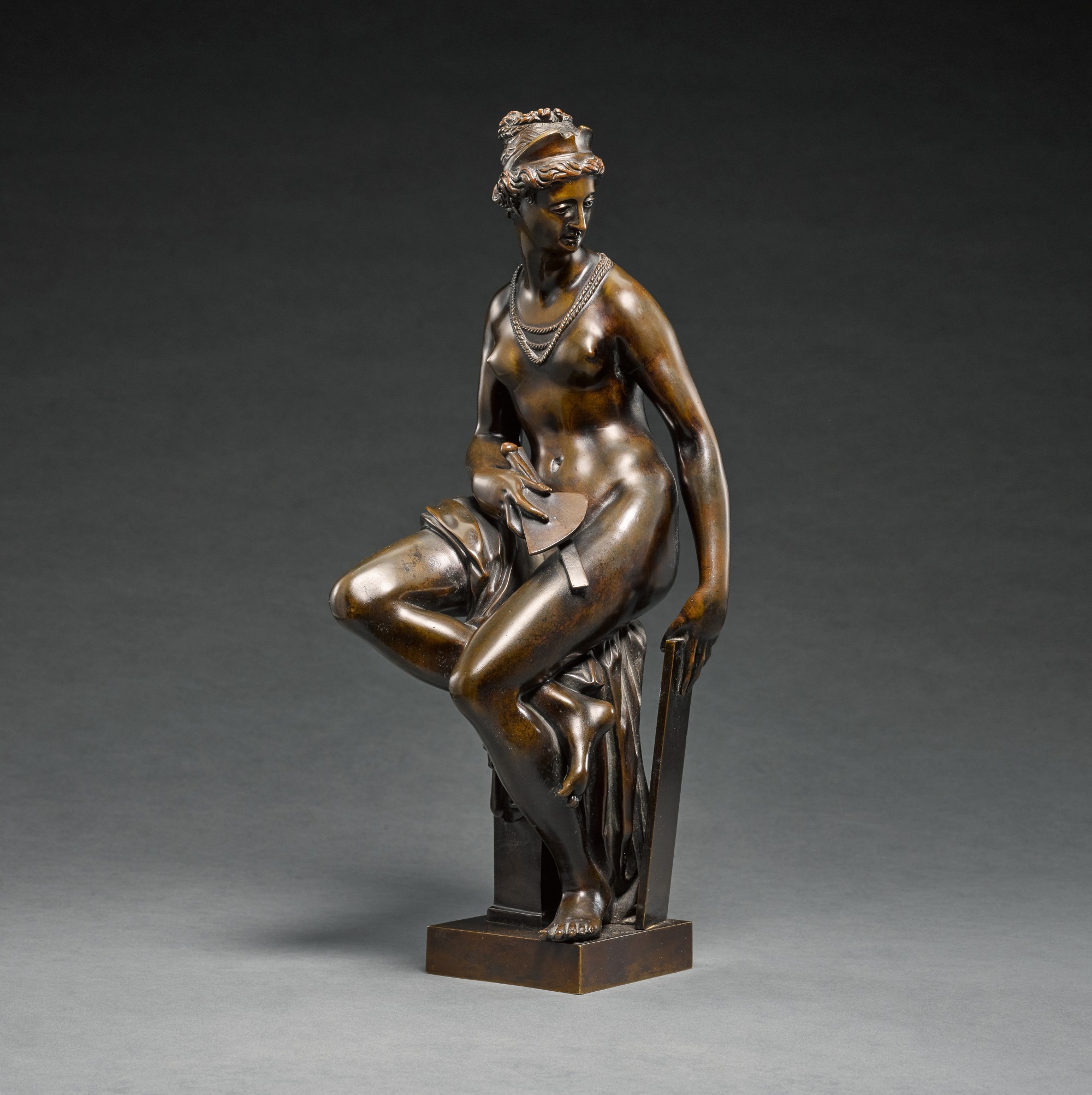
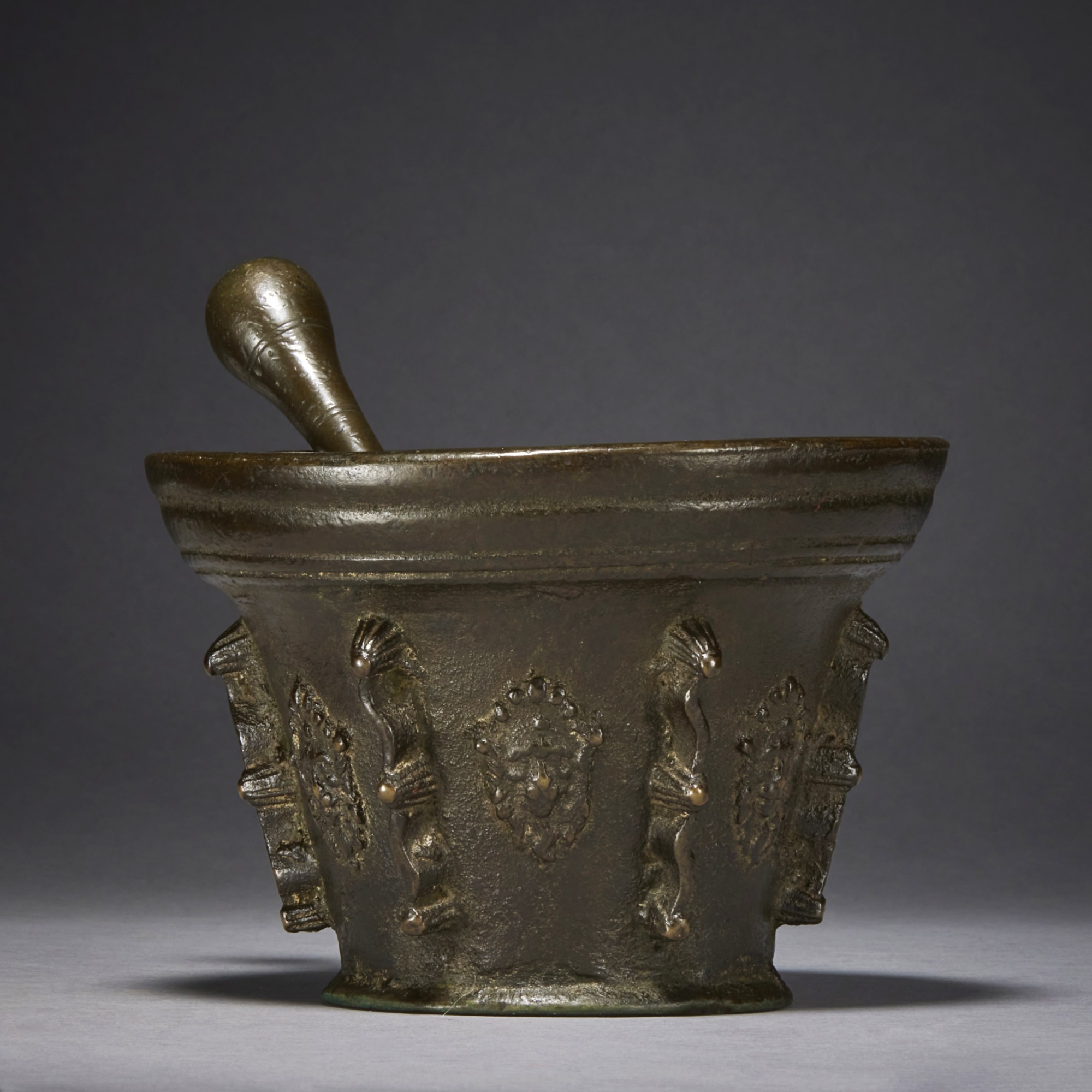
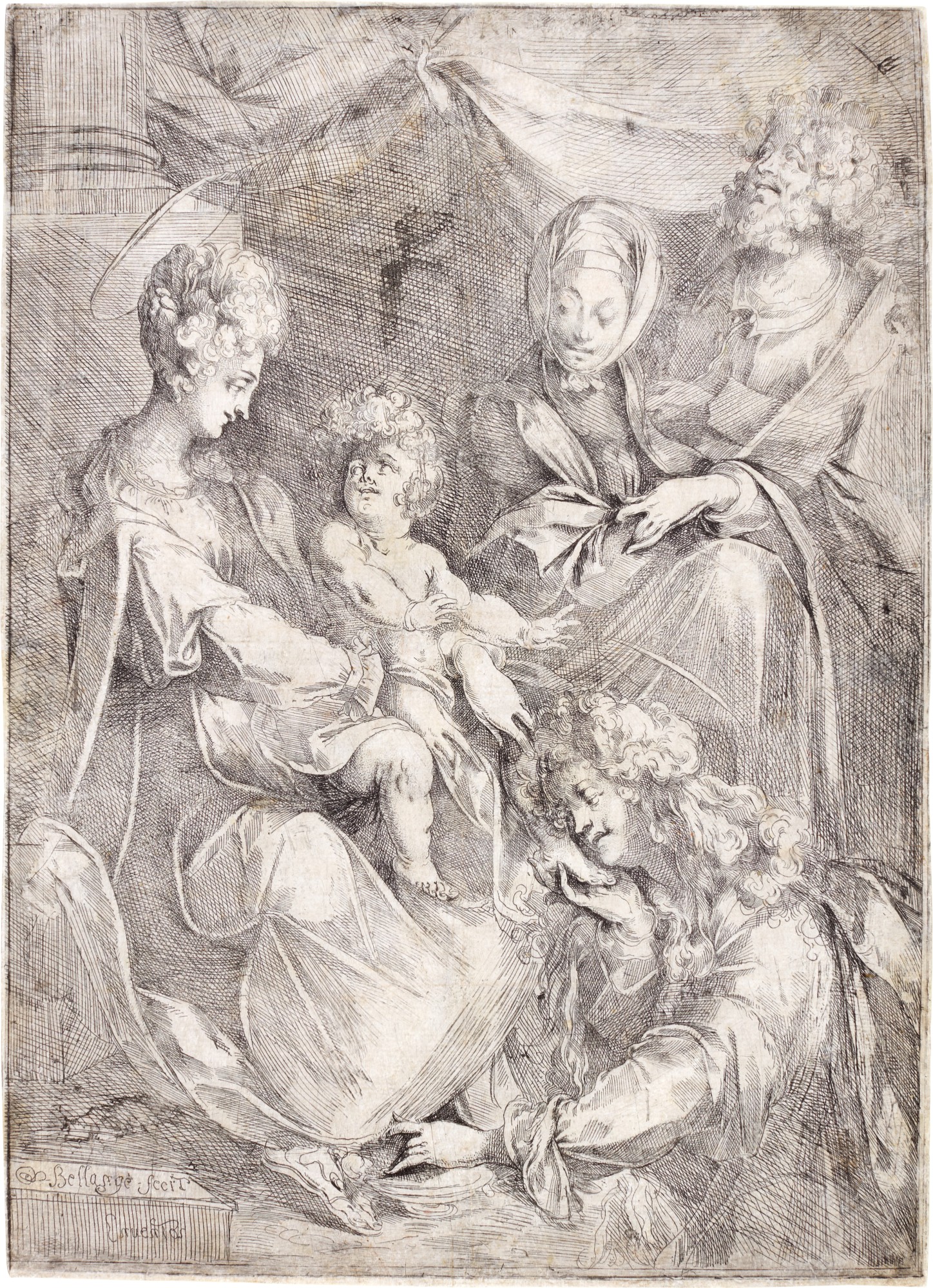
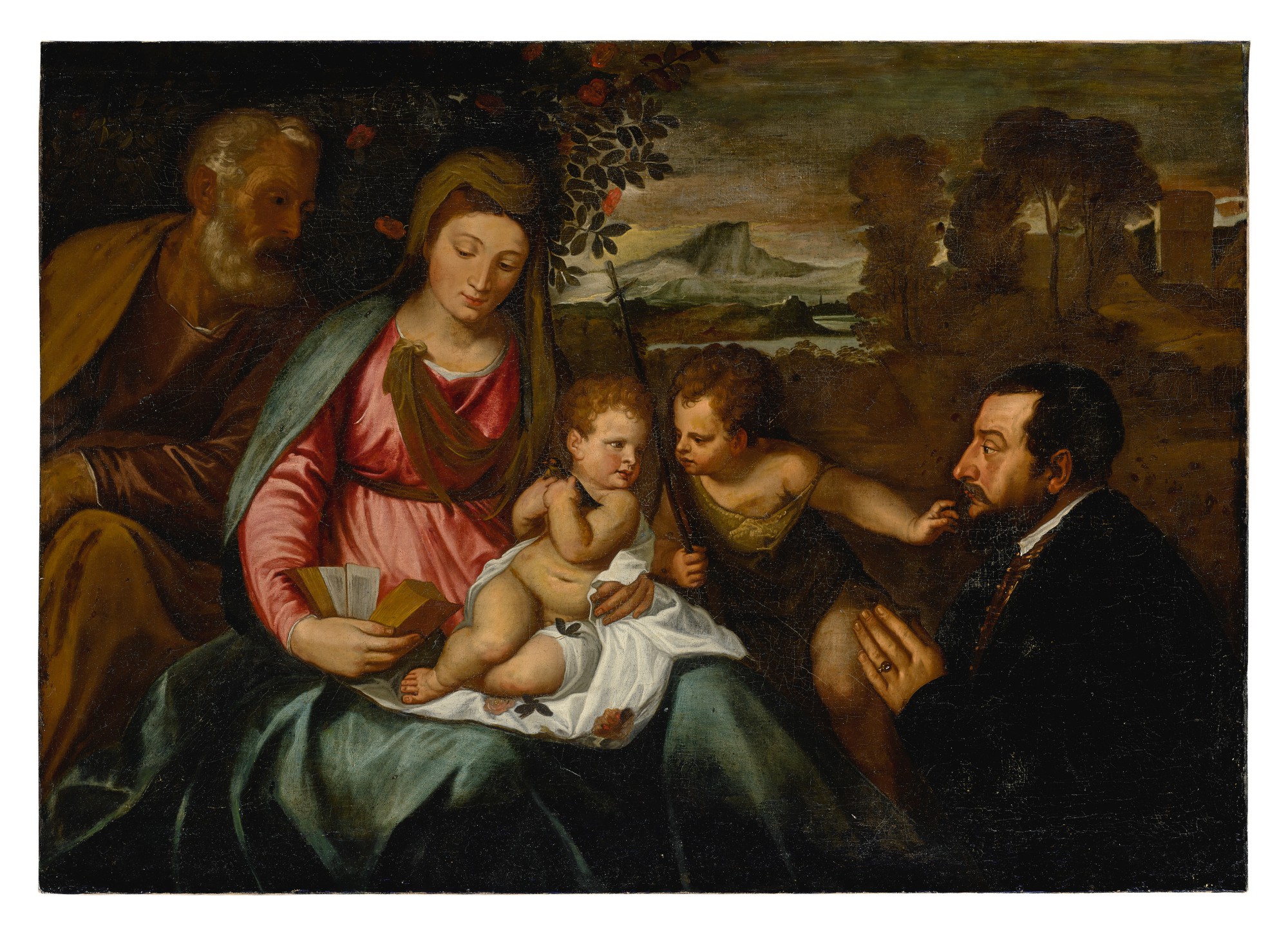
The Renaissance Never Really Ended, Did It?
There is a moment, standing before a panel painting from fifteenth century Florence, when the familiar sensation of distance collapses. The figures breathe. The light falls with intention. Something that was made more than five centuries ago reaches across the room and insists on your attention.
This is the particular power of the Renaissance, a period so formative, so radical in its ambitions, that the rest of Western art history can be read as a long and sometimes reluctant conversation with what it began. The Renaissance did not arrive announced. It gathered slowly through the thirteenth and fourteenth centuries as Italian scholars, poets, and artists began turning back toward ancient Greece and Rome for their models of human dignity and earthly achievement. By the early fifteenth century, Florence had become the crucible.
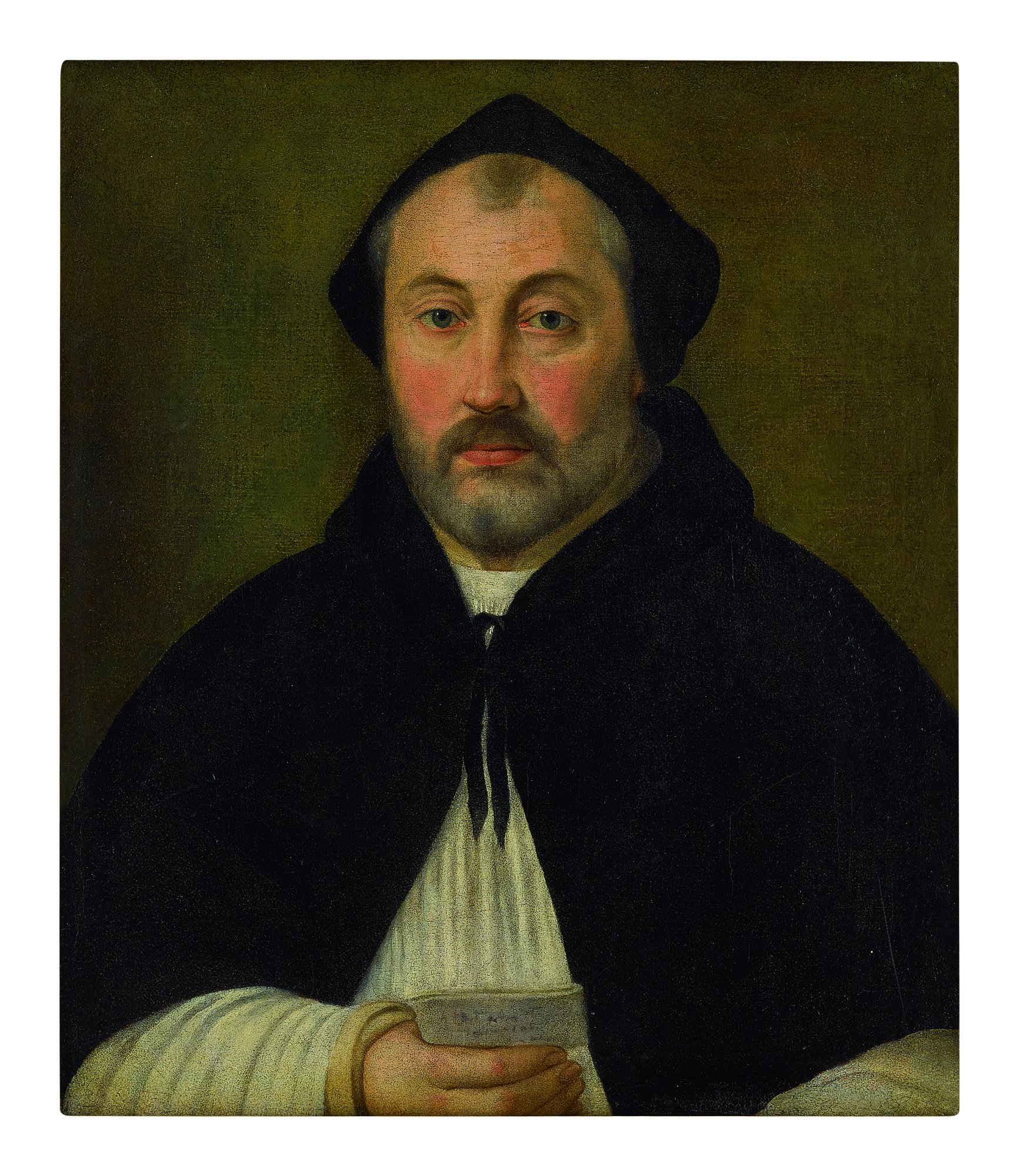
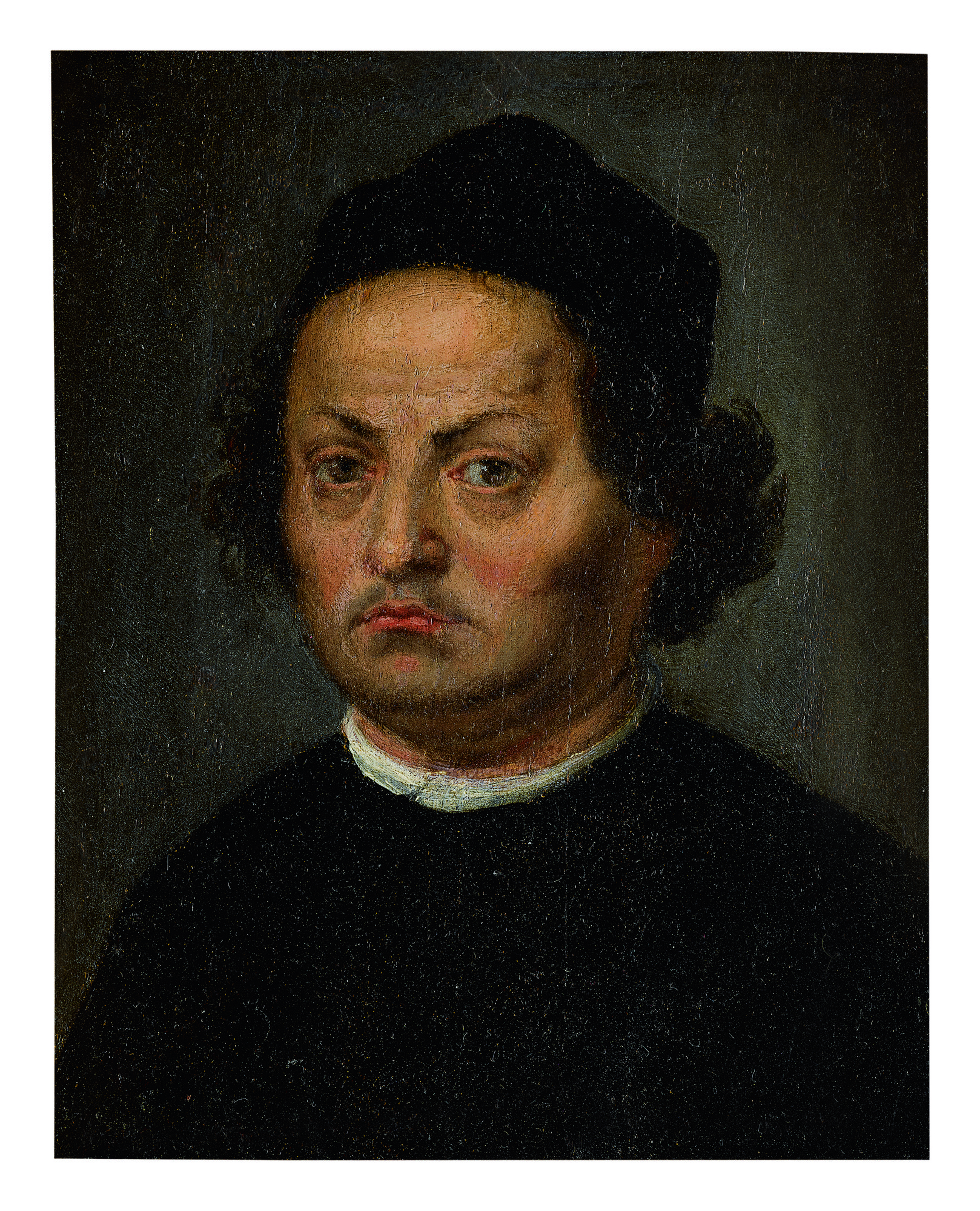
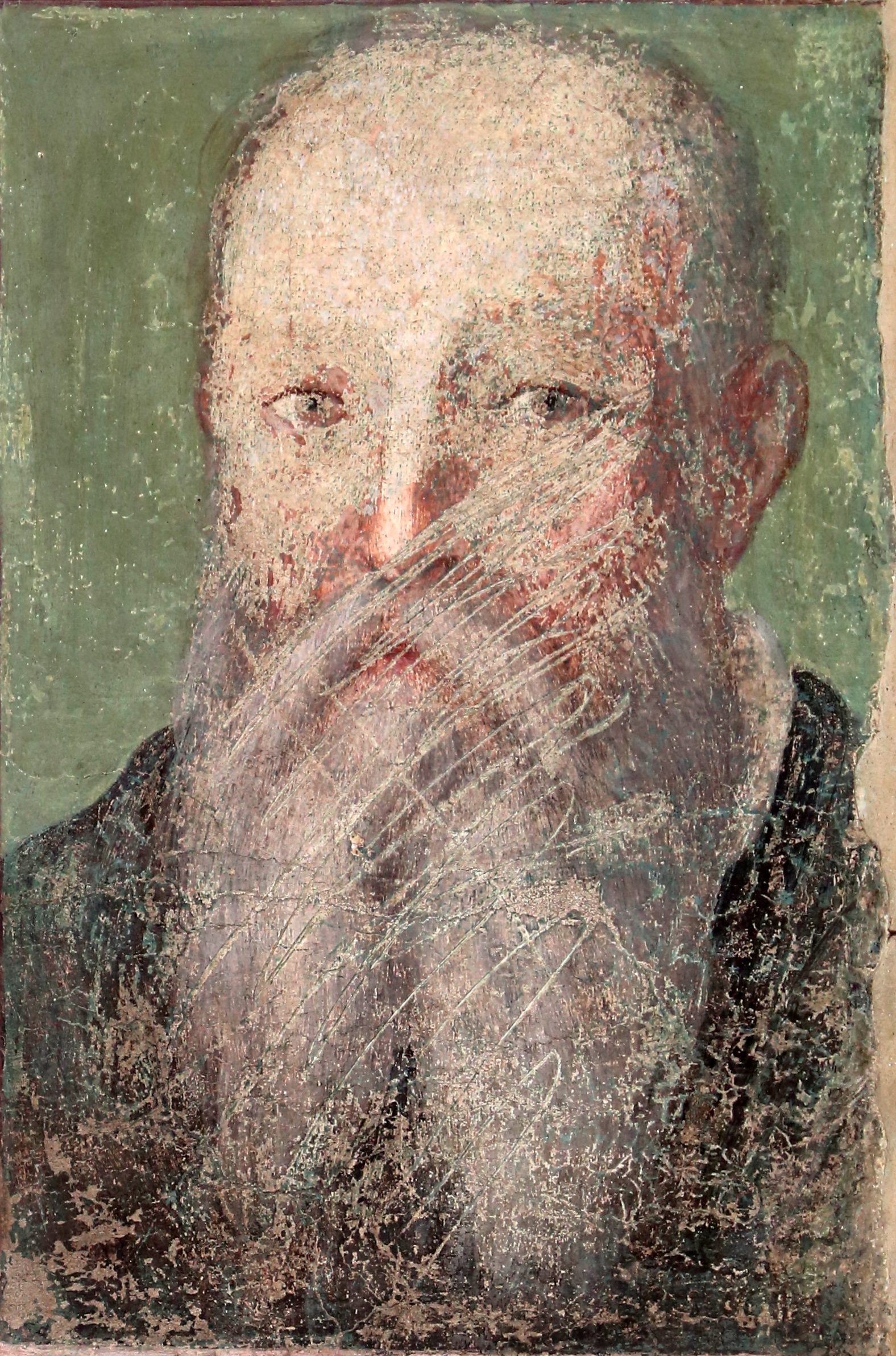
Unknown
Portrait Of A Cleric, Half Length, Wearing A Black Cape And Holding A Letter
Brunelleschi was working out the mathematics of linear perspective. Masaccio was painting figures who cast shadows, who stood on actual ground, who seemed to occupy the same physical world as the viewer. The shock of that realism, after centuries of hieratic Byzantine formality, cannot be overstated. It amounted to a new theory of what a human being was and what art owed to the truth of embodied experience.
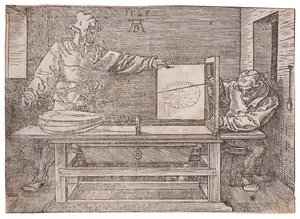
The movement's northward spread transformed it rather than diluted it. By the time Albrecht Dürer made his two famous journeys to Venice, in 1494 and again in 1505, he was carrying Italian ideas back across the Alps and remaking them in a Germanic sensibility. Dürer understood, perhaps better than anyone of his generation, that the Renaissance was not simply a style but a method: a rigorous, almost scientific commitment to observation, proportion, and the representation of nature. His engravings and woodcuts circulated across Europe with a reach that oil painting could not match, and his influence on Northern European art was as decisive as any Italian master's.
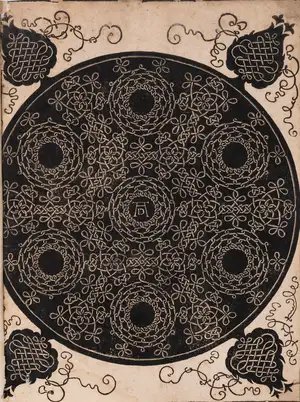
Albrecht Dürer
Knot with seven ring forms after Leonardo da Vinci, from the series 'Six Knots'
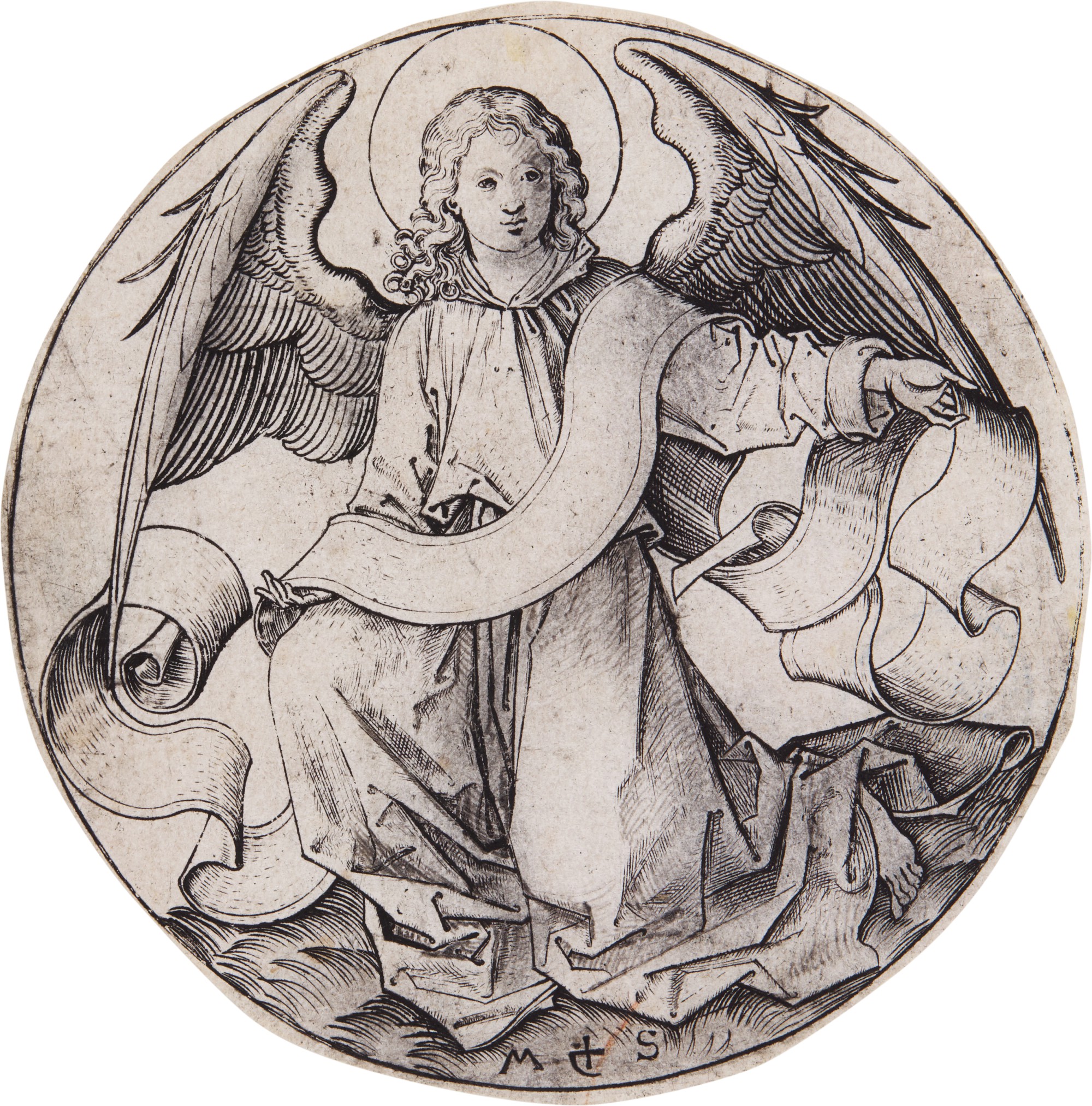
The depth of his practice is well represented on The Collection, where the breadth of his graphic work rewards sustained attention. The print as a medium was itself one of the Renaissance's most consequential technologies. Gutenberg's press and the wider dissemination of engraving meant that images could travel in ways that altarpieces could not. Martin Schongauer, the Alsatian master who preceded Dürer and whose technical command of the engraving needle remained remarkable, helped establish the Northern printmaking tradition that would eventually reach its Mannerist zenith in the work of Hendrick Goltzius.
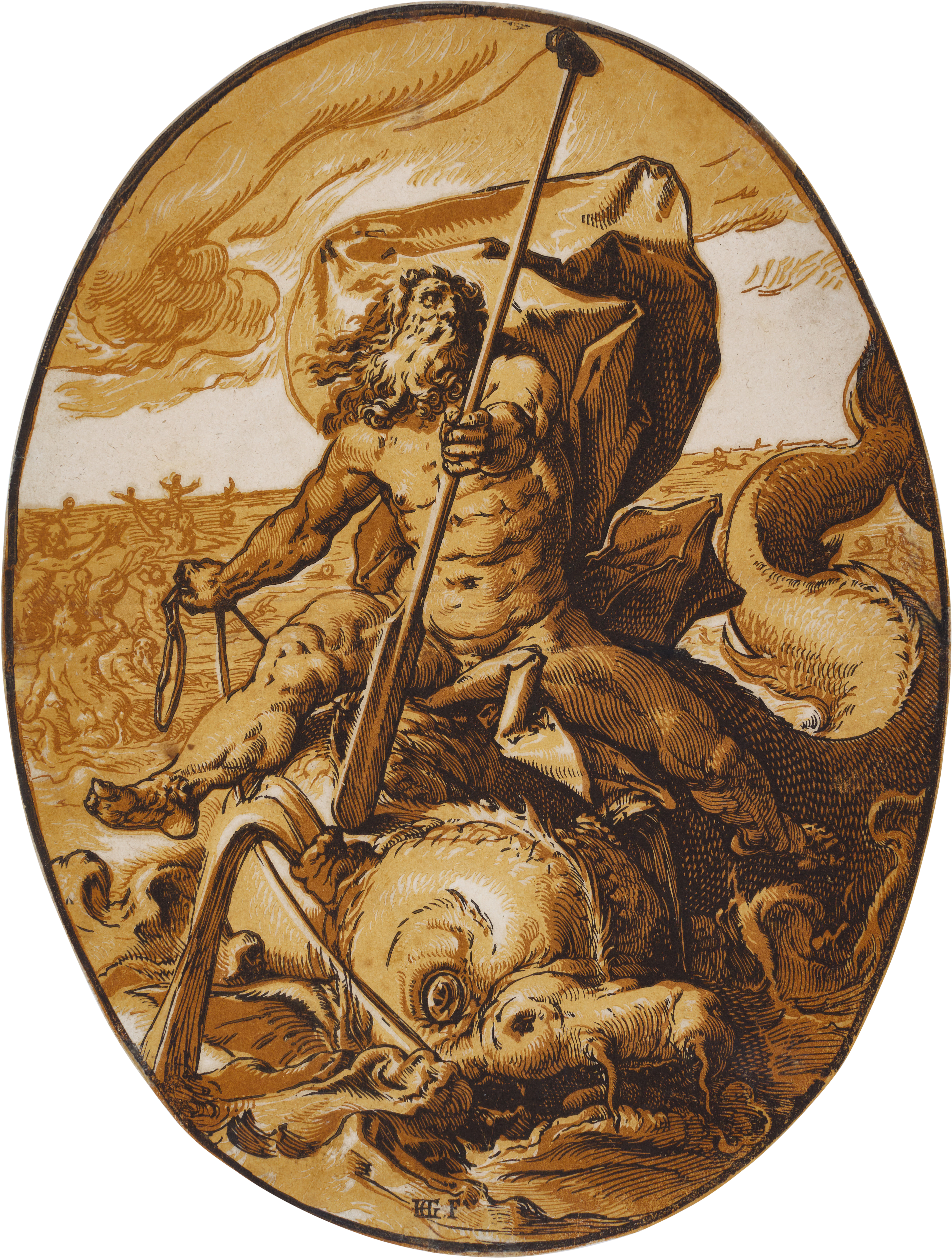
Goltzius, working in Haarlem in the late sixteenth and early seventeenth centuries, pushed engraving to a kind of theatrical extreme, his swelling lines and virtuoso passages of hatching announcing both a consummation and a complication of Renaissance ideals. Where Dürer sought harmony, Goltzius sought sensation. Mannerism, which flourished roughly from the 1520s through the end of the sixteenth century, is sometimes taught as a reaction against the High Renaissance, a deliberate distortion of its balanced perfection. But it is more useful to think of it as the Renaissance interrogating itself.
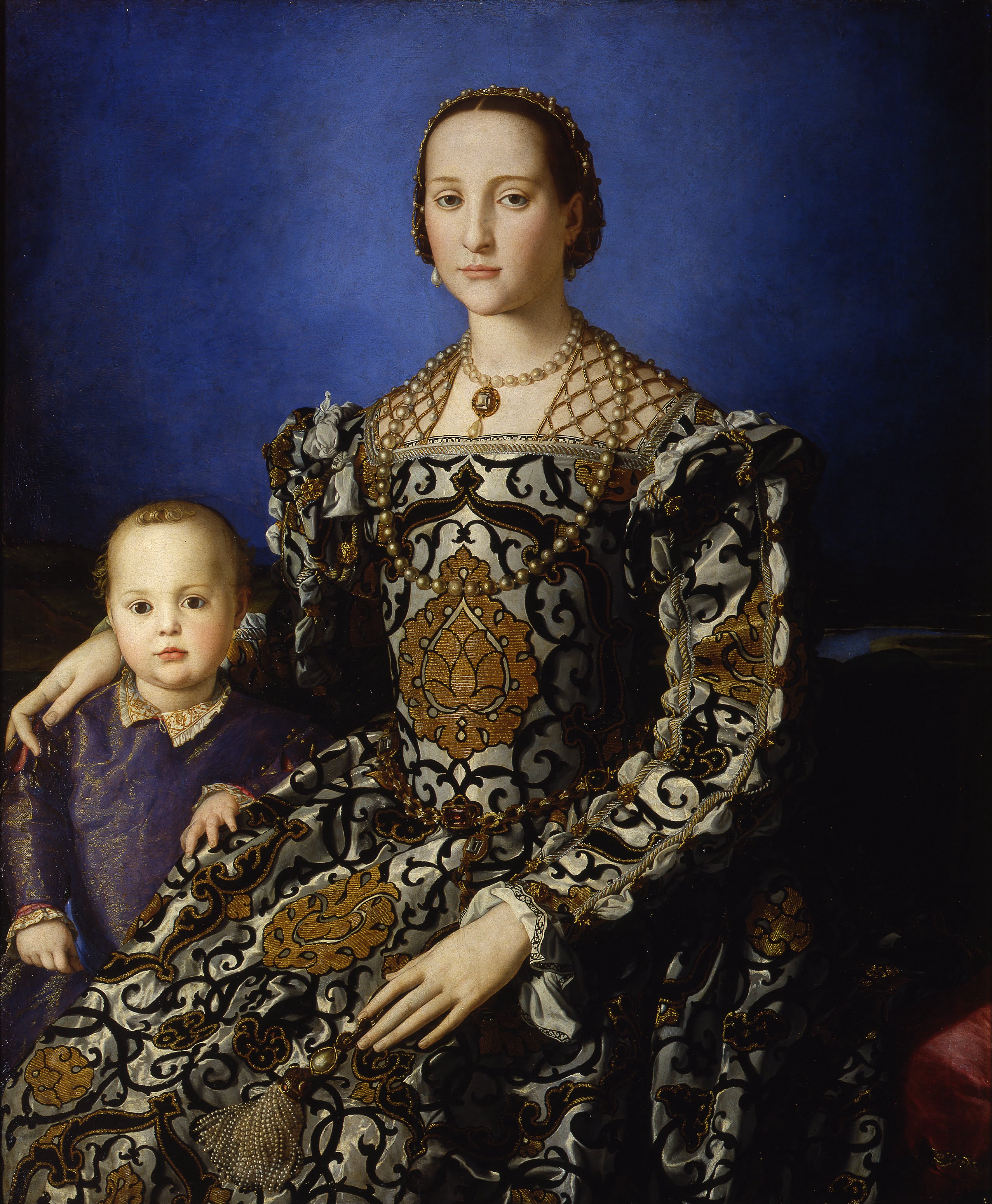
Bronzino
Portrait of Eleonora di Toledo with Her Son Giovanni, 1545
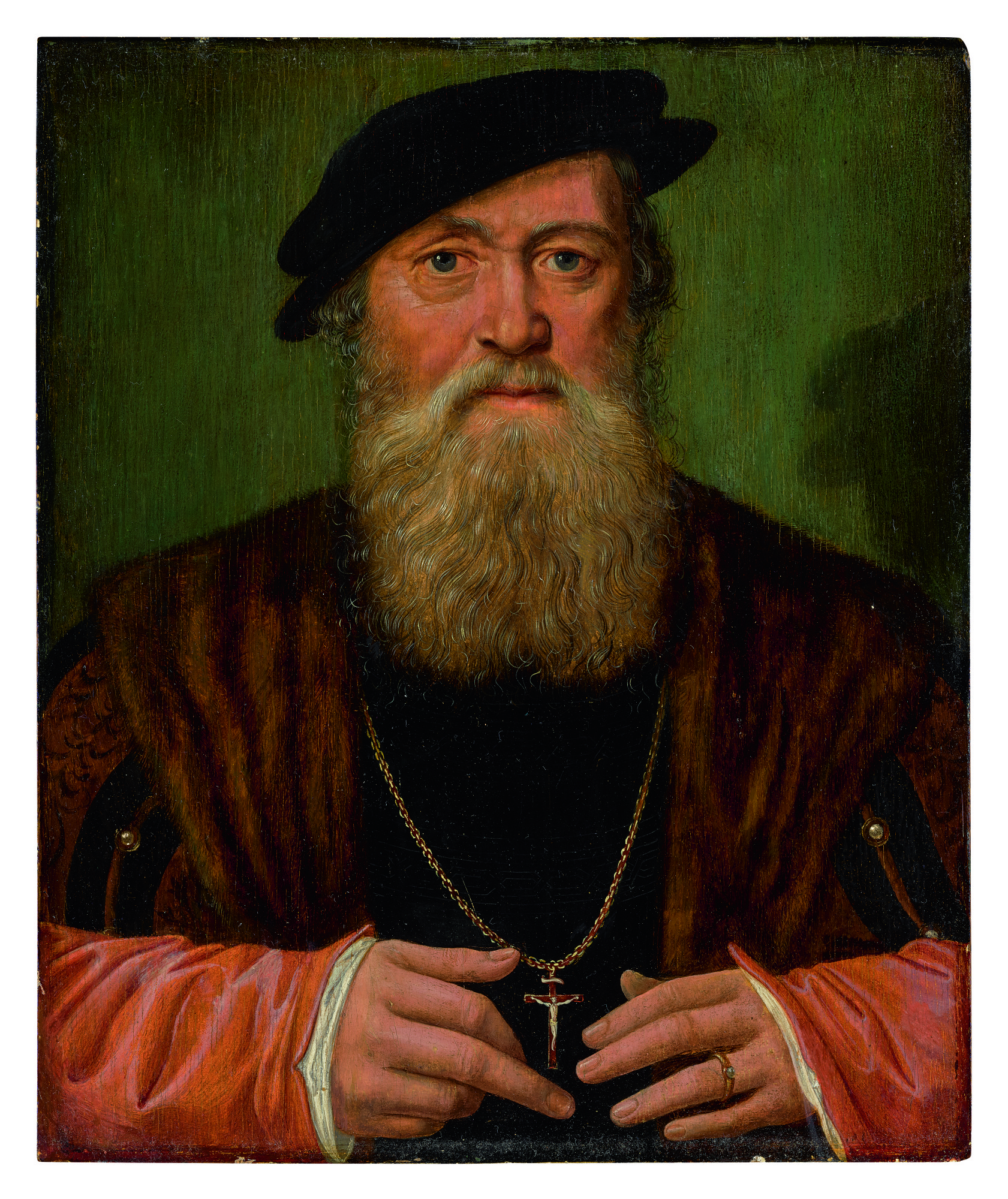
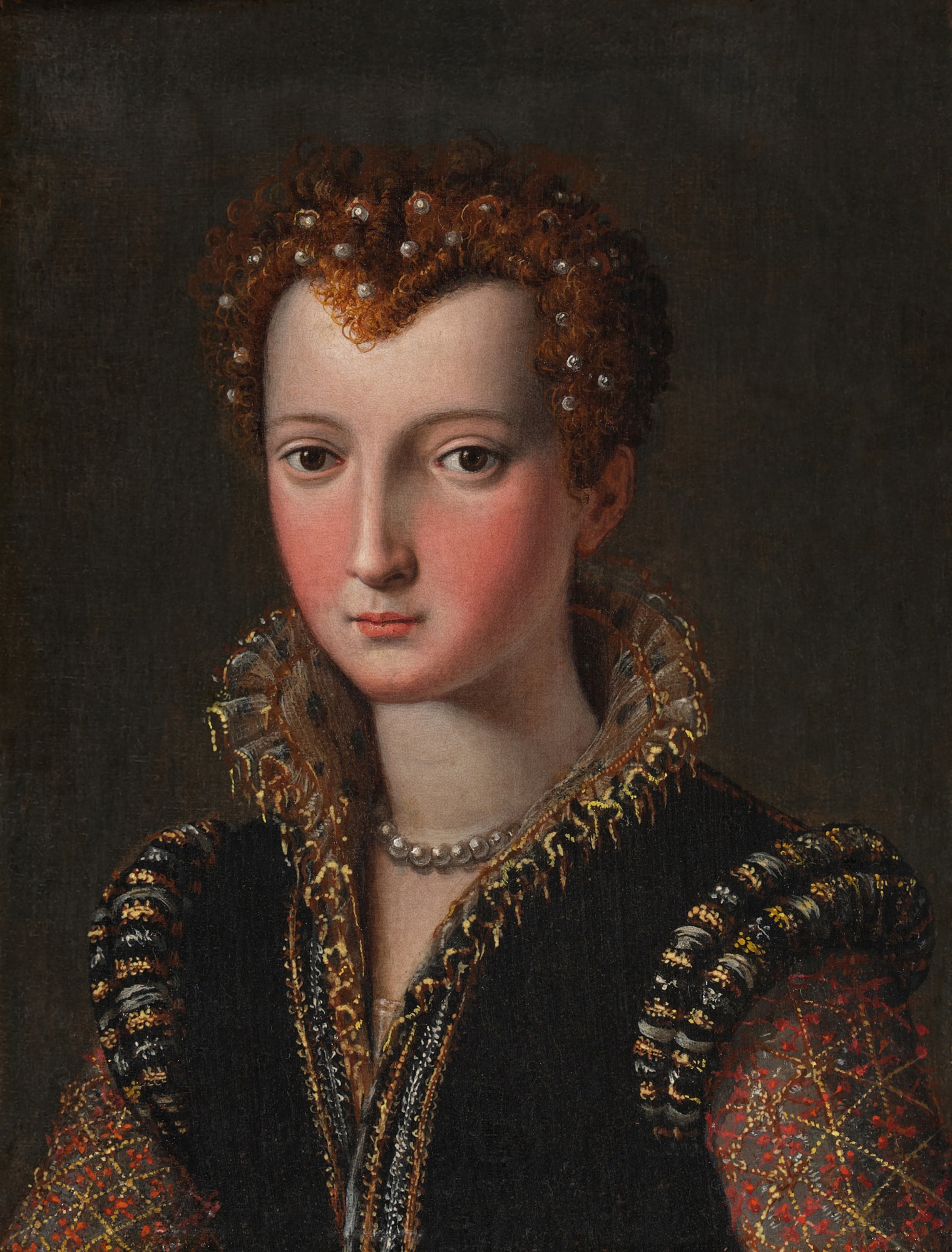
Artists such as Parmigianino, whose elegant elongations of the human figure seem to question the very naturalism Masaccio had championed, were not rejecting their inheritance but pressing it until it revealed its own tensions. Bronzino brought this spirit into the Florentine court, producing portraits of an almost eerie psychological remove, sitters encased in jewels and silk and an inexplicable sadness. Both artists appear on The Collection and offer a sense of just how varied the Renaissance imagination truly was. The Florentine workshop tradition gave us another kind of richness: the problem of attribution, the question of hands.
Michele Tosini, who worked in the orbit of Ridolfo del Ghirlandaio and absorbed the influence of Michelangelo and Fra Bartolommeo, represents the productive ambiguity of workshop practice. Alessandro Allori, pupil and adopted son of Bronzino, extended his master's manner deep into the late sixteenth century, bridging the gap between Mannerism and what would become the Baroque. These are not footnote artists. They are the people through whom the dominant ideas of an era actually moved, the carriers as much as the originators.
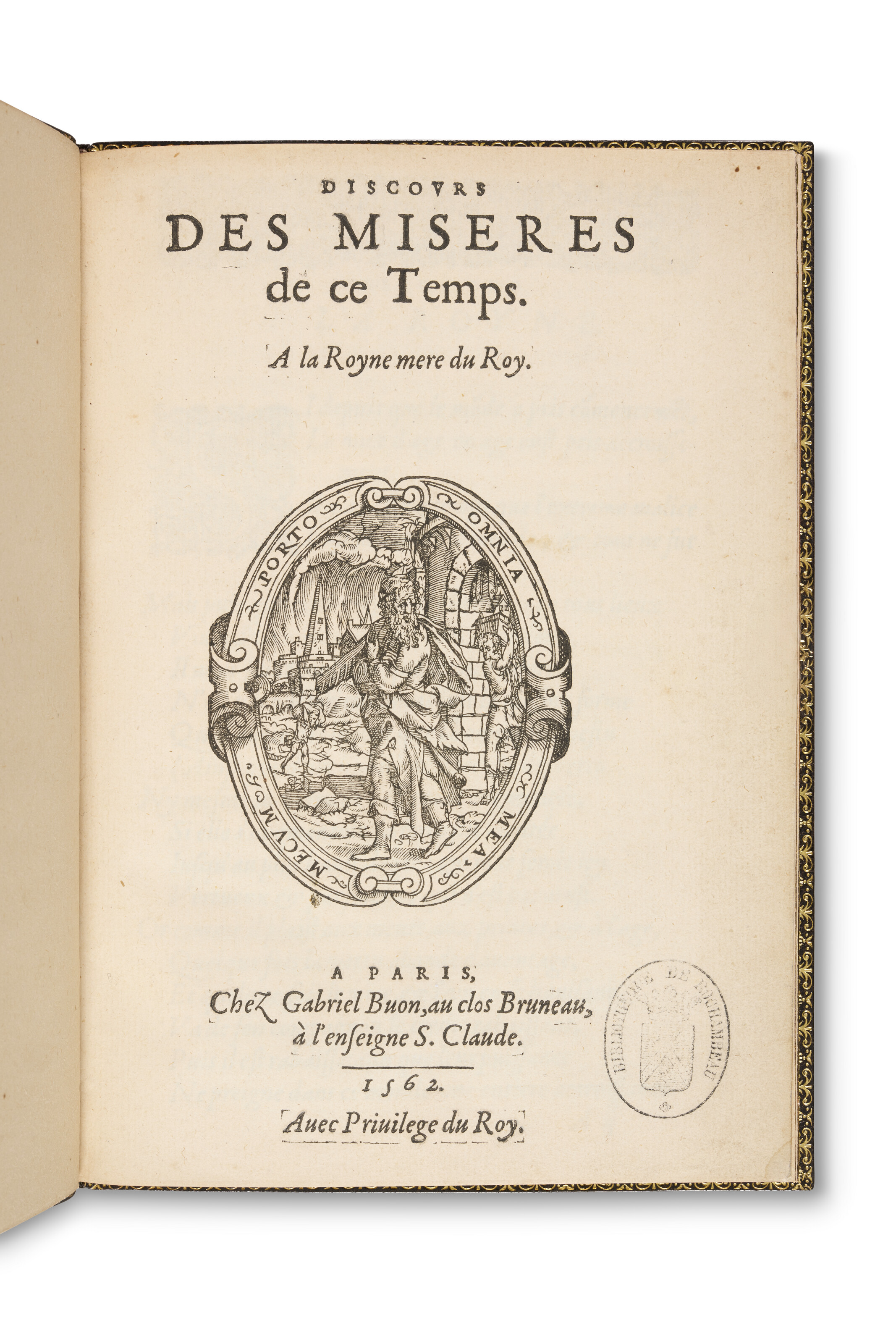
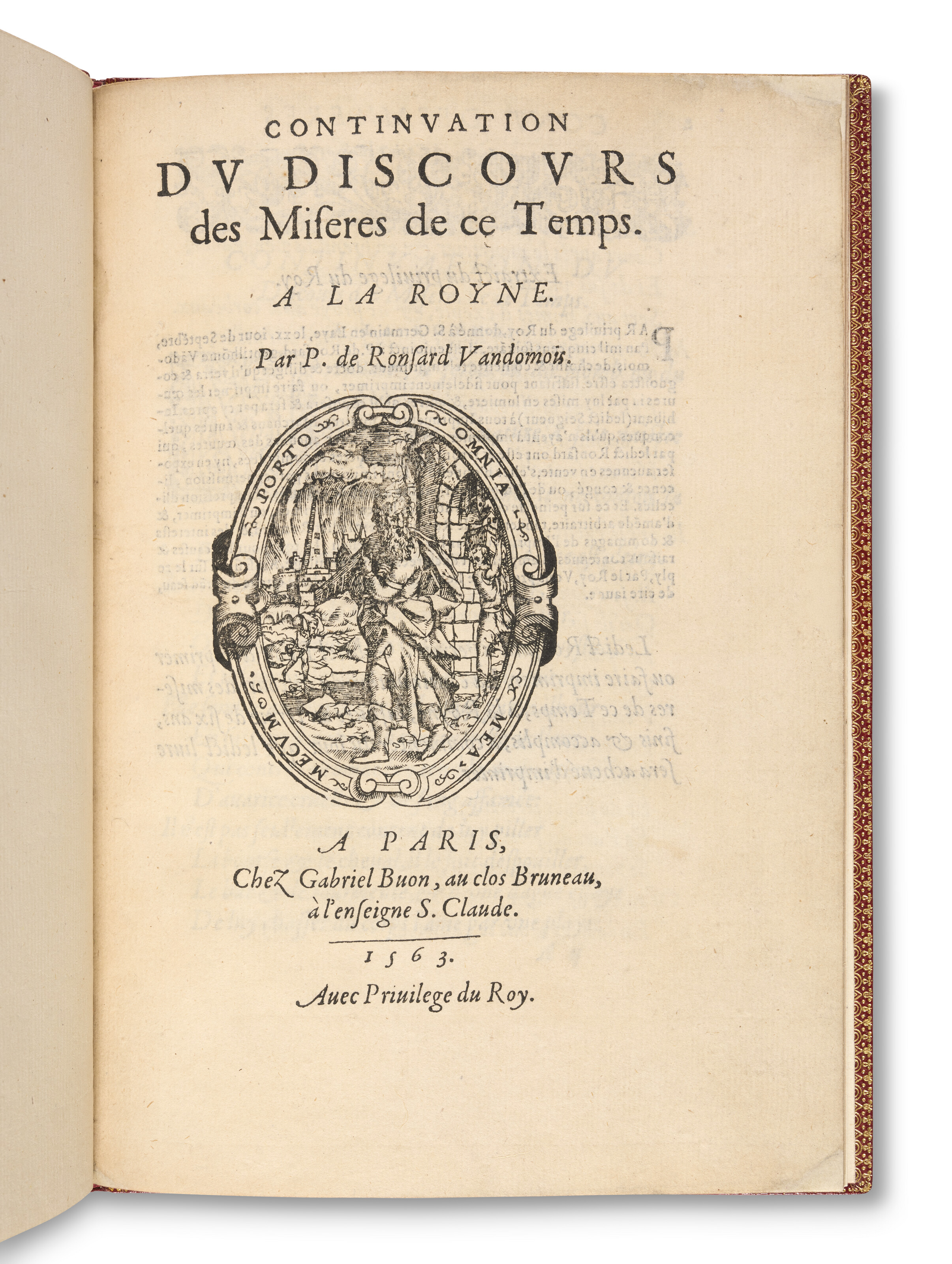
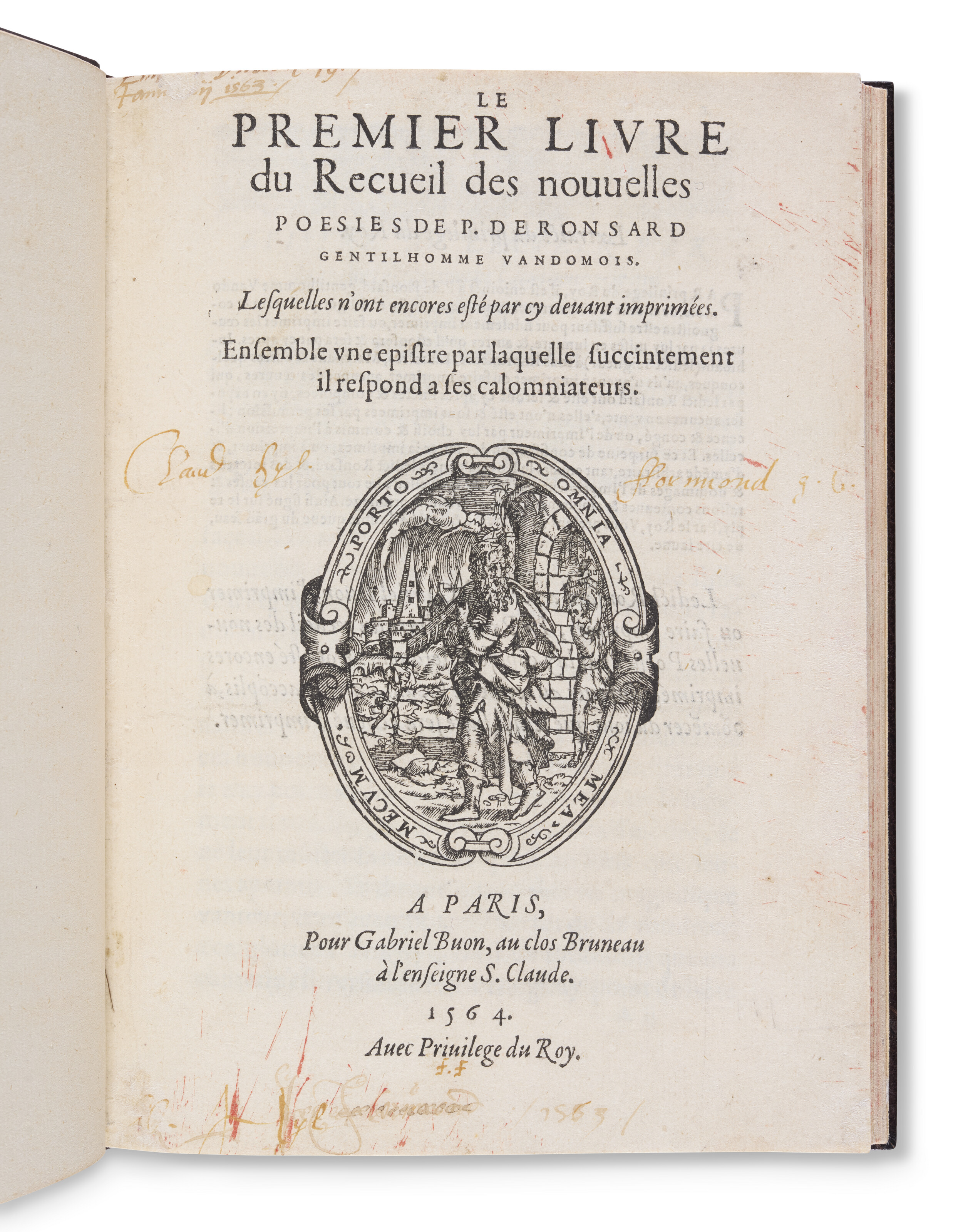
Ronsard, Pierre de
Discours des Miseres de ce Temps. Paris : Gabriel Buon, 1562.
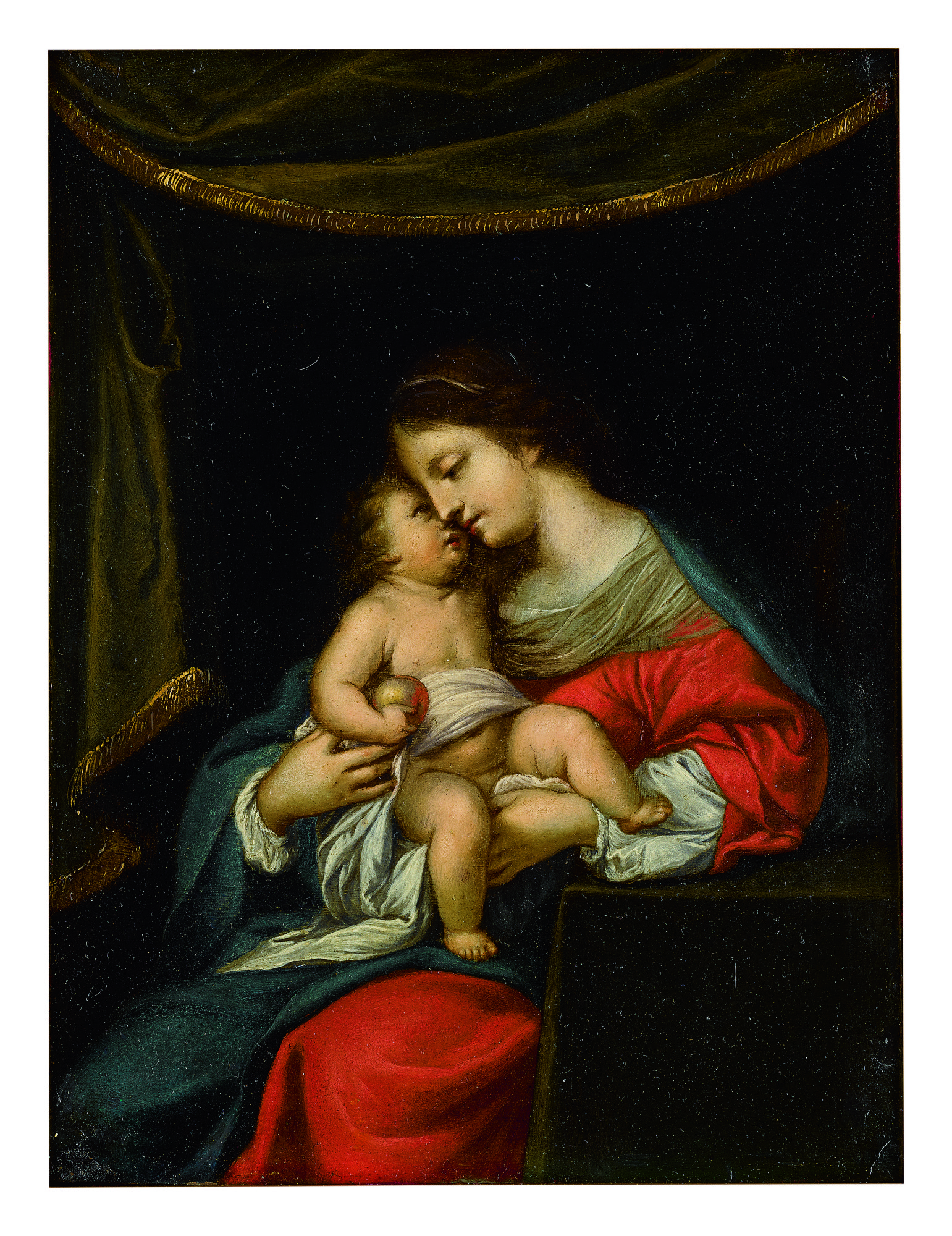
Whatever the Renaissance imagined, it imagined through the body. Whether in the heroic musculature of a figure after Michelangelo, in the grave tenderness of a Madonna attributed to Boltraffio working in the shadow of Leonardo, or in the mythological richness of Dosso Dossi's Ferrarese panels, the human figure was the primary instrument of meaning. This was not merely aesthetic preference. It was philosophical commitment, rooted in Neoplatonic ideas about the relationship between physical beauty and spiritual truth.
The body, properly represented, could lead the eye upward. It was a theology of form. The Renaissance also gave us collecting itself, or at least gave it its modern shape. The studiolo, the private cabinet filled with antiquities and curiosities, was an invention of Renaissance princes and merchants who understood that surrounding oneself with beautiful and instructive objects was a form of self definition.
Isabella d'Este, Federico da Montefeltro, Lorenzo de' Medici: these were the first collectors in something like our sense of the word. They commissioned, they acquired, they arranged, and they understood that the accumulation of significant works was not vanity but a form of cultural stewardship. The reason the Renaissance continues to matter is not nostalgia. It is that the questions it raised have not been resolved.
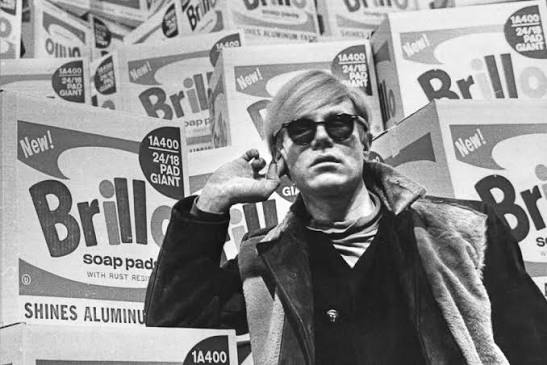
What is the relationship between art and nature, between representation and reality, between beauty and truth? Andy Warhol, whose work on The Collection sits in apparent contrast to a Dürer engraving or a Bronzino portrait, was in his own way working within the same territory: the reproducible image, the commodified surface, the question of what counts as authentic. The Renaissance gave us a language for thinking about images, and we are still speaking it, even when we think we have moved on.