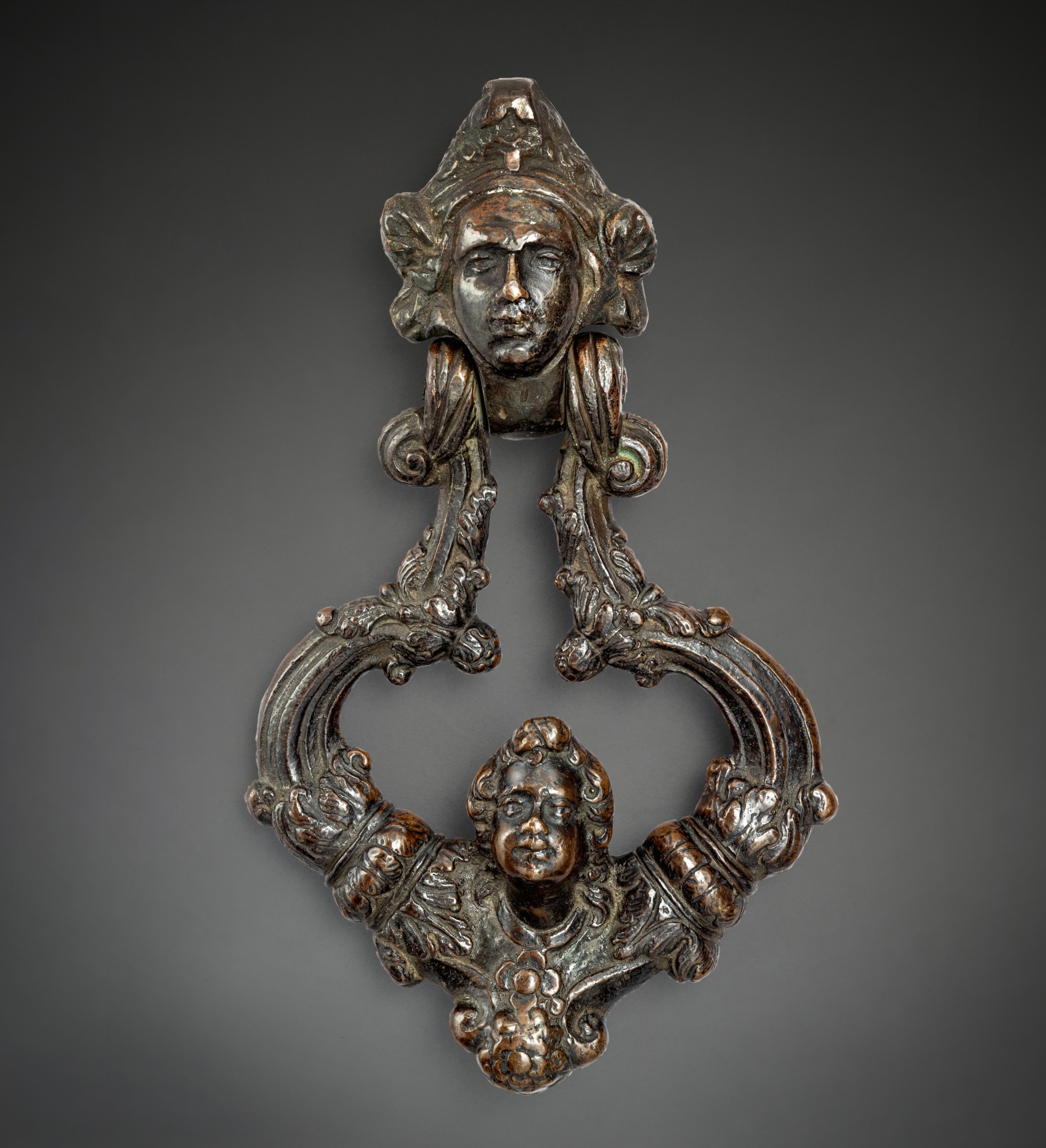
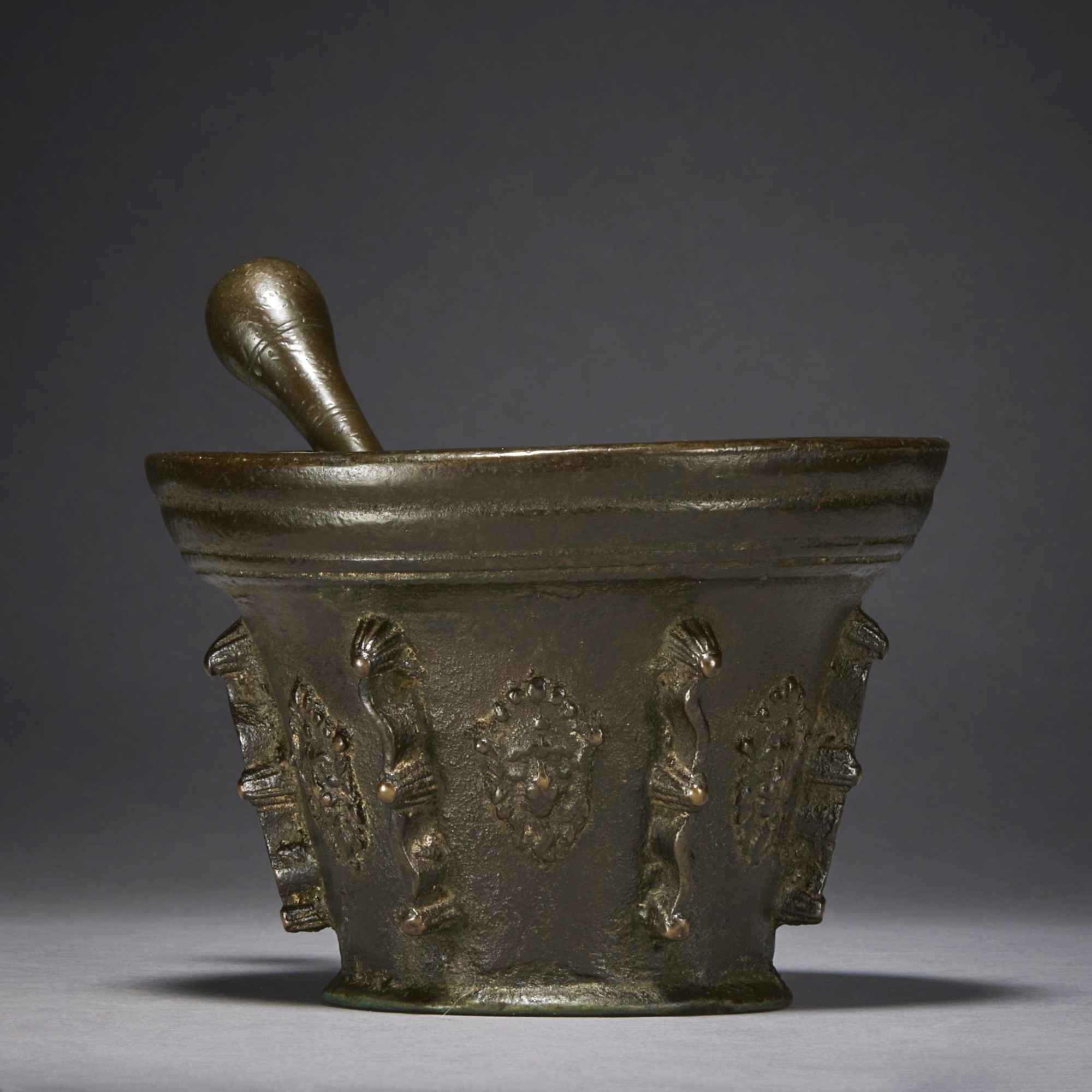
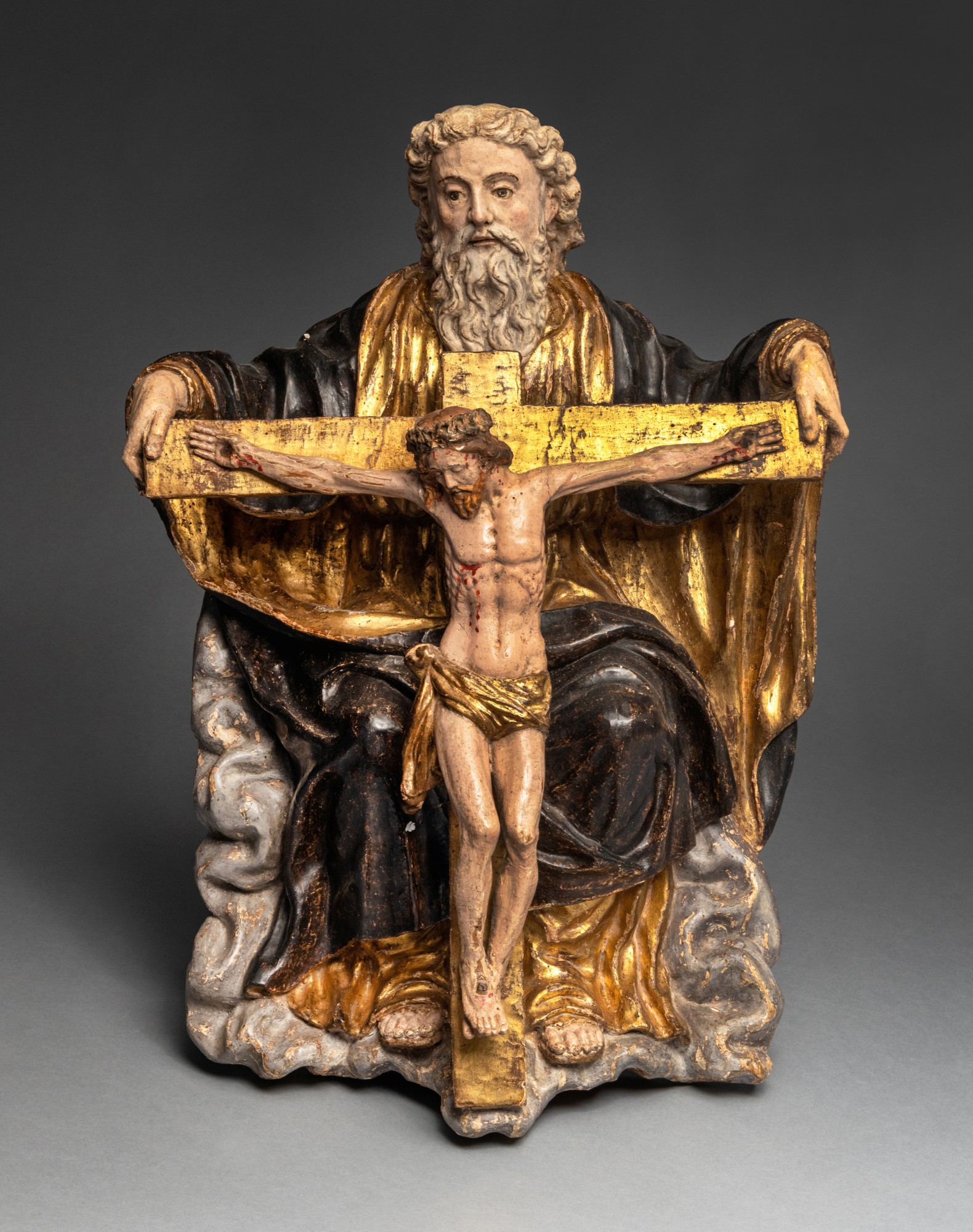
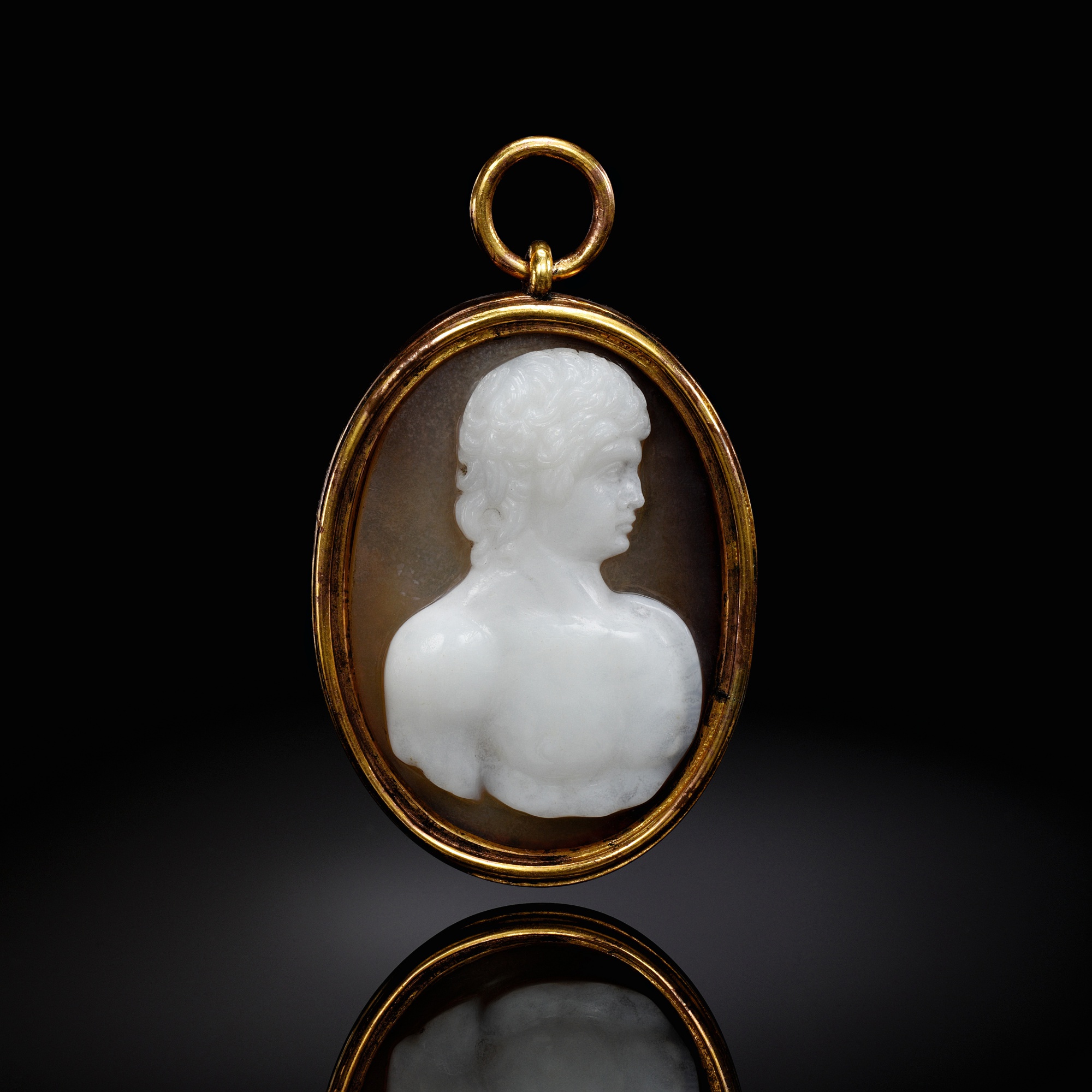
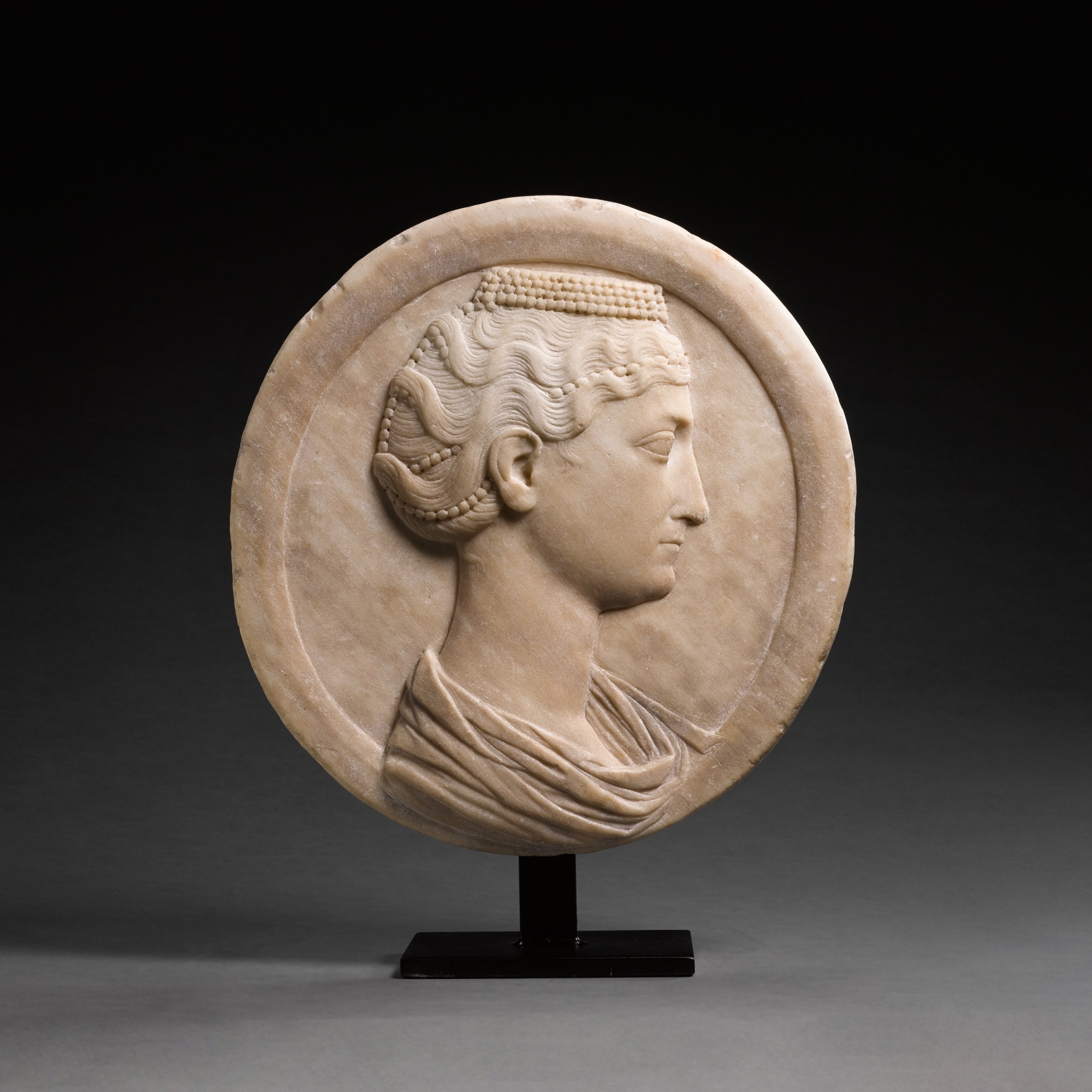
There is a particular quality of attention that descends on a room when an object of uncertain but unmistakable greatness enters it. No name announces itself on the label, no biography crowds the wall text, and yet the thing itself commands complete stillness. This is the experience that works attributed to the curatorial designation "Italian, 16th century" so reliably produce, whether encountered in the Renaissance and Baroque galleries of the Metropolitan Museum of Art, the decorative arts rooms of the Victoria and Albert Museum, or across the polished surfaces of a specialist auction at Christie's or Sotheby's. The category is not a gap in the historical record so much as a doorway into one of the most densely creative centuries any civilization has ever produced, and the objects that pass through it carry that entire world on their shoulders. The Italian peninsula in the 1500s was not a unified nation but a constellation of city states, papal territories, and competing courts, each functioning as its own hothouse of ambition and invention. Florence under the Medici, Rome under a succession of Renaissance popes, Venice as a maritime republic flush with Eastern luxury, Milan shaped by Sforza patronage and then Spanish dominion: these were environments in which artists, craftsmen, and scholars moved fluidly, absorbing influences and responding to one another with extraordinary speed. To have been an artist in Italy during this century was to exist at the center of a conversation that encompassed antiquity, Christian theology, natural philosophy, and the emerging discipline of art history itself, inaugurated by Giorgio Vasari's Lives of the Artists, first published in 1550. The men and women working under what we now call the "Italian, 16th century" designation were shaped by all of this, even when we cannot recover their individual names. The artistic traditions within which these makers worked encompass two of the most consequential movements in Western art. The High Renaissance, reaching its culmination in the opening decades of the century with Leonardo, Raphael, and Michelangelo, established a grammar of harmonious proportion, idealized naturalism, and spiritual grandeur that became the shared vocabulary of the entire peninsula. By mid century, Mannerism had emerged as a sophisticated response to that classical ideal, introducing elongated forms, complex spatial arrangements, heightened color, and a self conscious elegance that signaled a new kind of intellectual ambition. Artists working in bronze, marble, wood, and precious stone participated in both tendencies, and the finest objects attributed to this broad category demonstrate a command of material and a clarity of vision that place them in continuous dialogue with the named masters. The works that appear under this designation on The Collection offer a remarkable window onto the full range of sixteenth century Italian production. The bronze Door Knocker is an object whose seemingly functional origins belie its genuine artistic ambition: Renaissance bronzesmiths in workshops from Florence to Venice elevated the applied arts to a register of pure sculptural achievement, and a finely cast door knocker from this period participates in the same tradition as the celebrated bronzes of Donatello's heirs and the workshop of Giambologna. The Mortar and Pestle in bronze speaks to the period's deep engagement with the useful object as an occasion for beauty, a philosophy that ran from the grandest commissions down to the objects that furnished a physician's or apothecary's study. Together these bronzes remind us that the Italian Renaissance was not only a phenomenon of altarpieces and marble monuments but of a culture that demanded beauty at every scale of daily life. The Holy Trinity rendered in gilt and polychromed wood represents one of the most enduring categories of sixteenth century Italian devotional art. Across the peninsula, workshops produced sacred images in painted and gilded wood for private chapels, domestic altars, and institutional settings, and the best of these objects carry a concentrated spiritual presence that continued to sustain patrons long after the artist's identity had faded from memory. The use of gilding alongside polychrome paint reflects a sophisticated understanding of how light and color work together to produce a sense of the divine, a concern shared by painters working on panel and fresco throughout the century. The Cameo with Antinous reaches into a different but equally rich tradition: the revival of antique gem cutting and the production of portrait cameos was among the most fashionable and technically demanding pursuits of sixteenth century Italian court culture, and the subject of Antinous, the beloved companion of the Emperor Hadrian who was himself deified in antiquity, carried enormous resonance for a humanist culture steeped in classical learning. The Roundel with a Portrait of the Empress Faustina the Elder in marble similarly reflects the period's passionate engagement with Roman imperial portraiture, as collectors and patrons across Italy assembled antiquities and commissioned works inspired by them with equal enthusiasm. For collectors today, works attributed to "Italian, 16th century" occupy a position of genuine distinction in the market. They offer direct access to one of the foundational moments of Western visual culture without the prohibitive price points that attach to named masters of the period, and they reward the kind of close, sustained looking that the best collecting always involves. Auction specialists at the major houses consistently note that quality of casting, carving, or modeling is the primary criterion in assessing these works, followed by condition, provenance, and the persuasiveness of any period attribution. A bronze of crisp, assured casting from a specialist sale can hold its value with remarkable consistency, and carved or gilded wood objects with clear devotional purpose have attracted renewed collector attention as interest in the material culture of private religious practice has grown among both institutional and private buyers. The cameo and portrait roundel traditions, meanwhile, connect directly to collections of classical antiquity, making them natural companions to Greek and Roman holdings in any serious decorative arts cabinet. The artists who worked alongside those gathered under this designation include some of the most celebrated figures in art history. In bronze, the tradition runs from the circle of Andrea Riccio in Padua through the followers of Cellini in Florence and the workshops of northern Italy influenced by Giambologna. In devotional carving, the names of Benedetto da Maiano and his successors in Tuscany stand as reference points, while the cameo tradition connects to the court goldsmiths of the Farnese and Este families. These named figures provide the constellation within which the anonymous or unattributed works find their meaning, and a collection that includes works from both categories is a richer and more historically complete one for it. The enduring significance of the "Italian, 16th century" designation lies in what it asks of us as viewers and collectors. It returns the aesthetic encounter to its most essential form: an object and a person, separated by five centuries, finding one another across the distance. The bronze caster who fashioned that door knocker, the woodcarver who gilded that Trinity, the gem cutter who portrayed Antinous with such knowing elegance: they did not sign their names, but they left everything else. To collect these works is to accept that invitation with open hands, and to become, in the best possible sense, a custodian of a world that still has so much to say.