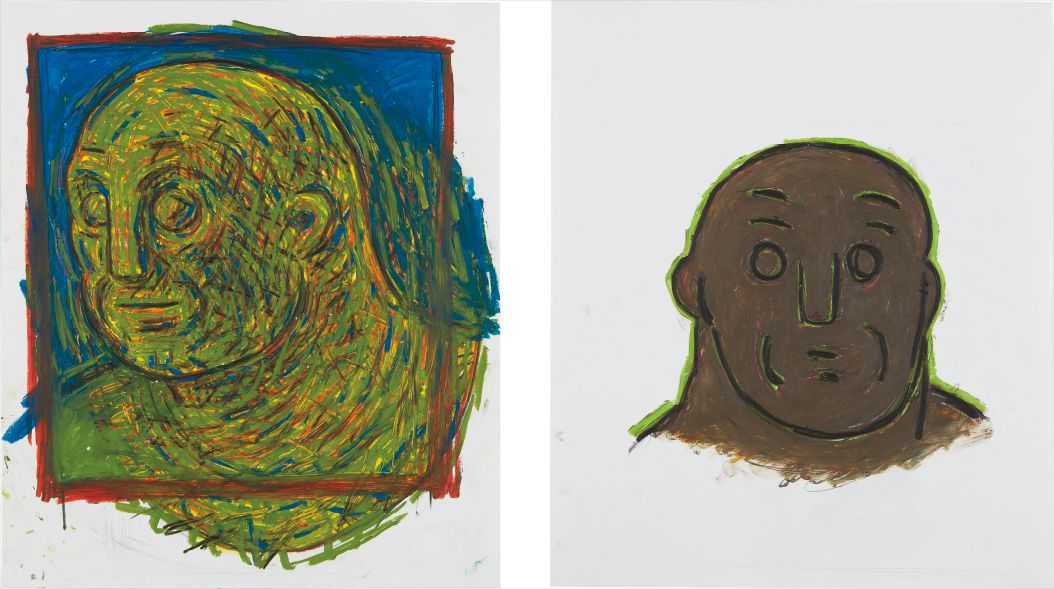
Tom Otterness
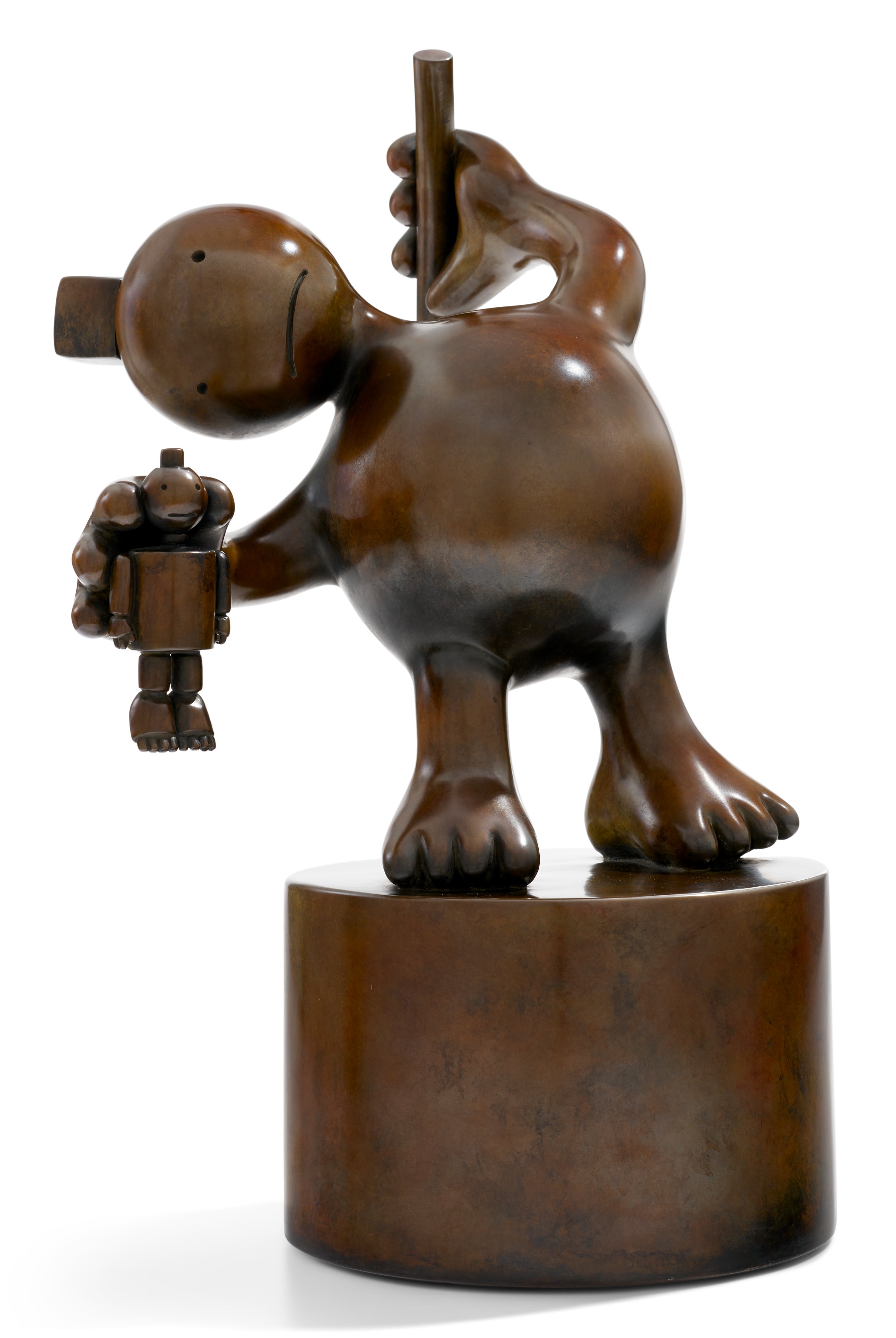
Artist Spotlight
Tom Otterness: Joy Sculpted in Bronze
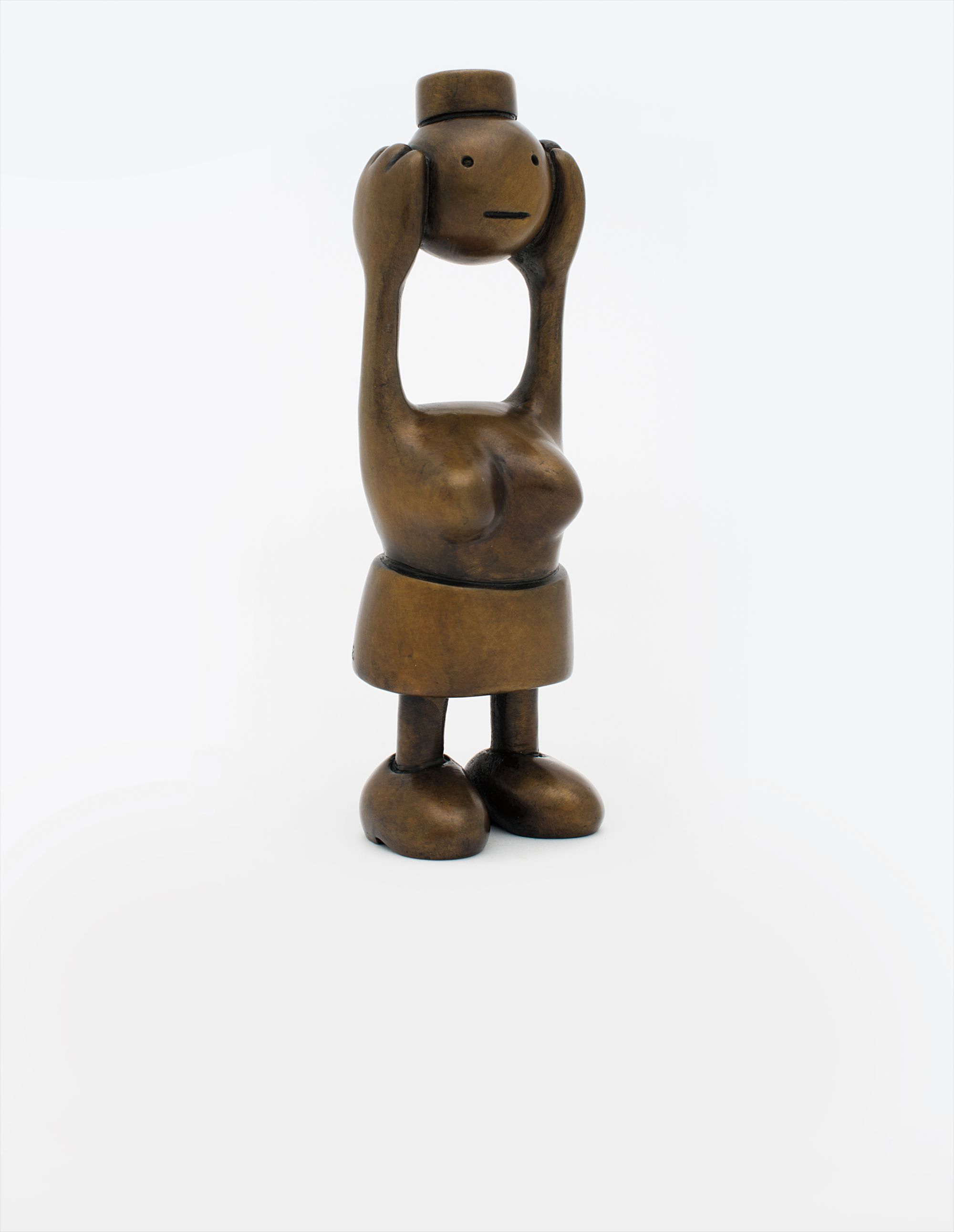
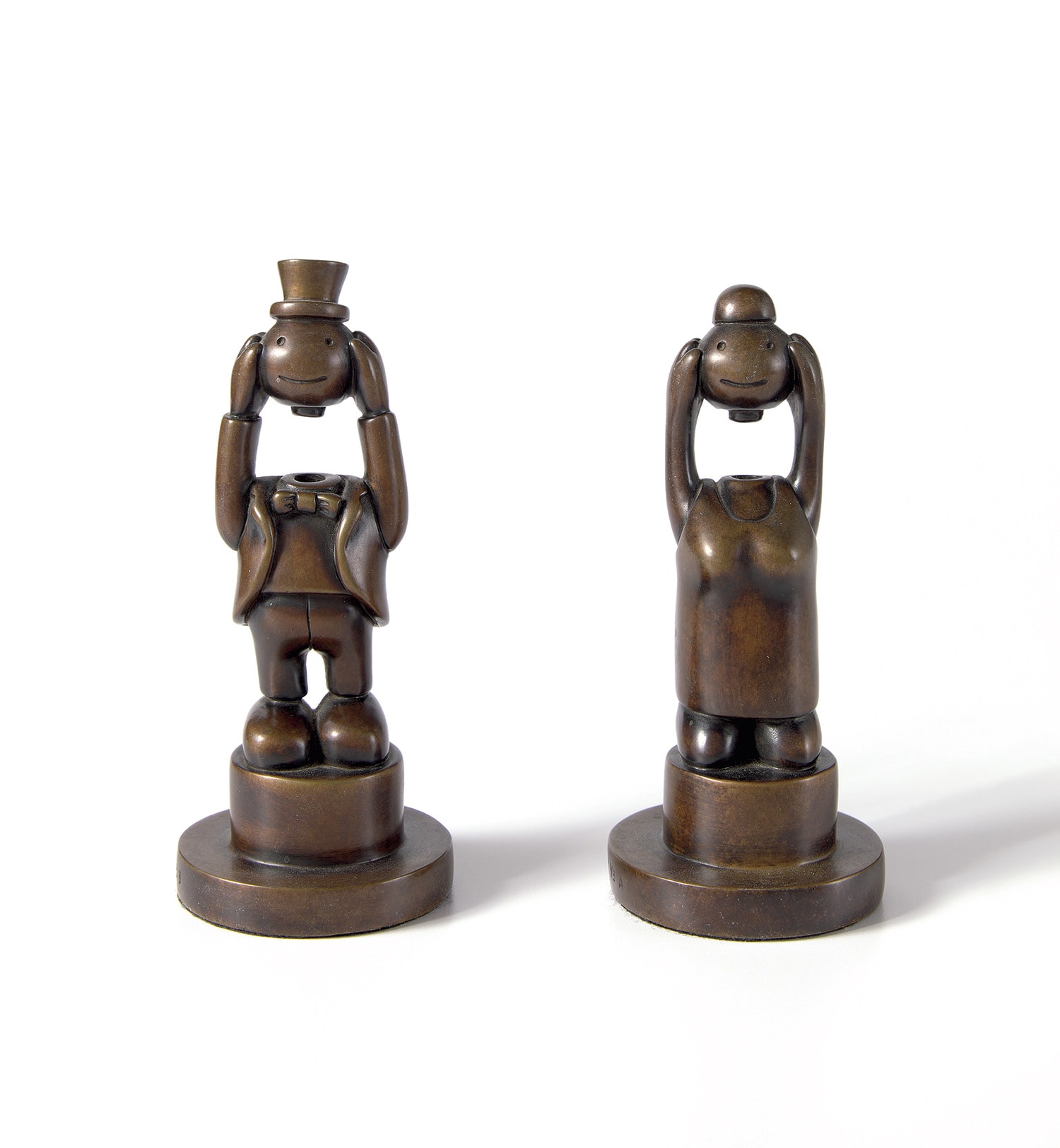
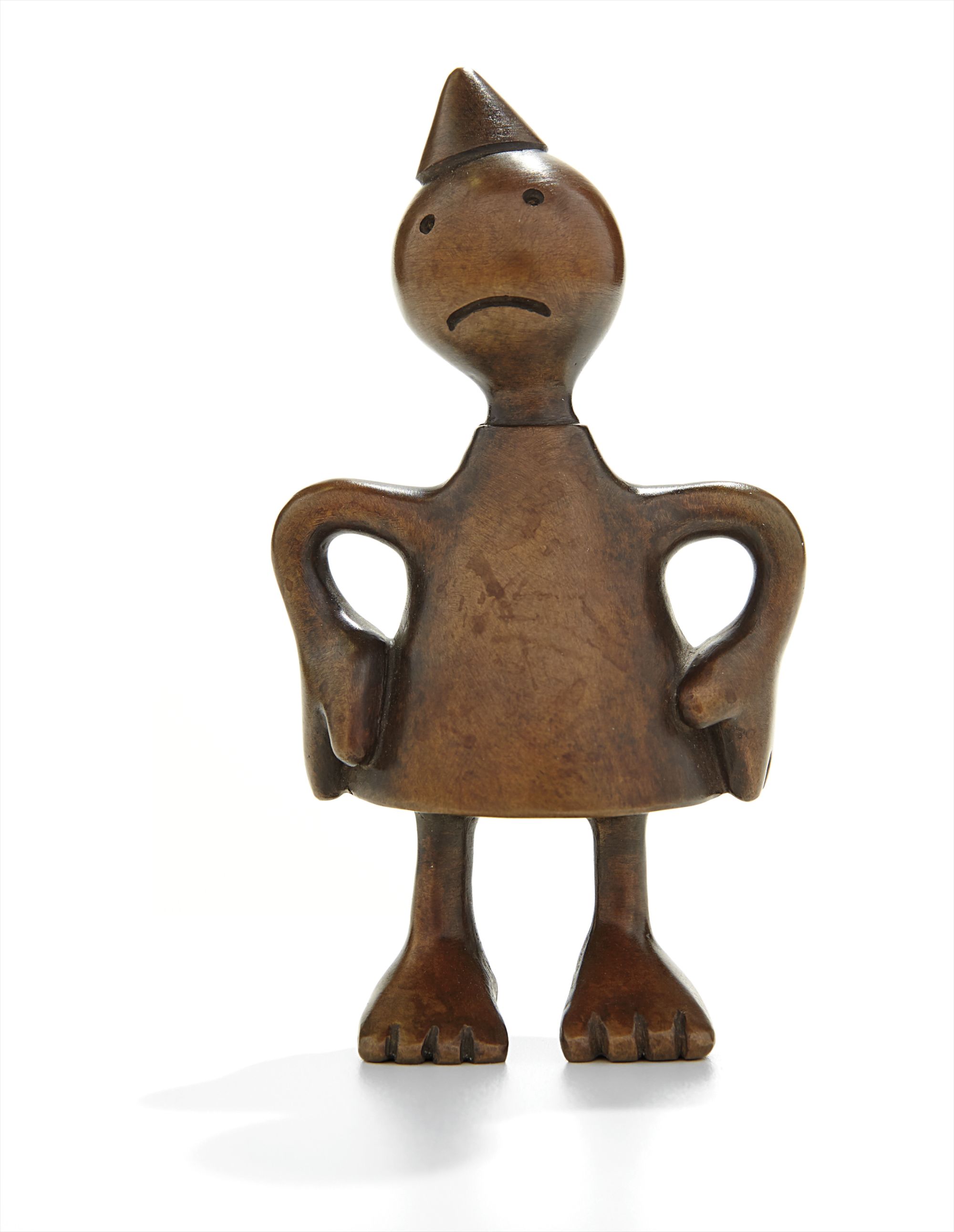
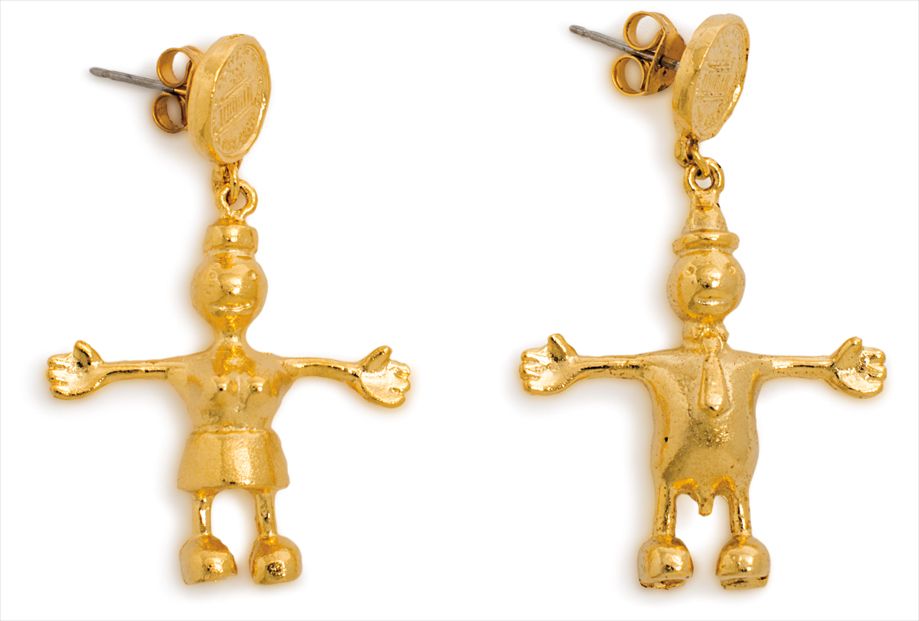
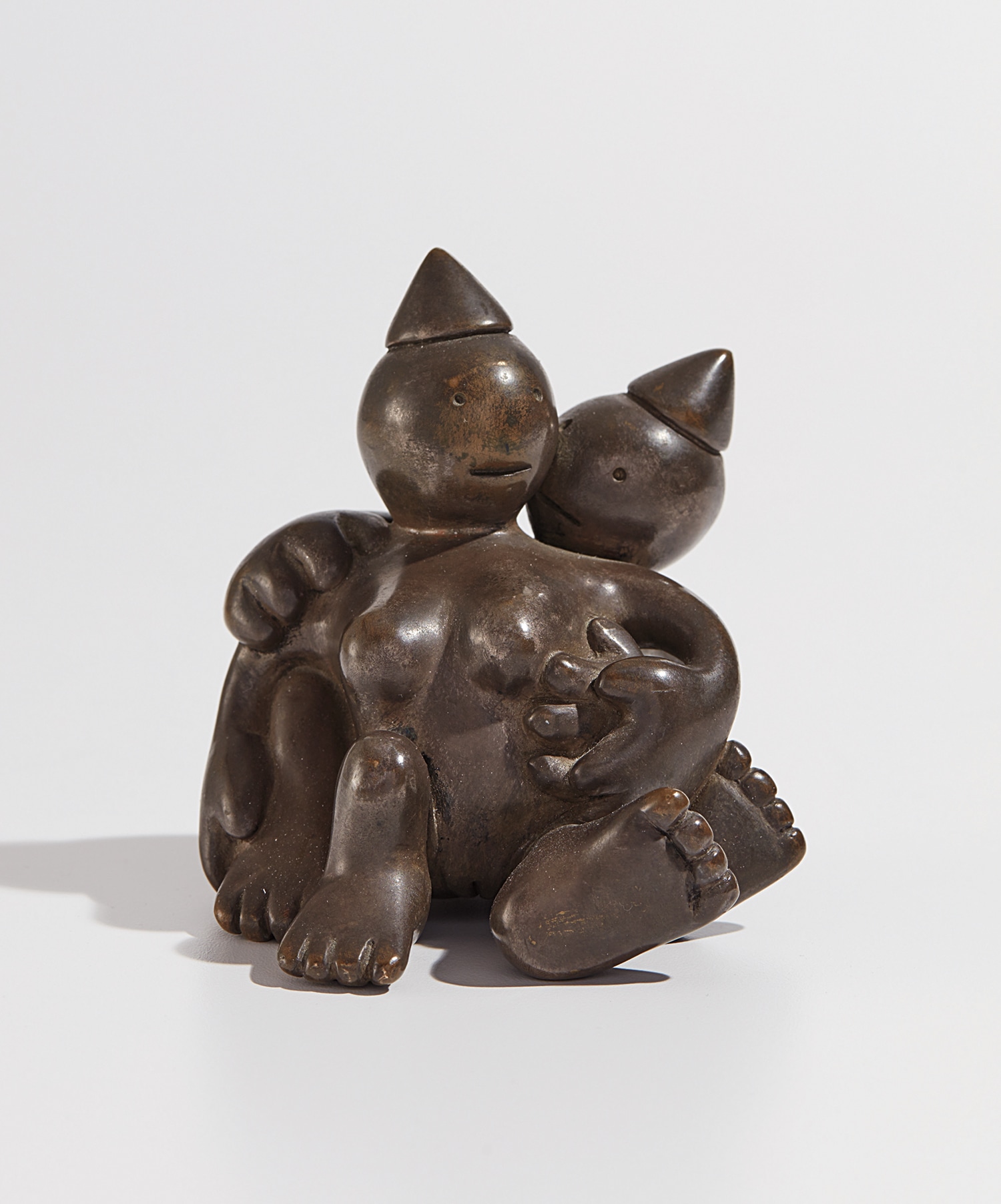
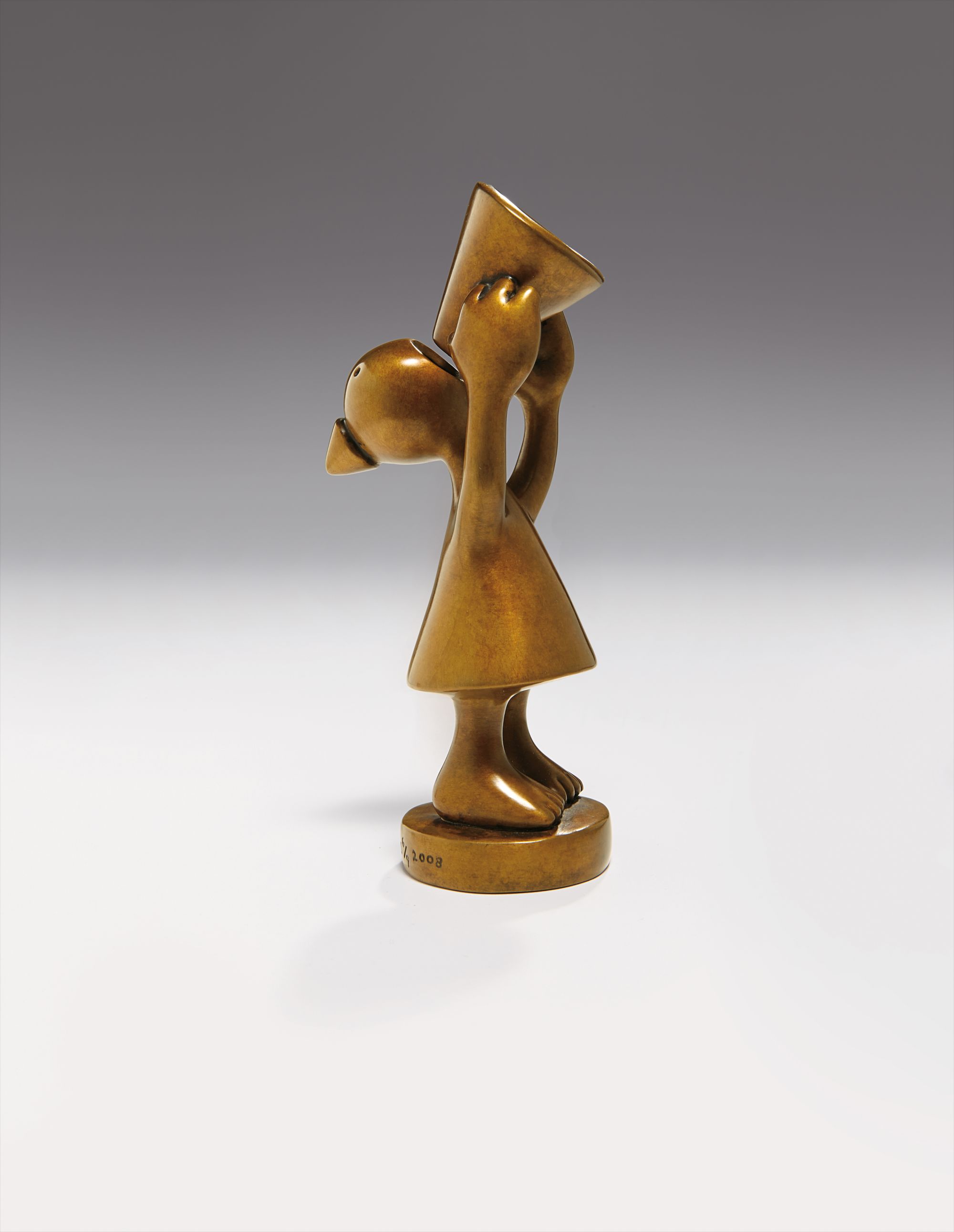
Walk through any major city and you may find yourself smiling before you quite know why. A rotund bronze worker tips his hat from a ledge. A tiny figure clutches an oversized coin. A cat and a turtle share a quiet moment on a bench. These are the unmistakable works of Tom Otterness, and in recent years, as cities have increasingly turned to public art to restore a sense of shared humanity, his sculptures have never felt more essential. His permanent installation Life Underground in the 14th Street and Eighth Avenue subway station in New York City continues to delight millions of commuters… Continue reading
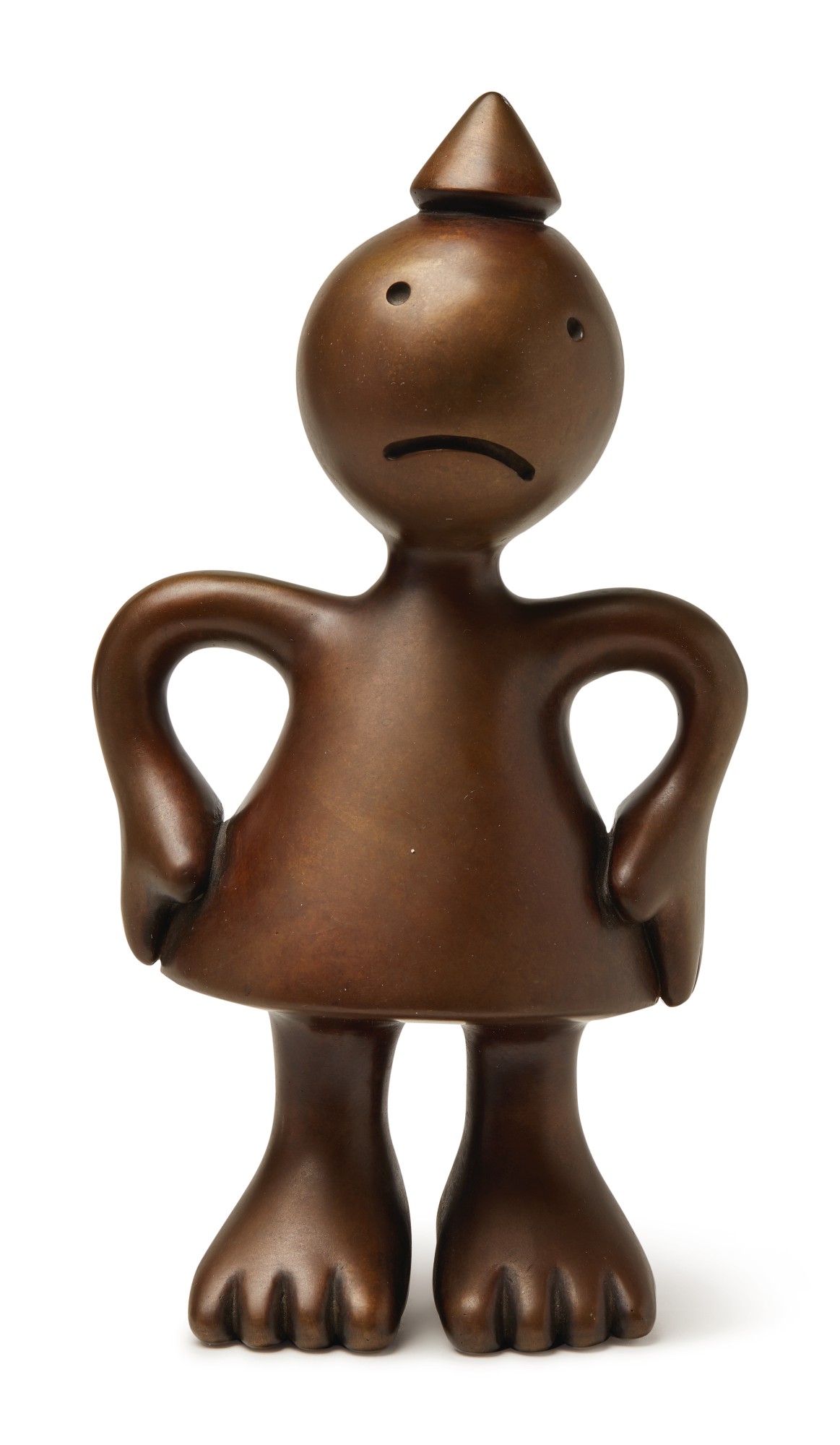
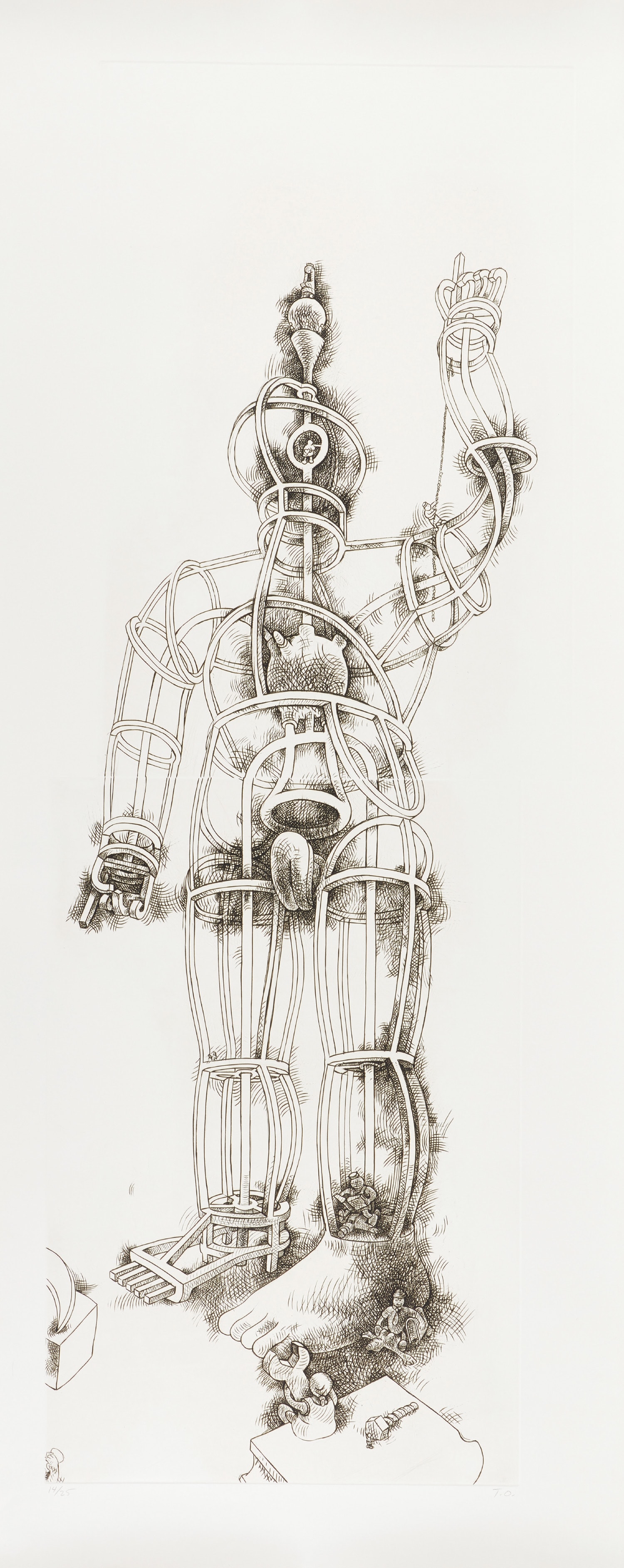
Artists in conversation
Claes Oldenburg
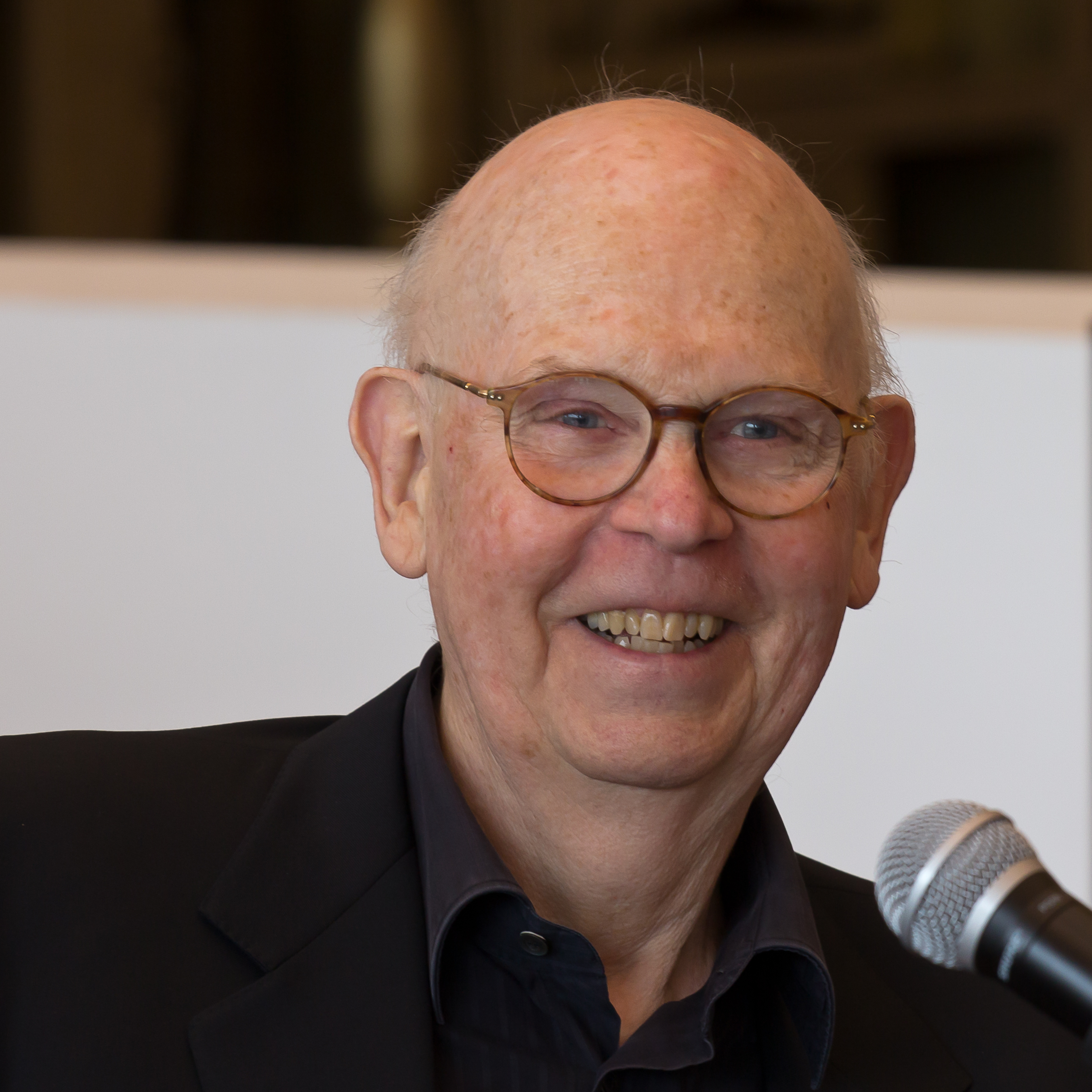
Oldenburg shared Otterness's commitment to large scale public sculpture that transforms everyday objects and figures into playful monumental forms with a cartoonish sensibility. Both artists used humor and accessible imagery to engage broad public audiences in outdoor urban environments.
Jeff Koons
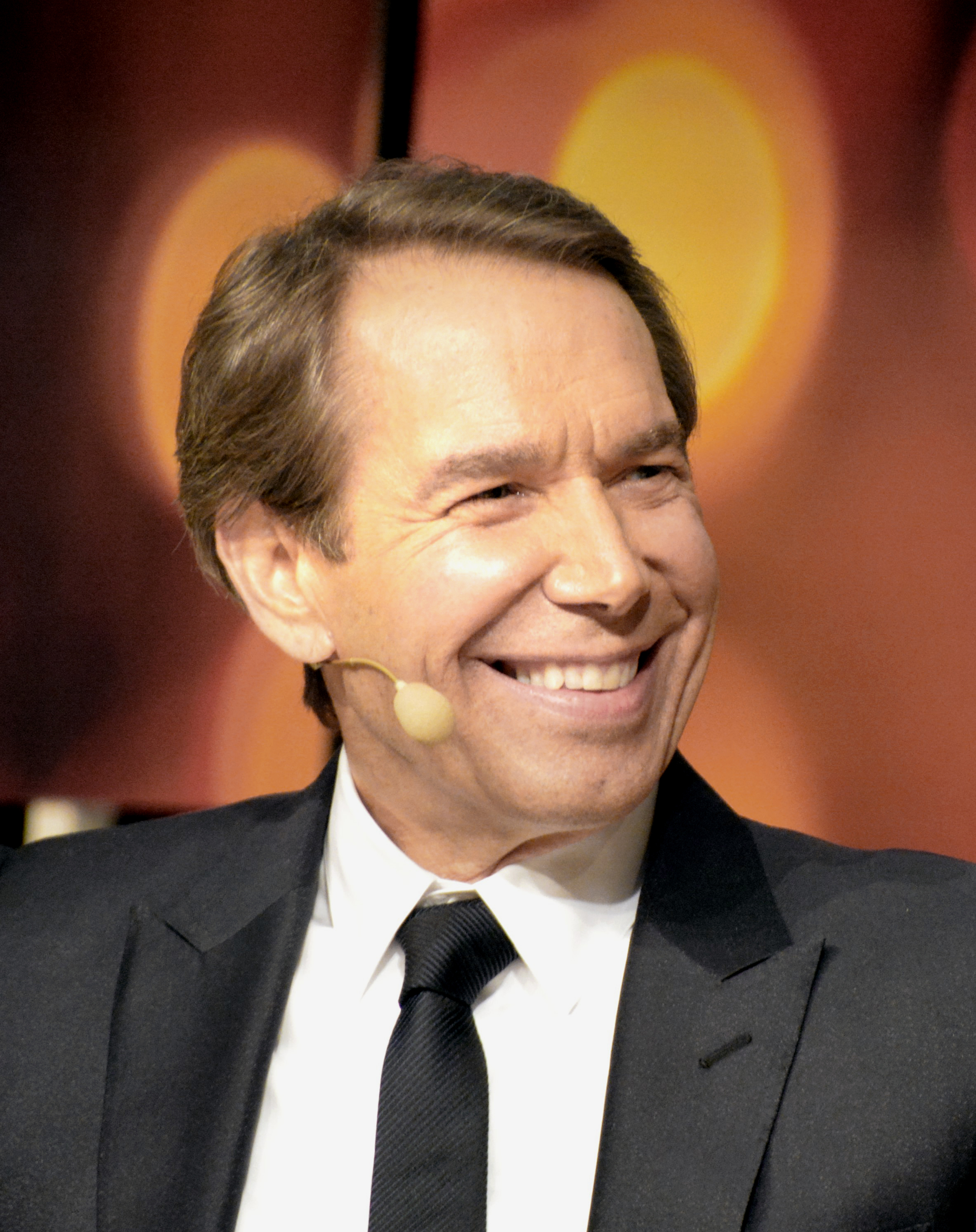
Koons similarly elevates simplified and whimsical figurative forms into polished sculptural objects that blend popular culture with fine art traditions. Both artists work with reflective and decorative surfaces to create accessible yet conceptually loaded public sculptures.

Niki de Saint Phalle
Saint Phalle created bold and rotund figurative sculptures installed in public spaces that combined playfulness with deeper social commentary. Her colorful and exaggerated forms share Otterness's interest in making sculpture both visually inviting and conceptually rich.
Artists who inspired them
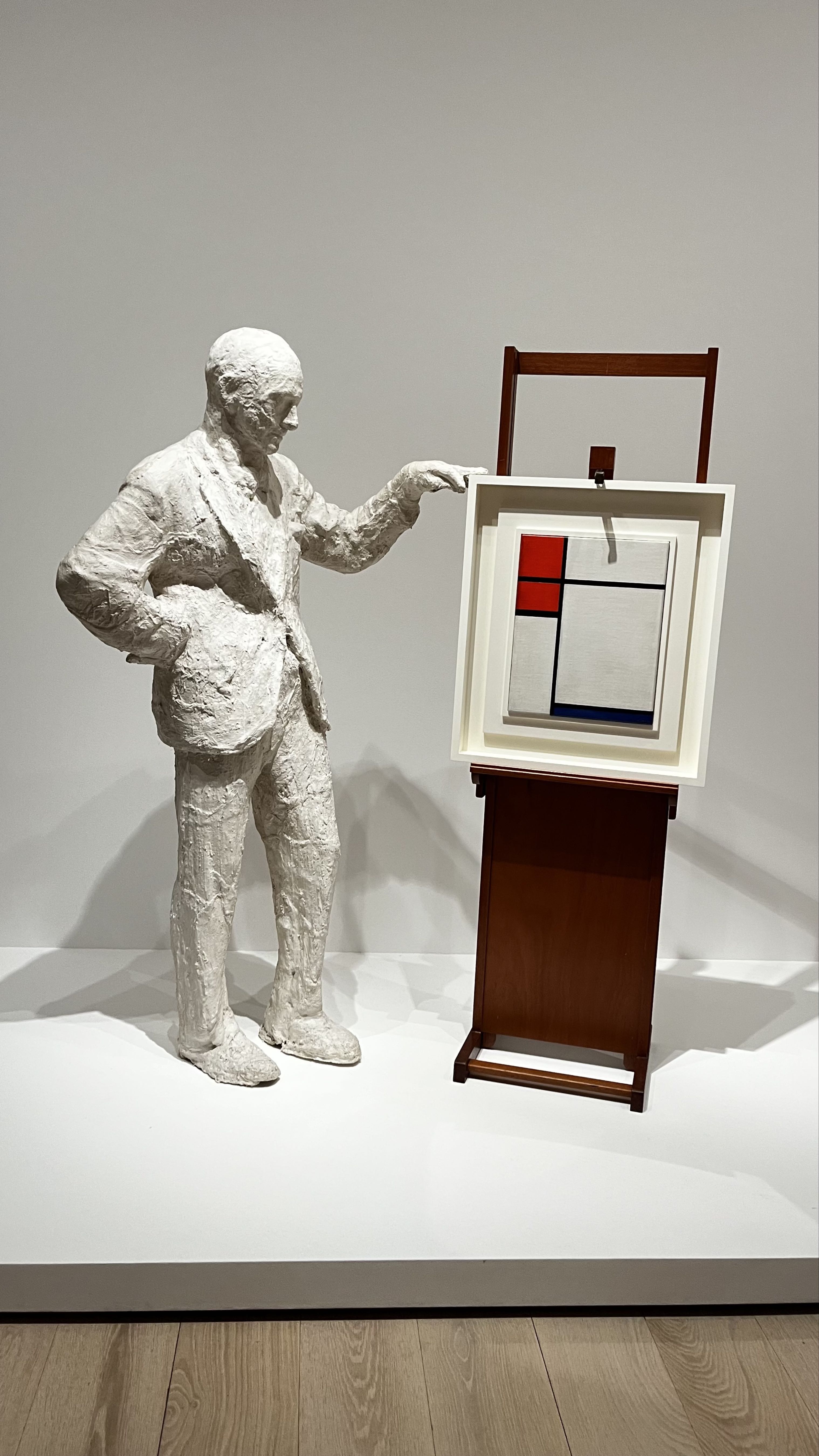
George Segal
Segal pioneered the use of simplified human figures in public and gallery settings that addressed everyday social conditions, a framework Otterness adapted into his own cartoonish bronze vocabulary. Segal's emphasis on the common person as sculptural subject directly prefigures Otterness's recurring cast of archetypal figures.
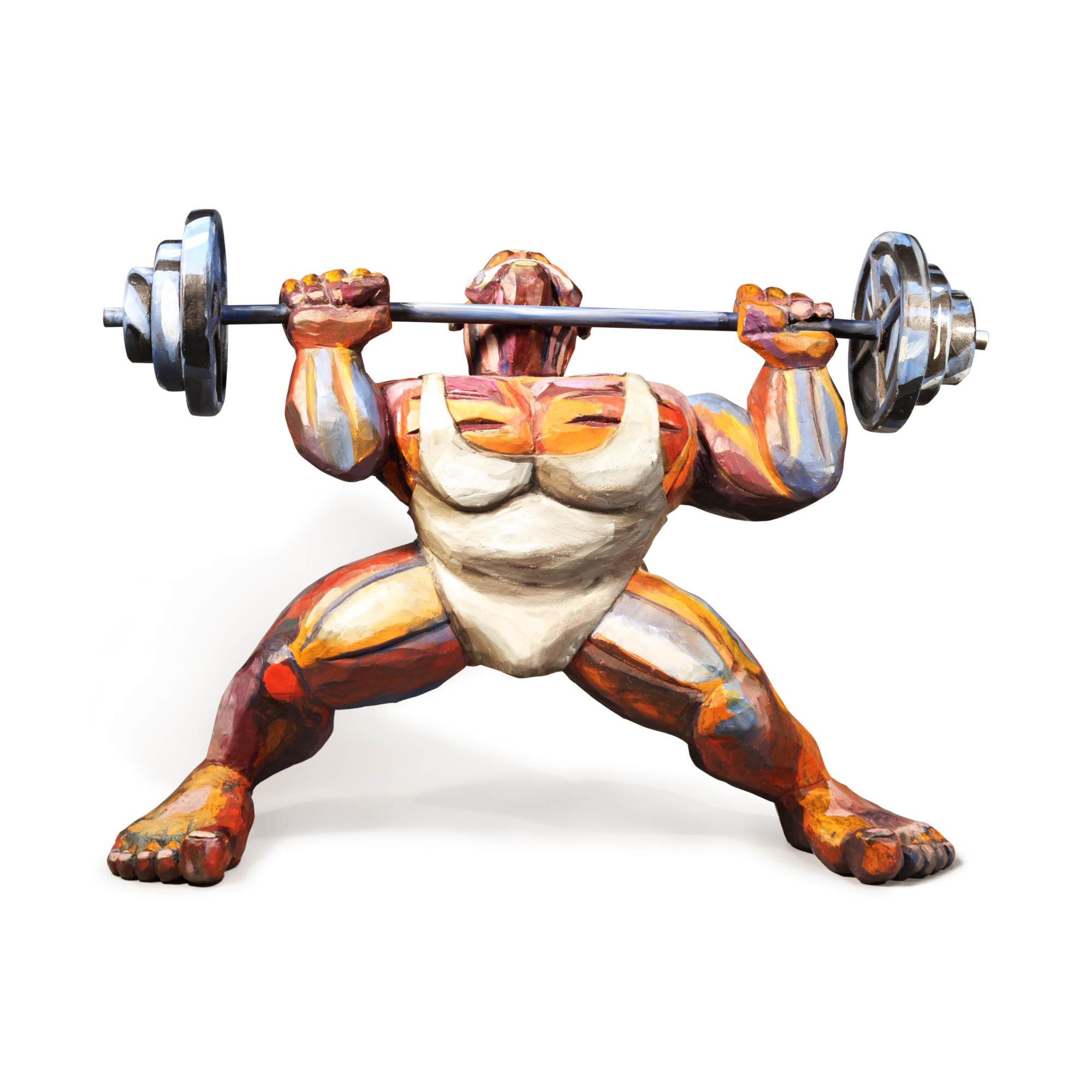
Red Grooms
Grooms developed a boisterous and cartoonish figurative style in American art that blended popular culture with satirical social observation, strongly anticipating Otterness's own approach. Their shared New York context and involvement in collaborative and accessible art movements created clear thematic and stylistic overlap.
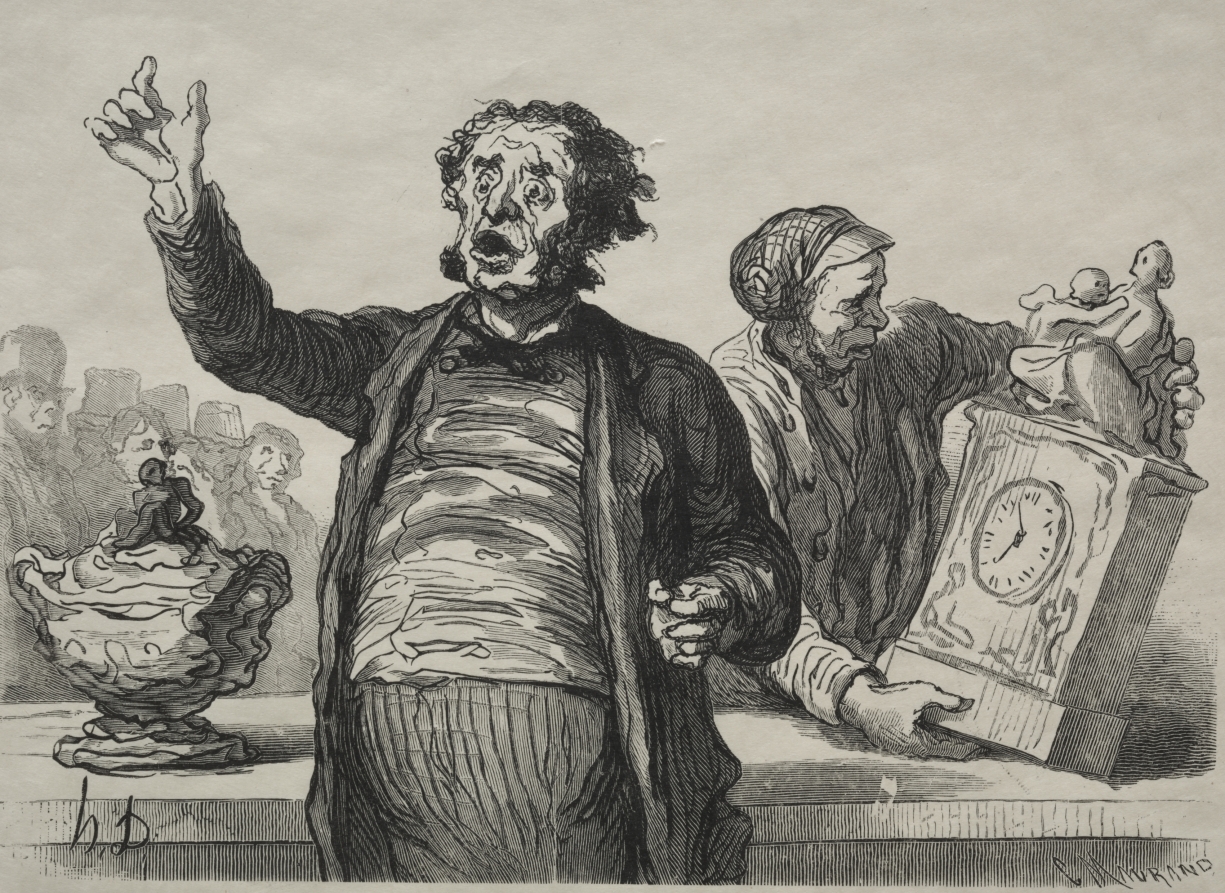
Honoré Daumier
Daumier's caricatural approach to depicting power, class and political corruption through exaggerated and rounded figurative forms is a clear conceptual antecedent to Otterness's own satirical bronze tableaux. Otterness has cited the tradition of political caricature as foundational to his thematic interest in money and social hierarchies.