Artist Spotlight
Robert Indiana: America Spelled In Bold
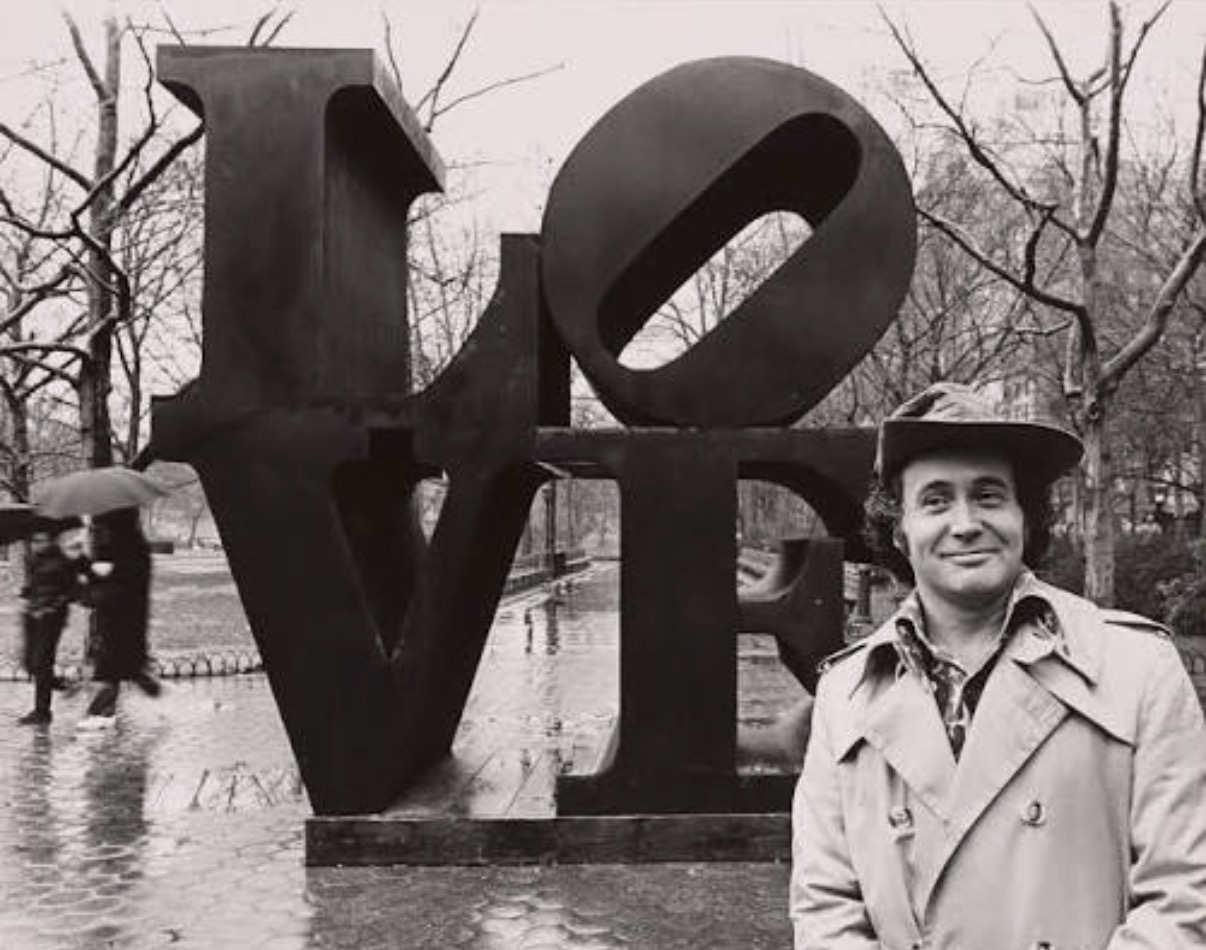
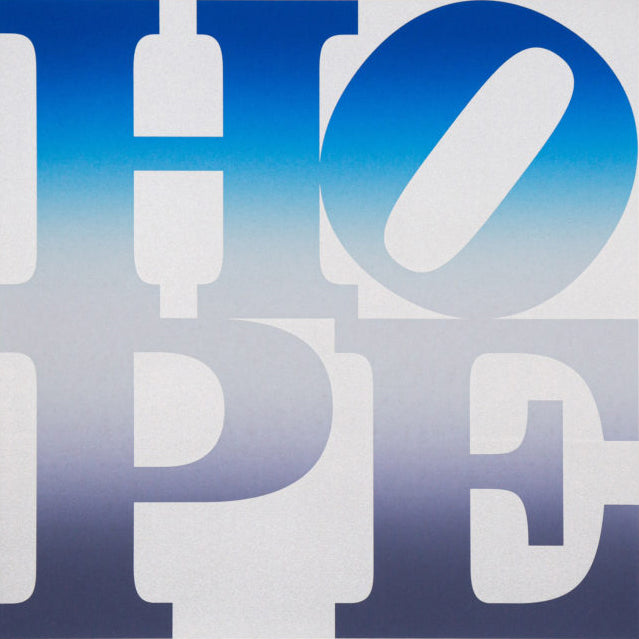
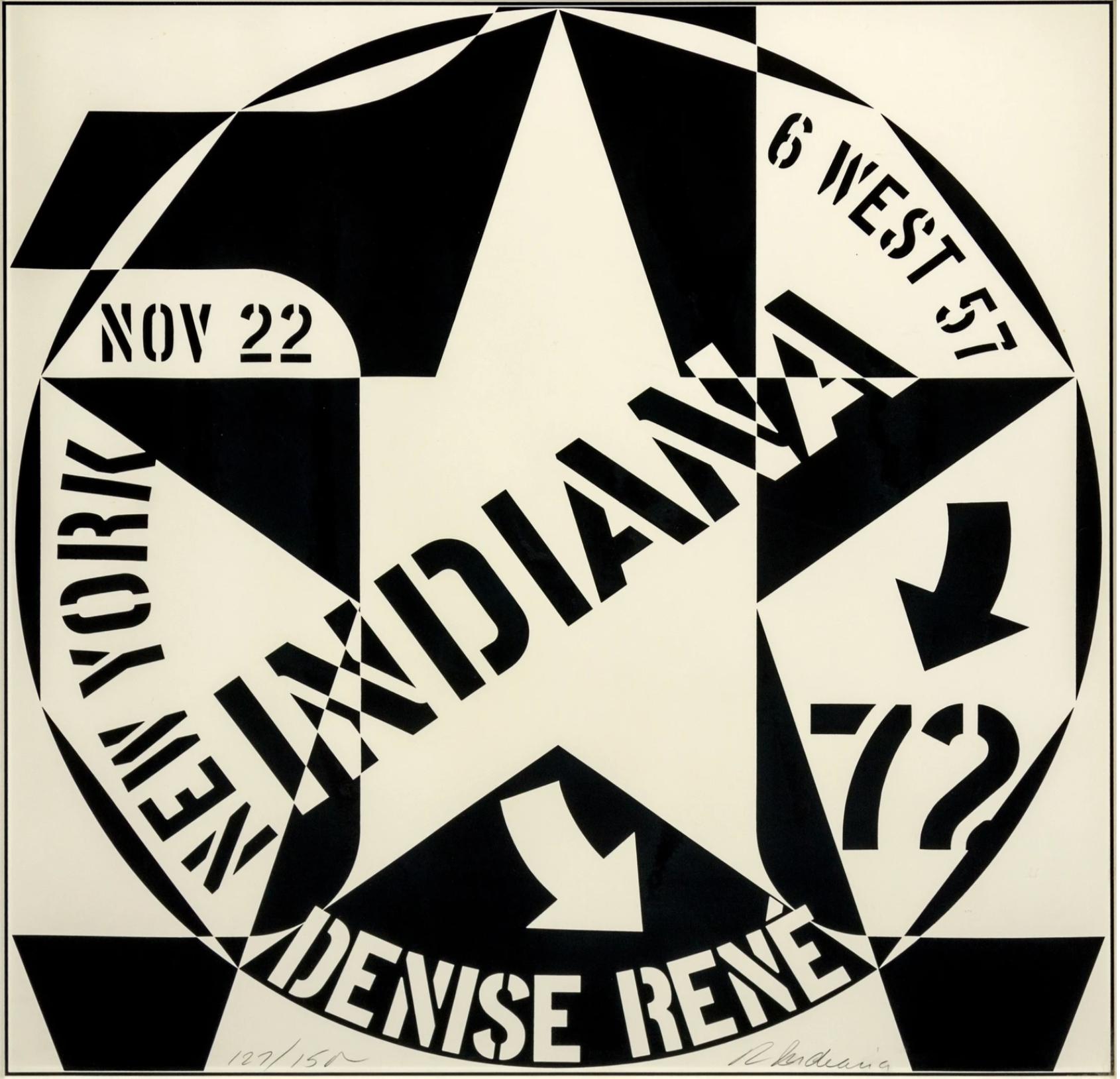
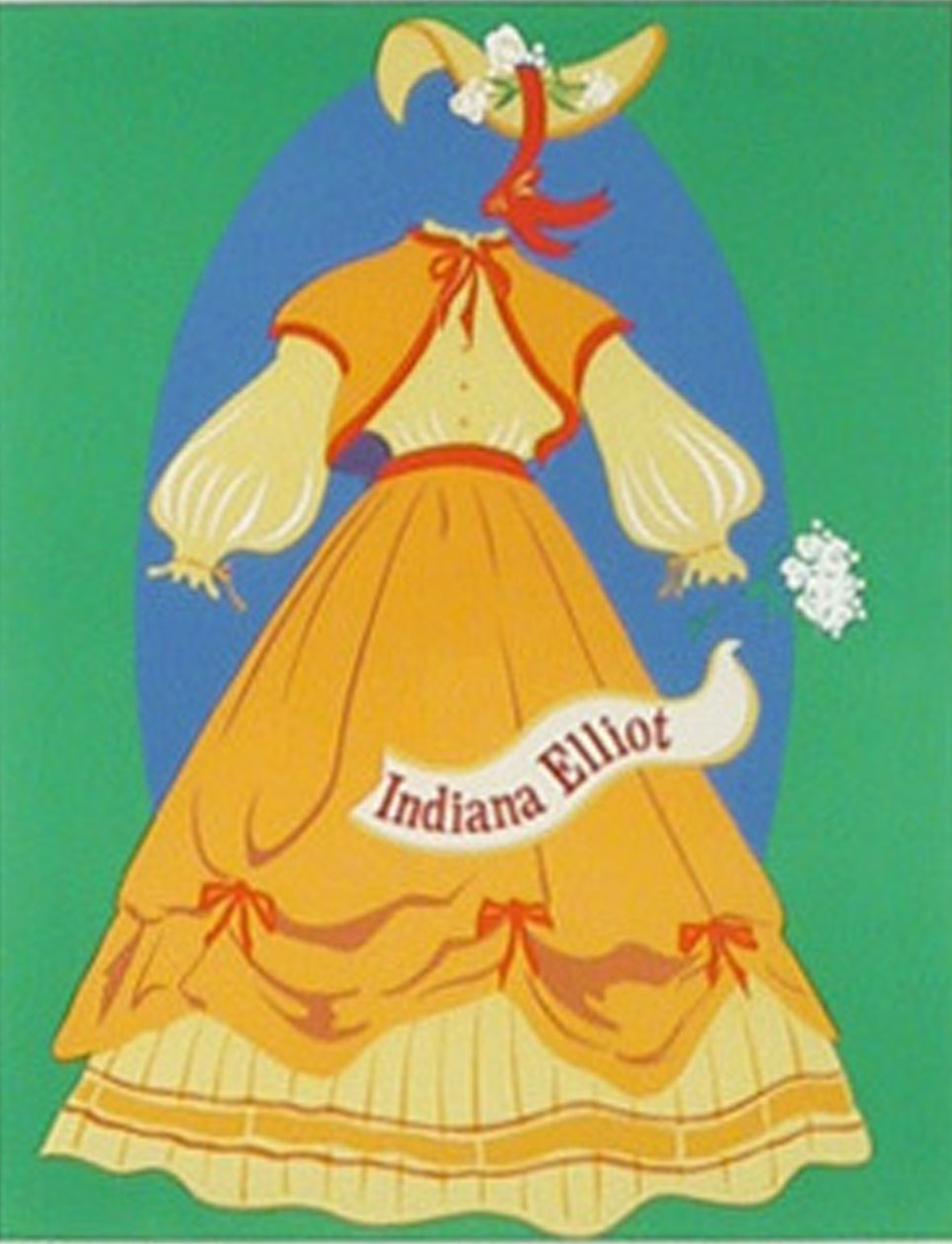
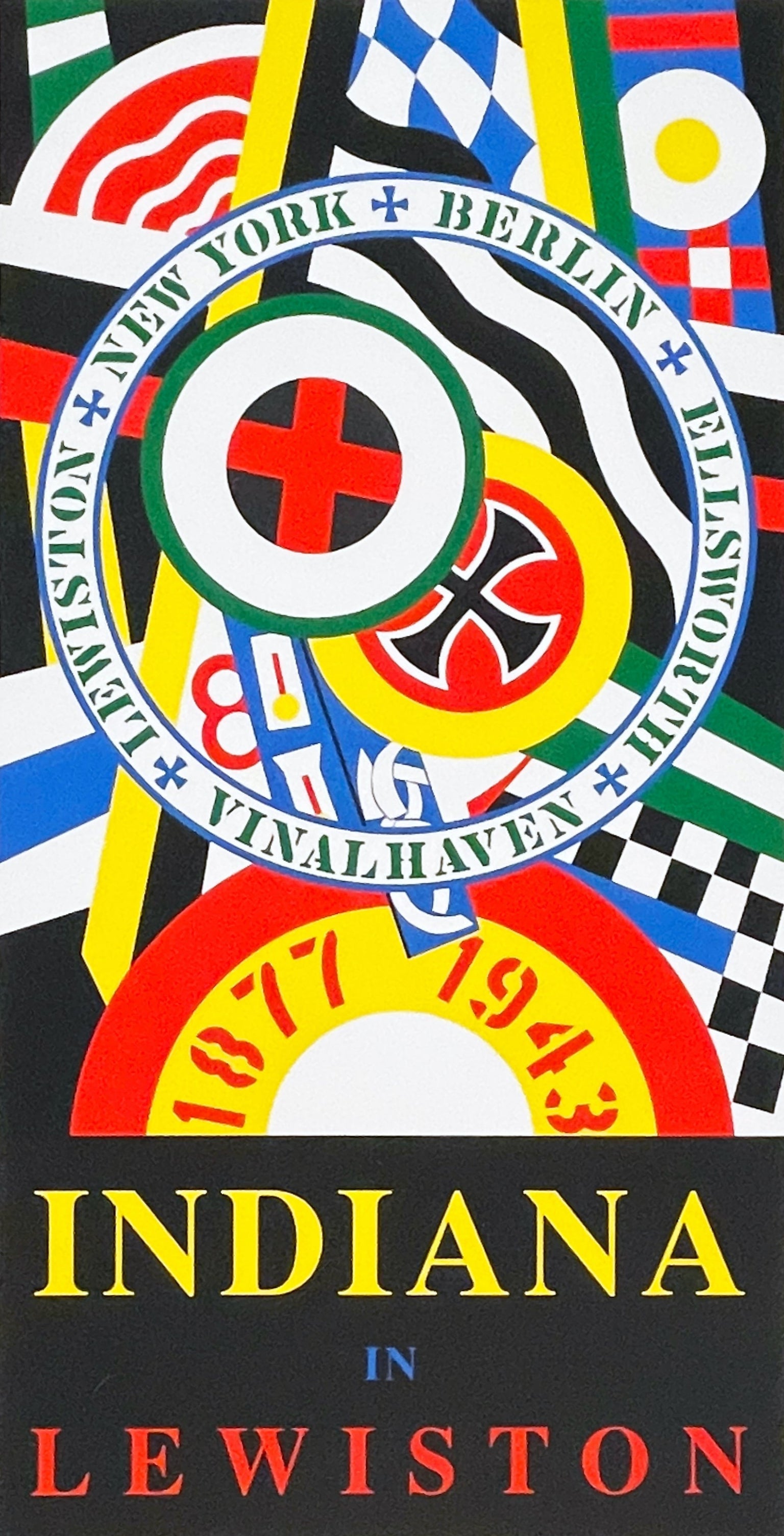
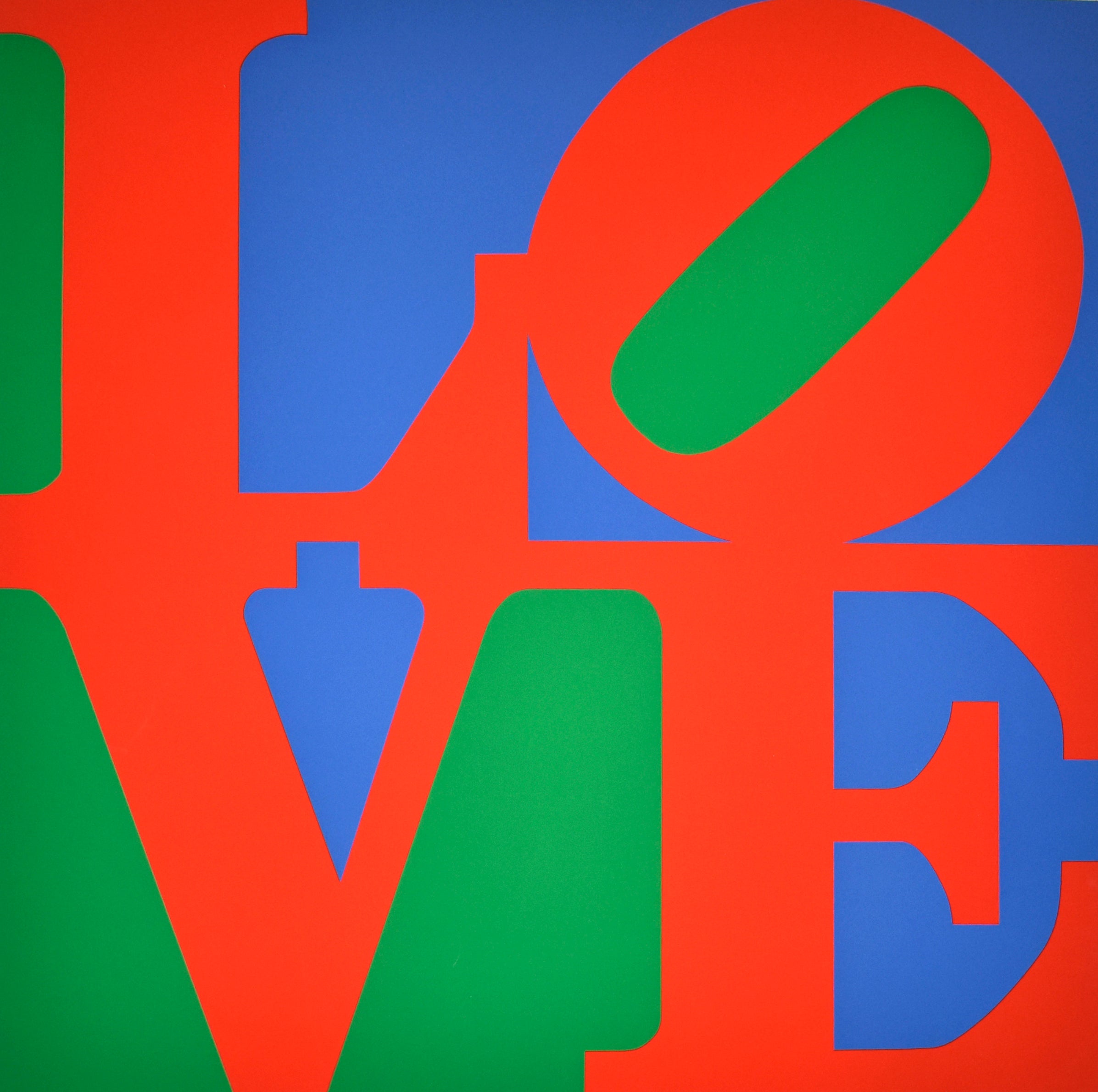
There are few moments in twentieth century art as electrically simple as the first time you encounter a Robert Indiana LOVE. Four letters. A tilted O. A square format. Primary colors stacked with the confidence of a manifesto. When the Museum of Modern Art commissioned Indiana's LOVE image for its Christmas card in 1964, neither the artist nor the institution could have anticipated that this compact, almost architectural arrangement of letters would become one of the most reproduced images in American cultural history. Decades later, the work continues to appear in public squares from… Continue reading




Artists in conversation
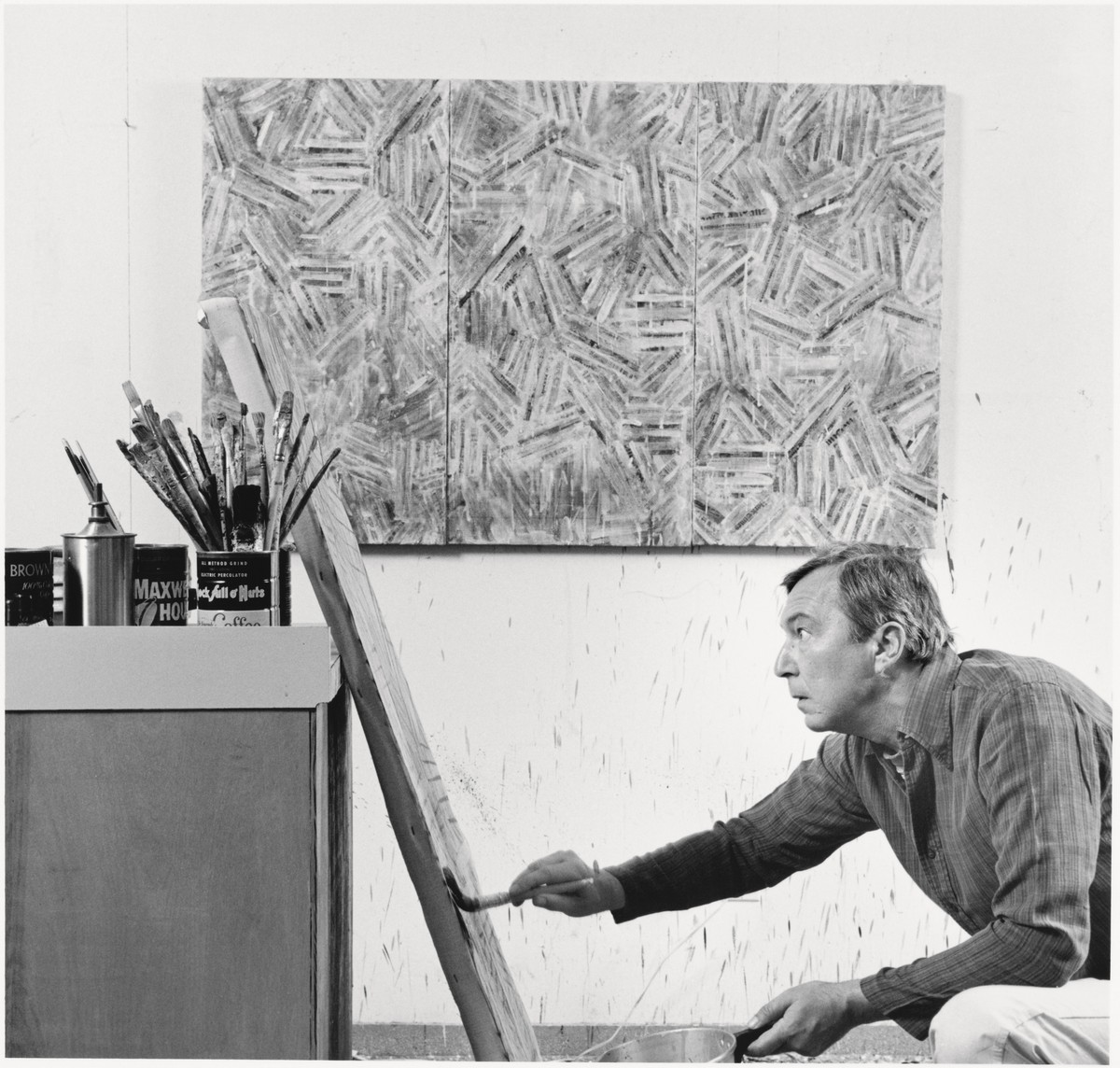
Jasper Johns
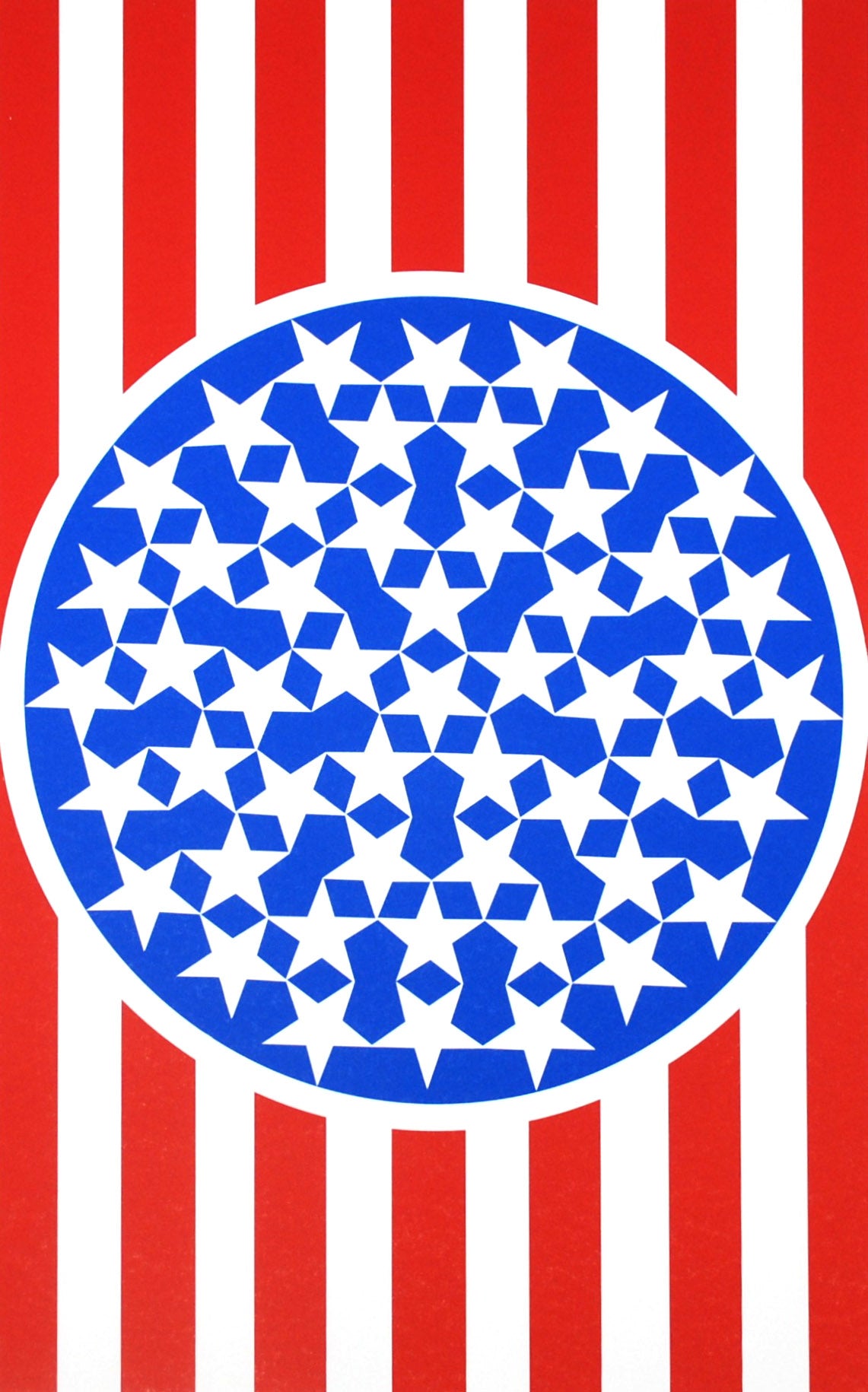
Johns similarly incorporated text, numbers, and symbols into his paintings, exploring familiar American iconography through bold graphic compositions that blur the line between fine art and graphic design.
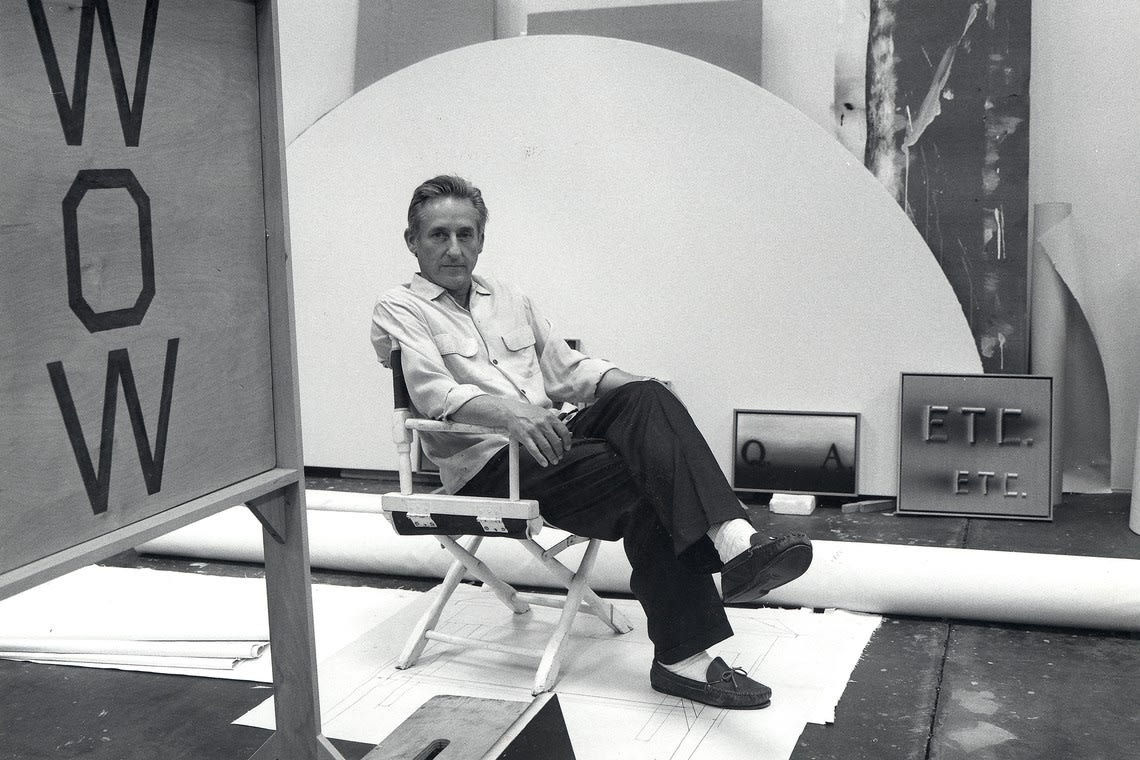
Ed Ruscha
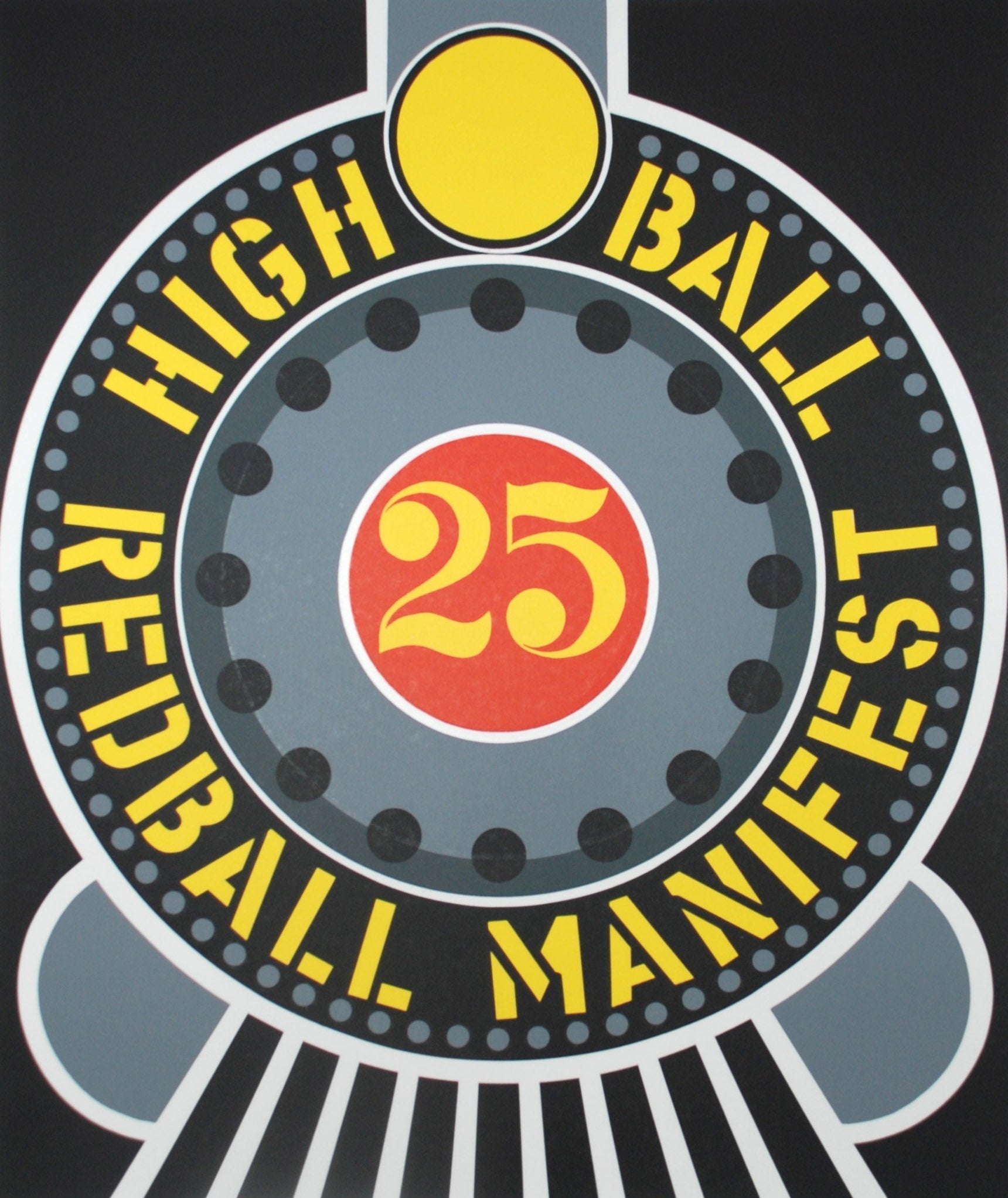
Ruscha is equally committed to words as primary visual subjects, using bold typography and flat color fields to transform language into powerful pictorial statements within the American Pop Art tradition.
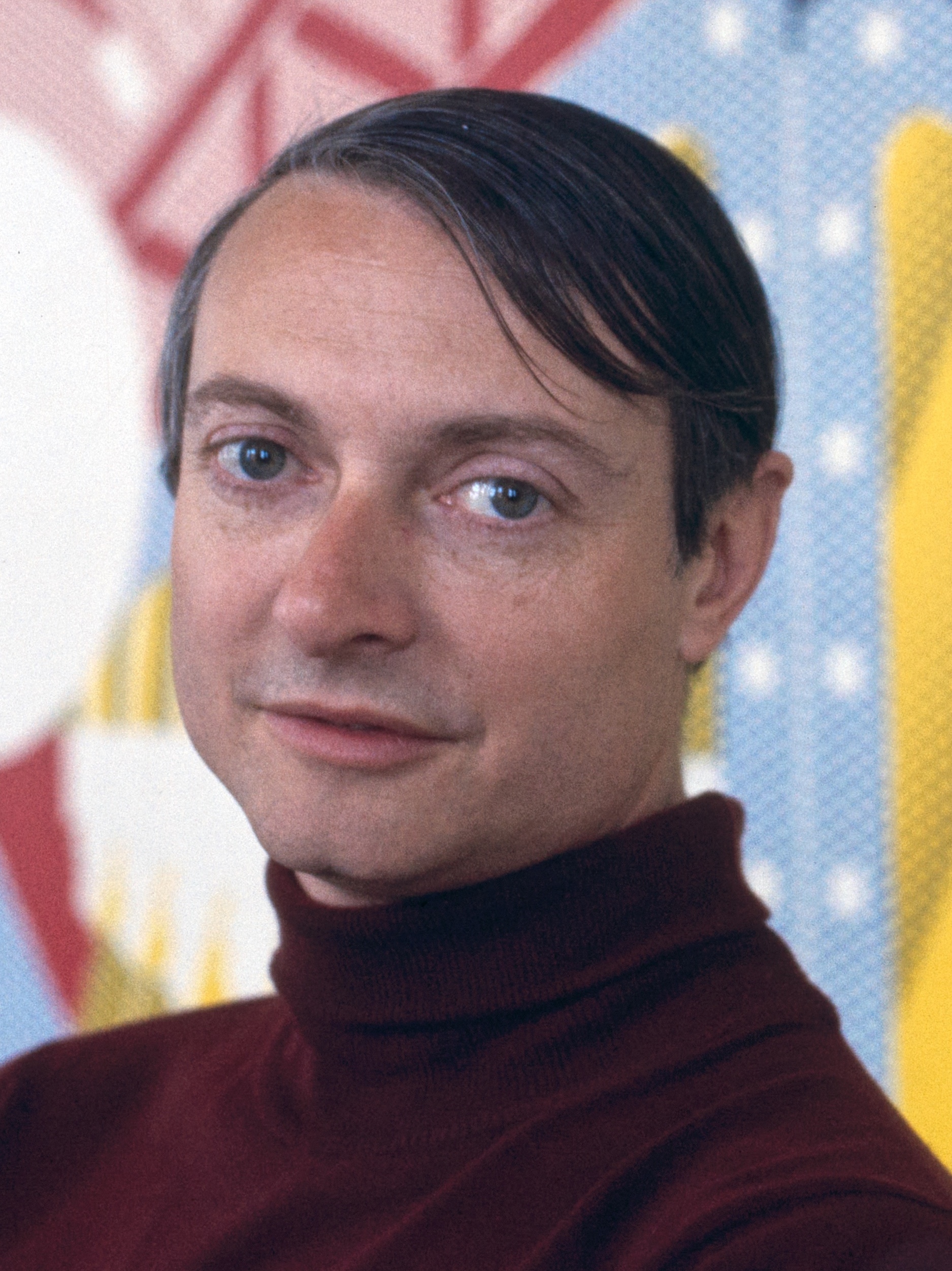
Roy Lichtenstein
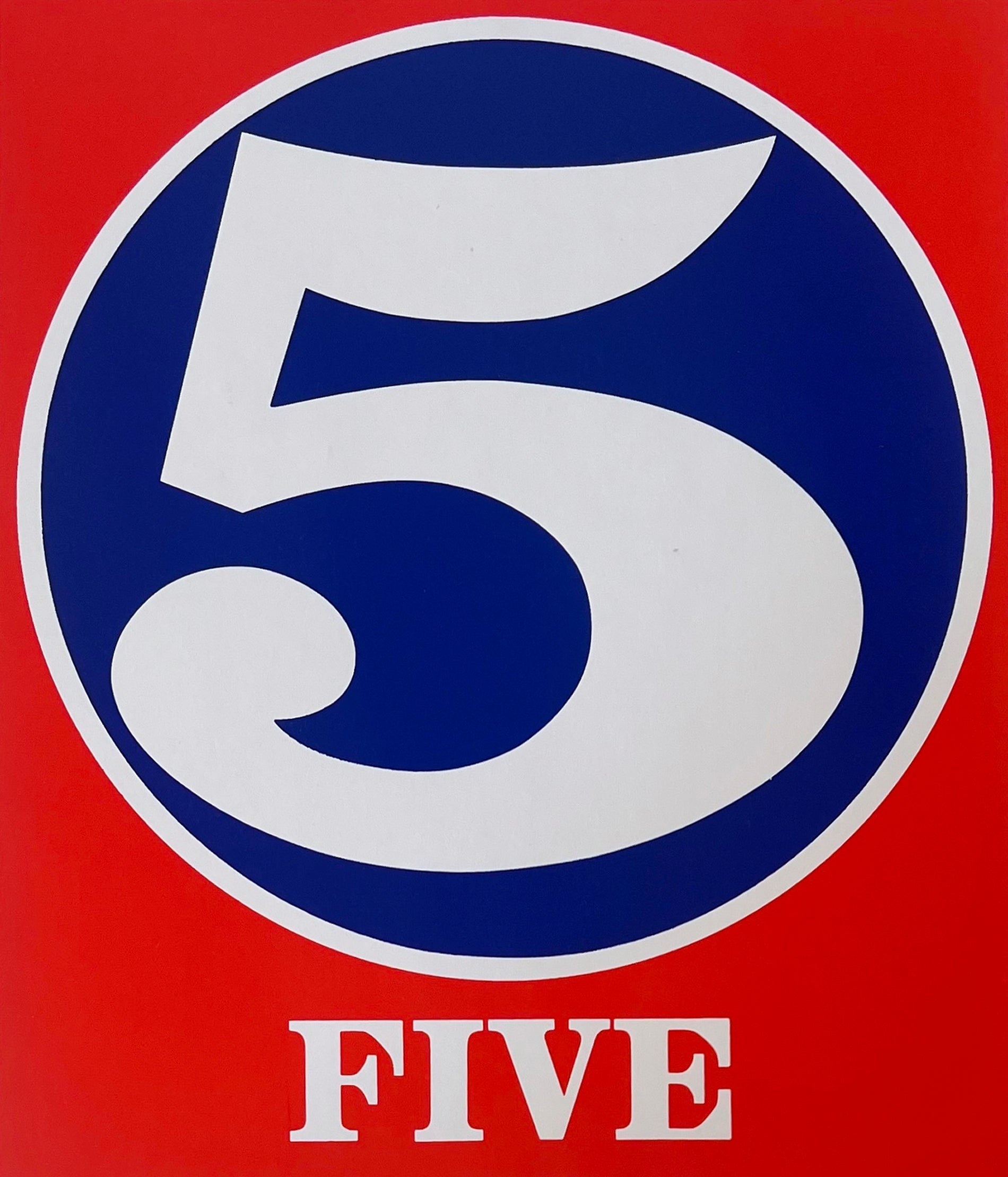
Lichtenstein shared Indiana's Pop Art vocabulary of bold outlines, flat primary colors, and graphic clarity, elevating commercial visual language into high art with iconic and immediately recognizable imagery.
Artists who inspired them
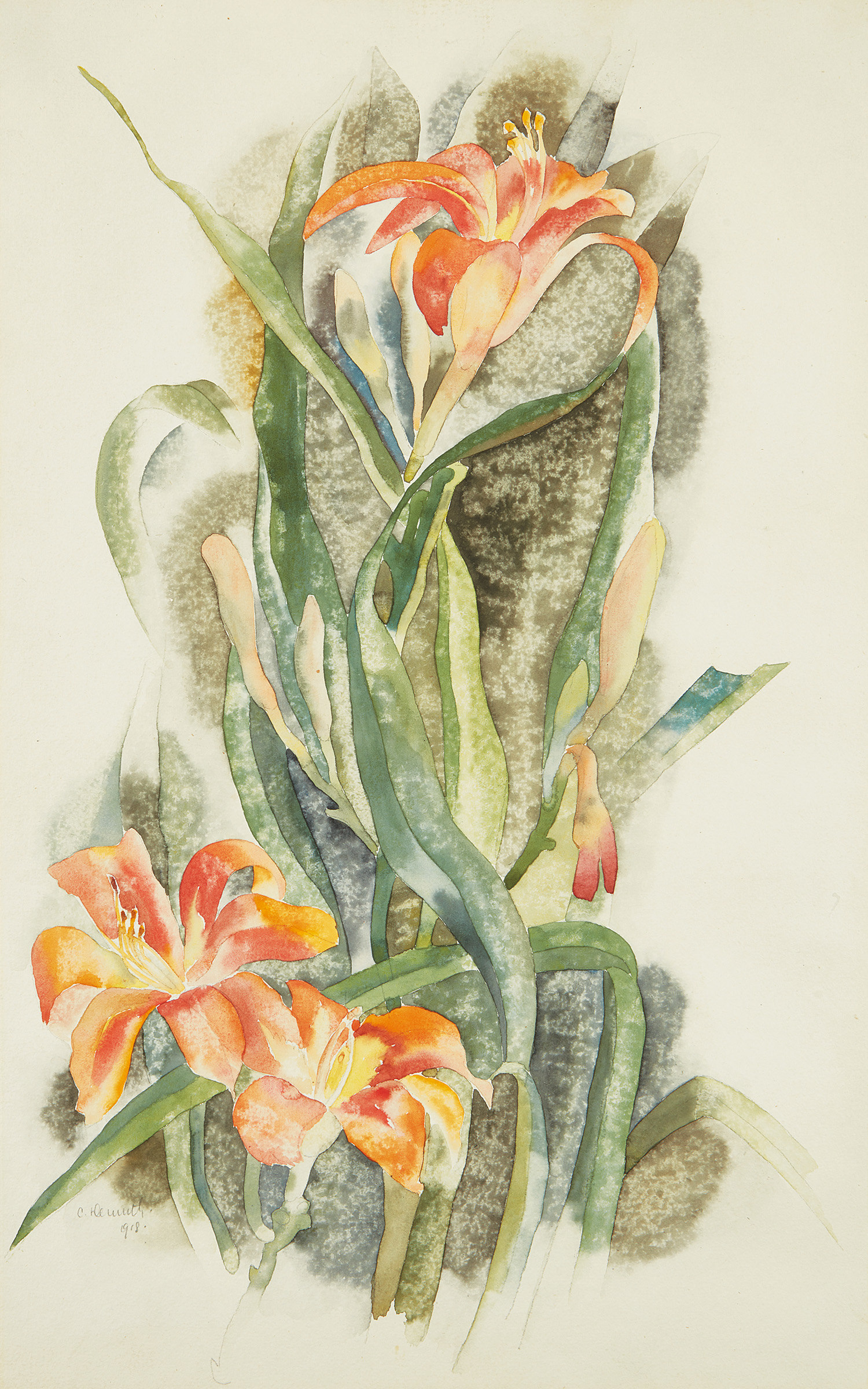
Charles Demuth
Demuth's Precisionist paintings featuring stenciled numbers and letters, especially I Saw the Figure 5 in Gold, directly prefigured Indiana's text based hard edged compositions and his interest in integrating language into visual art.
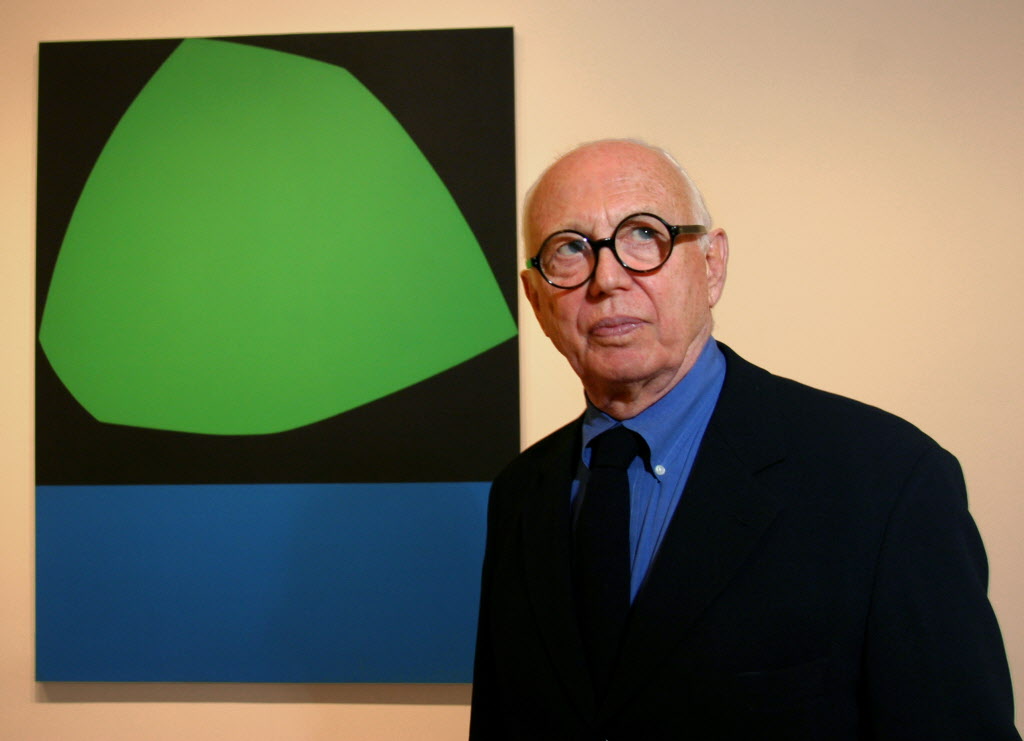
Ellsworth Kelly
Kelly's hard edged abstraction and mastery of flat bold color fields were formative for Indiana while both were part of the same Coenties Slip artist community in Lower Manhattan during the late 1950s.
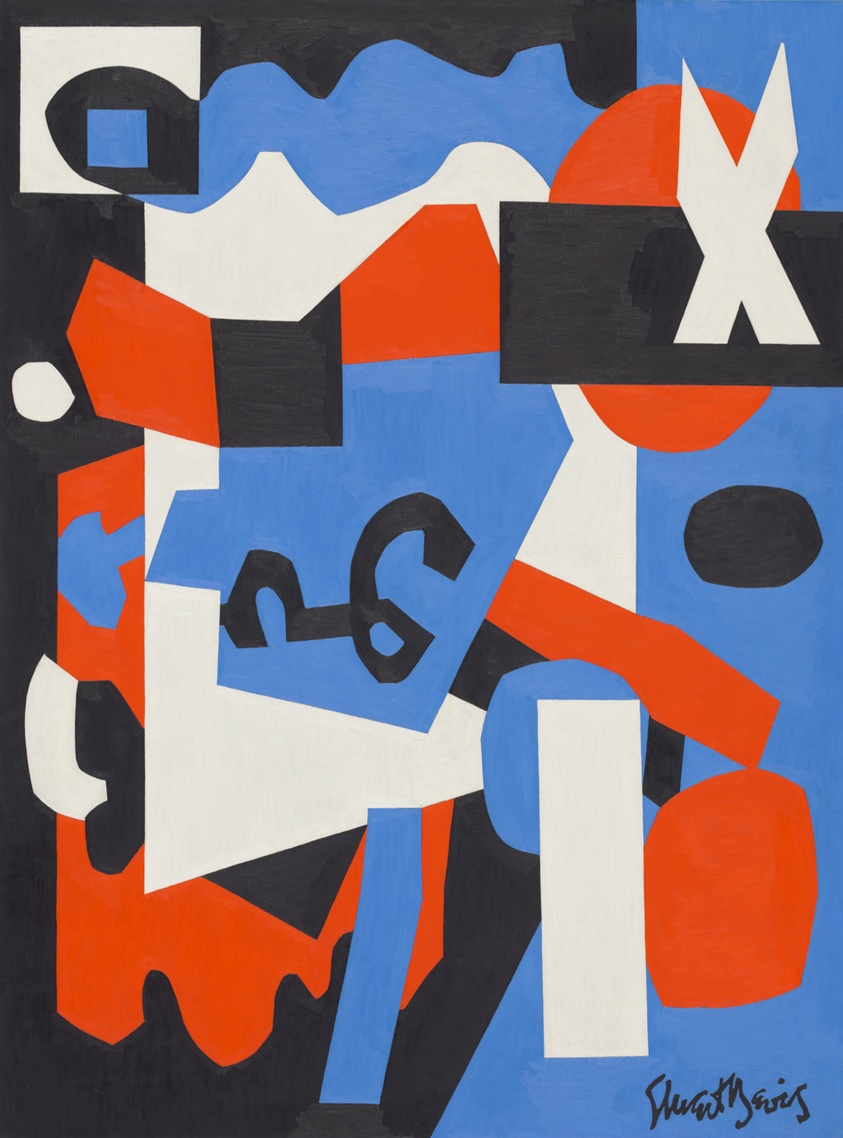
Stuart Davis
Davis pioneered the integration of commercial lettering and American vernacular imagery into modern painting, establishing a visual language of bold text and color that Indiana would build upon in his own iconic works.
Artists they inspired
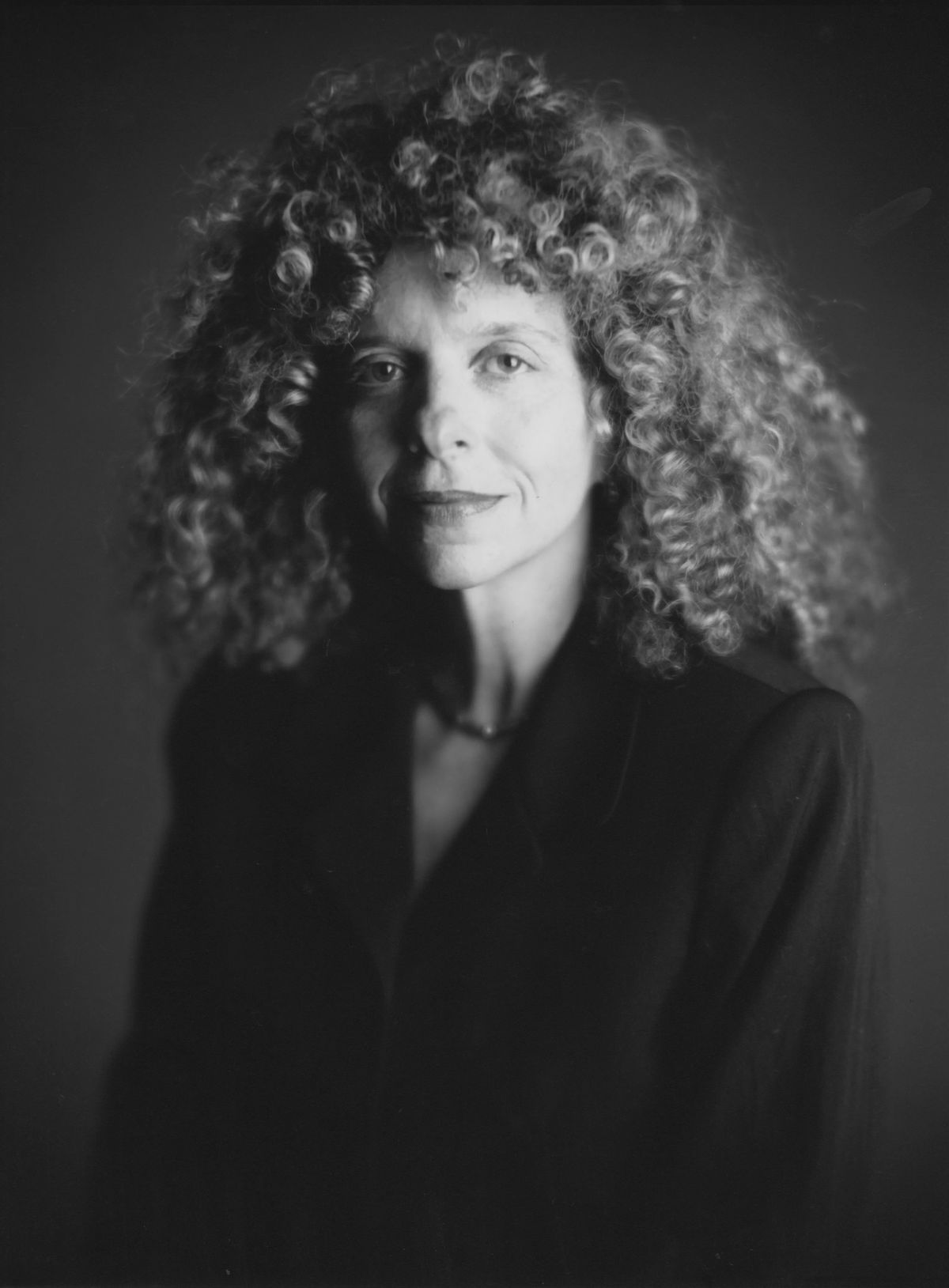
Barbara Kruger
Kruger's conceptual art practice of fusing bold text with imagery to deliver direct cultural and political messages builds clearly on the foundation Indiana established by treating words as primary artistic subjects with graphic force.
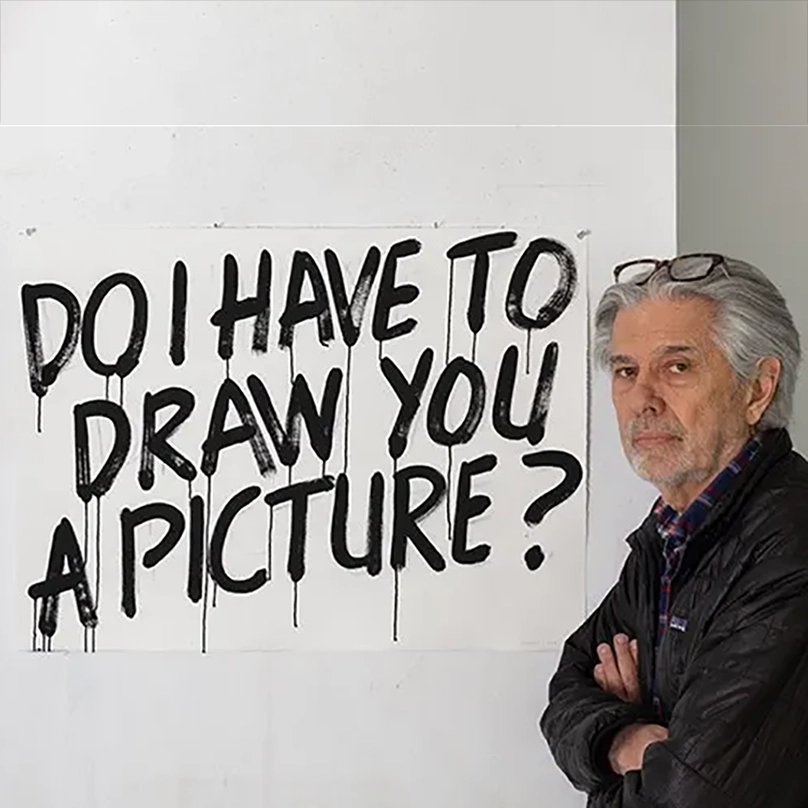
Mel Bochner
Bochner's large scale word paintings using thickly painted text on canvas owe a clear debt to Indiana's demonstration that language itself could function as bold expressive visual form within a fine art context.