Pop Influence
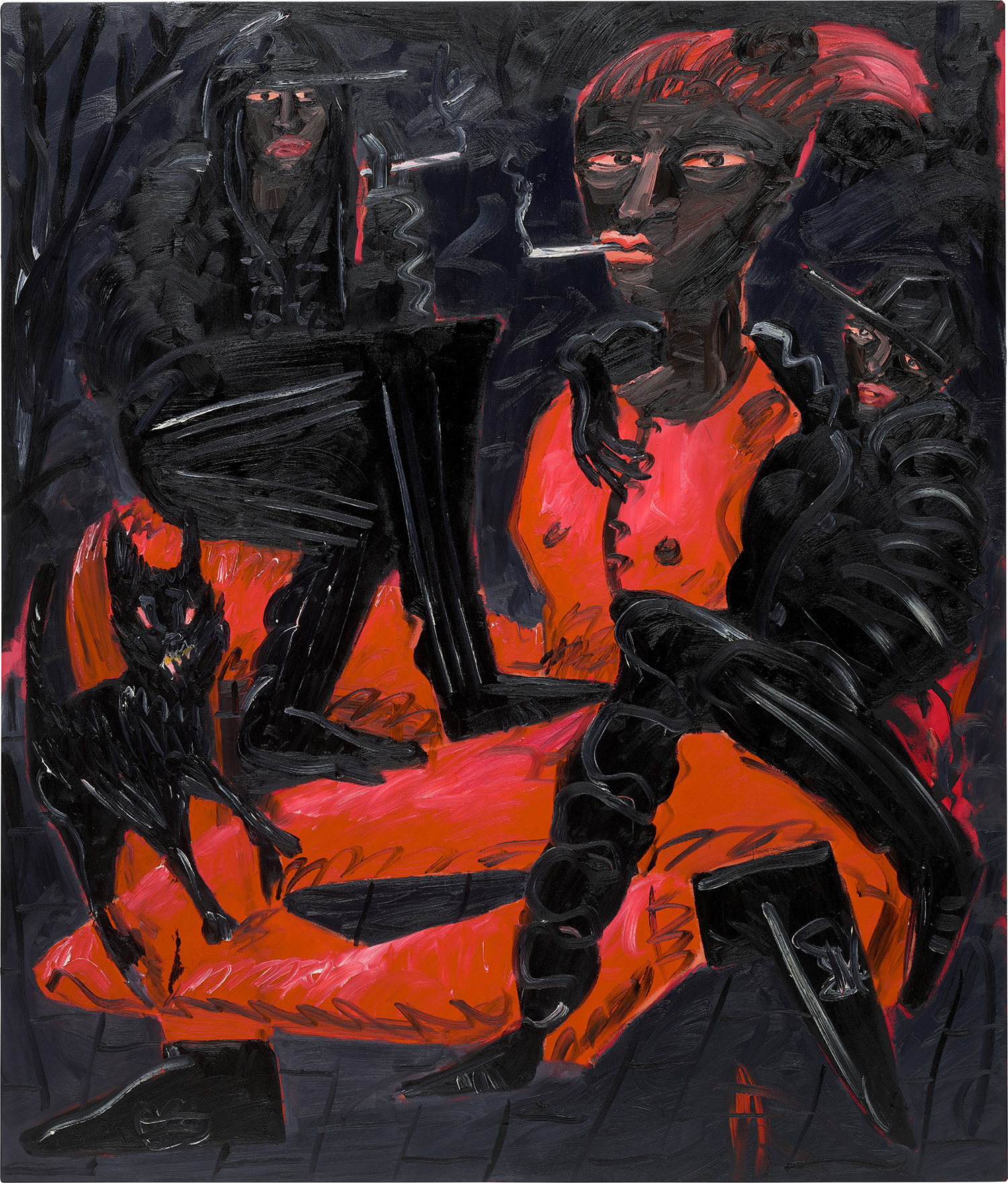
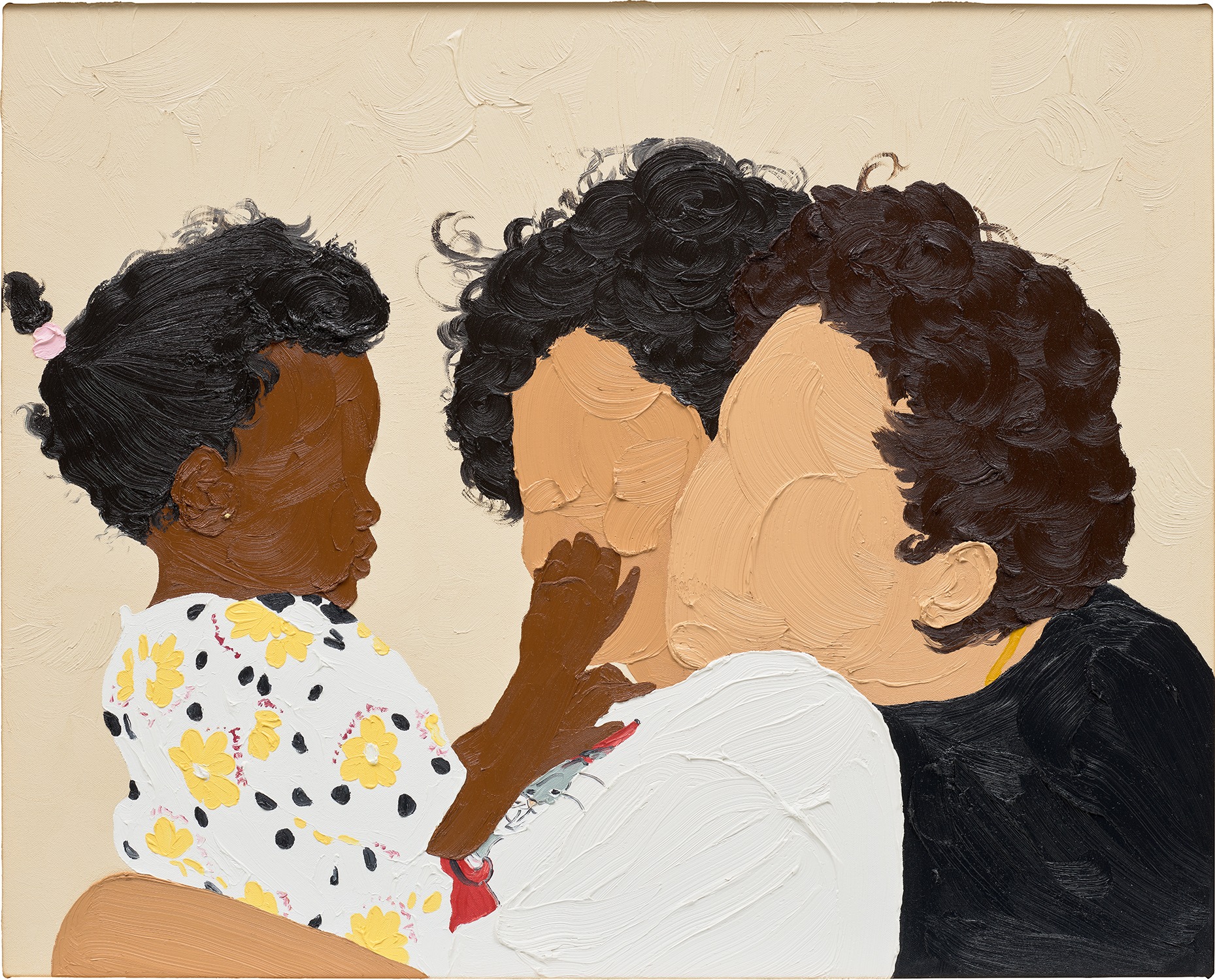
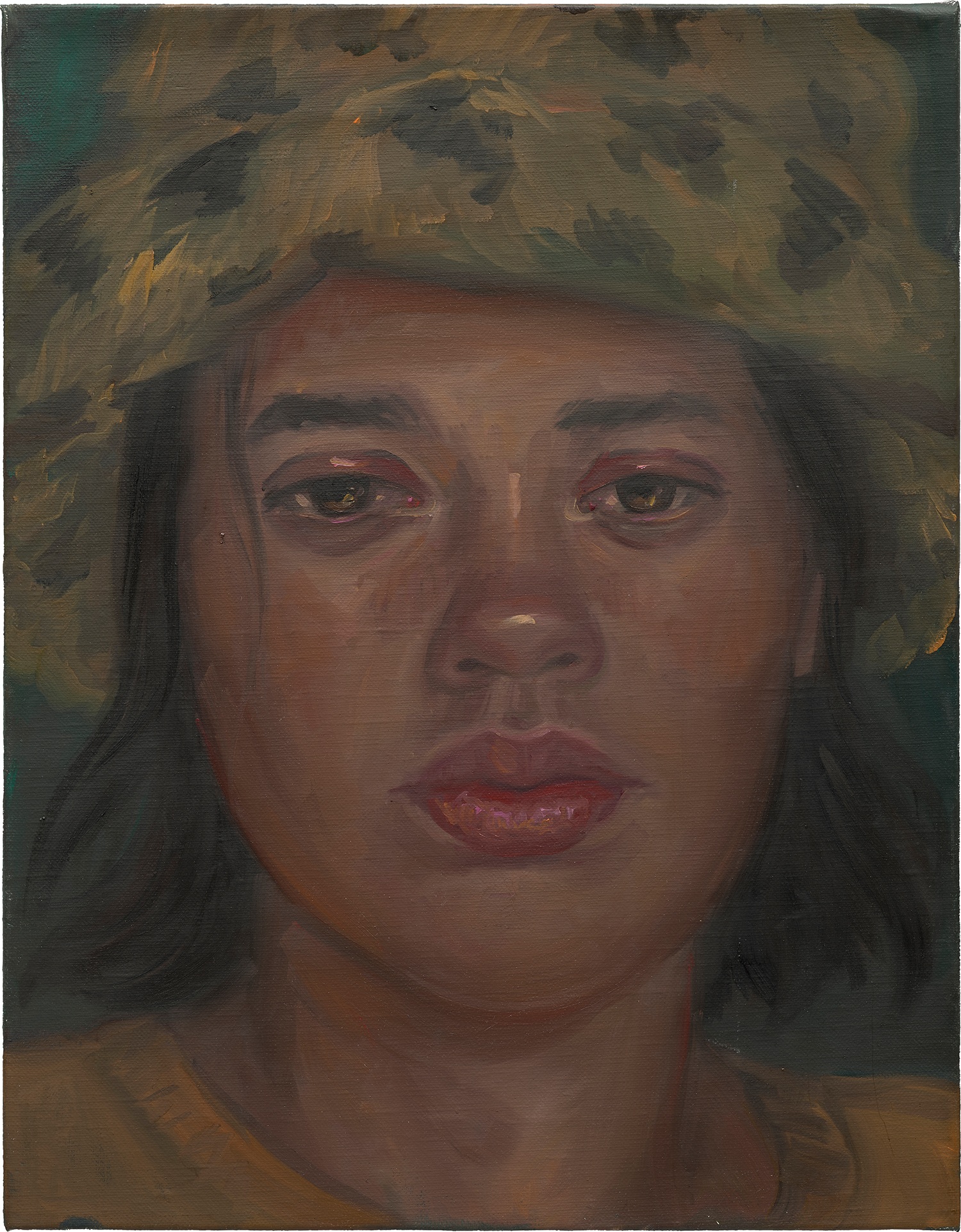
Dale Lewis
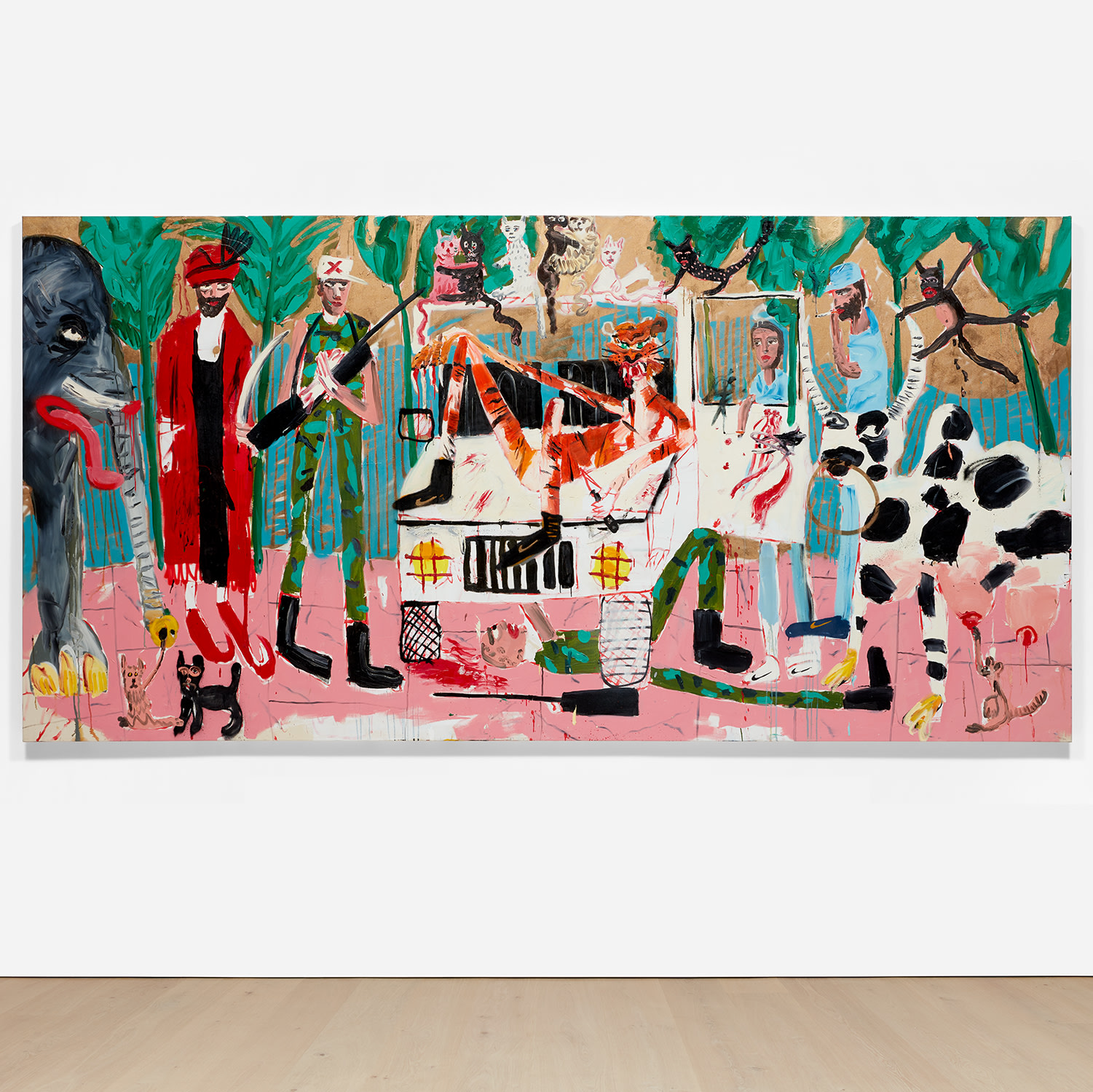
Fanta, 2017
Everything Is Source Material Now
There is a particular kind of pleasure that comes from recognizing something familiar inside a work of art. A cartoon outline, a billboard color, a celebrity face rendered in broad strokes of paint. Pop art understood this pleasure before it had a name for it, and built an entire aesthetic universe around the transaction between image and viewer. That universe, it turns out, has never stopped expanding.
The story usually begins in London, in the mid 1950s, with a small and argumentative group called the Independent Group gathering at the Institute of Contemporary Arts. Richard Hamilton, Eduardo Paolozzi, and others were cutting up American magazines and asking serious questions about why commercial imagery was considered beneath critical attention. Hamilton's 1956 collage Just what is it that makes today's homes so different, so appealing? is often cited as the first true Pop work, a dense and ironic assemblage of consumer fantasy that felt both seductive and slightly disturbing.
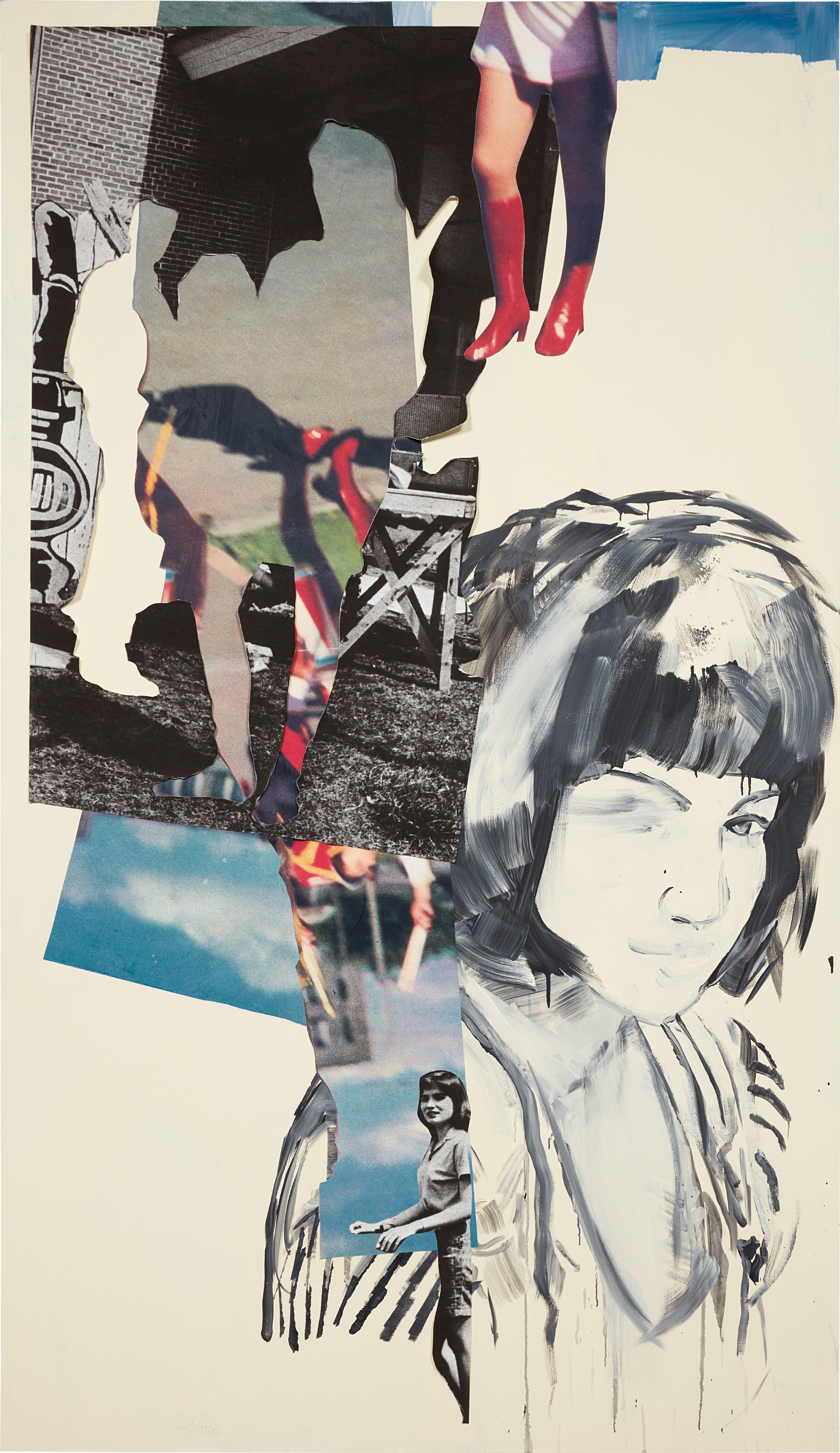
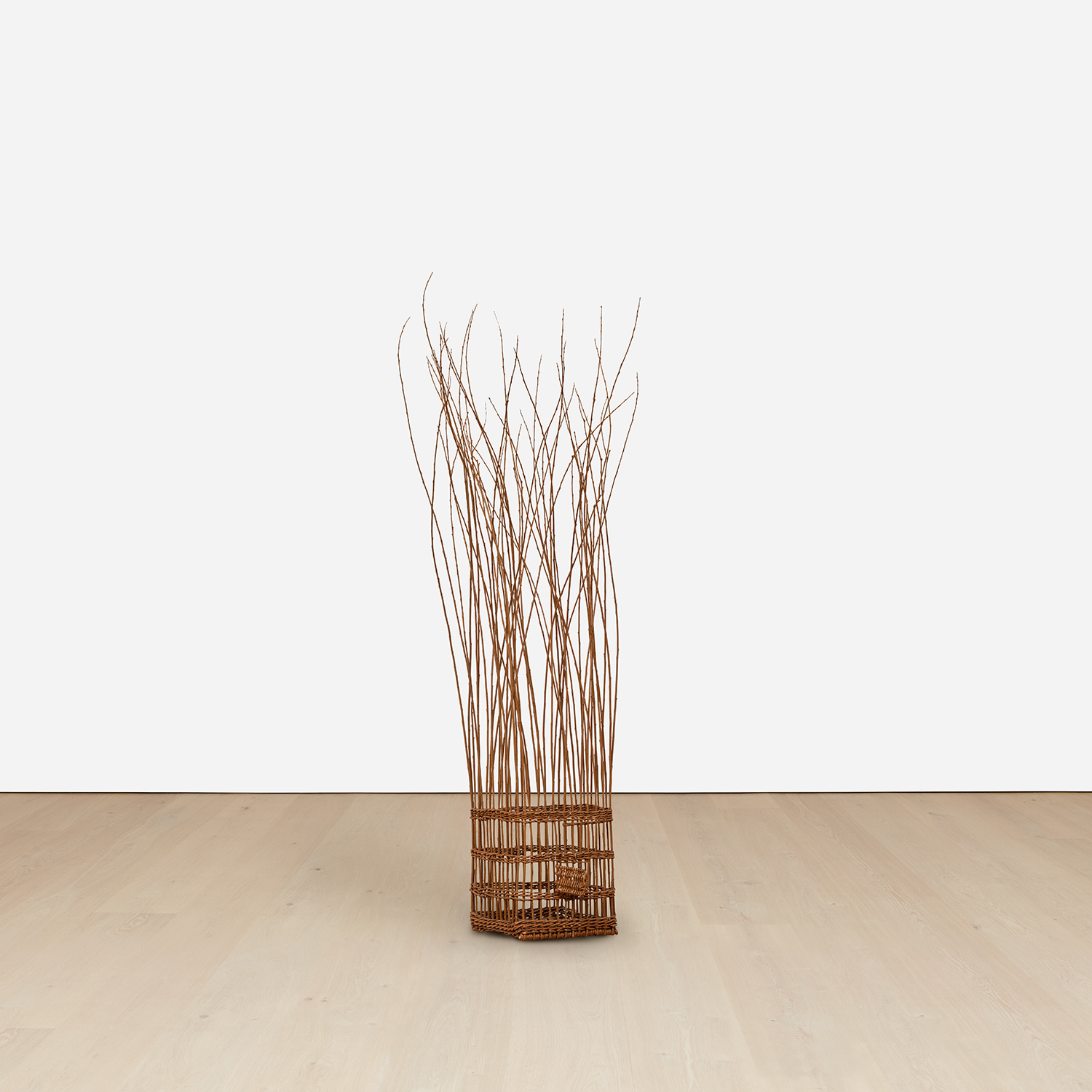
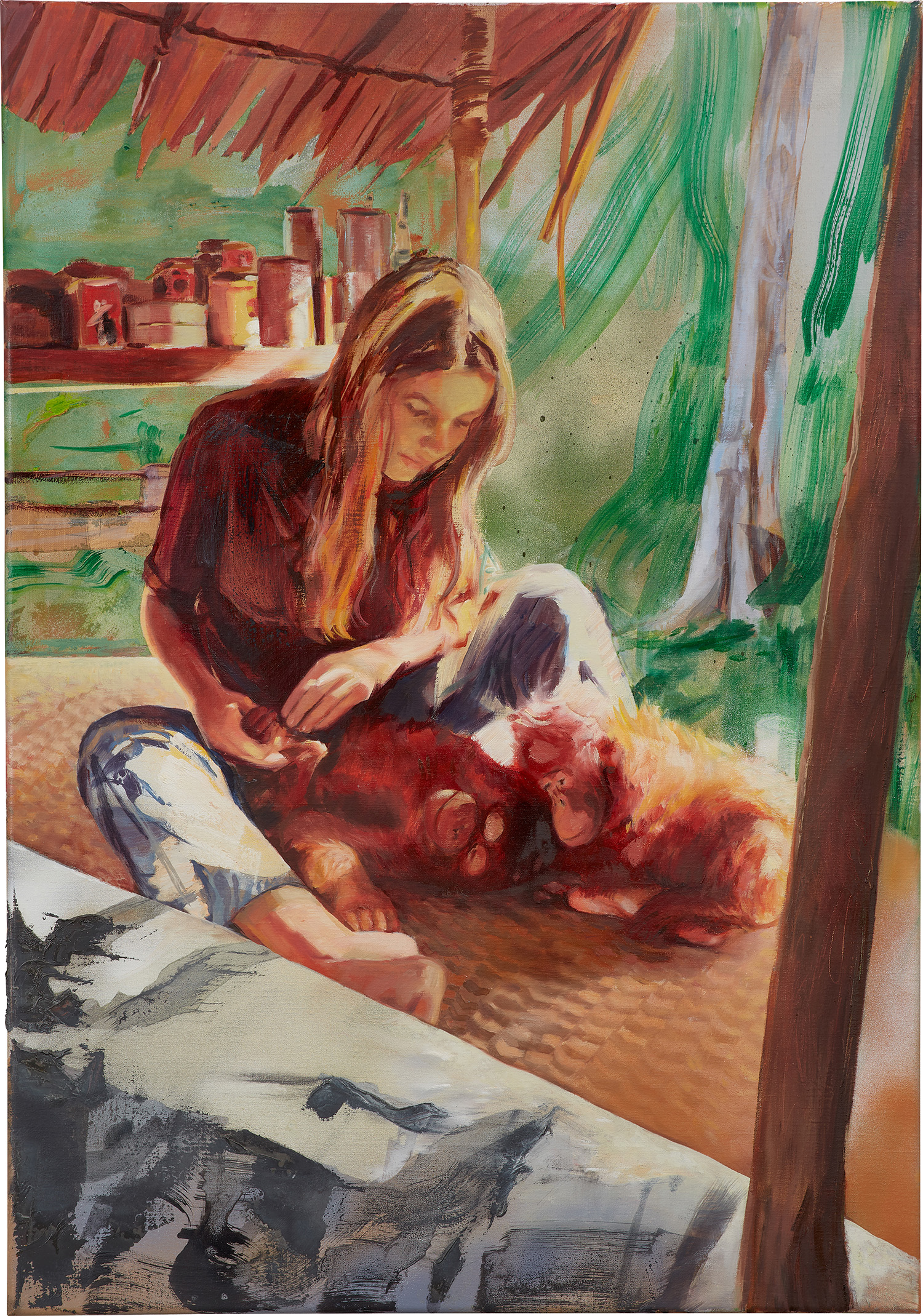
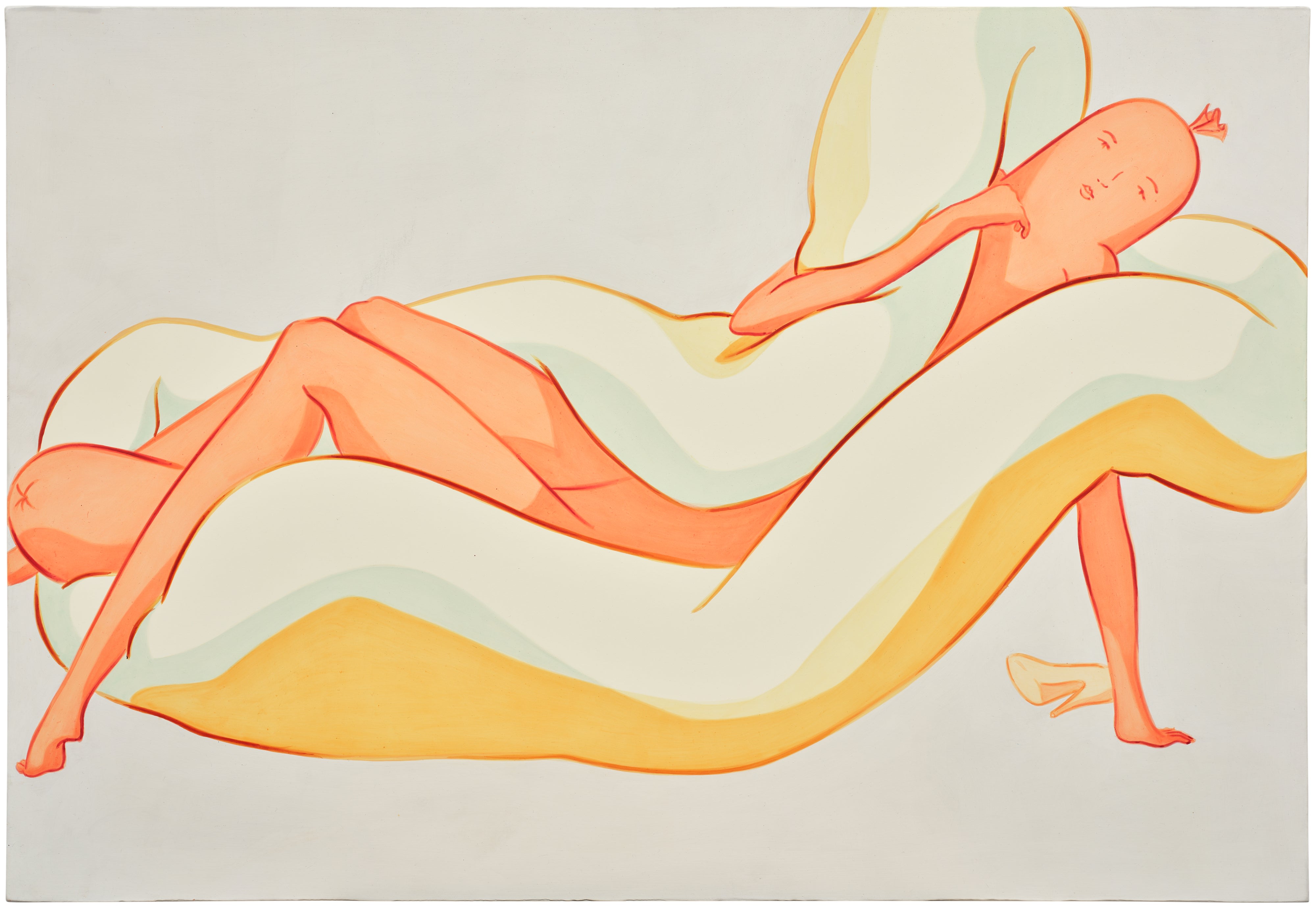
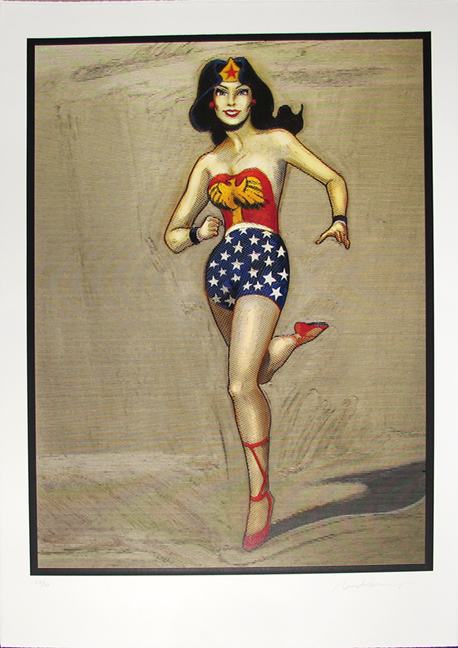
Paulina Olowska
From Nothing to Something, 2006
Across the Atlantic, artists were reaching similar conclusions through entirely different means, and by the early 1960s, the movement had a face, a voice, and an attitude that would reshape art history. Andy Warhol's first major gallery show at Ferus Gallery in Los Angeles in 1962 arrived like a provocation disguised as a display. His Campbell's Soup Cans hung in a row like shelved product, and the art world was not entirely sure whether to be offended or thrilled. Roy Lichtenstein was borrowing the visual language of comic strips and blowing them up to monumental scale, exposing the mechanical dot patterns of commercial printing as something that could carry genuine emotional weight.
Mel Ramos, also working in that early California Pop moment, brought a knowing eroticism to the movement, placing idealized female figures alongside branded consumer goods in paintings that were simultaneously lurid, funny, and genuinely unsettling about the way desire and commerce intertwine. That tension between seduction and critique has never really left the conversation. What made Pop so durable was not just its imagery but its conceptual argument: that the boundary between high culture and mass culture was a fiction maintained largely by institutions with an interest in preserving it. Sigmar Polke understood this deeply and pushed it further than most.
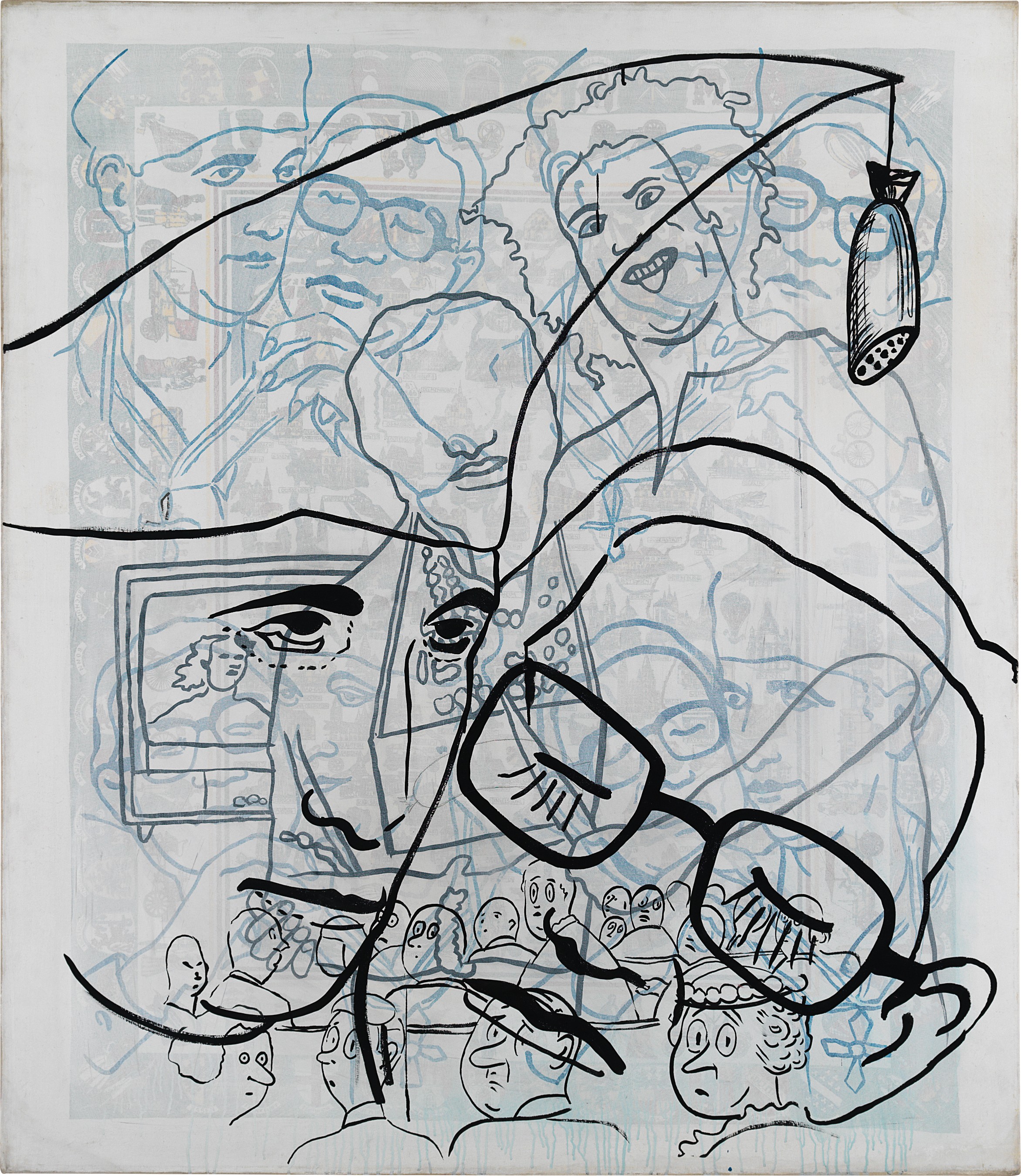
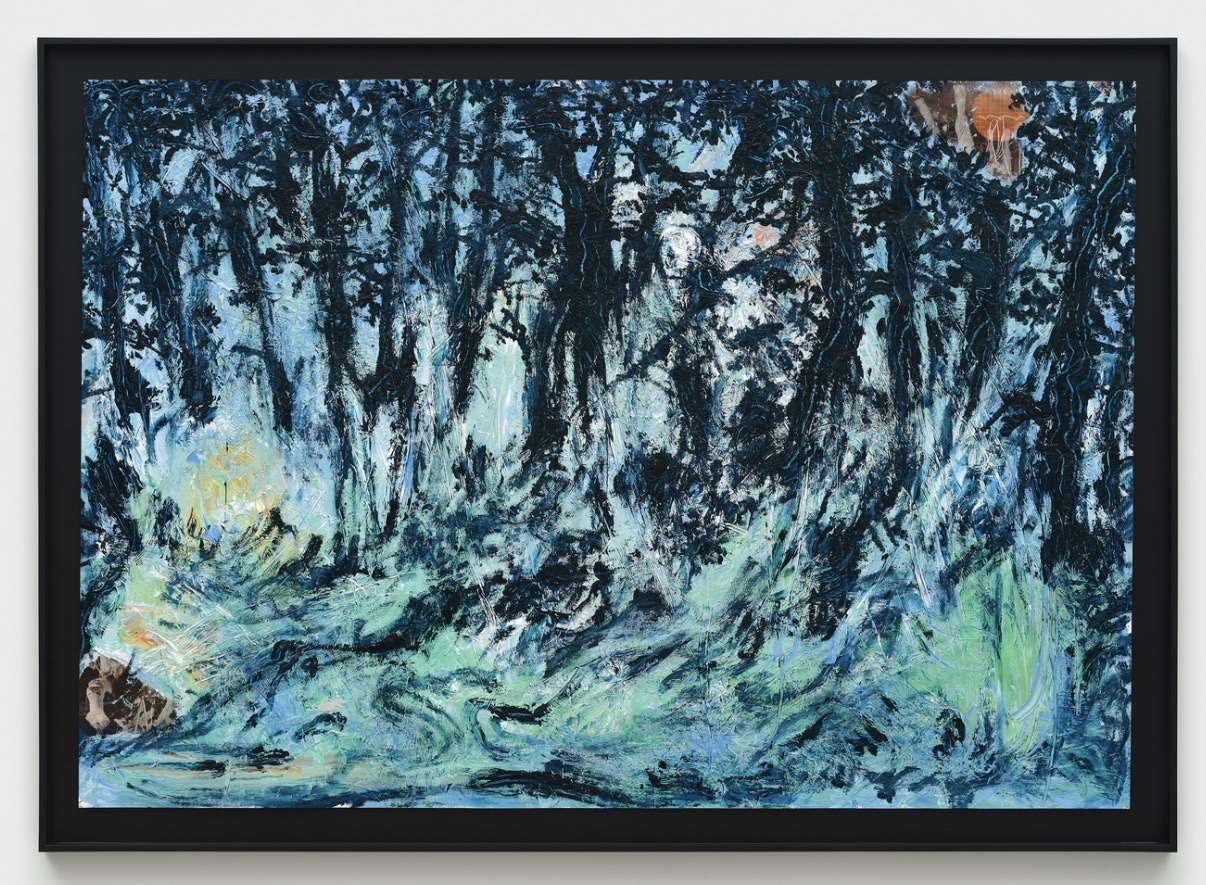
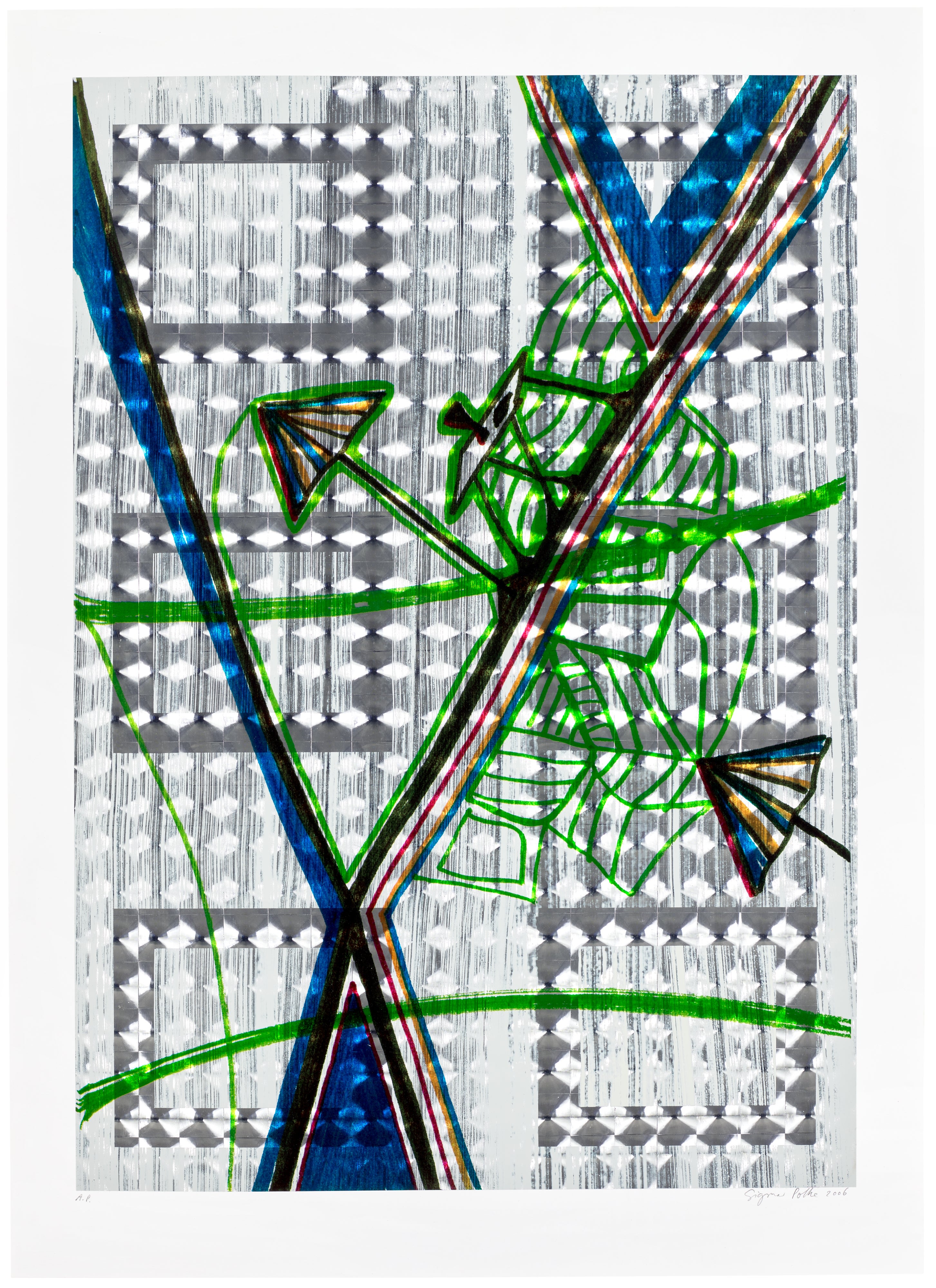
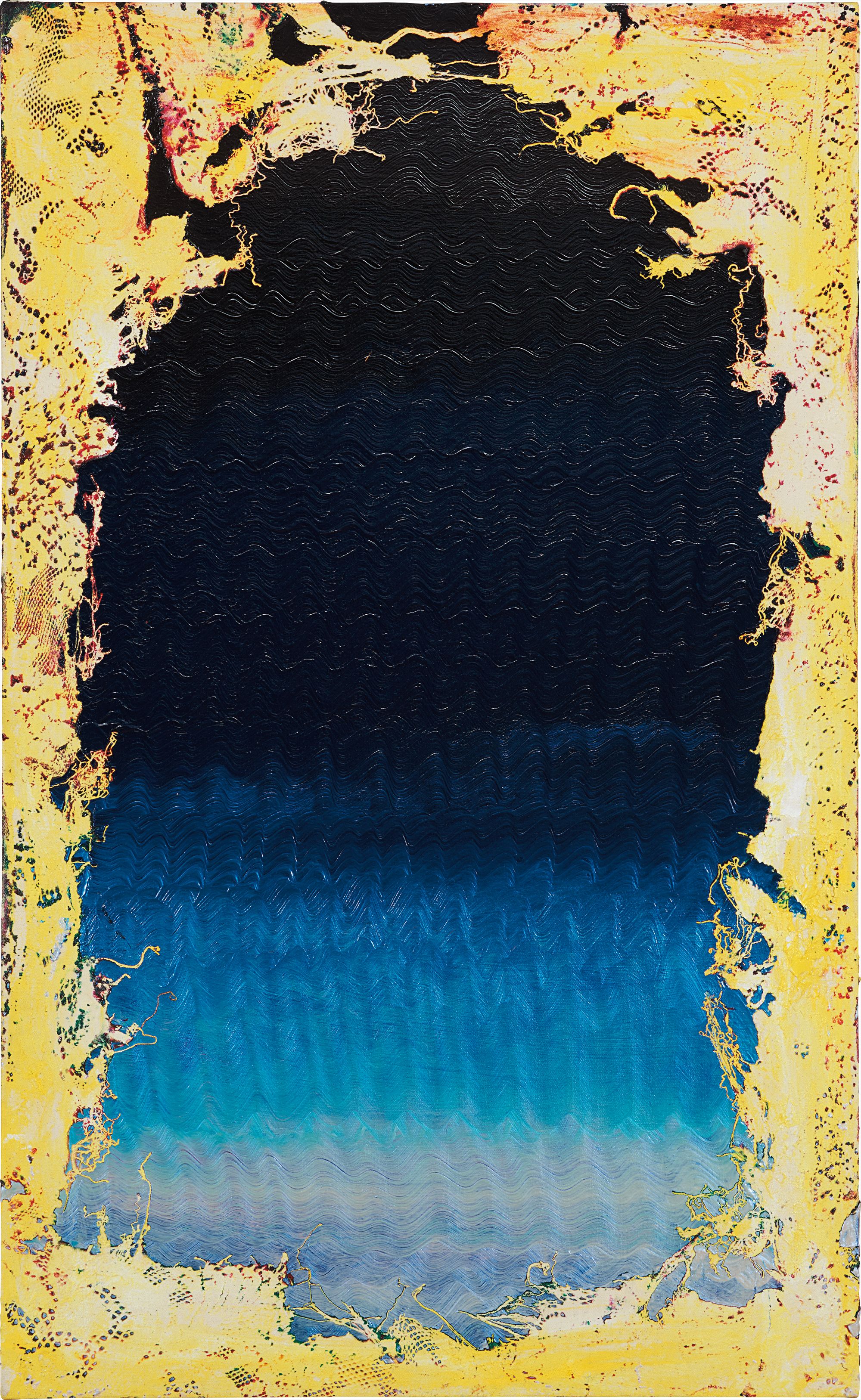
Sigmar Polke
Carnival
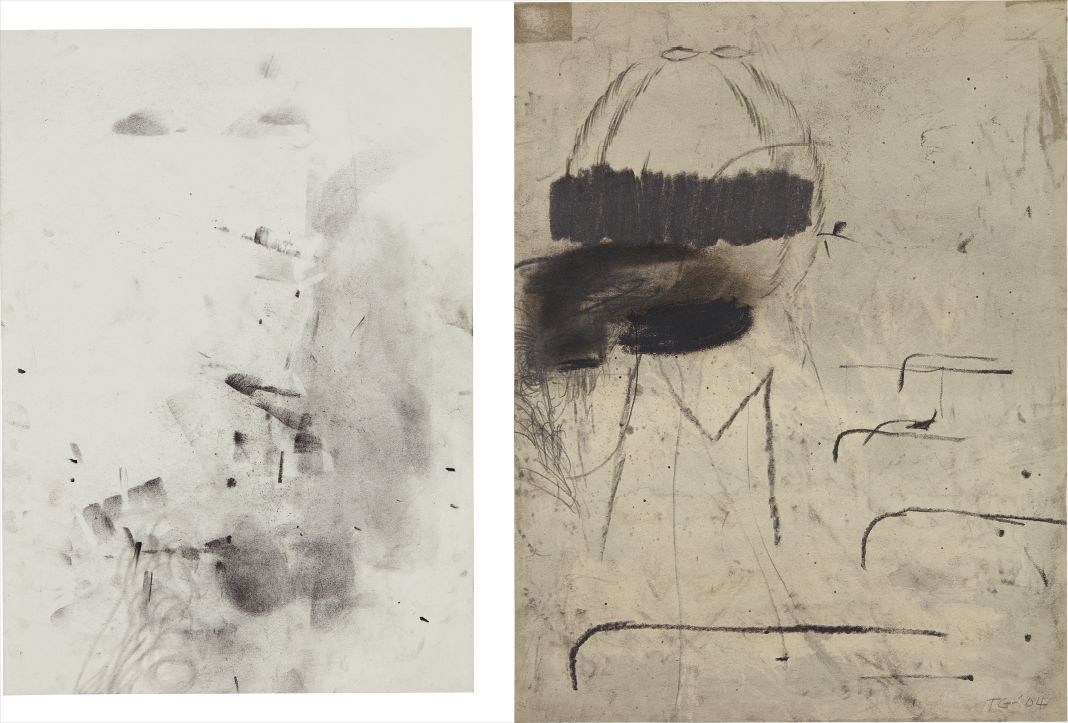
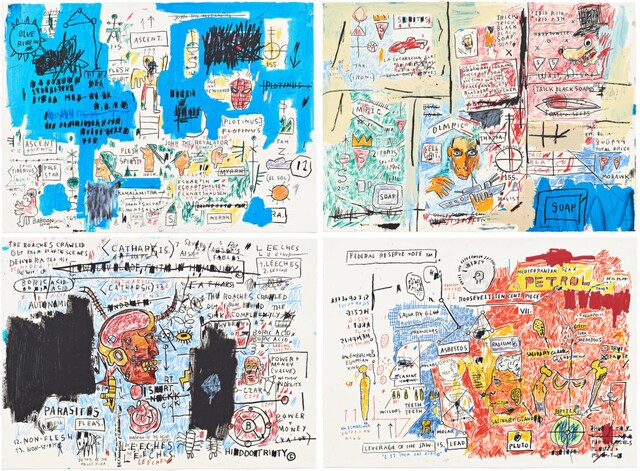
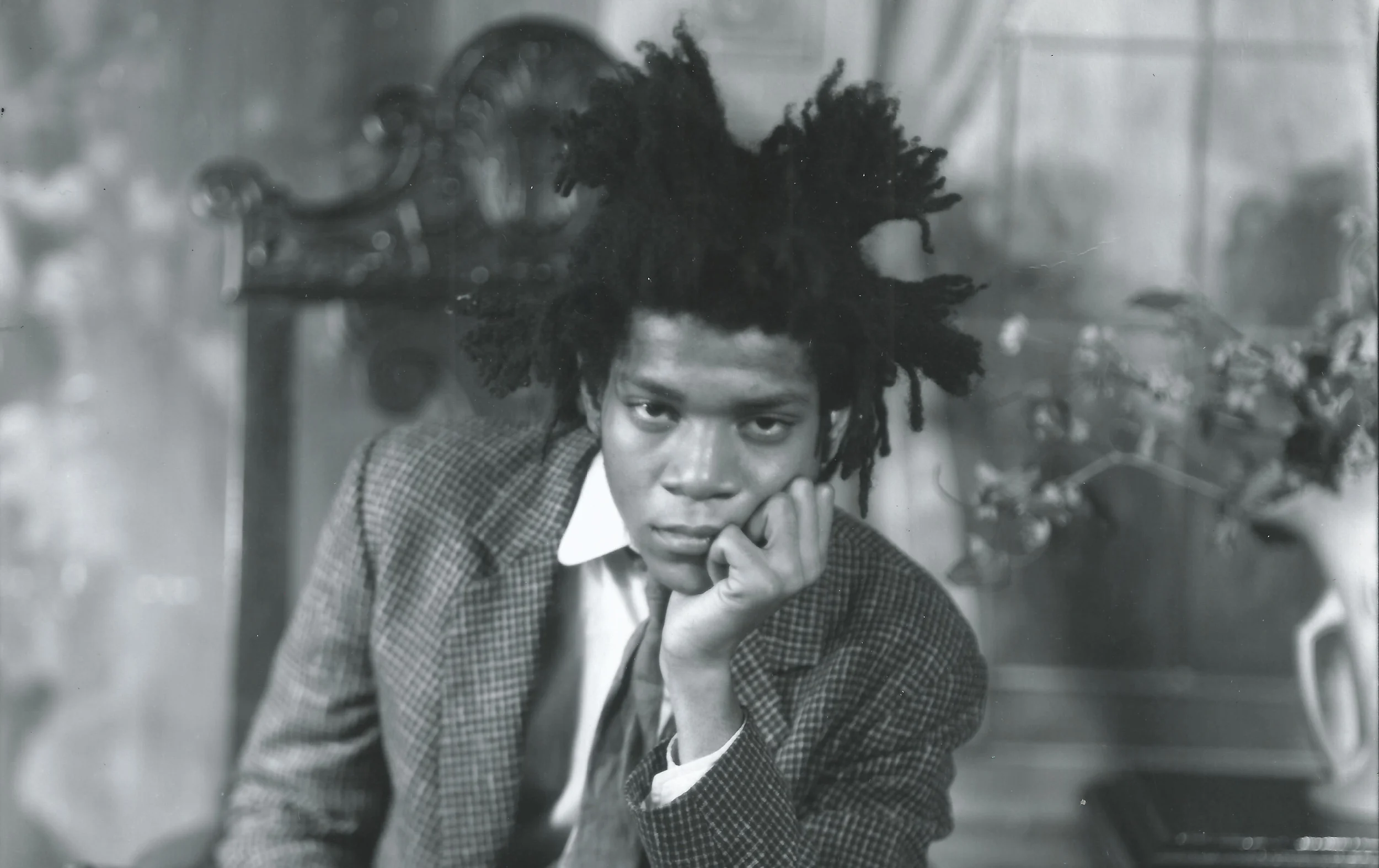
Working in Germany through the 1960s and beyond, Polke developed what he called Capitalist Realism, a label that cut even more sharply than Pop because it named the ideology underneath the imagery. His dot paintings and his use of found fabric, cheap printing techniques, and deliberately degraded surfaces asked what it meant to make art at all inside a consumer society. His work on The Collection is a reminder that the European engagement with these questions had a particular sharpness that the American Pop canon sometimes overshadows. Jean Michel Basquiat arrived in the 1980s carrying Pop's inheritance but burning it from the inside.
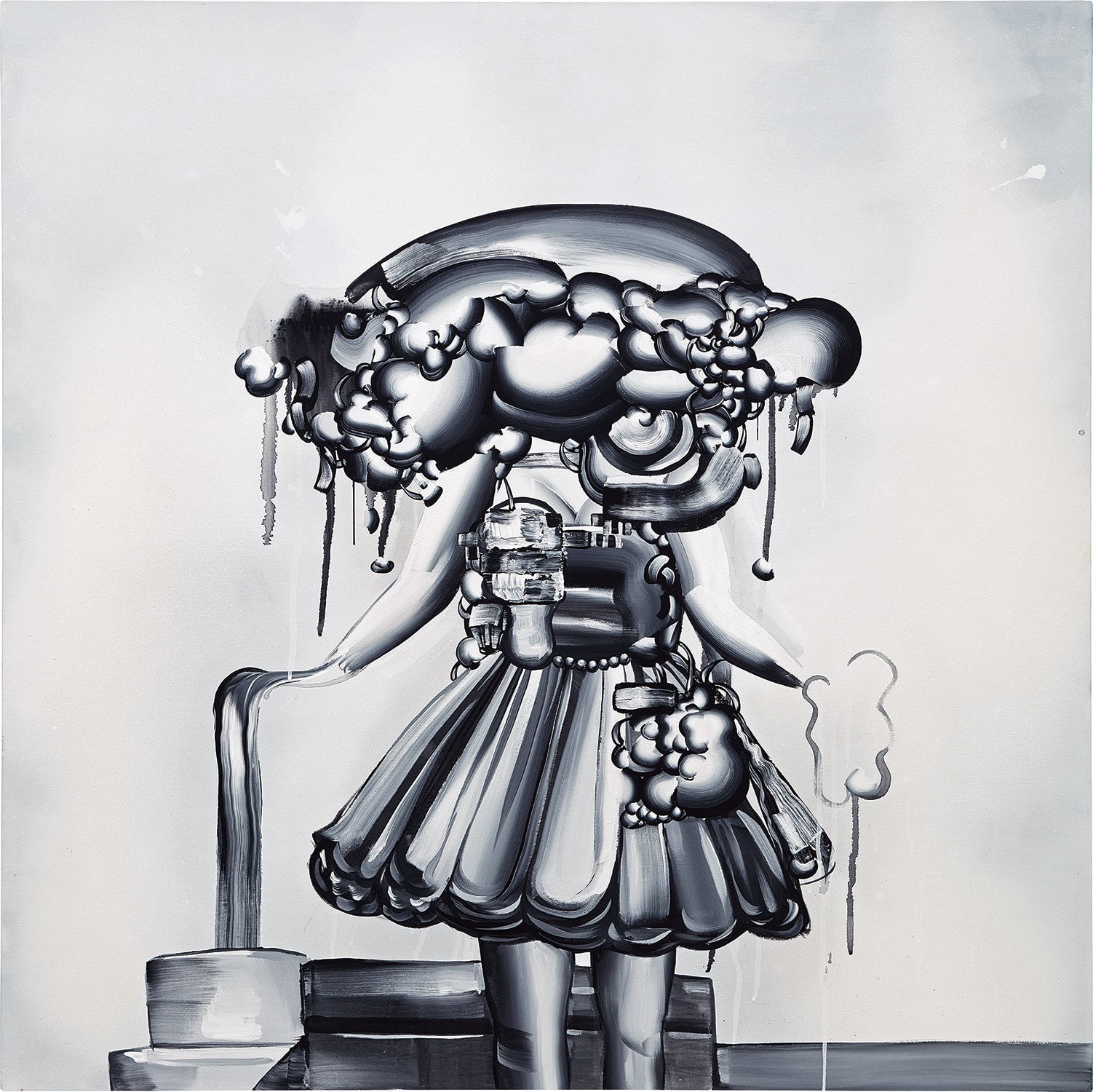
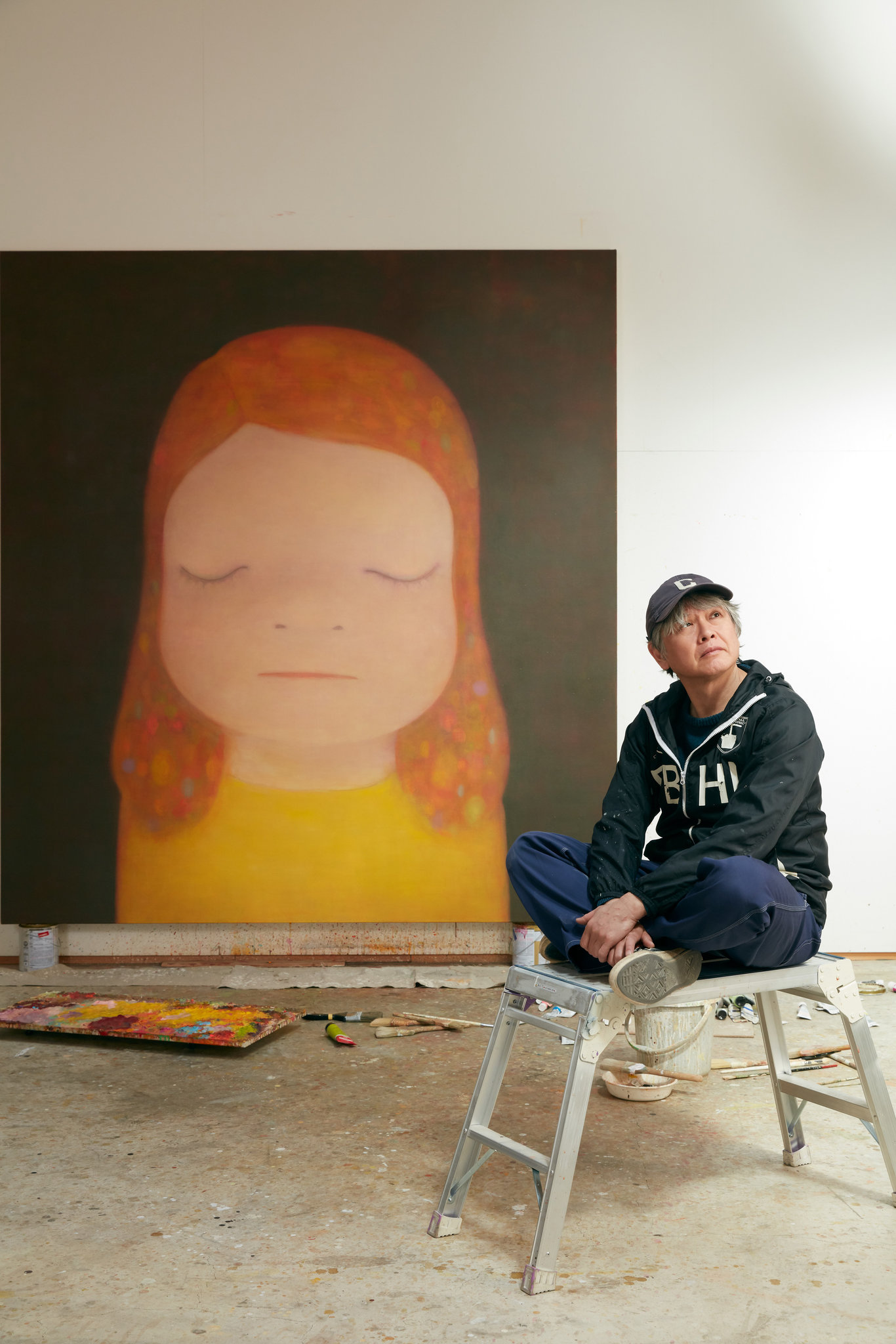
His work absorbed the visual noise of New York street culture, advertising, anatomy charts, and Black American history and collapsed them into a singular language that was raw and radiant at the same time. Where Warhol aestheticized the surface of consumer culture, Basquiat scratched through it, looking for what was underneath and naming what he found there. His presence on The Collection alongside Yoshitomo Nara speaks to a particular lineage: artists for whom the vocabulary of popular imagery, cartoons, brand iconography, and mass produced pictures of childhood, becomes a way to speak about interiority and vulnerability rather than distance and irony. Nara developed his signature imagery of solitary, wide eyed children in Japan during the 1990s, drawing on a complex mix of manga aesthetics, punk music, and a kind of willed innocence that is never quite as simple as it looks.
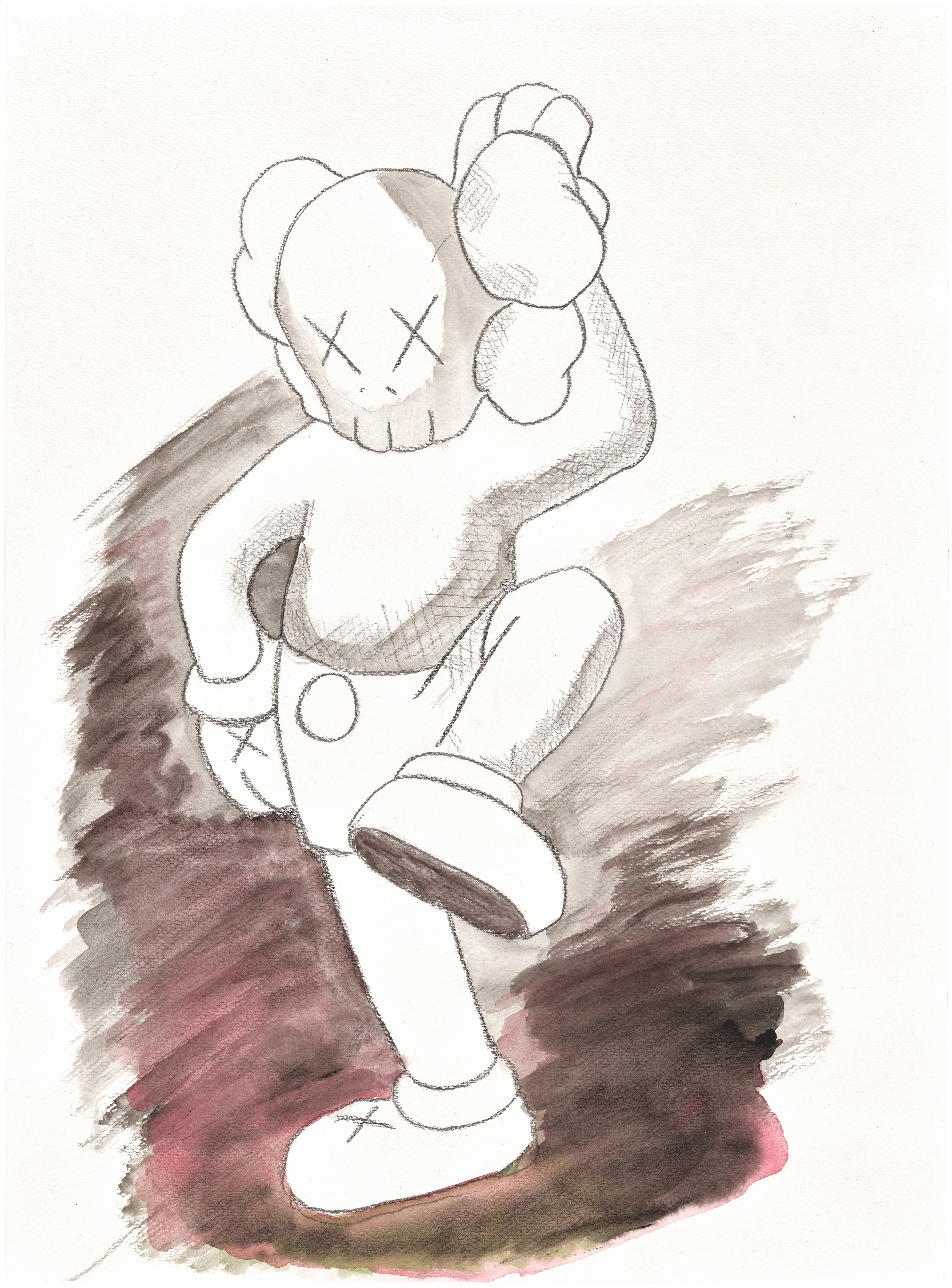
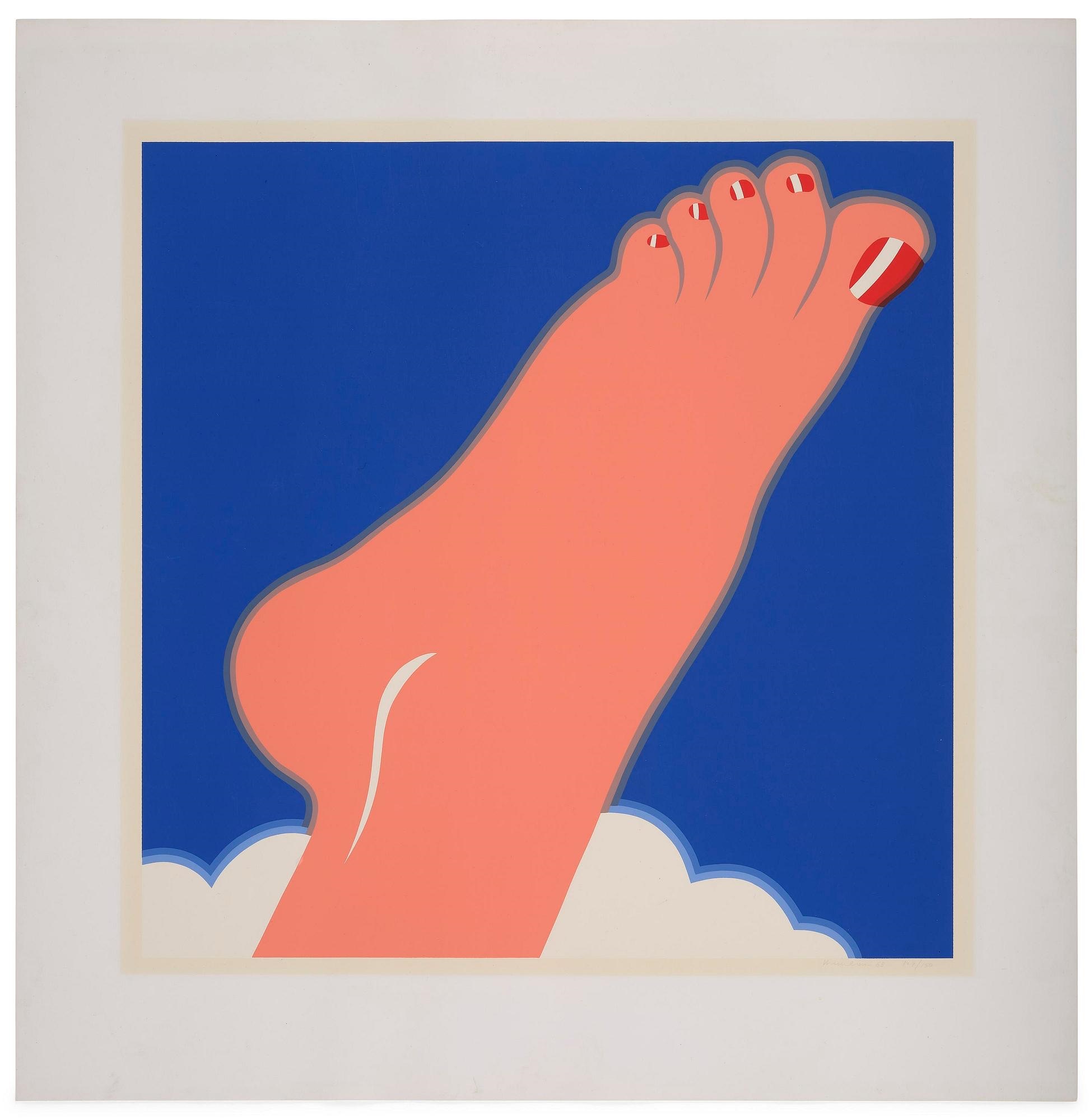
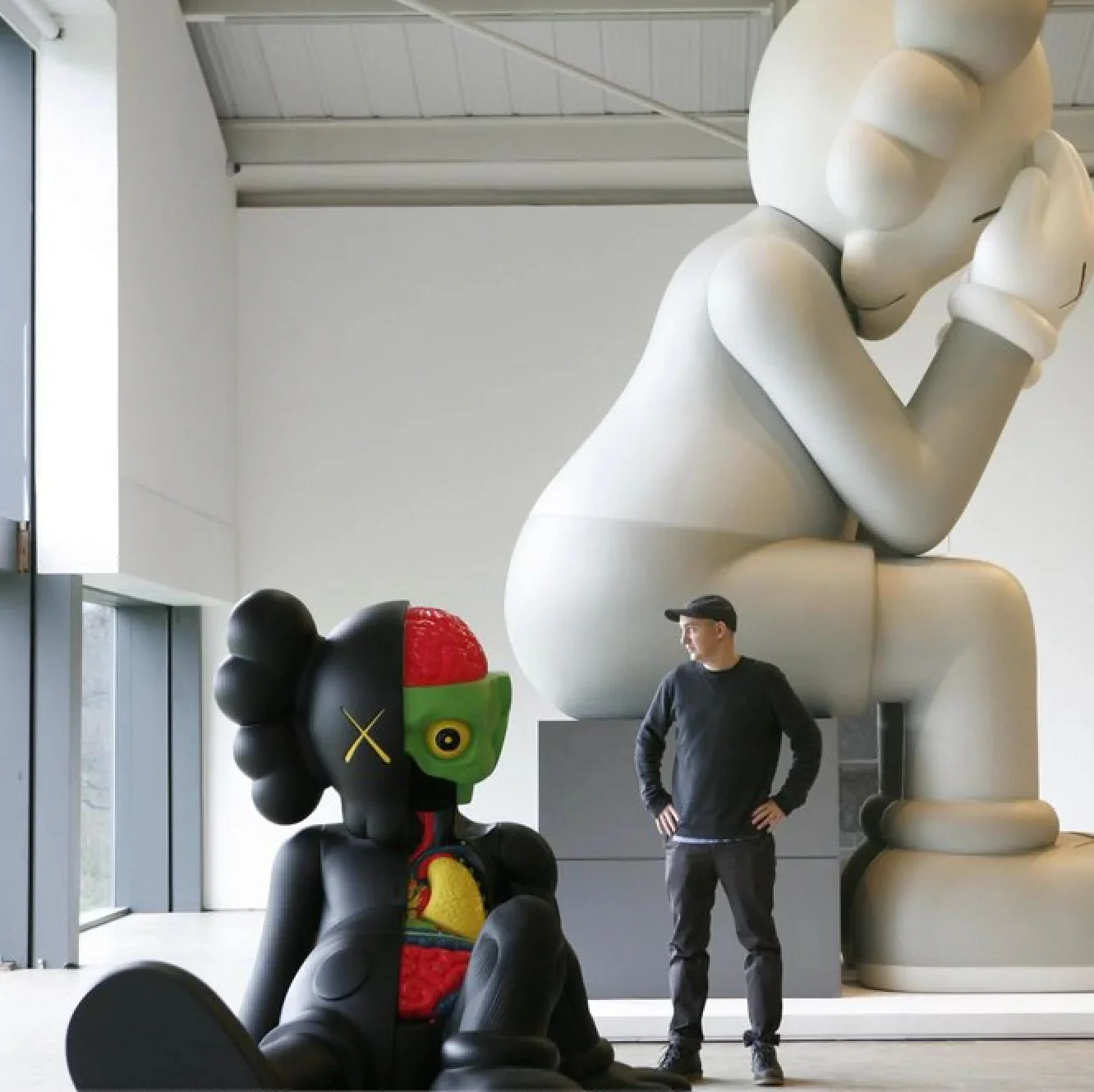
KAWS
Fire Dance
His figures appear passive but carry an undertow of defiance, and that combination proved extraordinarily resonant globally. KAWS, working at roughly the same moment out of New York's graffiti and streetwear world, took the logic of brand recognition and turned it into a fine art strategy of genuine sophistication. His XX eyed figures have appeared on sneakers, toys, billboards, and museum walls without any of those contexts canceling out the others. The work on The Collection is a good place to sit with that ambiguity seriously.
What connects painters like Elizabeth Peyton and Chloe Wise to this lineage is not always immediately obvious, but the thread is there. Peyton's intimate portraits of musicians, royals, and friends, rendered in a style that borrows from fan culture and art history in equal measure, treat celebrity and desire as legitimate emotional territory rather than ironic distance. Wise brings a similarly frank appetite to her work, engaging with food, beauty culture, and the performance of femininity in ways that owe something to Pop's original willingness to stare directly at consumer life without flinching. Ivy Haldeman's elongated, stylized figures and Mark Flood's engagement with text, brand language, and internet culture extend the conversation further, finding new surfaces on which the same questions keep arriving fresh.
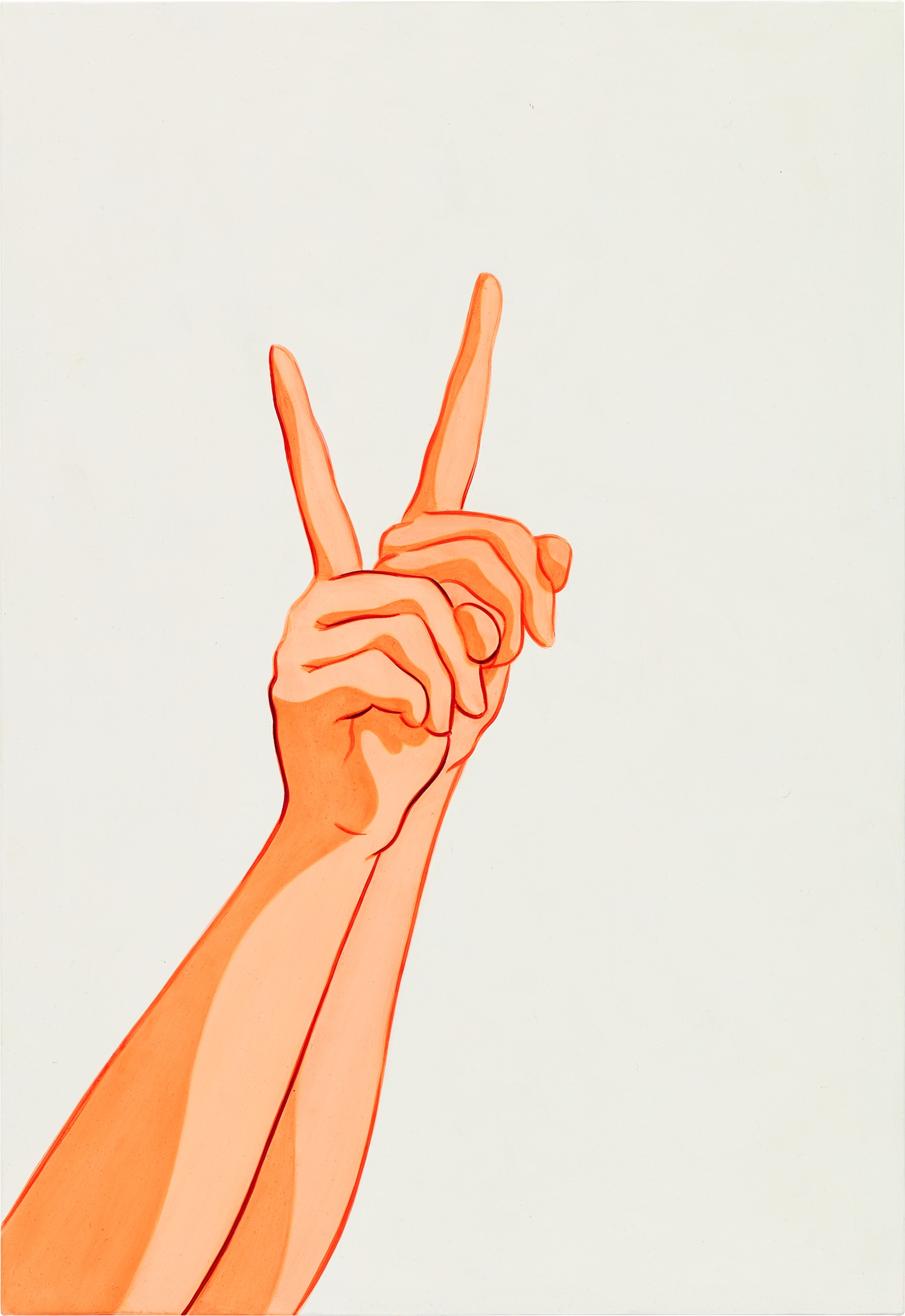
Dale Lewis
Fanta, 2017
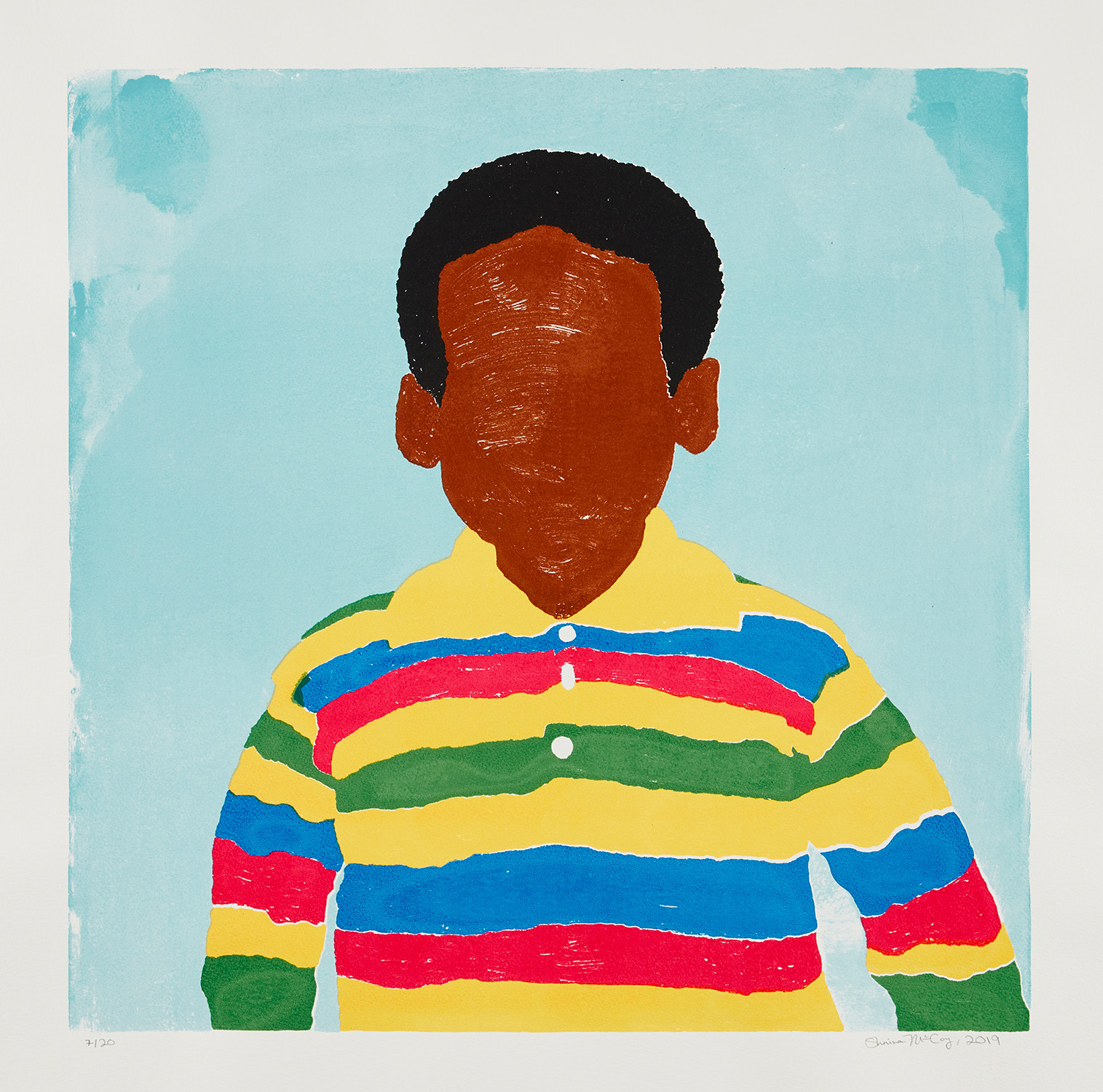
Paulina Olowska and Shaina McCoy each bring a dimension to this that feels particularly important right now: a reckoning with representation, with who gets to appear in images and under what terms. Olowska draws on vintage Polish graphic design and feminist art history to create work that is simultaneously Pop and something more searching. McCoy's paintings engage with Black femininity and visibility in ways that feel urgent and historically aware. Dale Lewis, working with found imagery and painting in a mode that is deeply considered, adds another register to the conversation about what pictures mean and how they circulate.
Pop influence in 2025 is not a style so much as a set of persistent questions that every generation of painters has to answer for itself. The questions go something like this: What does it mean to make a picture in a world already saturated with pictures? Who owns the imagery that surrounds us? What happens when the border between art and commerce is not crossed but simply dissolved?
The artists on The Collection do not share a single answer. What they share is the seriousness with which they take the asking.