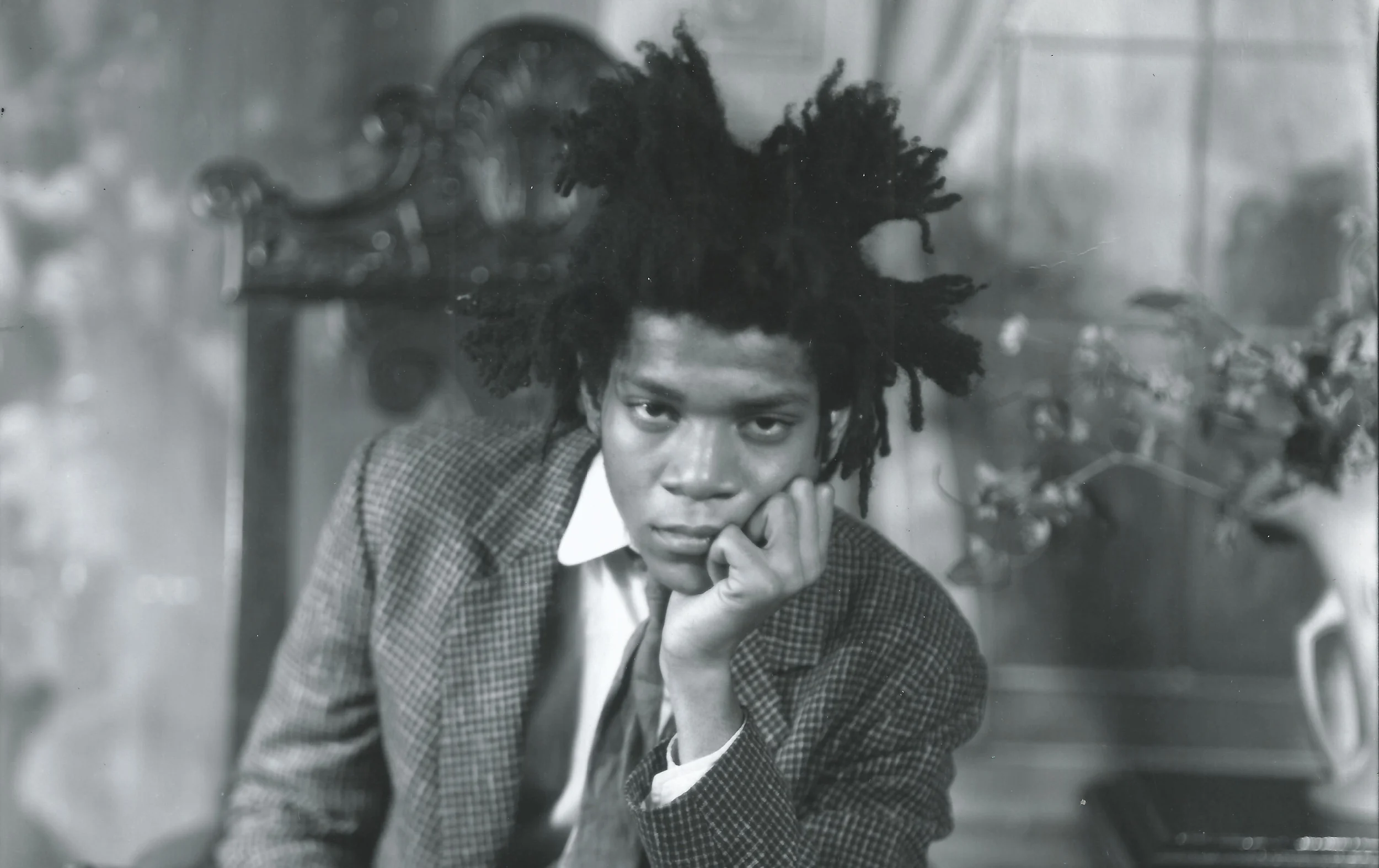
Jean-Michel Basquiat
155
Works
19
Followers
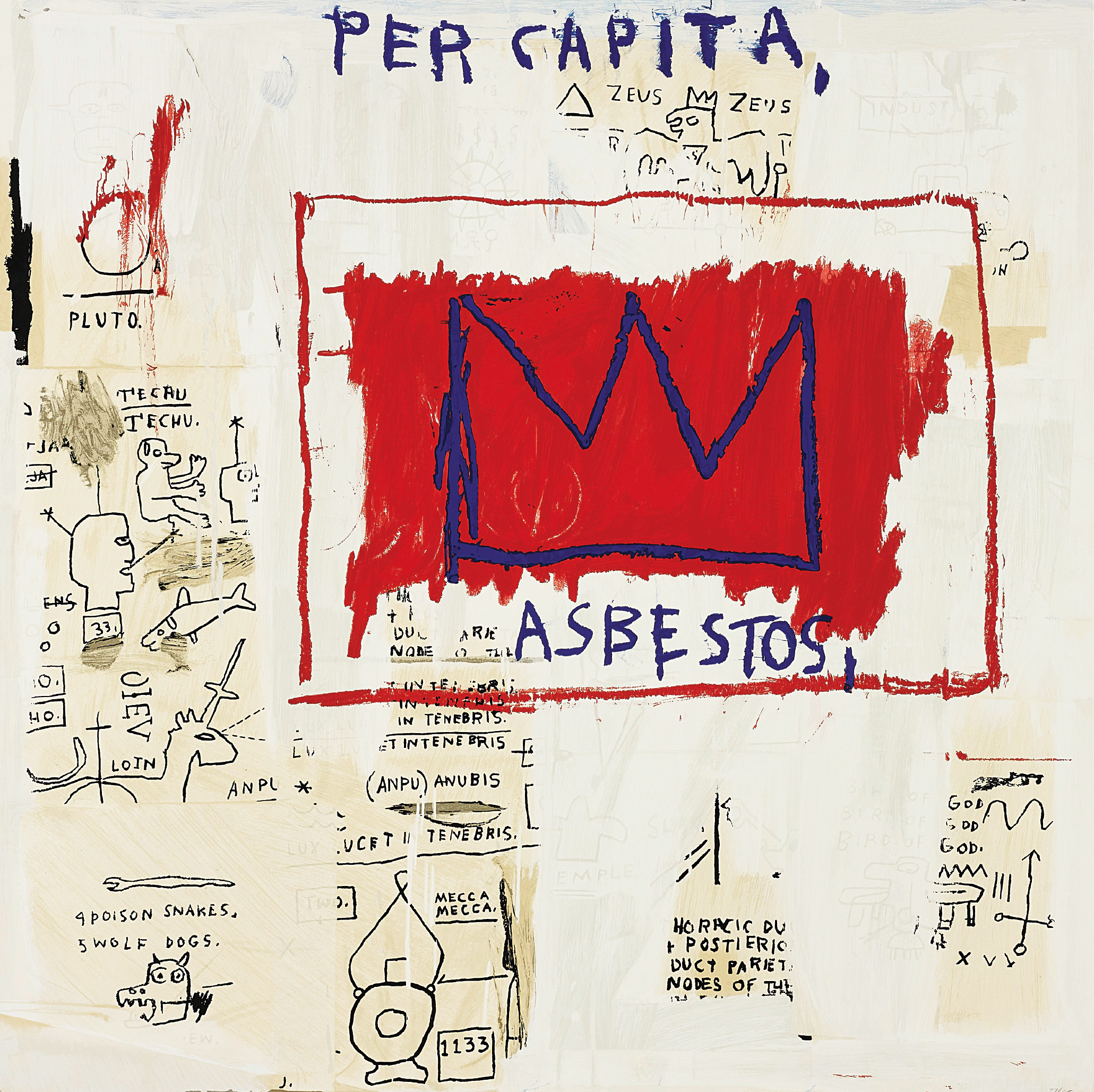
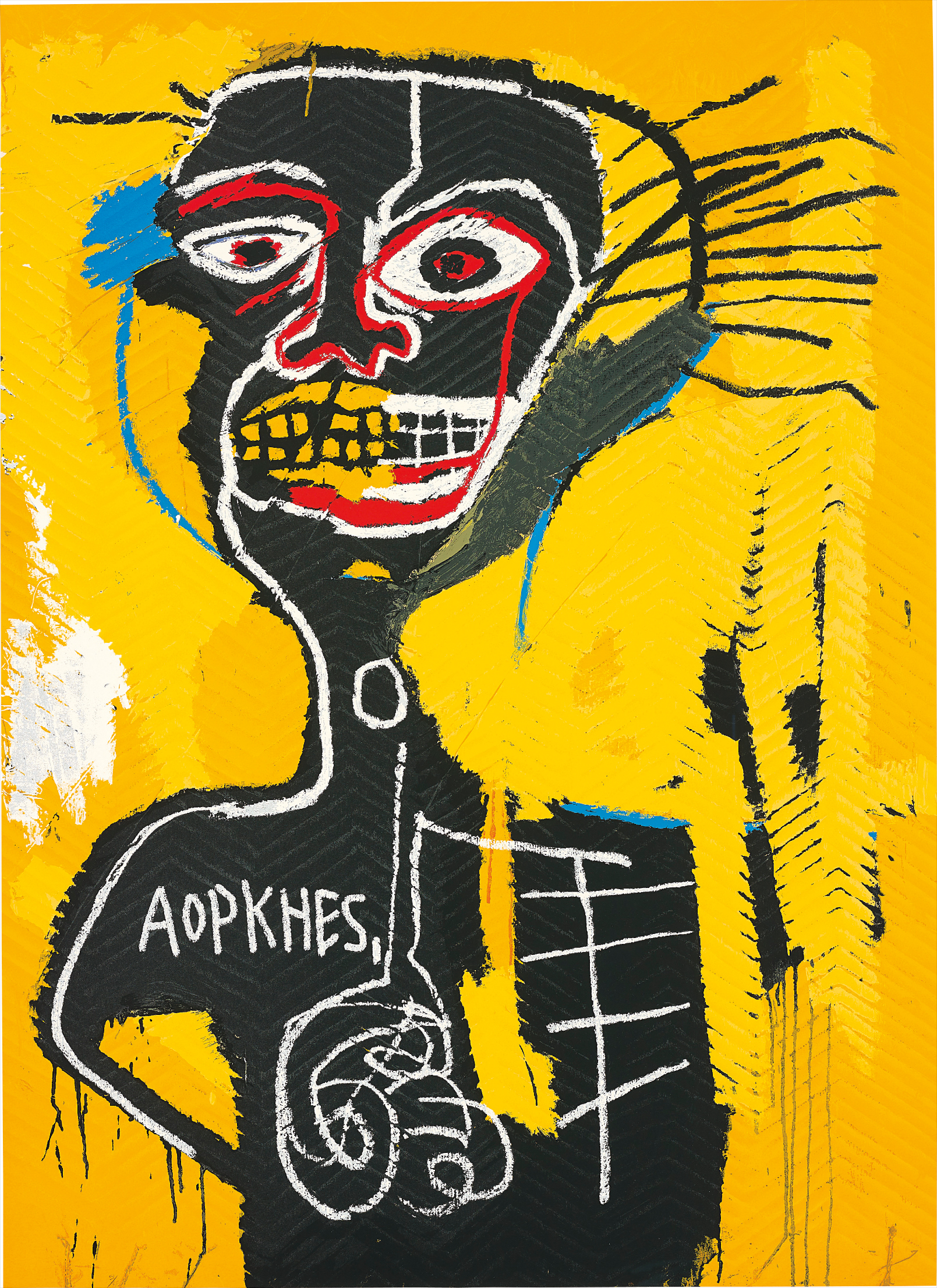
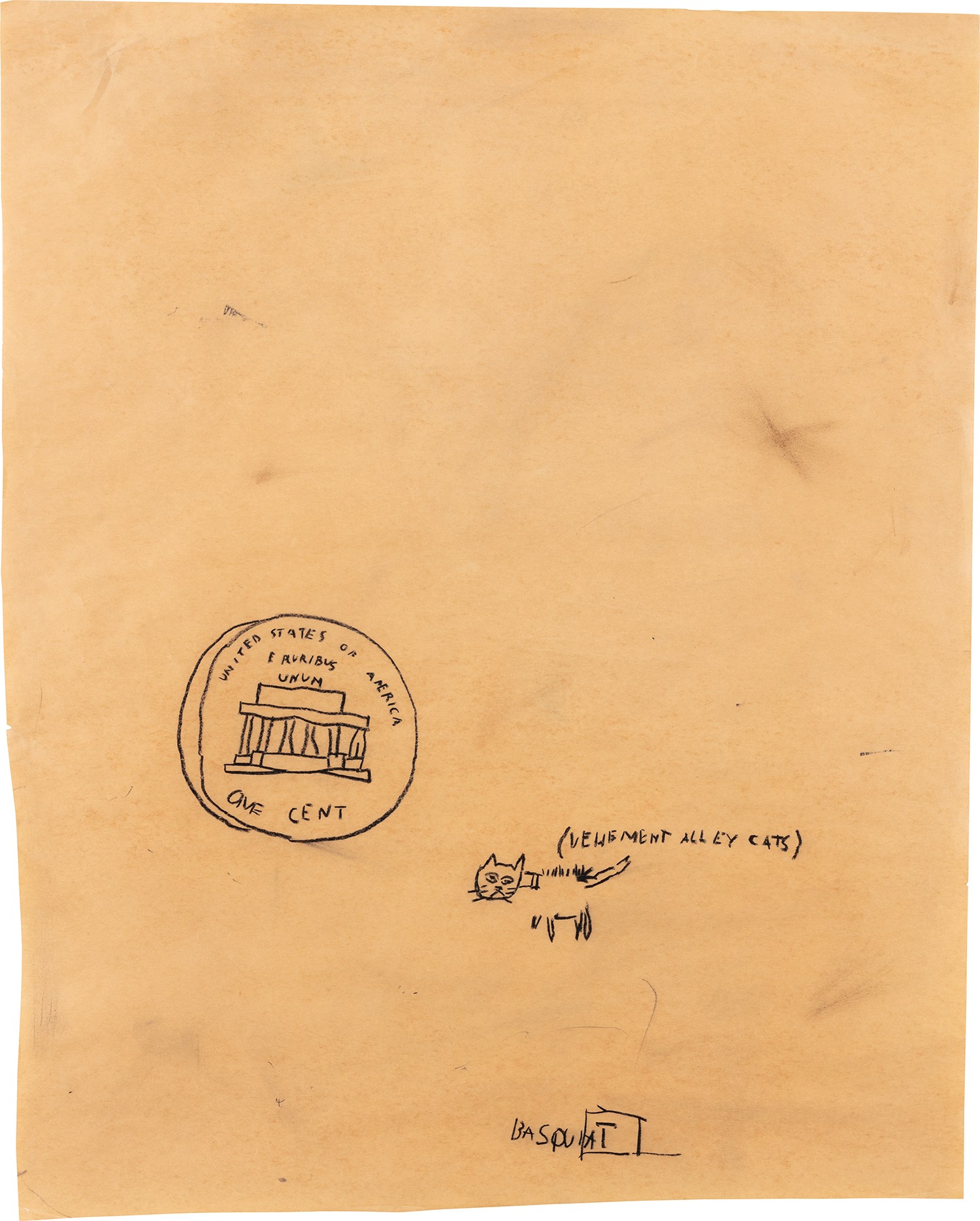




Artists in conversation

Julian Schnabel
Schnabel shares Basquiat's neo-expressionist approach, combining raw gestural mark making with layered symbolic imagery on unconventional surfaces. Both emerged in the same New York art scene of the early 1980s and were celebrated for their bold figurative work.

Georg Baselitz
Baselitz parallels Basquiat in his use of raw expressive figuration, crude mark making, and confrontational imagery that challenges conventional aesthetics. Both artists treat the human figure as a vehicle for powerful emotional and cultural commentary.
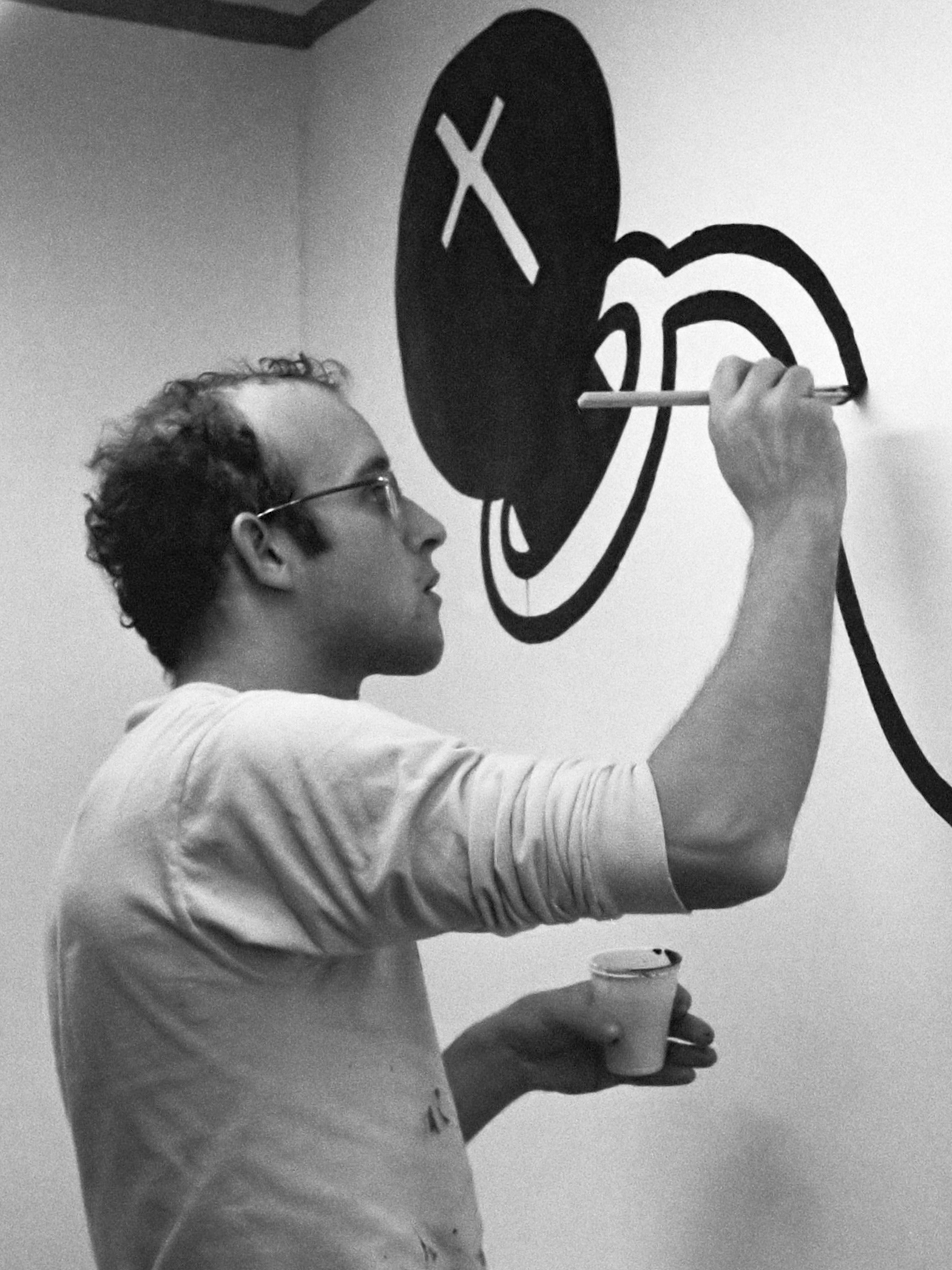
Keith Haring
Haring shared Basquiat's roots in the New York street art scene and similarly merged graphic symbolism with social commentary in a bold visual language. Both artists bridged the gap between urban graffiti culture and the mainstream fine art world.
Artists who inspired them
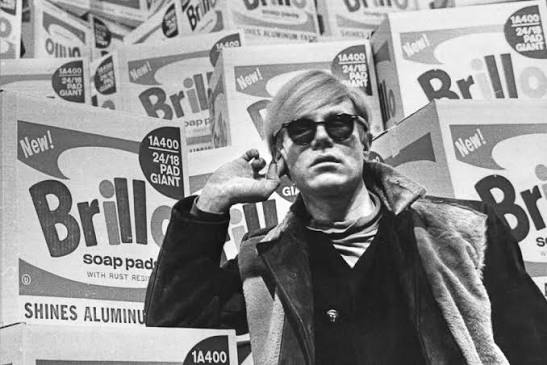
Andy Warhol
Warhol became a close collaborator and mentor to Basquiat, deeply influencing his understanding of celebrity, commodity, and the intersection of pop culture with fine art. Their direct collaboration produced a celebrated body of work that fused both of their visual vocabularies.
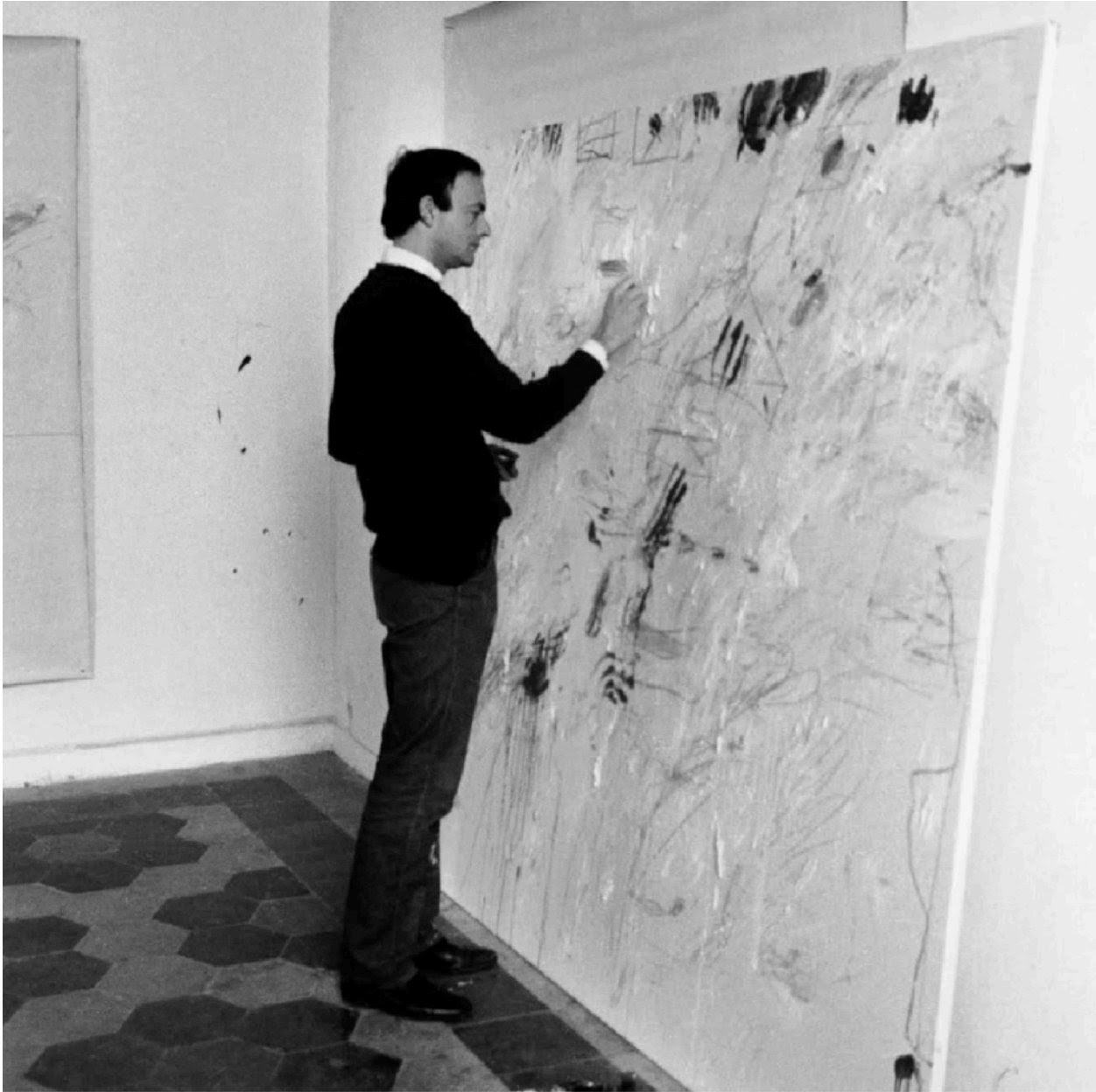
Cy Twombly
Twombly's integration of text, scrawled mark making, and mythological references onto the canvas had a direct impact on Basquiat's layered approach to combining words and imagery. Basquiat admired how Twombly elevated graffiti like gestures into a sophisticated fine art context.

Jean Dubuffet
Dubuffet's championing of Art Brut and raw outsider aesthetics gave Basquiat a conceptual framework for valuing unpolished, instinctive mark making as a legitimate and powerful artistic approach. His deliberate rejection of formal refinement resonated deeply with Basquiat's own visual sensibility.
Artists they inspired
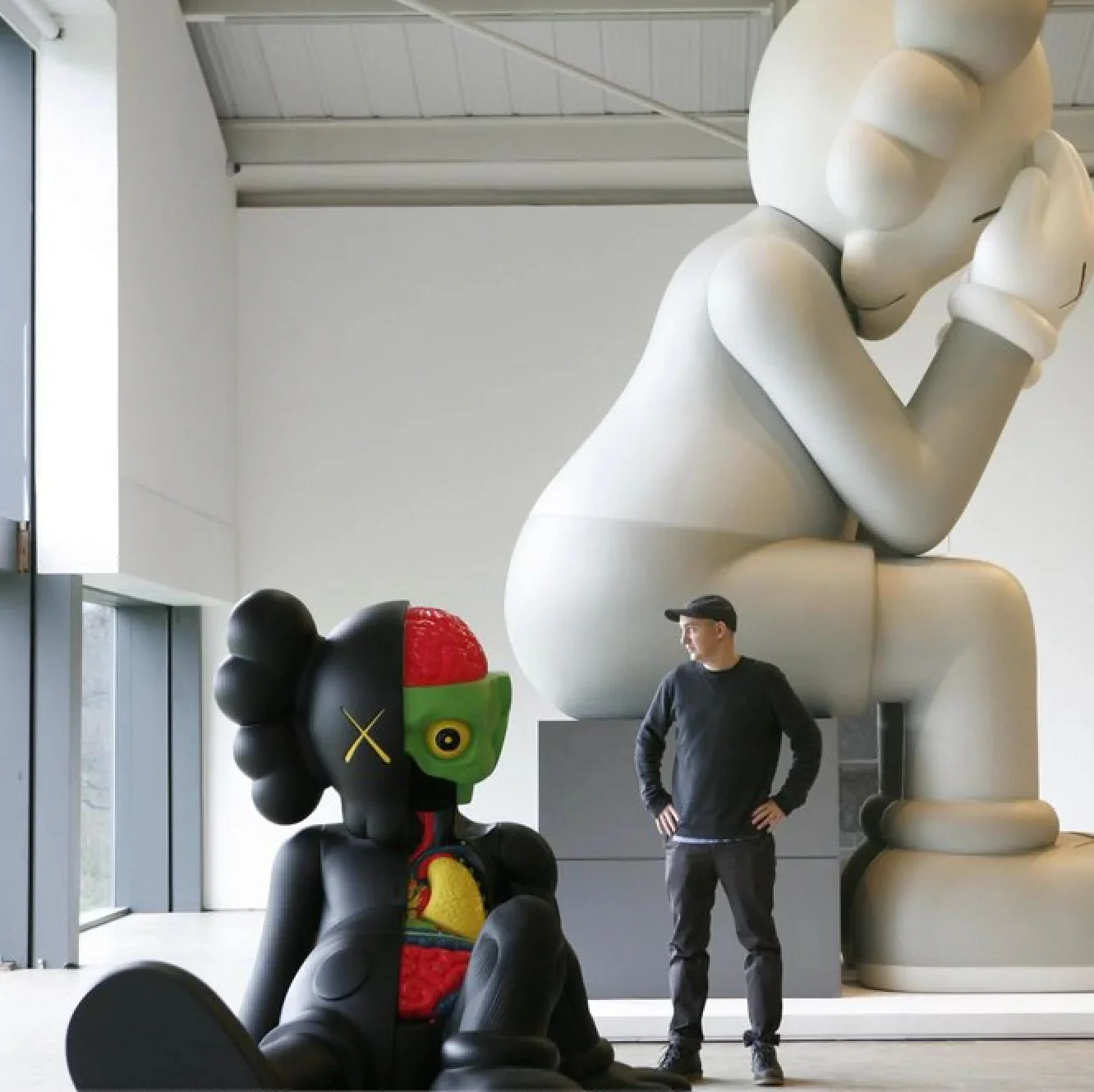
KAWS
KAWS cites Basquiat as a foundational influence in his trajectory from street art to the fine art world, mirroring Basquiat's pioneering path. His use of bold graphic imagery, cultural symbols, and the blending of commercial and fine art reflects Basquiat's lasting legacy.
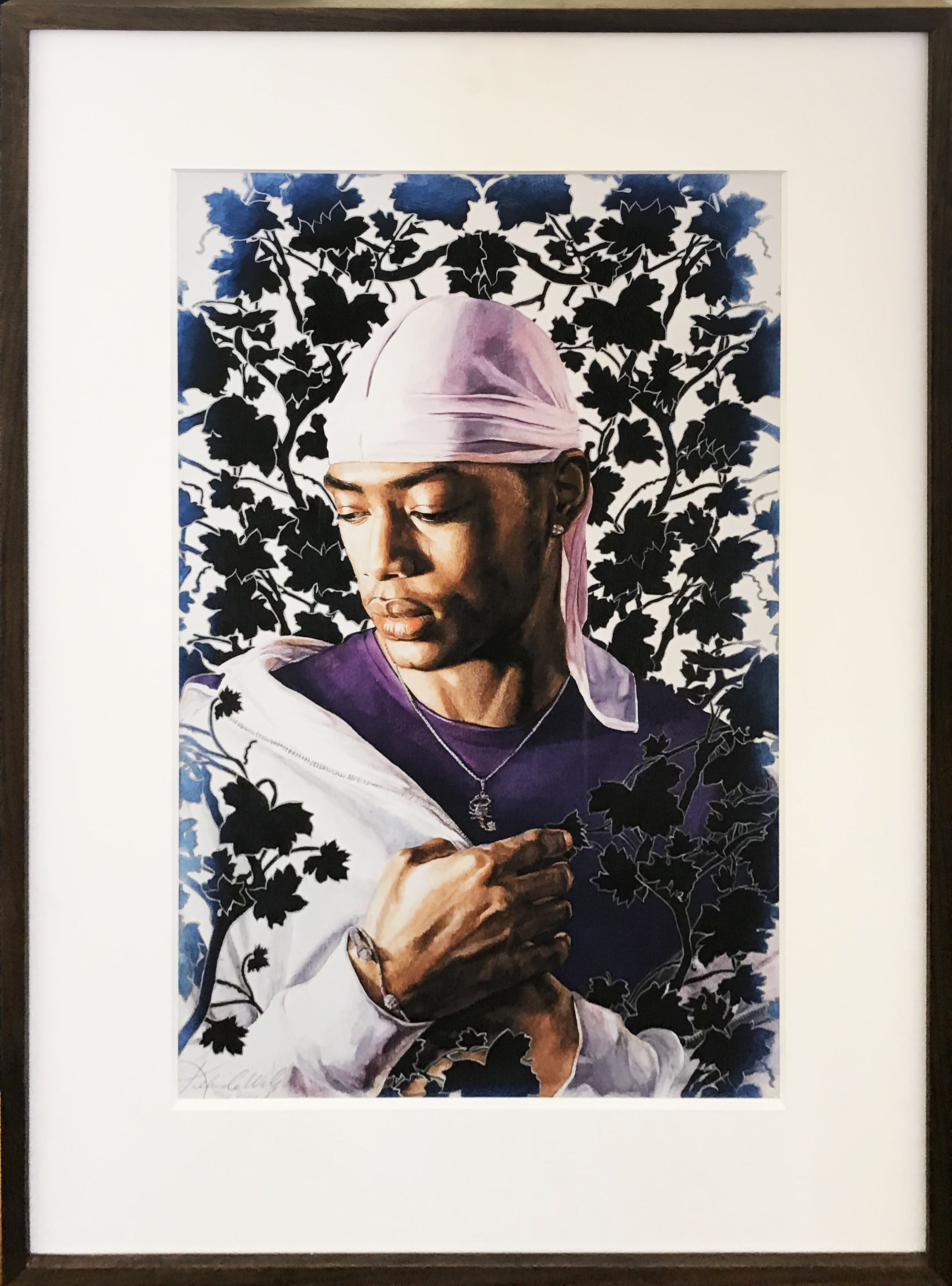
Kehinde Wiley
Wiley's commitment to centering Black figures in grand artistic narratives and challenging the racial politics of art history builds directly on the foundation Basquiat established. Basquiat's insistence on Black identity and experience as central subject matter opened critical space for Wiley's work.
Jaybo Monk
Jaybo Monk's layered neo-expressionist canvases combining text, raw figuration, and street art influences reflect a strong debt to Basquiat's visual and conceptual language. His work continues the tradition of fusing urban culture with emotionally charged gestural painting.