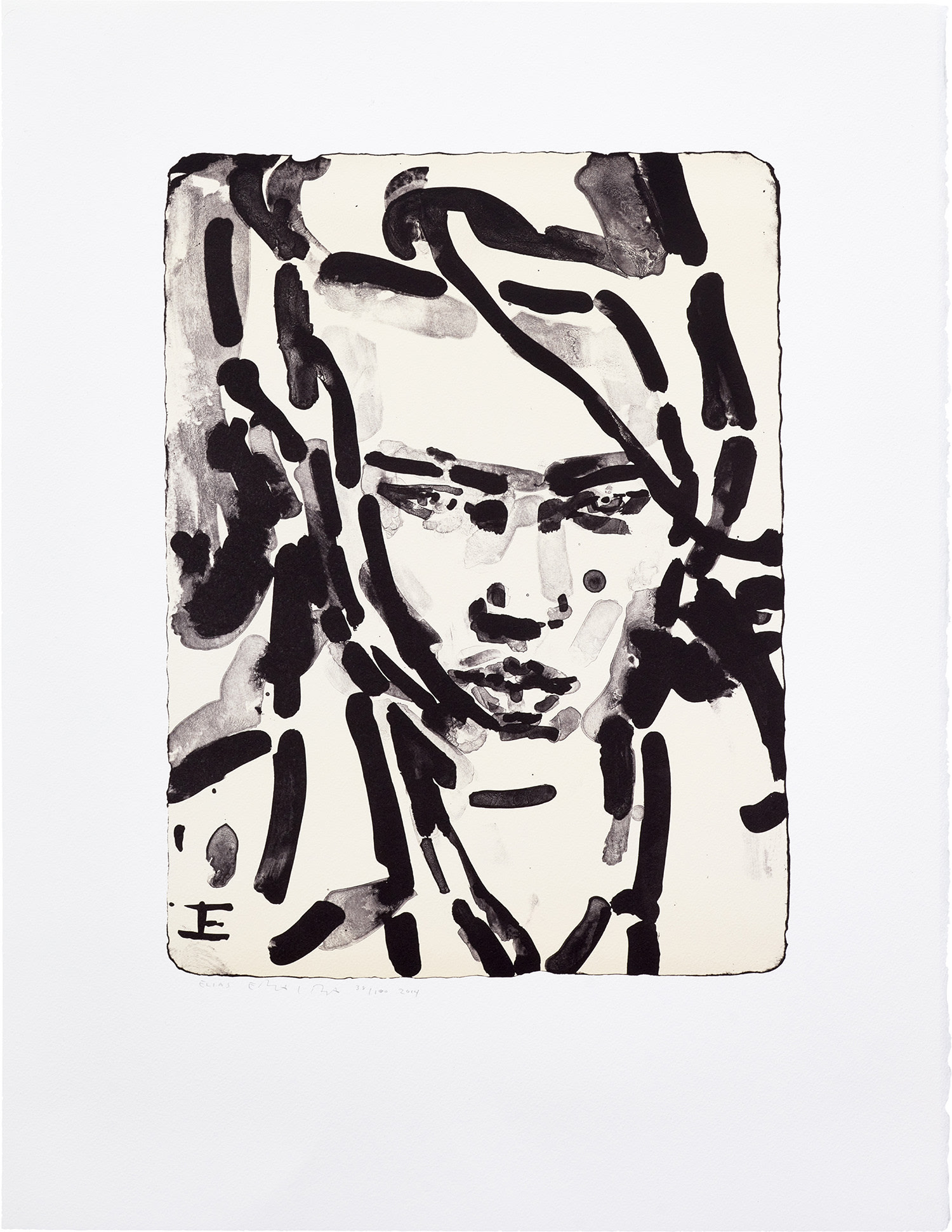
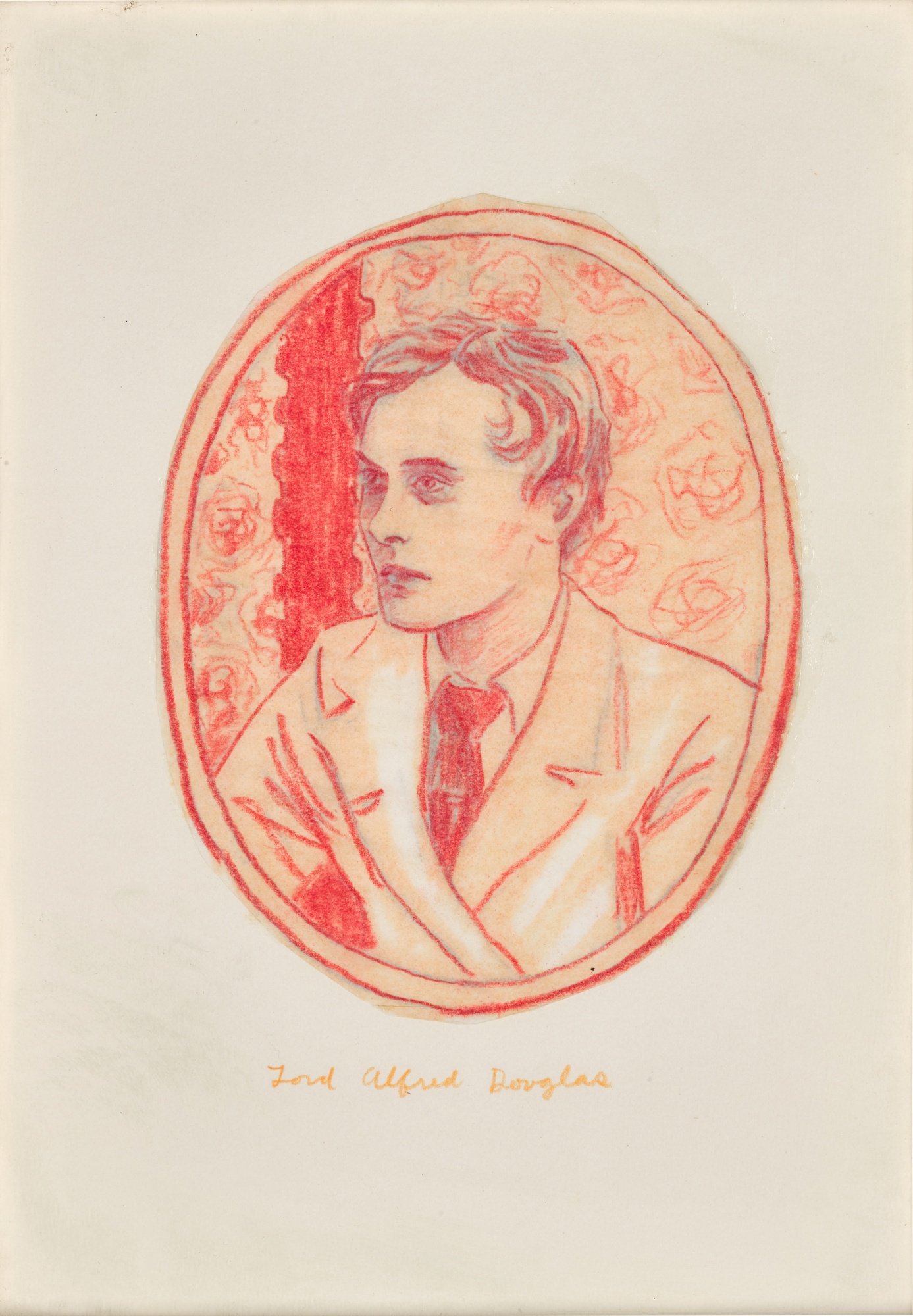
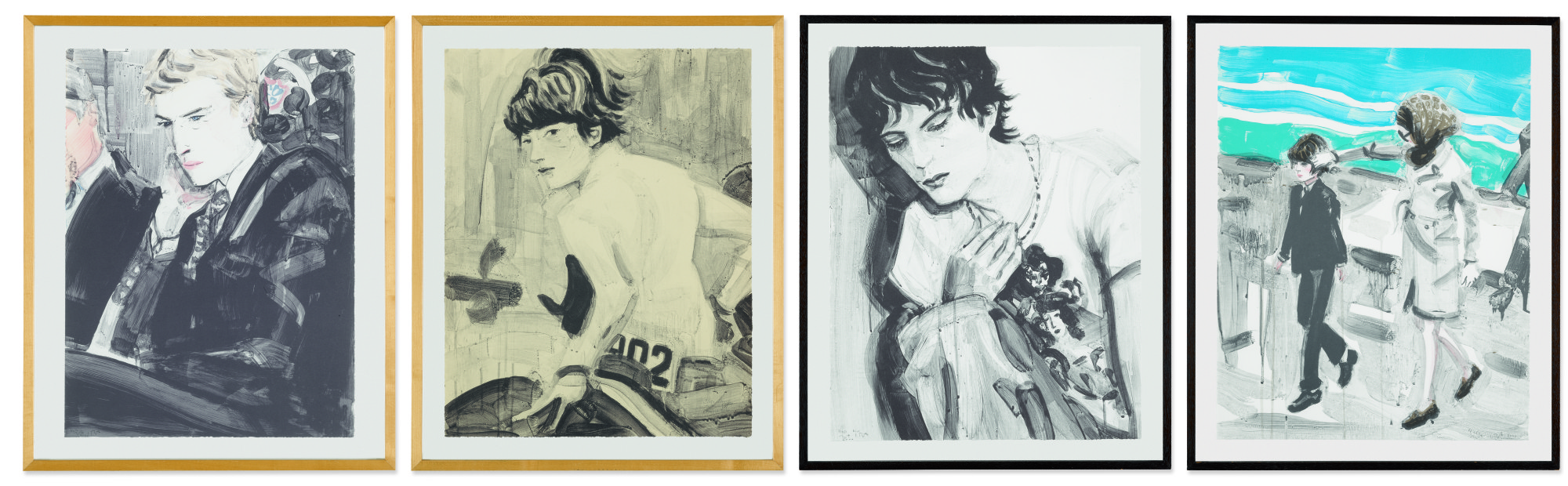
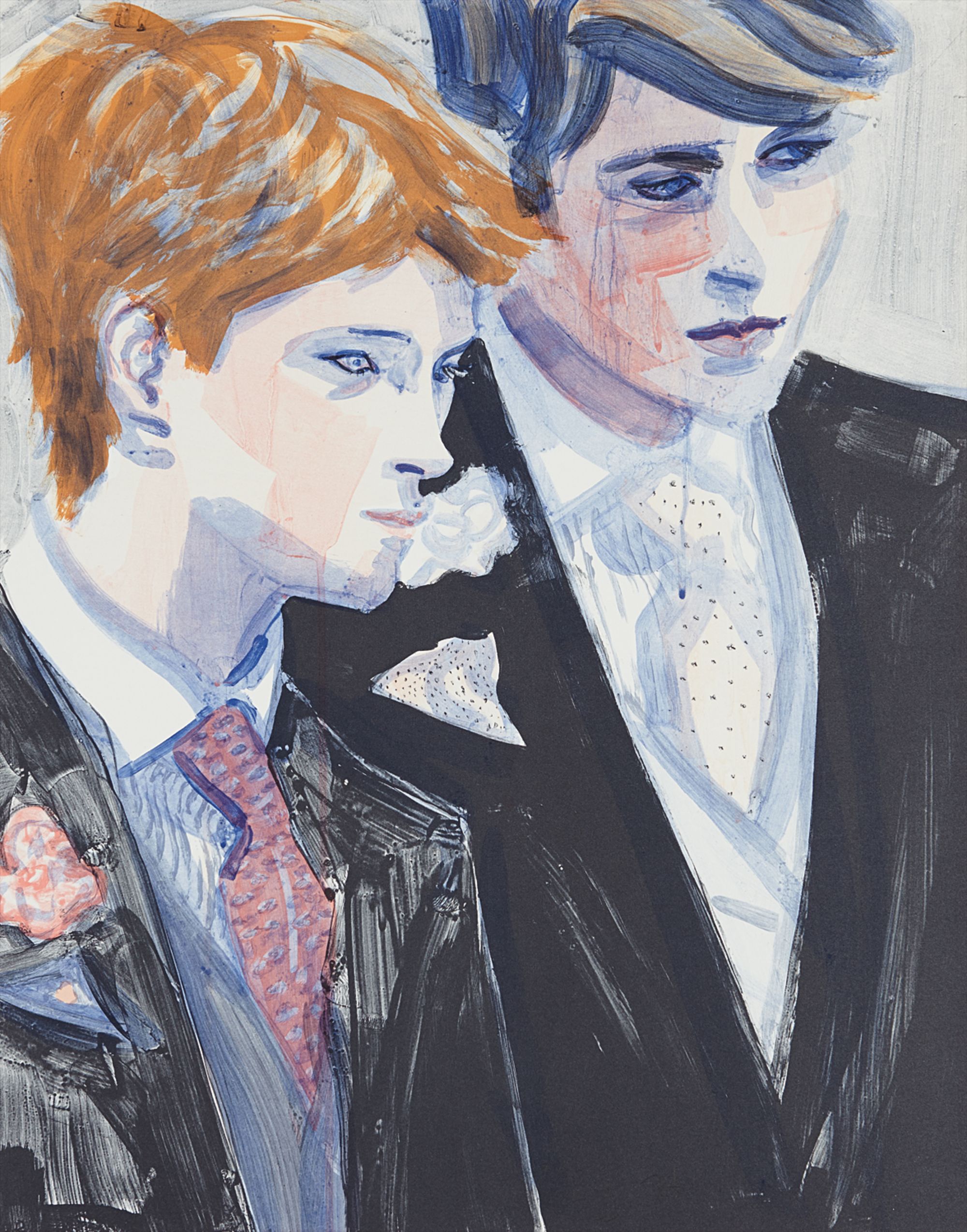
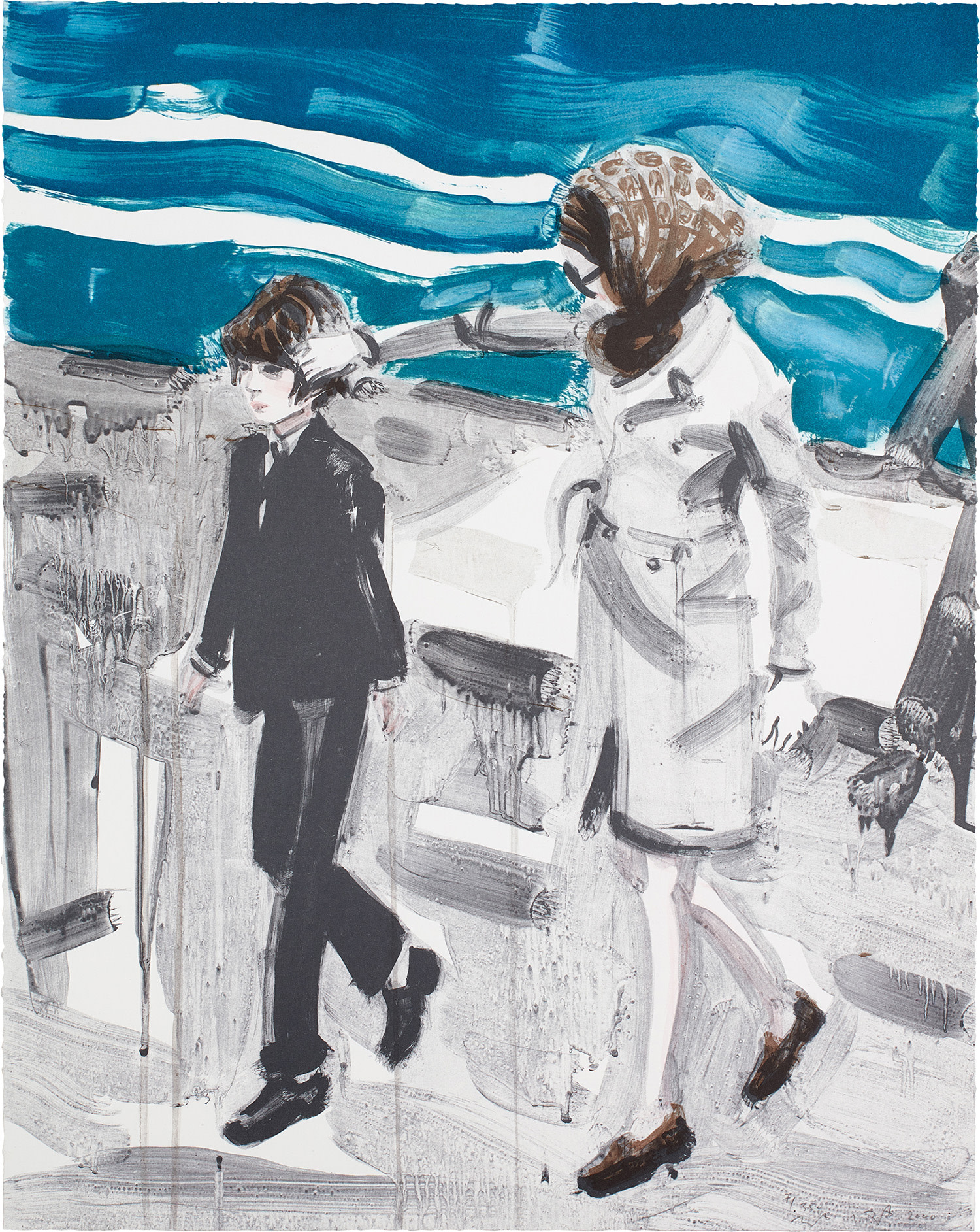
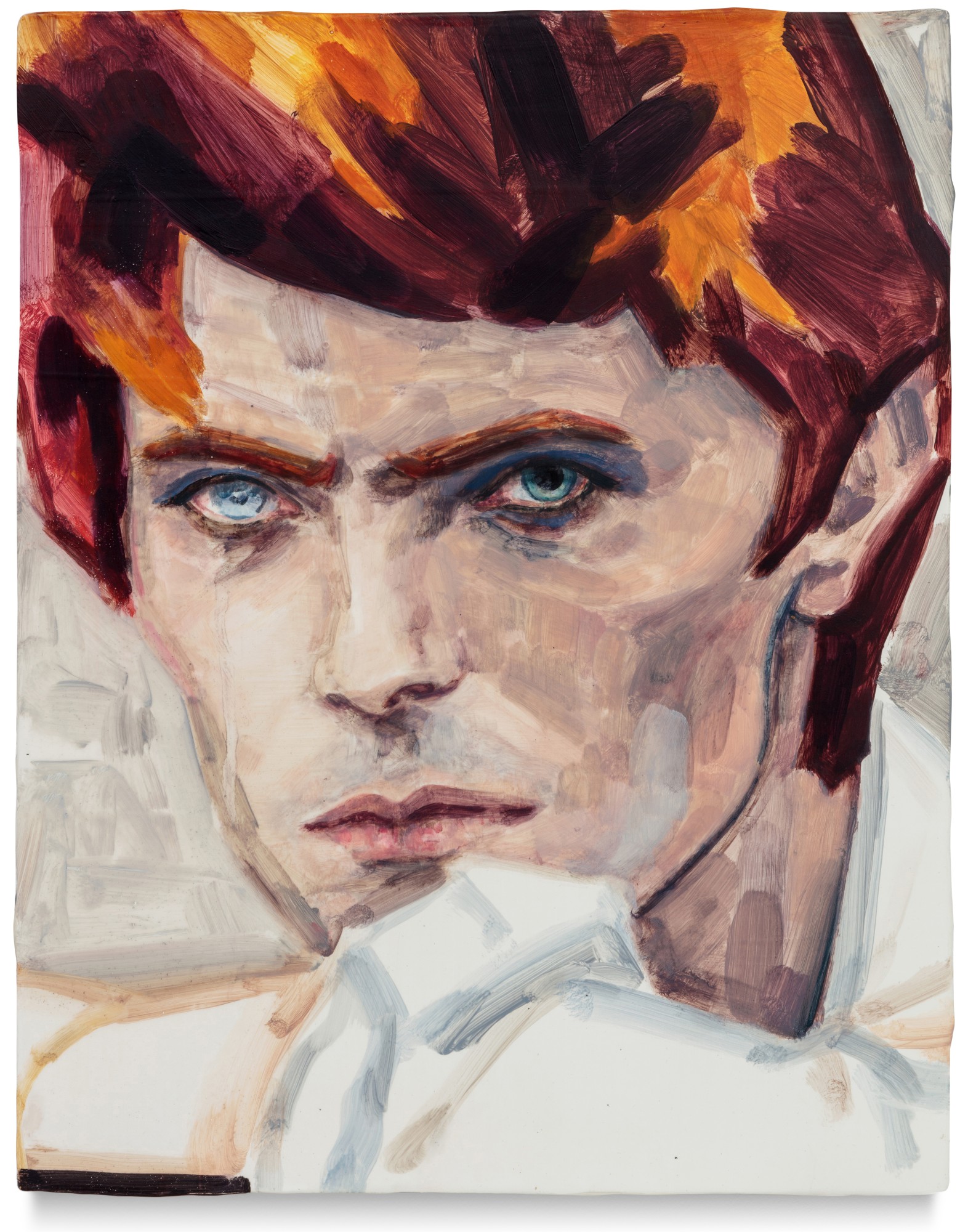
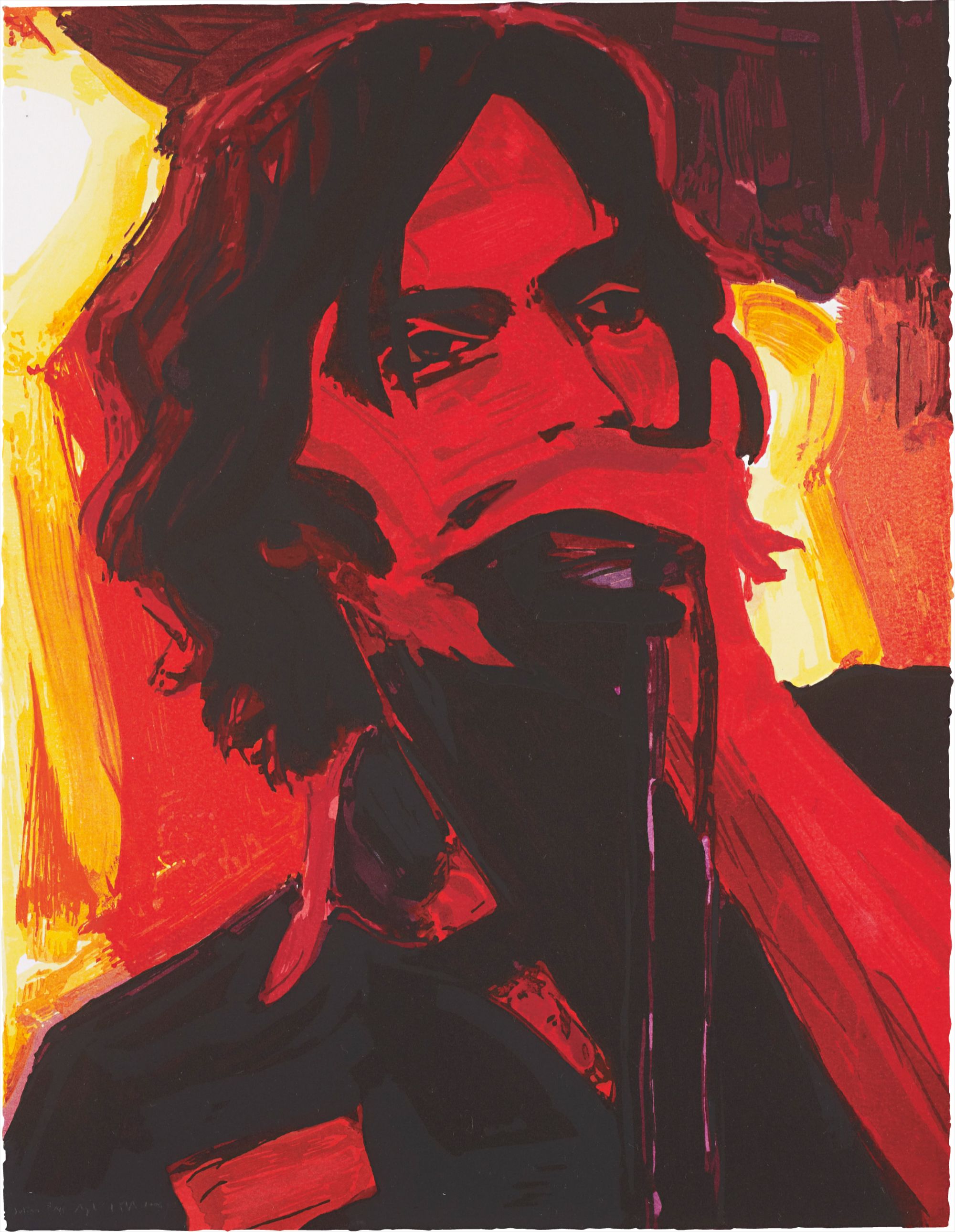
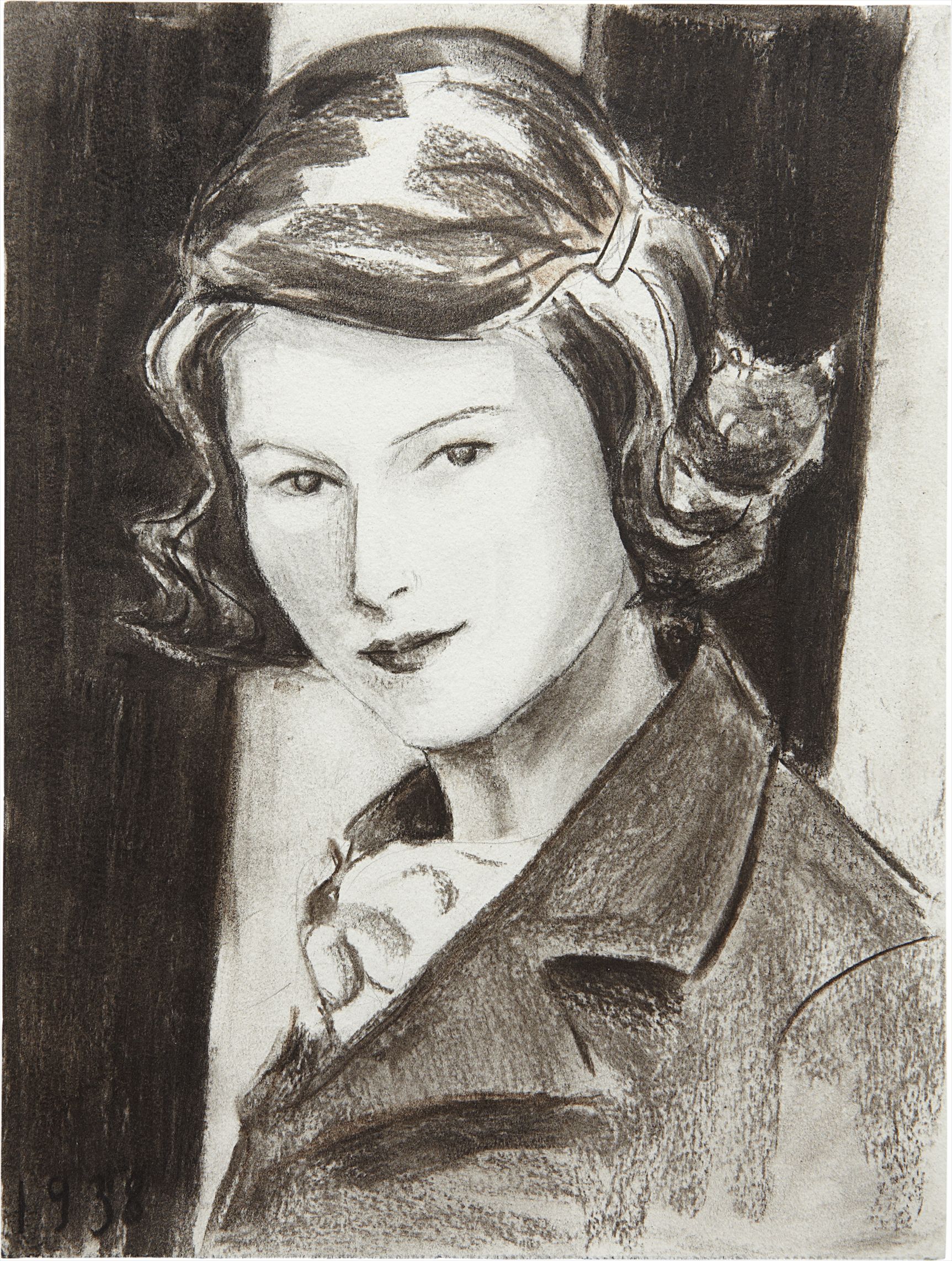
In the autumn of 2023, the Deichtorhallen Hamburg presented a sweeping survey of Elizabeth Peyton's work, reaffirming what a devoted international audience already knew: that this artist, now approaching six decades of life and three decades of sustained practice, occupies a singular and irreplaceable position in contemporary painting. The exhibition drew together portraits spanning her entire career, from the intimate early oil studies of historical royalty to her luminous recent canvases of friends and fellow artists, and the effect was quietly overwhelming. To stand inside a room full of Peyton's portraits is to feel, unexpectedly, that you have been let in on something private and precious. Elizabeth Peyton was born in Danbury, Connecticut in 1965 and grew up with an early and consuming passion for art history, music, and the kind of glamorous, doomed beauty that she would later make her signature subject. She studied at the School of Visual Arts in New York, graduating in 1987 and entering a downtown art world still charged with the energy of neo expressionism and the lingering shadow of Andy Warhol. New York in the late 1980s was a city of overlapping subcultures, and Peyton absorbed all of it: the music scene, the fashion world, the literary circles, the sense that celebrity and art and history were perpetually in conversation with one another. Her breakthrough came in 1993 with a now legendary exhibition held not in a gallery but in Room 828 of the Chelsea Hotel in New York. Peyton invited visitors up to the room to view small paintings of historical and contemporary figures, hung casually on the walls as if in a private apartment. The gesture was deeply characteristic: intimate, slightly theatrical, resistant to the grandiosity of the conventional white cube. Works from this period, including her oil on canvas portrait "Ludwig II Caresses Marie Antoinette" from that same year, show Peyton already fully committed to her central obsession, the idea that historical distance collapses when you look closely enough at a face, that a nineteenth century king and a twentieth century pop star inhabit the same emotional universe. Throughout the 1990s Peyton developed her practice with remarkable consistency and confidence, working across oil, watercolor, and drawing to produce portraits of an expanding cast of subjects. She painted friends, lovers, musicians including Kurt Cobain and Liam Gallagher, and icons of cultural history including Napoleon and Ludwig II of Bavaria. Her 1997 watercolor "John with Julian," depicting John Lennon and his son, exemplifies her gift for finding the tenderness inside fame, the human softness beneath the cultural monument. Works such as "Adam from I.D. Magazine" from 1998 demonstrate how fluidly she moved between the exalted and the everyday, treating a magazine photograph with the same reverent attention she brought to historical portraiture. Gavin Brown's Enterprise in New York became the gallery most closely associated with her rise, and her shows there through the late 1990s were genuinely talked about events in the art world. Peyton's painting has always been insistently unfashionable in the best possible sense. During the years when large scale conceptual work dominated critical conversation, she continued to make small, feeling filled portraits on board and panel and paper. Her palette is distinctive and immediately recognizable: soft pinks, acid yellows, deep greens, colors that feel simultaneously historical and utterly contemporary, as if a Flemish court painter had been given access to a record collection and a circle of beautiful friends. Works like "Nude (Tony)" from 2001 and "Peconic (Ben)" from 2002 show her at the height of her powers, using oil with a loose and confident touch that manages to be both technically accomplished and emotionally unguarded. Her portrait of David Bowie, rendered in oil on aluminum veneered panel, is among the most reproduced images in her body of work and demonstrates her uncanny ability to distill the essence of a public persona into a handful of brushstrokes. For collectors, Peyton's work represents one of the more compelling propositions in contemporary art: a living painter with a coherent and evolving vision, a robust exhibition history, and a secondary market that has grown steadily over three decades. Her works have appeared at Christie's, Sotheby's, and Phillips, with prices for significant oils on panel and board reaching well into six figures at auction. Collectors are drawn not only to the beauty of individual works but to the sense of entering a world, the interconnected web of subjects and friendships and cultural references that gives Peyton's practice its novelistic depth. Works on paper, including her watercolors and drawings, represent a particularly compelling area for those entering her market, offering access to her sensibility at a range of price points while frequently displaying the spontaneous brilliance of her best thinking. Her more recent oils, including the warm and luminous "Angela" from 2017, show an artist continuing to deepen and surprise. In the context of art history, Peyton's lineage is clear and proudly worn. She acknowledges debts to Edvard Munch, whose psychological intensity she shares, and to Egon Schiele, whose raw economy of line she has absorbed and softened into something more lyrical. The influence of early German Romanticism, particularly in her sustained fascination with Ludwig II, connects her to a tradition of art that treats feeling as a form of knowledge. Among her contemporaries, she belongs to a generation that includes painters like John Currin and Lisa Yuskavage, artists who reasserted the primacy of the painted figure during a period of intense skepticism about representation. But Peyton's particular combination of tenderness, cultural intelligence, and formal restraint is entirely her own. What makes Elizabeth Peyton matter today, as much as ever, is the quality of attention she brings to her subjects. In an era of image saturation, of faces reproduced and consumed at industrial scale, she insists that looking closely is an act of love and that painting is the medium best suited to preserving what that love feels like. Her portraits do not flatter so much as they illuminate, finding in the faces of friends and heroes and historical ghosts something fragile and irreplaceable. To collect her work is to participate in that act of attention, to carry into your own life a reminder that certain faces, certain moments, are worth looking at again and again.