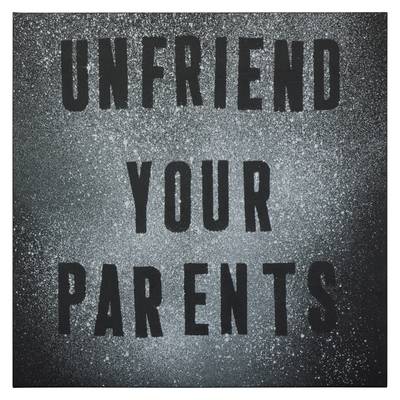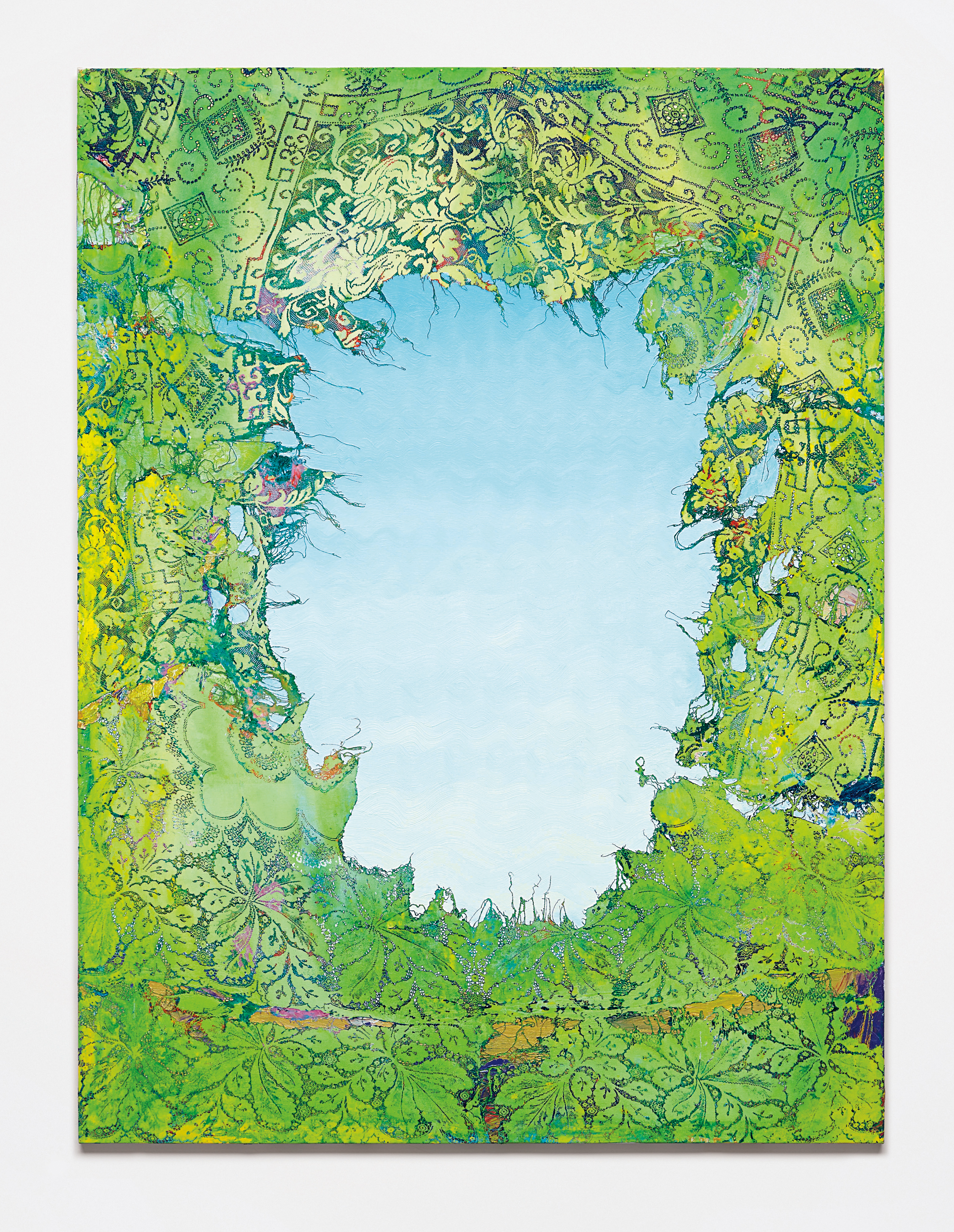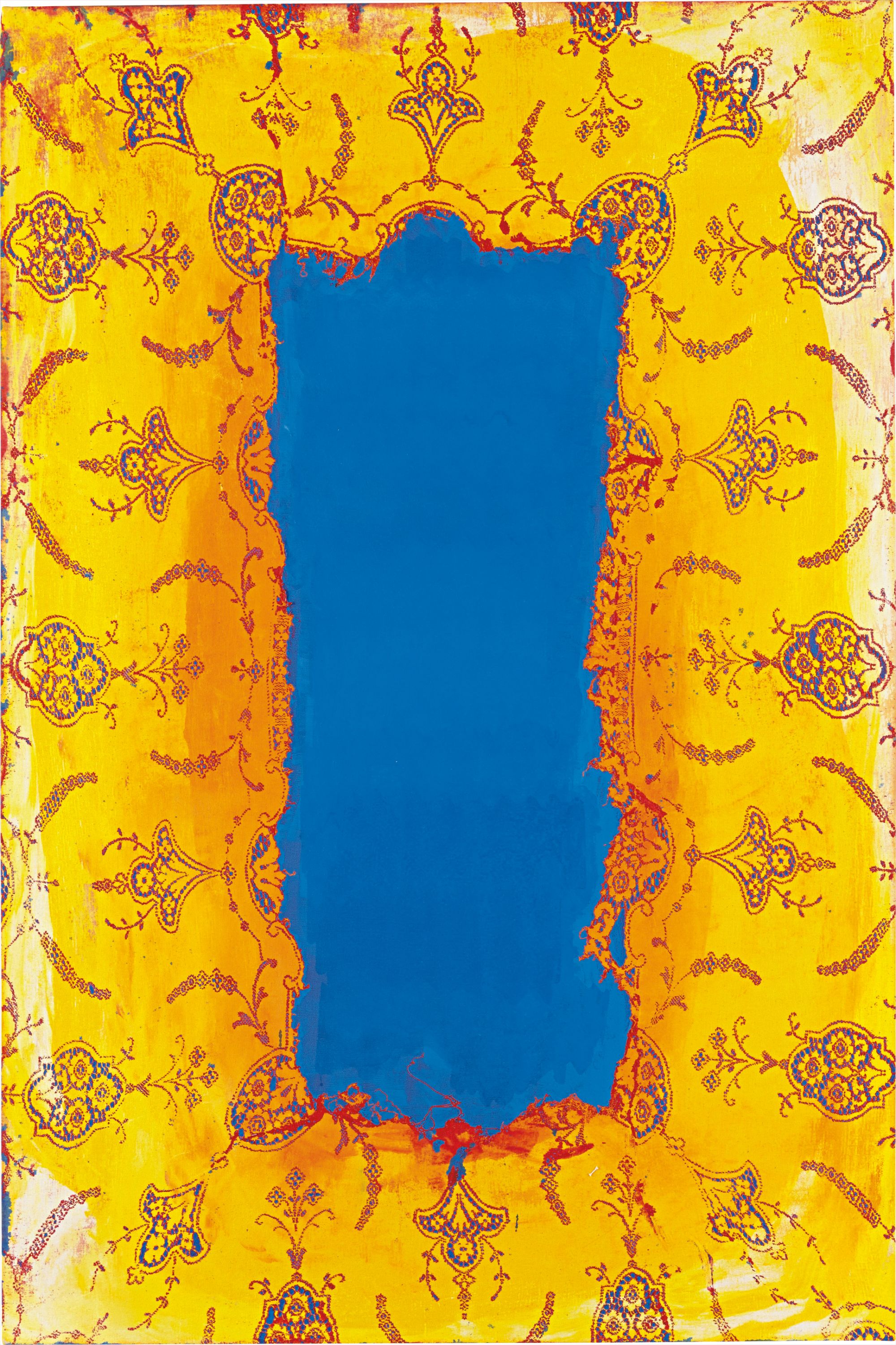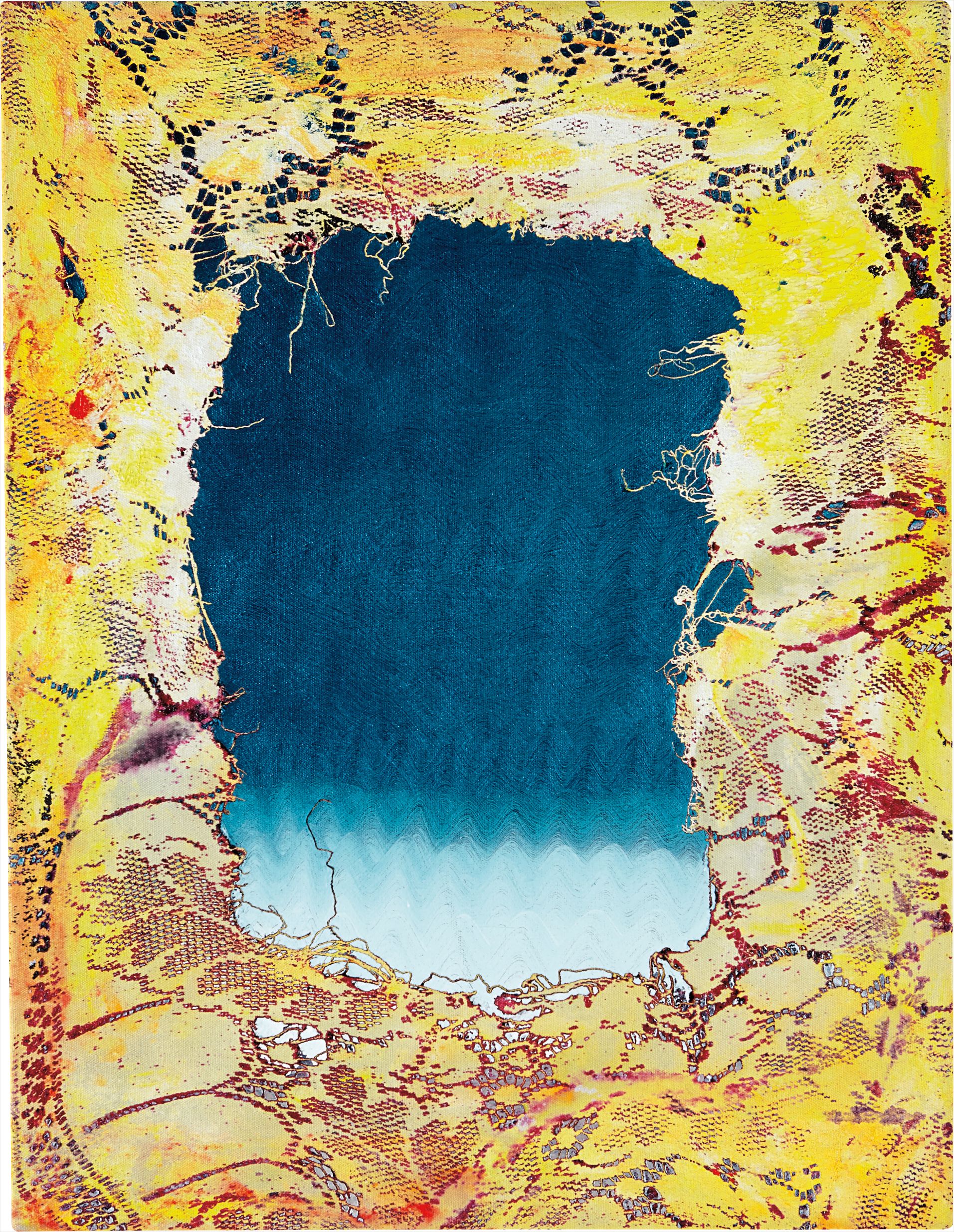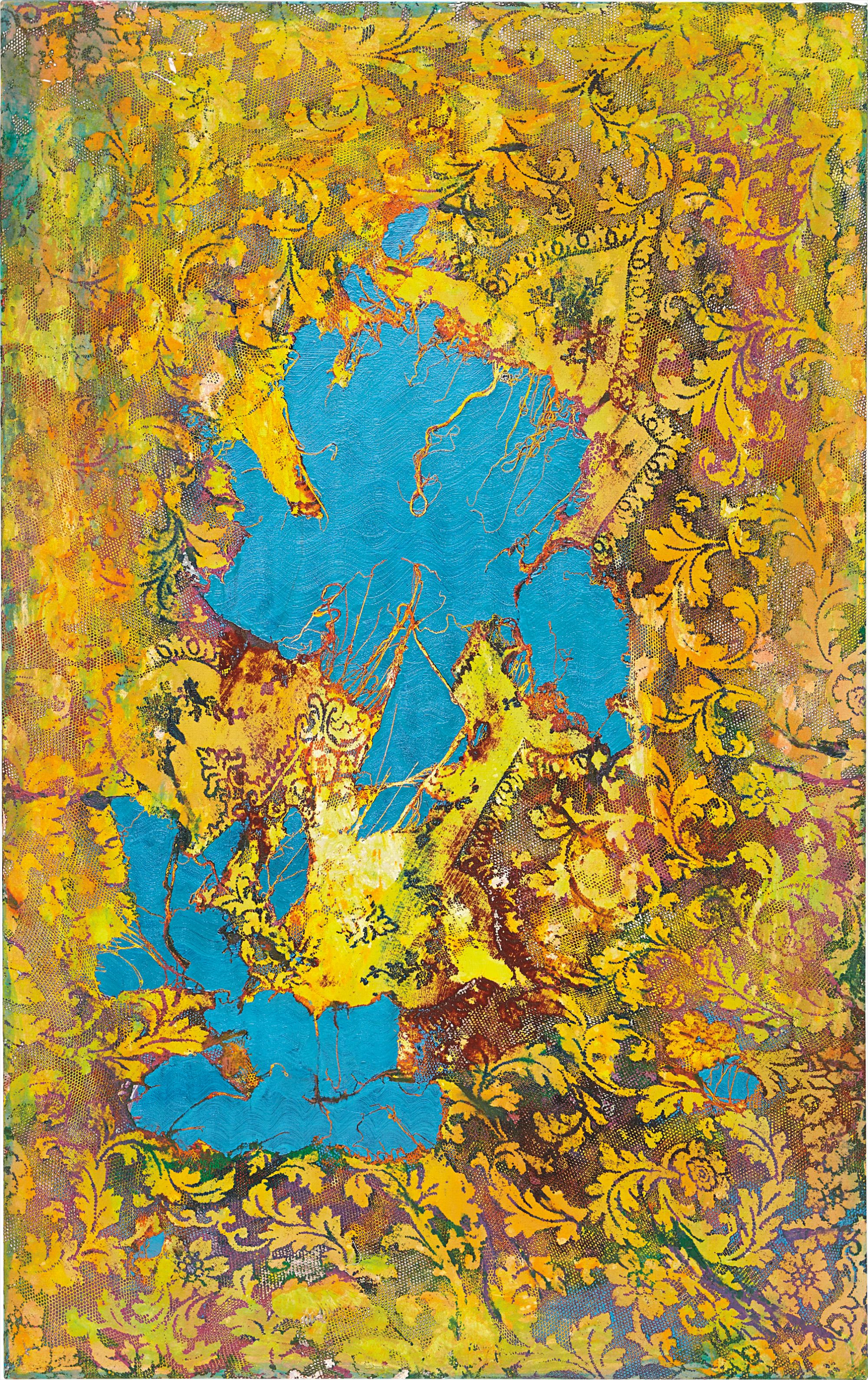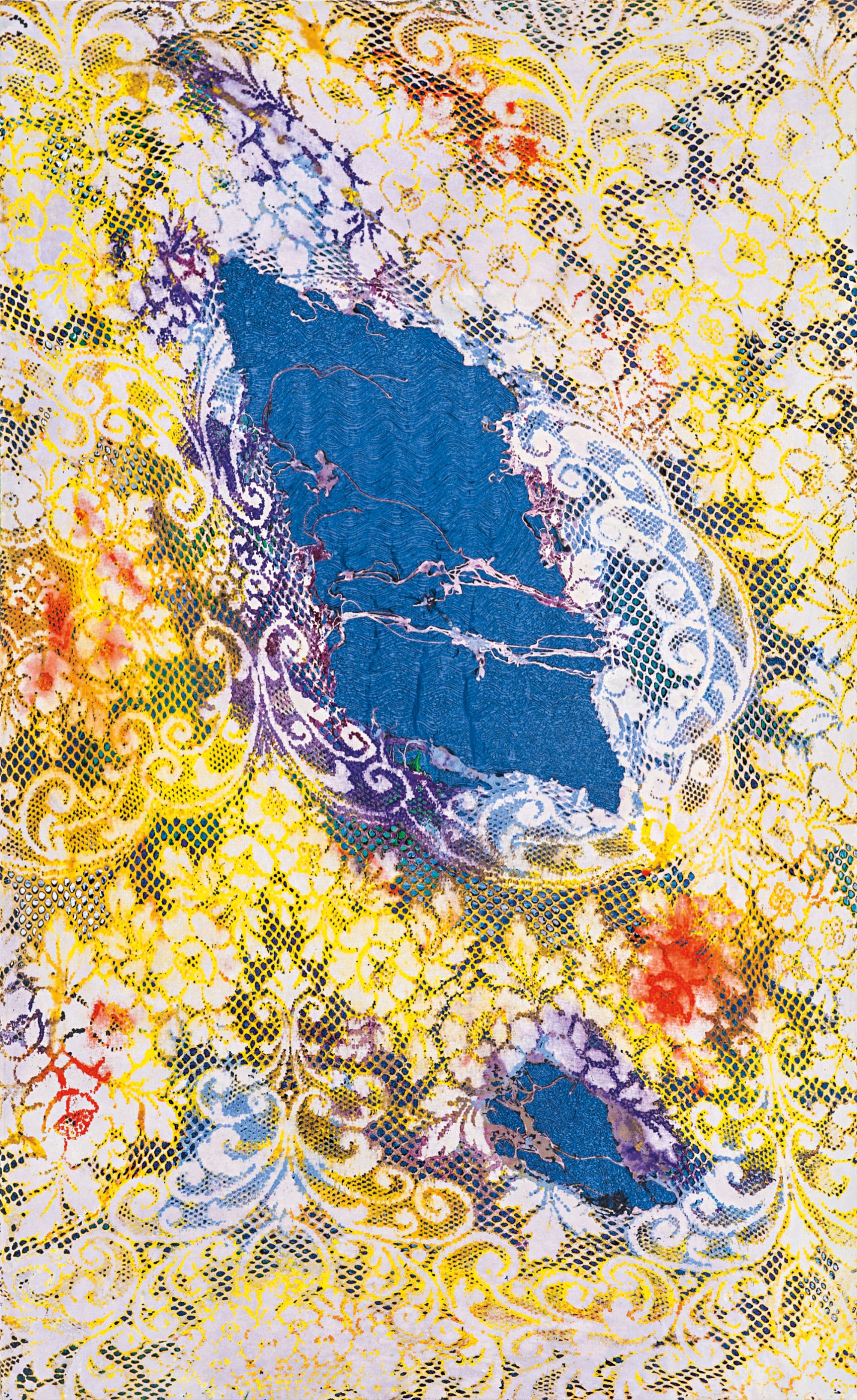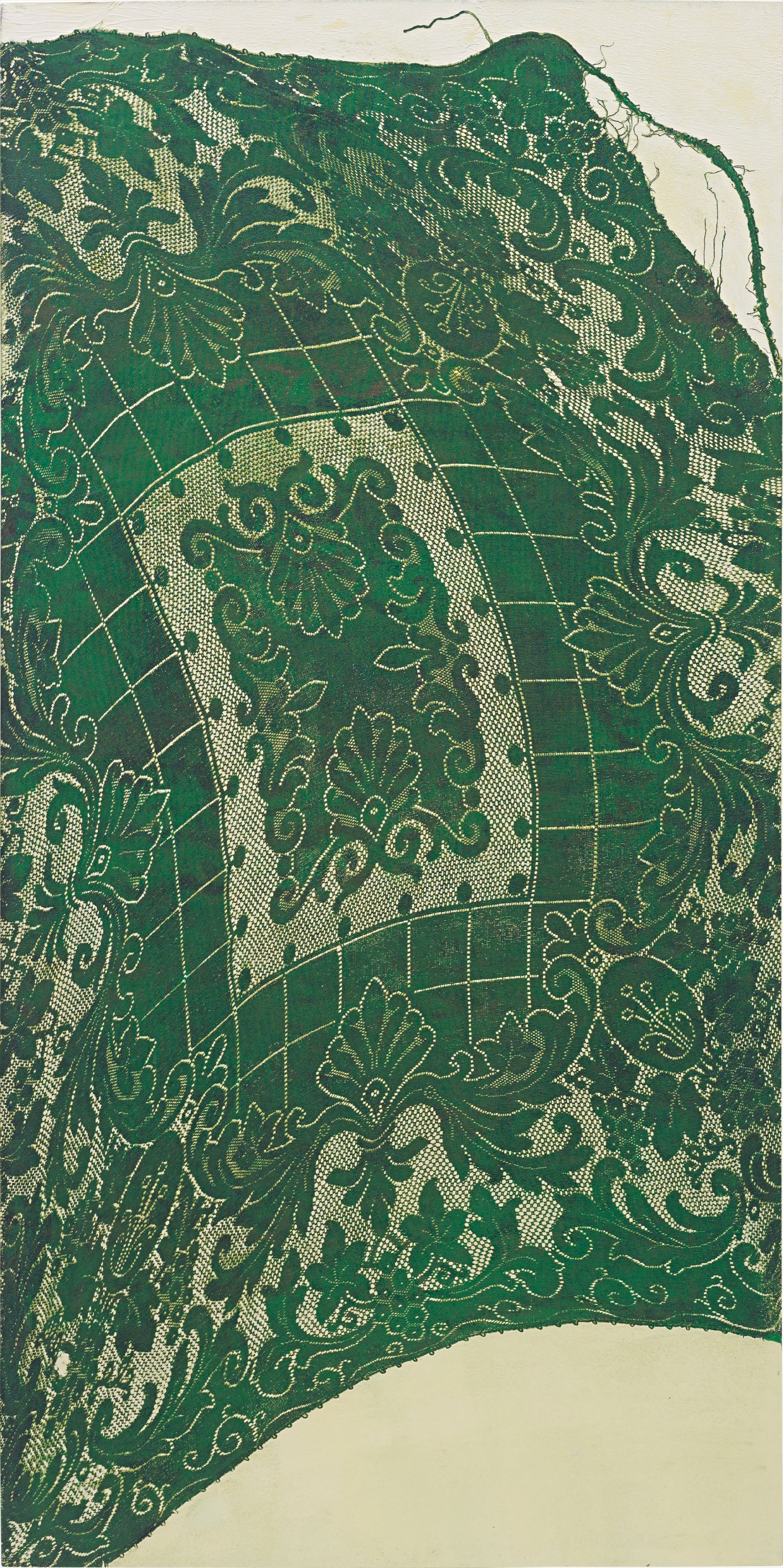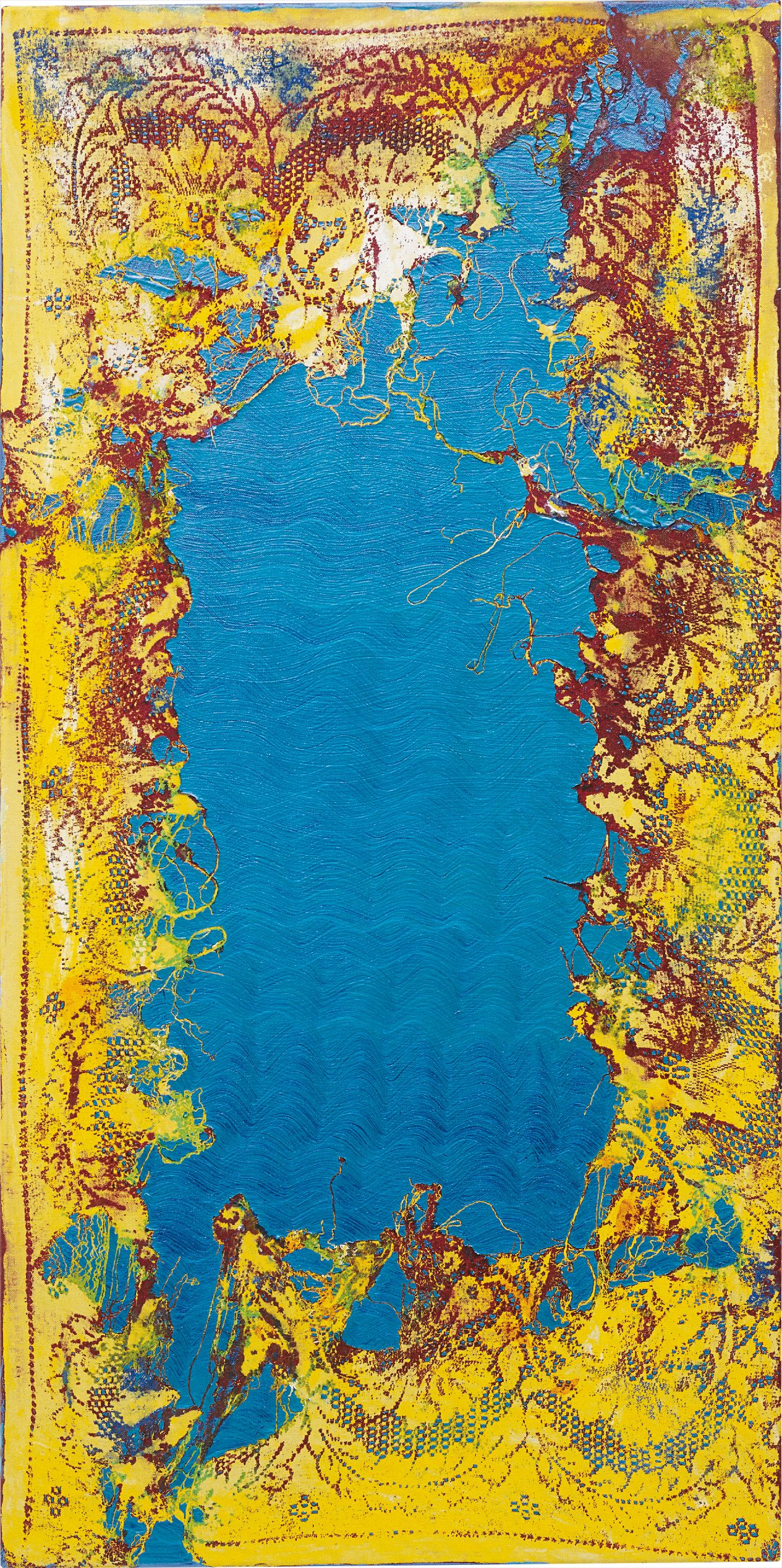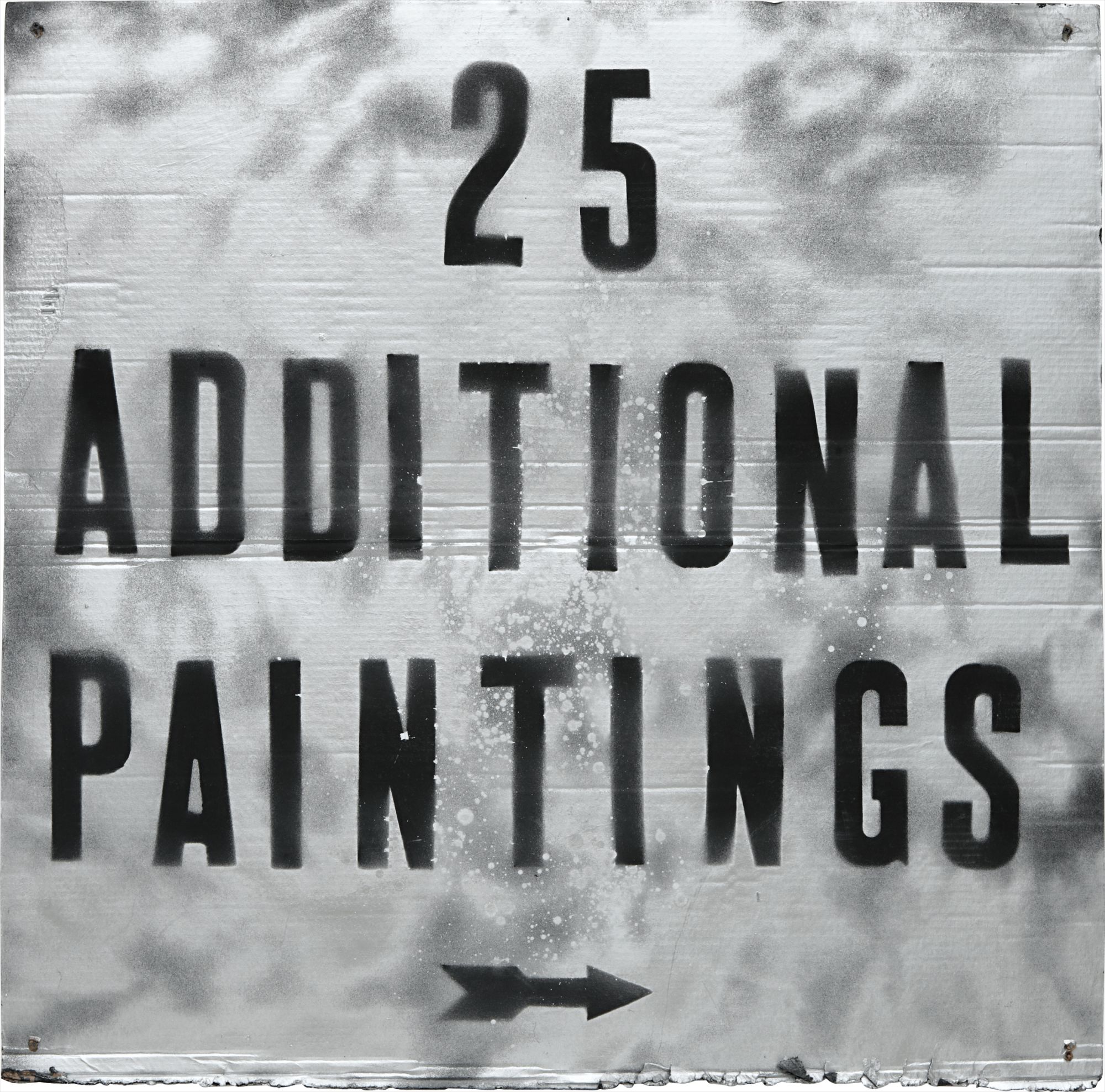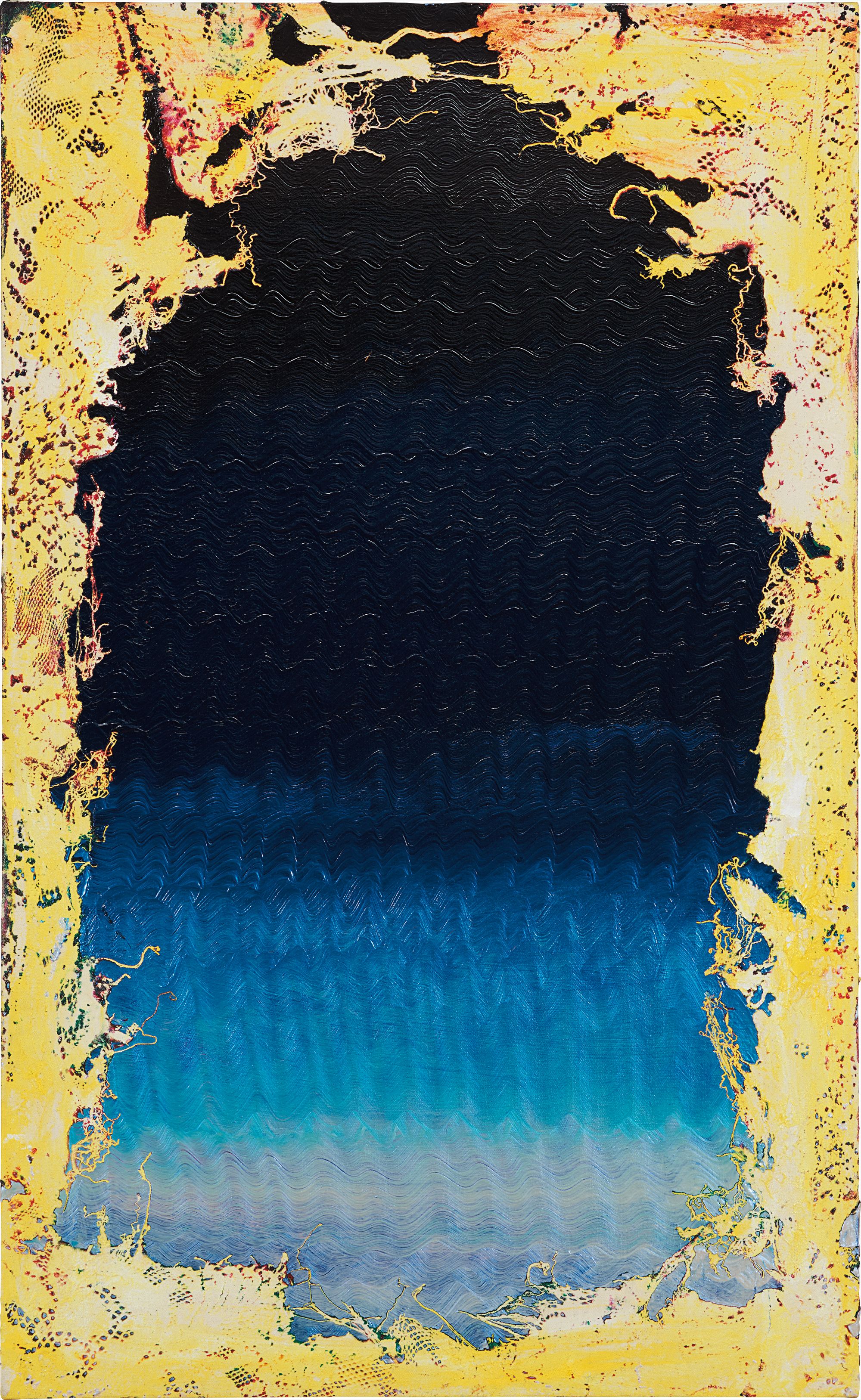
When Mark Flood's paintings arrived in force at galleries across New York and Los Angeles in the early 2010s, the art world did something it rarely does: it laughed, then leaned in closer. His lace paintings, shimmering with delicate domestic pattern yet crackling with subversive energy, stopped collectors in their tracks. Here was work that looked, at first glance, like something your grandmother might have hung above the mantelpiece, yet carried within it a scorched, knowing critique of beauty, commerce, and the very institution of taste. That tension, graceful on the surface and combustible underneath, is the engine of everything Flood makes. Flood was born in 1957 and grew up shaped by Houston, a city that defies easy categorization much like the artist himself. Houston is a place of enormous cultural ambition and sprawling, ungoverned energy, home to the Menil Collection and the Rothko Chapel yet also a city that has never fully submitted to coastal art world orthodoxy. That independence seeped into Flood's sensibility early. He came of age during the punk and new wave movements of the late 1970s and early 1980s, and his involvement in Houston's underground music scene gave him a permanent distrust of polish and pretension. The do it yourself ethic of punk was not merely an aesthetic influence for Flood. It was a philosophical foundation he has never abandoned. His early work in the 1980s and 1990s placed him within Houston's lively alternative art scene, where he developed a practice that was always more interested in provocation than polish. During this period Flood worked across painting, installation, and what might loosely be called cultural commentary, absorbing the lessons of Pop Art and conceptual practice while refusing their more polished institutional ambitions. He was paying close attention to artists like Barbara Kruger, Jenny Holzer, and Richard Prince, figures who had demonstrated that language could be a pictorial material as charged and alive as paint. Flood took those lessons and ran them through a punk filter, stripping away refinement to expose raw nerve. The breakthrough that brought Flood to widespread critical attention was his Lace series, which he developed with increasing intensity through the 2000s and into the 2010s. These paintings reproduce intricate lace patterns across large canvases, sourced from photographs and rendered in acrylic with a commitment to surface that borders on the obsessive. The effect is simultaneously seductive and unsettling. Lace carries centuries of association with femininity, domesticity, and ornament, categories that the mainstream art world has historically devalued. By placing lace at monumental scale on gallery walls, Flood forced those associations into collision with the authority of the white cube itself. Collectors and critics recognized immediately that something genuinely original was happening. Works from this period, including paintings from his 2012 exhibitions that brought him significant New York attention, now occupy prominent places in serious contemporary collections. Alongside the Lace paintings, Flood's text works represent perhaps the most viscerally immediate dimension of his practice. Canvases bearing phrases that are by turns funny, furious, and deeply strange have become touchstones of a certain moment in contemporary American art. "Unfriend Your Parents," painted in 2012, distills an entire cultural anxiety about technology, generational rupture, and social performance into three blunt words. It is the kind of work that makes you wonder how no one thought of it before, which is itself a mark of genuine originality. Other works press into darker comedic territory, invoking art world mythology and consumer culture with equal irreverence. Flood has an ear for the slogan as a form, understanding that brevity and impact are not enemies of depth but can, in the right hands, carry enormous conceptual weight. For collectors, Flood's work offers a rare combination of visual immediacy and intellectual staying power. His paintings are extraordinarily livable in the sense that they reward repeated viewing, revealing new layers of reference and wit over time, yet they also make a forceful first impression that holds a room. The range of his output, spanning the ethereal lace works, the confrontational text paintings, and more abstract explorations in acrylic and spray paint, means that building a focused collection of his work offers genuine curatorial possibilities. Works such as "Forbidden Desire" from 2015, "Night Games" from 2012, and paintings like "Green Ice" demonstrate his command of color and surface alongside his conceptual intelligence. Collectors drawn to artists like Wade Guyton, Kelley Walker, or Nate Lowman, artists who interrogate how images and language circulate in consumer culture, will find Flood's work a deeply satisfying and historically significant complement. In the broader context of American art, Flood occupies a position that is both singular and deeply connected to essential currents of postwar and contemporary practice. He shares with Kruger and Holzer a conviction that language is not illustration but action. He shares with Prince an appetite for appropriation and a sly awareness of how cultural symbols accrue and shed meaning. He carries something of Jean Michel Basquiat's punk electricity and something of Mike Kelley's commitment to working against the grain of institutional taste. Yet Flood is finally his own creature, rooted in Houston rather than New York, shaped by music as much as by art history, and possessed of a sense of humor that is less cynical than genuinely joyful in its irreverence. Flood's significance today feels, if anything, more pronounced than it did when his Lace paintings first commanded gallery attention. In an era of information overload, algorithmic culture, and the commodification of every available surface, his ability to cut through noise with precision and wit is a genuine artistic virtue. He has spent decades building a body of work that is both of its moment and stubbornly resistant to being consumed by it, which is perhaps the most reliable definition of lasting artistic achievement. For anyone building a collection that aspires to capture the most alive and intellectually generous strains of contemporary American art, Mark Flood is not a discovery. He is a recognition long overdue.