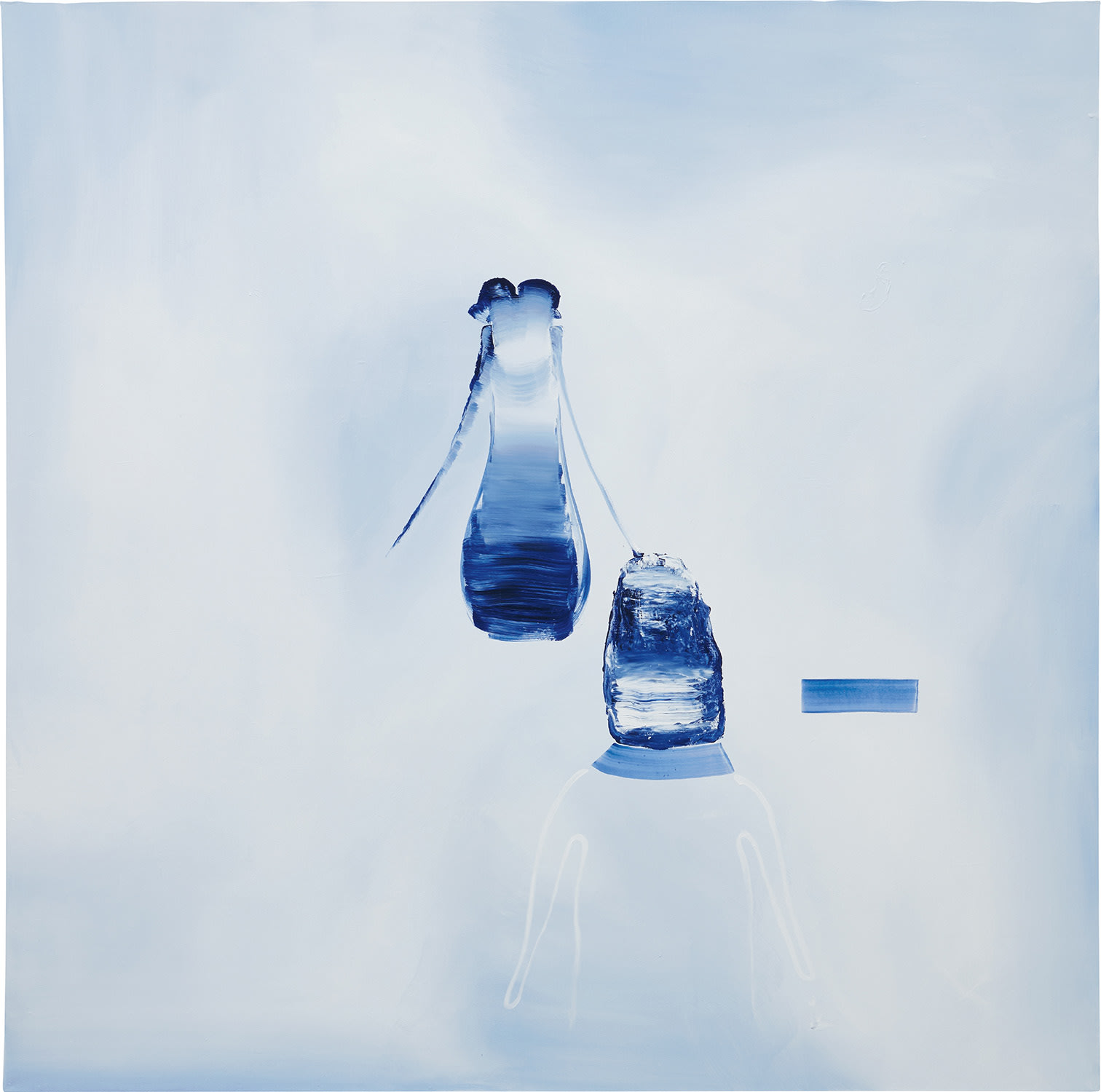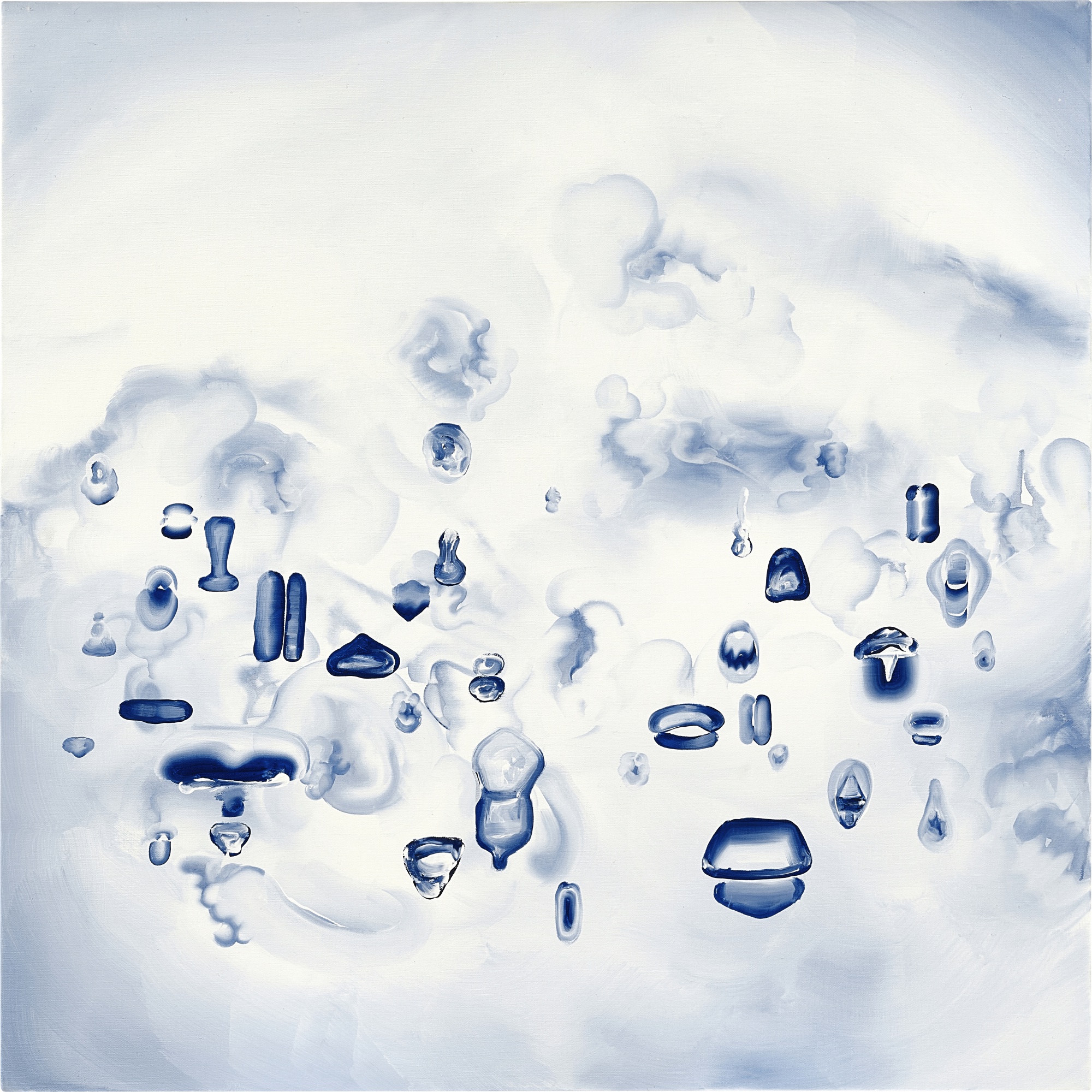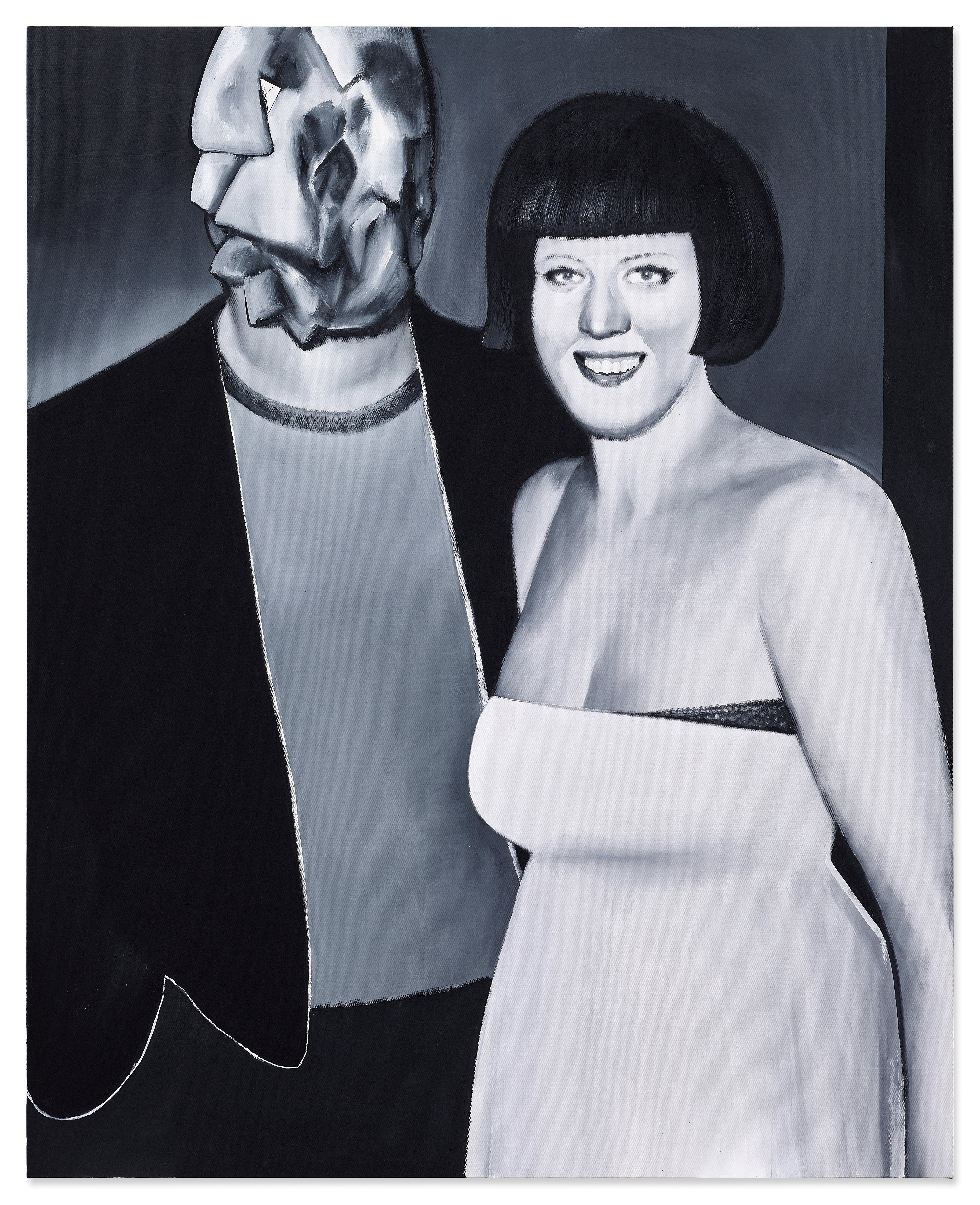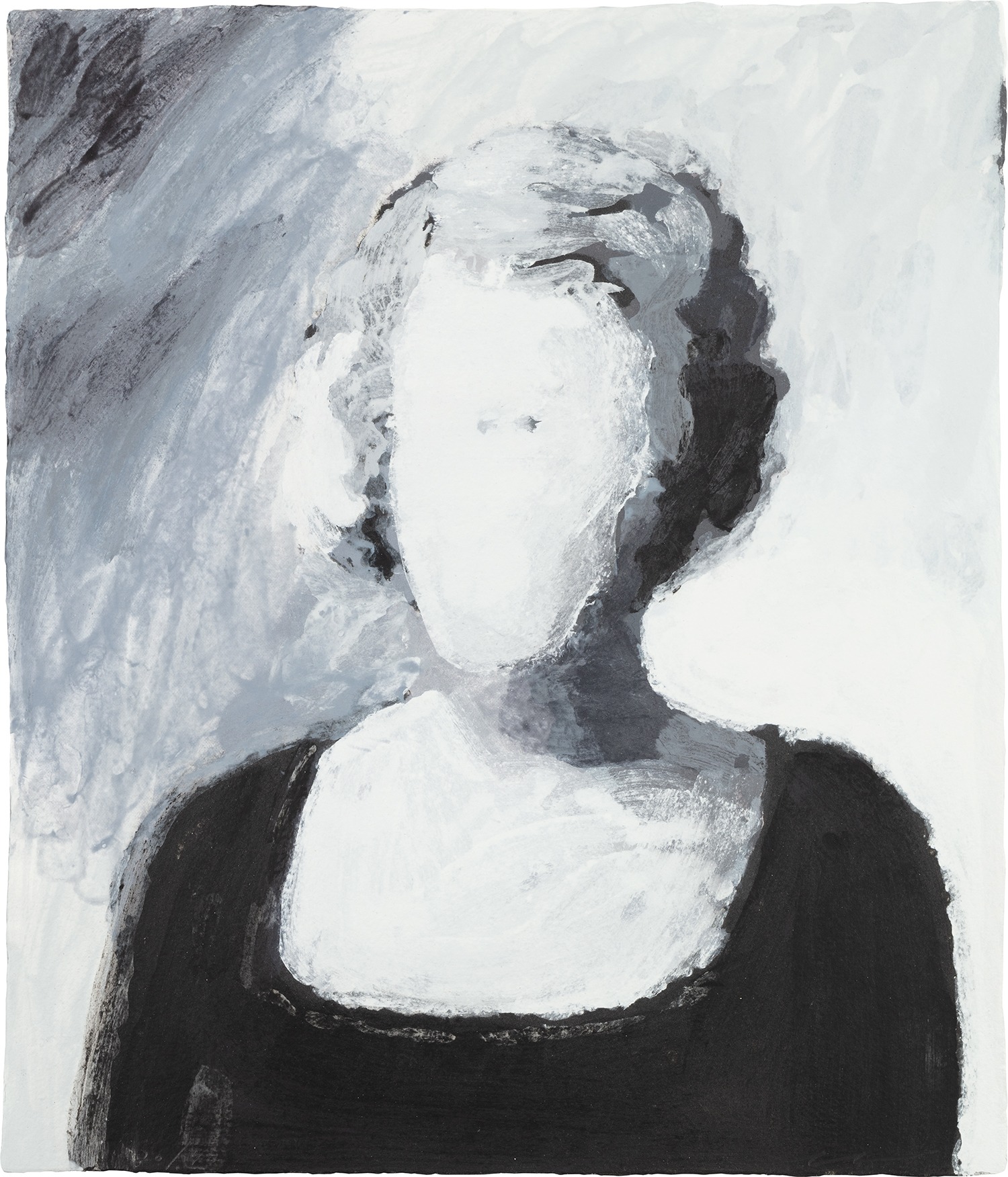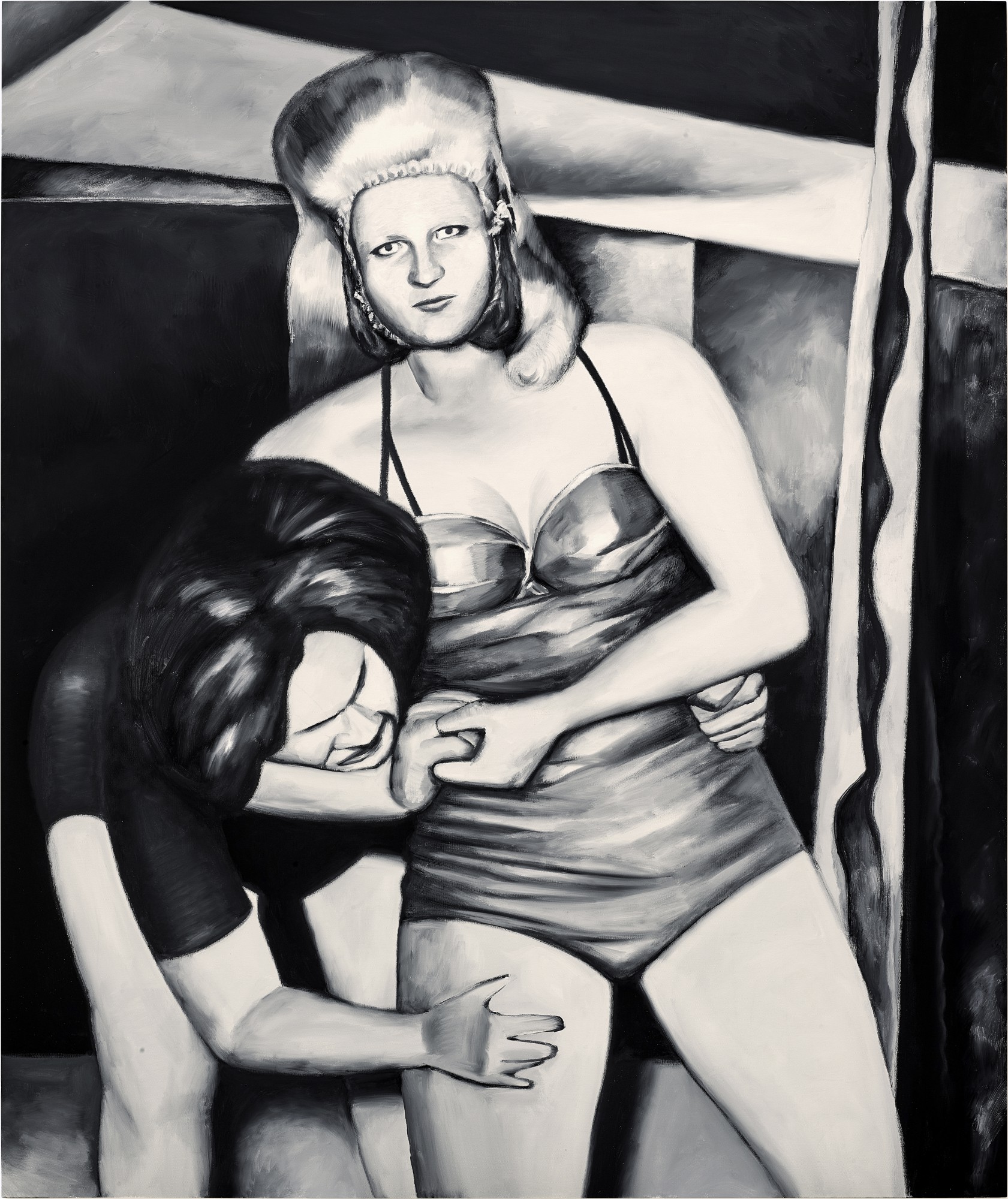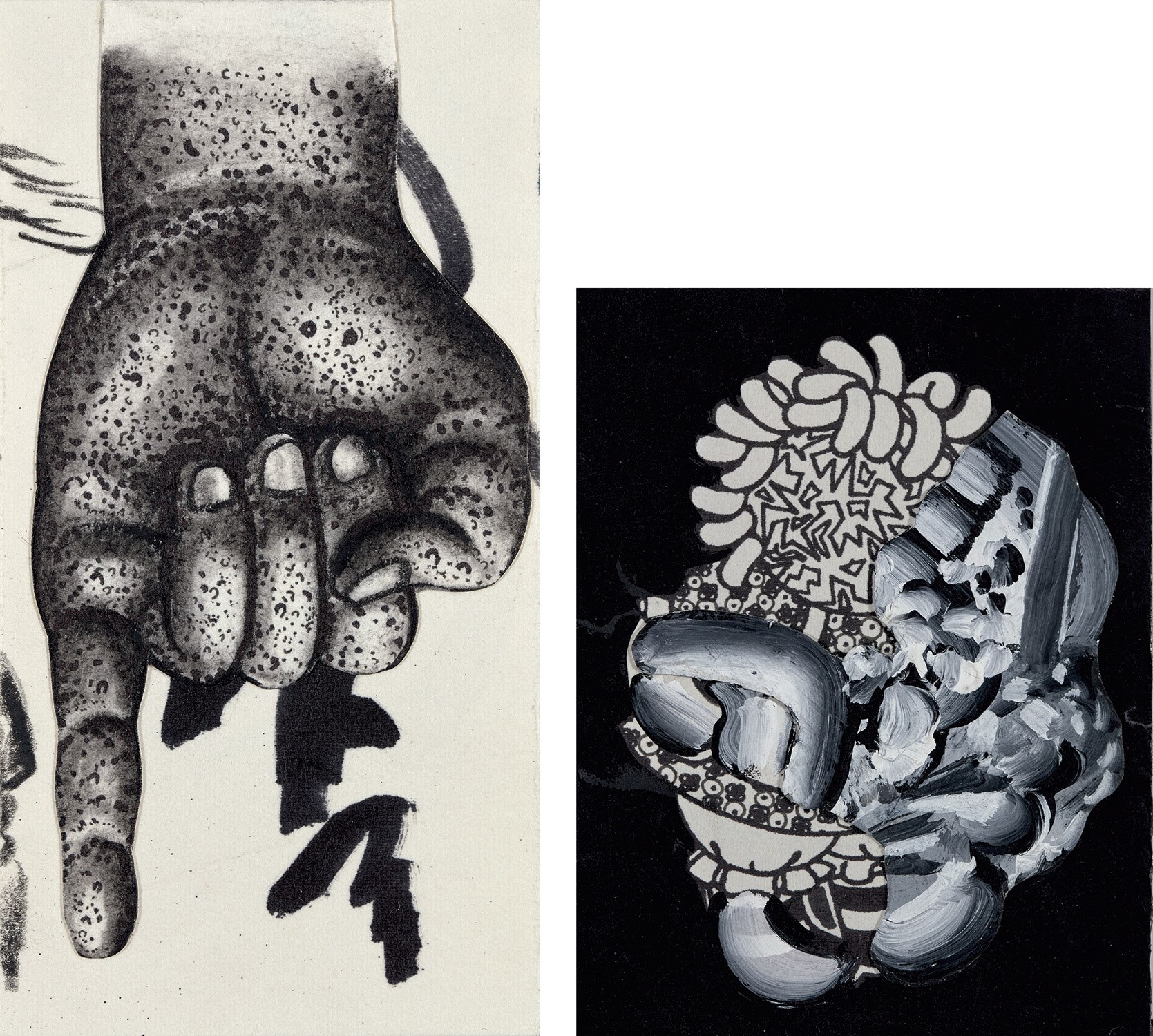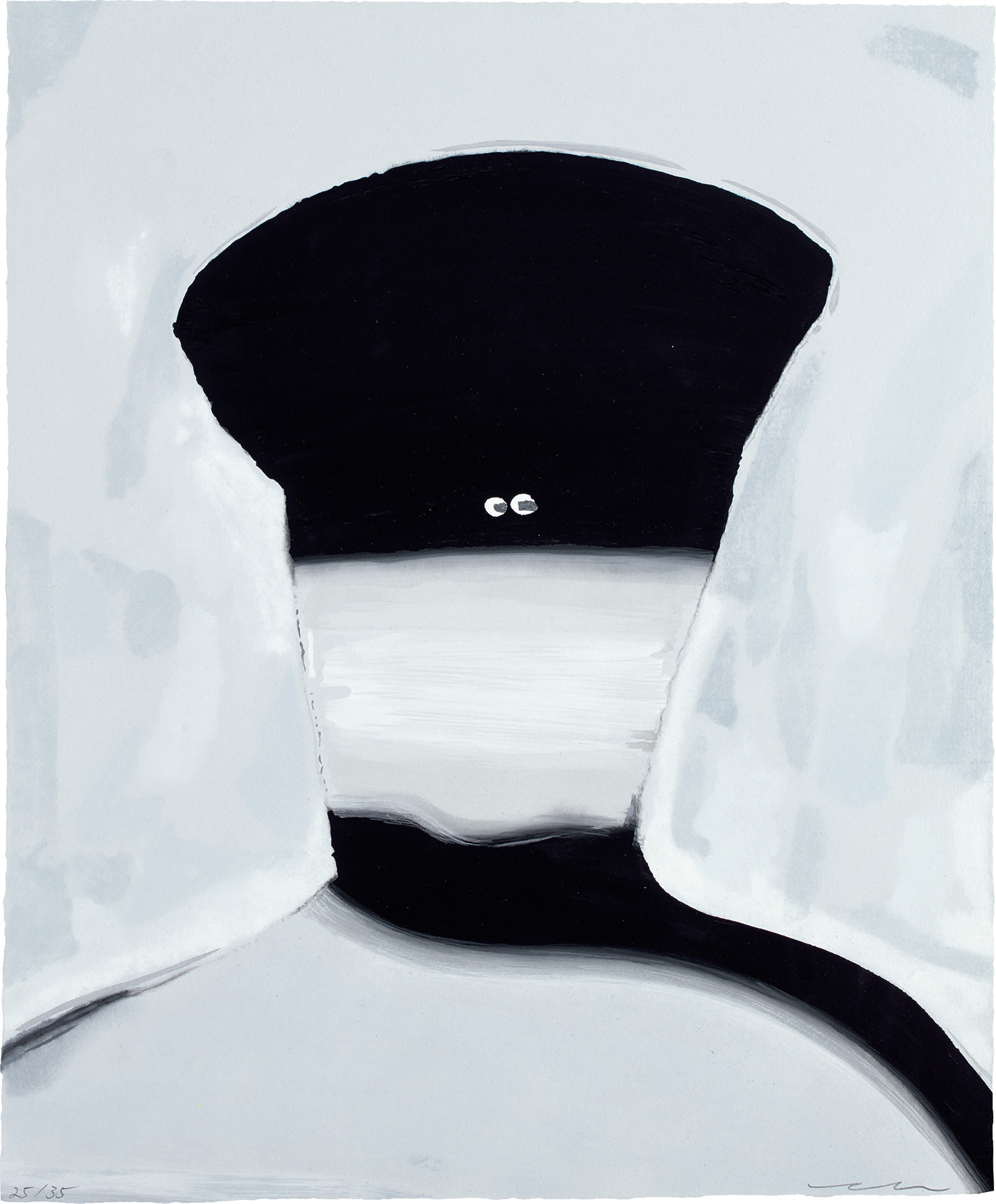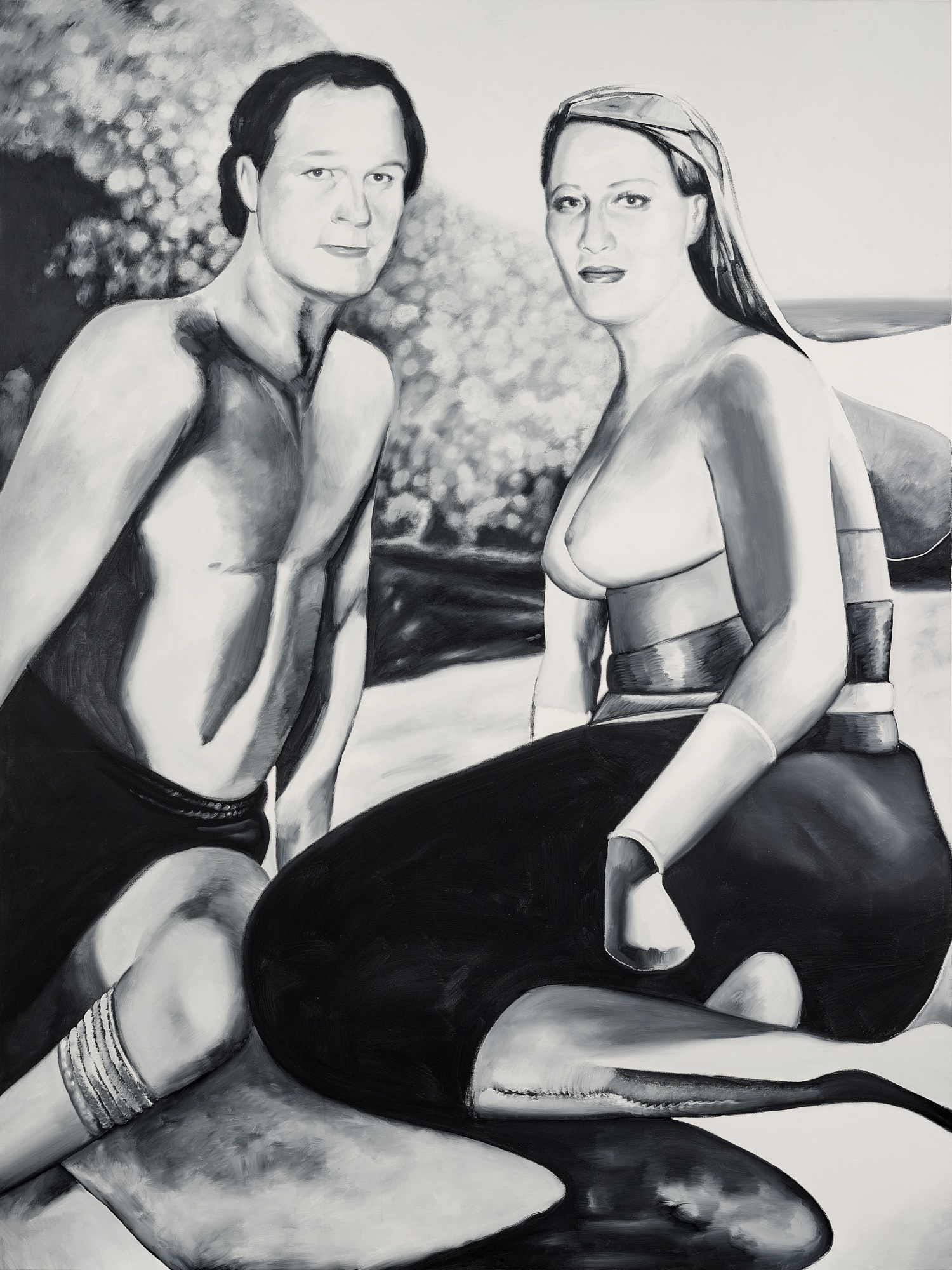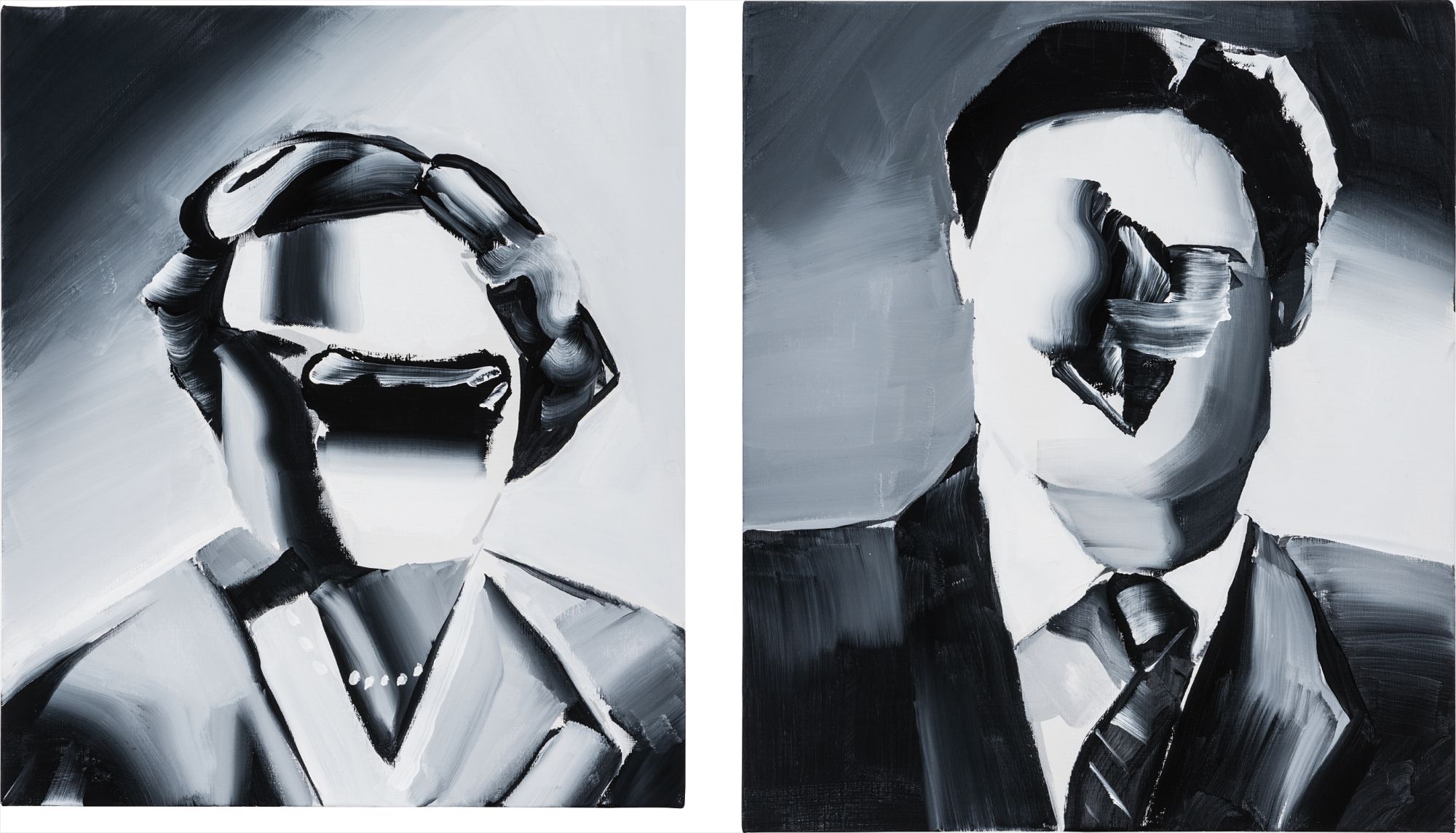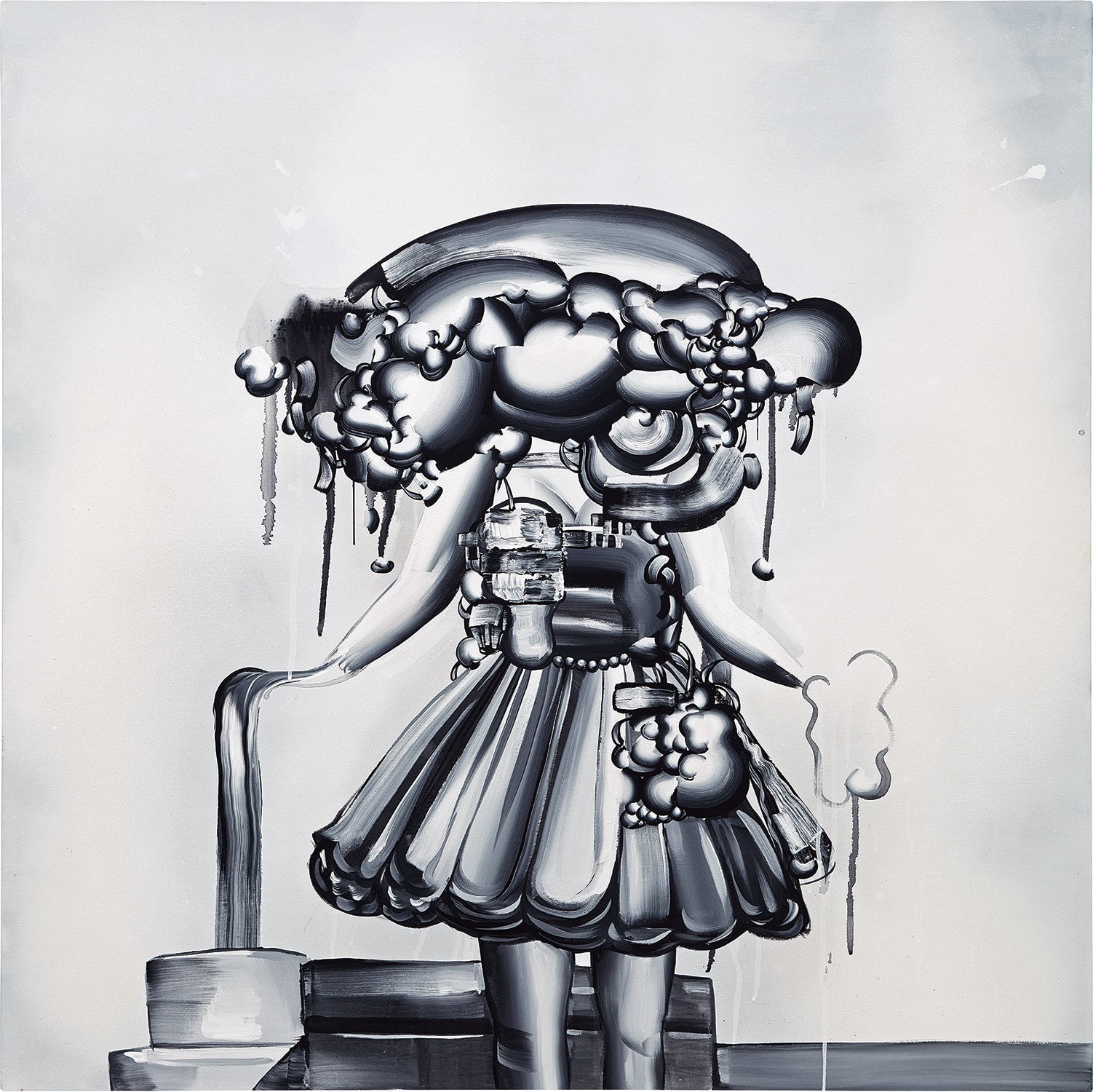
In the quietly feverish world of contemporary Japanese painting, Tomoo Gokita occupies a position that few artists manage to secure: genuinely beloved by both the critical establishment and a passionate global collector base. His most recent years have seen sustained institutional and commercial momentum, with exhibitions at galleries including James Cohan in New York and Blum and Poe in Los Angeles and Tokyo cementing his reputation as one of the most compelling figurative painters working anywhere in the world today. Auction results at major houses have confirmed what devoted collectors have long known, that Gokita's canvases carry a rare combination of visual immediacy and lingering psychological depth that rewards returning to them again and again. Gokita was born in Tokyo in 1969, coming of age in a city that was absorbing enormous quantities of American popular culture while simultaneously nurturing its own rich traditions of graphic art, illustration, and design. The Japan of his formative years was saturated with pulp magazines, film noir paperbacks, advertising imagery, and the particular visual texture of mid century print media, all of which would become foundational to his artistic sensibility. Where many of his peers looked forward to digital aesthetics, Gokita looked sideways and backward, finding in vintage photography and printed ephemera a visual language charged with ambiguity and unresolved longing. His artistic formation drew on the fertile crosscurrents of Tokyo's independent illustration and design scenes before his practice migrated decisively toward fine art painting. The transition was neither abrupt nor programmatic but felt instead like a natural deepening, a movement from the communicative directness of commercial image making toward something more interior and resistant. Gokita began working almost exclusively in gouache, a medium that rewards both precision and speed, and whose chalky, light absorbing surface gives his canvases their distinctive matte quietude. The choice of gouache over oil paint is not merely technical but philosophical, producing images that feel simultaneously intimate and withheld. The signature move that defines Gokita's mature practice is the obscured or abstracted face. Across canvas after canvas, figures drawn from vintage source material, performers, housewives, delinquents, musicians, anonymous bodies from mid century mass media, appear with their features dissolved, smeared, replaced by gestural marks or simply left as blank fields of gray or white. This erasure is never violent or punishing in feeling. Instead it opens the figures outward, freeing them from the specificity of individual identity and allowing the viewer to inhabit the image more fully. The effect is both uncanny and strangely tender, a quality that distinguishes Gokita from artists working in superficially similar territory. Among his most discussed works, several stand as benchmarks of what his practice can achieve. "Sitcom" from 2009 captures the eerie cheerfulness of mid century domestic television culture with the faces of its figures rendered into soft blankness, transforming familiar visual comfort into something more open and questioning. "Delinquent Girl" from 2015, executed in acrylic gouache on linen, presents a figure poised between threat and vulnerability, the monochromatic palette stripping away any period glamour to reveal something timeless and slightly unstable. "Shoplifting" from 2010 and "Jumpy Jitters" from 2008 demonstrate his ability to find genuine visual comedy and pathos within the same compositional gesture. Earlier works such as "Pianist for All His Life" from 2000 show the continuity of his concerns across more than two decades of sustained production. For collectors, Gokita's work presents an unusually coherent and rewarding body of material. The works on linen and canvas command the most serious attention, but his prints, including editions published by Pace Prints in New York such as the signed and numbered "Housewife" edition, offer an accessible entry point into a practice that has appreciated steadily and thoughtfully. What collectors consistently note is the way his works behave differently depending on the light and the time of day, the gouache surface absorbing and reflecting ambient conditions in ways that oil or acrylic cannot replicate. There is also a refreshing consistency of vision across his career that makes collecting in depth particularly satisfying, each work reinforcing and complicating the others. Within the broader landscape of contemporary painting, Gokita occupies a distinctive position that connects several lineages without being wholly absorbed by any of them. His interest in mass cultural imagery and appropriation places him in conversation with the Pop tradition, while his psychological intensity and surrealist dislocations align him with artists working in what has come to be called Pop Surrealism. His monochromatic discipline and graphic economy recall the rigors of mid century American illustration while his sensibility remains unmistakably rooted in Japanese visual culture. Artists such as Yoshitomo Nara, whose work similarly navigates the intersection of innocence and unease, and international painters drawn to the uncanny possibilities of figurative work, provide useful comparative context without quite capturing what makes Gokita singular. What ultimately secures Gokita's importance is the quality of genuine feeling that persists through even his most stylized and formally controlled work. The figures in his paintings are anonymous but not cold, removed but not absent. They carry the weight of lives implied rather than stated, desires and anxieties held just below the matte gray surface of the paint. In an era when so much painting announces its intentions loudly, Gokita's work maintains a productive and inviting silence that draws viewers back repeatedly. His sustained commitment to a practice built on restraint, on what is withheld as much as what is shown, feels increasingly rare and increasingly vital. For collectors building a serious engagement with contemporary Japanese art, or indeed with the most compelling figurative painting of our moment, Tomoo Gokita is not a name to overlook.