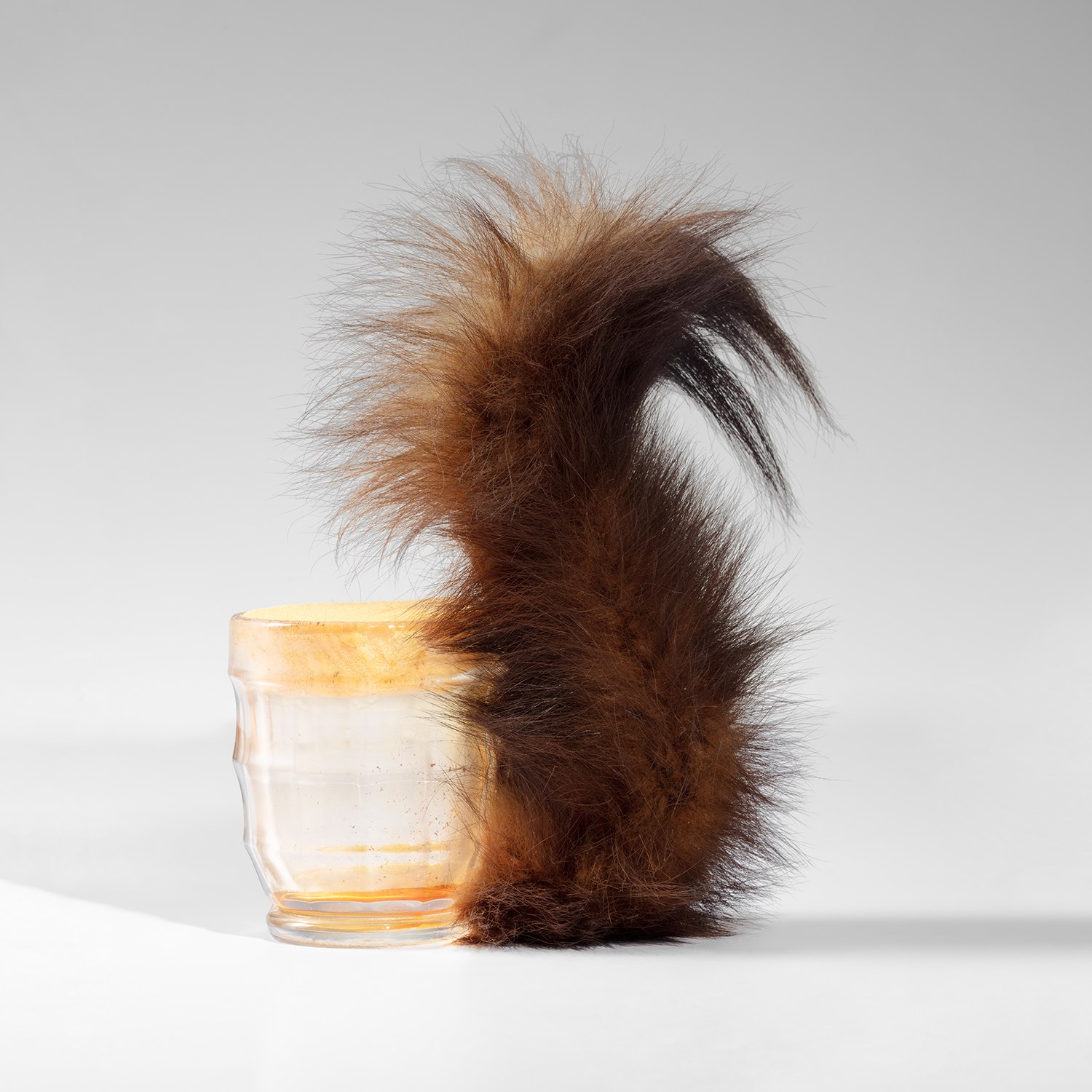
Photolithograph
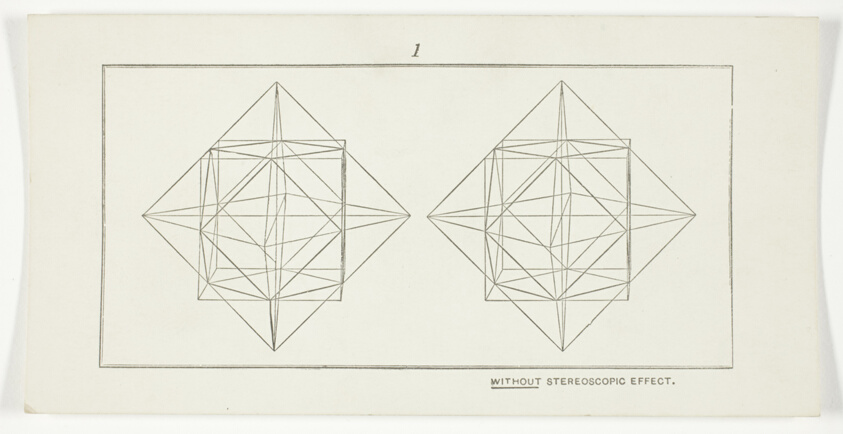
Artist unknown
Without Stereoscopic Effect 1, 1875
The Ink That Thinks: Photolithography Unbound
There is a moment in the making of a photolithograph when chemistry and intention become inseparable, when light fixes an image onto stone or plate and the boundary between photography and printmaking dissolves entirely. This is not a medium that asks you to choose sides. It sits in the productive tension between mechanical reproduction and the handmade, between the indexical truth of the photograph and the interpretive generosity of the print. That tension has made it one of the most intellectually restless mediums in the history of art, capable of documentary clarity one decade and surrealist provocation the next.
The origins of photolithography trace to the early nineteenth century, when Alois Senefelder's invention of lithography in 1796 set the stage for a revolution in image reproduction. Within decades, experimenters were combining Senefelder's principle, that grease and water repel each other on a flat stone surface, with the light sensitivity of silver compounds. By the 1850s, figures like Hercules Florence and Alphonse Poitevin were developing photolithographic processes that could transfer a photographic image directly to a lithographic surface for printing. The medium arrived not as fine art but as industrial utility, a way to reproduce maps, documents, and illustrations at scale.
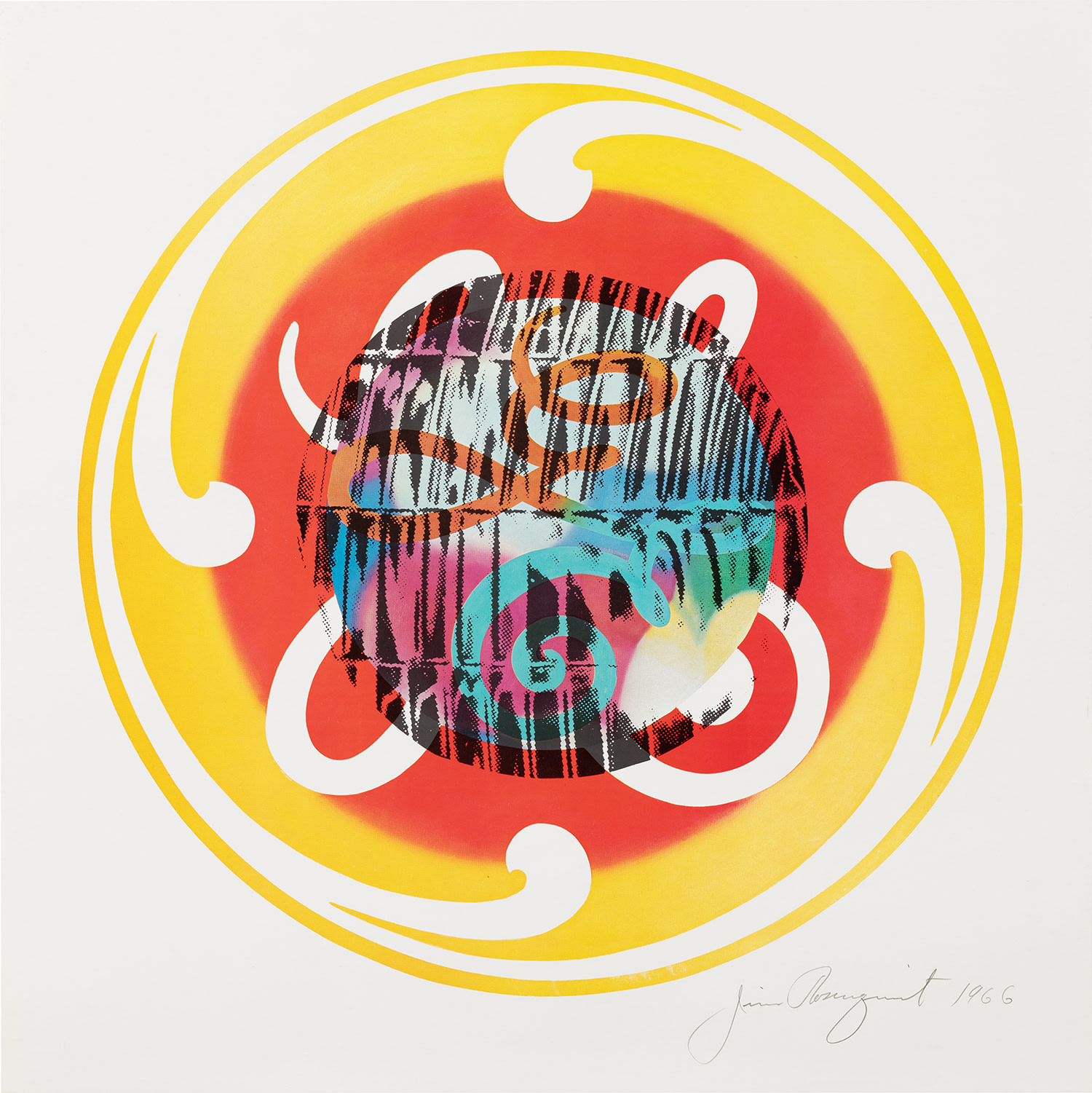
James Rosenquist
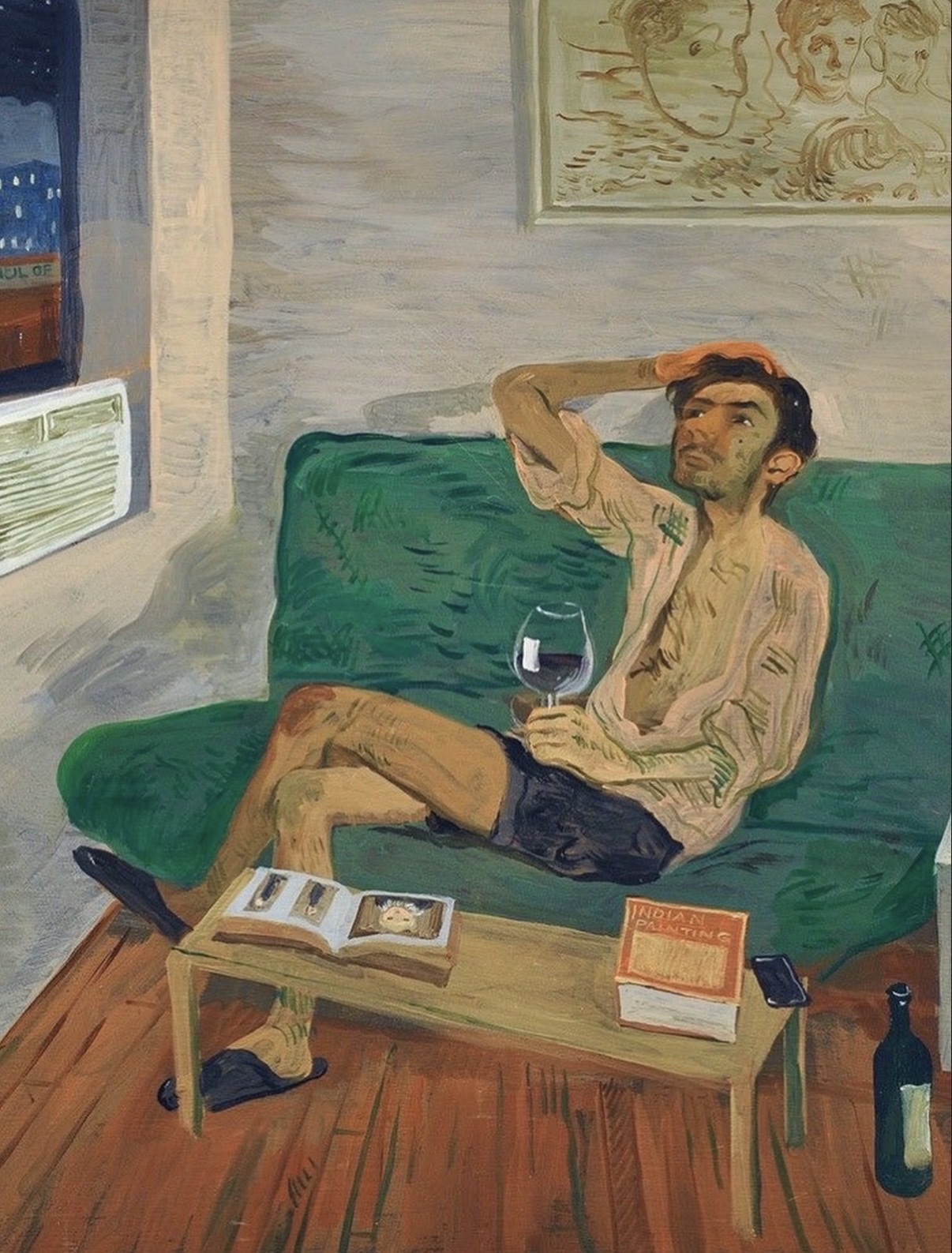
Circles of Confusion & Lite Bulb
Its ascent into the gallery would take another century. The pivot came, as so many pivots in twentieth century art did, through the convergence of pop sensibility and mechanical reproduction. When Andy Warhol began pulling silkscreens in the early 1960s, he reframed the question of what a print could mean culturally. Photolithography followed a similar trajectory, finding its conceptual footing in an era that was obsessed with mass media, advertising, and the status of the photographic image.
Artists realized that photolithography was not simply a way to copy a photograph but a way to interrogate it, to slow it down, to make visible the grain and artifice embedded in every reproduced image. The medium became a critical tool at precisely the moment criticism was most needed. Robert Heinecken, one of the most singular and underappreciated figures in American photography, understood this almost intuitively. Working from Los Angeles and eventually Chicago, Heinecken treated the photographic image as raw material rather than sacred document.
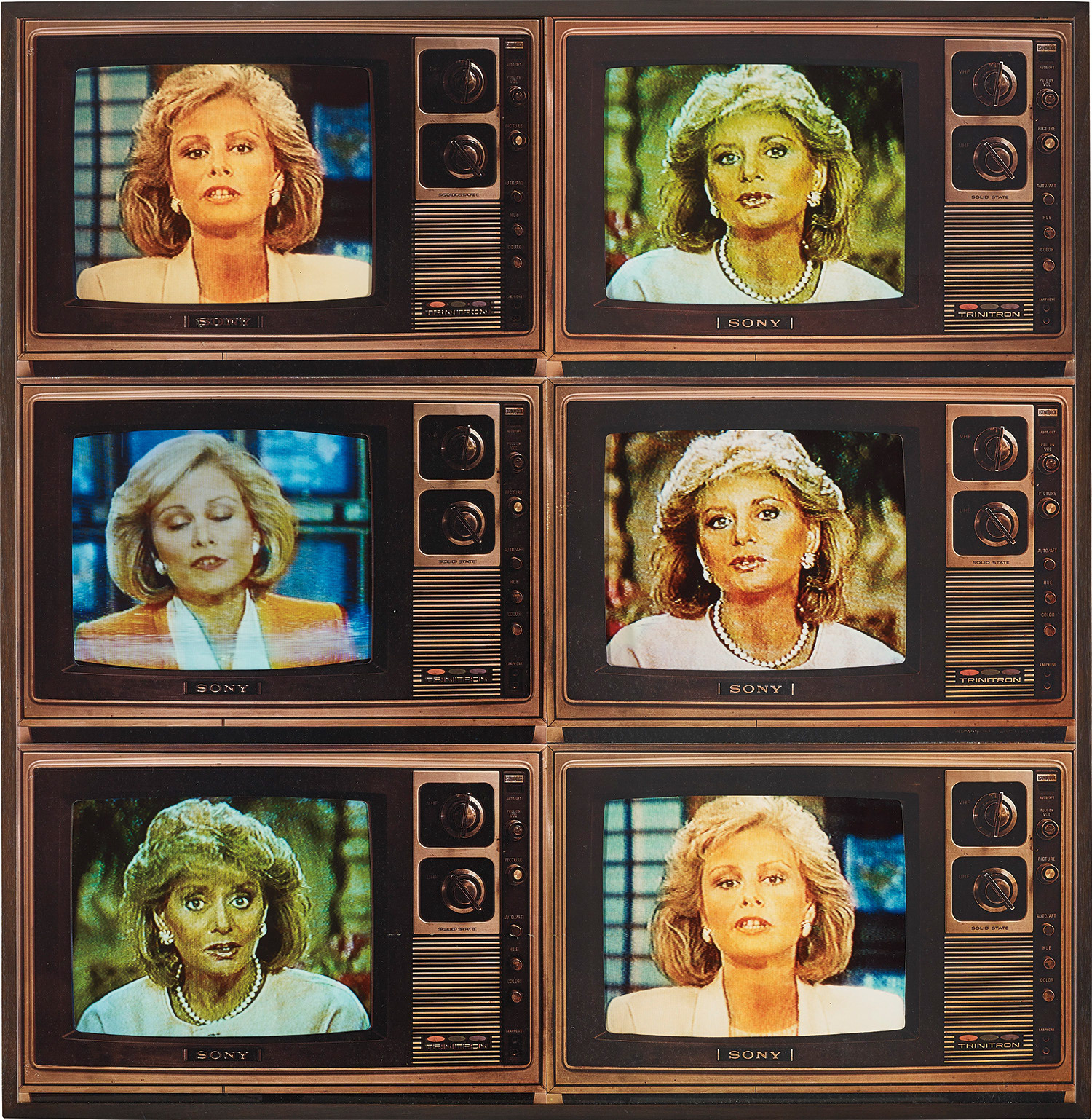
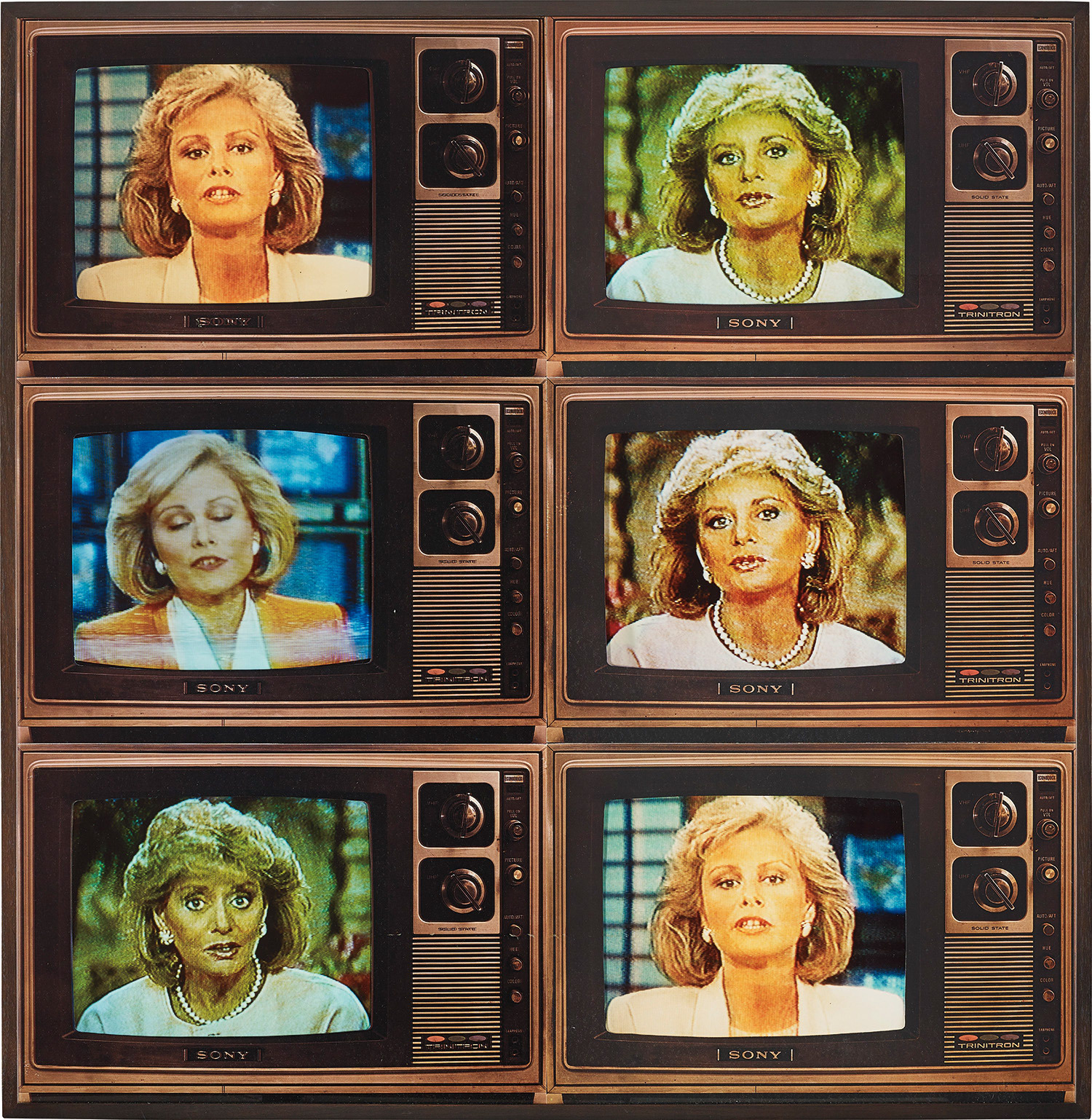
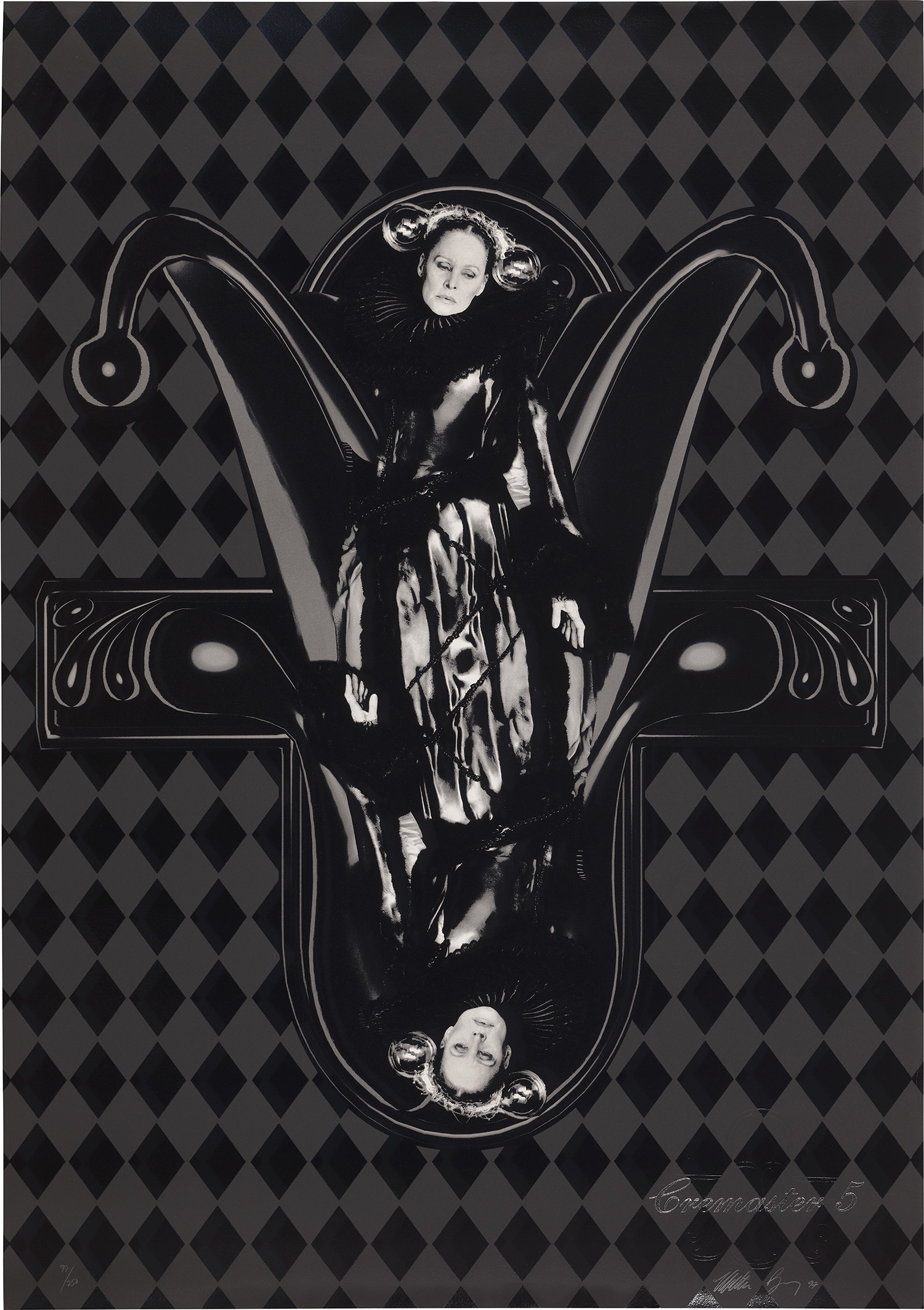
Robert Heinecken
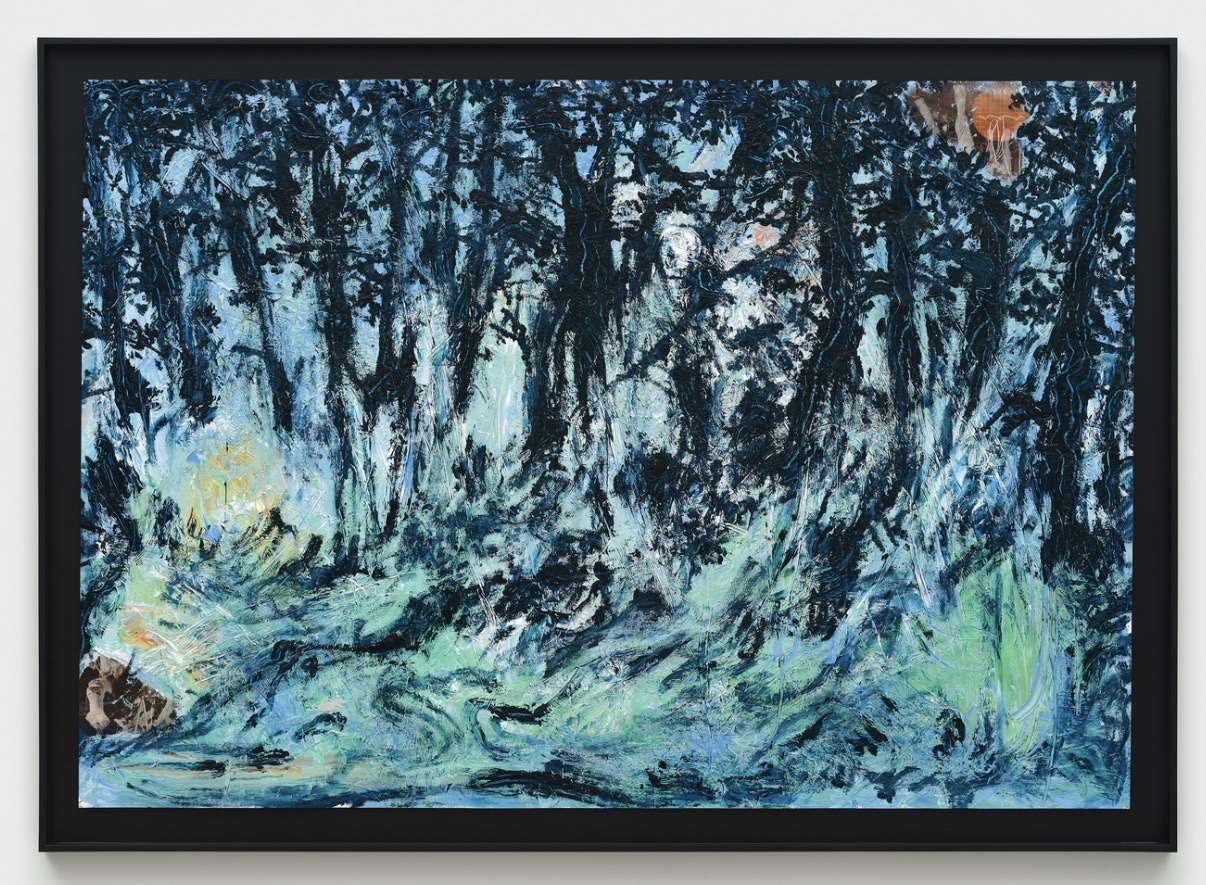
T.V. Network Newswomen Corresponding (Barbara Walters and Faith Daniels)
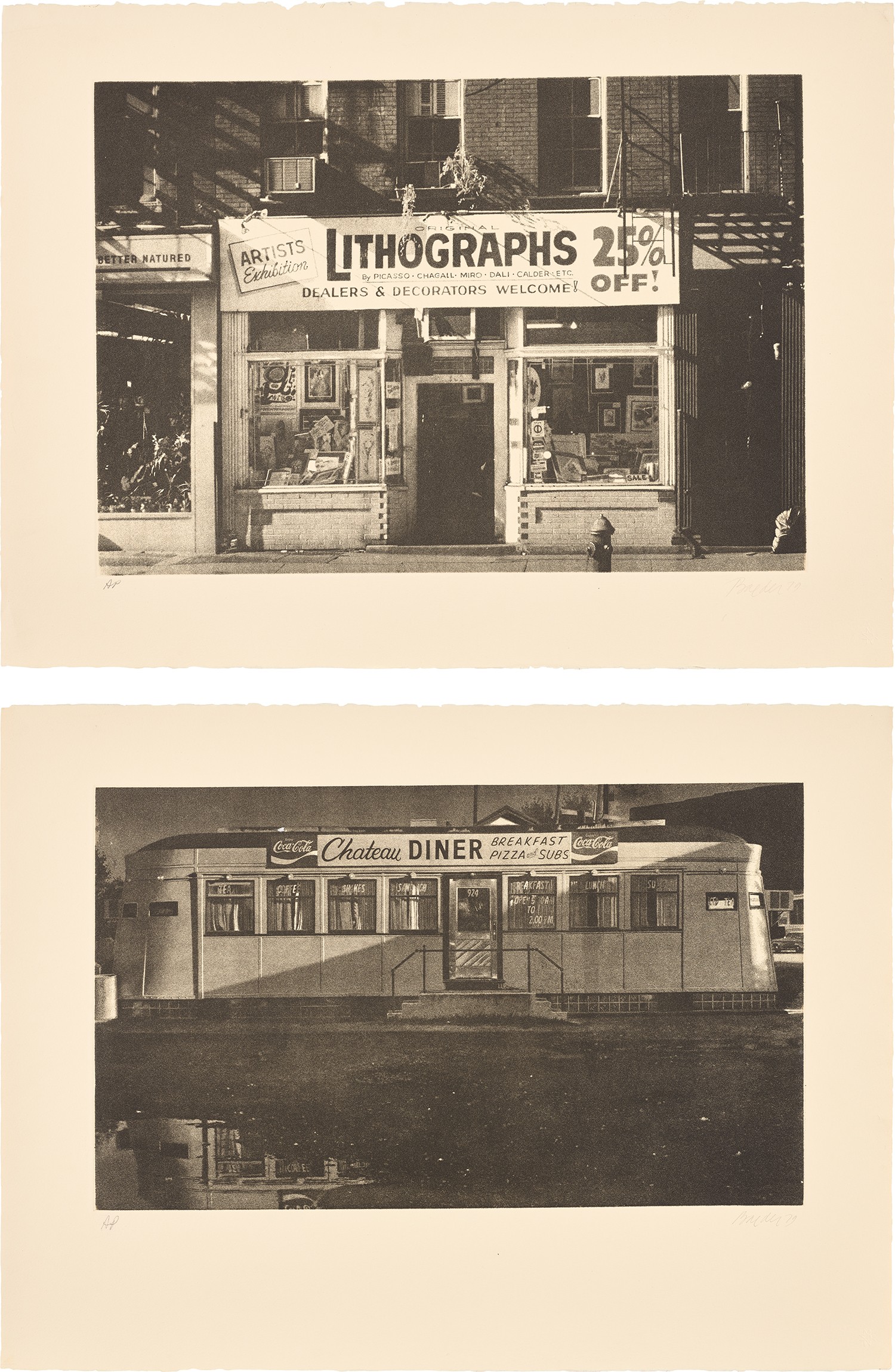
His work from the 1960s and 1970s, much of it produced through photolithographic and related offset processes, exposed the manipulative logic of advertising and mass media imagery by cannibalizing it. He called himself a paraphotographer, and photolithography gave him the distance from the original image that he needed to make his point. His work on The Collection reflects a practice rooted in skepticism toward the image and delight in its subversion. James Rosenquist arrived at similar territory from the direction of painting, his billboard scale canvases already treating commercial imagery with a kind of forensic detachment.
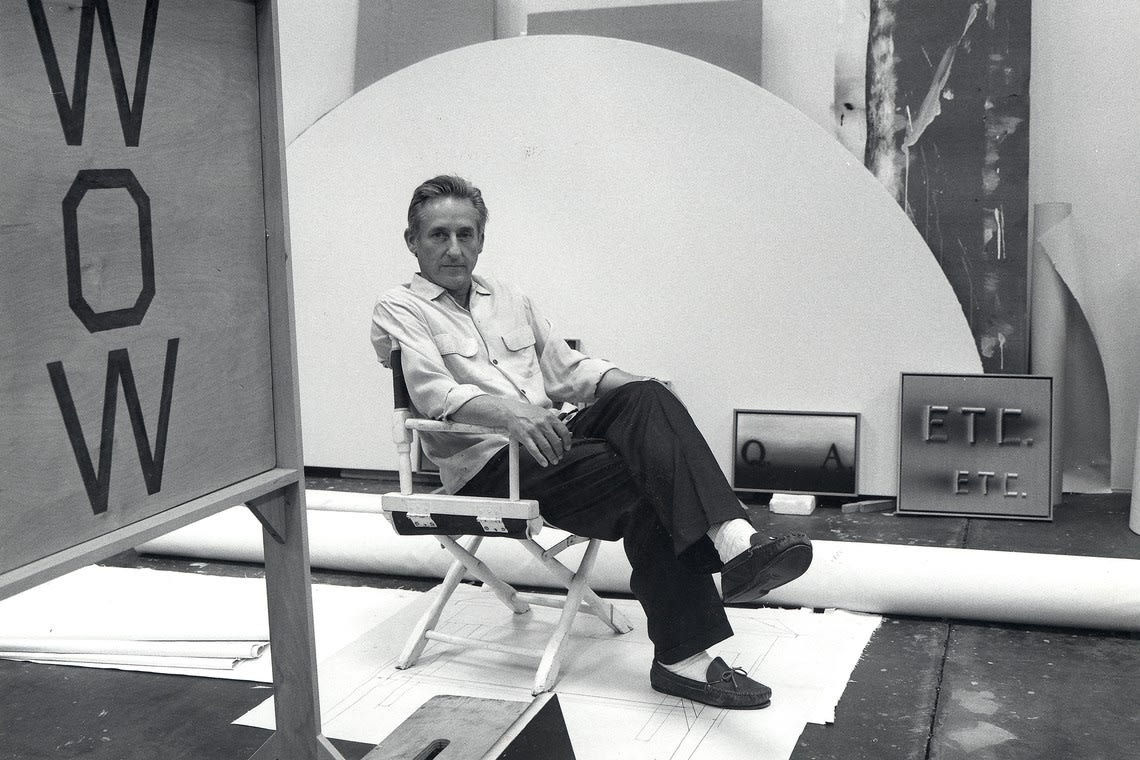
His printmaking practice extended this sensibility into photolithography, where the interplay between photographic source material and the hand of the artist could produce something genuinely uncanny. Ed Ruscha, a figure whose entire career might be read as a meditation on the relationship between language, image, and reproduction, also worked in photolithographic and offset processes that suited his deadpan approach to the vernacular. Ruscha's prints, like his artist books, use the conventions of mass reproduction to make strangeness feel ordinary and the ordinary feel profound. The surrealists had anticipated some of this by decades.
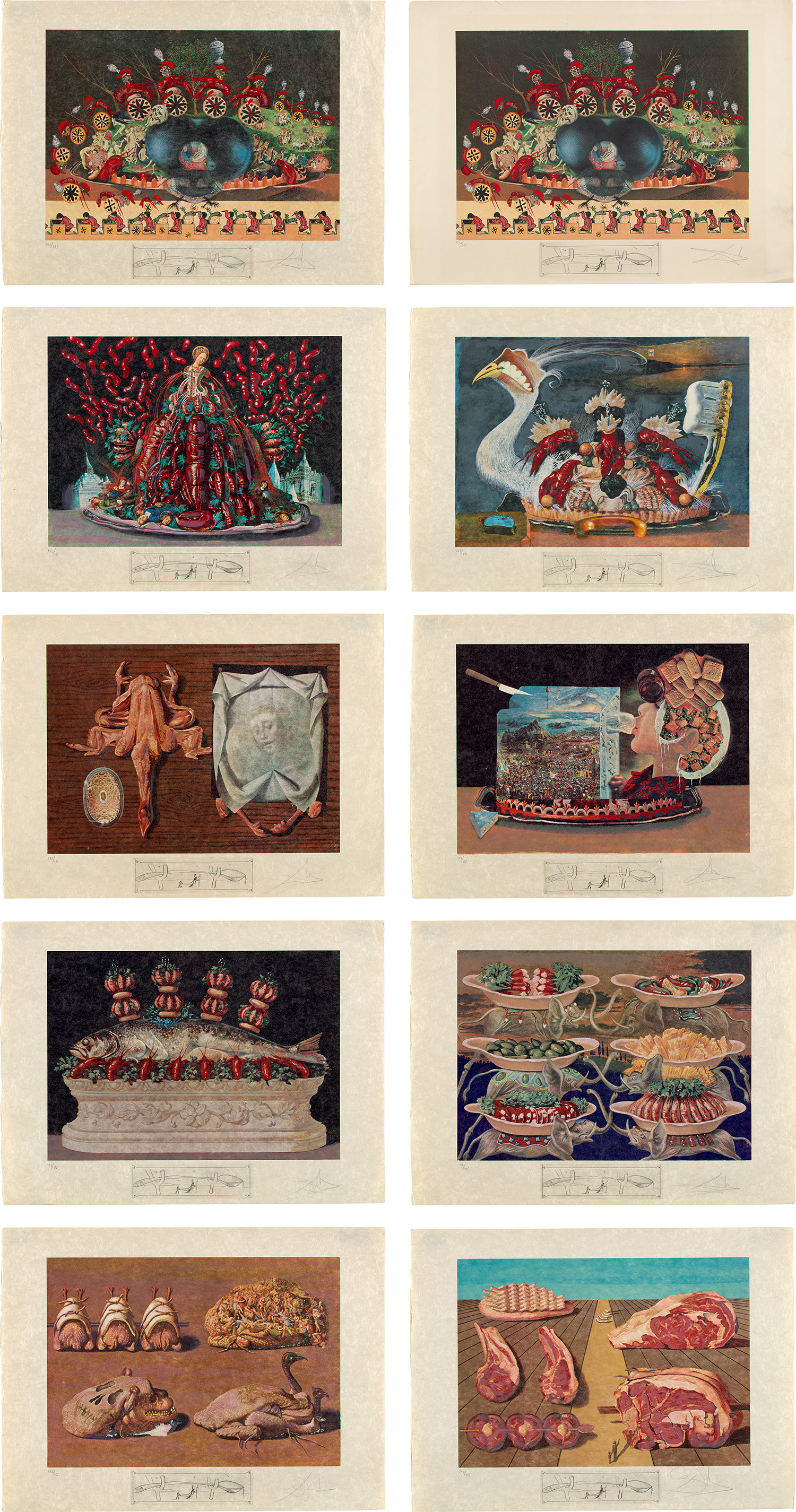
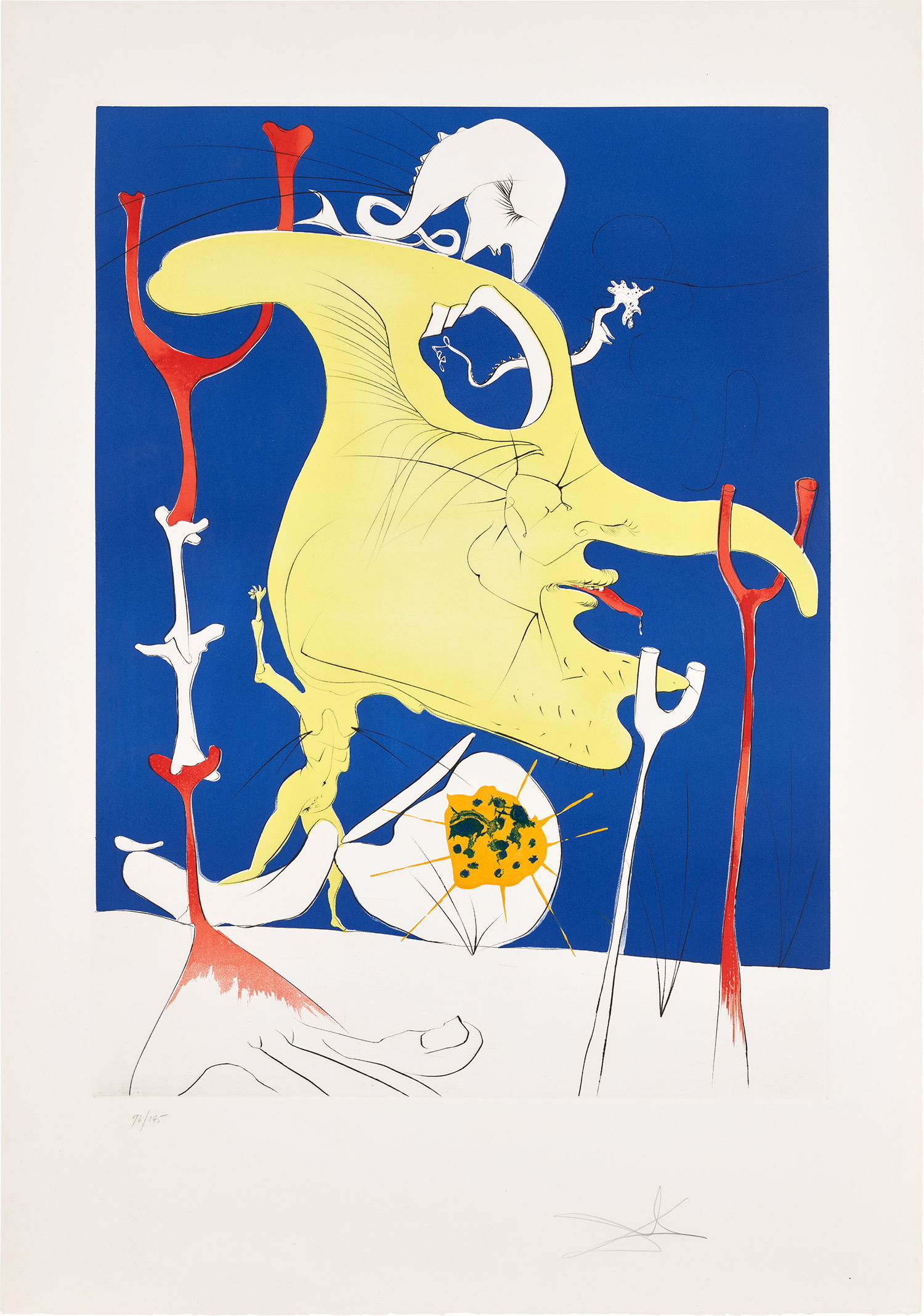
Salvador Dalí
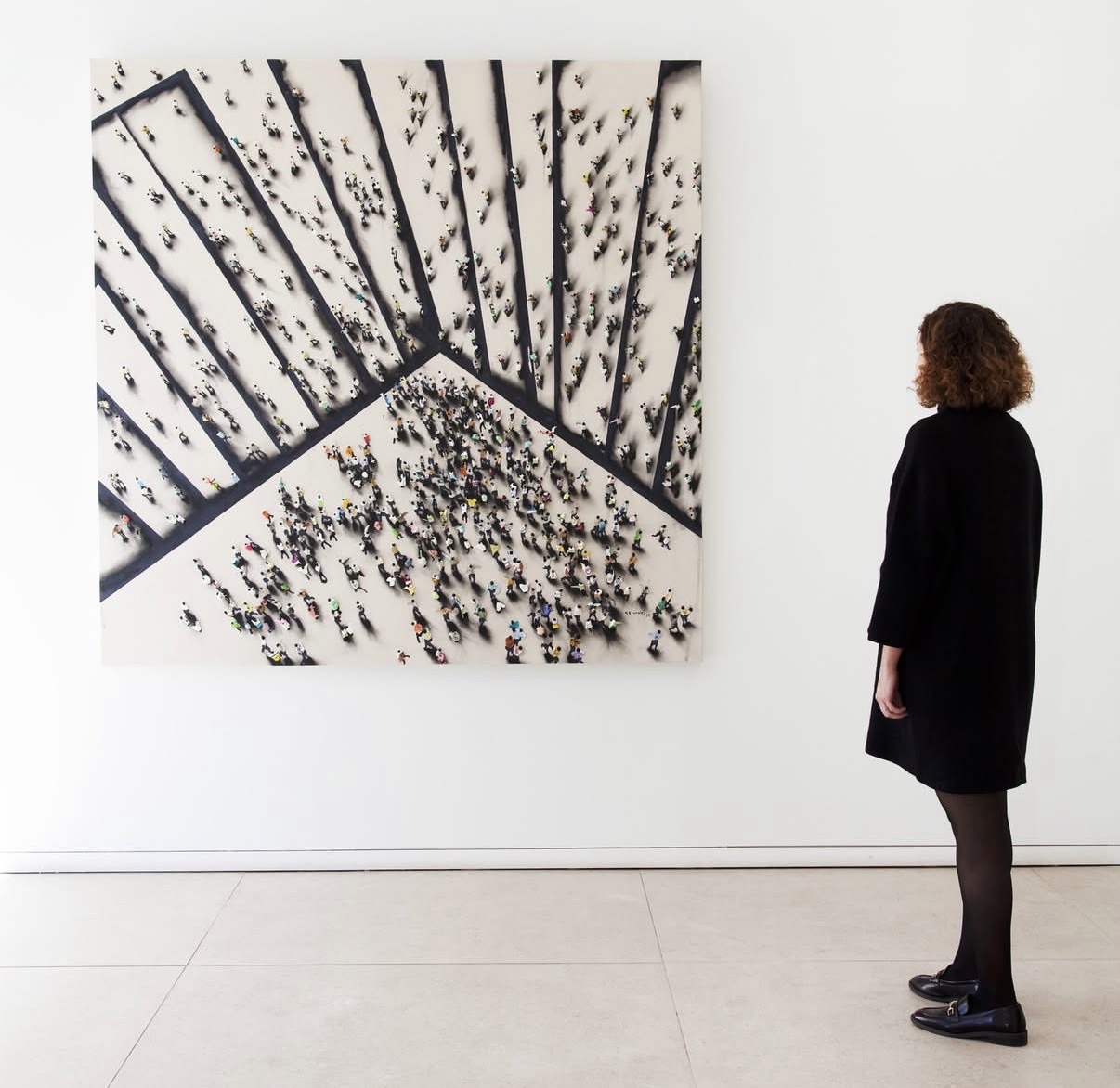
Les Dîners de Gala (Gala's Dinners): 10 plates
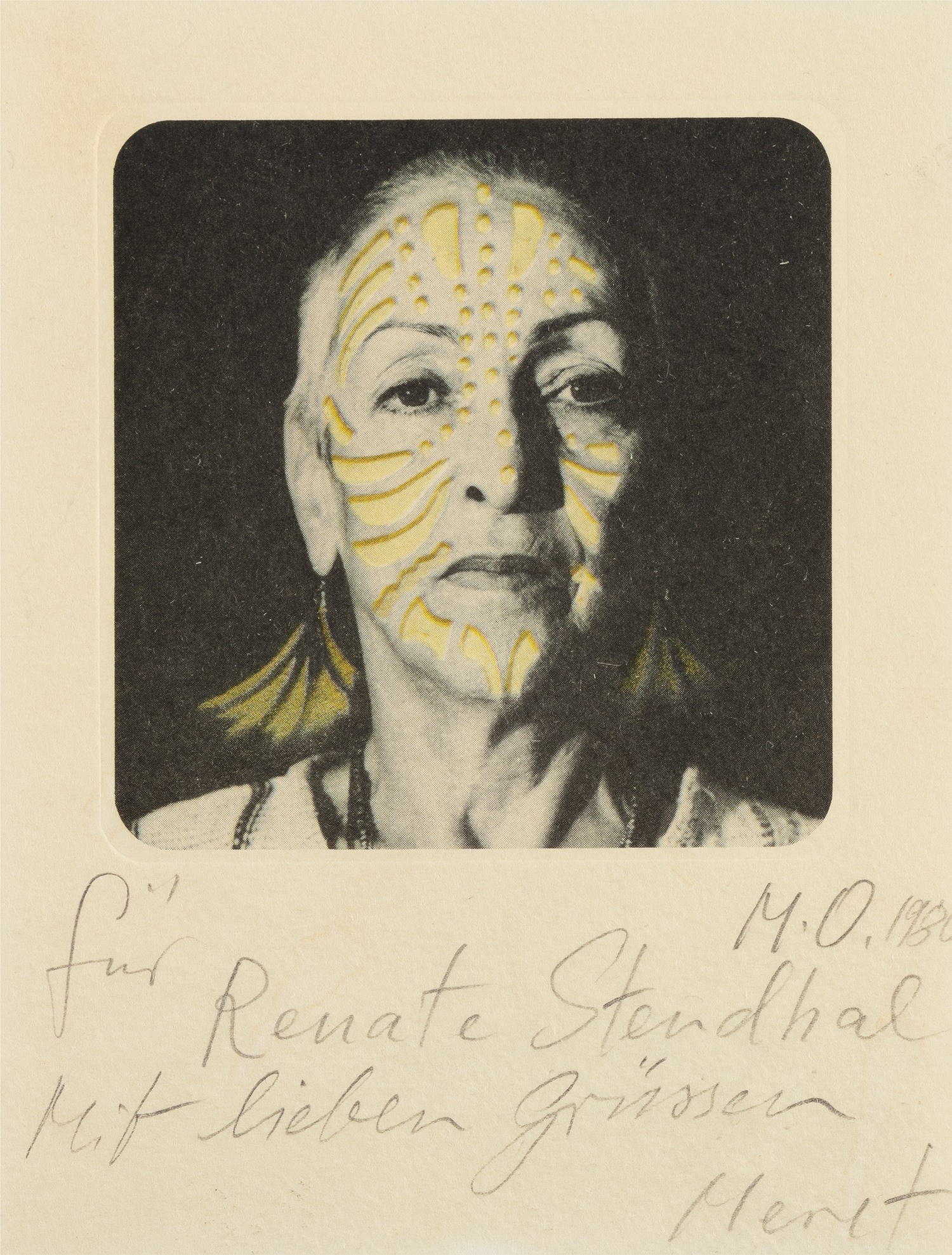
Salvador Dalí, whose presence on The Collection reminds us how fully he embraced print media as an extension of his image making, understood that reproduction could amplify the uncanny rather than diminish it. Meret Oppenheim, that rigorously independent spirit who resisted easy categorization across six decades of work, similarly engaged with processes that sat at the edge of the handmade and the reproduced. Both artists recognized that the printed image carried its own kind of dream logic, multiplied and distributed, appearing in contexts no painter could anticipate or control. Technically, what distinguishes photolithography from other photo based printmaking processes is its reliance on the planographic principle.
Unlike etching or woodcut, there is no relief or intaglio structure. The image area and the non image area exist on the same flat plane, held apart by chemical antagonism rather than physical difference. In fine art photolithography, the artist or printer coats a stone or aluminum plate with a light sensitive emulsion, exposes it through a photographic positive or negative, then processes the plate so that the exposed areas accept ink and the unexposed areas repel it. The resulting prints can range from delicate halftone fields barely distinguishable from photographs to bold, high contrast images with the graphic authority of a woodcut.
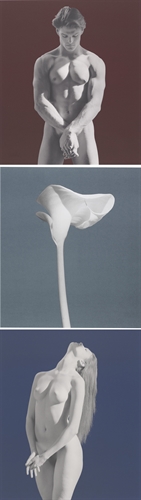
Robert Mapplethorpe
America 3 piece Suite , 1988
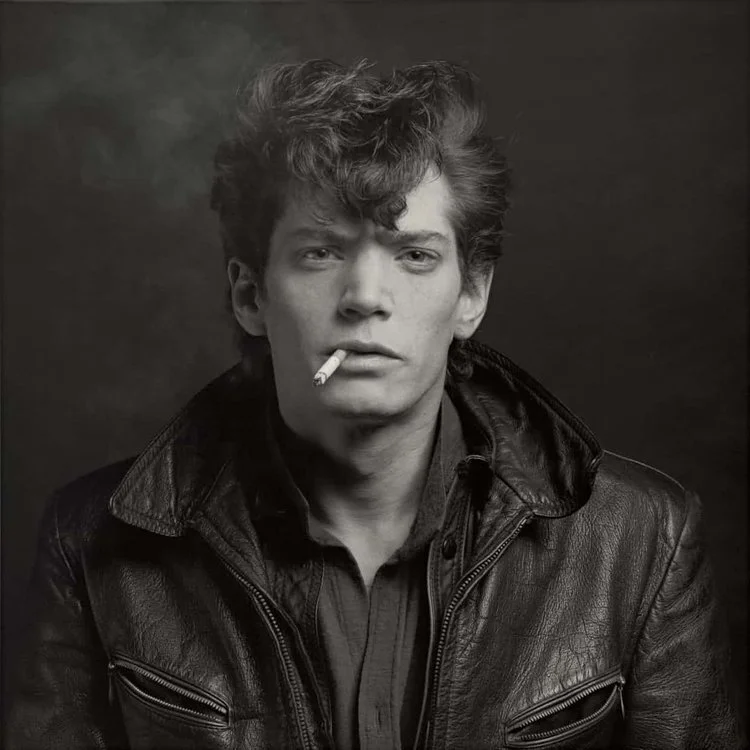
That range of possibility is part of what has kept artists returning to the process. Louise Bourgeois, whose print practice ran parallel to her sculpture and drew on autobiography with the same unflinching intensity, used printmaking processes including photolithography as a kind of private language. Lorna Simpson has worked extensively with photolithographic and photogravure processes that allow her to layer text and image in ways that complicate straightforward reading, asking the viewer to hold multiple meanings simultaneously. Robert Mapplethorpe's photolithographic prints, by contrast, push toward a kind of classical resolution, the photographic image rendered with such tonal precision that the print medium seems almost invisible, a transparent vehicle for the image's formal authority.
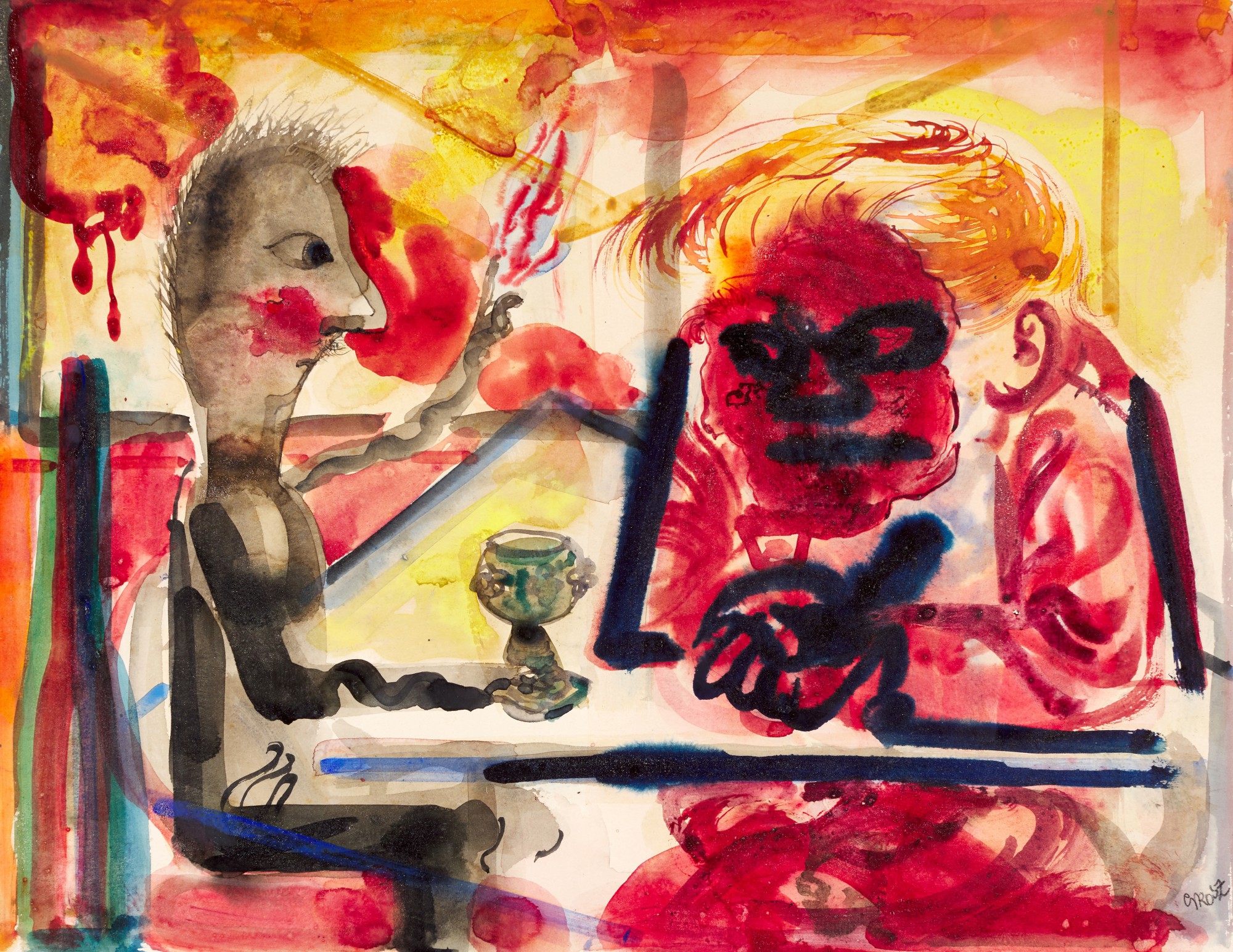
What photolithography offers the collector today is something increasingly rare: a sense of genuine process, of a human decision embedded in a mechanical act. In an era saturated with digital output, the photolithograph carries the weight of chemistry and time. The halftone dot, the slight variance in ink density, the specific quality of light that a stone or plate records differently than a sensor does, all of these are markers of a medium that refuses to pretend the image arrived without effort. The works on The Collection drawn from this tradition, spanning artists from George Grosz's biting Weimar era graphic work to Jeff Koons's slick appropriations of consumer culture, demonstrate how much conceptual range a single process can hold.
The photolithograph is not a relic. It is an argument about what images are and how we trust them.