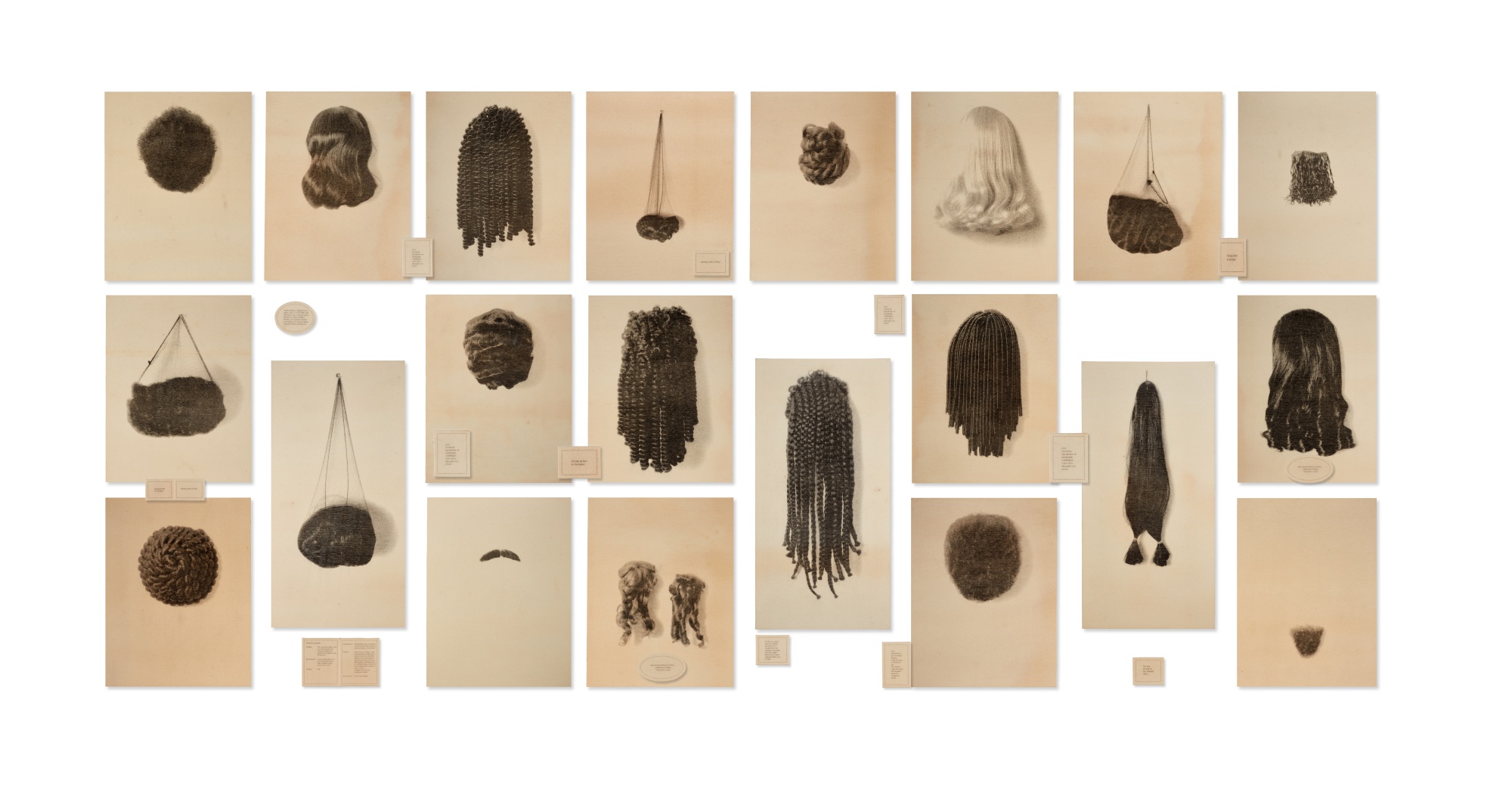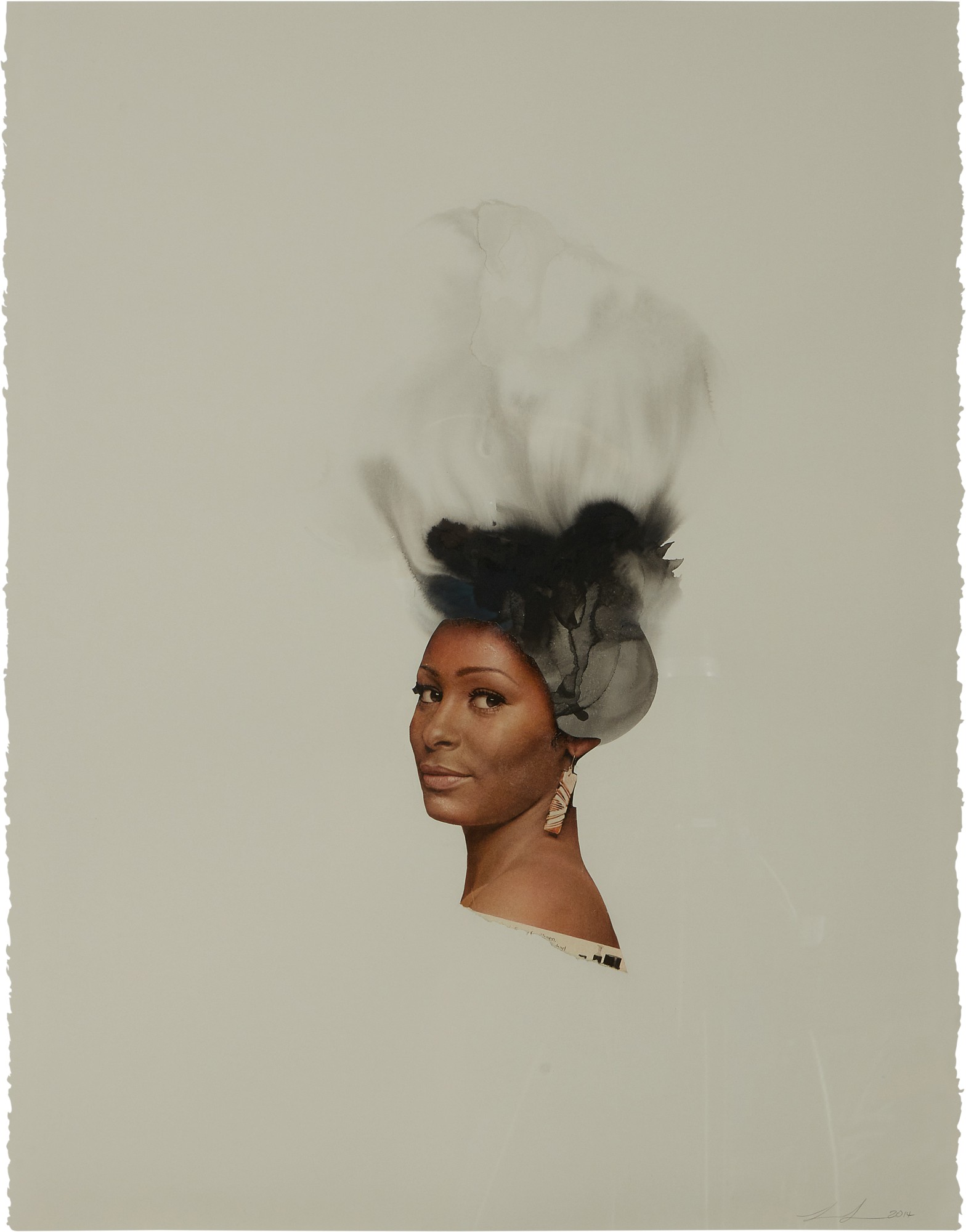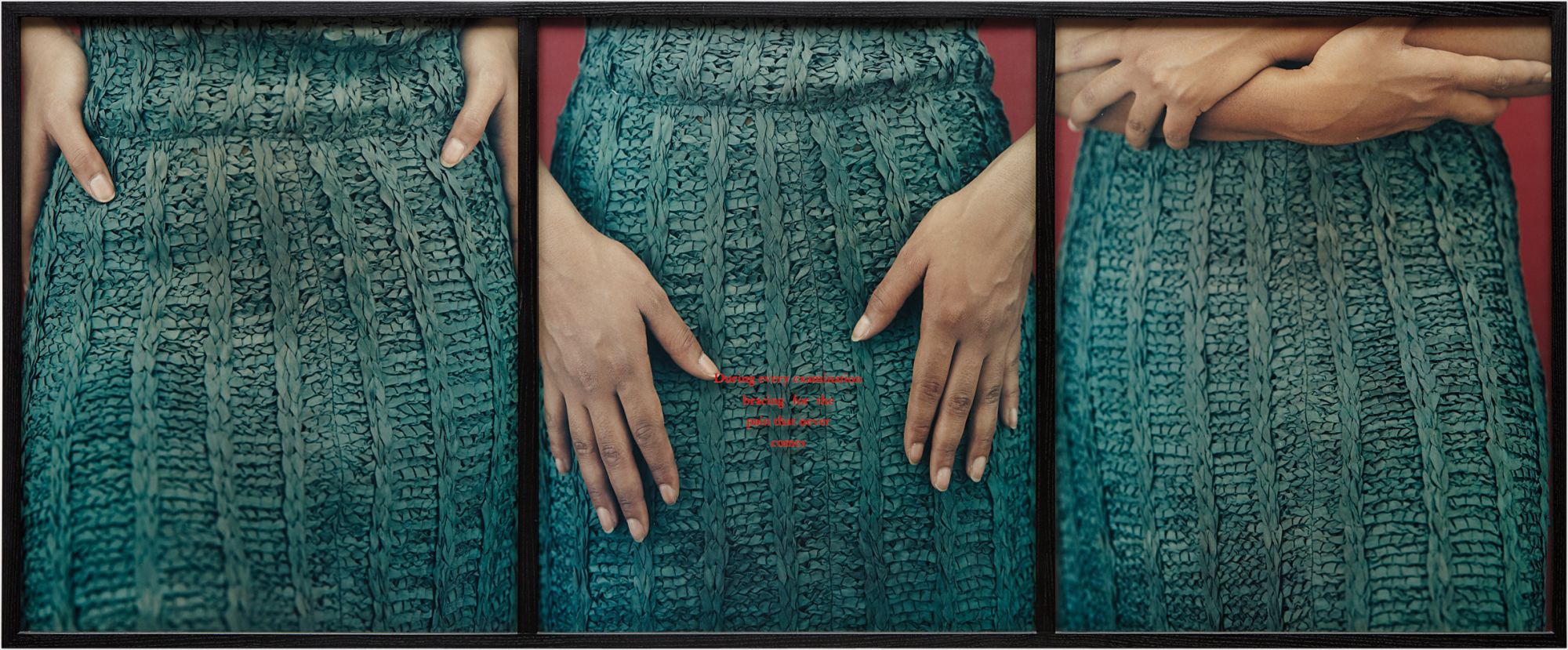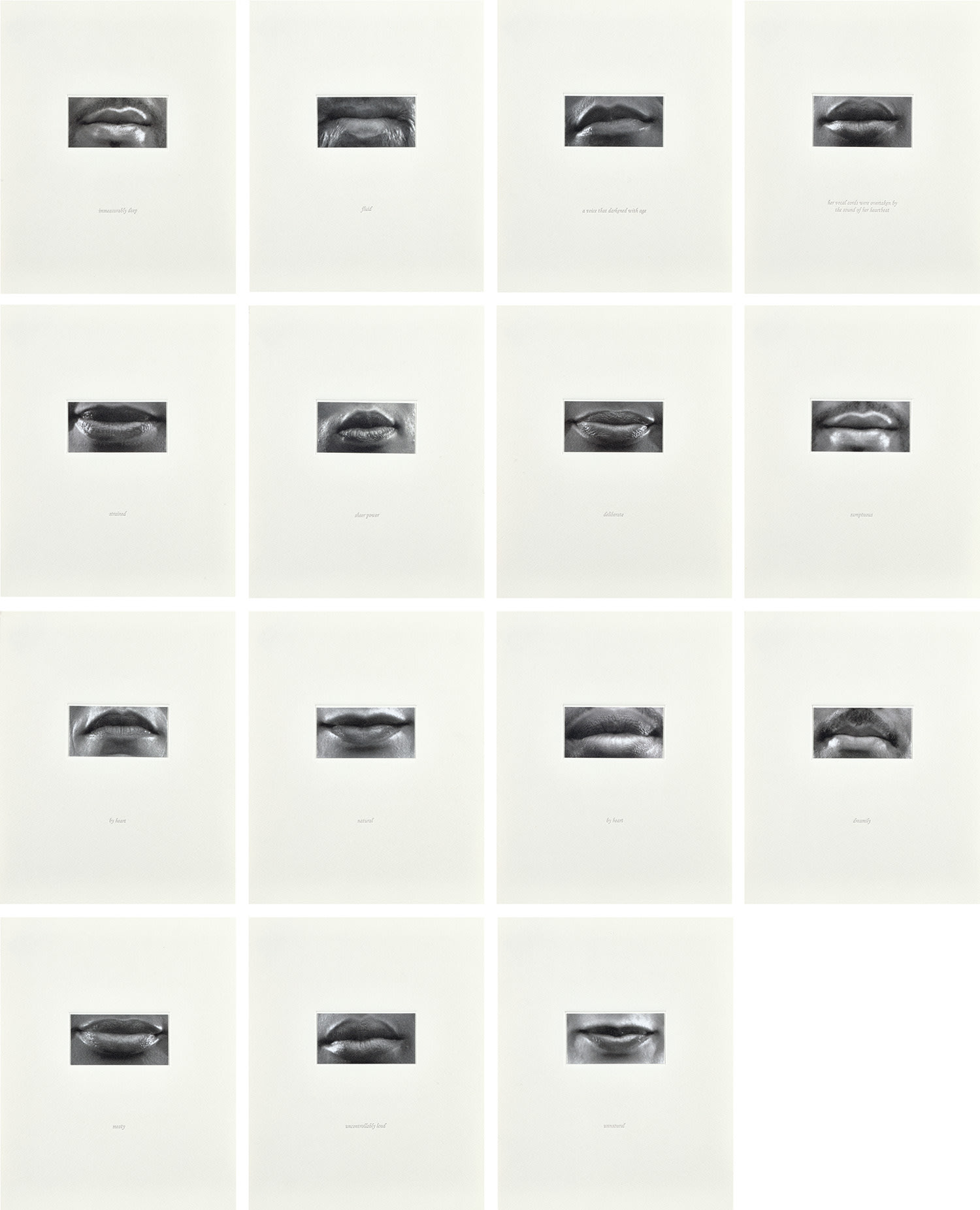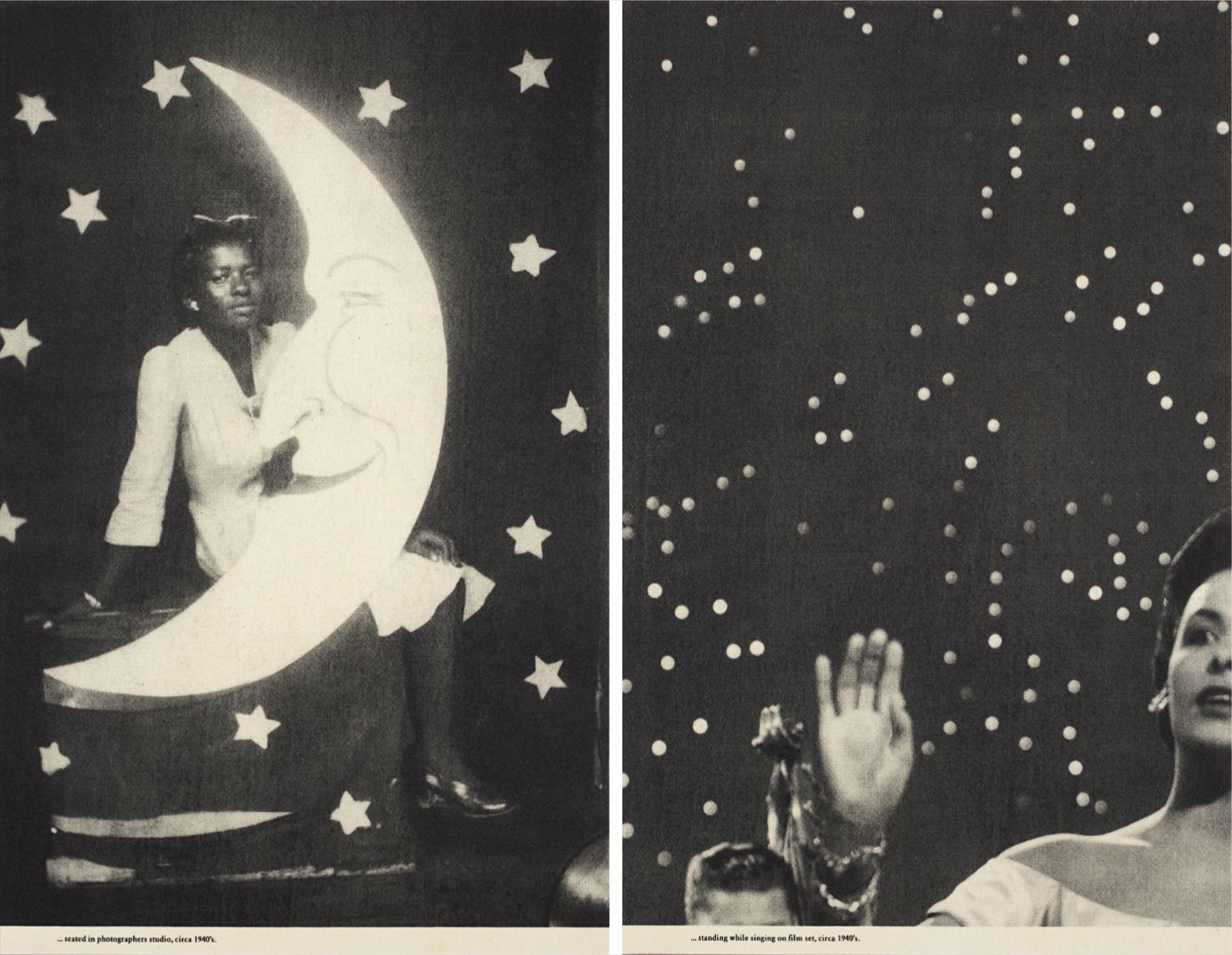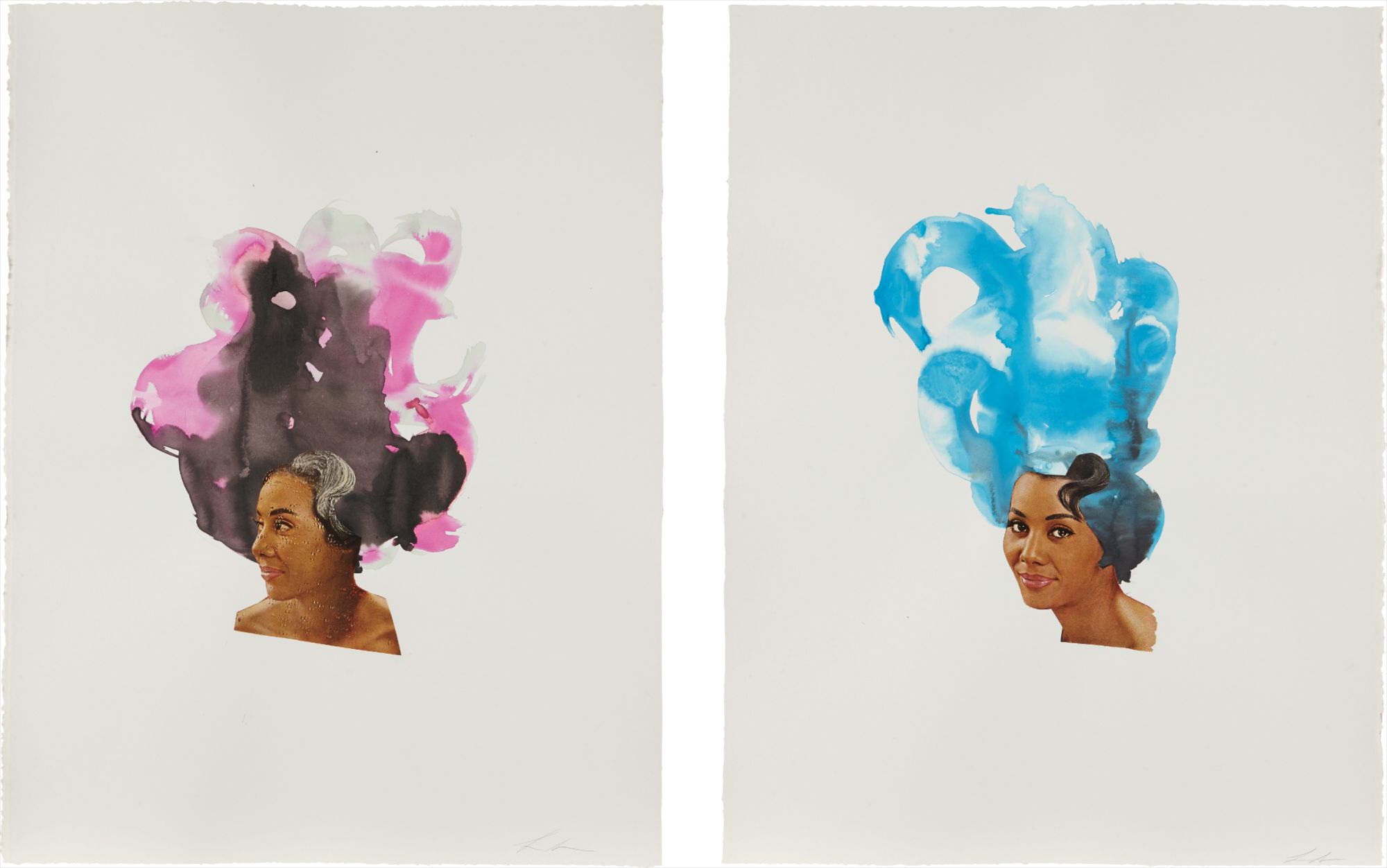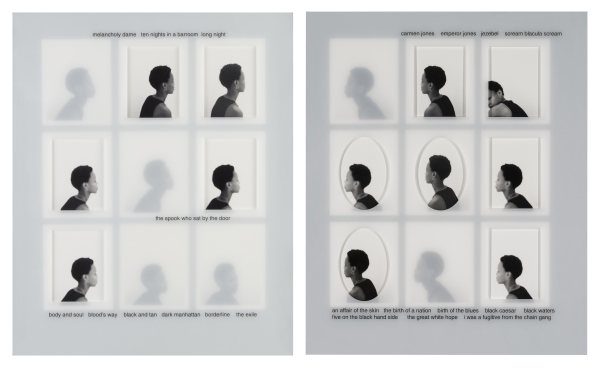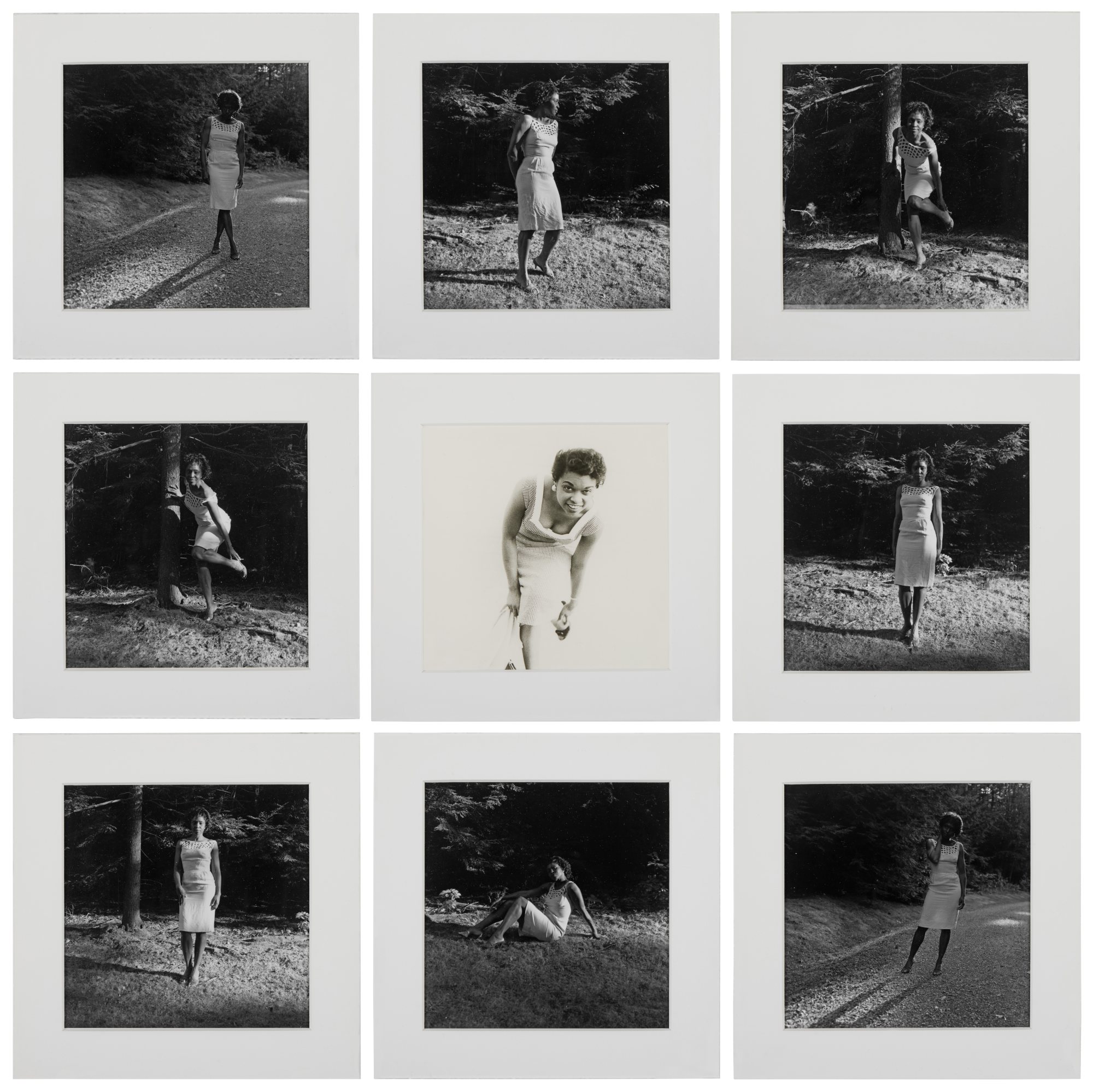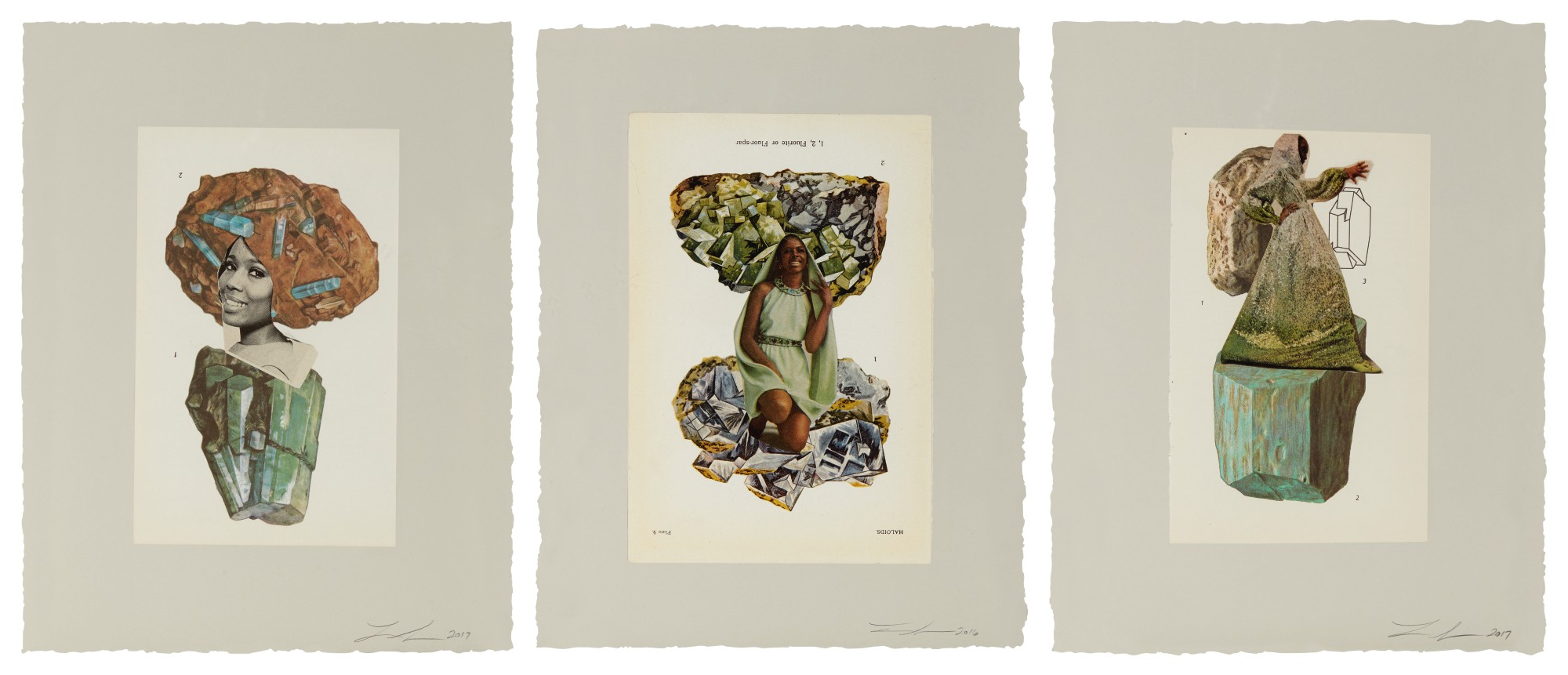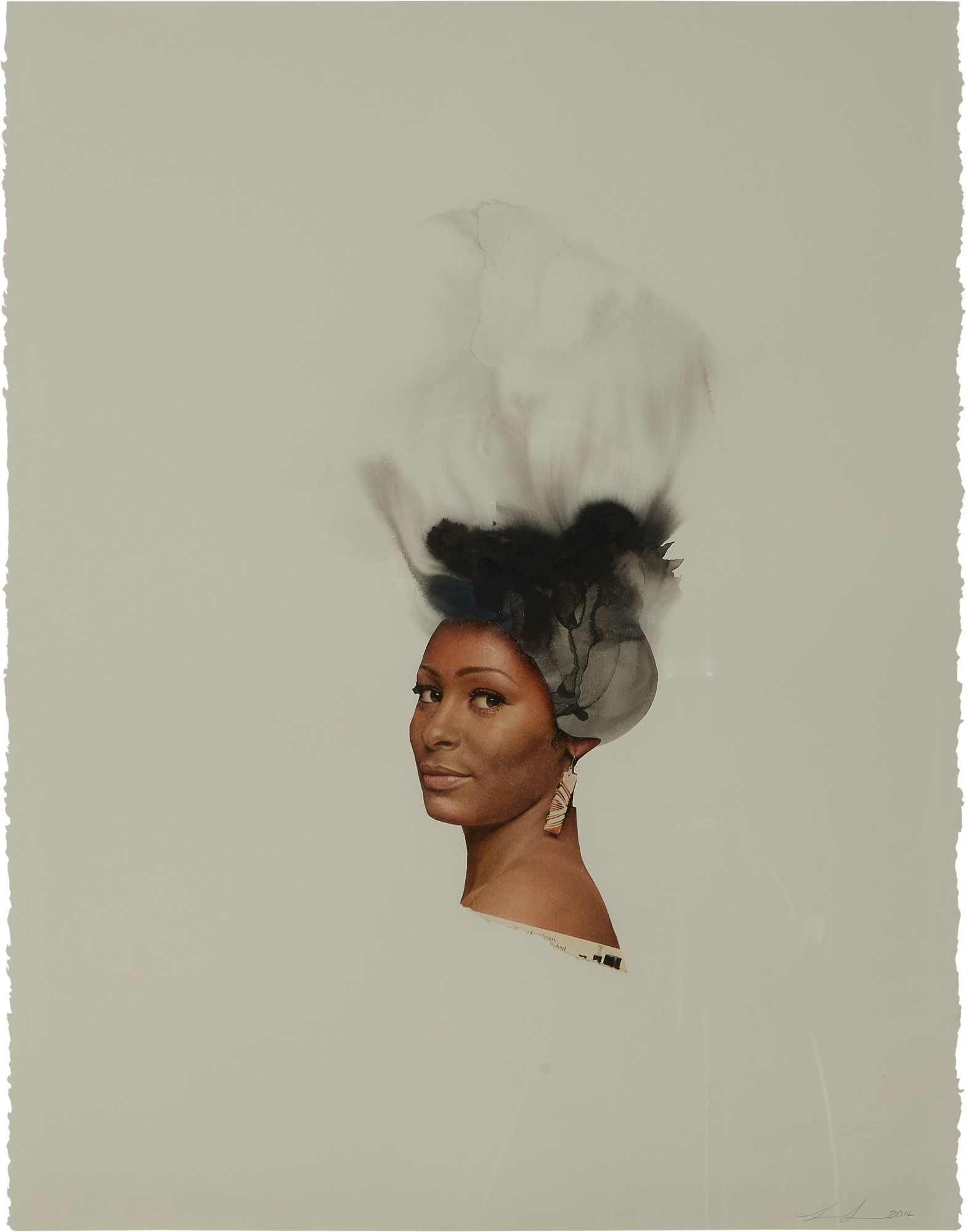
Few artists working today command the sustained critical and institutional attention that Lorna Simpson continues to earn, and 2024 finds her practice more vital and expansive than ever. Her work travels between major collections and auction houses with the kind of momentum that speaks to both scholarly devotion and genuine collector hunger. From the permanent galleries of the Museum of Modern Art to the walls of the Art Institute of Chicago, Simpson's photographs, collages, and multimedia installations have become touchstones for understanding how American art grappled with identity, representation, and the weight of history across four decades. She is, in the fullest sense, essential. Simpson was born in Brooklyn, New York in 1960, and the city shaped her eye in ways that still resonate through her work. She studied at the School of Visual Arts before earning her MFA from the University of California, San Diego in 1985, where she trained under conceptual and documentary traditions that gave her both rigor and freedom. California in the early 1980s was a charged environment for artists thinking seriously about politics, the body, and the limits of photography as a truth telling medium. Simpson absorbed all of it and returned to New York with a clear sense of purpose and a vocabulary entirely her own. Her early breakthrough came swiftly and decisively. By the late 1980s Simpson was producing the photo text works that would cement her reputation and change the course of conceptual photography in America. Pieces like "Guarded Conditions" (1989) presented a Black woman photographed from behind, her figure repeated across a grid of panels, accompanied by text fragments that spoke to vulnerability, surveillance, and the denial of full personhood. The work refused to offer the viewer a face, a gesture that was simultaneously a critique of the objectifying gaze and a powerful assertion of interiority. That move, elegant and uncompromising in equal measure, announced an artist who understood exactly what she was doing and why it mattered. The 1990s brought retrospective attention and institutional validation that confirmed what critics and collectors had already sensed. Simpson became the first Black woman to exhibit in the American Pavilion at the Venice Biennale in 1990, a landmark moment that situated her work firmly within the international avant garde. Her practice during this period deepened in complexity, moving from still photography into video and multi channel installation, exploring not just the image of Black womanhood but the systems of language and memory that construct and constrain identity. Works from this era held in major collections demonstrate the full range of her conceptual ambition and her extraordinary formal control. By the 2000s and into the 2010s Simpson had evolved her practice again, embracing collage and watercolor alongside her photographic work in ways that opened up new conversations about archive, found imagery, and the passage of time. "Corridor (Night III)" from 2003, a digital chromogenic print mounted to Plexiglas, shows her command of the photographic object itself, using the luminous surface of the print to create an atmosphere that hovers between documentary and dream. Her collages from the 2010s, including "Ultra Blue" (2013) and "Jet Spared" (2017), work with vintage imagery in ways that feel both archaeological and deeply personal, layering ink and watercolor over found photographs to produce something genuinely new from the materials of collective memory. These works have become some of the most sought after pieces in her output among discerning collectors. For collectors, Simpson's market represents one of the most coherent and historically grounded opportunities in contemporary photography and works on paper. Her print editions, including monumental photogravures and screenprints such as "Counting," offer entry points that speak to both the collector new to her work and the seasoned institution building a serious holdings. Her silver gelatin prints from the late 1980s and early 1990s, particularly those printed in small editions and held in artist specified frames, carry enormous art historical significance and have tracked steadily upward at auction. Works from the Lincoln Center Vera List Project, such as her "Double Portrait" editions, represent the kind of artist publisher collaborations that serious collections prize for their documented provenance and cultural context. When approaching her work on paper and collage, condition and provenance are paramount, and her editions benefit from clear documentation of their numbering and printing history. Simpson's position within art history is best understood alongside a generation of artists who transformed American conceptual and documentary photography in the late twentieth century. Her dialogues with artists like Carrie Mae Weems, Adrian Piper, and Glenn Ligon speak to a shared project of excavating and remaking the visual language of race and identity in America. Like Weems, she insists on the dignity and complexity of Black life as subject matter. Like Piper, she uses the mechanics of conceptual art to expose the assumptions embedded in how we look. And yet Simpson's voice is unmistakably her own, warmer in its palette and more formally lyrical than either, bringing a photographer's deep attention to light and surface to bear on questions of profound moral urgency. Her legacy is not merely historical. Simpson continues to make new work that surprises and challenges even her most devoted followers, and her influence on younger artists working with photography, collage, and identity is profound and widely acknowledged. Retrospectives at the Whitney Museum of American Art and the Jeu de Paume in Paris confirmed her international standing, and her work's presence in collections across the United States and Europe ensures that new audiences encounter her vision constantly. To collect Lorna Simpson is to hold a piece of the conversation that has defined how American art understands itself over the last four decades. It is also, simply, to live with work of extraordinary beauty and intelligence.