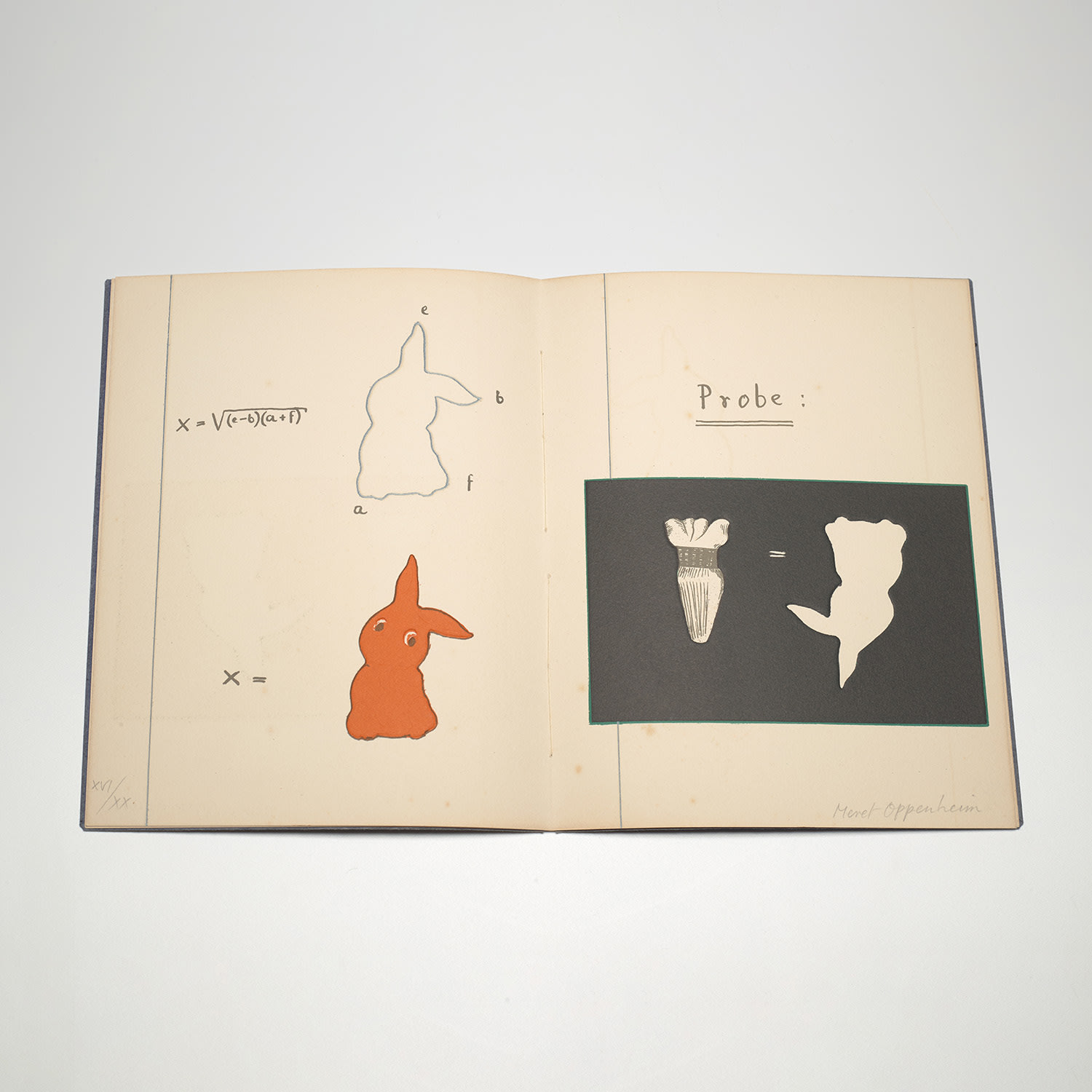
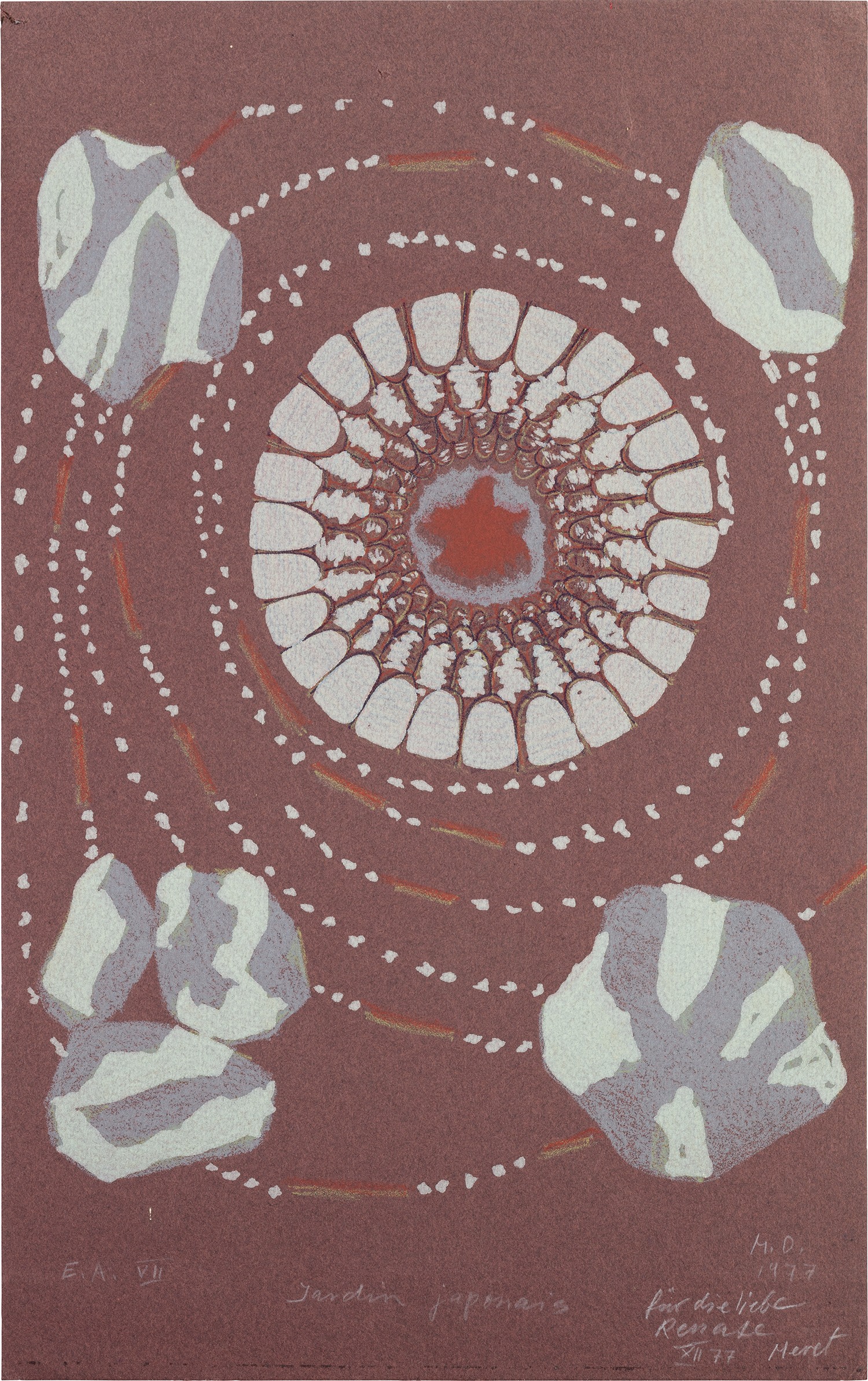
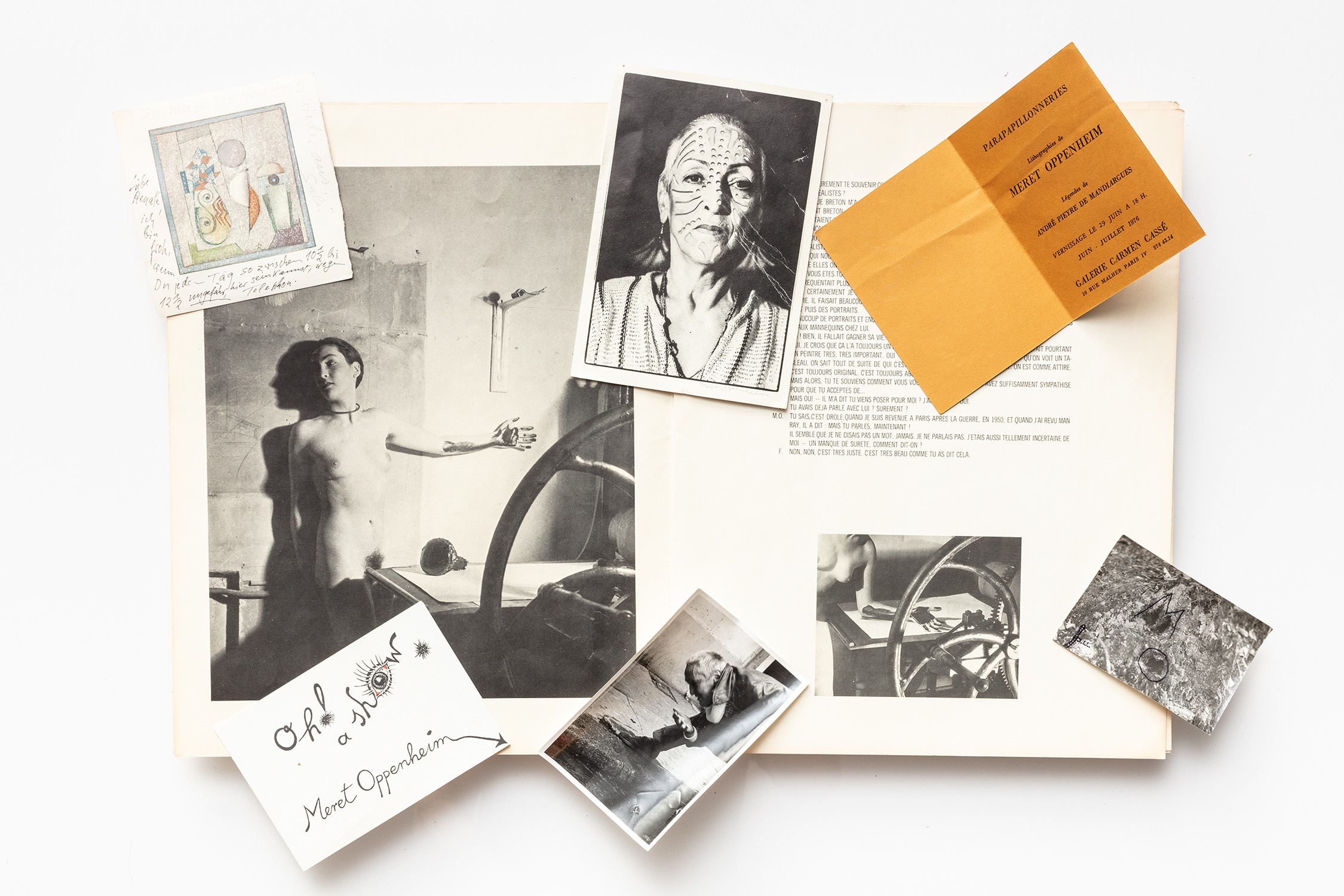
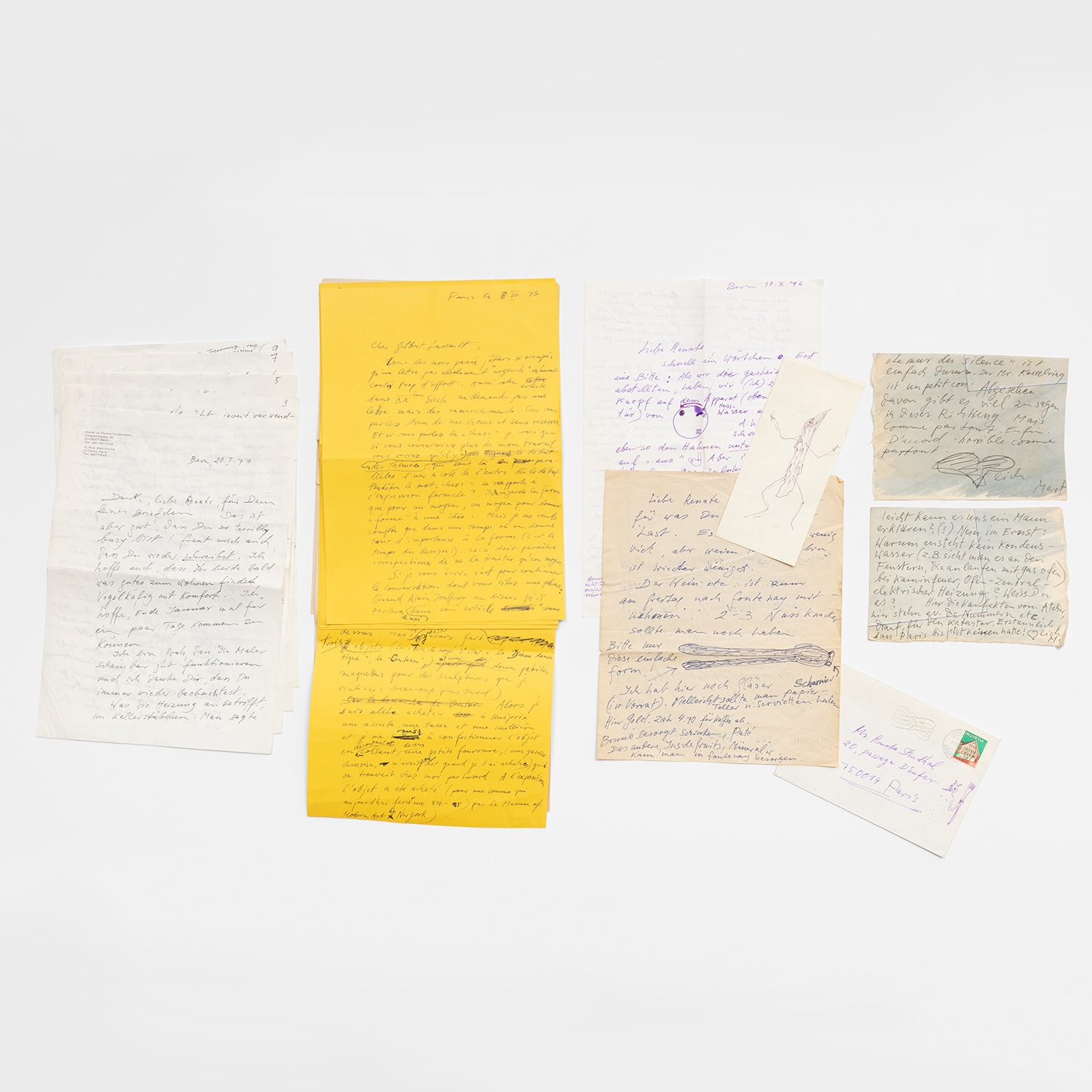
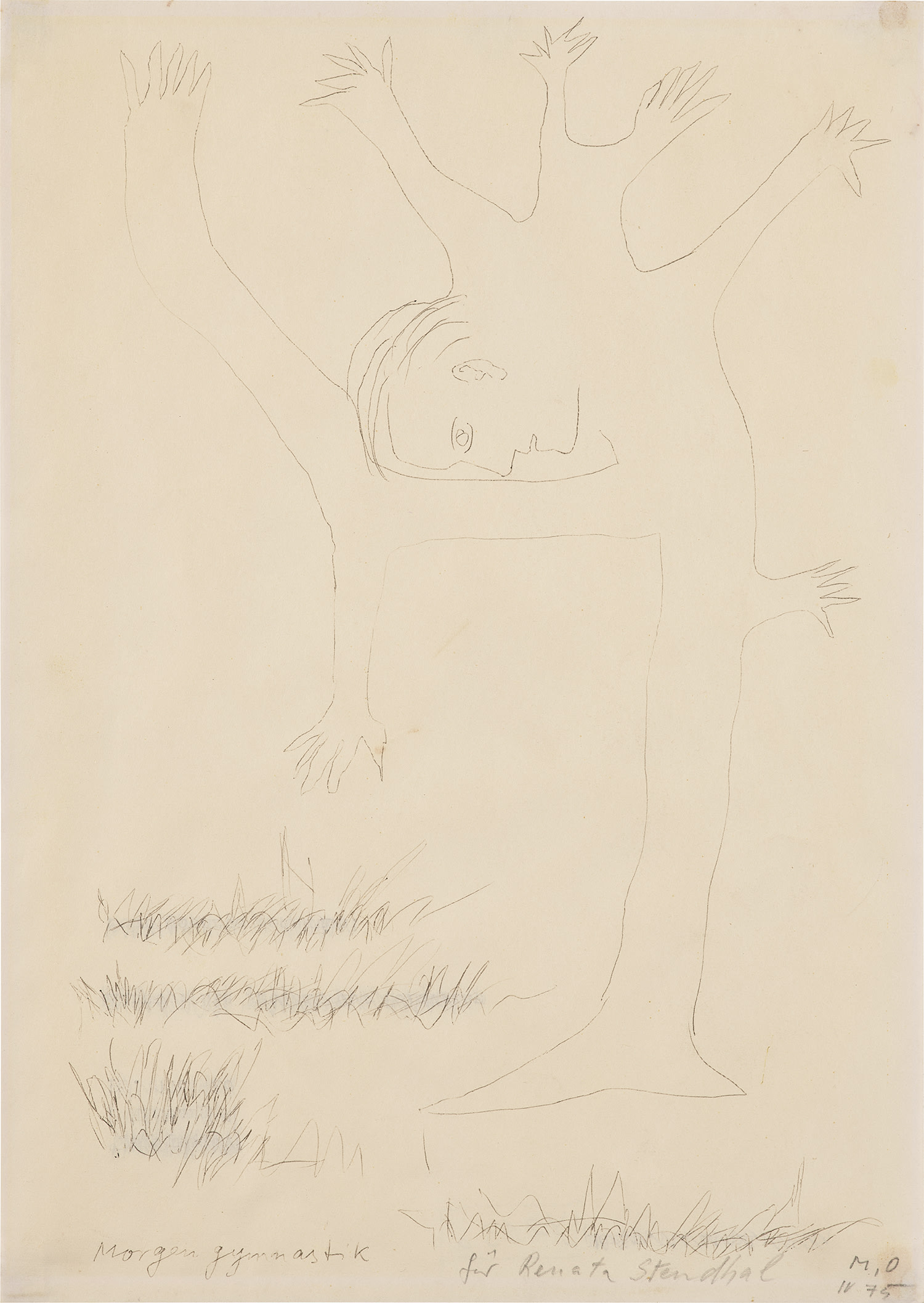
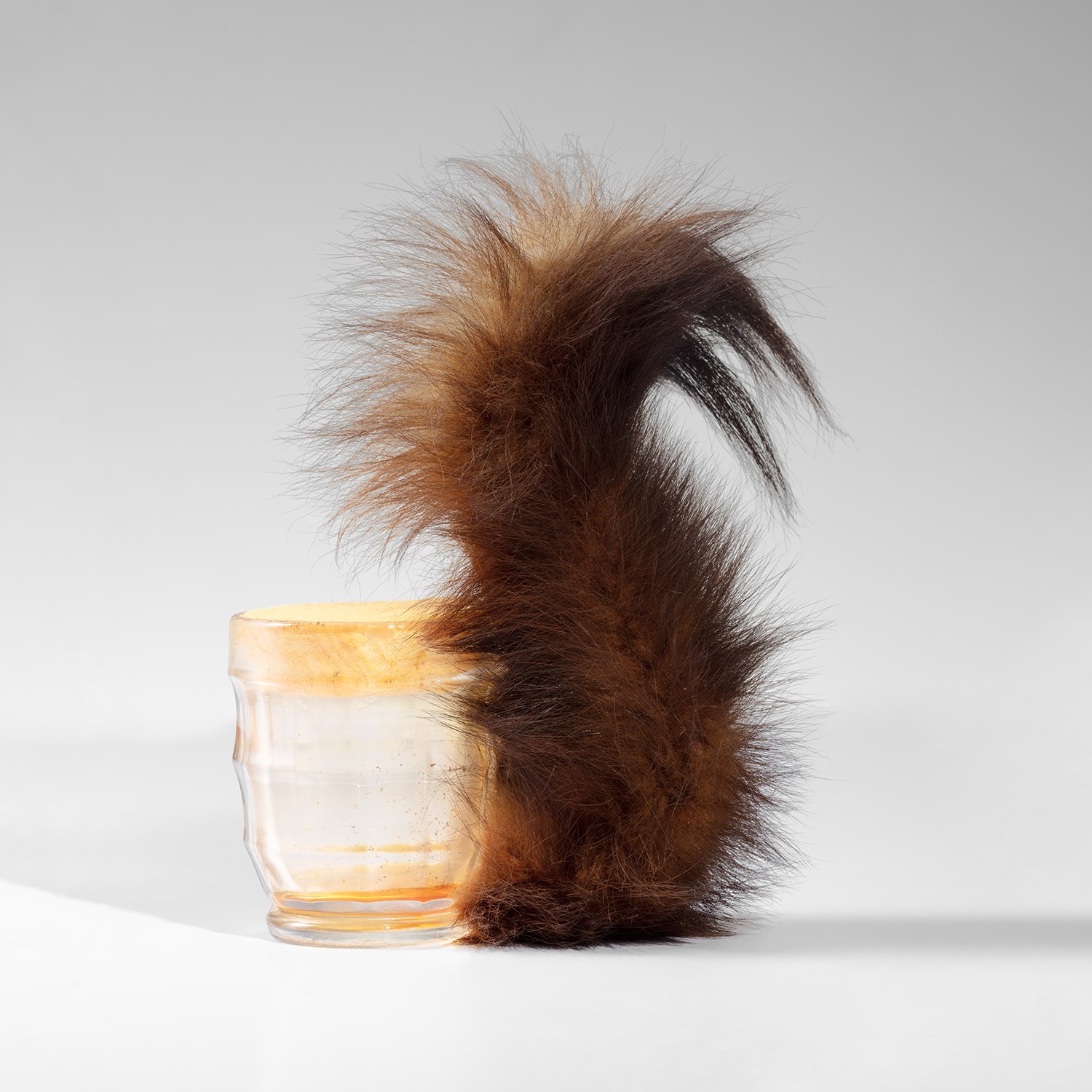
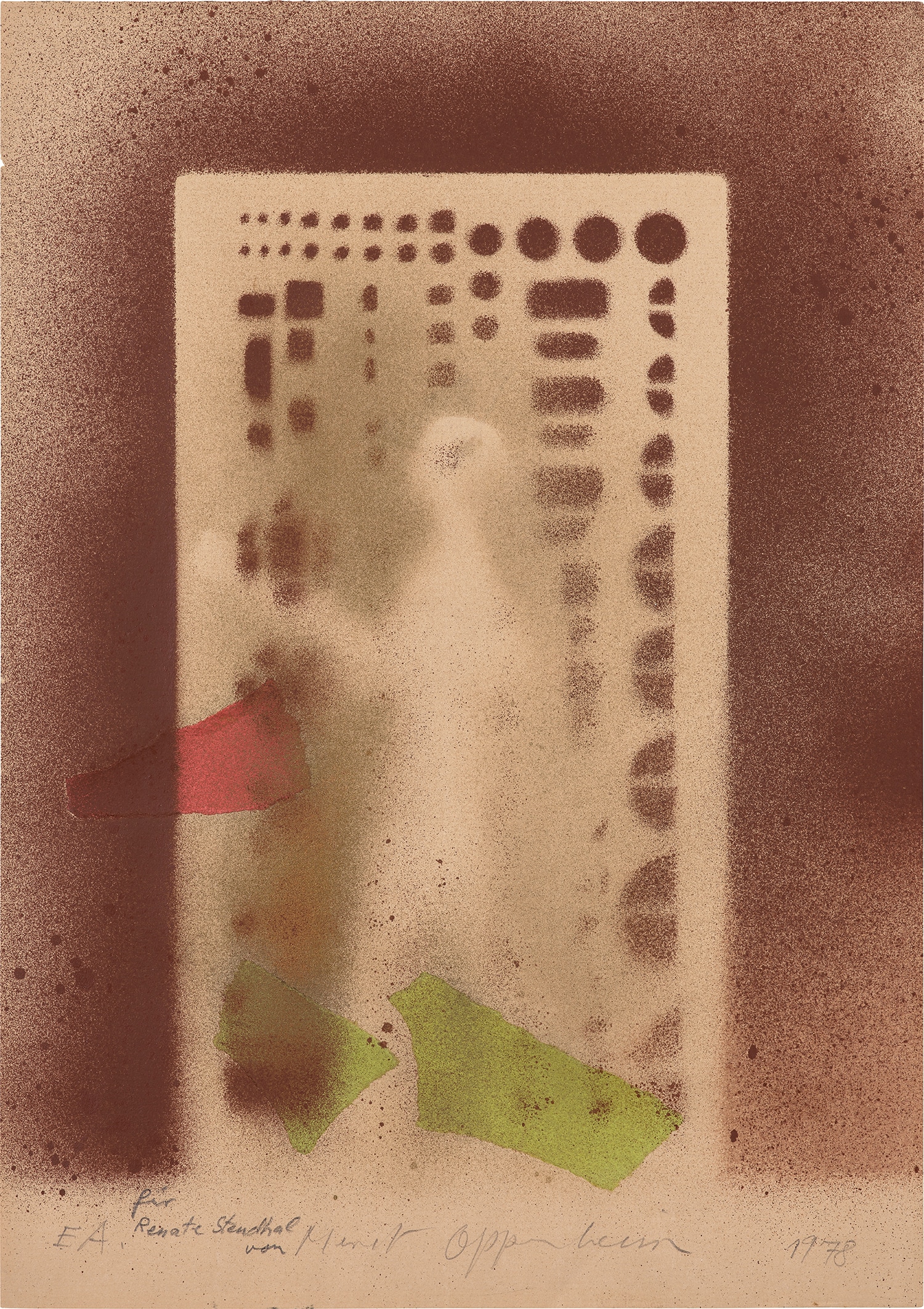
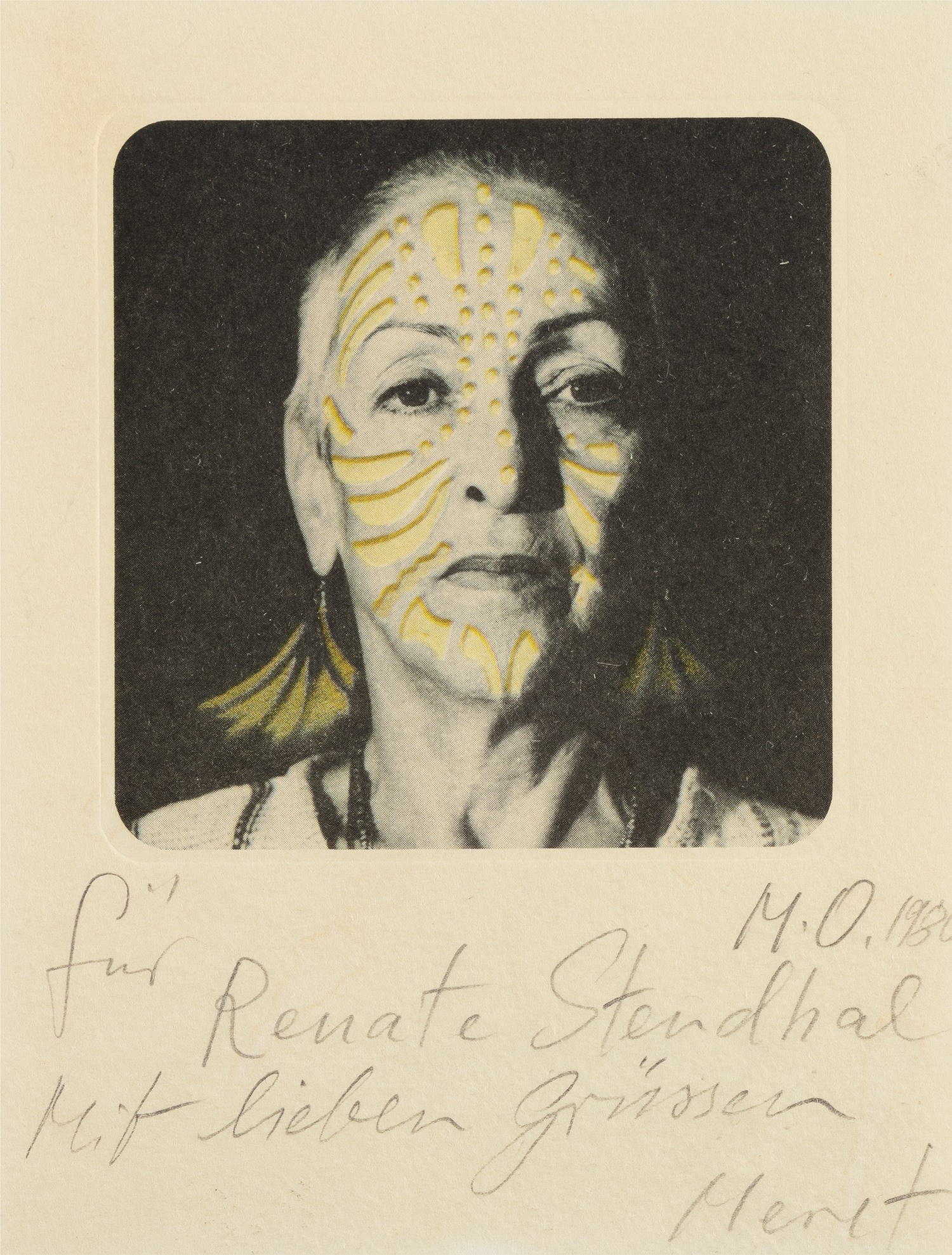
In 1936, a young woman placed a fur covered teacup, saucer, and spoon on a pedestal at the Museum of Modern Art in New York and quietly changed the course of art history. That object, Object (Le Déjeuner en fourrure), became one of the most reproduced and debated works of the twentieth century, a talisman of desire, transgression, and feminine wit. Nearly ninety years later, Meret Oppenheim's reputation continues to expand well beyond that single iconic gesture, drawing renewed scholarly attention and collector passion to the full breadth of a practice that spanned painting, printmaking, sculpture, jewelry, drawing, and poetry. The Kunstmuseum Bern held a landmark retrospective in 2013 to mark the centenary of her birth, and her work has since traveled through major European institutions, confirming her place not as a footnote to Surrealism but as one of its most original and enduring minds. Oppenheim was born on October 6, 1913, in Berlin, to a German Jewish father and a Swiss mother. Her childhood moved between Germany and Switzerland, and she grew up in an intellectual household where psychoanalysis, art, and philosophy were living topics at the dinner table. Her paternal grandmother, the painter and early feminist activist Lisinka Wenger, was a formative presence, and it was from her family's atmosphere of unconventional thought that Oppenheim drew early permission to be strange, curious, and free. By the age of eighteen she had left school and moved to Paris, arriving in 1932 with a sketchbook and an extraordinary self possession that belied her youth. Paris in the early 1930s was the center of the Surrealist universe, and Oppenheim entered it with surprising ease. She met Alberto Giacometti and Hans Arp at a café in Montparnasse, and through them was introduced to André Breton and the wider Surrealist circle. Man Ray photographed her in 1934 in what became the celebrated Veiled Erotic series, images that have since been reexamined as complex negotiations of the female gaze rather than simply its object. Oppenheim herself was clear that she participated on her own terms. She became the youngest artist included in the landmark 1936 International Surrealist Exhibition in London, and her Object, created that same year, was purchased immediately by MoMA at Breton's urging. She was twenty two years old. Yet success arrived so early and so strangely that it cast a long shadow. Oppenheim spent much of the late 1930s and 1940s in a period of profound creative crisis, returning to Basel and struggling against what she later described as the weight of others' expectations. Far from diminishing her stature, this period of withdrawal and patient rebuilding has come to seem entirely consistent with the depth and seriousness of her vision. By the 1950s she had re emerged with renewed confidence, producing a rich and varied body of work that refused any single style or medium. Her paintings drew on dream logic and natural symbolism. Her prints and lithographs, including radiant works such as Jardin Japonais (Japanese Garden) and the luminous Nachthimmel mit Agaten (Night Sky with Agates), showed a colorist of exceptional sensitivity, someone who understood how pigment and paper could hold an emotional charge as powerful as any sculpture. Oppenheim's graphic work occupies a special place within her output and offers collectors a remarkable range of entry points into her world. Her lithographs, screenprints, and ink drawings reward extended looking, carrying the same oneiric charge as her three dimensional objects but with an intimacy that suits the printed page or the domestic wall. Works such as Morgengymnastik (Morning Gymnastics), an ink drawing of spidery elegance on wove paper, or the layered Schwarzer Schmetterling (Black Butterfly), combining screenprint, spray paint, and woodcut on blue green Ingres paper, demonstrate a printmaker who used technical variety not as experiment for its own sake but as a means of finding exactly the right material skin for each idea. Her silk scarf designs, including the Project for a Girdle composition, extended her thinking about the body and adornment into wearable form, a witty and deeply felt continuation of themes she had explored since the fur teacup. Her correspondence, decorated envelopes, and personal ephemera, some of which exist in rare archival groups, offer collectors an additional layer of intimacy, the artist's hand at its most unguarded. On the secondary market, Oppenheim's prints and works on paper have attracted sustained and growing interest, particularly among European collectors who recognize her as a central figure in the Swiss and German postwar canon as well as in the international Surrealist story. Her unique works, especially those combining multiple printmaking techniques or carrying distinct provenance from key exhibitions and estates, command significant premiums. Collectors drawn to Surrealism who already hold works by Max Ernst, Dorothea Tanning, or Leonora Carrington frequently find that an Oppenheim deepens and complicates their collection in productive ways. She shares with those artists a refusal to be contained by movement doctrine, a biographical intensity, and a technical range that keeps the work feeling alive and contemporary. Oppenheim's place in art history has been substantially revised over the past three decades, as scholars and curators have moved beyond the teacup and engaged seriously with the full arc of her practice. Her relationship to feminist art history is nuanced: she resisted the label even as her work consistently interrogated gendered experience, the female body, desire, nature, and transformation. She was awarded the Art Prize of the City of Basel in 1974 and delivered an acceptance speech that has since become a touchstone text on creative freedom and the conditions of artistic life, particularly for women. She continued to work and exhibit until her death in Basel on November 15, 1985, at the age of seventy two, and she remains one of the very few artists of her generation whose relevance to contemporary practice feels not inherited but immediate. To encounter Oppenheim's work today is to meet an artist who was always ahead of her moment, someone who understood that objects carry memories, that beauty can be unsettling, and that the imagination is a form of courage. Her prints and drawings, her scarves and photographs and letters, are not relics of a movement but living provocations, objects that ask something of the person who lives with them. For collectors building a collection with genuine intellectual and emotional depth, she is not simply a desirable name but an essential one.