Nocturnal
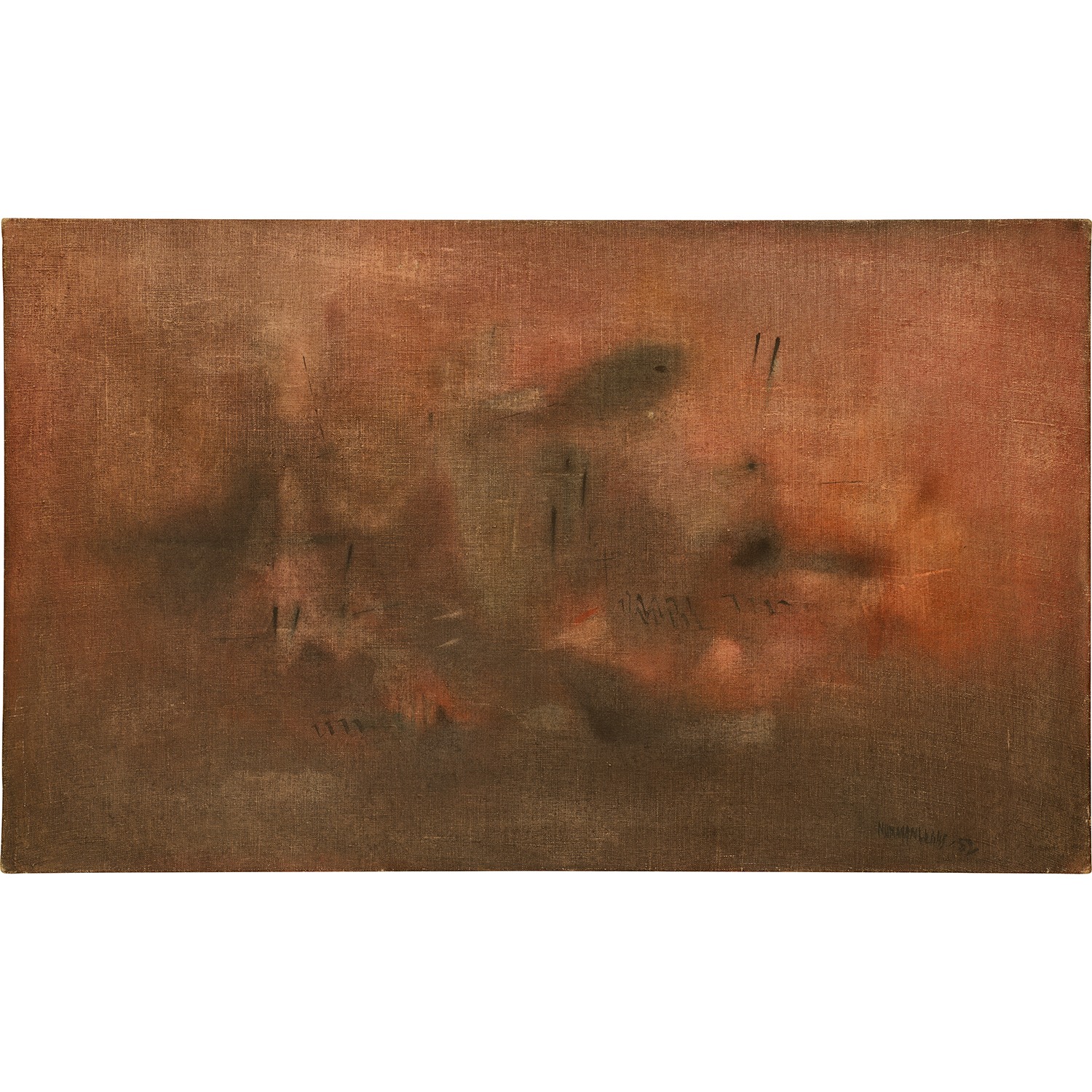
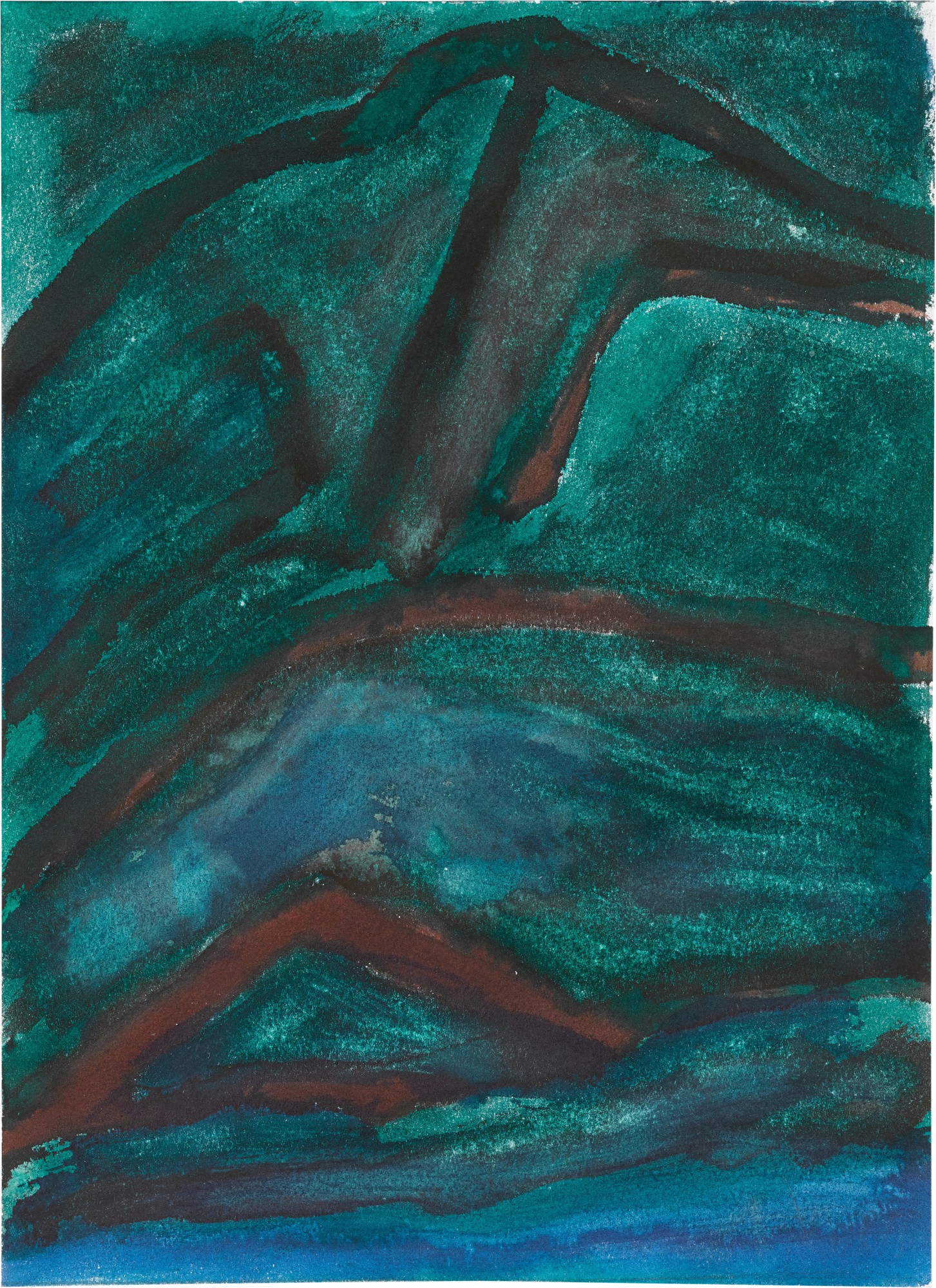
Norman Lewis
Night Vision, 1952
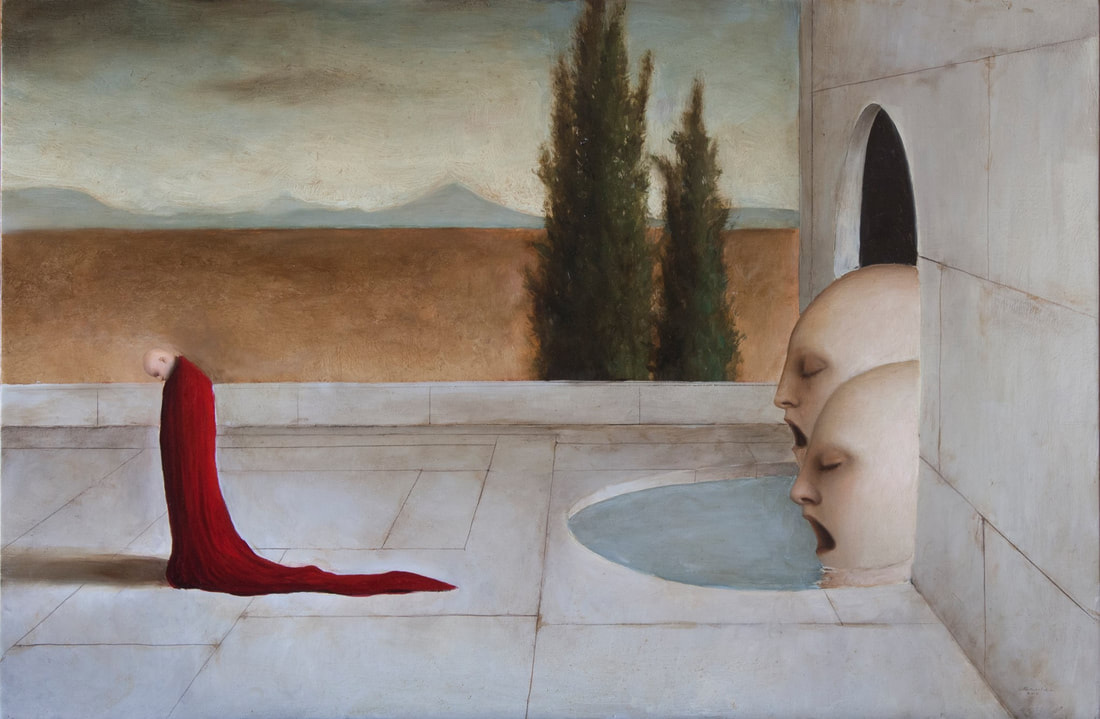
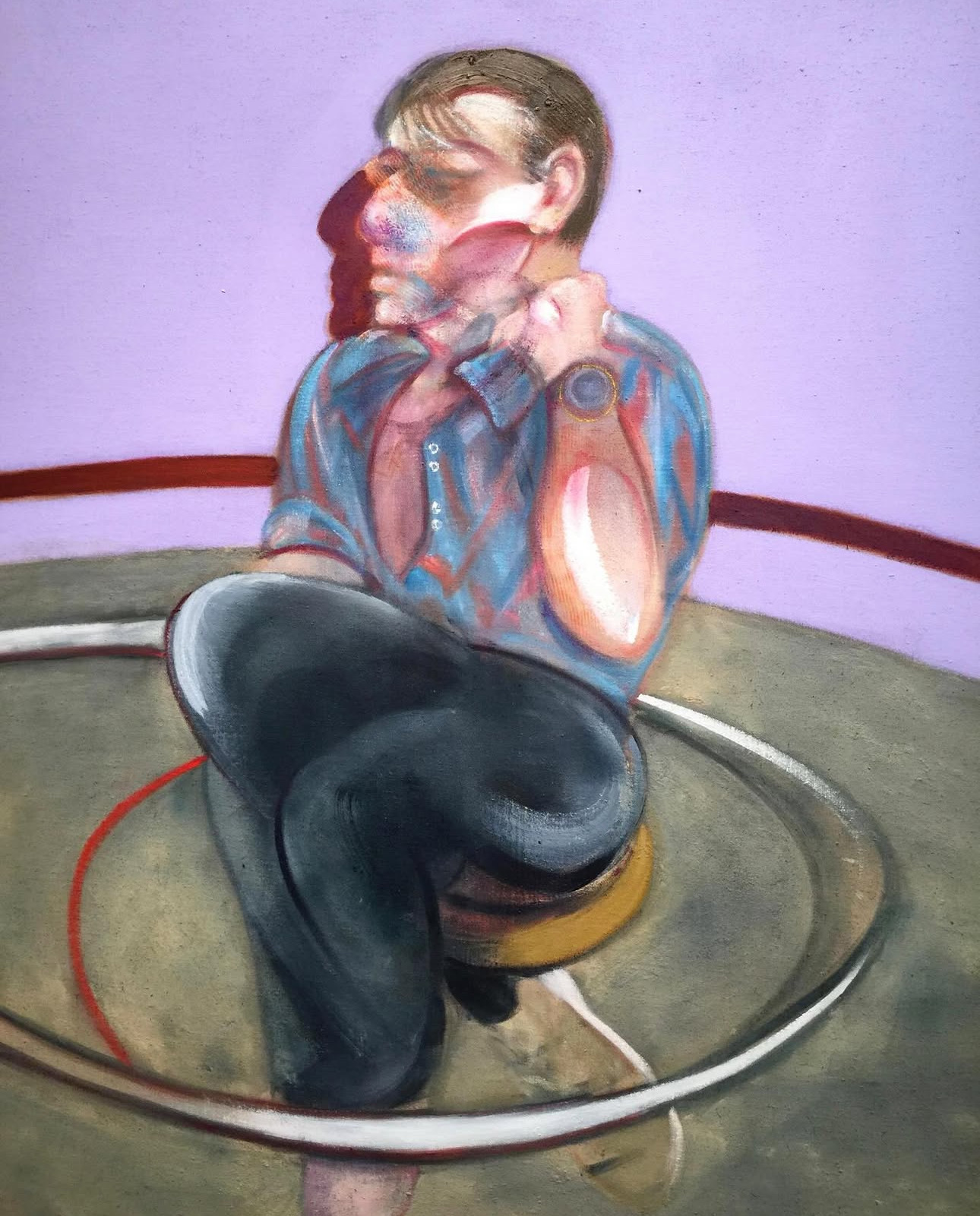
After Dark: Art's Eternal Obsession With Night
There is something about darkness that refuses to stay quiet. Long before artificial light flattened our experience of nighttime into something navigable and ordinary, the hours after sunset carried a particular psychological weight. Night was the domain of dreams, of transgression, of the unconscious mind doing its restless work. It is no coincidence that so many of the most charged and memorable images in the history of art belong to the nocturnal tradition.
The night, it turns out, is not the absence of meaning. It is where meaning gets most concentrated. The formal history of nocturnal painting stretches back at least to the seventeenth century, when Dutch painters like Aert van der Nees began treating moonlight as a subject worthy of sustained attention. But it was the eighteenth century that gave nocturnalism its dramatic vocabulary.
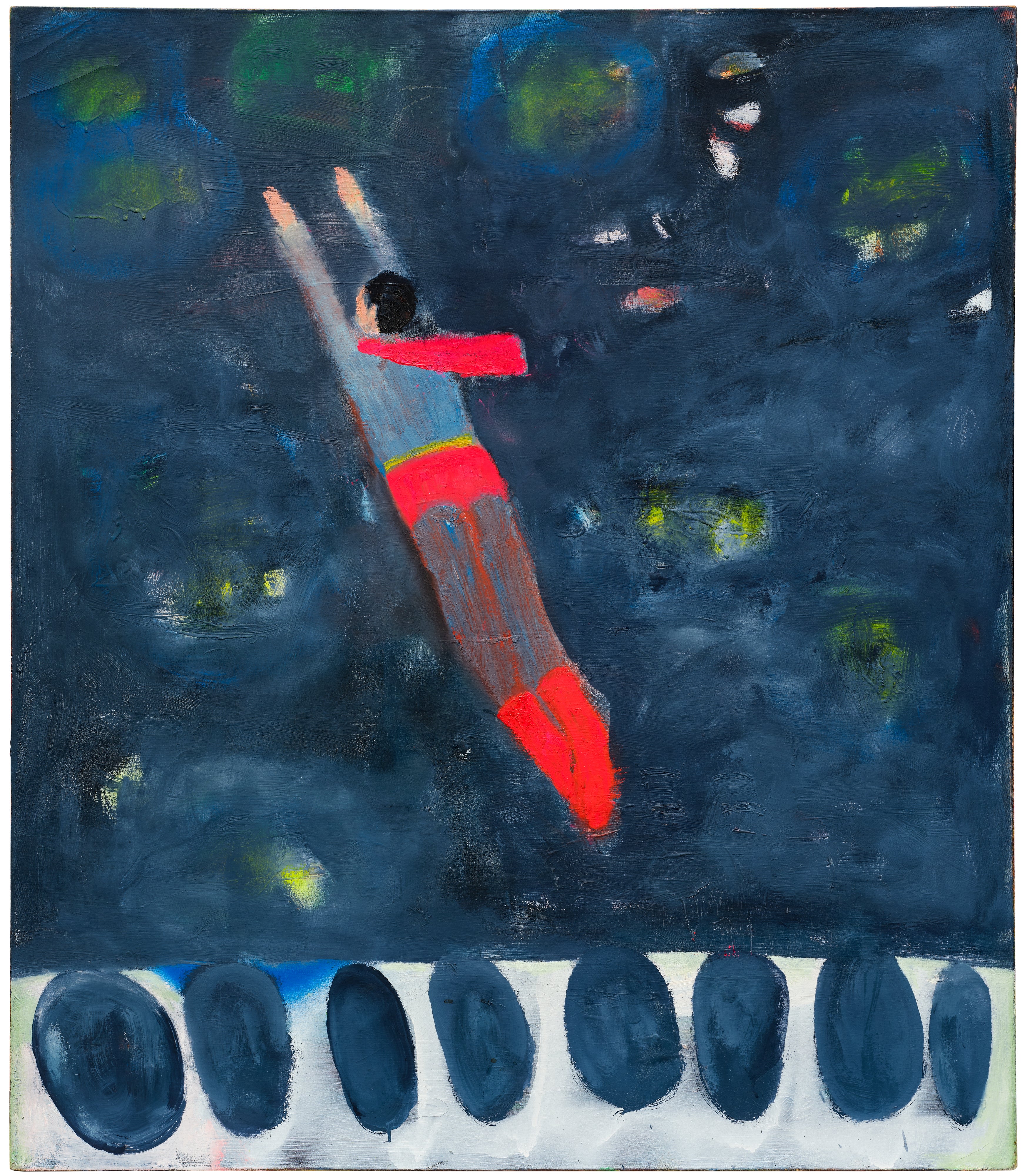
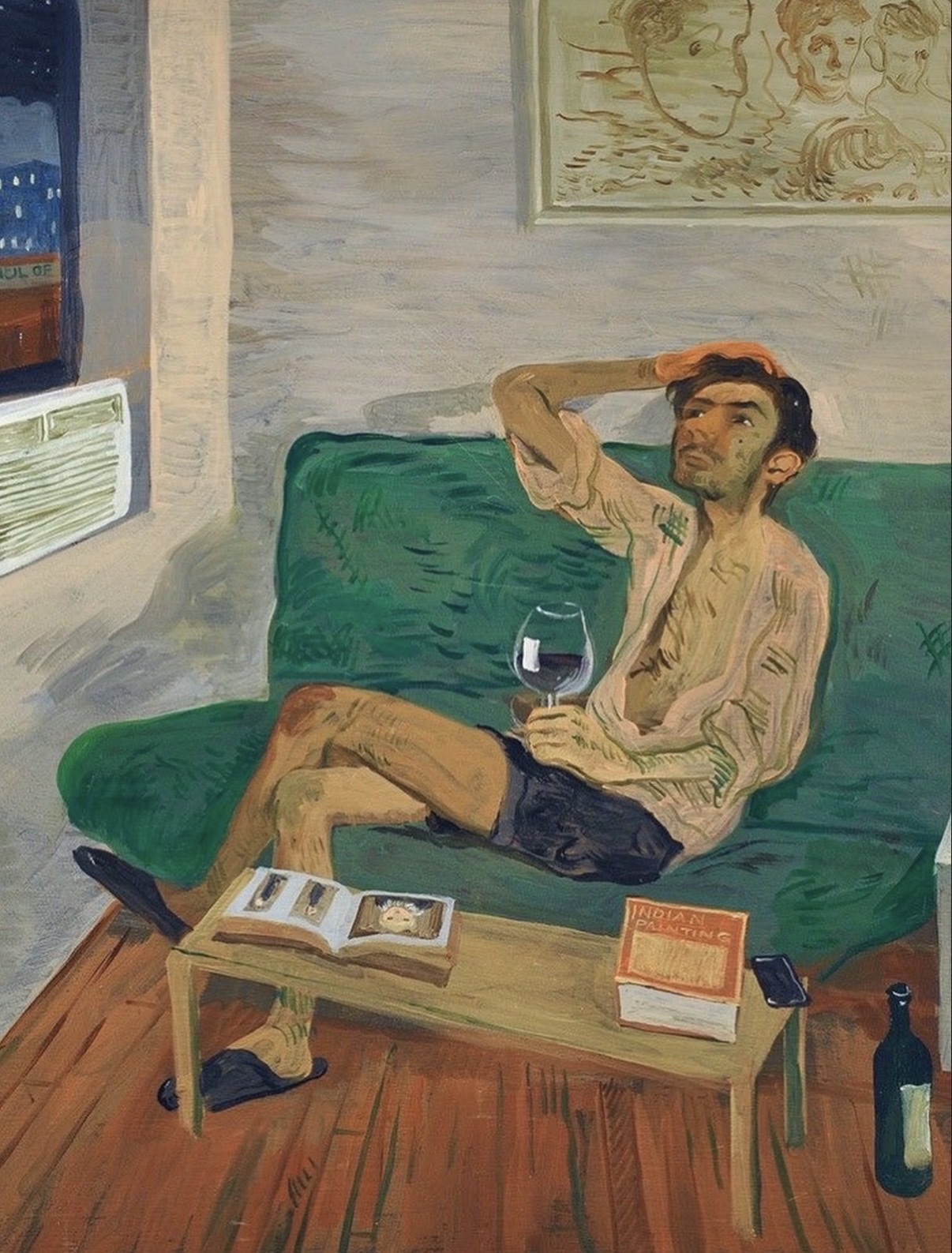
Katherine Bradford
Gray Suit Superman at Night, 2014
Pierre Jacques Volaire, the French painter who settled in Naples and became transfixed by Vesuvius, understood that volcanic eruptions seen at night were something else entirely, closer to revelation than spectacle. His paintings of eruptions after dark, blazing against black sky, established a template for the sublime in nocturnal terms that would resonate for generations. The night was not peaceful. It was where the world showed you what it was capable of.
By the nineteenth century, the nocturne had become a genre with its own formal logic. James McNeill Whistler gave the word its iconic art world meaning when he titled a series of atmospheric paintings of the Thames "Nocturnes" beginning in the 1870s, borrowing the term from music and insisting that tone, mood, and sensation mattered more than literal description. His legal battle with John Ruskin over whether these works constituted finished art or artistic laziness placed nocturnal painting at the center of debates about what painting was actually for. That argument, in some form, has never really ended.
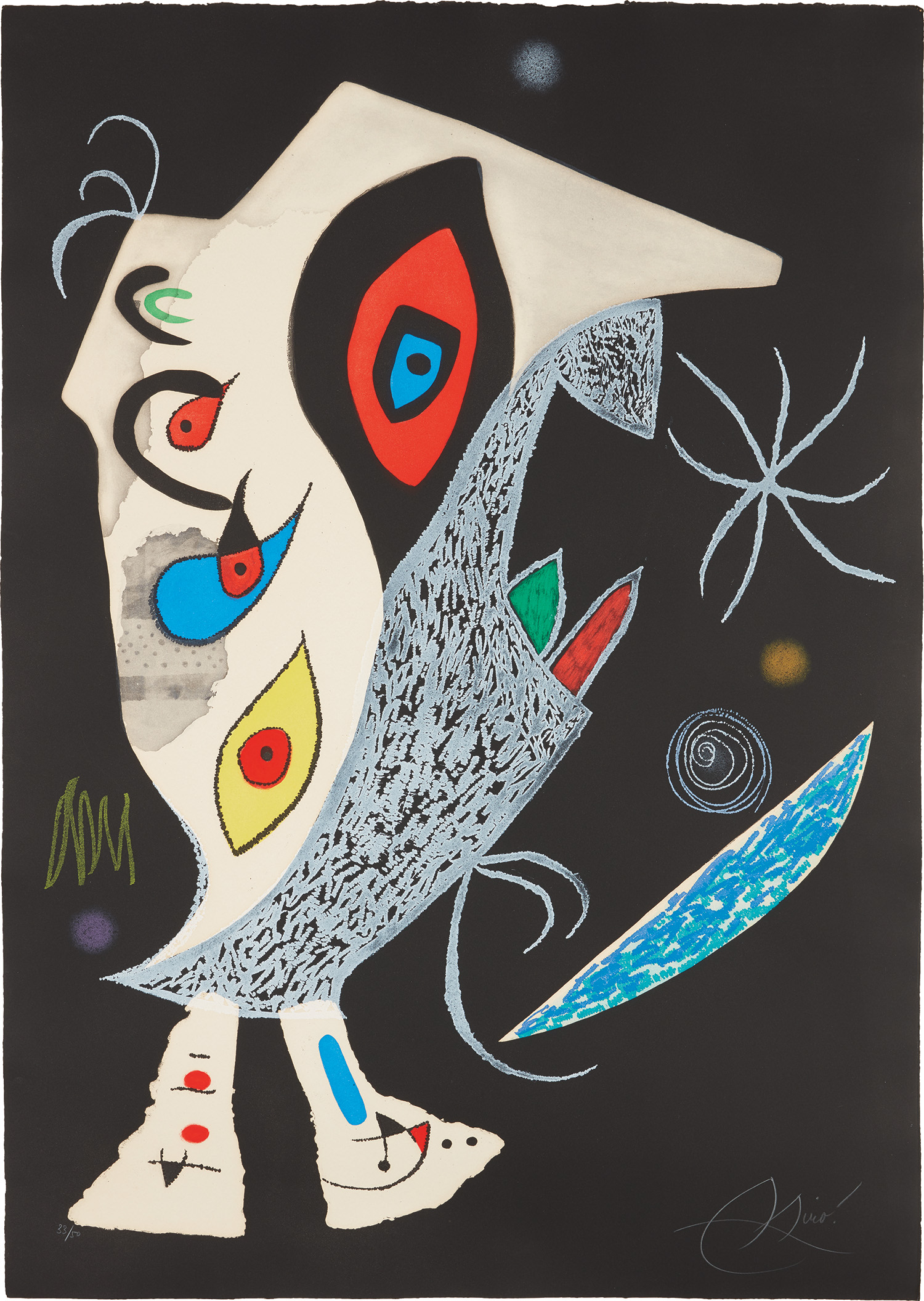
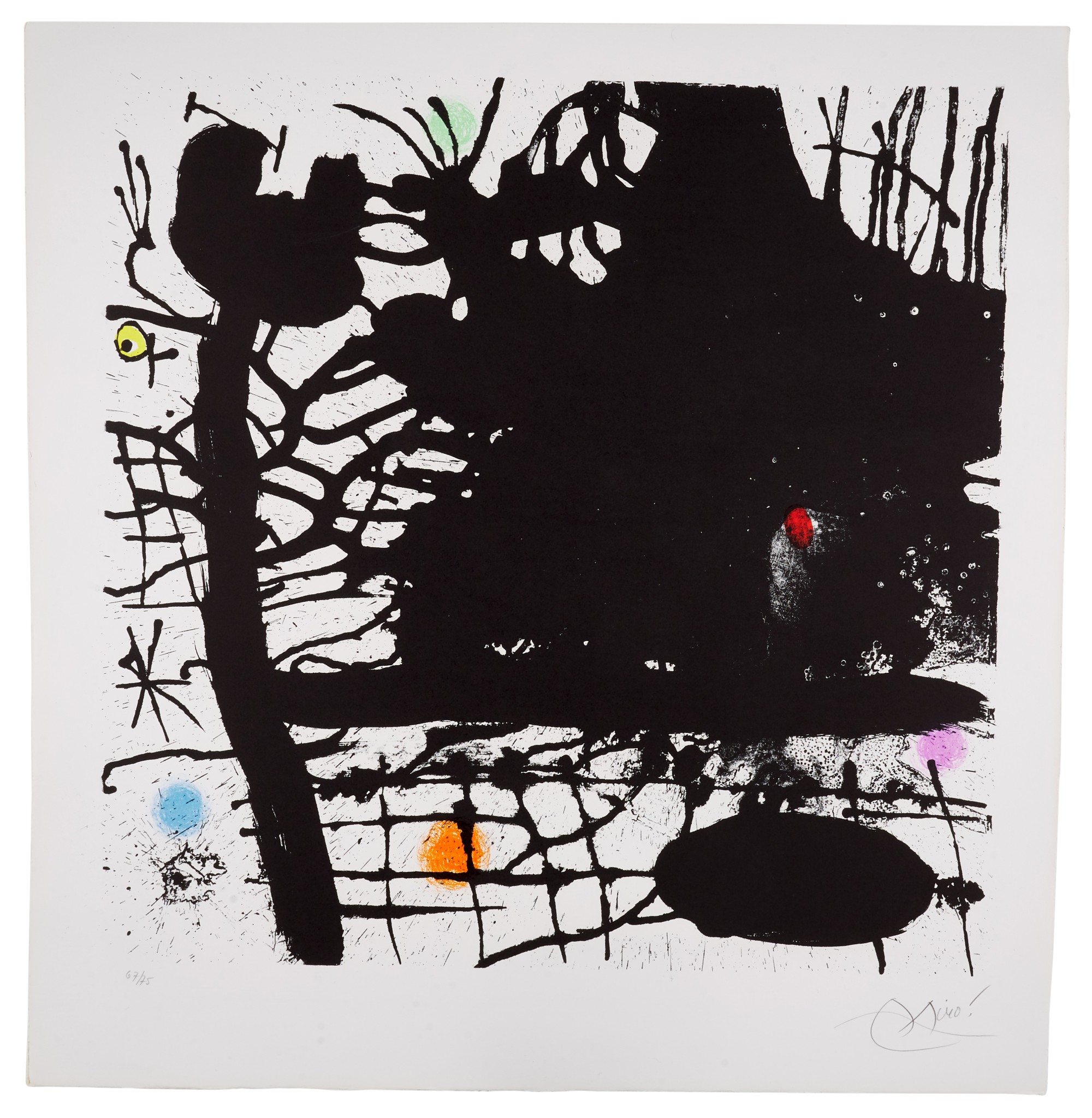
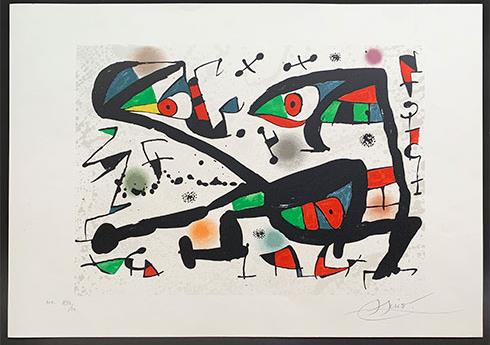
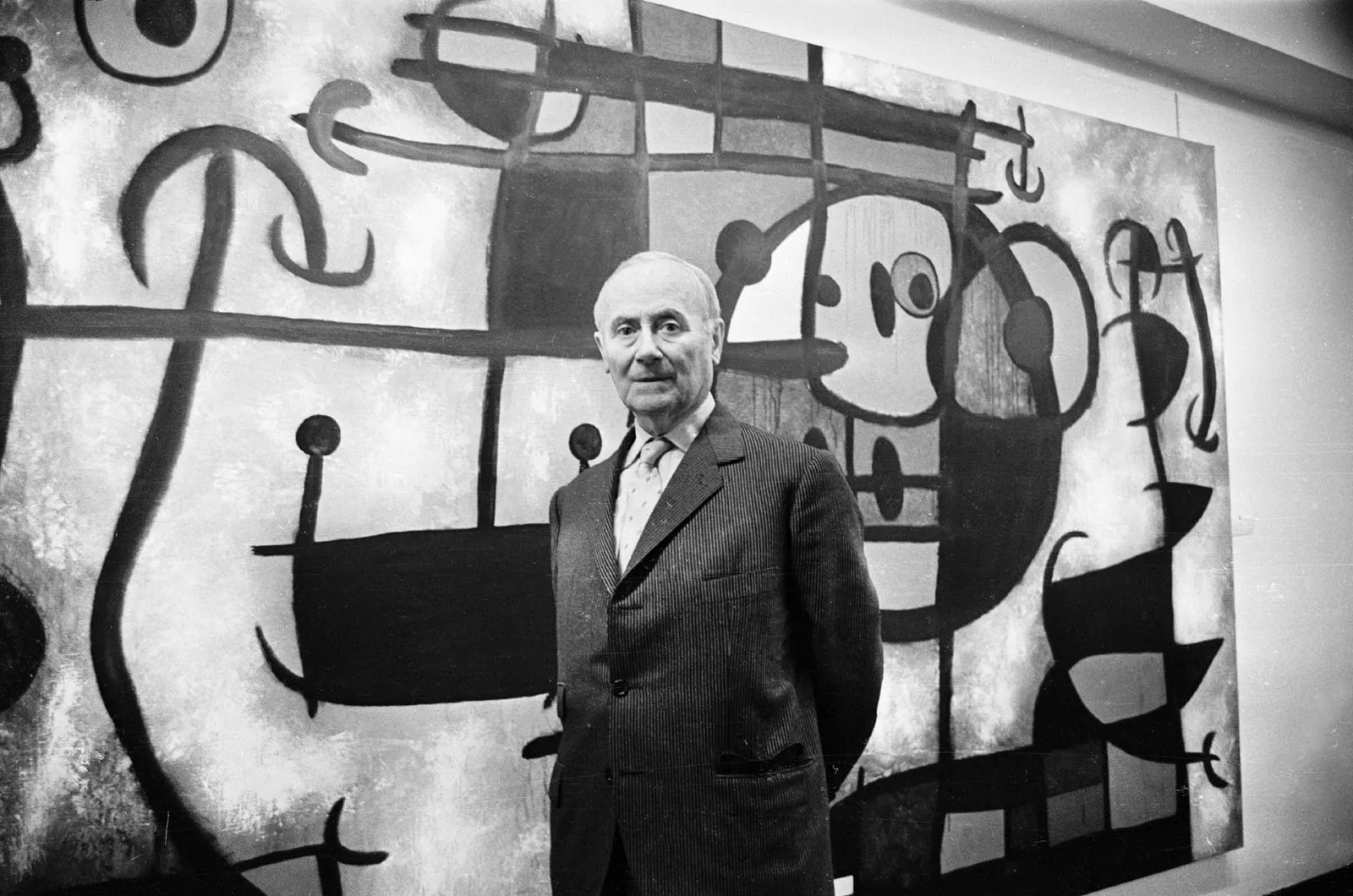
Joan Miró
Barbare dans la nuit (Barbarian in the Night)
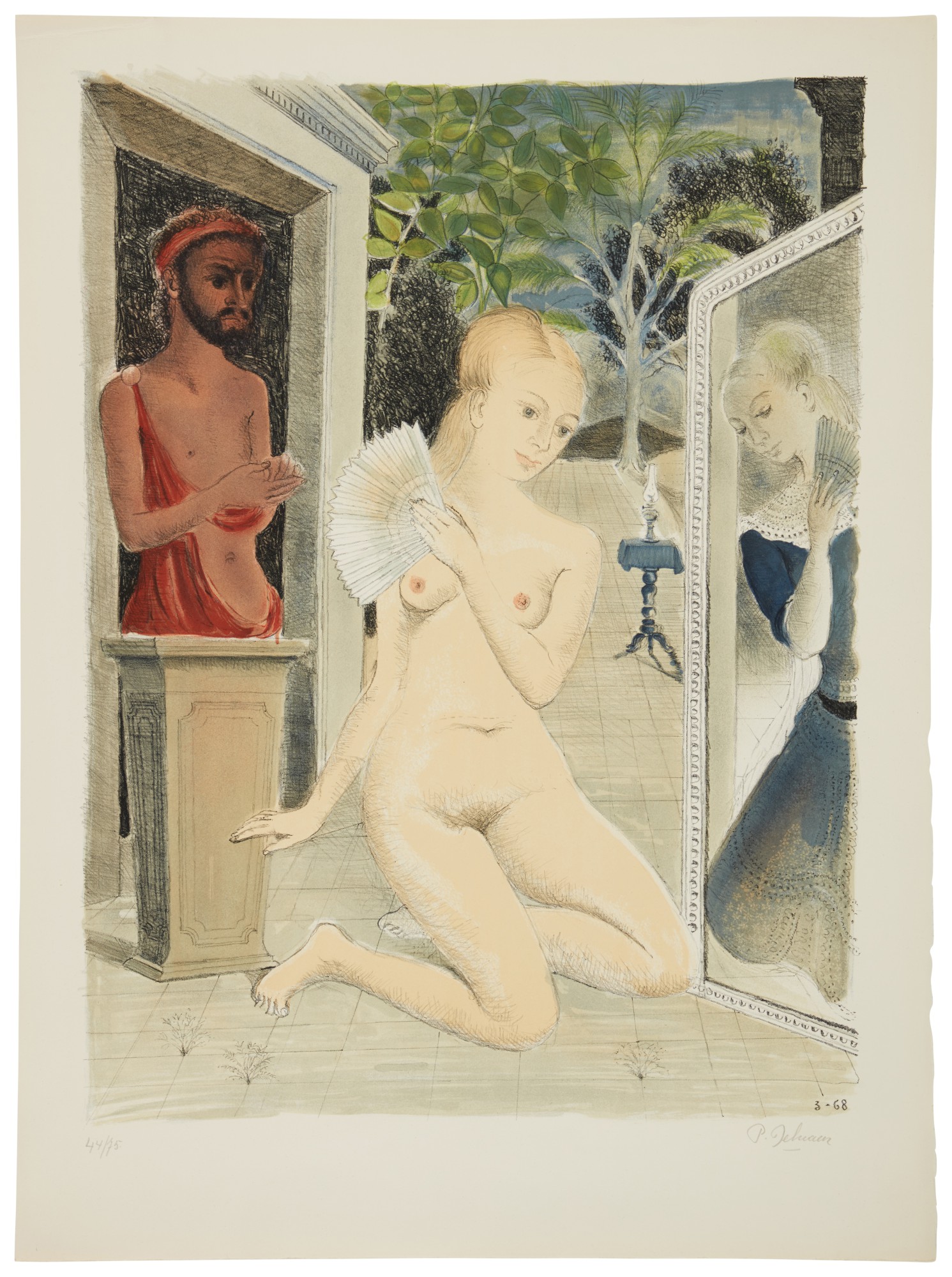
Henri Le Sidaner, working a generation after Whistler in a quieter key, applied similar principles to garden scenes and village evenings, his soft illuminated windows glowing like embers in the surrounding blue dark. The Surrealists made the night interior as much as exterior. For Paul Delvaux, whose work inhabits a permanent twilight populated by sleepwalking women and empty railway stations, the nocturnal setting was inseparable from the dreamwork his paintings performed. His canvases do not depict night so much as enact it, placing the viewer inside a logic that only holds once the rational mind has gone quiet.
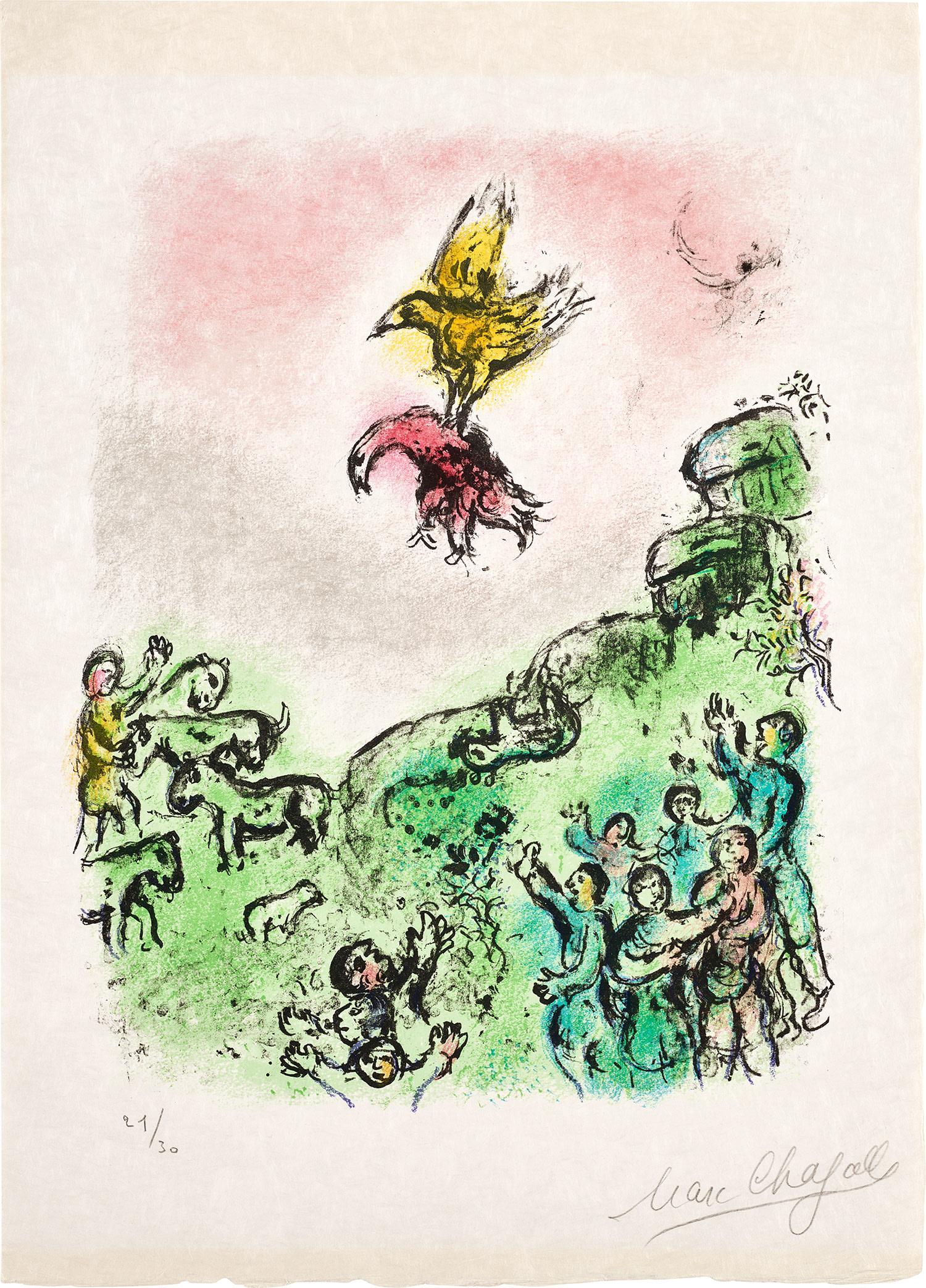
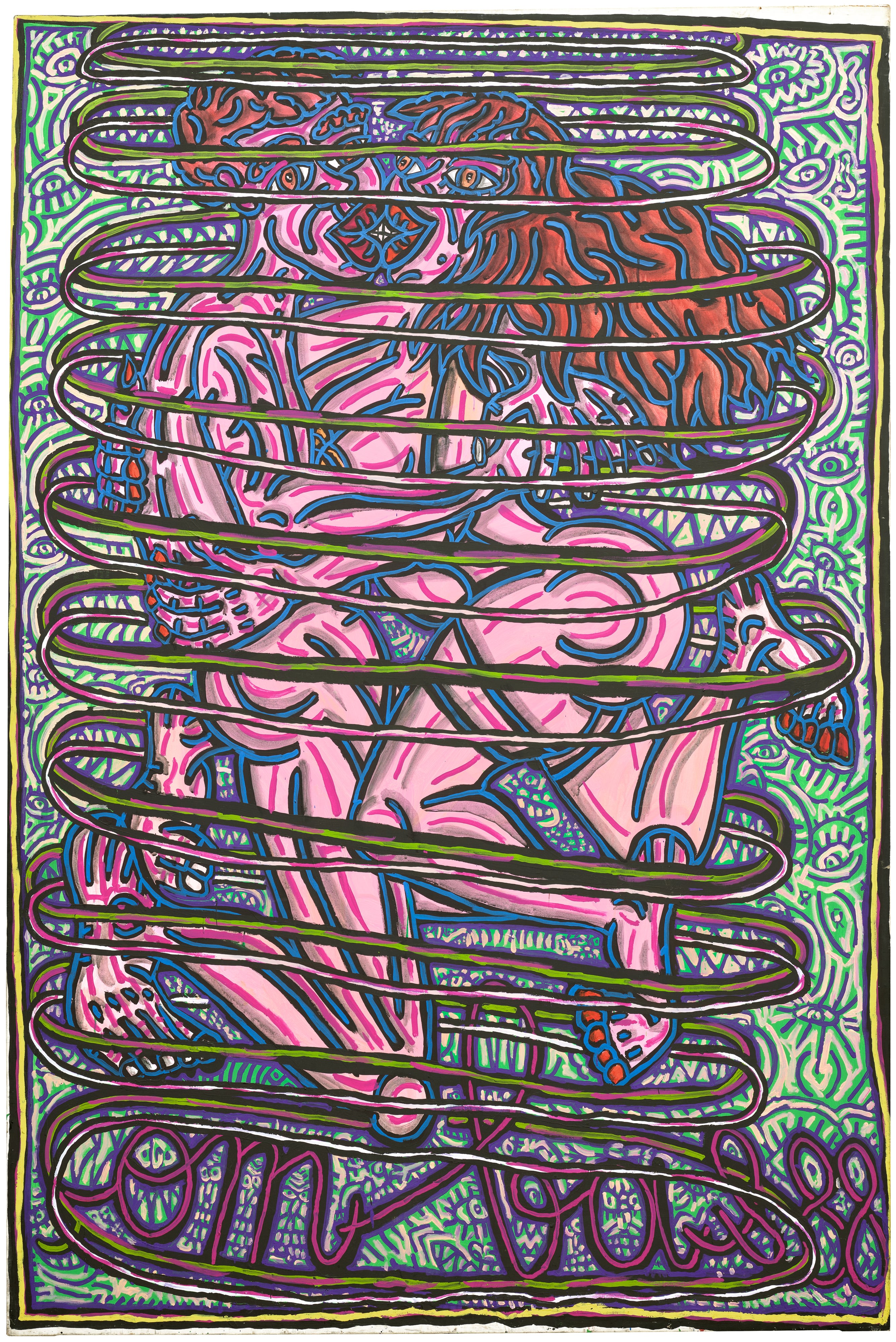
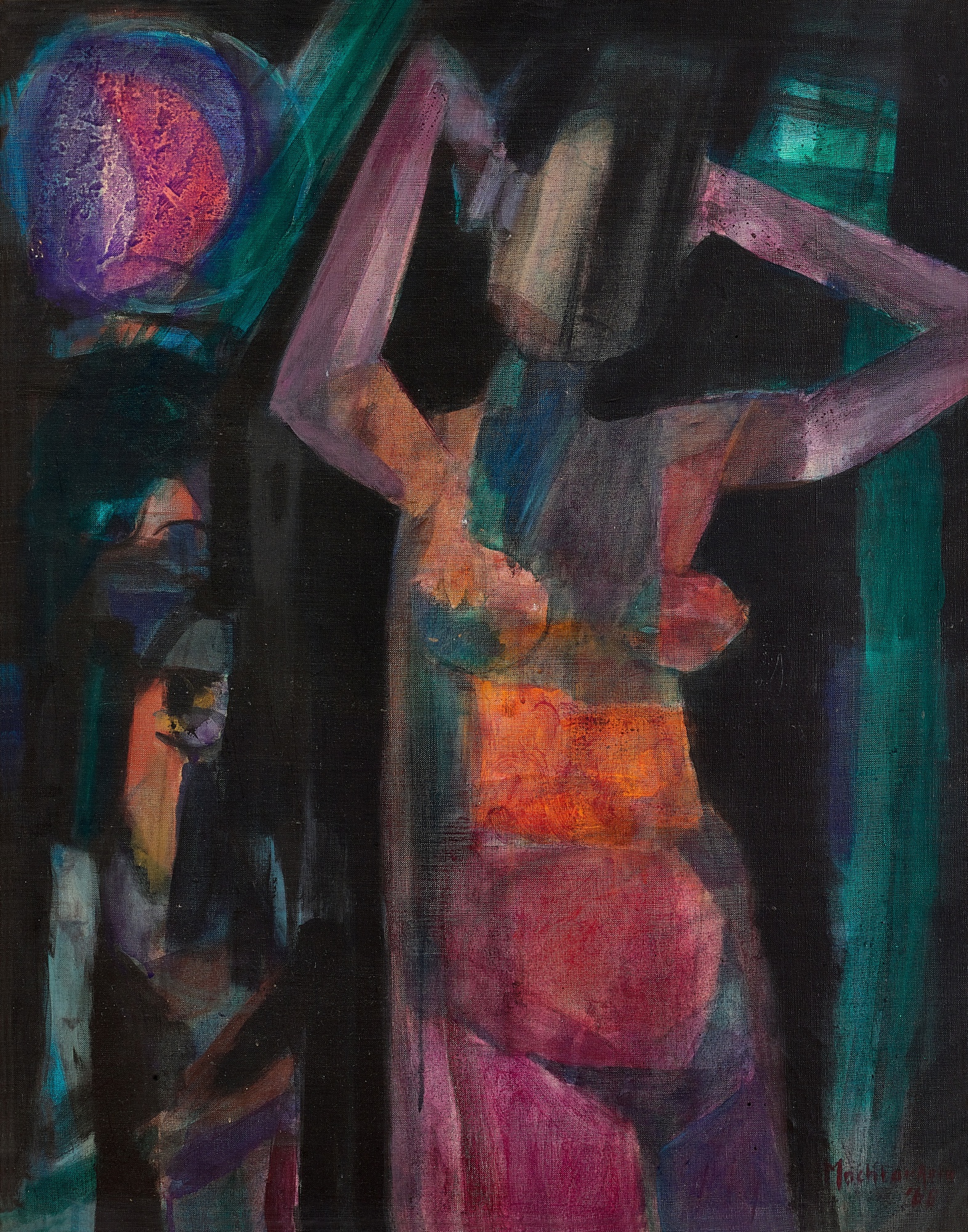
Marc Chagall worked in a related frequency. His floating figures over darkened villages and luminous lovers drifting through indigo skies drew on the folk traditions and spiritual textures of his Belarusian childhood, but transmuted them into something genuinely otherworldly. For both painters, night was the psychological condition of the image, not merely its temporal setting. Alice Rahon, the poet and painter closely associated with the Surrealist circle in Mexico City, brought a similar sense of nocturnal enchantment to her work, building up surfaces dense with symbolic incident as if transcribing something heard rather than seen.
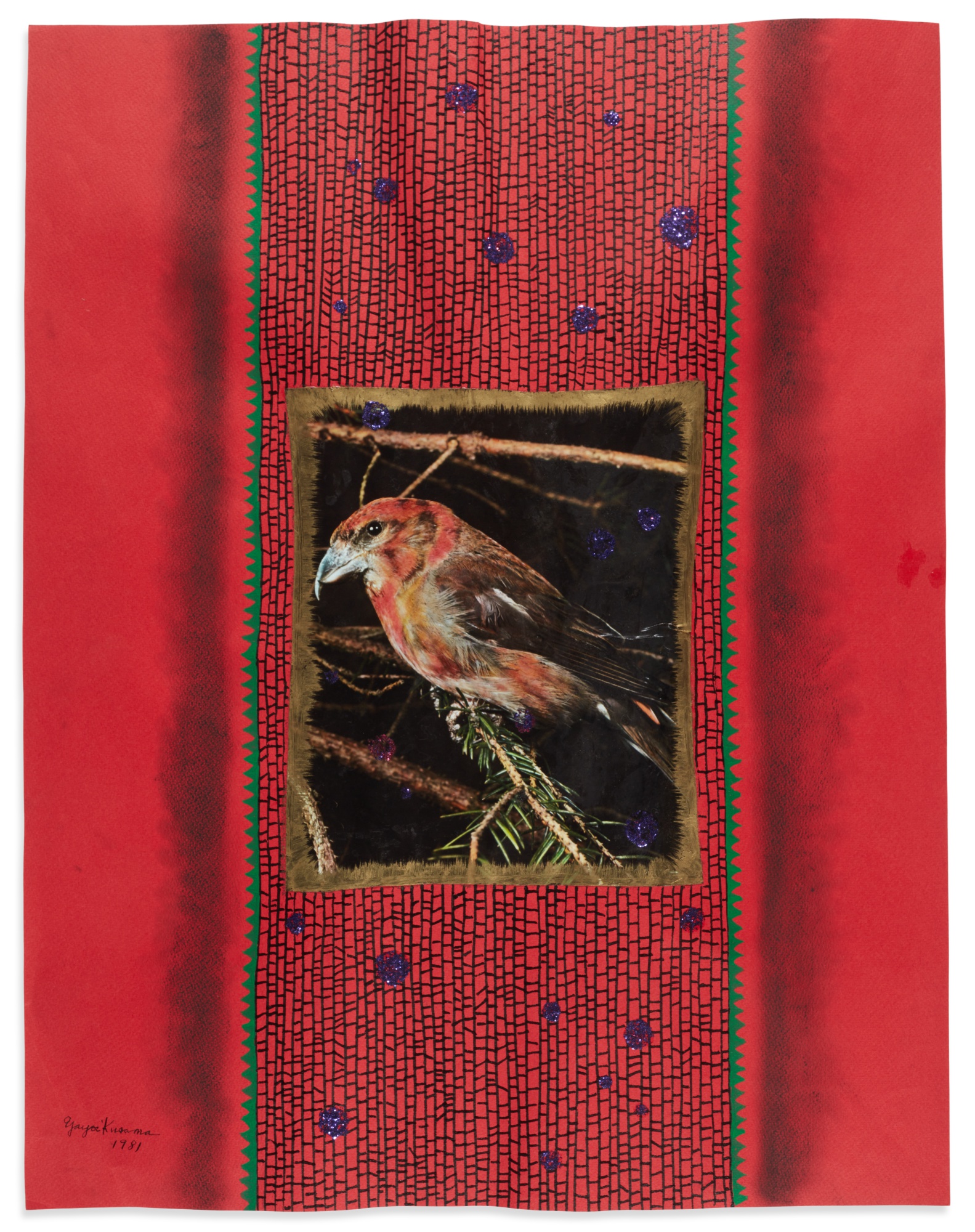
Yayoi Kusama
Night Bird
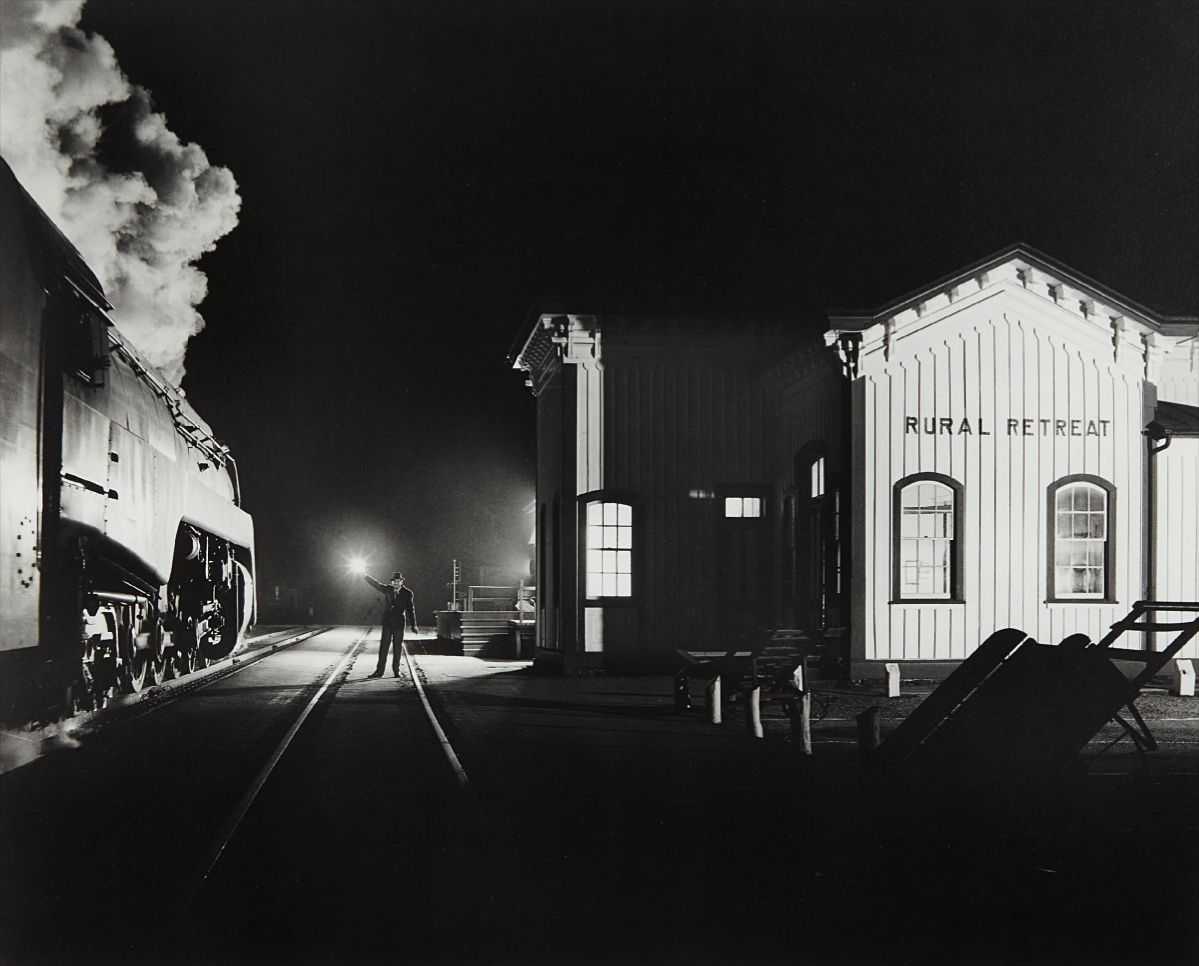
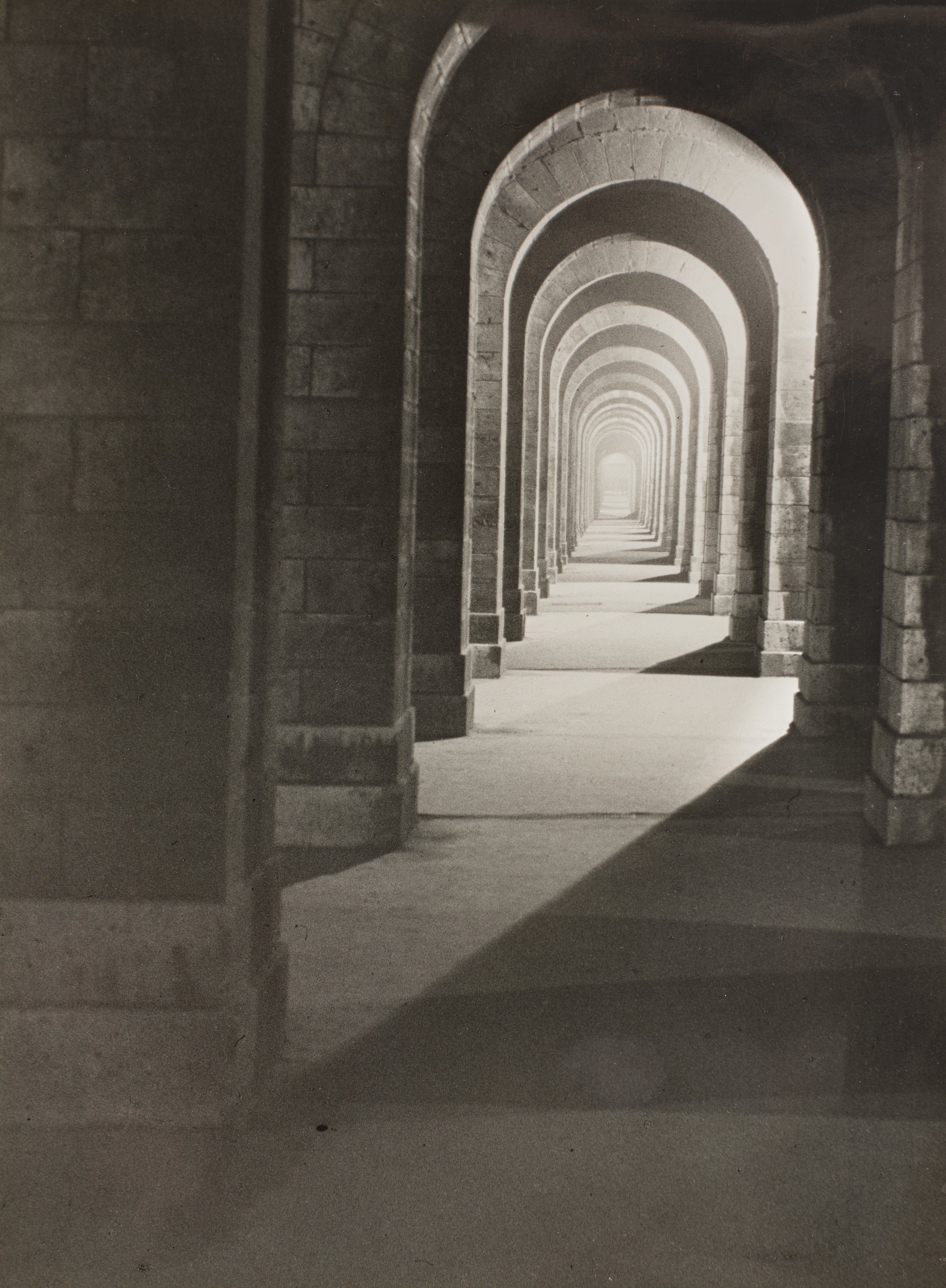
Photography entered the nocturnal conversation with its own complications. The medium was initially ill suited to darkness. Long exposures, unpredictable light sources, and technical limitations made night photography difficult and the results often accidental. Brassaï, the Hungarian born photographer who made Paris his subject and its nighttime underworld his particular territory, understood those limitations as creative conditions.
His images from the 1930s, gathered in the landmark 1933 publication "Paris de Nuit," defined what nocturnal street photography could be: intimate, slightly dangerous, full of shadow and complicity. He did not document the city at night so much as enter into a relationship with it. Ted Croner, working in New York in the late 1940s, brought a more expressionistic impulse to the same territory, his rain streaked cabs and streaking headlights turning the city into pure kinetic sensation. Henry Wessel Jr.
Norman Lewis
Night Vision, 1952
, later and more coolly, found a different night altogether in the American West, where the quality of artificial light against a desert sky produces an almost hallucinatory clarity. For artists working in the second half of the twentieth century, the nocturne became a space to reckon with interior states as much as exterior ones. Norman Lewis, one of the most underrecognized figures of American abstraction, made paintings in the 1960s and 1970s in which dark grounds and luminous vertical elements suggest crowds, ceremonies, and collective mourning without resolving into legible representation. His nocturnal abstractions carry a specific gravity rooted in the civil rights era and the experience of Black America, proving that the night in painting is never politically neutral.
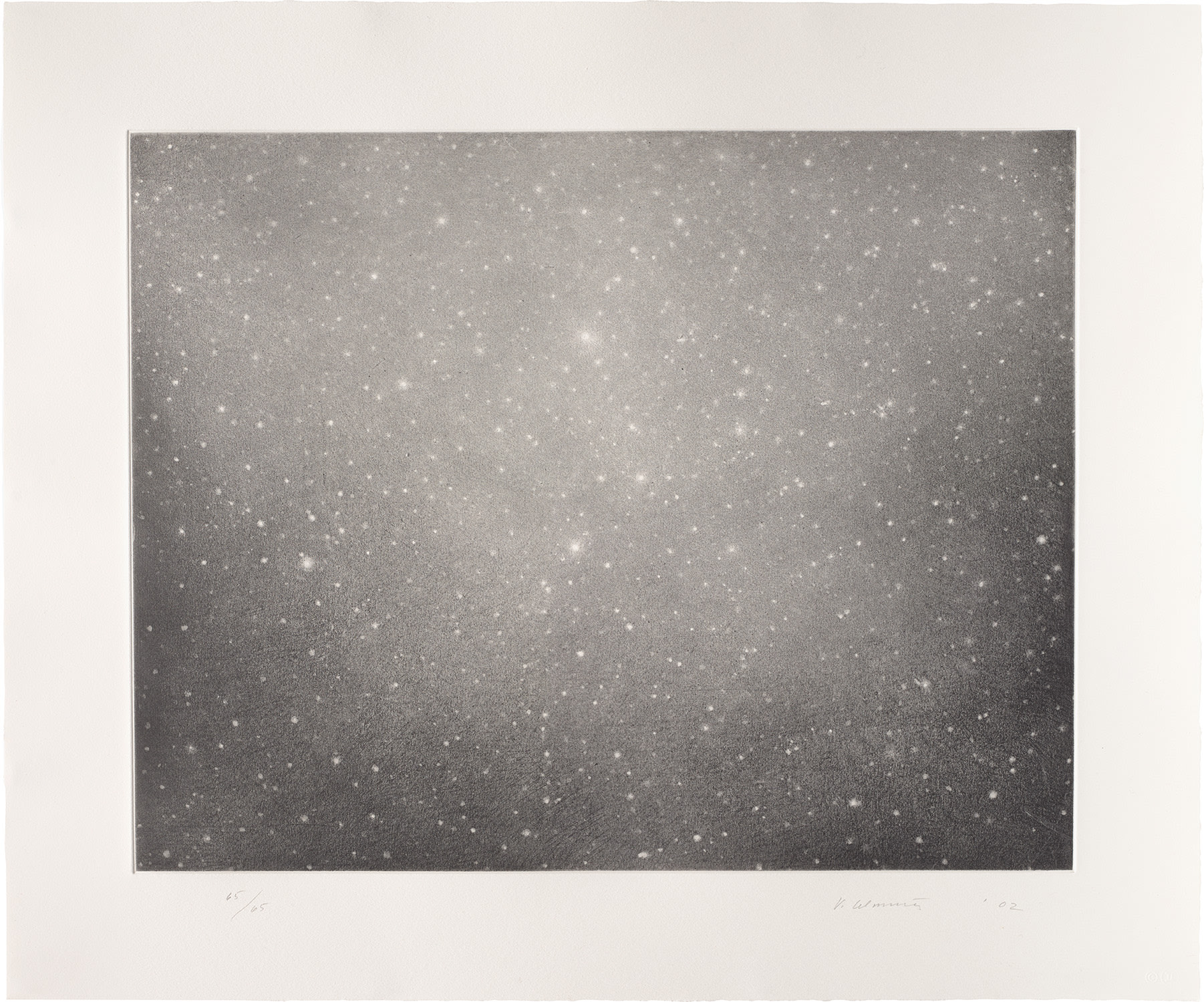
Vija Celmins, working with a precision that can feel almost merciless, produced drawings and paintings of night skies that force the eye into prolonged attention. Her ocean and galaxy surfaces look at first like exercises in stillness but accumulate into something vertiginous. The night she depicts is infinite, and she makes you feel that infinitude as a physical fact. What continues to draw artists to nocturnal subject matter is perhaps the same thing that has always drawn them to it: night suspends the usual hierarchy of things.
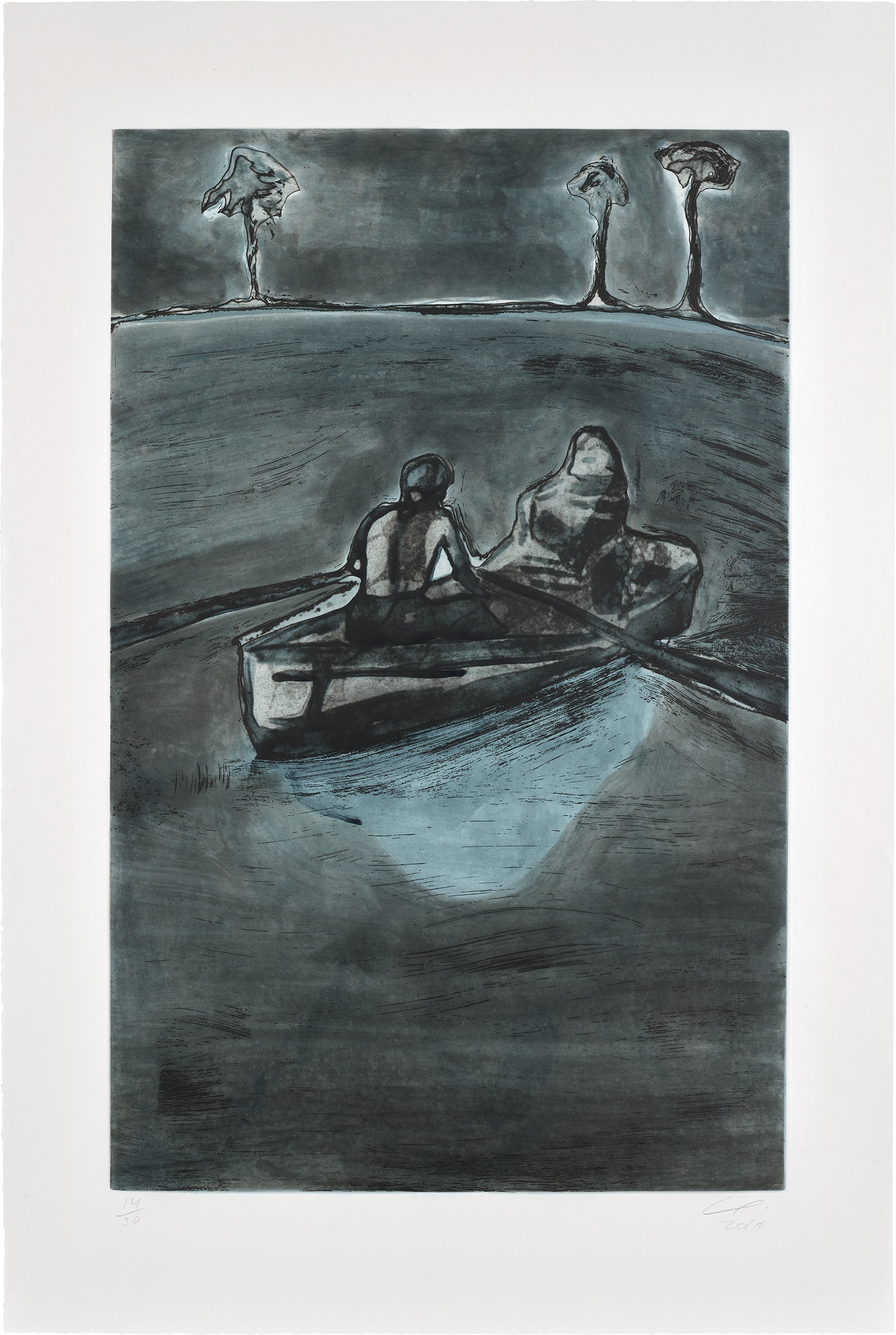
Details that seem important in daylight lose their insistence. Other qualities, atmosphere, luminescence, the relationship between a single light source and the darkness surrounding it, become primary. Peter Doig has long understood this. His paintings of water at night, of figures navigating dark landscapes, achieve a quality of suspended time that feels specific to the nocturnal mode.
Joan Miró, whose work is particularly well represented in The Collection, spent decades populating his own version of the night sky, filling it with biomorphic forms that seem to communicate in some pre linguistic frequency. His nocturnal canvases are not peaceful either. They are alive with a tension that daylight would dispel. The pull of the nocturnal in contemporary art shows no sign of weakening.
If anything, in an era saturated with information and visibility, the appeal of darkness as a conceptual and aesthetic space feels more urgent. Night still promises what it always has: the possibility of seeing differently, of attending to what the bright world obscures. The best nocturnal work in any medium does not illustrate that promise. It delivers it.