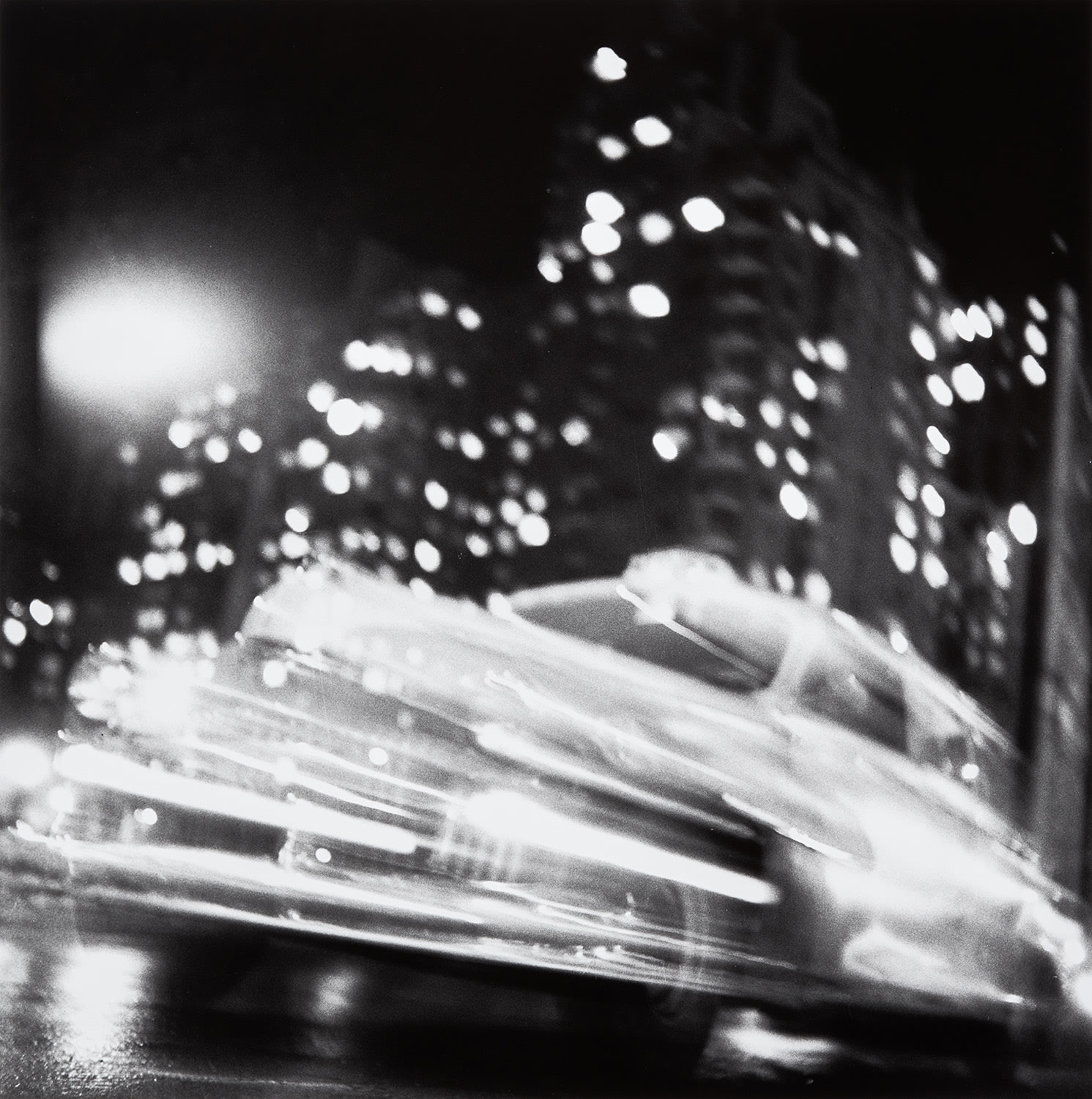
Ted Croner
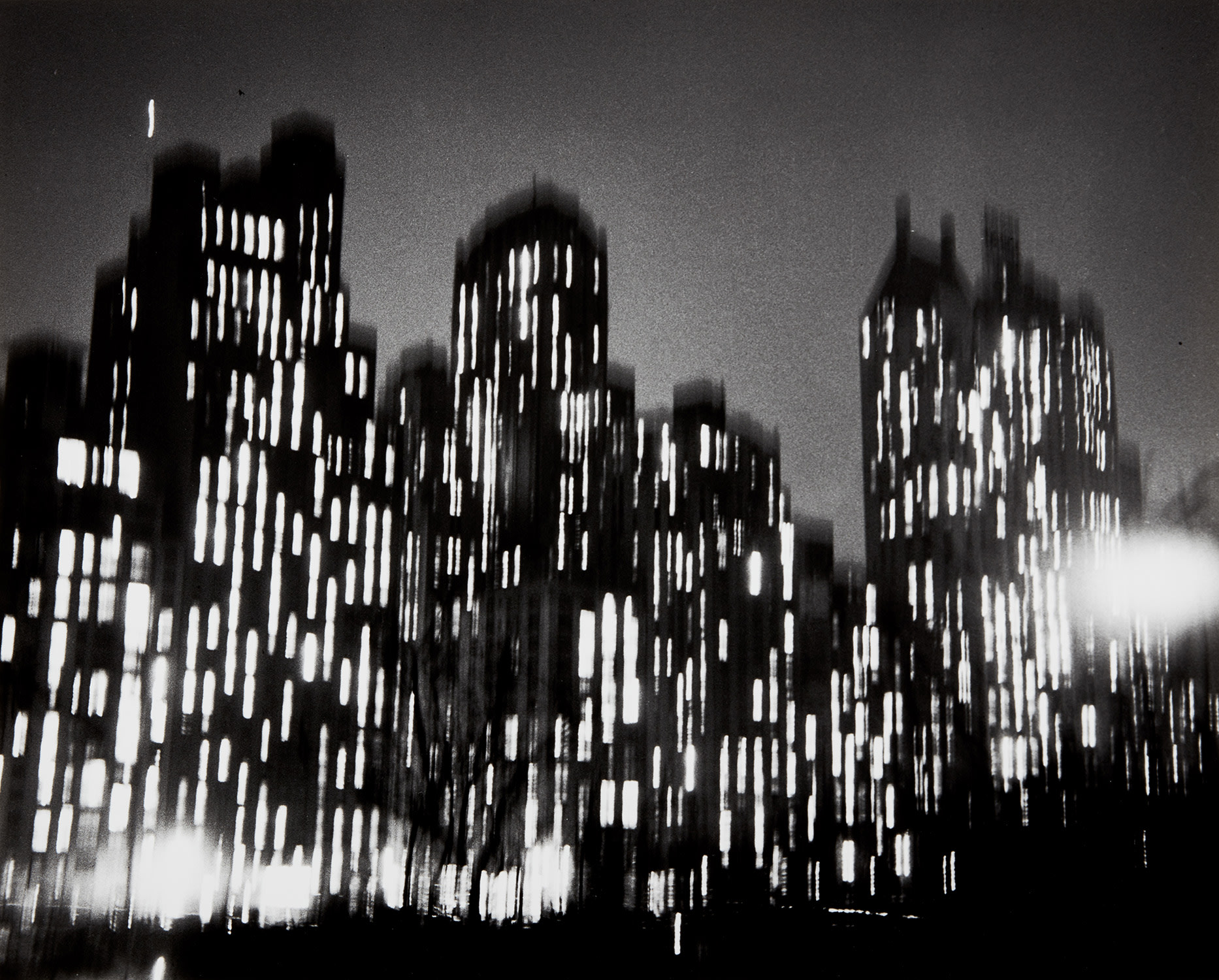
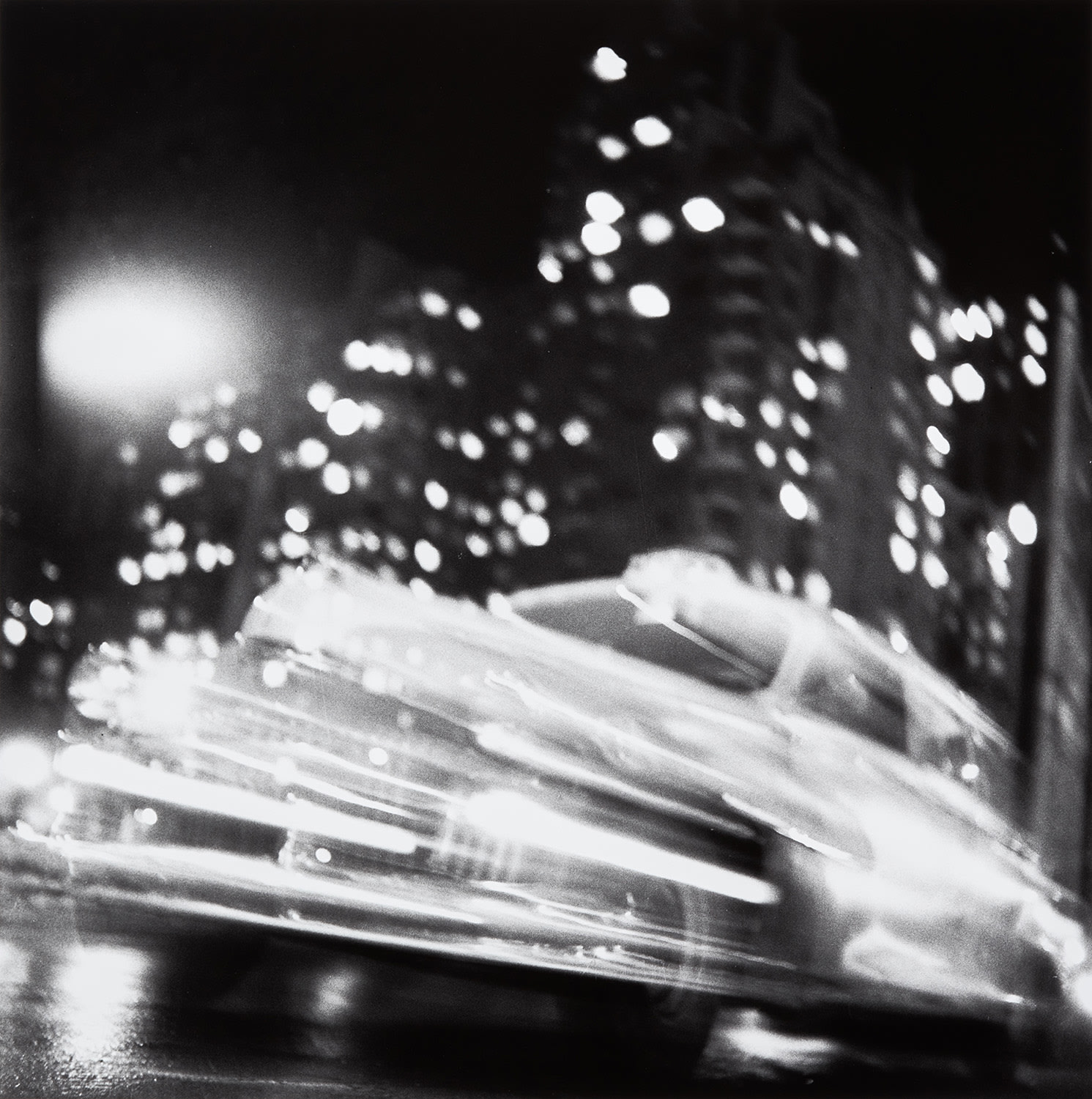
Ted Croner (1922, 2005) was an American photographer known for his evocative nighttime street photography captured in New York City during the late 1940s and 1950s. His work is characterized by bold experimentation with motion blur, long exposures, and dramatic lighting, creating dreamlike and expressionistic images that blur the line between photography and abstract art. Associated with the New York school of photography, Croner's images, particularly his iconic 'Taxi, New York' series, have earned him recognition as a pioneering figure in postwar American photography.
Artists in conversation
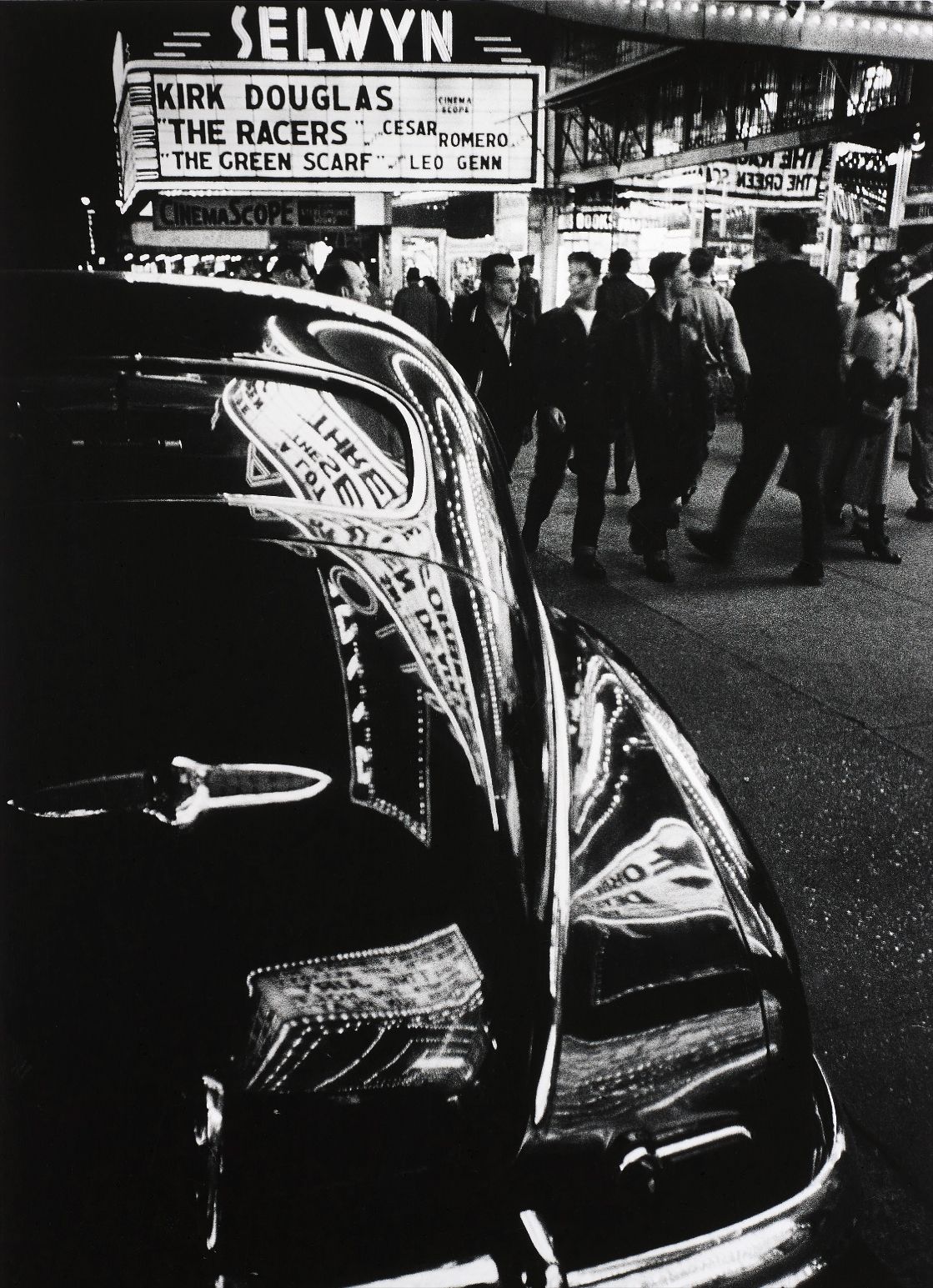
William Klein
Klein shared Croner's willingness to embrace blur, grain, and unconventional technique in New York street photography, producing visceral and expressionistic urban images that challenged documentary norms.
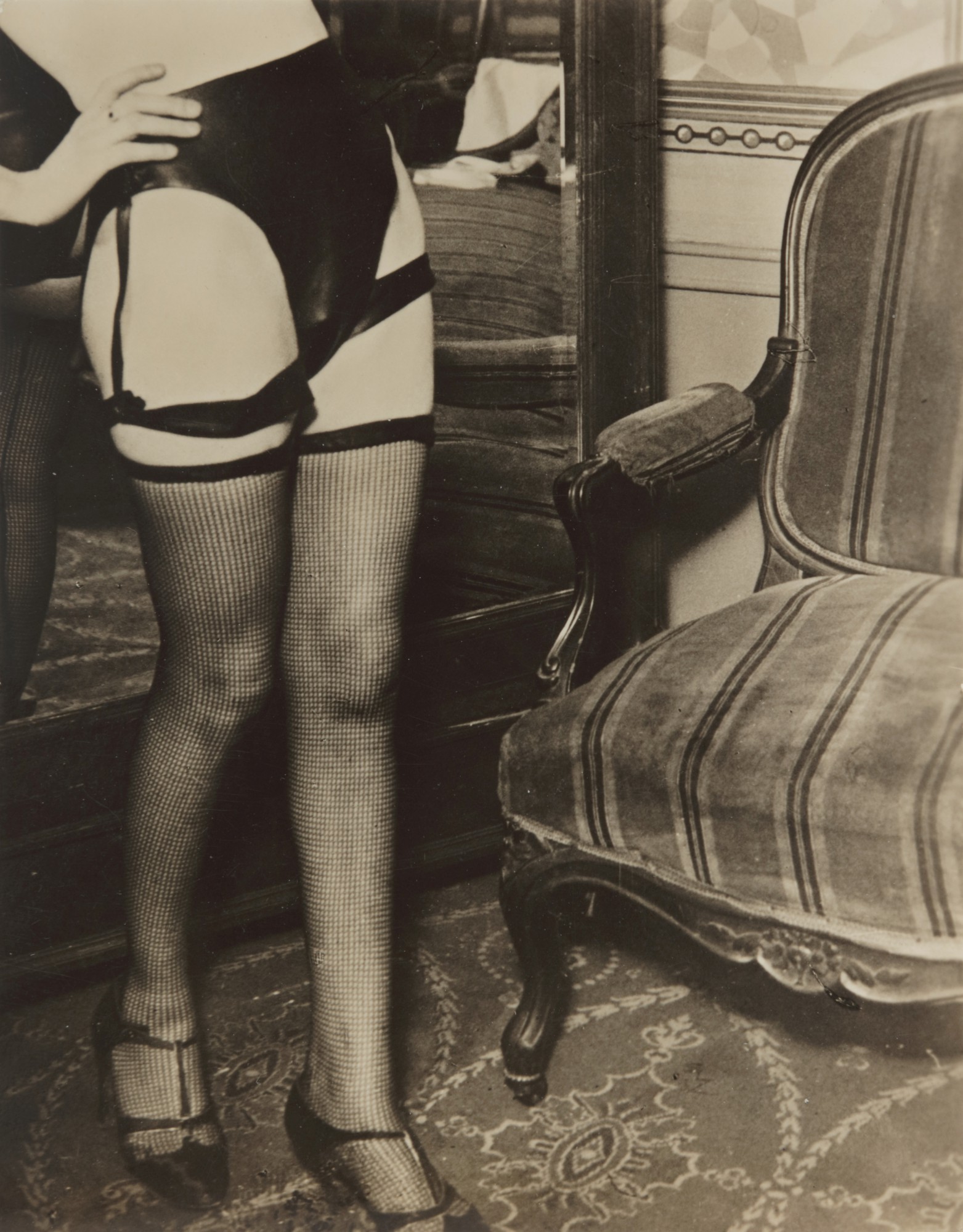
Brassaï
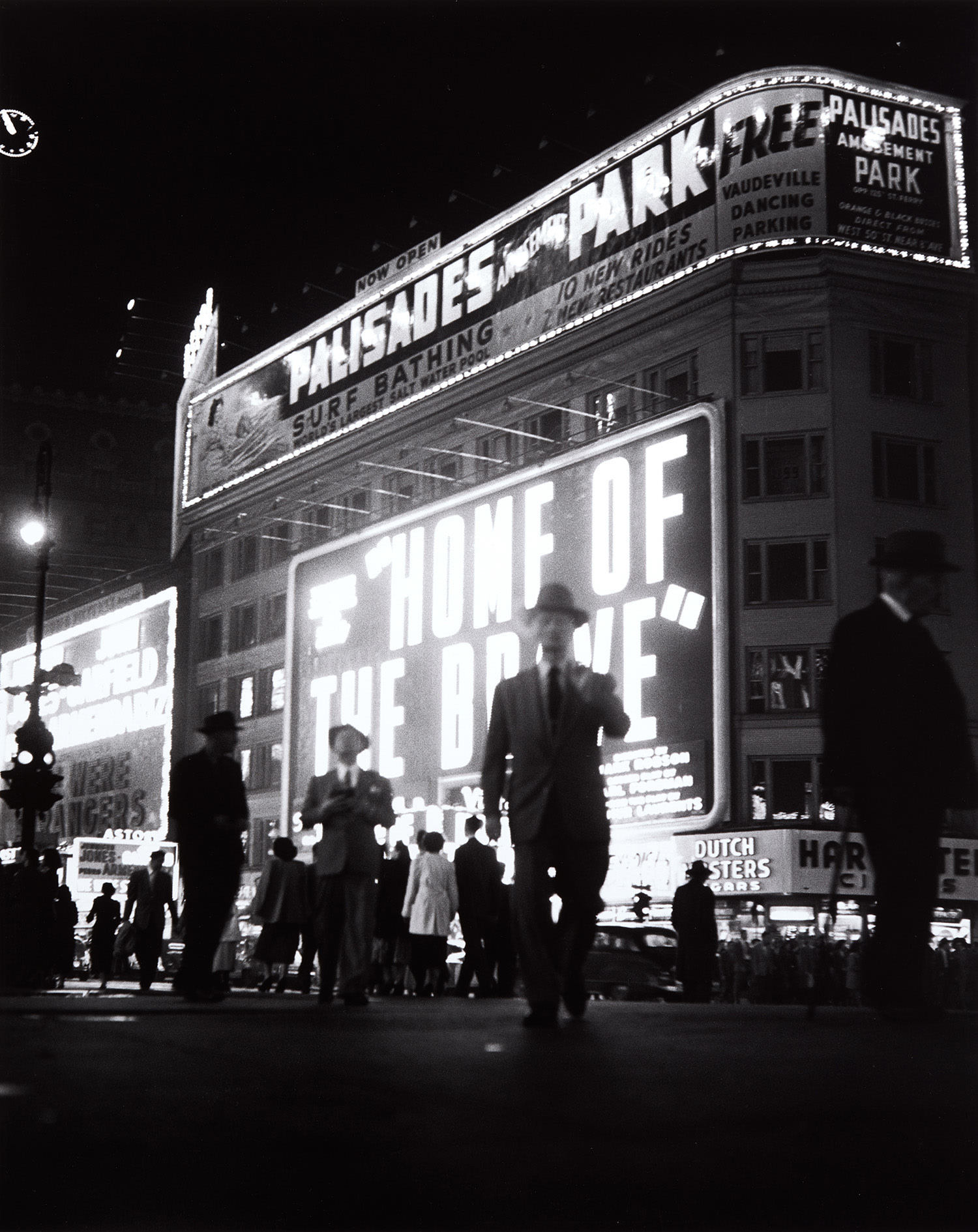
Brassaï pioneered nighttime city photography with long exposures and dramatic artificial lighting, creating atmospheric and dreamlike urban scenes that parallel Croner's nocturnal New York work.
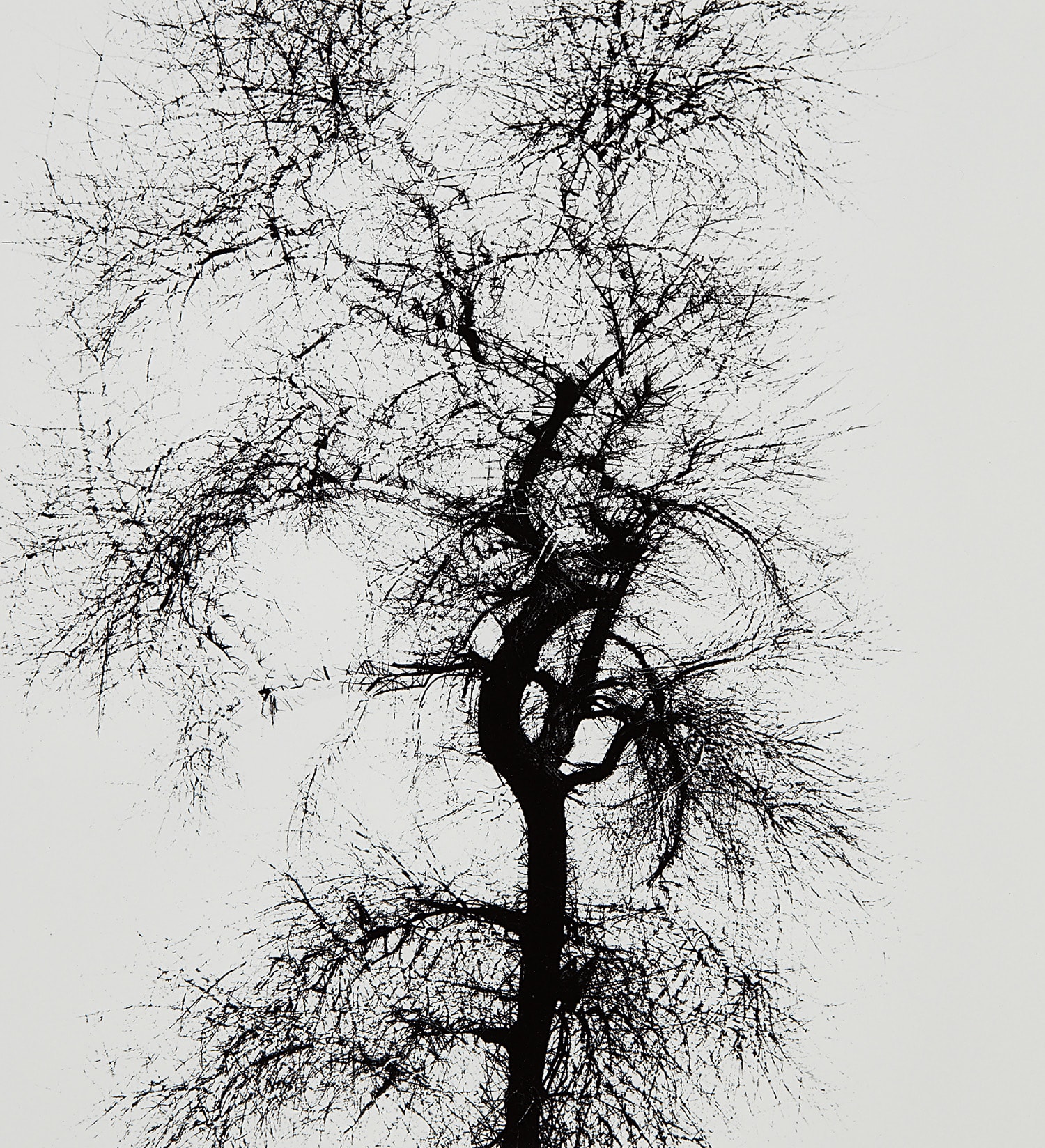
Harry Callahan
Callahan similarly explored motion blur and long exposure techniques in urban street photography, pushing the boundaries between abstract art and documentary image making in postwar America.
Artists who inspired them
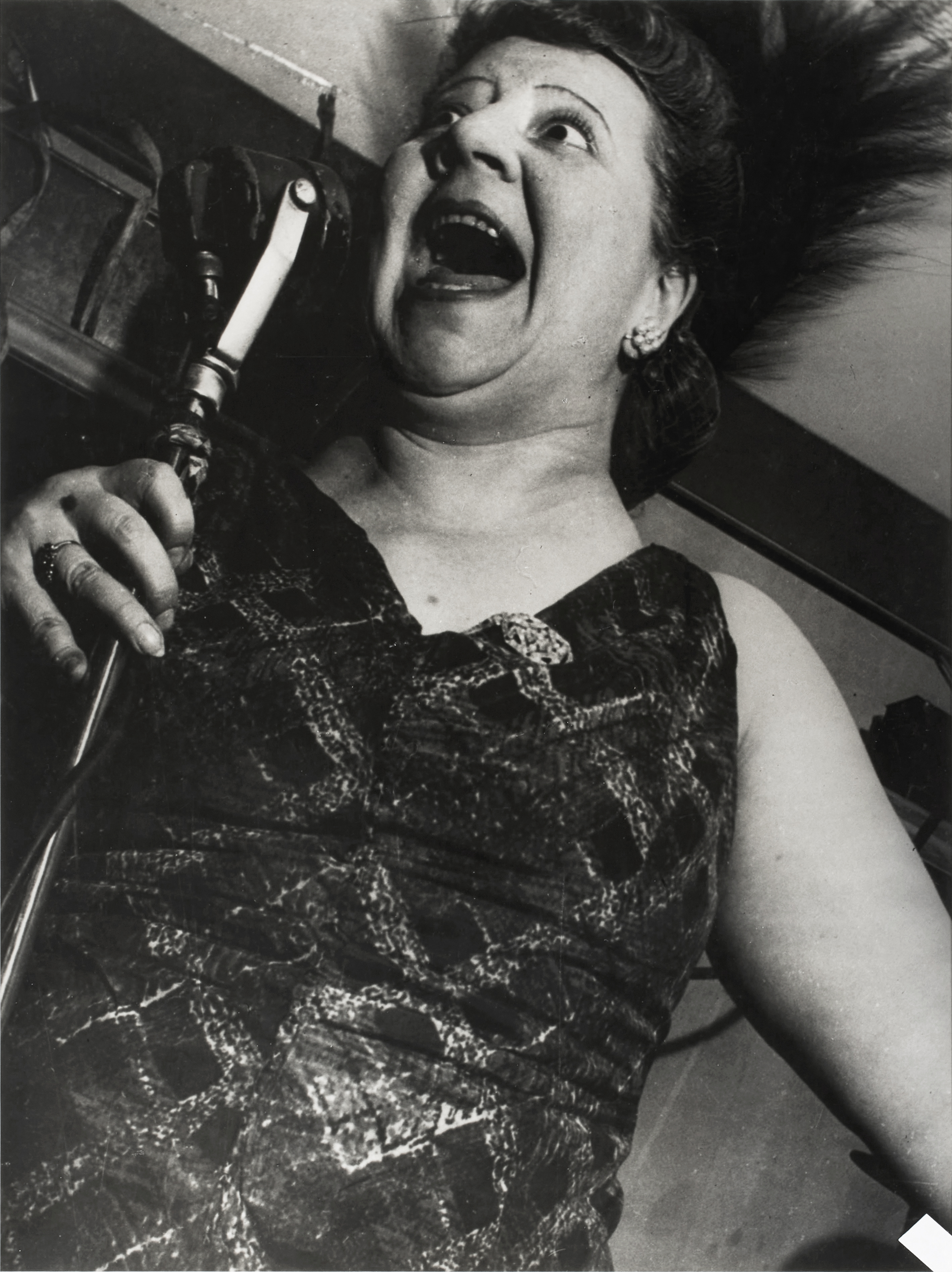
Lisette Model
Model was a central figure in the New York photography scene who championed bold formal experimentation and intense street observation, directly shaping the aesthetic sensibility of photographers in Croner's circle.
Weegee
Weegee's raw and theatrical nighttime New York photography established a template for gritty urban nocturnal imagery that strongly informed Croner's own pursuit of dramatic city scenes after dark.
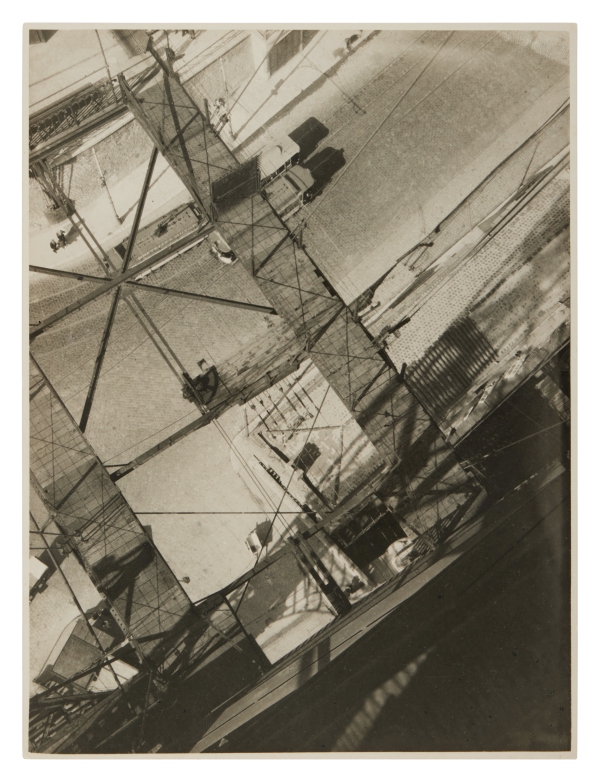
László Moholy-Nagy
Moholy-Nagy's avant garde experiments with light, movement, and photographic abstraction provided a conceptual foundation for Croner's expressive use of blur and unconventional camera technique.