
Utagawa Hiroshige
70
Works
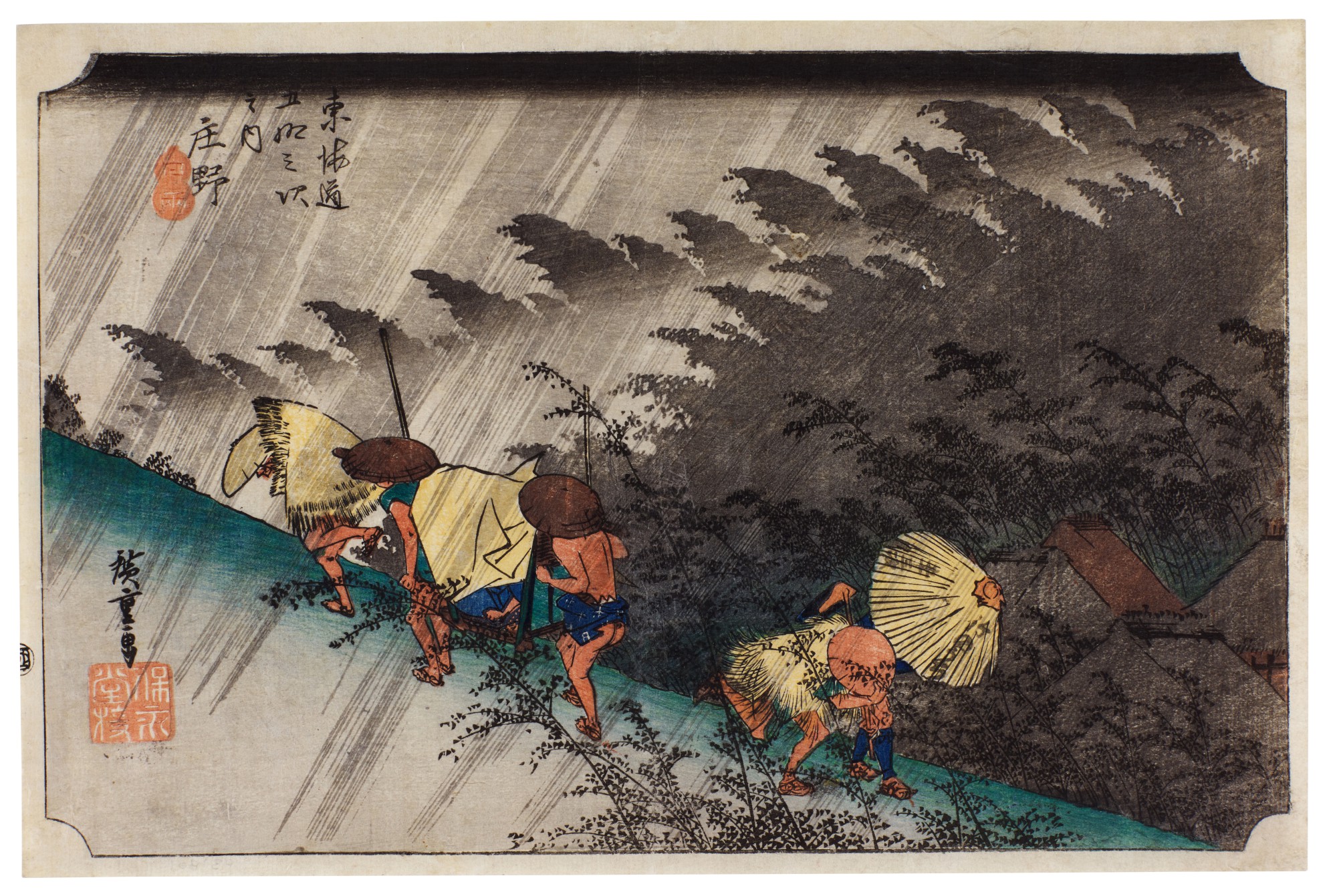
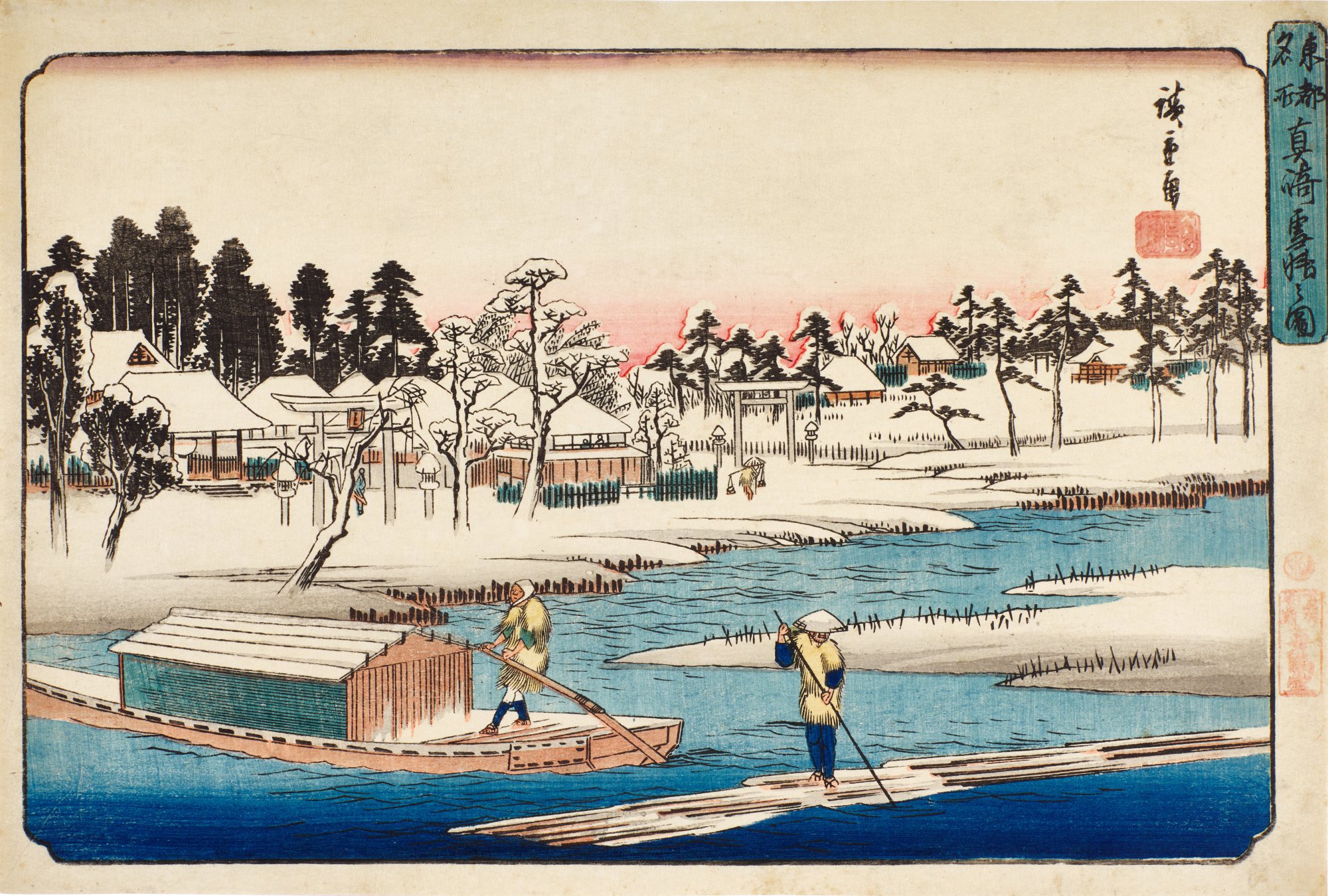
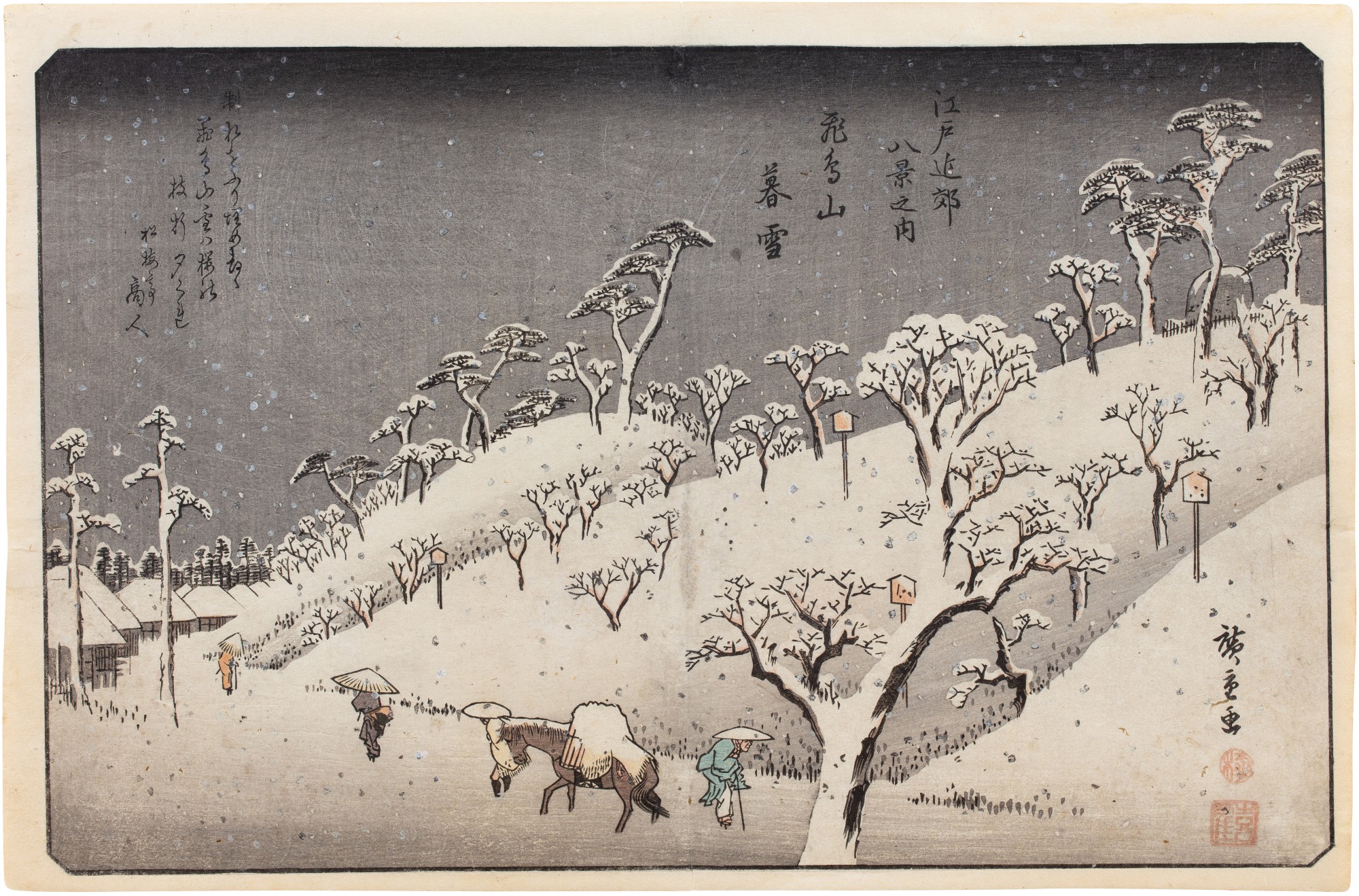
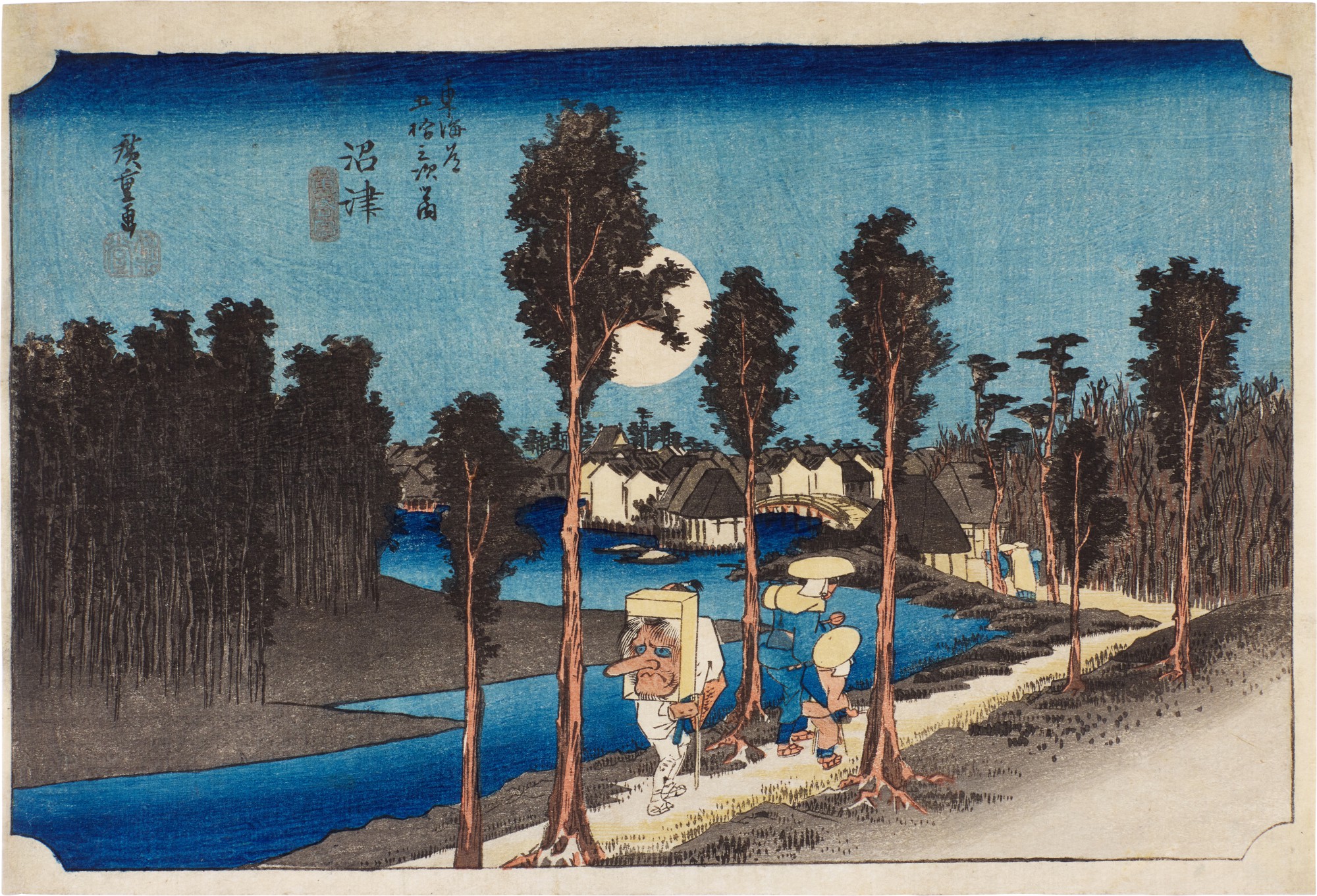
Utagawa Hiroshige (1797–1858) was one of the last great masters of the Japanese ukiyo-e woodblock print tradition, renowned for his lyrical, atmospheric depictions of landscapes, weather phenomena, and the natural world. Born in Edo (present-day Tokyo) as Andō Tokutarō, he trained under Utagawa Toyohiro before developing a distinctive personal style that set him apart from his contemporaries. His work is characterized by a poetic sensitivity to seasonal change, the interplay of light and mist, and a masterful use of bokashi (gradated color printing) to evoke mood and atmosphere. Unlike many ukiyo-e artists who focused on portraiture and genre scenes, Hiroshige elevated landscape to the forefront of the form, profoundly reshaping Japanese printmaking in the process. Hiroshige's most celebrated series, The Fifty-three Stations of the Tōkaidō (1833–34), produced in collaboration with publisher Hōeidō, brought him widespread fame and depicted the post towns along the famous road connecting Edo to Kyoto. He followed this triumph with numerous other landmark series, including One Hundred Famous Views of Edo (1856–58), a late-career masterpiece featuring dramatic compositional innovations such as bold close-up foreground elements and sweeping distant vistas. His Snow, Moon, and Flowers series and various depictions of Kyoto and provincial Japan further cemented his reputation as an unparalleled chronicler of the Japanese landscape and everyday life. Across his career he produced an estimated 5,000 or more designs, demonstrating both extraordinary prolificacy and consistent artistic invention. Hiroshige's influence has proven vast and enduring, extending well beyond Japan. His prints were among those that sparked the Japonisme movement in late 19th-century Europe, directly inspiring Western artists including Vincent van Gogh, who made oil painting copies of several of Hiroshige's compositions, and Claude Monet, whose celebrated water garden at Giverny was partly inspired by Japanese aesthetics. His bold flat areas of color, unconventional perspectives, and compositional daring anticipated many principles later associated with modernist art. Today, Hiroshige's works are held in major museum collections worldwide, including the Metropolitan Museum of Art, the British Museum, and the Tokyo National Museum, and he remains a towering figure in the history of world art.
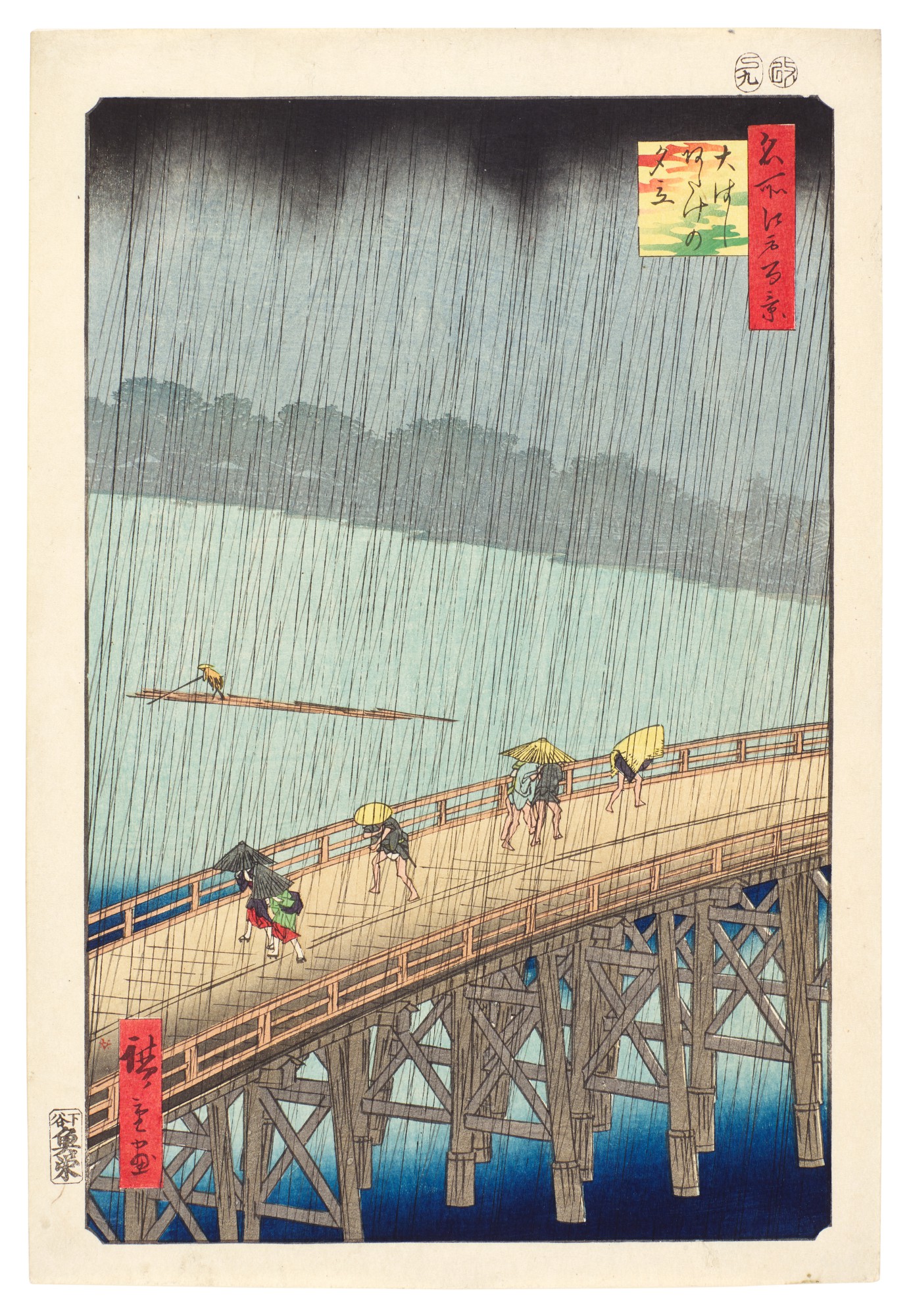
Sudden Shower over Shin-Ohashi Bridge and Atake (Ohashi Atake no yudachi) | Edo period, 19th century
Artists in conversation