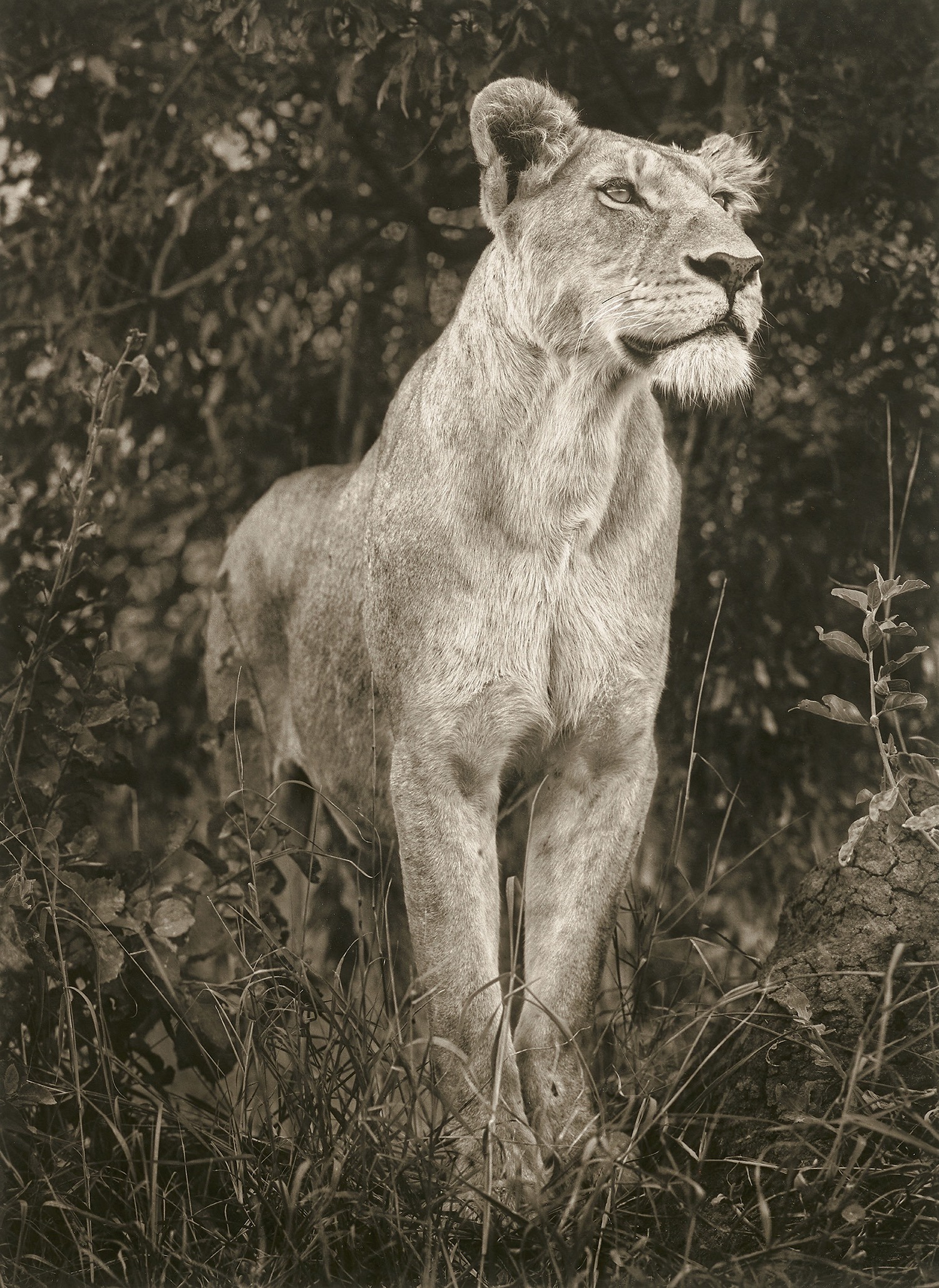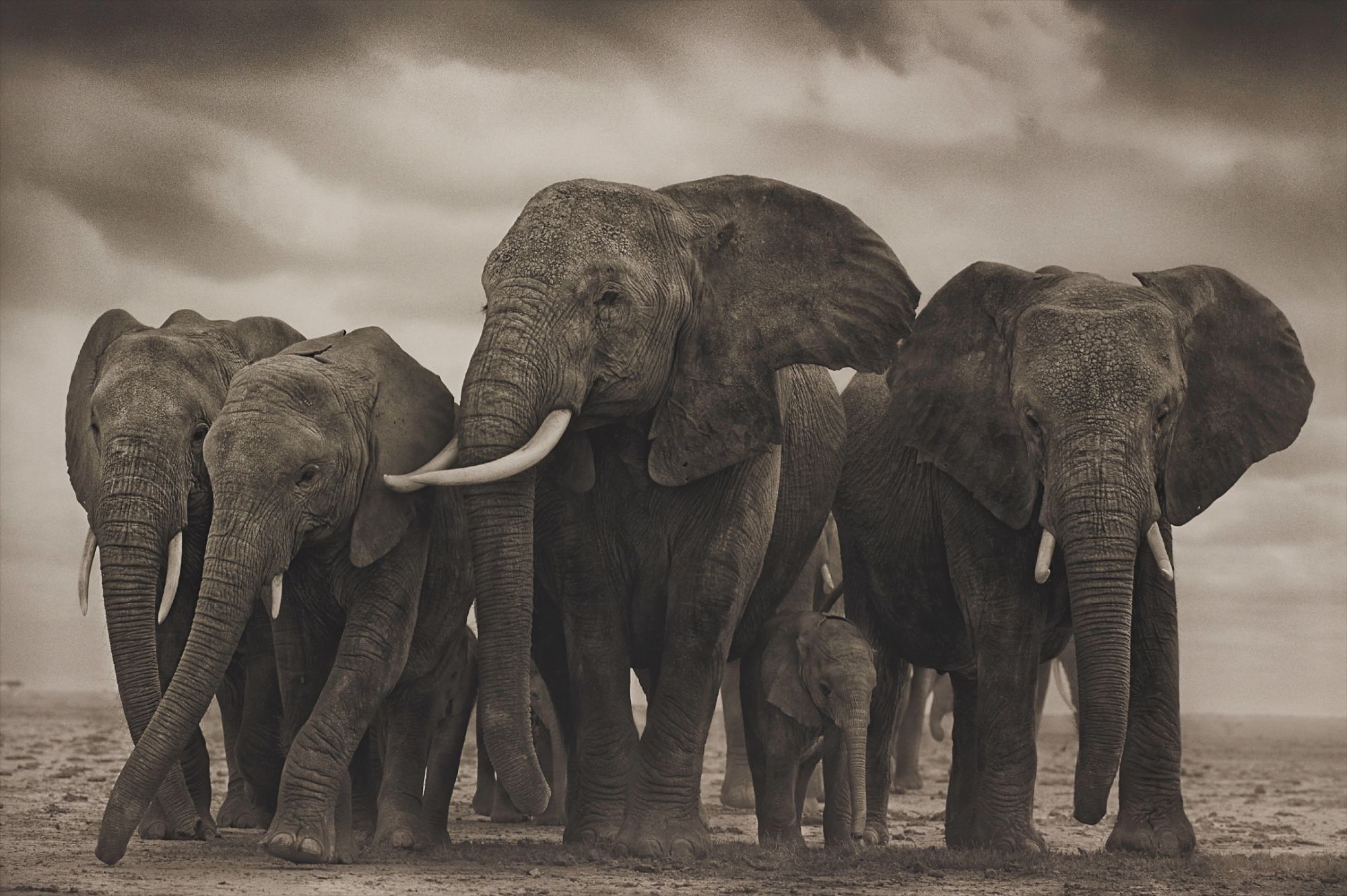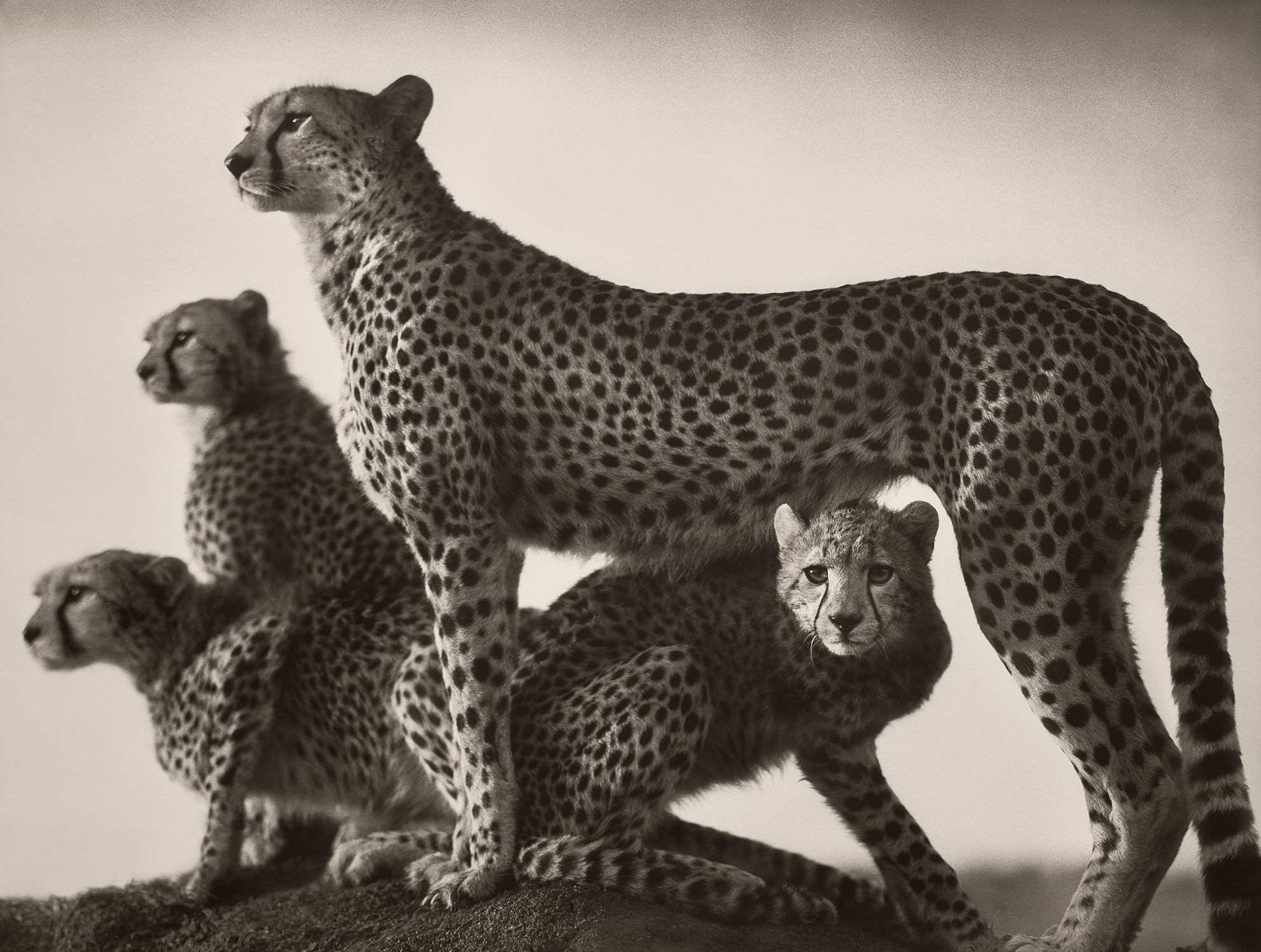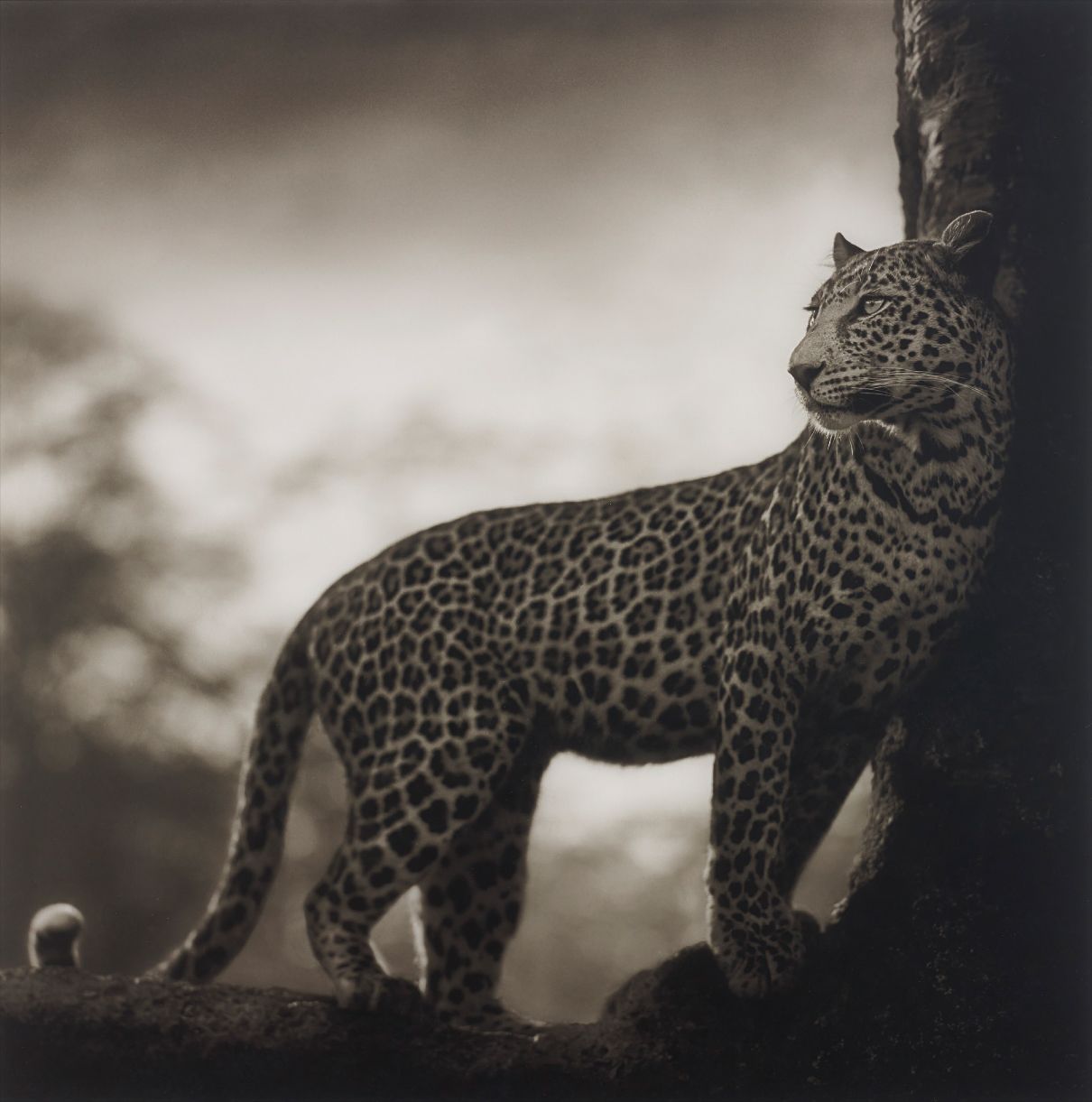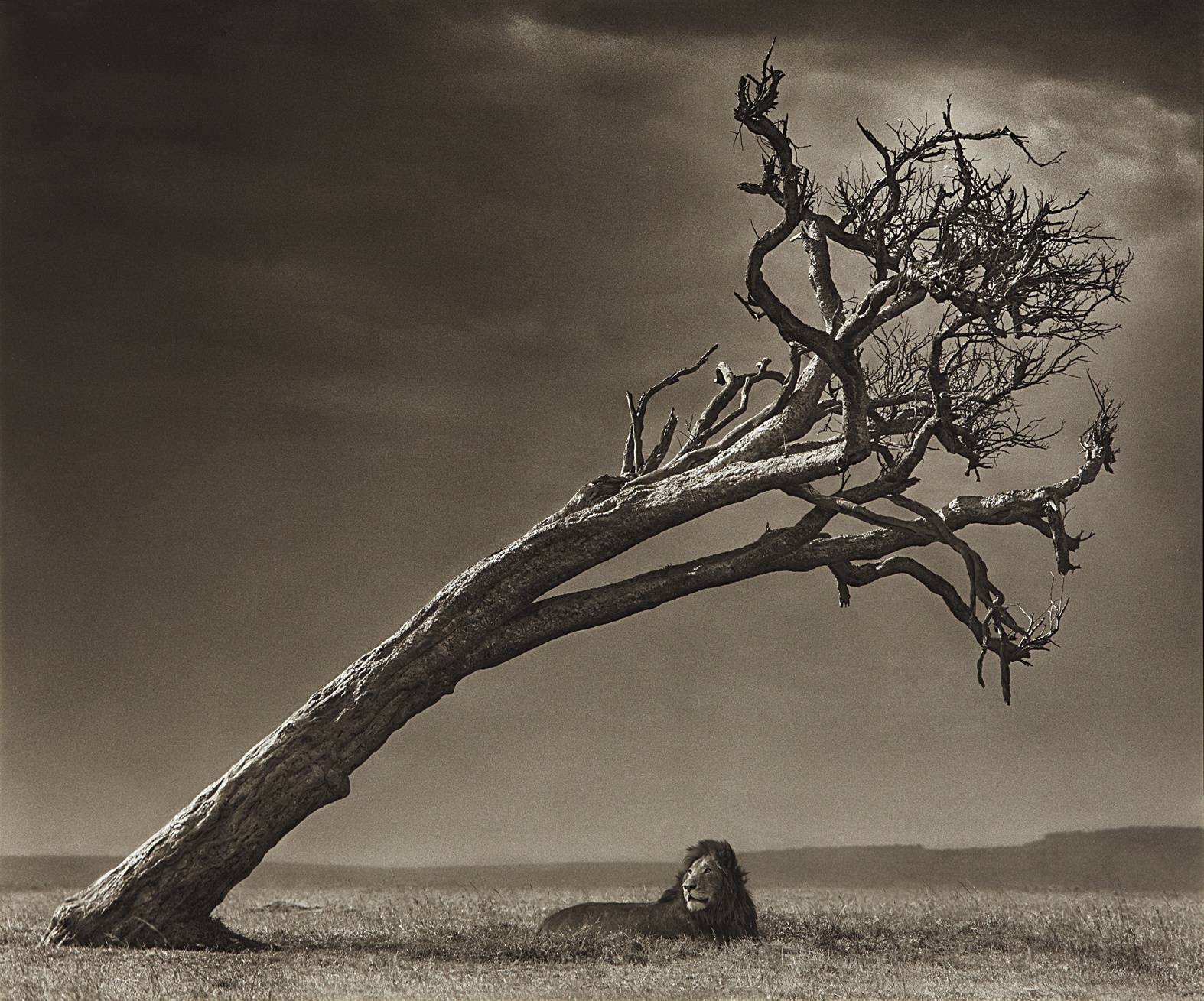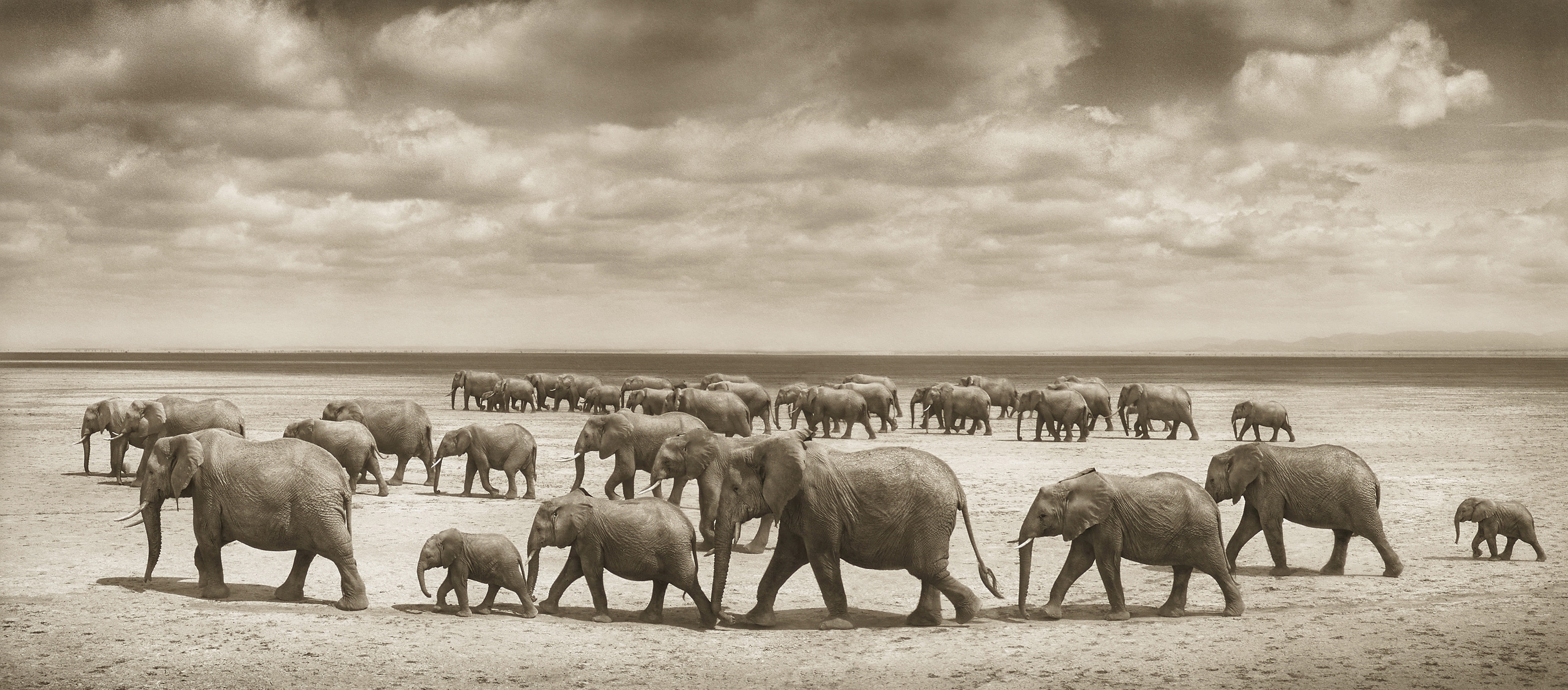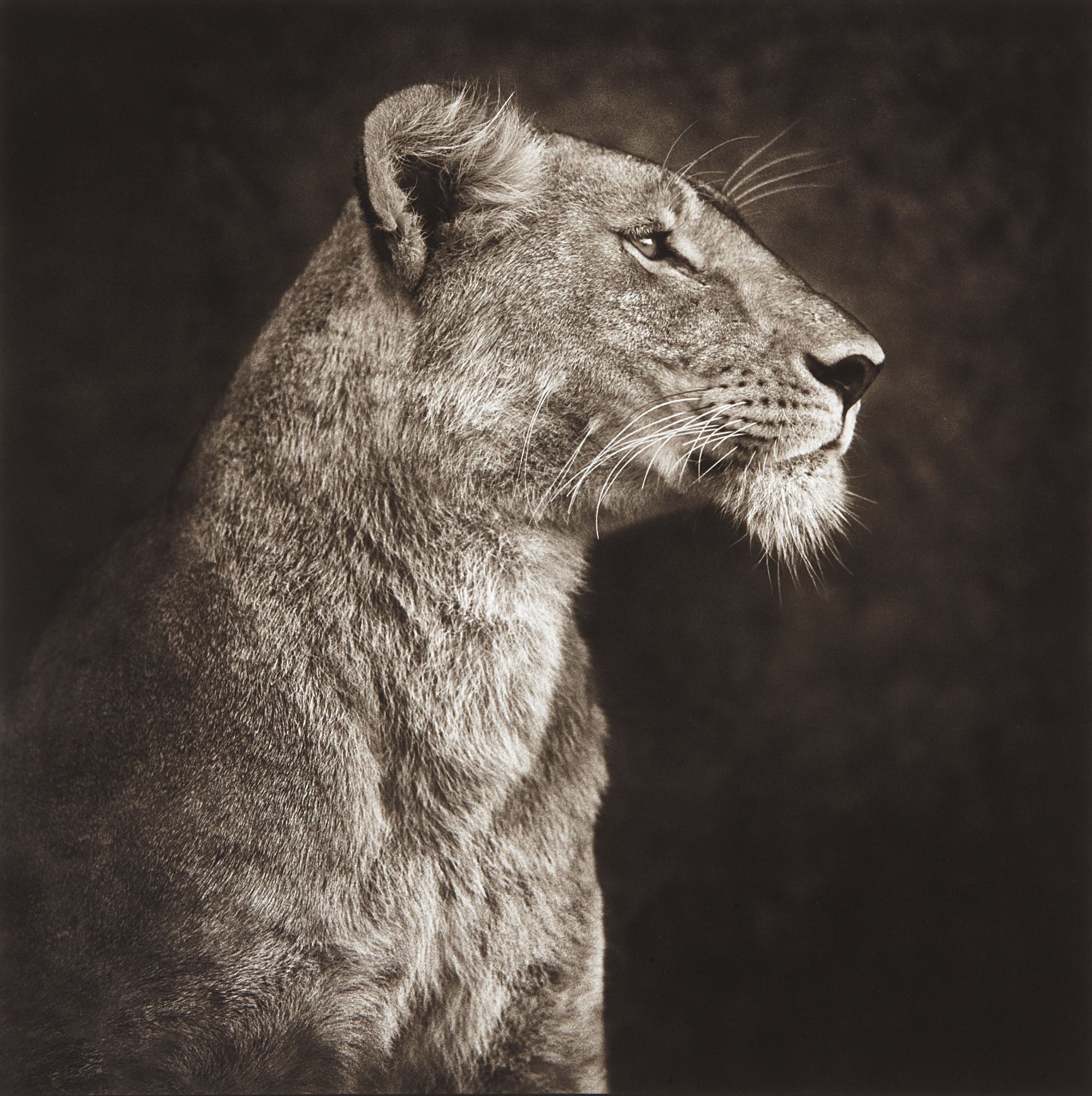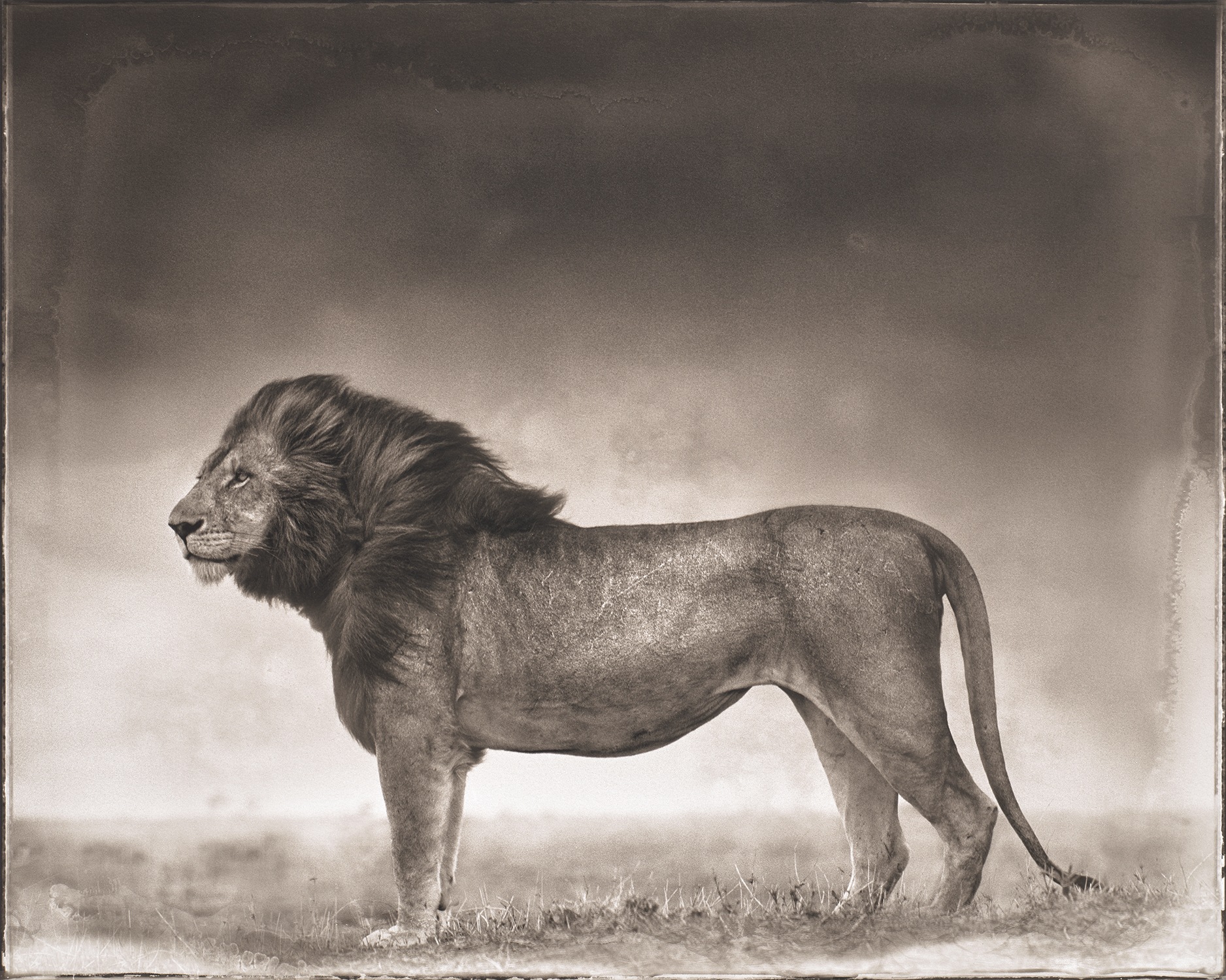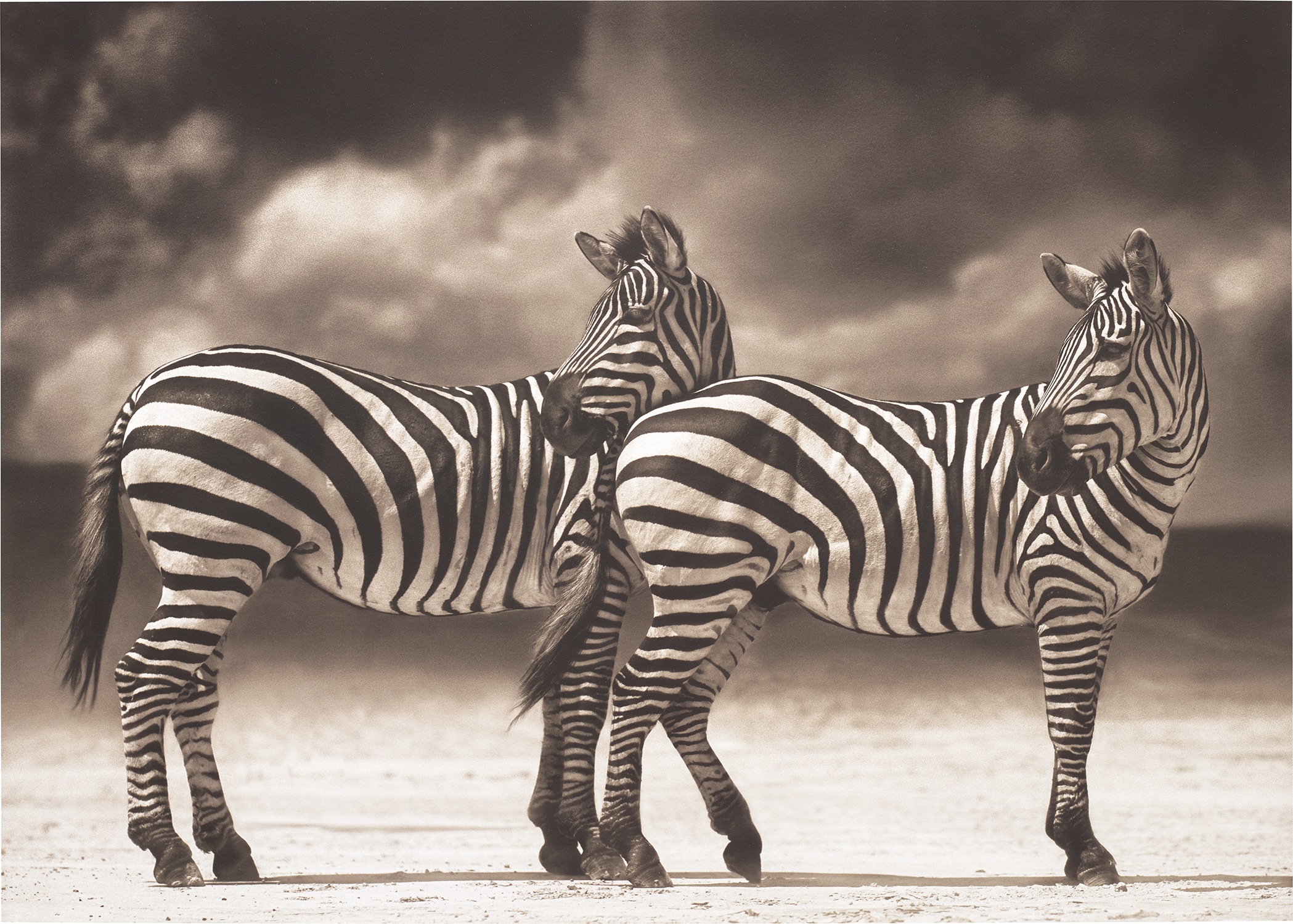
In the autumn of 2023, Nick Brandt brought his landmark series This Empty World to a wider global audience through continued institutional interest and growing museum dialogue around photography's role in environmental storytelling. Galleries in London and New York have sustained a passionate conversation around his practice, and auction rooms have reflected that enthusiasm with increasing consistency. For collectors who discovered Brandt through his celebrated Africa trilogy, this moment feels like a confirmation of something they sensed all along: that his images occupy a rare territory where documentary urgency and fine art mastery are not in competition but in complete, breathtaking harmony. Brandt was born in London in 1966 and grew up with a sensitivity to the natural world that would eventually consume his creative life entirely. Before photography became his primary language, he worked as a music video director, most famously collaborating with Michael Jackson on the Earth Song video in 1995, a project whose ecological themes already signaled where his deepest preoccupations lay. It was not until he traveled to East Africa that something shifted permanently. The continent did not simply inspire him; it changed the architecture of his attention. He described encountering Africa's wildlife as a kind of reckoning, a confrontation with beauty and fragility so intense that no other subject seemed possible afterward. His early photographic work in Africa was distinguished immediately by choices that set him apart from wildlife photographers working in the same landscapes. Brandt refused the telephoto lens, choosing instead to work in close proximity to his subjects using a medium format camera. This decision was not merely technical; it was philosophical. The resulting images carry an intimacy that feels almost impossible given the scale and wildness of the animals depicted. Lions, elephants, and cheetahs gaze into his lens with a gravity that recalls Renaissance portraiture more than traditional nature photography. He also committed early to shooting without artificial light, allowing the vast, cloud draped skies of the Amboseli and the Maasai Mara to provide the painterly, diffused quality that became his visual signature. The Africa trilogy, comprising On This Earth published in 2005, A Shadow Falls from 2009, and Across the Ravaged Land from 2013, represents the foundational achievement of his career and remains the essential entry point for any serious collector. These books and the large format prints made alongside them document the ecosystems of Kenya and Tanzania with a tenderness and monumentality that feel simultaneously timeless and acutely contemporary. Works like Elephant Herds Crossing Lake Bed in Sun from Amboseli and Zebra on Lake from Ngorongoro Crater demonstrate his extraordinary command of tonal range, with the silver and charcoal gradations of his black and white prints recalling the gravure tradition of early twentieth century photography. Lion Under Leaning Tree, one of the most reproduced images in his body of work, achieves something genuinely difficult: it makes the viewer feel the specific weight and stillness of a particular afternoon in an African landscape that no longer exists as it once did. By the time he launched This Empty World, first exhibited in 2019, Brandt had evolved his practice in a direction that surprised and deepened his audience's understanding of his ambitions. The series introduced human figures into landscapes already scarred by environmental collapse, with images that composite present day industrial intrusion against the ghostly presence of wildlife. The effect is cinematic and disquieting in the most productive sense, pulling the viewer toward a recognition they might otherwise resist. His Rangers with Tusks of Killed Elephants from Amboseli belongs to a different register altogether, a raw and formal image that functions as both memorial and indictment, and it has become one of the most discussed photographs in contemporary environmental art. For collectors, Brandt's prints offer a compelling combination of aesthetic authority and genuine scarcity. His editions are carefully limited, and the archival pigment prints are produced to the highest museum standards, with many works printed at a scale that transforms a room. The large format prints, some exceeding two meters in width, reward the kind of sustained looking that only the finest photography demands. Works like Buffalo Blind in One Eye Resting from Amboseli and Gorilla Baring Teeth from Parc des Volcans exemplify his ability to locate the individual within the species, to find the specific creature whose face carries an entire argument about what humanity stands to lose. Collectors drawn to artists such as Andreas Gursky, Edward Burtynsky, and Sebastiao Salgado will find in Brandt a practice that shares their commitment to scale, precision, and moral seriousness, while maintaining a warmth and emotional directness that is distinctly his own. Brandt's significance in the broader history of photography is still being calibrated, but several coordinates are already clear. He belongs to a tradition of artist photographers who refused the false choice between beauty and conscience, a lineage that runs from Ansel Adams through Sebastiao Salgado and into the present moment. What distinguishes him within that tradition is the particular intimacy of his relationship with his subjects and the decade long consistency of his engagement with a single geography and its crisis. He is also a co founder of the Big Life Foundation, the conservation organization working across the Kenya and Tanzania border region that his photographs helped bring into being. The art and the activism are not separate projects; they are expressions of the same commitment, and that integration gives his work a coherence and moral weight that collectors increasingly recognize as rare and valuable. As institutions and private collectors alike continue to reassess the role of photography in telling the defining stories of our era, Brandt's body of work stands as one of the most sustained and visually powerful responses to the environmental emergency of the twenty first century. His prints are already held in significant private collections across Europe and North America, and their presence in those collections speaks to something beyond market logic. They are objects that demand a response, that ask the viewer to remain in discomfort and in wonder simultaneously. For the collector who understands that great art changes the room it enters, Nick Brandt's photographs offer exactly that transformation.