Monumental Scale
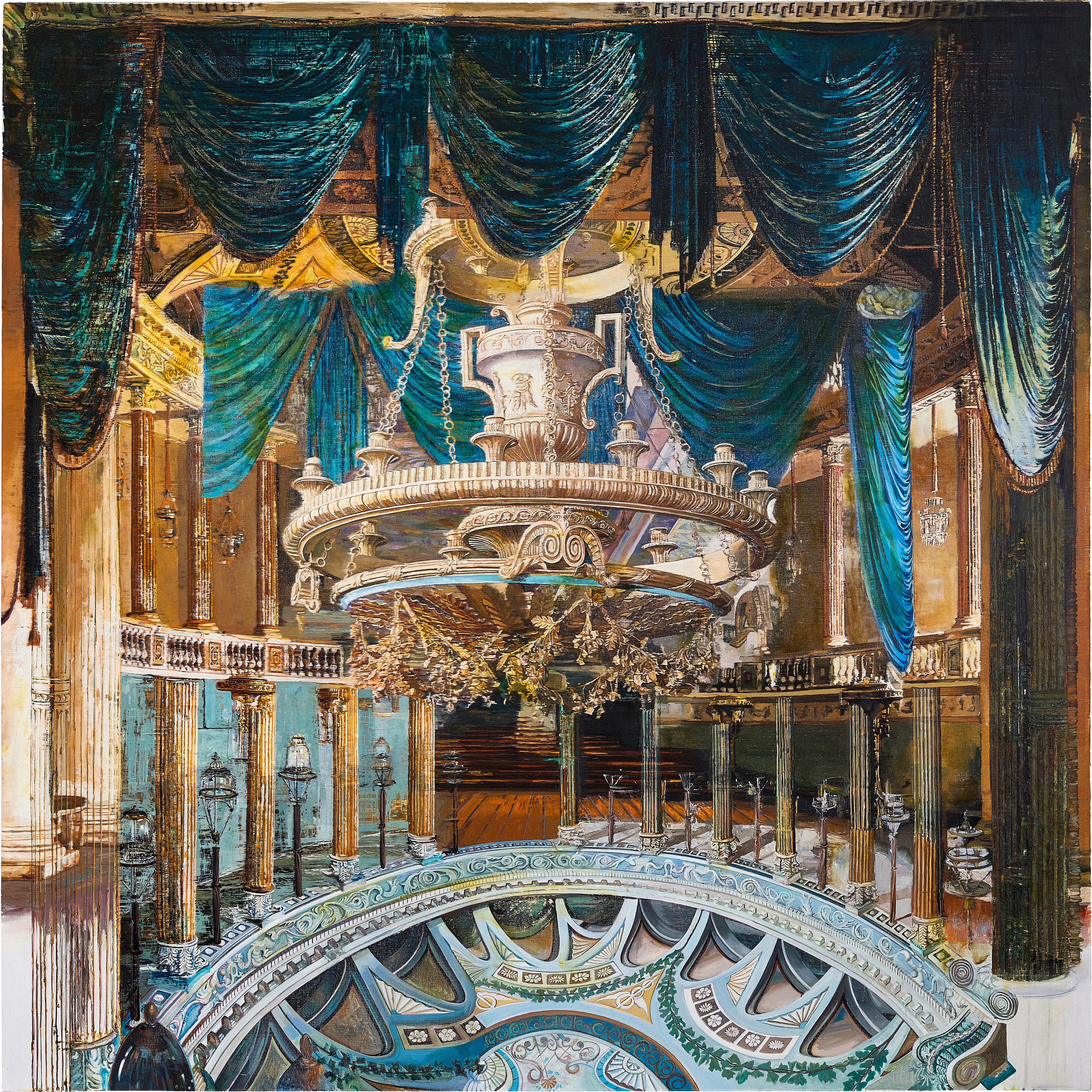
Yuan Yuan
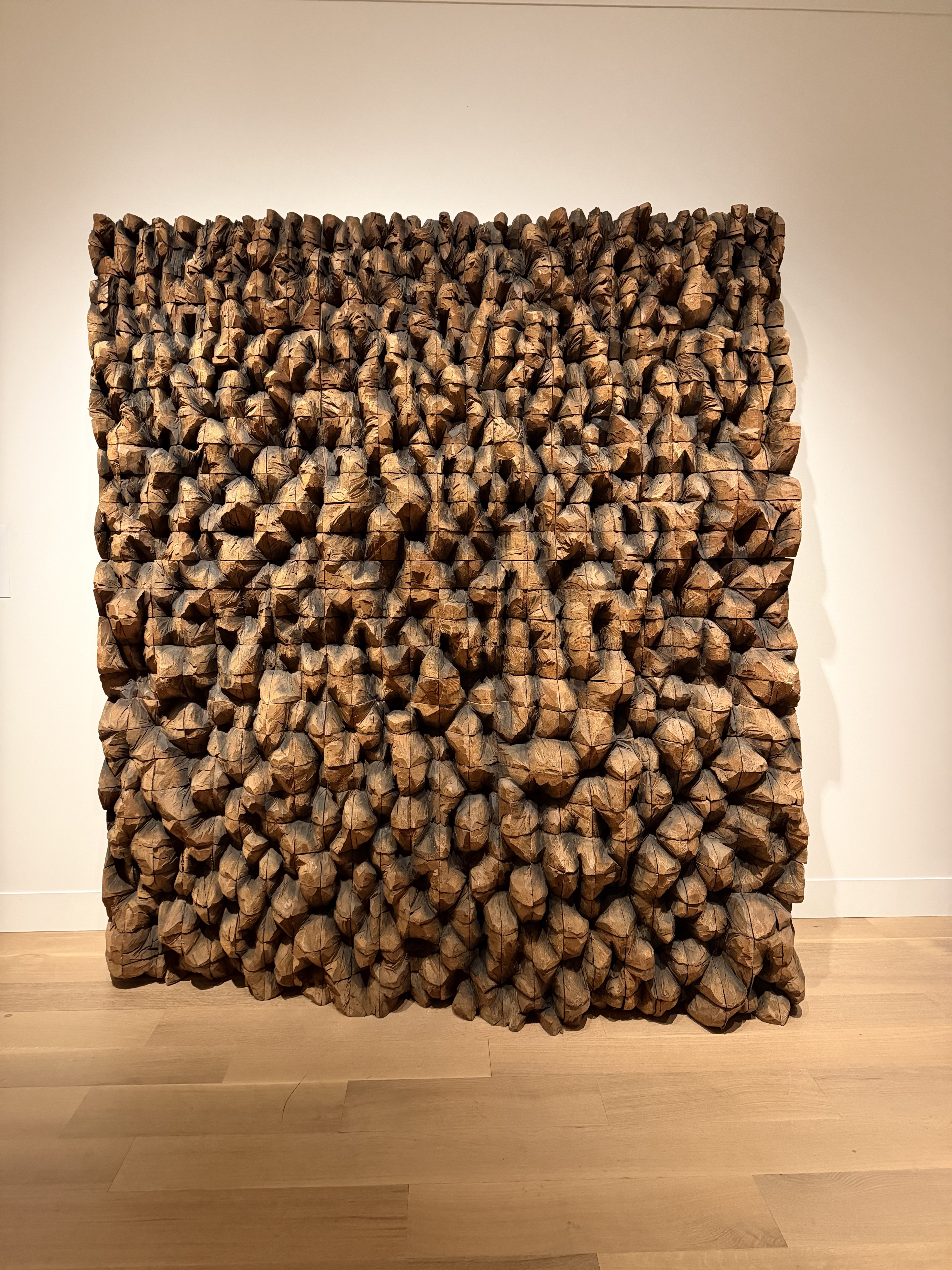
Yuan Yuan 袁遠 | The Circular Ruins 環形廢墟, 2017



When Art Refuses to Stay Small
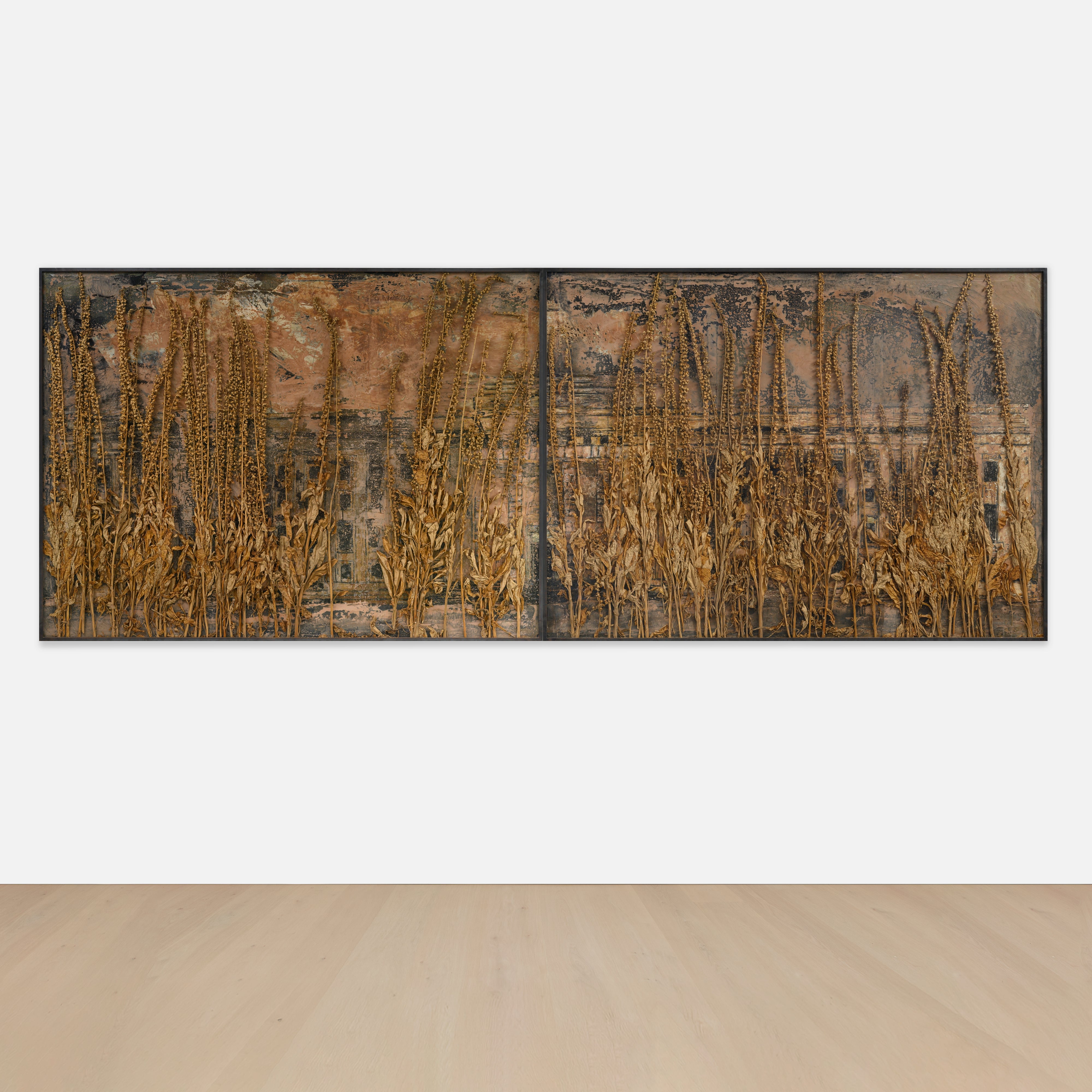
Last spring, a late work by Anselm Kiefer sold at Christie's London for well over two million pounds, a result that surprised almost no one in the room. What it confirmed, again, is something the market has been saying consistently for the better part of a decade: collectors are not retreating from scale. They are chasing it. The appetite for works that command physical space, that alter the atmosphere of a room or a landscape, has not softened in the face of smaller apartments or tighter budgets.
If anything, the ambition has intensified. There is something almost philosophical happening in the collecting world around monumental work. Scale is no longer simply a formal quality, a matter of inches and square footage. It has become a statement of seriousness, a declaration that the work intends to matter.
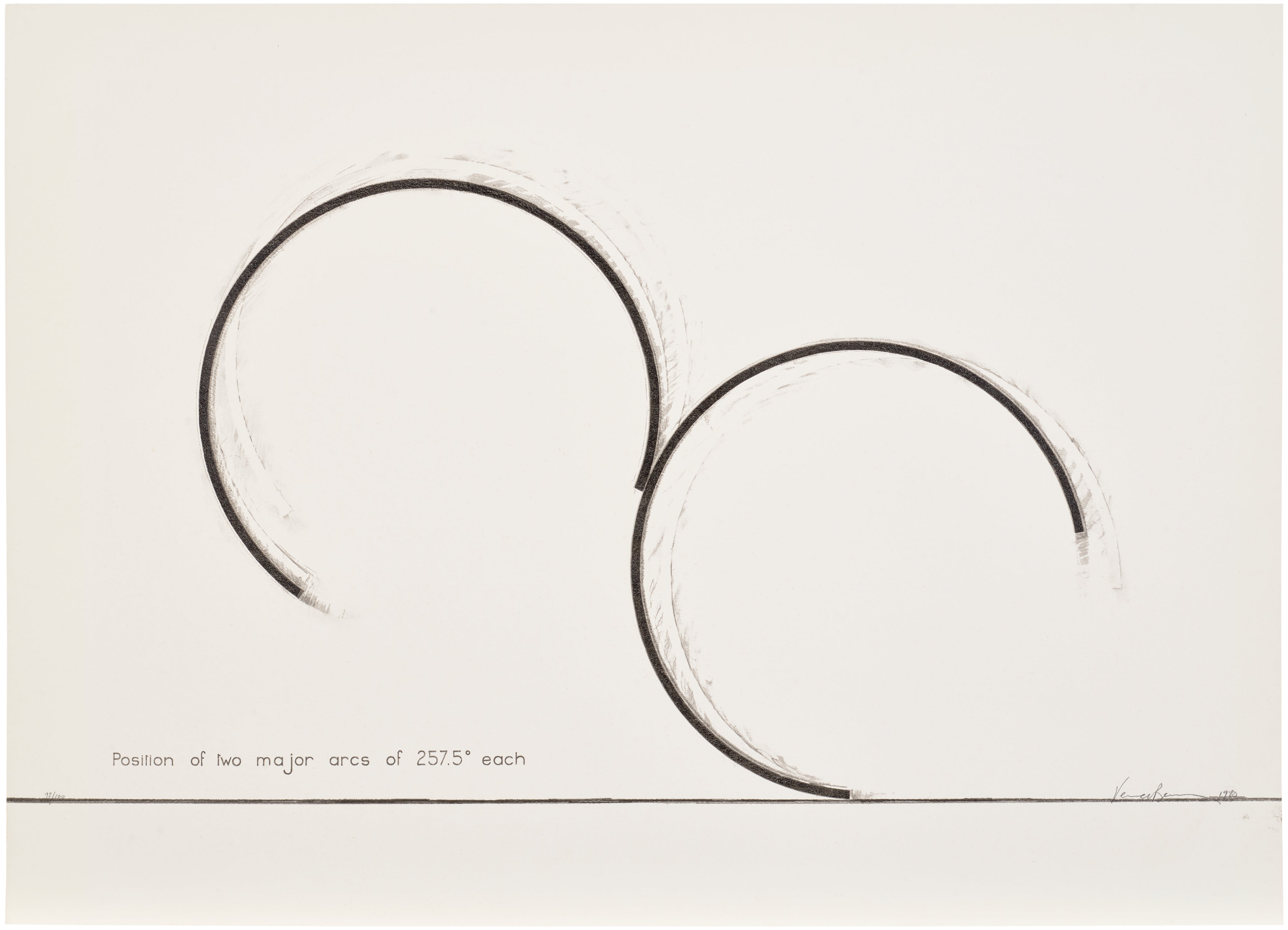
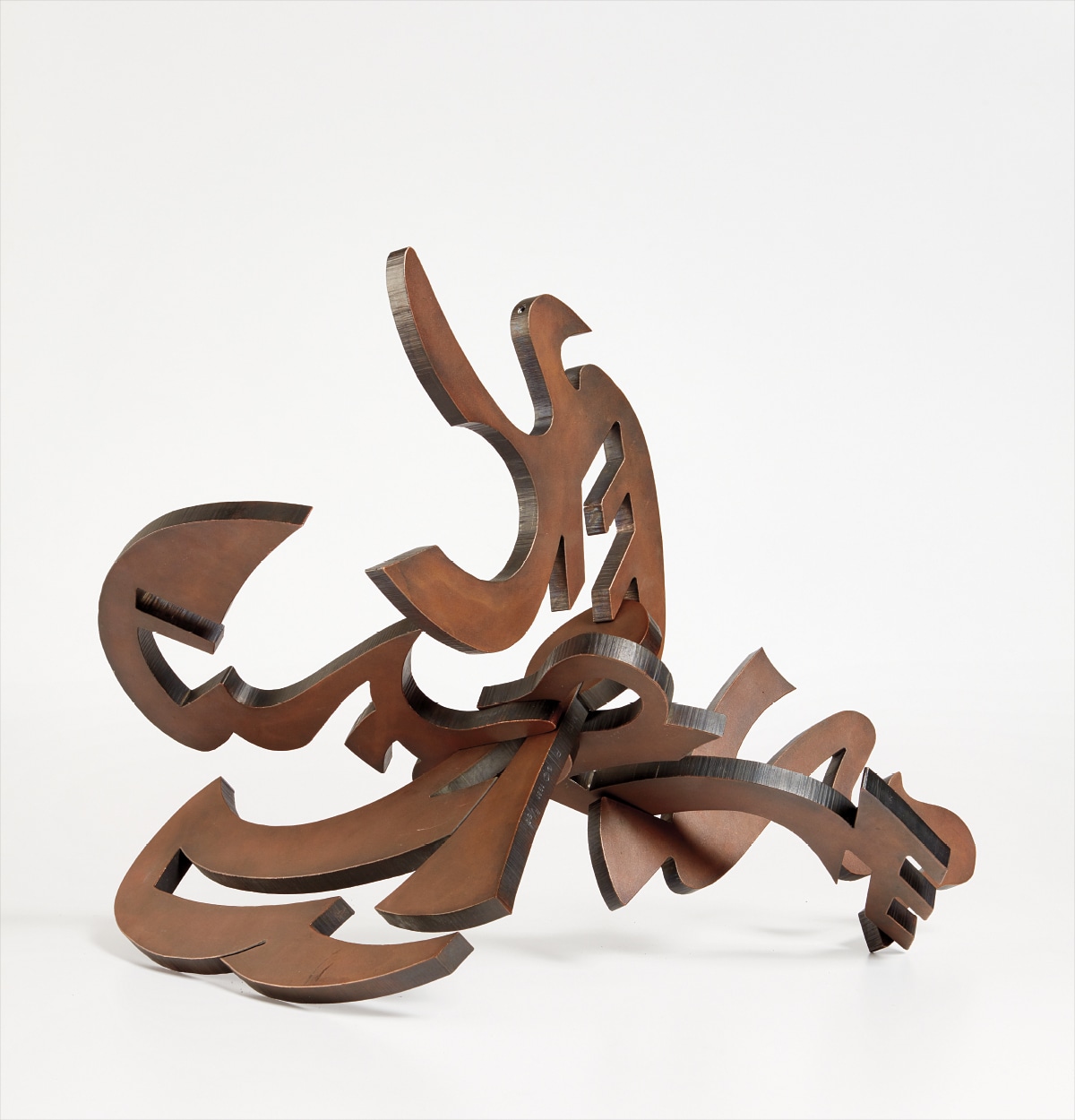
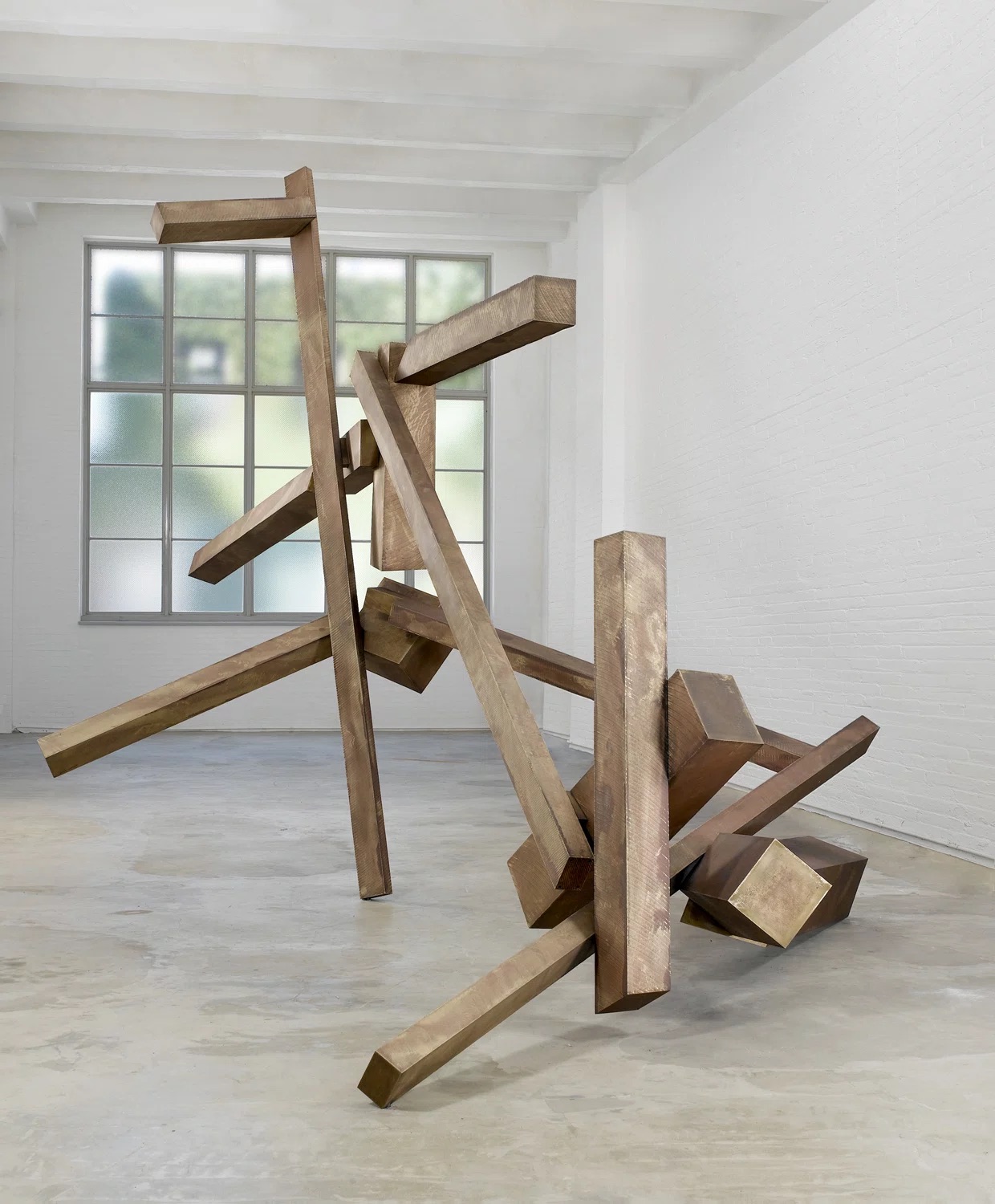
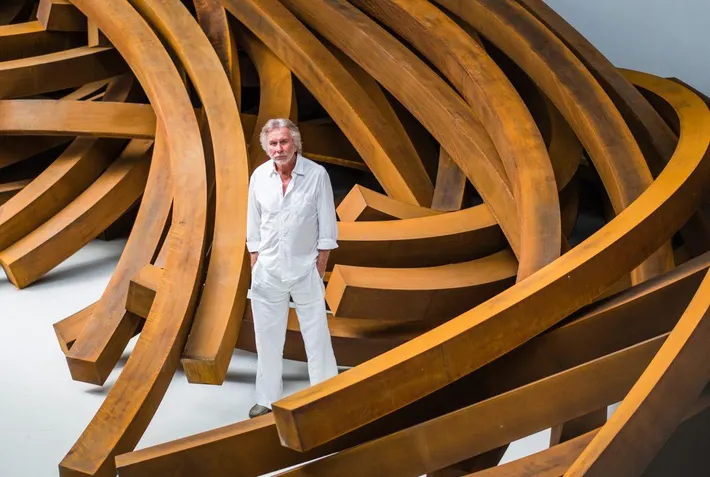
Bernar Venet
Position of Two Major Arcs
Kiefer understood this from the beginning, loading his vast canvases with lead, ash, and straw until they became almost architectural objects, less paintings than ruins you walk toward. His work, well represented on The Collection, sits in that rare category where critical reputation and market performance move in the same direction and keep accelerating. The exhibition history of the past decade tells a consistent story. When the Monumenta series at the Grand Palais in Paris invited artists to fill that enormous nave, the results became instant benchmarks for what contemporary art could do with space.
Anselm Kiefer's 2007 intervention there, "Sternenfall," remains one of the most discussed large scale installations of the era, a forest of lead books and towers that felt less like an artwork than a civilization in collapse. Those exhibitions trained a generation of collectors to think about what it means to live with ambition, to want something in their home or their foundation that makes a genuine demand on the viewer. The sculptural tradition running through Henry Moore and Eduardo Chillida into the work of Mark di Suvero and Bernar Venet has found remarkable institutional support in recent years. The Nasher Sculpture Center in Dallas continues to set the standard for how sculpture deserves to be presented, and major survey exhibitions at the Guggenheim Bilbao have repeatedly reminded the market that Chillida's relationship to iron and to place is irreplaceable.
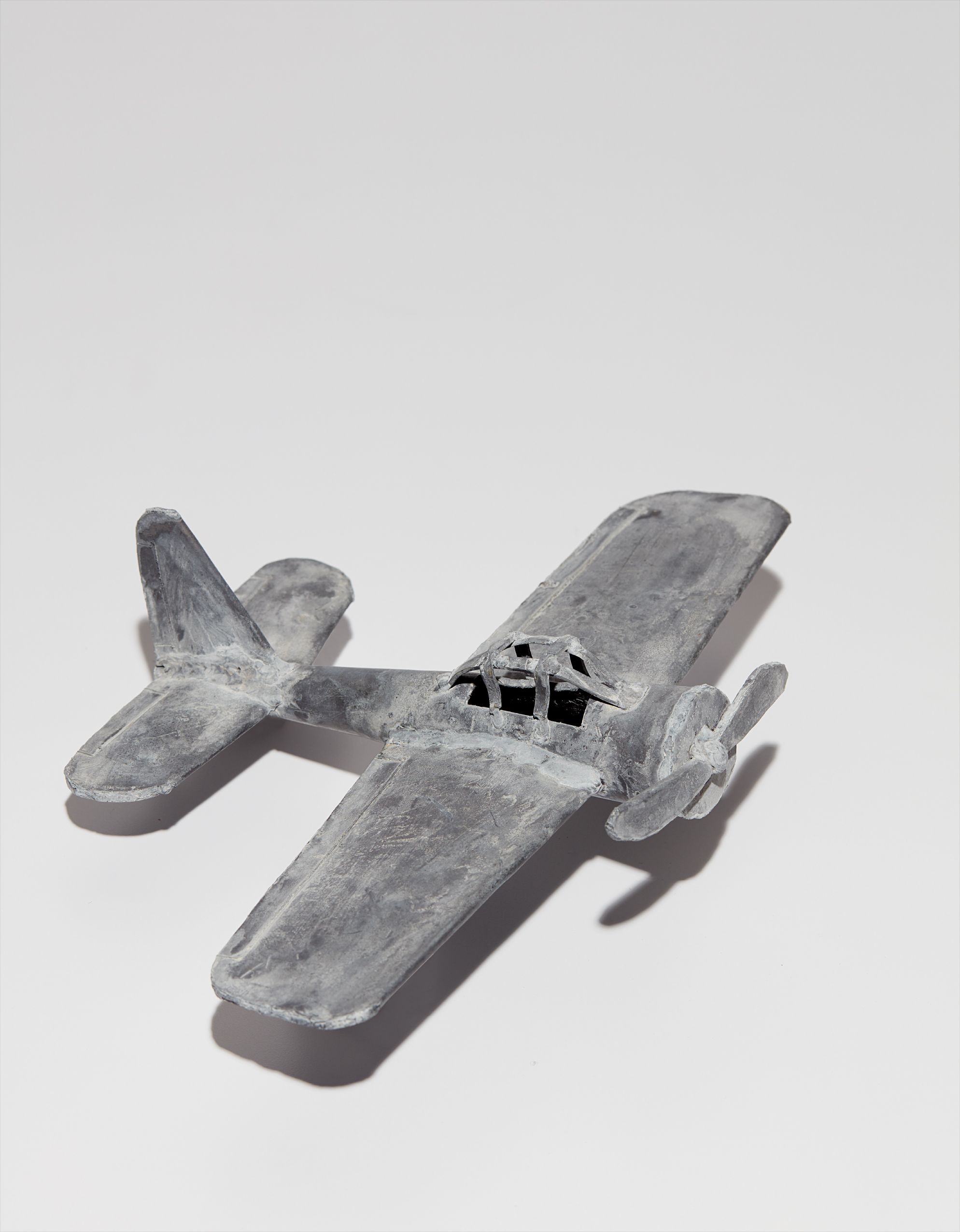
Anselm Kiefer
The Argonauts, 2014
Di Suvero's steel constructions, those great gesturing forms that seem to be mid conversation with the sky, have seen sustained auction interest, particularly in the American market. Venet's mathematical arcs and angles have attracted serious European and Asian institutional collectors who read in his work a rigor that transcends decoration. The photography of scale deserves its own conversation, and it is one that the market has been slowly catching up to. Andreas Gursky's enormous prints, some of the most reproduced images in contemporary art history, set records in the early 2000s and established a new language for what a photograph could be.
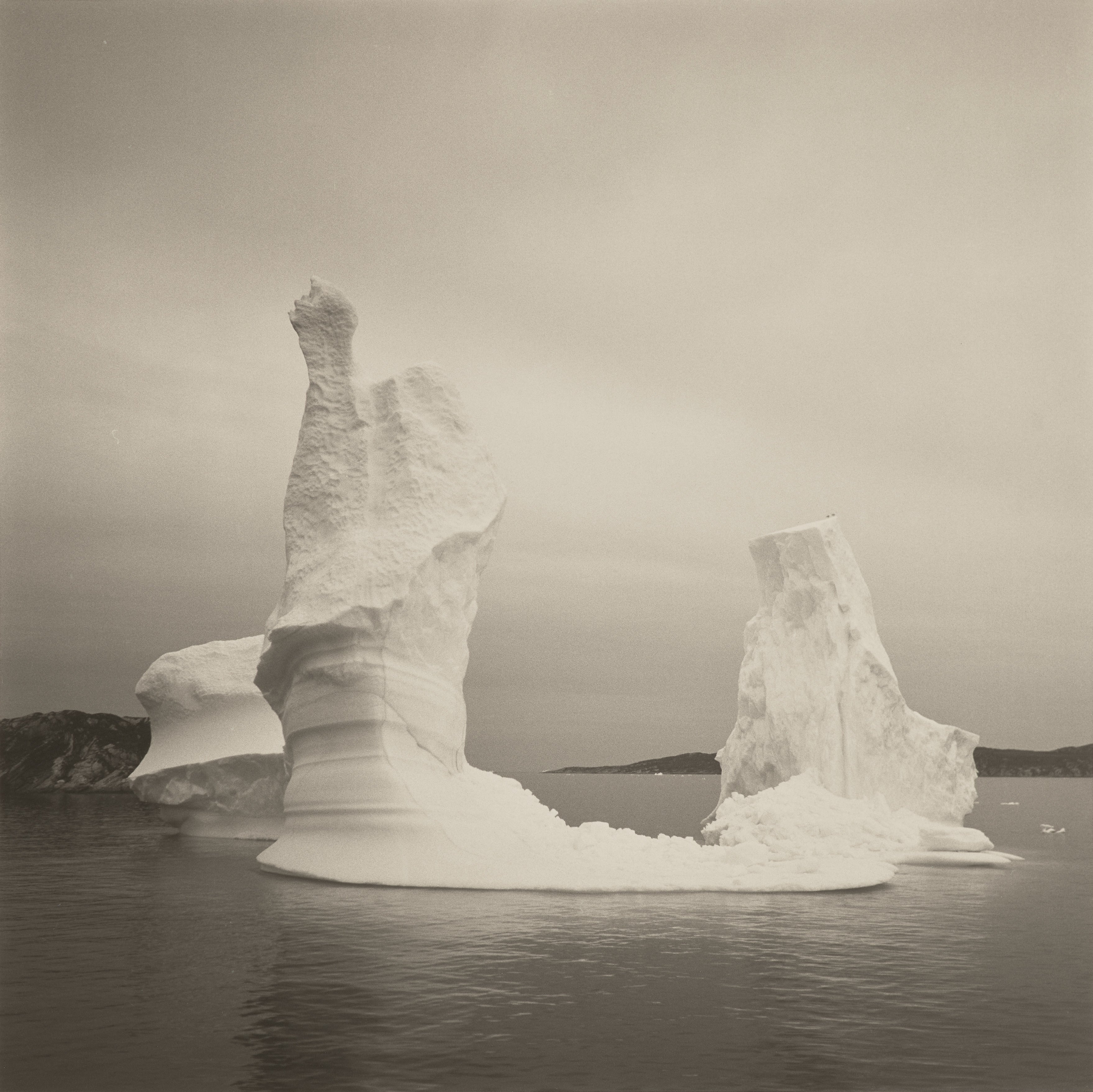
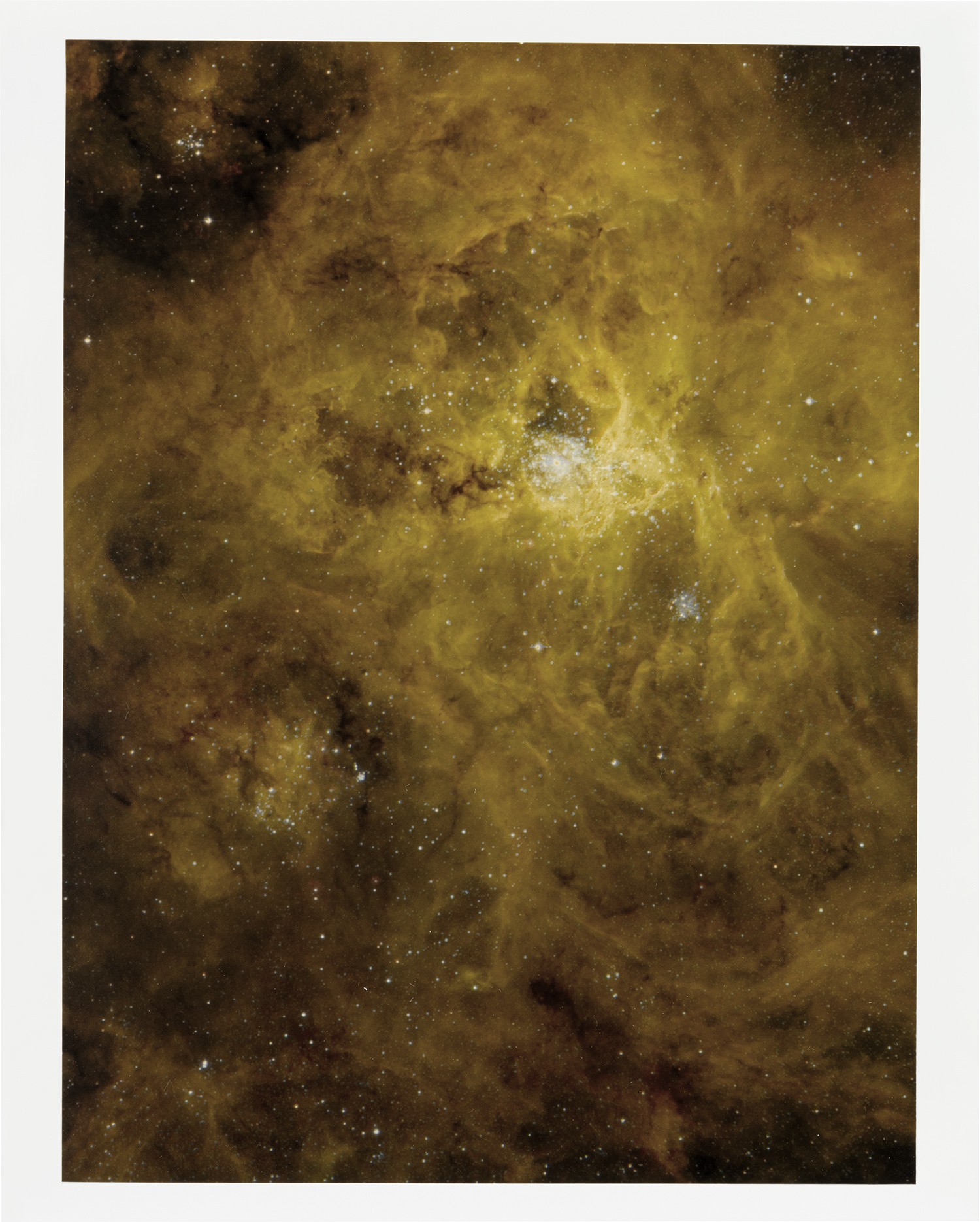
His "Rhein II" achieved nearly four and a half million dollars at Christie's in 2011, a result that remains a reference point. Lynn Davis brings a different kind of monumentality, finding it not in manufactured scale but in the geological and the ancient, in icebergs and stone formations that dwarf human time entirely. Her work on The Collection speaks to collectors who understand that awe is not always a matter of format. Christo and Jeanne Claude occupy a singular position in this conversation, because their entire practice was an argument that scale and impermanence are not contradictions.
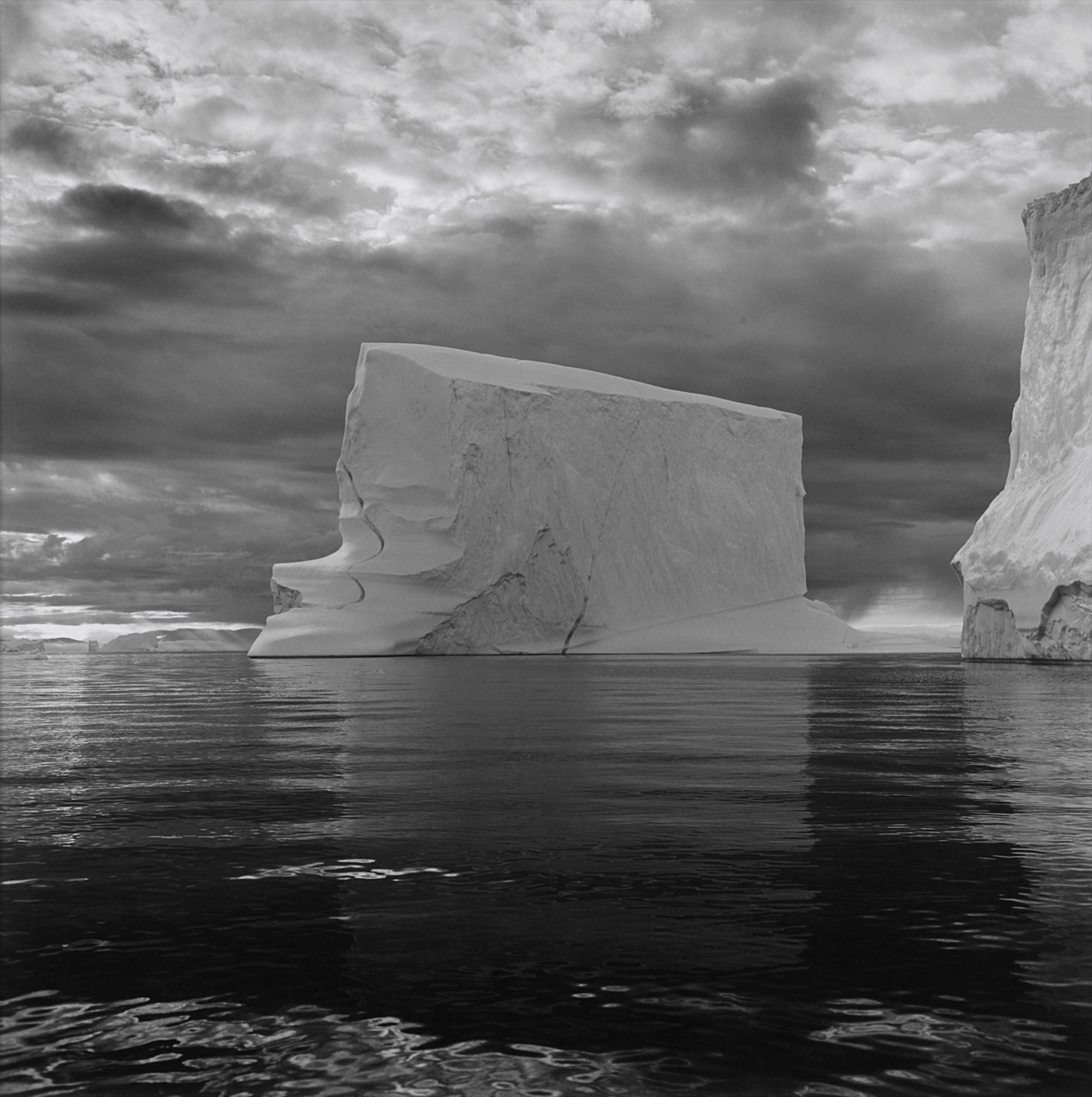
Lynn Davis
Iceberg
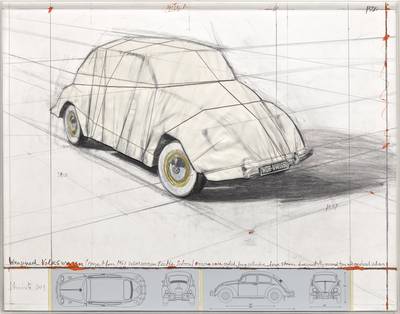
"The Gates" in Central Park in 2005 and the posthumously realized "L'Arc de Triomphe, Wrapped" in 2021 confirmed that their work loses nothing without a permanent object. What they left behind are photographs, drawings, and collages that carry the memory of those transformations, and these works have performed extraordinarily well at auction precisely because they document something that cannot be owned in any other form. The works on The Collection give access to that legacy in a way that feels genuinely rare. The critical conversation around monumental work has been shaped significantly by a handful of curators willing to argue that scale is not ego, that it is in fact a form of generosity.
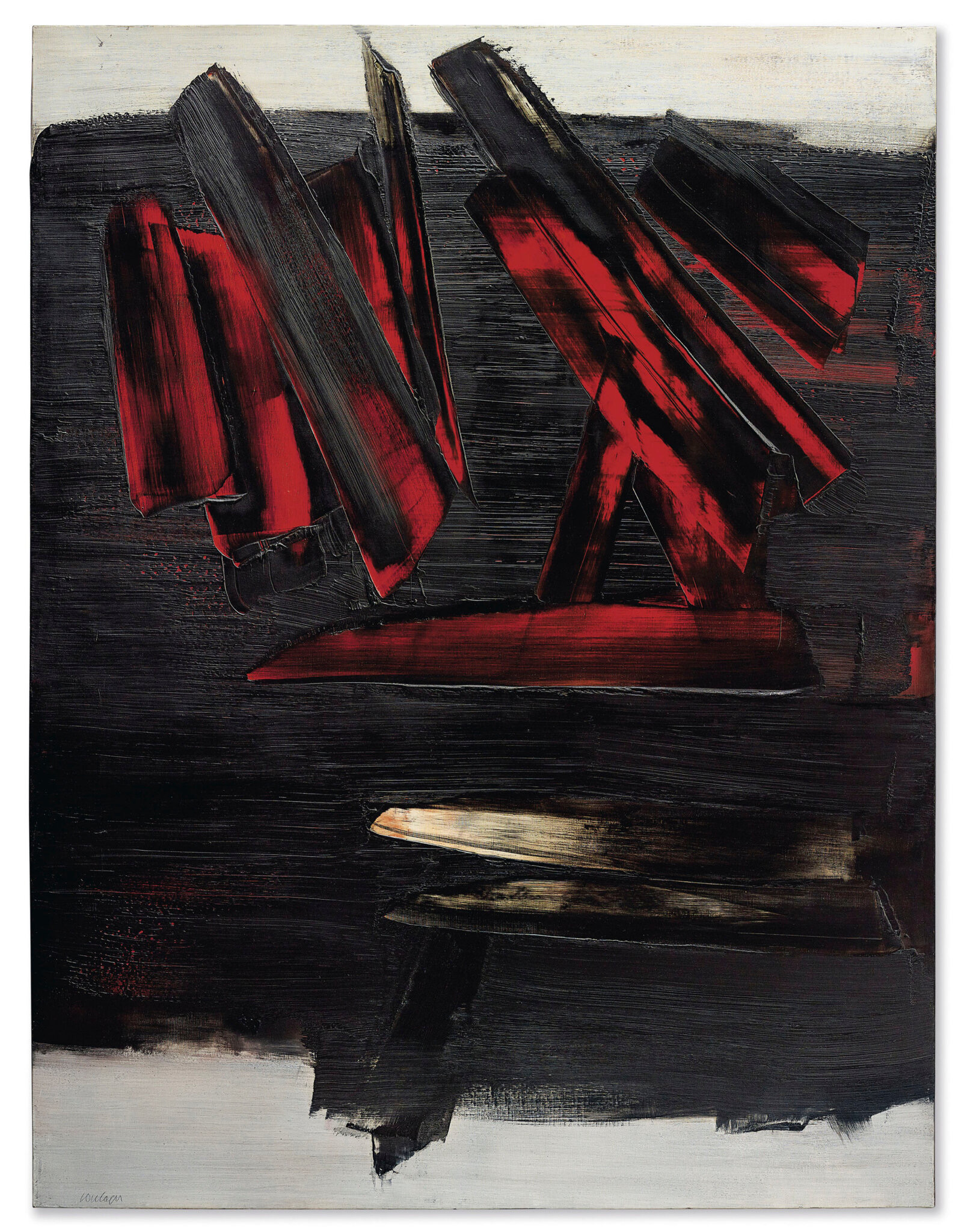
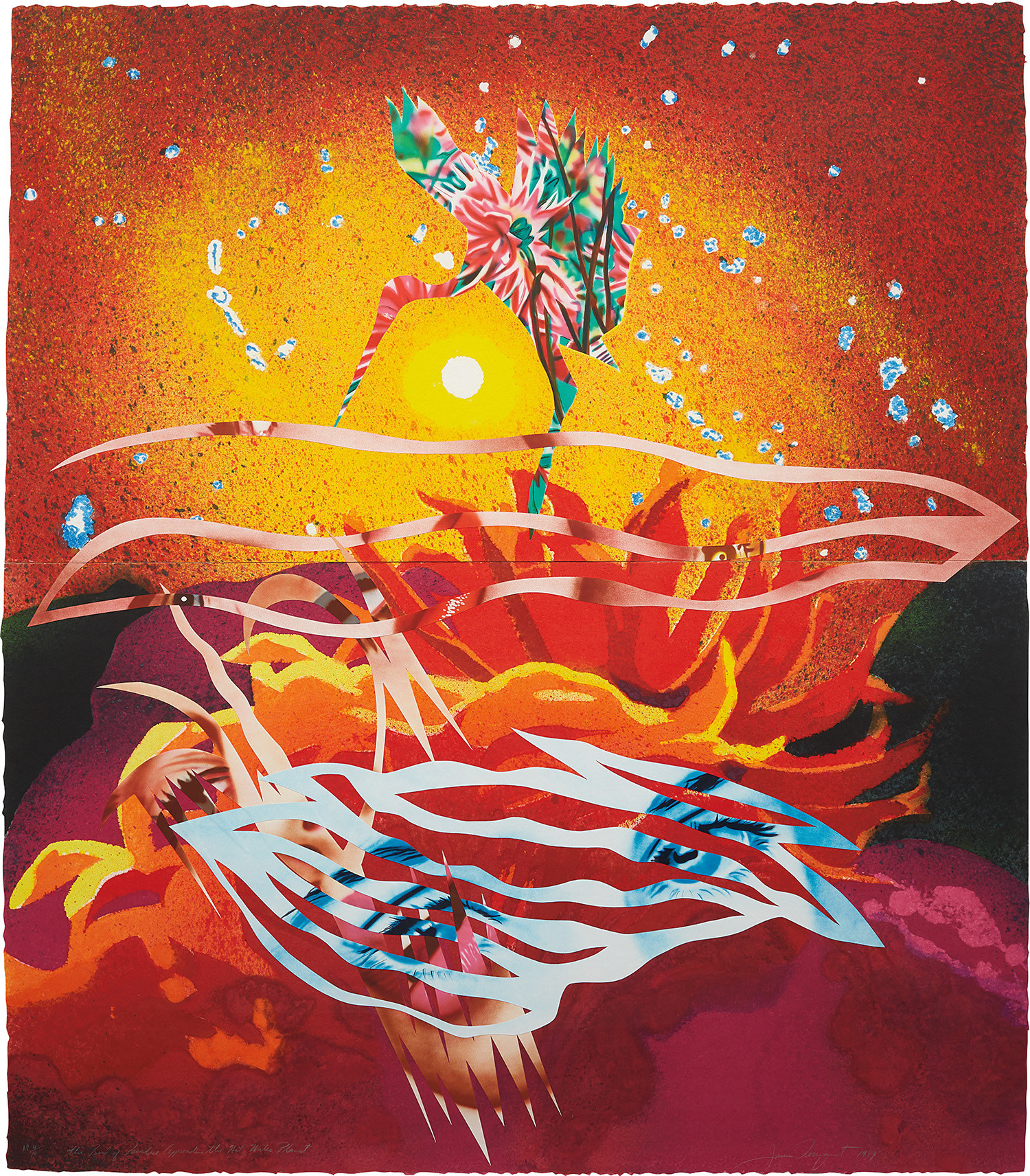
Anne Umland at MoMA has written compellingly about the phenomenological demands of large work, about what happens to a viewer's body when the art refuses to be looked at from a comfortable distance. T.J. Clark's work on the sublime, though rooted in the nineteenth century, has given contemporary critics a vocabulary for discussing Kiefer and Soulages and James Rosenquist, whose F 111, that astonishing mural length painting from 1964 and 1965, set the terms for how American painting could think about consumer culture and military power simultaneously.
James Rosenquist
The Bird of Paradise Approaches the Hot Water Planet, from Welcome to the Water Planet
Mona Hatoum brings a different kind of monumentality to the conversation, one rooted in psychological rather than physical weight. Her installations make ordinary objects strange and threatening through scale and repetition, and her inclusion alongside stone cutters like Ulrich Rückriem and carvers like Ursula von Rydingsvard points to the genuine range of what monumental means in 2024. Von Rydingsvard's cedar sculptures, those extraordinary layered and gouged forms that look like memory made physical, have attracted increasing attention from institutions in Europe and North America that are rethinking their outdoor collection programs. Where is the energy heading?
The surprise is that it is moving toward intimacy within scale, toward works that are enormous but somehow also very close. Ai Weiwei's practice continues to operate at a scale that is explicitly political, linking the physical demands of his work to the demands of conscience. Yang Shaobin's large canvases arrive from a completely different tradition but with a comparable urgency. The collectors who are most active right now seem to understand that monumental work is not about status, not primarily.
It is about making a commitment to something that will not let you look away. That is a rare quality in any market, and it is why this area continues to attract the most serious eyes in the room.