Artist Spotlight
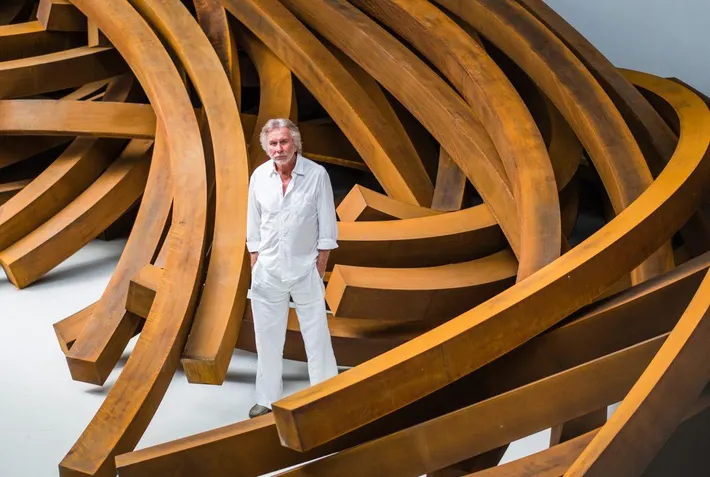
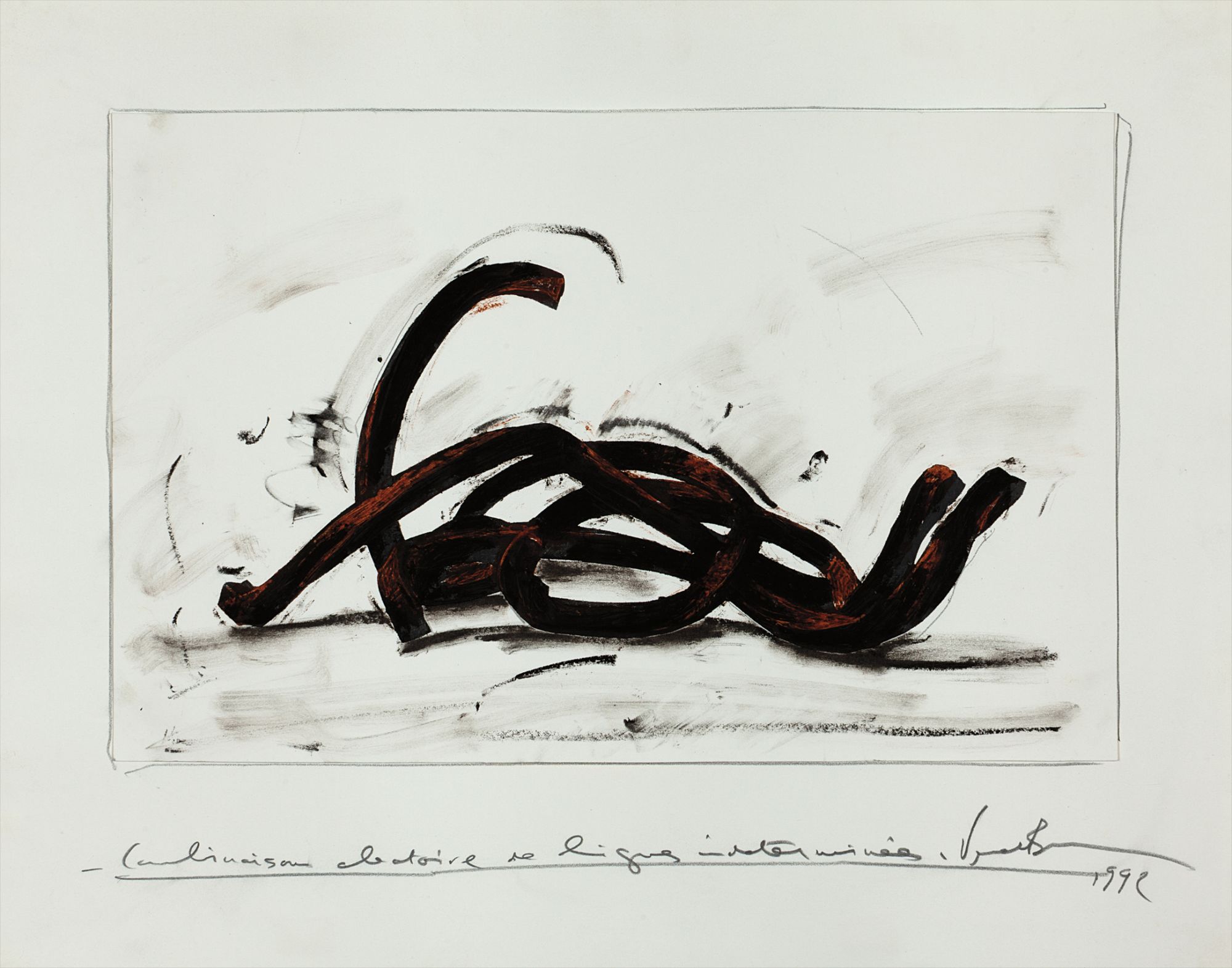
Bernar Venet Bends Steel Into Pure Feeling
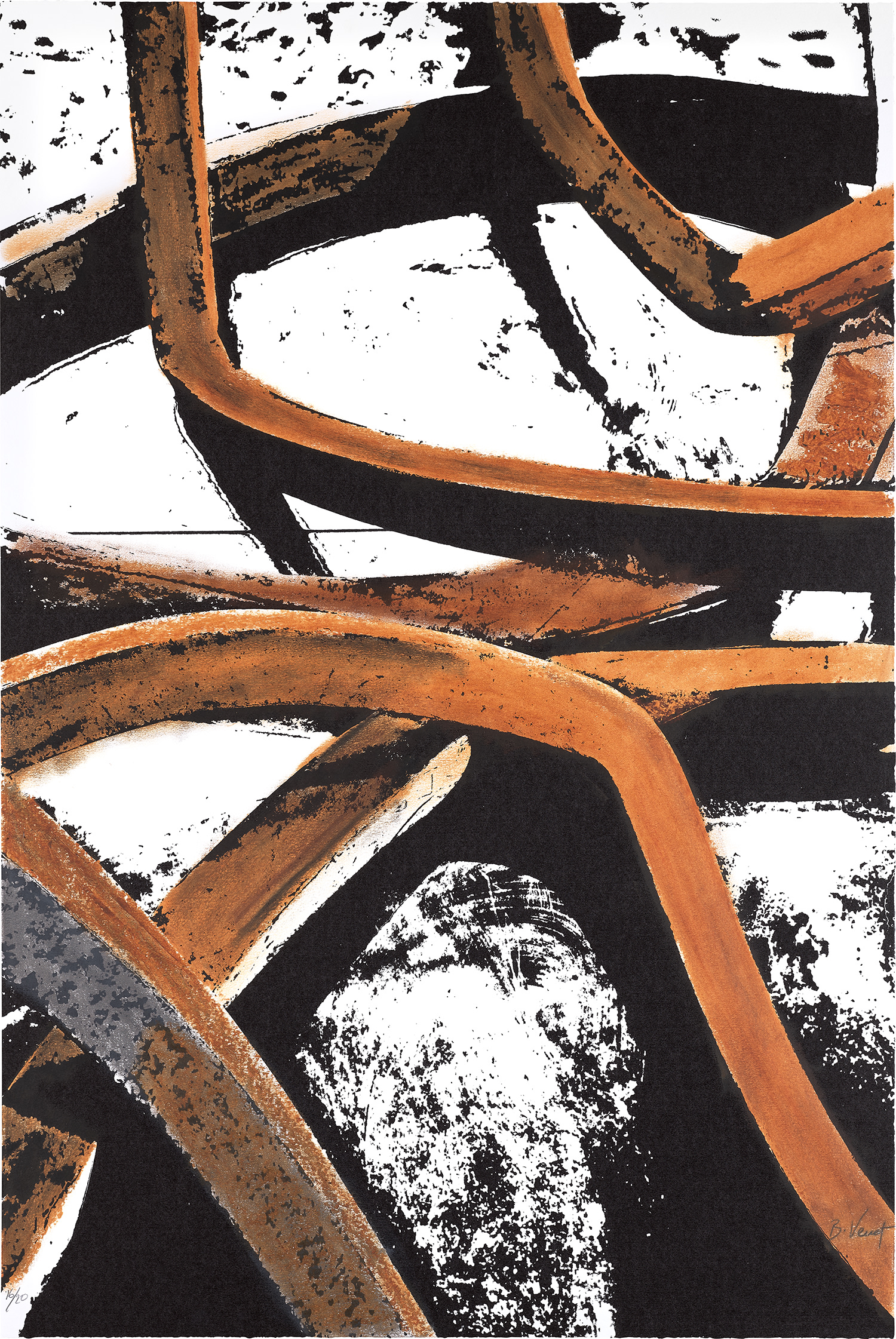
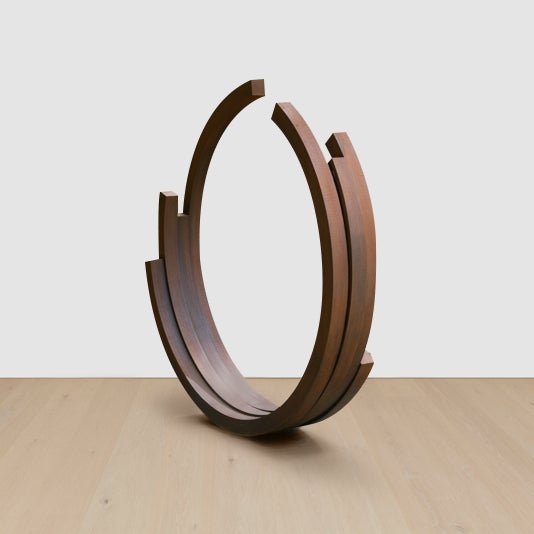
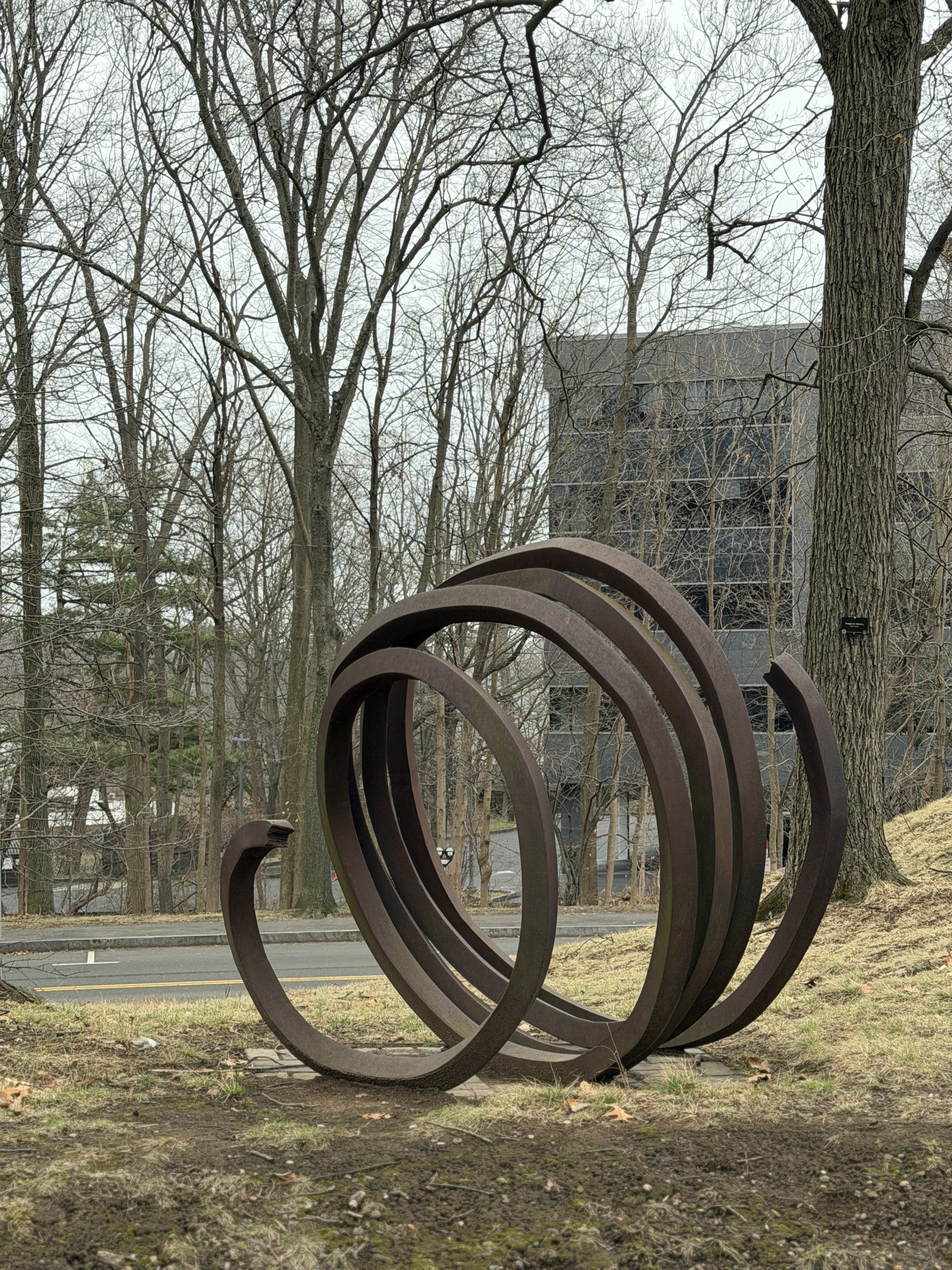
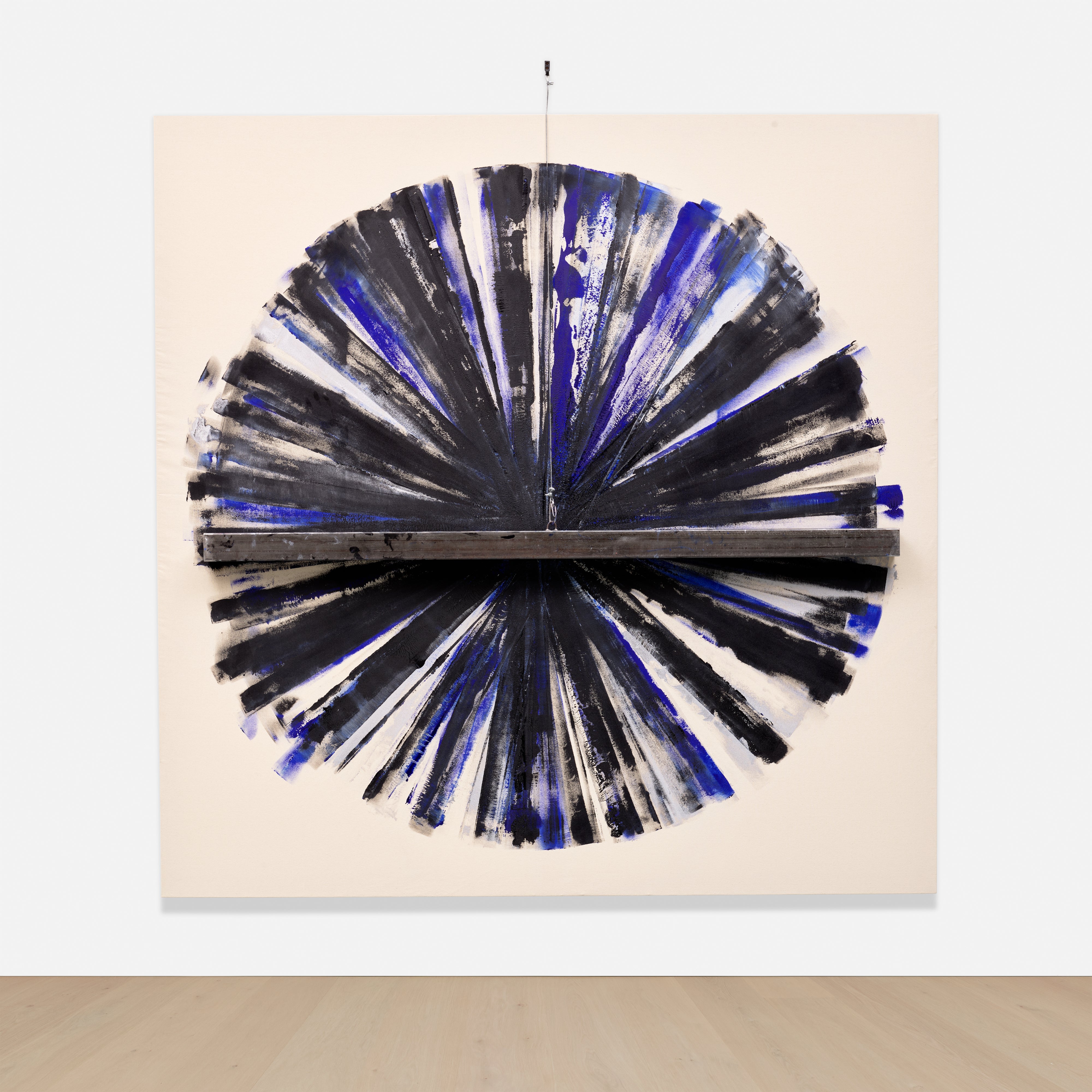
In the summer of 2023, the grounds of the Palace of Versailles were transformed by the presence of monumental steel arcs rising from the immaculate French gardens, their rusted Cor Ten surfaces aging with quiet authority against the gilded baroque backdrop. Bernar Venet had arrived at one of the world's most prestigious venues for contemporary art, joining a lineage of artists including Jeff Koons and Takashi Murakami who have brought living practice into dialogue with royal history. The installation was not merely decorative spectacle. It was a statement about the endurance of ideas, about… Continue reading
Collectors


Artists in conversation
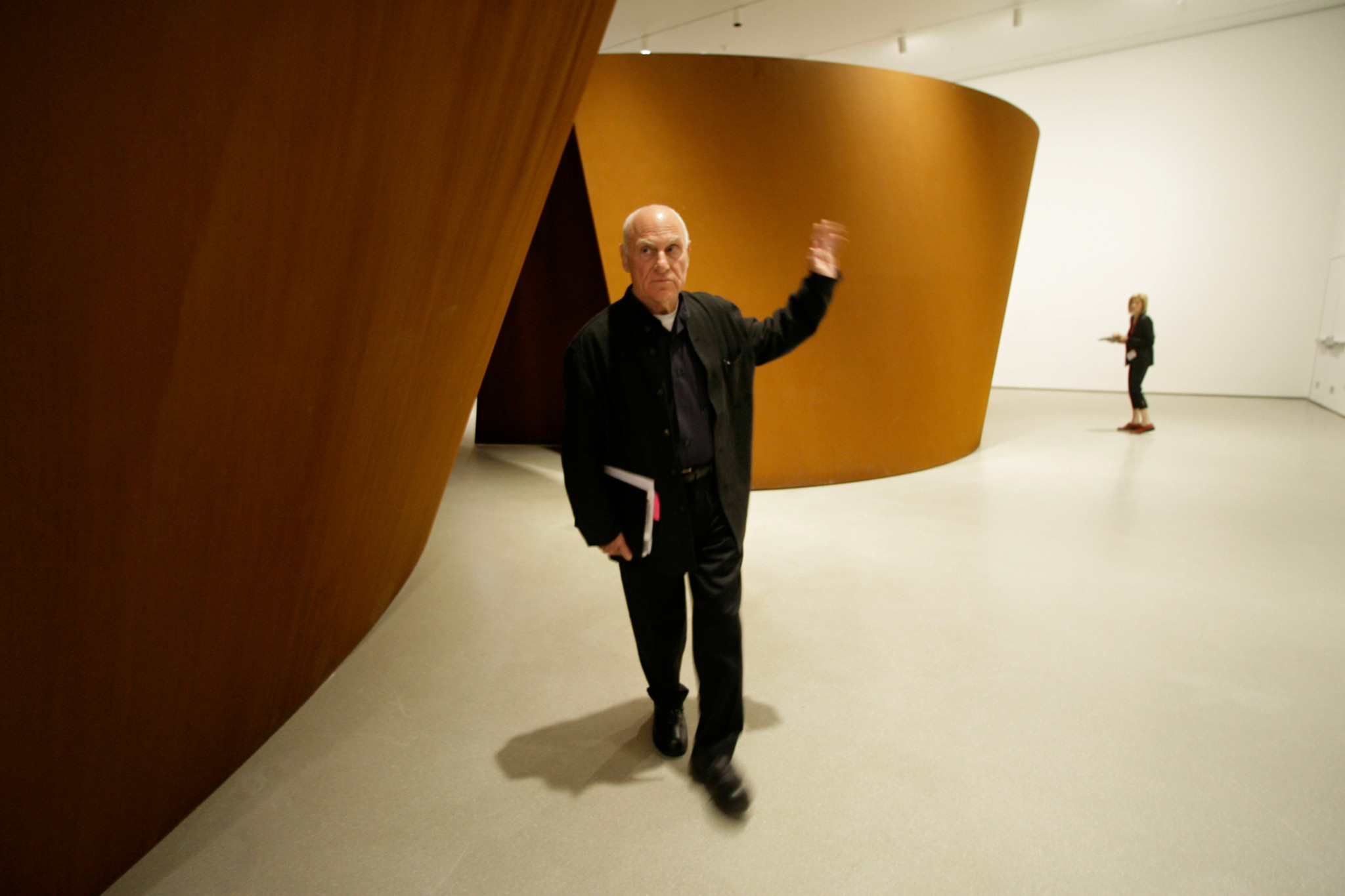
Richard Serra
Serra similarly employed large scale raw steel as his primary medium to create monumental sculptures that engage space and geometry in a conceptually rigorous way. Both artists share an industrial aesthetic and a commitment to minimalist formal language in their sculptural practice.
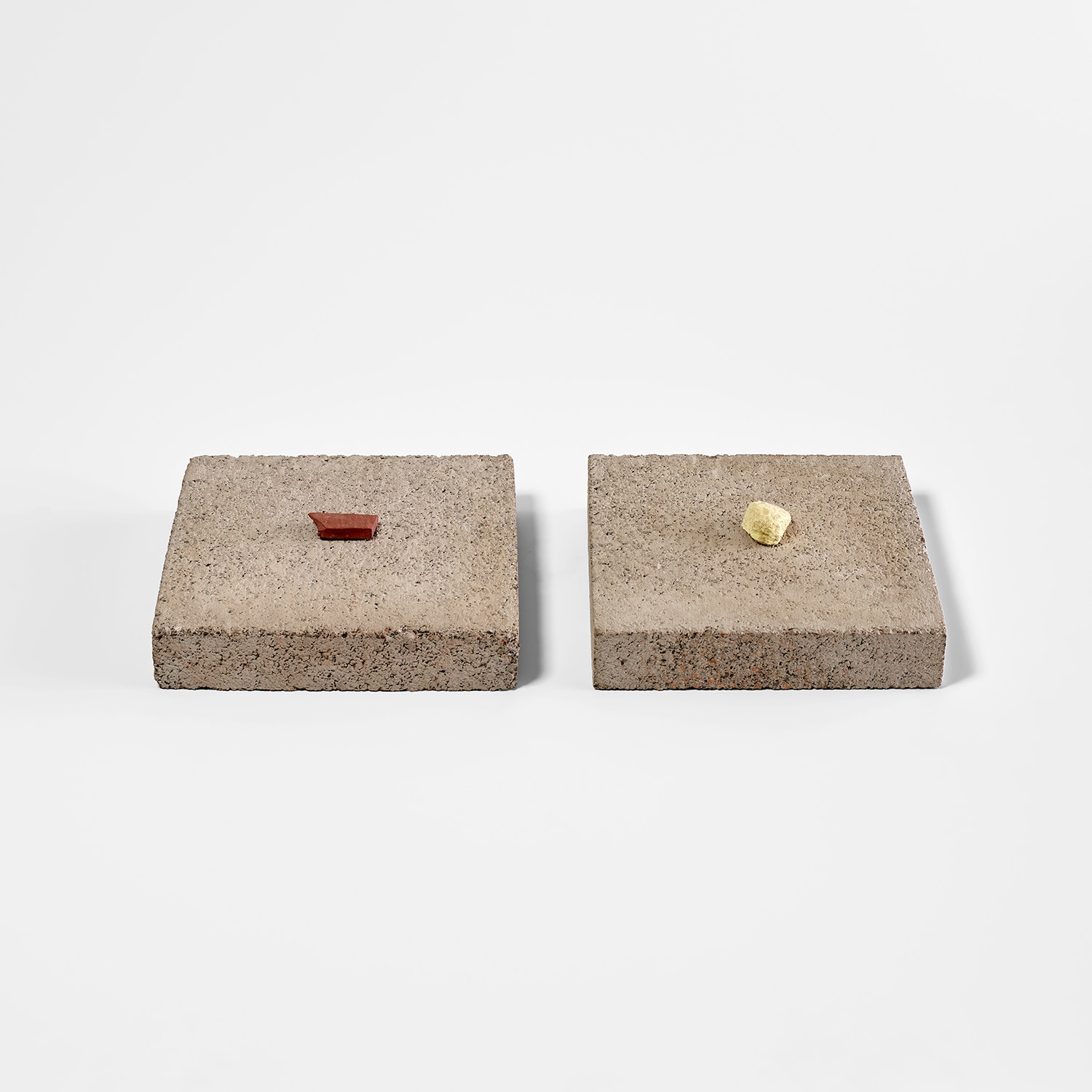
Carl Andre
Andre shares Venet's alignment with minimalism and conceptual art, using industrial materials and mathematical logic to structure his sculptures. His reduction of form to pure geometric and material essentials parallels Venet's own systematic approach to abstraction.
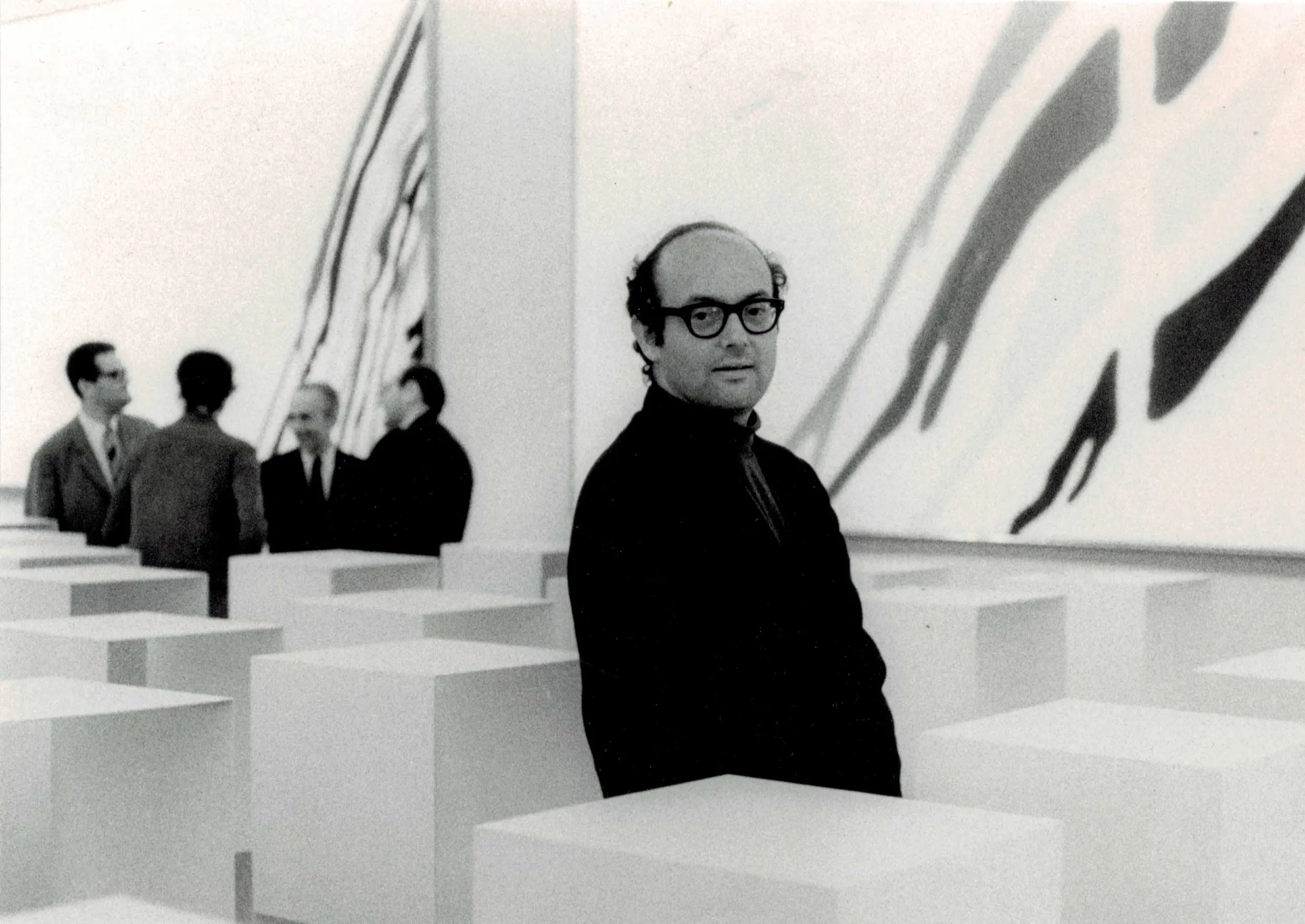
Sol LeWitt
LeWitt similarly grounded his art in mathematical systems and geometric abstraction, producing works that emphasize concept over subjective expression. Both artists treated structural logic and formal repetition as the foundation of their visual language.
Artists who inspired them
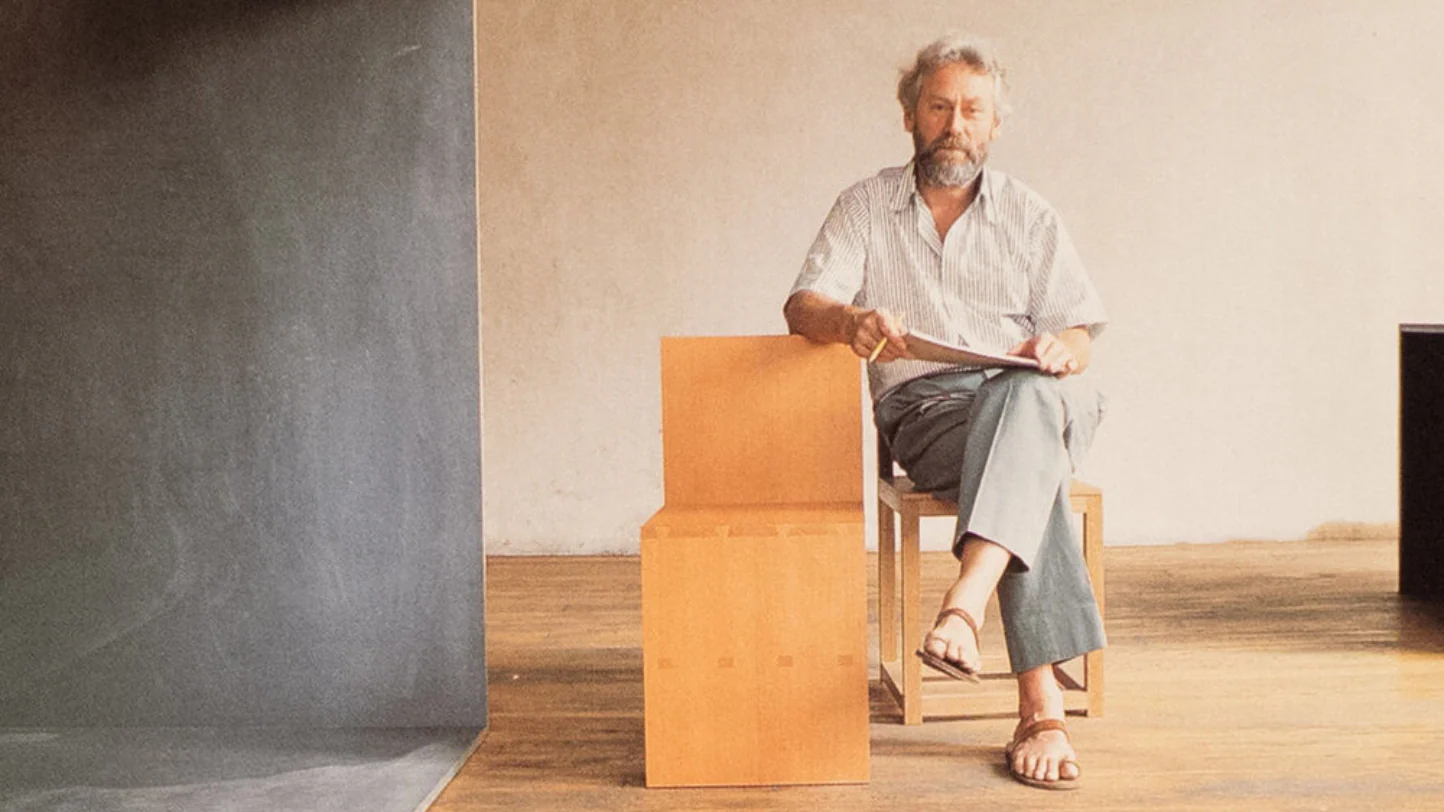
Donald Judd
Judd's pioneering use of industrial materials and his insistence on objective geometric form provided a critical framework that shaped Venet's sculptural thinking during his formative years in New York. Judd's rejection of illusionistic space aligned directly with Venet's drive toward material and conceptual literalness.
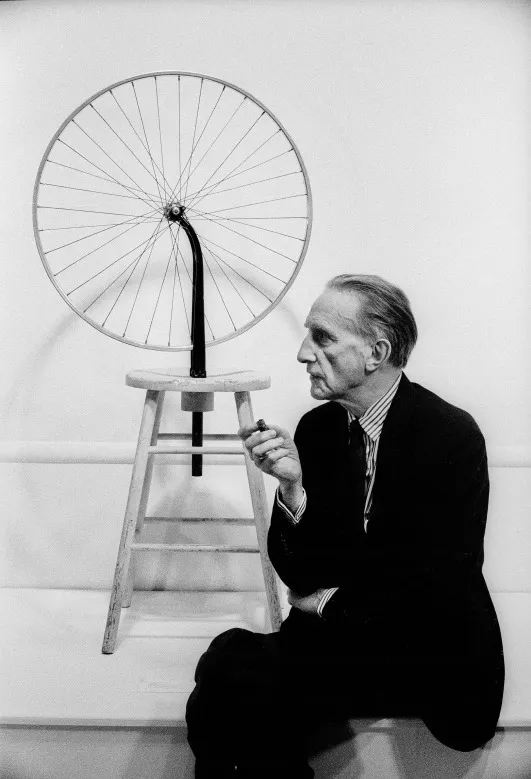
Marcel Duchamp
Duchamp's radical questioning of what constitutes art and his use of diagrams and mathematical notation as aesthetic objects directly anticipated Venet's early conceptual works incorporating scientific texts and equations. Duchamp's conceptual strategies gave Venet permission to treat non art systems as valid artistic content.
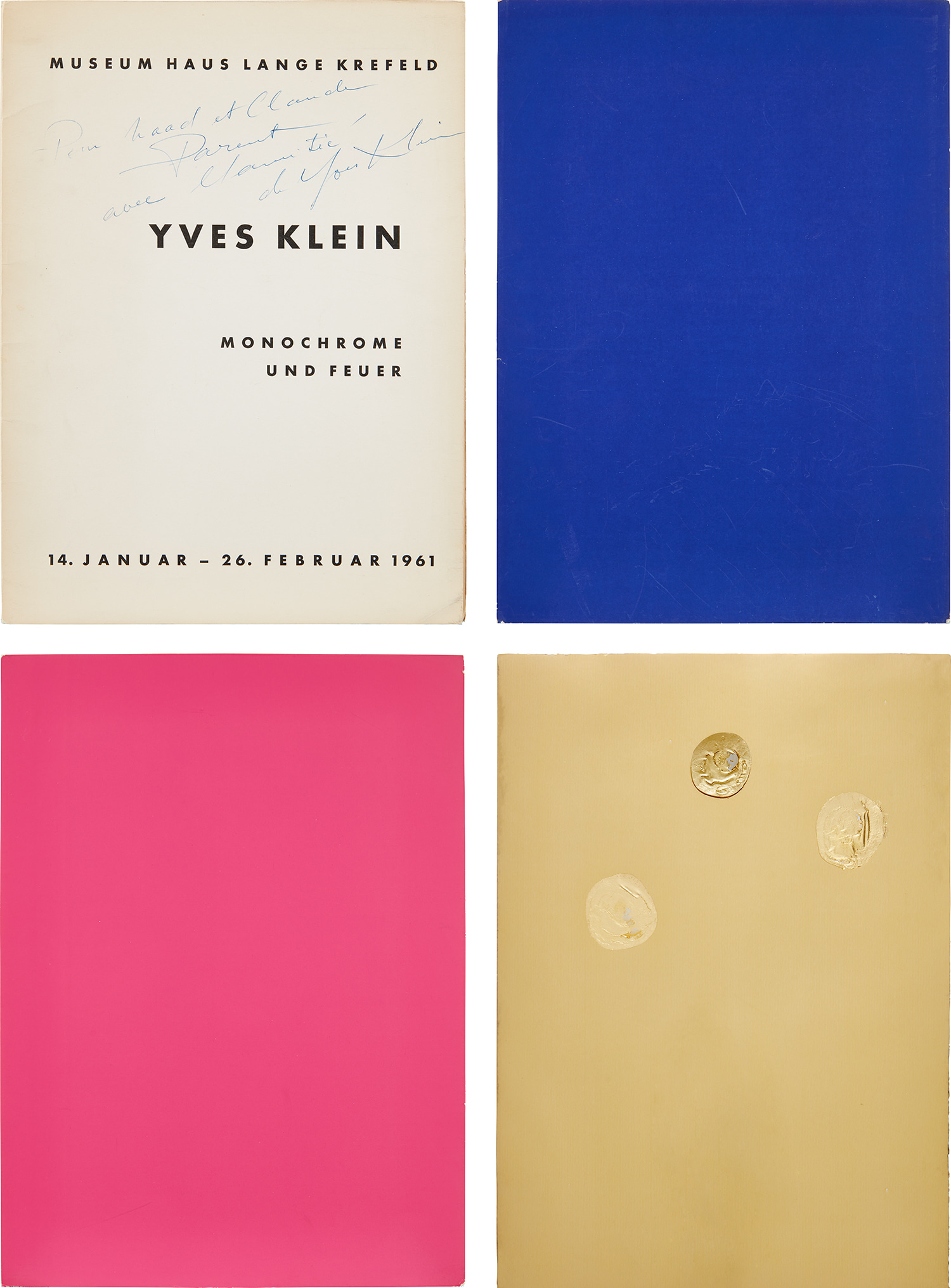
Yves Klein
As a fellow French avant garde pioneer working in Nice during the same period Venet was beginning his career, Klein's radical reduction of painting to pure concept and immaterial proposition influenced Venet's early move toward dematerialized and idea based art. Klein demonstrated that art could be built entirely on systematic and theoretical foundations.