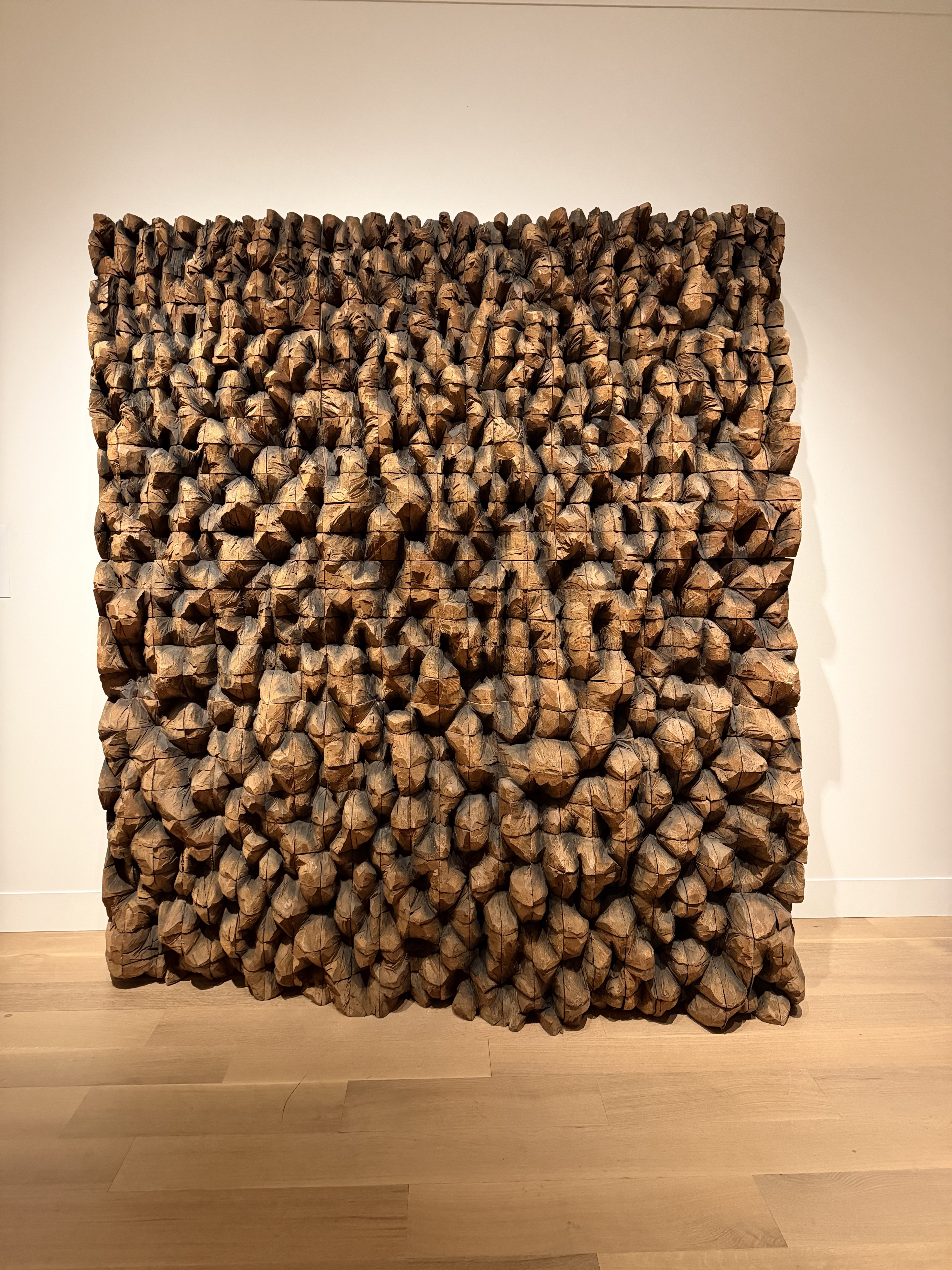
Ursula von Rydingsvard
6
Works
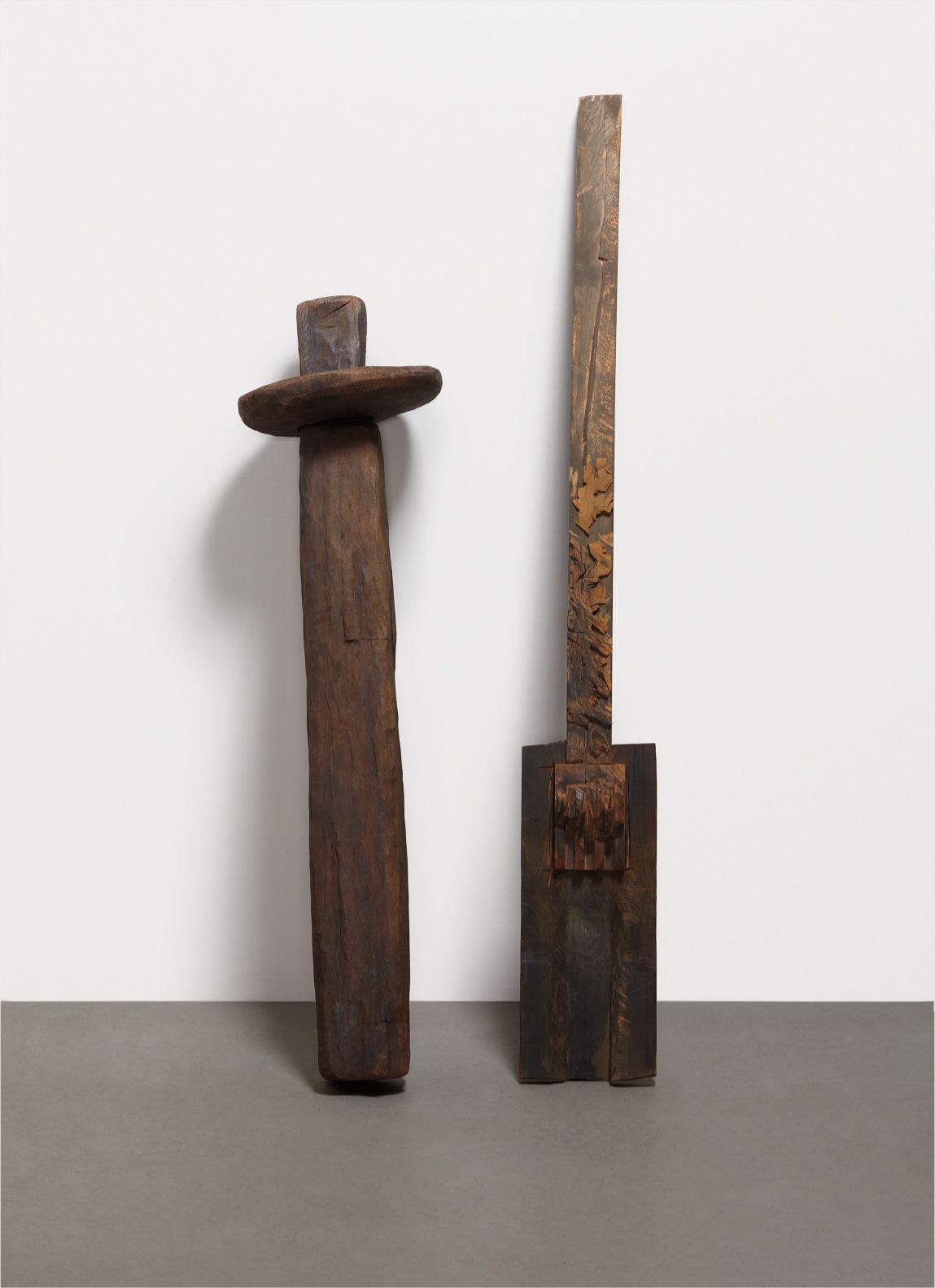
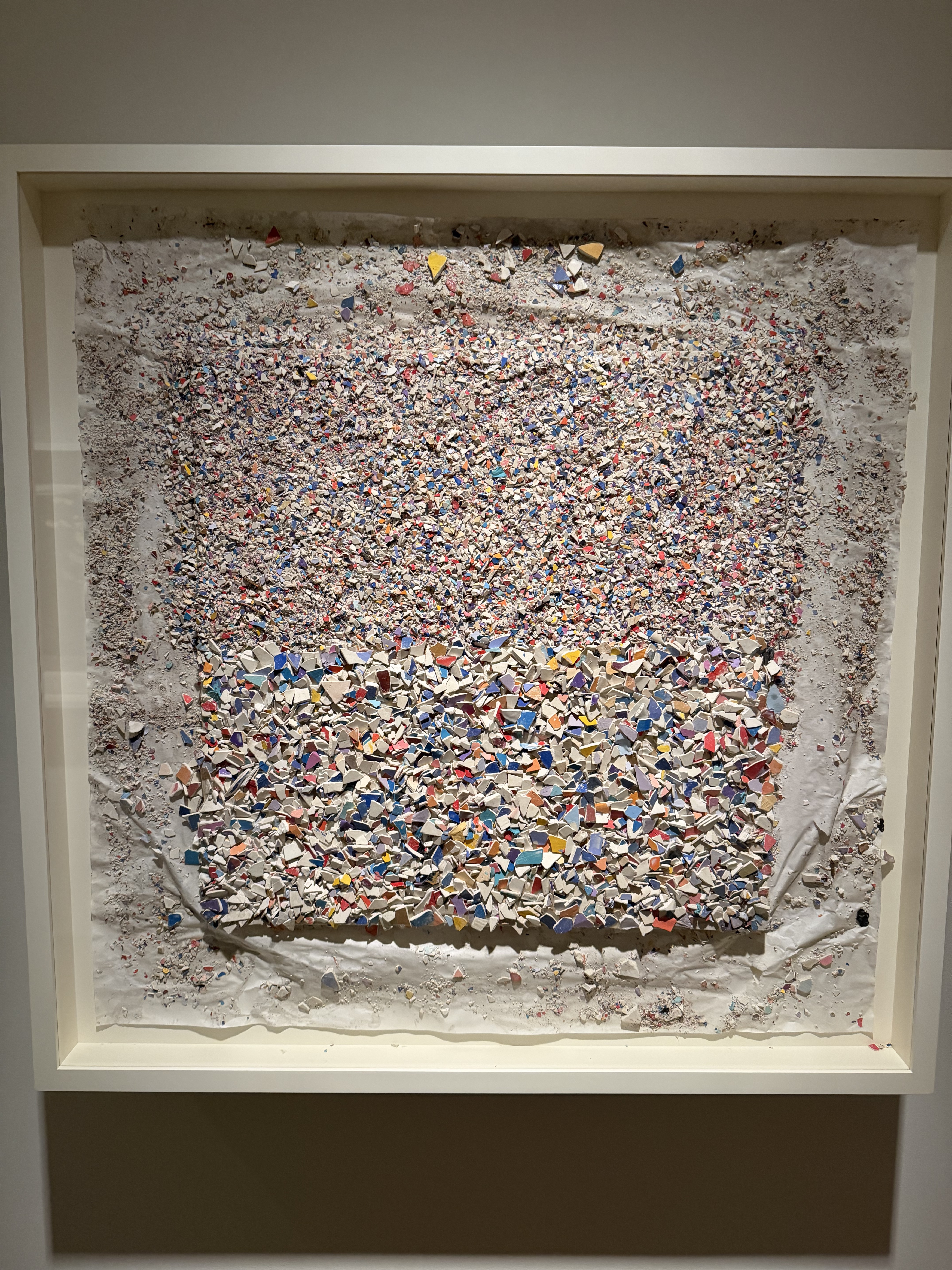
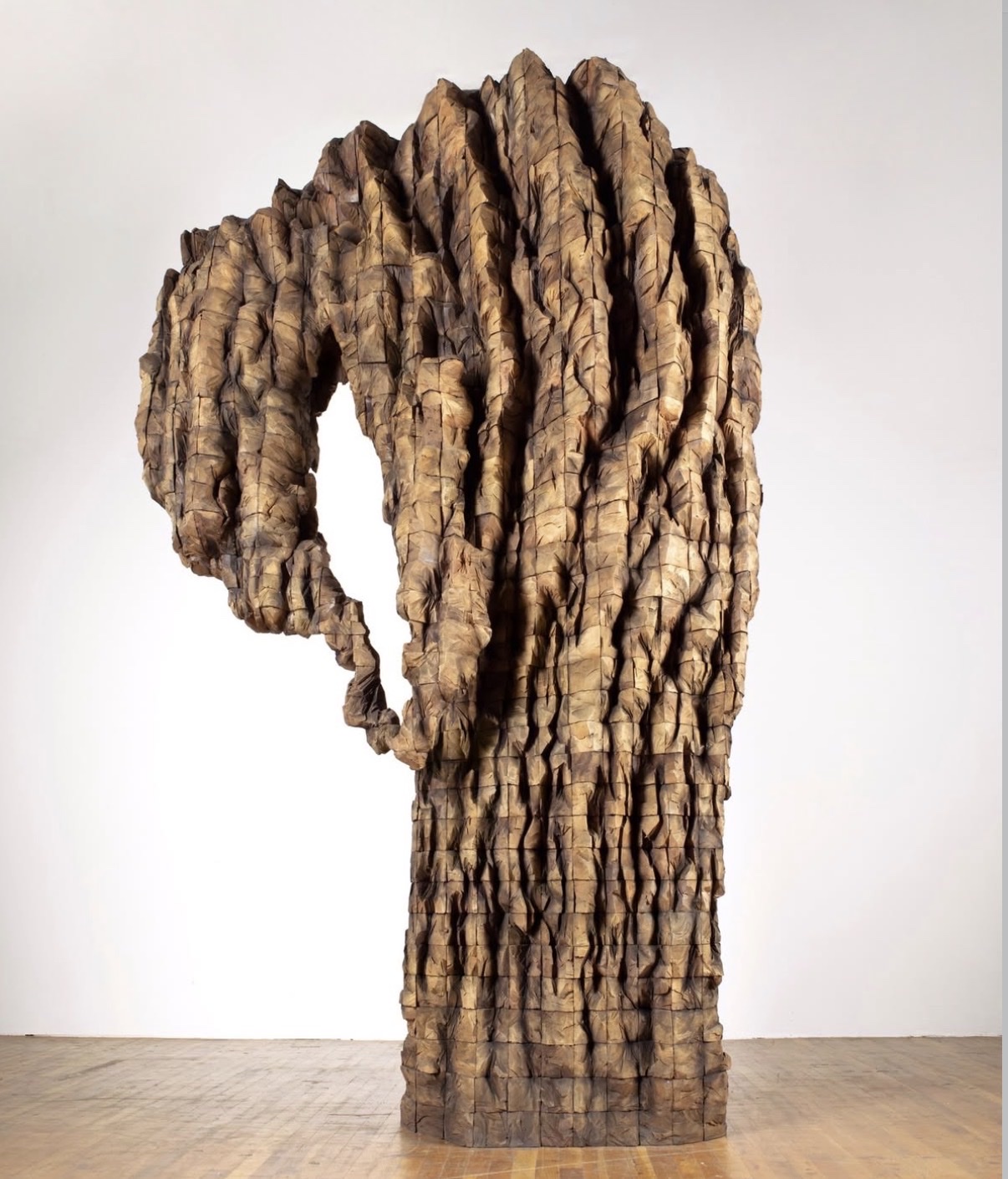
Spotted by
Artists in conversation
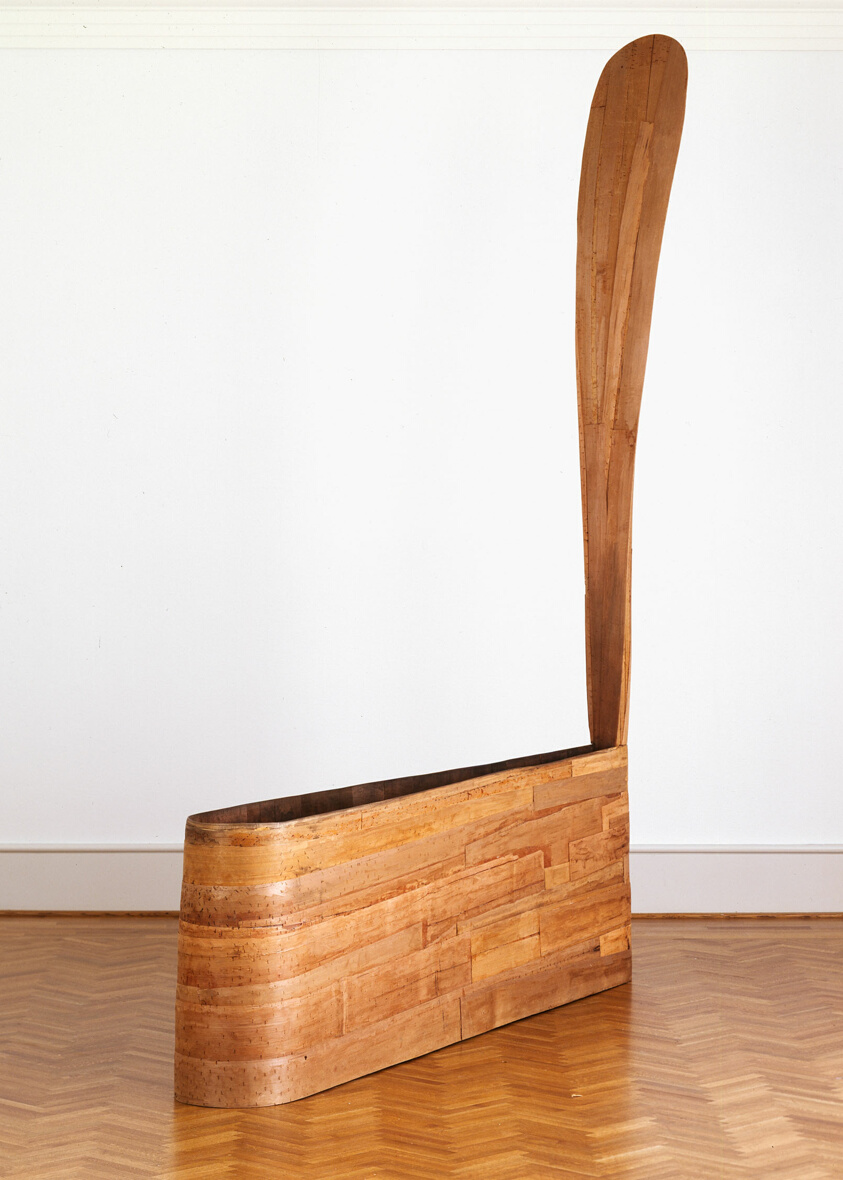
Martin Puryear
Puryear works with wood as a primary sculptural material, constructing large scale organic forms that reference the body, architecture, and lived experience. Both artists share a commitment to hand craftsmanship and the expressive potential of natural materials shaped into monumental presence.

Louise Bourgeois
Bourgeois created monumental sculpture rooted in psychological memory, trauma, and the body, themes that closely parallel von Rydingsvard's exploration of refugee experience and personal history. Both artists use abstracted organic forms to externalize deeply interior emotional states.
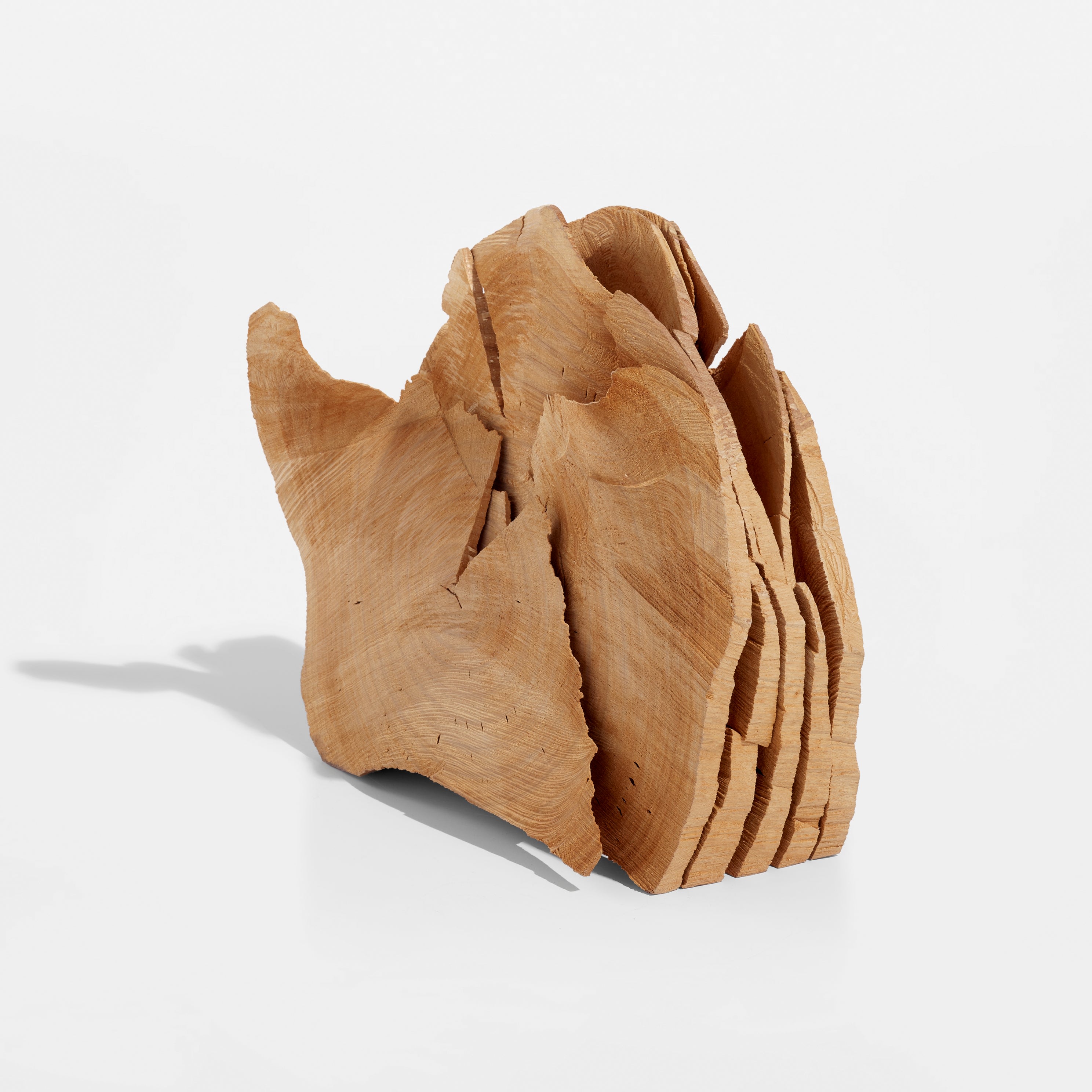
David Nash
Nash works exclusively with wood, carving and assembling large scale sculptural forms that emphasize the material's grain, weight, and organic character. His deeply tactile, labor intensive approach to wooden sculpture shares significant common ground with von Rydingsvard's assembled cedar works.
Artists who inspired them

Constantin Brancusi
Brancusi's use of wood as a primary sculptural medium and his integration of rough hewn bases with refined form offered von Rydingsvard a precedent for honoring the material's intrinsic qualities. His pursuit of elemental, archaic form resonates directly with her own sculptural vocabulary.
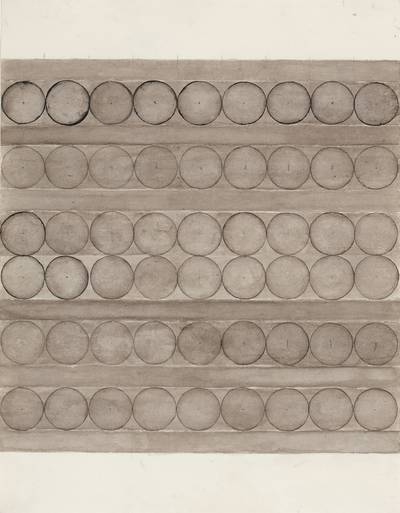
Eva Hesse
Hesse pioneered the use of unconventional materials to express bodily vulnerability, repetition, and psychological memory, concerns central to von Rydingsvard's practice. Hesse's example of bringing autobiographical and feminine experience into large scale abstract sculpture was formative for von Rydingsvard's generation.

Magdalena Abakanowicz
Abakanowicz created monumental installations referencing the human body, collective trauma, and Eastern European historical suffering, subjects with profound resonance for von Rydingsvard who also grew up displaced in postwar Central Europe. Her example of fusing personal and political memory into large scale sculpture was a key touchstone.