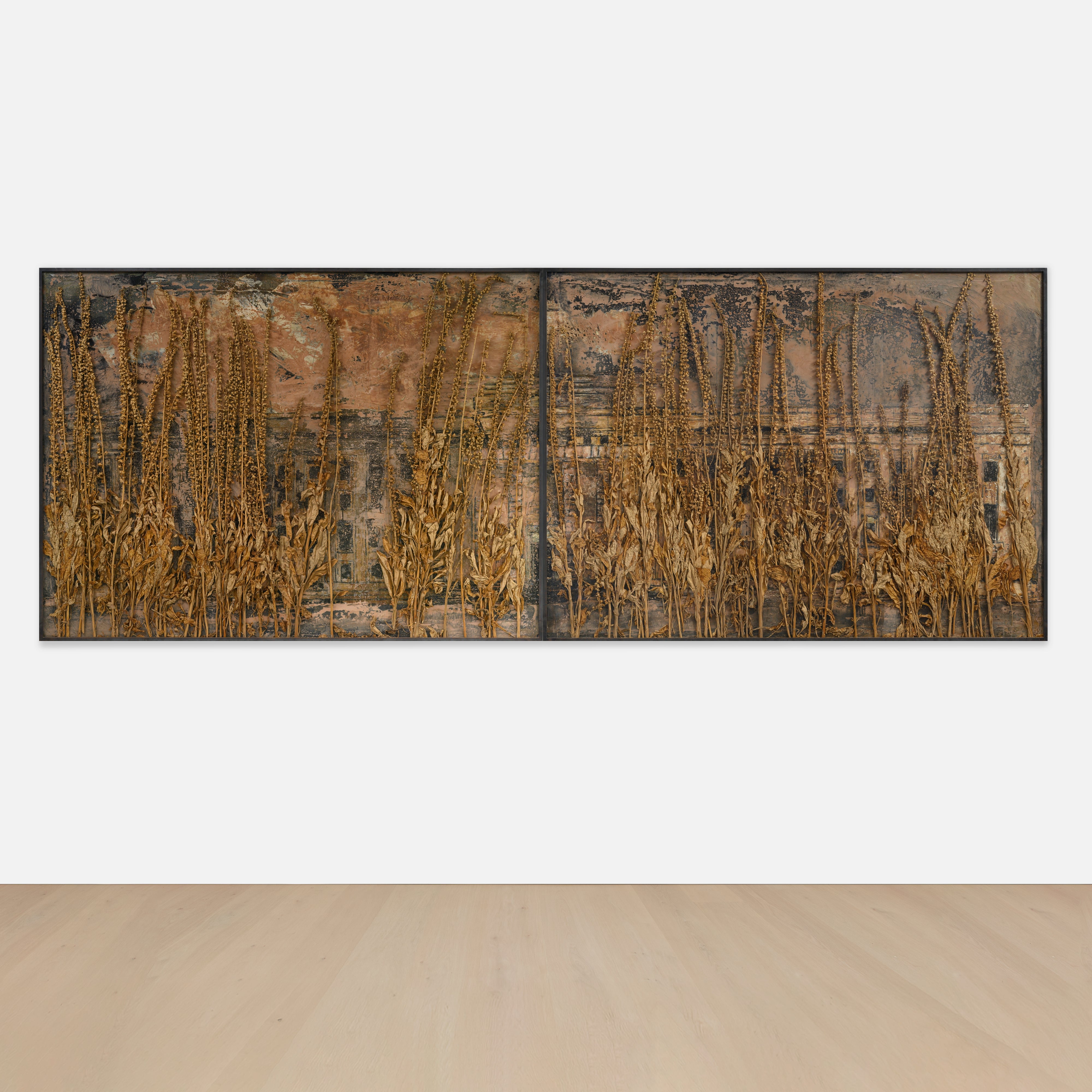
Anselm Kiefer
66
Works
1
Followers
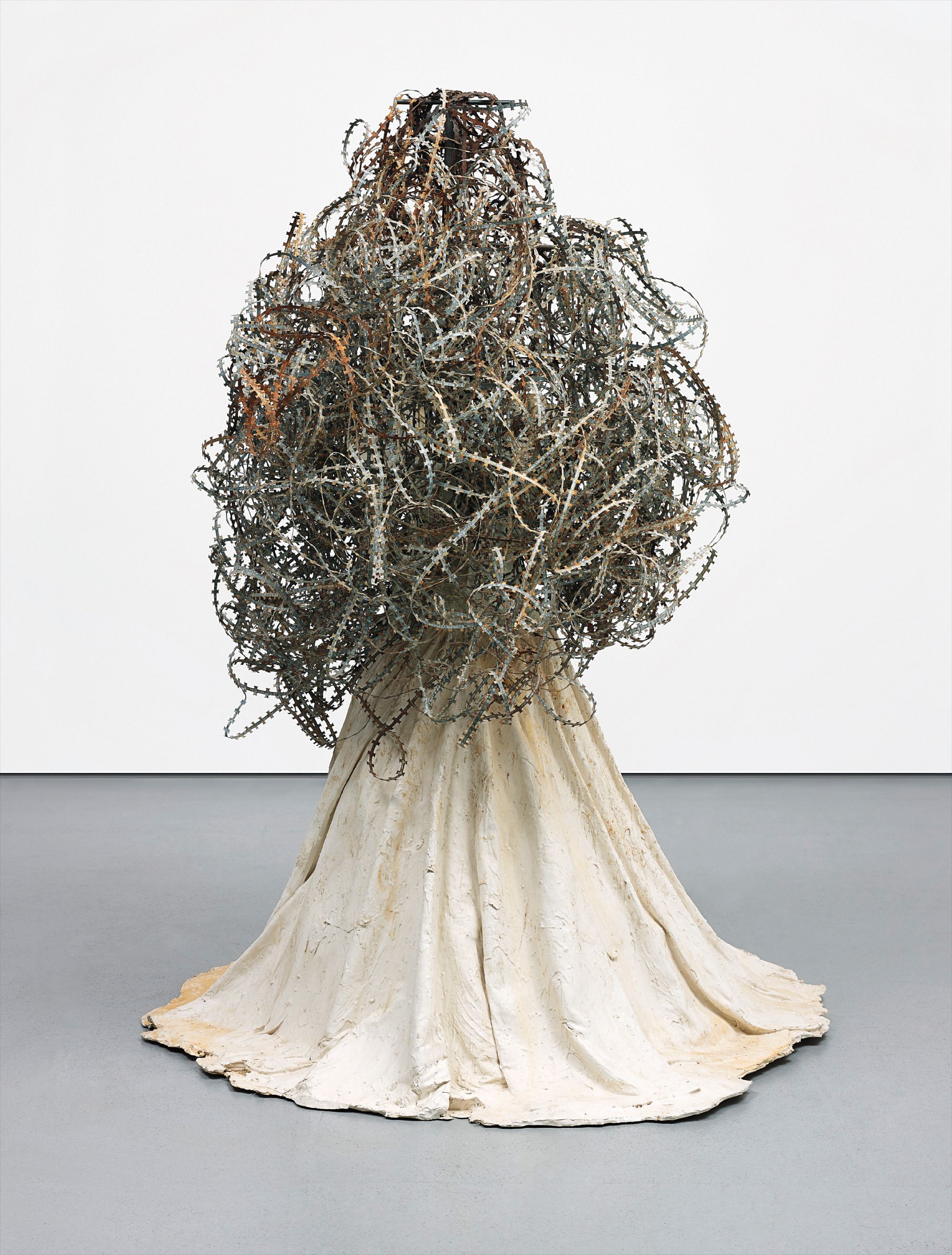
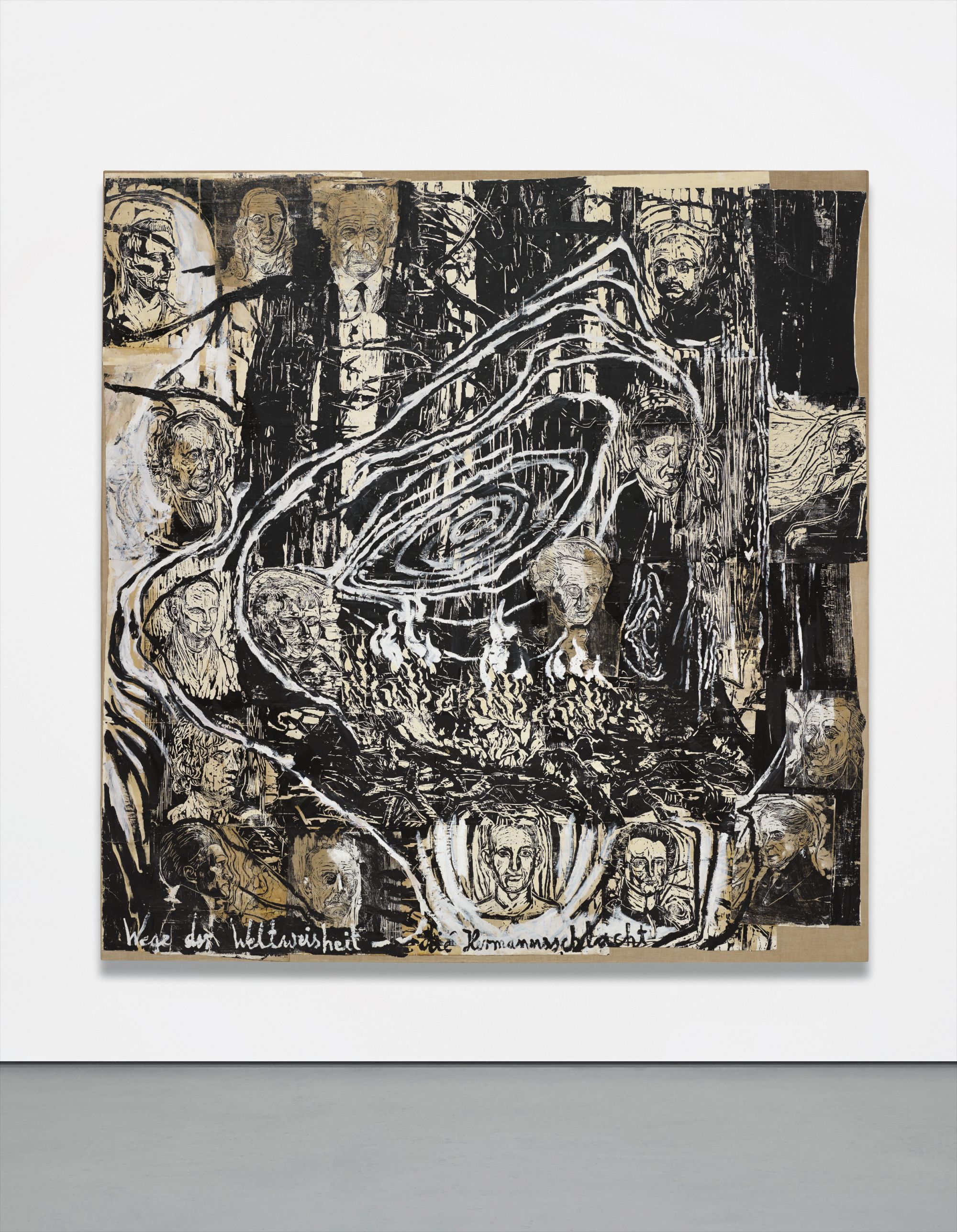
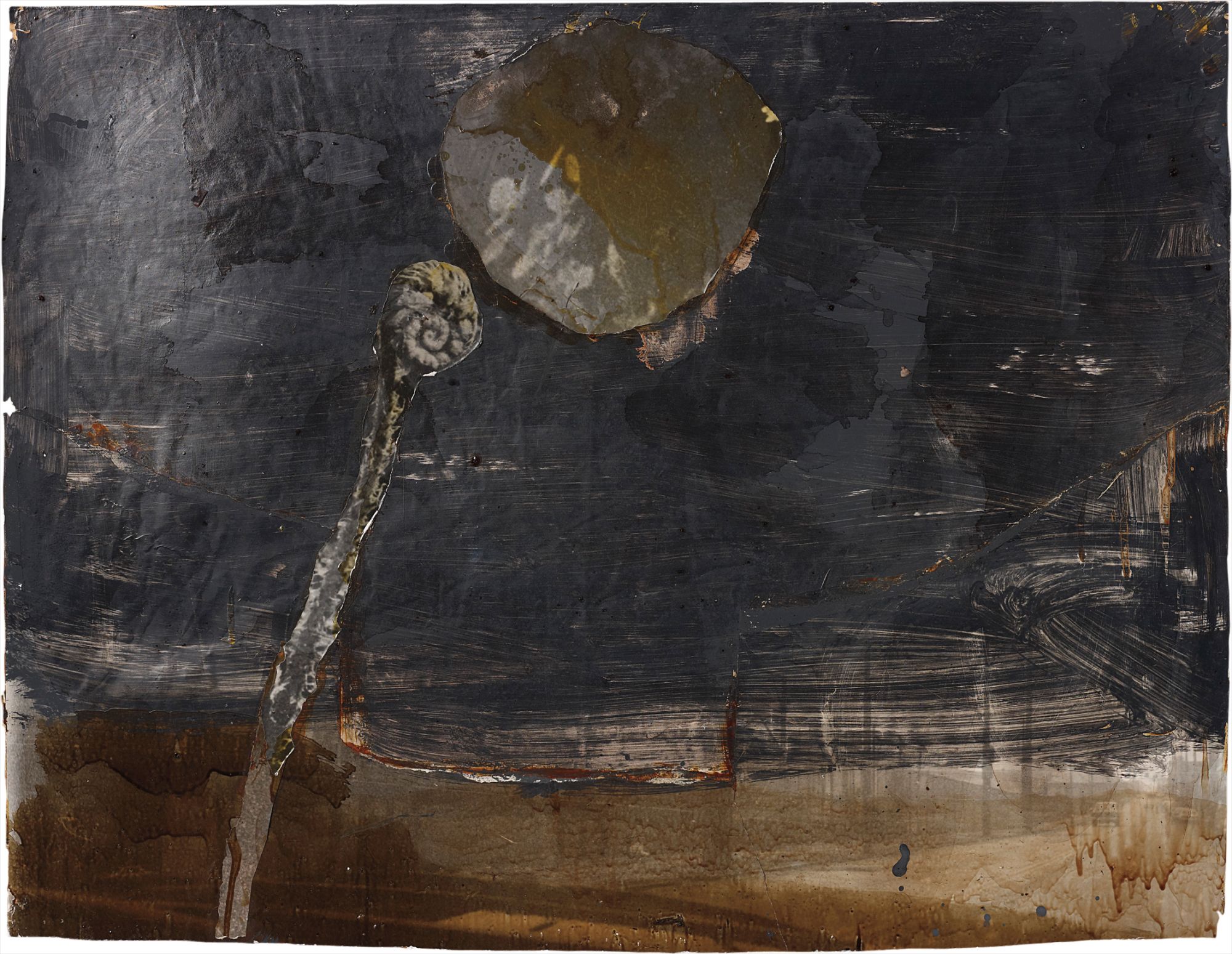
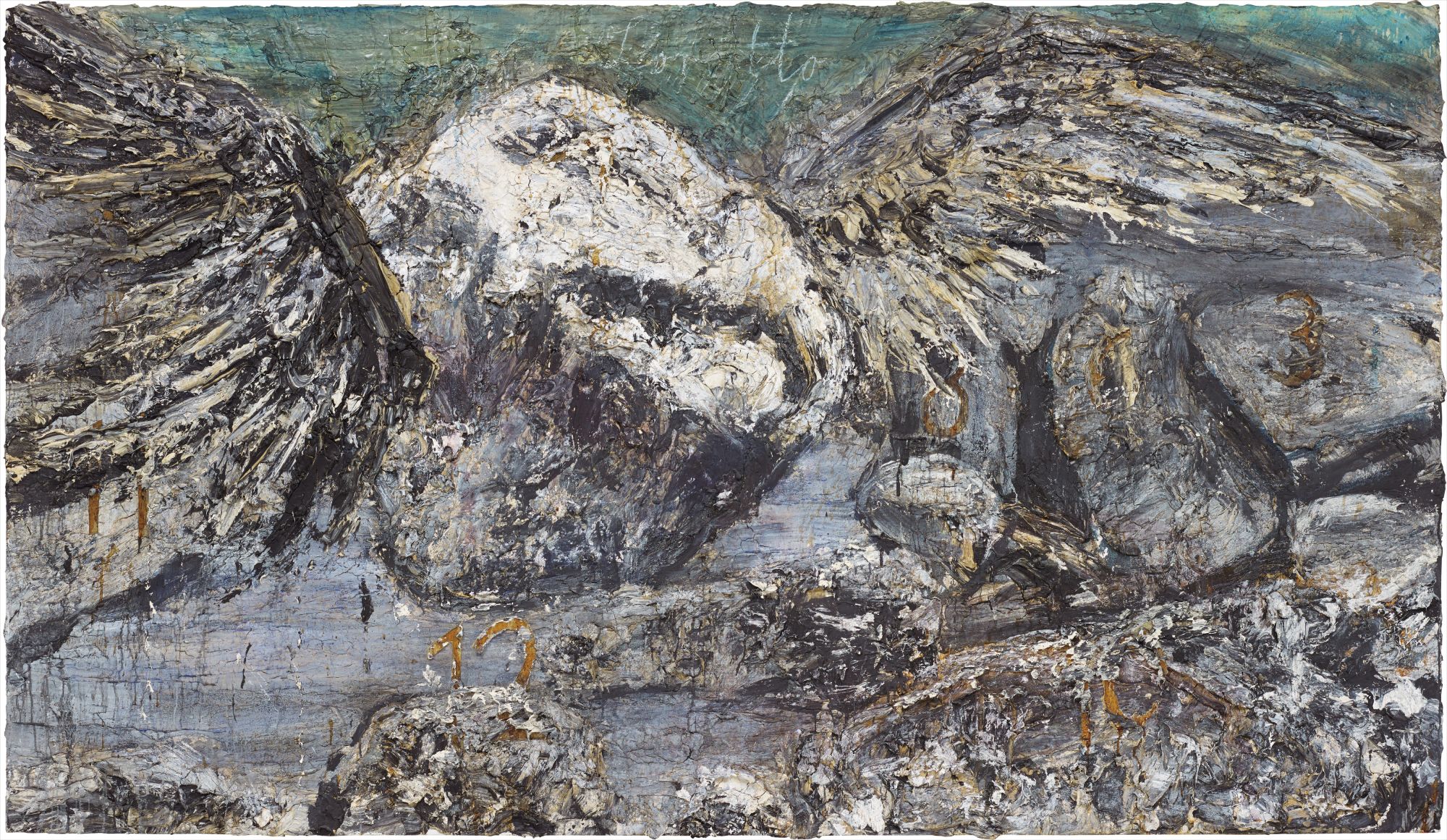
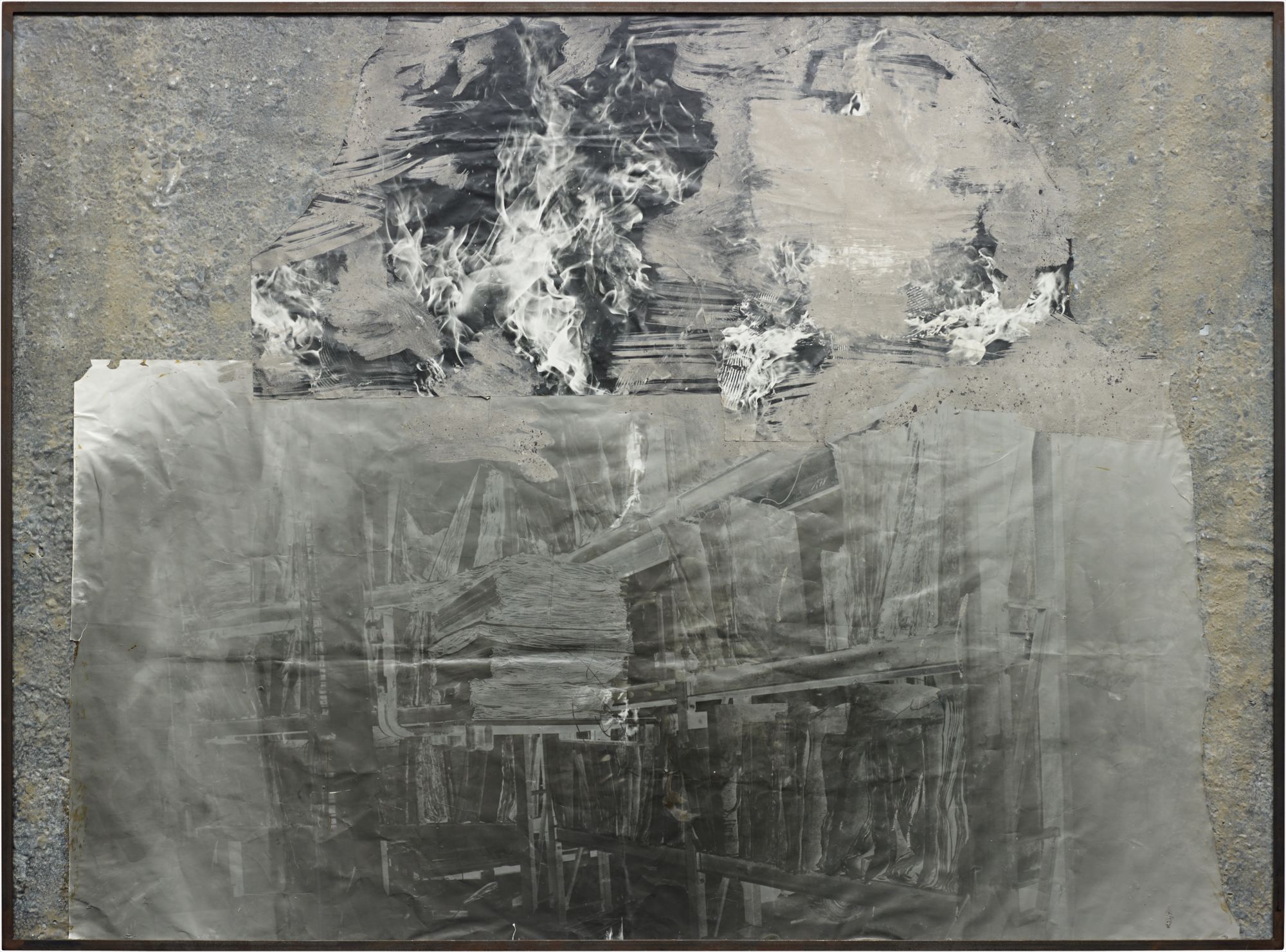
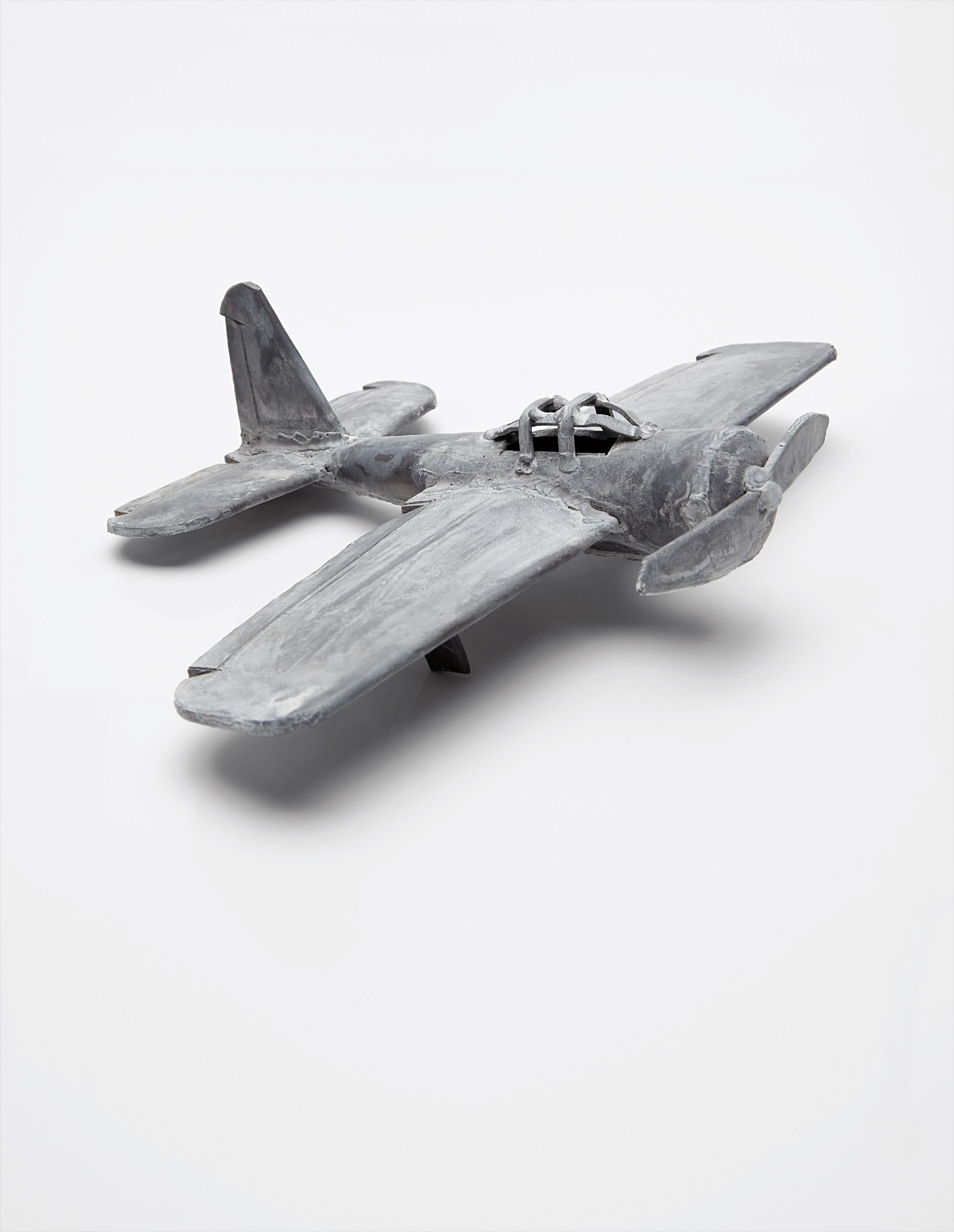
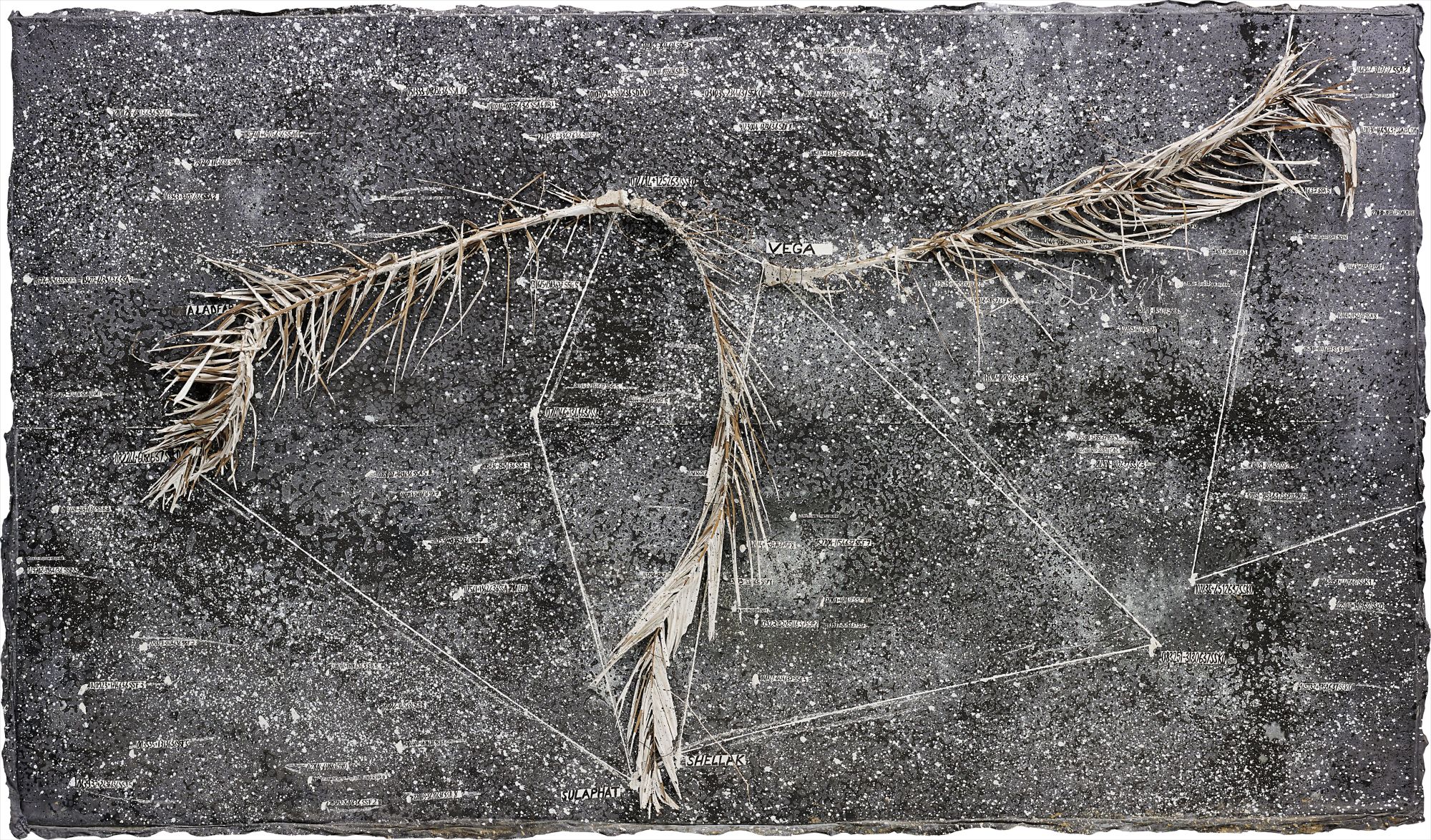
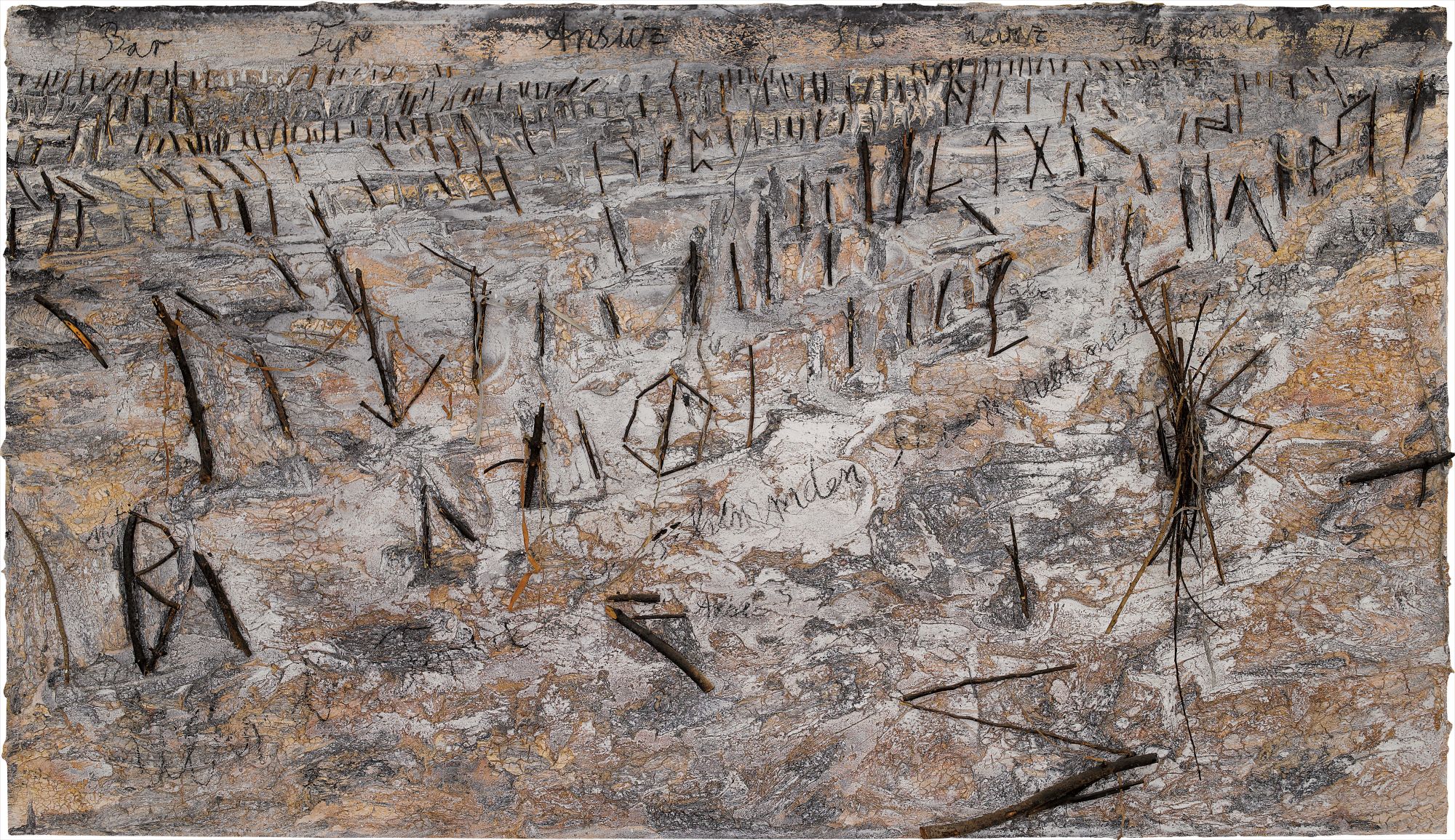
Artists in conversation
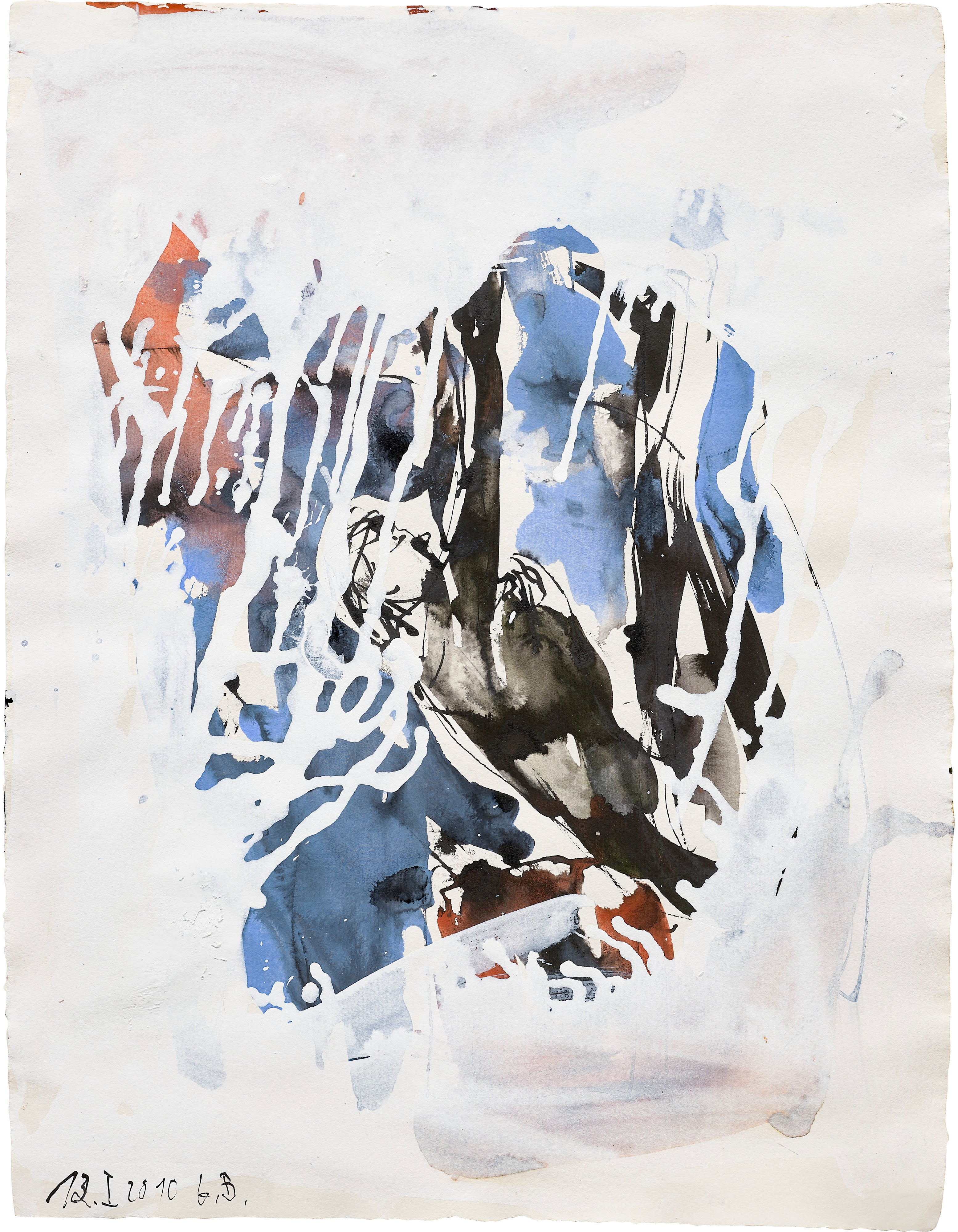
Georg Baselitz
Baselitz shares Kiefer's commitment to large scale figurative and expressionist painting rooted in German identity, trauma, and postwar cultural rupture. Both artists use raw, gestural surfaces to confront uncomfortable national histories with unflinching directness.
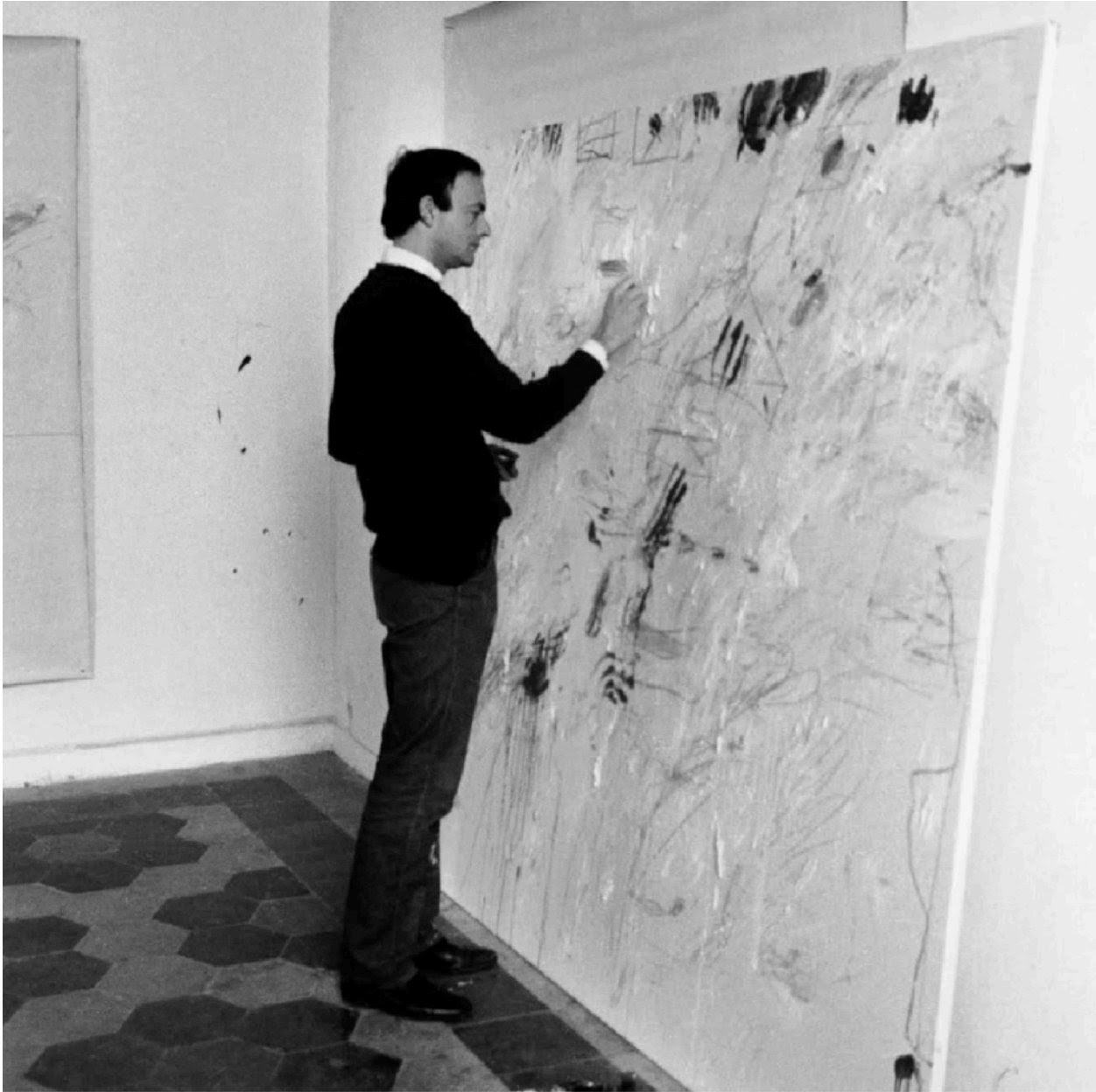
Cy Twombly
Twombly similarly layered mythological references, classical history, and poetic text onto richly textured, atmospheric surfaces with a contemplative and archival sensibility. Collectors drawn to Kiefer's fusion of mark making, symbolism, and historical memory find a natural counterpart in Twombly's work.
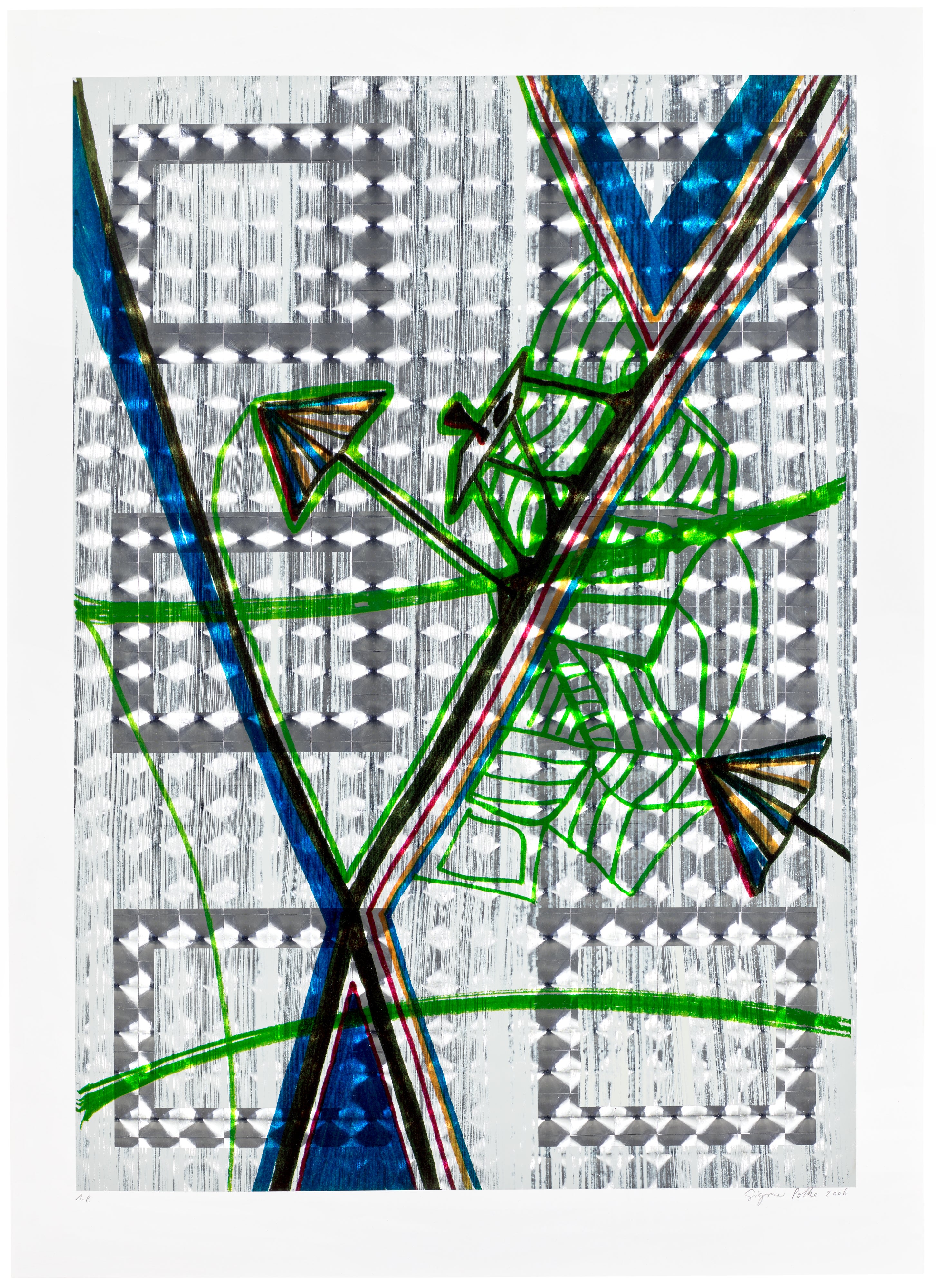
Sigmar Polke
Polke employed unconventional mixed media techniques and subversive imagery to interrogate German history, collective memory, and cultural mythology. Like Kiefer, he embedded layered conceptual meaning within heavily worked and materially experimental surfaces.
Artists who inspired them
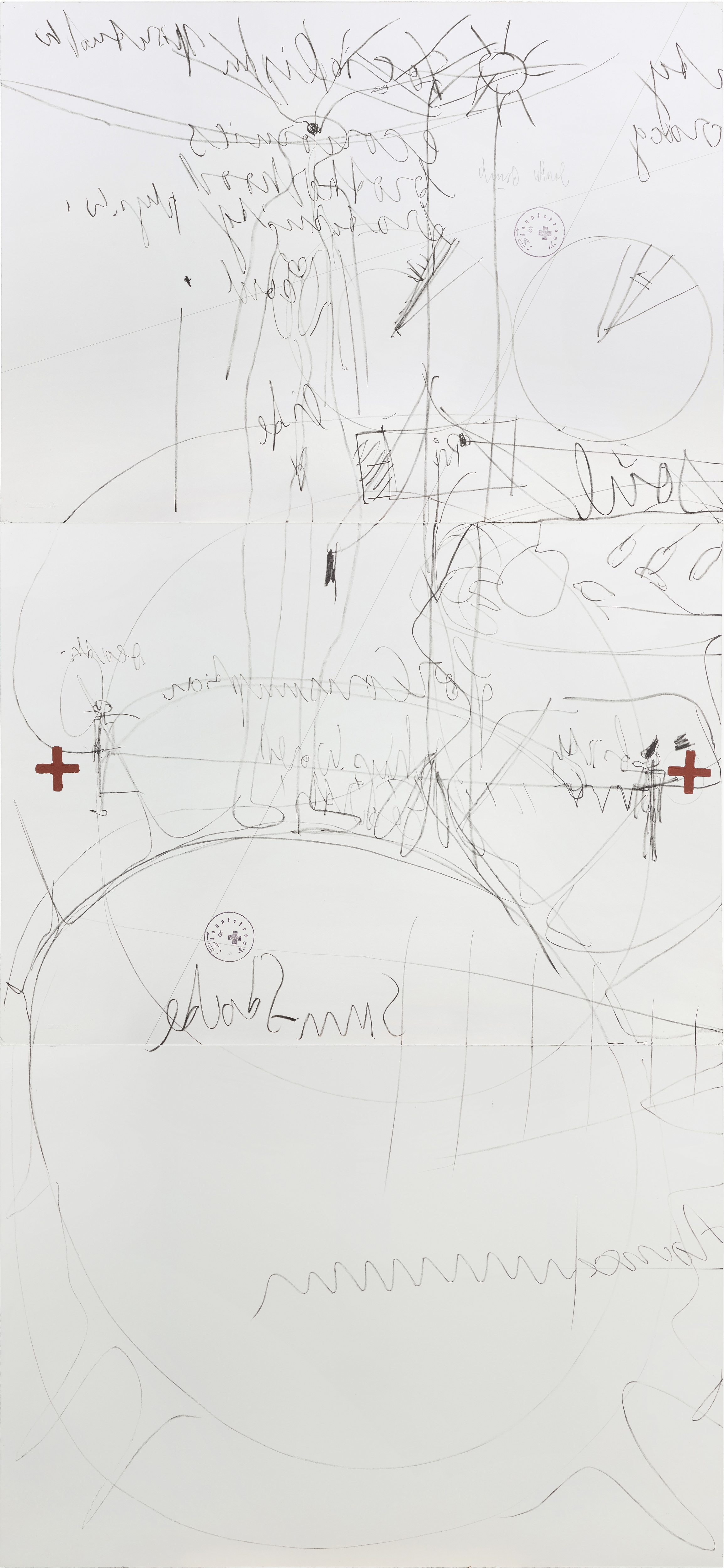
Joseph Beuys
Beuys was a direct mentor and teacher to Kiefer at the Düsseldorf Art Academy and introduced him to the idea of art as a vehicle for confronting trauma, healing national wounds, and deploying unconventional materials with mythic and shamanic resonance. Kiefer inherited from Beuys the use of raw materials like felt, fat, and lead as carriers of historical and symbolic weight.

Caspar David Friedrich
Friedrich's brooding, atmospheric landscapes imbued with spiritual longing and Germanic Romantic mythology provided Kiefer with a visual and emotional language for the German landscape as a site of historical and existential meaning. Kiefer consciously engaged and complicated Friedrich's romantic vision by overlaying it with the burden of twentieth century catastrophe.
Artists they inspired
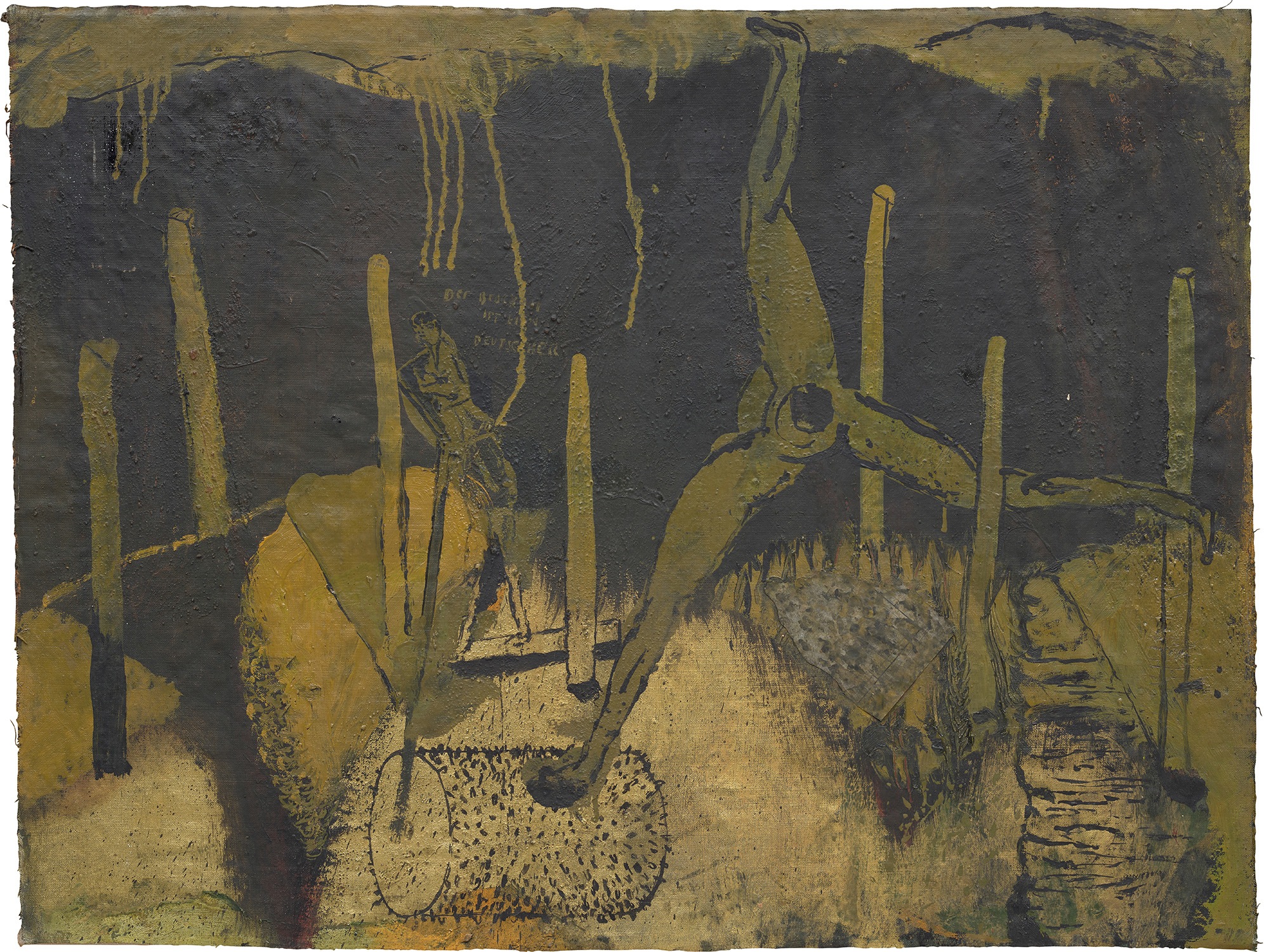
Neo Rauch
Rauch absorbed Kiefer's insistence on painting as a space for mythological and historical reckoning with a distinctly German psychological landscape, developing his own richly layered dreamlike figurative works that carry a similar weight of collective memory and cultural unease. His use of painterly density and symbolic narrative reflects Kiefer's profound impact on postwar German art practice.

Theaster Gates
Gates shares Kiefer's approach of incorporating archival and found materials including ash, tar, and salvaged objects as bearers of historical trauma and collective memory, a methodology strongly indebted to Kiefer's pioneering mixed media practice. His large scale installations engage history and identity with the same material seriousness and conceptual ambition that Kiefer established.