Mass Production
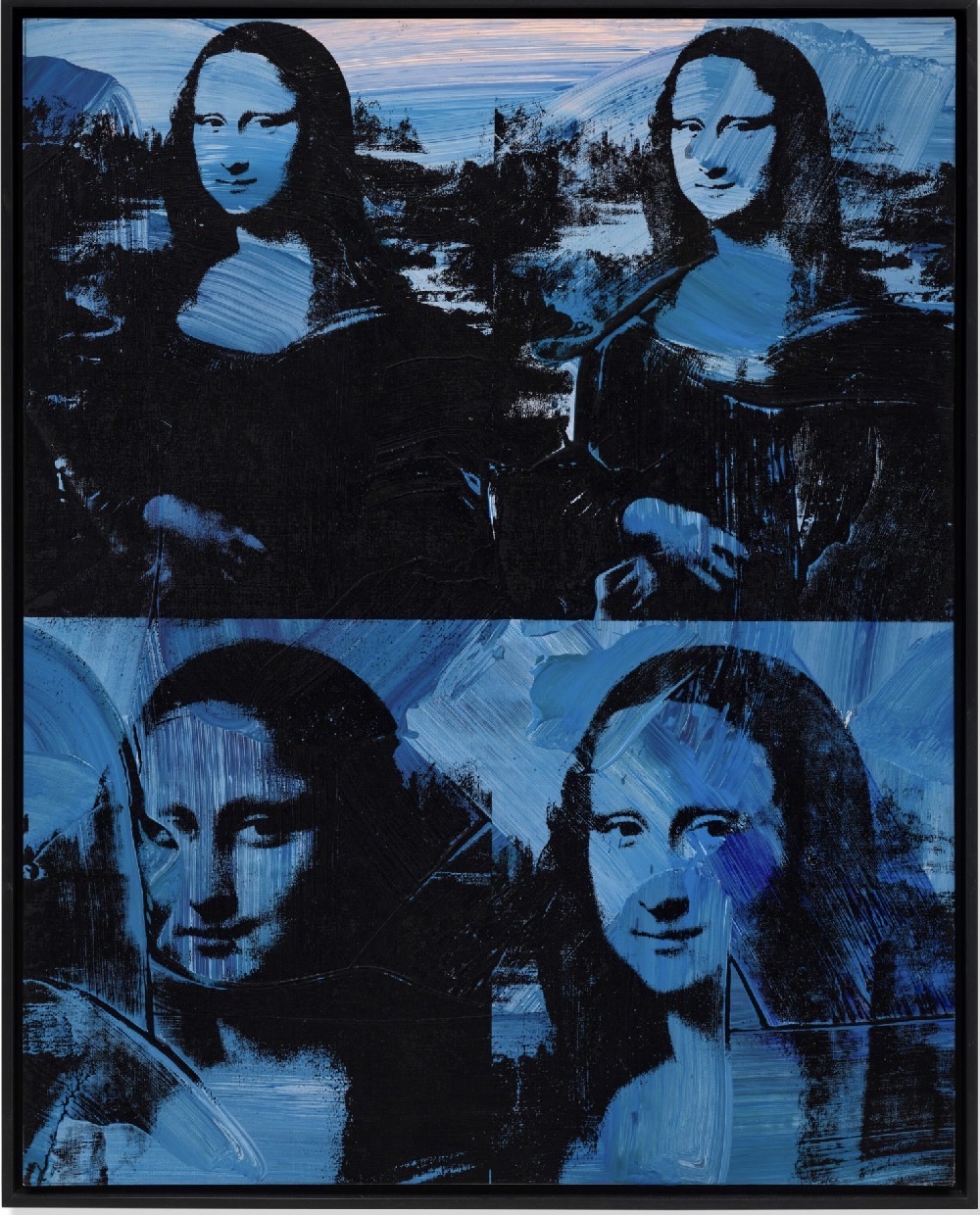
Andy Warhol
Mona Lisa (Four Times), 1979
Everything, Everywhere, All at Once
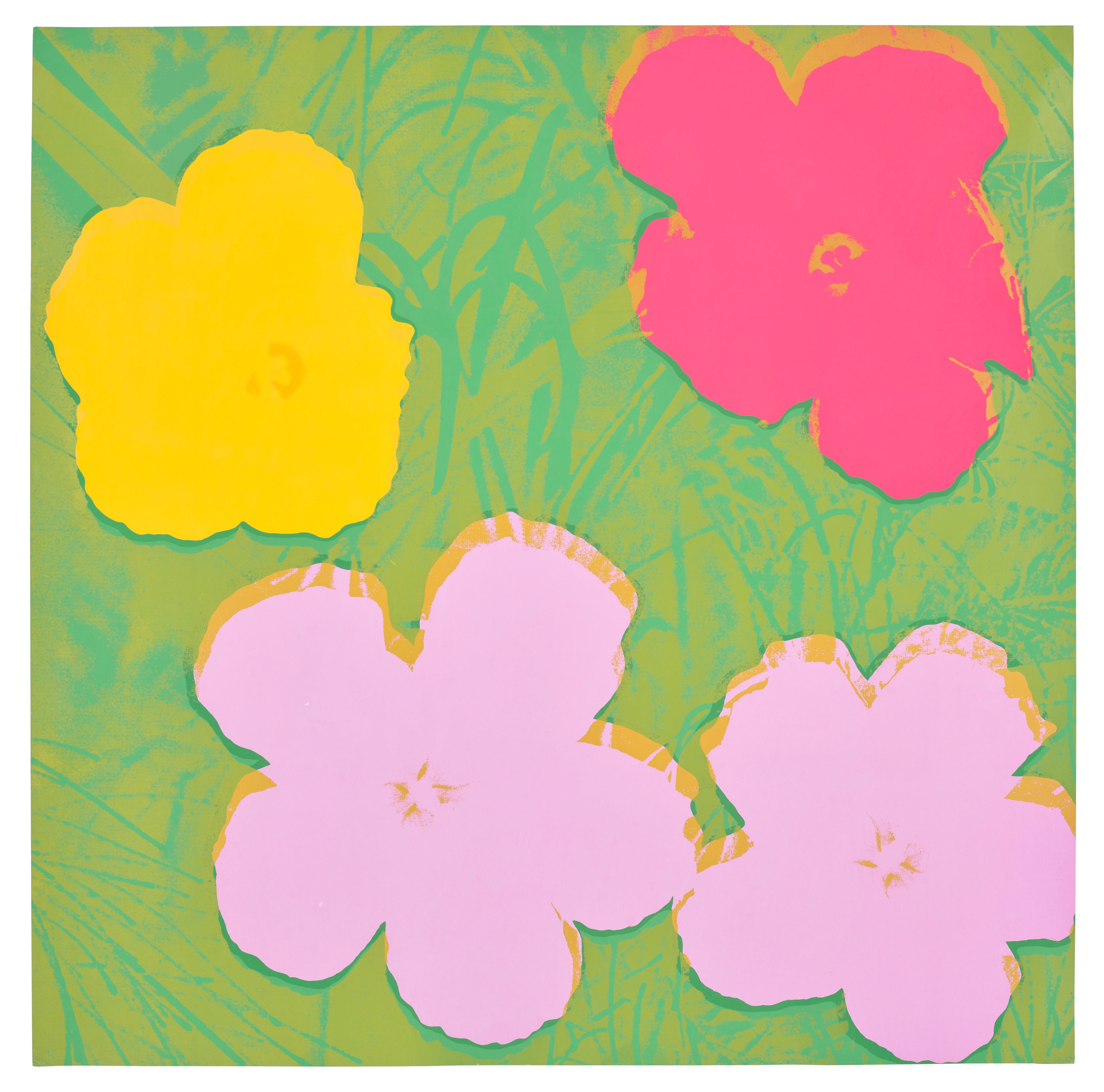
When Christie's brought a group of Andy Warhol's Flowers paintings to auction in recent years, the room did what it always does: it held its breath and then exhaled into applause. These works, first shown at Leo Castelli Gallery in 1964, remain among the most liquid assets in the postwar market, changing hands with a confidence that few other bodies of work can match. But what is most interesting is not the prices themselves, though they are consistently extraordinary. It is the fact that the very subject of the works, repetition, seriality, the image reproduced until meaning shimmers and shifts, is also the engine driving their market value.
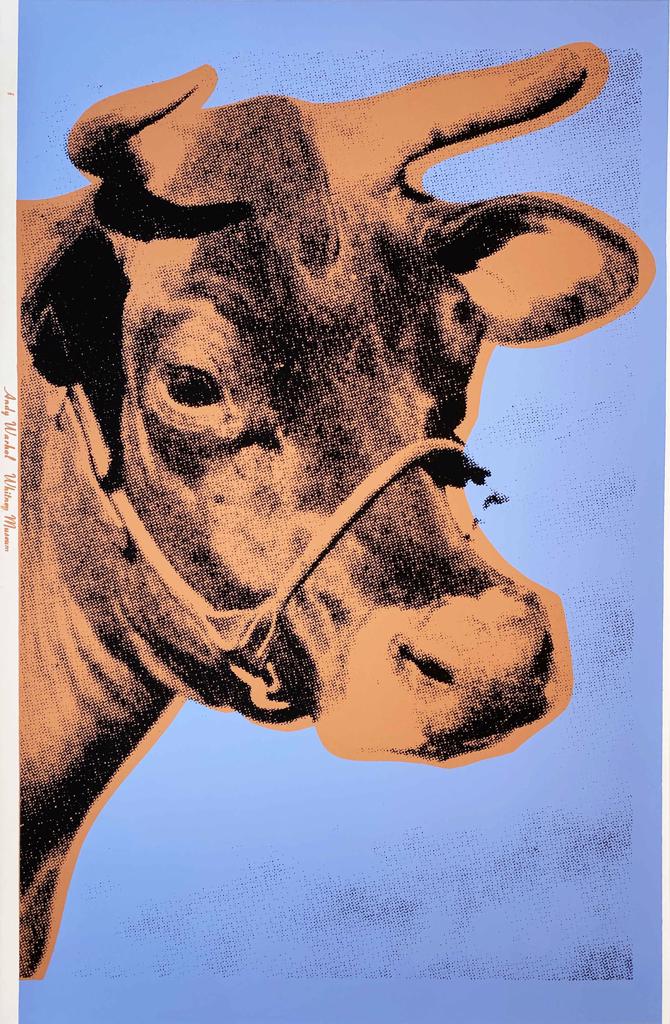
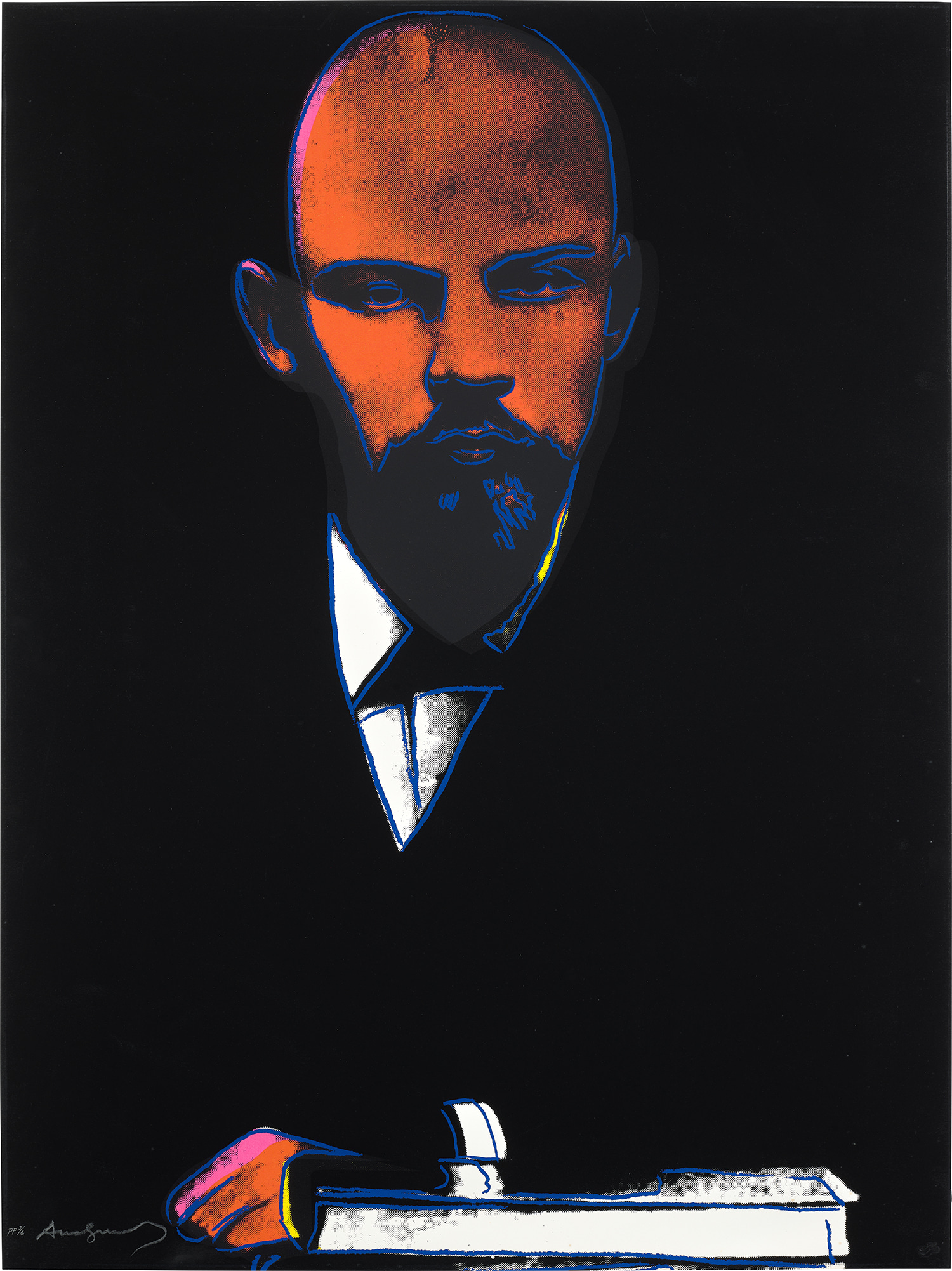
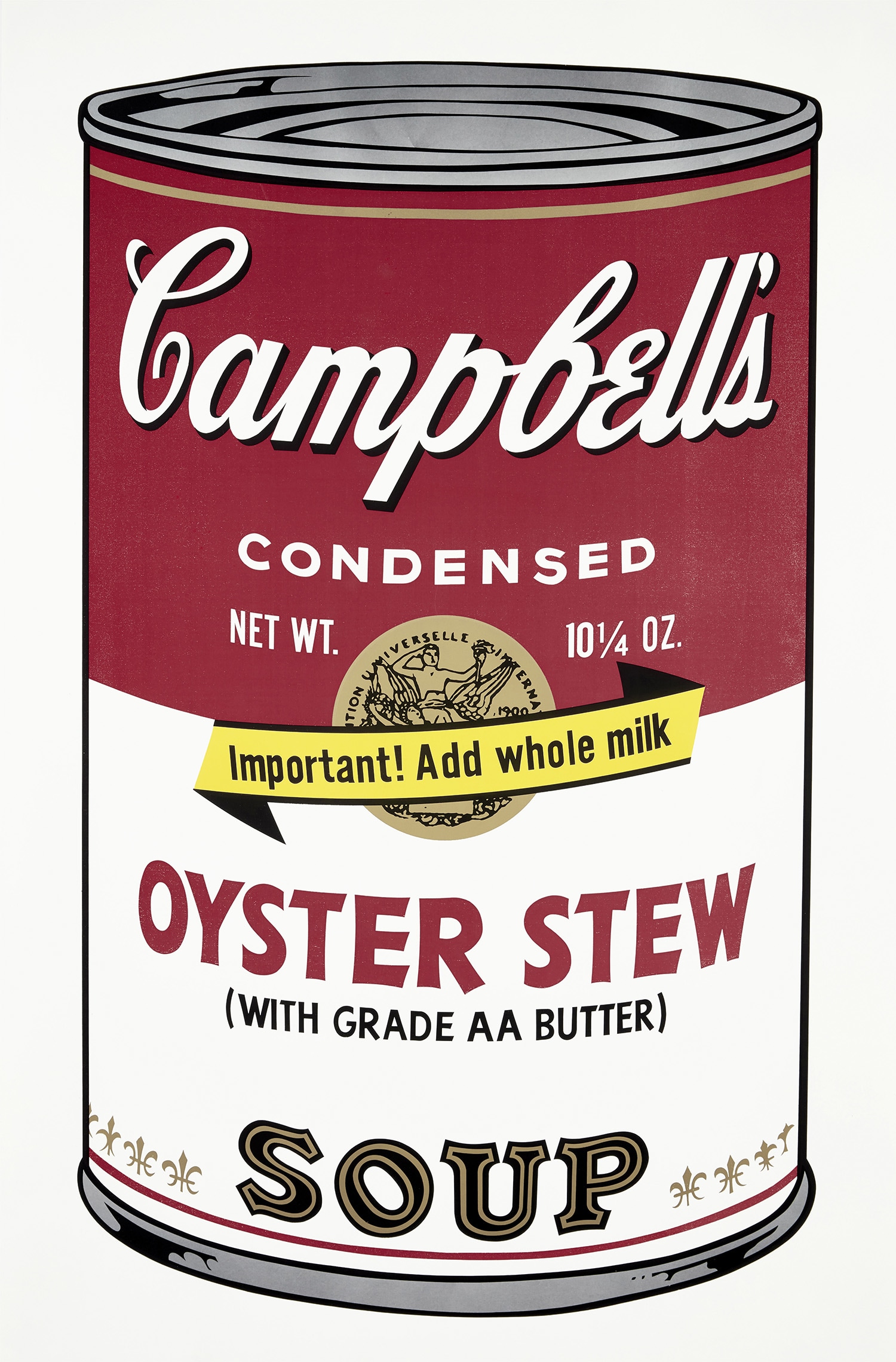
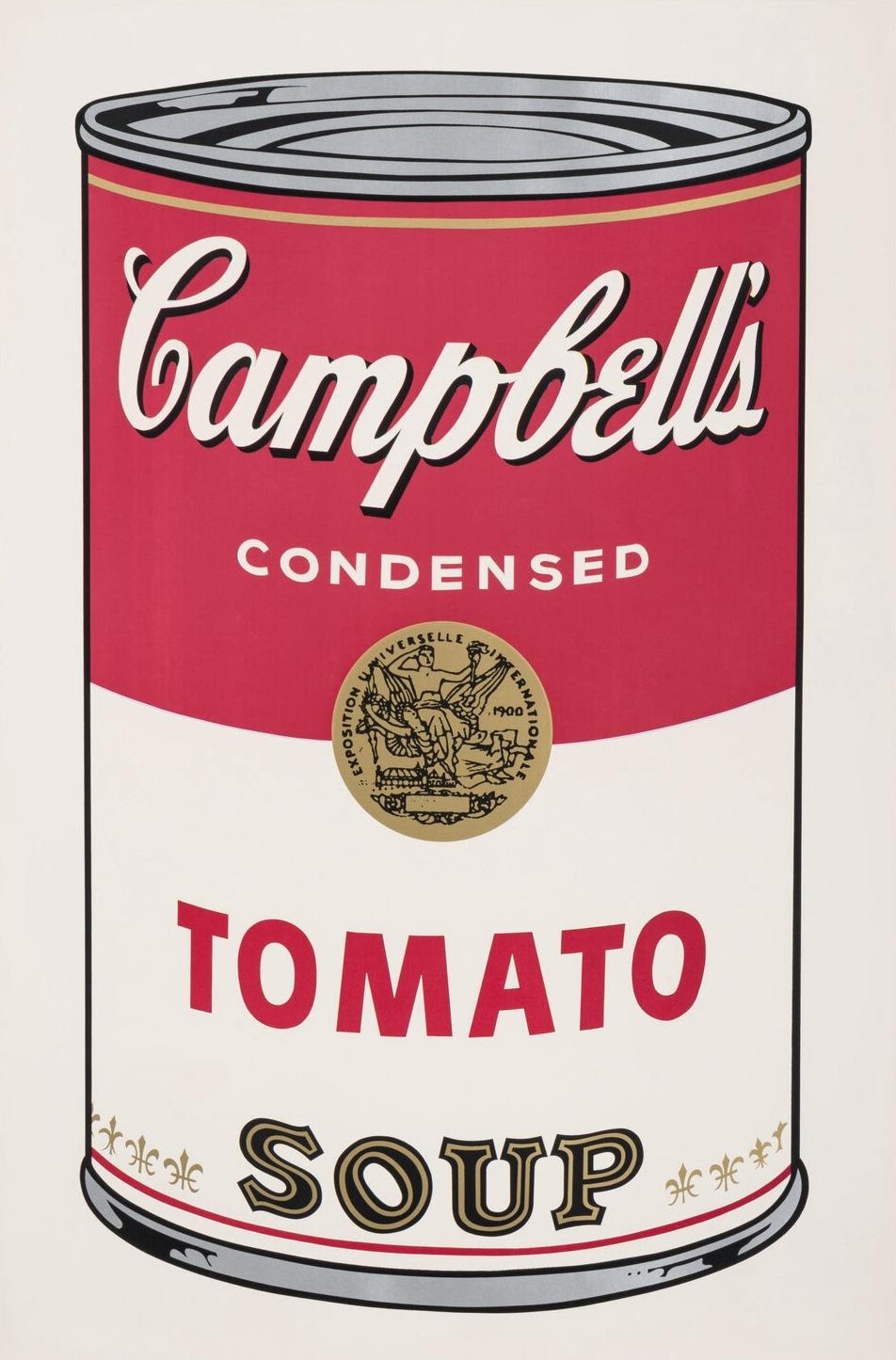
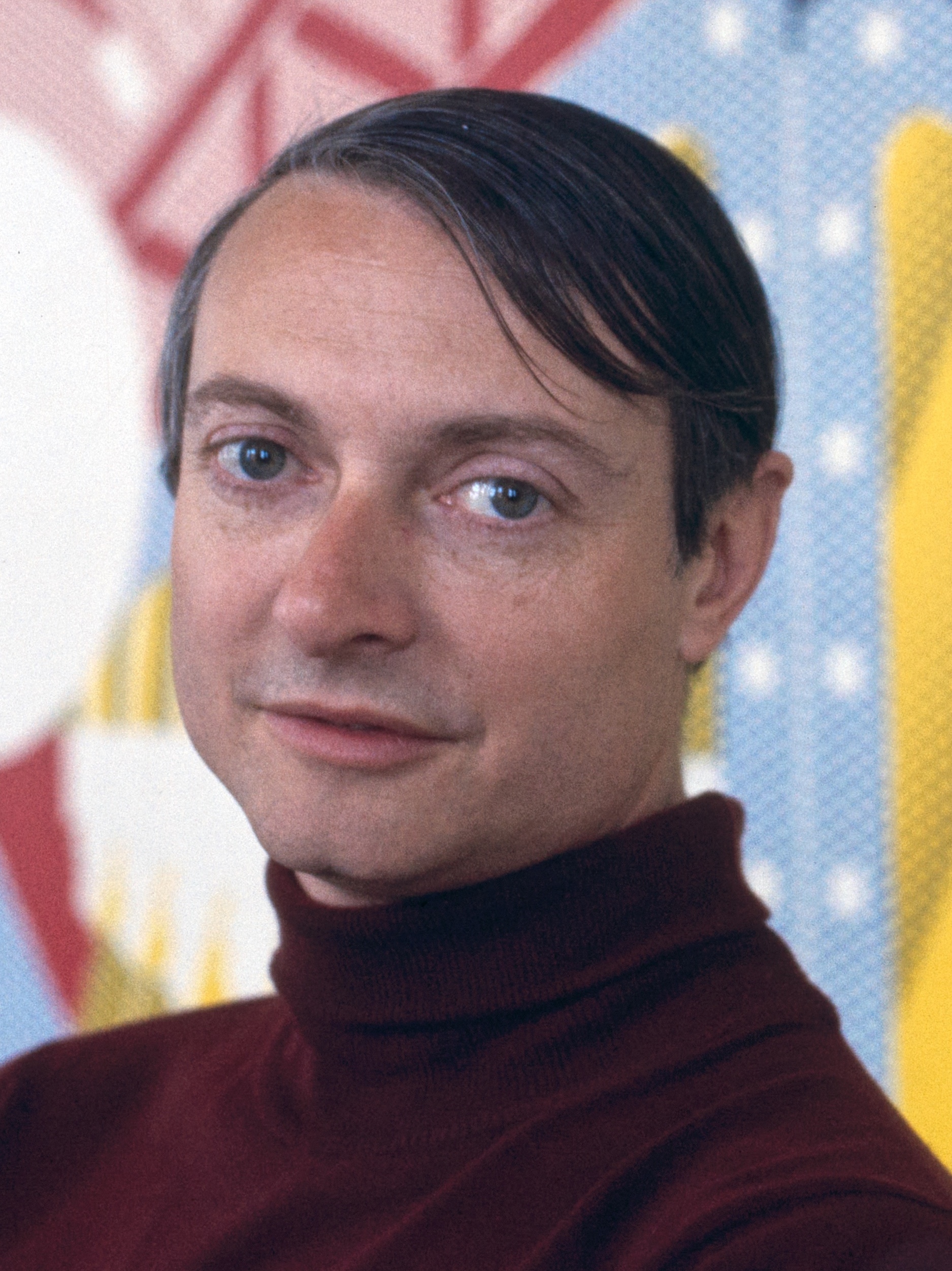
Warhol turned mass production into both his method and his message, and the art world has spent six decades finding new reasons to care. The conversation around mass production as an artistic strategy has never really paused, but it has grown considerably more layered since the market reset of the early 2010s. Major survey exhibitions helped reframe the stakes. The Museum of Modern Art's 2012 retrospective of Roy Lichtenstein, which traveled to the Art Institute of Chicago, reminded audiences that his appropriation of comic strip imagery was never simply a pop gesture but a sustained inquiry into how images lose and gain authority through reproduction.
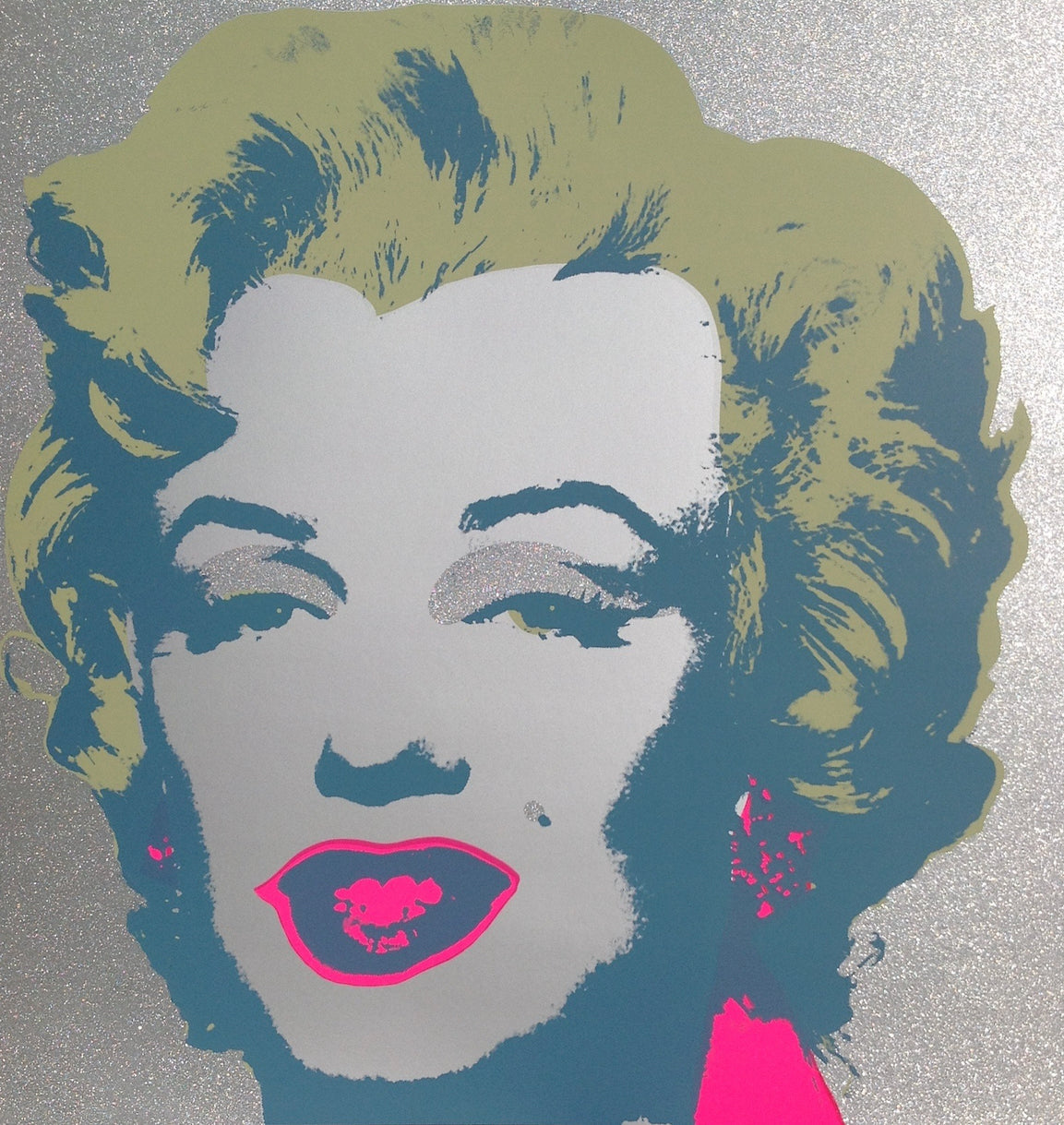
Sunday B. Morning
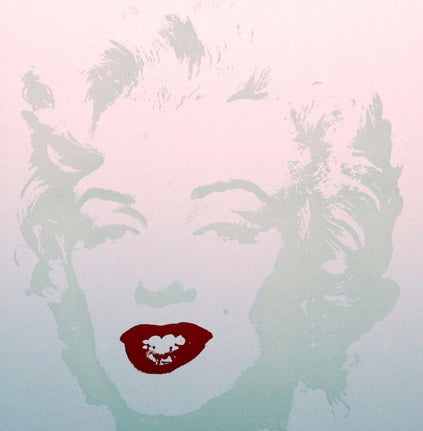
(after Andy Warhol) Diamond Dust Marilyn Monroe
Lichtenstein was asking, with considerable precision and wit, what happens to a brushstroke when it becomes a printed dot. That question has only accumulated urgency in a world saturated by digital replication. Richard Hamilton, often credited as the godfather of Pop on the British side, is well represented on The Collection, and his presence here feels pointed. Hamilton's work from the 1950s and 1960s engaged with advertising, consumer goods, and the aesthetics of mass culture with an almost anthropological attentiveness.
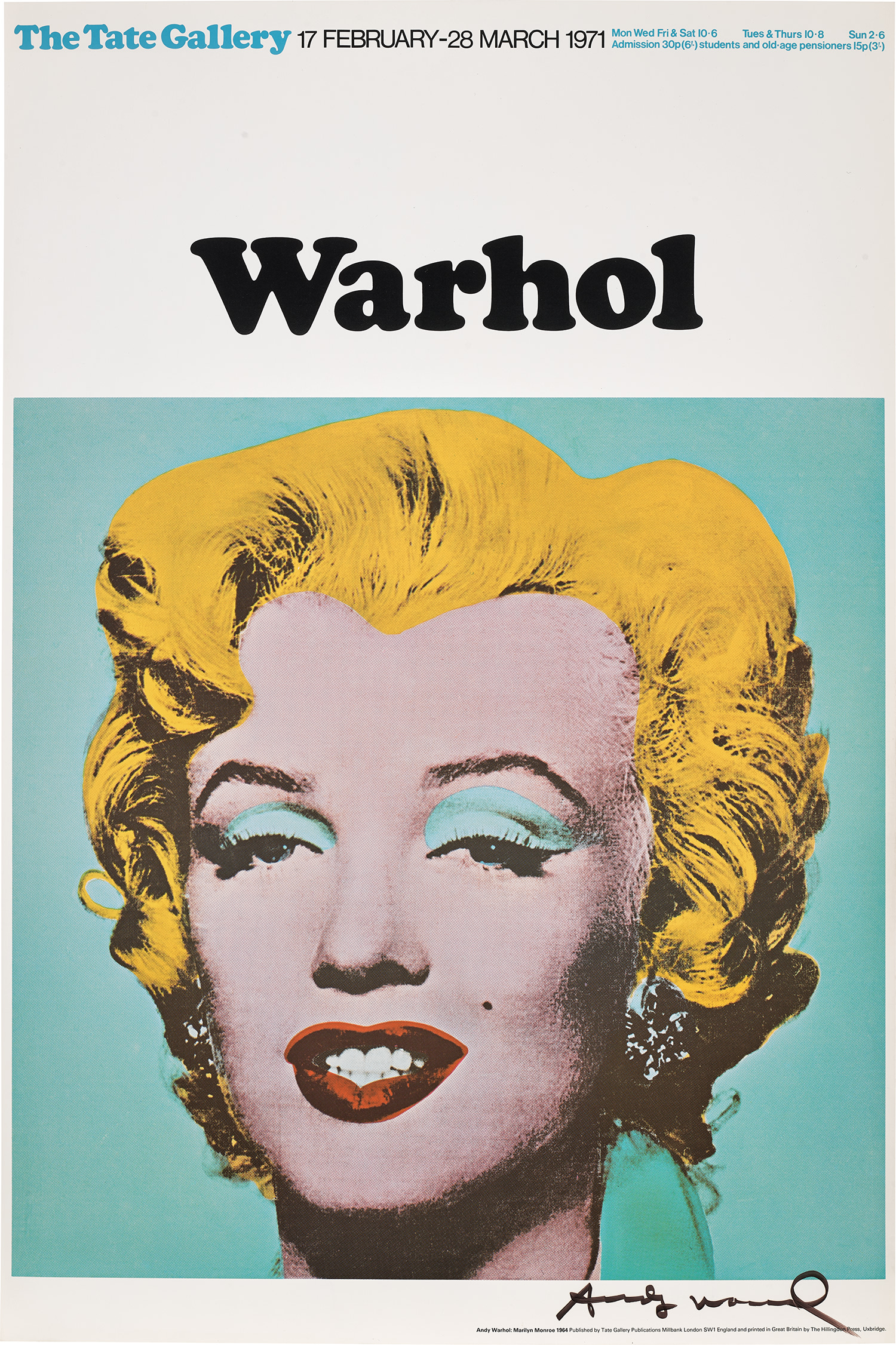
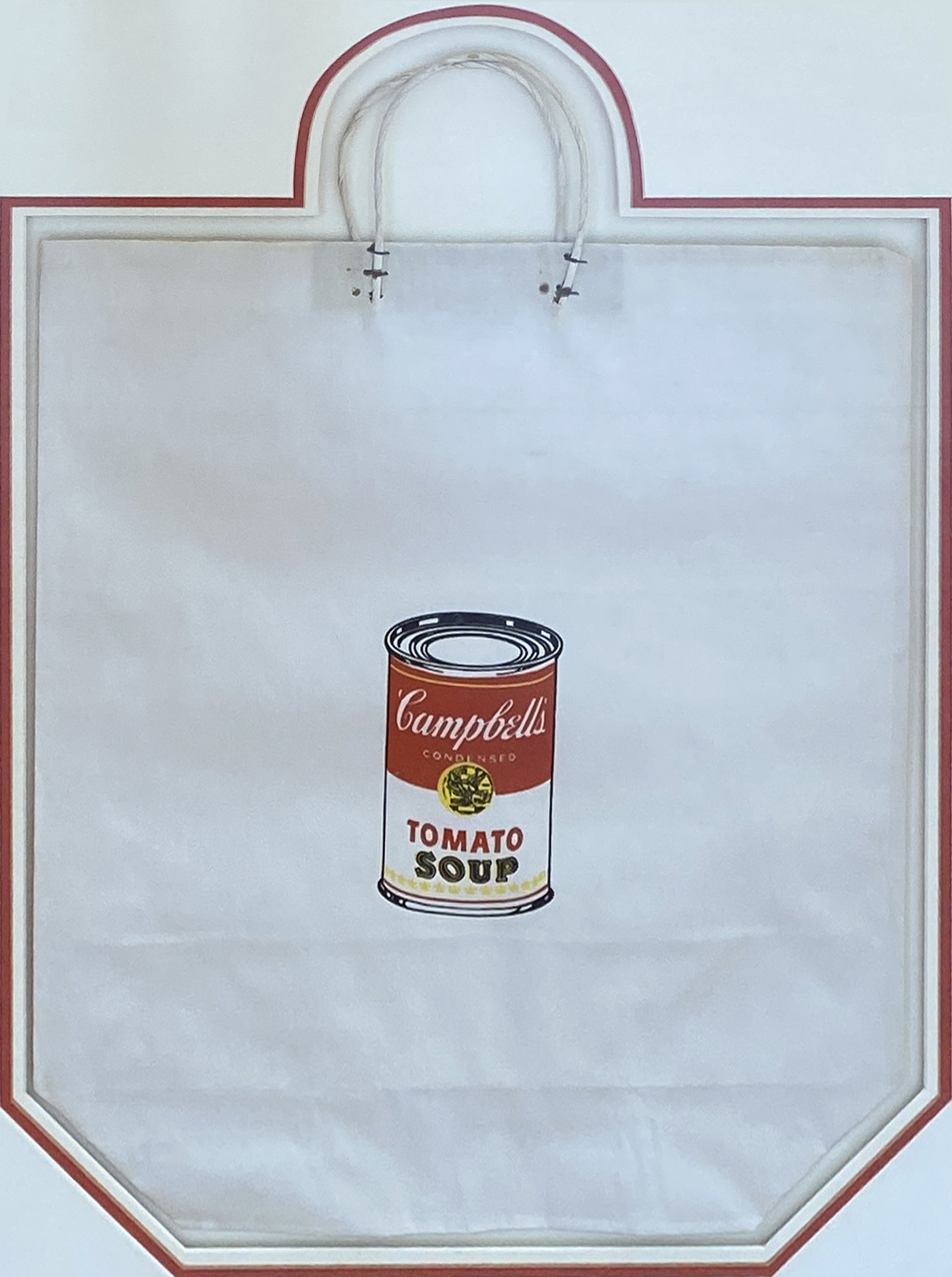
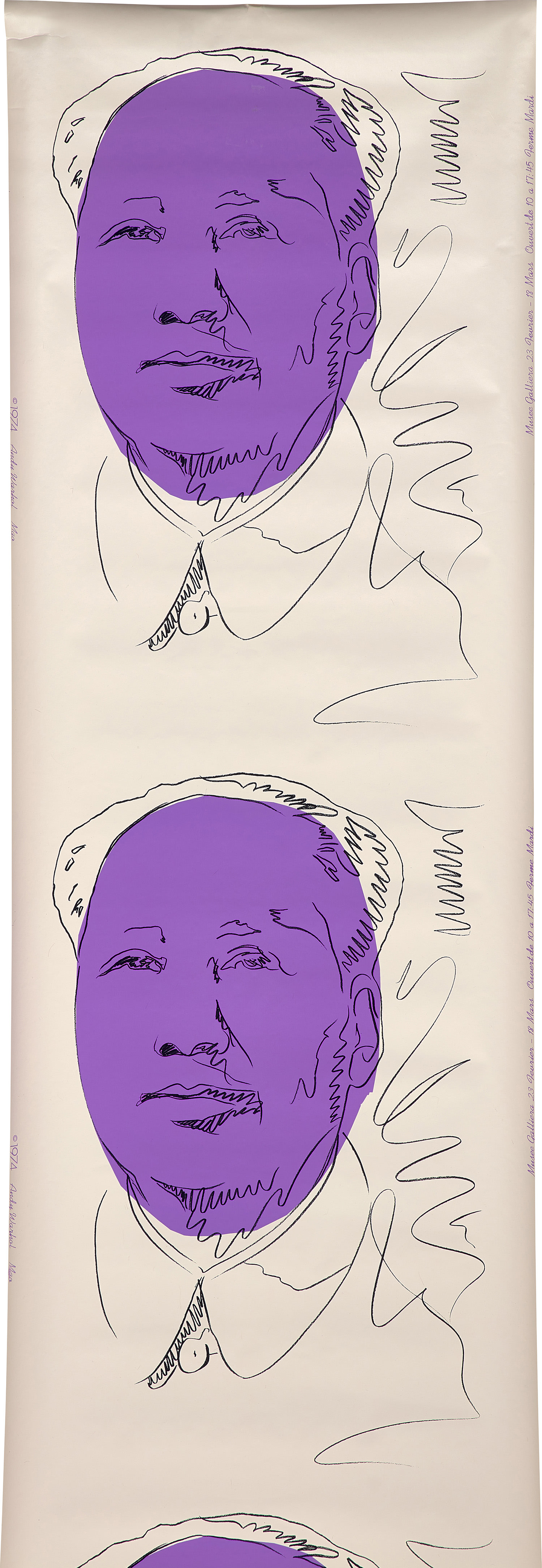
His 1956 collage, frequently cited as a founding document of the movement, posed questions about desire and commodity that the market has since answered in its own blunt way: works that anatomize consumer culture have become among the most sought after commodities in the room. There is a productive irony in that, and Hamilton knew it. At auction, the top tier of this category is dominated by Warhol, whose works on The Collection represent the full breadth of his practice. Recent years have seen individual Warhol paintings cross the fifty million dollar threshold with regularity, and his silkscreened works in particular retain enormous institutional confidence.
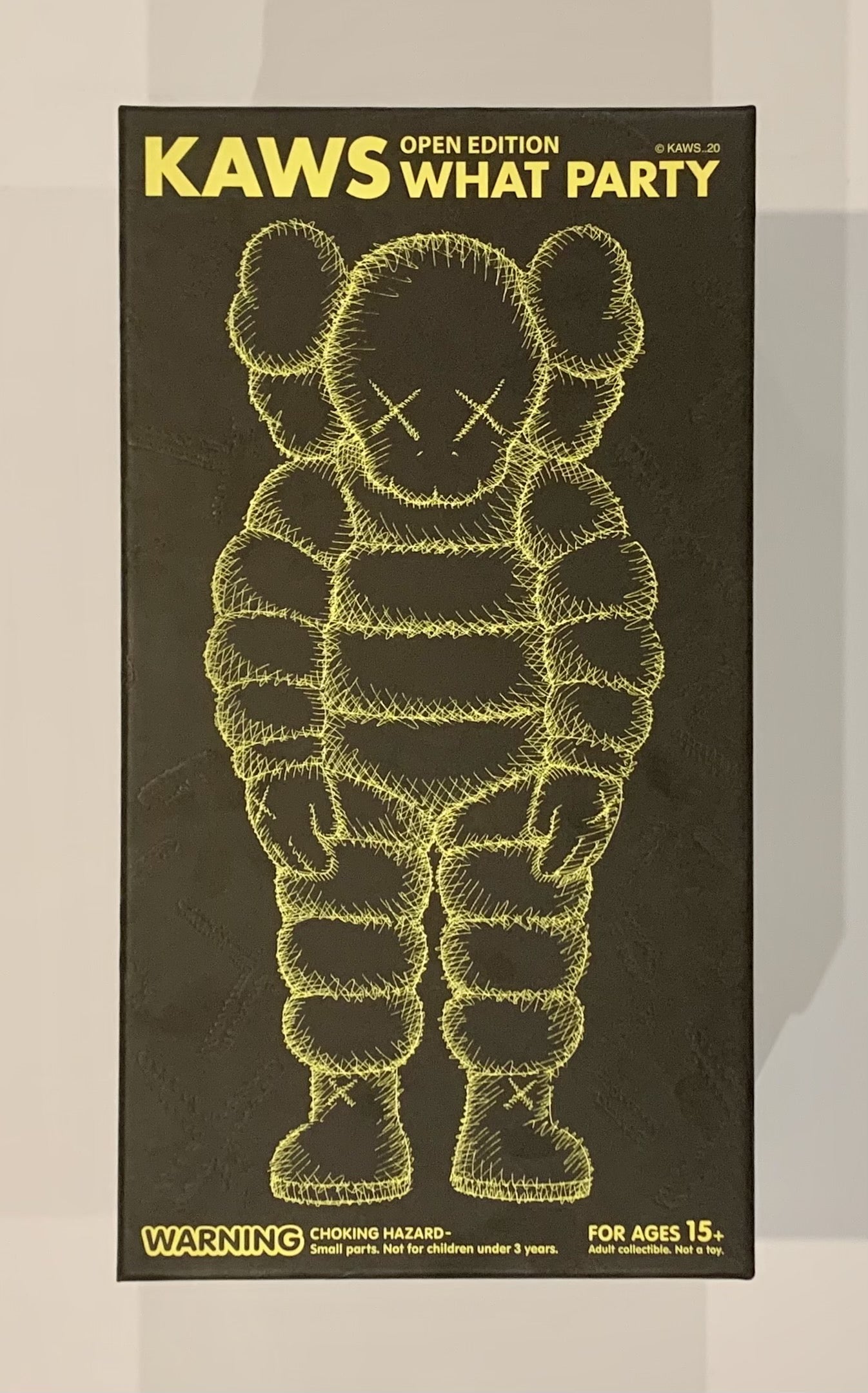
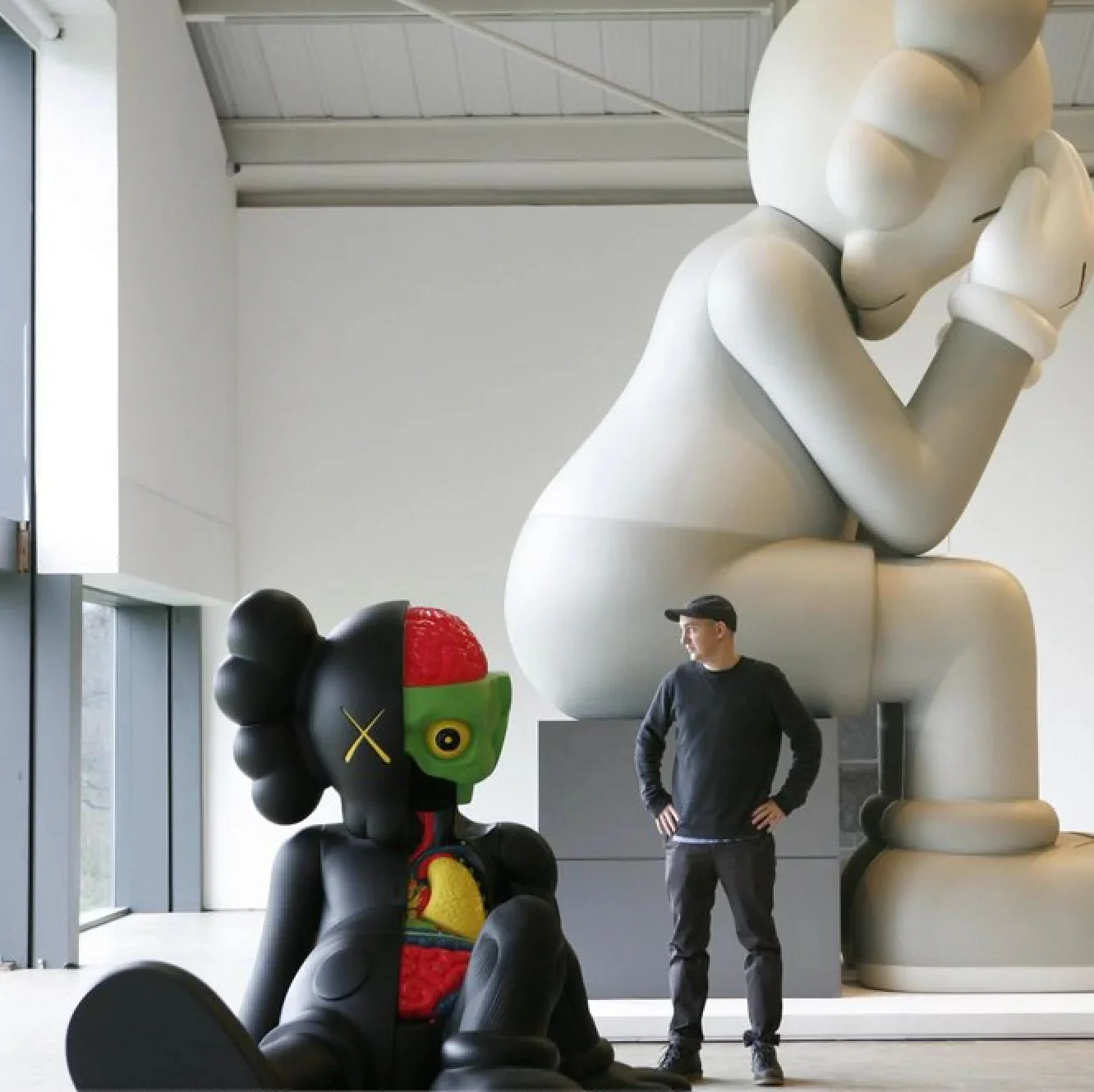
KAWS
What Party Vinyl Figure (Yellow)
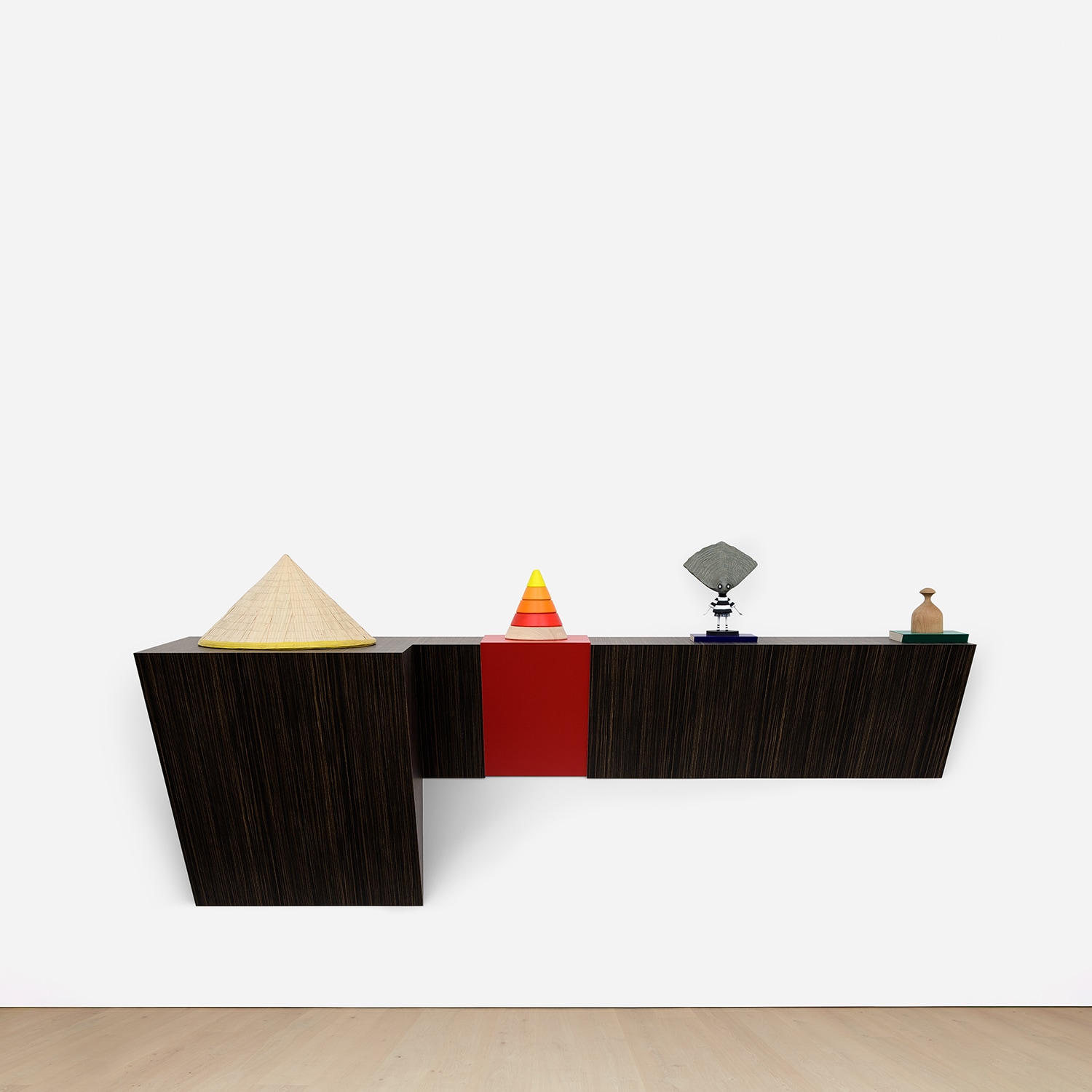
The Haim Steinbach shelf works, which arrange commercially produced objects into sculptural propositions, represent a cooler, more philosophical corner of the same territory. Steinbach's market is quieter but deeply serious, with significant museum acquisitions in recent years. Institutions including the Museum of Contemporary Art in Los Angeles and the Tate have been consistent collectors of work that interrogates the commodity object, and their continued engagement signals that this is not a category experiencing fatigue. The critical framing of mass production as subject matter has evolved significantly since the first wave of Pop.
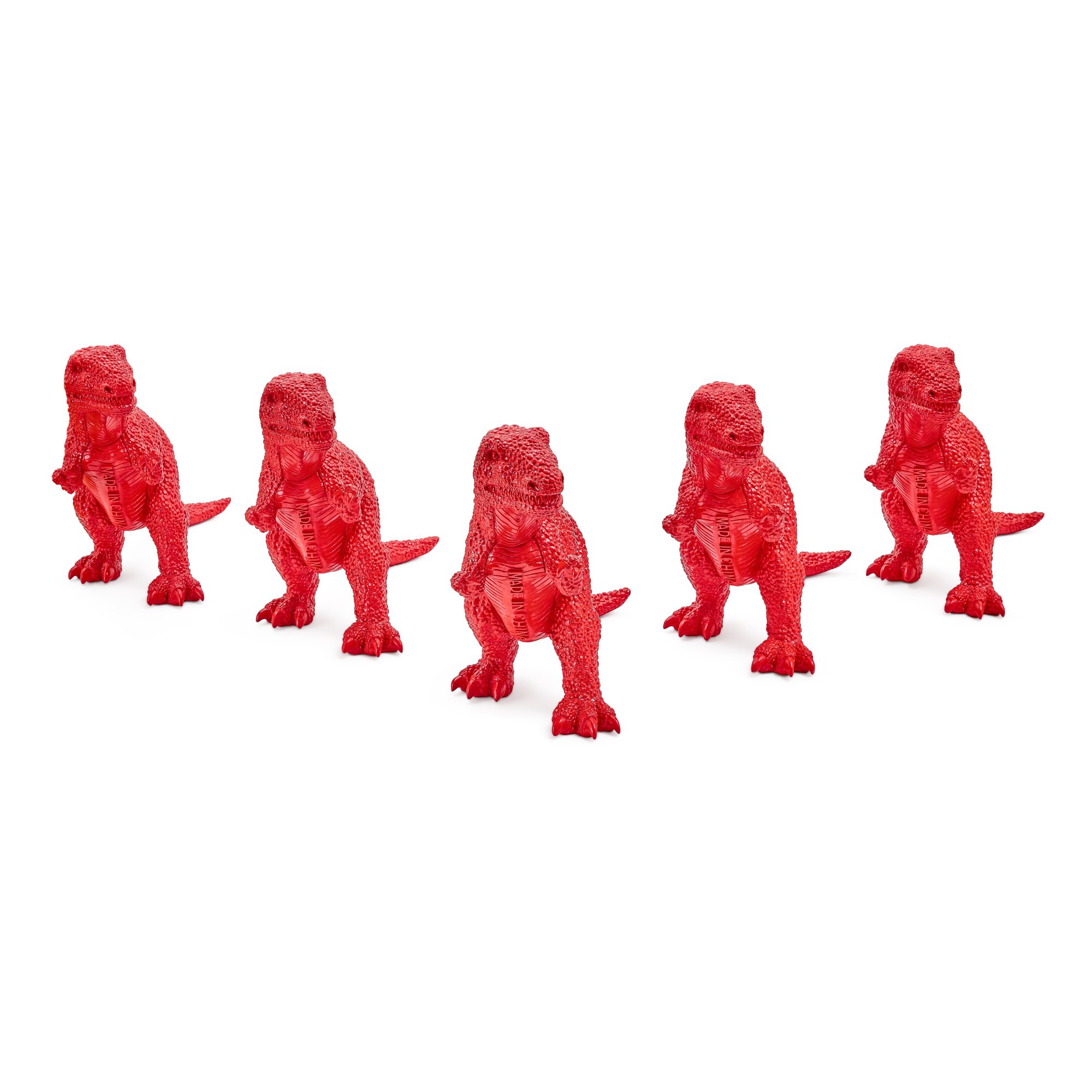
Curators like Donna De Salvo, who organized landmark surveys of Warhol's work, and writers associated with October magazine have pushed back against celebratory readings in favor of more ambivalent ones. The argument, developed carefully over many years, is that the best work in this category does not simply mirror consumer culture but creates a kind of productive estrangement from it. Sui Jianguo's work, which engages with the realities of Chinese industrial manufacturing, extends this inquiry into a global register, asking who produces the objects that circulate in the economies Pop once described. His presence alongside Western Pop figures on The Collection makes for a genuinely instructive juxtaposition.
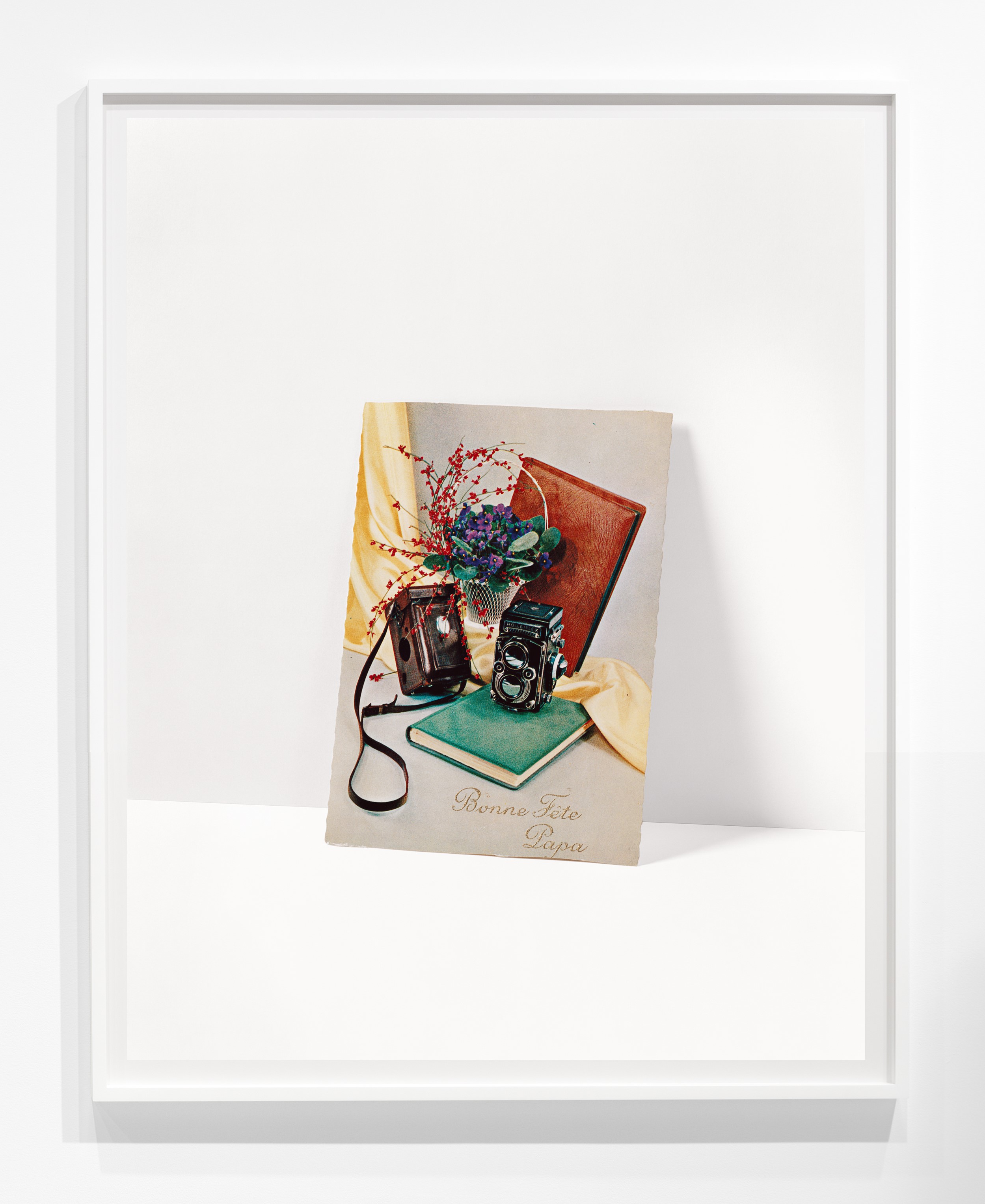
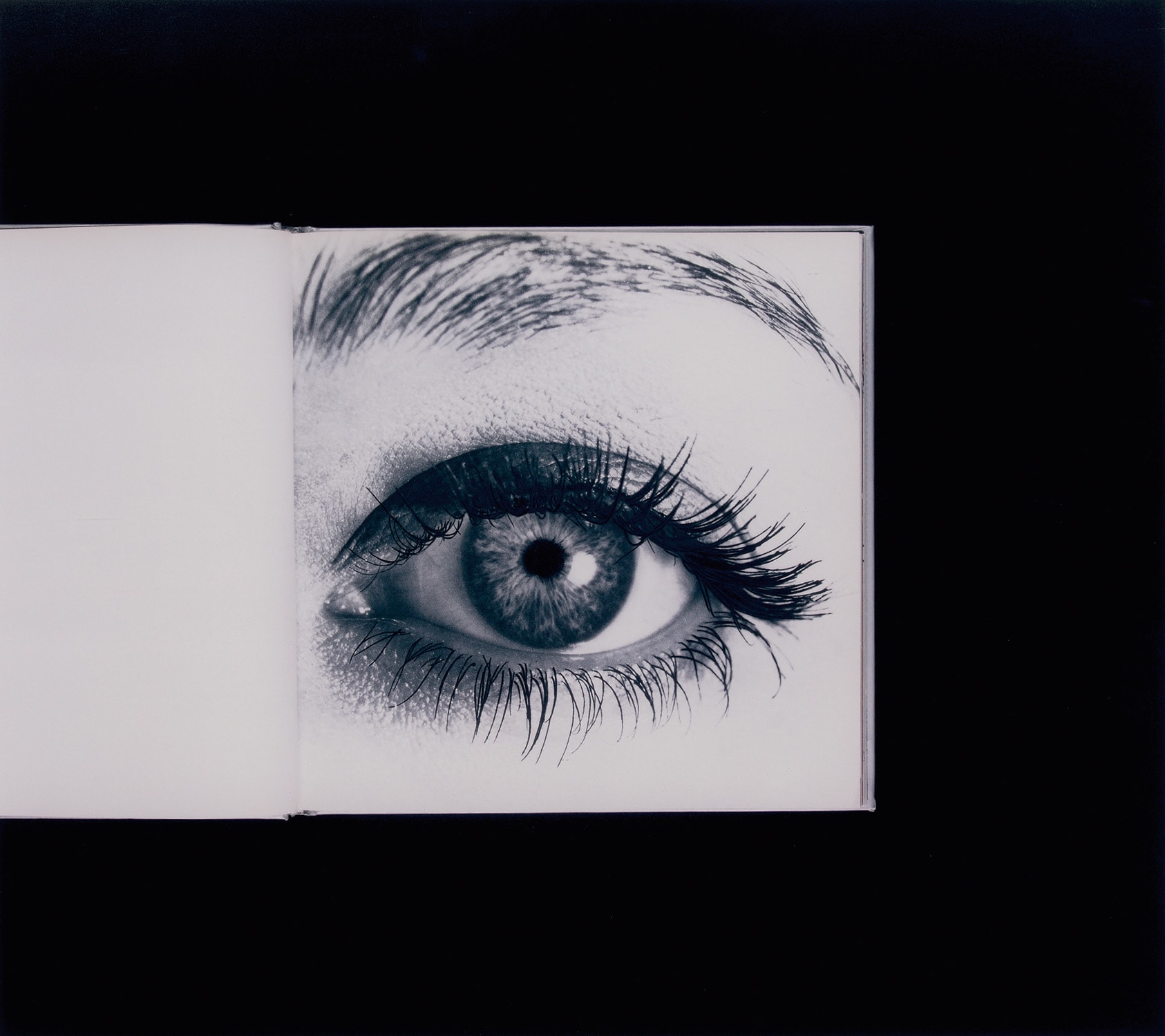
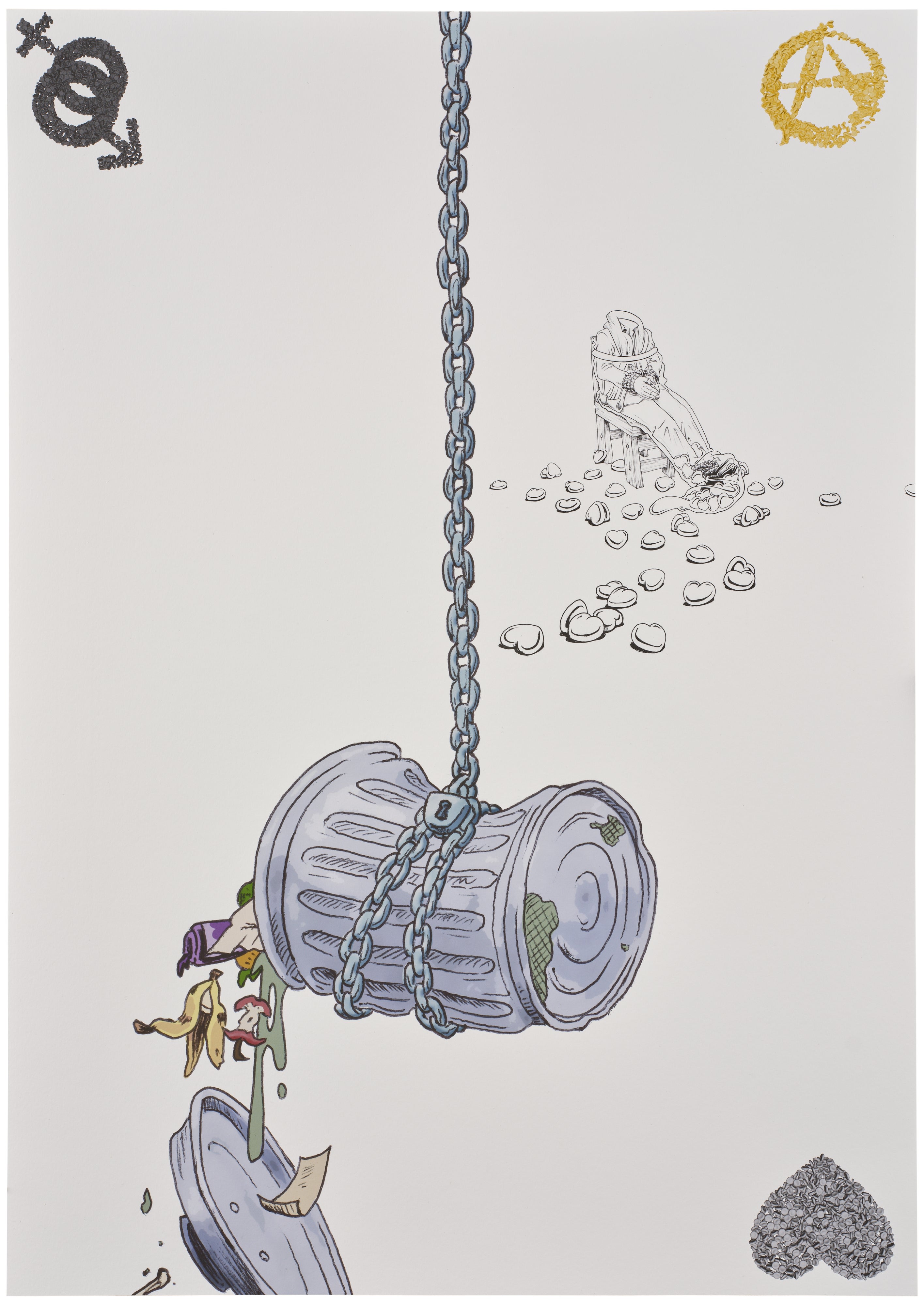
Anne Collier
French Still Life #1 (Postcard) Bonne Fête Papa / Happy Father's Day, 2012
Anne Collier occupies a distinct but related position. Working with found photographic materials, album covers, and magazine imagery, she reframes the products of mass visual culture through careful, patient attention. Her work has been championed by curators at the Museum of Modern Art and the Museum of Contemporary Art in Los Angeles, and her critical reception has grown steadily over the past decade. Jordan Wolfson, whose video and sculptural work engages with digital mass culture and its psychological effects, represents a younger generation grappling with the same questions Warhol posed but in an environment of algorithmic abundance rather than television and supermarket shelves.
FWENCLUB and its collaboration with SQUID points toward where the energy is moving. The intersection of digital community building, collectible culture, and artist led branding borrows freely from the vocabulary of mass production while operating in a space that is anything but mass. Limited editions, token gated access, and community ownership models all remix the logic of seriality that Warhol pioneered. Whether this constitutes a genuine extension of the Pop tradition or something categorically new is the argument worth having right now, and it is being had in publications from Artforum to more emergent critical platforms that cover the overlap between contemporary art and digital culture.
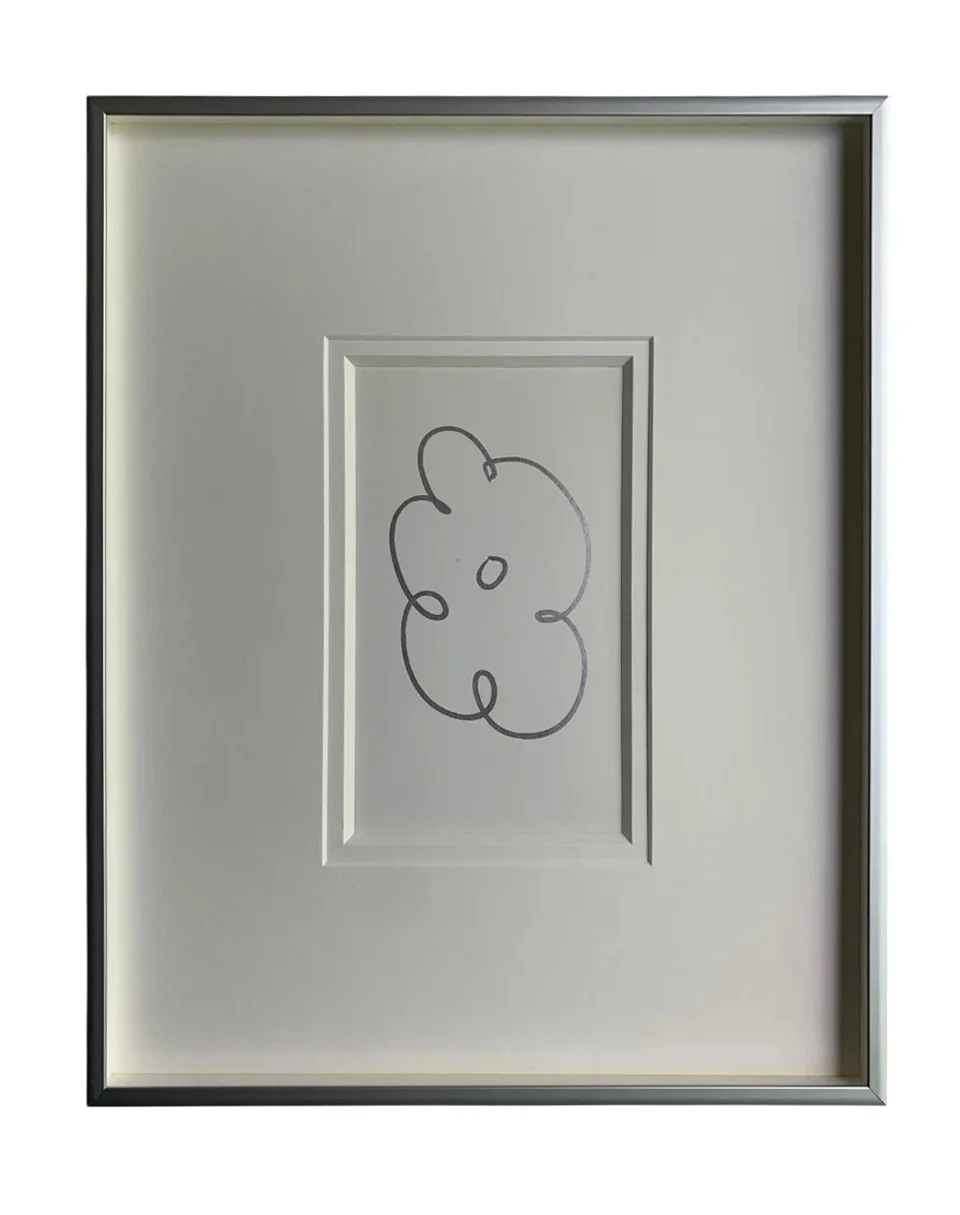
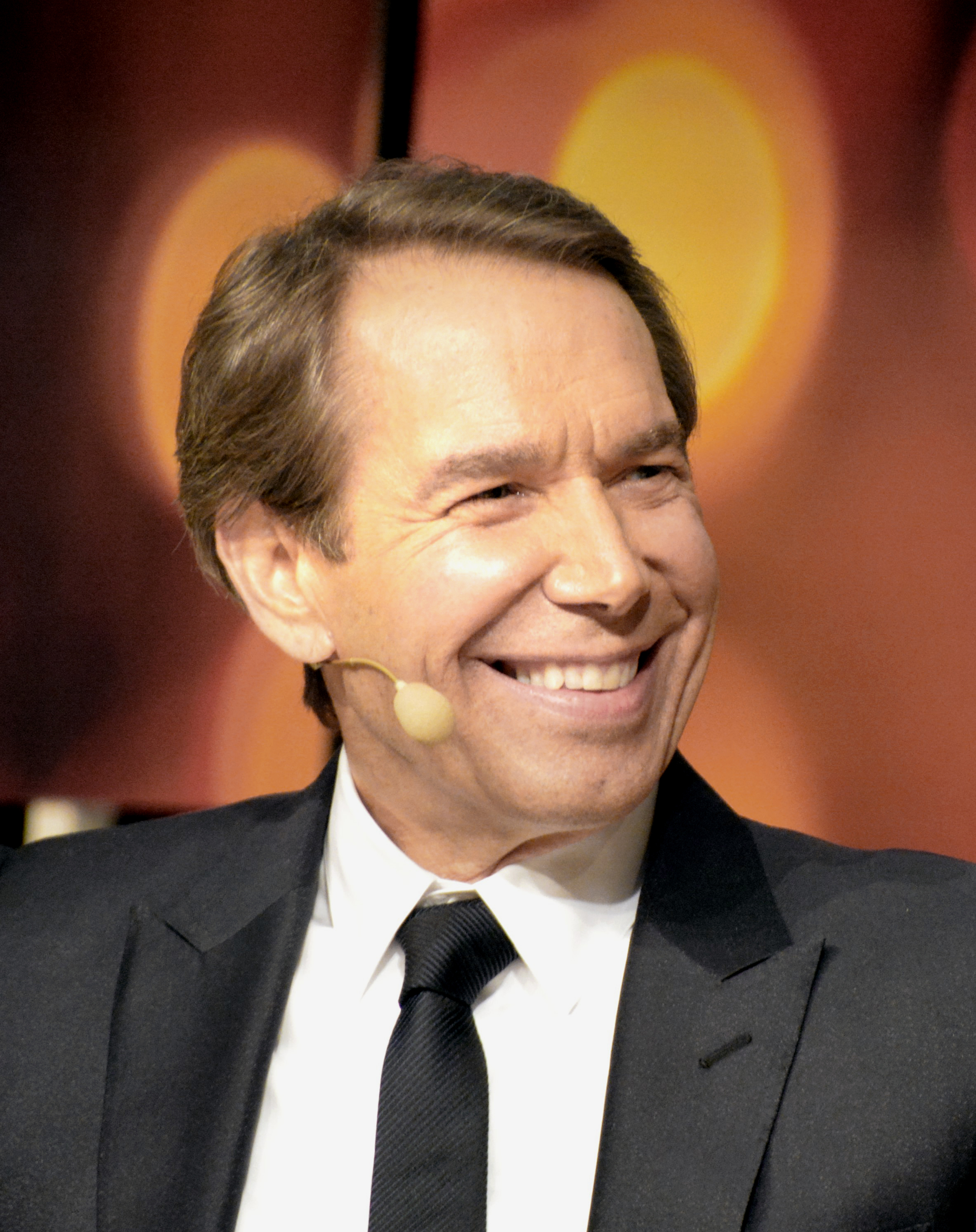
Jeff Koons
Untitled (flower), 1993
What feels settled in this category is the canonical value of its founding figures. Warhol, Lichtenstein, and Hamilton are institutional bedrock, with prices that reflect decades of museum validation and scholarly attention. What feels alive is the question of what mass production actually means when the factory is an algorithm and the image is generated rather than photographed or silkscreened. The surprise, perhaps, is how urgently the original works speak to that question.
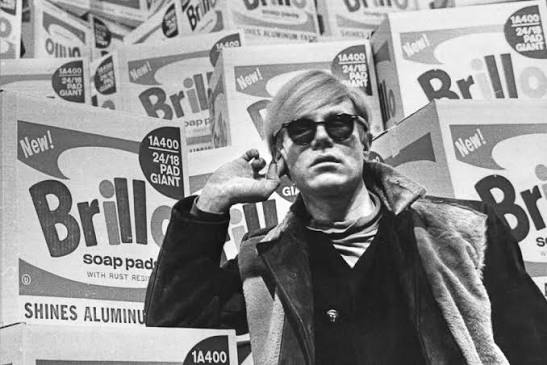
Standing in front of a Warhol Brillo Box or a Lichtenstein dot painting in 2024, the sensation is not of looking at history. It is of looking at a problem that got bigger.