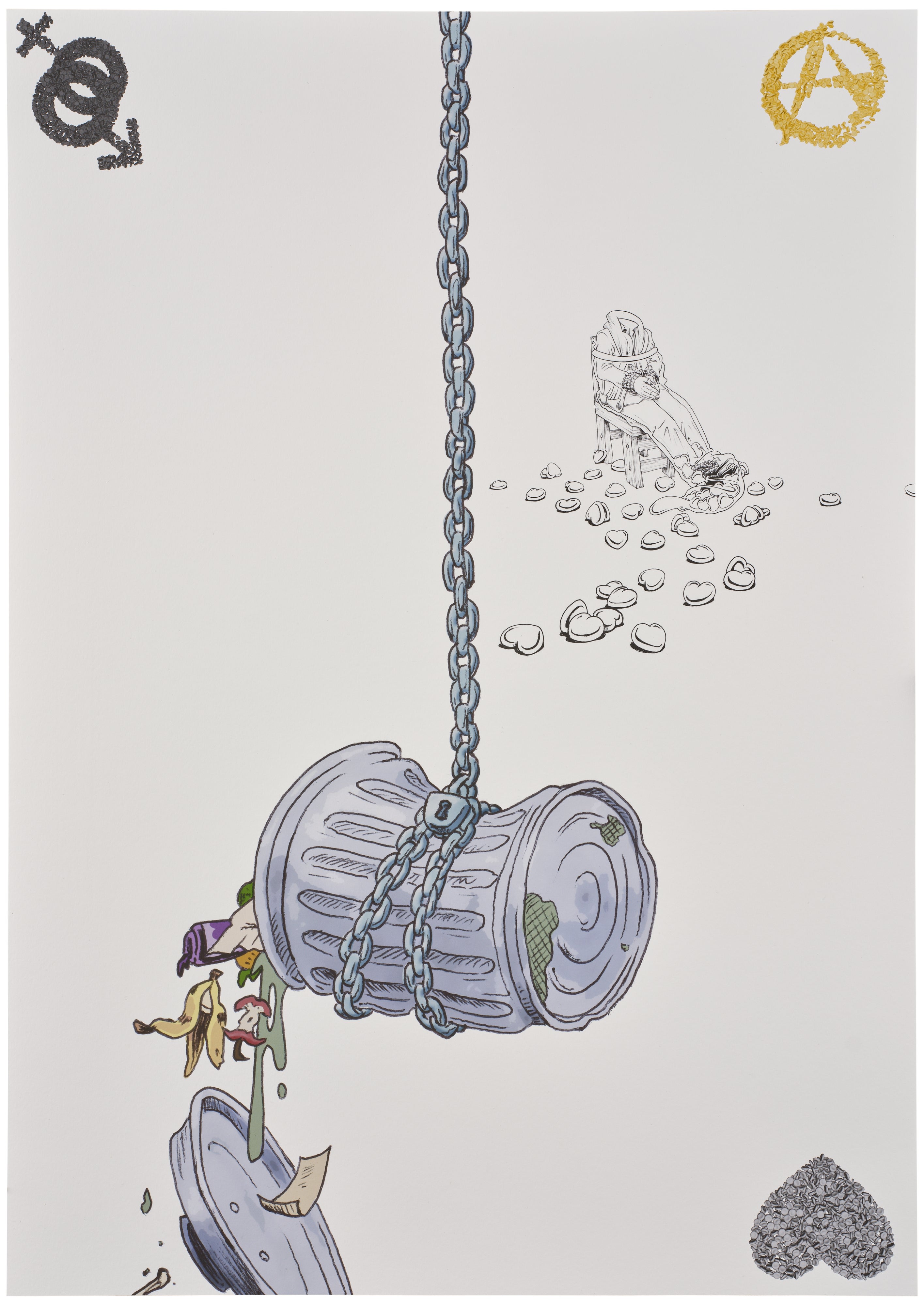
Jordan Wolfson
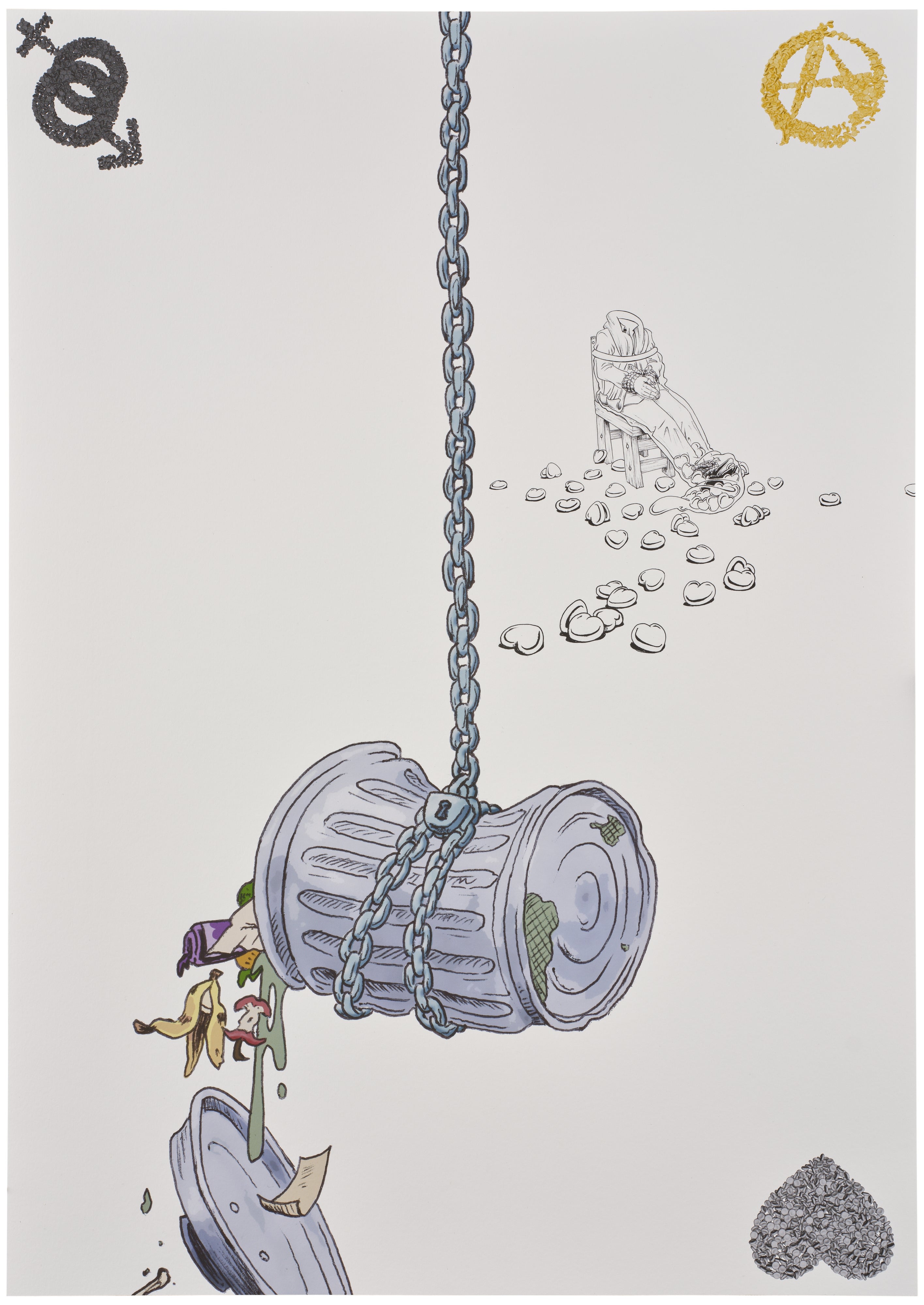
Artist Spotlight
Jordan Wolfson Makes the Uncomfortable Utterly Irresistible
When Jordan Wolfson's animatronic sculpture 'Female Figure' was installed at David Zwirner Gallery in New York in 2014, it stopped the art world in its tracks. The work, a lifelike female figure suspended by chains and capable of making direct, unsettling eye contact with viewers through facial recognition technology, became one of the most discussed and debated works of the decade. Critics scrambled for language adequate to describe it. Collectors fought for access. And Wolfson, then in his early thirties, was confirmed as one of the most vital and fearless artists working anywhere in the… Continue reading
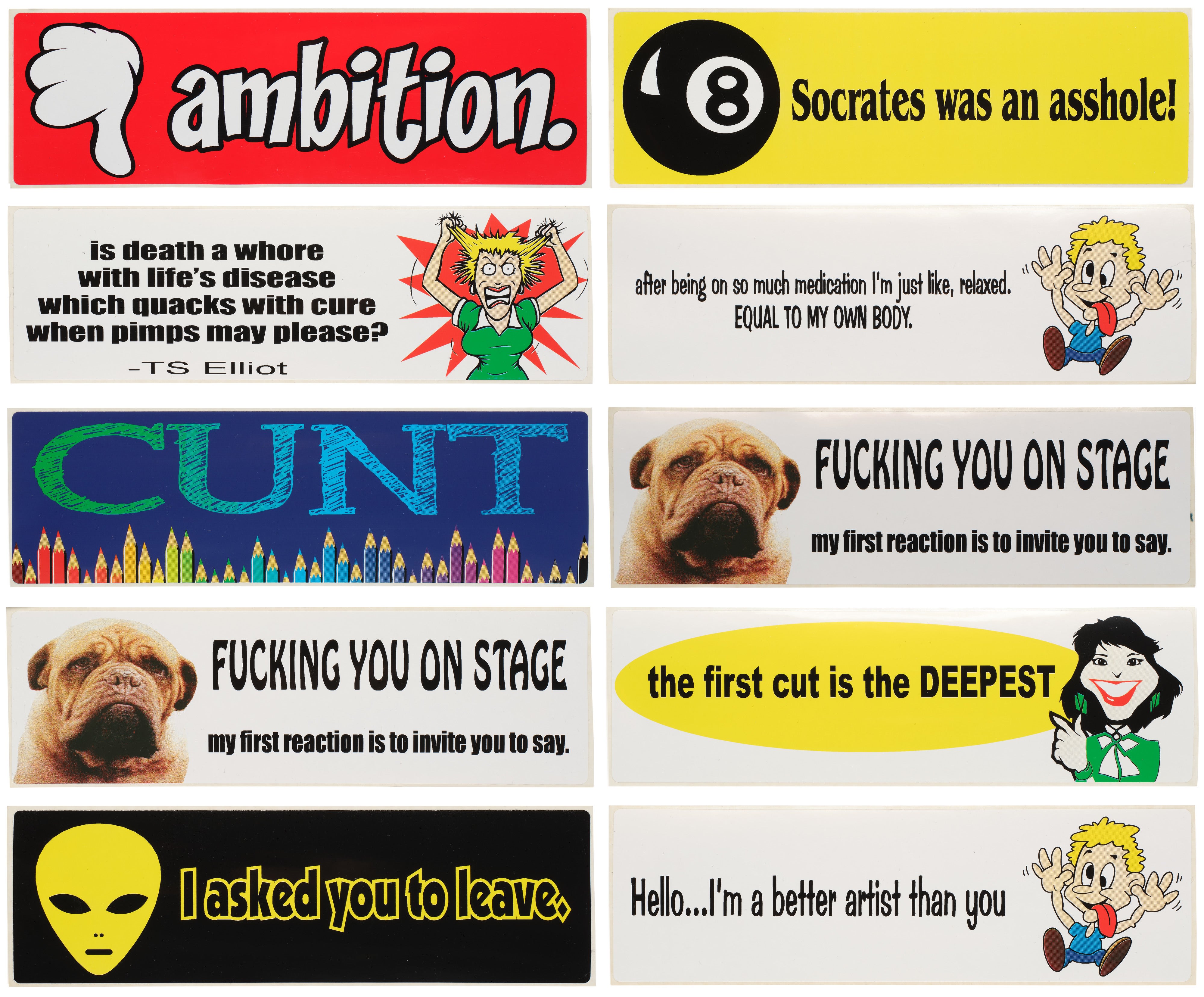
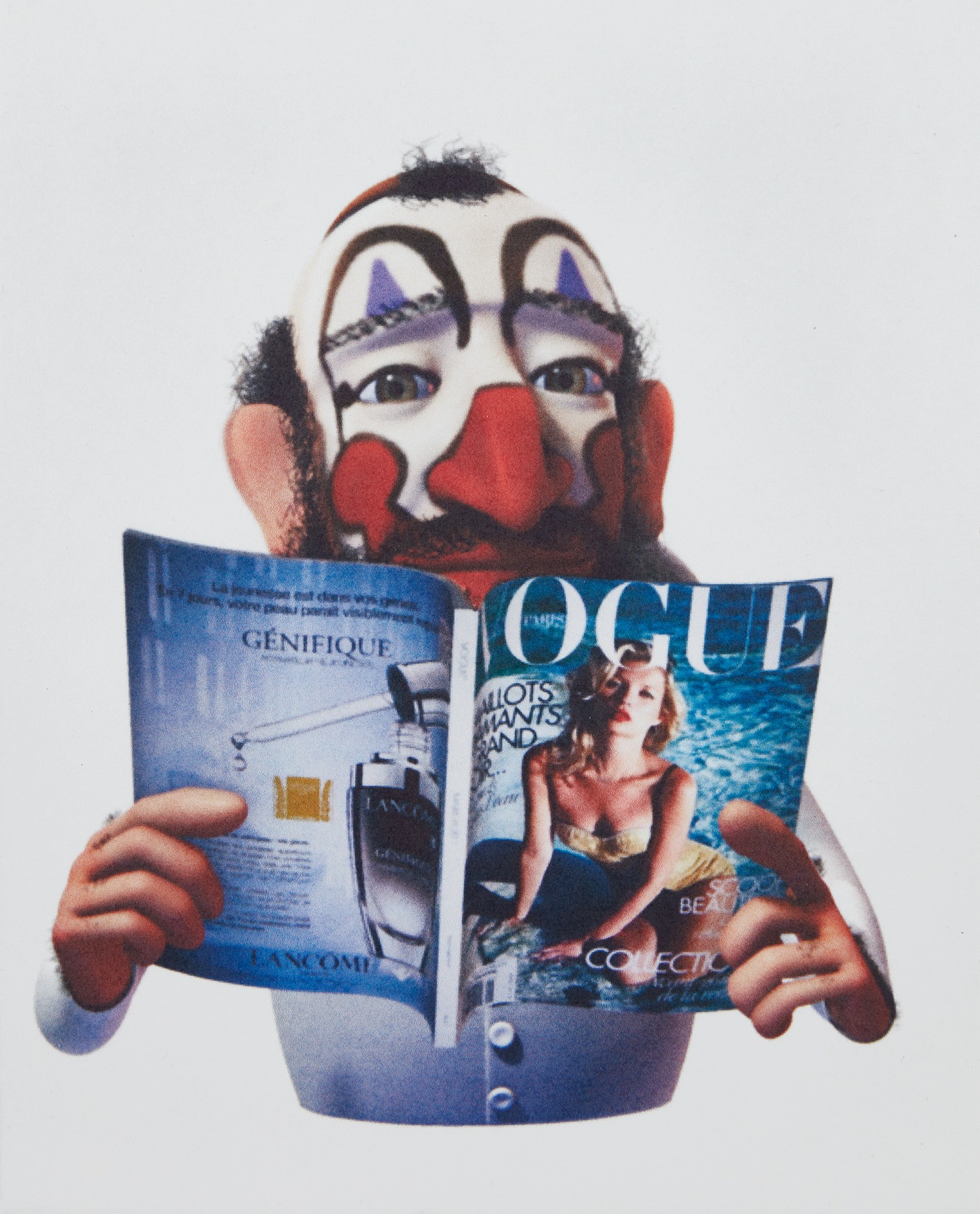


Artists in conversation
Paul McCarthy
McCarthy similarly uses animatronics, performance, and video to confront viewers with disturbing imagery rooted in violence, sexuality, and consumer culture. Both artists weaponize spectacle and discomfort to interrogate American social norms.
Ed Atkins
Atkins produces digitally rendered video works that explore identity, embodiment, and psychological unease through hyper realistic CGI avatars, placing him in close conceptual territory with Wolfson's technologically mediated explorations of desire and selfhood. Both artists use digital figures to probe the boundaries between the real and the simulated.

Cindy Sherman
Sherman's photographic work interrogates constructed identity, gender performance, and the seductive yet disturbing codes of media representation. This shared focus on the fabricated self and the darker undercurrents of popular imagery aligns closely with Wolfson's thematic concerns.
Artists who inspired them
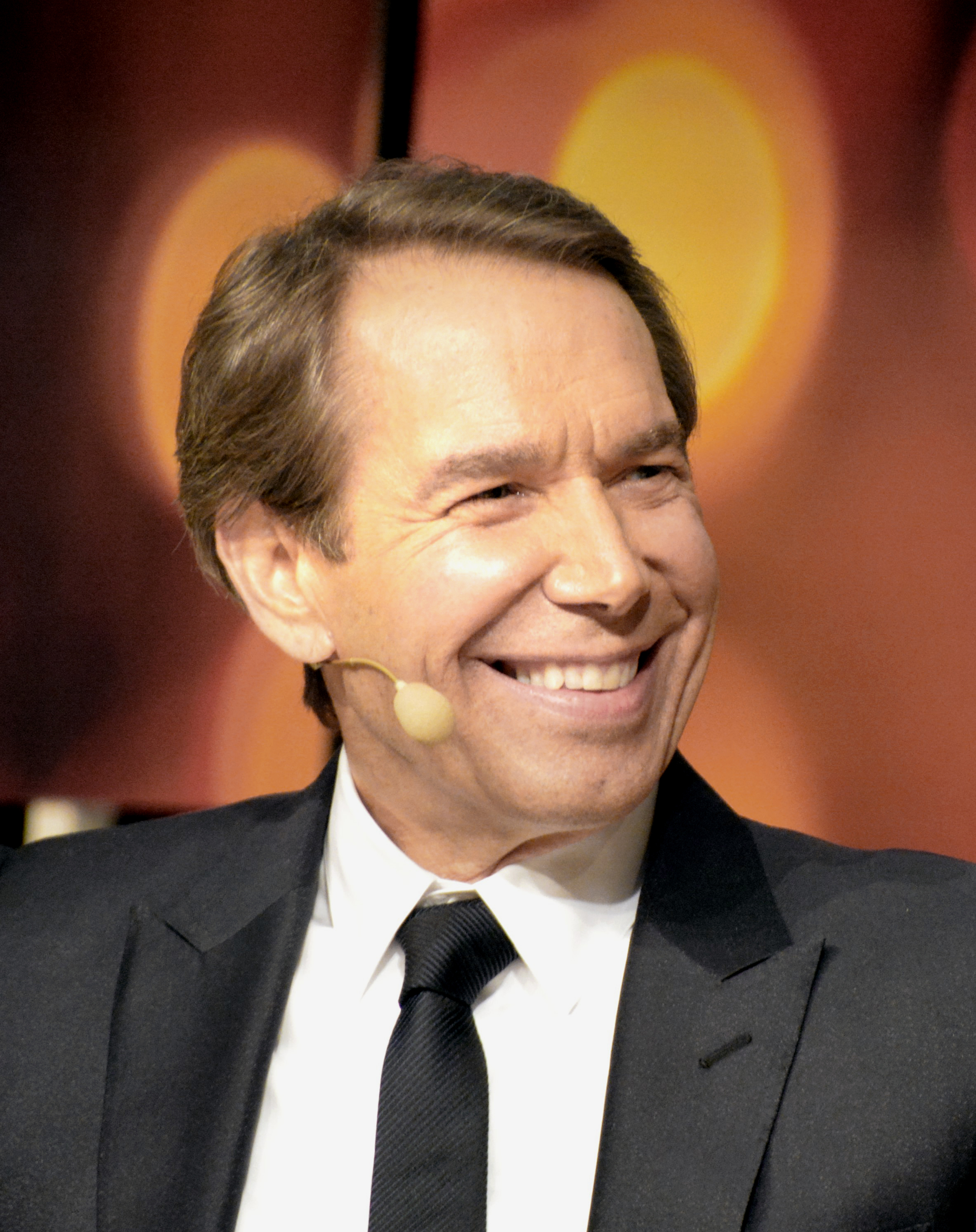
Jeff Koons
Koons's use of high polish surfaces, kitsch iconography, and the eroticization of consumer objects provided a direct precedent for Wolfson's seductive yet unsettling sculptural aesthetic. Wolfson has explicitly acknowledged the influence of Koons's conflation of desire, commerce, and spectacle.
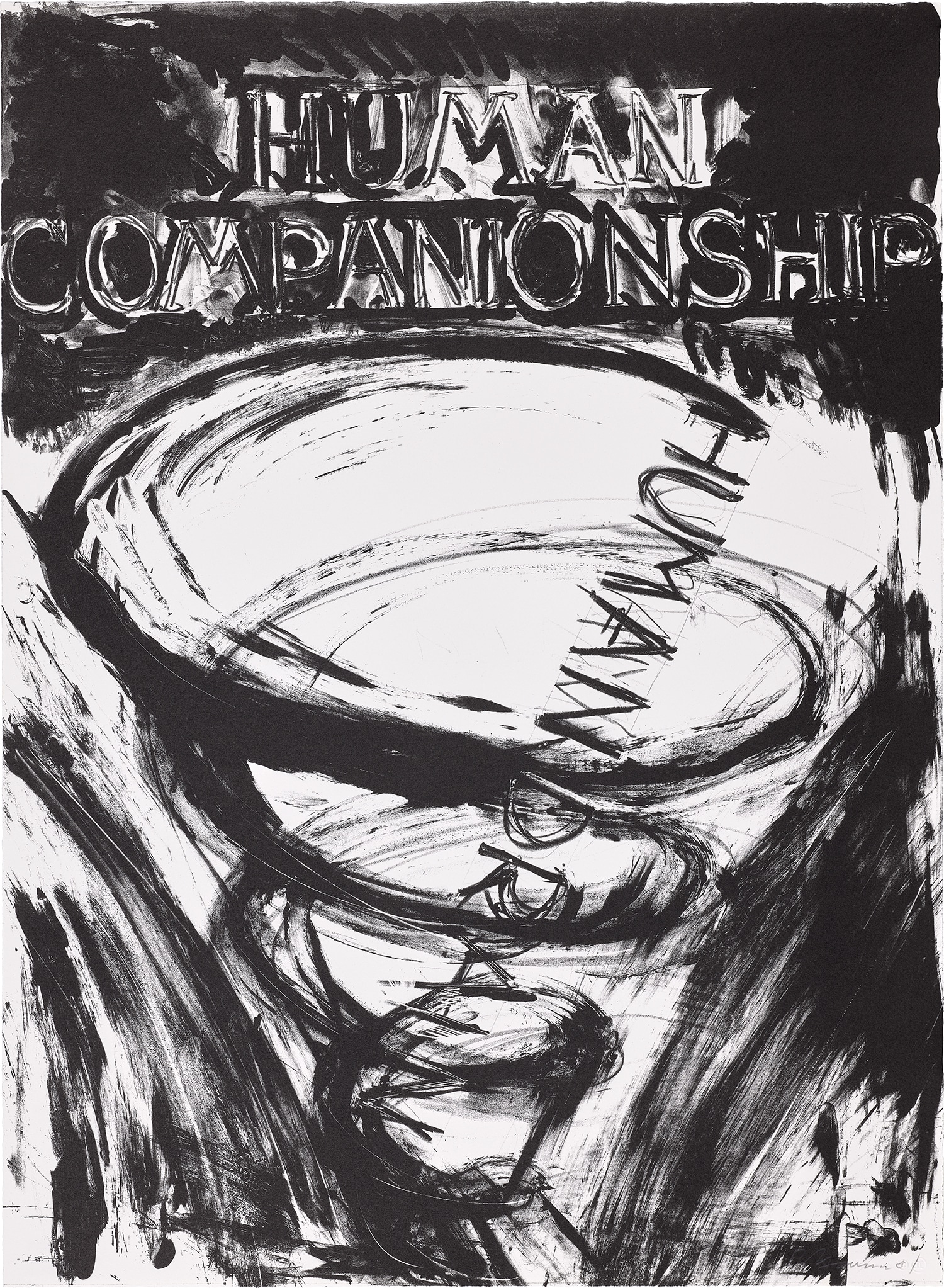
Bruce Nauman
Nauman's confrontational video installations and use of the body as a site of psychological tension directly inform Wolfson's approach to viewer discomfort and institutional critique. Both artists treat the gallery space as an arena for induced anxiety and bodily unease.
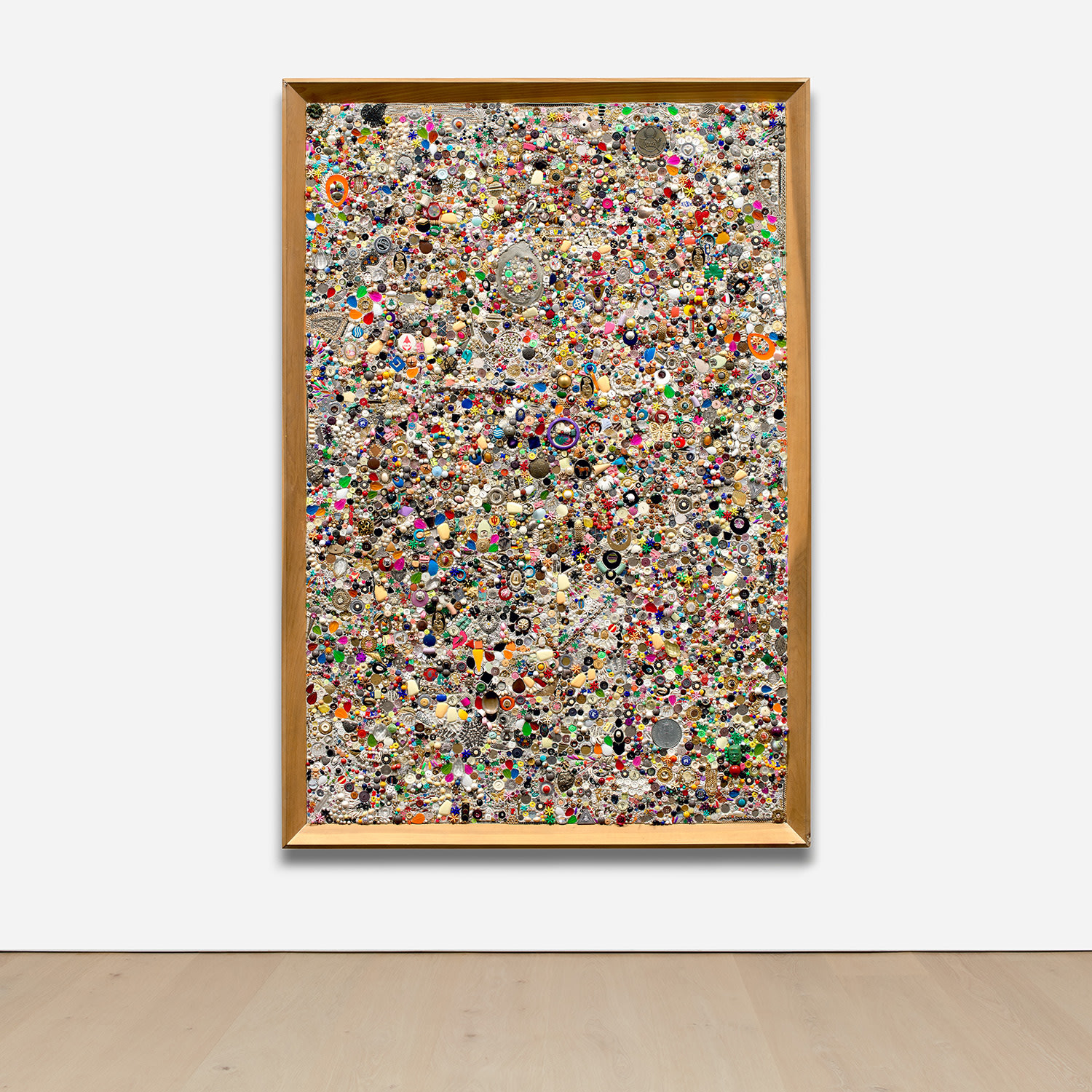
Mike Kelley
Kelley's excavation of repressed trauma, adolescent culture, and abject materials in American life laid important groundwork for Wolfson's own unflinching engagement with violence and psychological darkness. Kelley's fusion of pop cultural detritus with deeply unsettling content is a clear antecedent to Wolfson's practice.