Marine
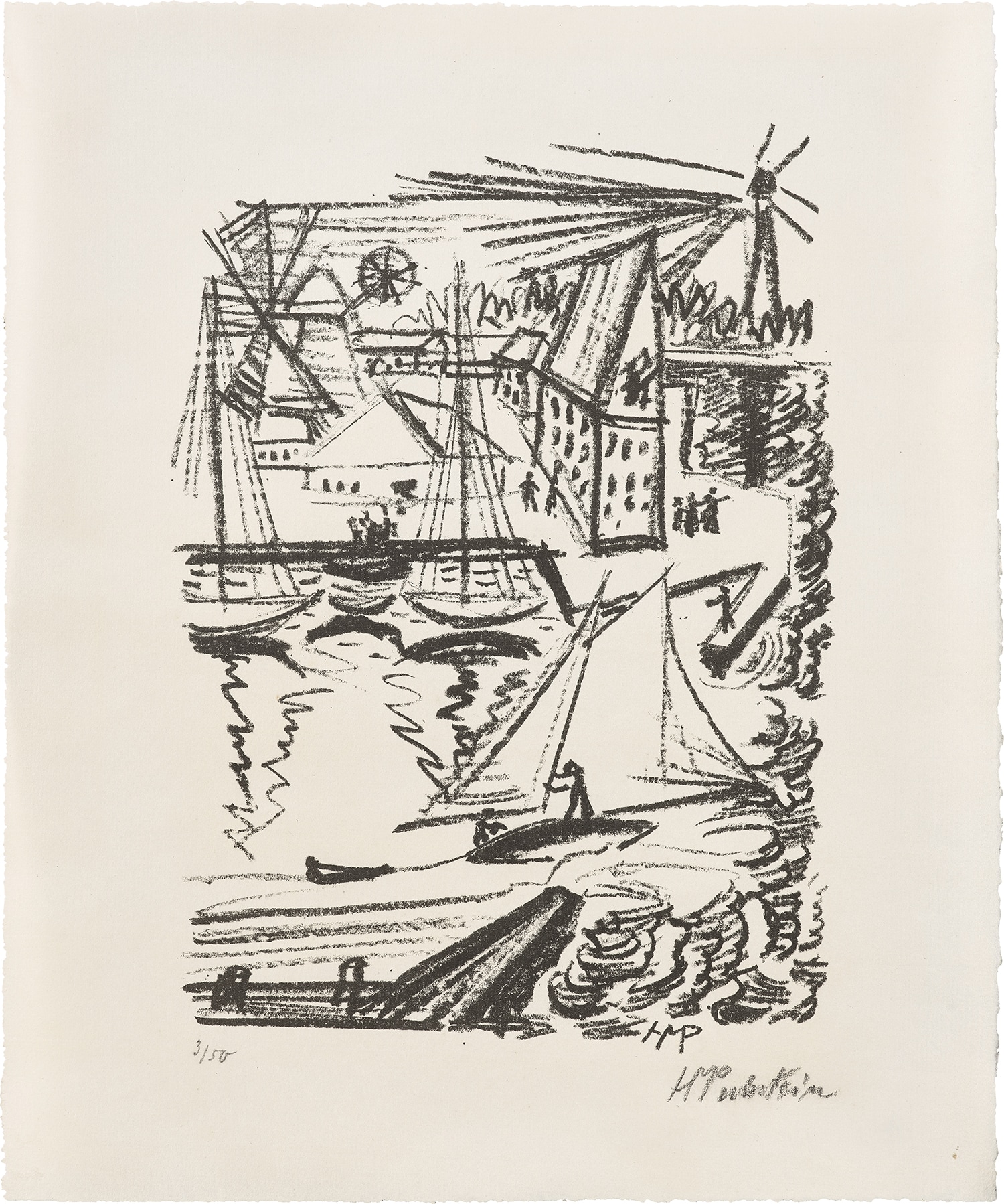
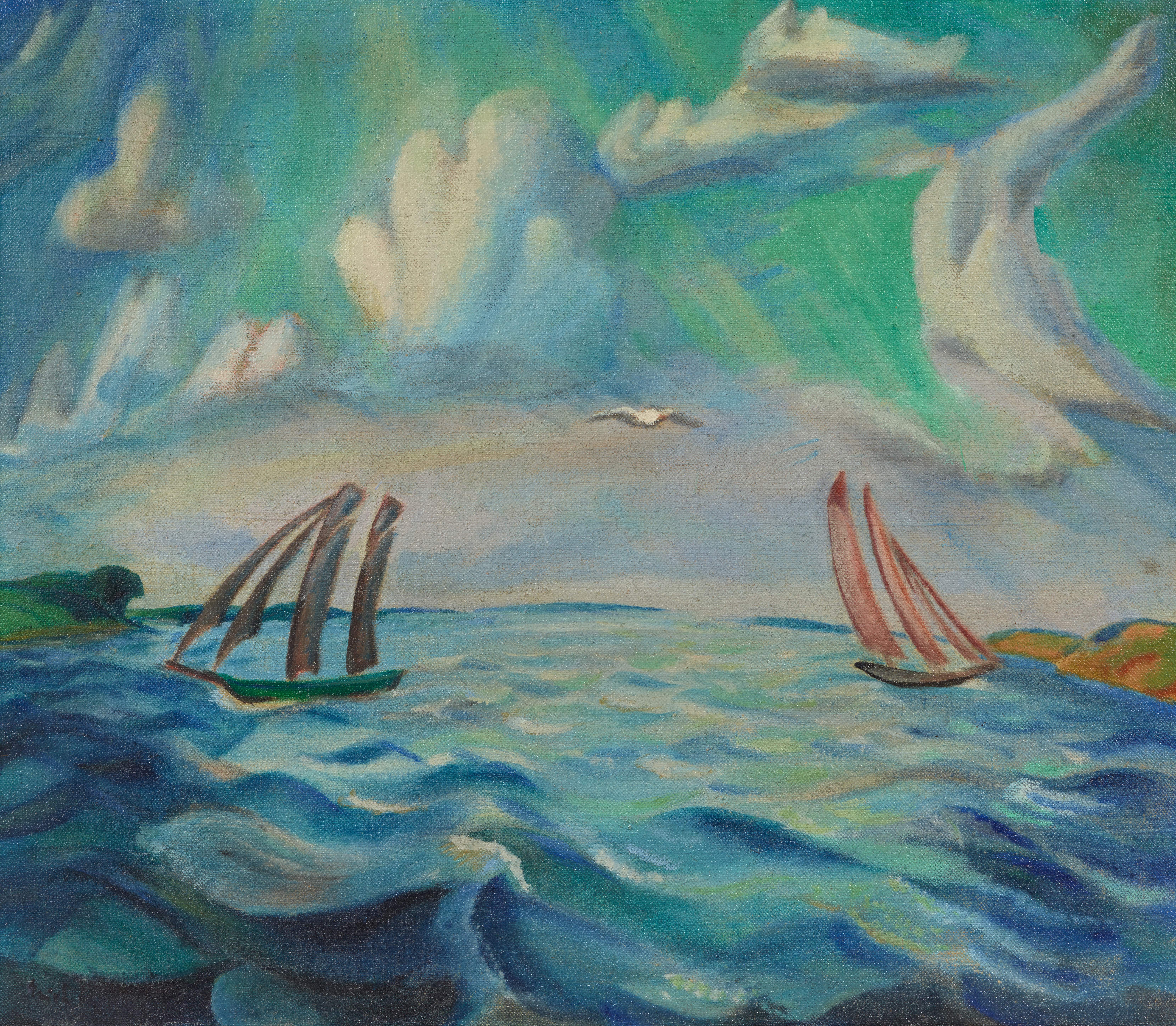
Max Pechstein
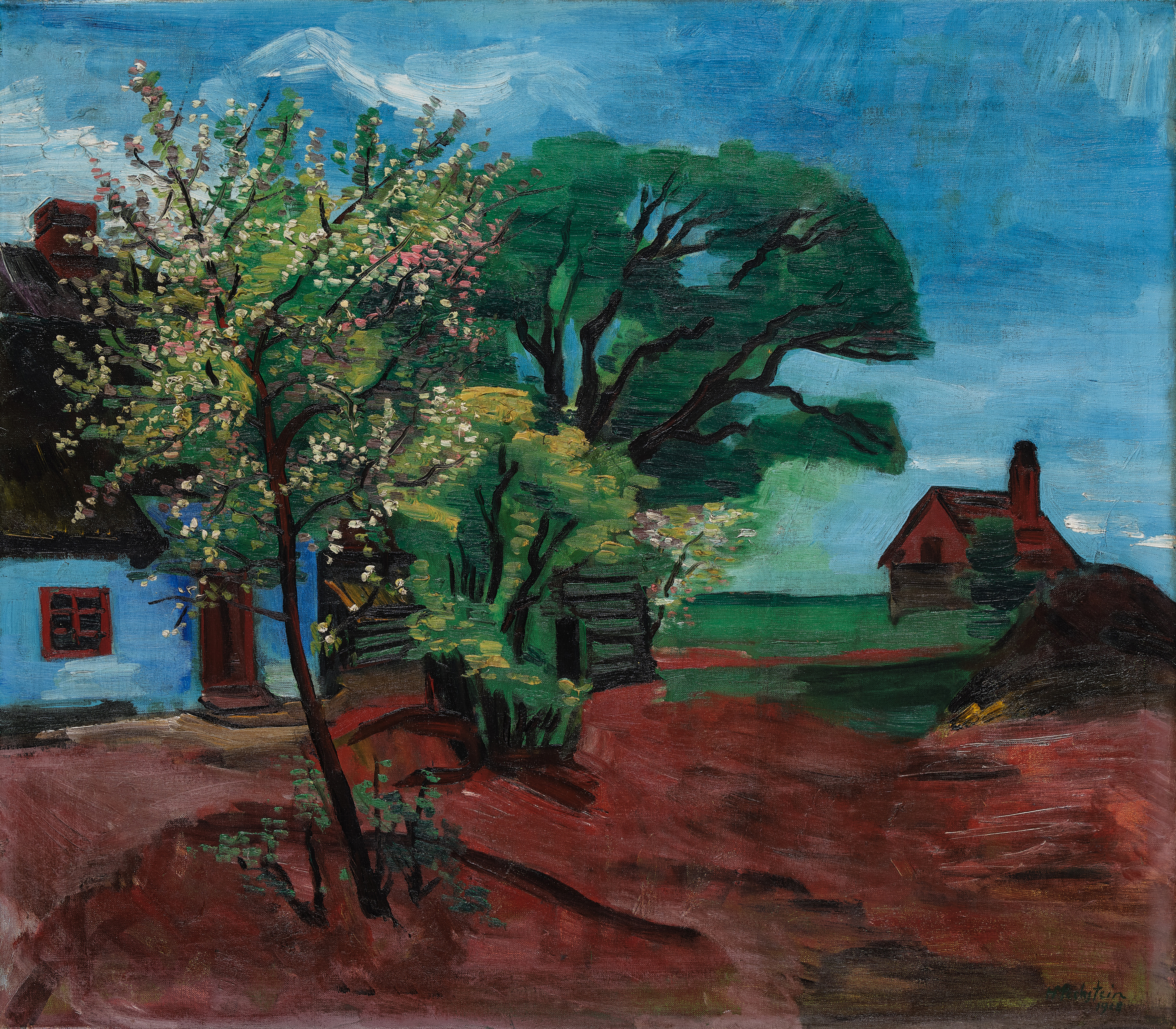
Hafen (auf Fehmarn) (Harbor (On Fehmarn)) (K. L 365)




The Sea Never Lies to Collectors
There is something almost confessional about living with a marine painting. Unlike portraiture or abstraction, the sea makes no pretense. It simply is what it is, whether glassy and pale at dawn or churning dark under a winter sky. Collectors who are drawn to this subject often describe the same experience: the work changes depending on the light in the room, the season, the mood you bring to it.
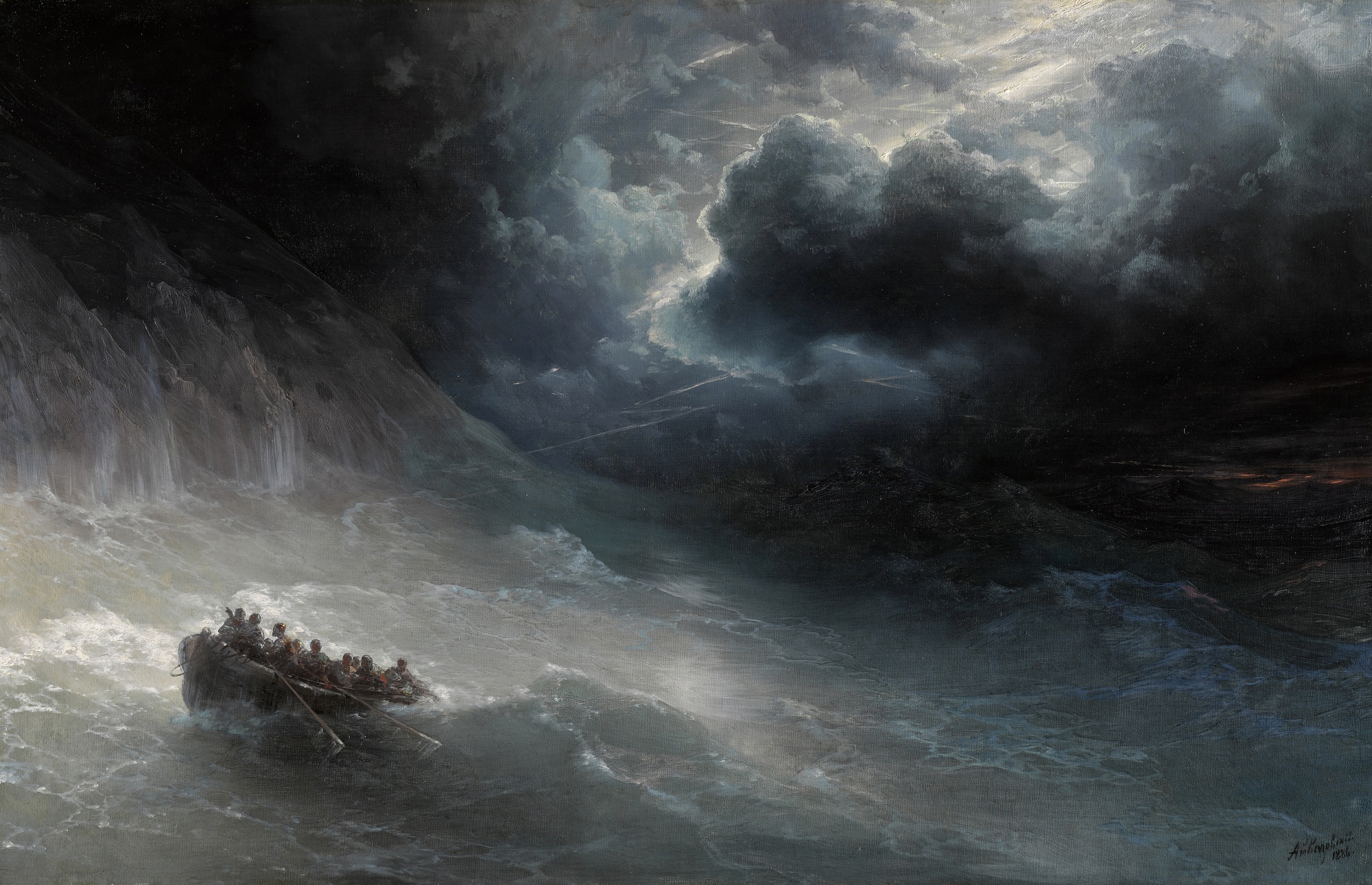
That quality of aliveness is rare in any category, and it is why marine art, across centuries and movements, continues to hold serious collectors in its grip. The emotional range available within this single subject is extraordinary. A Vija Celmins ocean drawing, built from obsessive graphite marks that somehow conjure infinite depth, occupies an entirely different psychological register than one of Ivan Aivazovsky's operatic storm scenes, where waves rear up like architecture and light breaks through clouds as if staged by a deity. And yet both are, in the most literal sense, pictures of water.
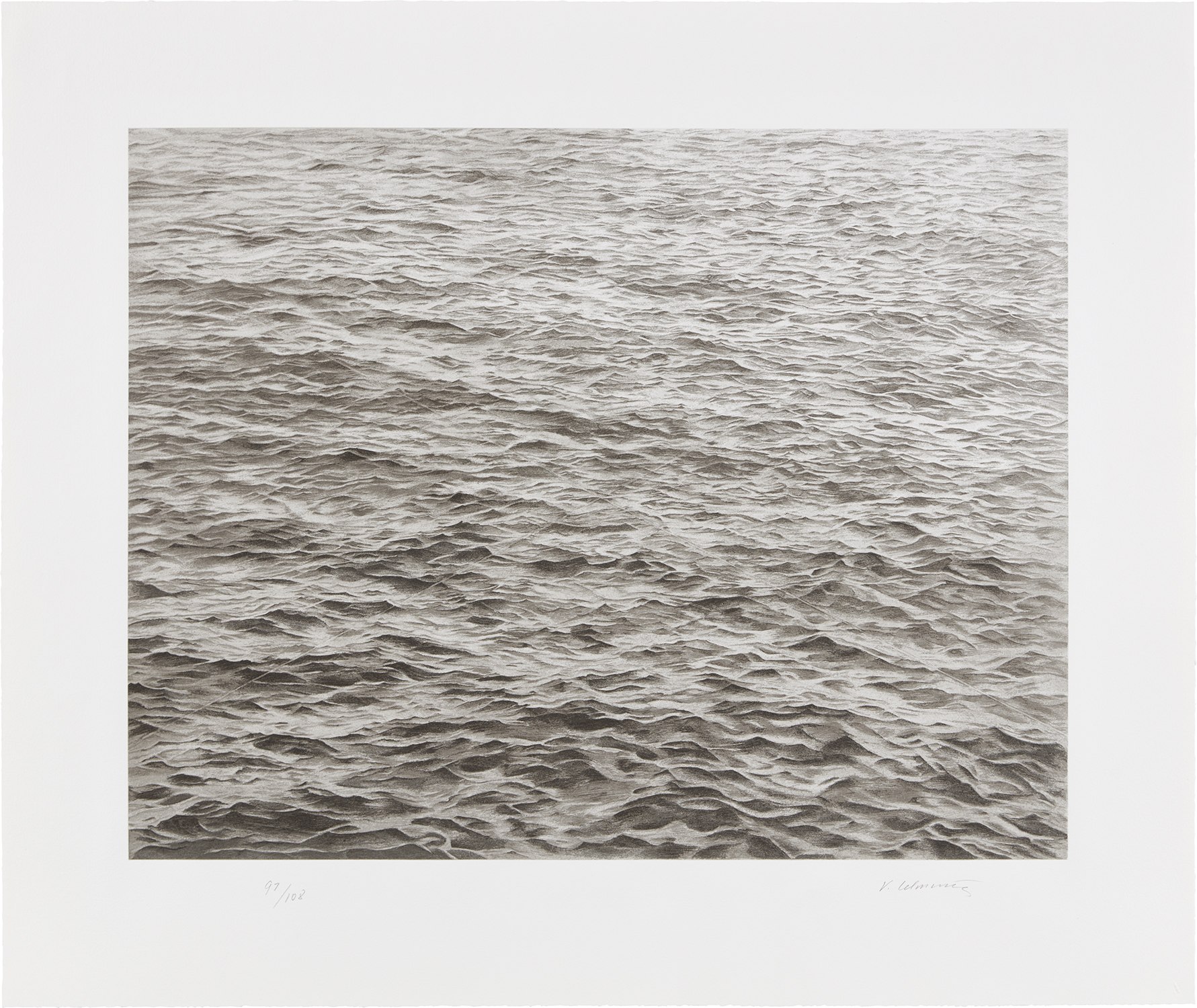
Vija Celmins
Ocean with Cross #1 (R. p. 200)
The category rewards collectors who are willing to move across periods and media without snobbery, because the best collections in this space tend to be conversations between works rather than surveys of a single era. What separates a good marine work from a great one comes down to a few things that are easy to identify once you have trained your eye. The first is whether the artist truly understood water, not just its appearance but its behavior. You can feel the difference immediately.
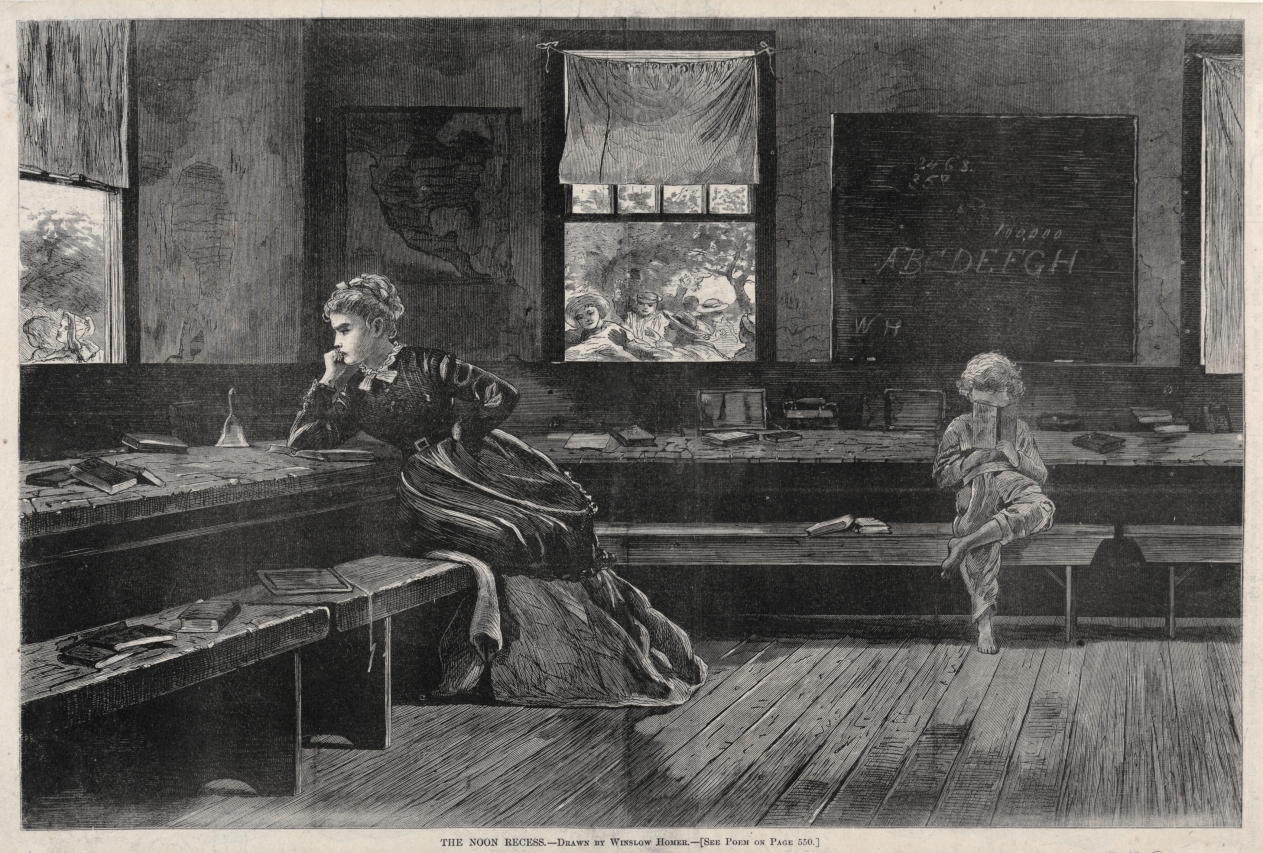
Winslow Homer spent years on the Maine coast and later in the Bahamas, and that sustained observation gave his work a physical authority that distinguishes it from the work of painters who treated the sea as backdrop rather than subject. The second quality to look for is compositional confidence. The horizon line in a marine painting is a decision of enormous consequence. Where it sits, how it is handled, whether it is crisp or dissolved into atmosphere, tells you almost everything about the painter's intentions.
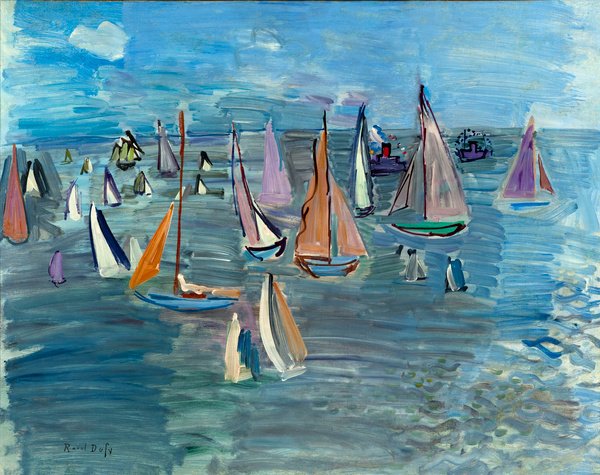
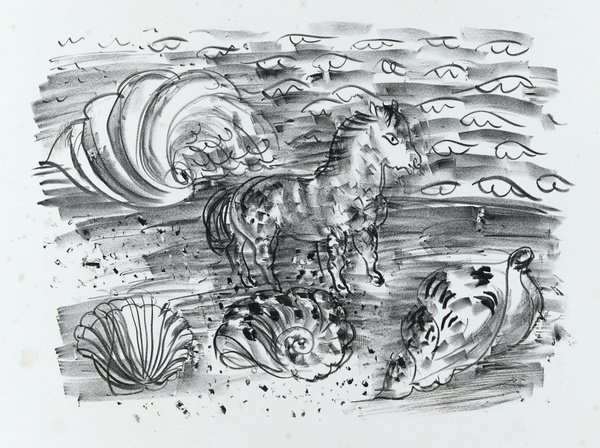
Raoul Dufy
Régates, 1935
Within the works available on The Collection, several artists represent particularly strong value for collectors thinking about the long term. Raoul Dufy is well represented here, and his marine subjects are among the most joyful and technically accomplished works of the early twentieth century European tradition. His regattas and Mediterranean harbors carry the kind of decorative intelligence that does not go out of fashion, and his market has remained consistent through cycles that have rattled more fashionable names. Paul Signac, whose pointillist approach to harbor scenes and coastal light was both a theoretical statement and a genuine visual pleasure, also presents a compelling opportunity.
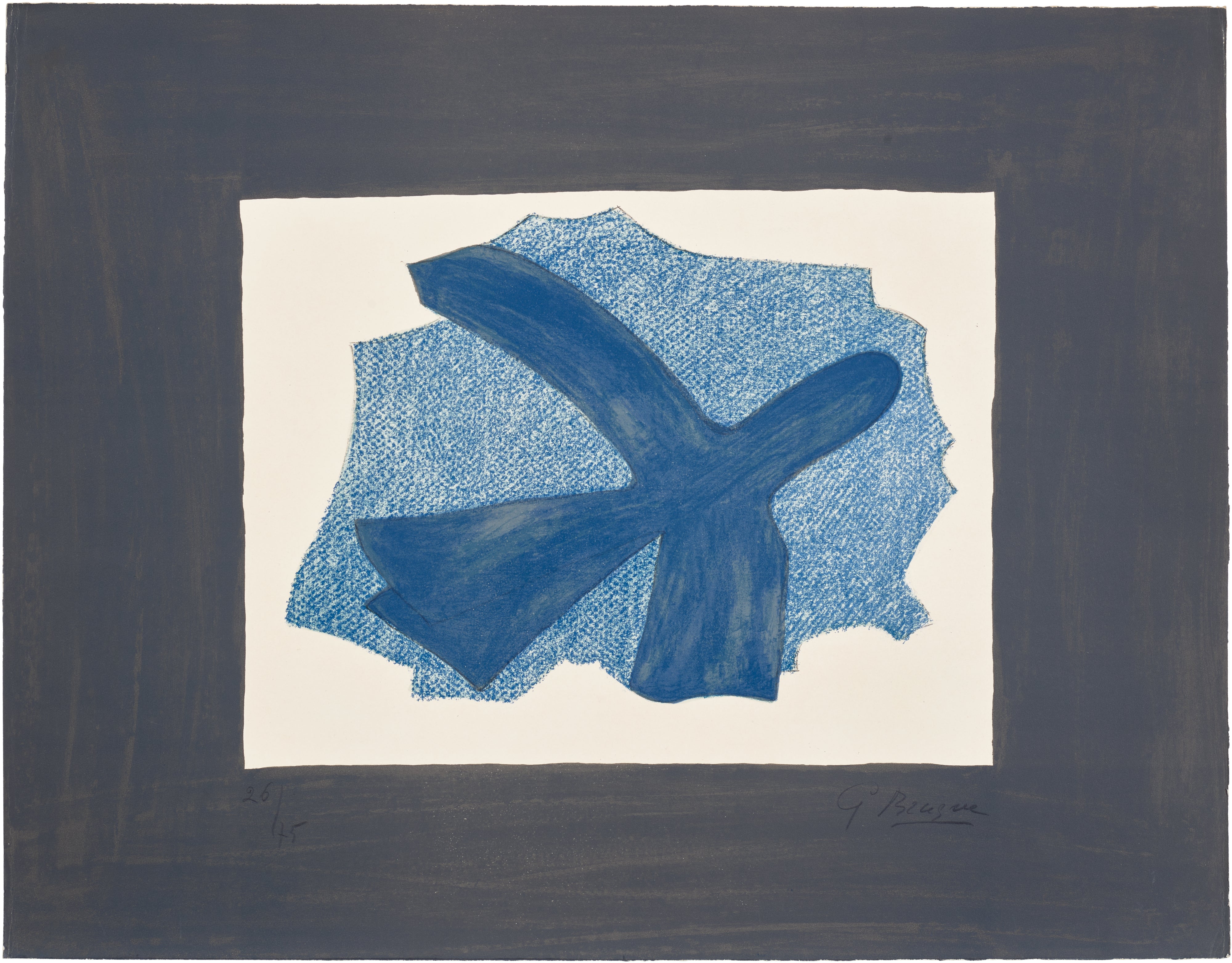
His work sits at the intersection of art history and livability in a way that is hard to manufacture. Georges Braque, whose Cubist experiments were partly nourished by his early years painting the Normandy coast, brings an entirely different weight to this conversation, and a marine subject from his hand carries the authority of an artist whose place in the canon is beyond dispute. For collectors with an appetite for the underrecognized, the marine category offers real discoveries. Arthur John Trevor Briscoe made a specialty of sailing scenes rendered with the precision of someone who actually sailed, and his prints and watercolors have a documentary intensity that appeals to collectors who want their works to carry knowledge as well as beauty.
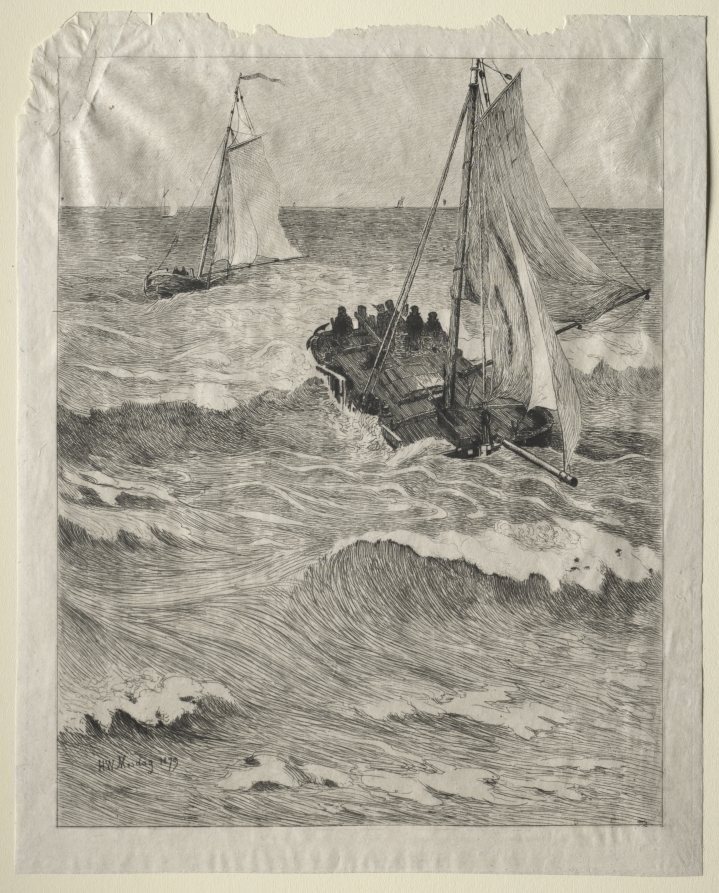
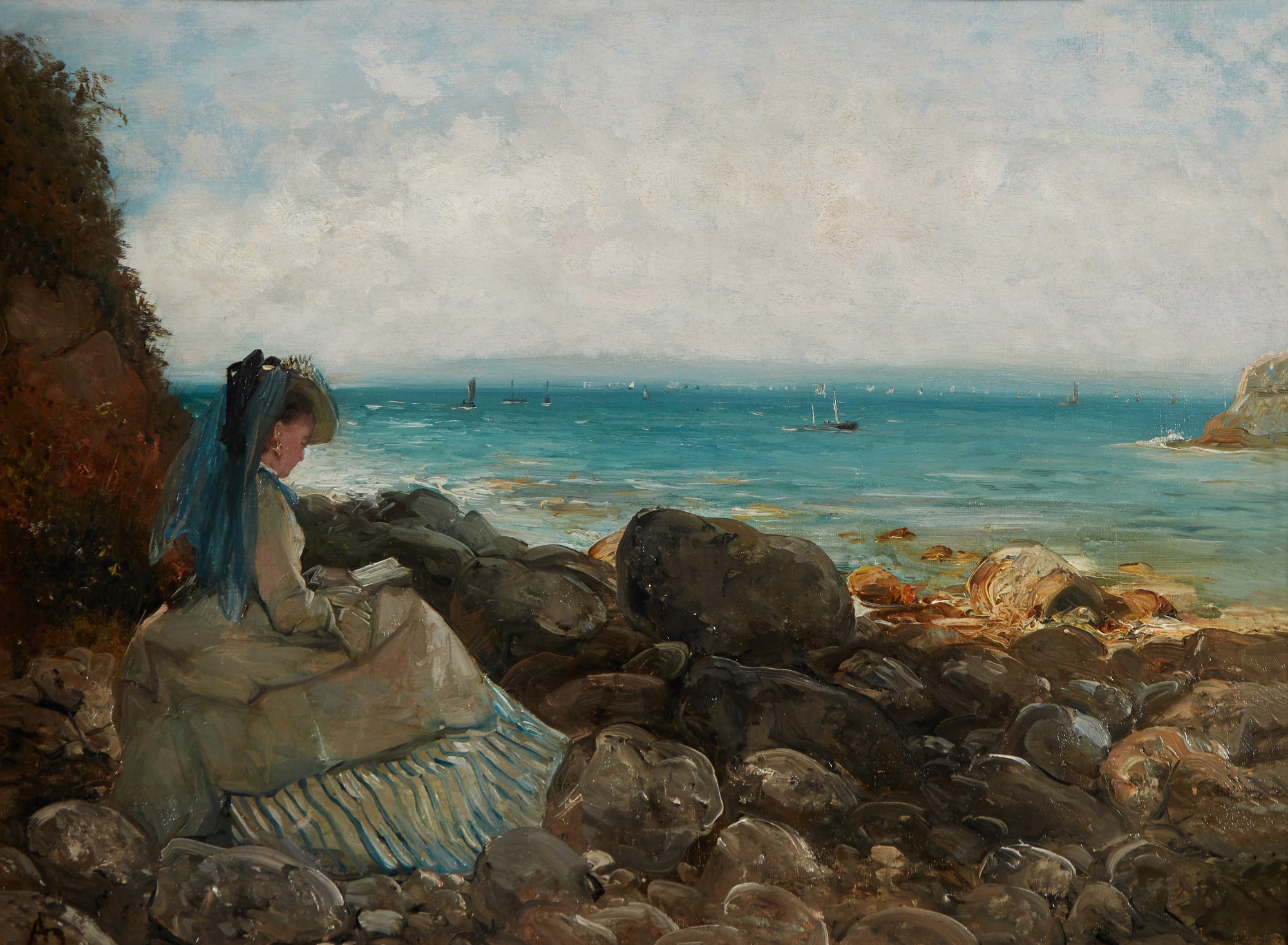
Hendrik Willem Mesdag
Marine Scene, 1879
Hendrik Willem Mesdag, the nineteenth century Dutch painter who built an entire panorama of the North Sea at Scheveningen that still stands in The Hague, is another figure whose work rewards attention. His paintings are serious, accomplished, and priced well below where they would sit if fashion had treated him more kindly. Albert Marquet, often overshadowed by his Fauvist contemporaries, painted harbors and rivers with a quiet economy that looks increasingly sophisticated to contemporary eyes. These are not compromise choices.
They are the kind of works that collectors with knowledge and patience acquire while the broader market is looking elsewhere. At auction, marine works perform with notable consistency across price ranges, which makes them attractive to collectors who are thinking about liquidity as well as pleasure. Major Impressionist and Post Impressionist marine subjects, when they come to market at houses like Christie's or Sotheby's, tend to perform at or above estimate when condition is strong and provenance is clean. The category benefits from broad international appeal, since the sea belongs to no single culture, and works that might feel regionally specific in another subject read as universal here.
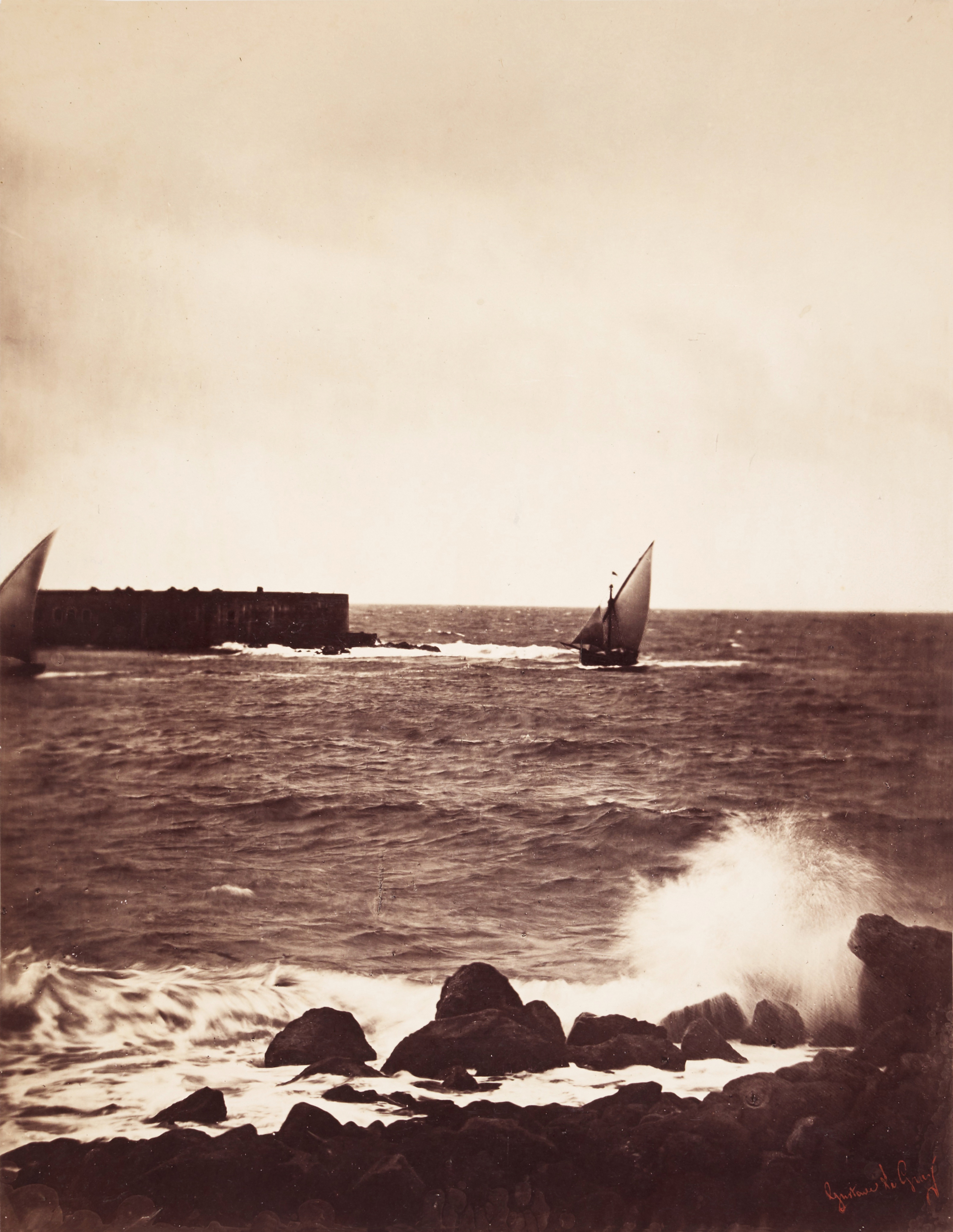
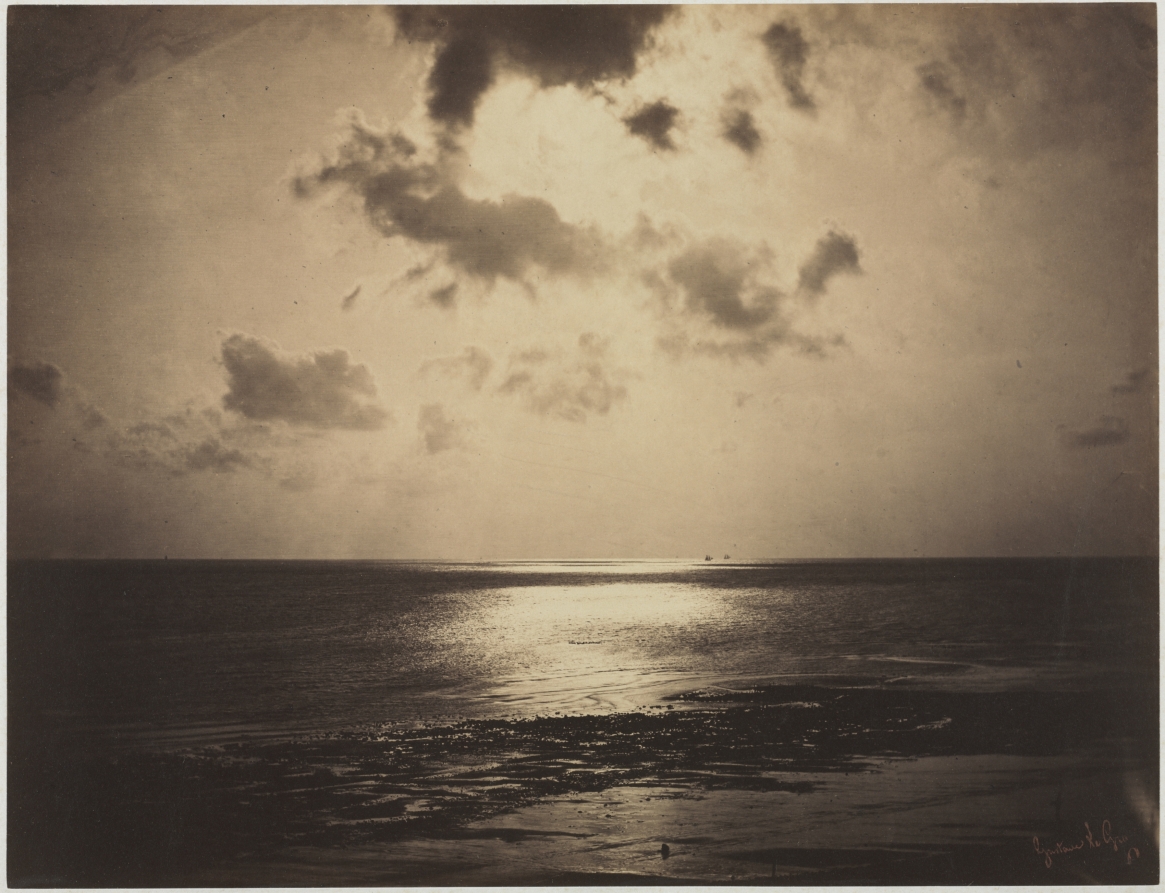
Gustave Le Gray
'La Vague Brisée, Mer Méditeranée No 15', (The Breaking Wave), 1857
Gustave Le Gray's seascape photographs from the 1850s and 1860s, which achieved celebrity in their own time and now command serious prices as foundational works of photographic history, demonstrate that the category's depth extends well beyond painting. Practical considerations matter enormously in this collecting area. Salt air and direct sunlight are the enemies of works on paper and canvas alike, which is a particular irony given how many marine works end up in coastal homes. If you are displaying a work in a space with significant natural light, conservation glazing is not optional.
For works on paper, including the kind of atmospheric aquatints that Félix Hilaire Buhot made in the nineteenth century, maintaining stable humidity is as important as light management. When acquiring through a gallery, ask directly about restoration history, especially for older works that have passed through multiple collections. Varnish removal and relining can significantly affect a painting's value, and a candid gallery will tell you what has been done. The question of editions versus unique works comes up often with photographers and printmakers working in marine subjects.
A Vija Celmins print exists in an edition and is still one of the most intellectually serious objects you can acquire in this space. Uniqueness is not the same as quality, and the marine category includes printmakers whose limited editions are as carefully considered as any unique canvas. The most useful thing a collector can do before acquiring in any part of this field is spend time looking, not buying. The sea has been painted for centuries, and the works that last are the ones made by artists who had something specific to say about it.