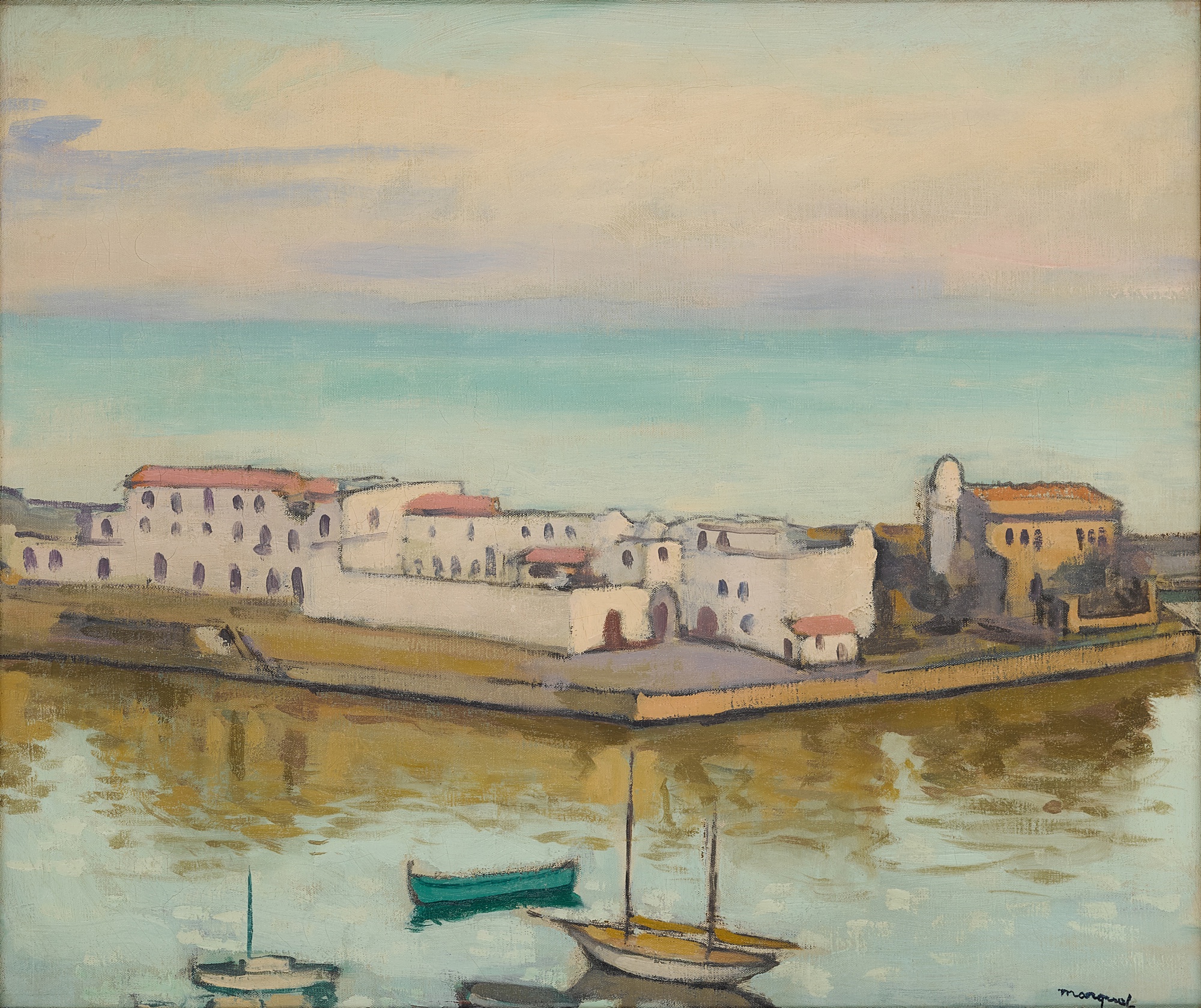
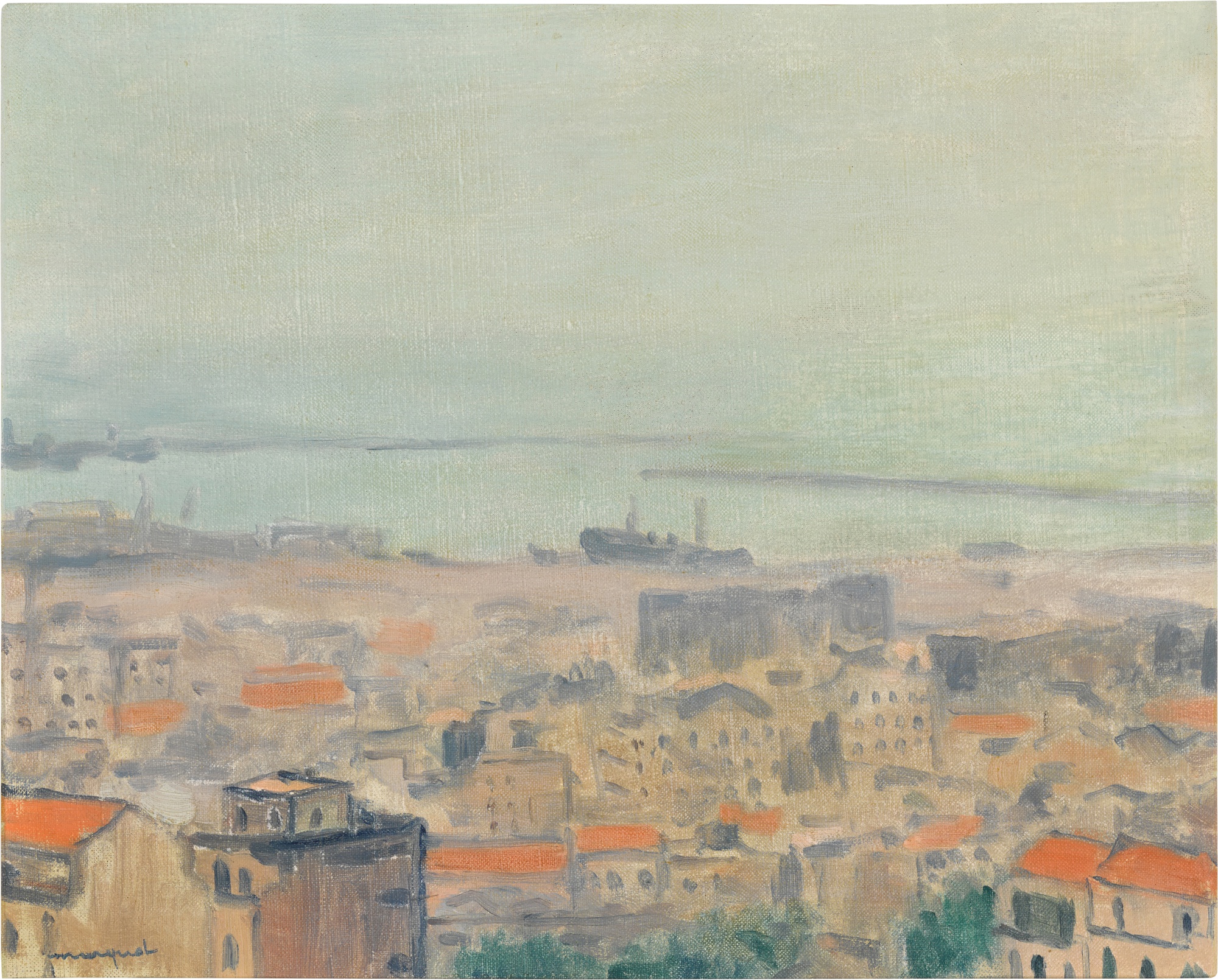
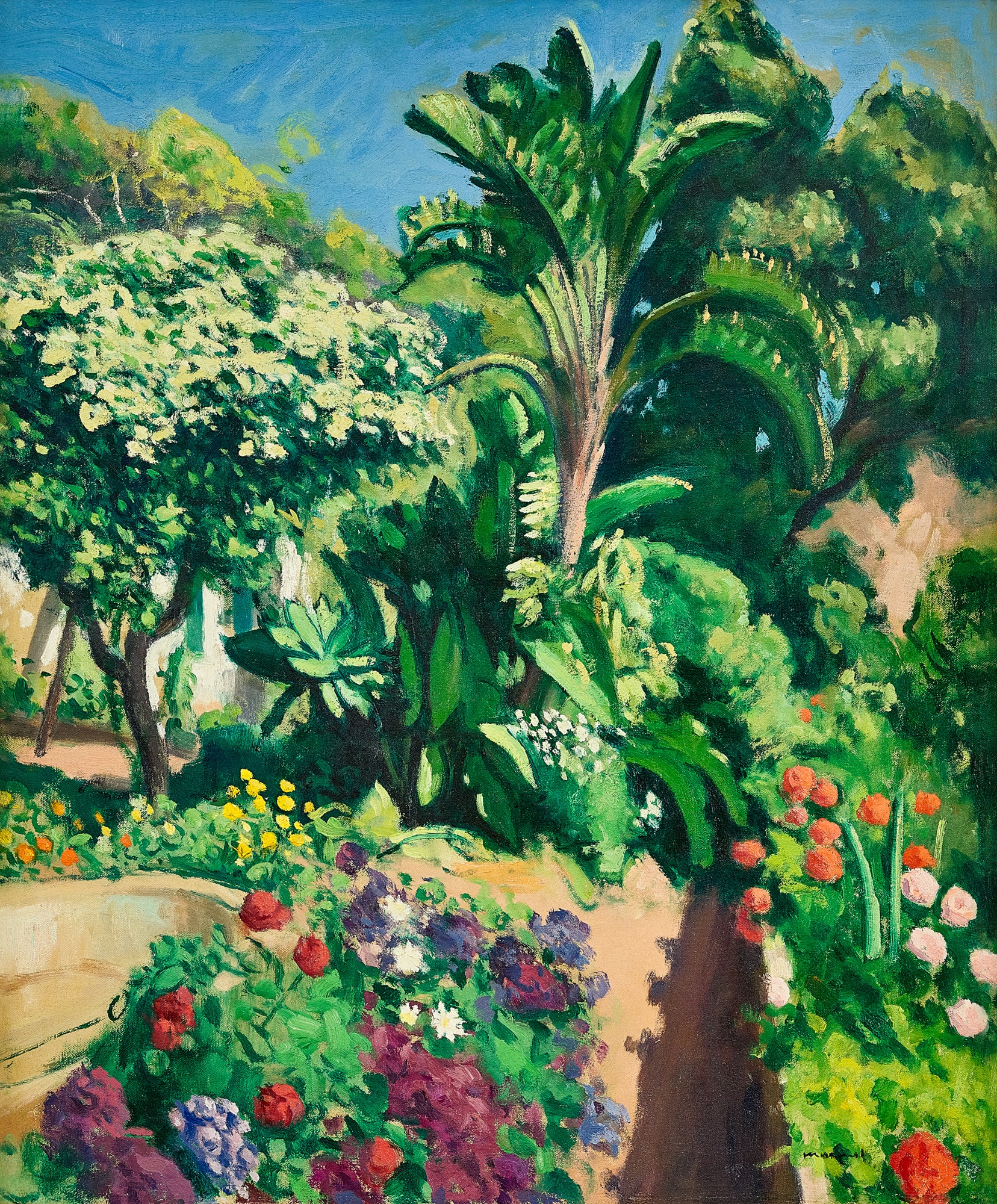
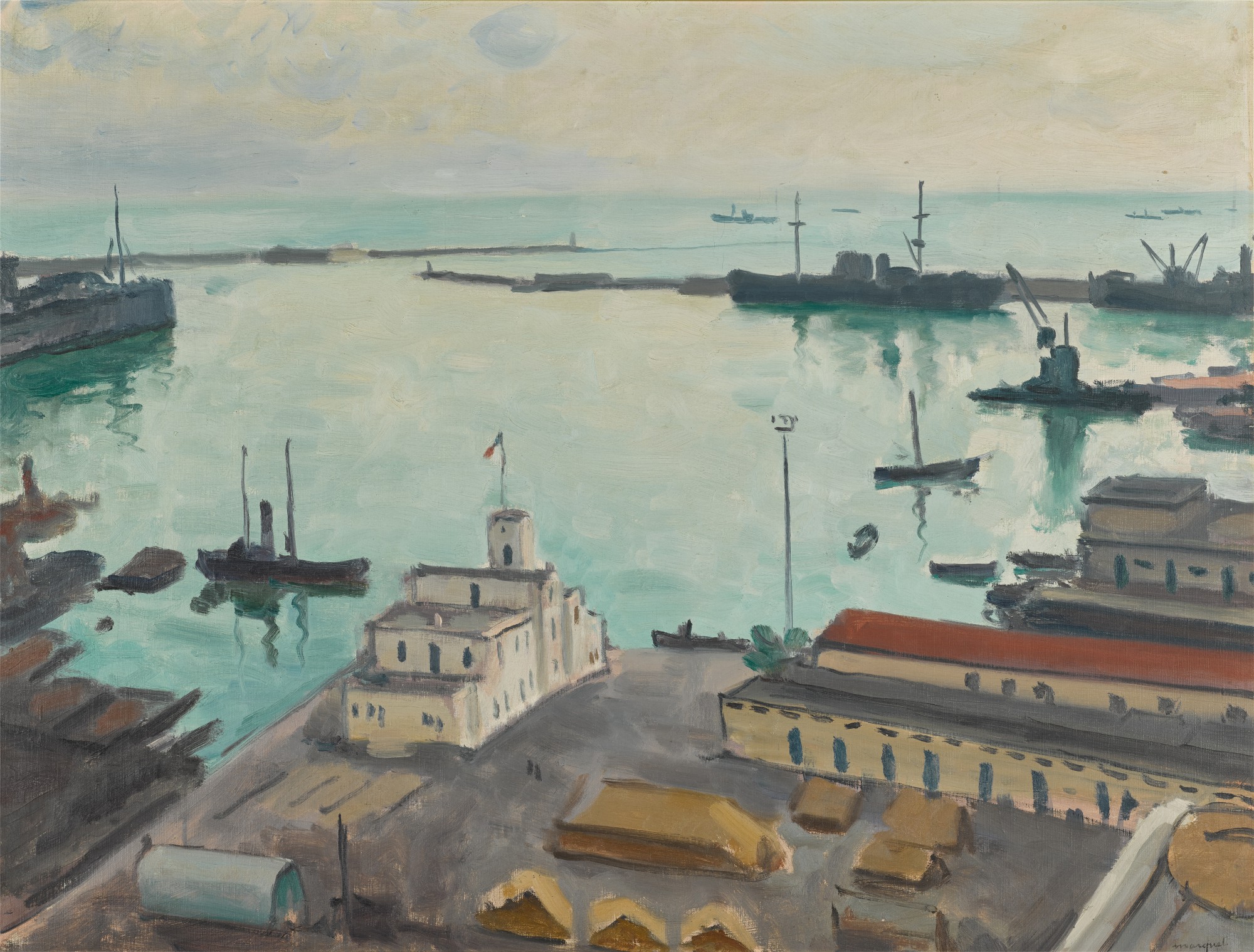
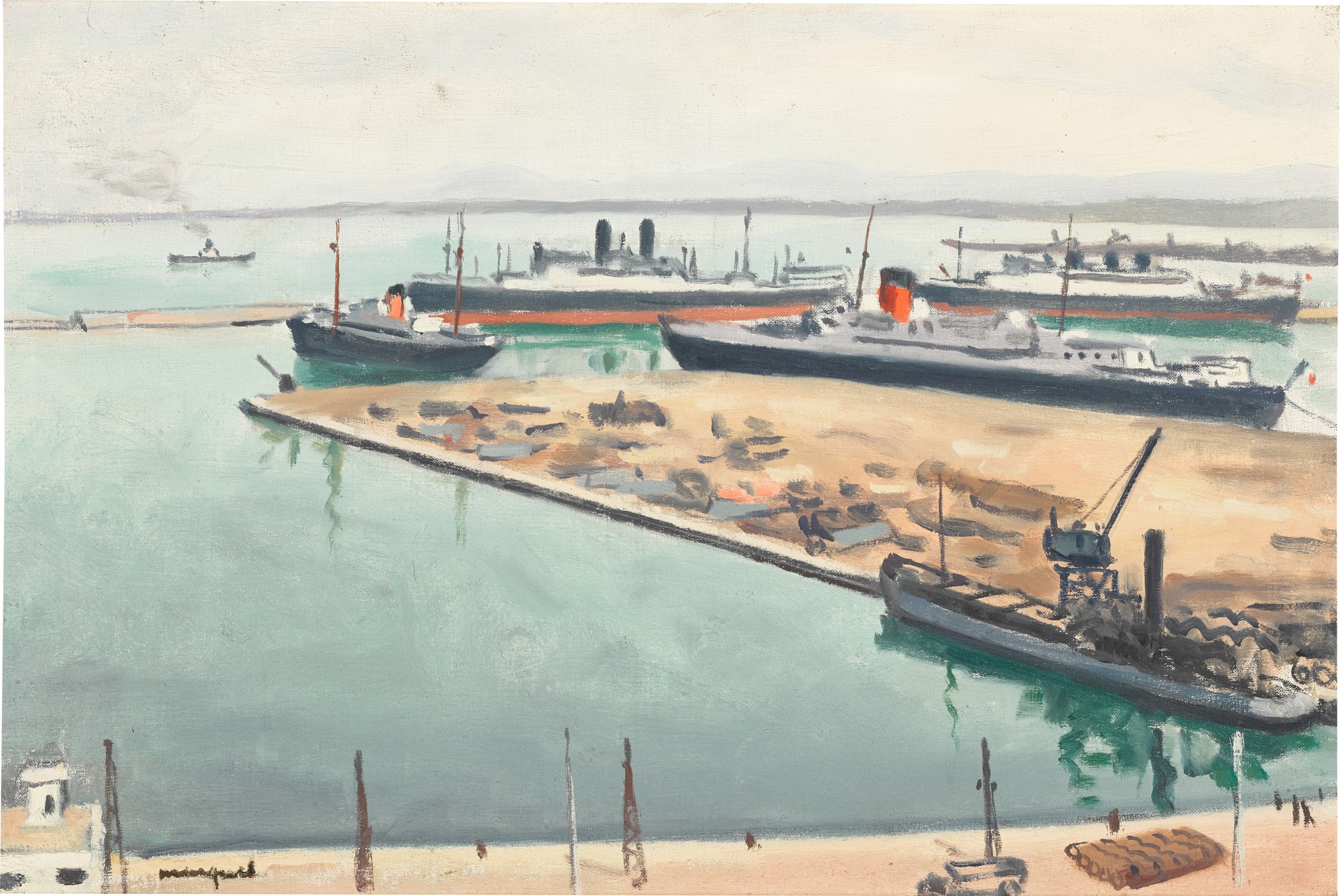
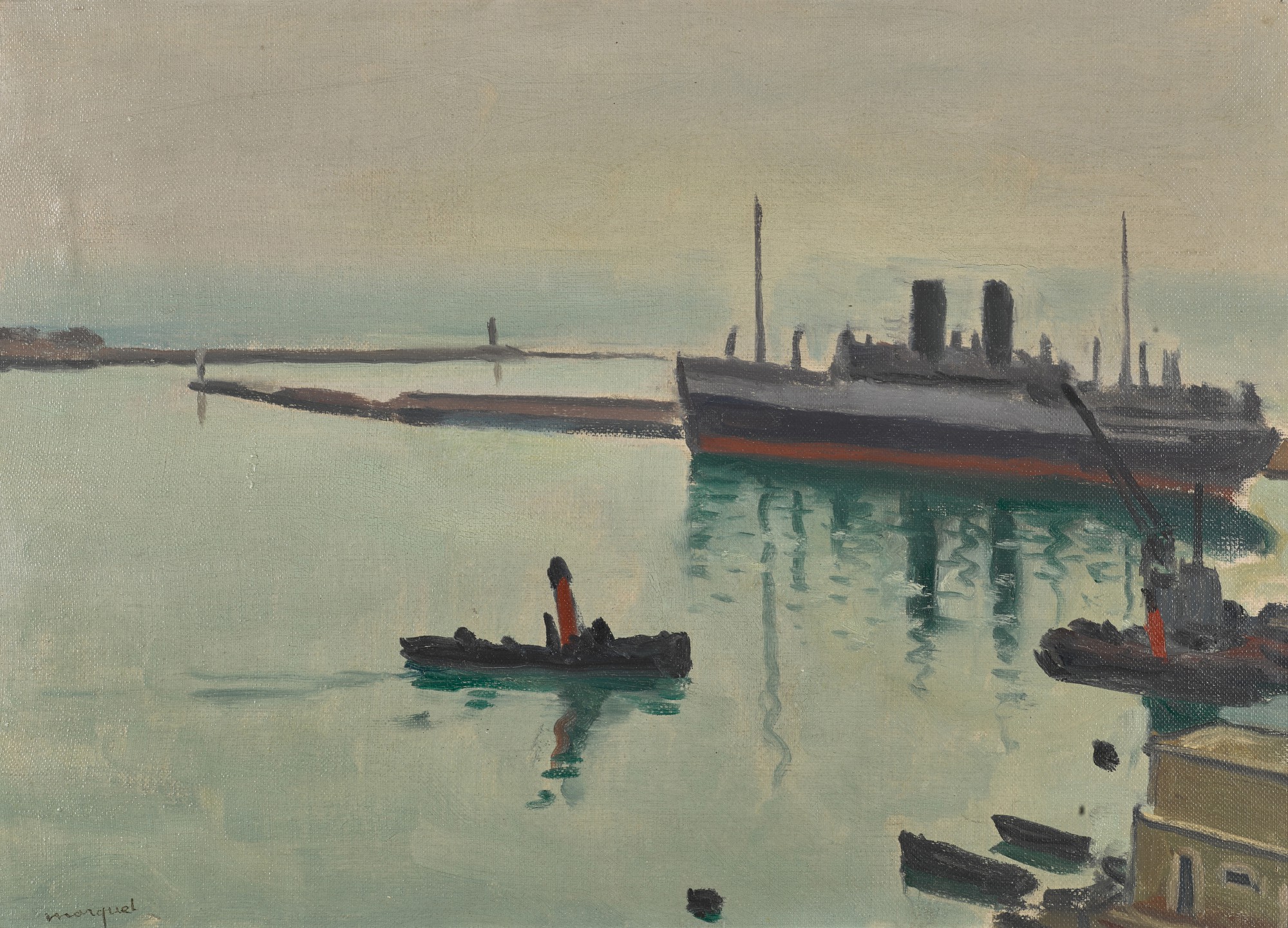
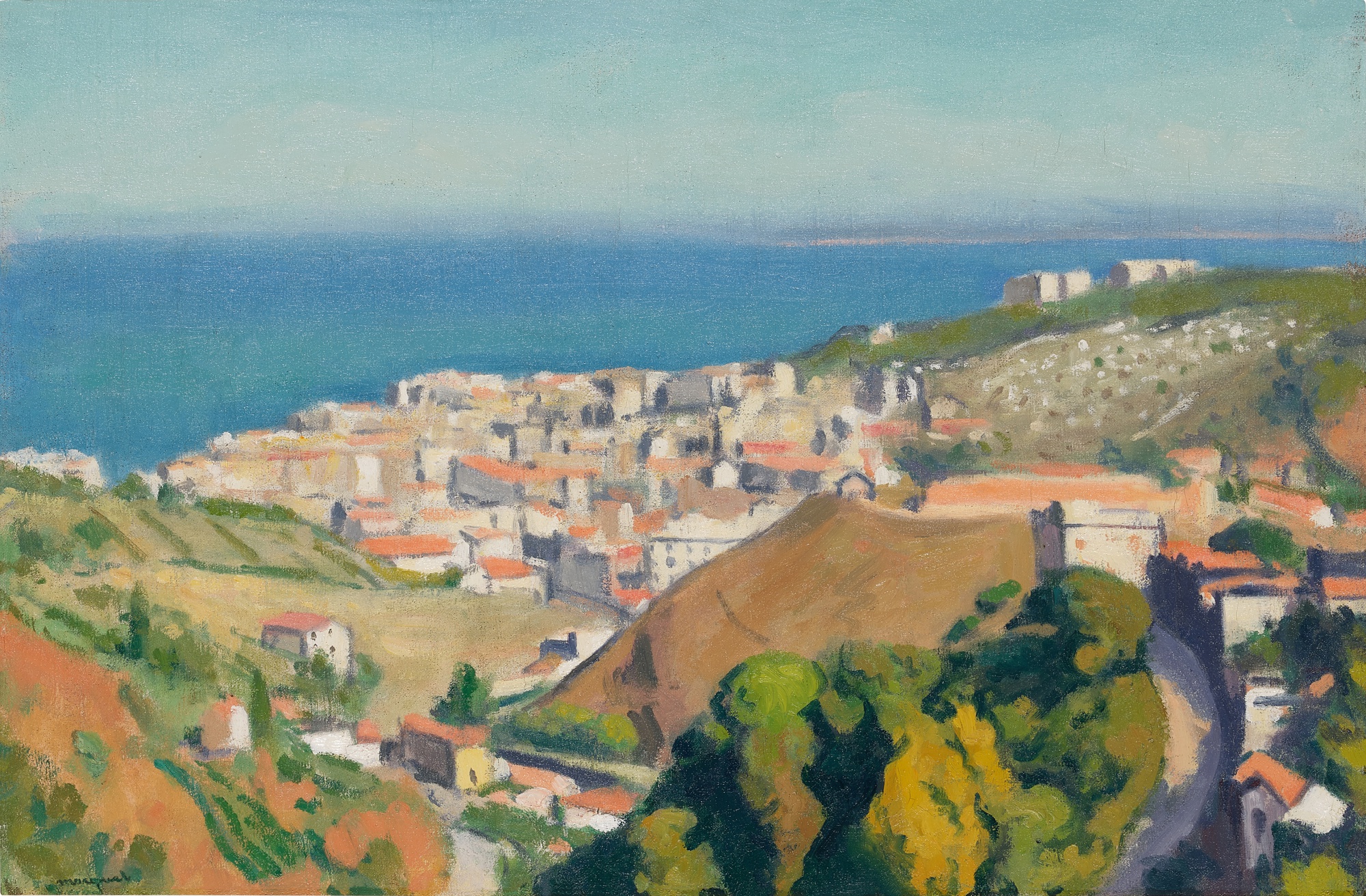
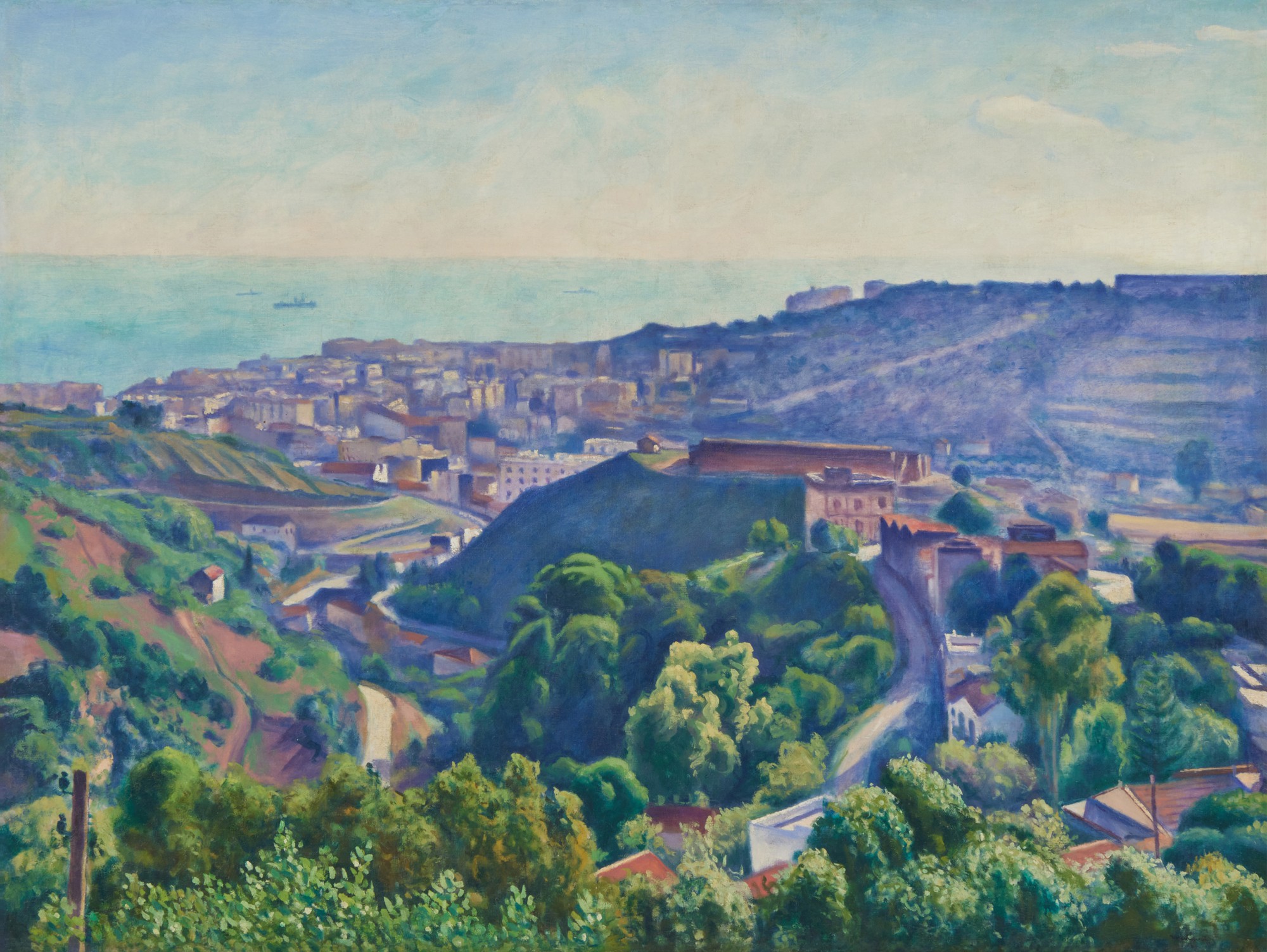
There is a moment, standing before one of Albert Marquet's harbor paintings, when the world seems to slow to the pace of water. The Seine at dawn, a fog rolling across the bay at Audierne, a quayside at La Rochelle bathed in flat northern light: these are scenes of extraordinary quietude painted with a precision so understated it can take a breath away. In recent years, major French institutions have returned serious attention to Marquet, and the Musée d'Art Moderne de Paris has long held his work among its most treasured holdings. As the broader market for early twentieth century French masters continues to deepen, collectors are rediscovering what a handful of devoted admirers always knew: that Marquet is one of the most singular and satisfying painters France ever produced. Albert Marquet was born in Bordeaux in 1875, the only child of a railway worker and a mother who recognized his gifts early and moved the family to Paris so that he might pursue a formal education in art. He enrolled at the École des Arts Décoratifs in 1890, where he met Henri Matisse, a friendship that would prove transformative and enduring for both men. The two young painters studied together under Gustave Moreau at the École des Beaux Arts, where Moreau's unusual pedagogy encouraged students to look at the world directly rather than through the filter of academic convention. That permission to trust one's own eye set Marquet on a path he would follow with remarkable consistency for the rest of his life. Marquet came of age as an artist during one of the most turbulent and generative periods in the history of Western painting. He exhibited alongside Matisse, André Derain, Maurice de Vlaminck, and others in the legendary Salon d'Automne of 1905, the exhibition at which the critic Louis Vauxcelles coined the term Fauves, wild beasts, to describe their vivid chromatic freedom. Yet Marquet was always a somewhat different creature within that company. Where his contemporaries pushed color toward expressionist intensity, Marquet moved in the opposite direction, toward restraint, toward tonal harmony, toward a palette of grays and silvers and muted ochres that felt less like rebellion and more like a deep, considered meditation on seeing. His Fauvism was interior rather than declarative. What emerged from those early years was a practice defined by an almost Japanese economy of means. Marquet was a devoted observer of water, perhaps more than any French painter of his era outside of Monet, but his approach could not have been more different from Impressionism's dissolving shimmer. He rendered rivers, harbors, and coastlines with calm, structural clarity, using flat areas of tone that anticipate the color field sensibility of later decades. Works such as La Baie d'Audierne, Temps Calme from 1928 demonstrate this perfectly: the composition is spare to the point of severity, the sea a broad silver plane beneath a pale sky, and yet the painting breathes with life. His 1920 canvas La Rochelle, la porte de la Grosse Horloge vu du quai captures an urban waterfront with the same distilled authority, the architecture reading almost as pure geometry softened by atmosphere. Marquet was also a tireless and genuinely curious traveler, and his journeys fundamentally enlarged his vision. He made extended visits to North Africa, painting in Algiers, Tunis, and Morocco across several decades, and the light of those places, harsher and more absolute than the Atlantic coast, sharpened his compositional instincts further. His 1934 watercolor A Marrakech is a luminous example of what he found there: the medium suits him perfectly, the washes of color achieving a transparency that oil can only approximate. He visited Norway, Hamburg, Rotterdam, Naples, and Saint Petersburg, always painting ports and rivers and the life that accumulated along their edges. Each destination added another register to a visual language that was at once deeply personal and universally legible. For collectors, Marquet presents a combination of qualities that is genuinely rare. He was a prolific painter who maintained an exceptionally high standard across his career, and his work spans a wide range of media, scale, and geography, offering points of entry for many different collecting sensibilities. His oils on canvas from the 1920s and 1930s, which represent the full maturity of his vision, are the most sought after, and canvases from this period have achieved strong results at auction at Sotheby's, Christie's, and Drouot over the past two decades. Works such as L'Île, Poissy from 1929 and Hendaye, La promenade from 1926 exemplify the particular balance of intimacy and grandeur that characterizes his best period. Collectors who respond to Matisse, Raoul Dufy, or Charles Camoin often find Marquet to be a compelling and sometimes more personally resonant alternative, his quieter temperament offering a different kind of sustained pleasure. Within art history, Marquet occupies a position that is both central and underappreciated, a combination that serious collectors have always found interesting. He was present at the founding moments of Fauvism and deeply embedded in the Parisian avant garde of the early twentieth century, yet he pursued an independent course that placed him outside any single category. His friendship with Matisse lasted a lifetime, and the two men painted alongside each other on many occasions, but their visions were genuinely distinct. Marquet's relationship to Post Impressionism, and specifically to the spatial clarity of Cézanne, is visible throughout his mature work, as is a spiritual kinship with Hiroshige and Hokusai, whose woodblock prints he admired and whose compositional boldness he absorbed into his own practice. Albert Marquet died in Paris in 1947, having lived long enough to see the world he painted so devotedly transformed by war and modernity, yet his canvases resist the weight of history with serene authority. His legacy rests on a body of work that rewards slow looking and repeated return. There is something genuinely rare in a painter who can make stillness feel like a discovery rather than an absence, who can render a foggy morning on the Seine or a sunlit quay in Morocco and make you feel that you have been given something essential about the nature of being alive in a particular place and time. That is the gift Marquet left, and it is one that continues to grow in stature with every passing decade.