
Maxime Du Camp
110
Works
Artist Spotlight
Light, Stone, and the Ancient World
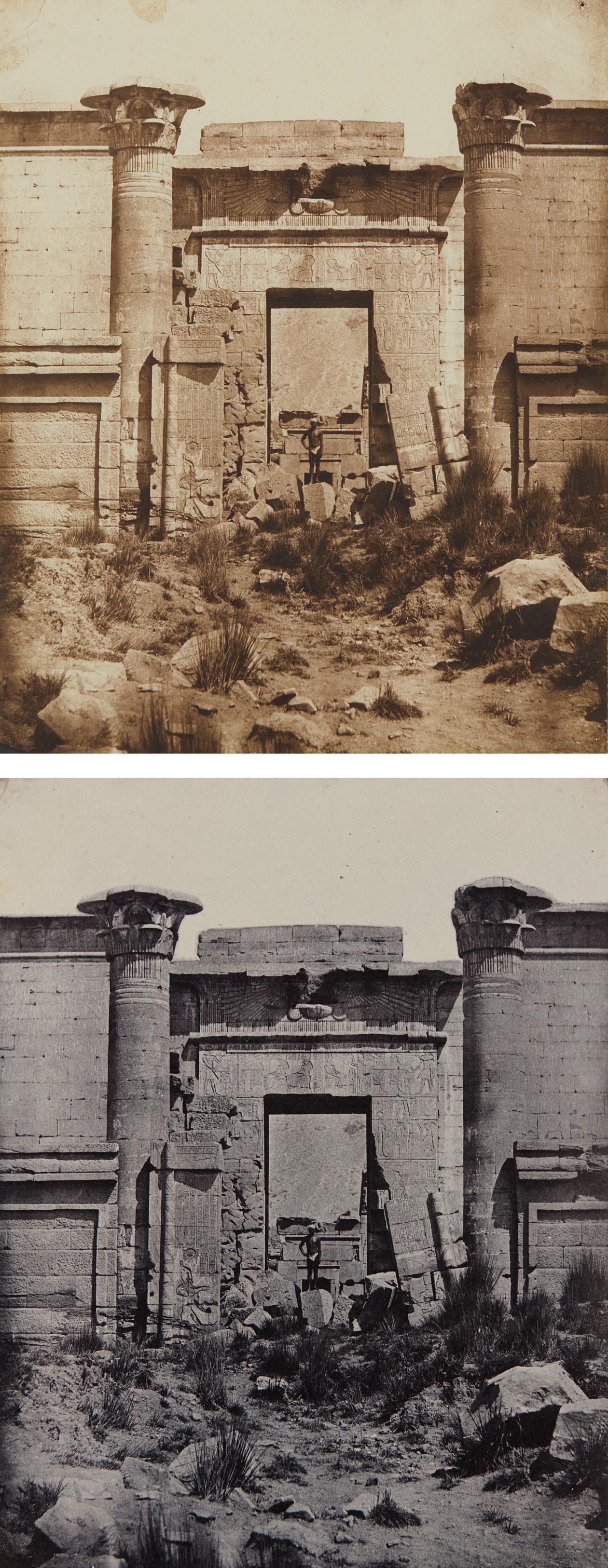
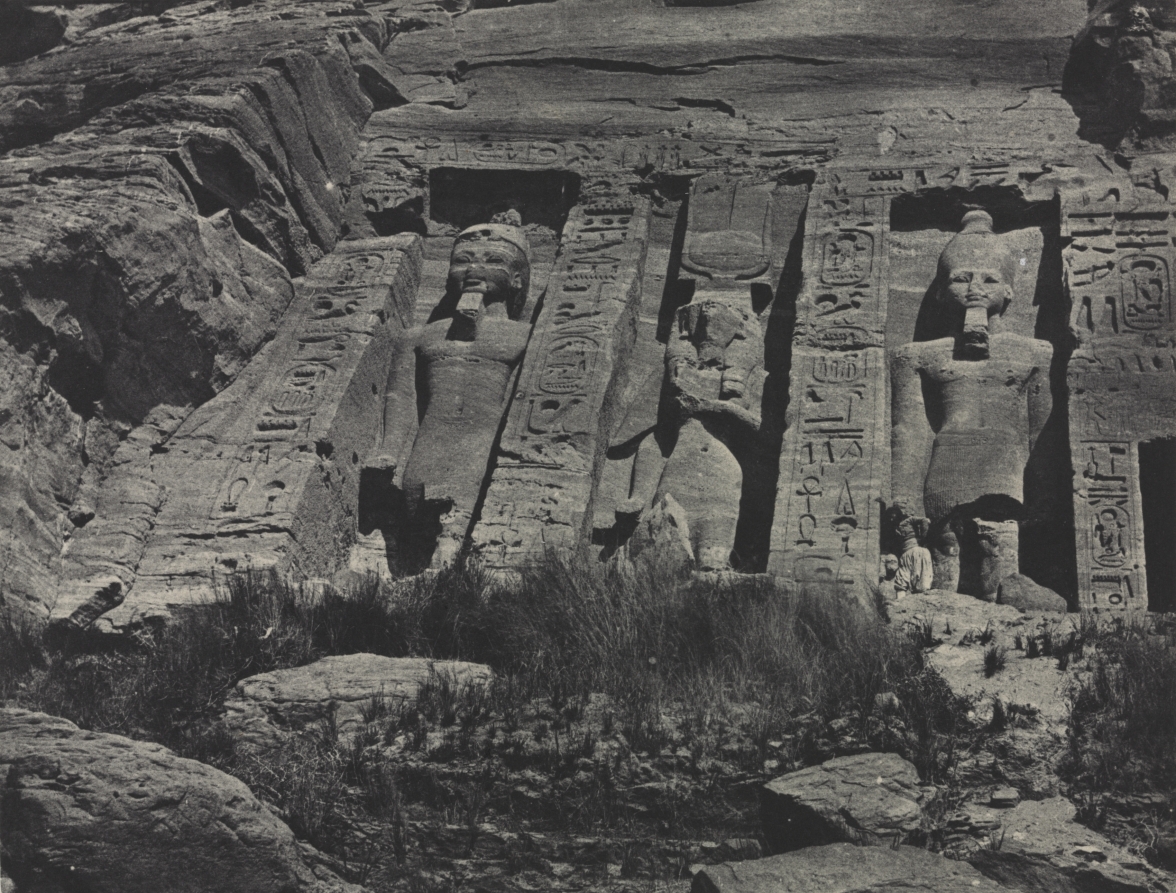
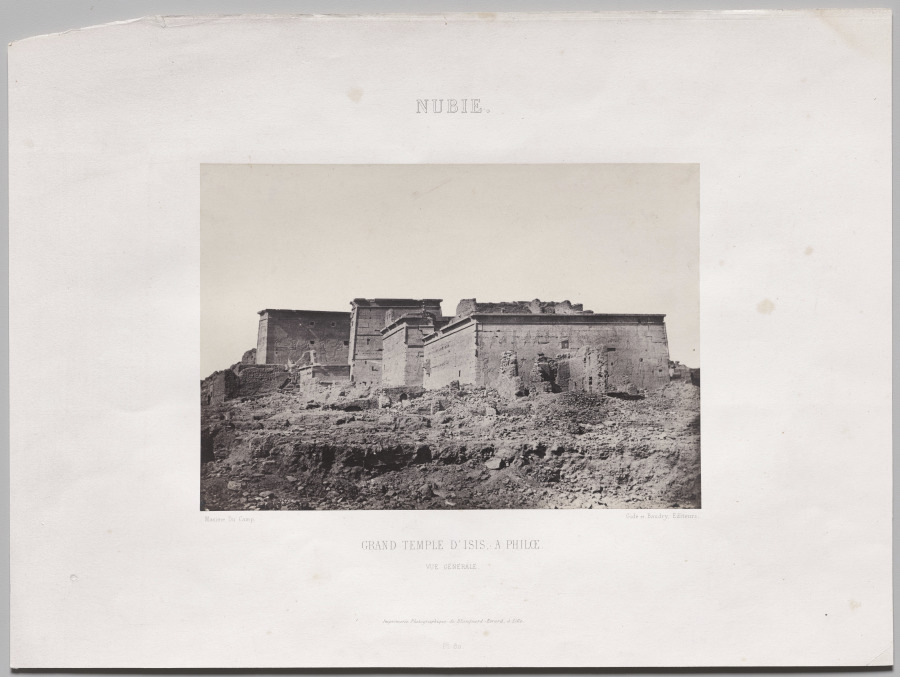
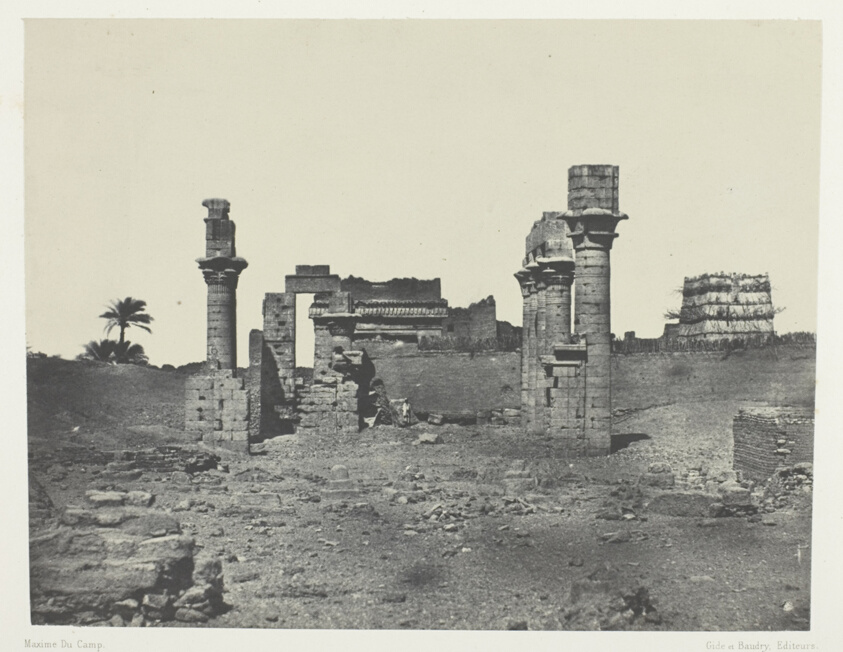
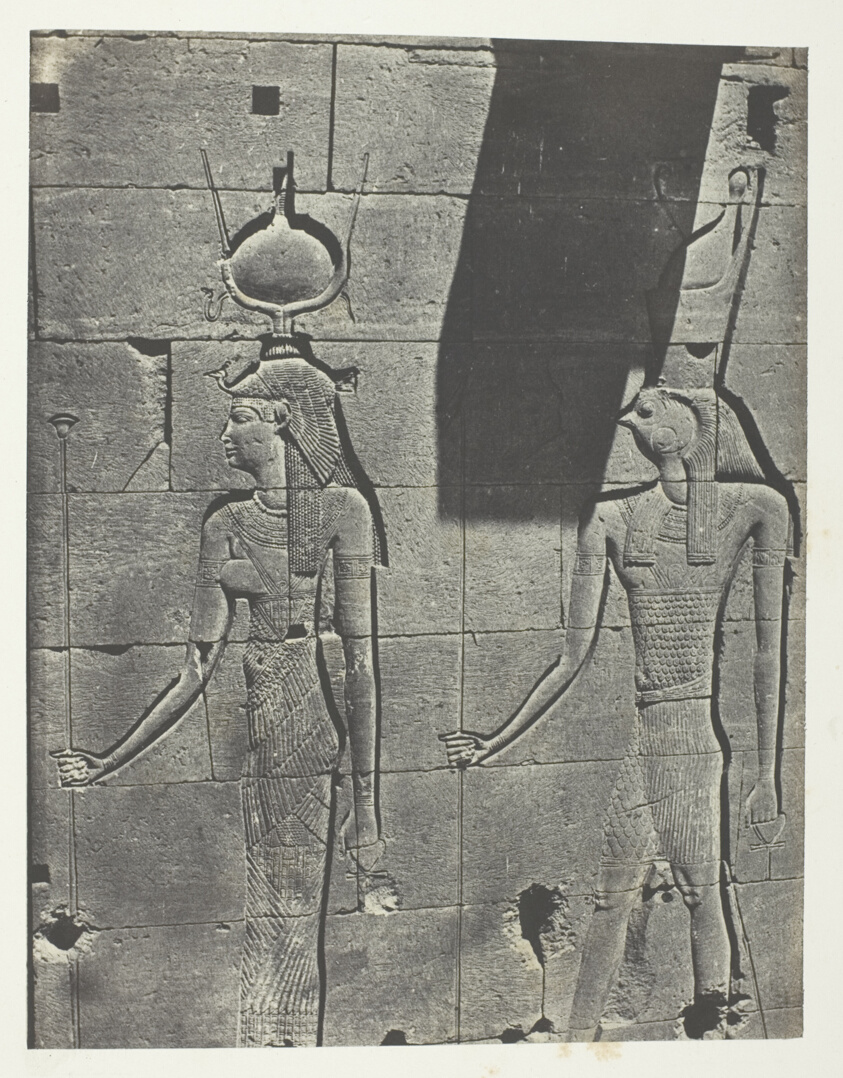
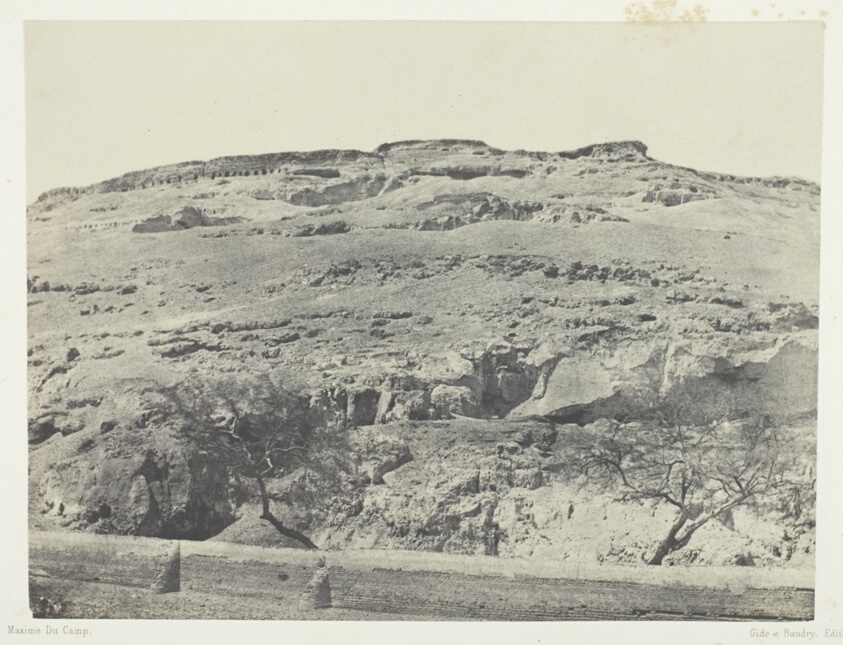
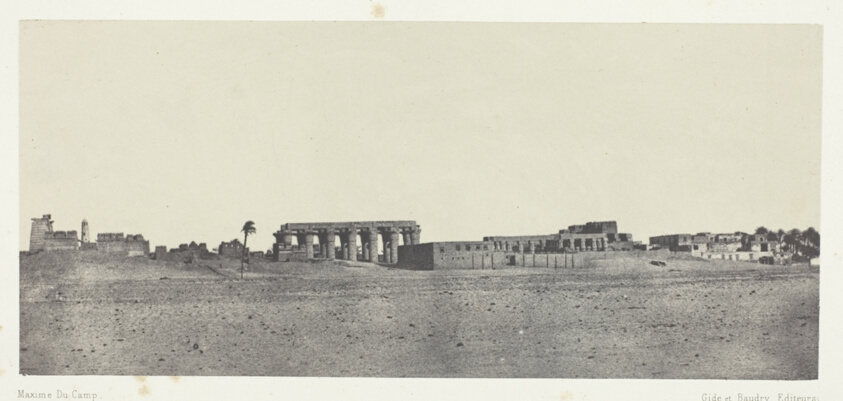
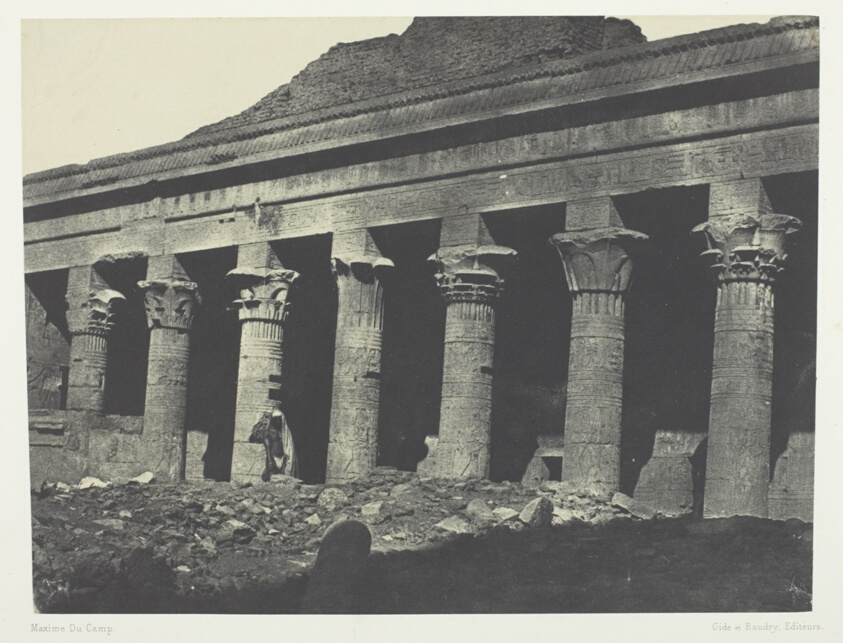
In the grand narrative of photography's earliest decades, few figures cast as long a shadow as Maxime Du Camp. The French writer and image maker who carried a wax paper negative camera through the dust of Upper Egypt in 1849 was not simply documenting ruins. He was inventing a new way of seeing the ancient world, one silver print at a time. When the Bibliothèque nationale de France and institutions such as the Metropolitan Museum of Art and the Getty Museum have displayed prints from his landmark album, visitors consistently pause before them with a kind of reverence that transcends mere… Continue reading
Artists in conversation
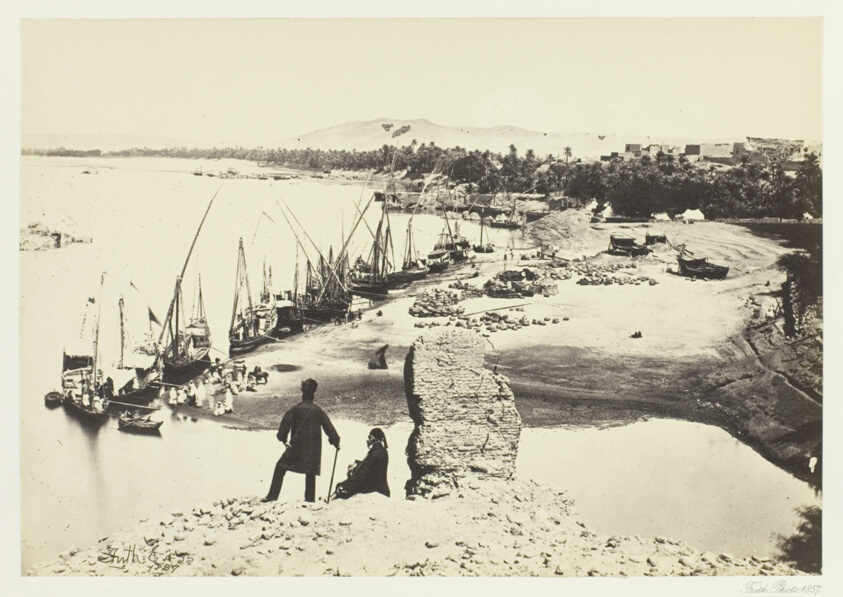
Francis Frith
Frith undertook extensive photographic expeditions to Egypt and the Near East in the 1850s, producing large format salted paper and albumen prints of ancient monuments and landscapes that closely parallel Du Camp's documentary ambitions and subject matter.
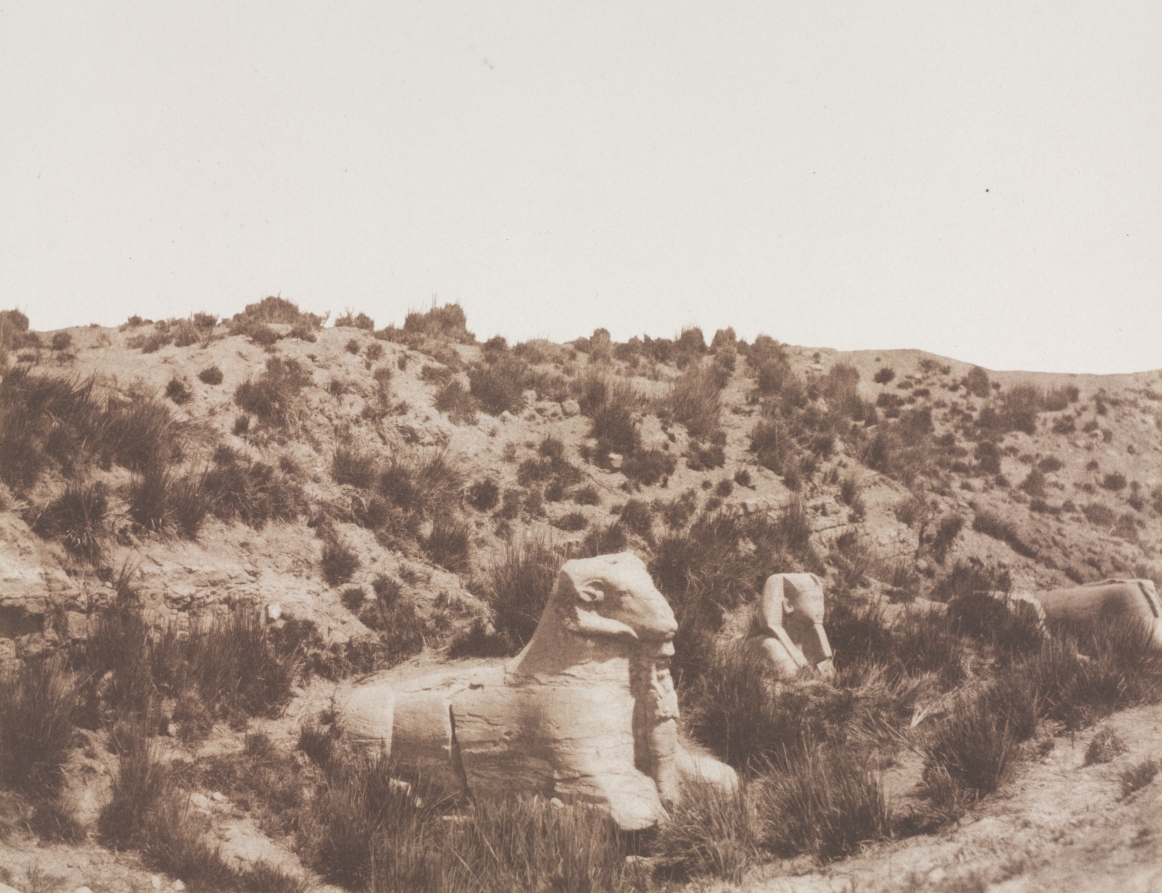
Félix Teynard
Teynard photographed Egypt and Nubia at almost exactly the same period as Du Camp, producing calotype based architectural and landscape images of ancient temples and sites that share the same monochrome documentary aesthetic and Orientalist travel focus.
John B. Greene
Greene photographed Egypt and North Africa in the early 1850s using paper negative processes, creating atmospheric archaeological and landscape images of ancient sites that mirror Du Camp's approach to documenting the ancient world through early photography.
Artists who inspired them
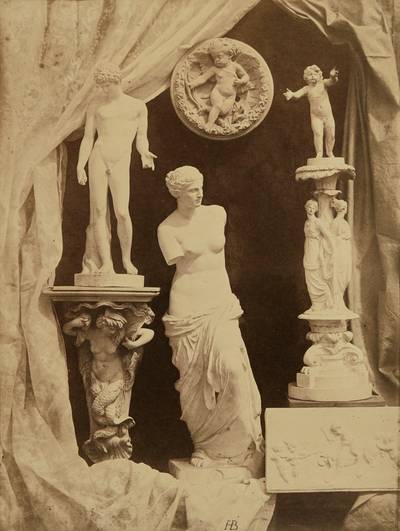
Hippolyte Bayard
Bayard was a pioneering French photographer whose early paper print processes and documentary photographic practices provided a direct technical and conceptual foundation for Du Camp's approach to using photography as a medium of record.
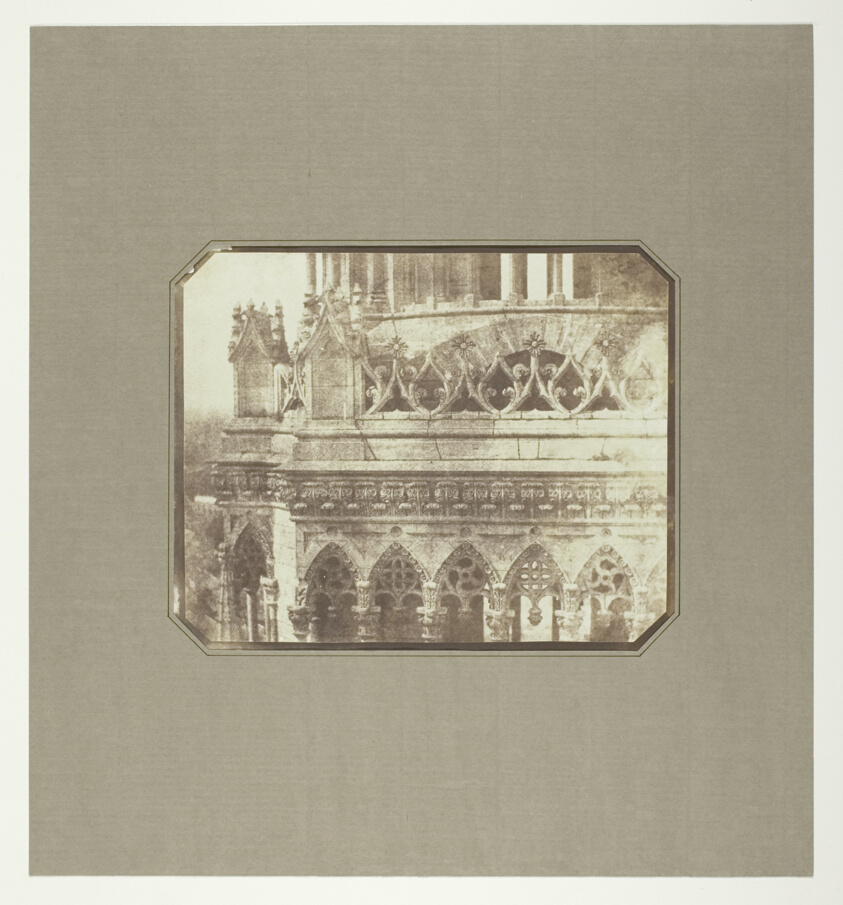
William Henry Fox Talbot
Talbot's invention of the calotype and his concept of photography as a means of capturing nature and architecture with precision directly shaped the photographic methods and documentary vision that Du Camp employed on his Near East expedition.
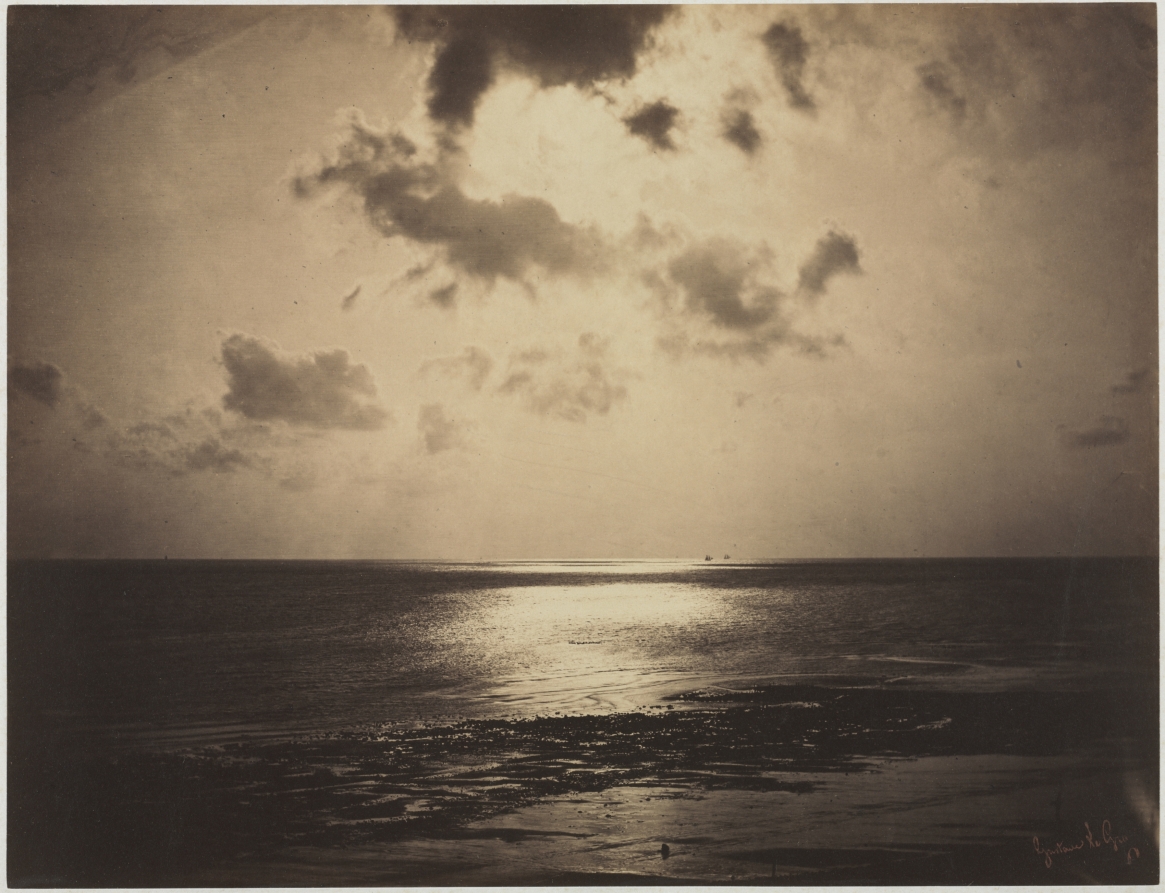
Gustave Le Gray
Le Gray was Du Camp's direct photography teacher in Paris before the Egypt journey, providing him with technical instruction in paper negative processes that underpinned the entire photographic project resulting in his landmark 1852 publication.