Introspective
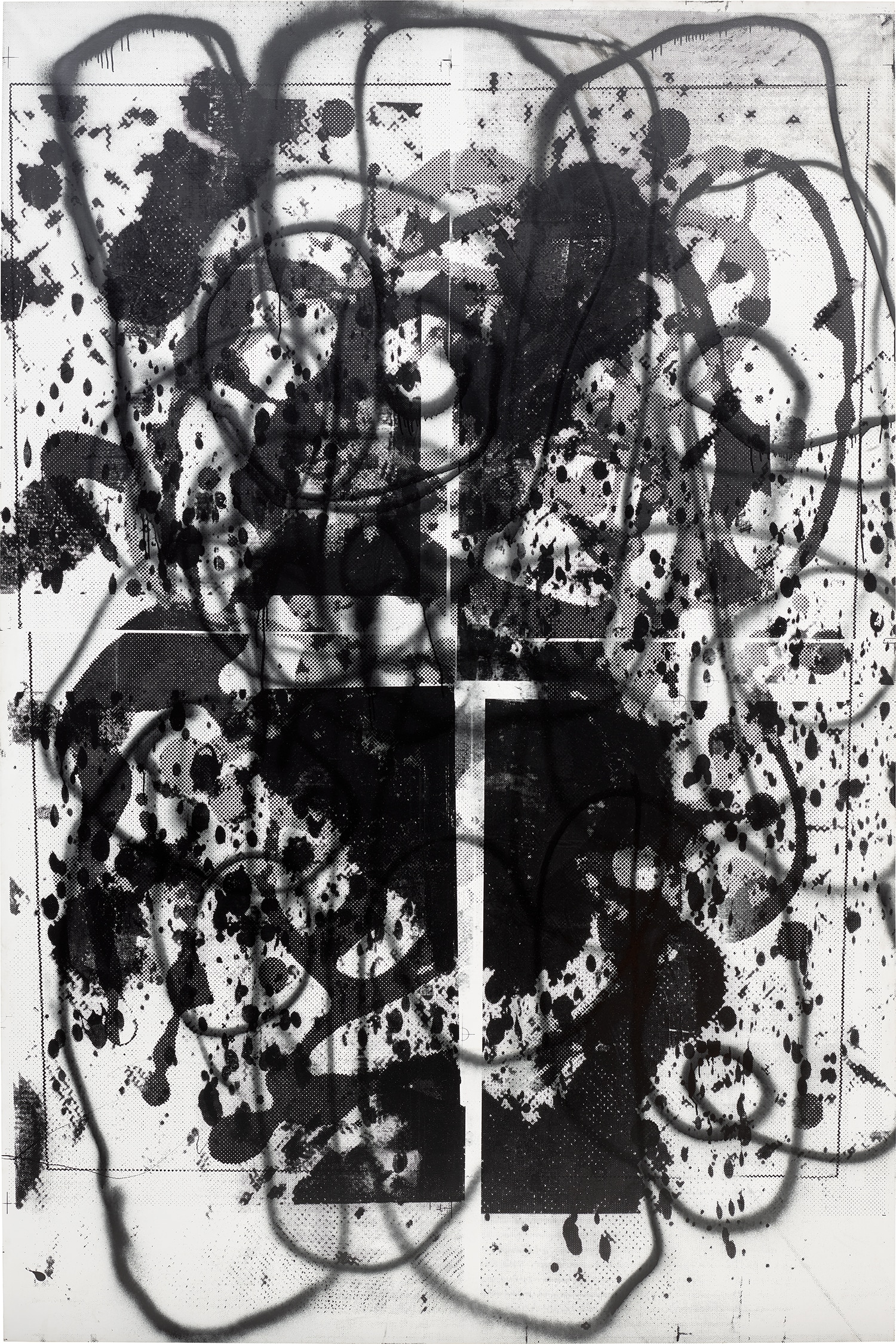
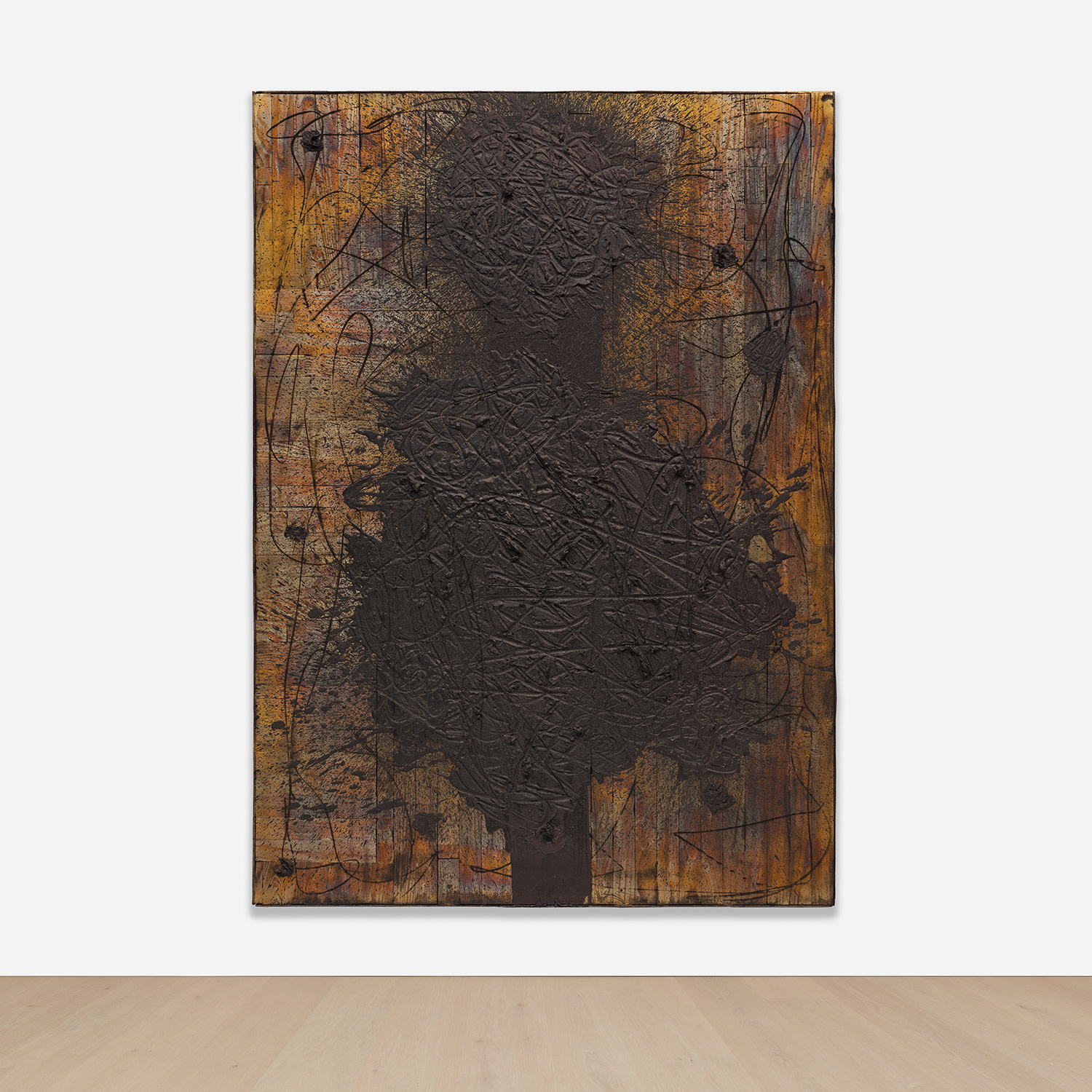
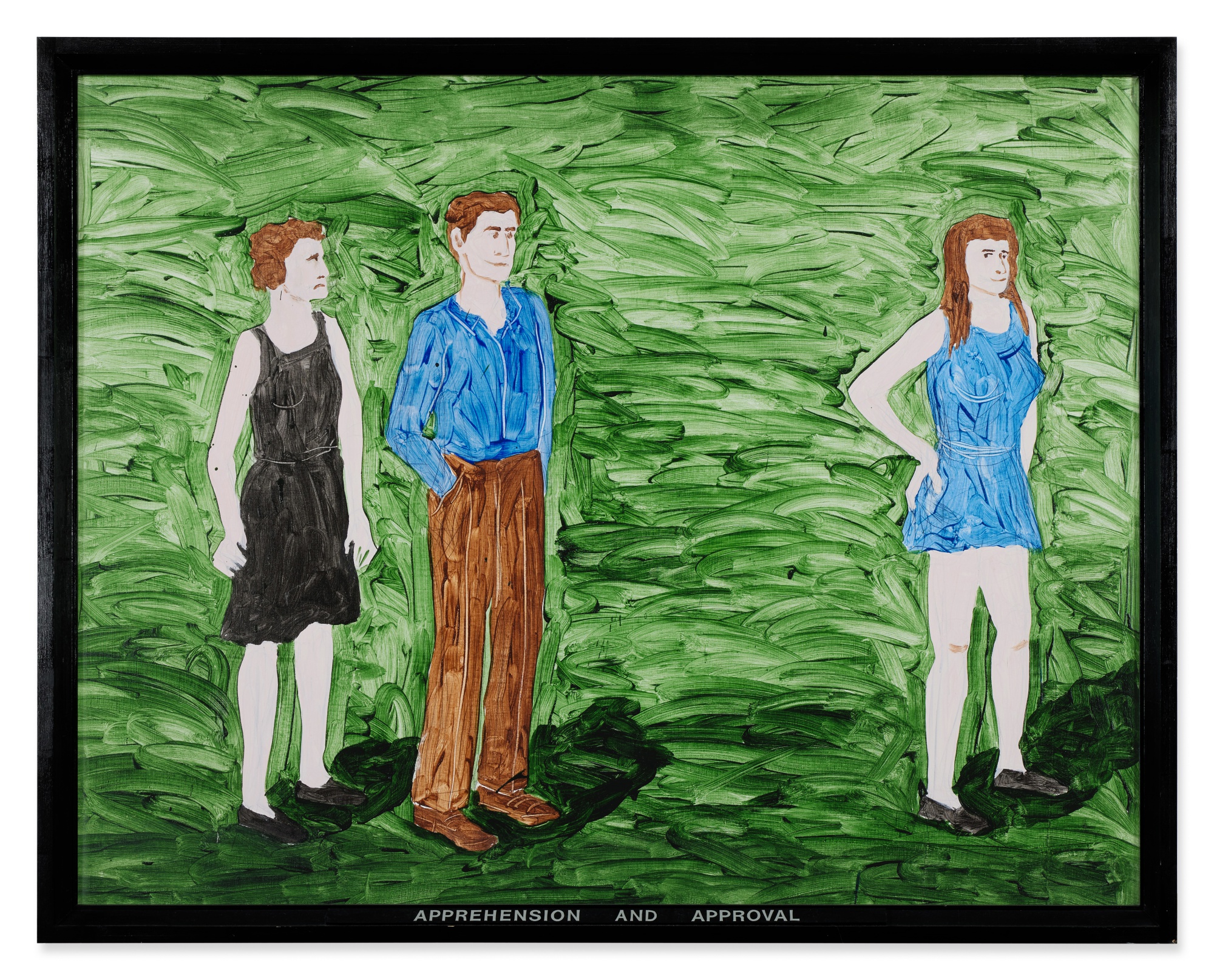
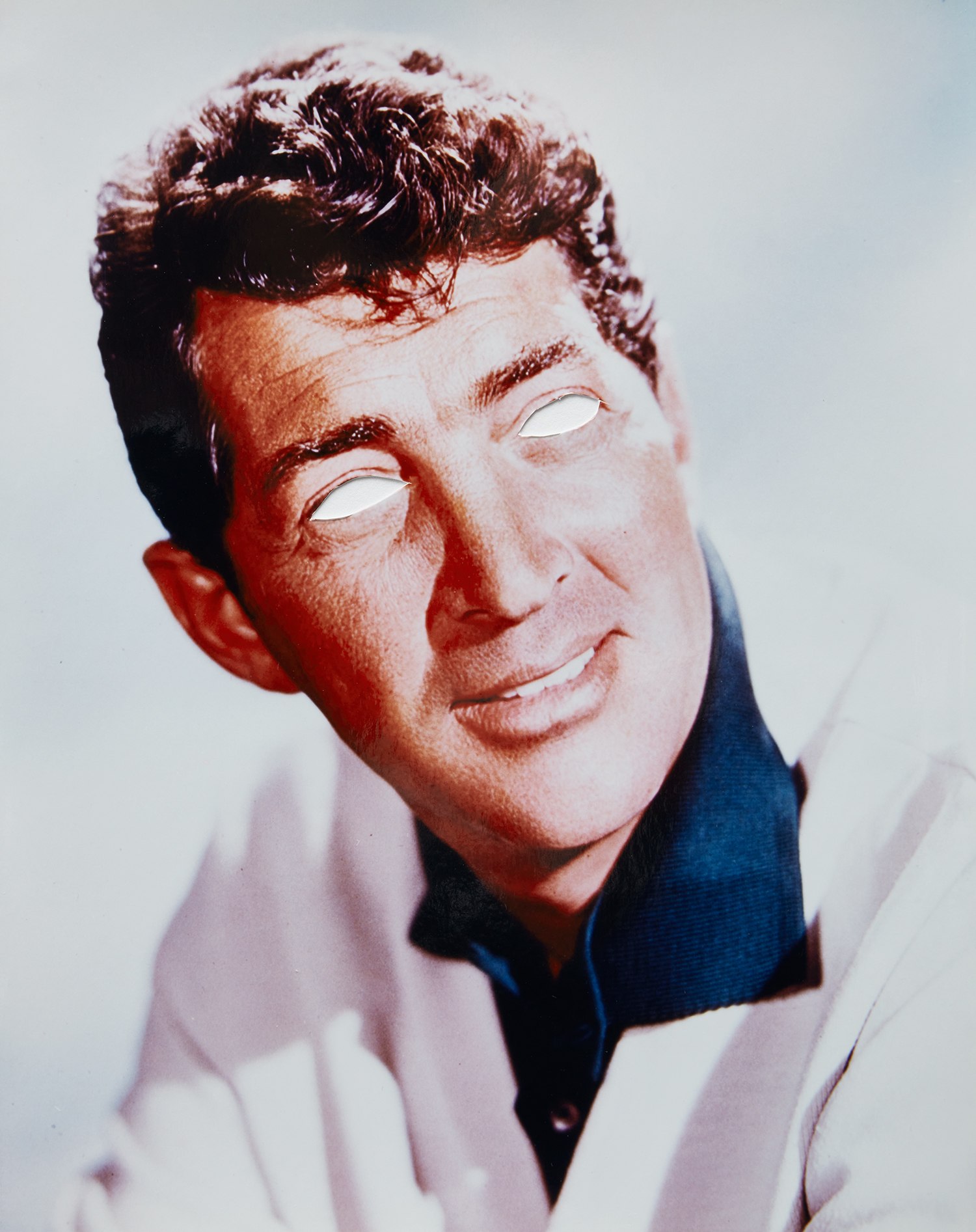
Christopher Wool
Lester's Sister (My Brain), 2000
The Art of Looking Inward Pays Off
There is a particular quality of attention that introspective art demands from its viewer, and experienced collectors tend to describe it the same way: you feel watched back. Whether it is a Rembrandt self portrait pulling you across a room with the gravity of its psychological weight, or a Lynette Yiadom Boakye figure who seems to carry an entire interior life you will never fully access, these works do not simply hang on a wall. They occupy space in a different register entirely, becoming a kind of silent interlocutor in the rooms where we eat, think, and rest. That ongoing conversation is precisely what makes introspective work so compelling to live with, and why collectors who commit to it rarely regret the decision.
The category resists easy definition, which is part of its appeal. Introspective art is not synonymous with portraiture, nor is it limited to figurative work. It encompasses painting, sculpture, installation, and works on paper that turn the lens inward, whether toward the artist's own psychology, the inner life of a subject, or the viewer's private experience of self recognition. What draws collectors is not simply beauty or status, though both can be present, but a sense that the work knows something.
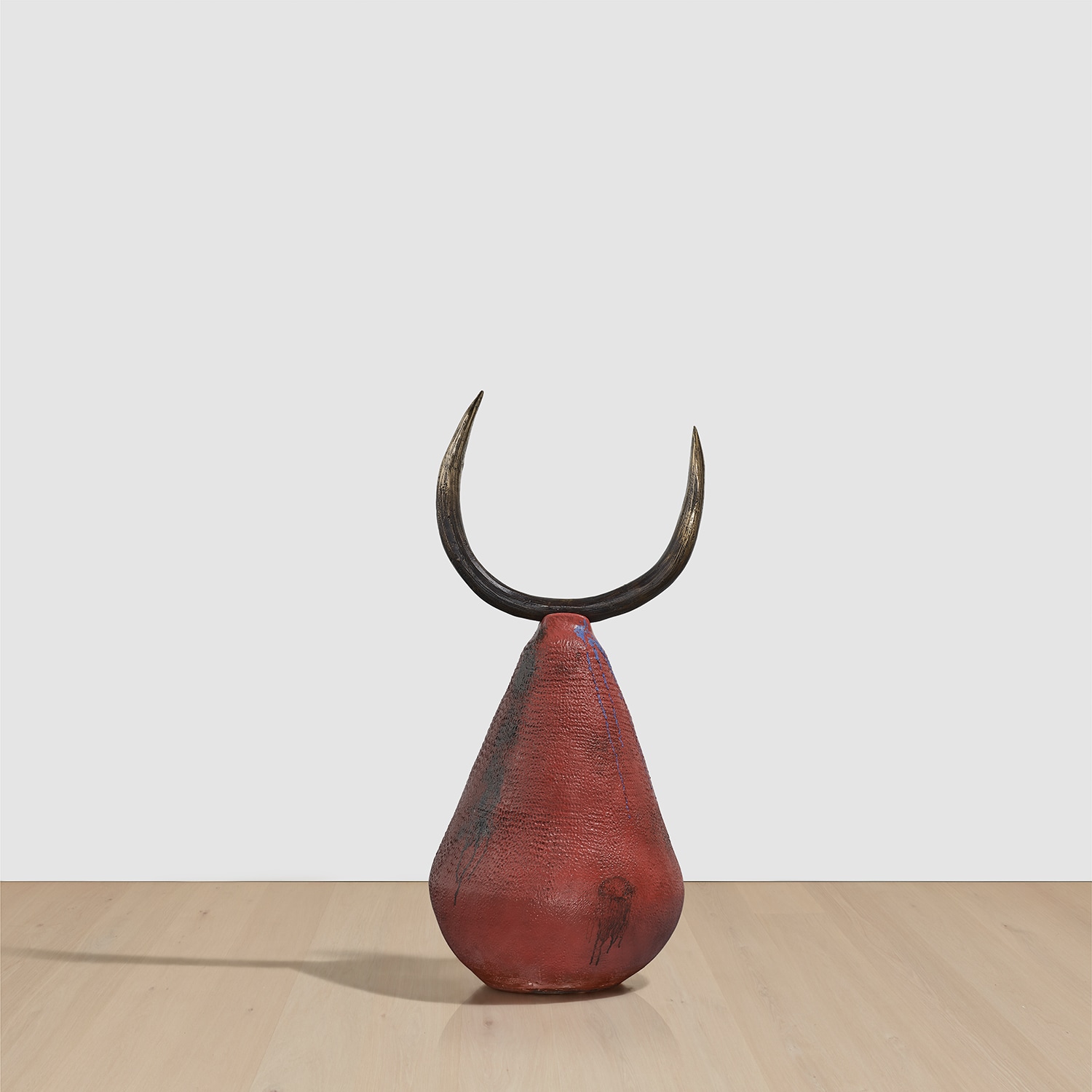
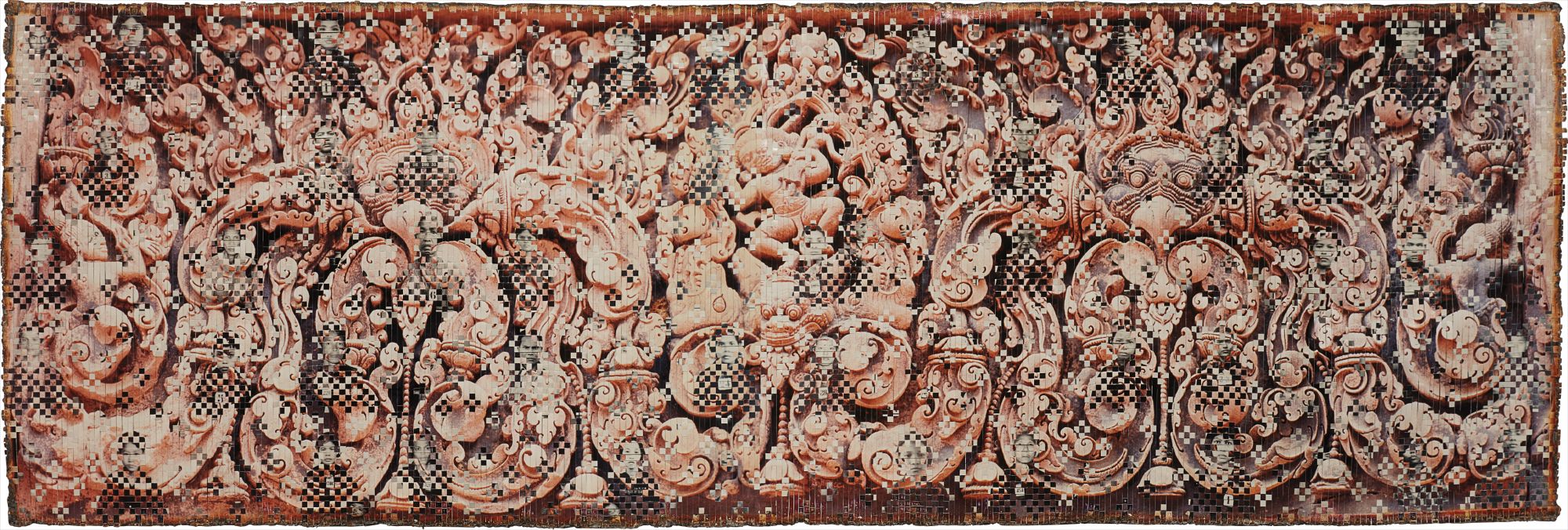
Zizipho Poswa
uNozakuzaku I (Negotiator)
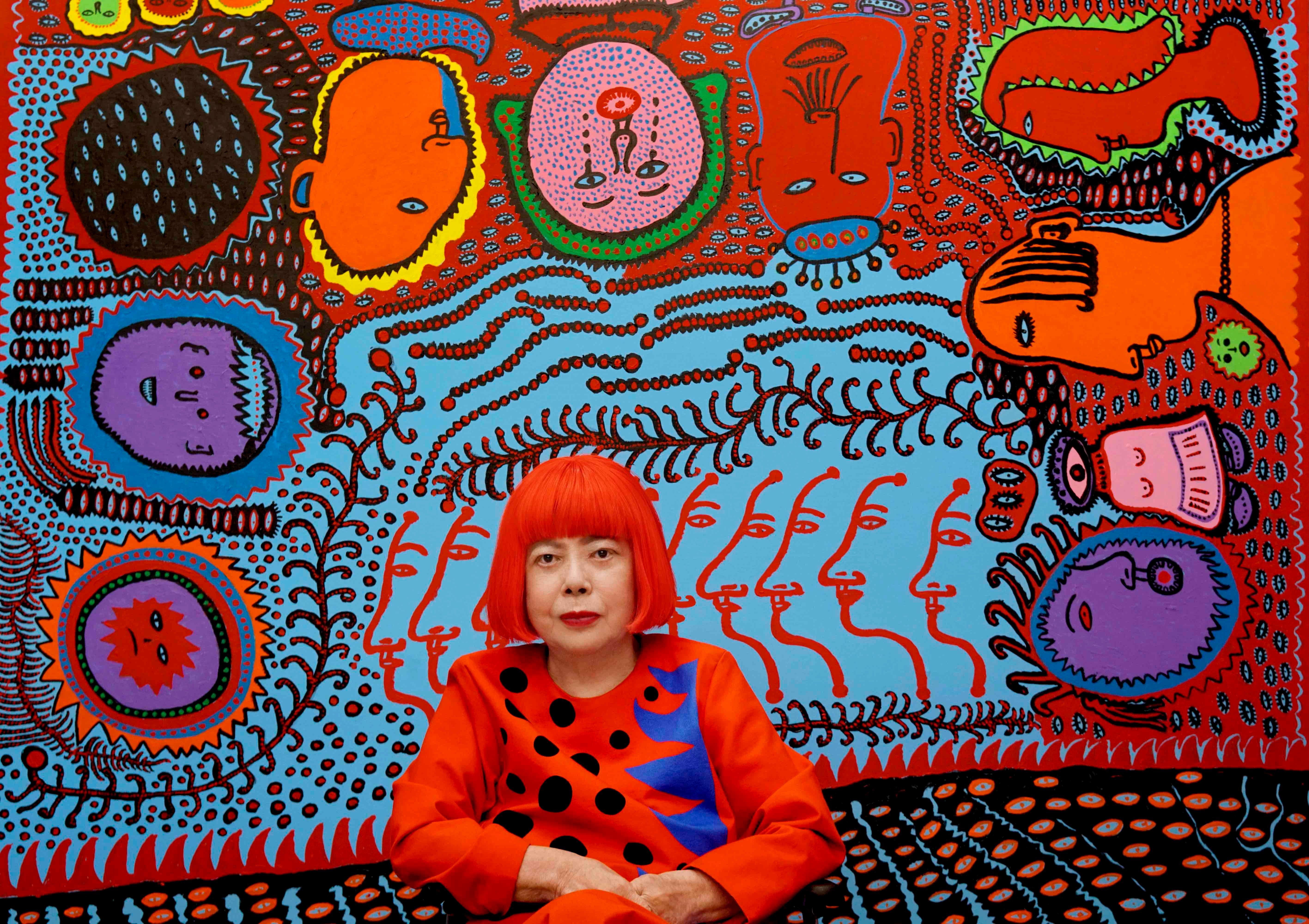
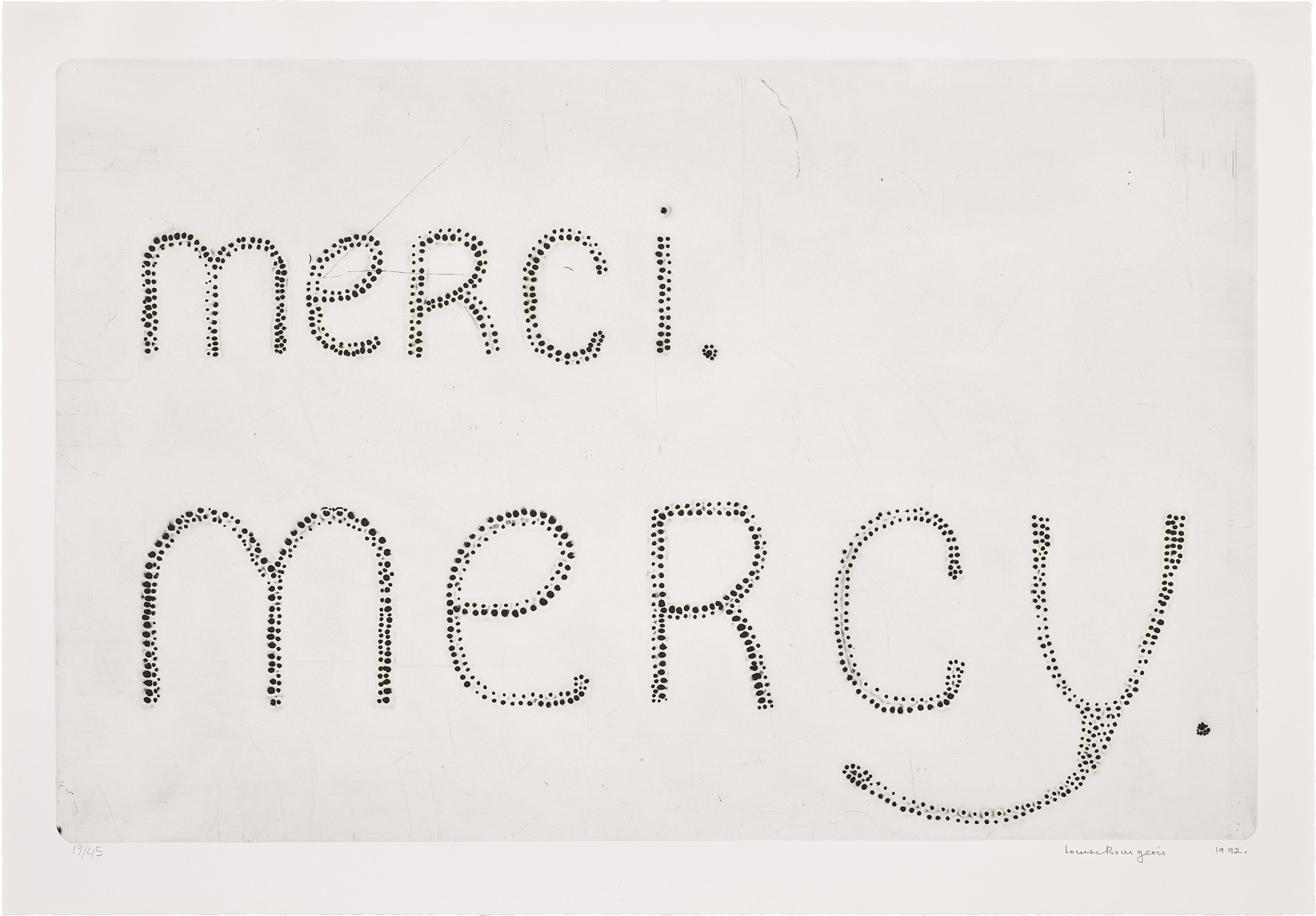
Kusama's relentless dot paintings and mirror rooms, which she has described as a form of self obliteration, are among the most psychologically loaded objects in the contemporary market. Louise Bourgeois spent decades making sculpture from her own trauma and desire with an unflinching commitment that collectors have come to understand as a kind of moral clarity in artistic practice. So what separates a good introspective work from a truly great one? The answer, most advisors will tell you, comes down to specificity.
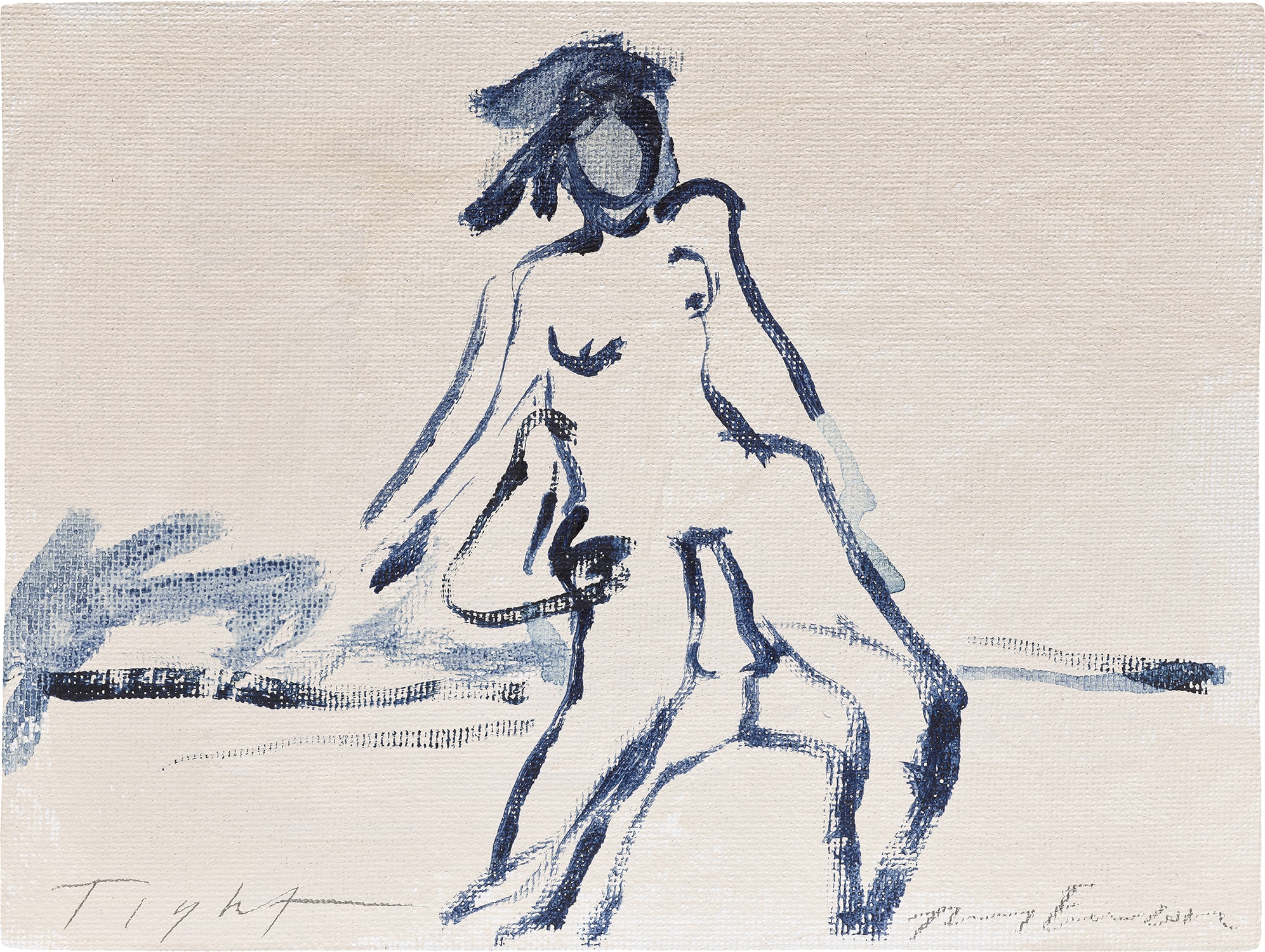
Generalised melancholy is easy to manufacture; genuine psychological particularity is rare and difficult to fake. Look for works where the artist has taken a real risk, where vulnerability is not performed but structural to the piece. Tracey Emin's most powerful works are not simply confessional, they are built around the formal tension between raw disclosure and deliberate aesthetic choice. Similarly, Luc Tuymans achieves his disturbing intimacy not through graphic content but through a quality of painterly restraint that makes the psychological freight even harder to escape.
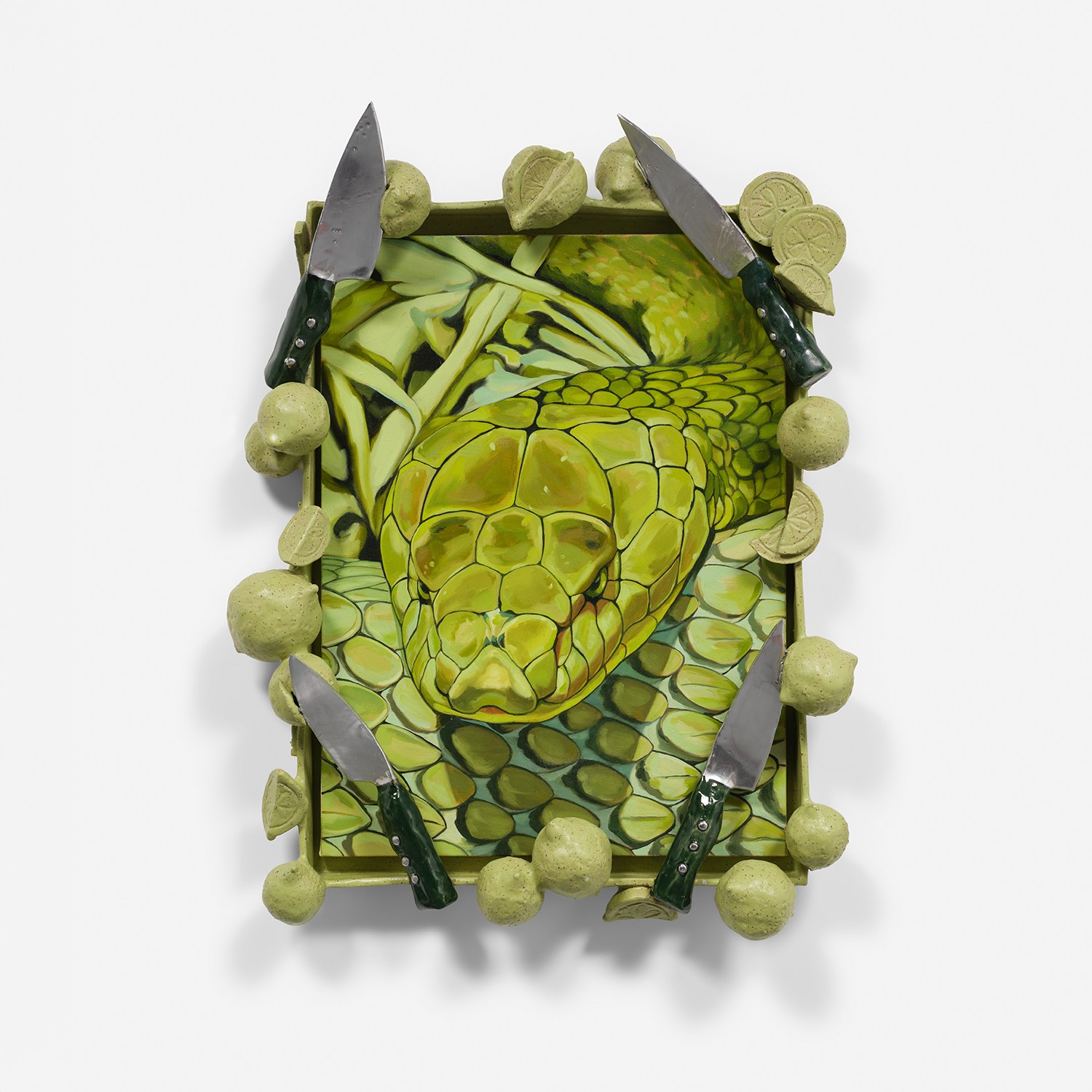
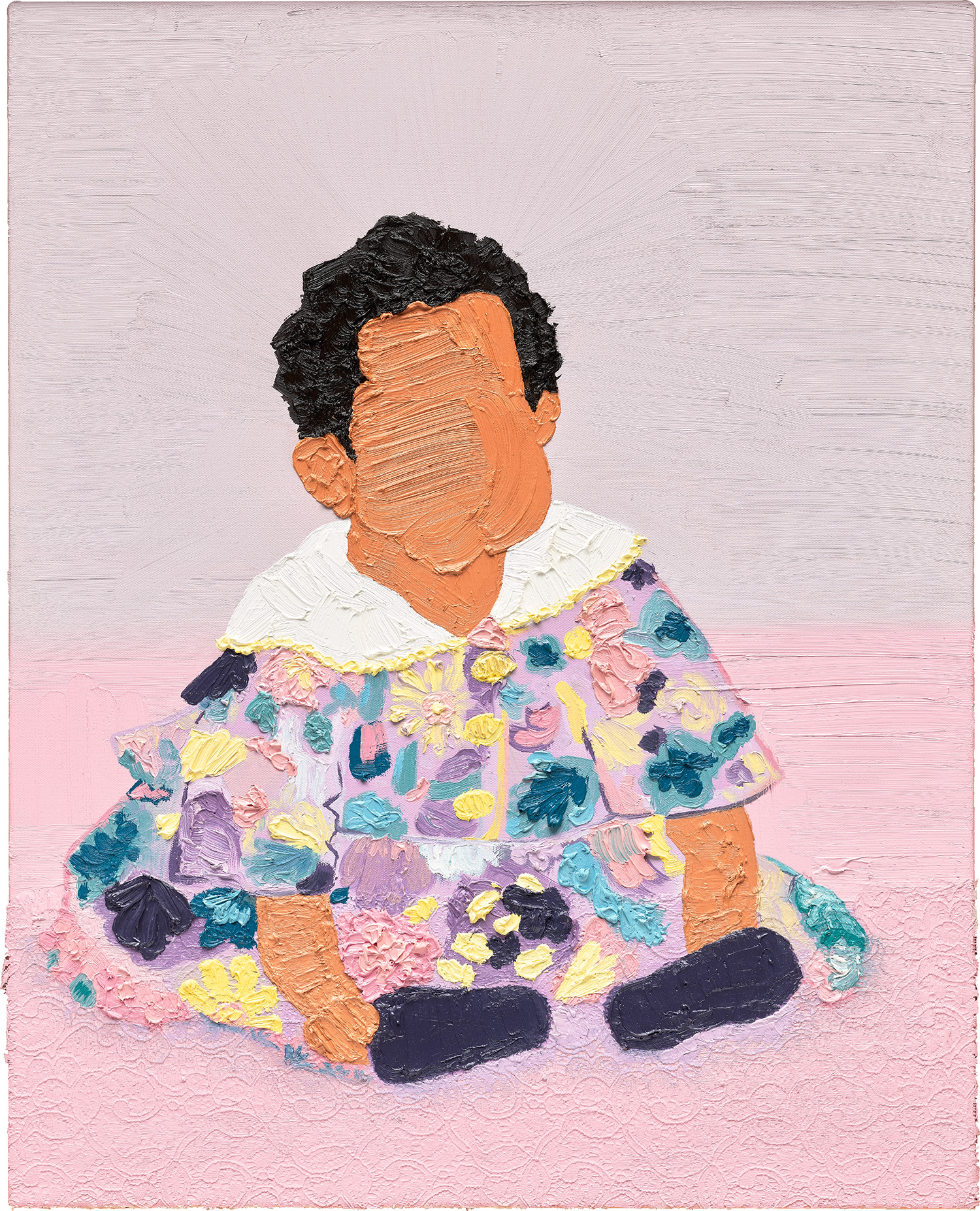
Stephanie Temma Hier
Seen And Not Seen, 2021
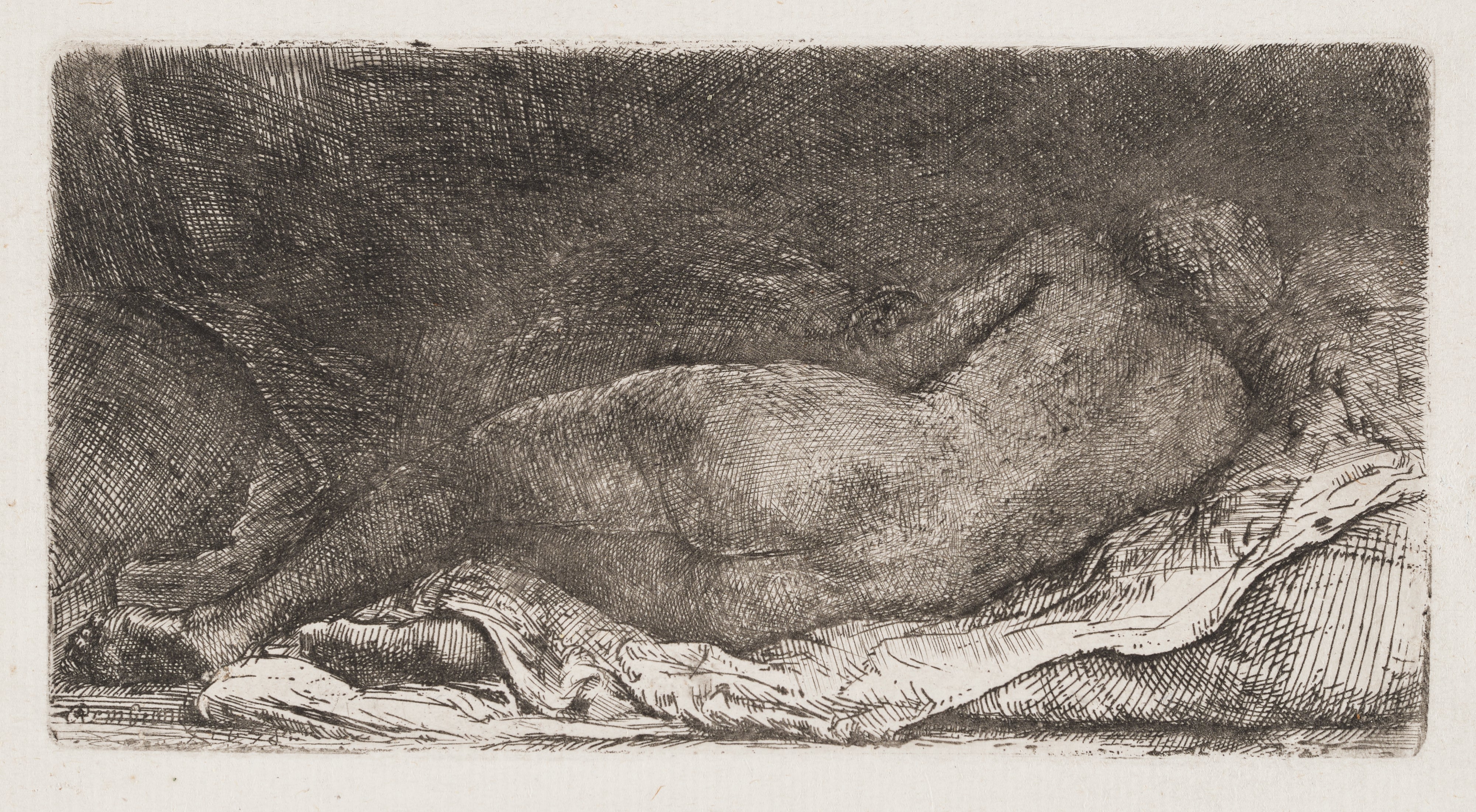
When you are looking at a work and you feel slightly implicated, slightly uncomfortable in the best possible way, that is usually a signal worth trusting. In terms of market strength, the artists with the deepest roots in this territory tend to hold value most reliably. Rembrandt's drawings and etchings, when they reach auction at all, command serious attention from institutional and private buyers alike, and works on paper from his hand represent one of the most historically stable collecting categories in existence. Yayoi Kusama, who has become one of the highest selling living artists globally, benefits from both institutional validation and sustained popular demand, though collectors entering her market now should be clear eyed about edition structures and the hierarchy between unique paintings and multiples.
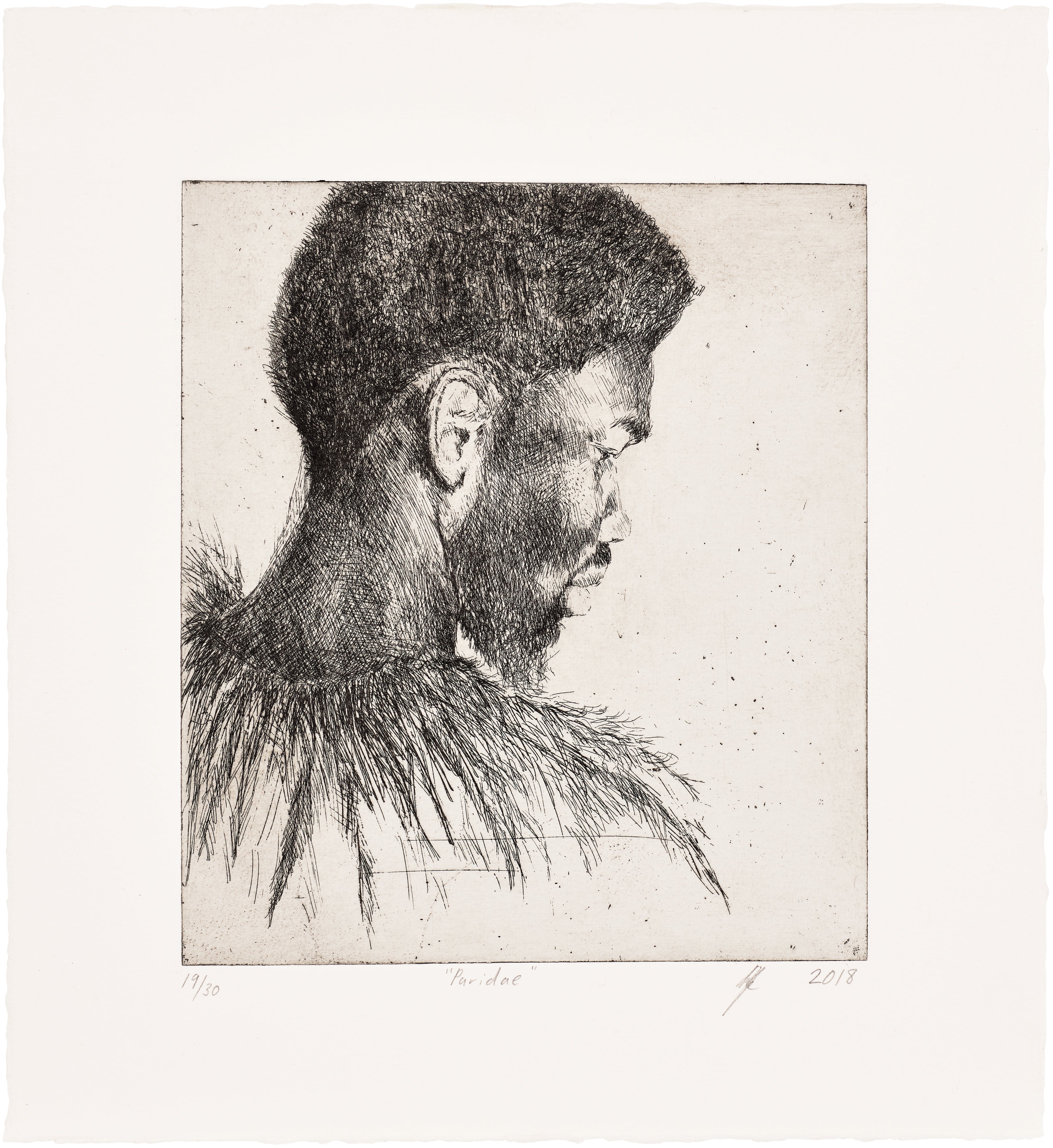
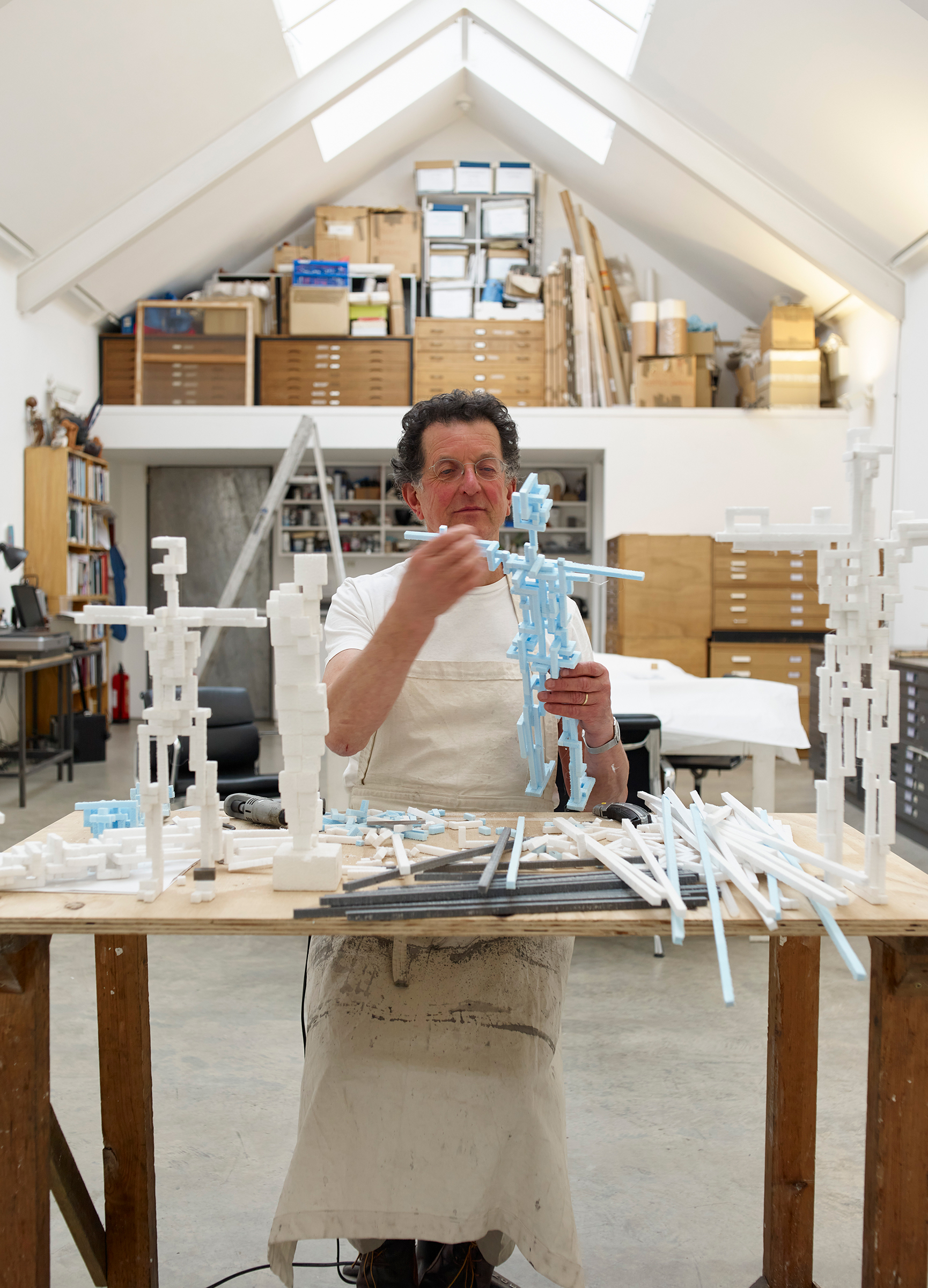
Lucian Freud, whose unflinching painted examinations of the human body occupy a singular position in postwar British art, continues to perform strongly at auction, particularly for works that show his mature handling from the 1990s onward. Antony Gormley's sculptural investigations into the body as a site of consciousness have attracted serious long term collectors for decades, and his works appear consistently across major international sales. The more interesting conversation for collectors thinking strategically is about the artists who are building substantial critical reputations without yet commanding the prices their eventual market position would suggest. Lynette Yiadom Boakye is perhaps the most discussed painter in this space right now, and for good reason.
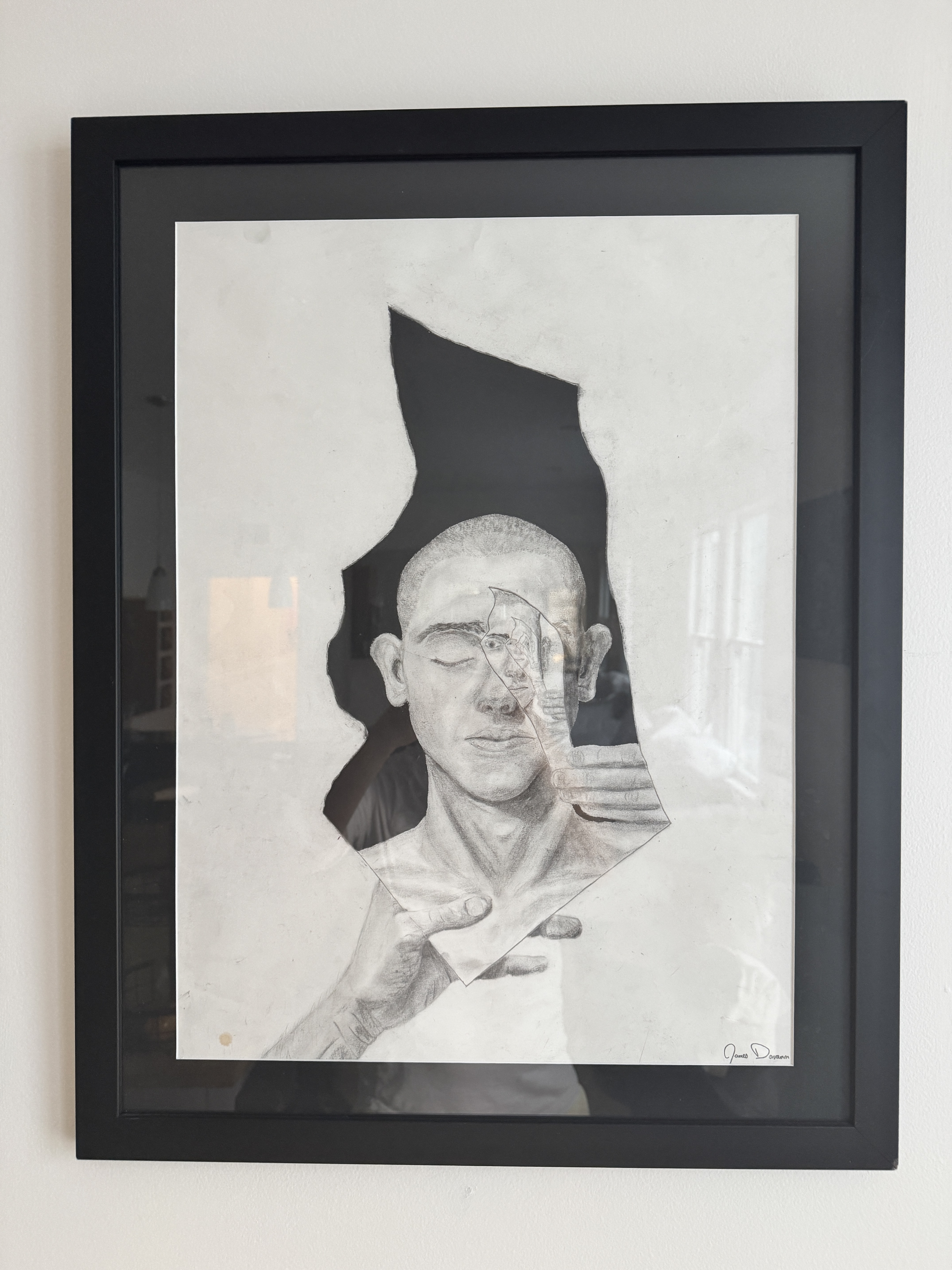
James Donovan
Self Portrait, 2006
Her imagined figures carry psychological complexity that rewards sustained looking, and her institutional trajectory, including major shows at Tate Britain and the Venice Biennale, has been consistently building. Tschabalala Self brings a layered engagement with body and identity that sits in compelling dialogue with both art history and contemporary experience. Claire Tabouret, who moves fluidly between portraiture and psychological allegory, has attracted significant gallery representation and critical attention in both Paris and Los Angeles. Michaela Yearwood Dan works in a register that feels deeply personal without being opaque, and her painterly warmth masks a rigorous underlying structure that collectors are beginning to appreciate seriously.
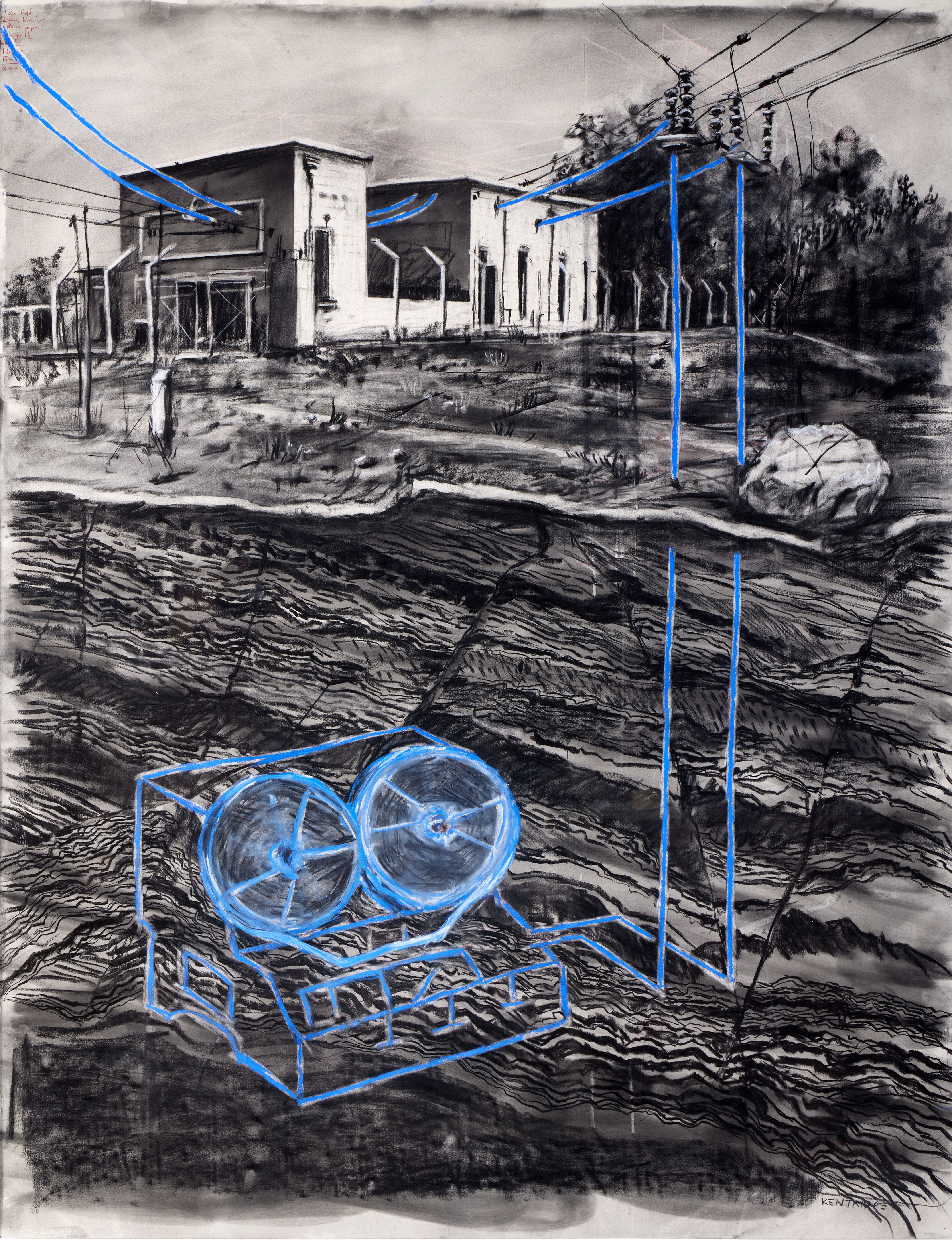
At auction, introspective works across media have shown resilience through market fluctuations, partly because the category appeals to a collector who is buying for reasons that go beyond pure financial speculation. Works that have strong exhibition histories, institutional loans, and clear provenance tend to perform best, and the premium for works with documented personal significance to the artist is real and measurable. Matthew Wong, whose short career produced an emotionally intense body of work that draws on both Western and Eastern painting traditions, has seen remarkable secondary market activity since his death in 2019, a reminder that scarcity combined with genuine quality creates sustained demand. Douglas Gordon, whose conceptual practice circles obsessively around questions of memory, guilt, and perception, occupies a position in the market that arguably undervalues the intellectual ambition of his work.
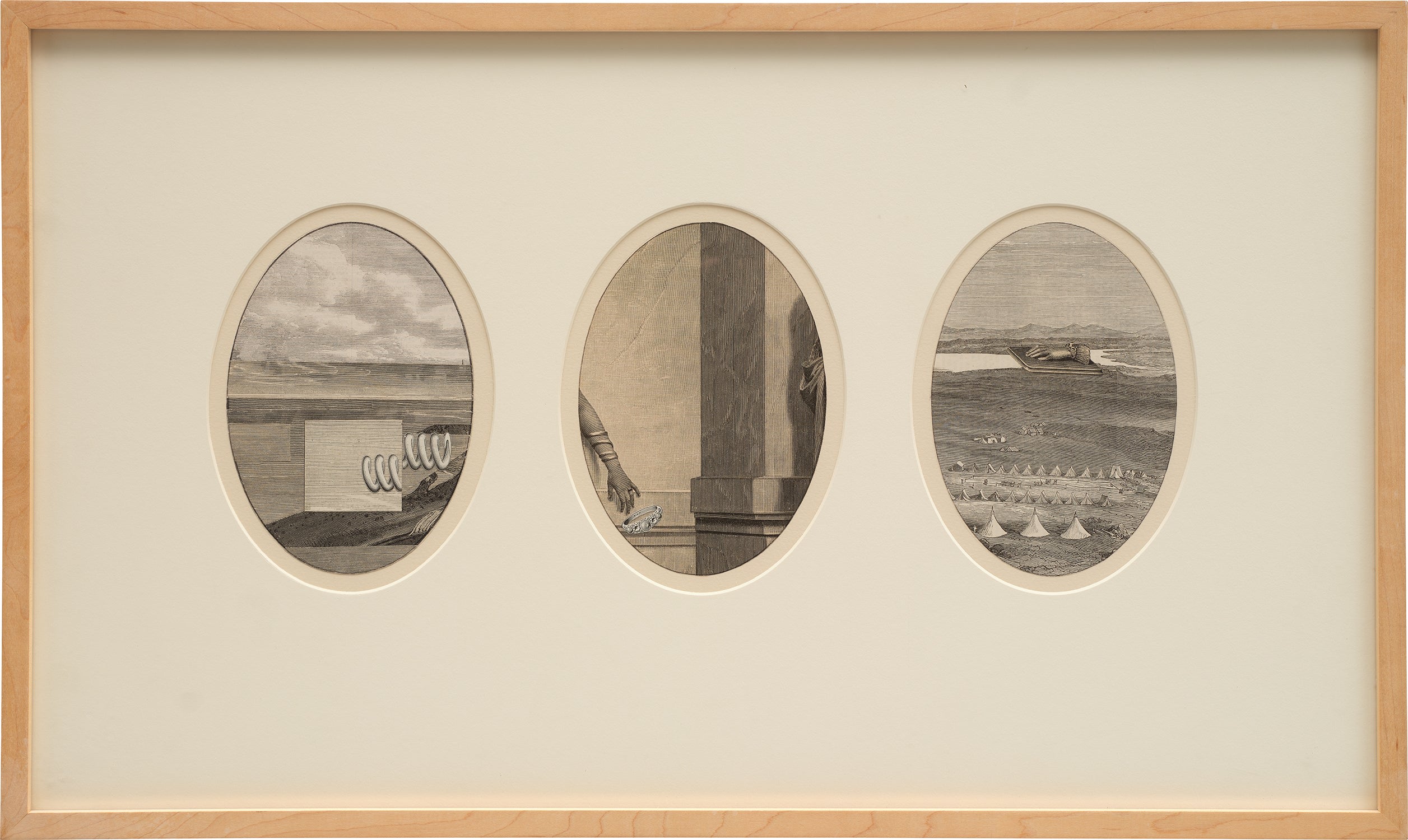
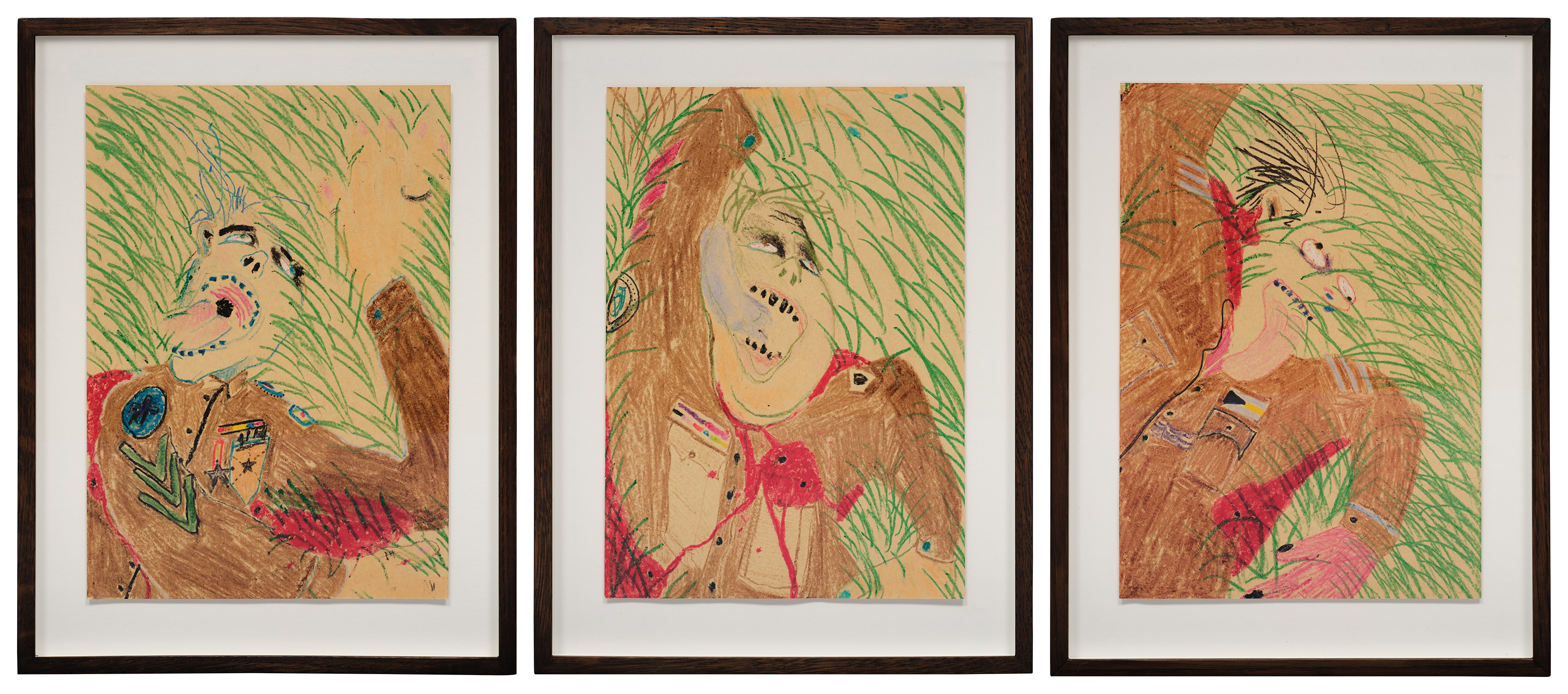
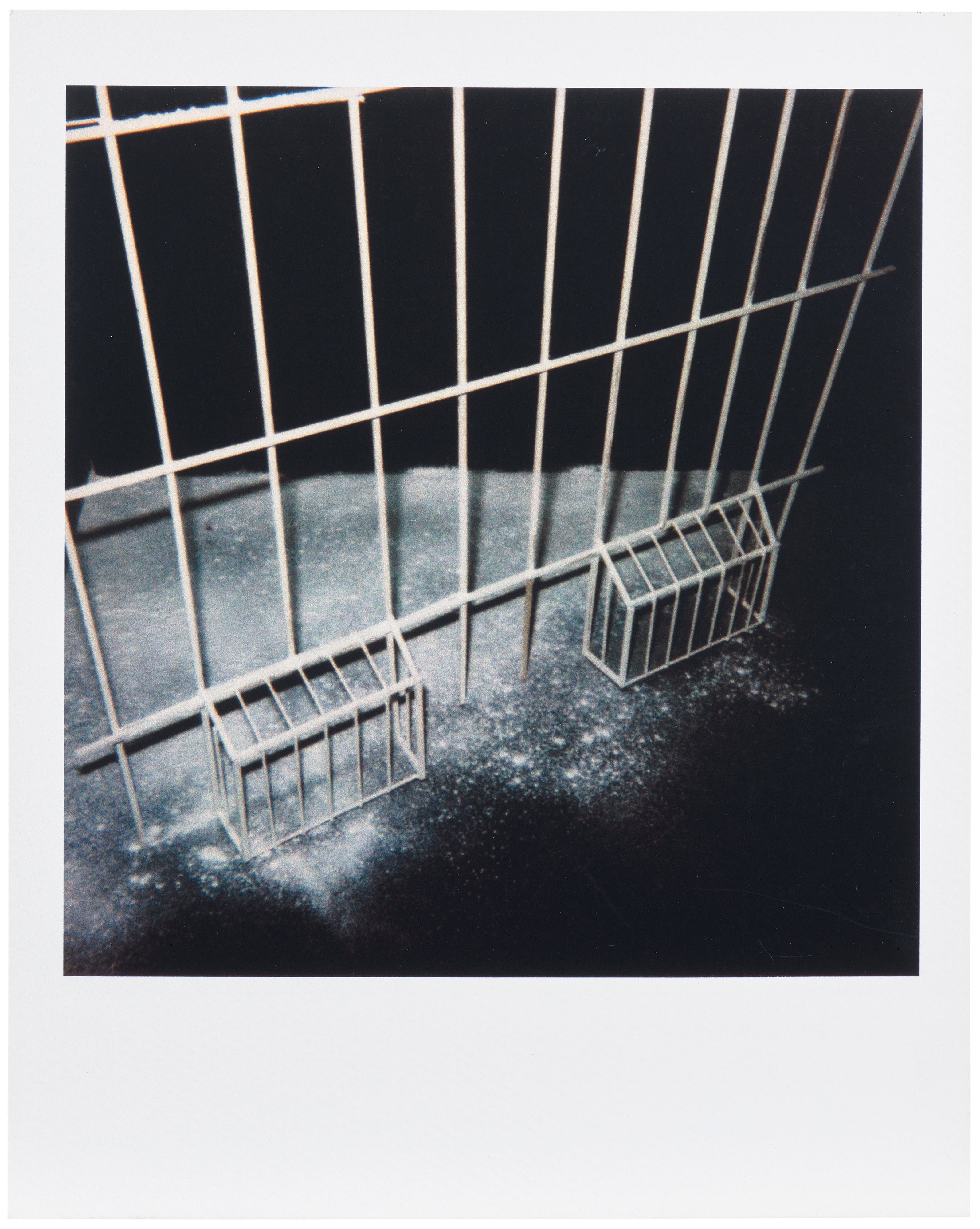
Bruce Conner
Disengagement, 1987
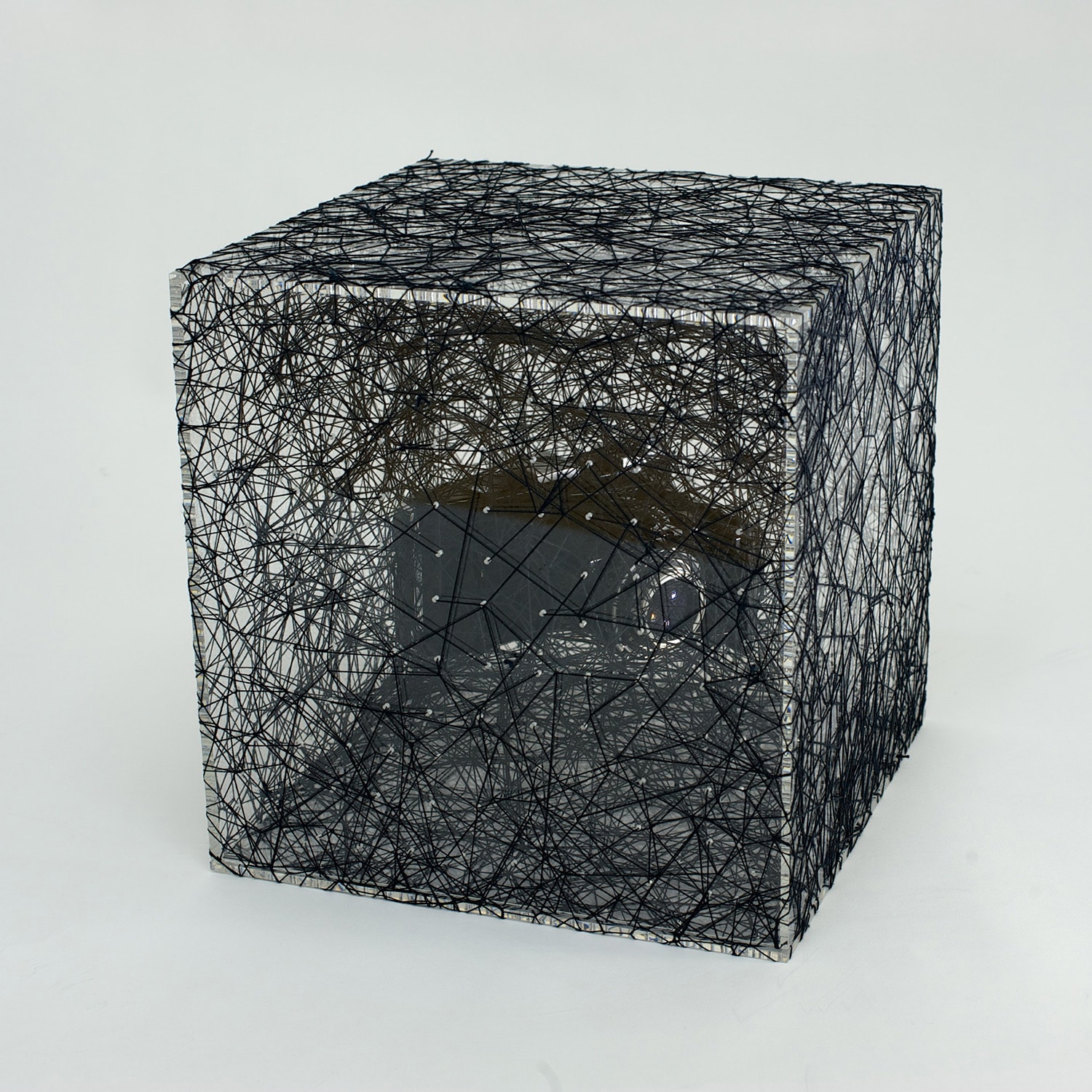
Practical considerations matter more than collectors sometimes acknowledge at the point of acquisition. For works on paper, ask galleries directly about light sensitivity and recommended framing standards, and request condition reports that specify any prior restoration. With edition works, understanding where a particular impression sits within the edition run can affect both display and eventual resale. Sculpture in materials like wax, fabric, or organic matter, think Chiharu Shiota's thread based installations or certain Bourgeois works in latex, requires specific environmental controls and should come with conservation documentation.
When speaking with a gallery about an introspective work, ask not just about condition but about the work's exhibition history and whether the artist considers it representative of a significant period. The best introspective art carries its context with it, and knowing that context is not just good practice. It is part of what you are collecting.