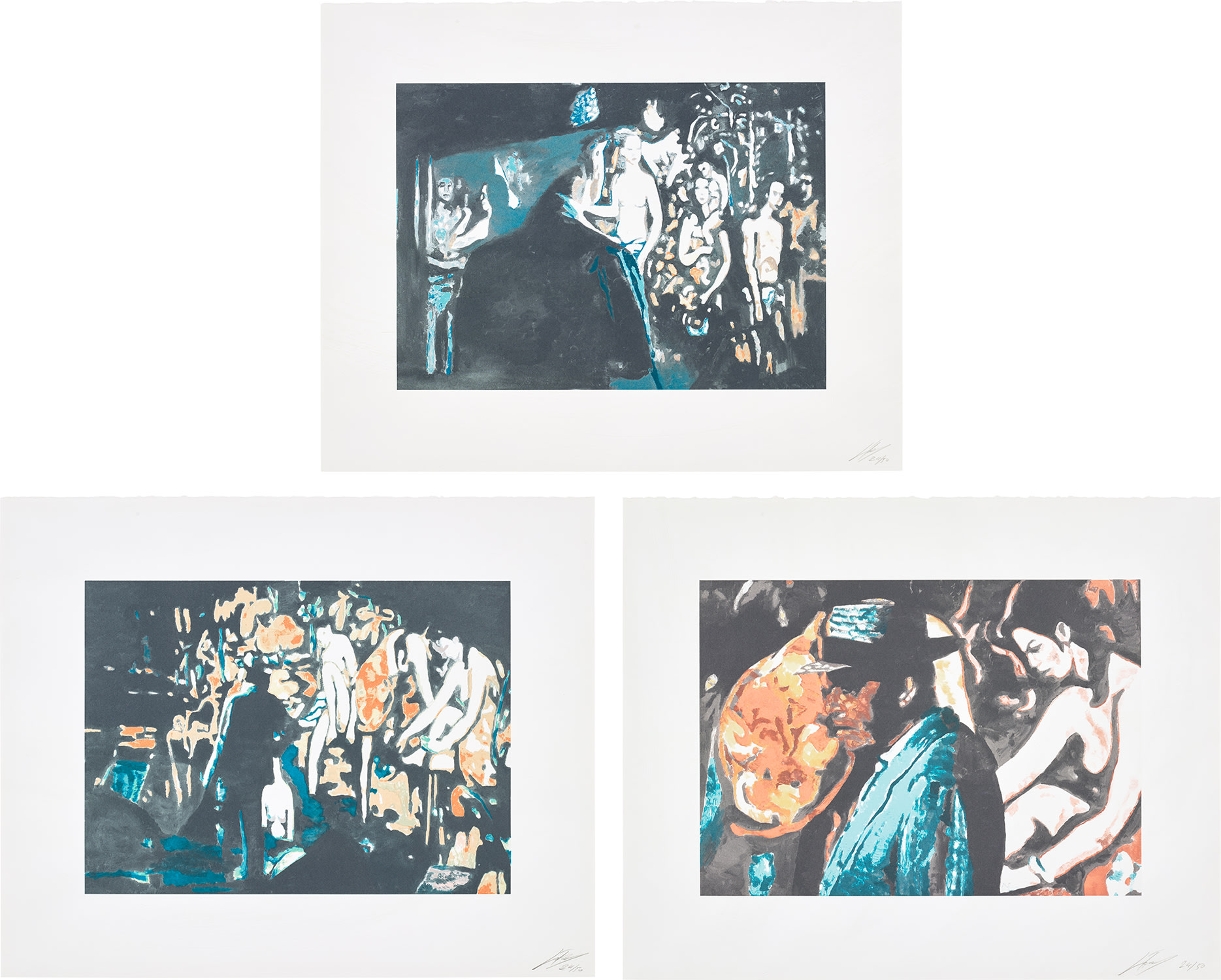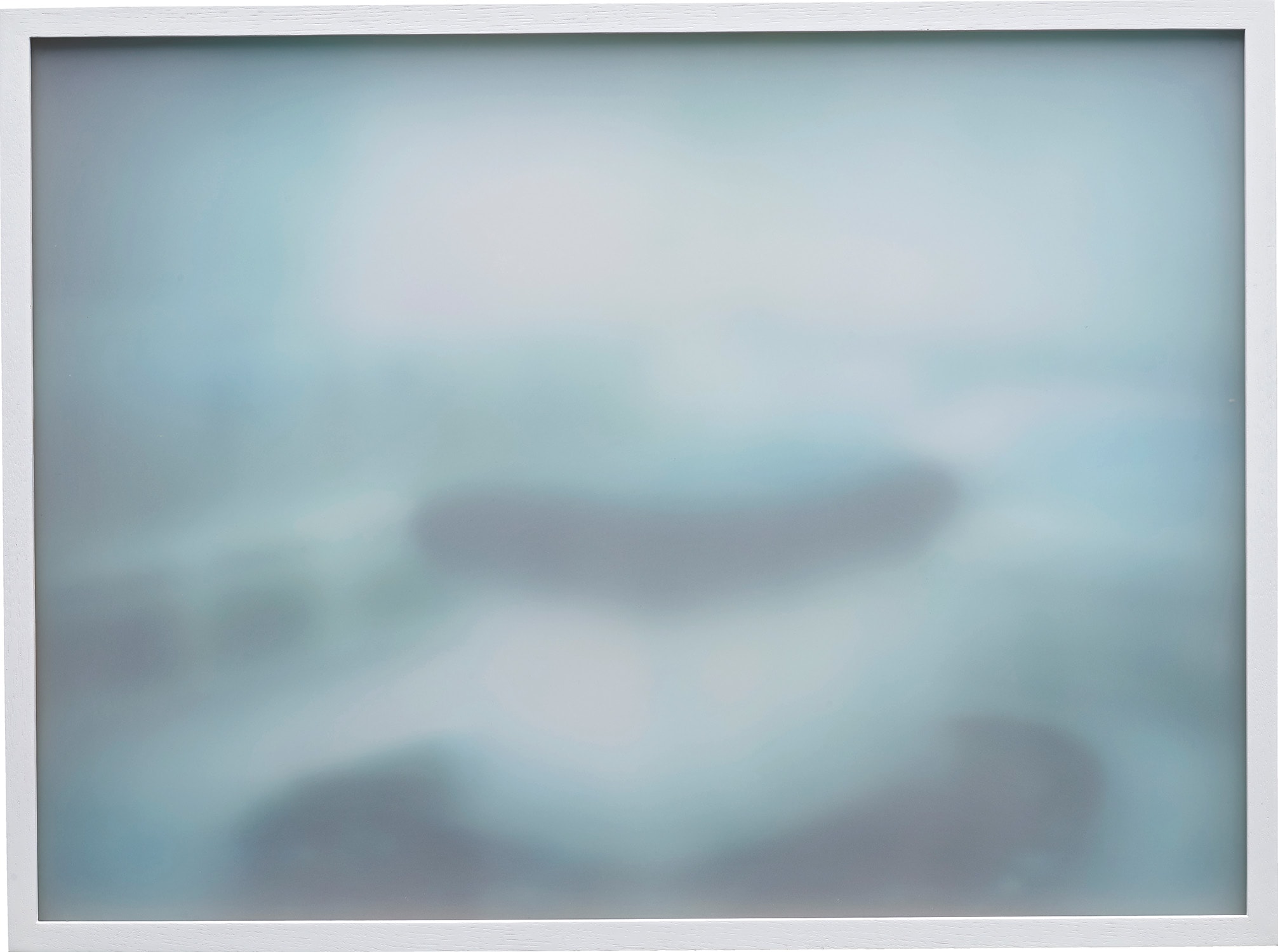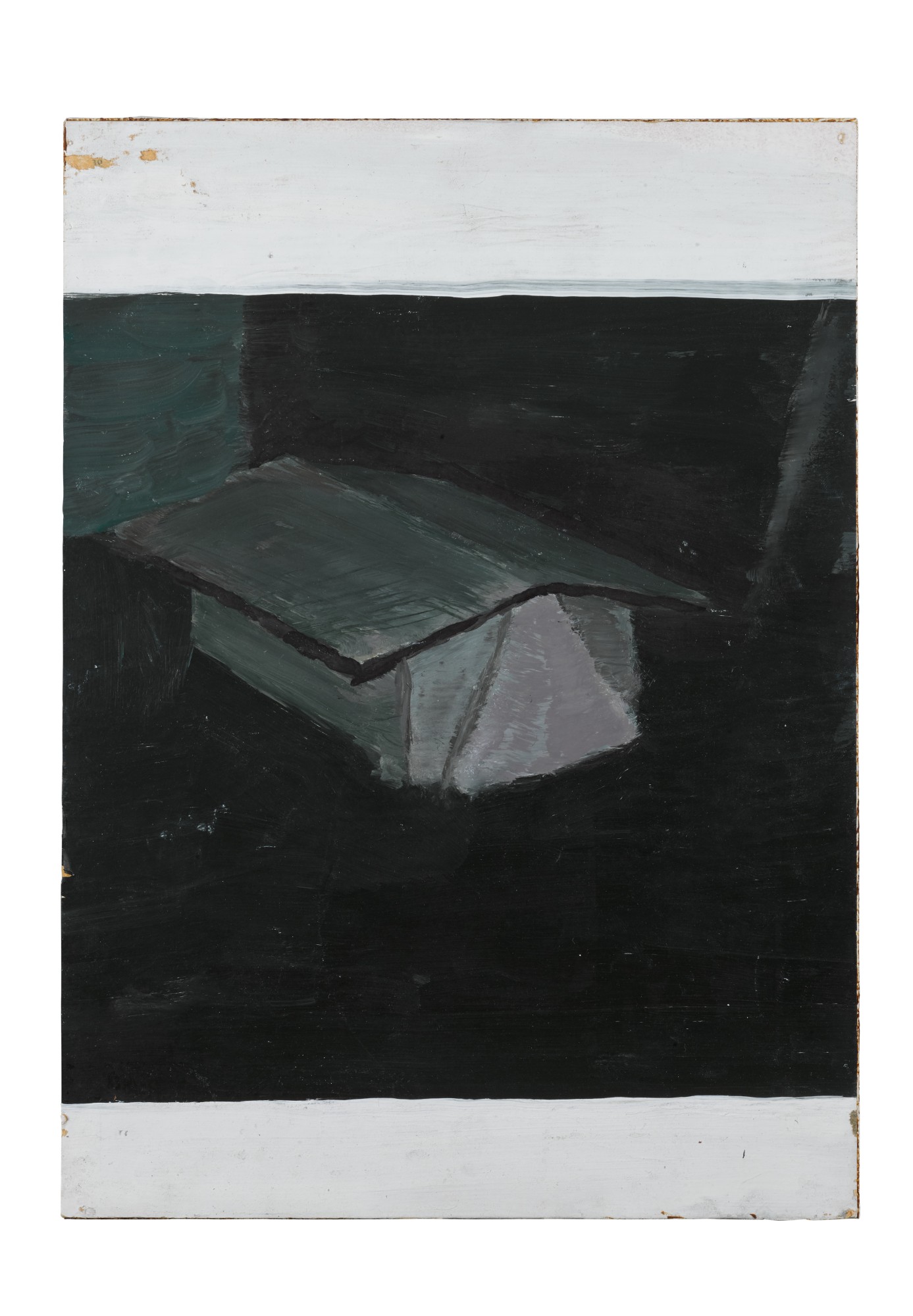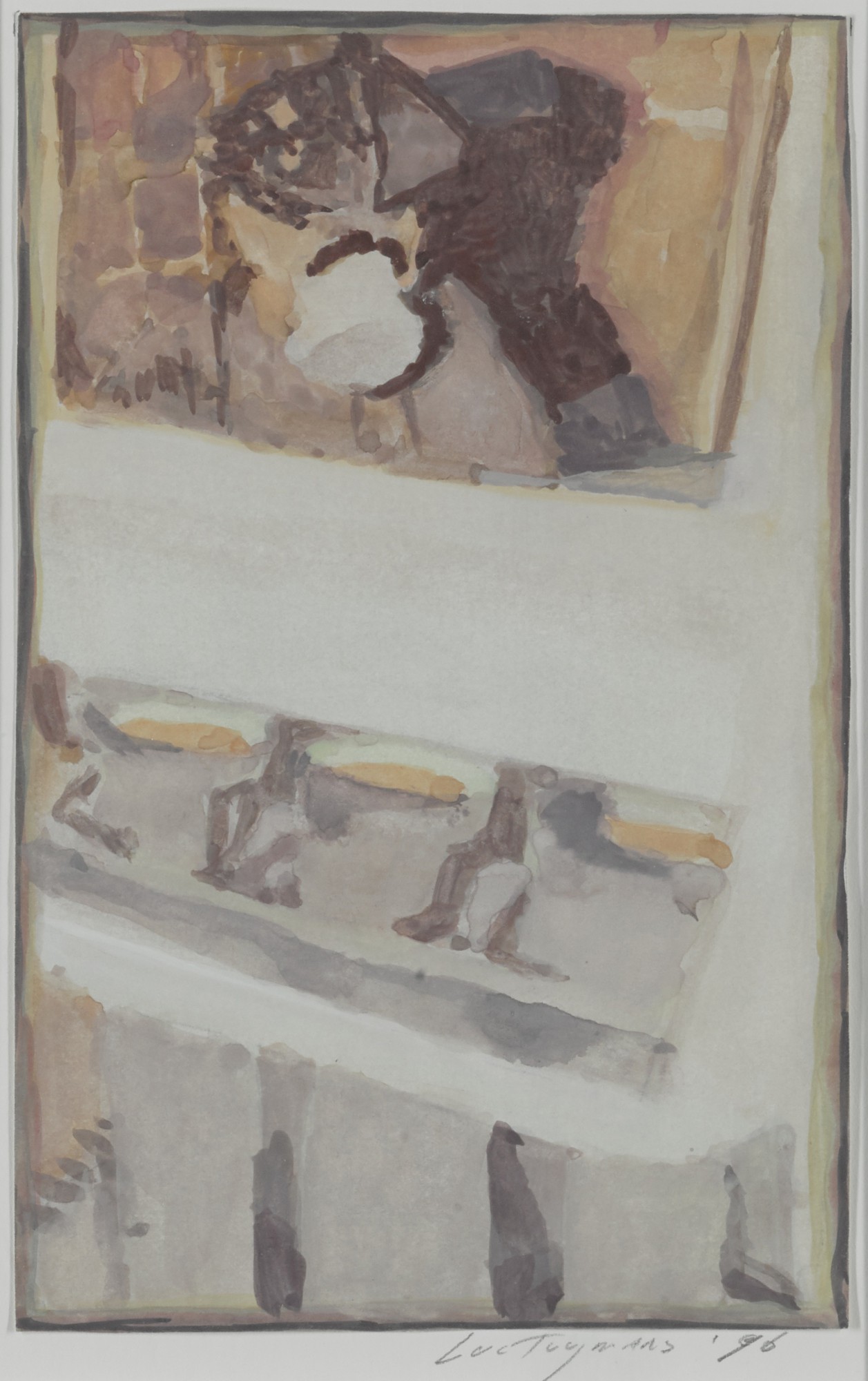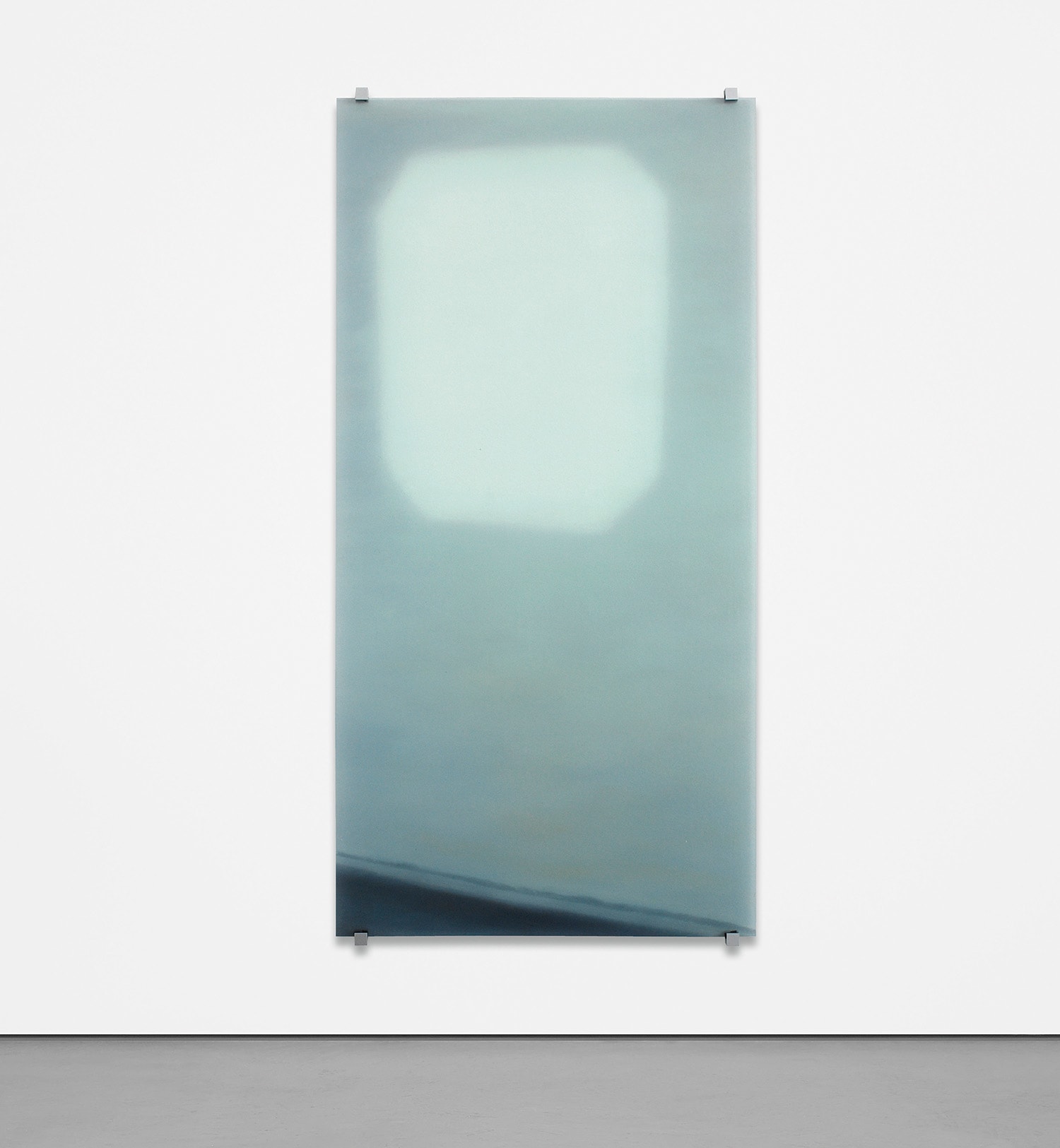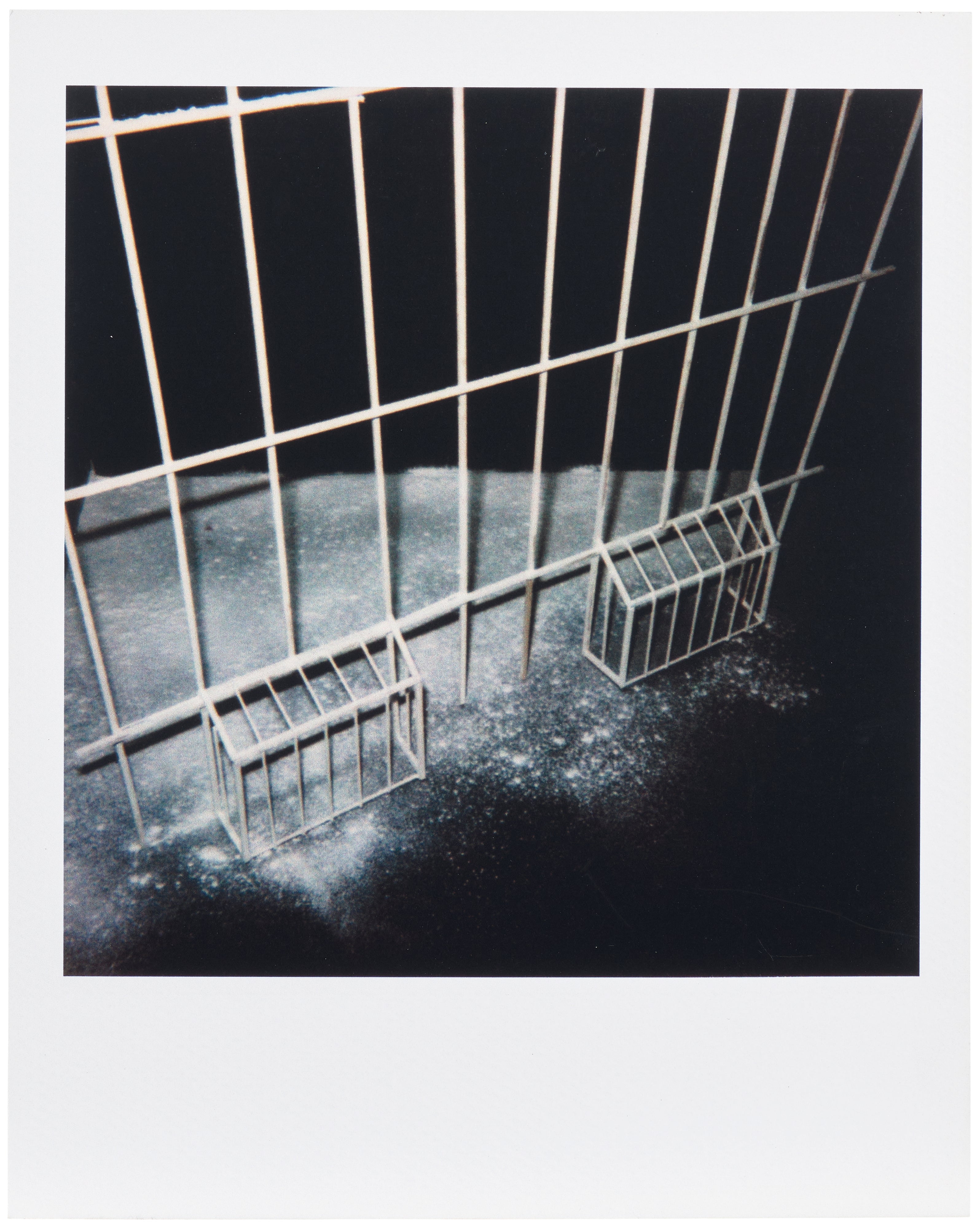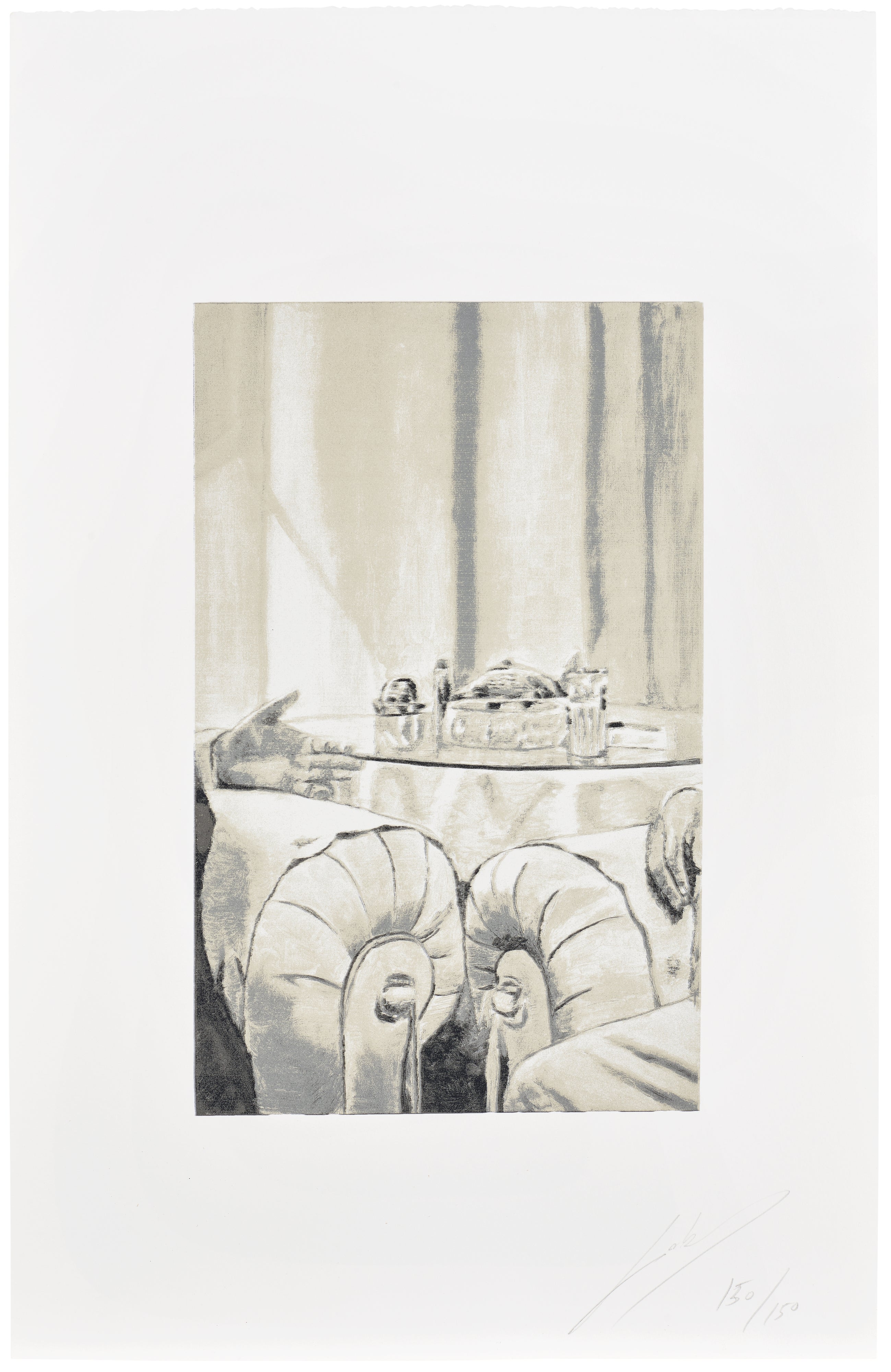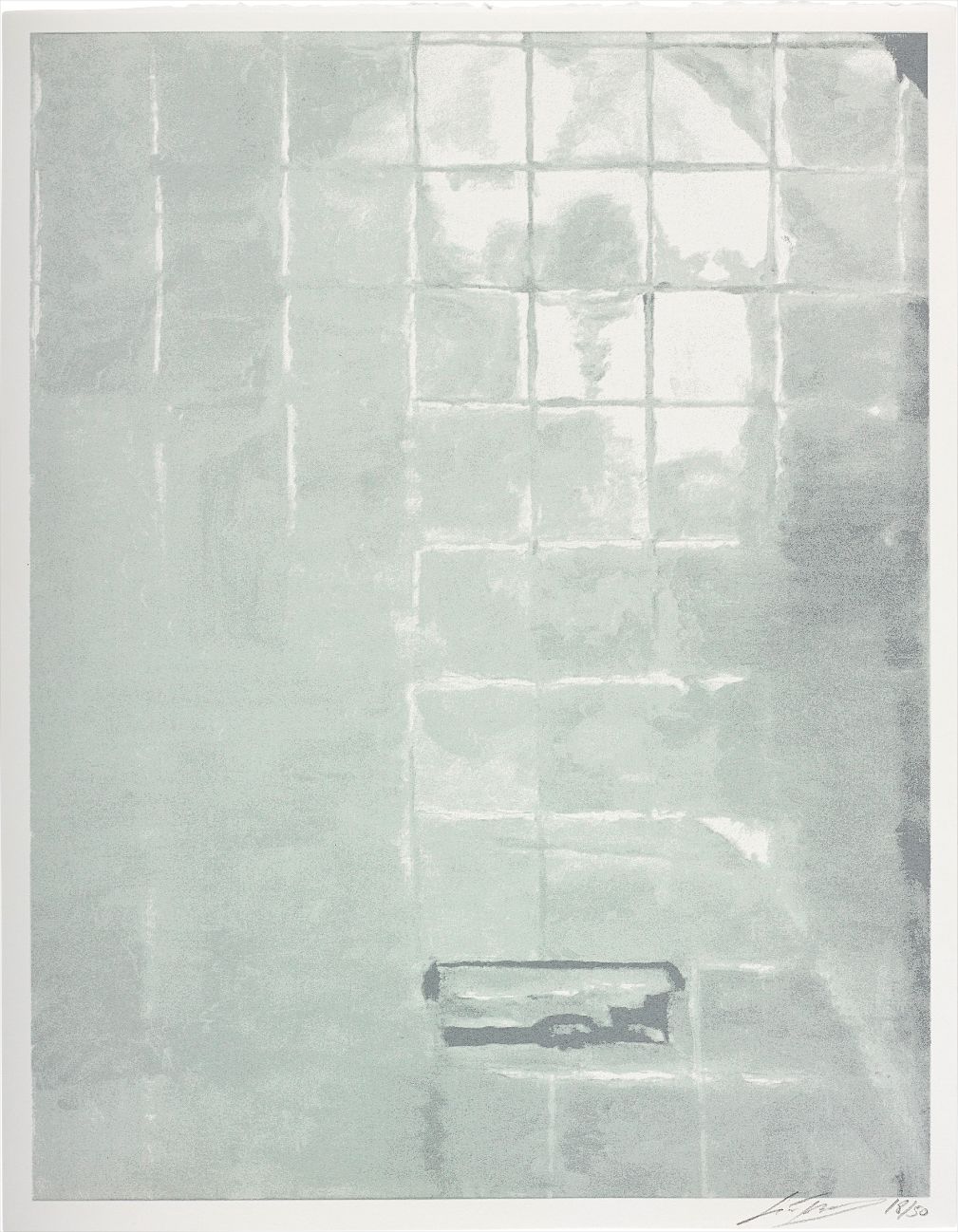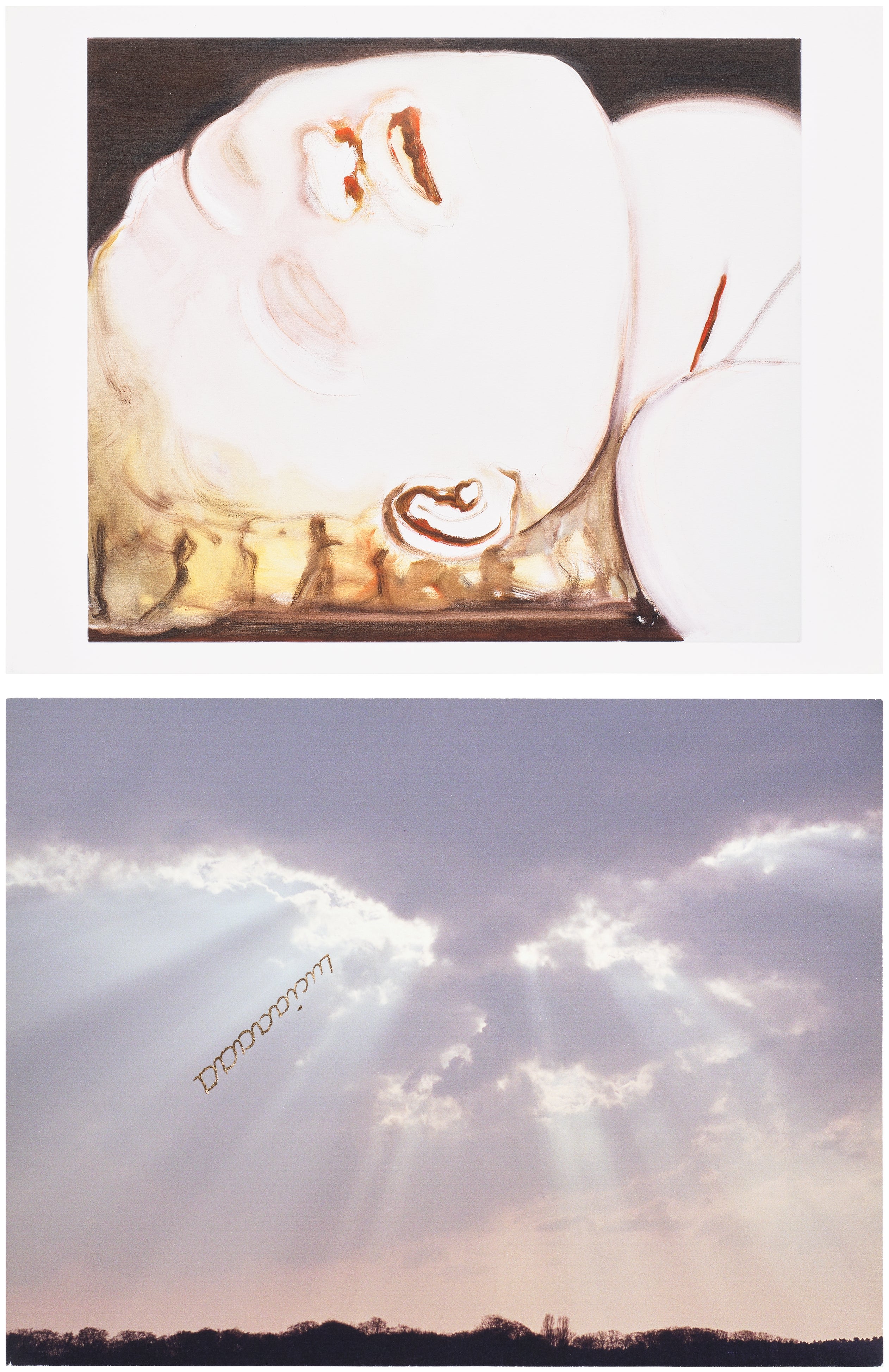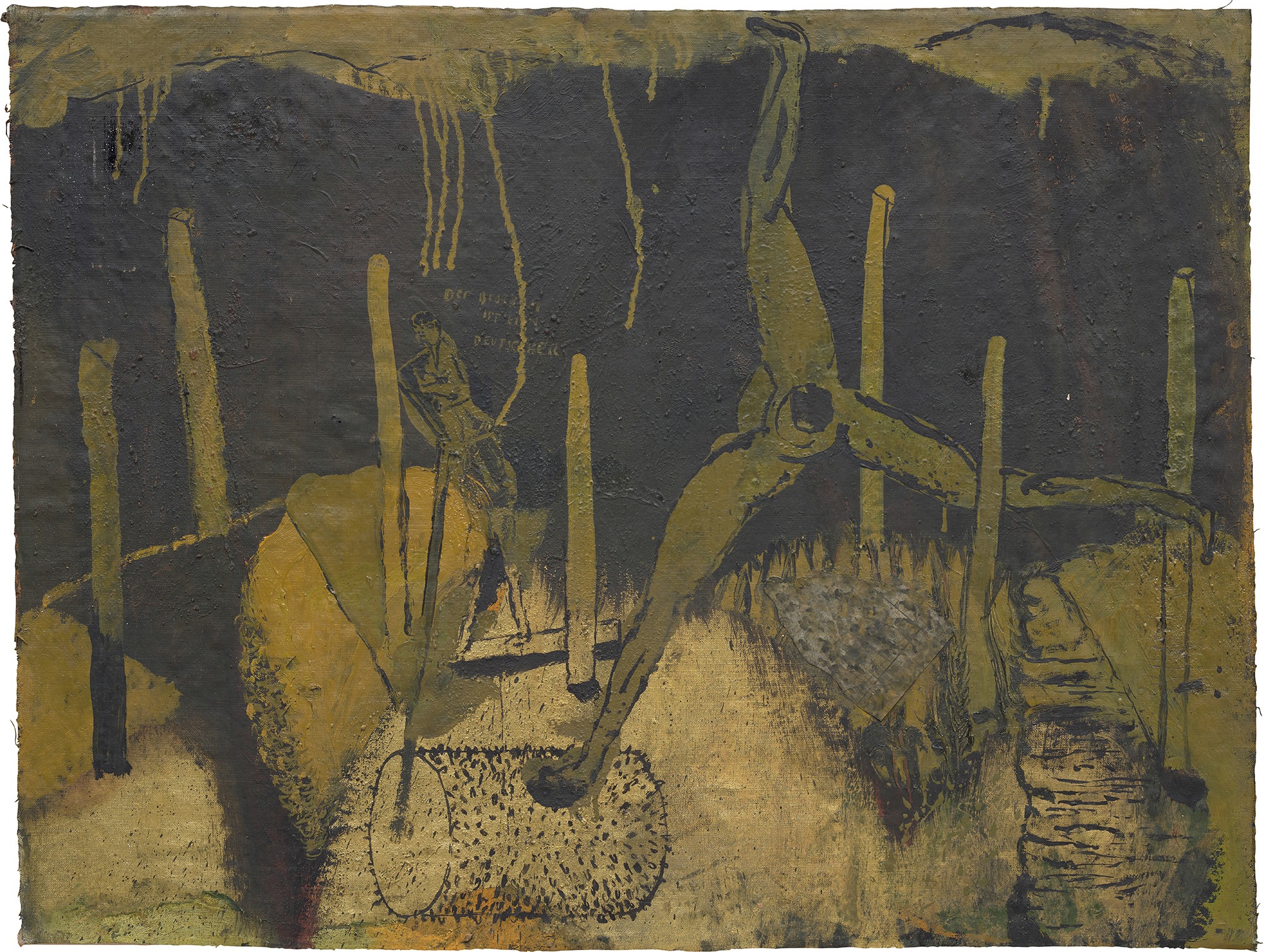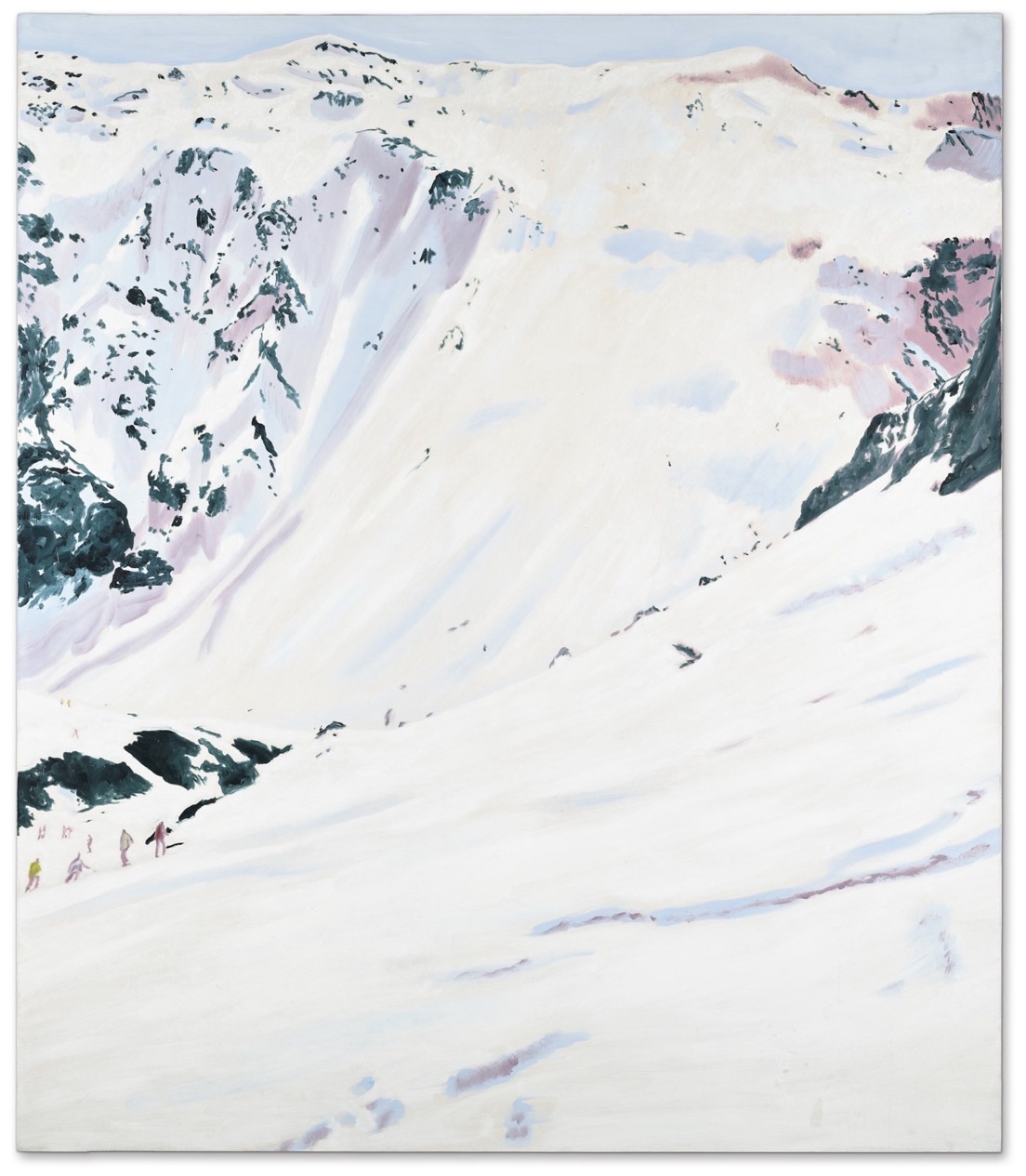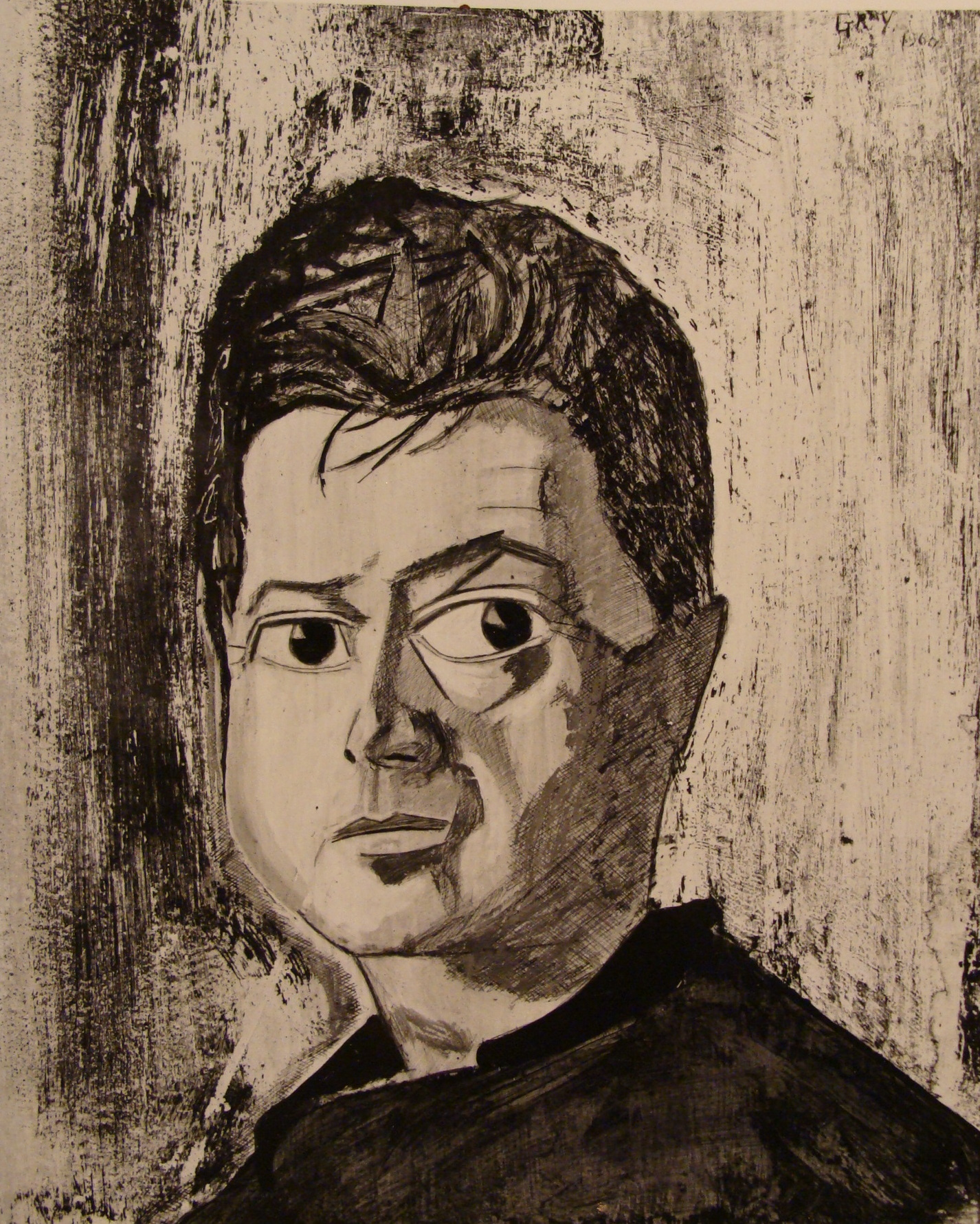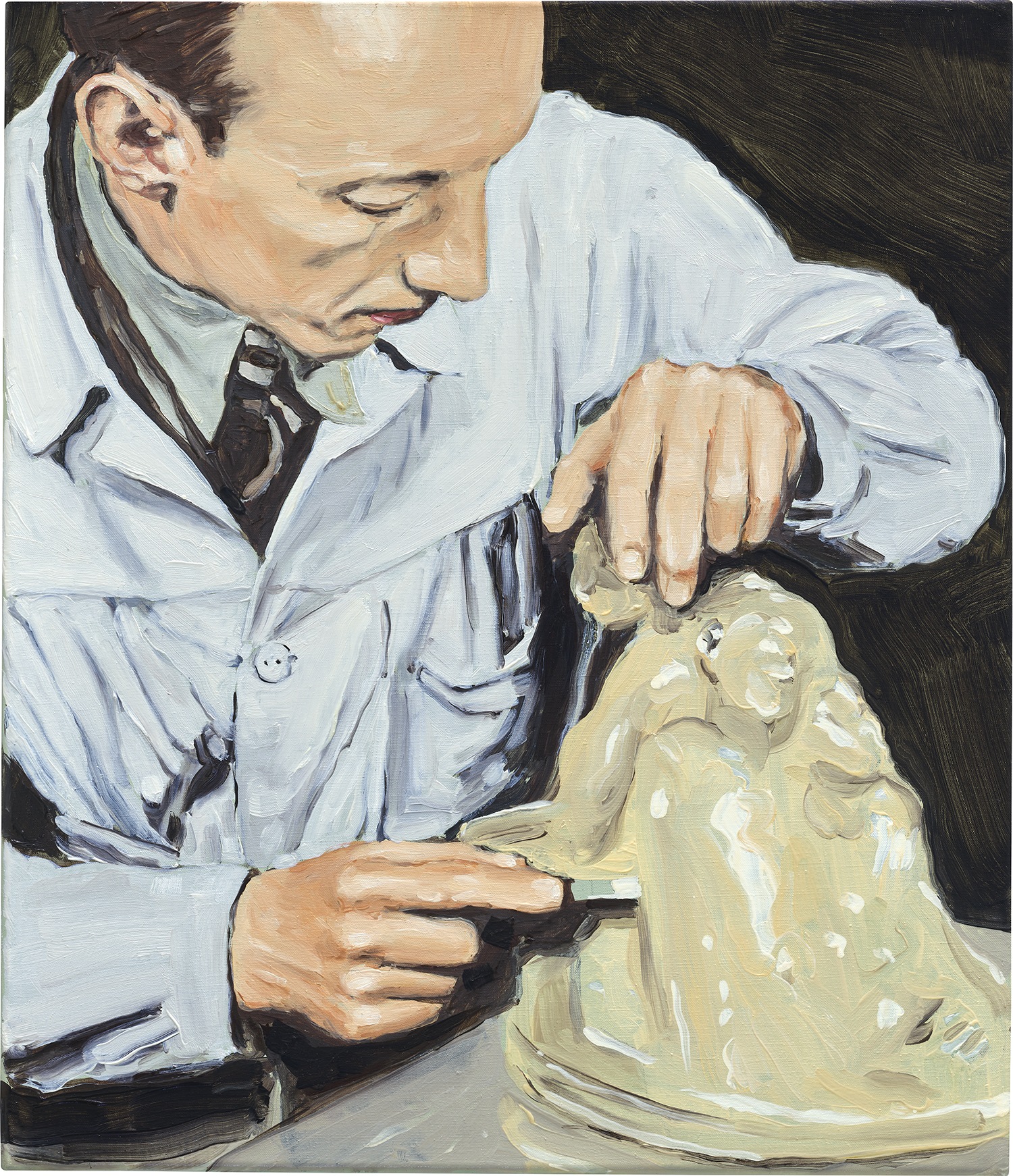
In 2019, the Royal Academy of Arts in London mounted a landmark retrospective of Luc Tuymans, drawing international attention to an artist who had long been considered one of the most significant painters working in Europe. The exhibition traveled from the Palazzo Grassi in Venice, where it had already captivated audiences with its measured, atmospheric rooms of pale, unsettling beauty. For many visitors, it was a revelation: here was a painter who had spent decades developing a visual language so precise and so restrained that standing before his canvases felt like a form of holding one's breath. The art world, critics, and collectors collectively confirmed what many had quietly understood for years. Tuymans is one of the defining painters of our era. Luc Tuymans was born in Mortsel, Belgium in 1958, growing up in a country whose postwar identity was still being negotiated and whose colonial history in the Congo cast a long, complex shadow. He studied at the Royal Academy of Fine Arts in Antwerp, the Institut Supérieur des Arts in Brussels, and later at the Vrije Universiteit Brussel, where he pursued art history. This unusually intellectual formation gave Tuymans something rare among painters of his generation: a deep structural understanding of how images accumulate meaning over time, how they are coded by history, and how they can be quietly dismantled. His Flemish roots are not incidental. The tradition of northern European painting, from Bruegel to Magritte, runs through his sensibility like a watermark. After a period in the mid 1980s during which he stopped painting almost entirely and worked in film and video, Tuymans returned to the canvas with renewed conviction and a radically transformed approach. That detour through cinema was formative. It taught him about framing, about the relationship between what is shown and what is withheld, and about the emotional freight that a single, carefully chosen image can carry. When he resumed painting, everything had been stripped back. His palette became muted, almost drained: pale yellows, washed grays, milky whites, and cold flesh tones. His compositions grew stark and frontal. His brushwork, seemingly effortless, was in fact the product of intense discipline. He typically completes a painting in a single day, a practice that preserves a quality of urgency beneath the deceptive calm of the surface. The works that established his international reputation emerged in the 1990s, when Galerie Zeno X in Antwerp began representing him and when his inclusion in Documenta IX in Kassel in 1992 introduced his paintings to a broader European and international audience. Works like "Singing in the Rain" from 1996 demonstrate the particular quality that makes Tuymans so distinctive: an image that appears almost banal, almost recognizable, yet carries an almost physical charge of unease. The painting does not announce itself. It arrives quietly and then refuses to leave. His 2001 work "Absence" belongs to the same register, a canvas in which emptiness is not a void but a presence, a space charged with what has been removed or forgotten. These are paintings that reward sustained attention and that reveal themselves slowly to collectors who live with them. By the 2000s, Tuymans had expanded his practice beyond oil on canvas to include works on paper, prints, and collaborative publications that allowed him to reach new audiences while maintaining the same exacting standards. His 2003 screenprint "Egypt" and the portfolio "Wenn der Frühling kommt (When Spring Comes)" demonstrate that his sensibility translates with remarkable fidelity across media. The prints, published in limited editions, have become prized additions to significant collections, offering an accessible entry point into his world without compromising any of its intellectual or aesthetic seriousness. His 2012 painting "Model" and the 2020 work "Landscape (Seconds I)" on acrylic ink on tracing paper show an artist continuing to evolve, to find new surfaces and new formats for an inquiry that has never ceased to deepen. In the auction market, Tuymans occupies a position of sustained strength and genuine collector loyalty. His work has appeared regularly at Christie's, Sotheby's, and Phillips, with major oil on canvas works consistently attracting serious institutional and private interest. What draws collectors to Tuymans is a quality that is difficult to articulate but immediately felt: his paintings are not decorative, they are not illustrative, and they resist easy categorization, yet they are undeniably beautiful in the most serious sense of that word. They possess an authority that comes from an artist who has thought deeply about what painting can and cannot do, and who has chosen to work within those limits with complete commitment. Collectors who acquire Tuymans are not simply buying an object. They are joining a conversation about history, memory, and the ethics of representation. In the broader context of art history, Tuymans stands in dialogue with a lineage of painters who have used reduction and restraint as their primary tools. One might think of Gerhard Richter, with whom he shares an interest in the relationship between painting and photography, or of Francis Bacon, whose influence on Tuymans he has acknowledged. The German painter Neo Rauch and the American painter Peter Doig occupy adjacent territory in the contemporary landscape, each pursuing a vision of figuration that refuses the easy pleasures of virtuosity in favor of something stranger and more lasting. Among his Belgian contemporaries and successors, Tuymans has had an almost incalculable influence, effectively redefining what was possible for a painter working from Antwerp at the close of the twentieth century. What makes Luc Tuymans matter today, beyond the retrospectives and the auction records and the critical consensus, is something quieter and more essential. He has demonstrated, over a career spanning more than four decades, that painting remains capable of bearing witness to the most difficult aspects of human experience without sensationalizing them, without aestheticizing suffering, and without retreating into abstraction. His images ask us to look carefully and to take responsibility for what we see. In a cultural moment saturated with imagery, that invitation is not a small thing. It is, in fact, everything. For collectors who seek art that will continue to speak across time, that will deepen with each encounter and reward the kind of sustained, attentive looking that great painting has always demanded, the work of Luc Tuymans represents one of the most compelling and enduring opportunities in the contemporary market.