Lucian Freud
72
Works
2
Followers
Spotted by

Artists in conversation
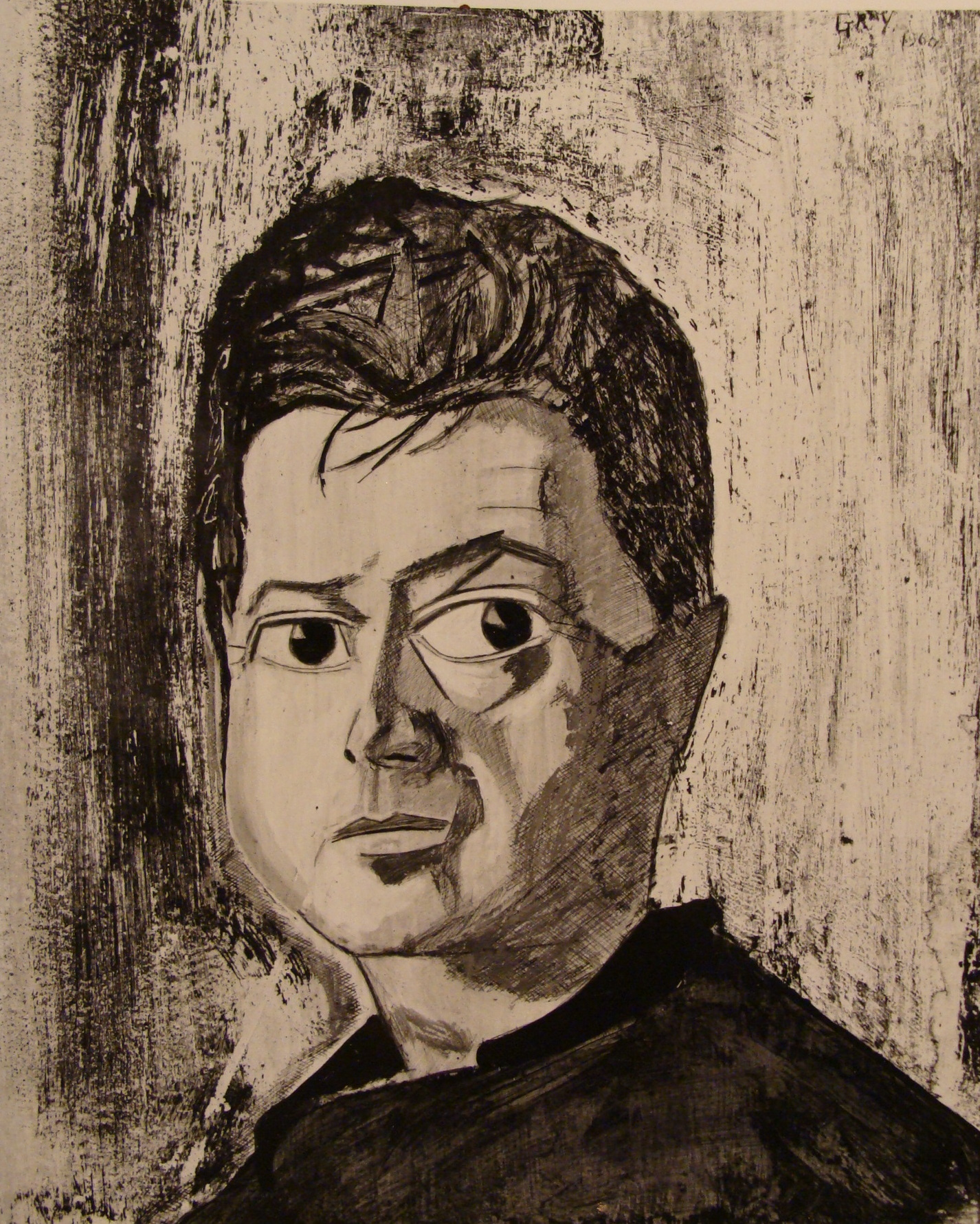
Francis Bacon
Bacon was a close friend and contemporary of Freud who shared his commitment to raw, psychologically charged figurative painting. Both artists pursued an unflinching examination of the human body that placed them at the centre of British figurative art.
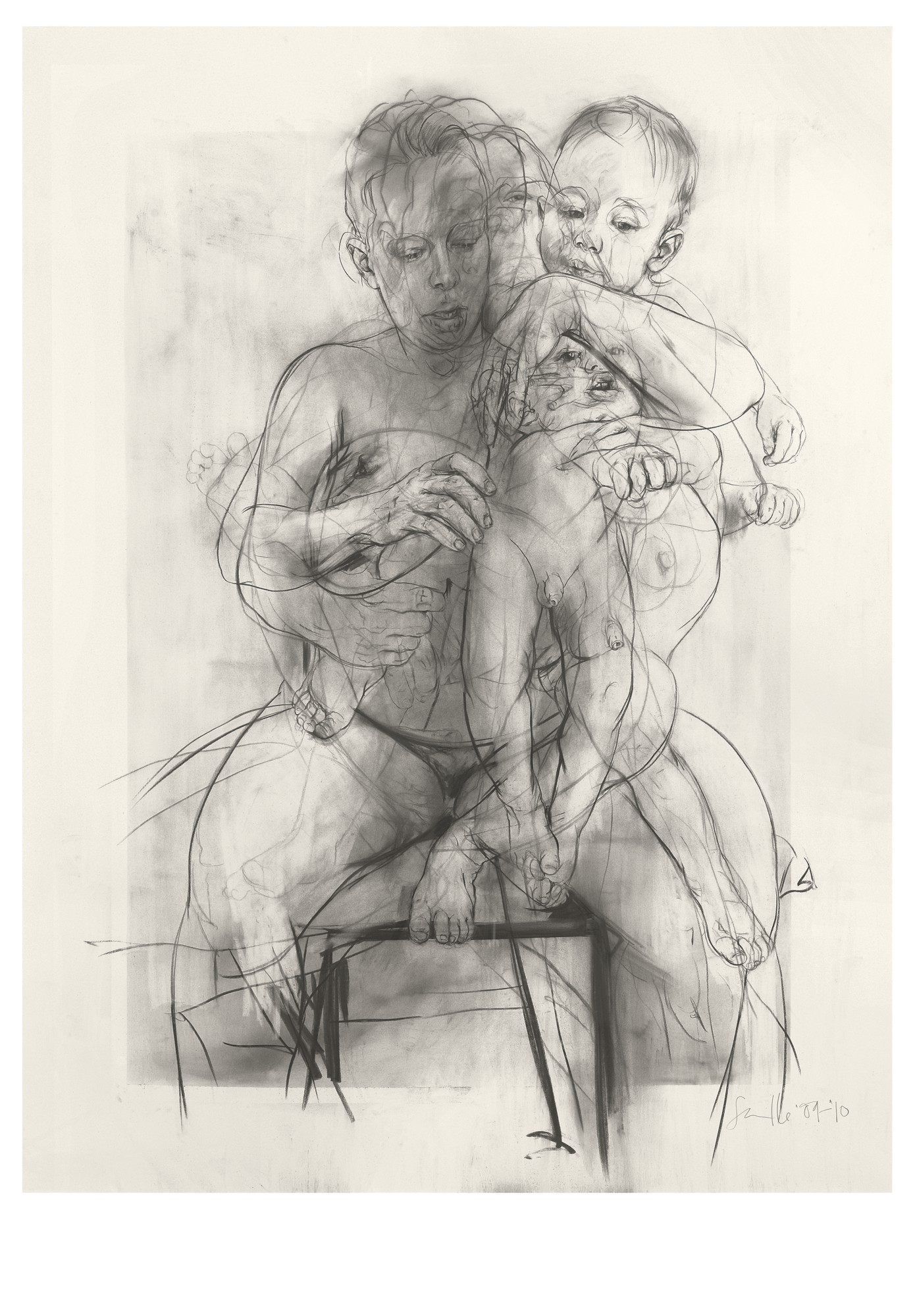
Jenny Saville
Saville shares Freud's preoccupation with large scale, unidealized depictions of the nude human form rendered with thick impastoed paint. Her confrontational approach to flesh and physicality places her in direct dialogue with Freud's mature figurative style.

Egon Schiele
Schiele's intensely psychological and erotically charged figure studies share Freud's refusal to flatter or idealize the human body. Both artists used line and surface to expose psychological states with an almost unbearable directness.
Jenny Saville
Saville has directly acknowledged Freud as a major influence on her monumental figurative paintings of the unidealized body. His example of combining psychological intensity with raw painterly surface is clearly present throughout her practice.
Artists who inspired them
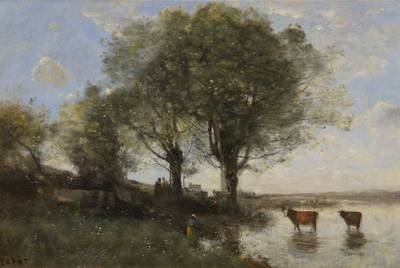
Jean-Baptiste-Camille Corot
Freud cited Corot as a formative influence, particularly admiring his tonal subtlety and honest observation of the natural world. Corot's commitment to direct looking over academic convention resonated strongly with Freud's own developing realism.
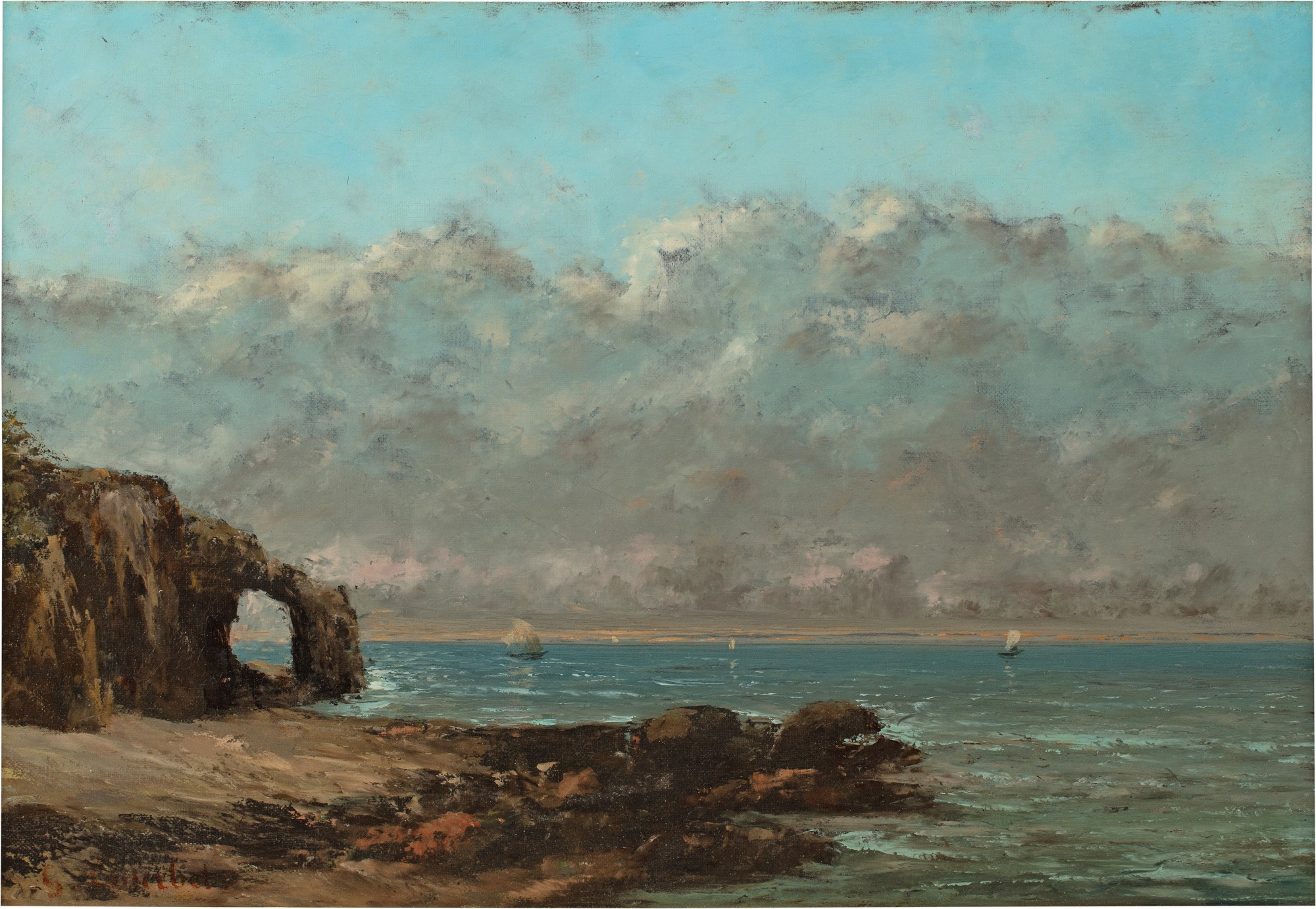
Gustave Courbet
Courbet's unflinching Realist depictions of the human body, especially his frank treatment of the nude, were a significant model for Freud's mature approach. Freud specifically admired Courbet's thick, sensuous handling of paint and his refusal of idealization.
Chaim Soutine
Soutine's expressionist approach to flesh and his visceral, almost violent paint surfaces had a lasting impact on Freud's development as a painter. Freud was deeply moved by Soutine's work and shared his obsessive scrutiny of organic matter including bodies and carcasses.
Artists they inspired
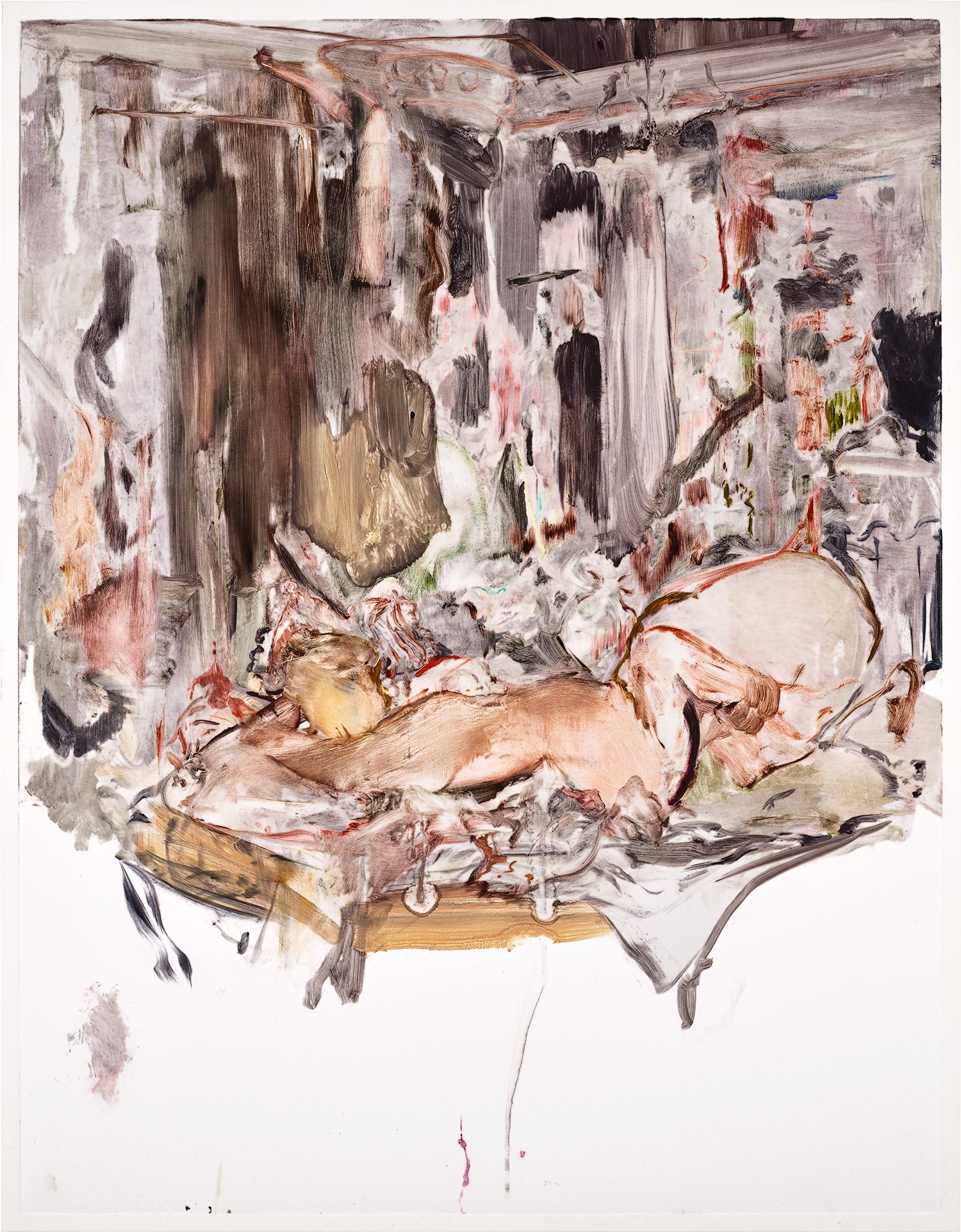
Cecily Brown
Brown grew up engaging with the tradition of British figurative painting that Freud helped define and his treatment of the body as a site of psychological and painterly inquiry informed her own approach to figuration. Her work consistently negotiates the tension between abstraction and figuration that Freud's late paint handling opened up.
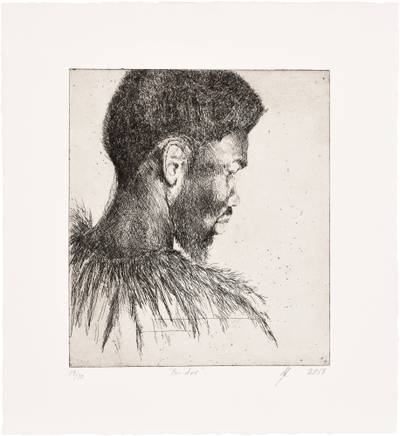
Lynette Yiadom-Boakye
Yiadom-Boakye works within a tradition of intimate psychological portraiture in which Freud is a central figure and his emphasis on close observation and the psychological charge of the painted figure is a clear precedent for her practice. Her commitment to oil paint as a vehicle for exploring interior states echoes Freud's long legacy.