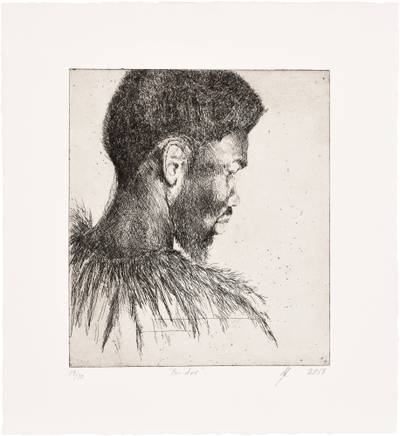
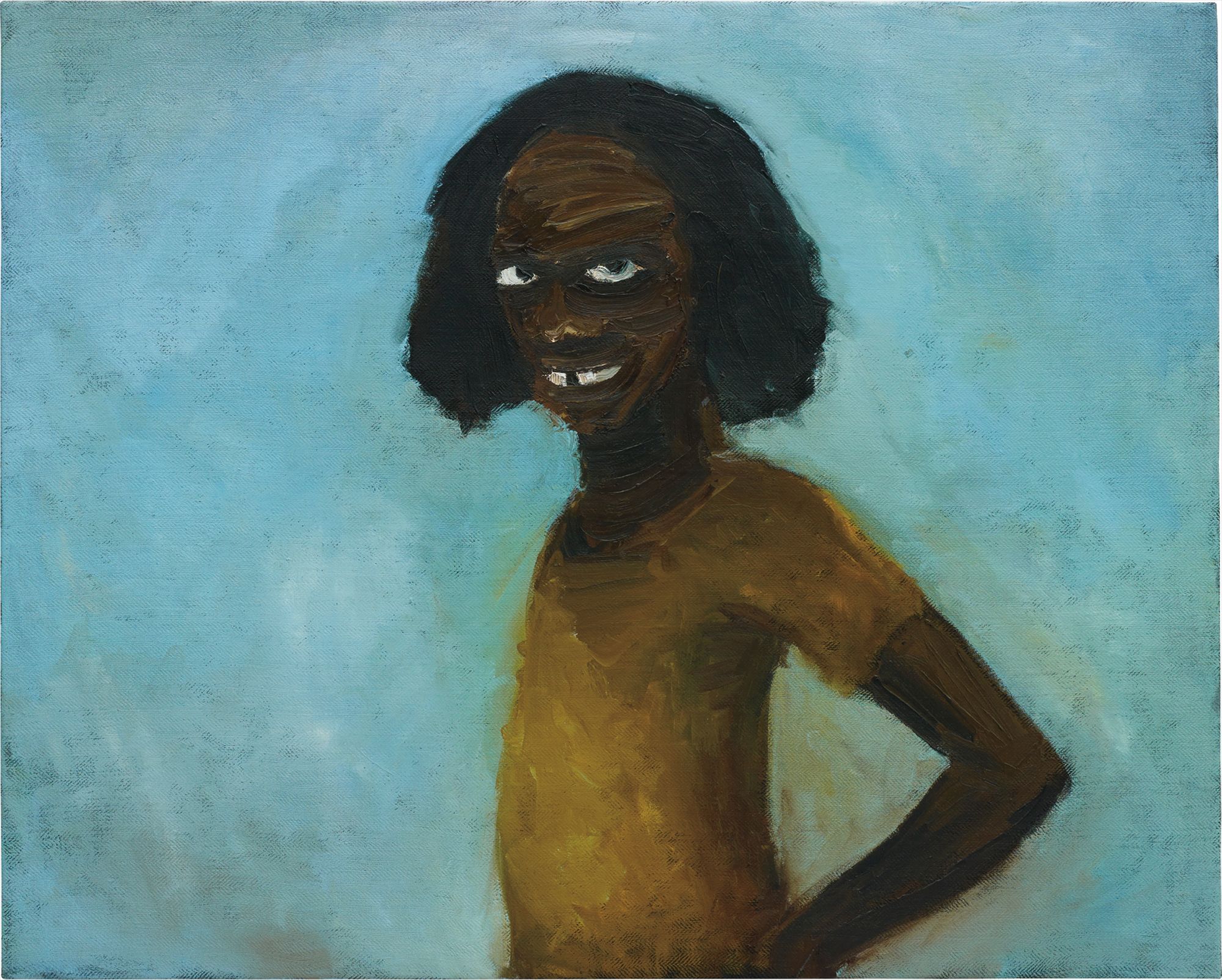
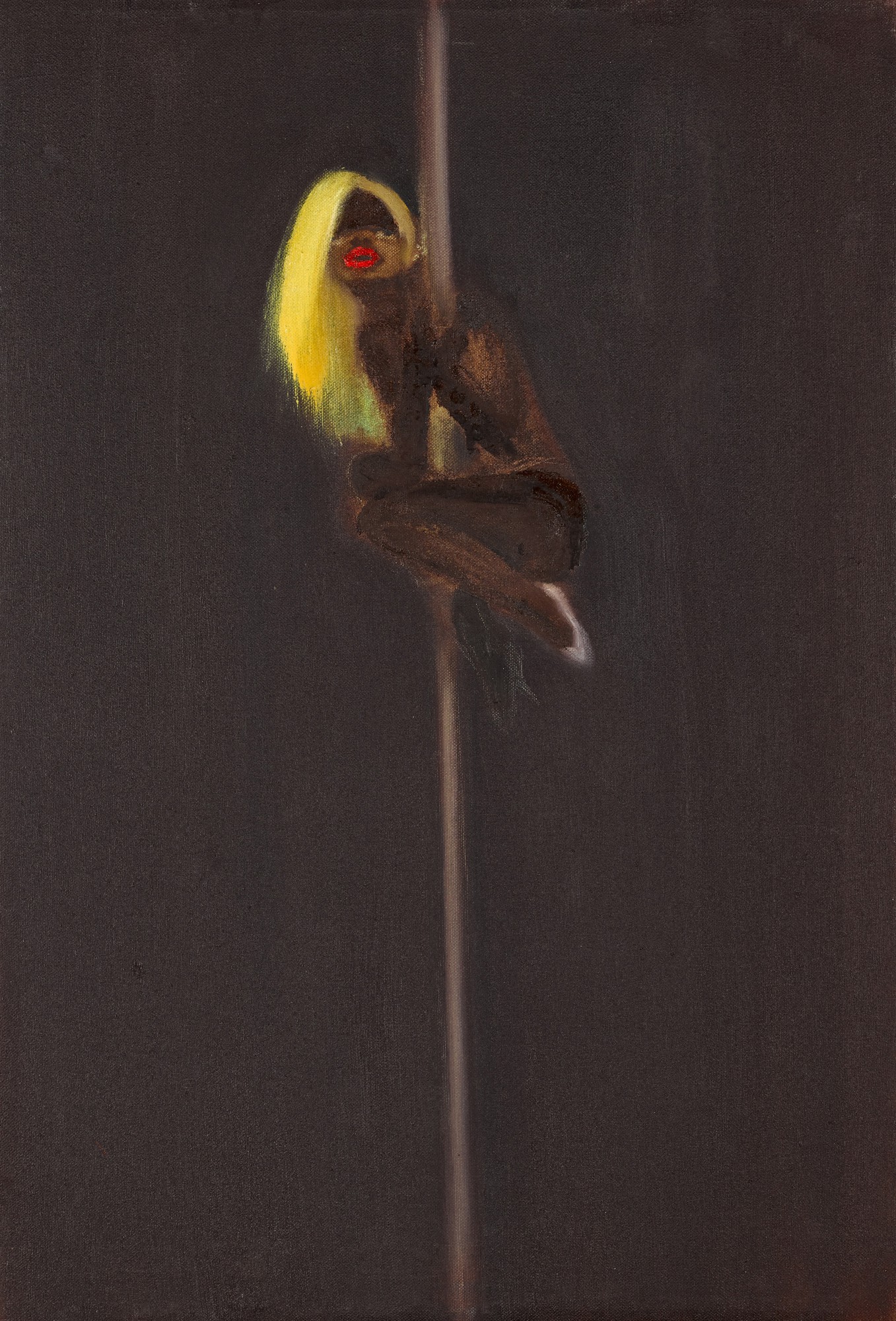
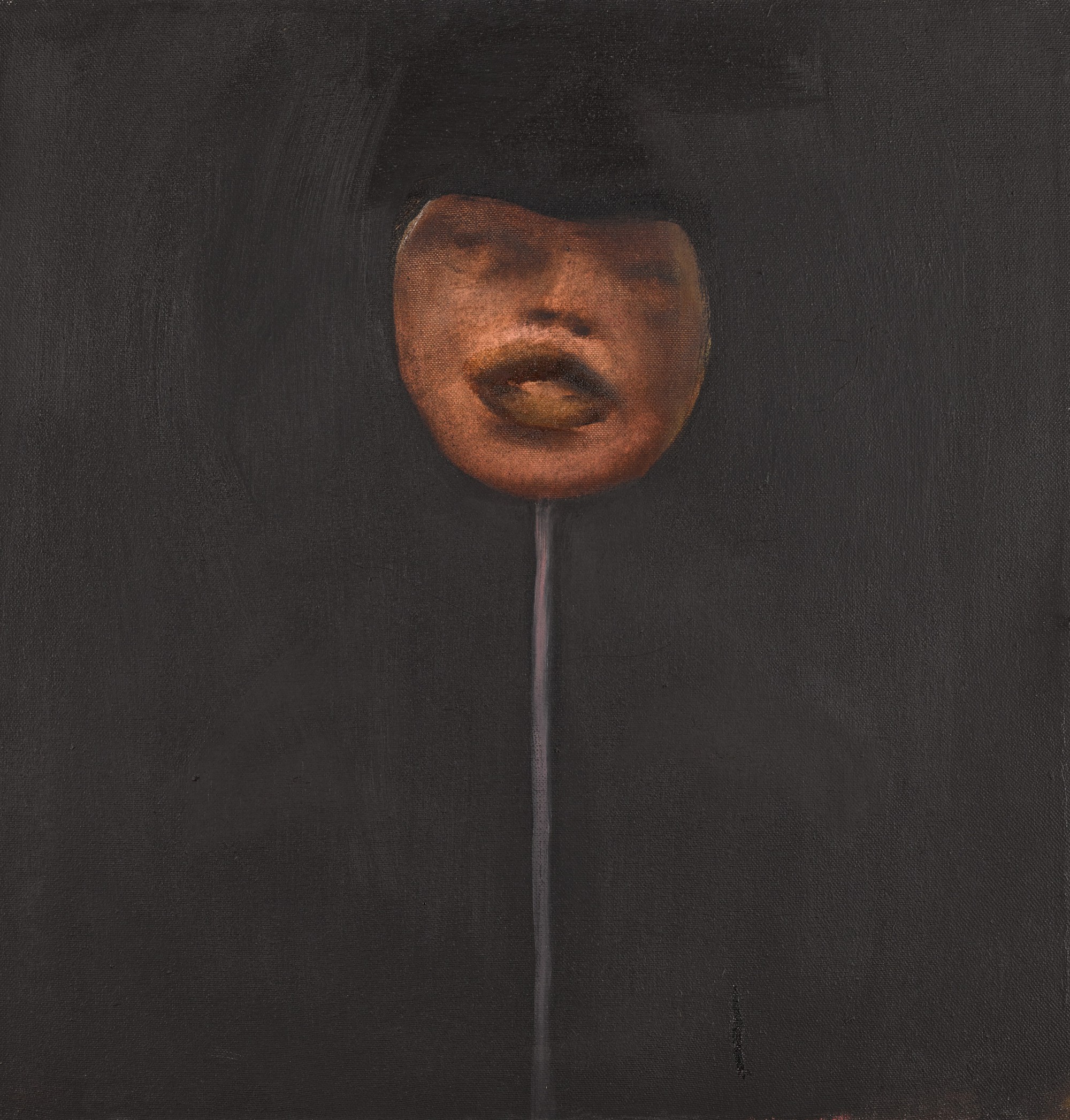
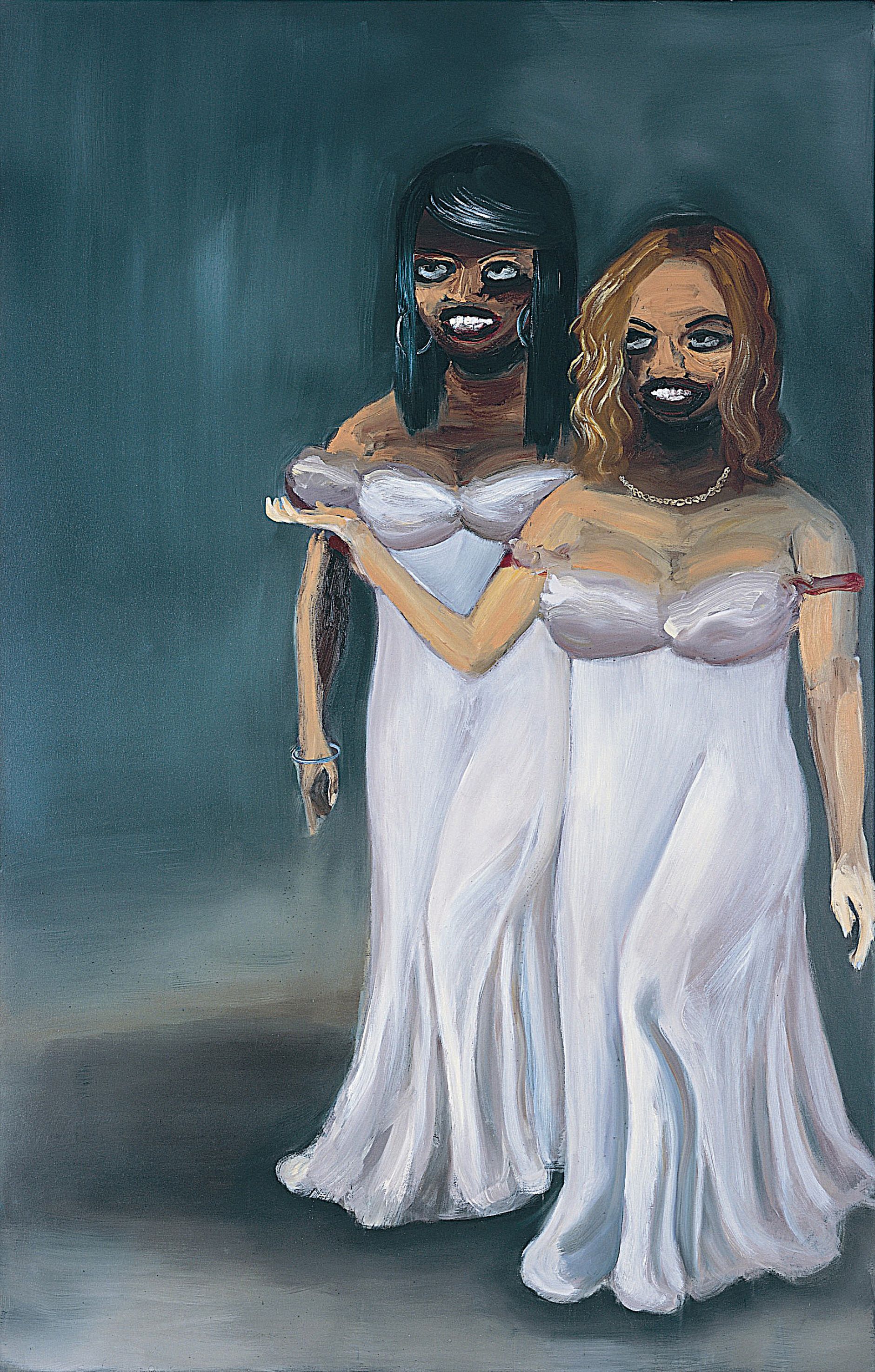
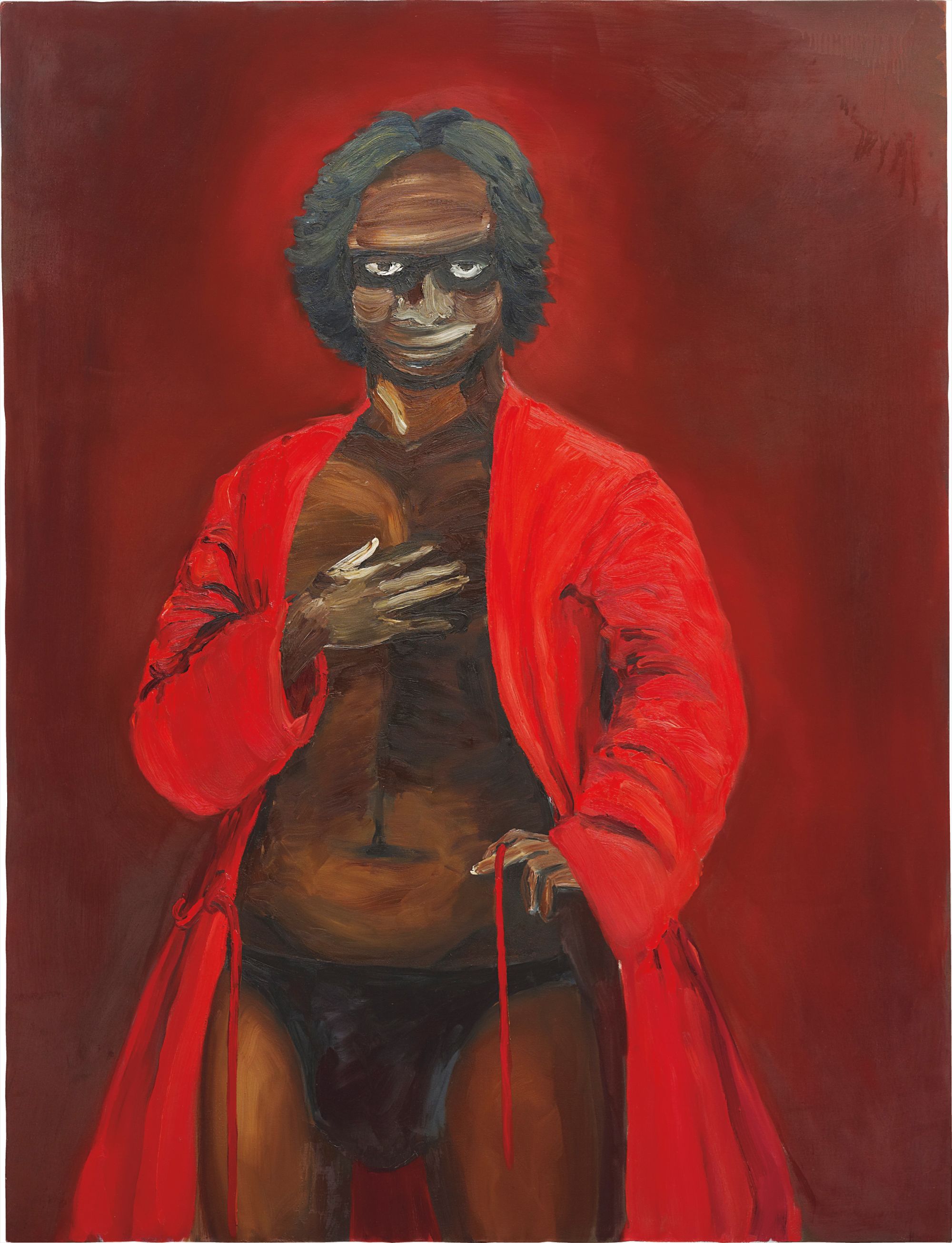
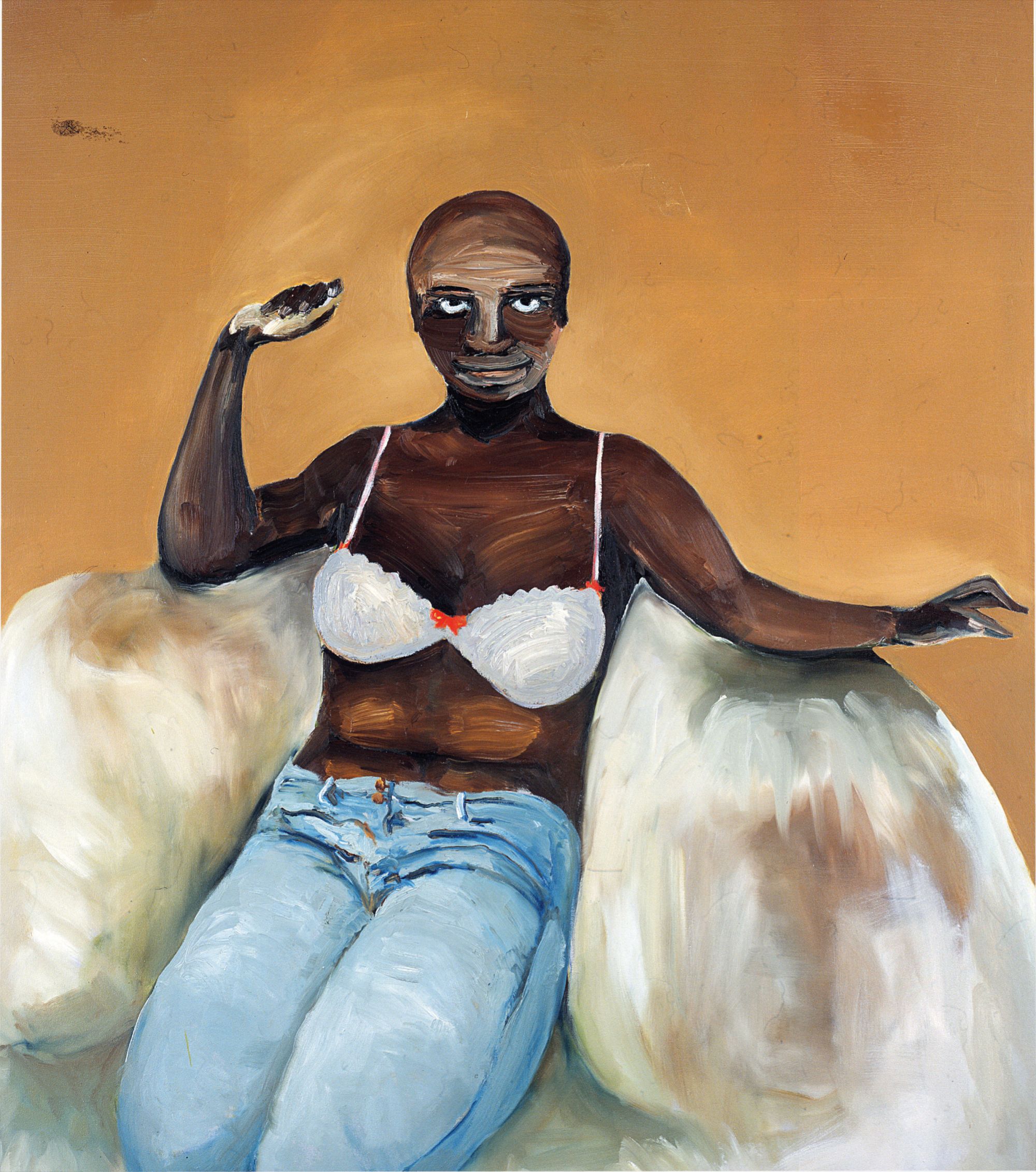
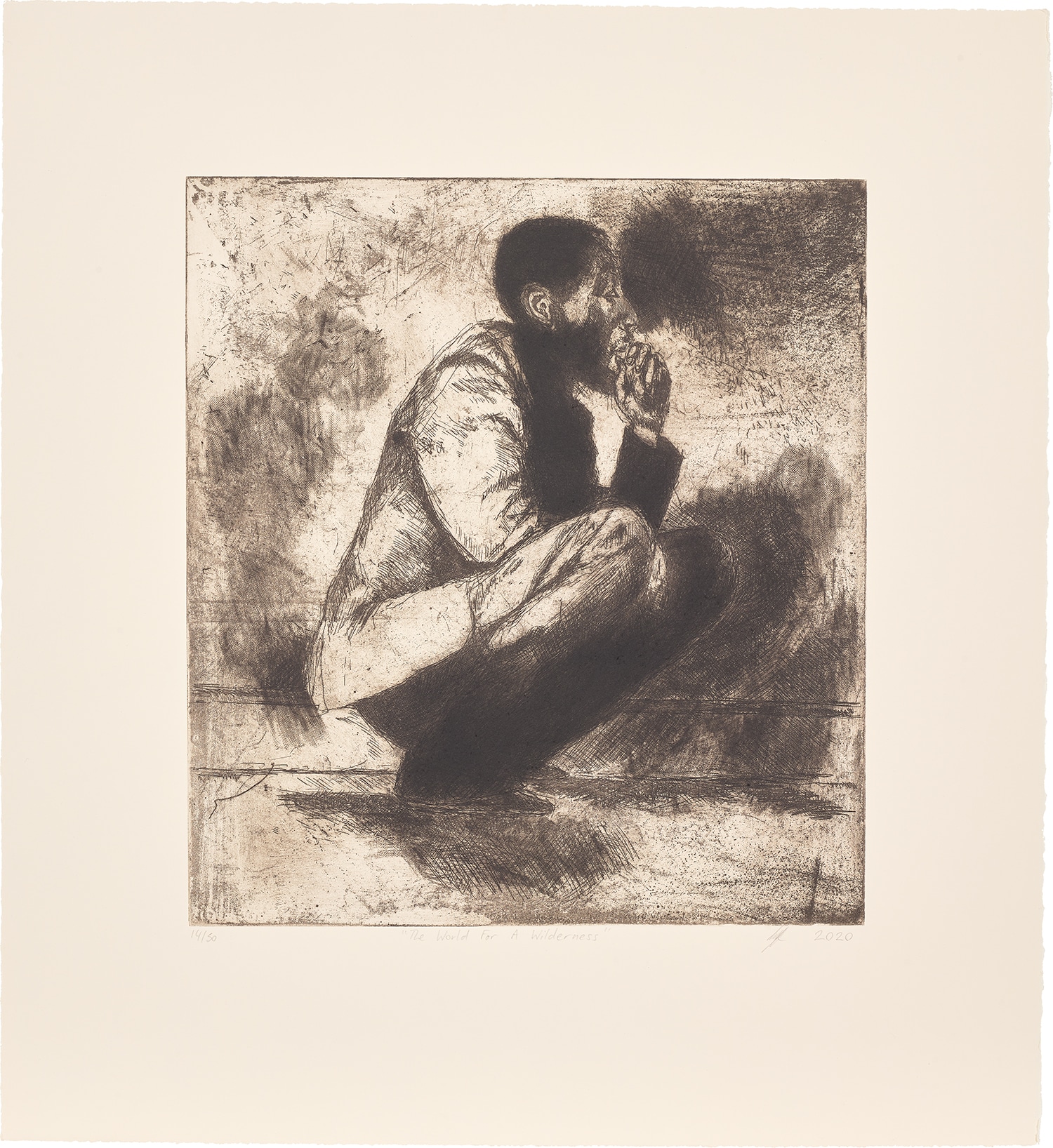
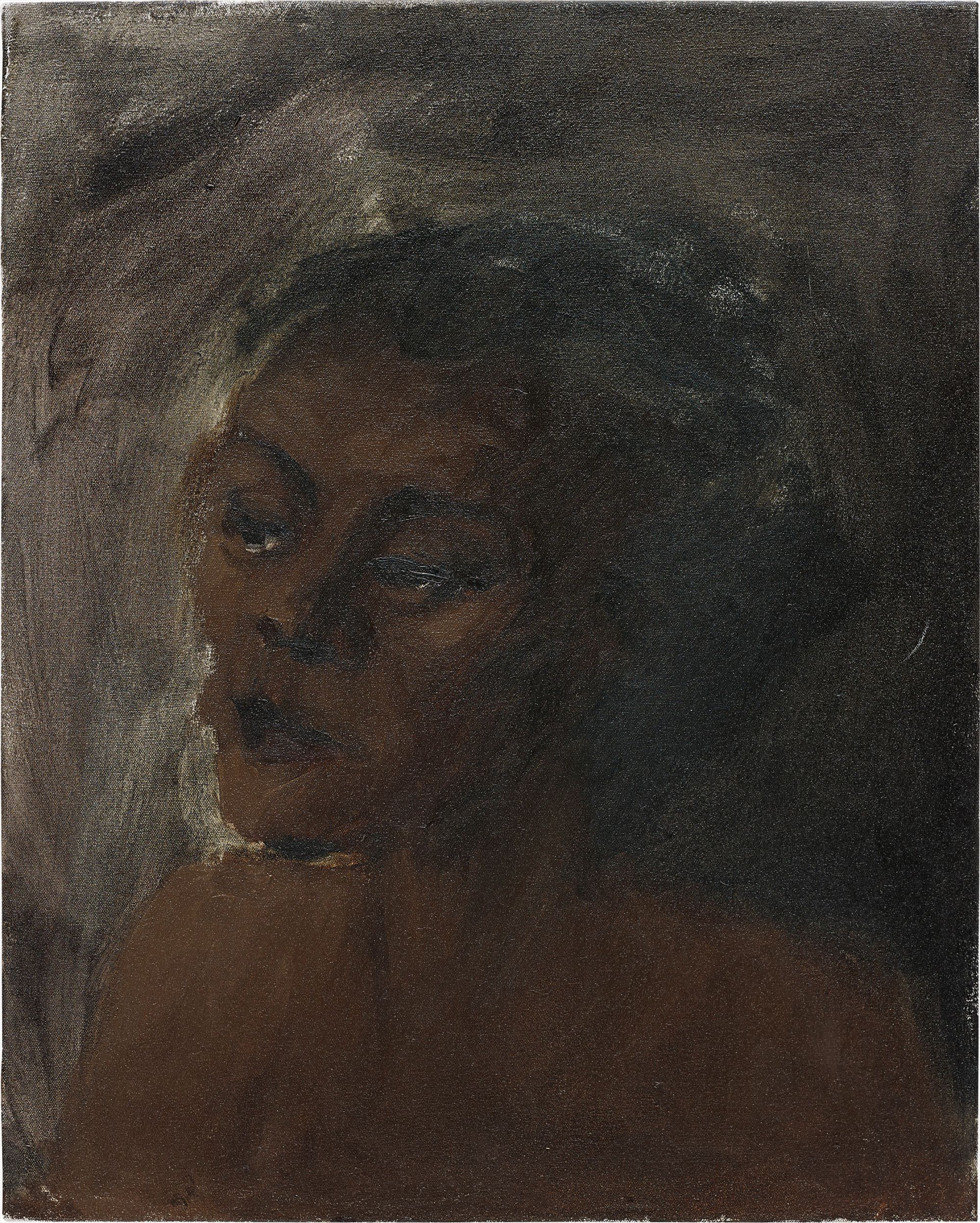
In the winter of 2022, Tate Britain unveiled a landmark retrospective of Lynette Yiadom Boakye's work, titled 'Fly In League With The Night', a title drawn from the artist's own poetic sensibility and one that perfectly encapsulates her practice. The exhibition gathered over fifty paintings spanning two decades, and the effect on visitors was immediate and profound. Figures painted in warm, low light seemed to breathe within their canvases, meeting the gaze of viewers with a quiet authority that felt both timeless and urgently of this moment. Critical response was rapturous, and the show confirmed what devoted collectors and curators had long understood: Yiadom Boakye is one of the most significant painters working anywhere in the world today. Born in London in 1977 to Ghanaian parents, Yiadom Boakye grew up between cultures and between languages of image making. She studied at Falmouth College of Arts before completing her postgraduate training at the Royal Academy Schools in London, one of the most demanding and prestigious programmes in British art education. That rigorous classical foundation gave her something rare: a technical command of oil paint that she could then bend entirely to her own vision. From early on, she was drawn not to the conventions of portraiture as documentation but to portraiture as invention, as a space where identity and presence could be conjured entirely from within. Her development as an artist accelerated through the mid 2000s, a period during which she also began to emerge as a writer and thinker of considerable force. Works from that era, including 'Politics' from 2005, already demonstrate the confidence and economy that would define her mature practice. She painted figures not from life and not from photographs, but entirely from imagination, gathering references, moods, and textures from the history of Western painting, from Manet and Velázquez, from Sargent and Goya, and then transforming those inheritances into something wholly original. The rapidity of her process became part of her artistic philosophy: most paintings are completed within a single day, a discipline that demands intuition over calculation and gives the finished works their extraordinary sense of aliveness. What Yiadom Boakye achieved, and what makes her practice so historically significant, is the creation of a Black visual presence within a tradition that had for centuries either ignored or marginalised it. Her figures, always fictional, always unnamed in the conventional sense, occupy their canvases with a sovereign ease. They lounge, they contemplate, they perform, they simply exist, and in doing so they stake a claim within art history that is both radical and deeply felt. Works such as 'Brutality By Any Other Name' from 2011 and 'Six PM, Malaga' from 2009 show figures rendered with a psychological depth that rivals the great portraitists of any era. The backgrounds are spare, atmospheric, unlocated in any specific geography, which draws all attention to the figure and to the private interior world the painting suggests. The triptych 'Minotaur To Matador', completed in 2022, represents a further expansion of her ambition, weaving classical myth into her evolving visual language with great fluency. Her titles deserve particular attention and are in many ways inseparable from the works themselves. Drawn from her own fiction and poetry, they are oblique, musical, and resistant to easy interpretation. 'Leave A Brick Under The Maple' from 2015, 'Militant Pressures' from 2016, 'Addicktion', 'Grammy', 'Body Snatching Soul Searcher': each title functions as a kind of lyric coda, enriching rather than explaining the painted image. Yiadom Boakye has spoken of writing as a parallel practice, and the two disciplines genuinely inform each other, lending her overall body of work a depth and coherence that rewards sustained attention. This is painting that repays looking slowly, and then looking again. The art market has taken consistent and enthusiastic note of her work. Shortlisted for the Turner Prize in 2013, she has exhibited at the Whitney Biennial and major international art fairs, and her work resides in collections at the Museum of Modern Art in New York as well as institutions across Europe and the United States. Secondary market results have reflected growing collector demand, with prices climbing steadily over the past decade as the scholarly and critical consensus around her importance has solidified. Collectors are drawn not only to the visual beauty of the paintings but to their conceptual seriousness, the sense that every work is both a standalone achievement and part of a vast, ongoing conversation about what it means to be seen. Within the broader landscape of contemporary painting, Yiadom Boakye stands in dialogue with artists such as Kerry James Marshall and Jordan Casteel, each of whom has approached questions of Black figuration and representation with singular vision. Yet her closest affinities may be with painters from an earlier generation: her debt to Édouard Manet is visible in the directness of her figures, while her atmospheric backgrounds recall the controlled ambiguity of James McNeill Whistler. She has absorbed the lessons of European modernism and returned them transformed, enriched by a sensibility that is entirely her own and entirely of our time. To engage with Yiadom Boakye's work now is to participate in a conversation that will only deepen with time. She is still in the middle of a remarkable career, producing work that continues to evolve and surprise. Her paintings on linen and canvas, her explorations in print including works such as the etching 'Paridae' on Somerset paper, all of it constitutes a body of work that future generations will return to as essential testimony to what painting can do at its most committed and most humane. For collectors, the opportunity to live with one of her works is the opportunity to live with a question: who is this person, what are they feeling, and what does it mean that we cannot look away.