German Artist
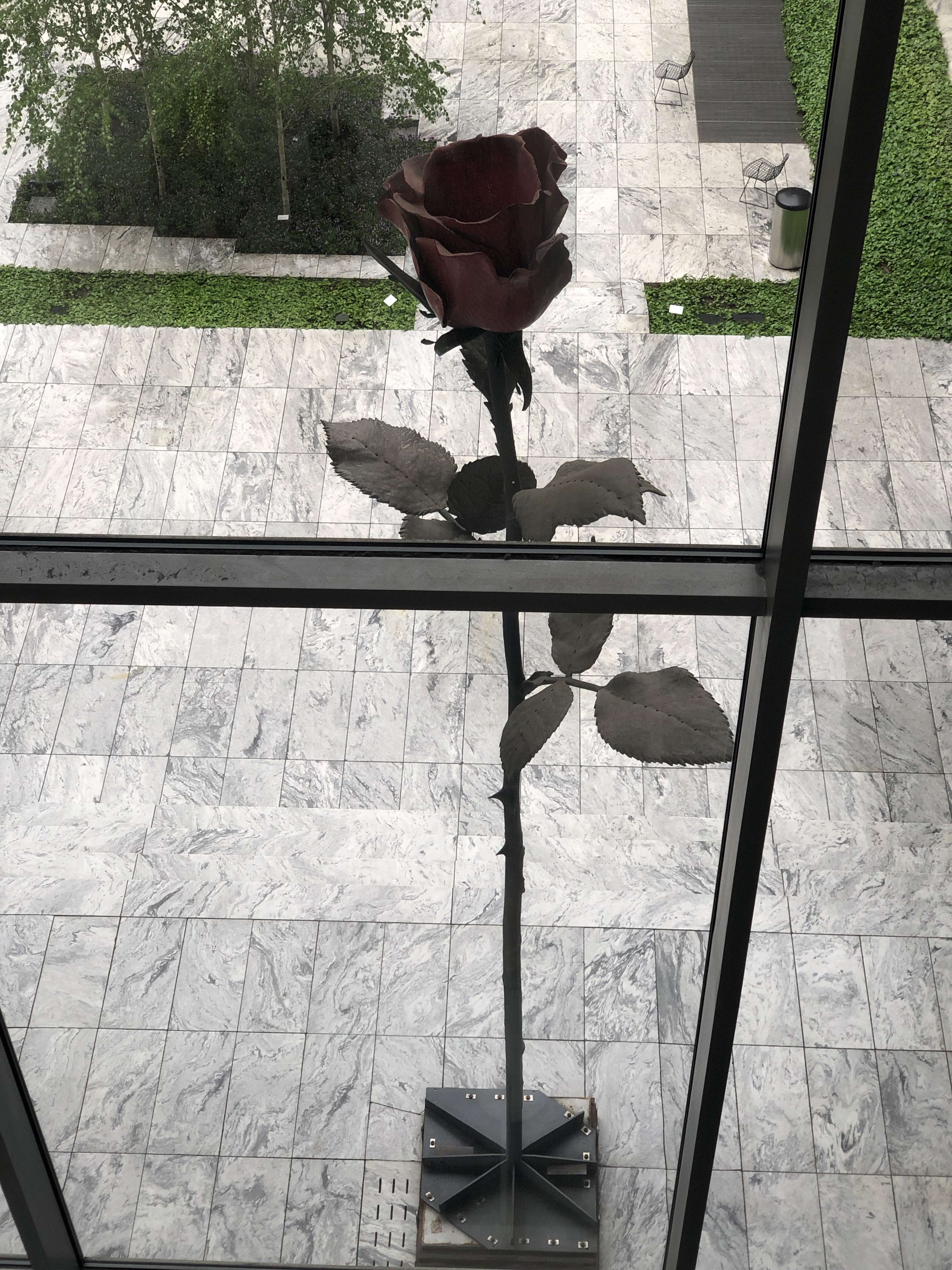
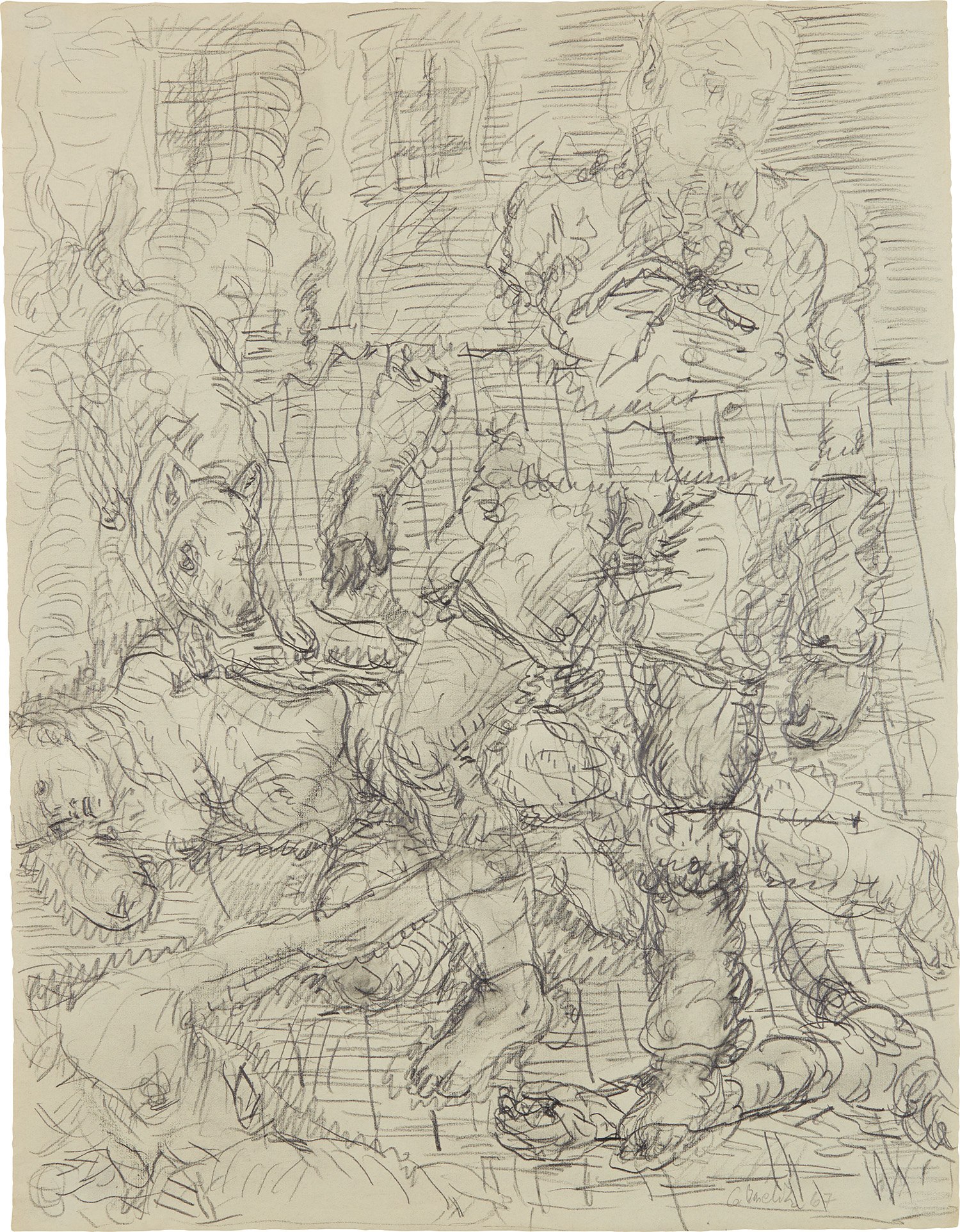
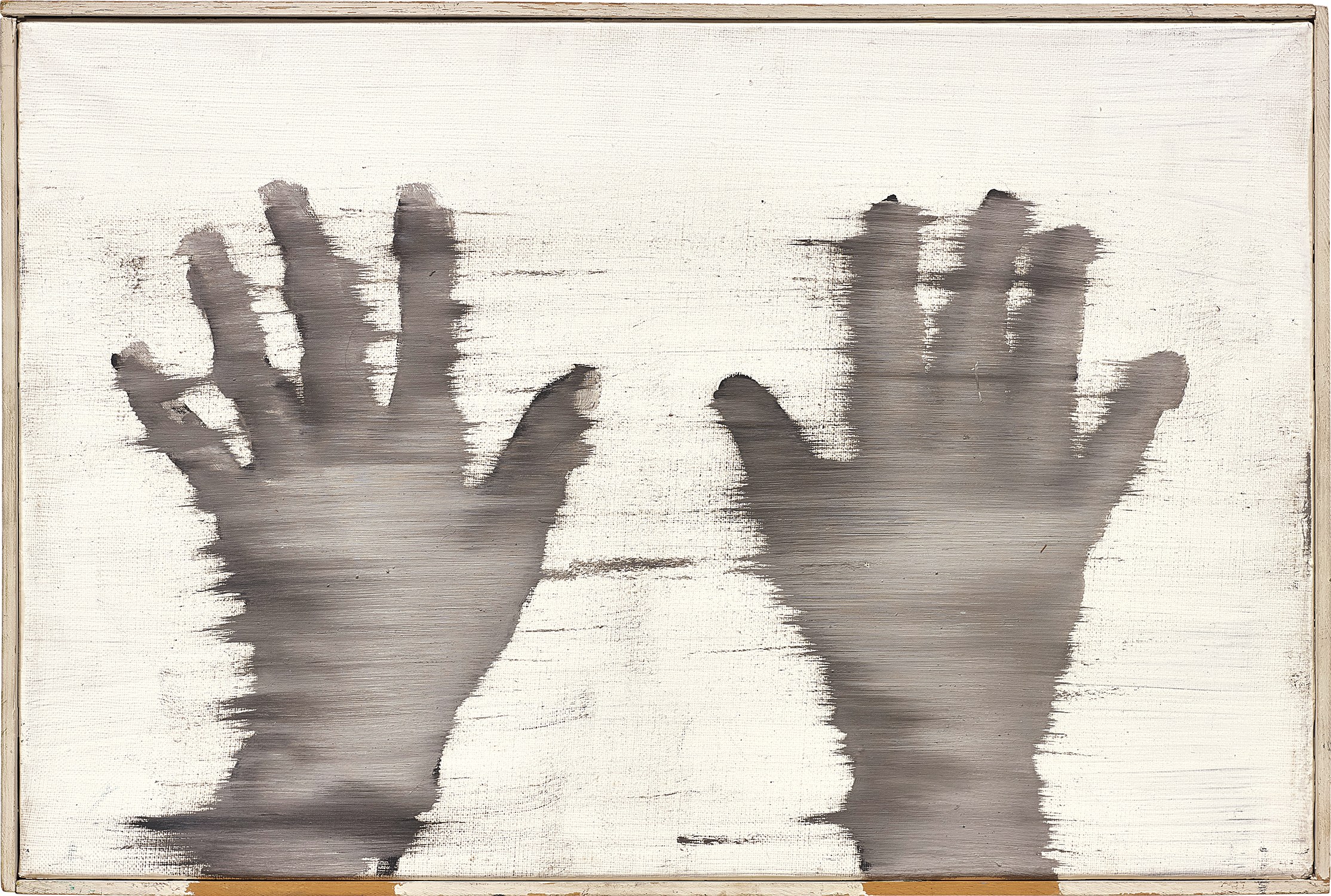
Isa Genzken
Rose II, 2007

The German Century Is Not Over Yet
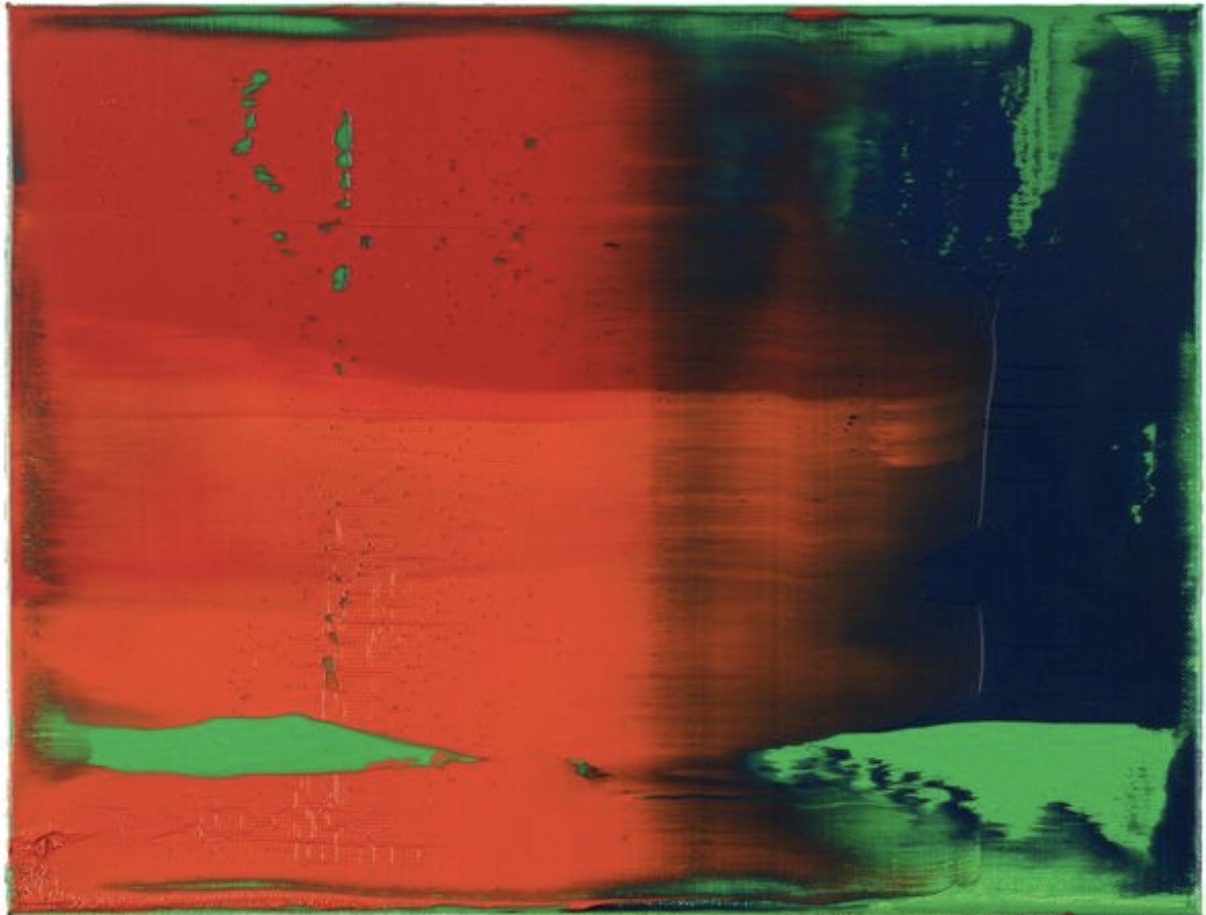
When a late Gerhard Richter abstract painting sold at Sotheby's London for well above its high estimate a few seasons ago, the room paused in the way rooms do when a market confirms something everyone already suspected. German art is not a niche enthusiasm or an academic specialty. It is one of the organizing forces of how the postwar world understands itself through images, and collectors who arrived at that understanding early have been richly rewarded. The appetite has not softened.
If anything, the critical and commercial conversation around German artists has grown more textured, more global, and more urgent. The institutional story of the past several years has been remarkable. The Neue Nationalgalerie in Berlin, designed by Mies van der Rohe and reopened after an extensive renovation in 2021, staged a comeback that felt almost symbolic. Its inaugural exhibition after reopening focused on works from its own collection and signaled to the international art world that Berlin intended to remain a center of gravity.
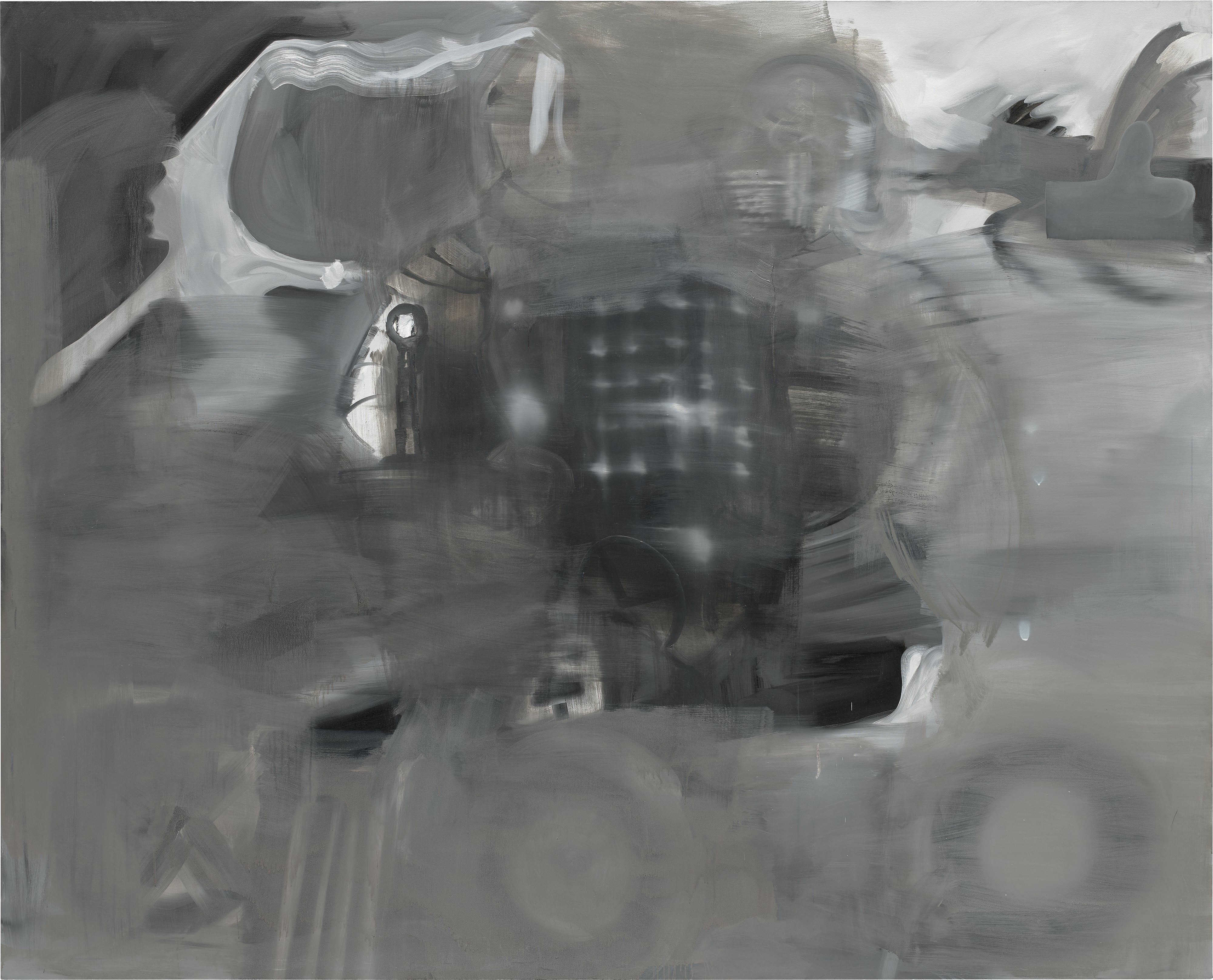
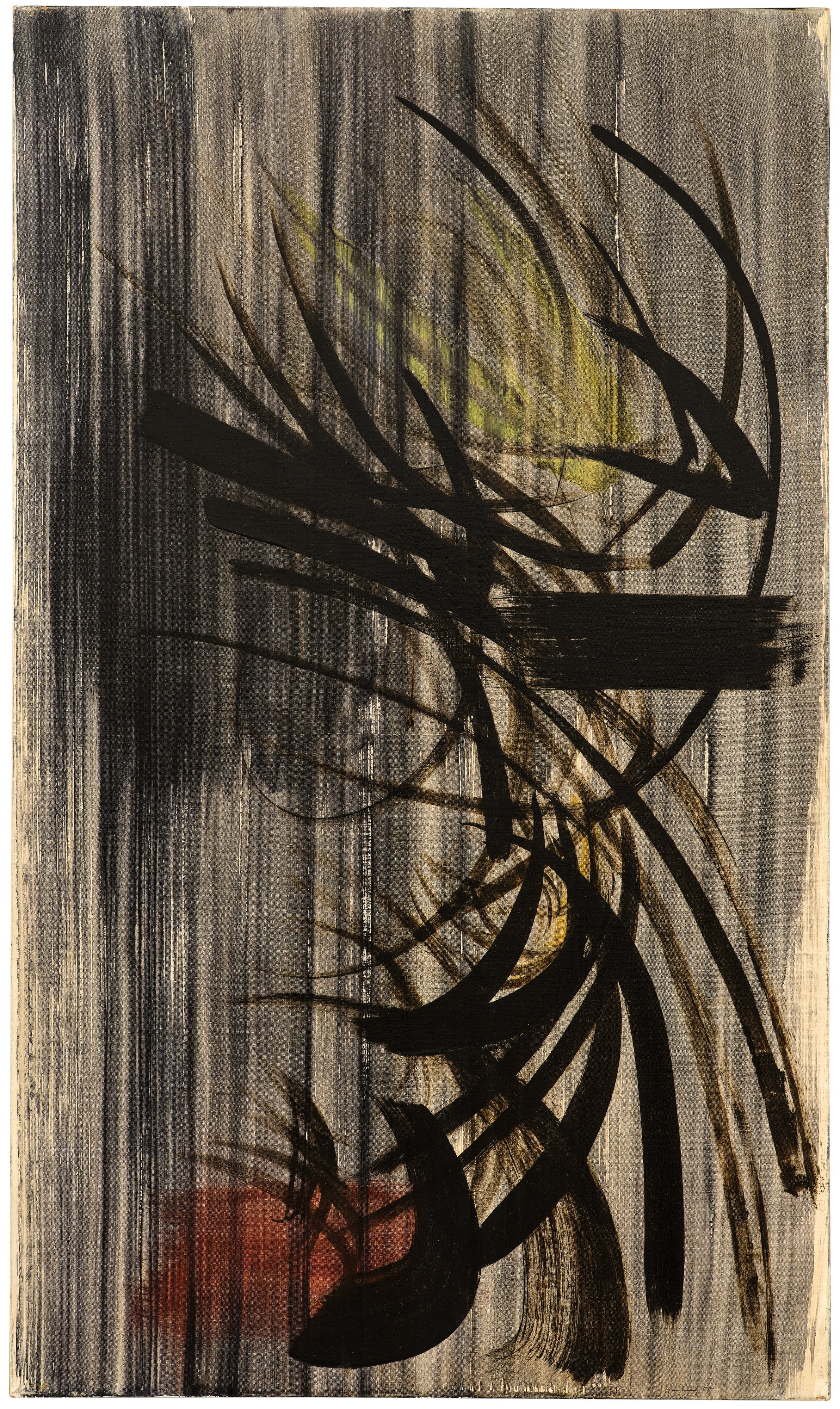
Joseph Beuys
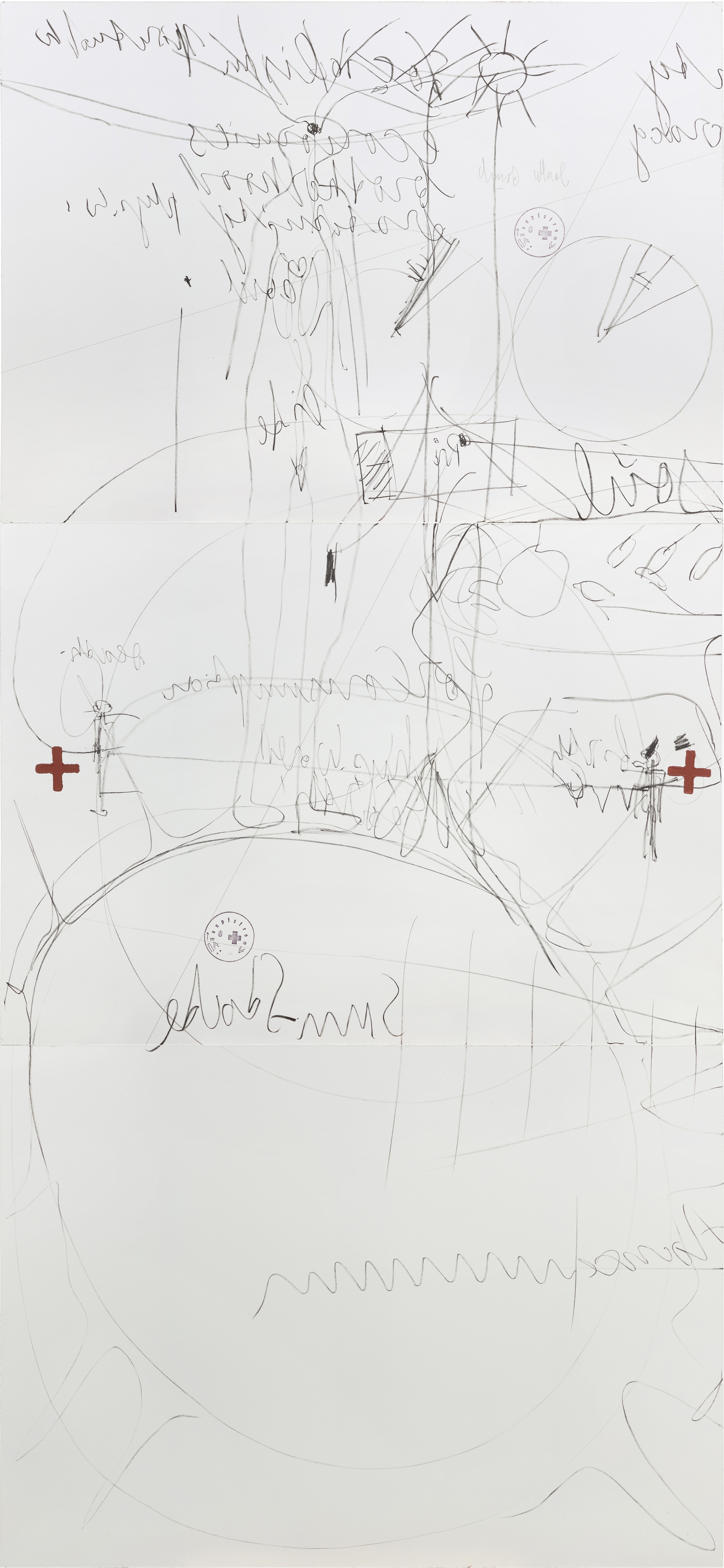
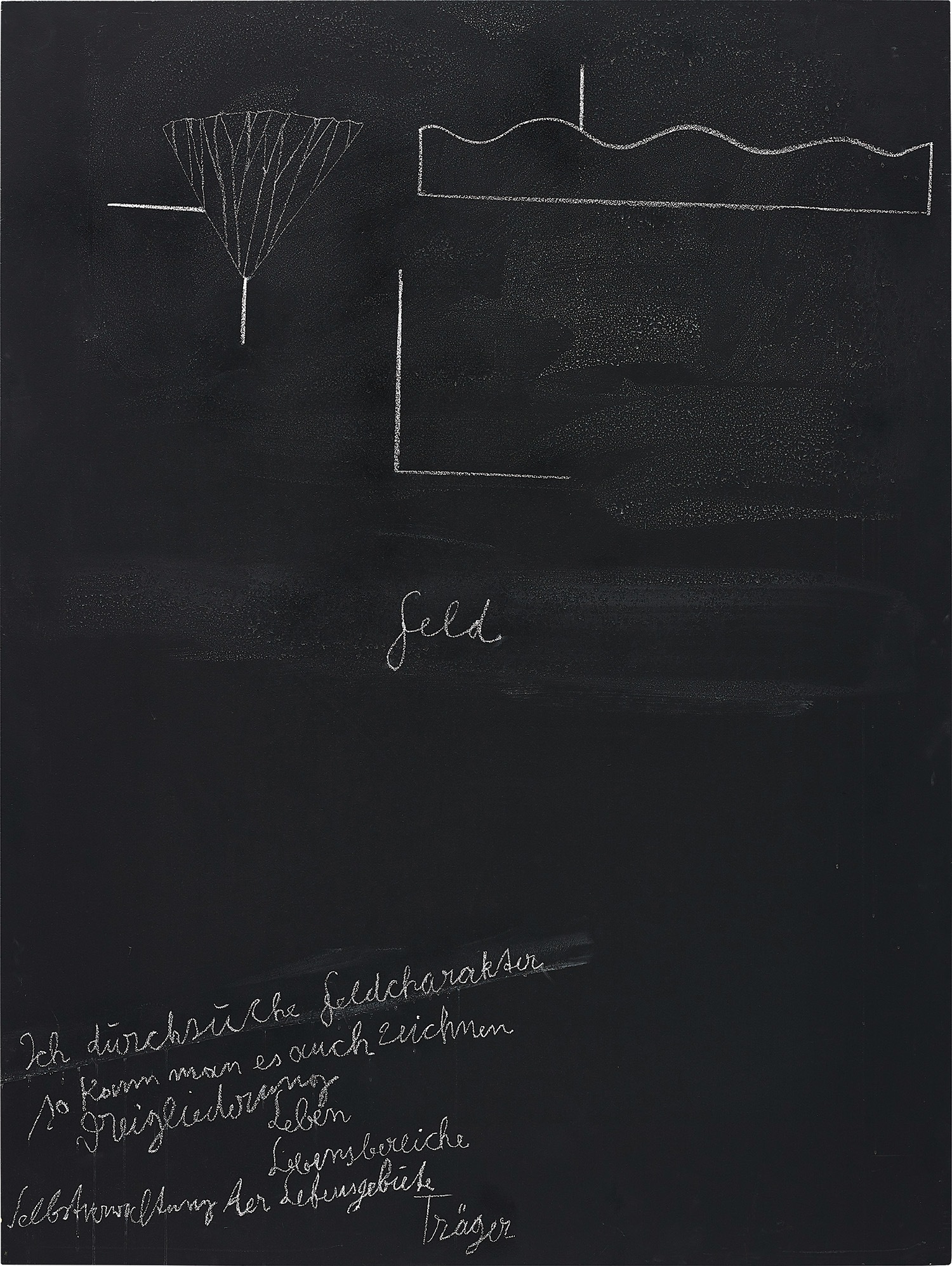
Unbetitelt (Feld), 1972
Shows dedicated to Joseph Beuys, whose centenary fell in 2021, circulated across Europe and into North America, reintroducing his radical social sculpture to a generation of younger collectors and curators who knew the legend but had not fully encountered the breadth of the work. The Beuys centenary exhibitions reminded everyone that his influence on thinking about art as political action, about materials as carriers of meaning, has never really left the room. Anselm Kiefer continues to attract major retrospective attention, with the Pompidou Centre having dedicated serious exhibition space to his monumental canvases and lead sculptures in recent memory. His work occupies a strange and powerful position in the market: too large for most private homes, deeply serious in subject matter, and yet consistently coveted by major institutional and private collectors who understand that his confrontation with German history and myth is simply irreplaceable.
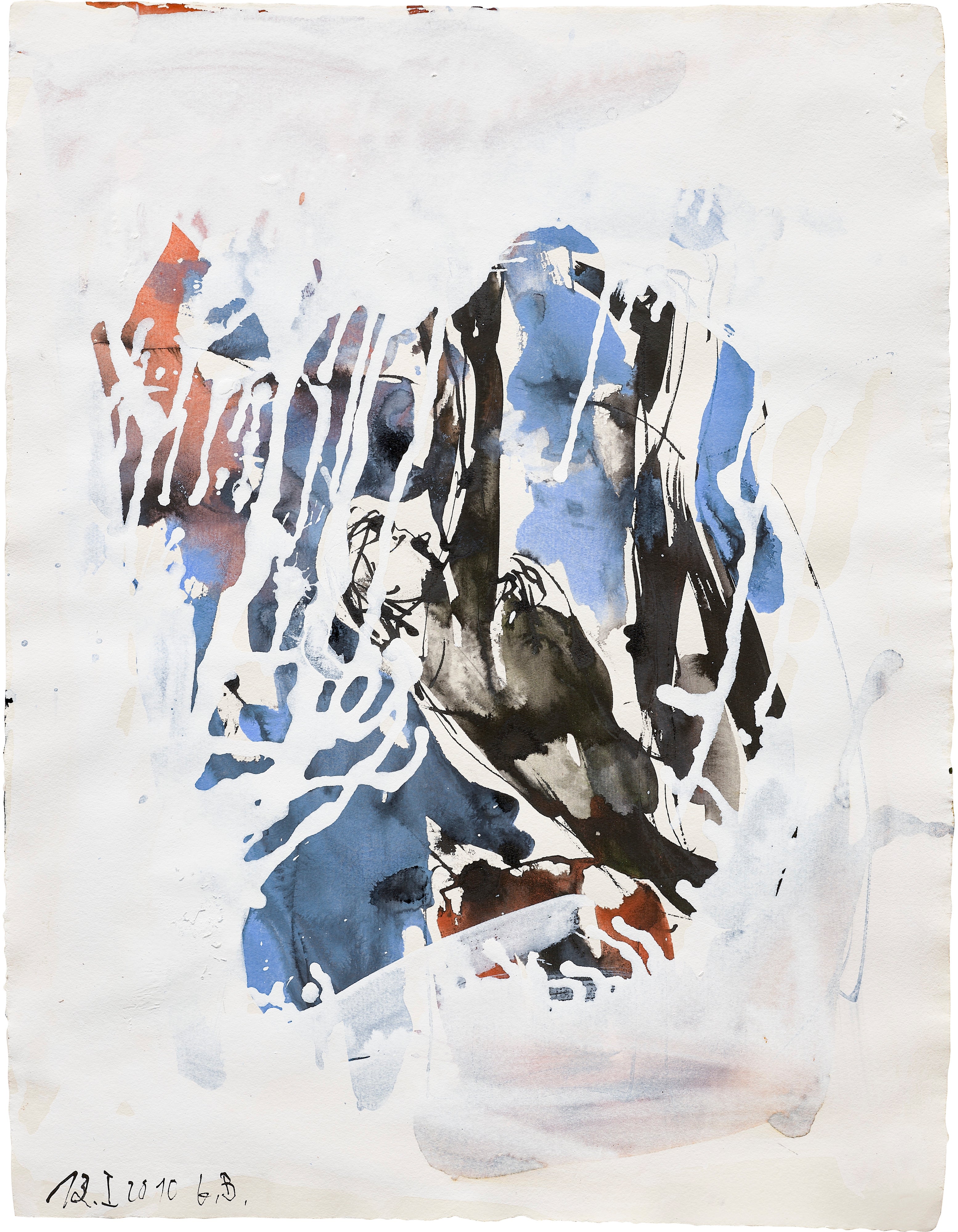
Georg Baselitz, who famously began inverting his figures in 1969, has seen renewed critical attention as younger painters revisit what it means to destabilize the figure on a canvas. His market remains robust and his late works have surprised even seasoned observers with their looseness and chromatic risk. On the photography side, the Düsseldorf School continues to exert an almost gravitational pull on collecting decisions. Andreas Gursky's large format photographs have achieved some of the highest prices ever paid for photographic works.
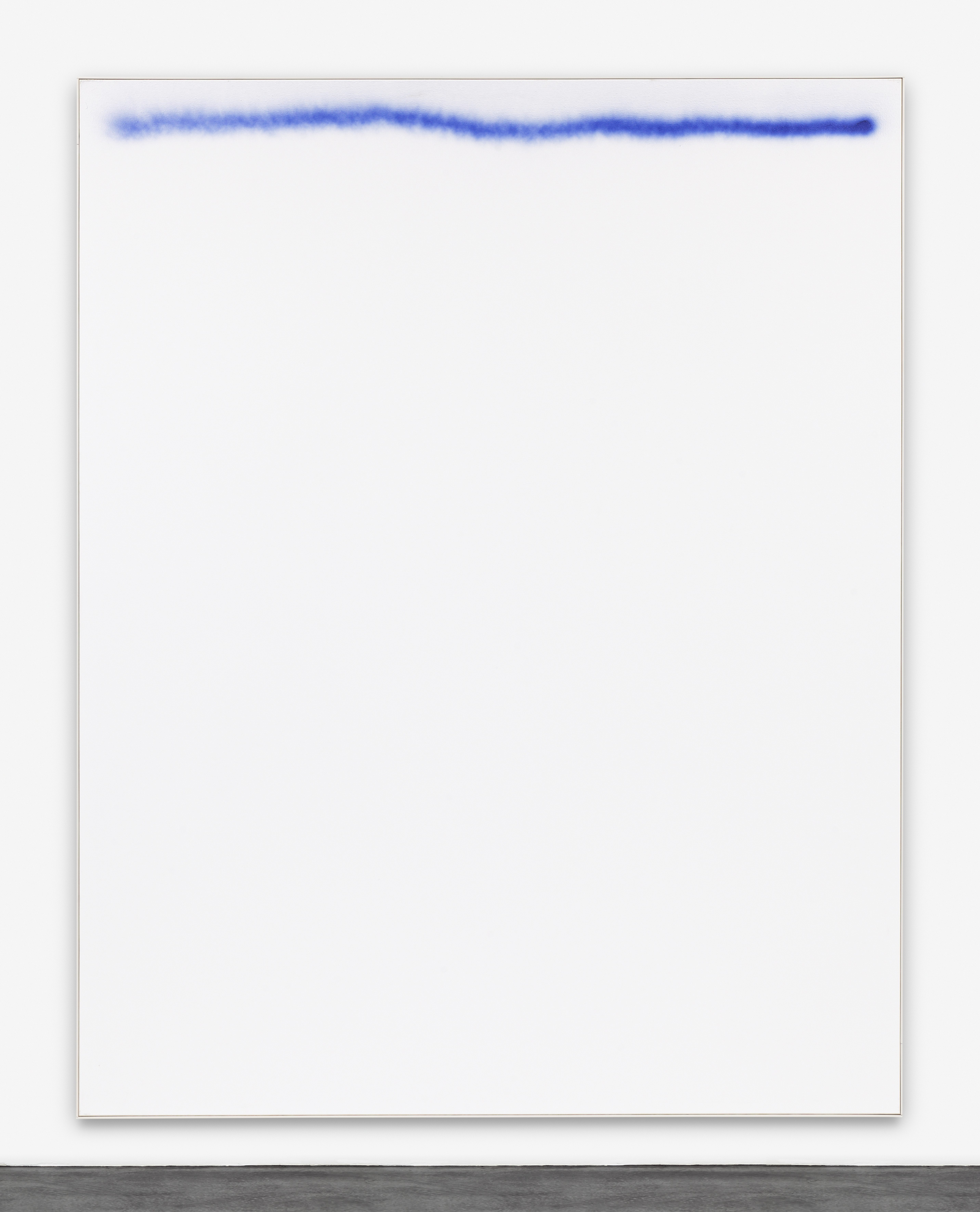
Wolfgang Tillmans
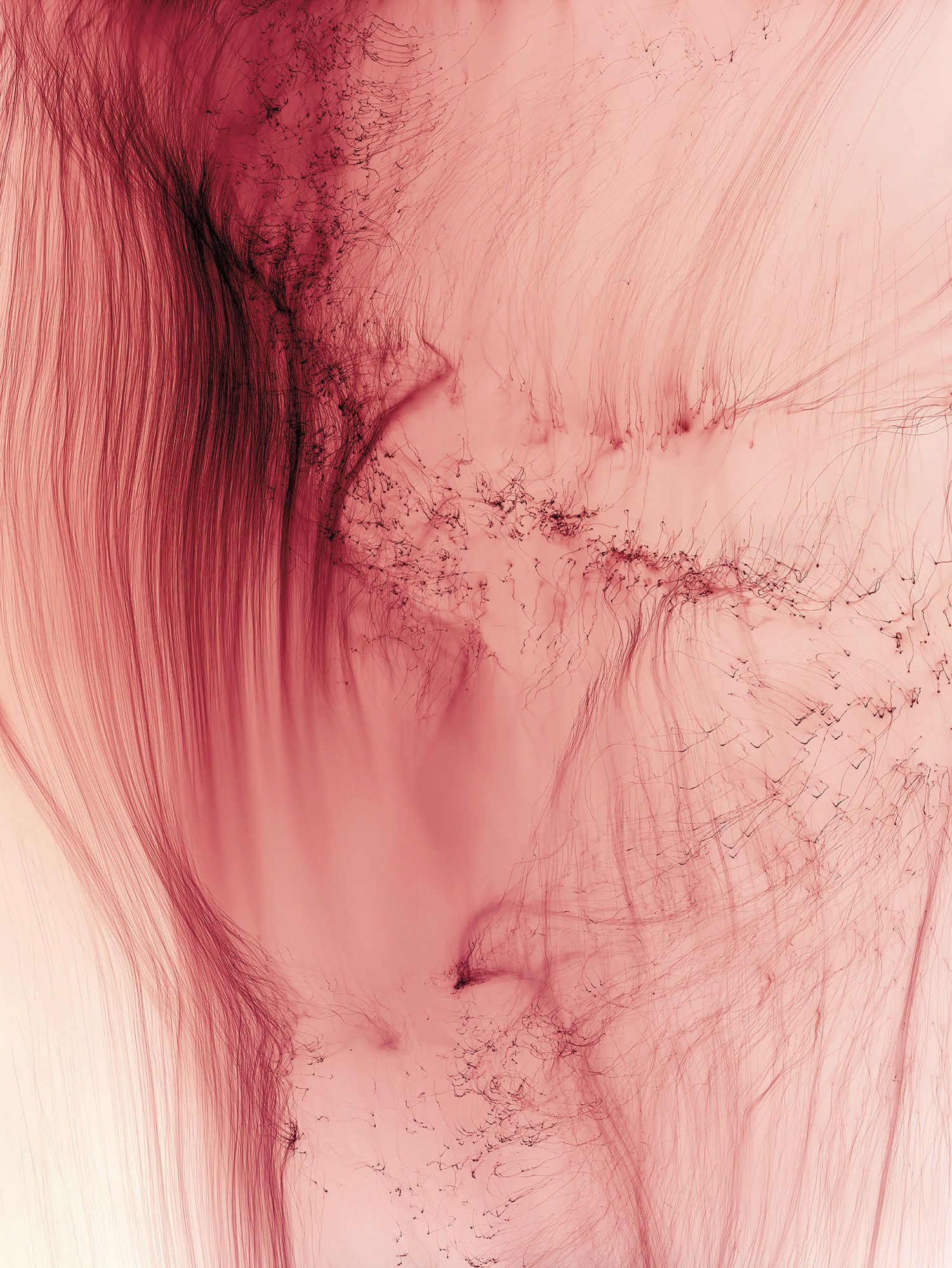
Freischwimmer 20
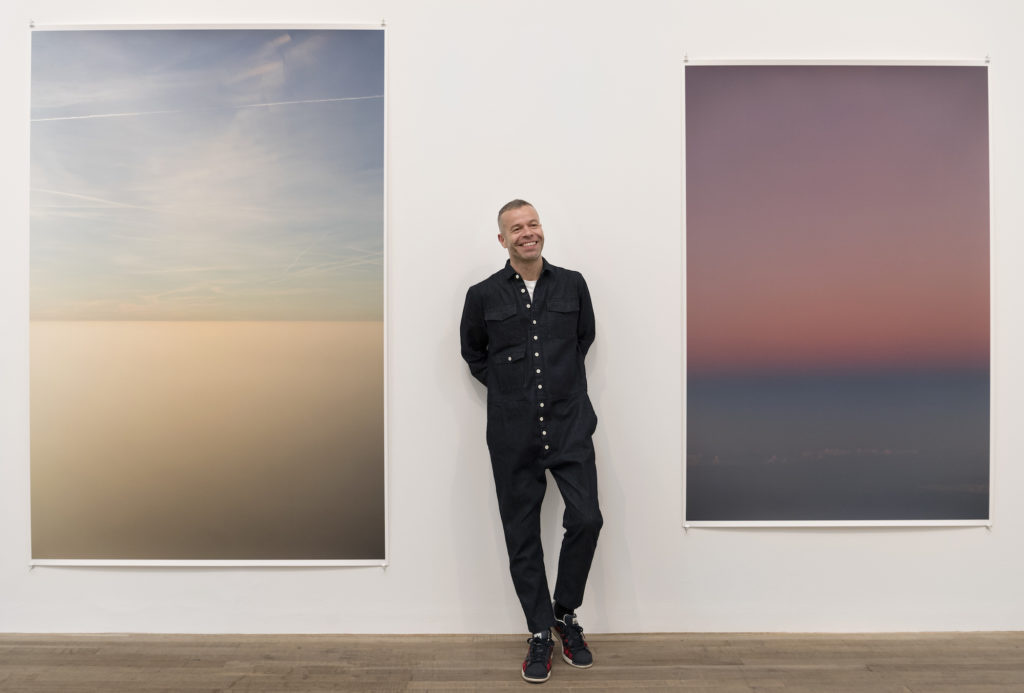
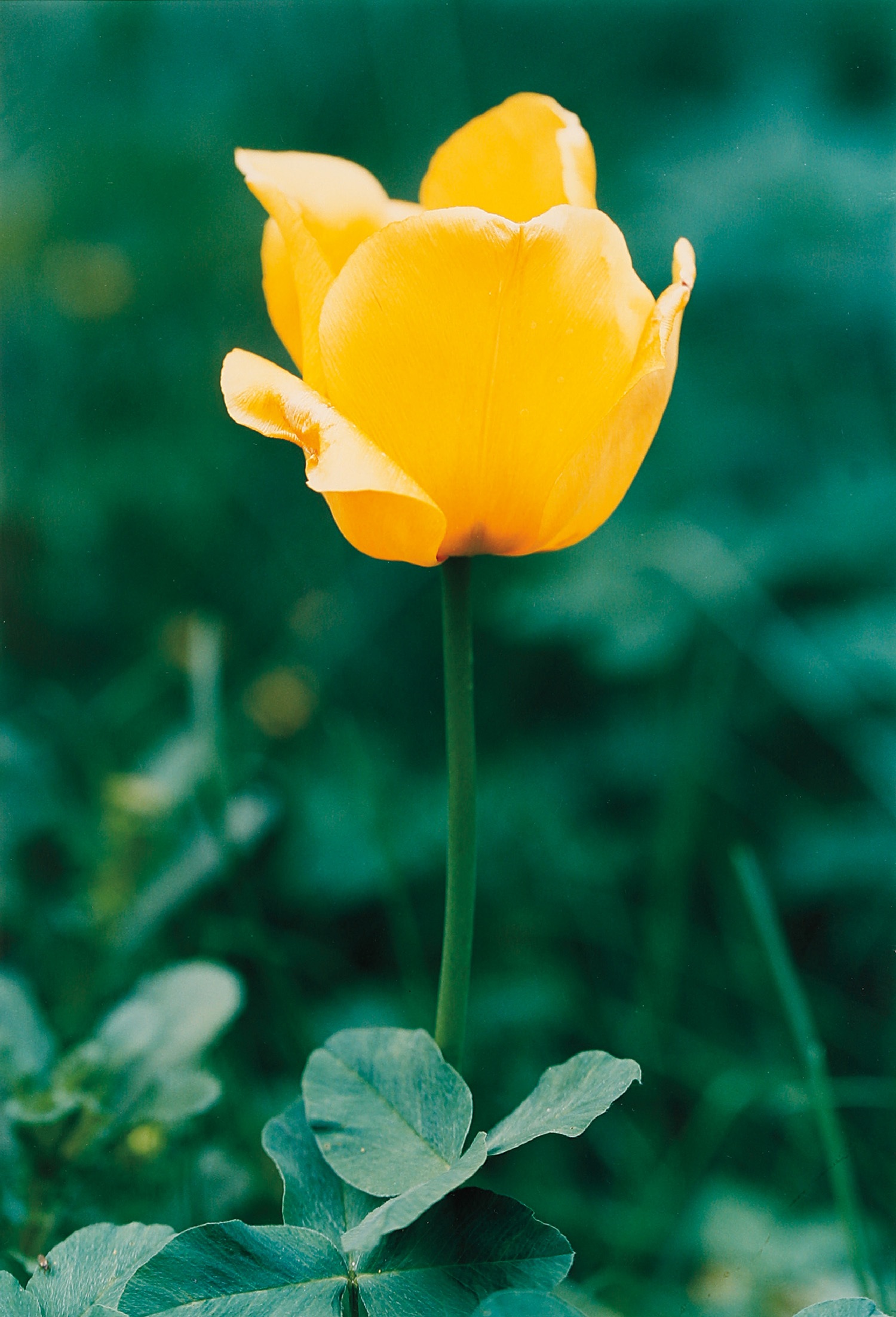
Thomas Struth, Candida Höfer, and Thomas Ruff each occupy distinct and serious positions in the secondary market, and all three remain actively collected by museums from the Museum of Modern Art in New York to the Tate Modern in London. Wolfgang Tillmans presents an interesting contrast within this tradition: his work resists the monumental scale and cool remove of some of his contemporaries in favor of something more intimate and politically awake, and institutions from the Tate to Fondation Beyeler have given his practice the full retrospective treatment it deserves. The Düsseldorf photographers as a group are as well represented on The Collection as any comparable school anywhere in the world. The critical conversation shaping this field is being driven from several directions at once.
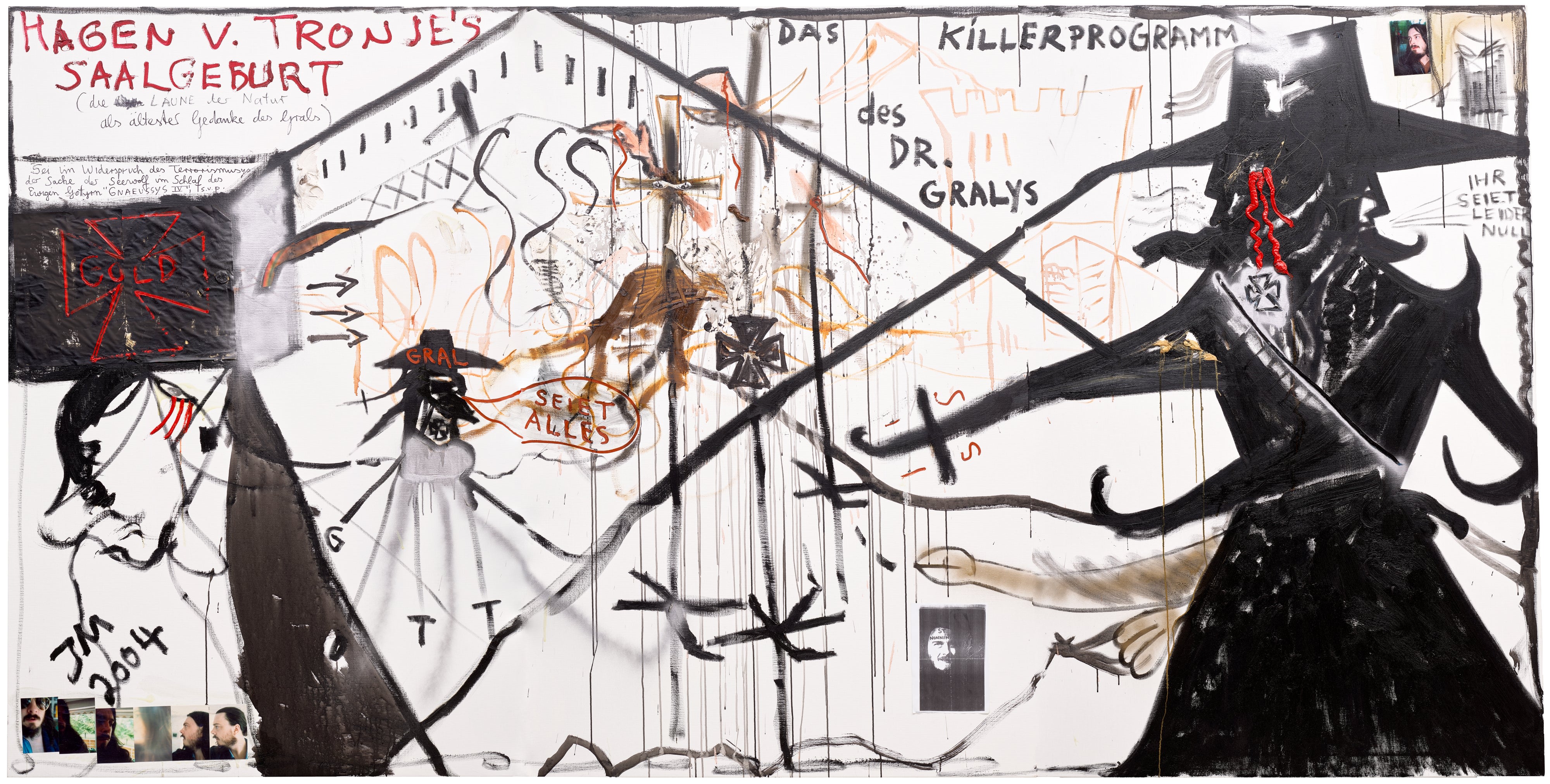
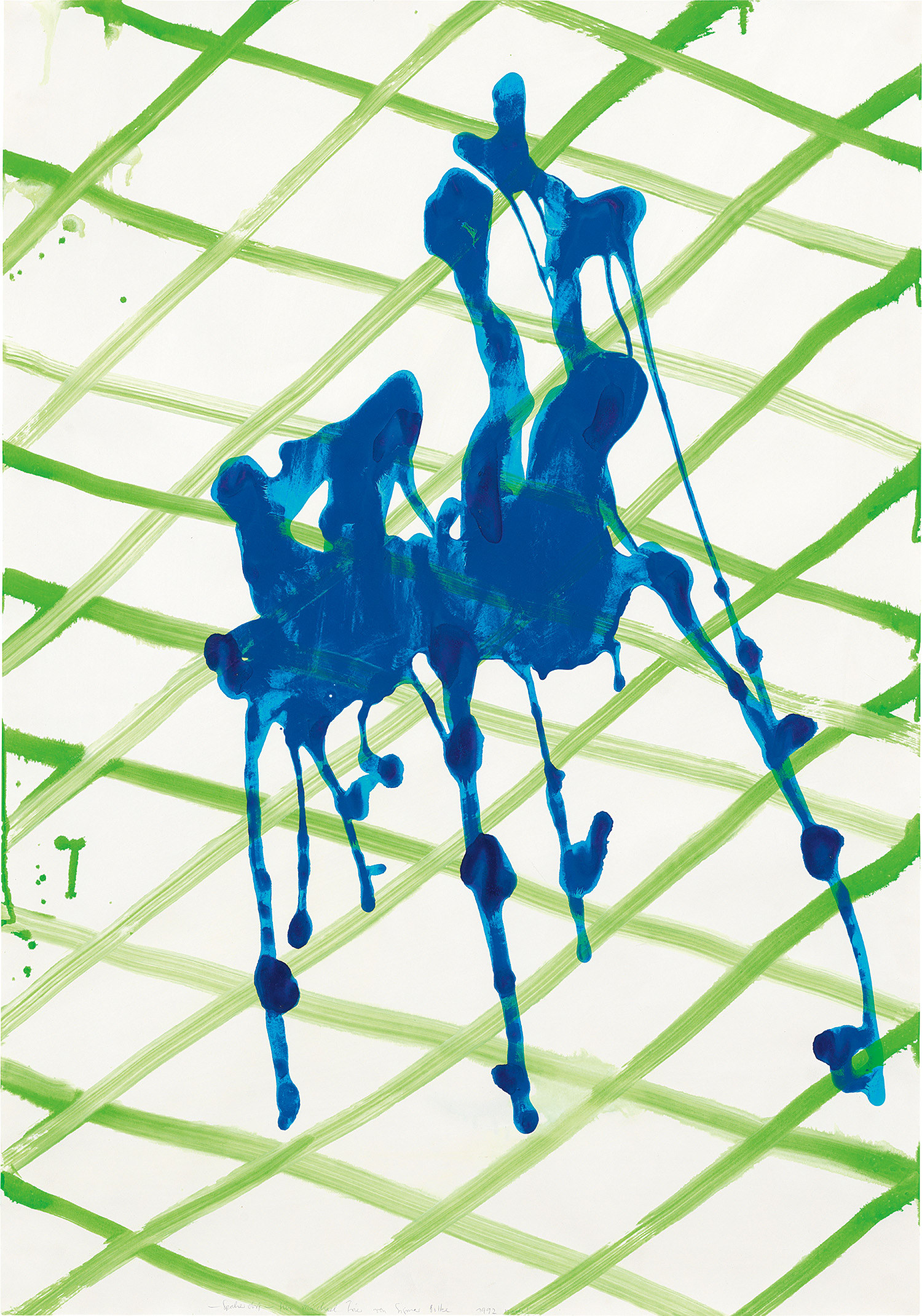
The writing of Benjamin H. D. Buchloh, long associated with rigorous engagement with the October circle and German postwar art, continues to set terms for how institutional critique and social history intersect in the work of artists like Sigmar Polke and Martin Kippenberger. Kippenberger in particular has undergone a serious critical rehabilitation over the past decade, with scholars and curators reassessing his wild, self implicating practice as something far more structurally sophisticated than the provocateur narrative once allowed.
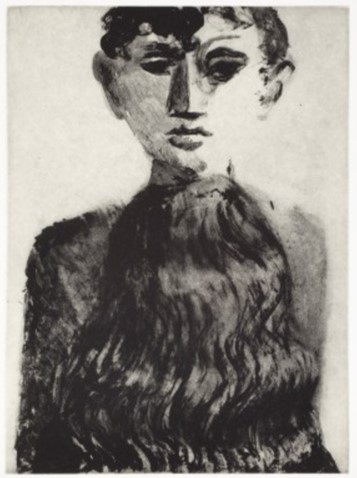
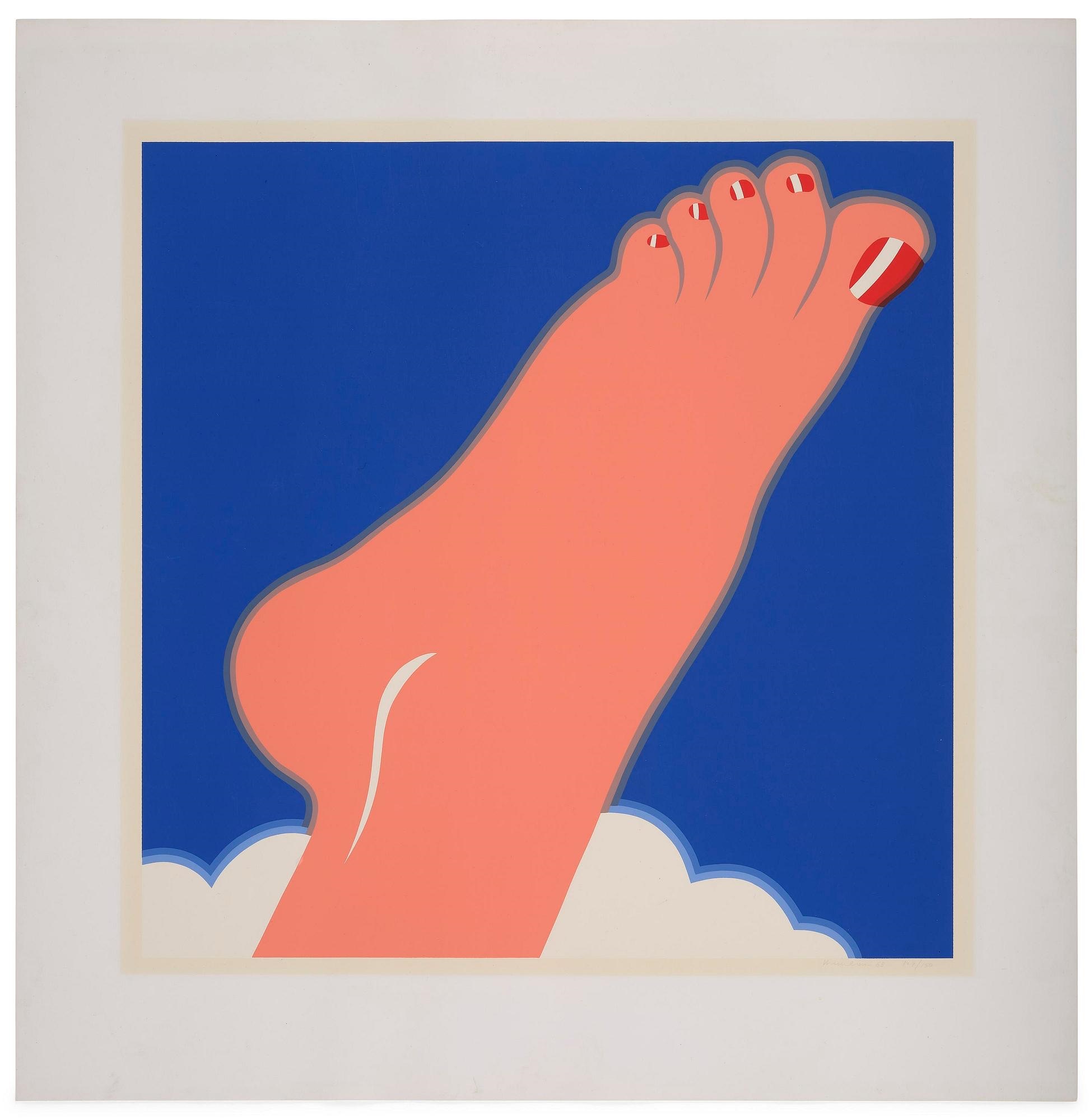
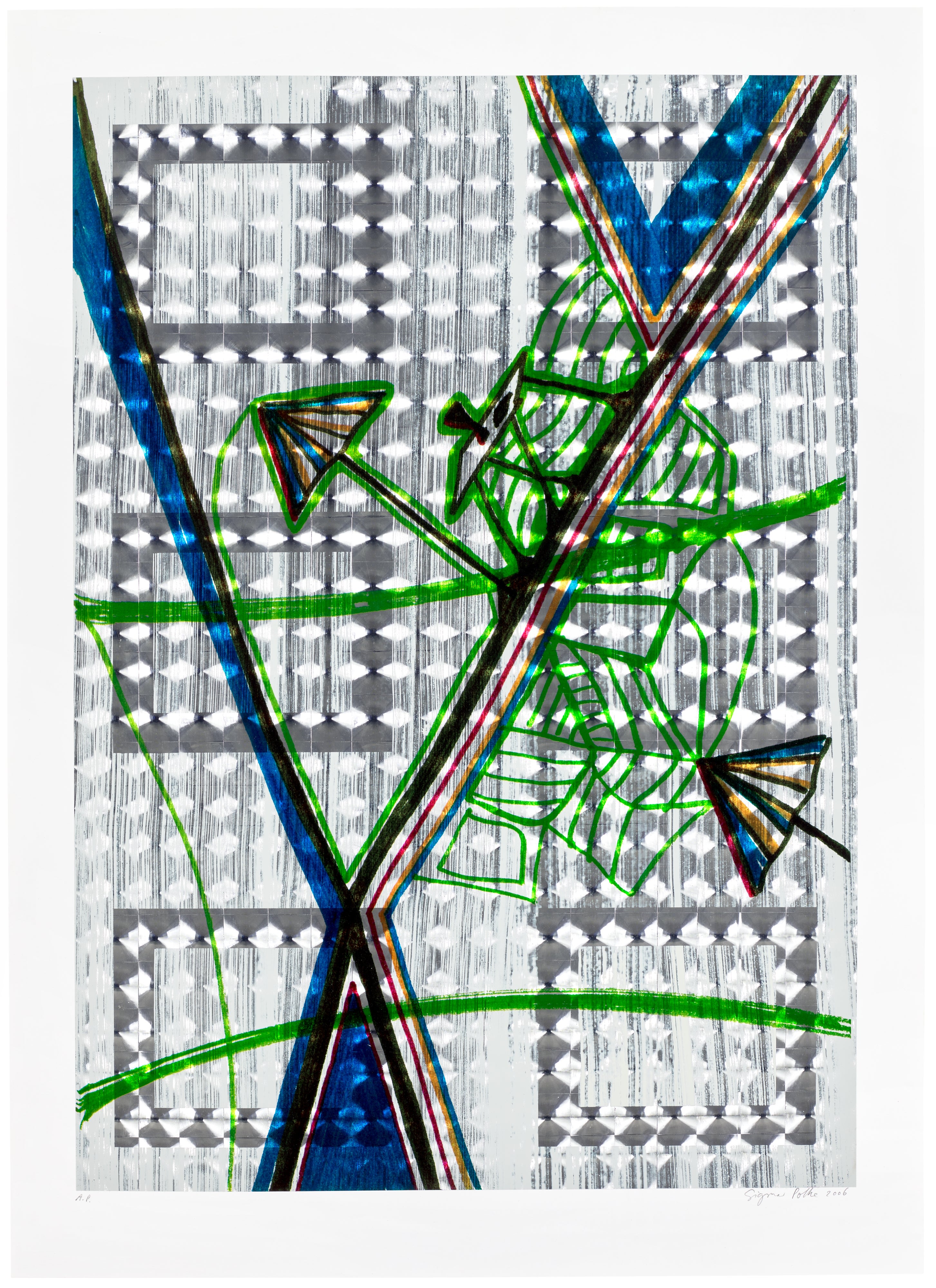
Sigmar Polke
Spalierobst (Trellis Fruit), 1992
Publications like Texte zur Kunst, based in Berlin, remain essential reading for anyone who wants to understand how German critics are thinking about their own tradition from the inside. What feels genuinely alive right now sits at a productive intersection between the established generation and a cohort of younger painters who have absorbed the German tradition and are metabolizing it into something new. David Ostrowski's stripped back canvases, which traffic in deliberate emptiness and an almost anti painterly wit, have found serious collectors across Europe and the United States. André Butzer brings a kind of hallucinatory intensity to figuration that reads as both deeply German and wildly idiosyncratic.
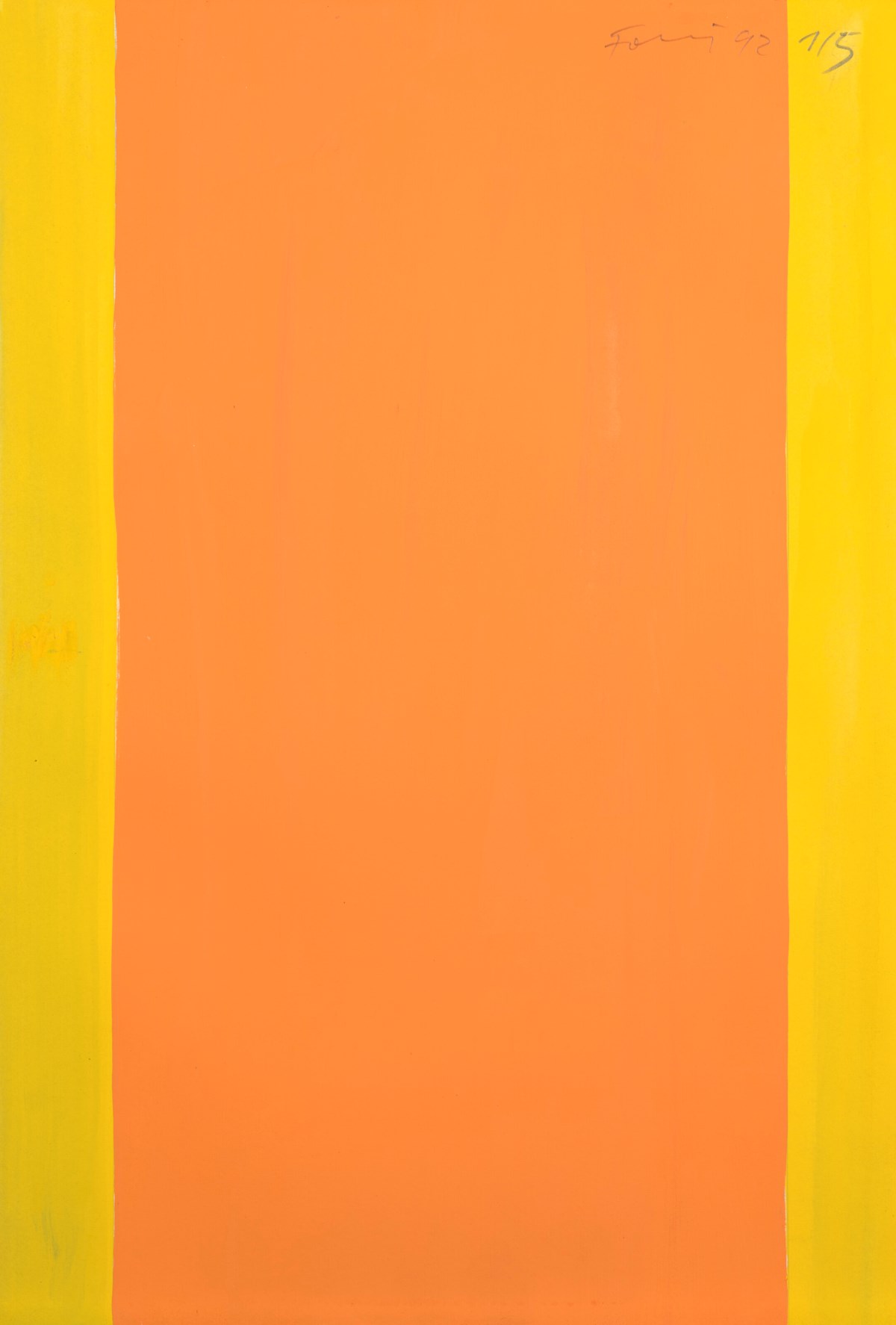
Neo Rauch, working in Leipzig, operates in a pictorial space that refuses easy categorization, blending socialist realist residue with surrealist unease in a way that continues to fascinate collectors and confound easy critical summary. The Leipzig School more broadly has attracted significant institutional attention, with the Museum der bildenden Künste in Leipzig serving as an important anchor for that conversation. There are surprises coming, or rather they are already arriving. The renewed interest in Günther Förg, whose paintings, photographs, and sculptures occupied a kind of critical blind spot for years, has accelerated sharply.
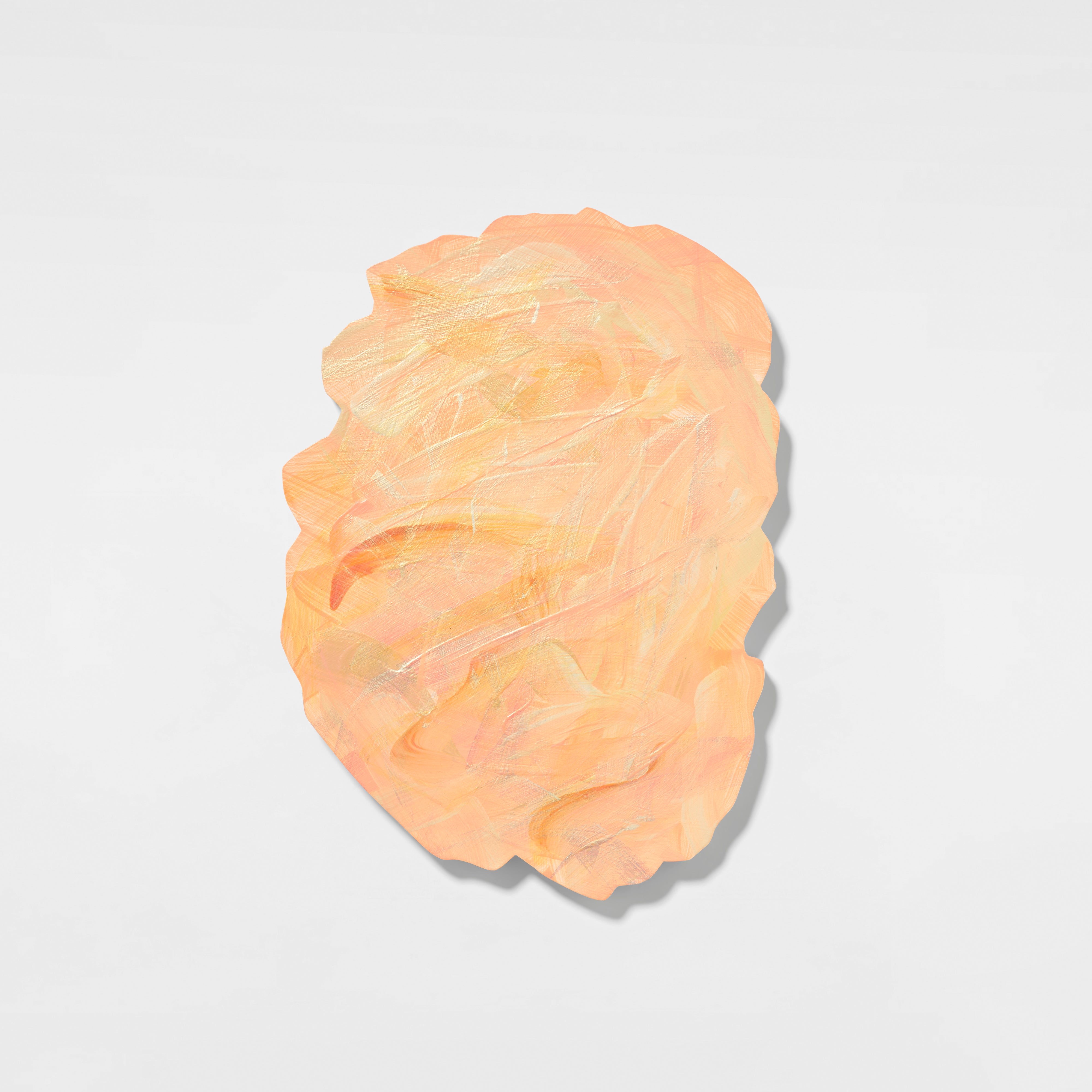
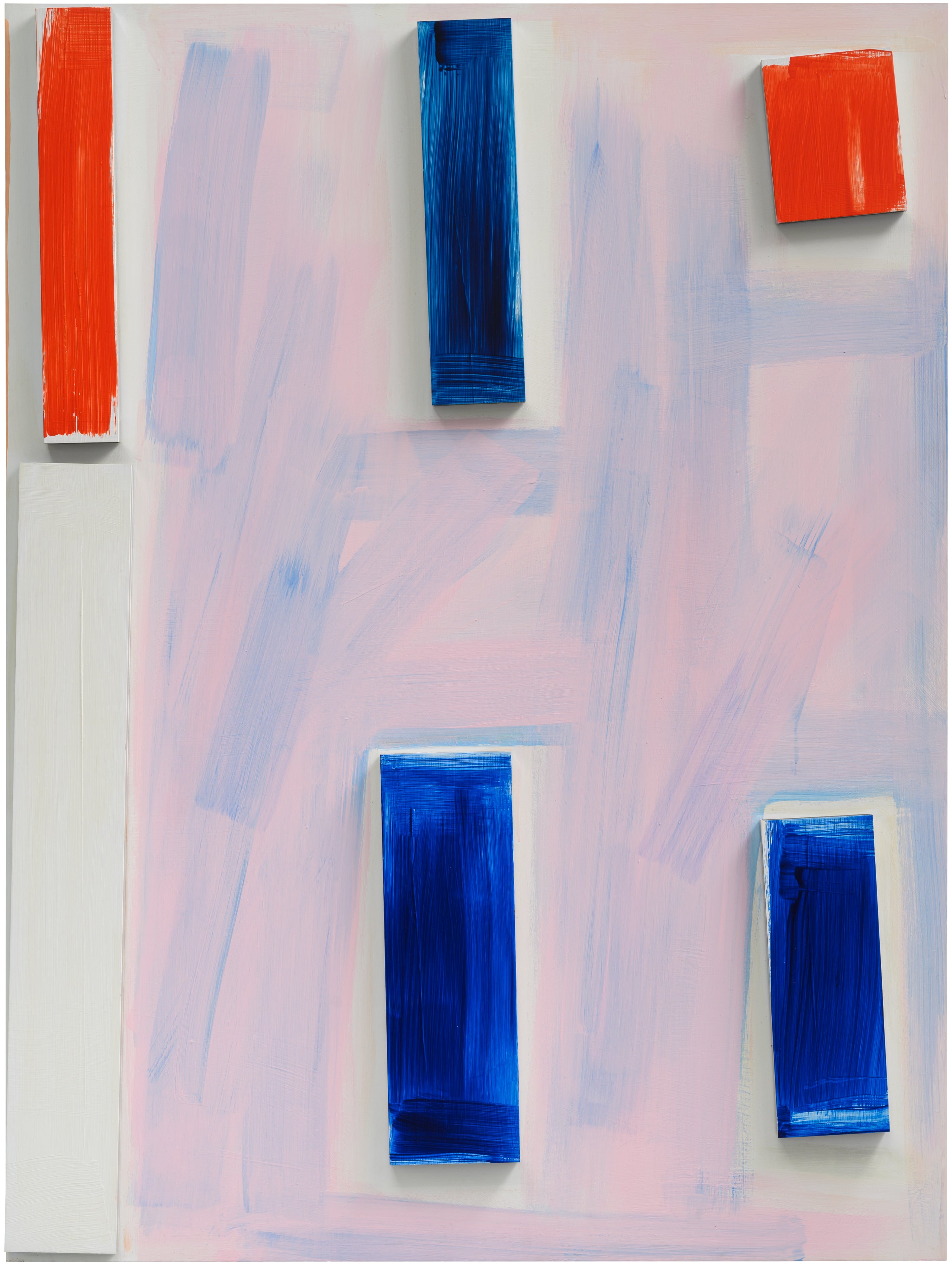
Imi Knoebel
Big Girl G.2, 2018
Auction results for his work have climbed with notable consistency and institutions that overlooked him are now actively acquiring. Imi Knoebel, whose rigorous reduction of painting to its geometric and material fundamentals connects directly to the Bauhaus lineage through his studies with Joseph Beuys at the Kunstakademie Düsseldorf, is another figure whose market undervaluation relative to his art historical importance seems increasingly hard to justify. And there is Albrecht Dürer, whose presence on any serious platform reminds you that the German tradition is not a postwar invention but a centuries long conversation about what images owe to the world they represent. For collectors with the patience and the curiosity to follow this tradition across its full range, from Dürer's precise northern light through Beuys's fat and felt, from Richter's photorealist grief to Tillmans's queer tenderness, the rewards are not only financial.
German art in its breadth is one of the most serious ongoing attempts to think through history, materiality, and the responsibilities of image making. That conversation is far from over.