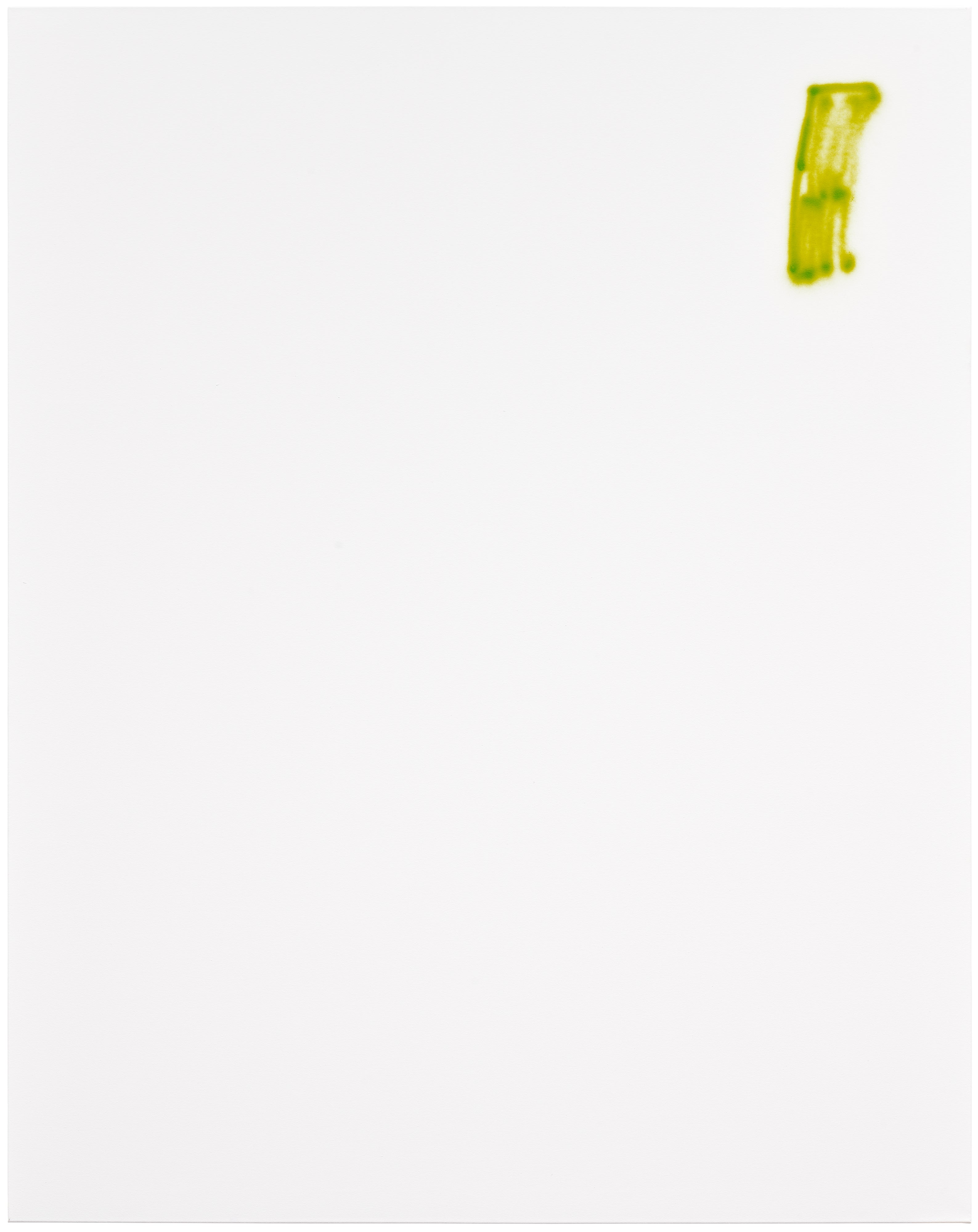
David Ostrowski
Artist Spotlight
David Ostrowski Makes Nothing Look Everything
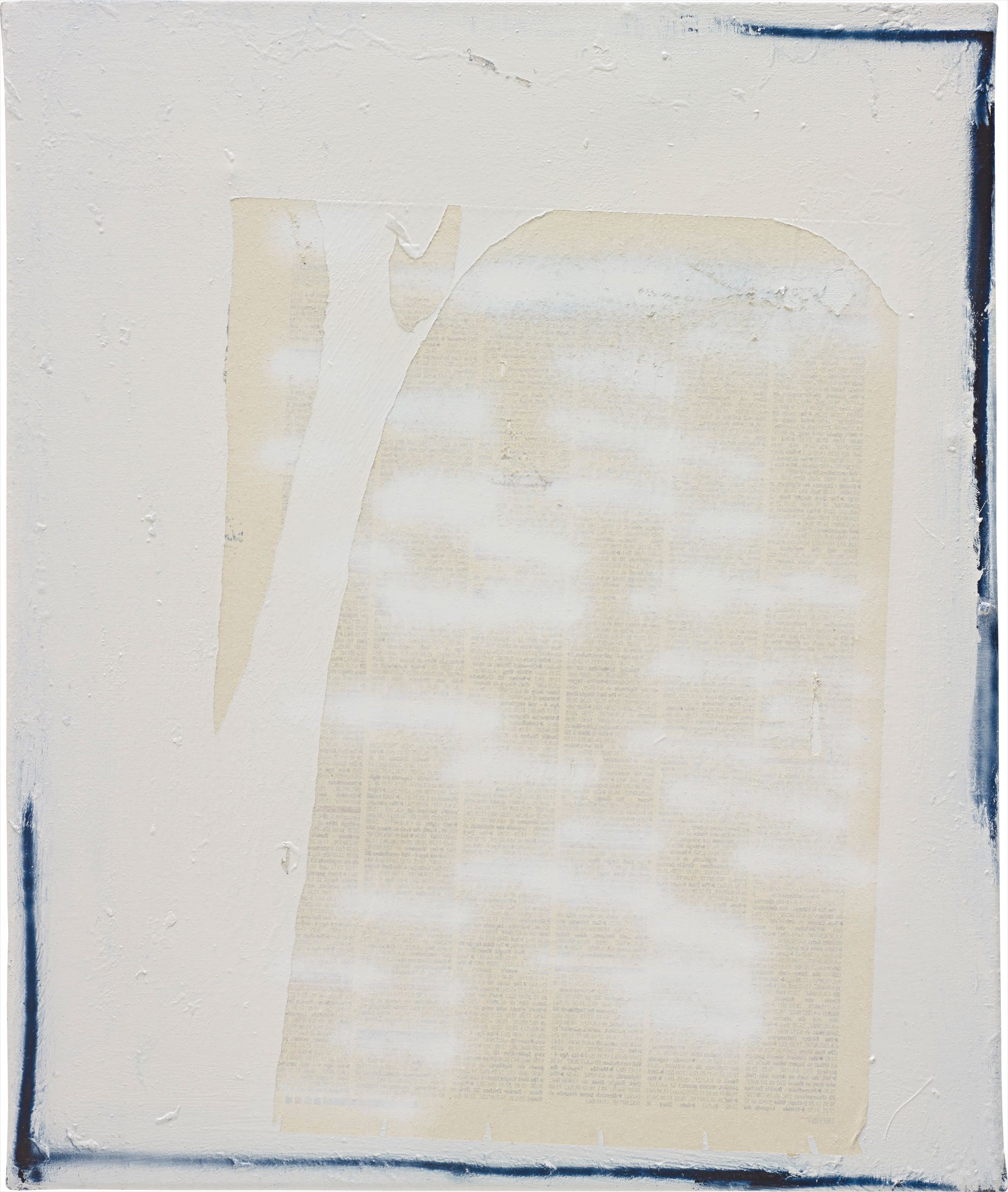
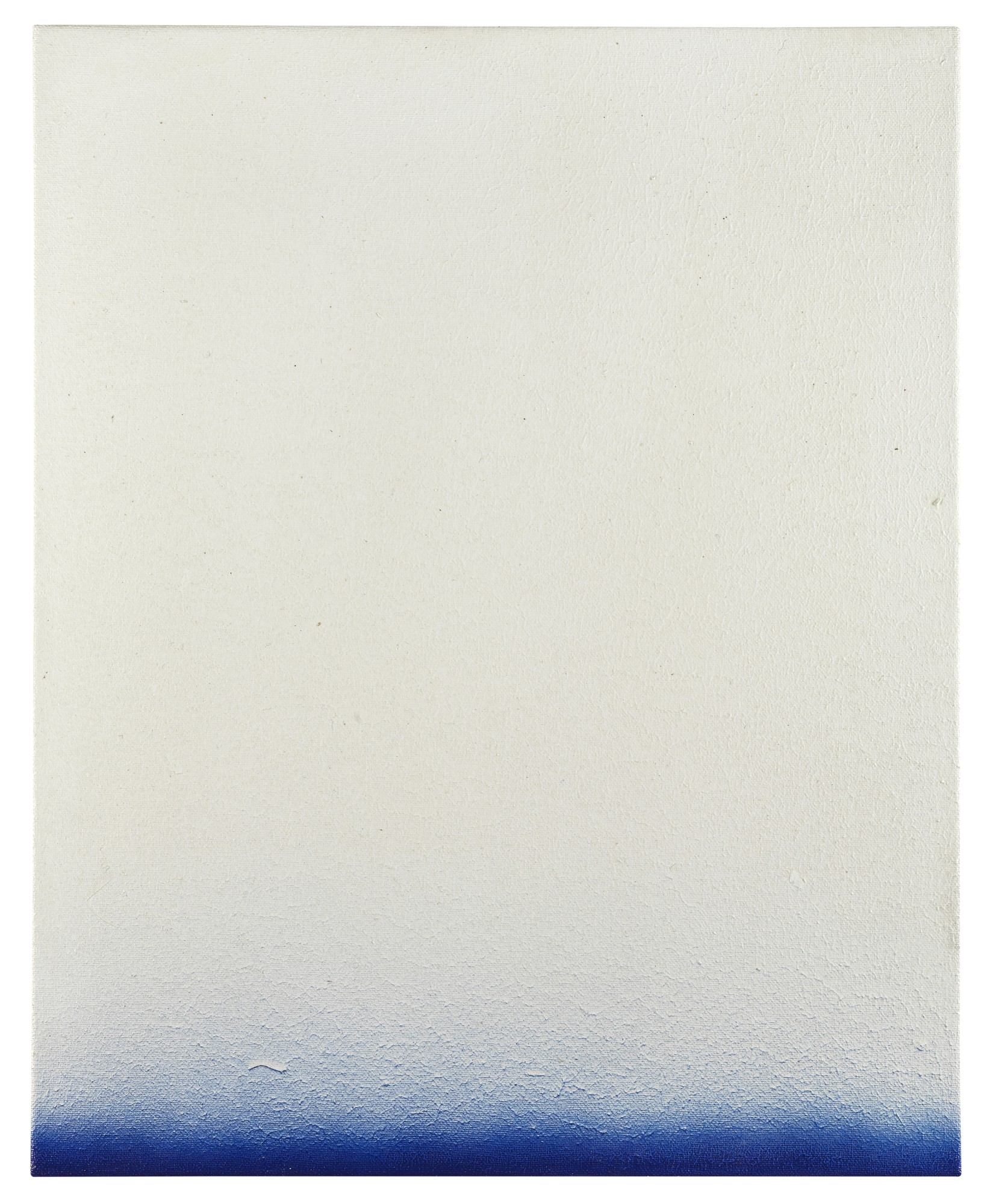
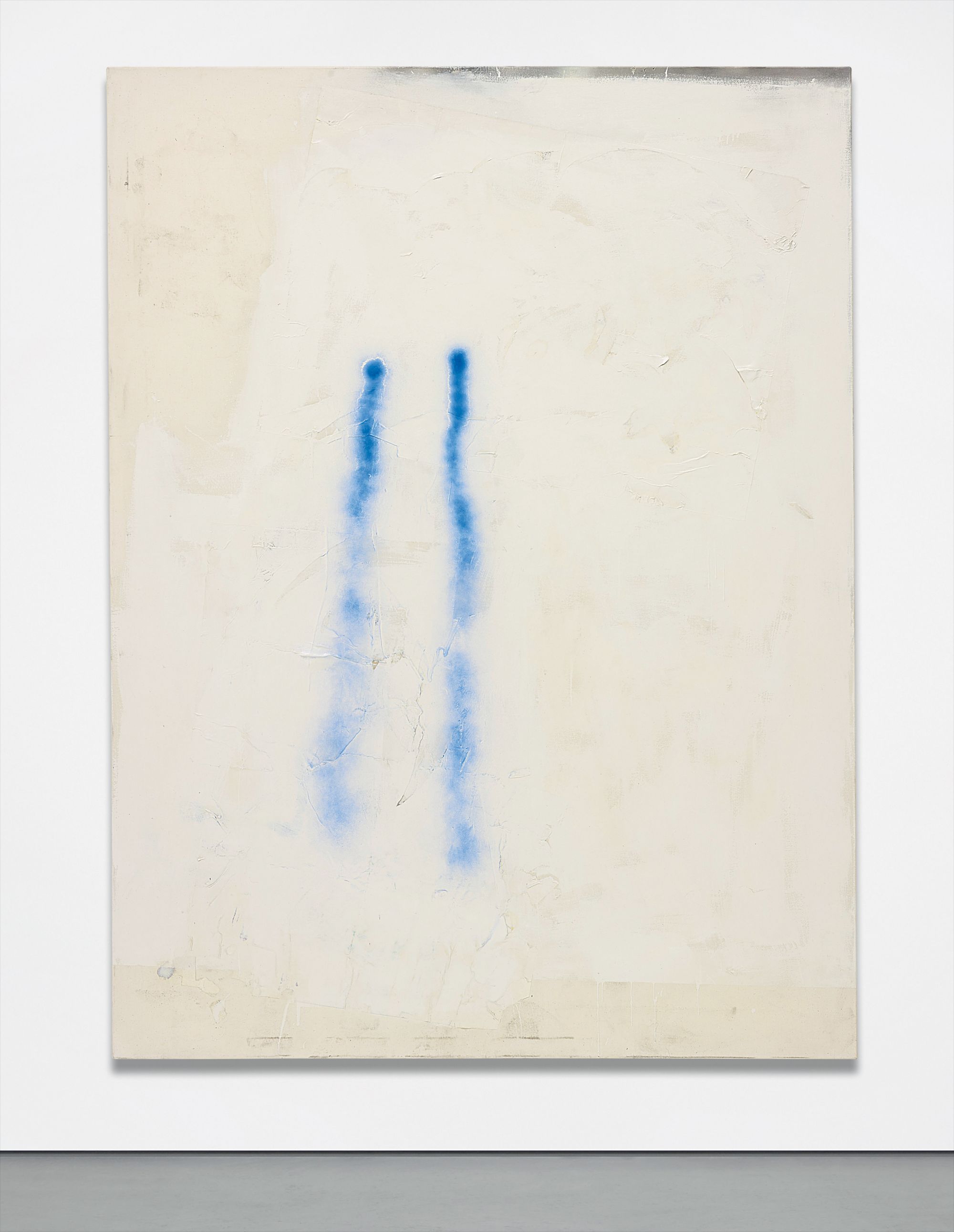
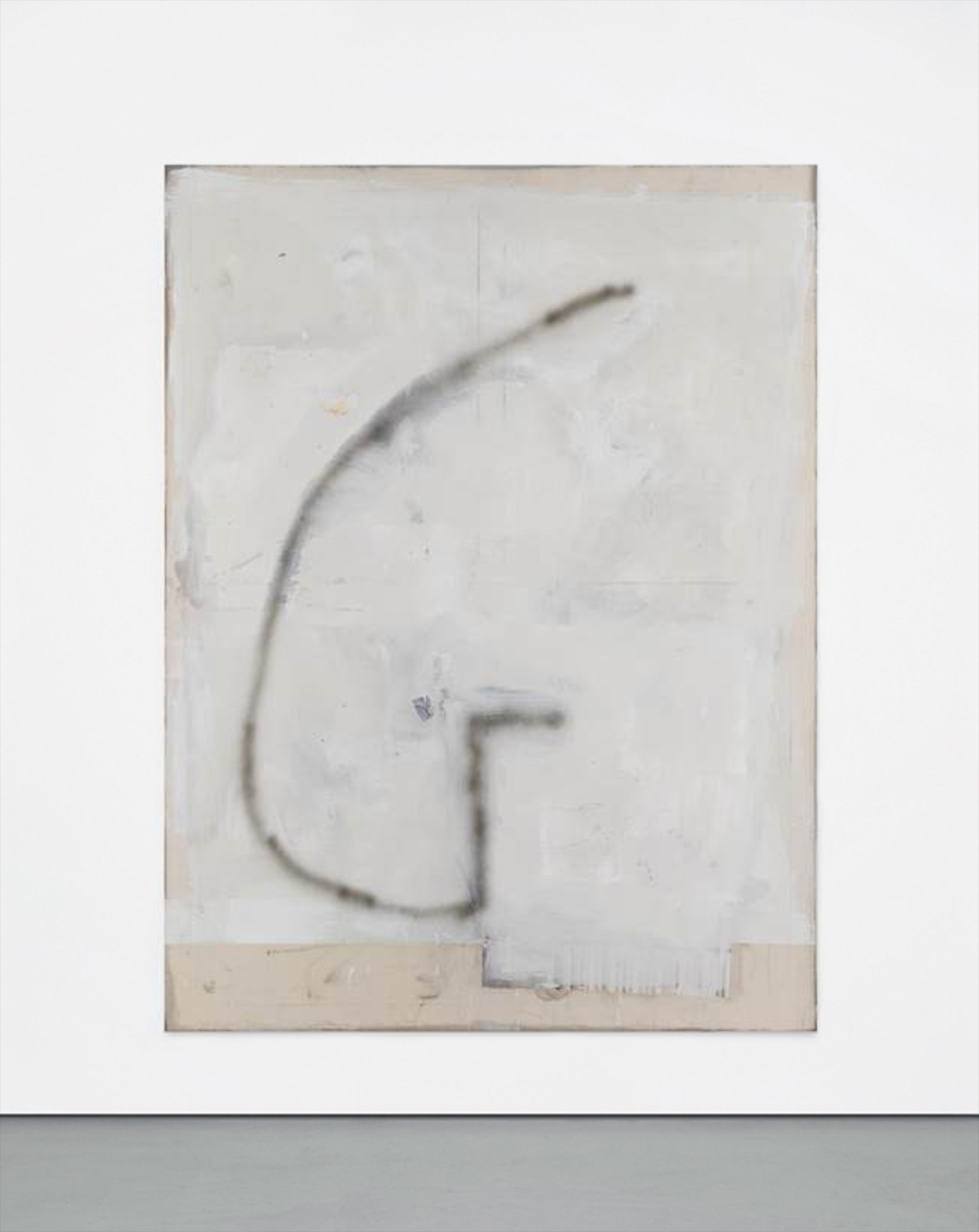
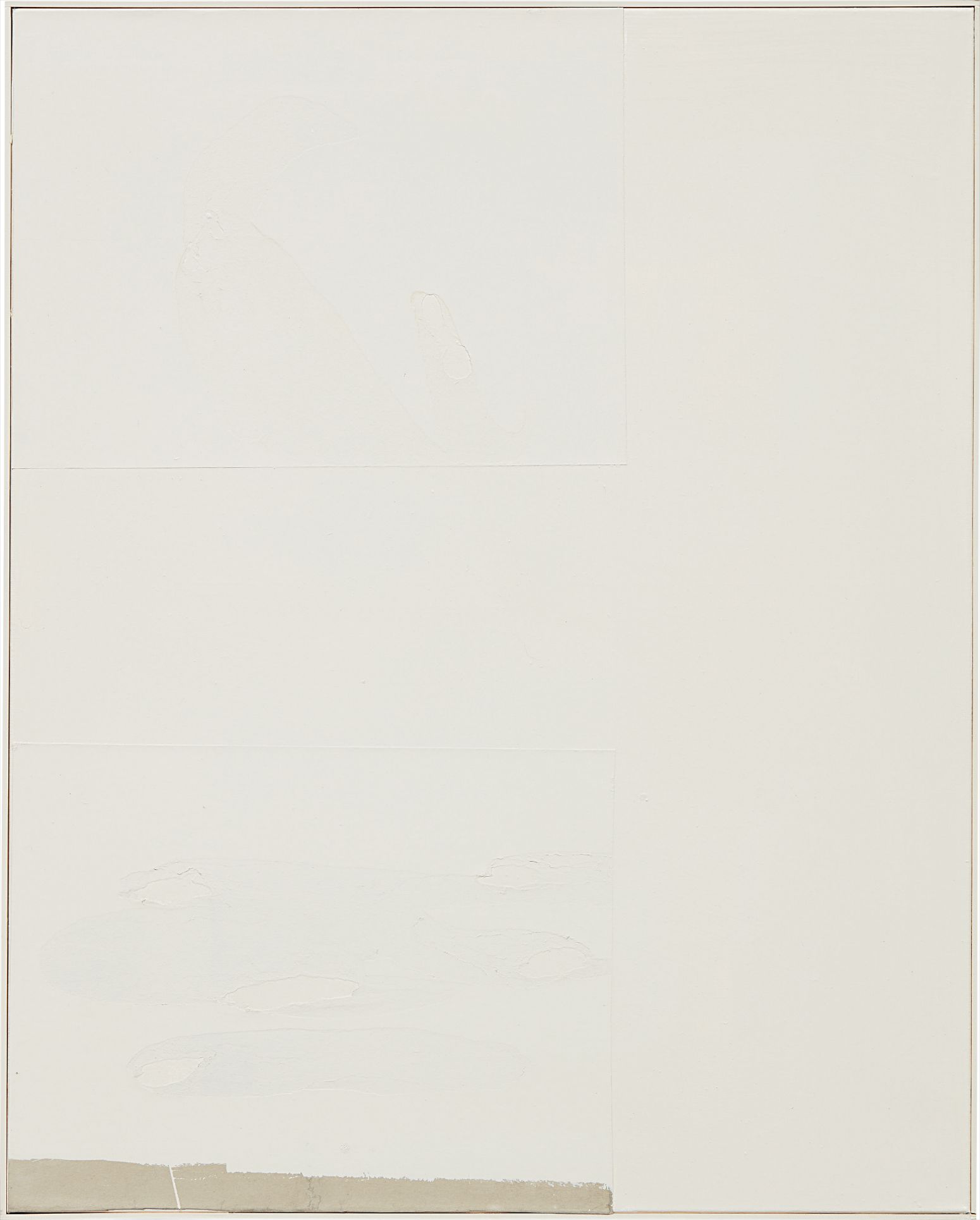
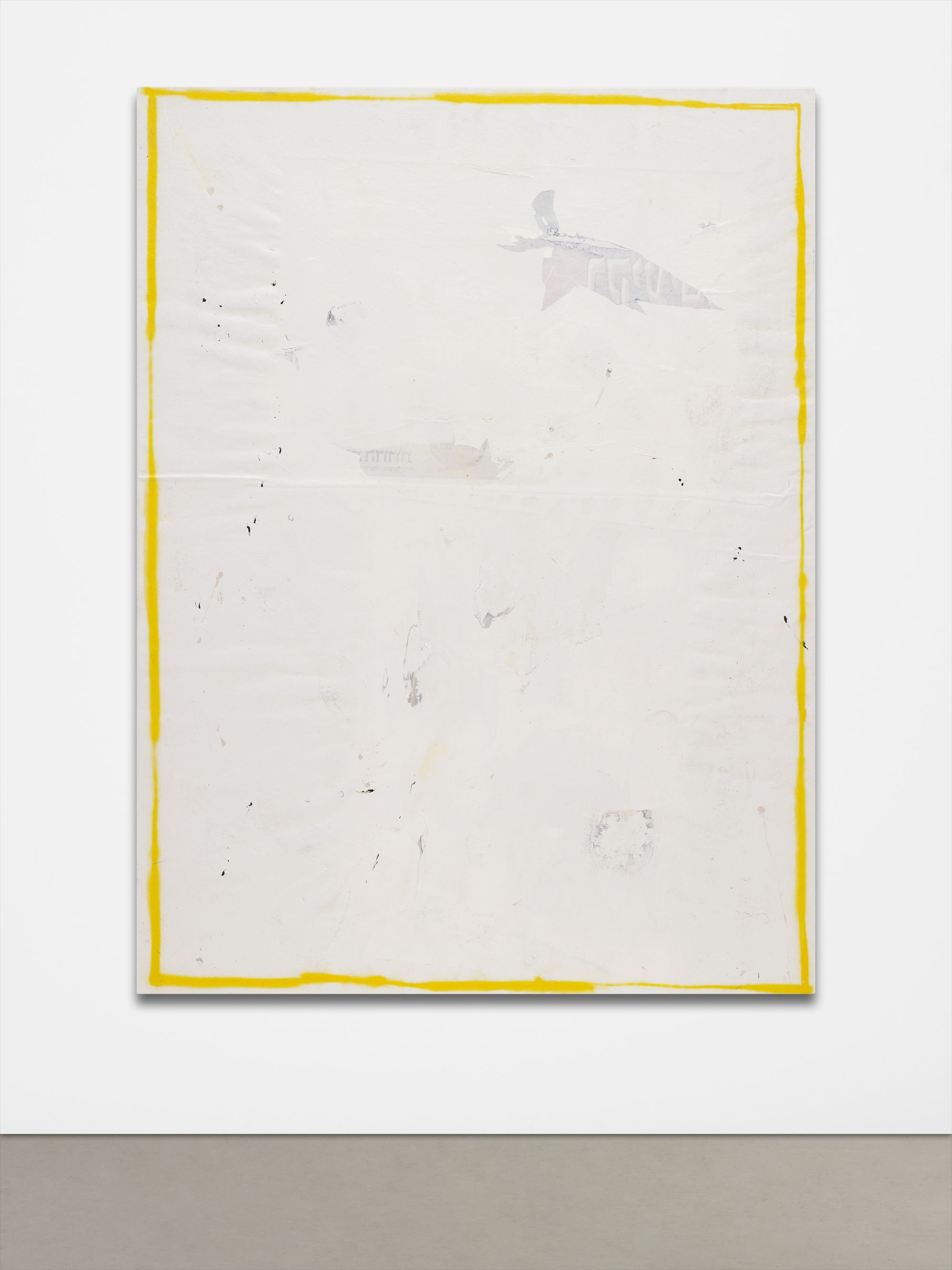
When David Ostrowski's paintings arrived at Sprüth Magers in a recent showing, visitors reportedly spent long minutes standing in front of canvases that contained, by most conventional measures, almost nothing. A single lacquer drip. A smear of acrylic that stops short of the edge. Raw linen that breathes and asserts itself as a presence rather than a void. That experience, of being held in place by apparent emptiness, is precisely the phenomenon that has made Ostrowski one of the most genuinely compelling painters working in Europe today, and one of the few artists of his generation to make… Continue reading
Artists in conversation
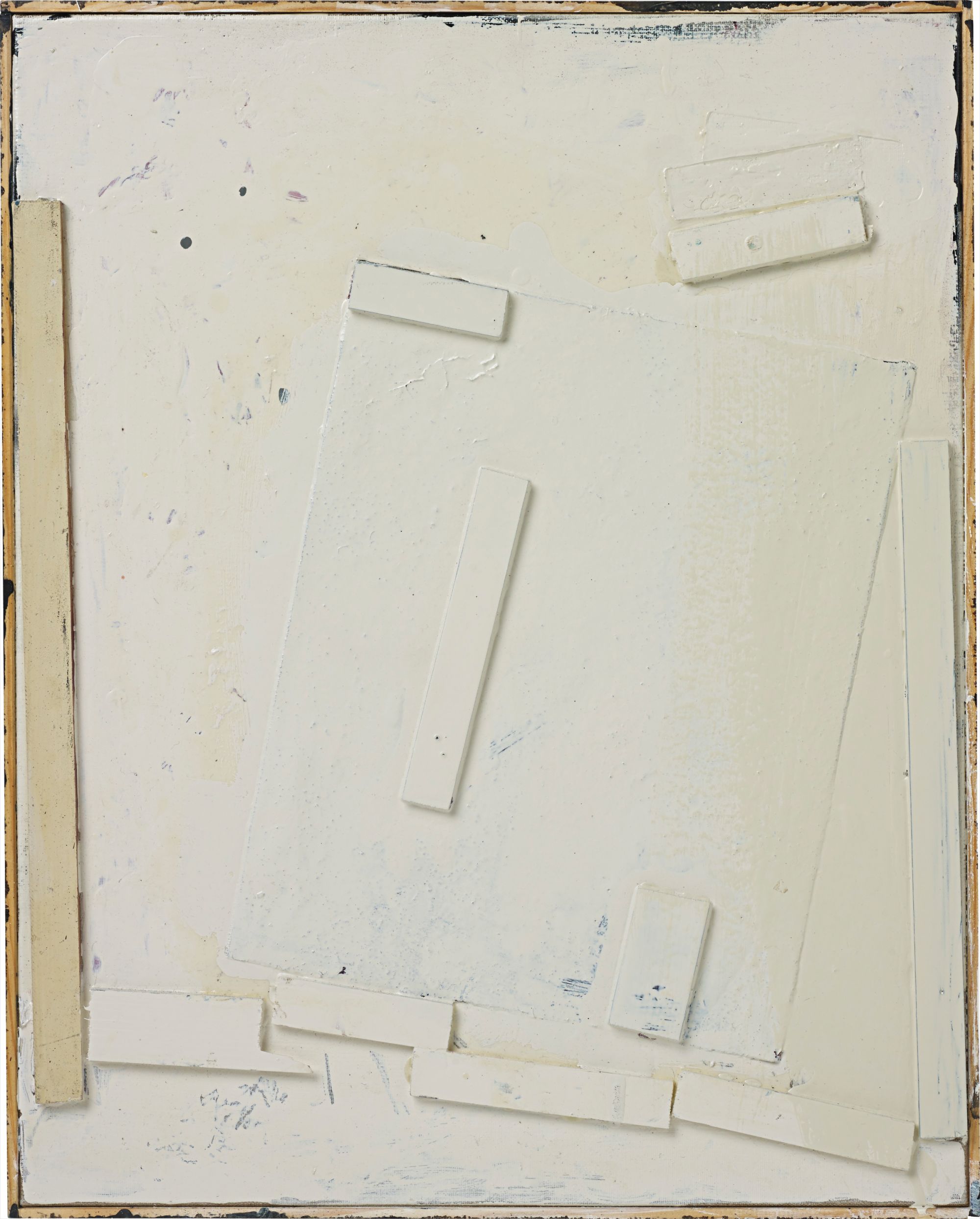
Raoul De Keyser
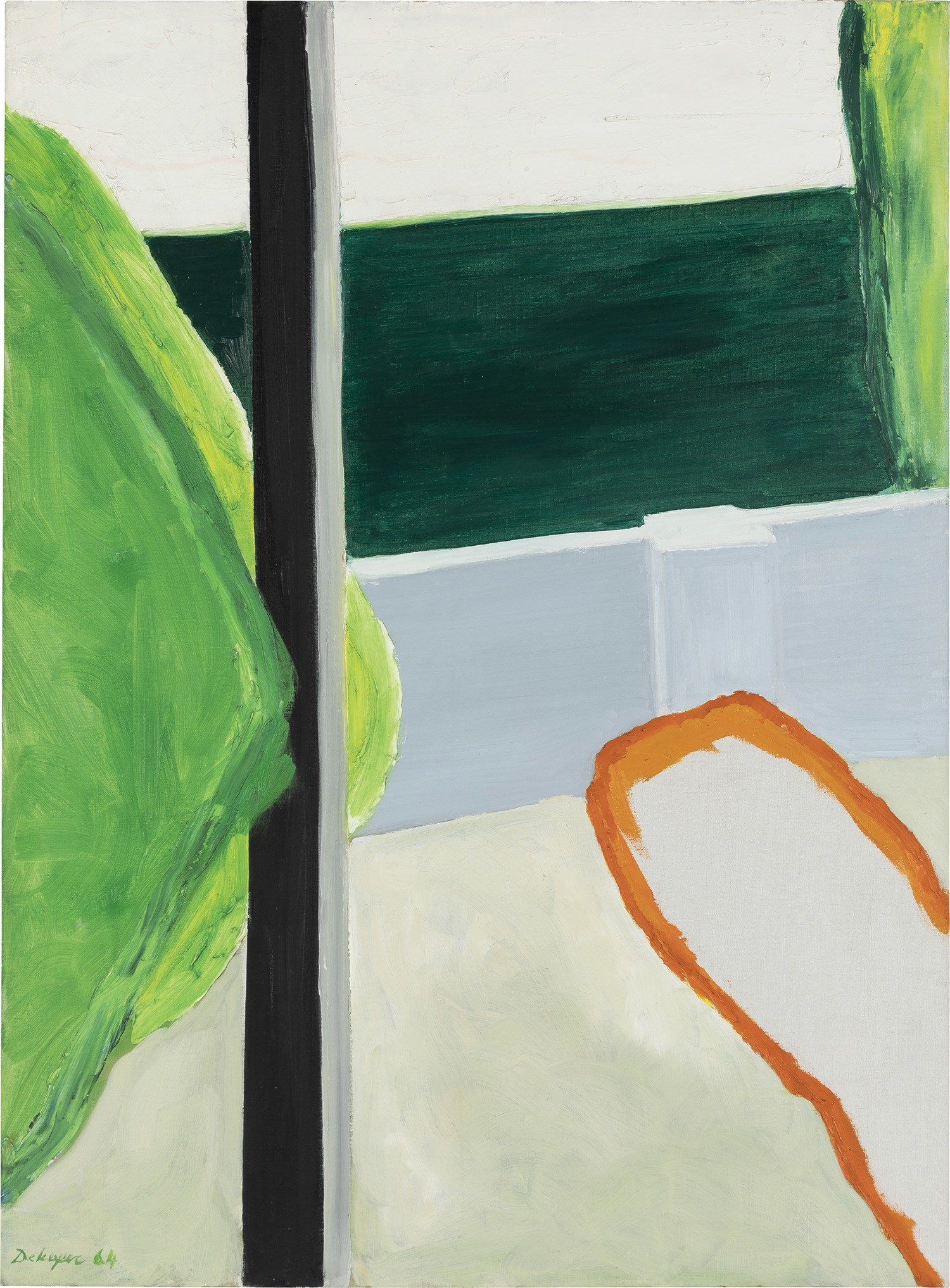
De Keyser similarly employed sparse, reductive marks on raw or lightly worked canvas, embracing incompleteness and economy of gesture as core painterly values. Both artists share a quiet wit and a refusal to overstate, allowing bare canvas to function as an active compositional element.
Günther Förg
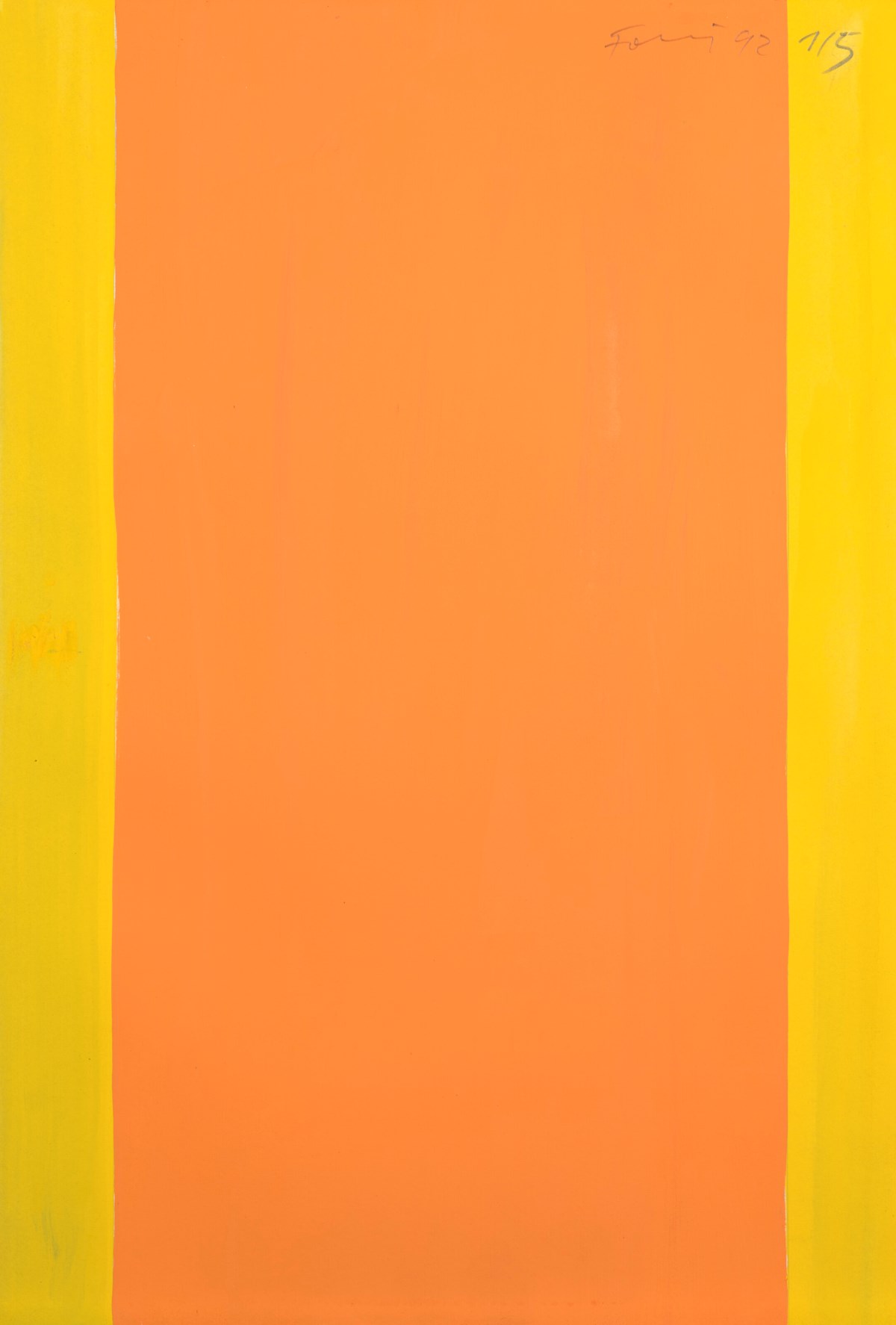
Förg's paintings share Ostrowski's minimal gestural language and interest in the material properties of paint applied to large format surfaces with deliberate restraint. As a fellow German artist working in abstraction, Förg similarly questioned the weight and convention of modernist painting through irreverent reduction.
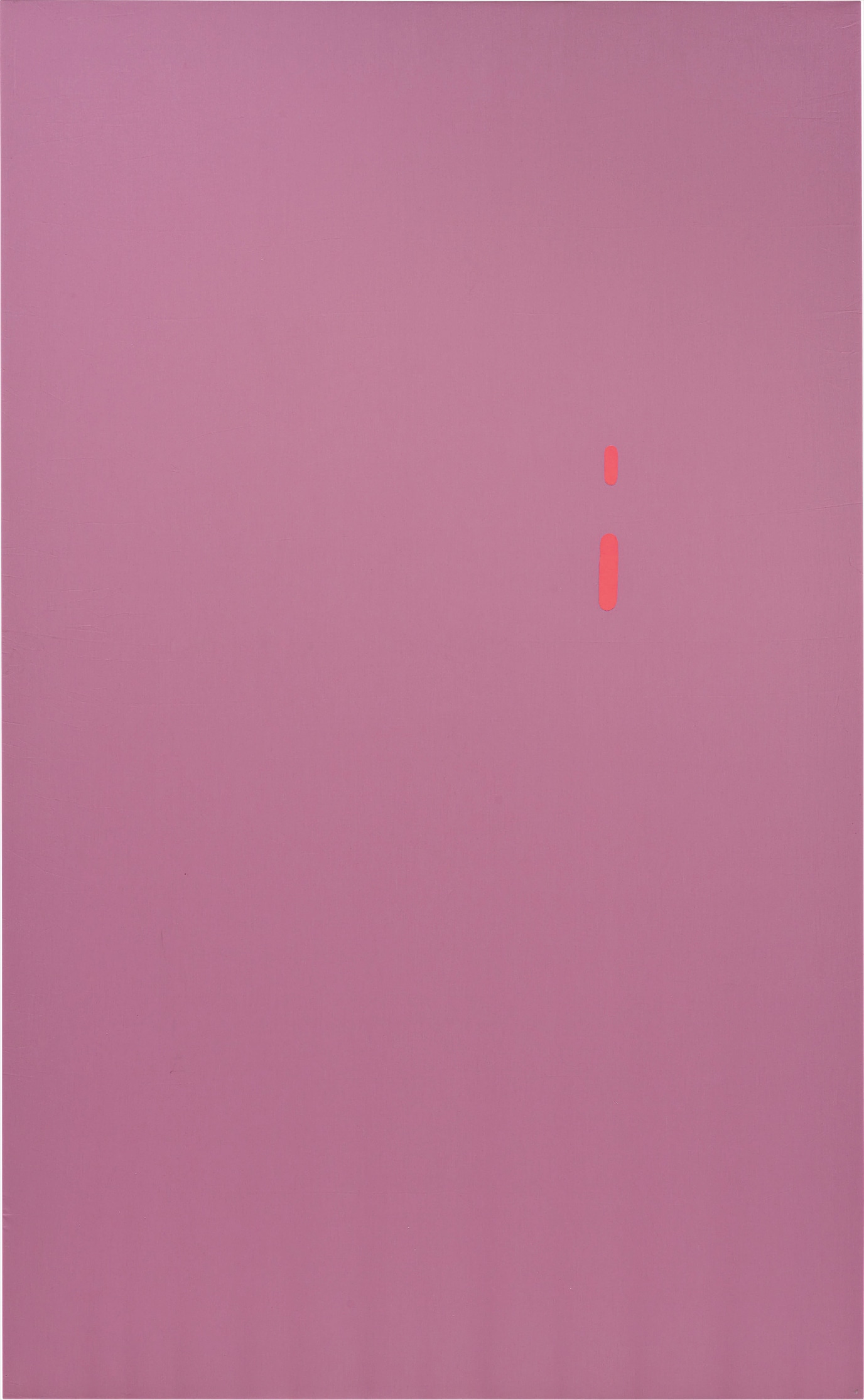
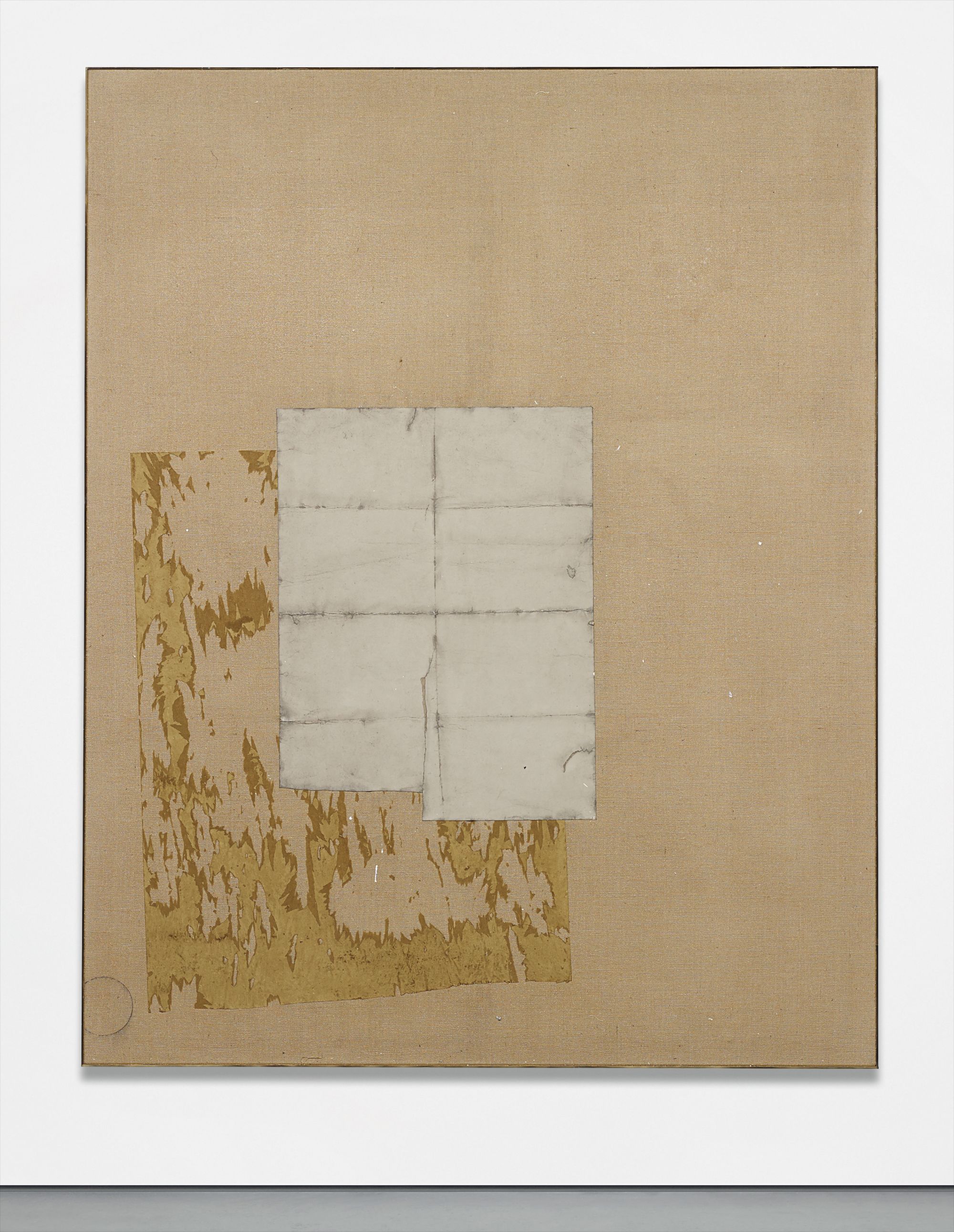
Sergej Jensen
Jensen works with similarly raw and sparse surfaces, often leaving ground materials largely exposed and deploying minimal marks that hover between intention and accident. His process driven approach and neutral muted palette place his practice in close conceptual proximity to Ostrowski's investigations into painting's limits.
Artists who inspired them
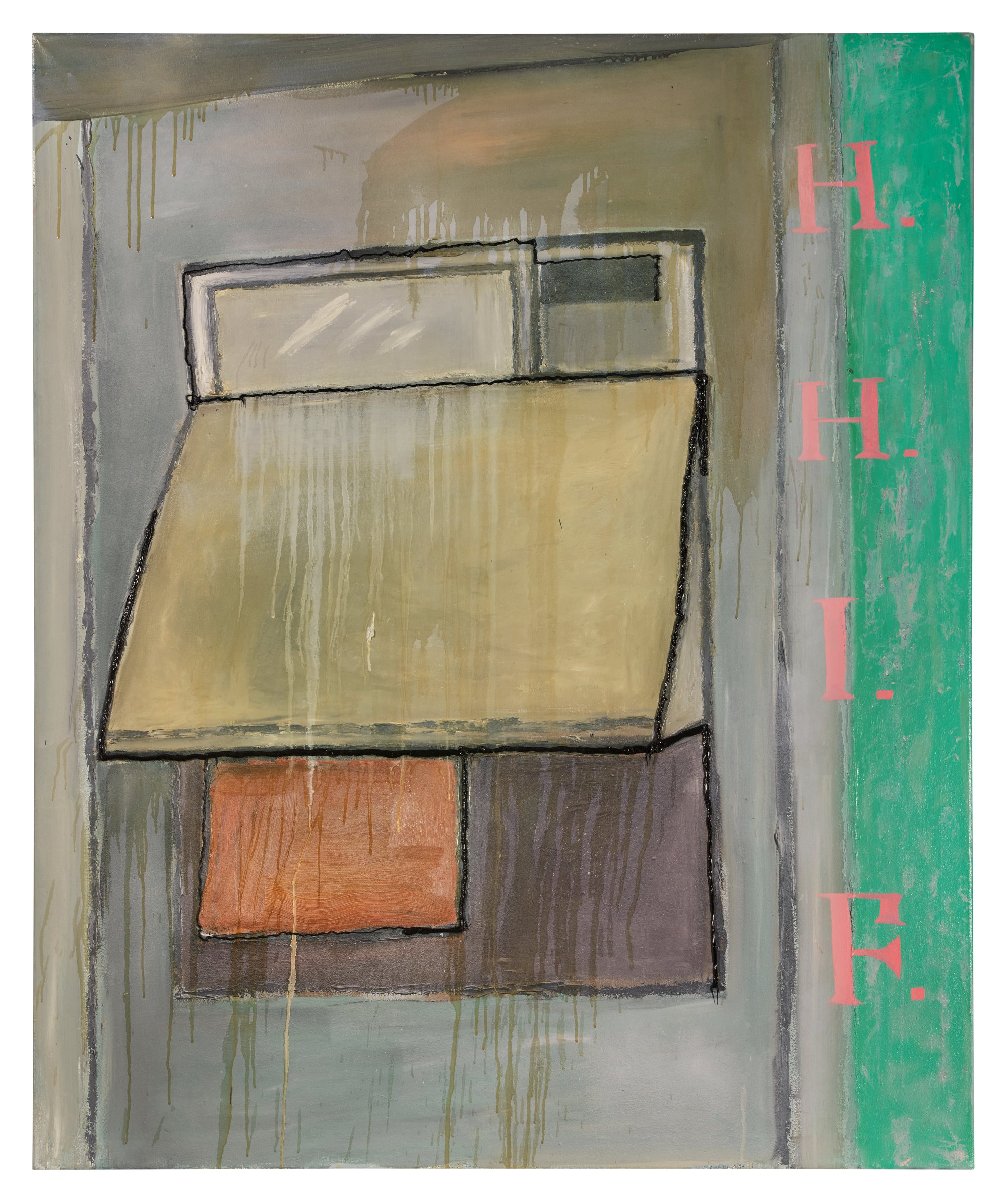
Martin Kippenberger
Kippenberger's irreverent, self questioning attitude toward painting and his embrace of failure and humor as legitimate artistic strategies are clearly reflected in Ostrowski's dry wit and anti heroic approach. Kippenberger demonstrated that painting could be critically self aware without abandoning the medium entirely.
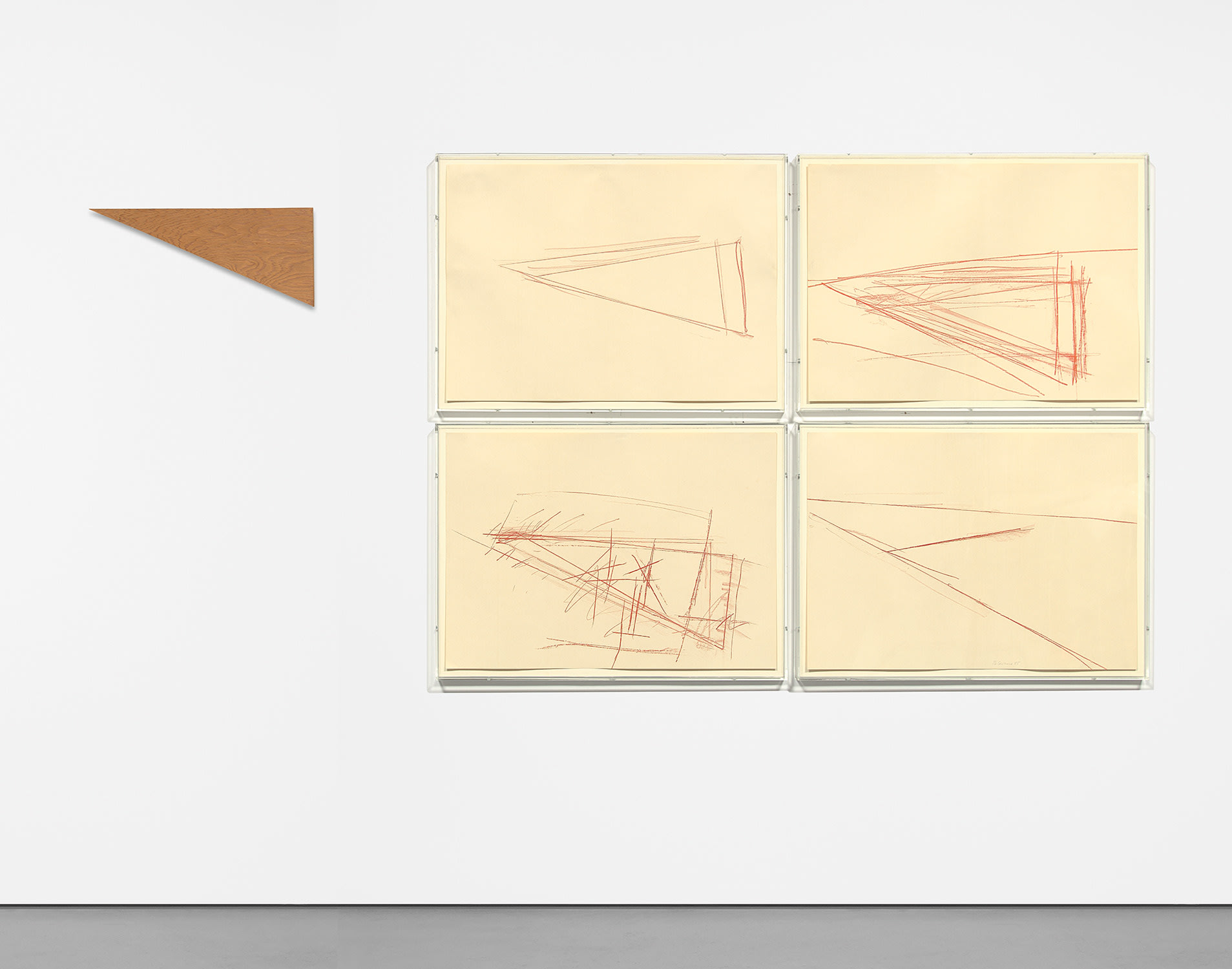
Blinky Palermo
Palermo's reductive abstraction and sensitivity to the physical support of painting as a meaningful element strongly informs Ostrowski's use of raw, unworked canvas as part of the finished composition. His economy of means and elegant simplicity established a lineage of German minimal painting that Ostrowski openly extends.
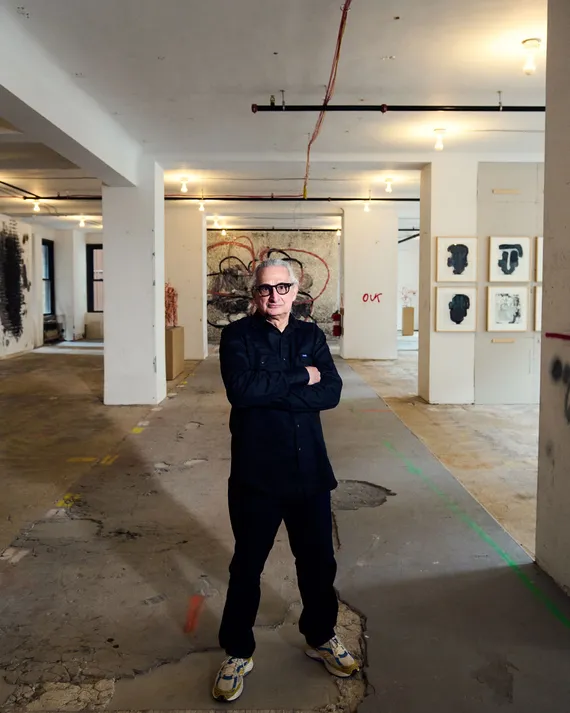
Christopher Wool
Wool's use of lacquer, drips, and a cool gestural vocabulary that questions expressionist conventions is a direct precedent for Ostrowski's own oil and lacquer process driven canvases. Both artists treat the painting's surface as a site of controlled accident and critical self reflection about the act of mark making.