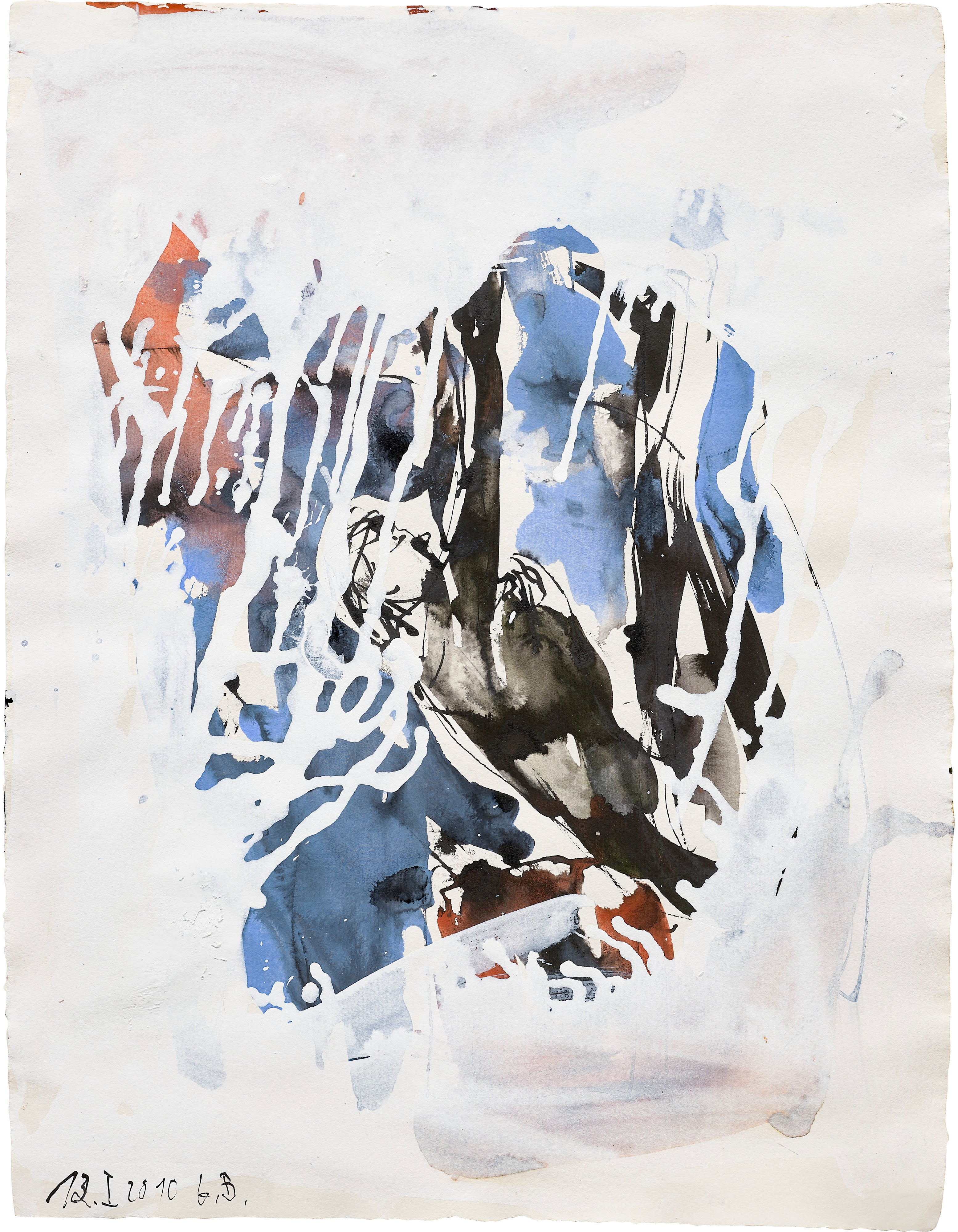
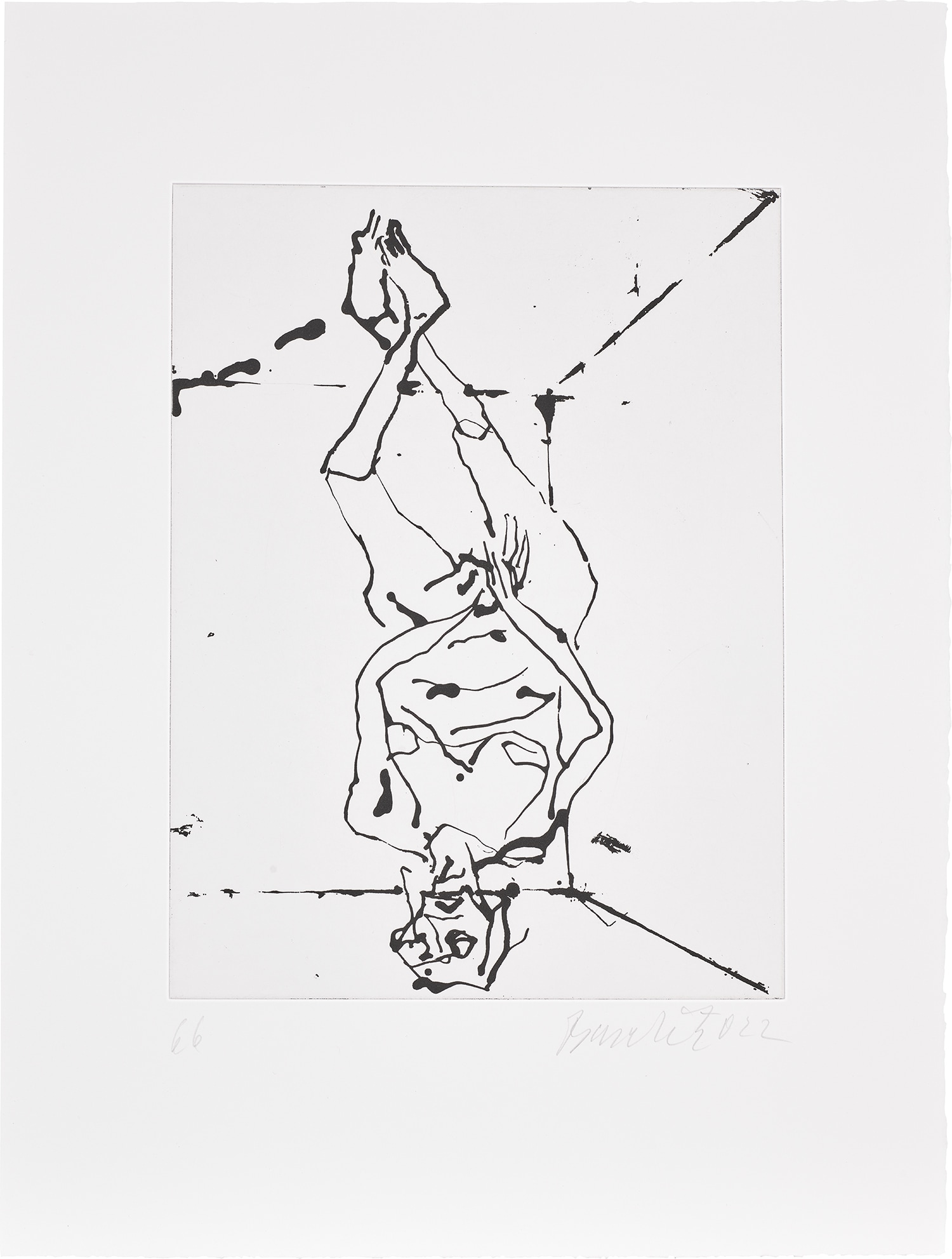
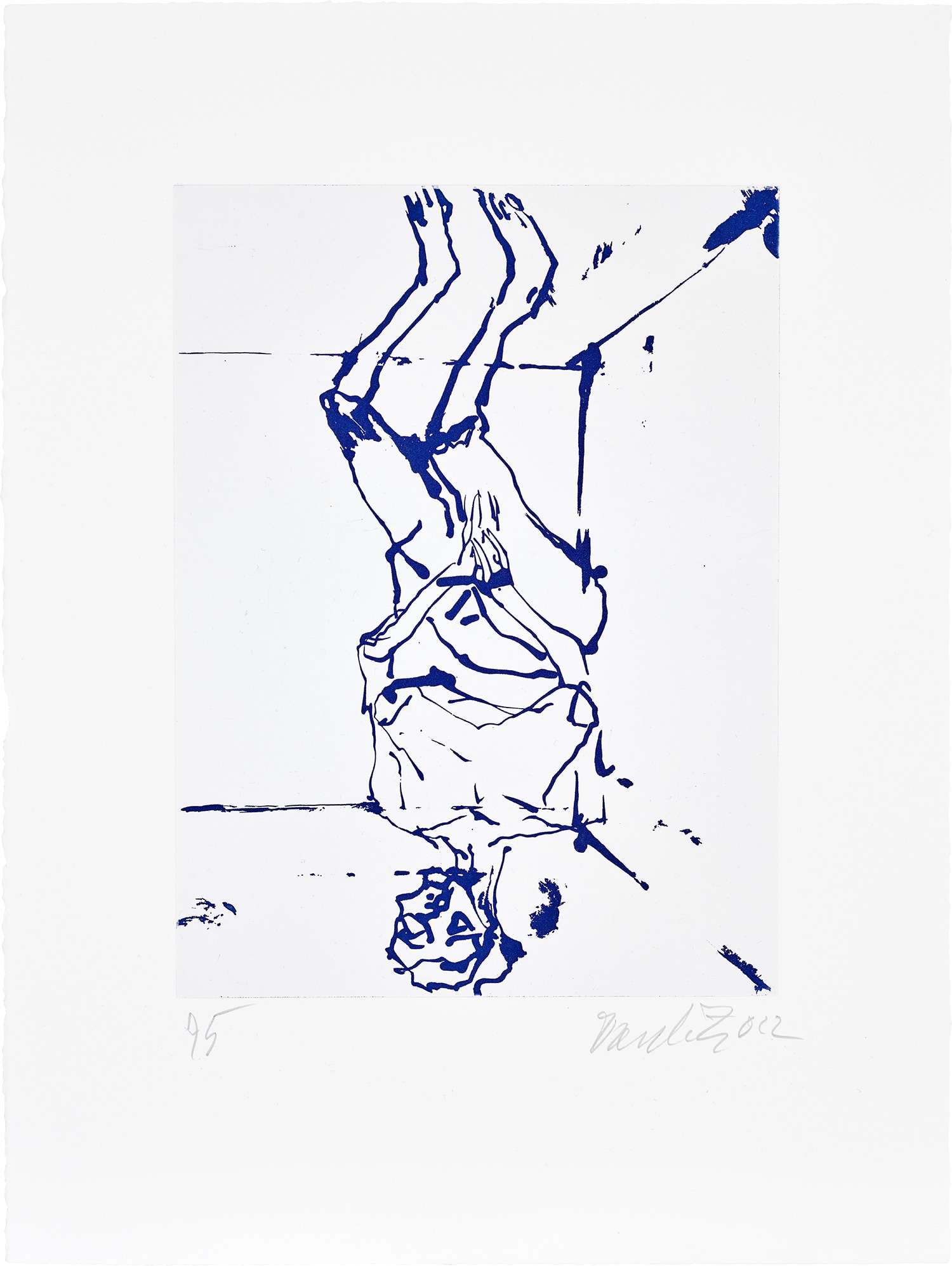
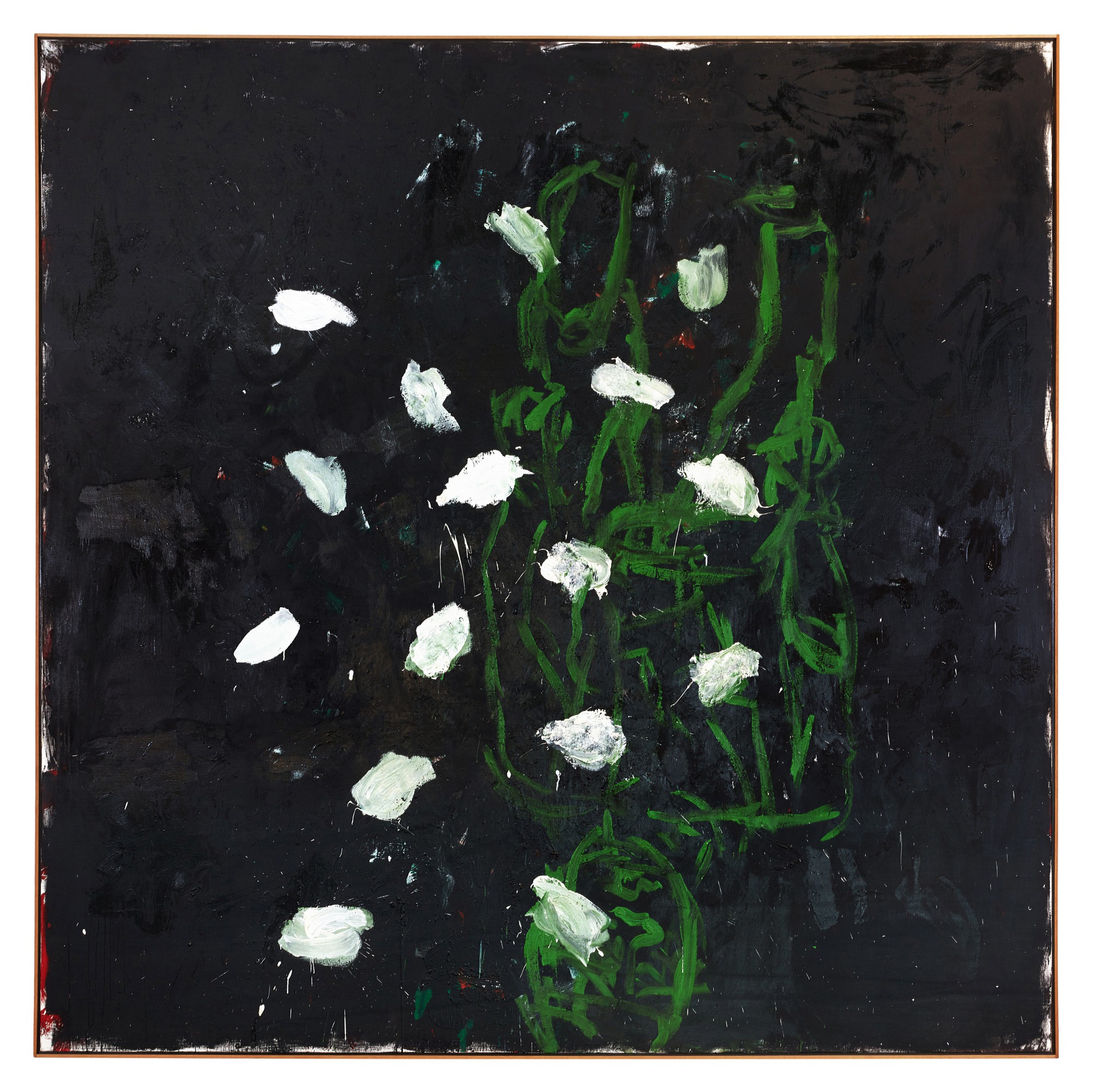
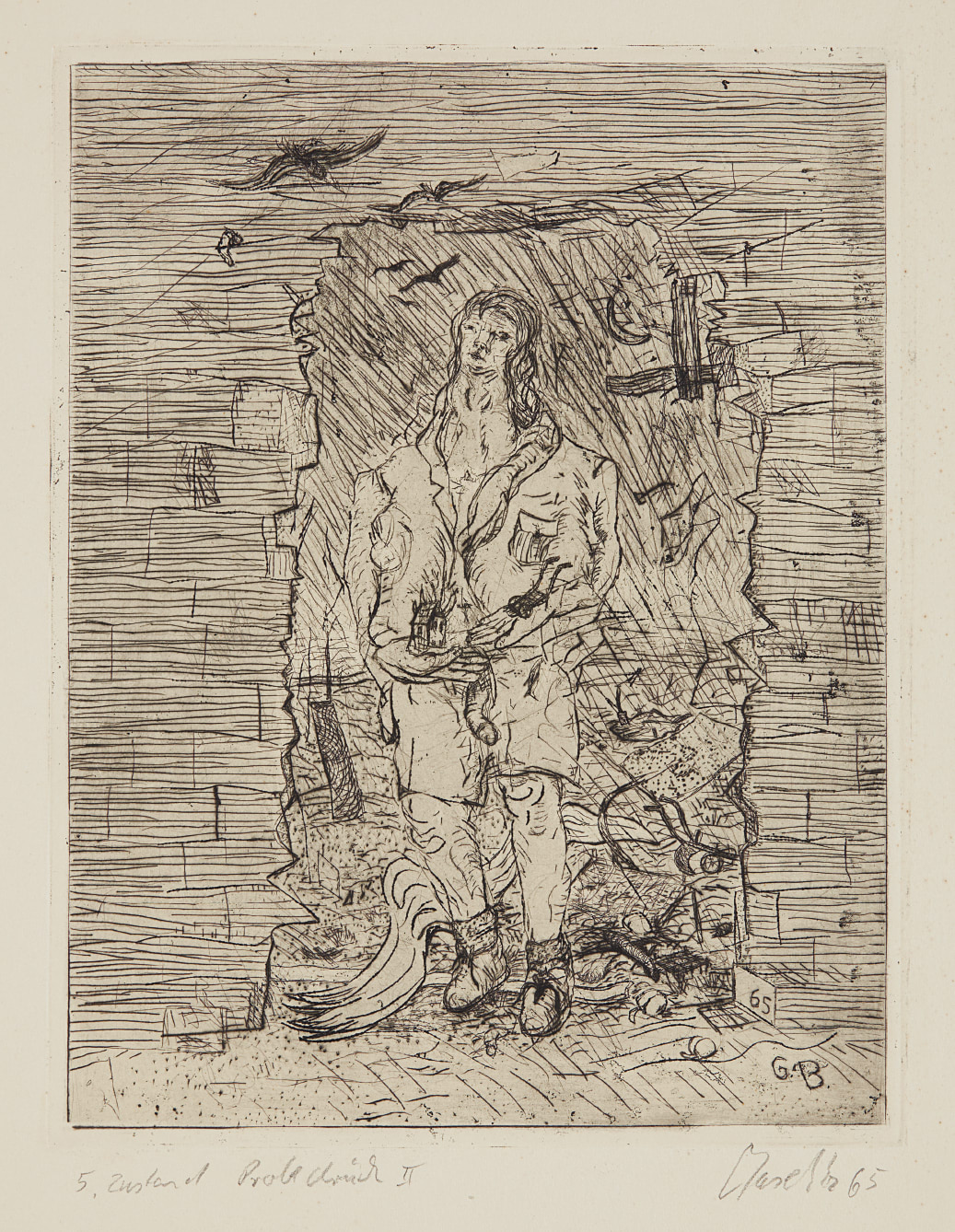
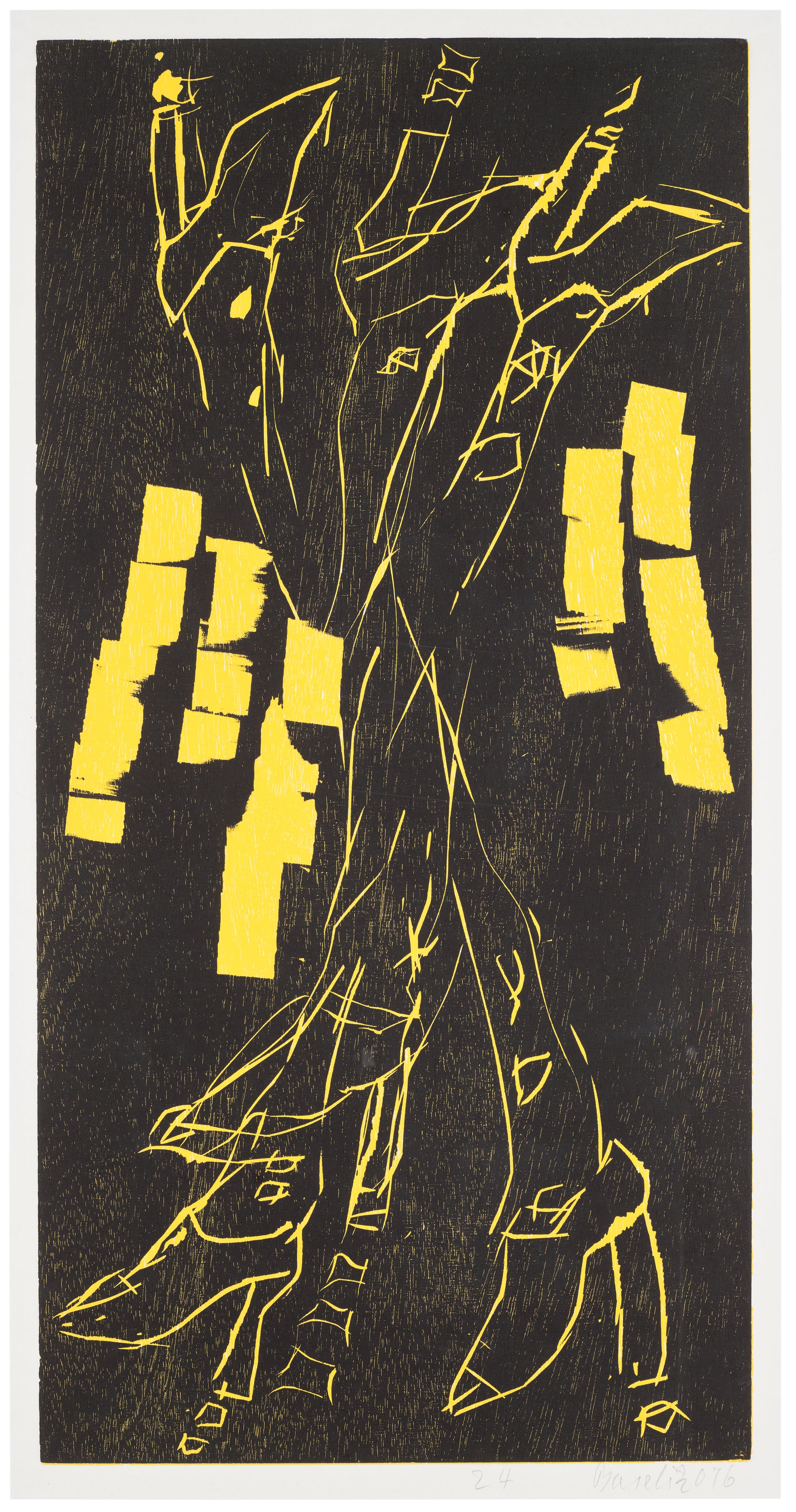
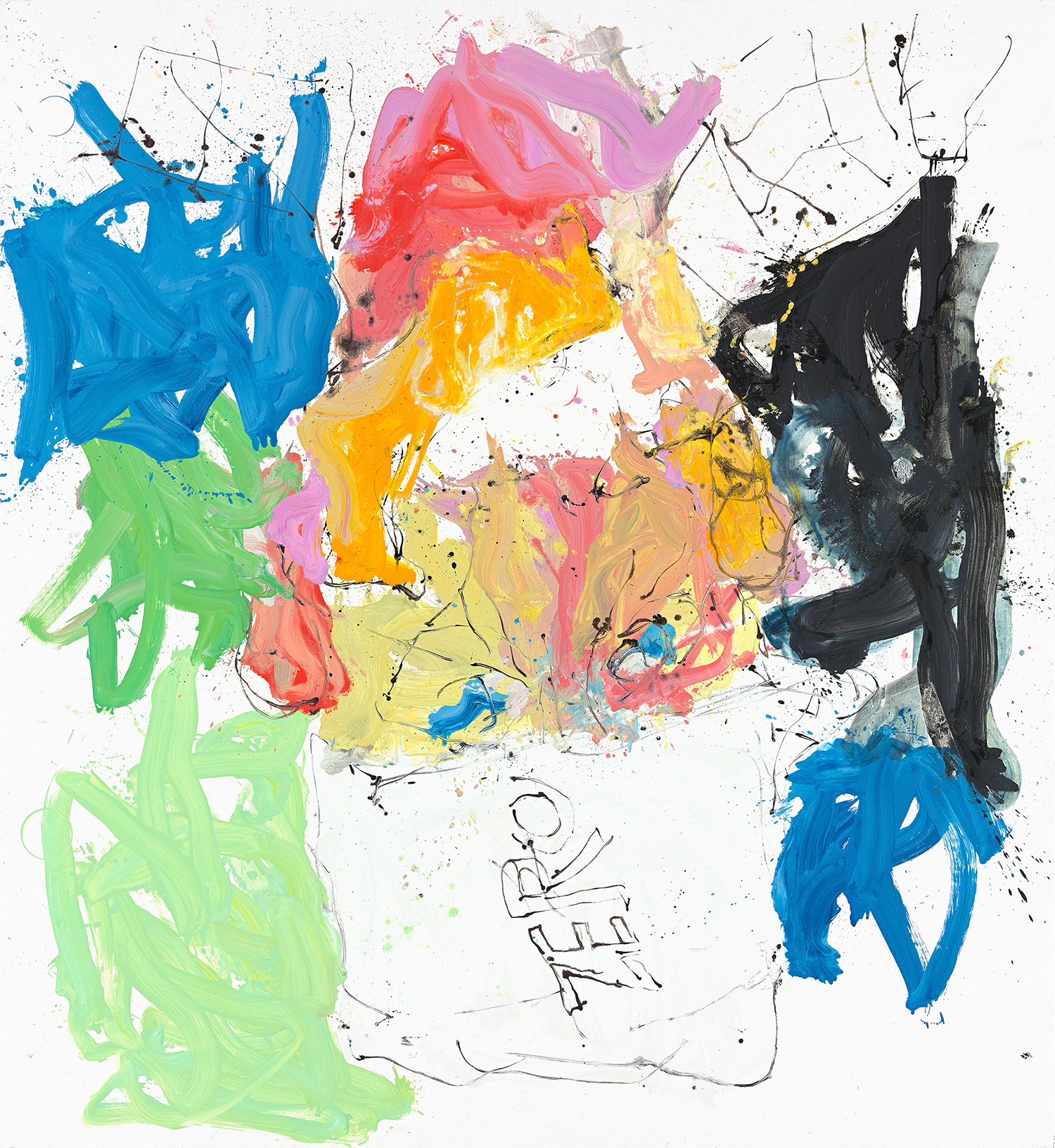
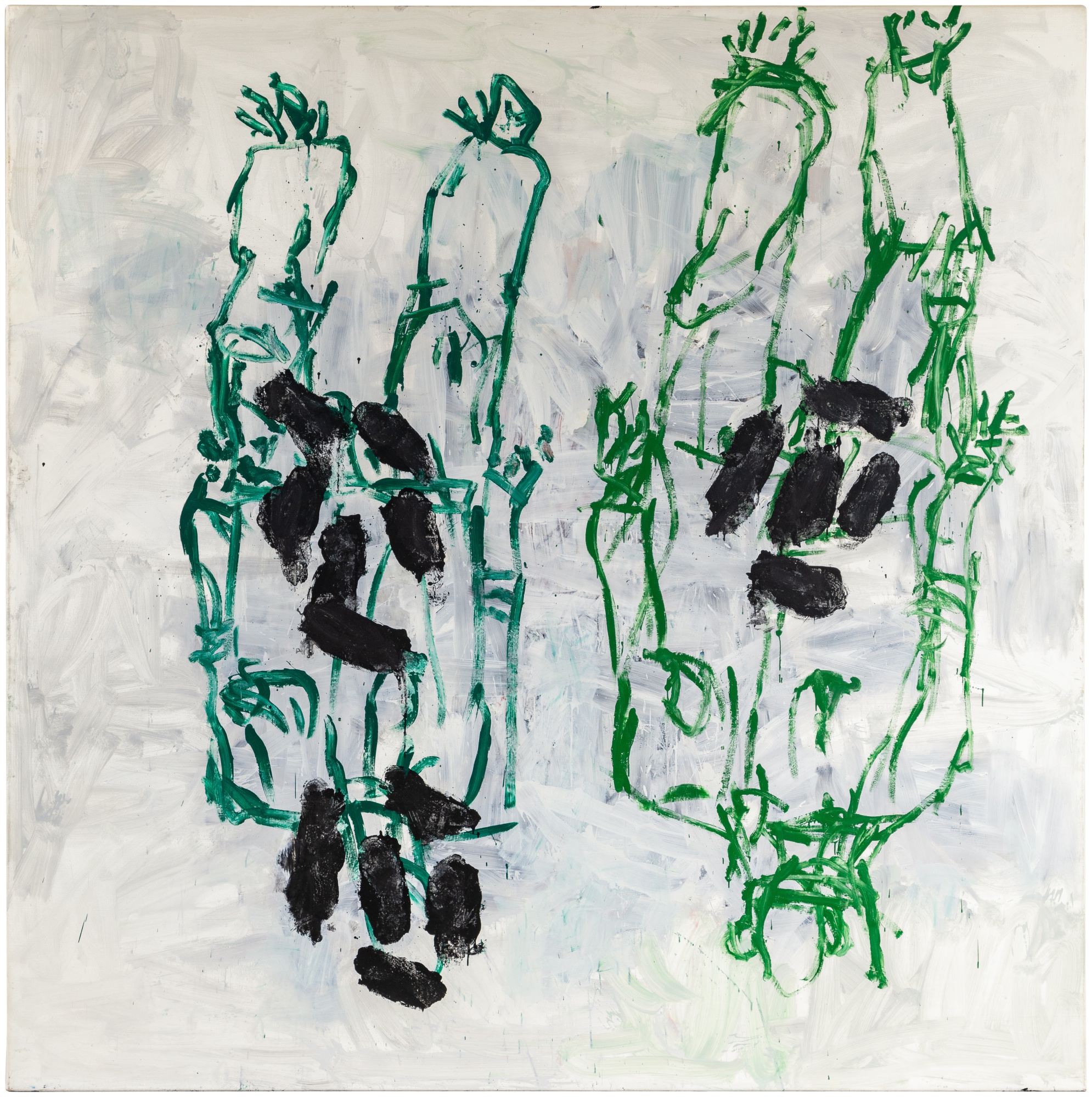
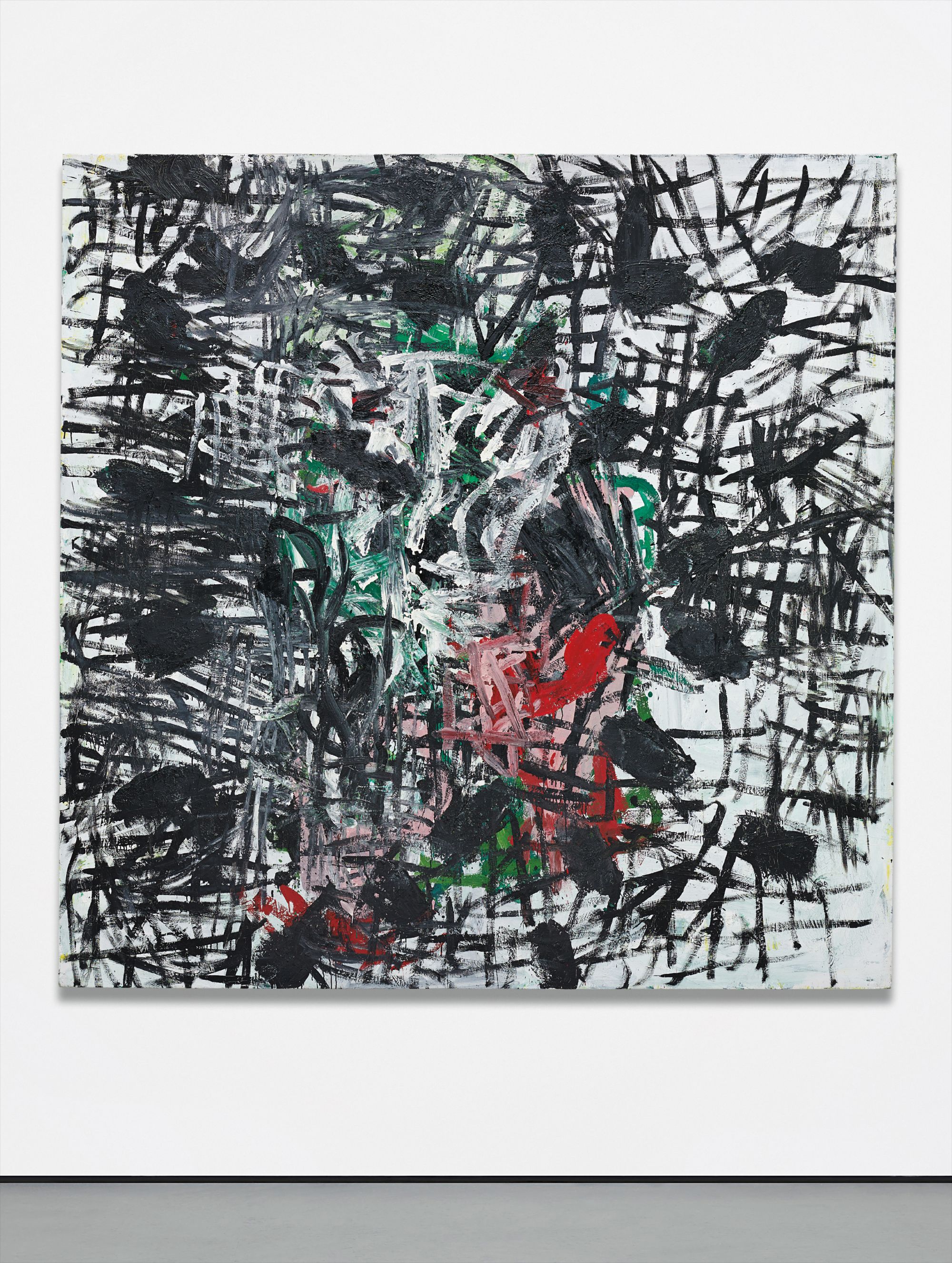
In the spring of 2023, the Fondation Beyeler in Basel mounted a landmark retrospective of Georg Baselitz, drawing visitors from across Europe and cementing what many in the art world had long understood: that this extraordinary German painter, now well into his eighties, remains one of the most vital and uncompromising forces in contemporary art. The exhibition traced more than six decades of relentless reinvention, from early raw figurative drawings charged with postwar anguish to the monumental, inverted canvases that made Baselitz a household name in museums and auction rooms worldwide. To stand before his work is to feel the full weight of European history and the full freedom of a mind that refused every constraint placed upon it. Georg Baselitz was born Hans Georg Kern on January 23, 1938, in the small Saxon town of Deutschbaselitz, a village whose name he would later adopt as his own artistic identity. He came of age in a Germany shattered by war and then carved in two by ideology, and those fractures left permanent marks on his imagination. His early years unfolded in the German Democratic Republic, where he enrolled at the East Berlin Art Academy in the mid 1950s, only to be expelled after just two semesters for what authorities coldly described as sociopolitical immaturity. The rejection was a gift in disguise. He crossed to West Berlin, where he found a freer atmosphere and began studying under the influential abstract painter Hann Trier at the Hochschule für Bildende Künste, absorbing the energies of Art Informel and existentialist European painting. Those West Berlin years were formative in every sense. Baselitz devoured the work of outsider artists, the raw and unmediated imagery of psychiatric patients collected and championed by Hans Prinzhorn, and the savage expressionism already embedded in the German painterly tradition through figures like Ernst Ludwig Kirchner and Otto Dix. He also looked hard at American Abstract Expressionism, at the gestural freedoms of Willem de Kooning and the emotional scale of Franz Kline. What emerged from all of this was not imitation but a fierce synthesis: a painting language that was figural and psychological, loud and literary, rooted in trauma yet reaching urgently toward something new. His 1961 Pandämonium manifestos, written with artist Georg Dokoupil, announced a sensibility deliberately at odds with the cool refinements of the prevailing art world. The pivotal breakthrough came in 1969, when Baselitz began exhibiting his paintings upside down. This was not a gimmick or a provocation for its own sake, though it was certainly provocative. It was a conceptual decision of real depth: by inverting the image, he separated the act of painting from the act of depicting, asking viewers to experience color, gesture, and composition as pure formal events rather than narrative scenes. The subject was still present, still a hero or a tree or a figure in a landscape, but it was liberated from easy reading, freed into pure painterliness. This device became one of the most recognizable signatures in postwar art and remains central to his practice today. Works from this period, including the great Eagle paintings and his series of fragmented figures, now occupy permanent collections at the Museum of Modern Art in New York, the Tate Modern in London, and the Stedelijk Museum in Amsterdam. Among the works that best illuminate his range, the early drawings and prints hold a special place. A work like "Ein neuer Typ (Held mit Fahne)" from 1965, executed in charcoal, watercolor, and graphite, reveals the raw psychological intensity of his early figuration, the hero rendered not triumphant but fractured and ambiguous. The 1966 woodcuts, dense and physical in their handling of the medium, show his connection to the great German tradition of the woodcut, which stretches back to Albrecht Dürer and through to the Expressionists. Later oils such as "Schwarz weiß blond" from 2006 and "Wir fahren aus" from 2016 demonstrate how the inverted figure continues to evolve, growing more gestural and atmospheric with age, suffused with a warmth and even a humor that earlier decades did not always permit. From a collecting perspective, Baselitz occupies a position of exceptional strength and unusual breadth. His work is available across a wide range of mediums and price points, from prints and works on paper that offer genuine access to his vision at more approachable levels, to major oil canvases that command significant sums at auction. His paintings have sold for tens of millions at Christie's and Sotheby's, and demand from institutional and private collectors alike remains consistently strong. Collectors are drawn to the intellectual rigor behind his practice, the sense that every formal decision is argued through rather than arrived at intuitively, but also to the sheer physical pleasure of the work itself. The prints in particular, including his etchings and woodcuts, represent outstanding value as entry points into a body of work that spans more than sixty years of sustained creative ambition. To understand Baselitz fully, it helps to place him alongside his contemporaries and near contemporaries in the broader landscape of postwar European painting. He shares something with Anselm Kiefer in the willingness to confront German history directly and without flinching, though where Kiefer tends toward the monumental and the mythological, Baselitz is more intimate and physically immediate. He has affinities with Sigmar Polke and Gerhard Richter, with whom he formed part of a loose constellation of German painters who collectively redefined what European figuration could mean in the late twentieth century. Further afield, comparisons can be drawn to Francis Bacon in Britain and Philip Guston in America: artists who looked unflinchingly at the damaged human figure and found in that damage not defeat but revelation. What makes Baselitz matter today, in 2024, is precisely what has always made him matter: the stubborn, searching independence of his vision. He has never settled into a comfortable late style, never coasted on reputation. He continues to paint and to print, to challenge his own solutions and to find new formal questions worth asking. His work stands as a reminder that the painted figure, for all the challenges mounted against it across a century of modernism, retains its power to move us, to unsettle us, and to tell the truth about what it means to inhabit a body in a world still working through its histories. For collectors, for institutions, and for anyone who cares about the long arc of art, Baselitz remains essential.