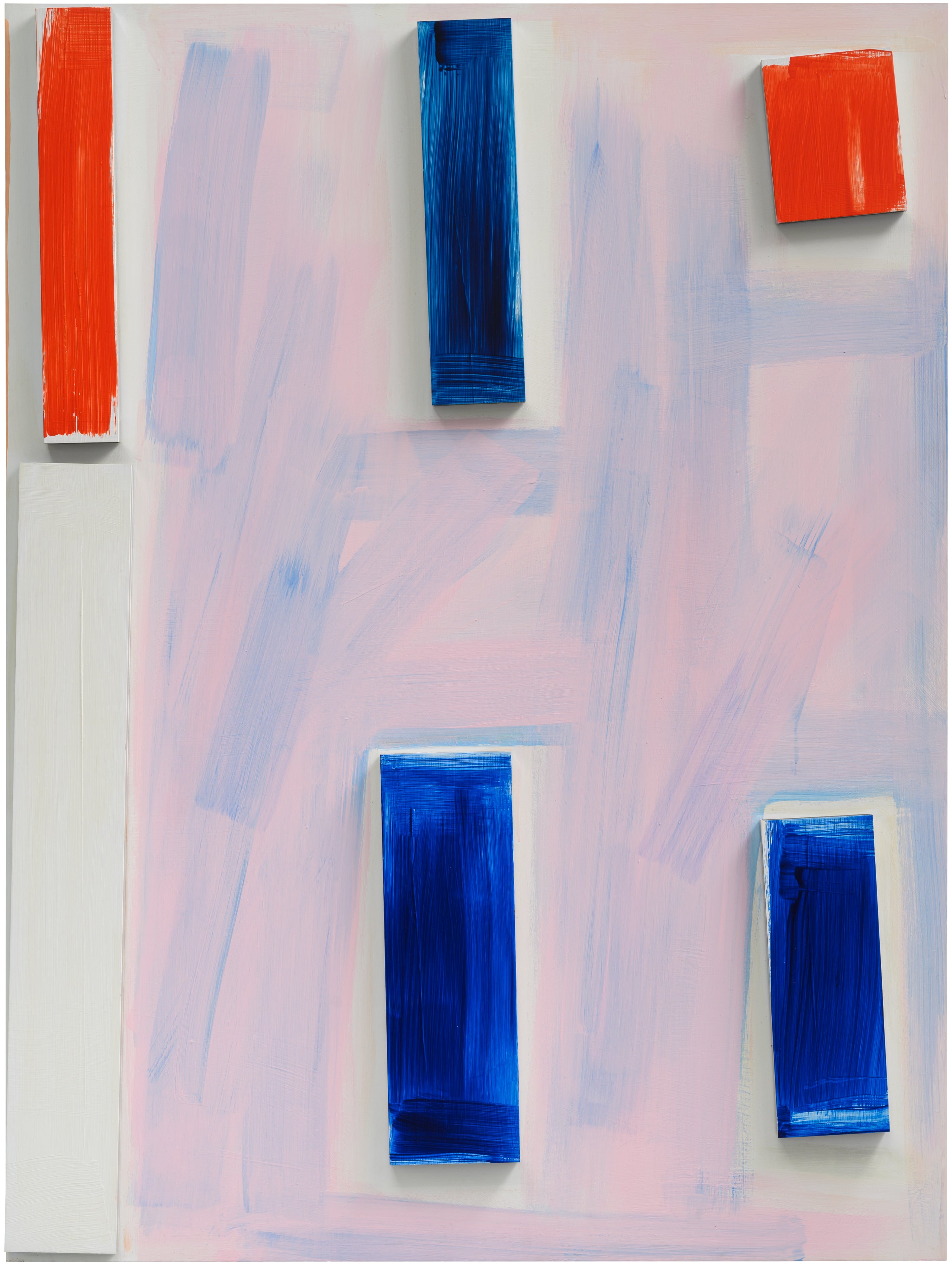
Imi Knoebel
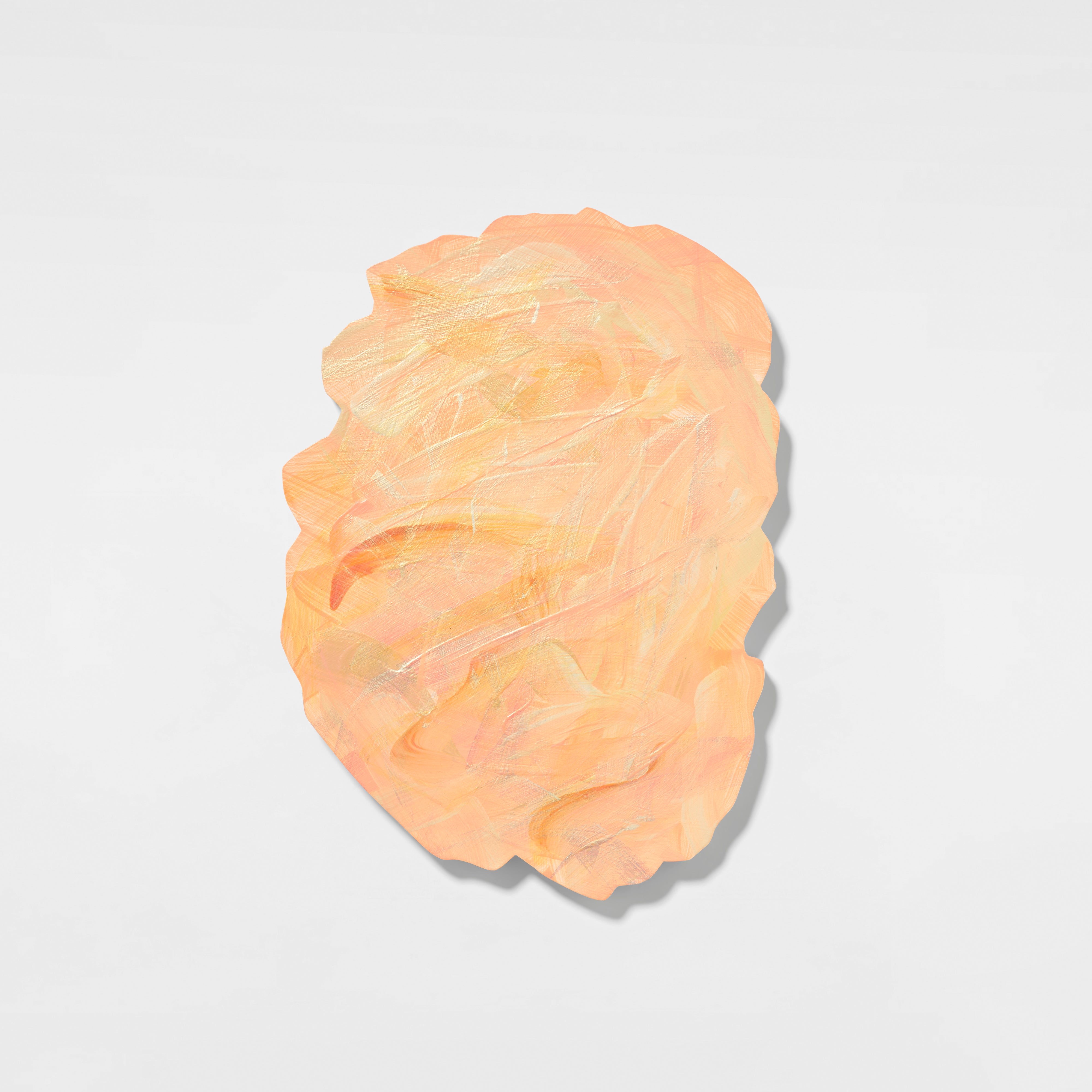
Artist Spotlight
Imi Knoebel: A Master Distills Pure Color
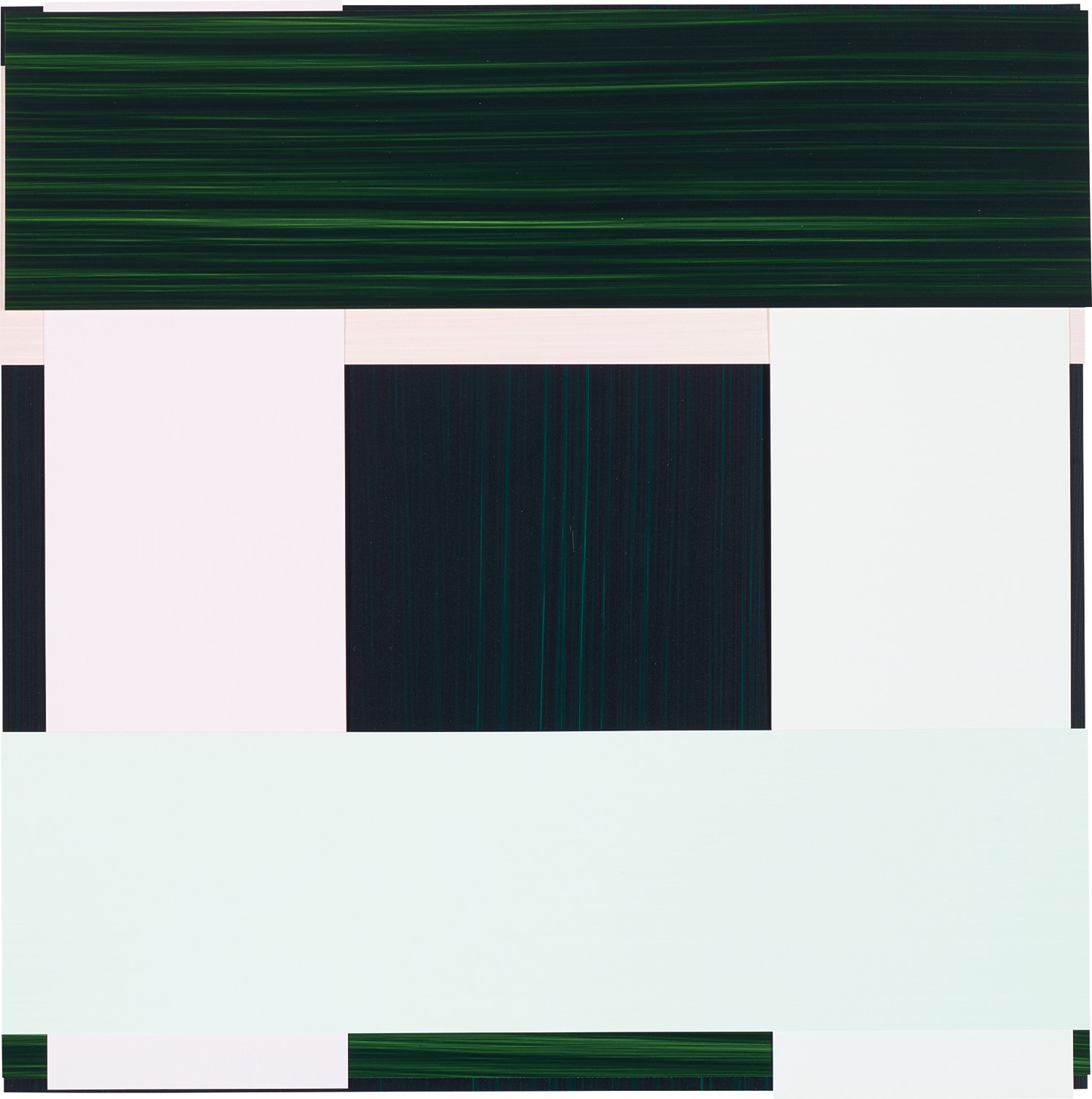
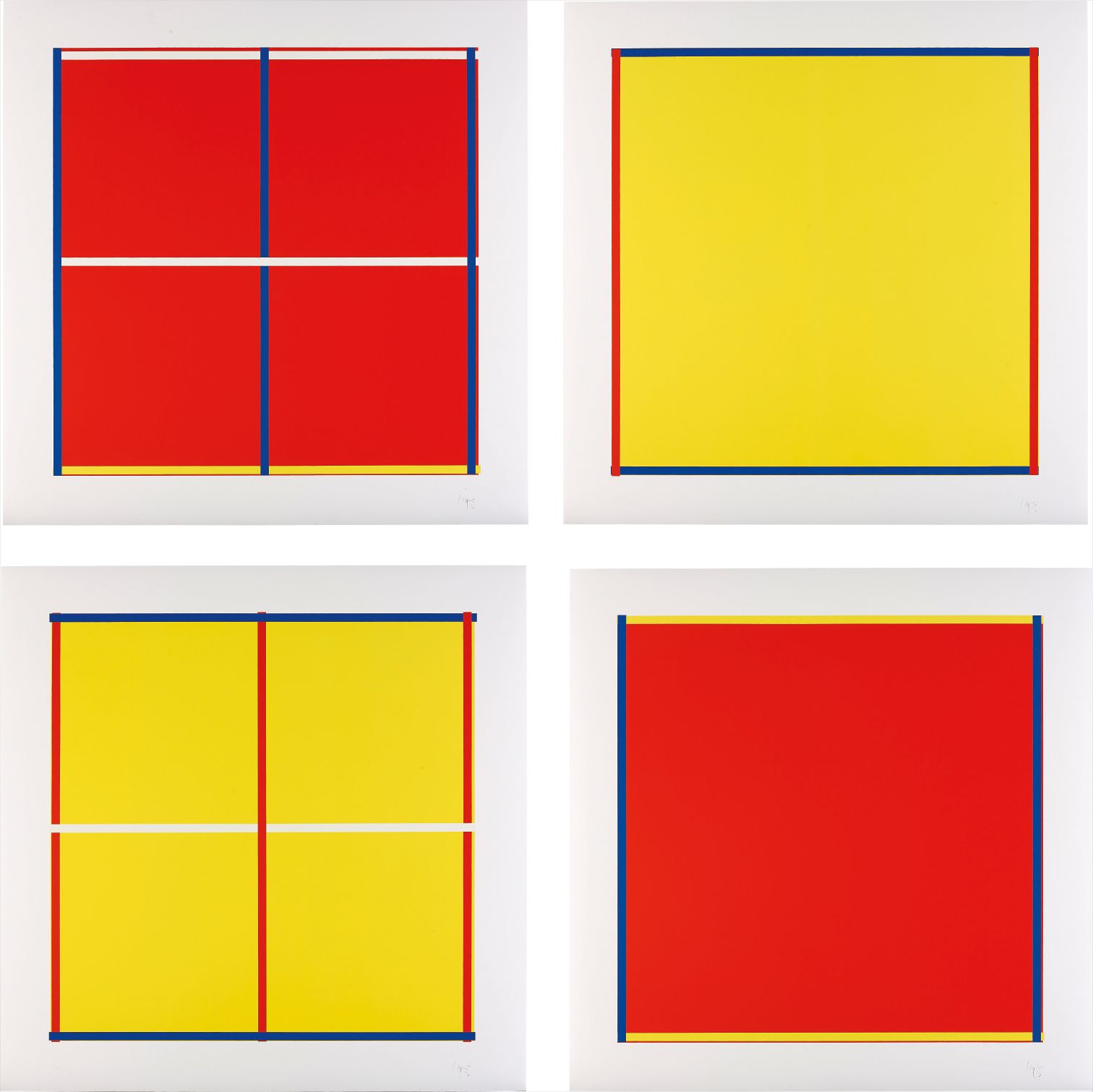
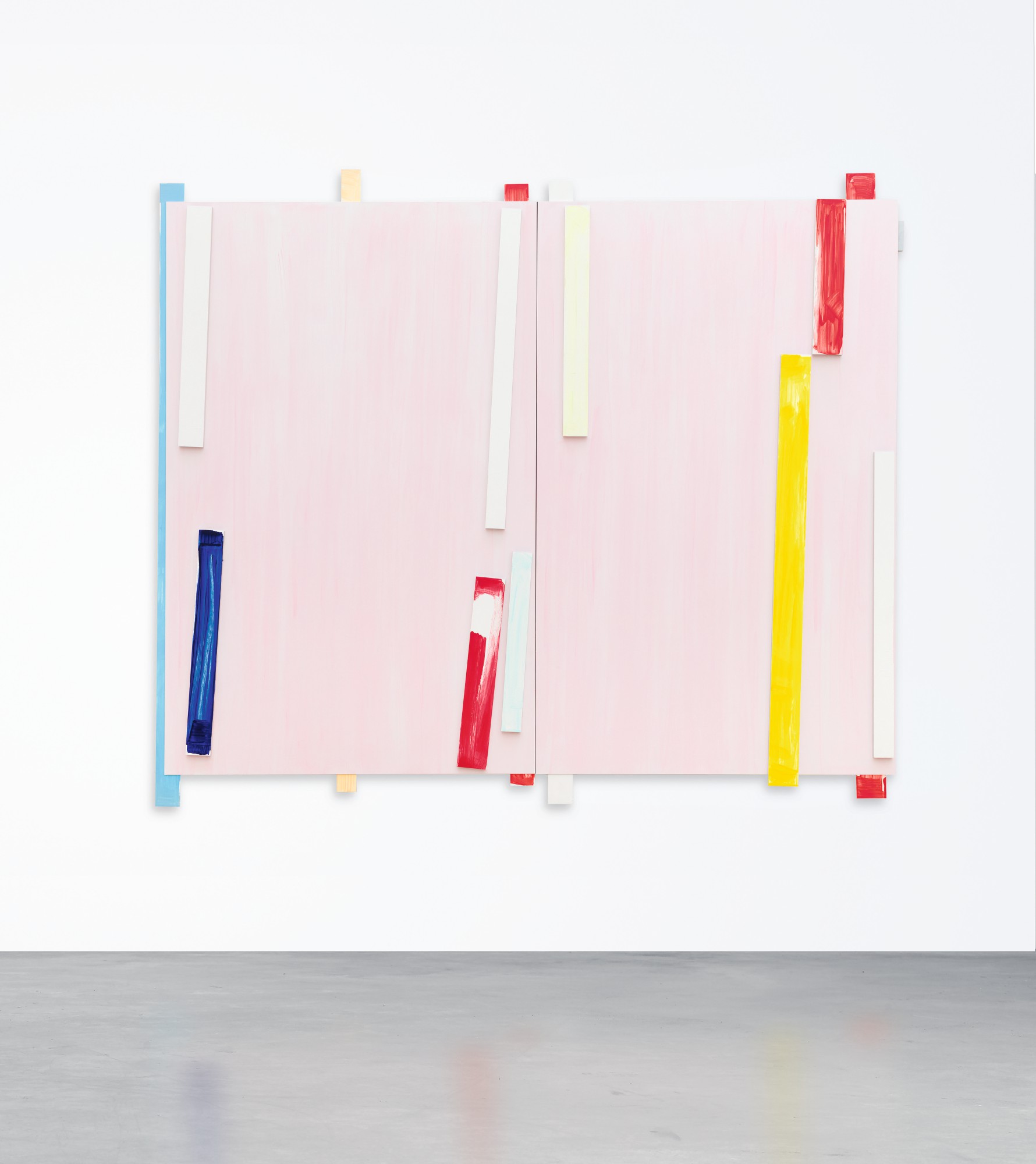
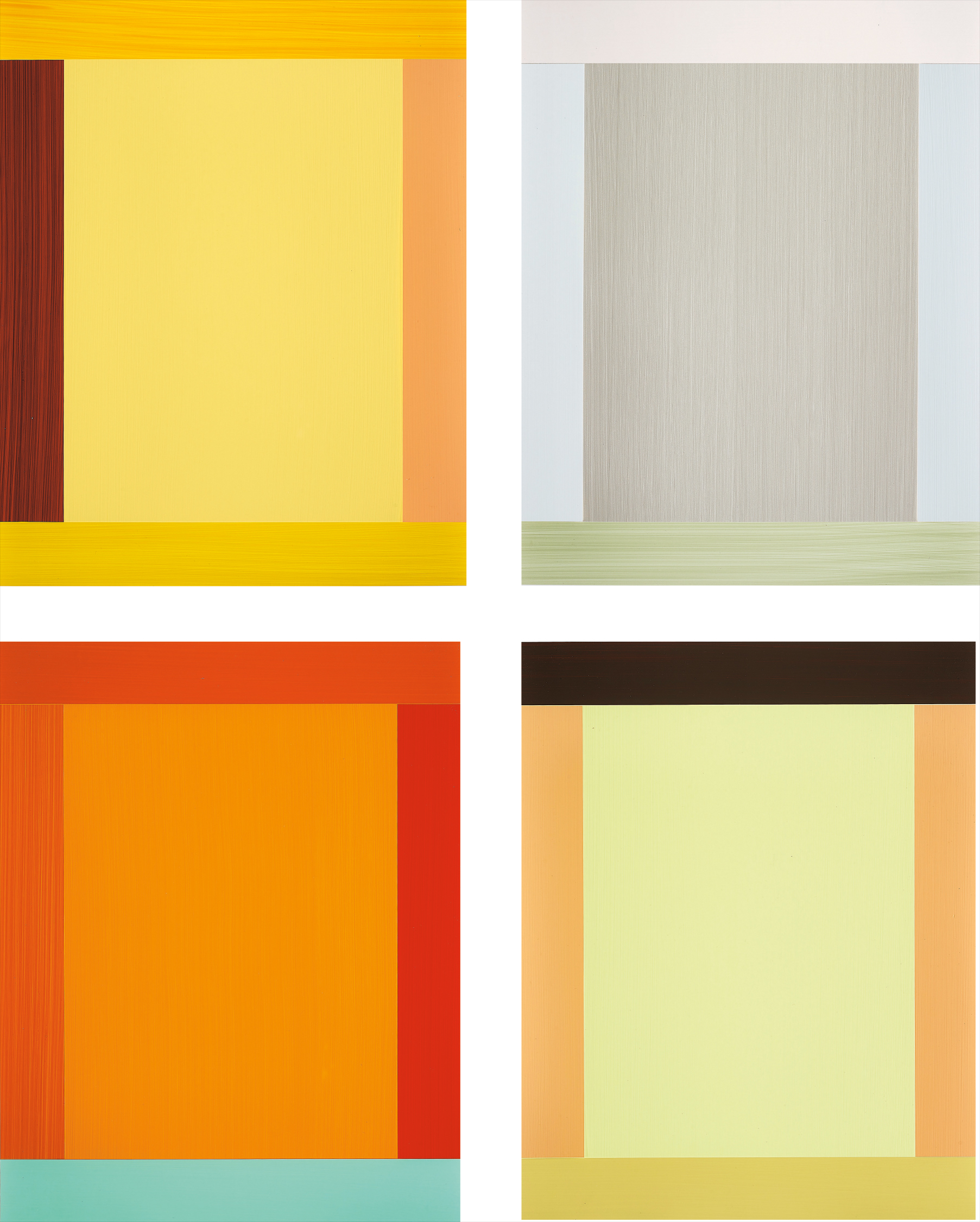
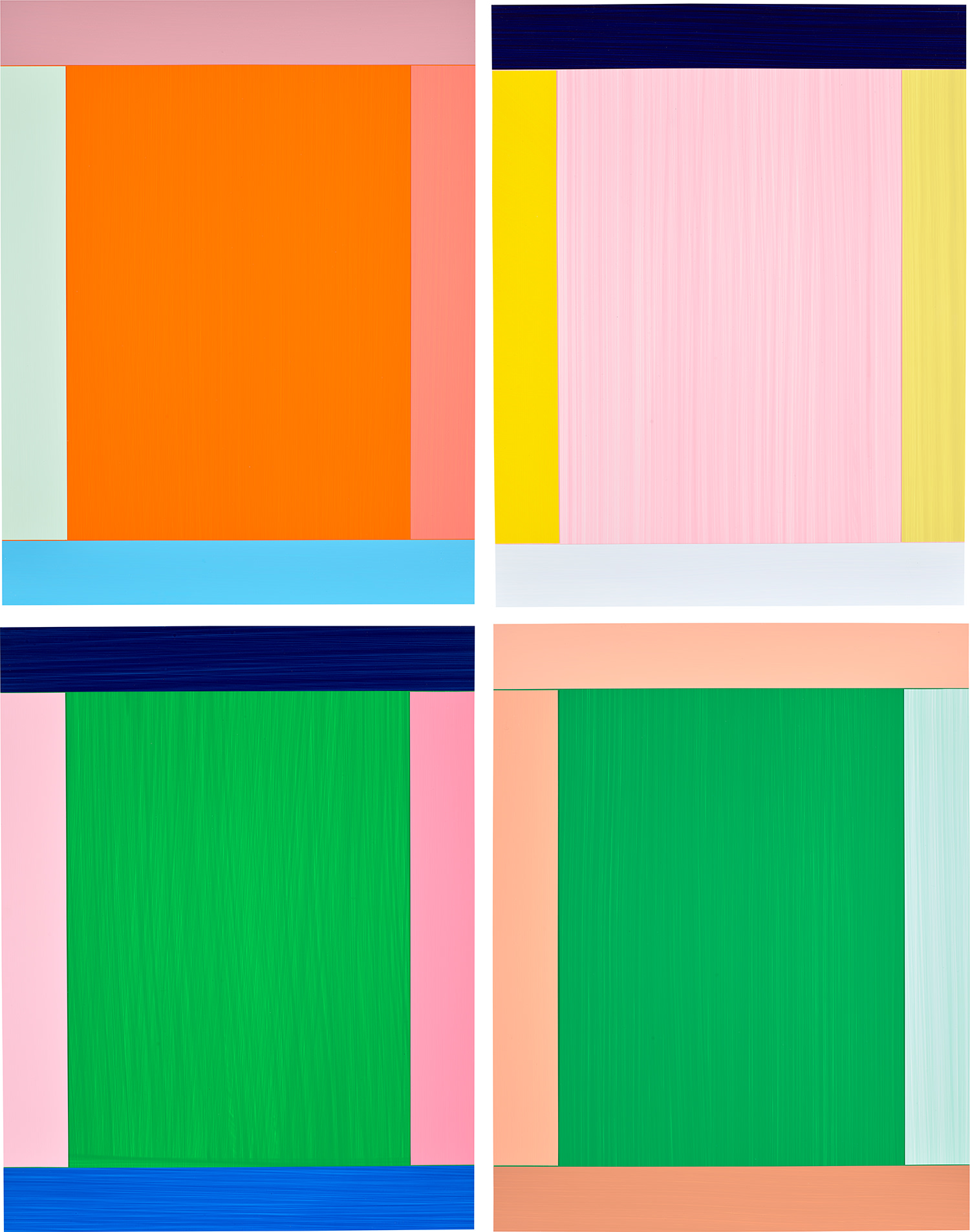
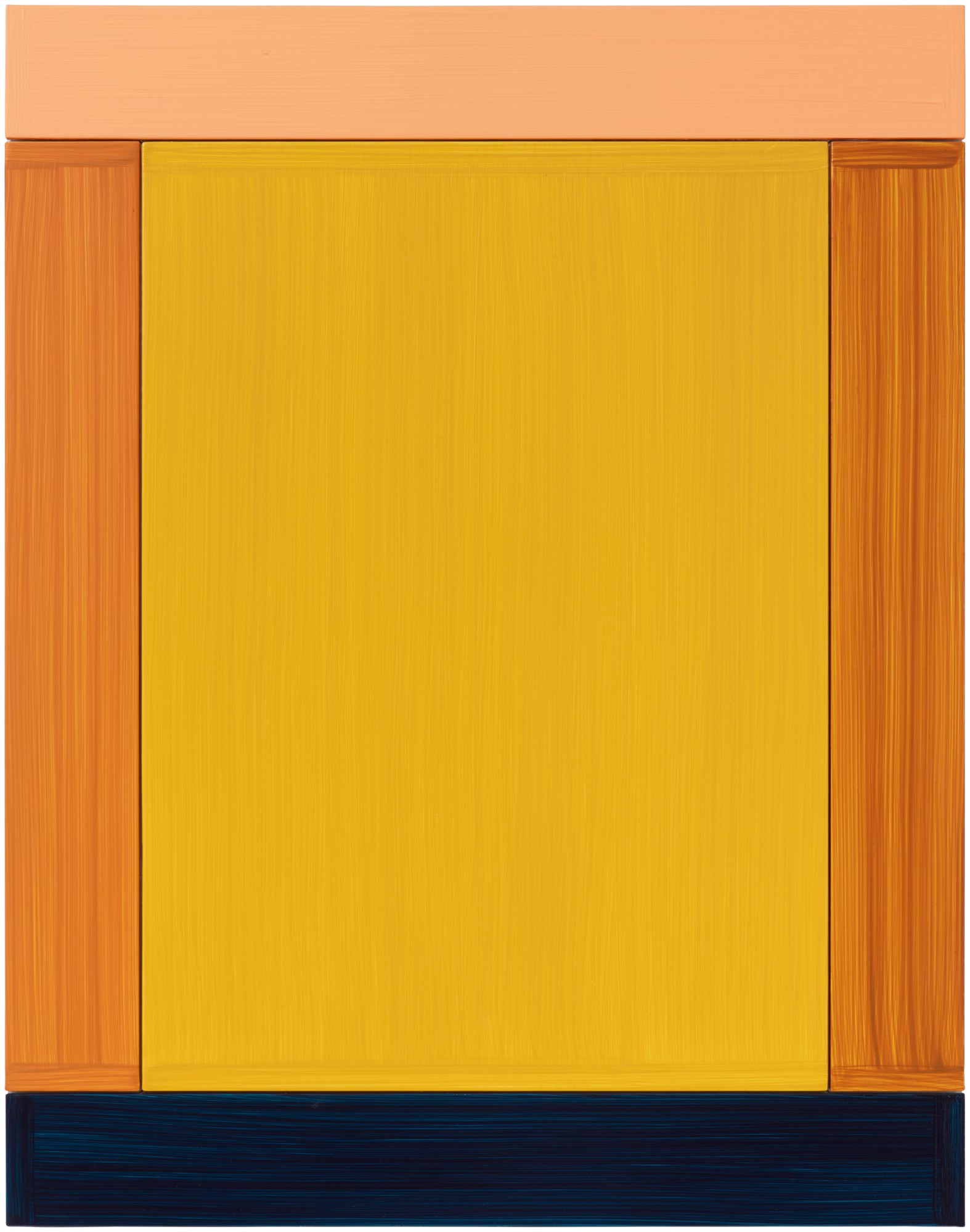
In the permanent collection of the Museum of Modern Art in New York, and across the great institutions of Europe from the Stedelijk in Amsterdam to the Hamburger Kunsthalle, the work of Imi Knoebel commands a quiet authority that few living artists achieve. Now well into his ninth decade, the German artist continues to produce paintings of startling vitality, his aluminium panels and plastic constructions arriving in galleries and auction rooms with the confidence of a practice that has never stopped evolving. A major survey of his Anima Mundi series in recent years reminded a new generation… Continue reading
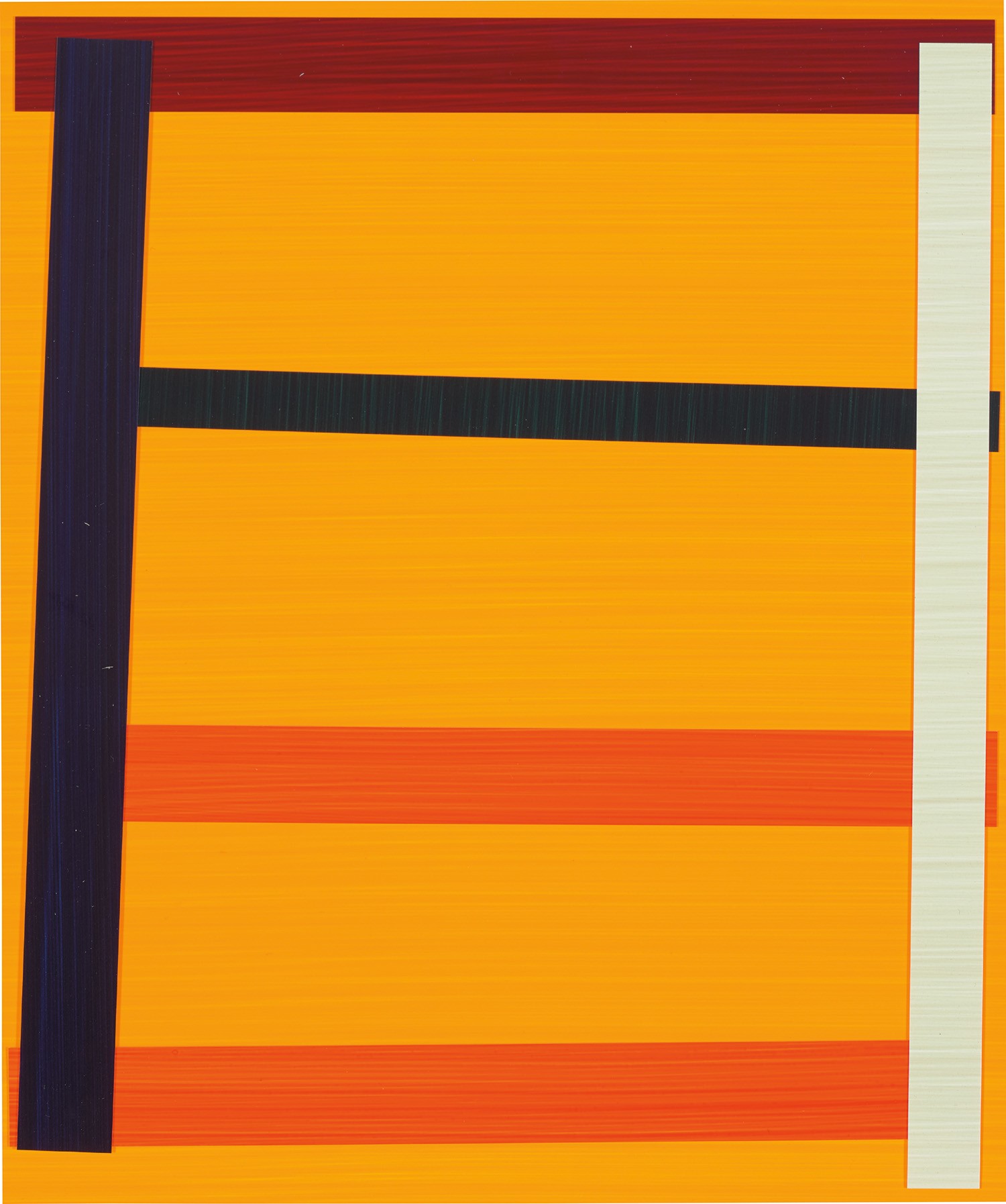
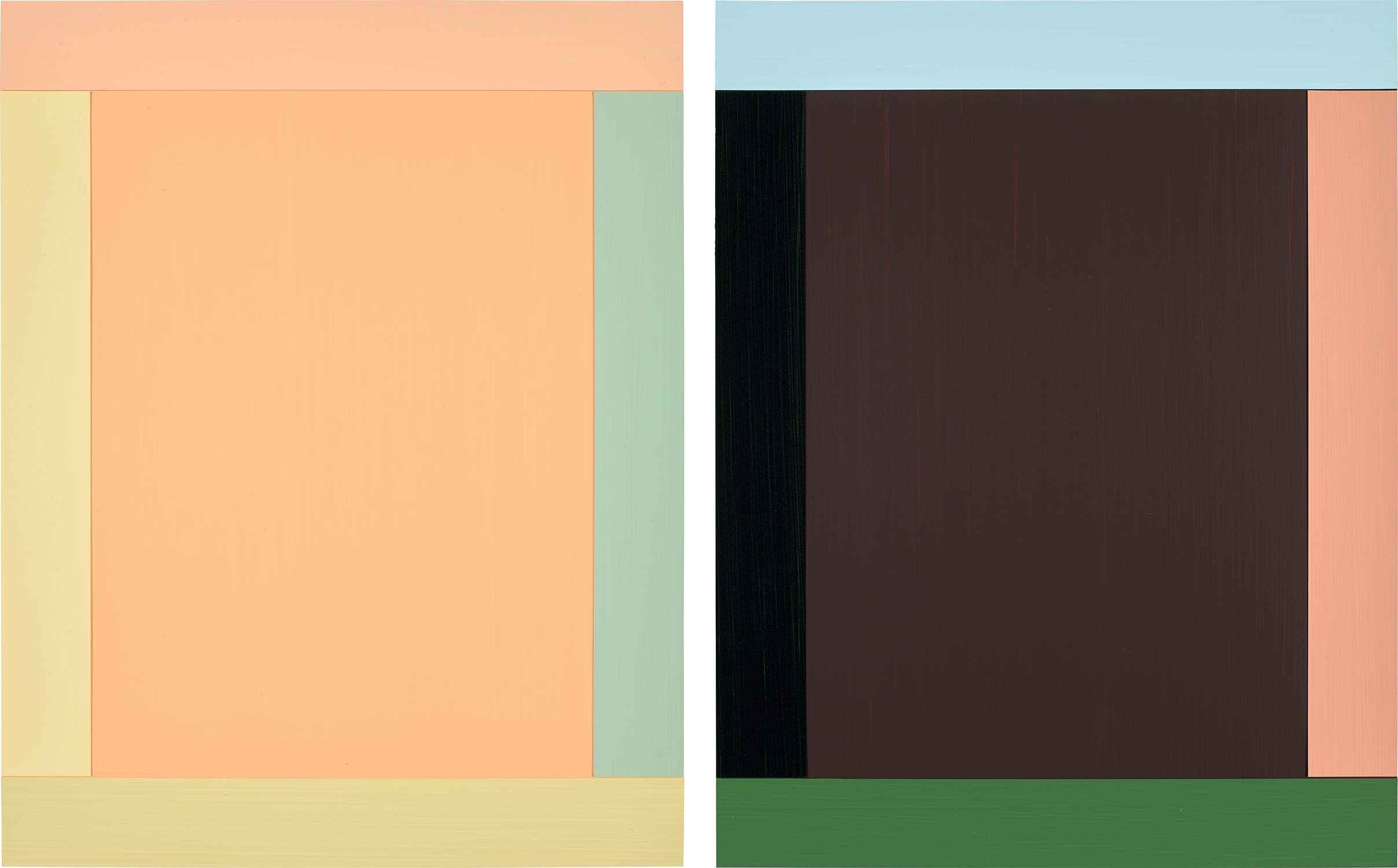
Artists in conversation
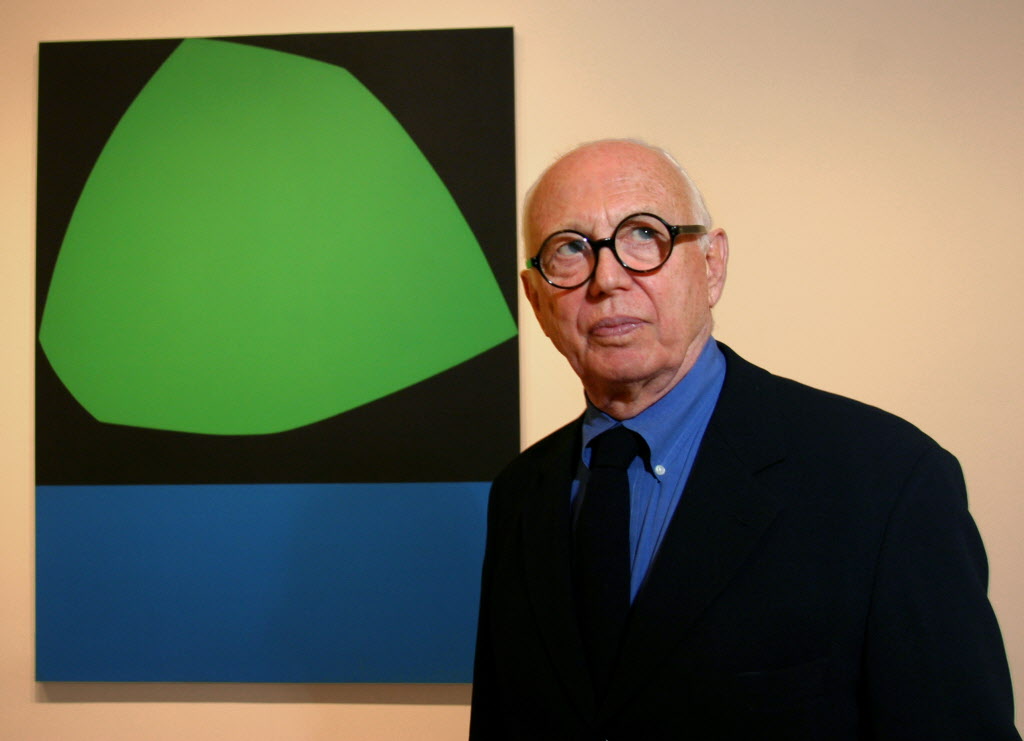
Ellsworth Kelly
Kelly shared Knoebel's commitment to shaped panels and bold flat color fields within a geometric abstract vocabulary. Both artists explored how color and form interact across non-rectangular supports with a rigorous yet visually playful sensibility.
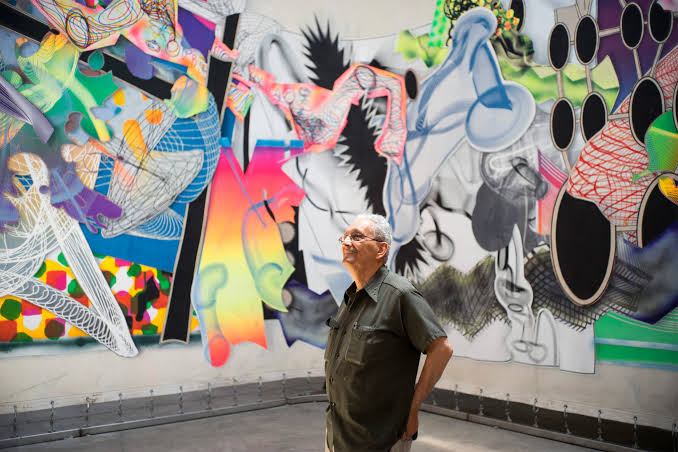
Frank Stella
Stella's shaped canvas works and use of vivid color within a constructivist framework closely parallel Knoebel's approach to the panel as a physical object. Both pushed geometric abstraction toward a material and structural investigation of the picture plane.
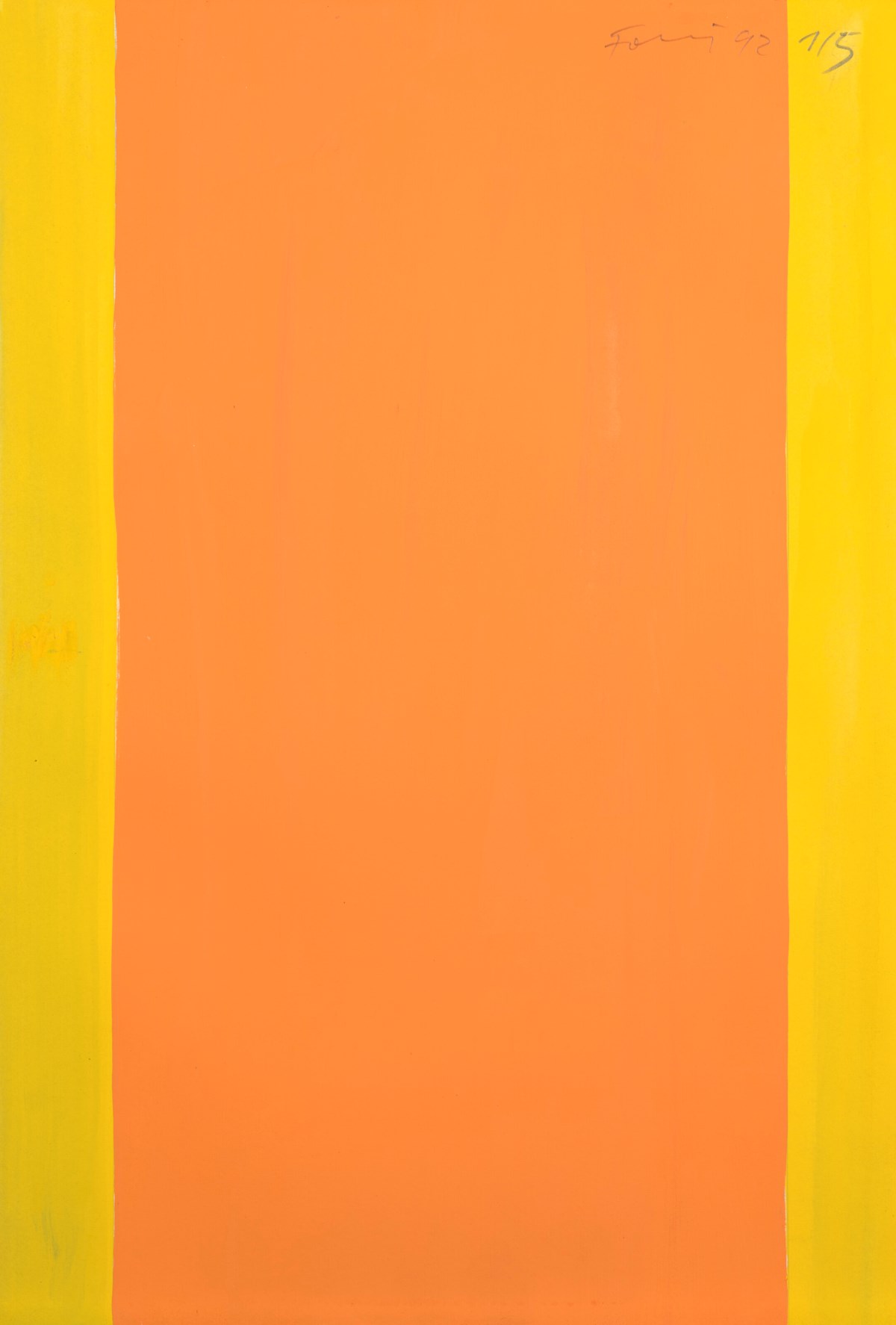
Günther Förg
Förg was a fellow German postwar abstractionist who worked with bold color, geometric composition, and mixed media in ways that parallel Knoebel's practice. Their work shares a comparable European constructivist sensibility rooted in the legacy of Minimalism.
Artists who inspired them
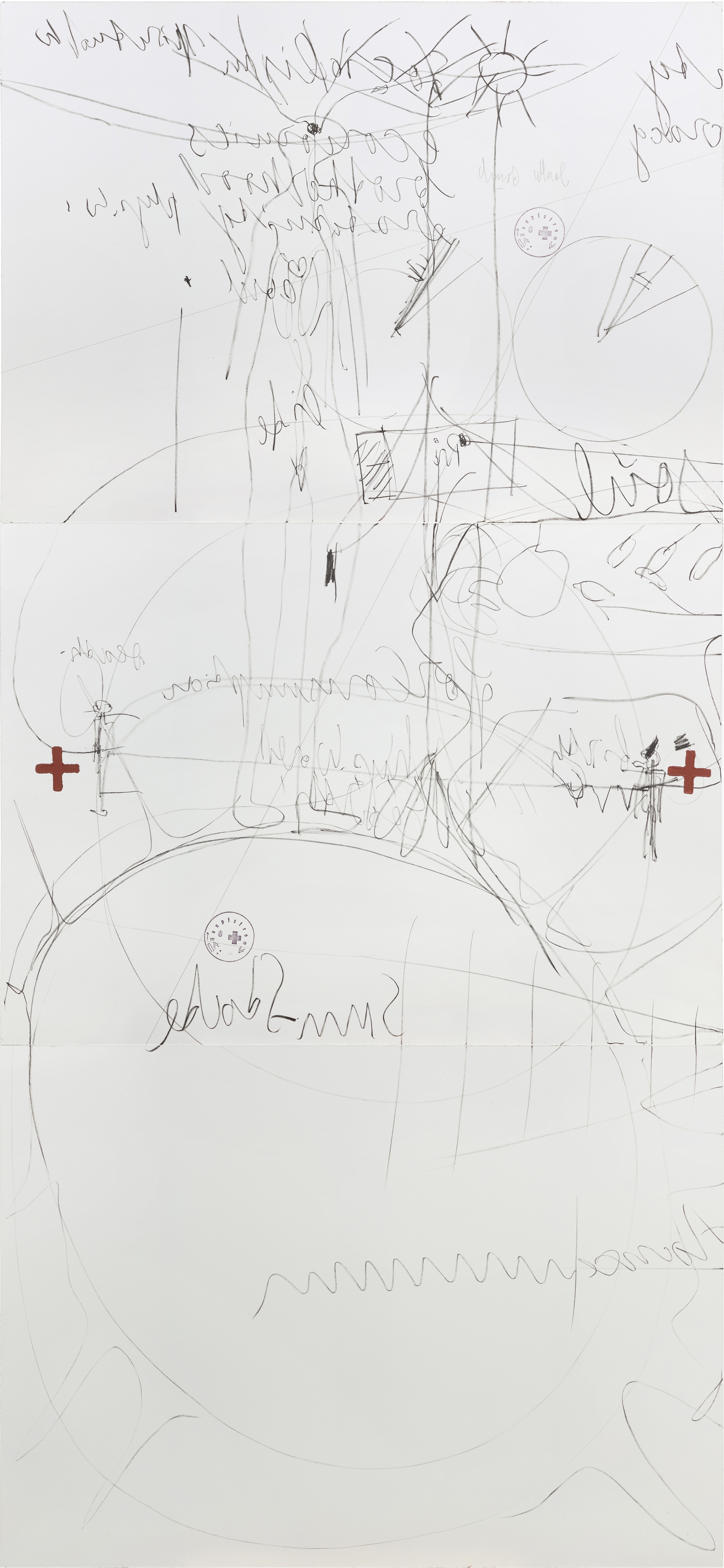
Joseph Beuys
Knoebel studied directly under Beuys at the Düsseldorf Academy, and Beuys encouraged him to pursue a rigorous conceptual and material approach to art making. This mentorship was foundational to Knoebel's thinking about the nature of objects and abstraction.
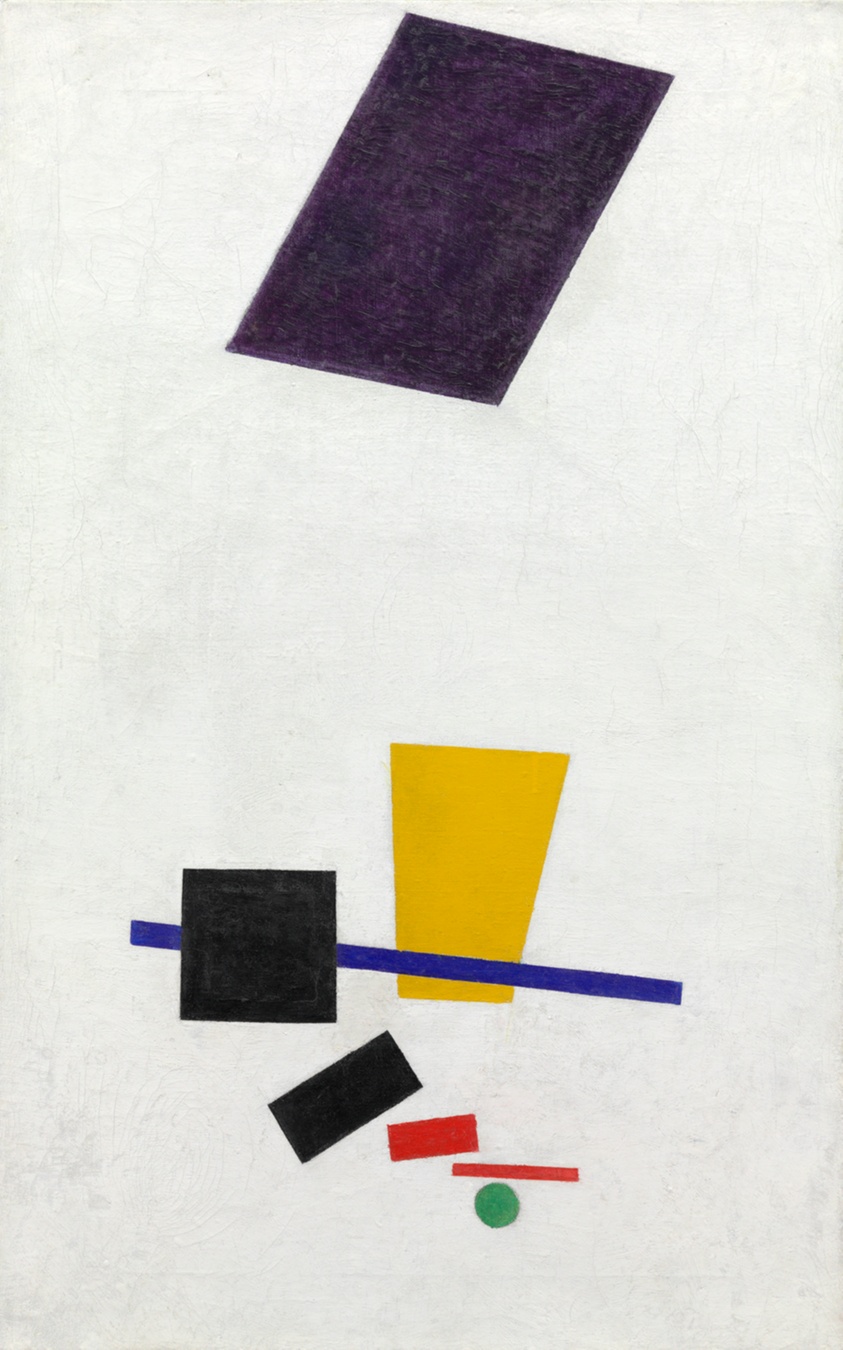
Kasimir Malevich
Malevich's Suprematist reduction of form to pure geometric abstraction was a seminal influence on Knoebel's visual language. Knoebel's engagement with flat colored shapes on unconventional supports directly echoes the legacy of Suprematist thinking.
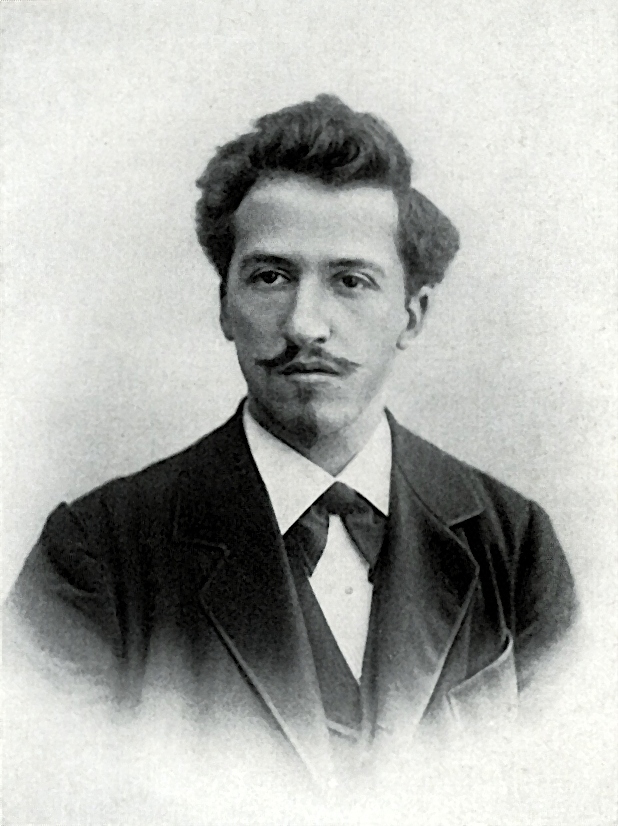
Piet Mondrian
Mondrian's De Stijl exploration of primary colors and strict geometric structure informed Knoebel's lifelong engagement with color relationships and constructivist composition. Knoebel has repeatedly cited the grid and the plane as core concerns shared with Mondrian's legacy.