Mediterranean
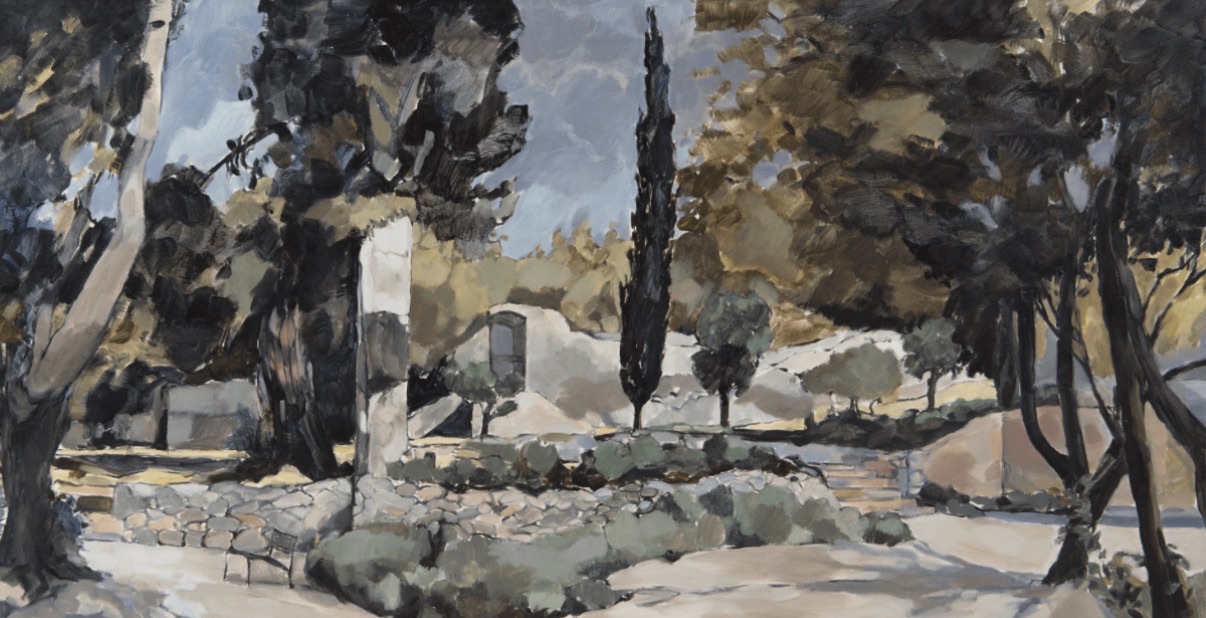
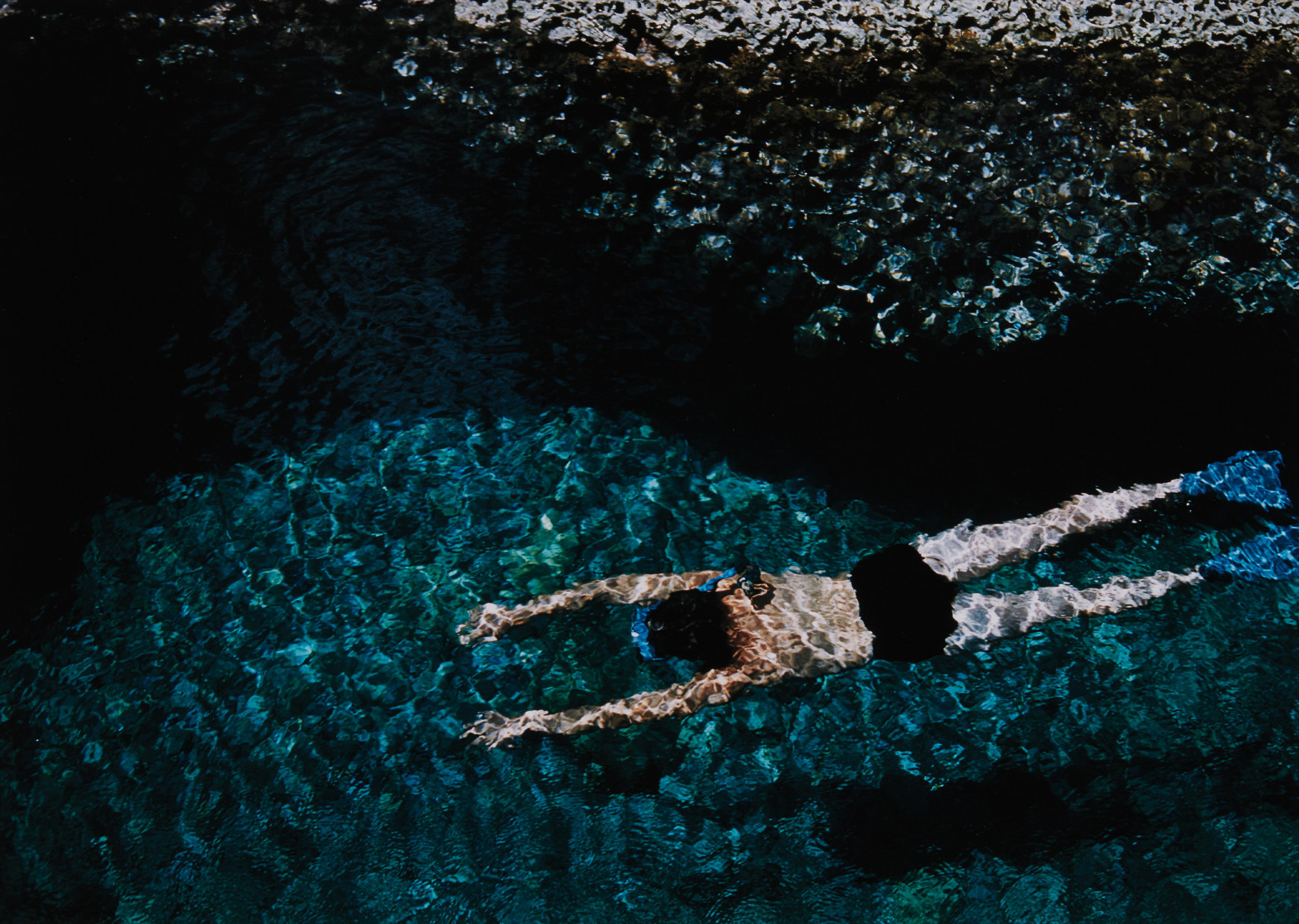
Lucien Rees Roberts
The Entrance, 2014
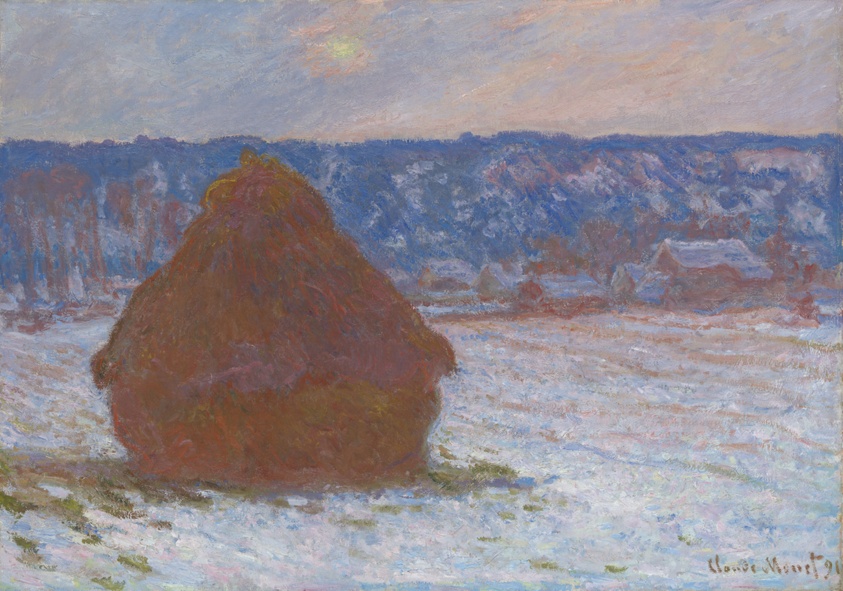
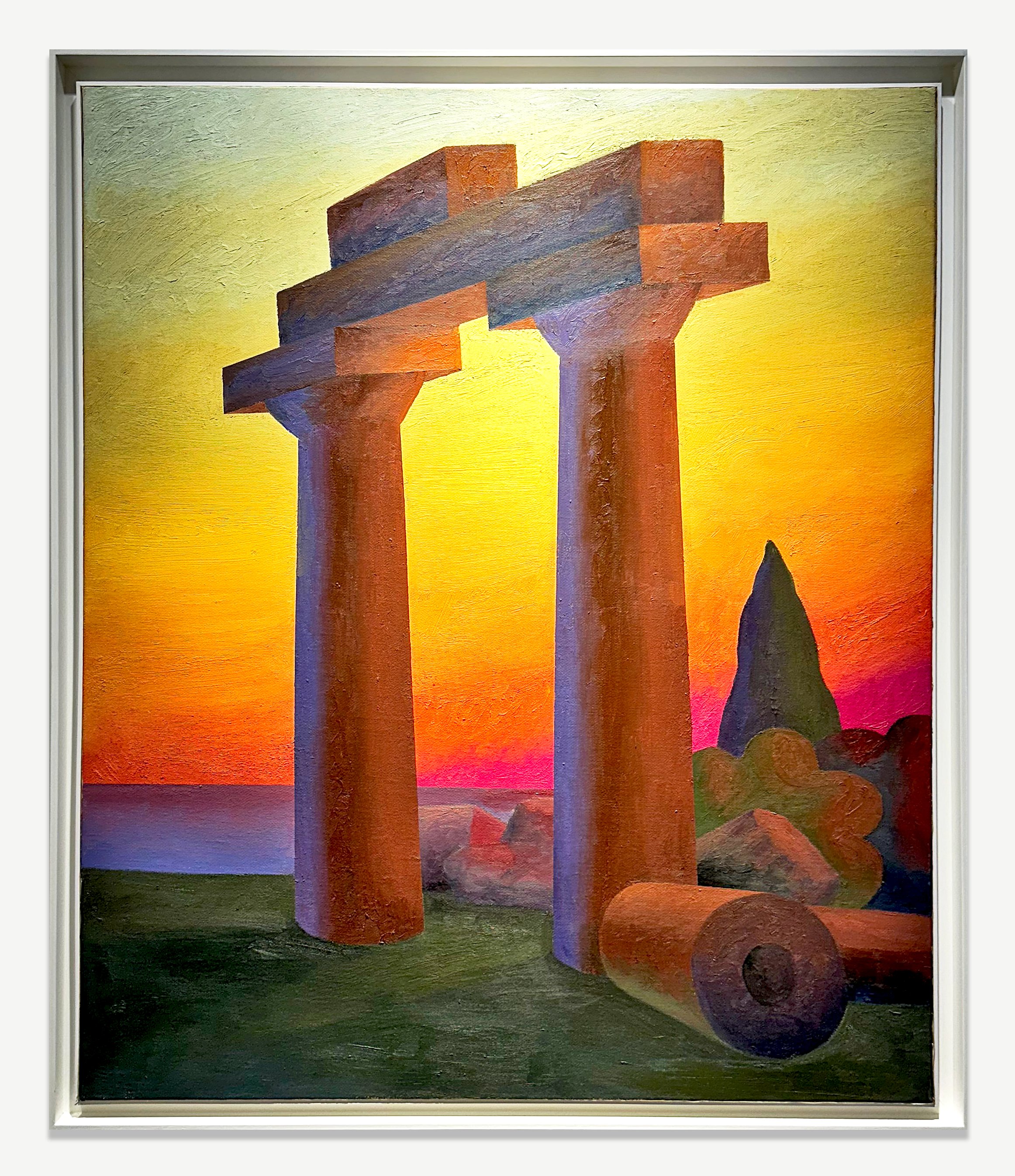

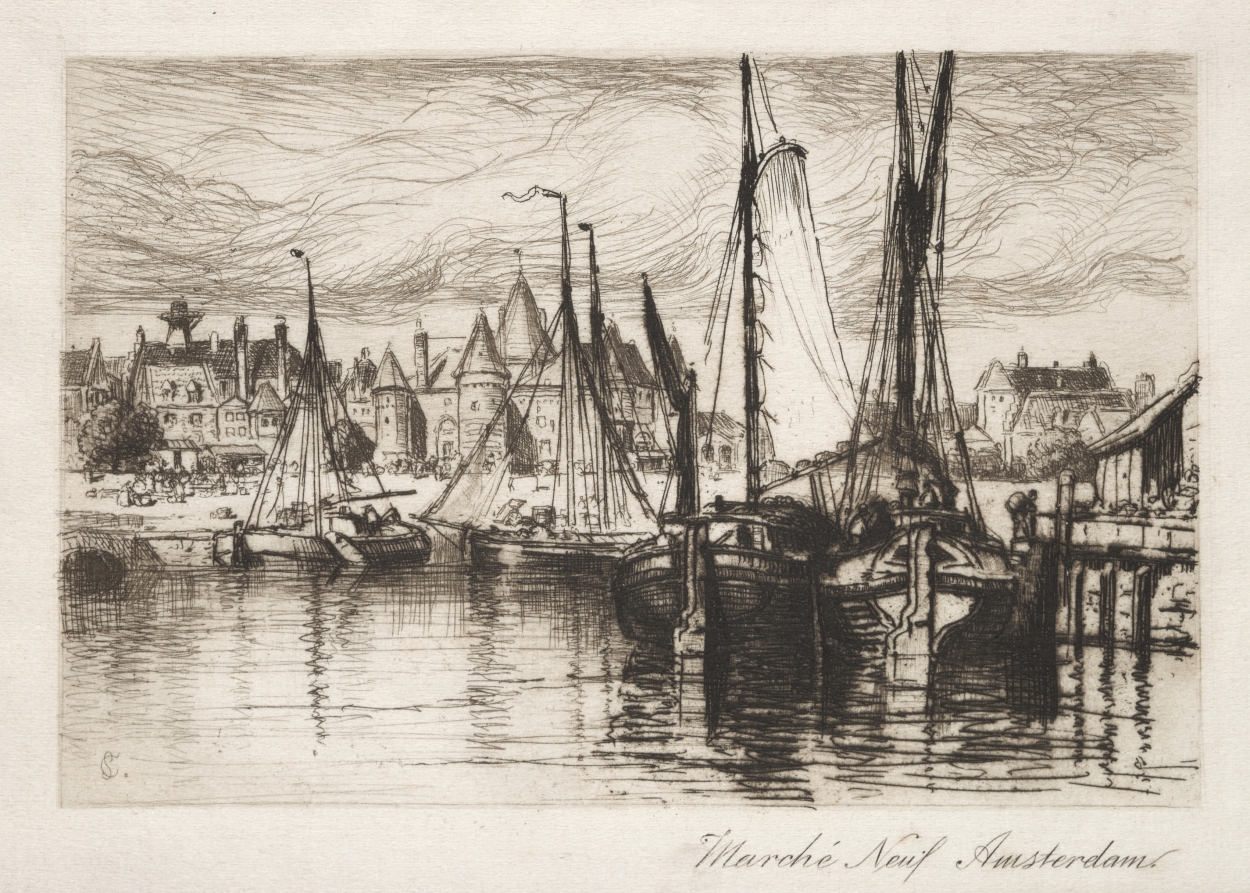
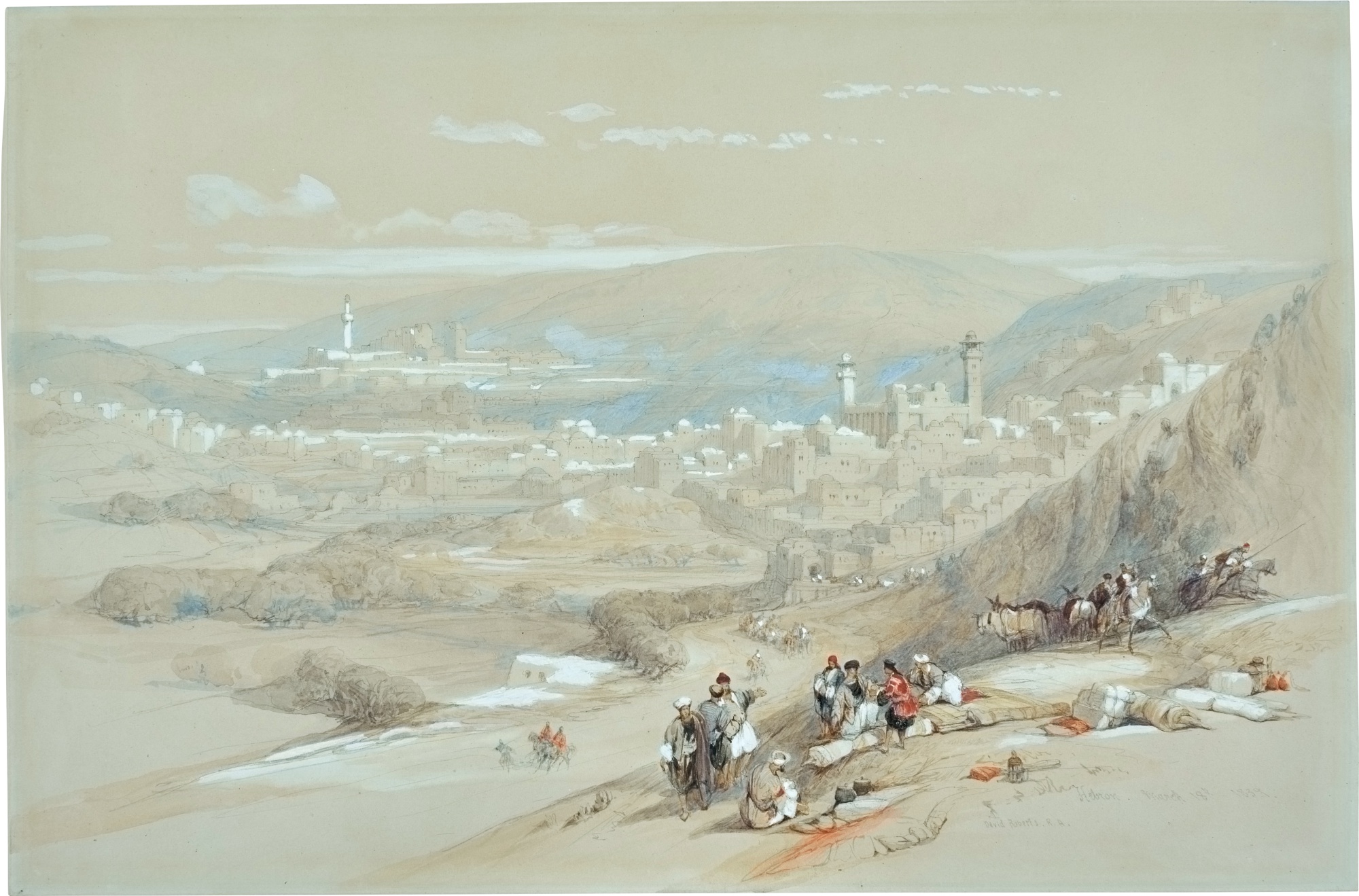
Light, Salt, and the Eternal Pull of the Sea
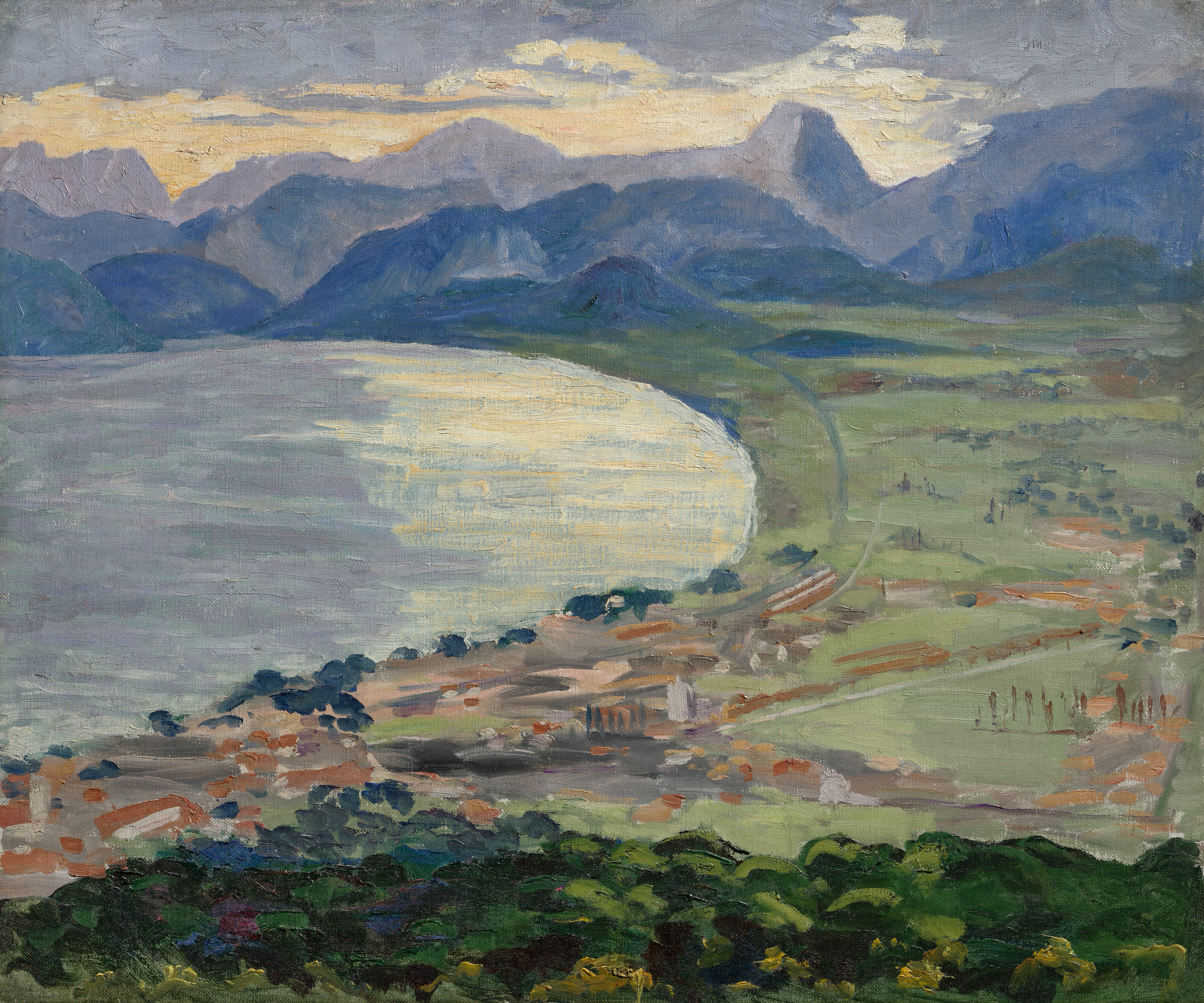
There is a quality of light that belongs almost exclusively to the Mediterranean, a luminosity that seems to come from below the surface of the water as much as from above. Collectors who have spent time on that coast, whether in the Aegean, along the Côte d'Azur, or somewhere in the Levant, tend to describe the same thing: a feeling of color made physical, of the world turned up in its saturation and contrast. This is what draws so many people to Mediterranean art in the first place, not nostalgia exactly, but a desire to hold that quality of perception in a room with them year round. These are works that do not recede into walls.
They insist on themselves. Living with Mediterranean work is a particular pleasure because it tends to shift with natural light in ways that more interior focused painting does not. A canvas devoted to open water and sun bleached architecture will look entirely different at noon than it does at dusk, and that responsiveness makes it something of a daily companion rather than a static object. Collectors often remark that works in this category function as a kind of emotional weather, brightening rooms but also deepening them, depending on the season.
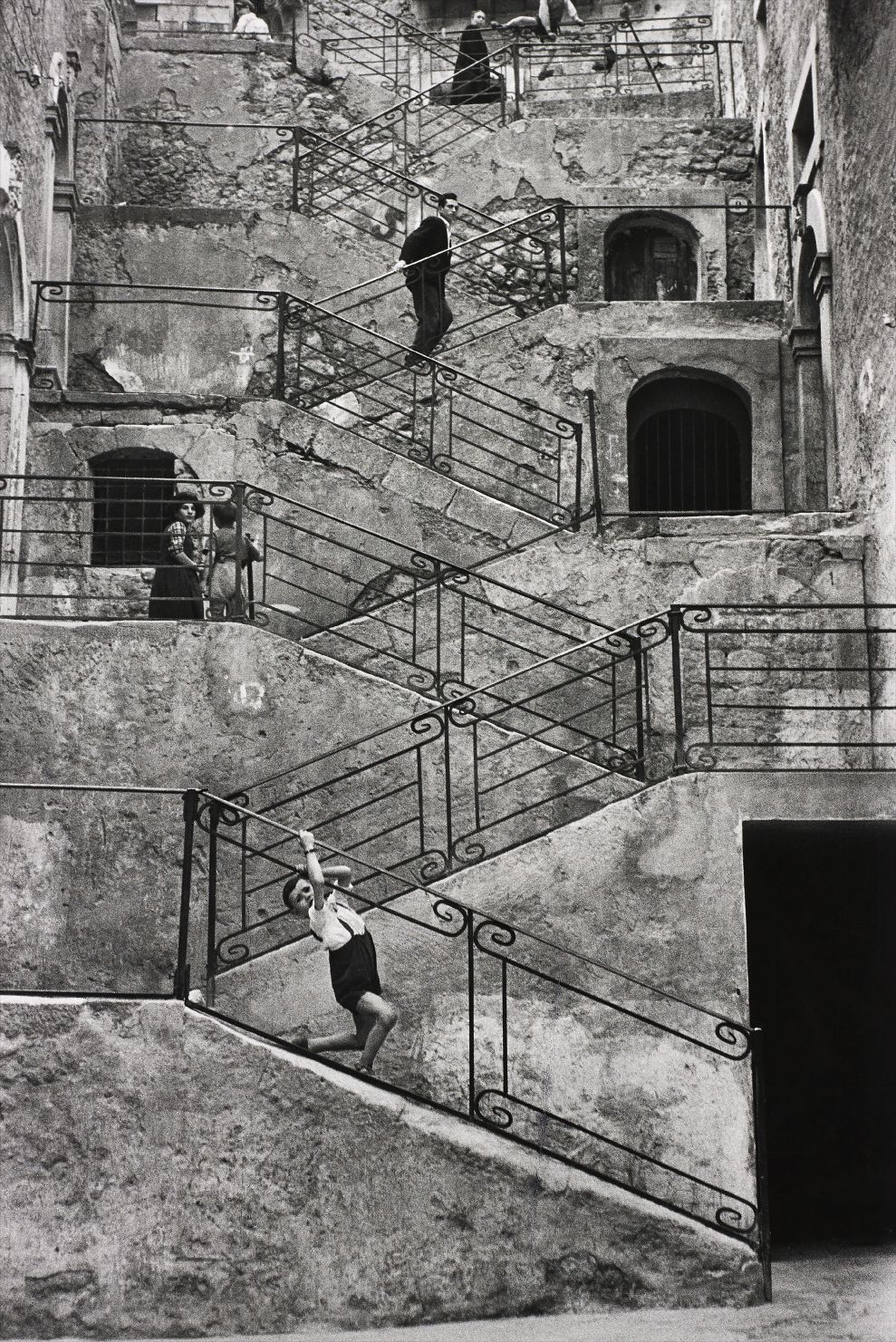
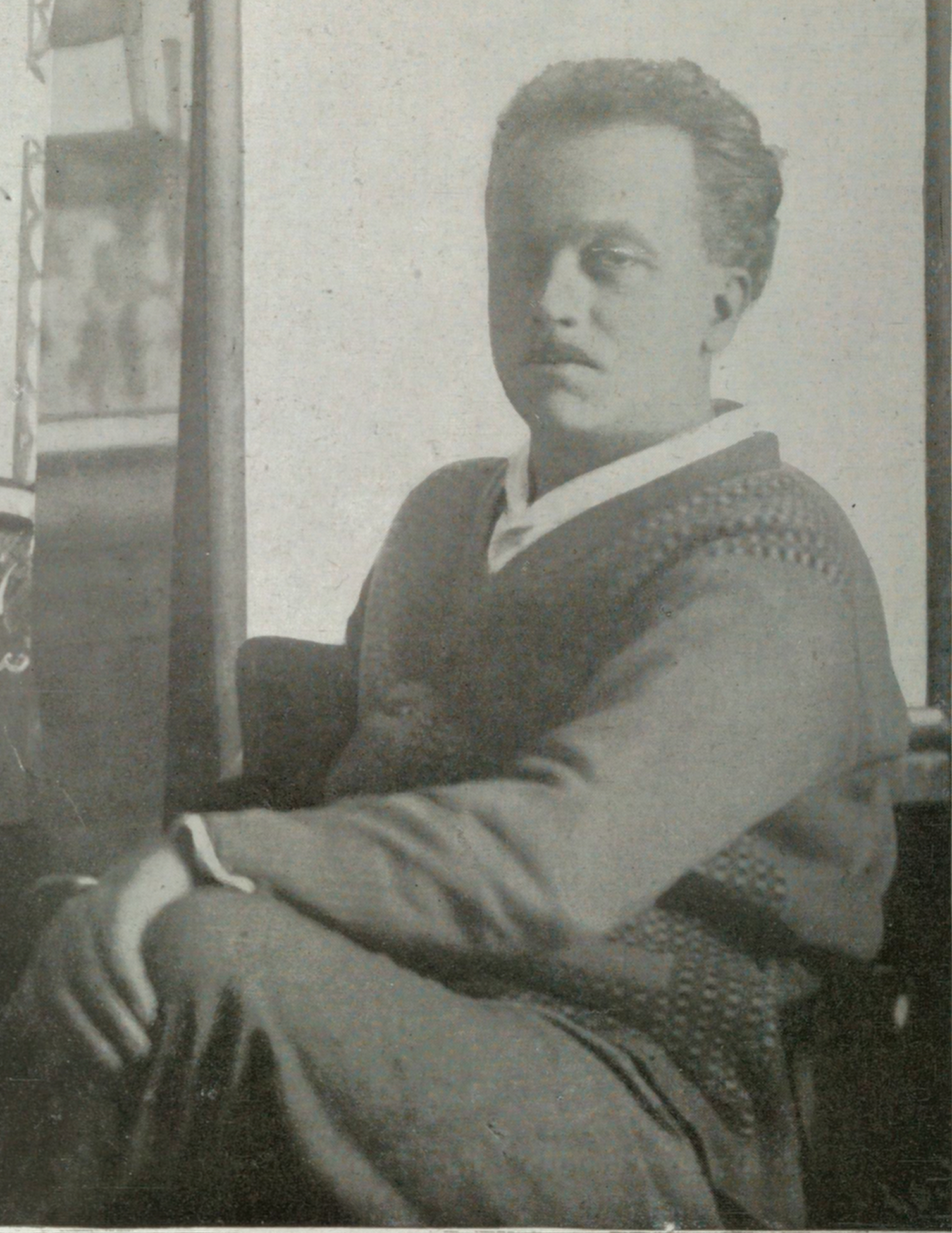
René Burri
Leonforte, Sicily, Italy
That livability is a real part of the value proposition, and it is something serious collectors should weigh alongside provenance and condition. When thinking about what separates a good work from a great one in this category, the question is almost always one of specificity. The Mediterranean as a subject is so capacious, so endlessly painted, that the works which matter most are those that resist the generic. Look for evidence that the artist was responding to a particular place at a particular hour, rather than composing a pleasant aggregate of the region's visual clichés.
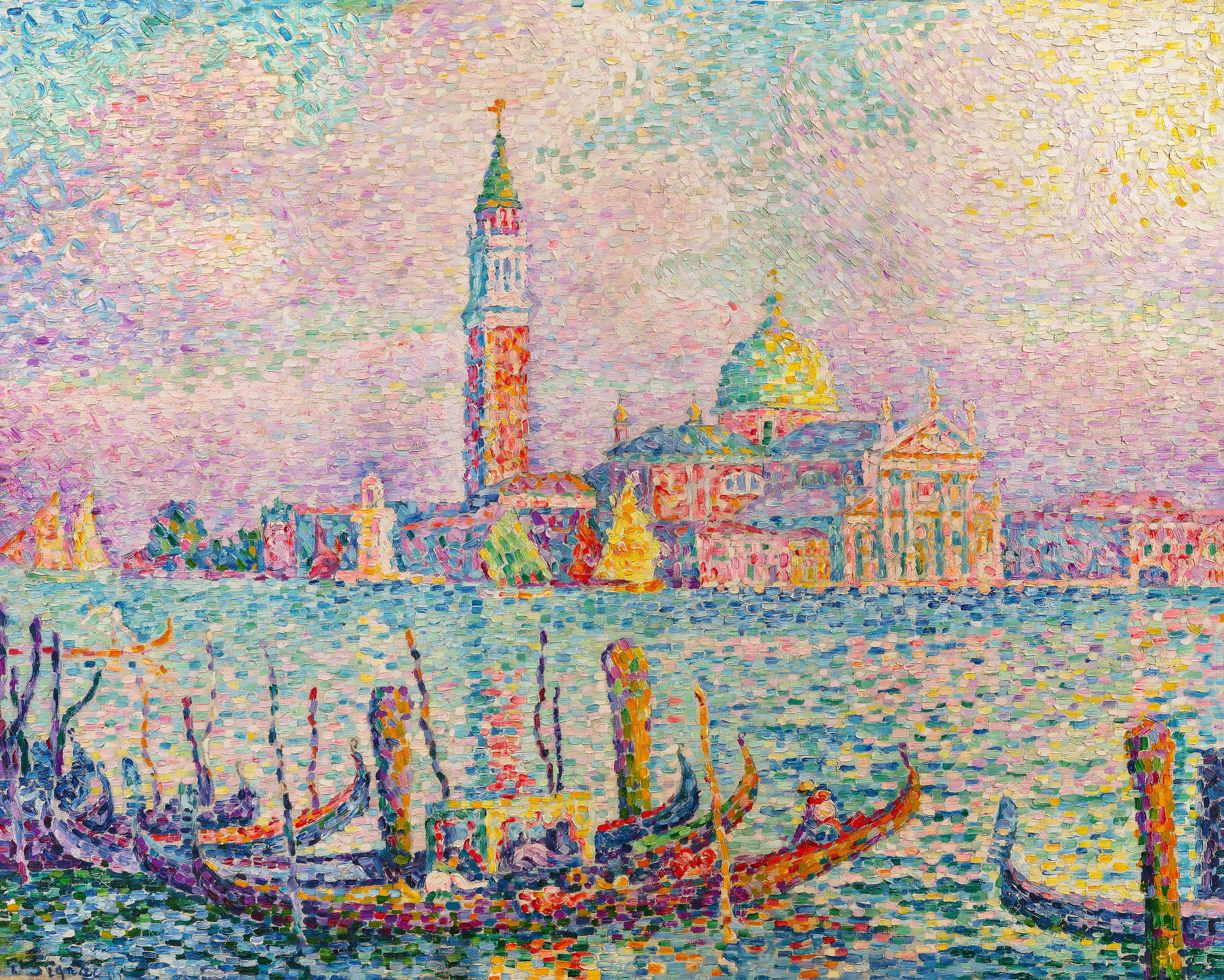
Paul Signac, for instance, brought a rigorous pointillist discipline to southern French harbors that made his canvases something more than travel imagery. His color theory is present in every brushstroke, and that intellectual backbone is exactly what lifts his work above the decorative. Similarly, Raoul Dufy's Mediterranean scenes carry his signature vernacular of flattened form and jubilant color in a way that is recognizably his, not simply recognizably French. For collectors working at various price points, the Mediterranean category offers unusual range.
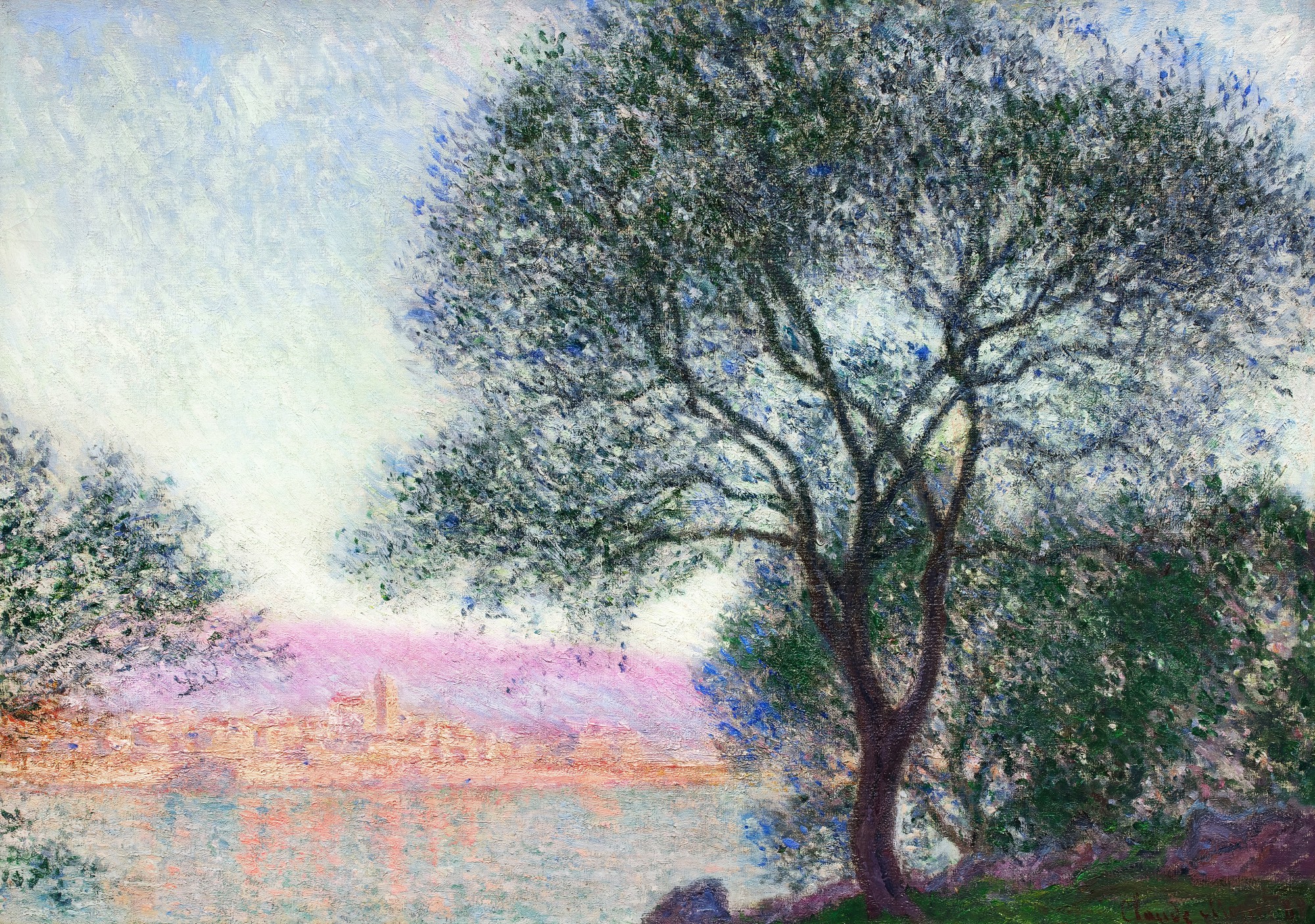
Claude Monet
Antibes vue de la Salis , 1888
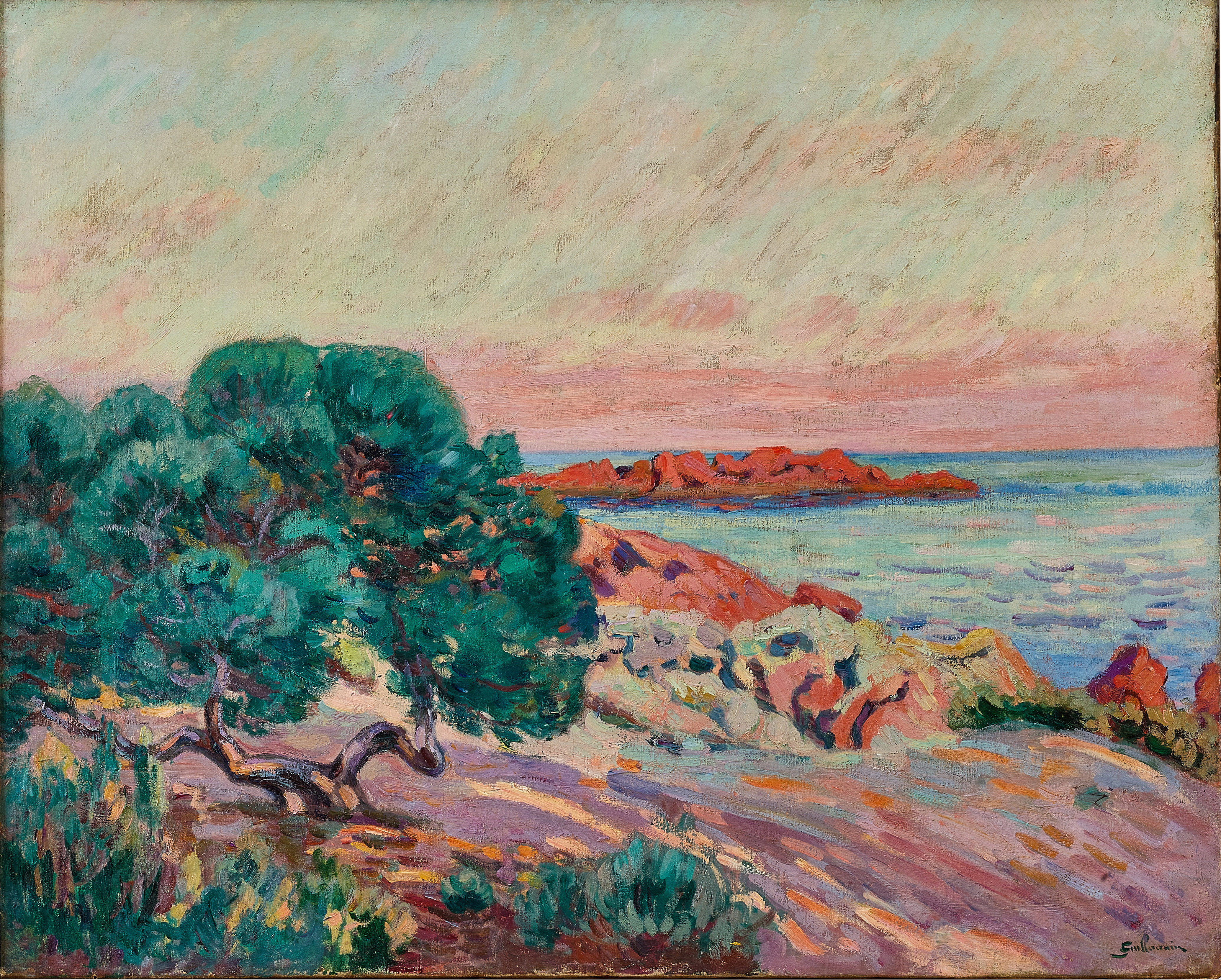
At the more established end, works by Claude Monet and John Singer Sargent in this vein represent blue chip stability, with strong institutional backing and consistent auction results. Sargent's watercolors in particular, many executed during his travels in the early twentieth century, have become benchmarks for technical mastery in the medium. Pierre Bonnard and Armand Guillaumin offer compelling alternatives for collectors who want something of comparable quality and period without the marquee price. Bonnard's relationship to color in the south of France was genuinely transformative for his practice, and works from his later decades continue to perform well both critically and commercially.
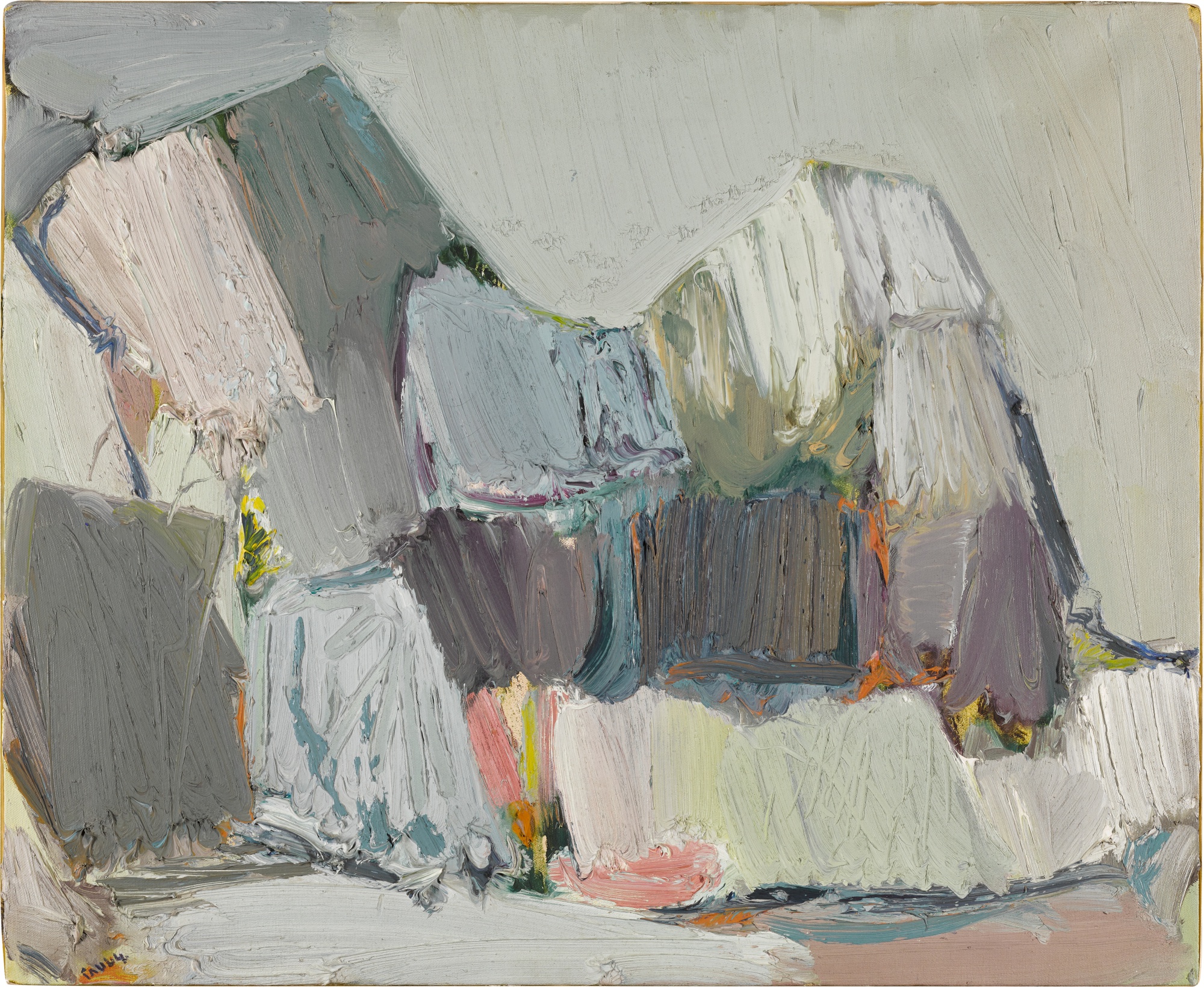
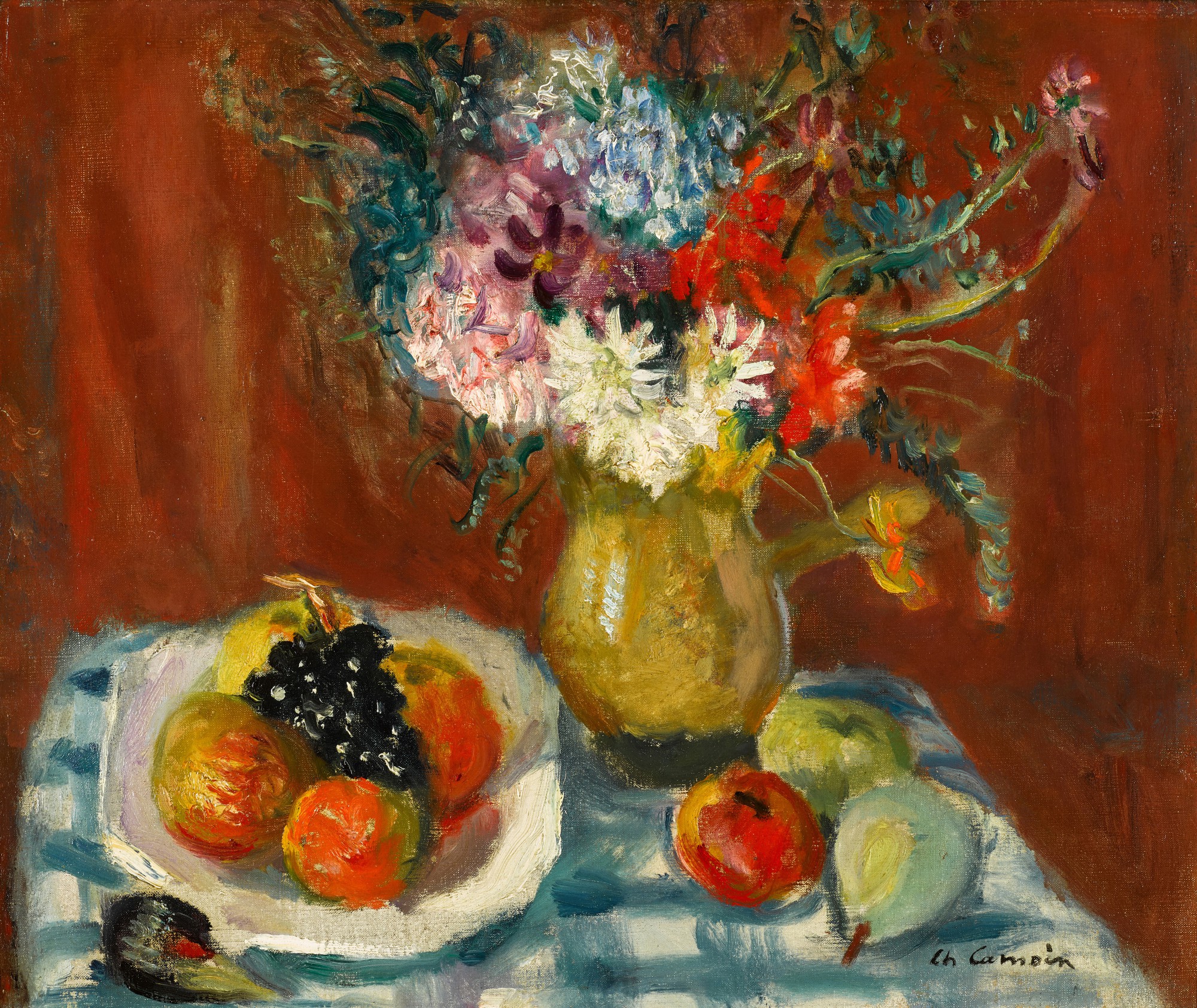
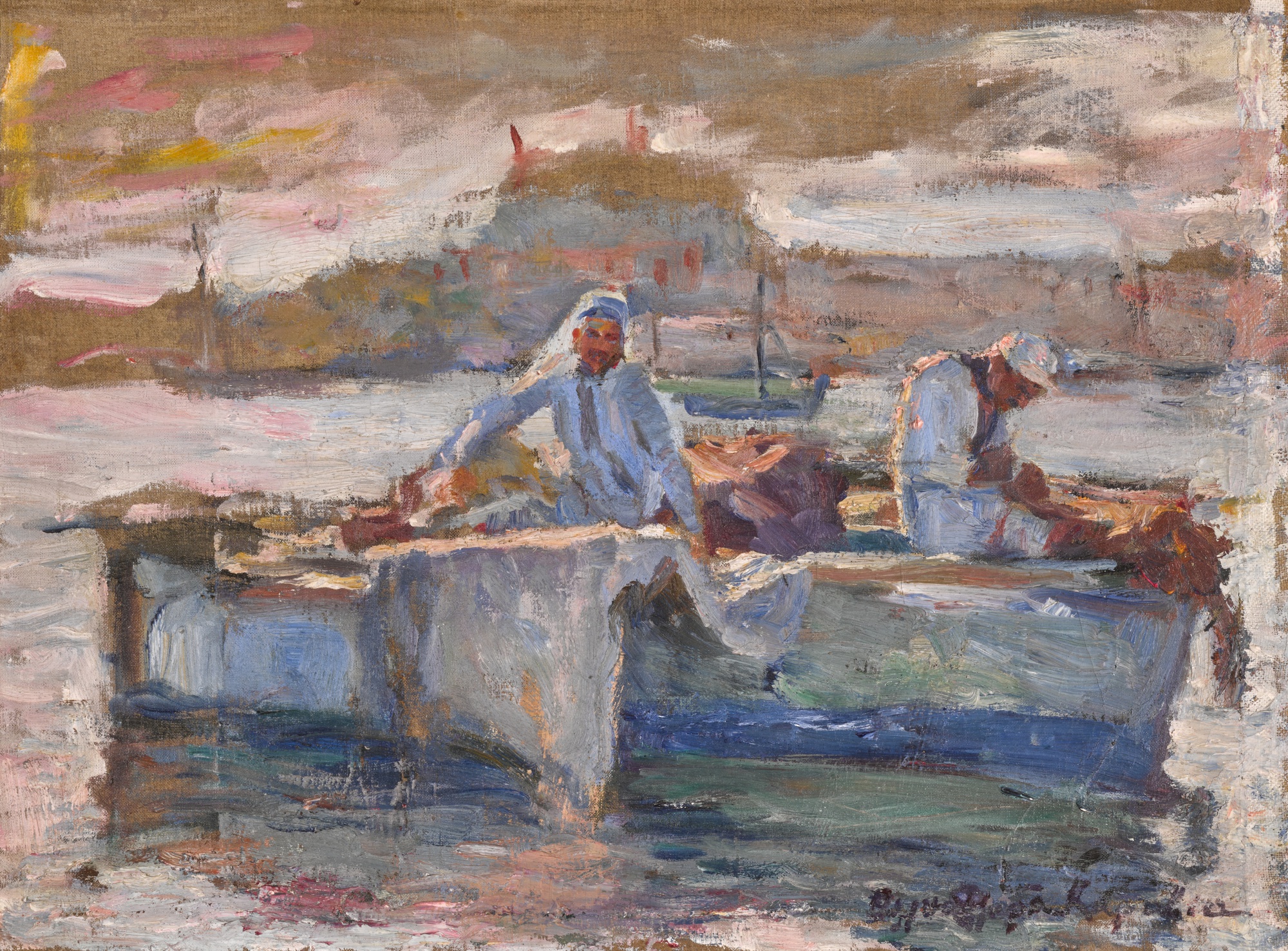
Beyond the canonical names, the Mediterranean category on The Collection includes artists who represent what might be the most interesting collecting opportunity right now. Paul Guiragossian, the Lebanese painter whose work sits at the intersection of expressionism and a distinctly Levantine sensibility, remains significantly underpriced relative to the emotional and art historical weight he carries. Etel Adnan, Lebanese poet and painter whose small accordion books and oil paintings have gained considerable institutional attention in recent years, is another figure whose market is moving decisively upward following her retrospective visibility. Charles Camoin, a close associate of Matisse and a dedicated painter of the Midi, is often overlooked by collectors focused on the more famous names of the same generation, but his work has real depth and a growing critical constituency.
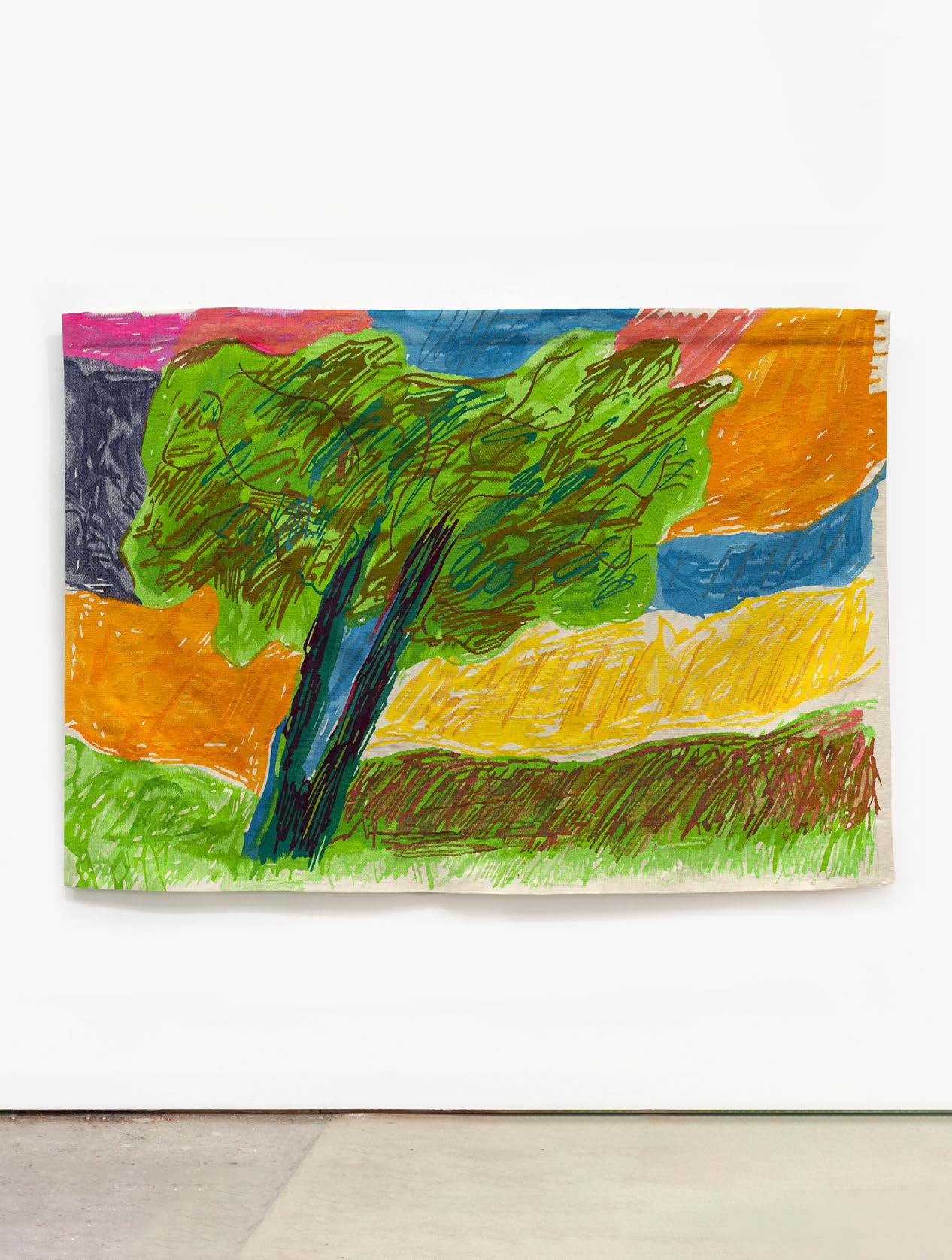
Etel Adnan
L'Olivier, 2019
At auction, Mediterranean works perform with notable consistency in the mid to upper ranges, particularly when they combine a recognizable name with clear geographic specificity. Works that can be identified as depicting a known location, especially places with cultural cache like Antibes, Positano, or the Greek islands, tend to attract competitive bidding. Condition is a particular concern in this category because many of the most desirable works were painted outdoors, often quickly, and have sometimes been subject to light exposure or improper storage over the decades. Before acquiring, especially at auction, it is worth commissioning an independent condition report and asking specifically about any previous restoration work.
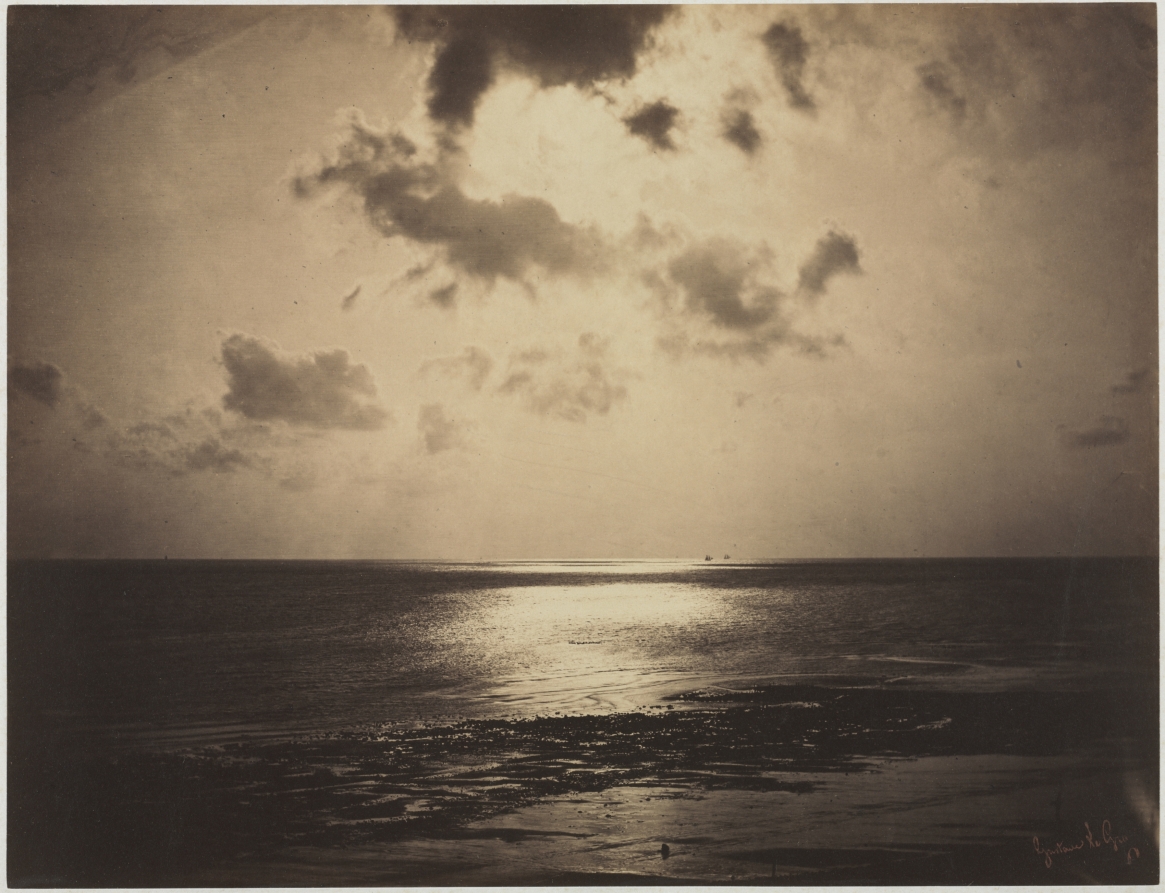
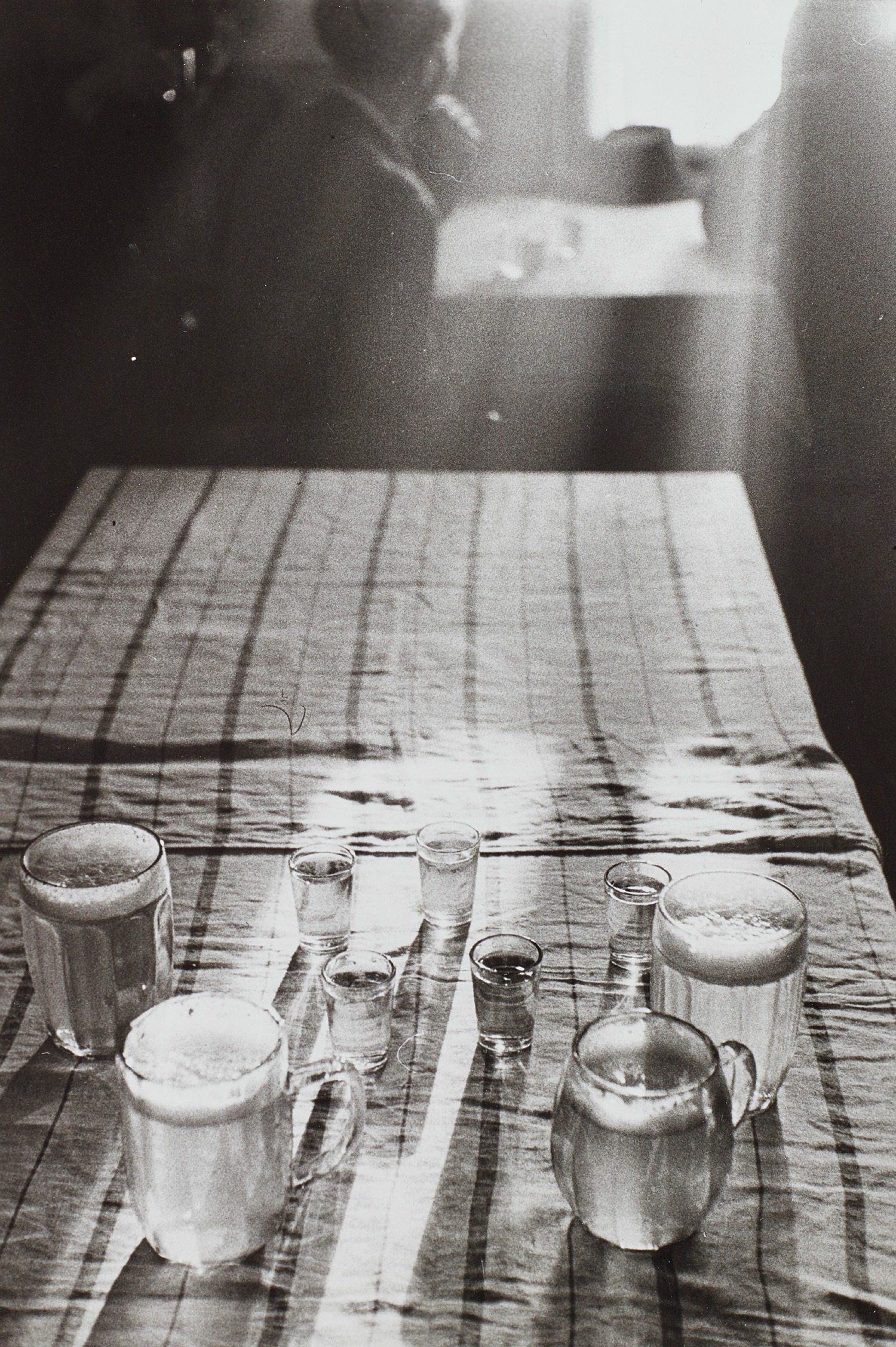
Display considerations matter more than many collectors realize. Works in this category are frequently high in color temperature and can look washed out under warm incandescent light. Daylight balanced LED lighting tends to honor these canvases far better, allowing the blues and whites to register as the artist intended. For watercolors and works on paper, including photographs such as those by Gustave Le Gray or Ernst Haas, UV filtering glass is not optional.
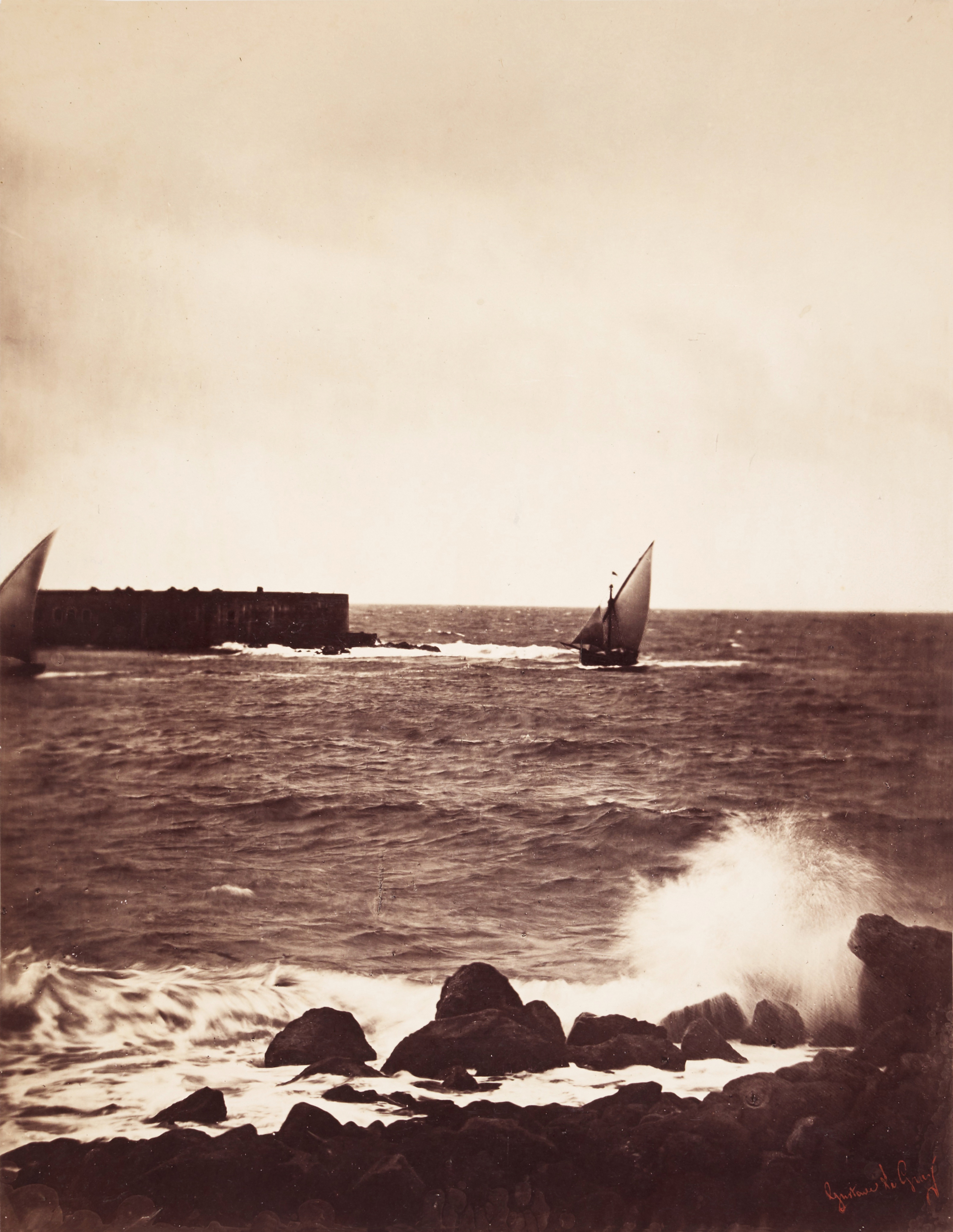
Gustave Le Gray
'La Vague Brisée, Mer Méditeranée No 15', (The Breaking Wave), 1857
Le Gray's seascapes, made in the 1850s and technically revolutionary in their time, are among the most fragile and most extraordinary documents of the Mediterranean in the photographic canon. When speaking with a gallery about works in this area, there are a few questions worth asking that most buyers do not think to raise. Ask for documentation of the work's geographic and temporal context: where was it made, and when, and how do we know. Ask about exhibition history, since works that have been publicly shown tend to have more thoroughly researched provenance.
For prints and photographs, ask whether you are looking at a period print or a later edition, and what the edition size is. For unique works, ask about any existing scholarly literature that addresses the piece specifically. These questions signal to a dealer that you are a serious buyer, and they also protect you in ways that matter when the time comes to resell or to lend a work to an institution. The Mediterranean has been painted ten thousand times, but the right work, properly researched and wisely acquired, remains one of the most rewarding things you can put on a wall.