Cubist
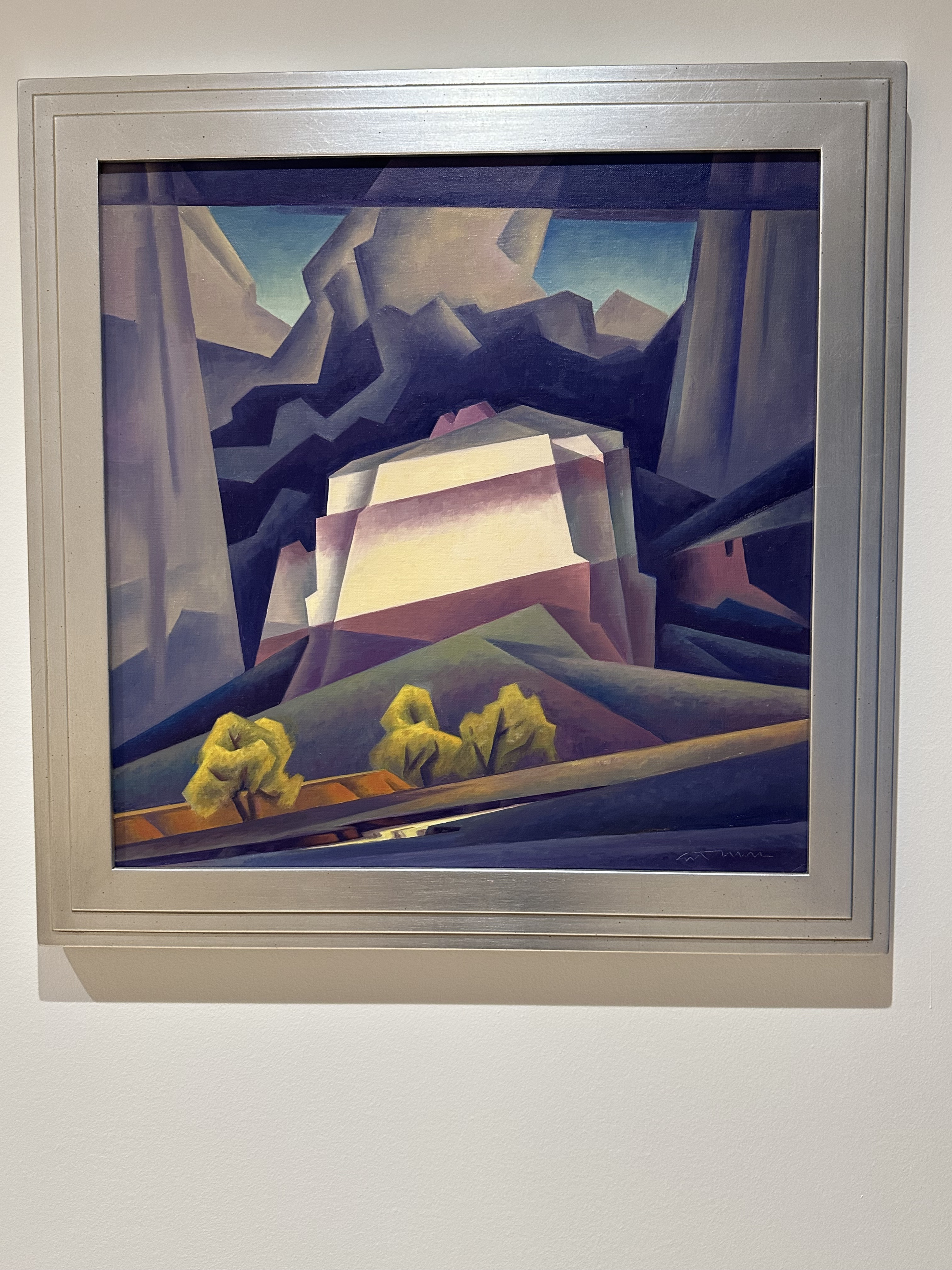
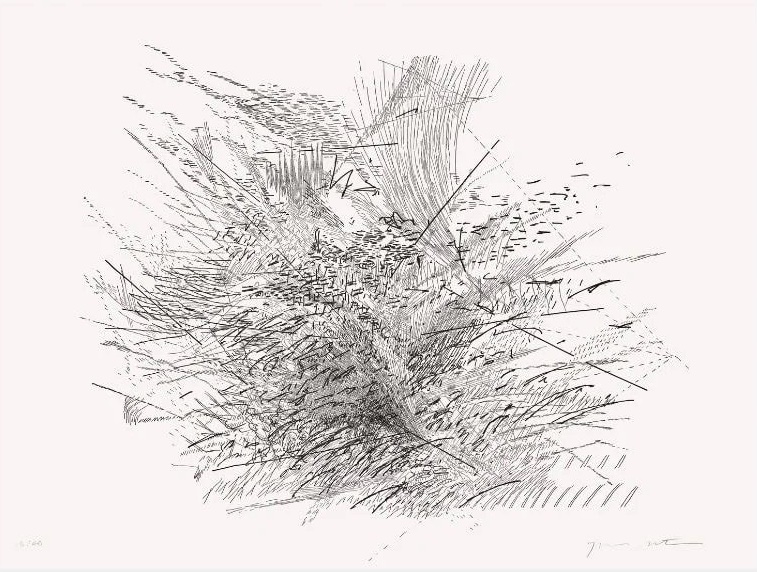
Ed Mell
Untitled

How Cubism Shattered the Mirror of Reality
There are moments in art history when everything breaks at once, and the pieces that remain are more honest than anything that came before. Cubism was that moment. Beginning in Paris around 1907 and gathering force through the following decade, it dismantled centuries of illusionistic painting and replaced them with something rawer, stranger, and ultimately more truthful about how we actually experience the world. Not as a single frozen image caught from one angle, but as a cascade of perspectives, memories, and sensations arriving simultaneously.
The origin story is well worn but still astonishing. Pablo Picasso's encounter with African and Iberian masks at the Trocadéro in Paris, combined with his sustained study of Paul Cézanne's late geometric landscapes, produced Les Demoiselles d'Avignon in 1907. The painting shocked even Picasso's closest allies. Georges Braque, initially horrified, returned to the ideas obsessively and by 1908 the two men had entered one of the most celebrated collaborations in Western art.
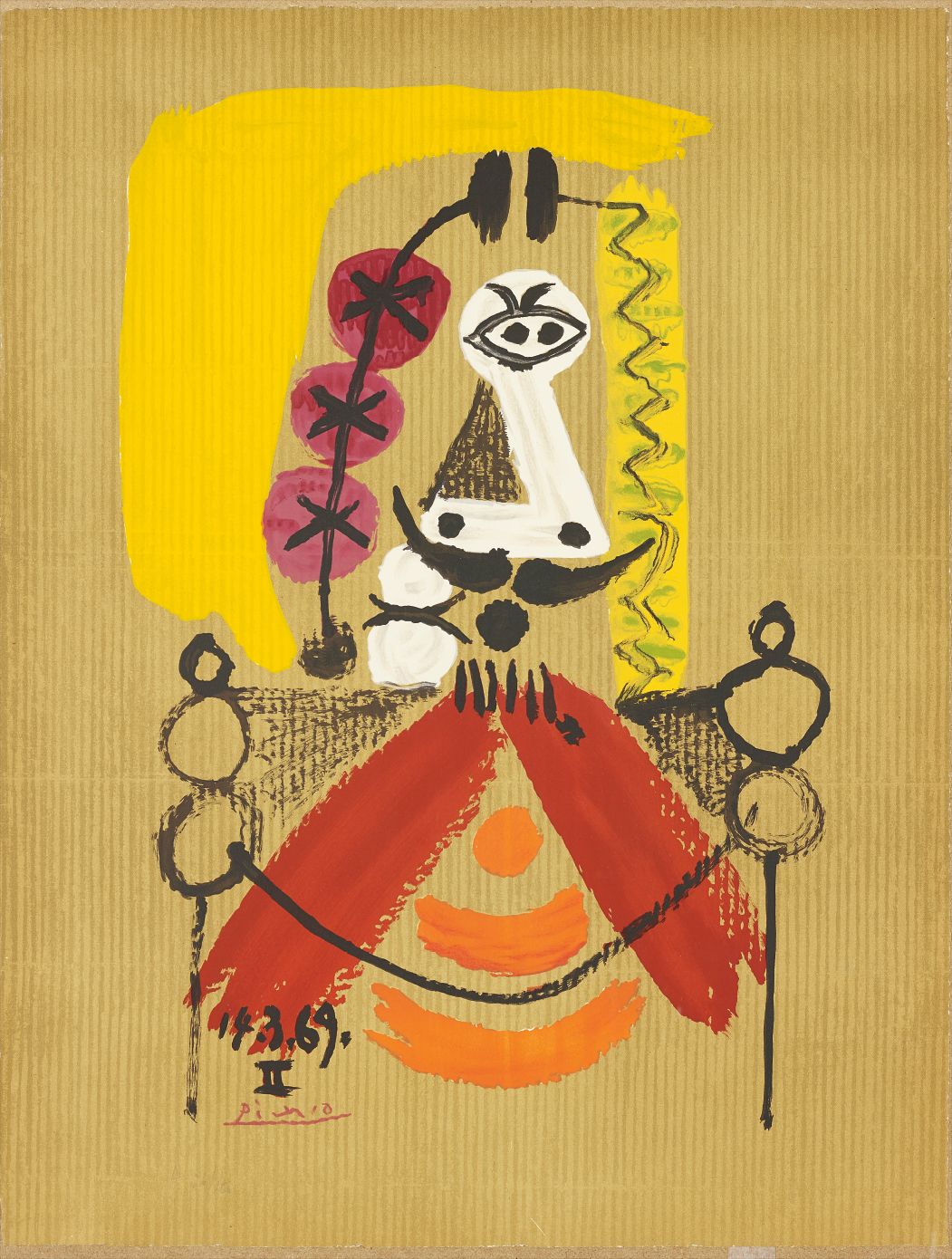
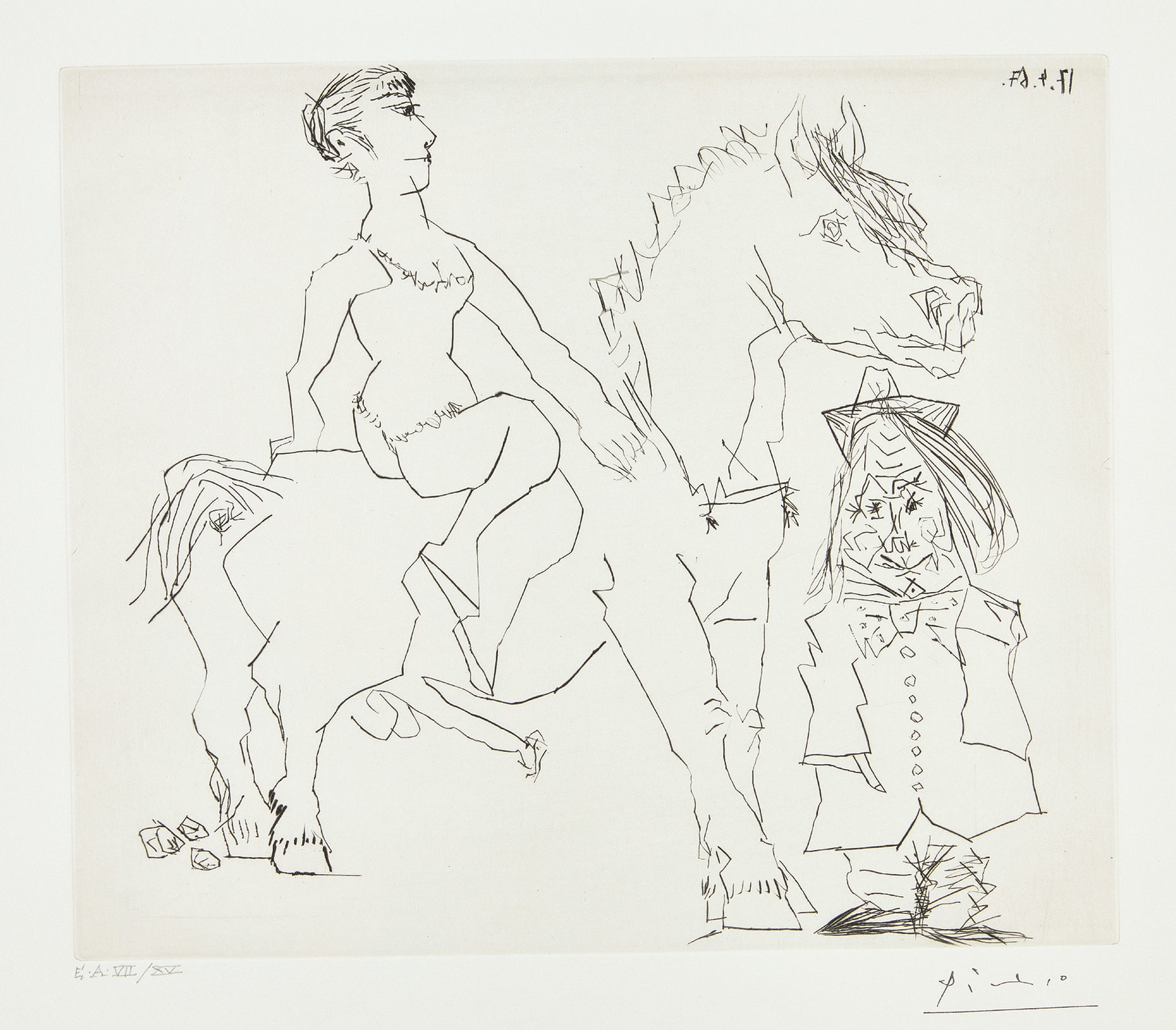
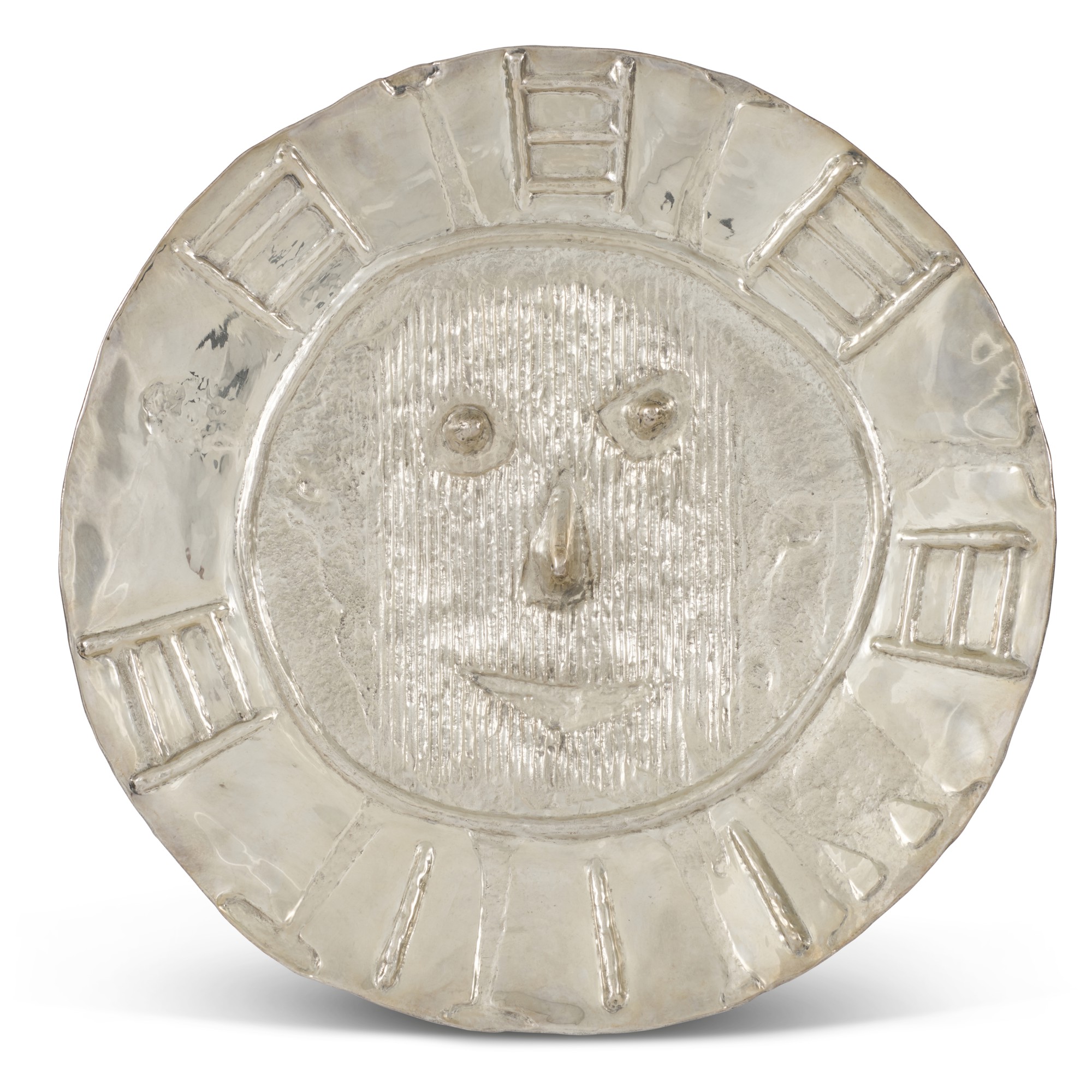
Pablo Picasso
Portrait imaginaire (Imaginary Portrait): one plate
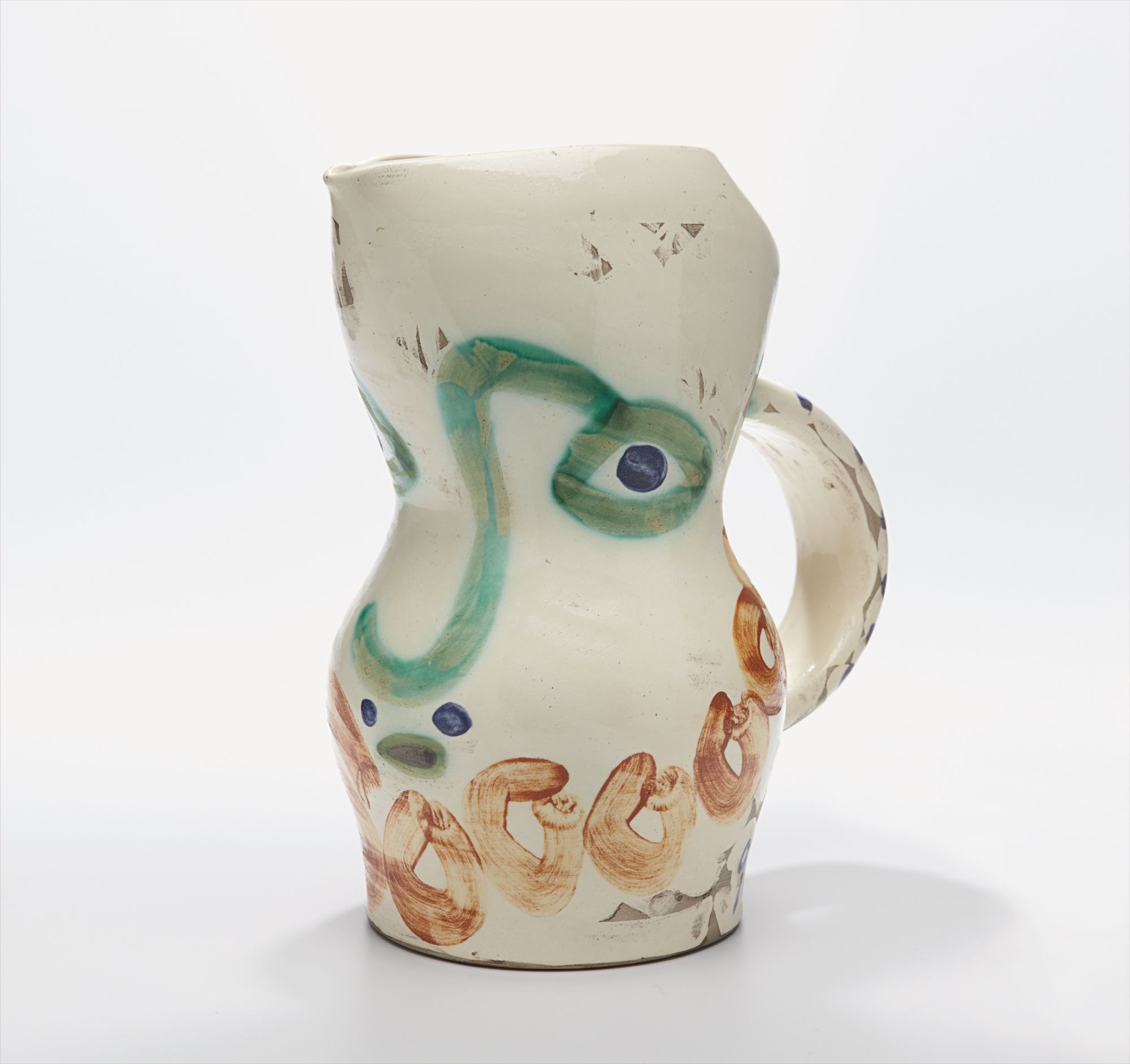
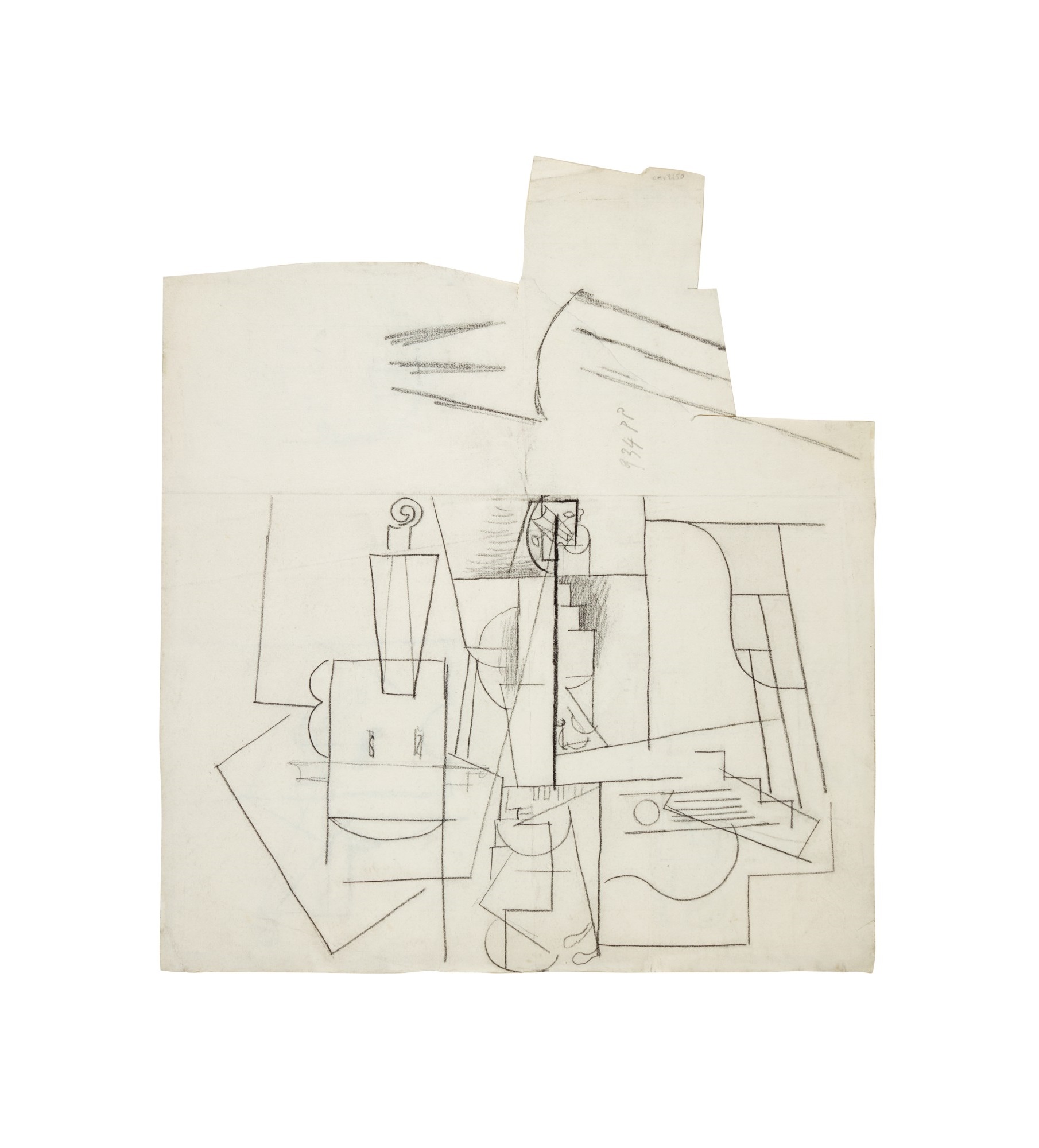
Working in near anonymity at the Bateau Lavoir and in Braque's Montmartre studio, they developed what critic Louis Vauxcelles would dismissively call their little cubes into a revolution. Picasso is represented with extraordinary depth on The Collection, and for good reason. His output across the Cubist decades spans the full range of the movement's ambitions, from the muted earthy palette of Analytic Cubism through to the brighter, more decorative Synthetic phase that emerged after 1912. Analytic Cubism reduced its subjects to overlapping facets and shallow, ambiguous space, often rendered in browns, grays, and ochres.
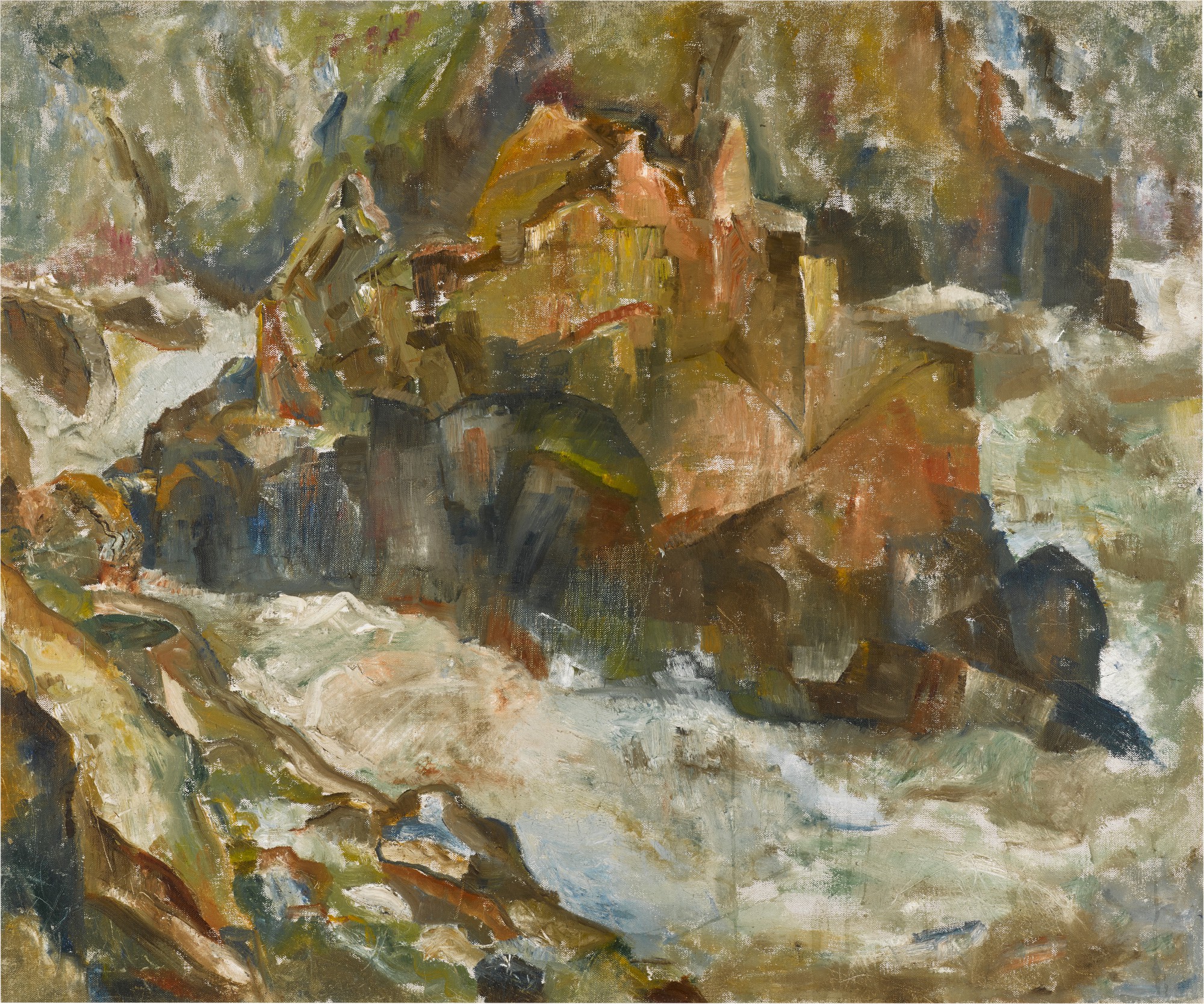
The goal was not abstraction for its own sake but a deeper analysis of form, an attempt to show an object from multiple viewpoints within a single composition. Synthetic Cubism inverted this, building images up from flat planes, collaged materials, and strong color rather than decomposing observed reality. What makes Cubism so rich as a collecting category is precisely how far its influence radiated. Artists who came into contact with the movement in Paris transformed it through their own cultural lenses and carried it outward.
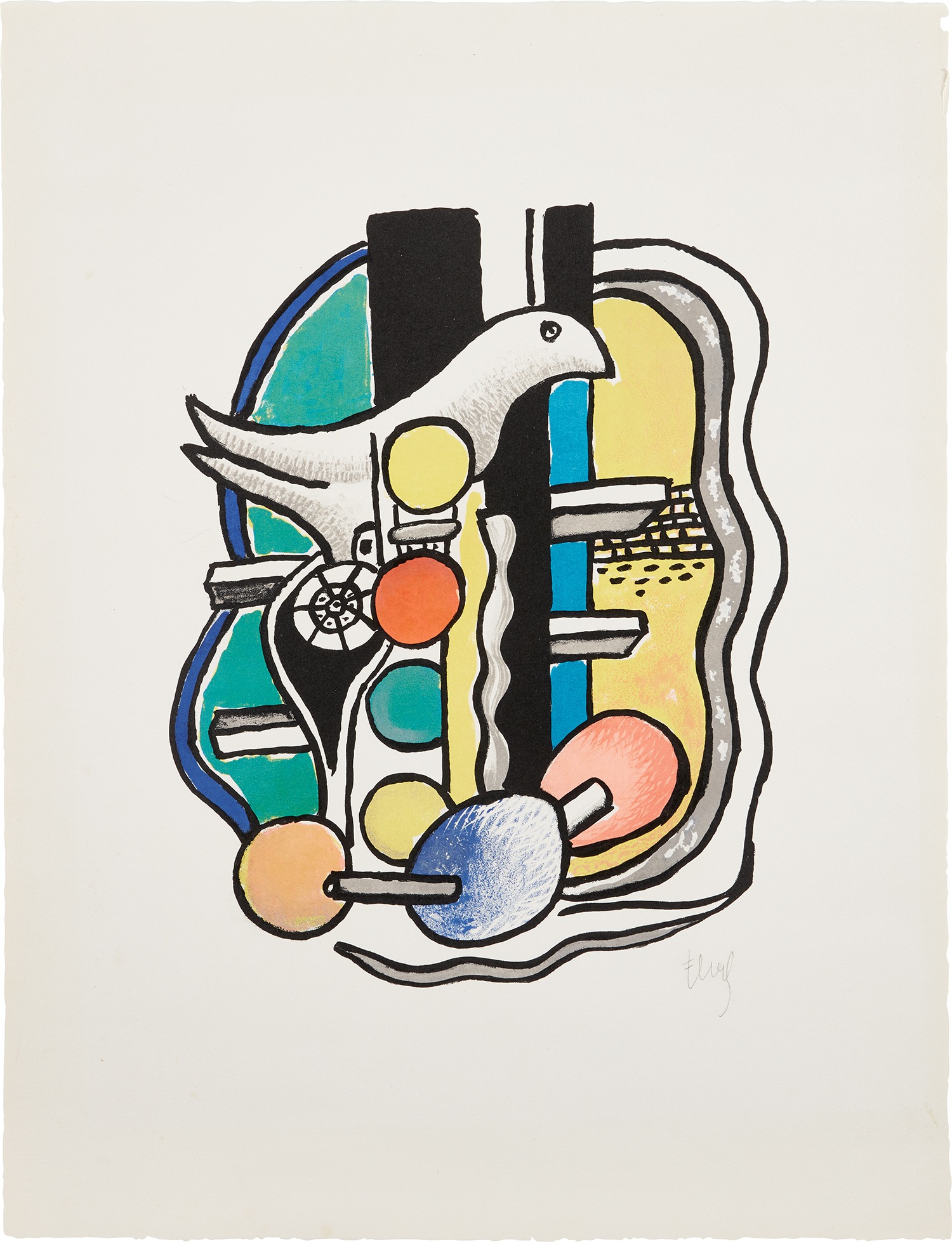
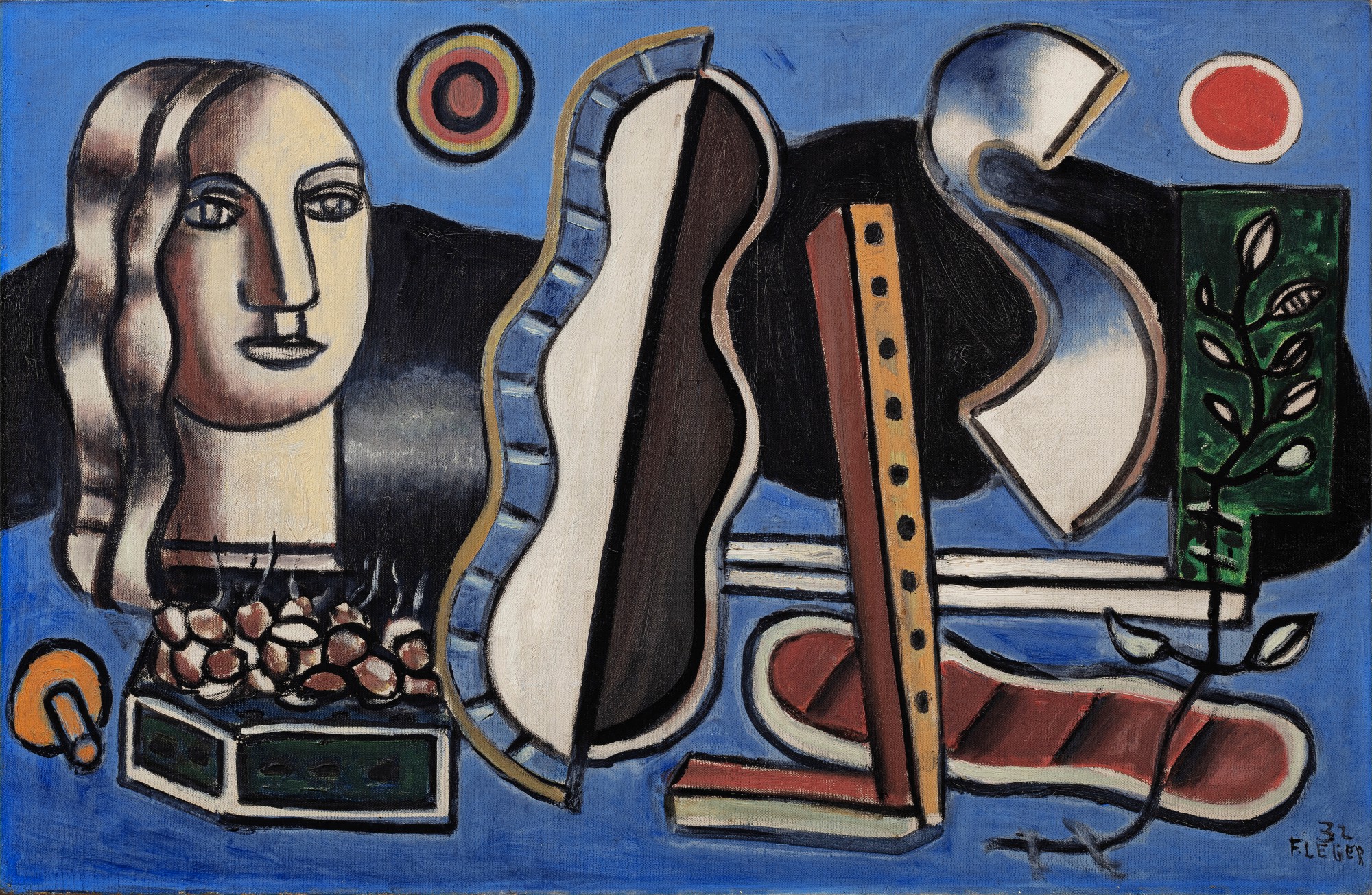
Fernand Léger
La Colombe (The Dove) (S. 115)
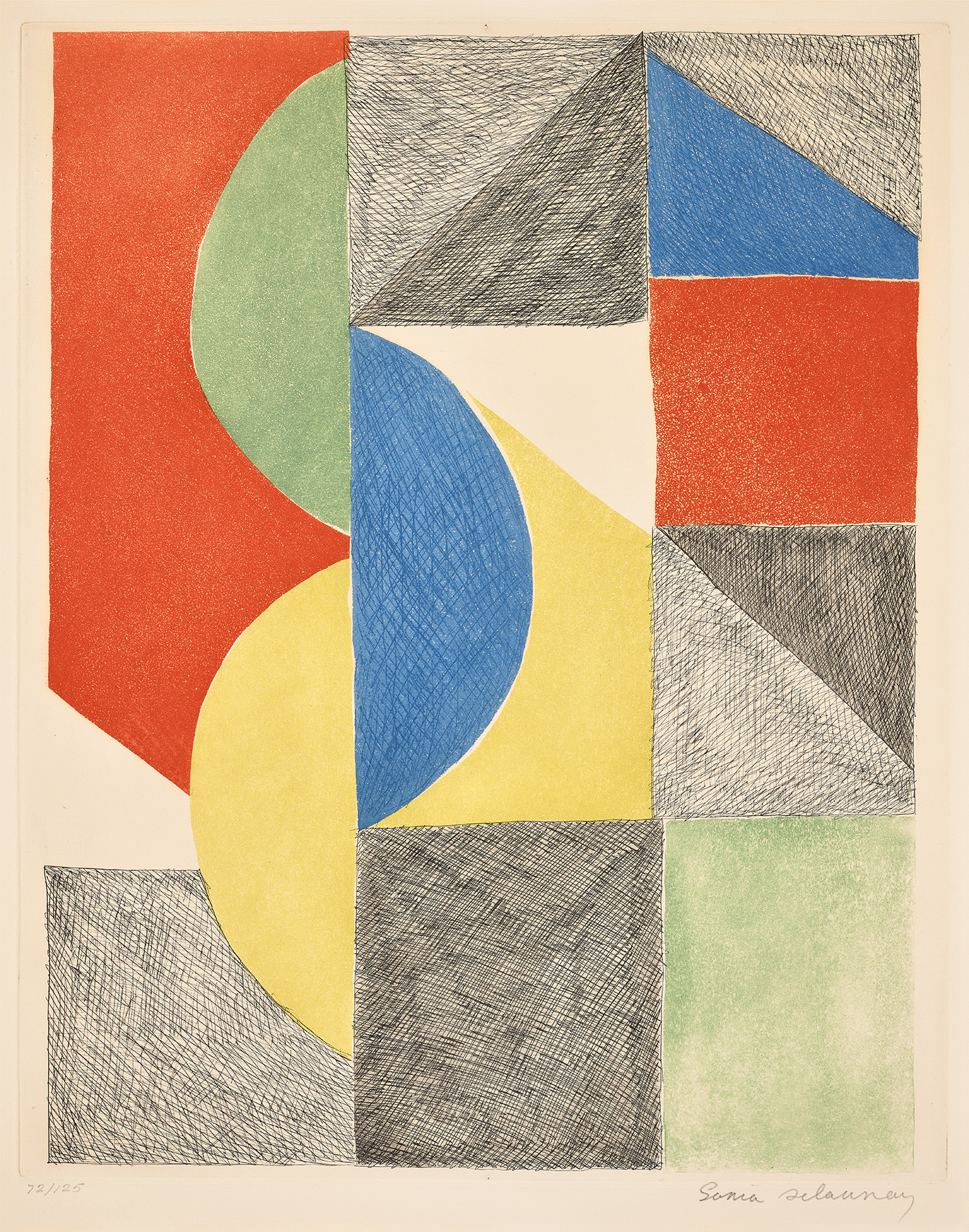
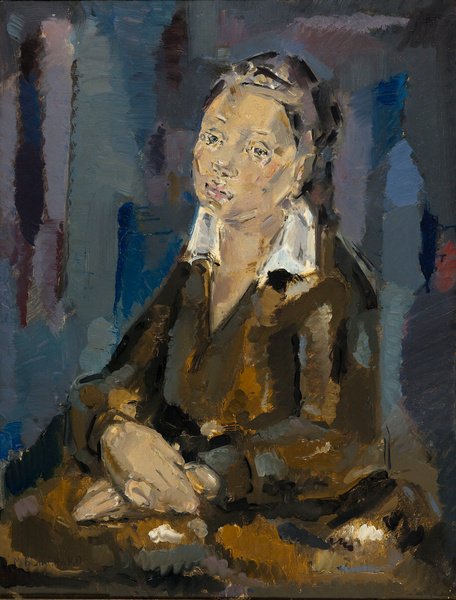
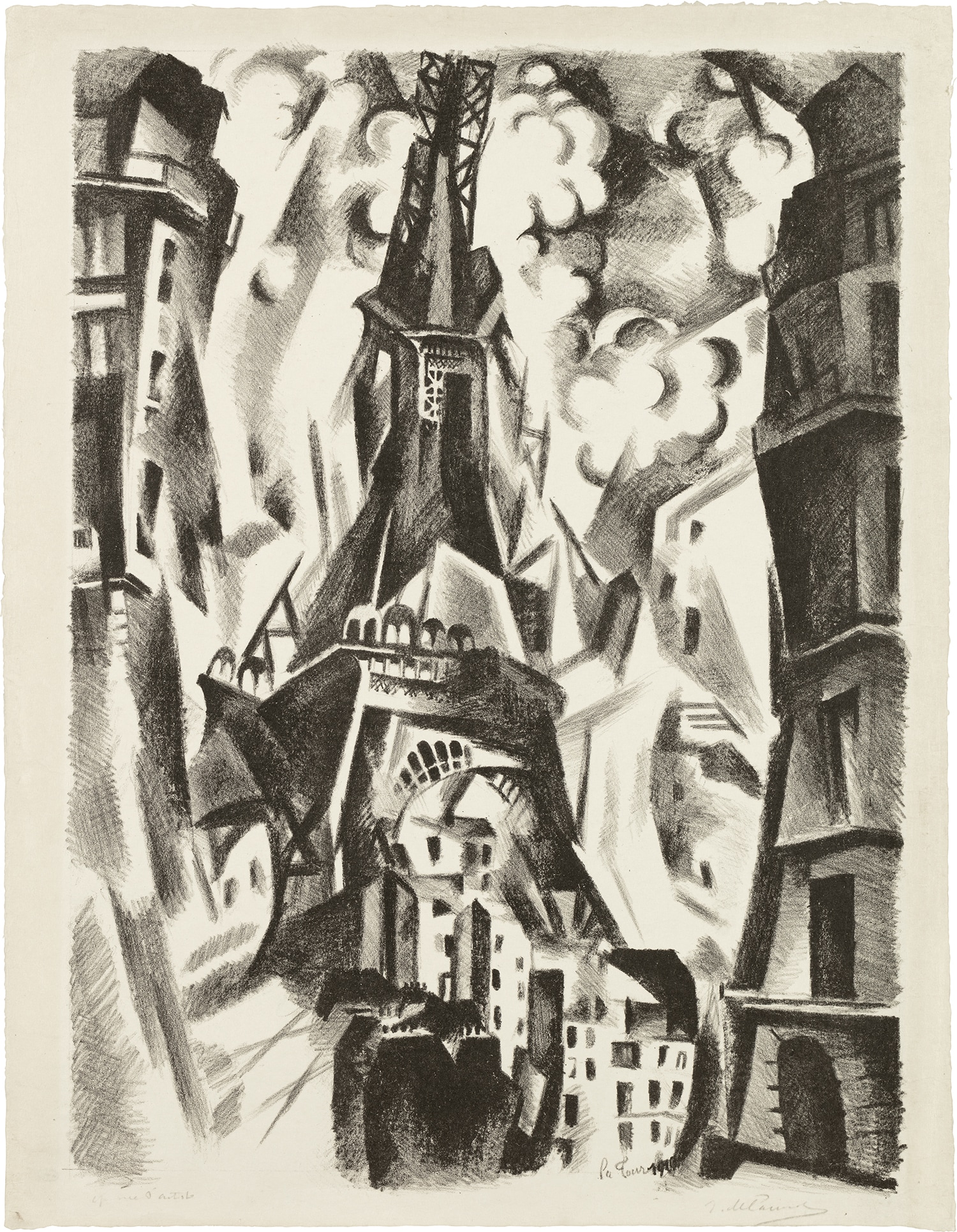
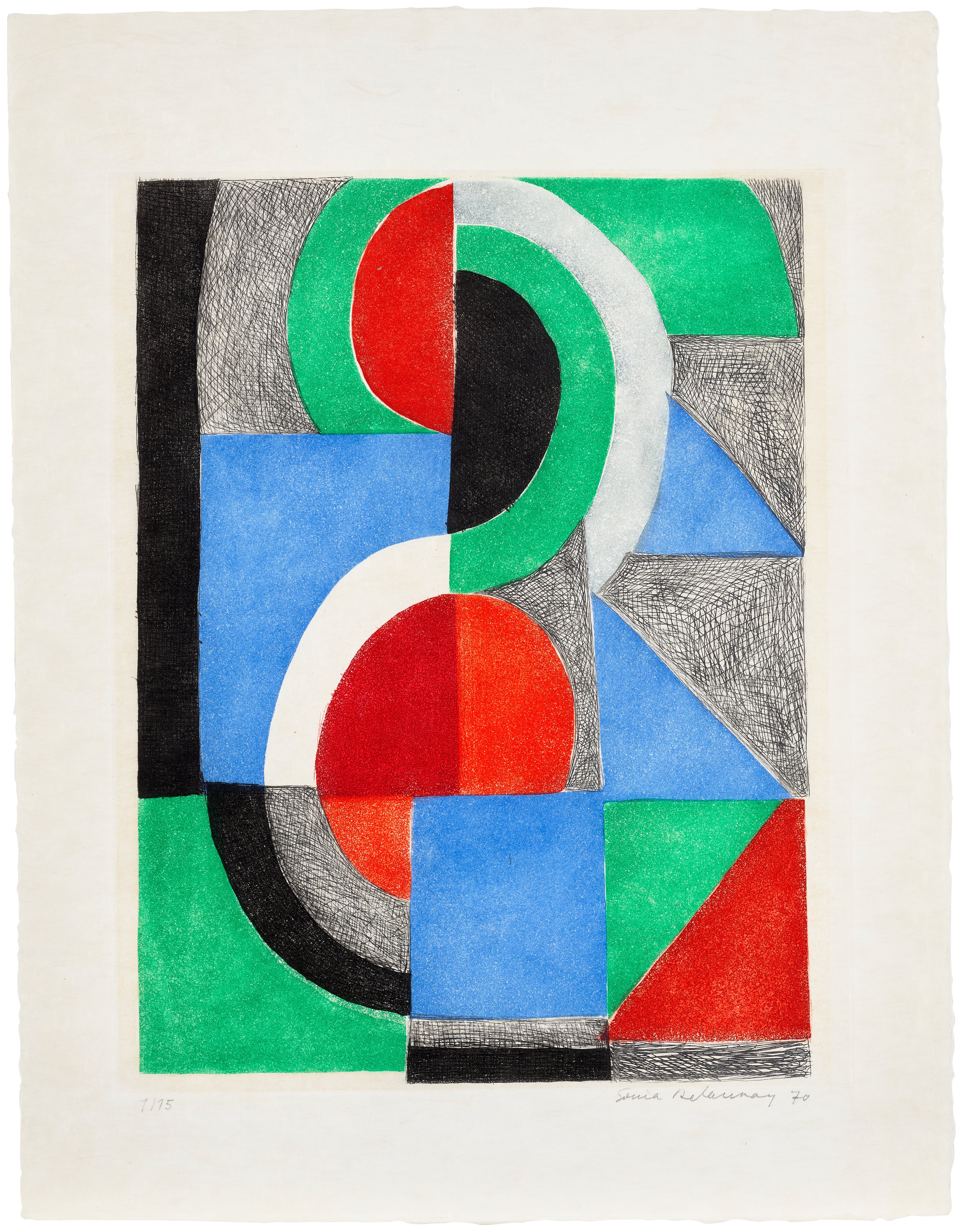
Fernand Léger developed his own muscular, mechanistic variant, using cylindrical volumes and bold primary colors to celebrate industrial modernity. Robert Delaunay and Sonia Delaunay pushed toward pure abstraction through what Guillaume Apollinaire named Orphism, a lyrical offshoot that foregrounded color relationships and light. Their works crackle with a different energy than orthodox Cubism, more ecstatic, less cerebral. María Blanchard, a Spanish painter who moved to Paris and became part of the inner circle around Juan Gris and Picasso, brought an emotional intensity to Cubist figuration that is only now receiving the scholarly attention it has long deserved.
The international reach of Cubism is one of its most compelling aspects. The Armory Show of 1913 in New York introduced American audiences to the movement and caused a genuine public scandal. In Prague, Emil Filla absorbed the lessons of Paris and helped establish a Czech Cubist tradition that extended even into architecture and furniture design. Natalia Goncharova, working in Moscow, synthesized Cubist fragmentation with Russian icon painting and folk art to produce her own form of Cubo Futurism, and Alexander Bogomazov was developing parallel ideas in Kyiv, largely in isolation from the Parisian mainstream.
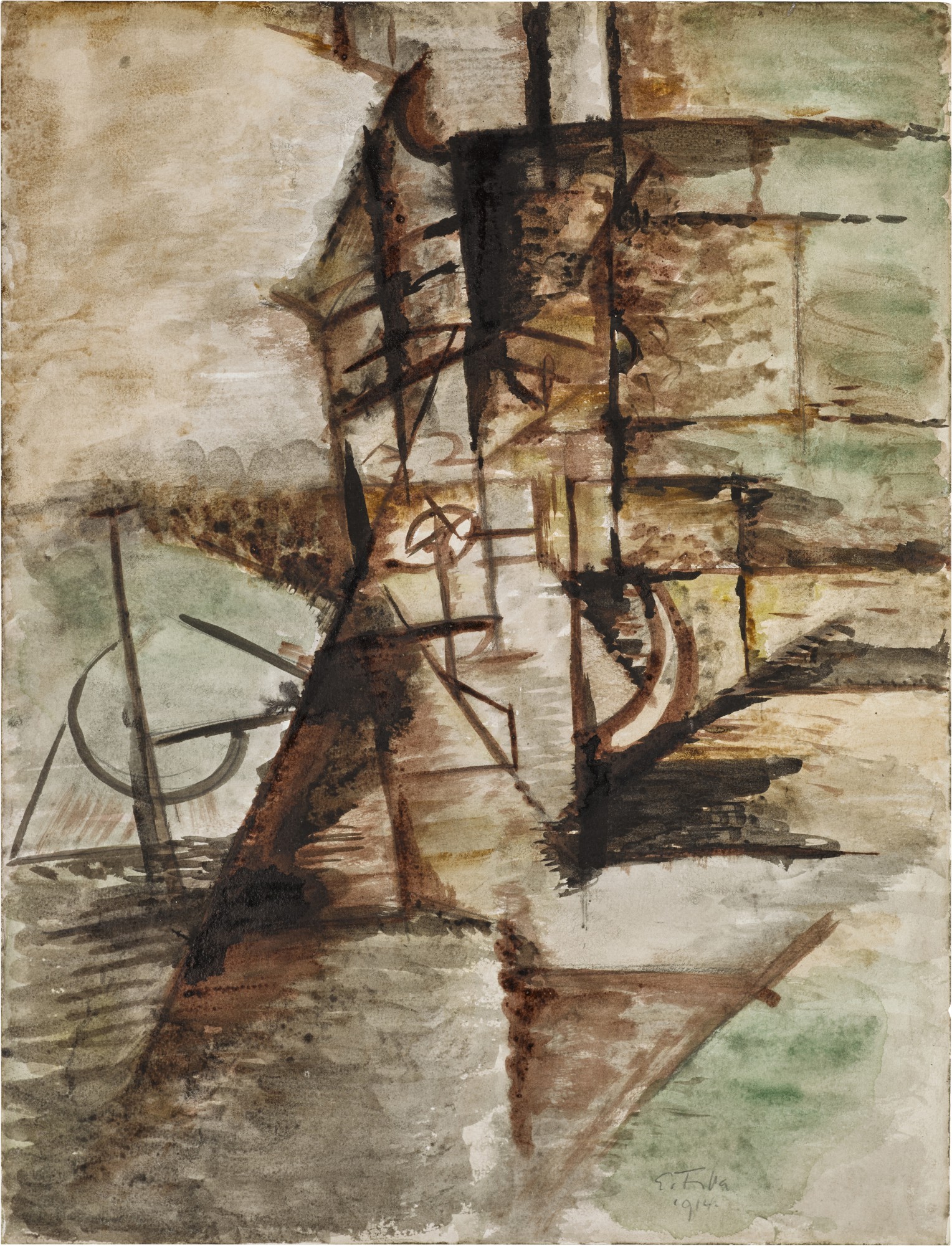
Emil Filla
Cubist Still Life (Kubistické zátiší), 1914
The movement was never one thing in one place; it was a set of tools that artists worldwide picked up and bent toward their own ends. The conceptual stakes of Cubism were understood from early on as philosophical as much as visual. The movement arrived in parallel with Einstein's special theory of relativity and Bergson's writings on time and consciousness, and critics were quick to draw connections, whether or not the artists themselves endorsed them. The fourth dimension was discussed seriously in Cubist circles.
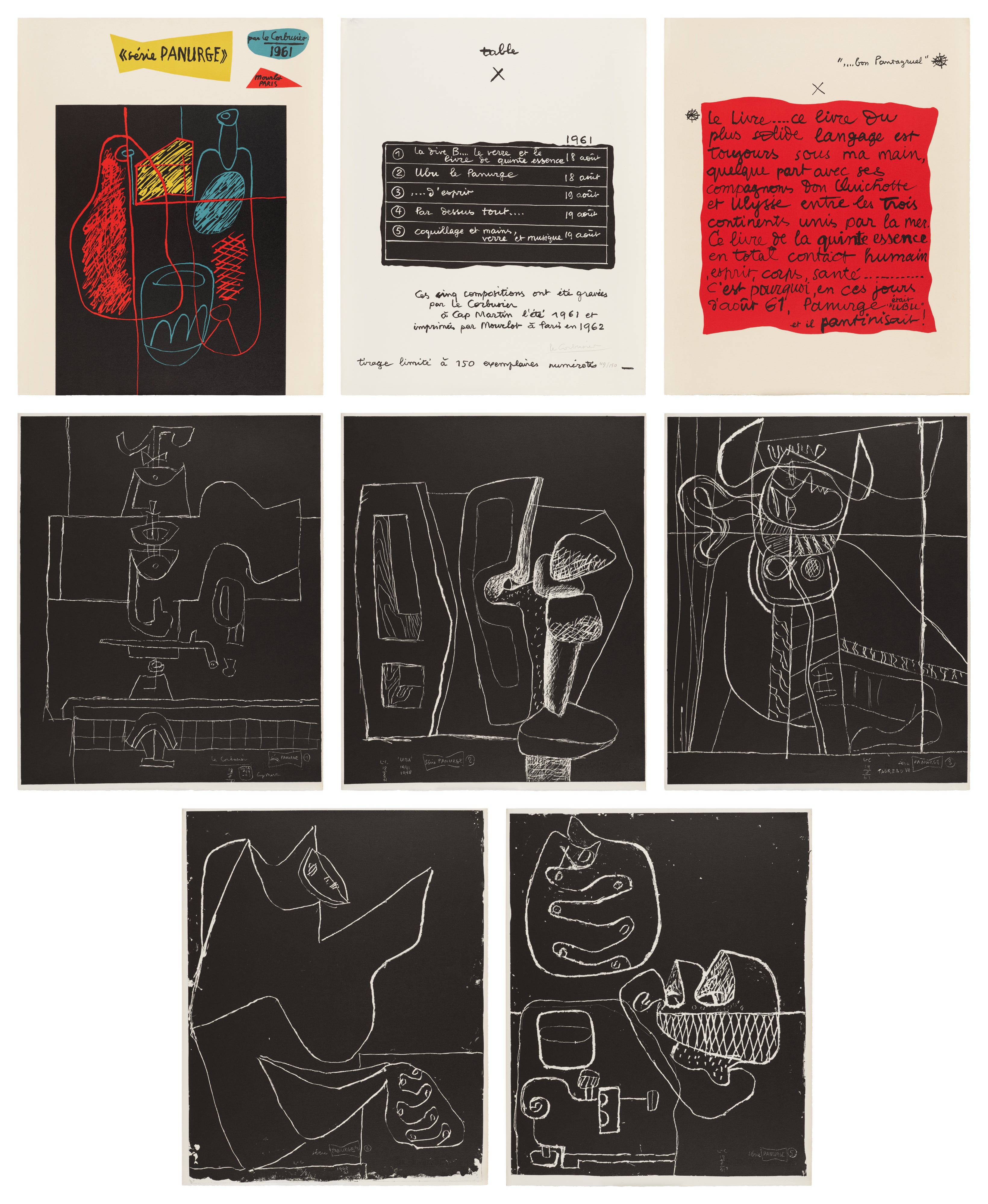
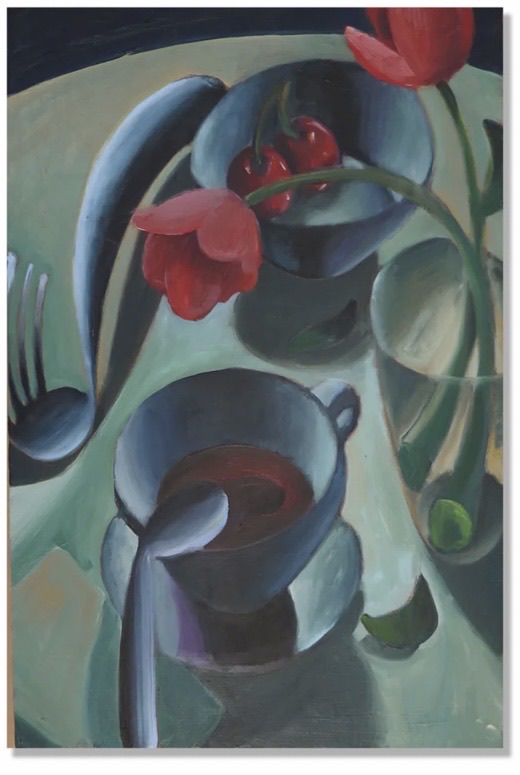
Jean Metzinger and Albert Gleizes published Du Cubisme in 1912, the first major theoretical text on the movement, and thinkers like Apollinaire wrote about it as a new way of knowing as much as seeing. Le Corbusier, better known as an architect, engaged deeply with Purism alongside Amédée Ozenfant, a movement they founded in 1918 as a correction to what they saw as the decorative excess of late Cubism, insisting instead on clarity, economy, and the machine aesthetic. The sculptural dimension of Cubism deserves its own moment of attention. Jacques Lipchitz translated the fractured planes and multiple viewpoints of Cubist painting into three dimensions with remarkable success, producing bronzes in the 1910s and 1920s that feel genuinely new rather than simply illustrative of painted ideas.
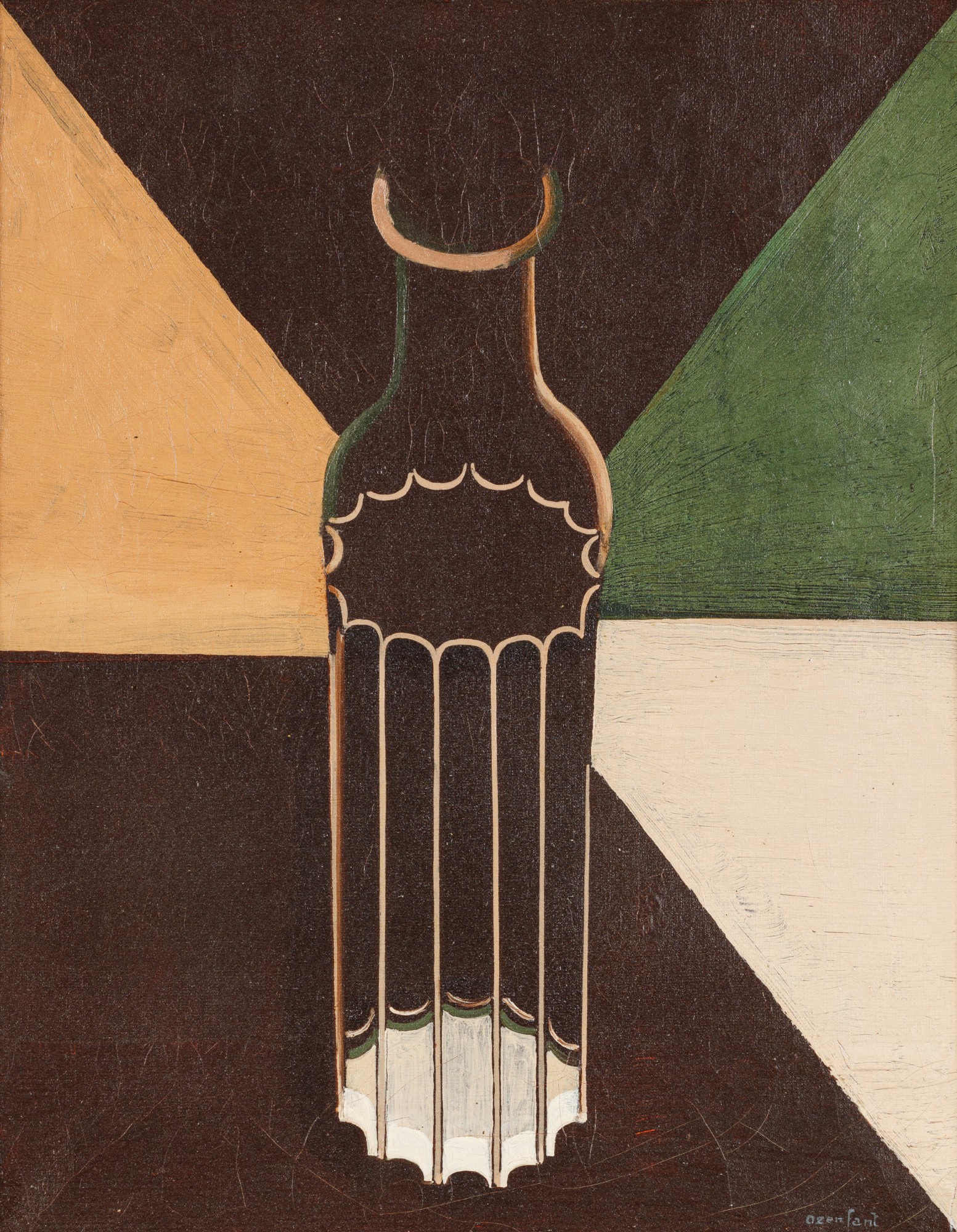
Amédée Ozenfant
Carafe, 1918
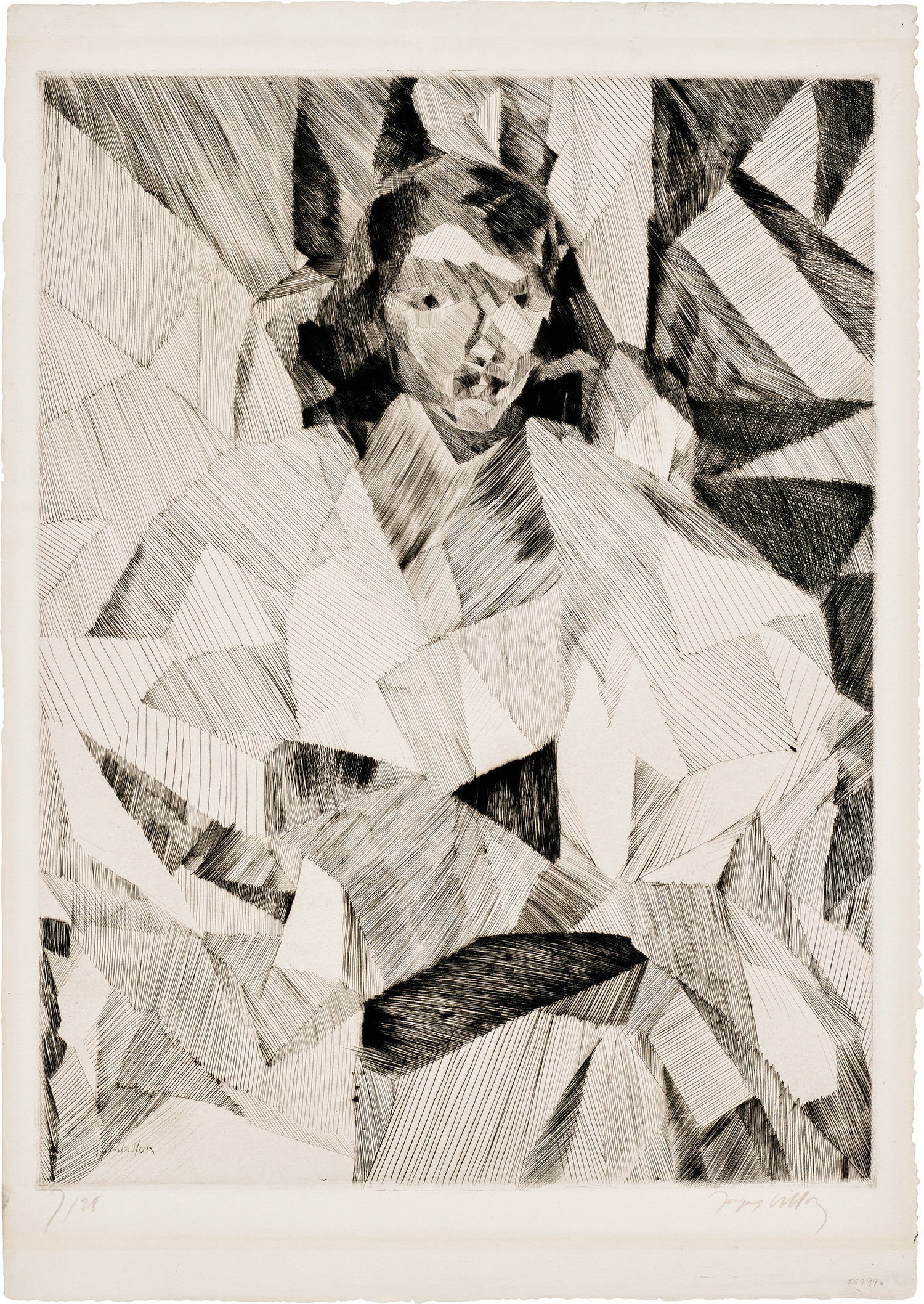
Jacques Villon, the older brother of Marcel Duchamp, worked through a more precise and almost scientific approach to Cubist structure, and Louis Marcoussis brought a quiet lyricism to the movement that is easy to overlook beside the more dominant voices. Roger de La Fresnaye took Cubism in a more accessible, nationally French direction, inflected with patriotism and a certain classical restraint. More than a century after Braque and Picasso nailed their analytic dissections of guitars and bottles and faces to the walls of the 1911 Salon des Indépendants, Cubism remains one of the most generative bodies of work in the history of art. Its logic lives on in abstraction, in graphic design, in architecture, in the fragmented visual language of digital culture.
When we swipe through images on a screen and absorb multiple angles of an object almost simultaneously, we are in some sense inhabiting a Cubist idea about perception. The works on The Collection trace this legacy across its full spread, from Picasso at its center to artists who received its energy and sent it somewhere new. Cubism is not a style to be filed and forgotten. It is a way of looking that changed what looking means.