Botanical
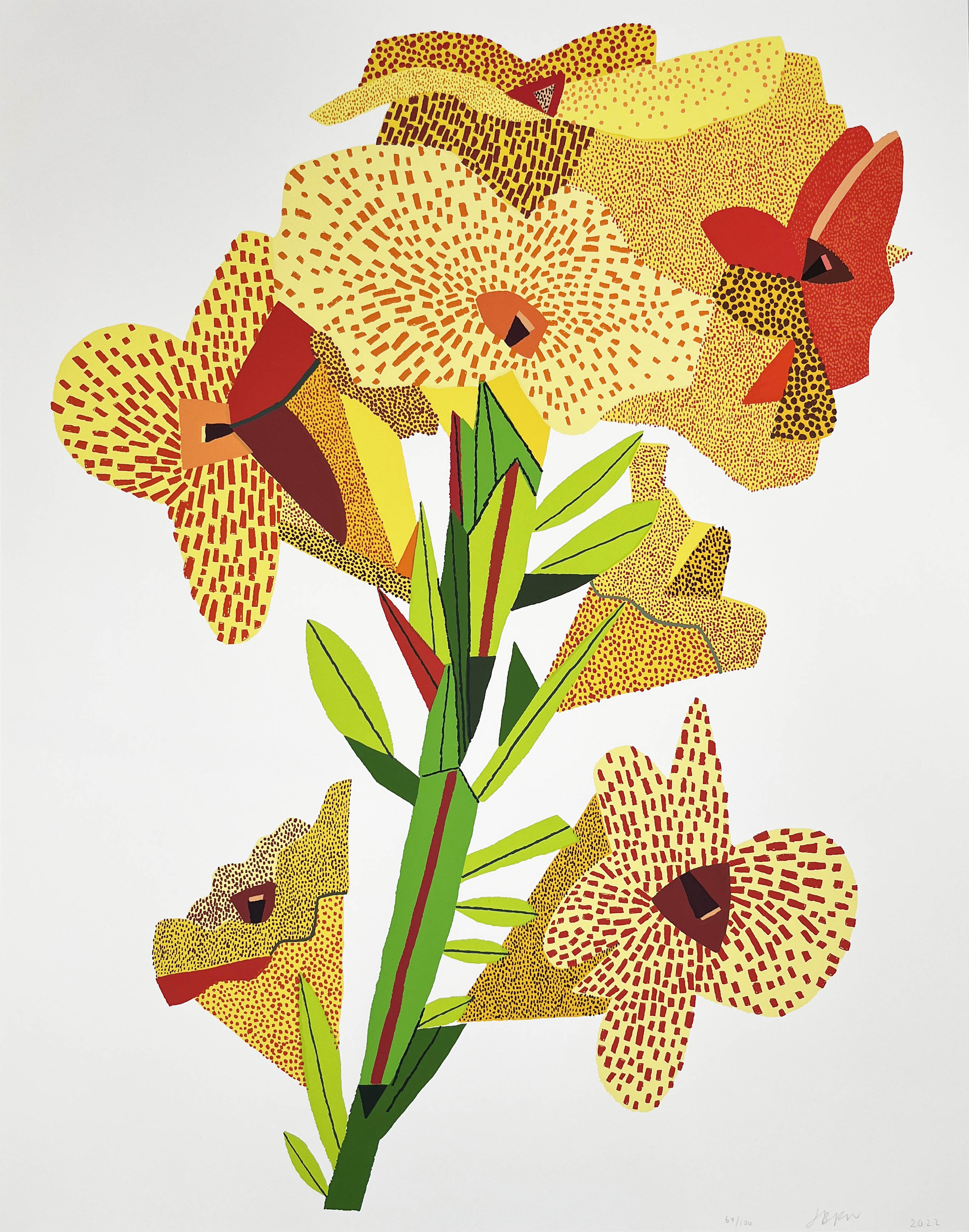
Jonas Wood
Yellow Flower, 2022
The Living World, Rendered in New Light
There is something almost primal about the human compulsion to picture plants. Long before painting academies, before photography, before the concept of fine art as we understand it existed, people were pressing flowers into paper, carving leaves into stone, and tracing the outlines of petals with whatever pigment they could find. The botanical impulse sits at the very root of image making, and it has never really gone away. What changes, generation by generation, is what we think we are doing when we do it.
The formal history of botanical art as a discipline begins in earnest during the sixteenth century, when European herbalists and natural philosophers needed accurate visual records of medicinal plants. These early images were scientific tools before they were aesthetic objects, and the tension between documentation and beauty has animated the genre ever since. By the seventeenth century, Dutch flower painters had transformed the humble plant study into something almost theatrical, arranging impossible blooms from different seasons into a single canvas as an act of pure artifice. The flowers in those paintings never actually existed together in one room.
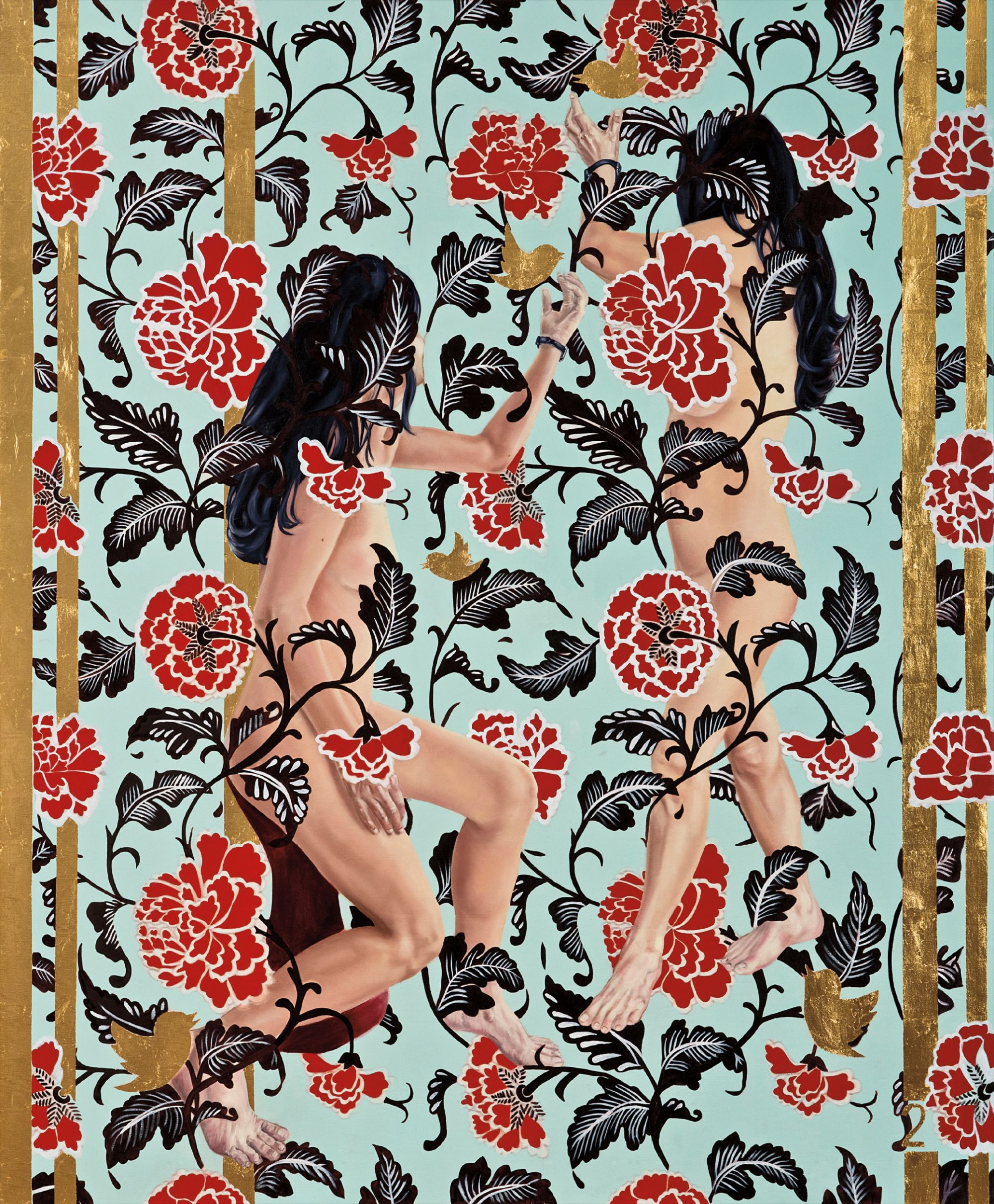
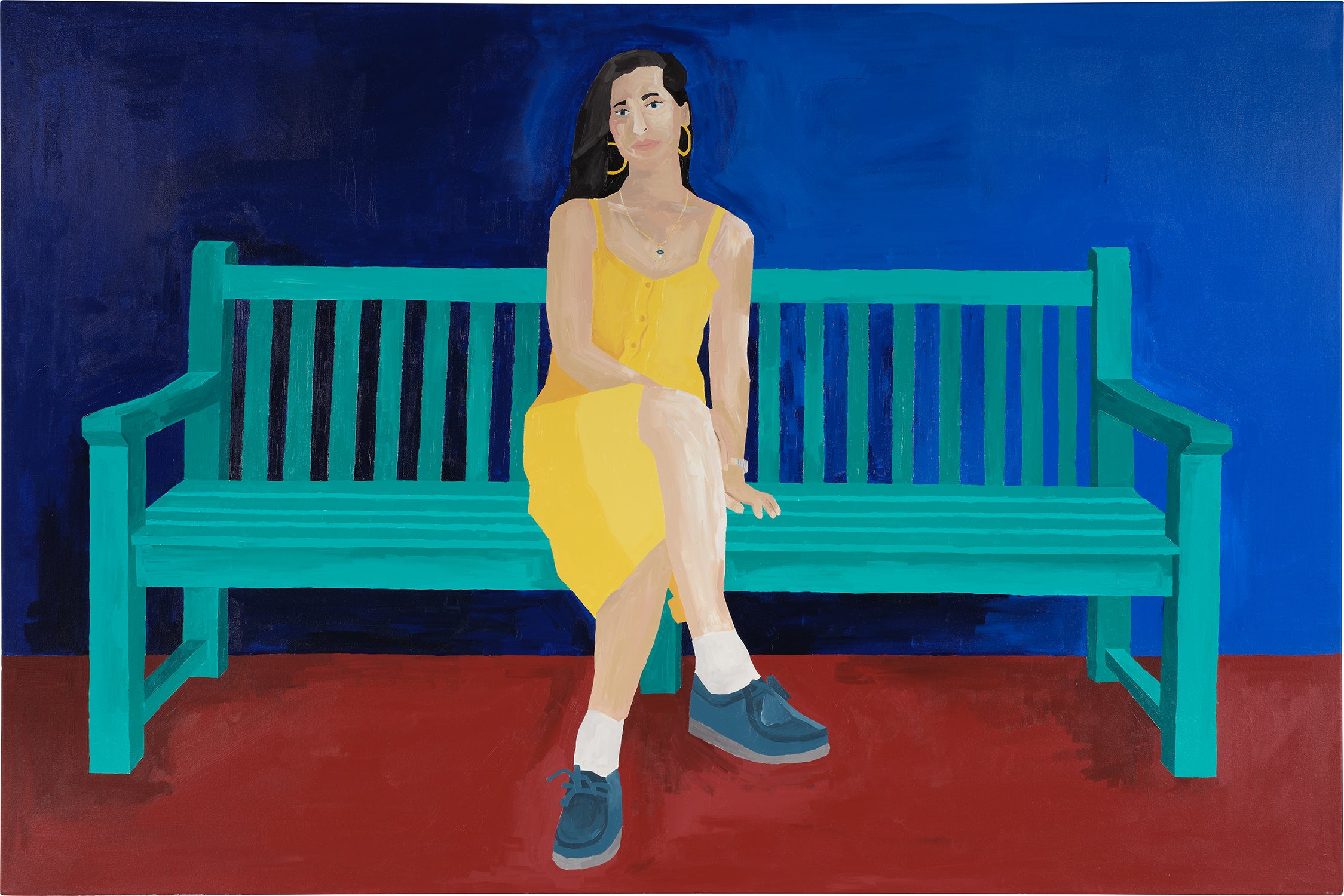
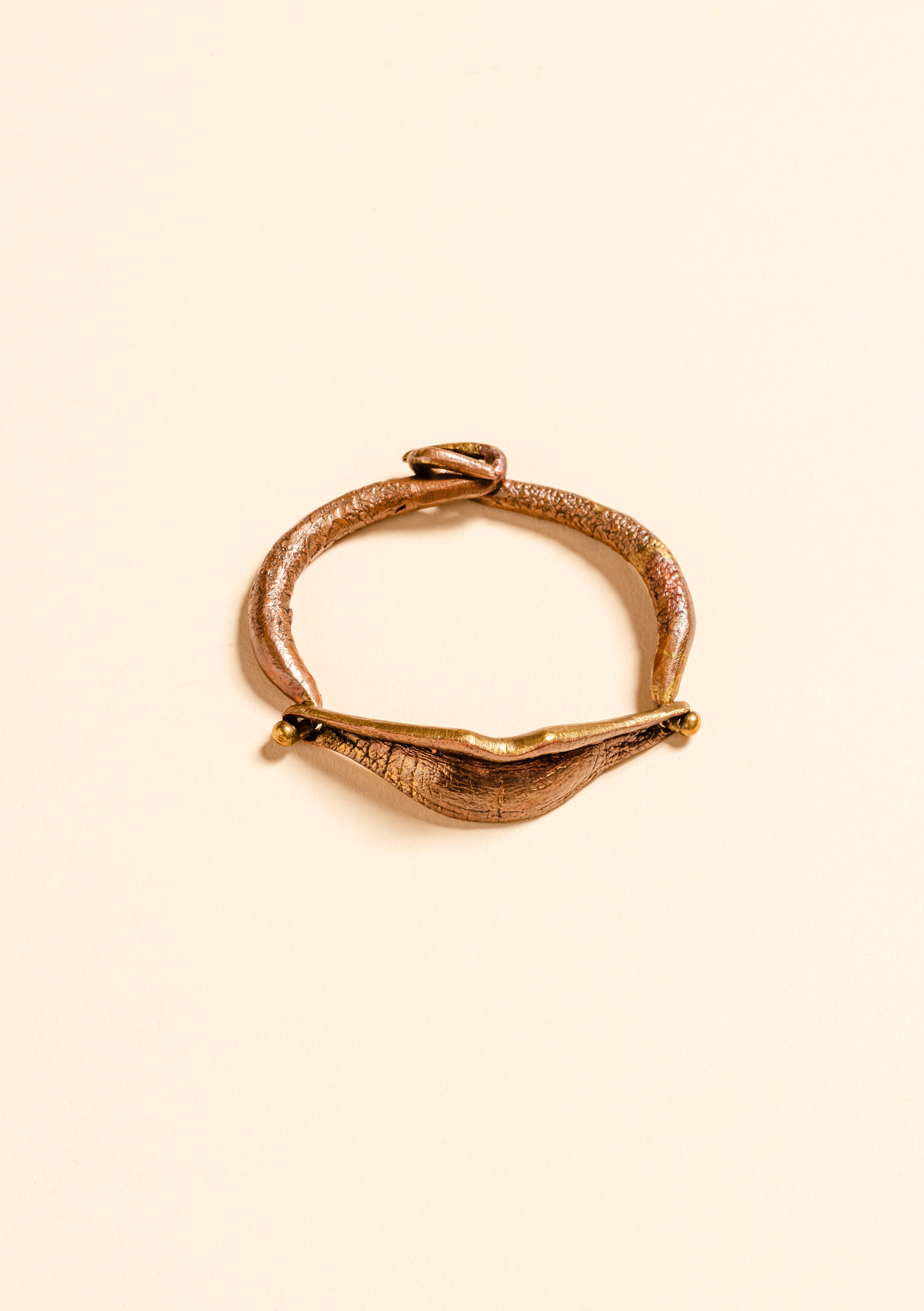
Asli Özok
Garden of Armina Rose, 2017
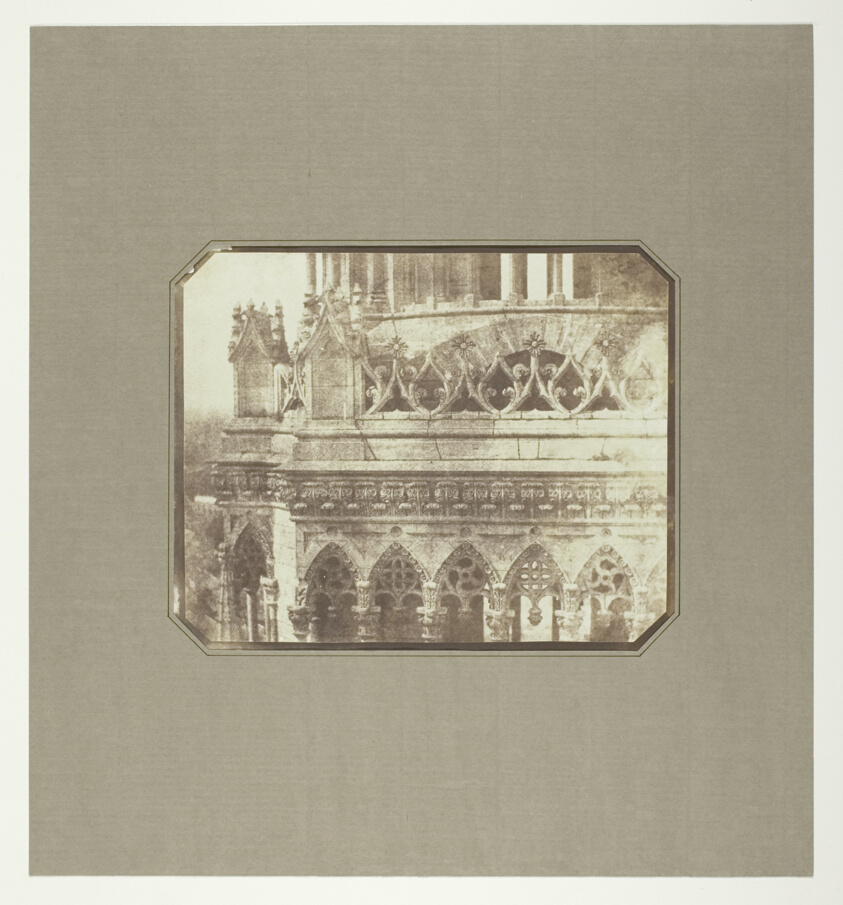
They were assembled from drawings made across months and years, stitched together into an idealized whole. That fundamental act of construction, of editing nature into something more perfect than nature allows, connects the golden age of Dutch florals to every subsequent movement that has taken the botanical world as its subject. In the nineteenth century the invention of photography threw the entire tradition into productive crisis. William Henry Fox Talbot, whose early photogenic drawings from the late 1830s included pressed leaves and botanical specimens, understood immediately that the camera had a special relationship with organic form.
The plant did not need to be interpreted by a human hand. It could, in a sense, draw itself. This idea captivated generations of photographers who followed, and the botanical subject became a recurring testing ground for photography's claims to both objectivity and artistry. Edward Weston's tightly coiled pepper photographs from the early 1930s are often cited in this context, but his images of shells, kelp, and desert flora carry an equal weight.
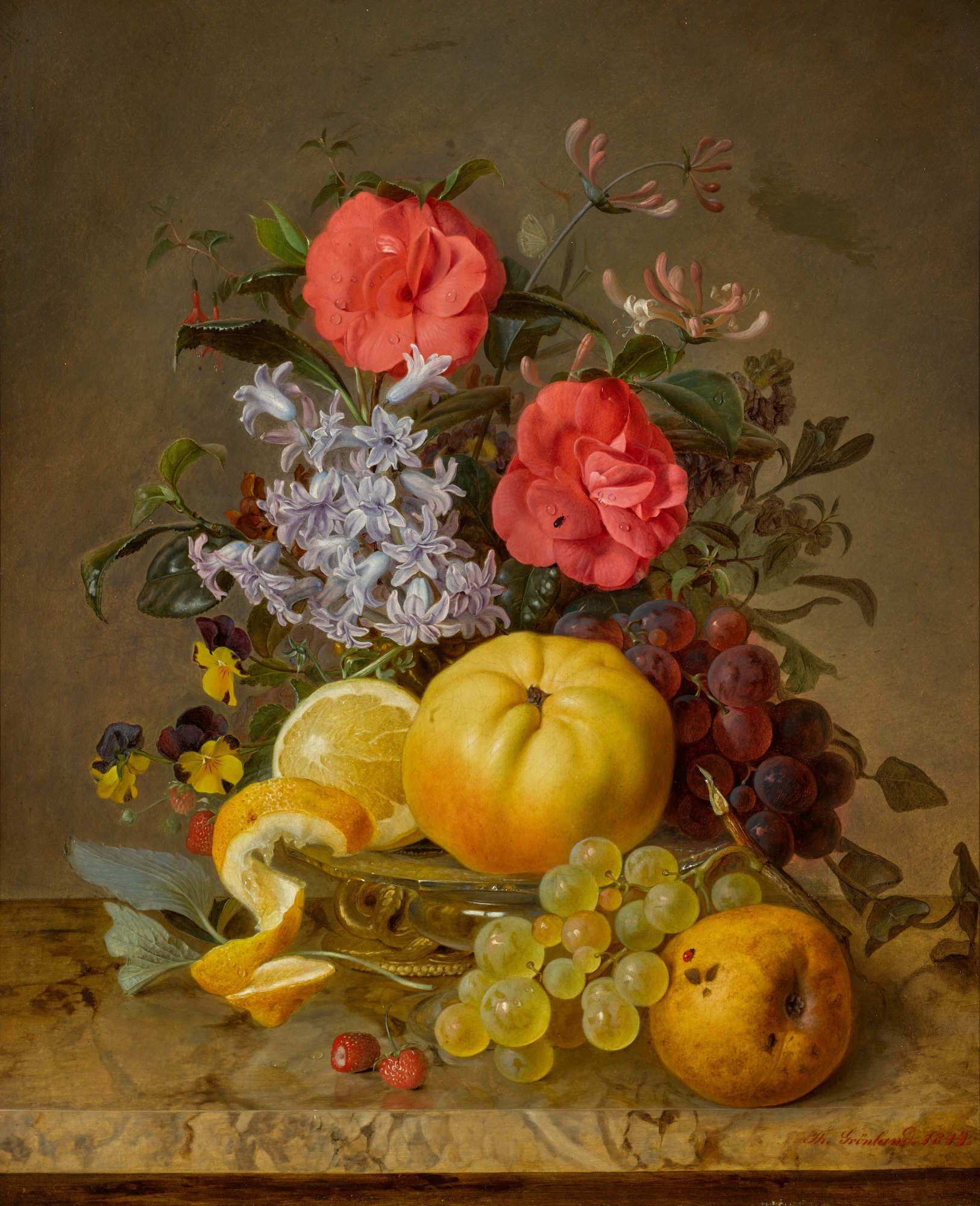
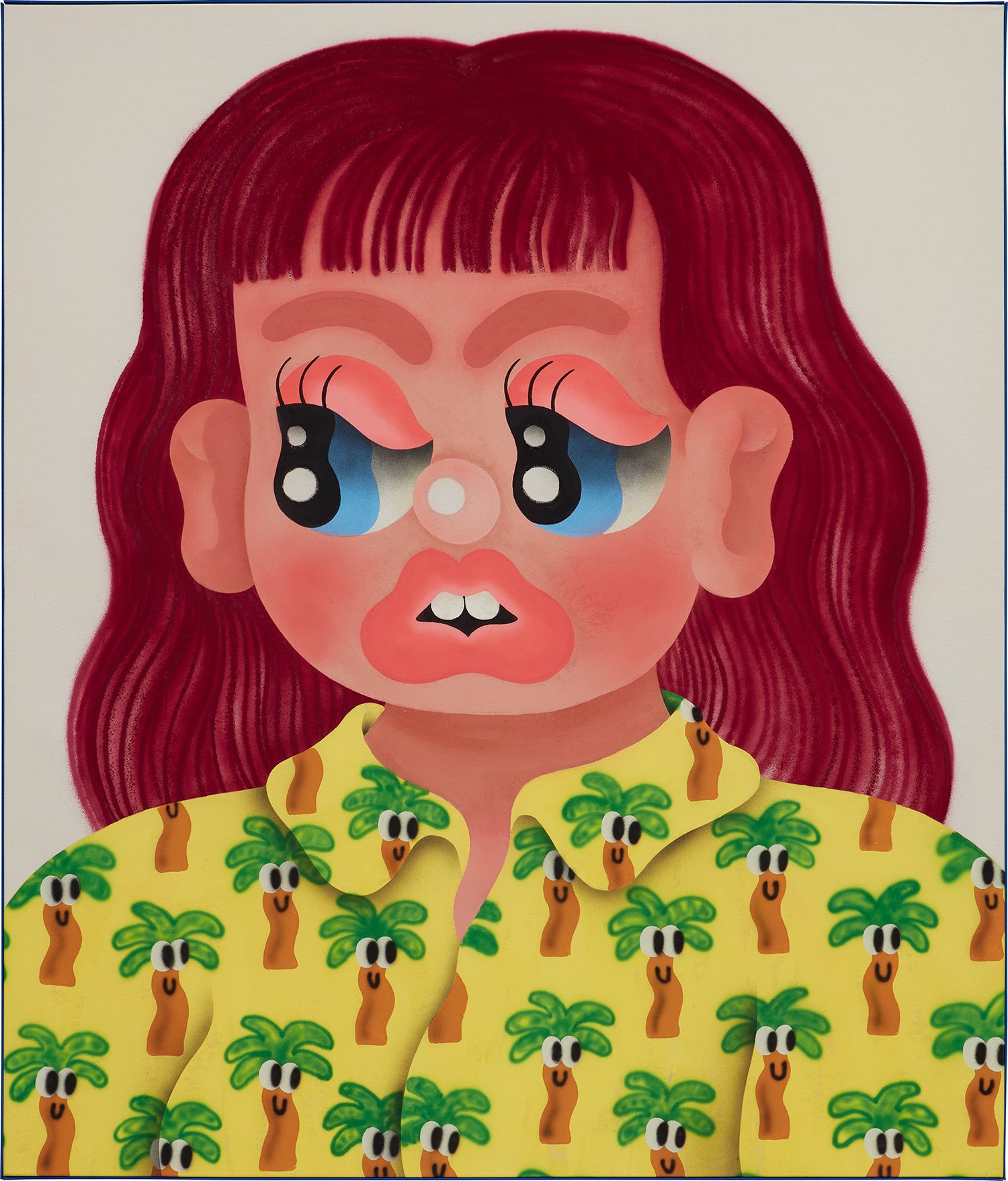
Theude Grönland
Still life with Fruit and Flowers on a Marble Ledge
His close attention to surface and form stripped the natural world down to something almost abstract, and yet unmistakably alive. Imogen Cunningham was working in a similar register during the same period, turning magnolias and calla lilies into studies of light and shadow that owed as much to modernist graphic design as to traditional botanical illustration. The question of what counts as a botanical work has always been usefully slippery. Ellsworth Kelly spent decades making drawings of plants that walk the line between observation and reduction, collapsing a leaf or a seed pod into a single clean contour.
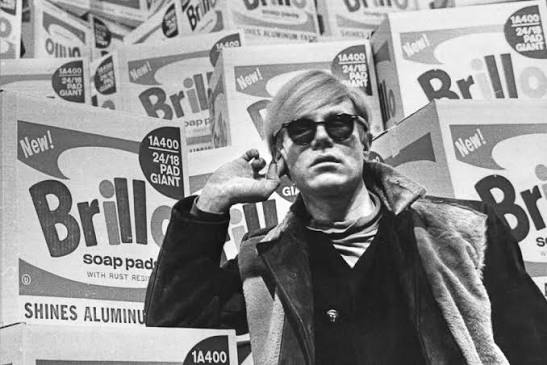
His plant drawings, some made as early as the 1940s in France, are among the most quietly radical works of the postwar period. They look like nothing else in his practice and yet they feel entirely consistent with it. Andy Warhol's flower series from 1964 took a different approach entirely, flattening and saturating hibiscus blossoms into something halfway between pop icon and wallpaper pattern. The source image was a photograph by Patricia Caulfield, which led to a lawsuit, and the whole episode became one of the defining moments in the ongoing conversation about originality, appropriation, and the status of the natural world as raw material.
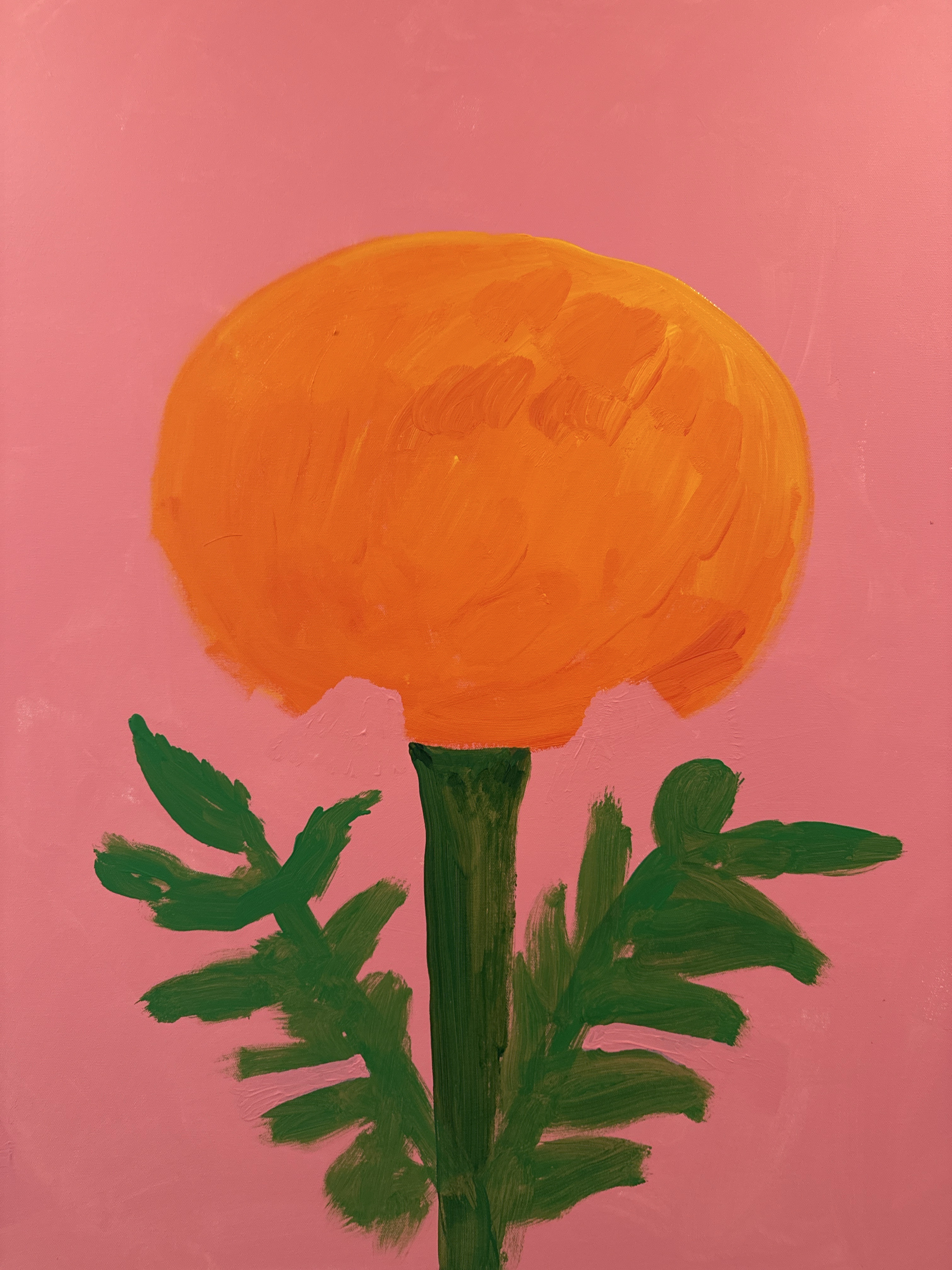
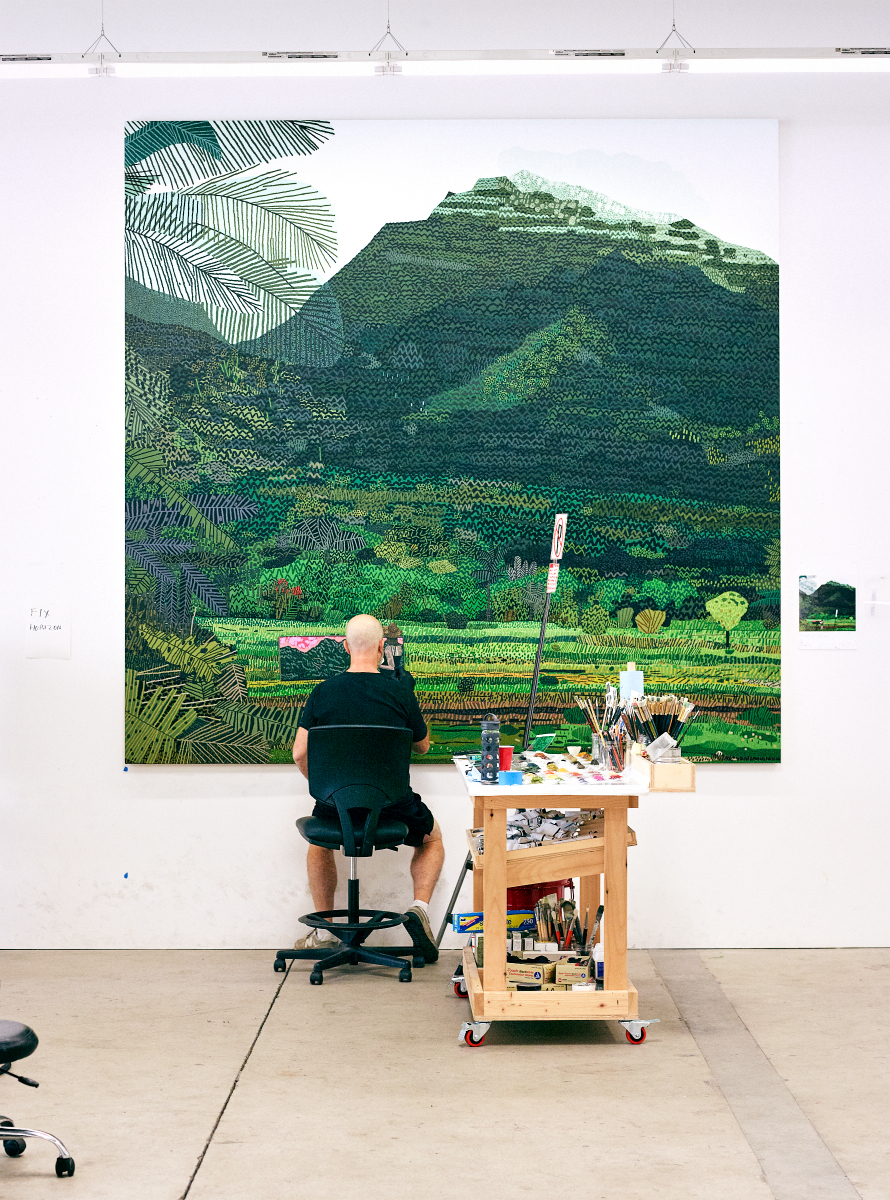
Jonas Wood
Yellow Flower, 2022
Jonas Wood has carried something of that same interest in pattern and surface into his own botanical works, filling canvases with houseplants and potted arrangements that flatten depth while somehow conveying a tremendous sense of domestic warmth. The Chinese and Japanese traditions bring an entirely different set of concerns to the same subject matter. In the ink painting lineage represented on The Collection by artists including Qi Baishi and Zhao Shao'ang, the botanical motif is inseparable from philosophical and poetic meaning. A branch of plum blossom is not simply a plant.
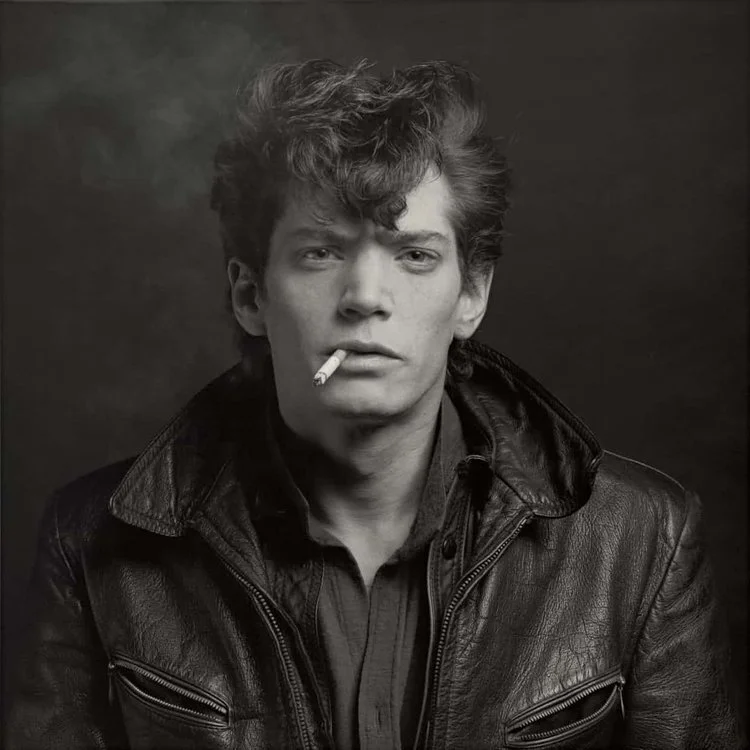
It is a statement about resilience, about the relationship between emptiness and form, about the cultivated scholar's inner life. Utagawa Hiroshige's woodblock prints of flowering grasses and birds carry a comparable weight of cultural symbolism, and they also happen to be objects of extraordinary visual refinement. The Western tendency to separate decorative art from fine art simply does not apply here, and collectors who approach these works through a purely formalist lens miss much of what makes them significant. Robert Mapplethorpe's flower photographs from the 1980s are perhaps the most discussed botanical works of the late twentieth century, and they remain genuinely strange and powerful objects.
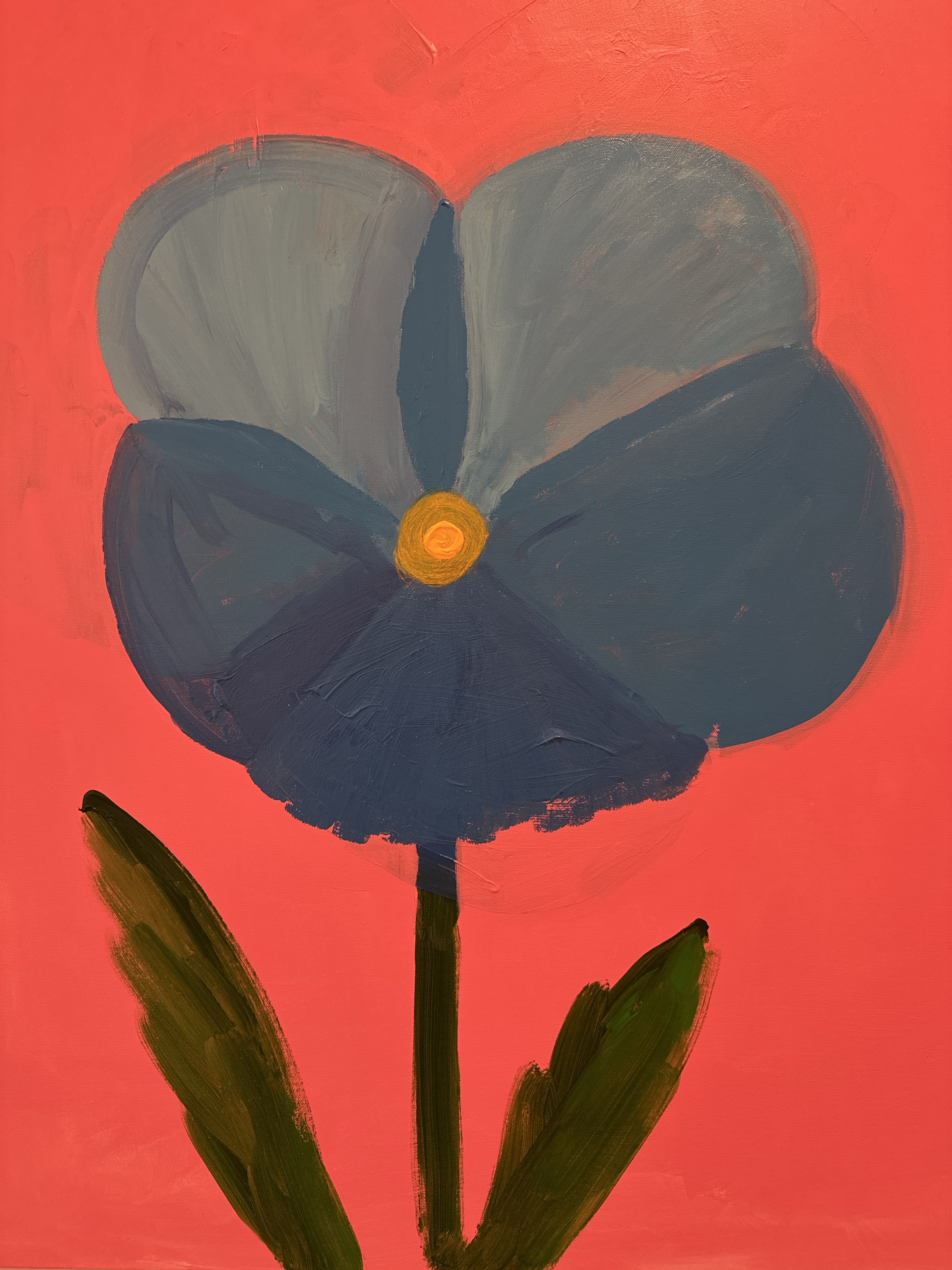
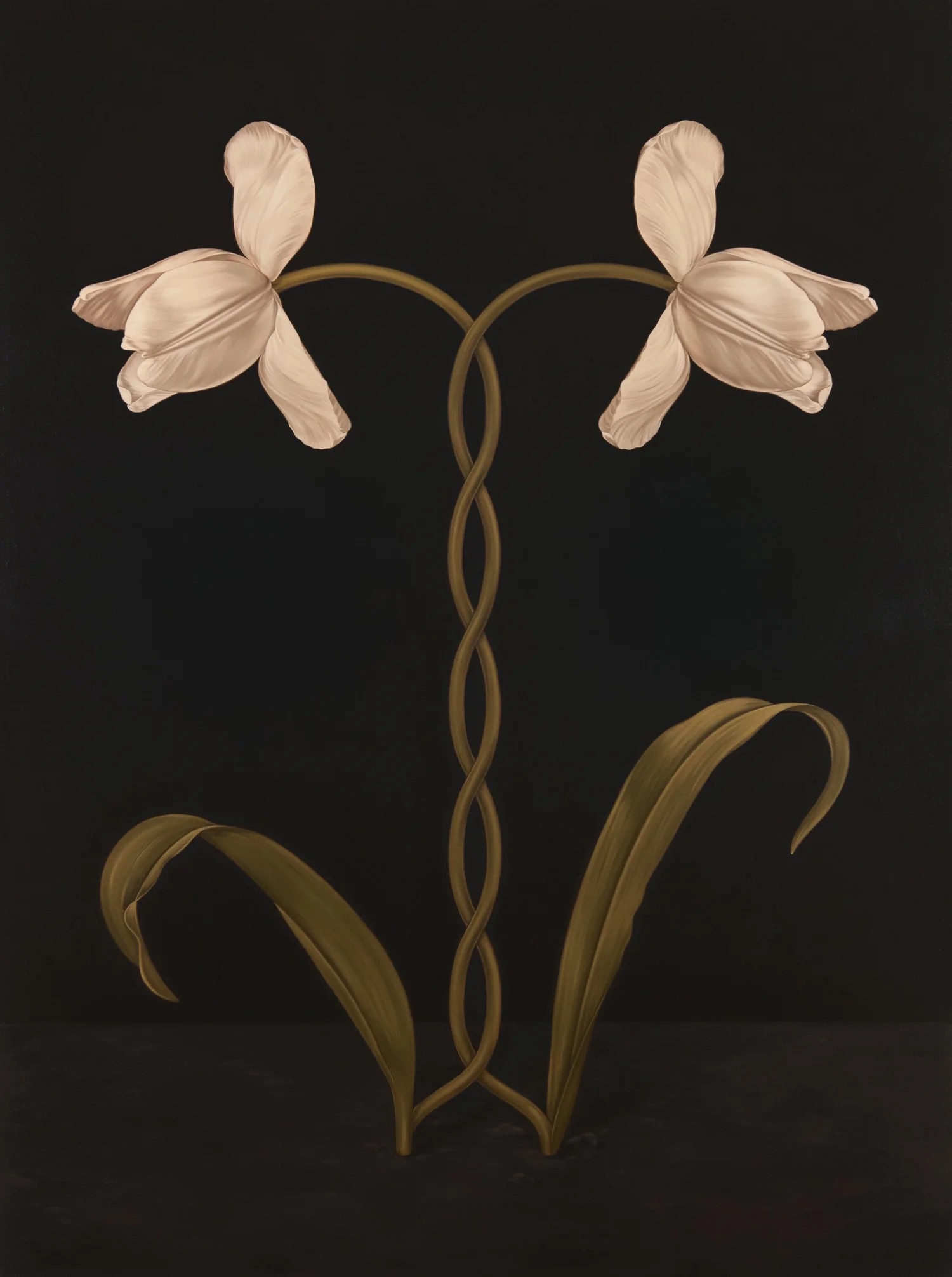
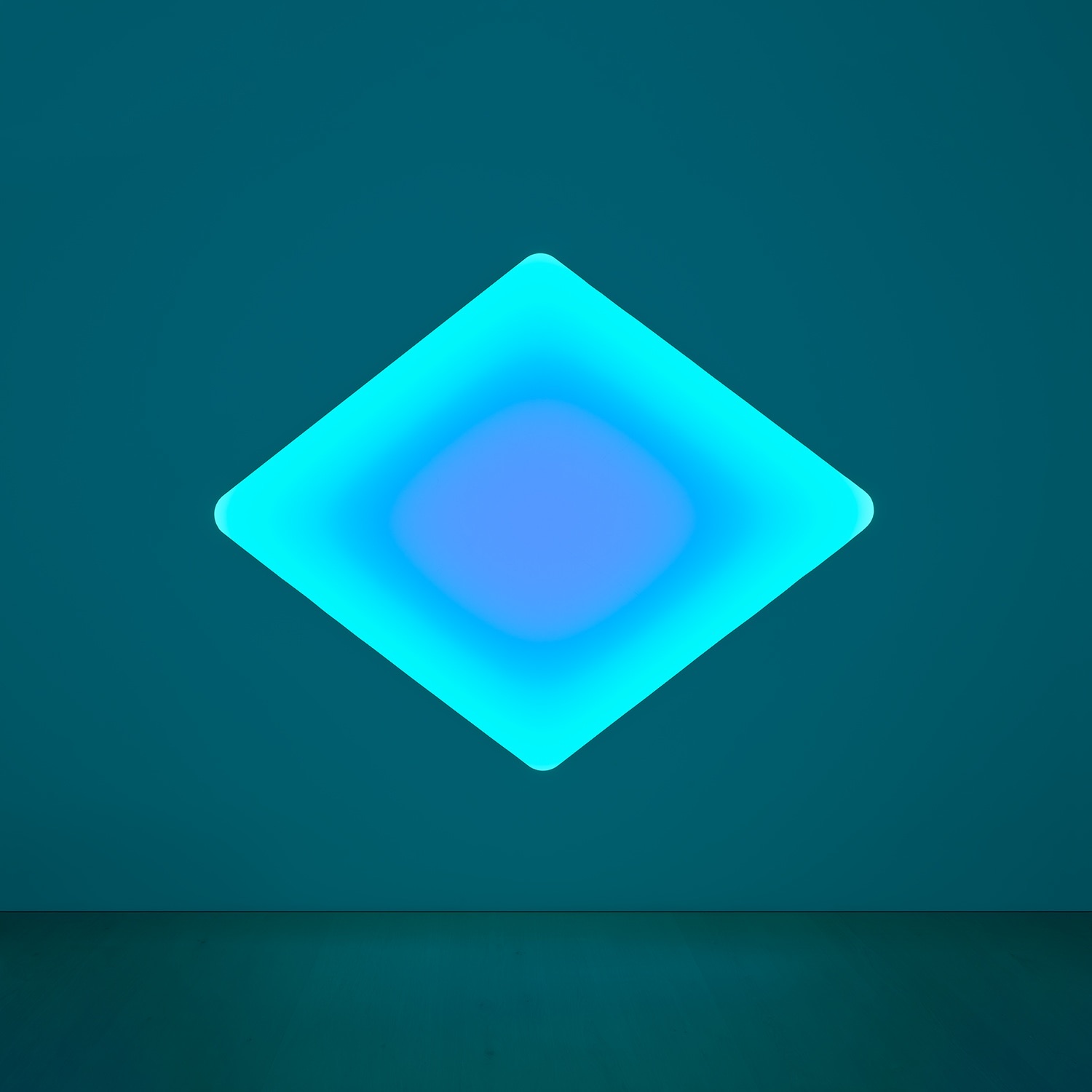
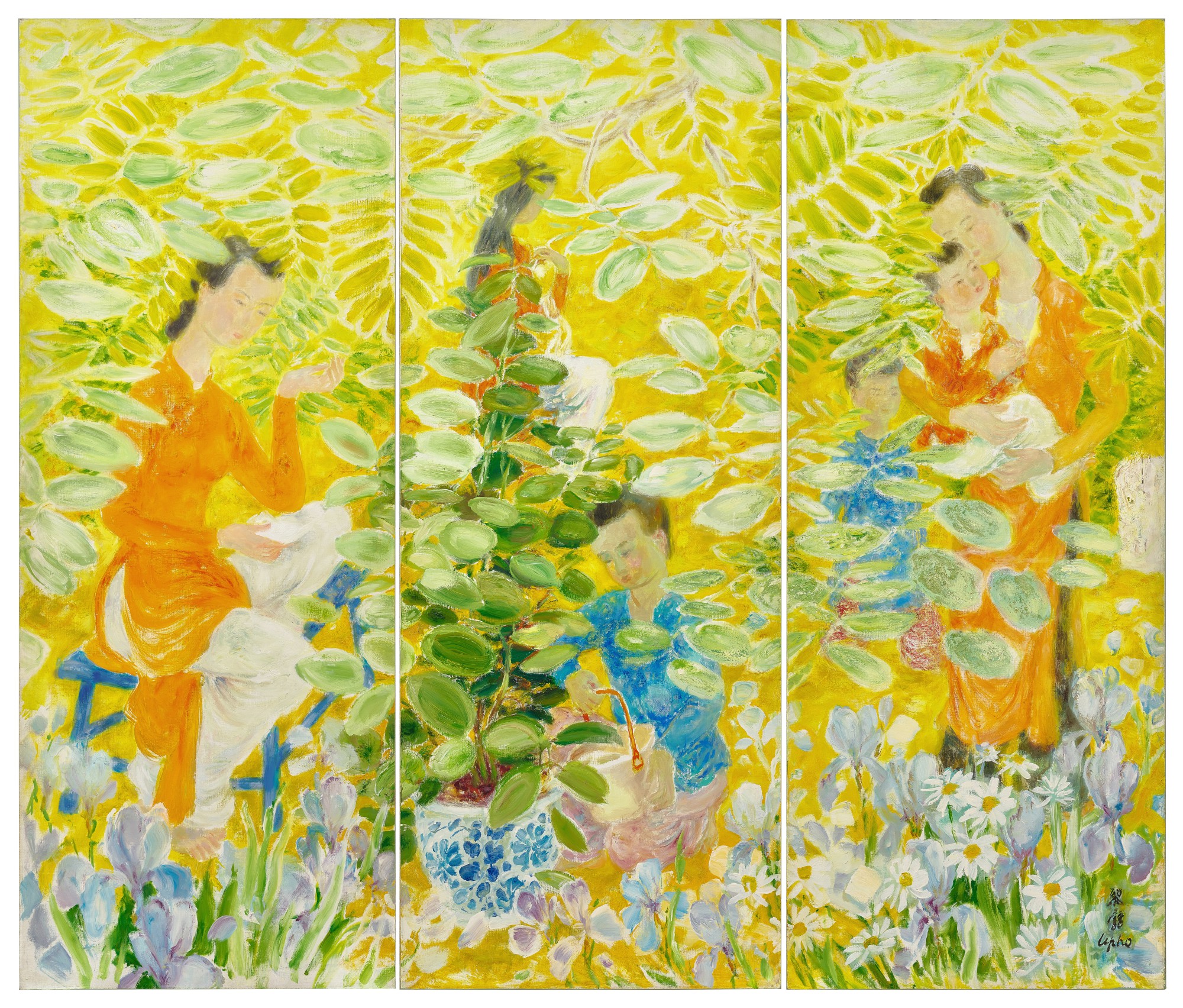
James Donovan
Untitled Spring 5, 2026
Mapplethorpe brought the same unflinching formal attention to calla lilies and tulips that he brought to his portraits and his more controversial work. The effect is simultaneously clinical and erotic, which was very much his intention. Irving Penn made his own extraordinary flower photographs during roughly the same period, shooting close up studio images of flowers past their peak, petals beginning to curl and darken at the edges. Where Mapplethorpe sought perfection, Penn found beauty in decay.
Both bodies of work remind you that the botanical subject, for all its apparent serenity, has always been bound up with questions of desire, mortality, and time. The works gathered under the botanical category on The Collection span centuries and continents and an enormous range of intentions. They include the meditative and the exuberant, the documentary and the fantastical, works made with ink and silver and oil and, now, with machine intelligence and algorithmic process. What connects them is not a shared style or a shared medium but a shared attention, a willingness to stop and look closely at the living world and to ask what looking actually means.
That question turns out to be inexhaustible, which is perhaps why artists keep returning to it, and why collectors keep finding new reasons to care.