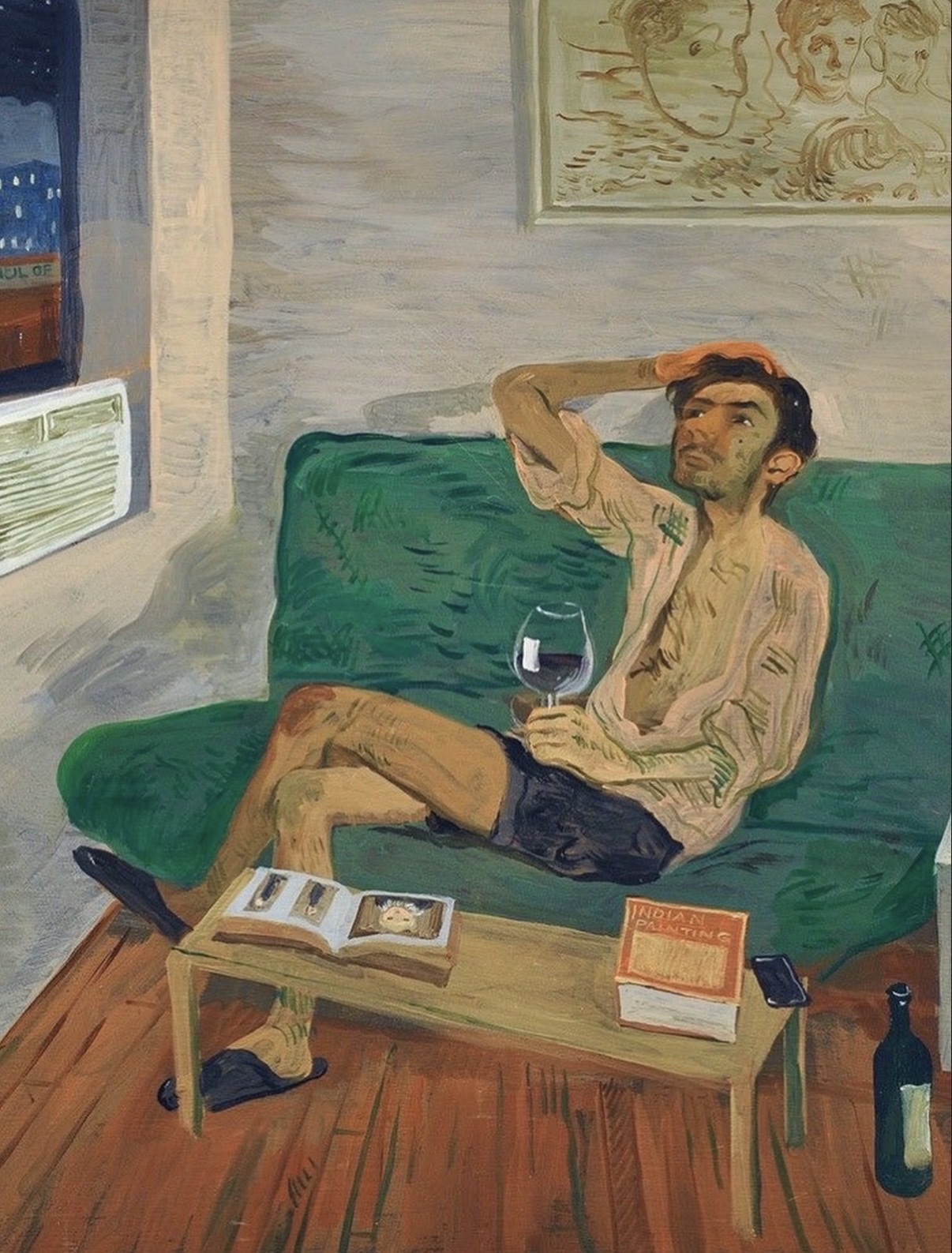
Black Artist
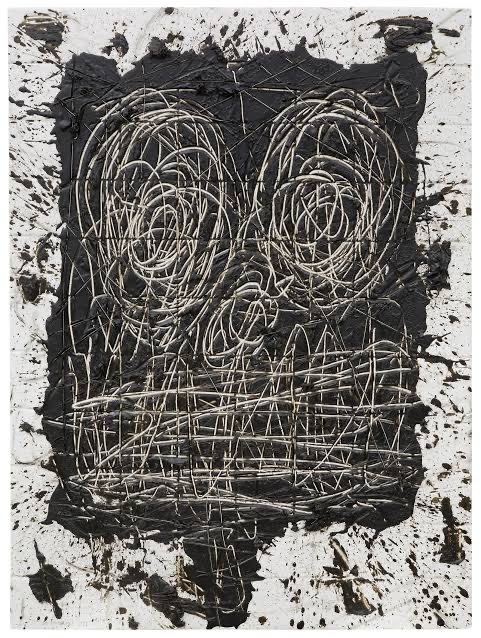
Rashid Johnson
Untitled
The Label That Refuses to Stay Still
When Kerry James Marshall's "Past Times" sold at Sotheby's New York in 2018 for just over 21 million dollars, it set a record for a living Black artist at auction and sent a clear signal to the market: this was not a correction, it was an arrival. The bidding room that night understood something that institutions and collectors had been slowly waking up to for years. The work being made by Black artists was not a category to be patronized or siloed. It was, simply, some of the most consequential painting, sculpture, and photography being produced anywhere in the world.
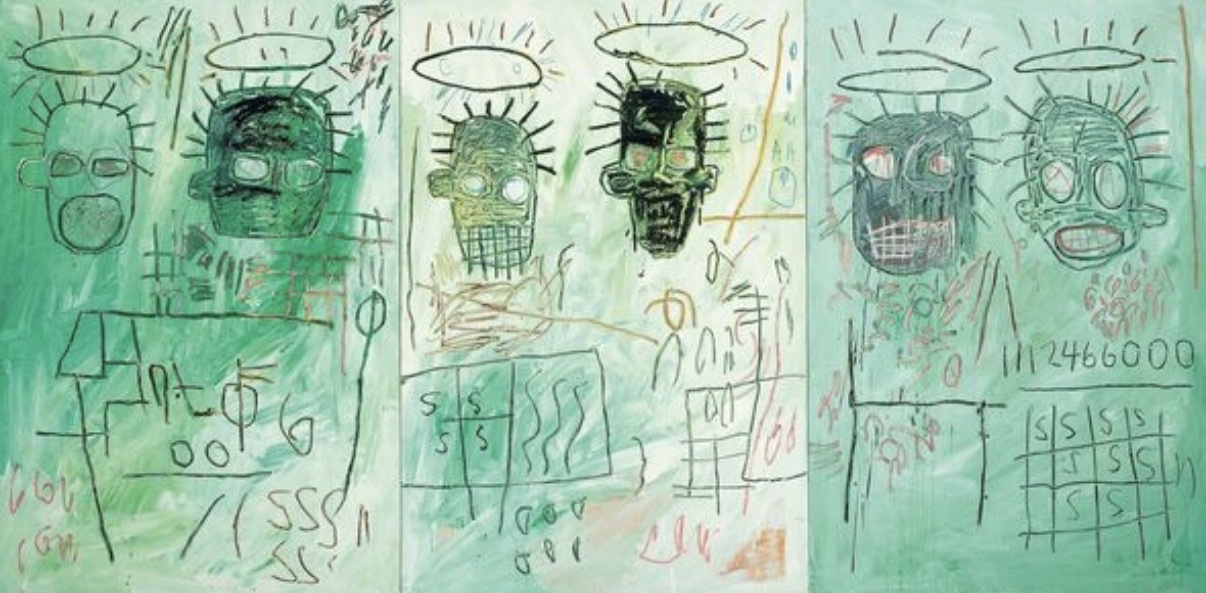
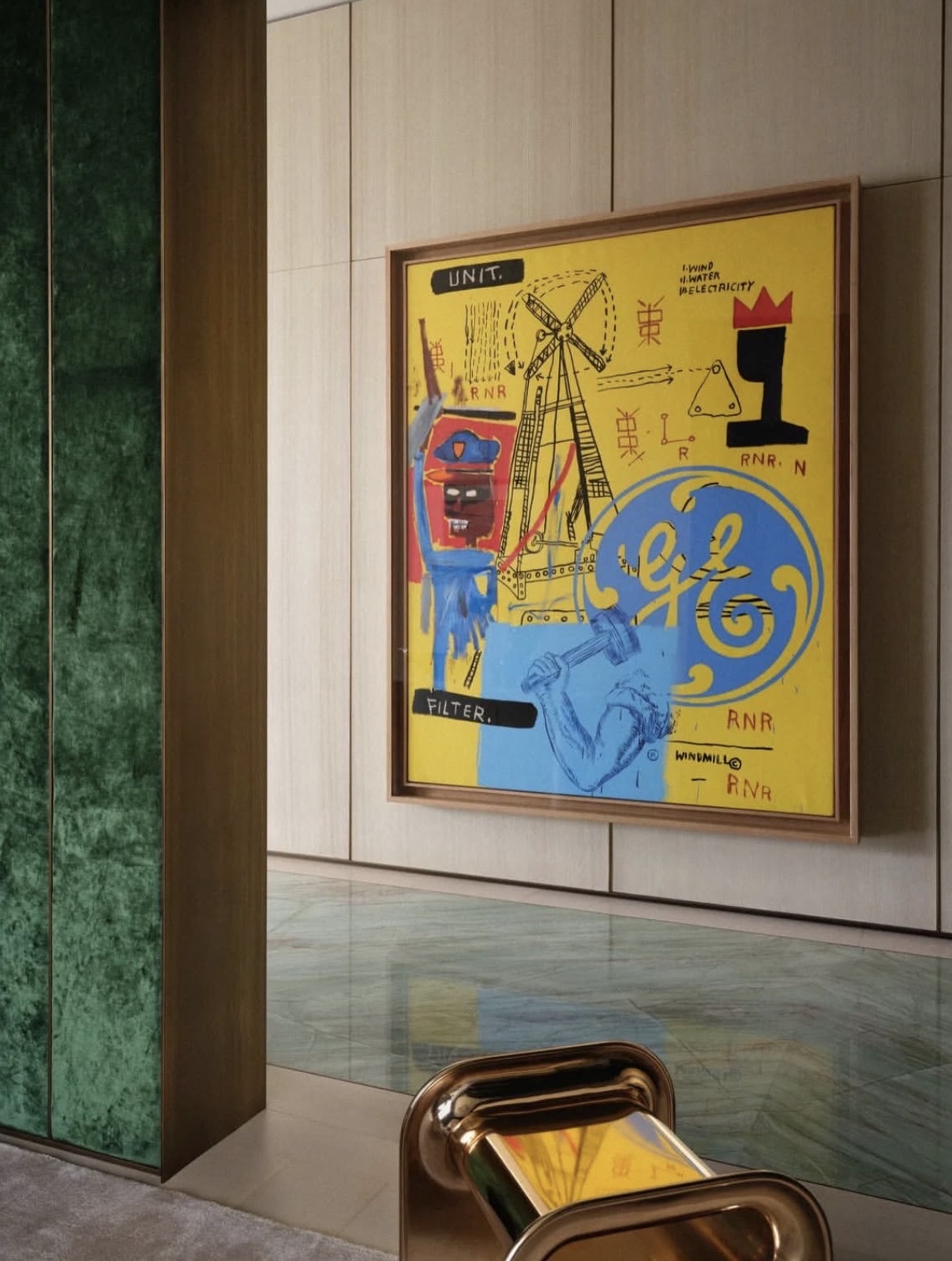
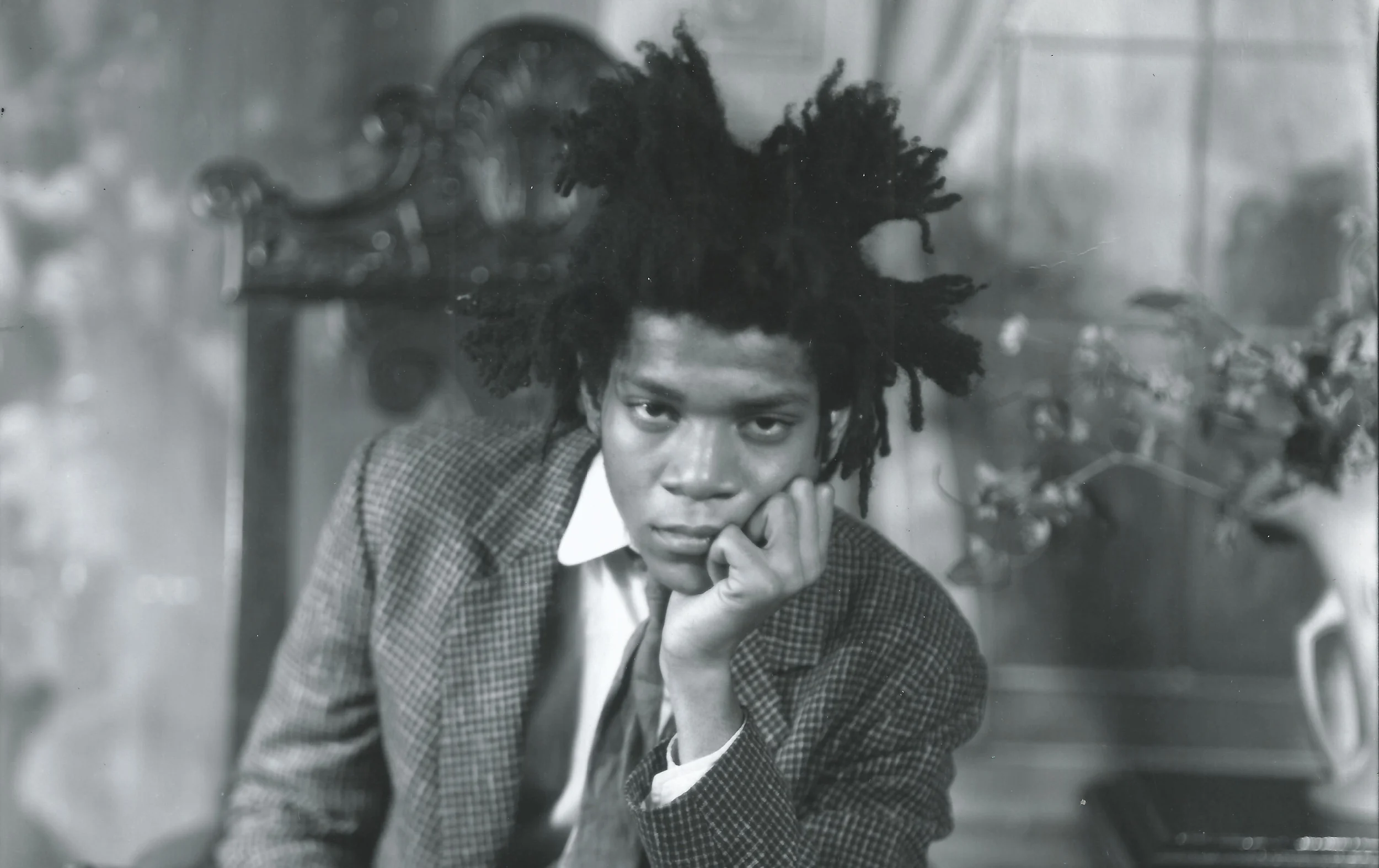
The question of what it means to be called a Black artist is one the artists themselves have been grappling with publicly and on canvas for decades. Jean Michel Basquiat famously resisted reduction even as the market consumed him voraciously. Glenn Ligon has built an entire practice around the instability of language and identity, returning again and again to texts by James Baldwin and others to ask what words do to a body, what they do to a self. These are not decorative questions.
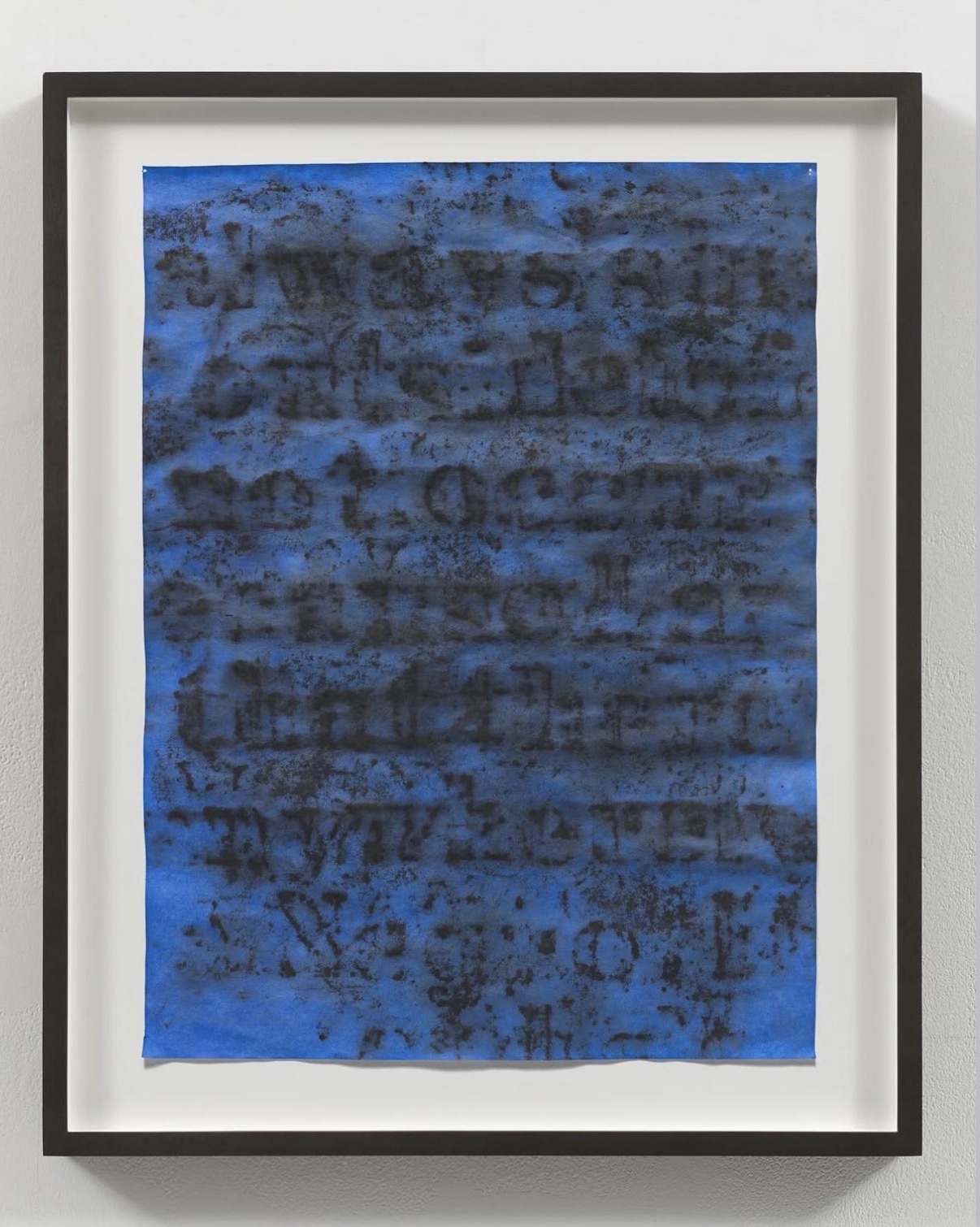
Glenn Ligon
Study for Blue (for JB) #6, 2025
They are structural ones, and they run through the work of nearly every artist in this space who is serious about what they are doing. The exhibition record of recent years reflects a genuine reckoning. The 2021 retrospective of Kehinde Wiley at the de Young Museum in San Francisco drew enormous crowds and renewed debate about portraiture, power, and the Western canon. Titus Kaphar had a solo exhibition at the Gagosian in 2021 that arrived in the thick of a national conversation about monuments and memory, and the work felt almost unbearably timely.
Amy Sherald, whose portrait of Michelle Obama hangs in the National Portrait Gallery, has become one of the most discussed painters working today, her grey toned figures asserting a kind of monumental stillness that resists the noise around them. These are not emerging figures finding their footing. They are artists at the height of their powers, and institutions are finally catching up. The museum acquisition landscape has shifted considerably.
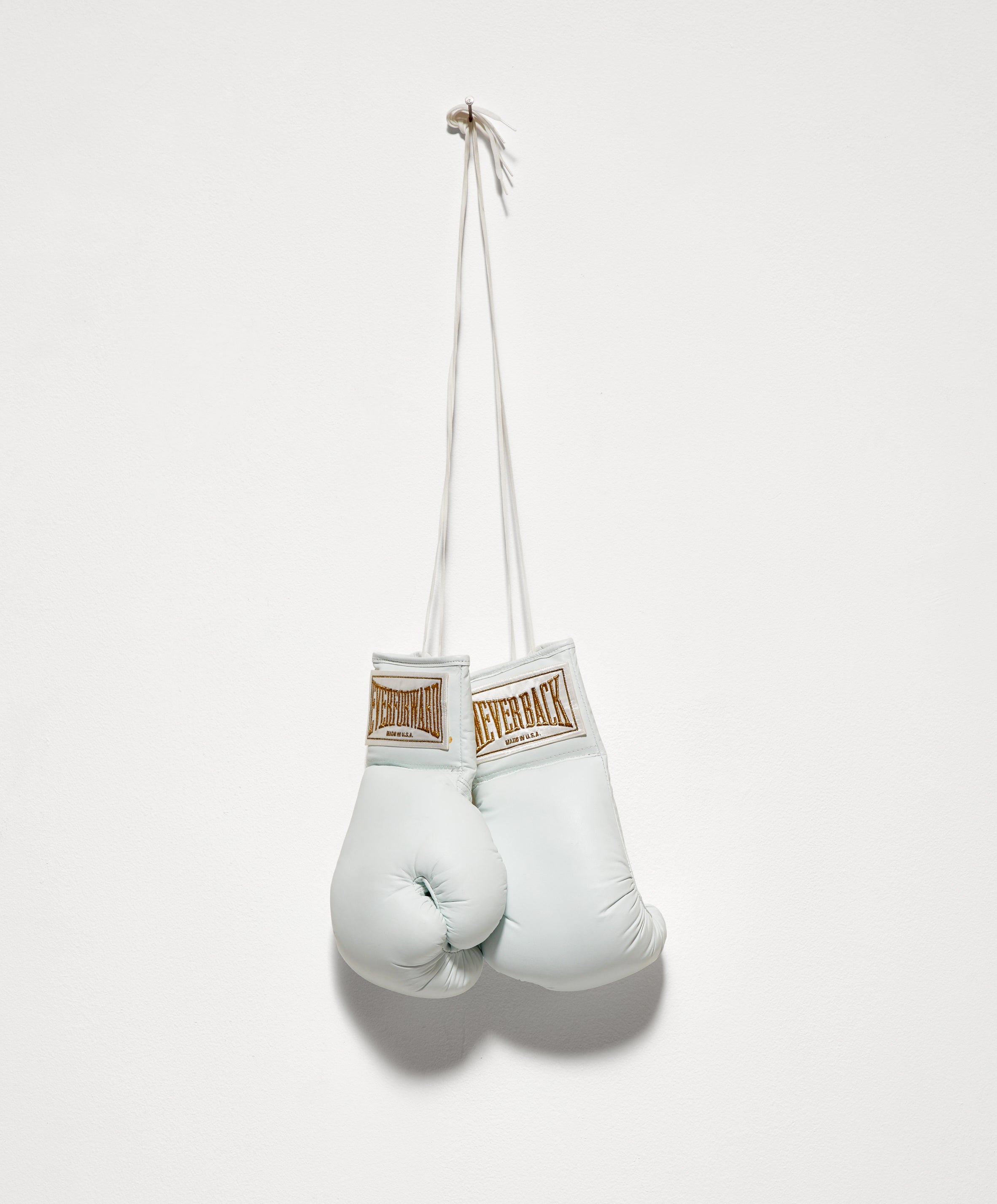
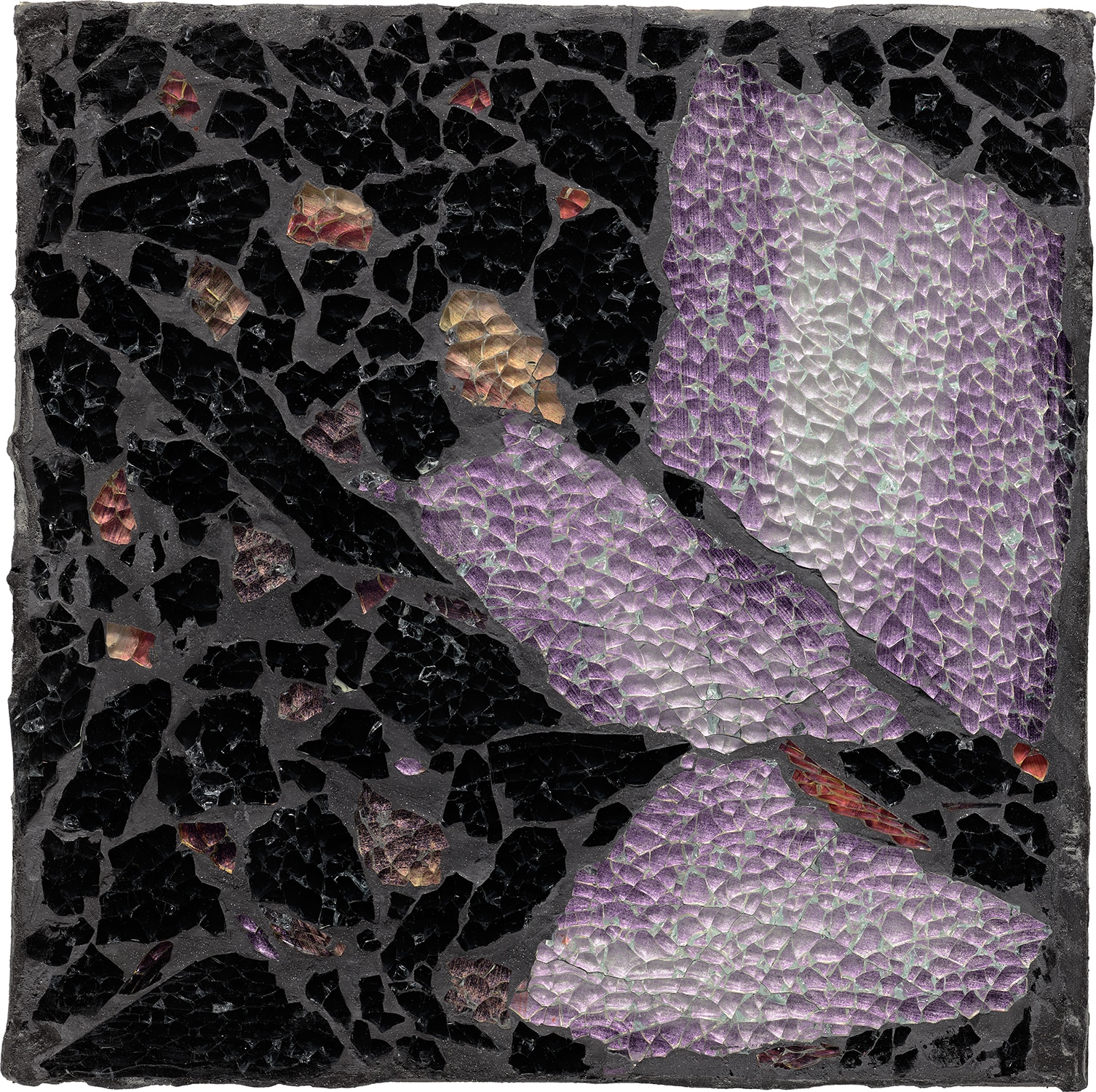
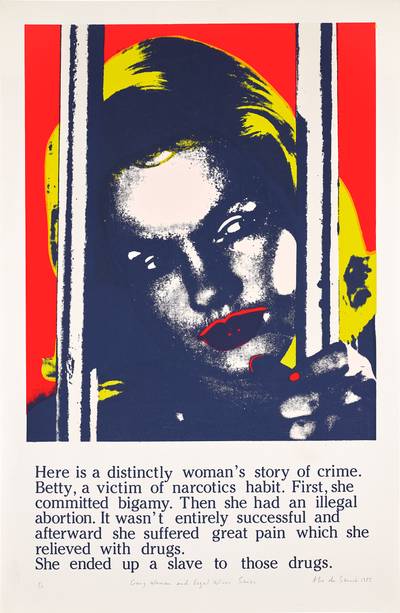
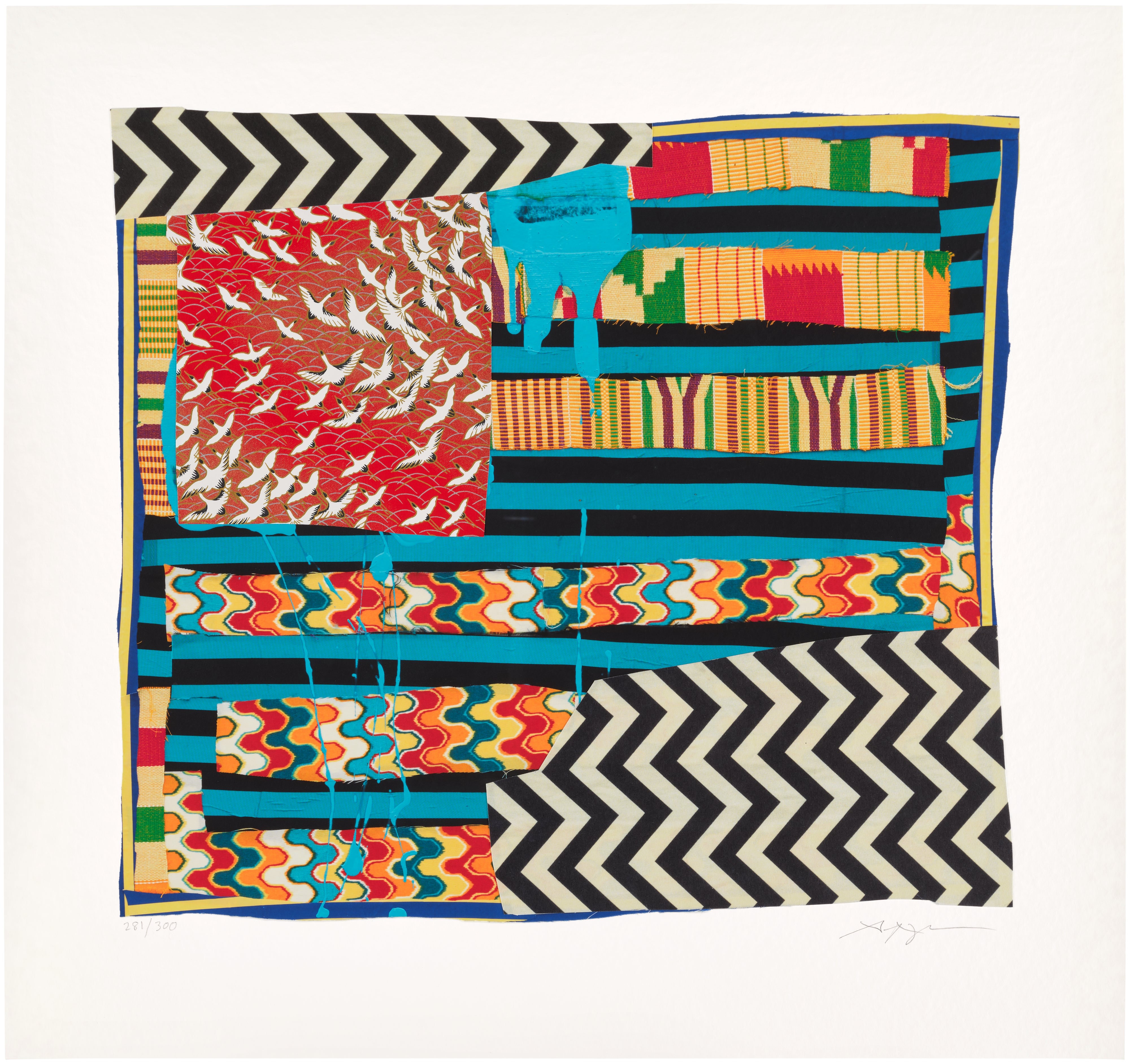
Gary Simmons
Everforward...
The Museum of Modern Art, the Whitney, the Hammer, and the Studio Museum in Harlem have all been vocal about deepening their holdings in this area, though the Studio Museum deserves particular credit for having done so consistently and with curatorial rigor for decades before it became fashionable. The Studio Museum's Artists in Residence program has launched or supported the careers of an extraordinary number of significant figures, and its influence on the broader market and institutional landscape cannot be overstated. When the new building designed by David Adjaye opens fully, it will be one of the most watched spaces in contemporary art globally. At auction, the appetite has remained strong even as the broader contemporary market has shown signs of cooling in certain areas.
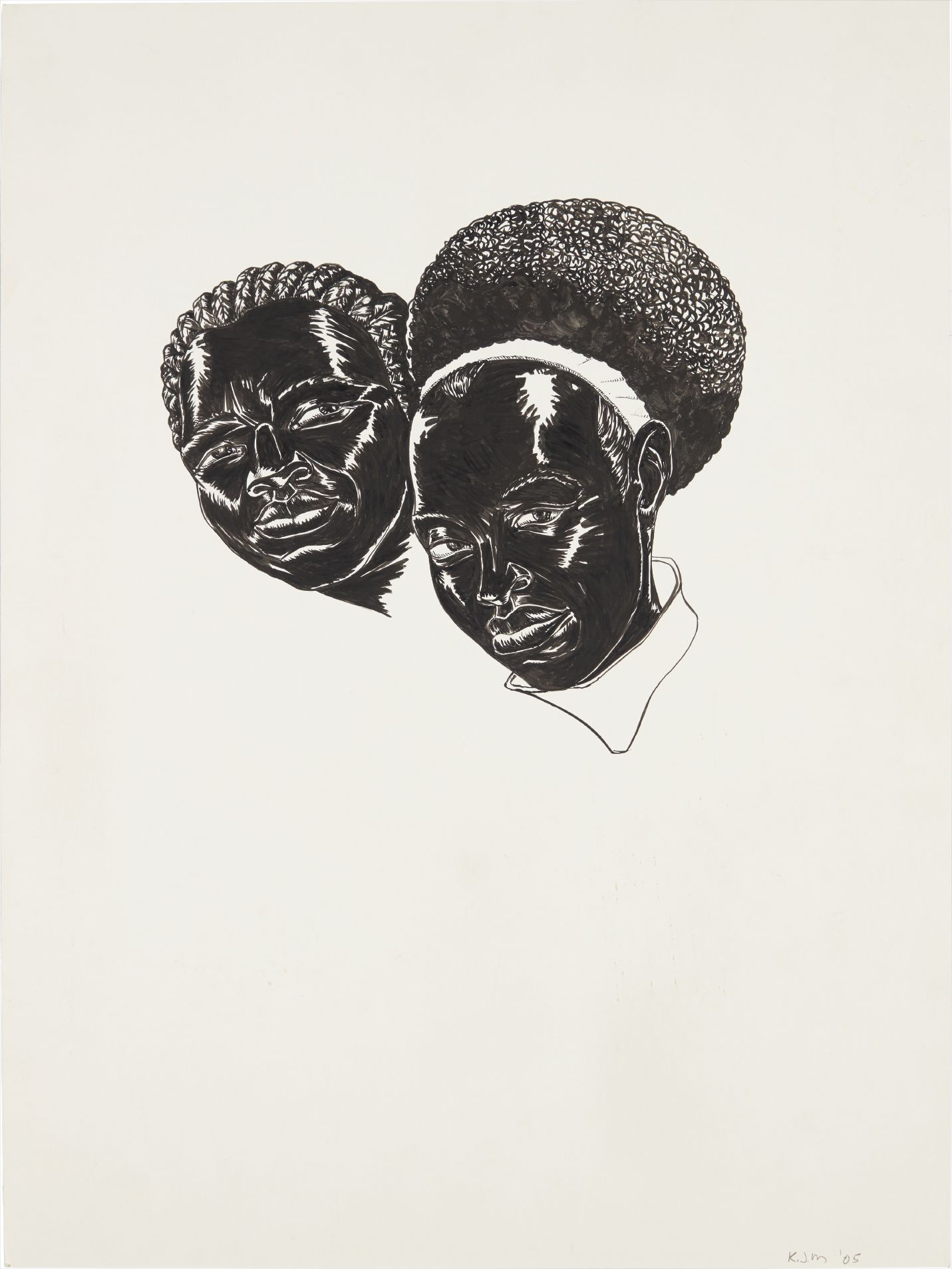
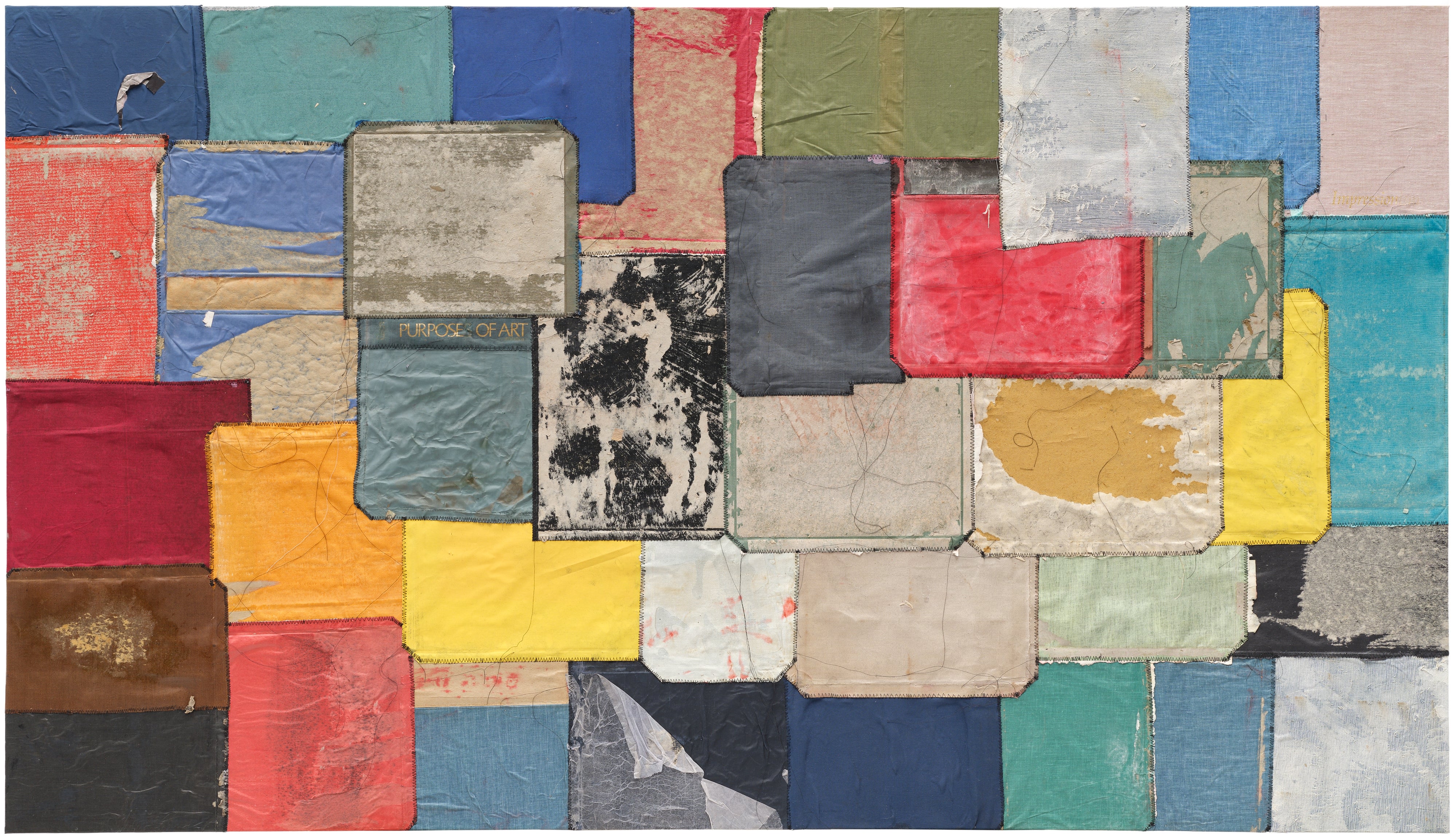
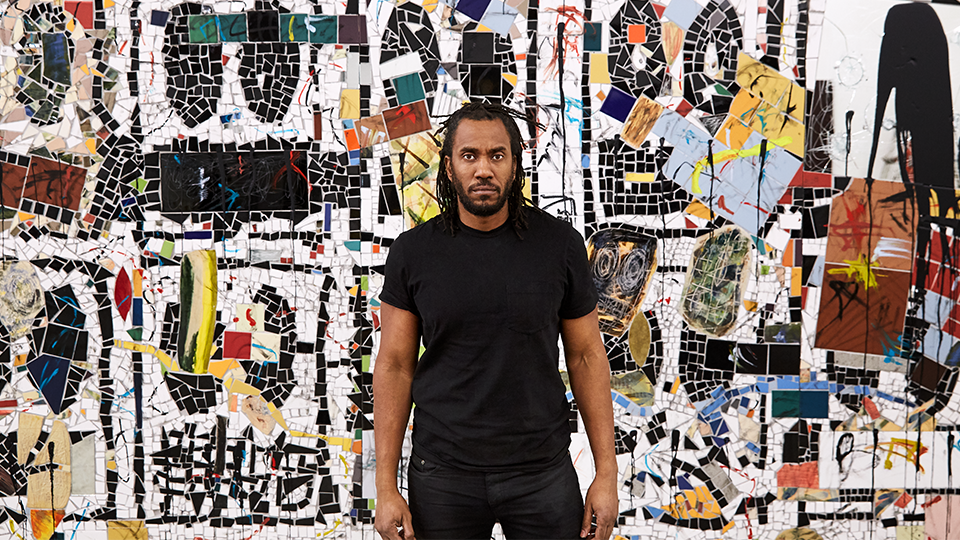
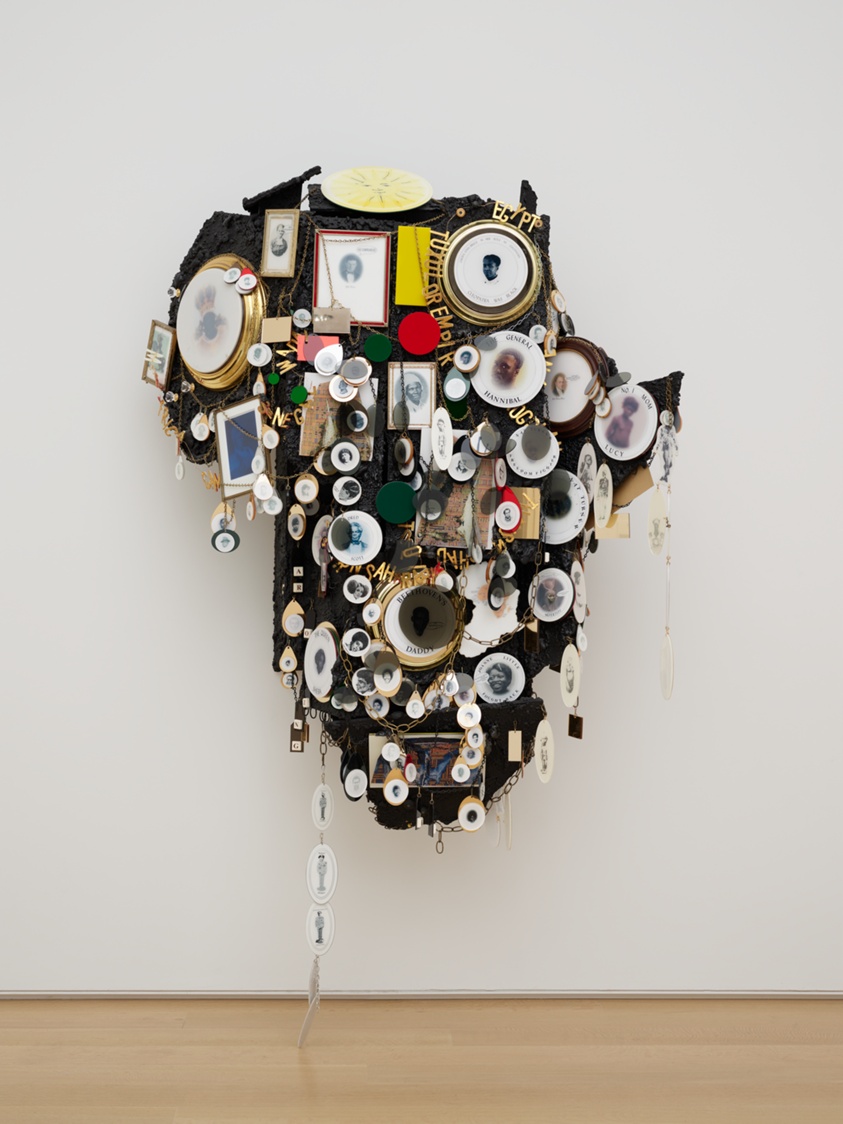
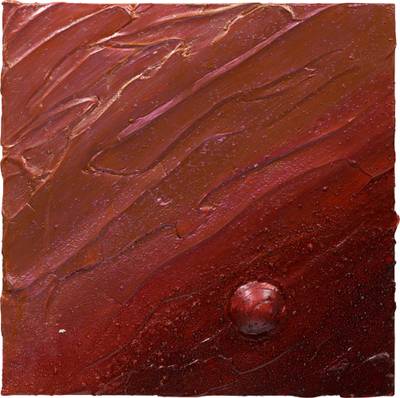
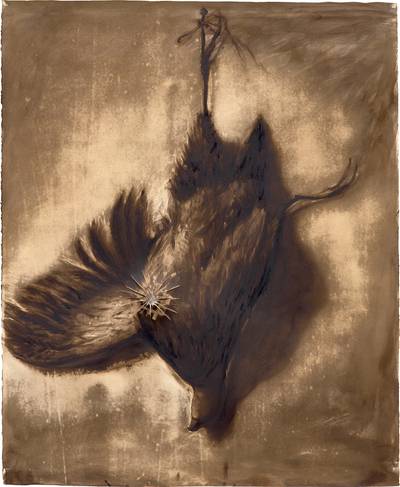
Rashid Johnson commands serious secondary market attention, his works in shellac, black soap, and shea butter carrying both material and conceptual weight that collectors find increasingly compelling. Kara Walker's silhouettes have long been blue chip territory, her work held in virtually every major collection and consistently performing at the top end of estimates. David Hammons, notoriously resistant to the market machinery, remains one of the most coveted names in the room precisely because his work is so rarely available. When pieces do surface, they tend to generate fierce competition.
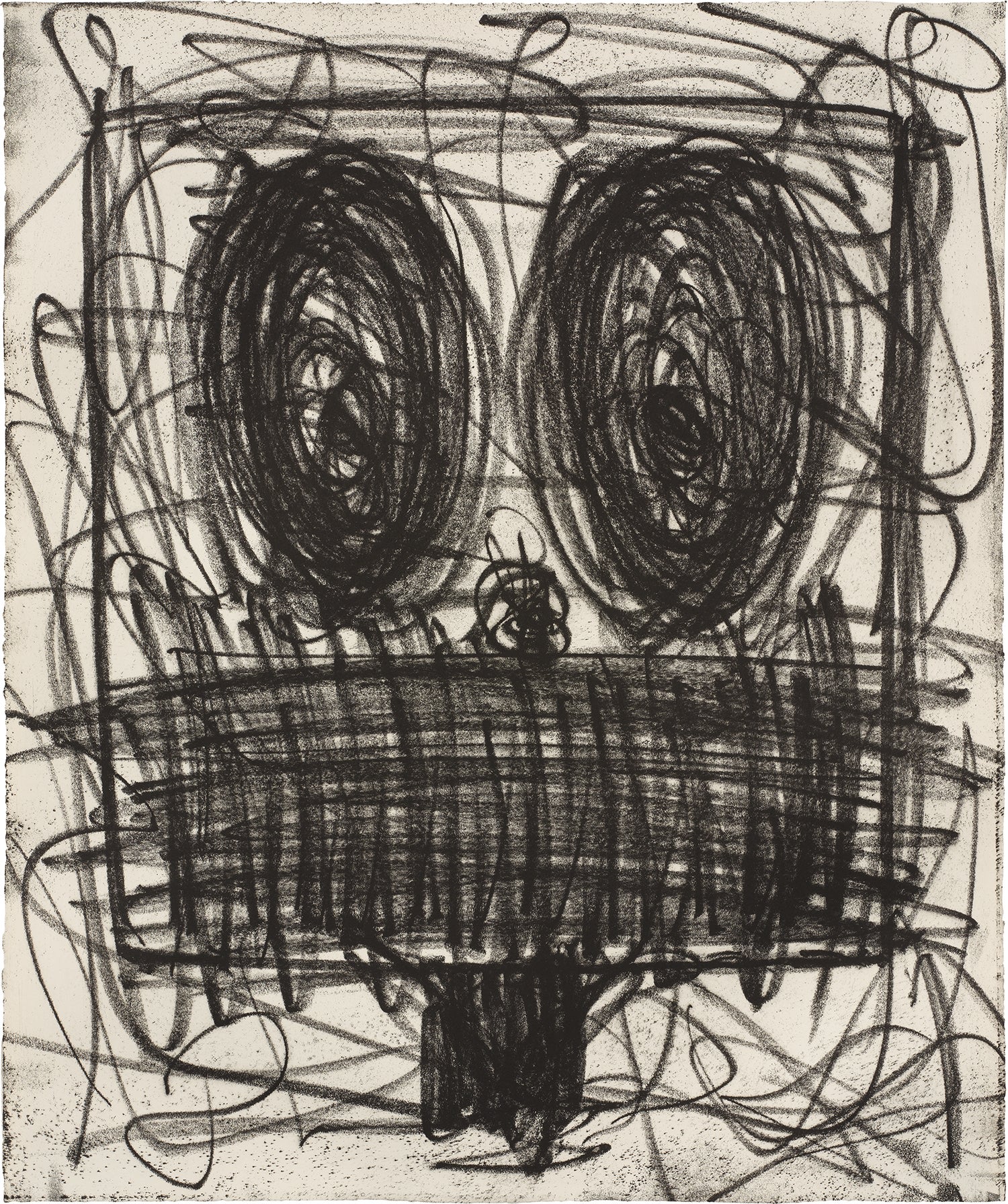
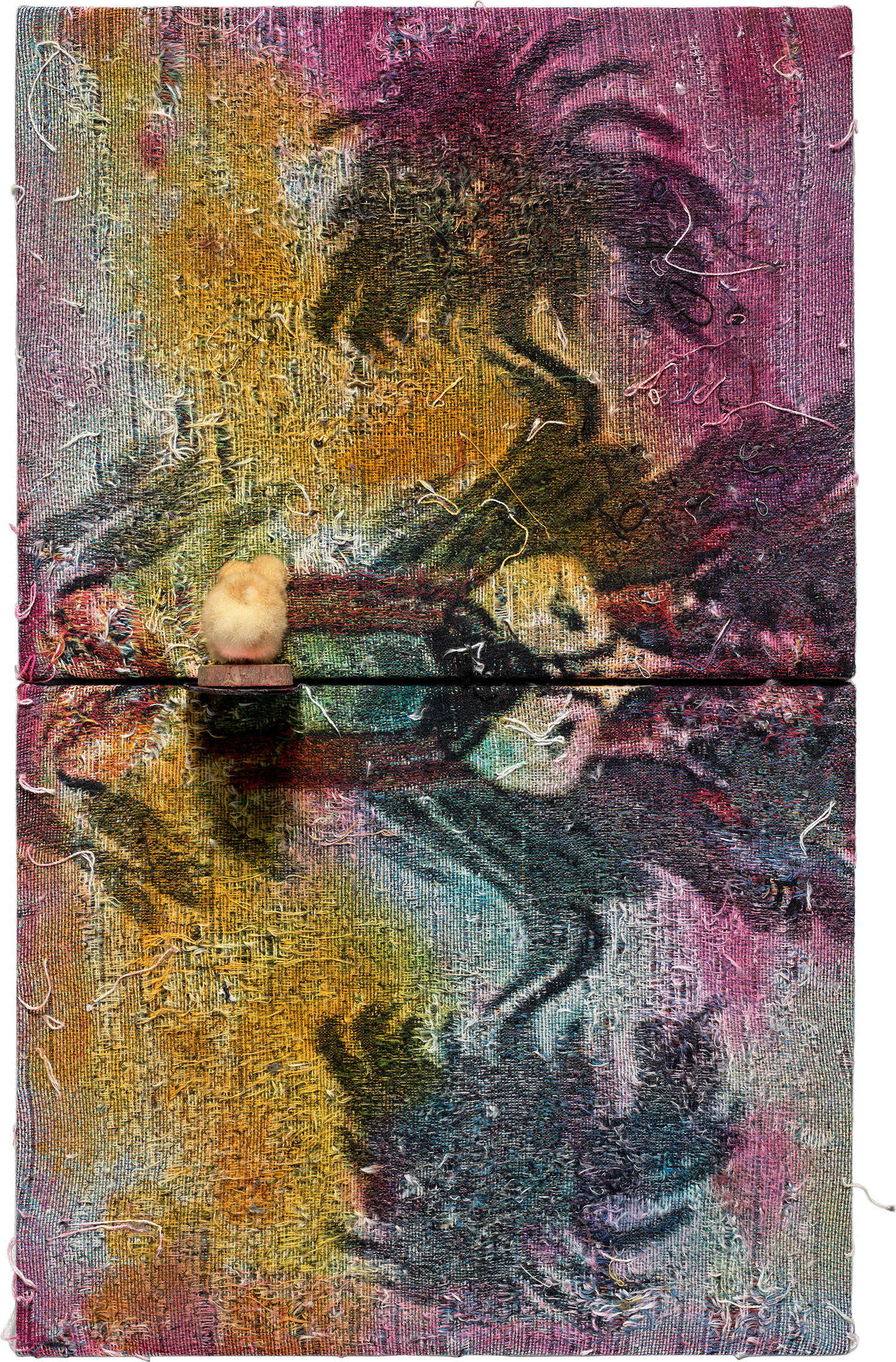
Rashid Johnson
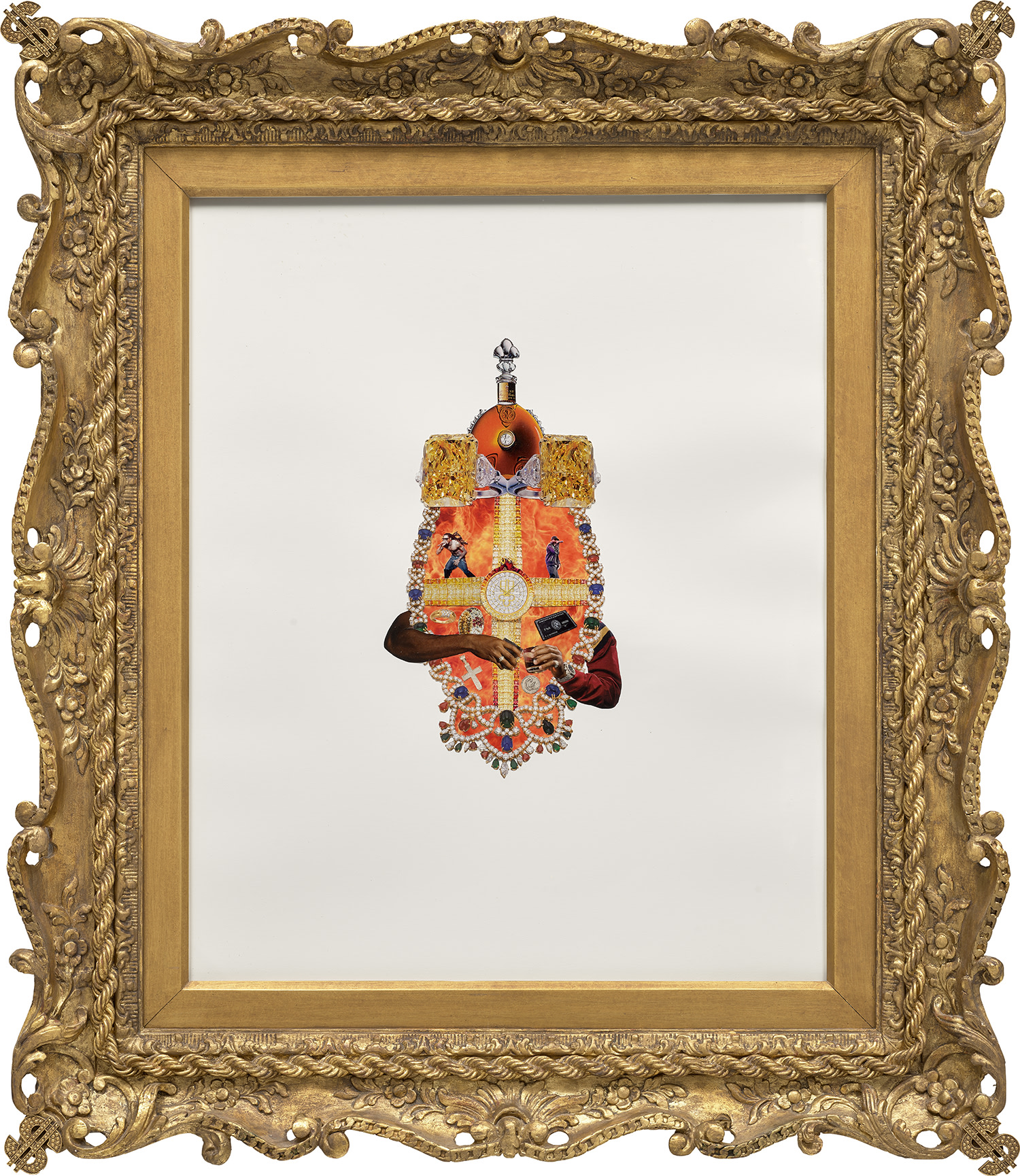
Rashid Johnson
Sanford Biggers and Theaster Gates have both seen sustained institutional and market interest, their practices engaging material history in ways that feel both intellectually rigorous and visually arresting. The critical conversation around Black artists and the art world has become more sophisticated and more honest in recent years. Writers like Saidiya Hartman, whose work is not about visual art per se but whose thinking permeates how many artists and critics approach questions of Black life and representation, have given practitioners a richer intellectual framework. Publications like Artforum, Frieze, and especially newer voices at outlets like The New Inquiry and Cultured have made space for criticism that refuses to treat Blackness as a monolith.
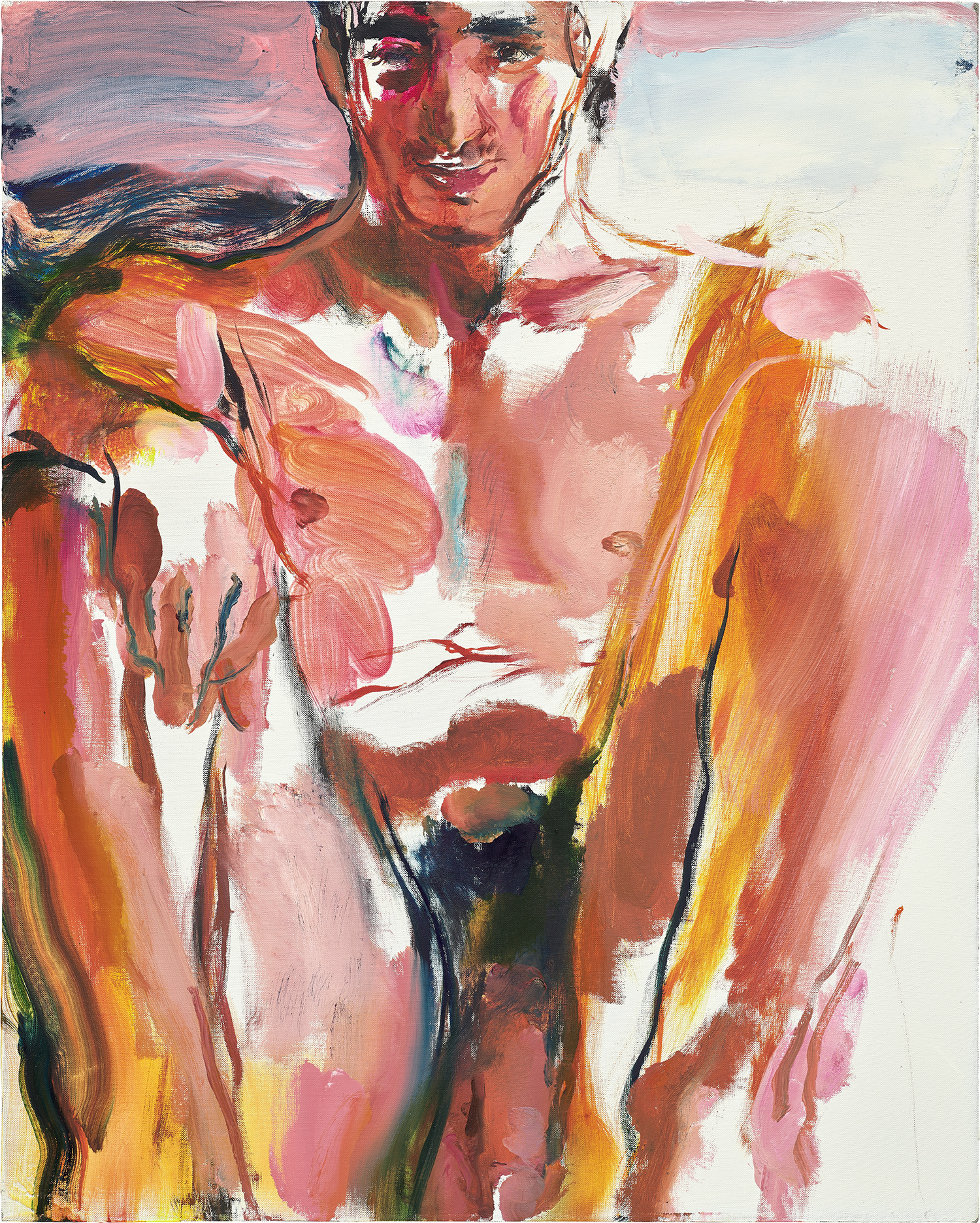
Curators like Thelma Golden, Rujeko Hockley, and Naomi Beckwith have been essential in shaping institutional narratives, and their influence is felt from Venice to the Whitney Biennial. Among younger and mid career artists, the energy is genuinely electric. Jonathan Lyndon Chase makes work about queer Black intimacy with a looseness and urgency that feels completely alive. Dominic Chambers brings a dreamlike interiority to figuration that is drawing serious collector attention.
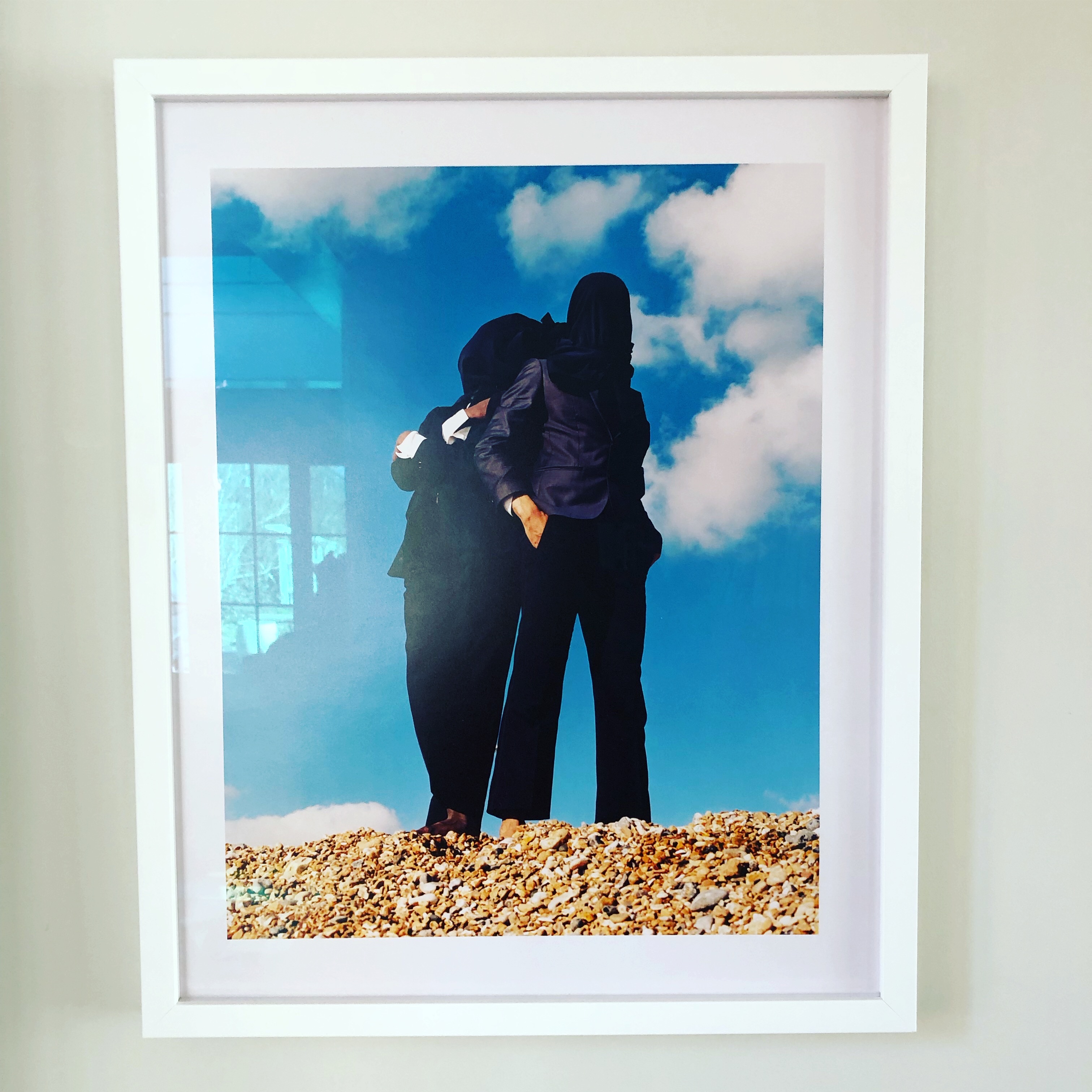
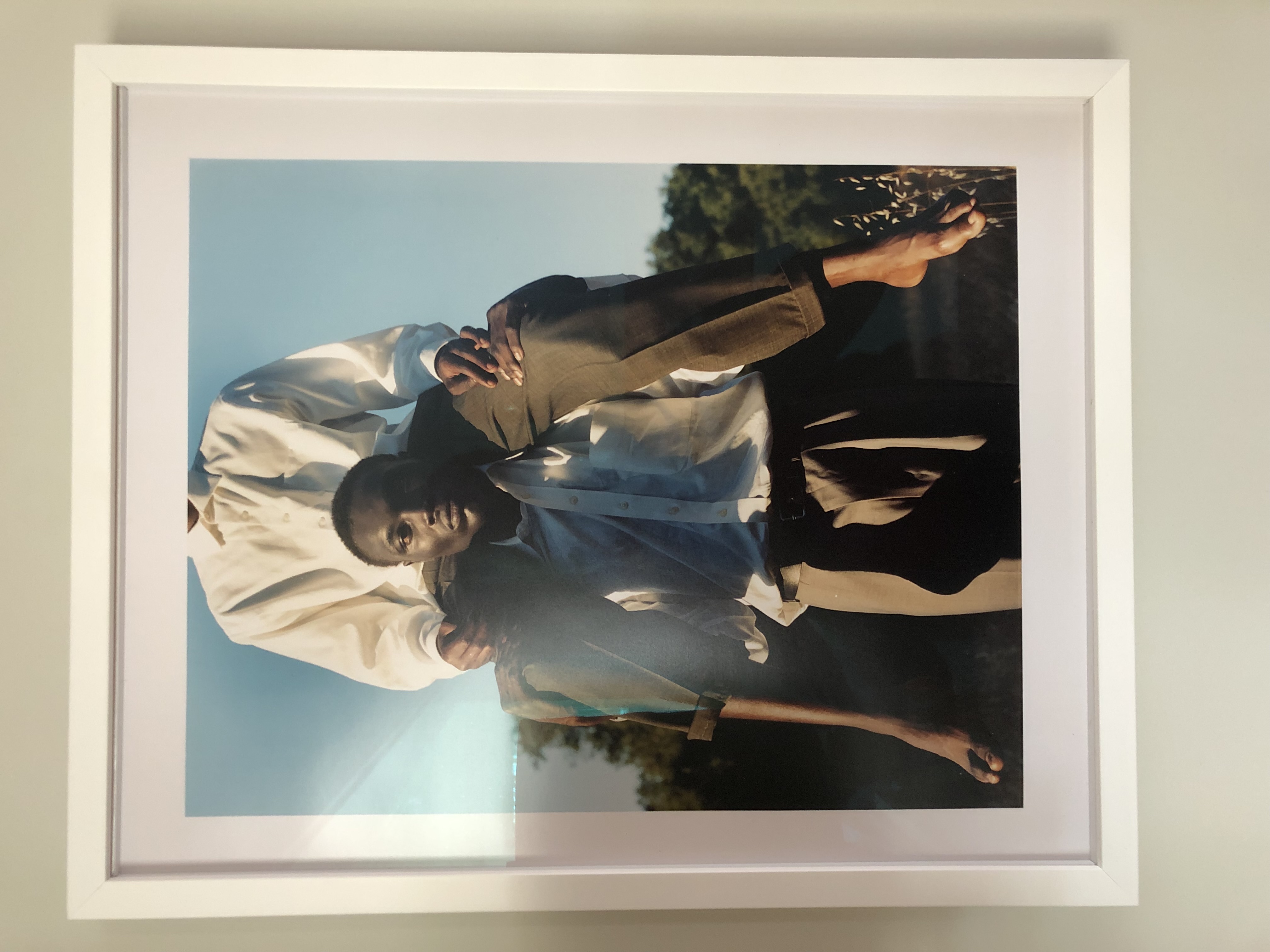
Tyler Mitchell
Untitled
Tyler Mitchell, who made history as the first Black photographer to shoot a Vogue cover with Beyonce in 2018, is expanding what documentary and fashion adjacent imagery can do in a gallery context. Deborah Roberts, working in collage, has developed one of the most emotionally precise practices around childhood and identity anywhere in contemporary art. These artists are not waiting for permission. They are building the terms of engagement themselves.
What feels settled is the acknowledgment, however overdue, that this work belongs at the center of the conversation rather than at its margins. What feels very much alive is the debate about how to engage with it critically without flattening it, how to collect it responsibly, and how to resist the tendency of the market to turn a political and cultural reckoning into a trend cycle. The artists represented on The Collection, from Basquiat and Ligon to Chase Hall, Walter Price, and Adam Pendleton, represent a range of approaches, generations, and sensibilities that resist any single reading. That resistance is not a problem.
It is precisely the point. The most interesting collecting in this space right now is happening with that complexity fully in view, not in spite of it.