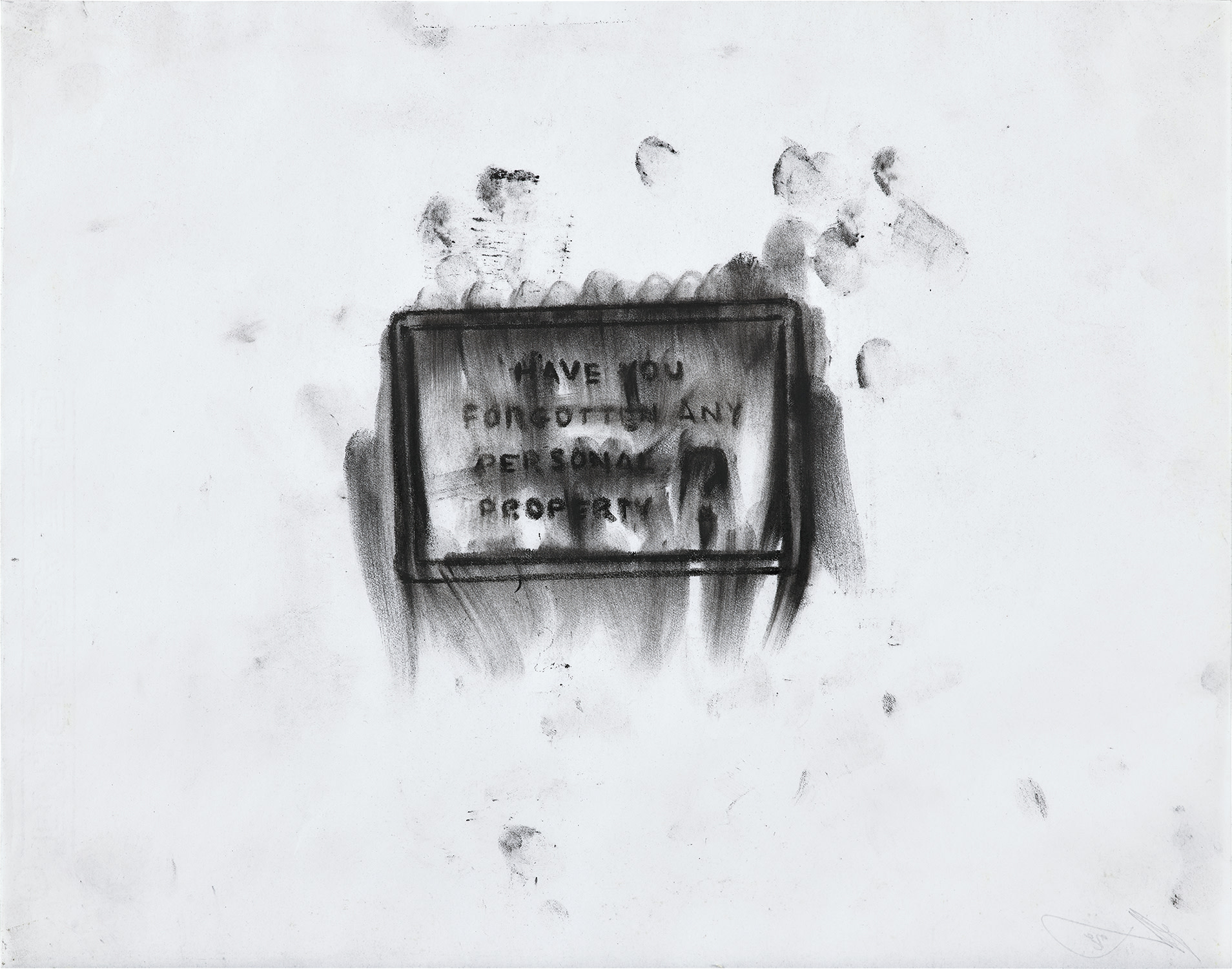
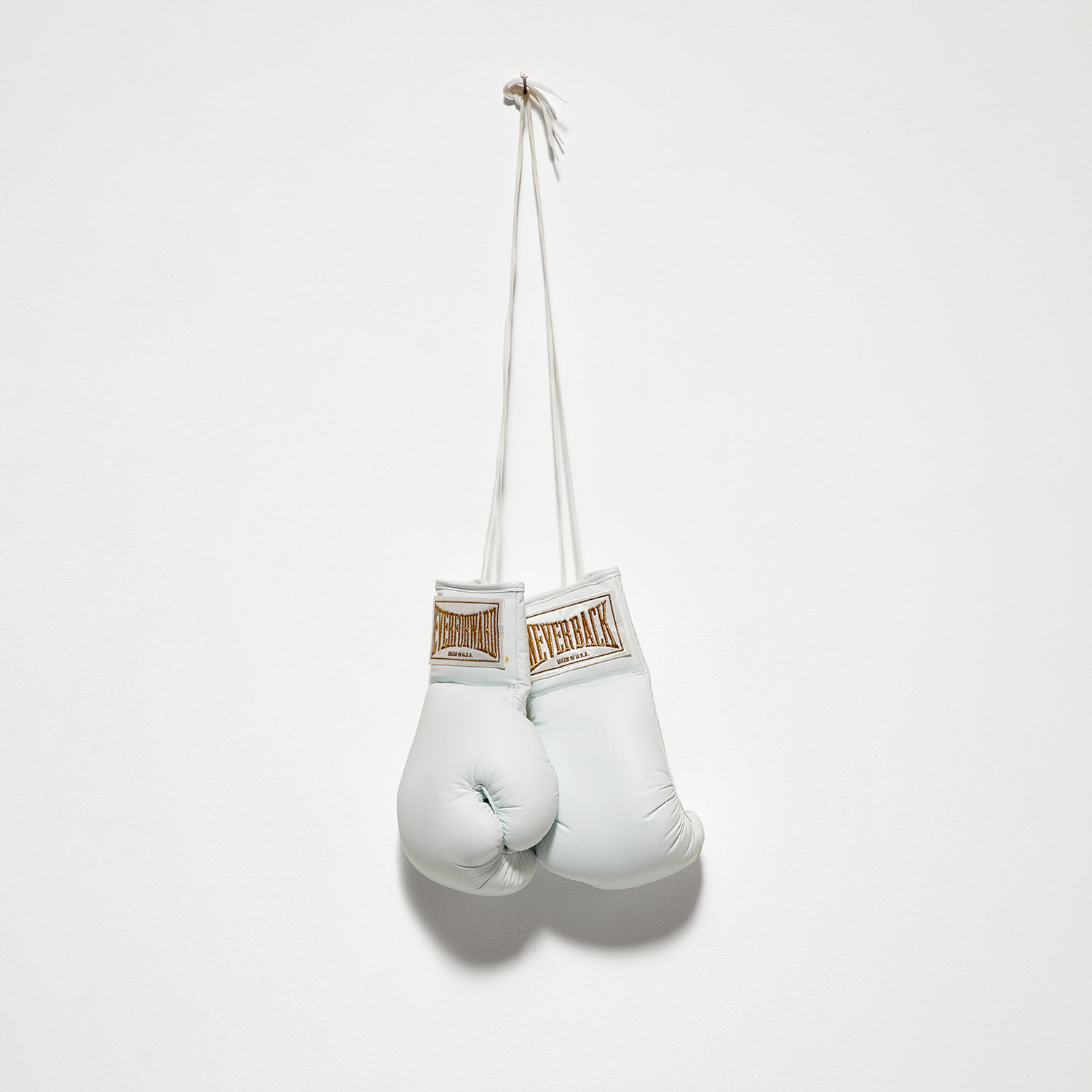
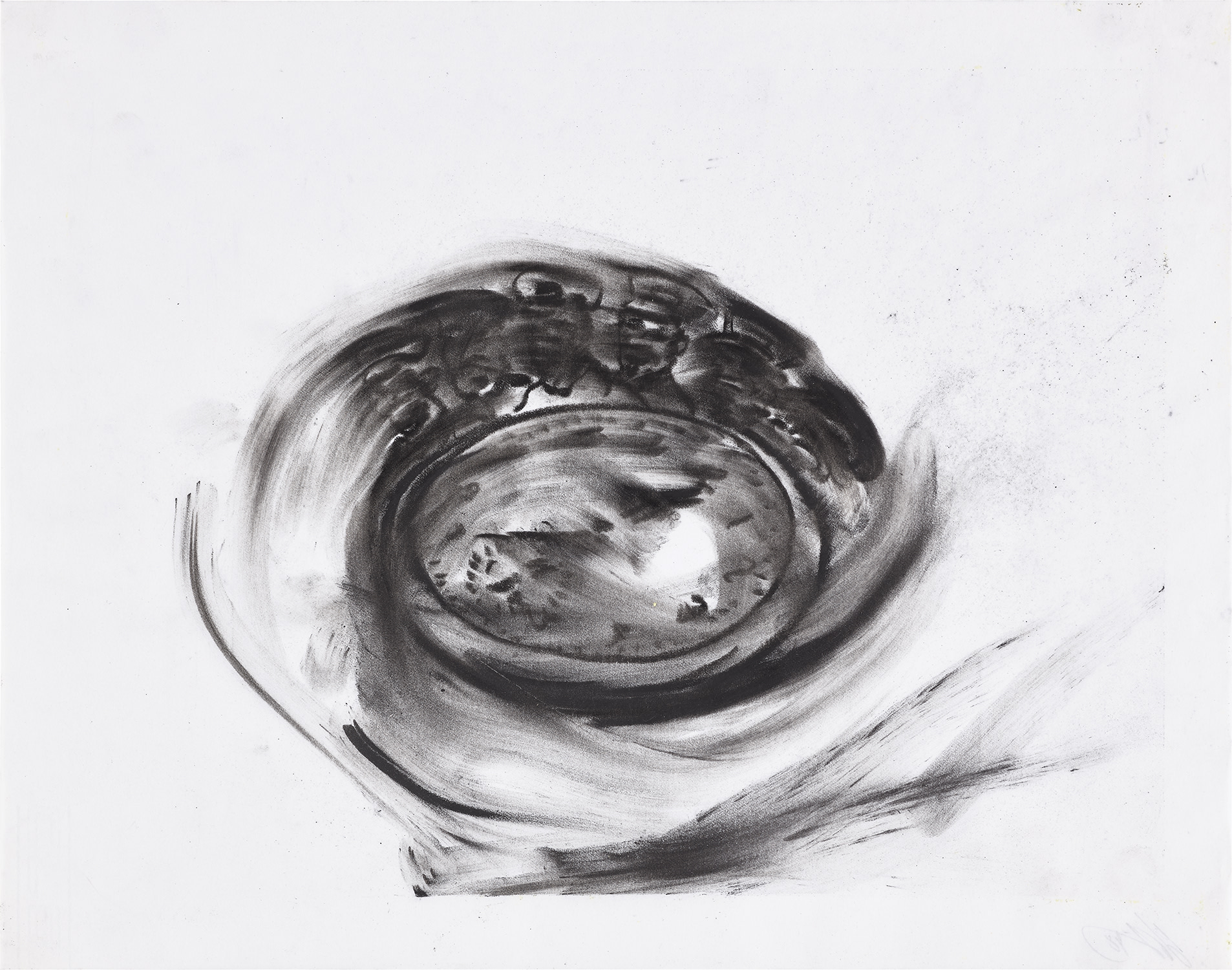
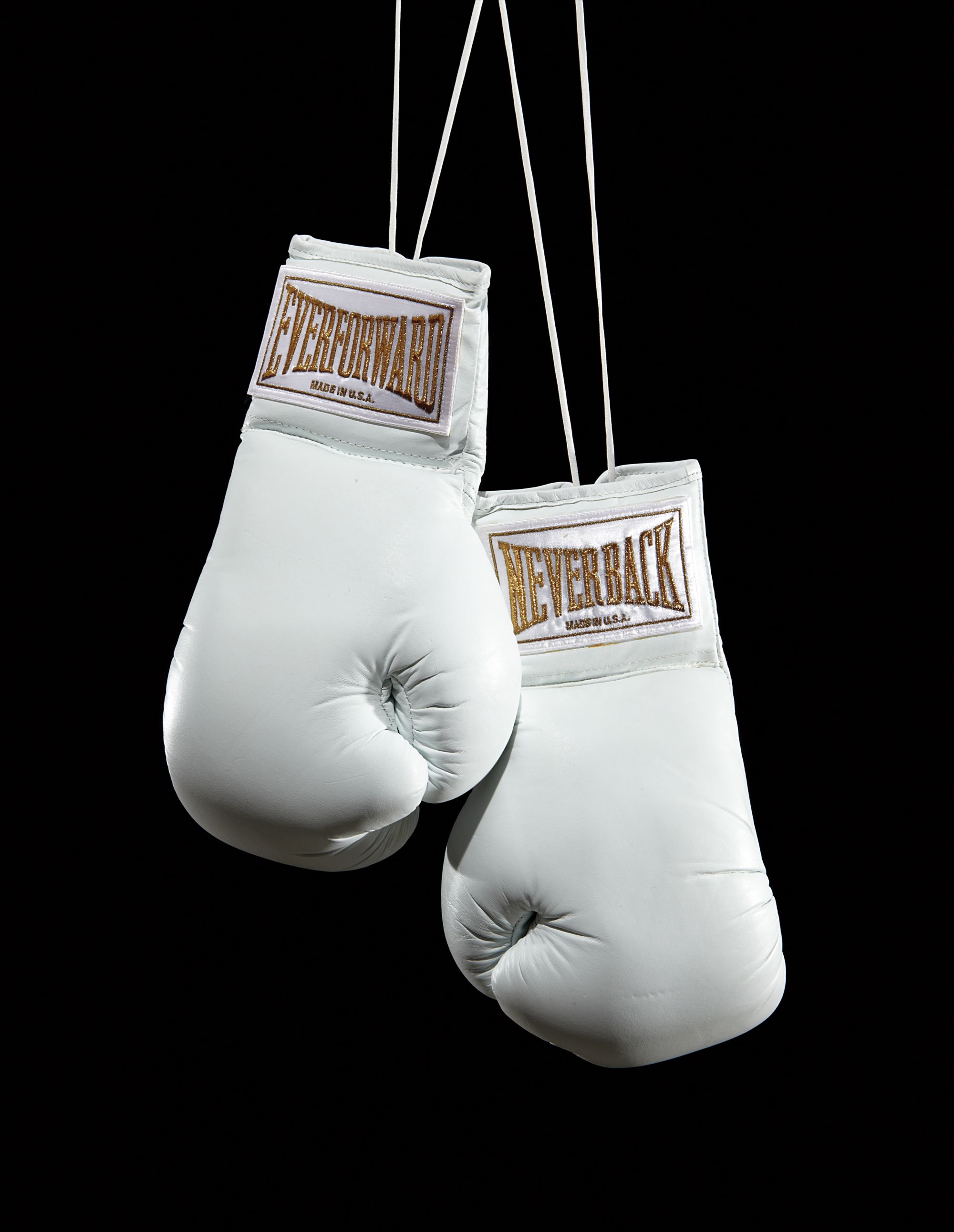
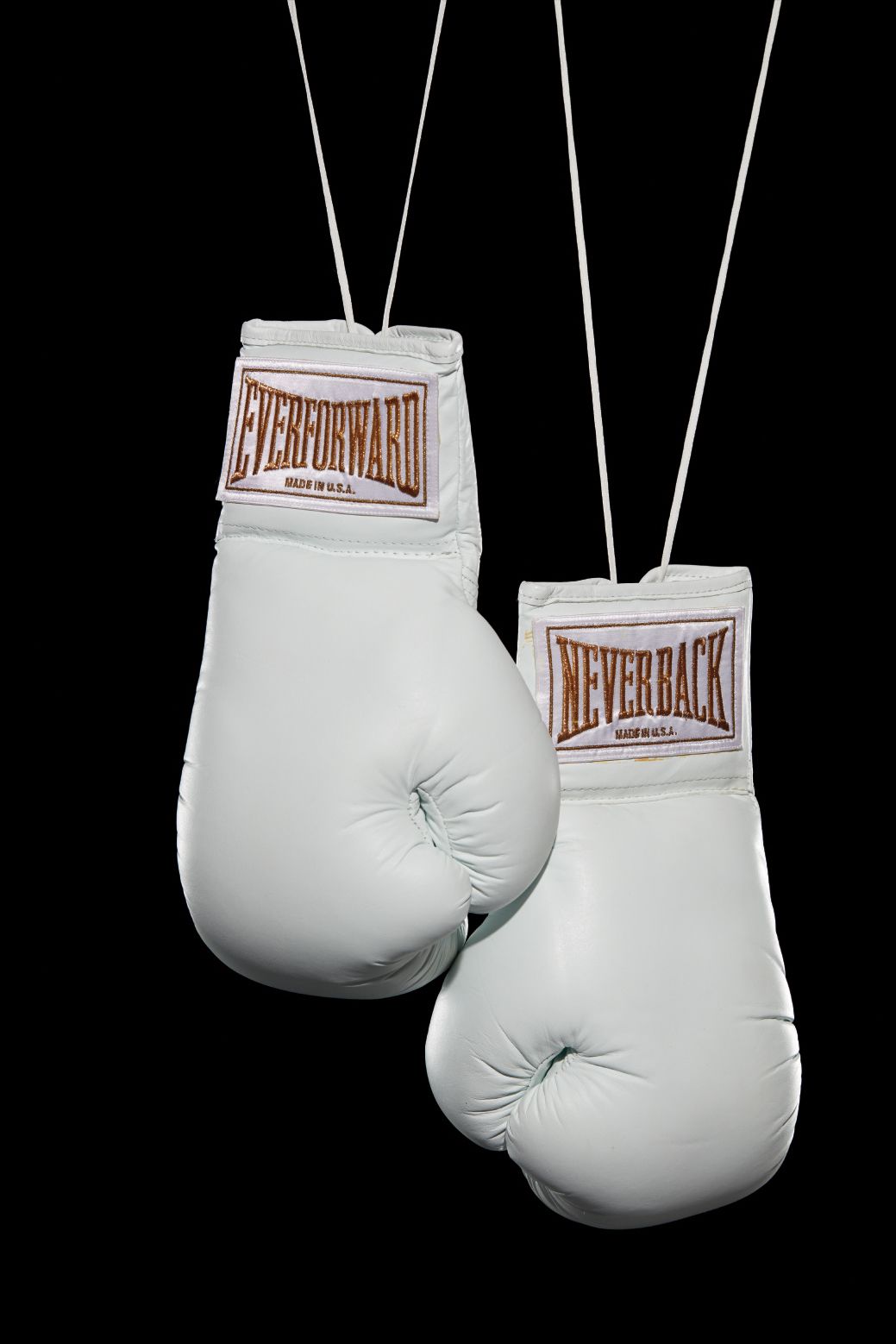
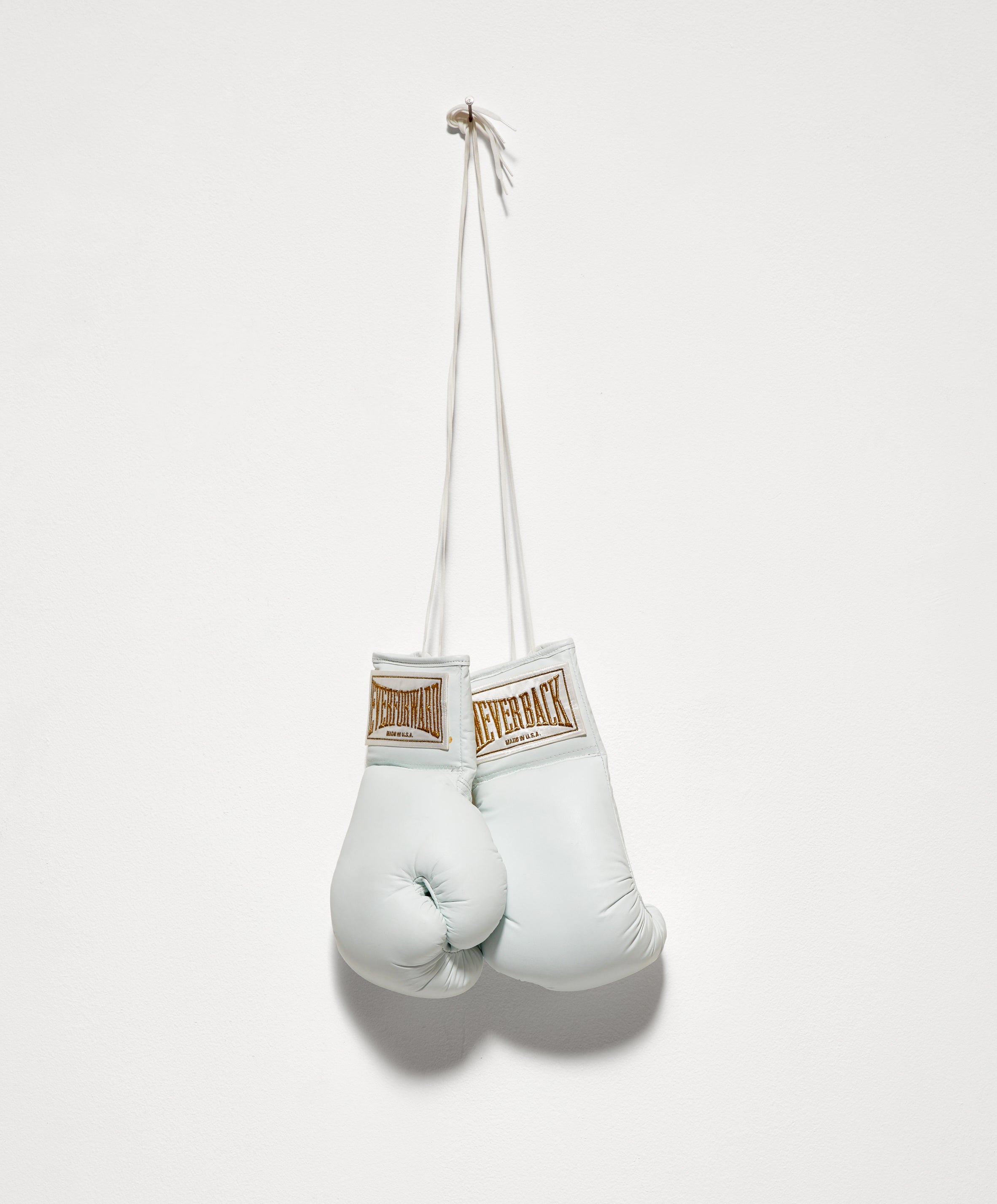
When the Studio Museum in Harlem mounted its landmark survey of artists who had shaped contemporary American art through the lens of race and identity, Gary Simmons stood out as one of the most formally inventive and emotionally resonant voices of his generation. His work has appeared in major institutional collections from the Museum of Modern Art in New York to the Los Angeles County Museum of Art, and his presence in the 1993 Whitney Biennial announced him to a broad audience at precisely the moment American culture was reckoning most urgently with its own buried histories. Decades on, that urgency has only deepened, and Simmons continues to be recognized as one of the most important artists working in the United States today. Born in New York City in 1964, Simmons grew up immersed in the visual language of American popular culture, the Saturday morning cartoons, the sports arenas, the entertainment industry iconography that saturated everyday life. He studied at the School of Visual Arts in New York before completing his MFA at the California Institute of the Arts in Valencia, where he encountered a rigorous conceptual environment that encouraged him to interrogate not just what images mean but how they function as carriers of ideology. CalArts in the late 1980s was a crucible for artists thinking seriously about representation, power, and the politics of looking, and Simmons absorbed those lessons deeply while developing a visual language entirely his own. His breakthrough came with what became known as his erasure drawings, works in which he applies chalk imagery directly to blackboard painted walls and then deliberately smears the images with his hands or feet, leaving behind ghostly, blurred residues that seem to hover between presence and absence. The gesture is deceptively simple and almost shockingly effective. The smearing does not destroy the image so much as it transforms it, turning crisp representation into something spectral and unresolved. These works carry an extraordinary emotional charge precisely because the traces remain visible, because erasure in Simmons's hands is never complete. What lingers is what matters. The source material he chose was not incidental. Simmons drew on the racist caricatures embedded in American cartoon history, the minstrel imagery that had been normalized through decades of mass entertainment, the Sambo figures and exaggerated features that American visual culture had deployed to dehumanize Black people while presenting itself as harmless fun. By rendering these images in chalk and then smearing them into something blurred and haunted, Simmons forced viewers to confront the persistence of that imagery even in its degraded, half erased form. Works such as Black Chalkboard (Double Grin) from 1993 are among the most powerful examples of this approach, confronting the viewer with a grinning cartoon face that seems to dissolve even as it remains stubbornly, disturbingly present. The 1993 Whitney Biennial gave this work a major platform, and the Lineup Wall Chart screenprint from that same moment stands as a document of that pivotal period in his career. Over the years Simmons has expanded his practice beyond the erasure drawings while retaining their central concerns. His work on paper, including the remarkable charcoal drawings on vellum such as 5 Conductors, Time Piece and Forgotten Personal Property, brings the same quality of hovering, uncertain presence to the intimacy of works on paper. The vellum surface itself, translucent and slightly ghostly, reinforces the sense that these images exist in a space between visibility and disappearance. His prints, including the Everforward series published by Permanent Press in Brooklyn, translate his preoccupations into the multiple and demonstrate his genuine engagement with printmaking as a medium rather than a mere commercial extension of his studio practice. The Double Cylinder paintings, using pigment, oil paint, and cold wax on canvas, show yet another dimension of his formal intelligence, with surfaces that seem to hold light and memory simultaneously. For collectors, Simmons represents a genuinely rare combination of critical significance and visual power. His works are held in prestigious institutional collections, which provides a strong foundation of institutional validation, and his market has reflected sustained interest from serious collectors who understand the depth of his contribution. Works on paper offer a compelling point of entry, combining the intimacy of the medium with the full force of his conceptual concerns. The prints from Permanent Press, including the various editions of Everforward, are particularly noteworthy as carefully produced multiples that carry the weight of his ideas without the price point of unique works. Collectors drawn to artists working at the intersection of American history, race, and formal invention will find in Simmons a figure of the first order. Simmons belongs to a generation of artists who transformed American art in the late 1980s and 1990s by insisting that questions of race and representation were not marginal concerns but were central to understanding both American culture and contemporary art itself. He is a peer and colleague of artists such as Kara Walker, whose silhouettes similarly excavate the visual archive of racial violence, and Glenn Ligon, whose text based paintings explore how language encodes racial identity. Like them, Simmons works with the material of American popular and historical culture not to celebrate it but to reveal the structures of power concealed within it. His approach is distinct from both of these artists, more gestural and more invested in the act of physical marking and unmaking, but the broader conversation they share is one of the most important in contemporary art. The legacy of Gary Simmons is one of formal courage married to historical conscience. He found a way to make the act of erasure itself into a kind of witness, insisting that what has been smeared over in American culture remains visible to those willing to look. His work does not offer easy resolution or consolation, but it offers something more valuable: a sustained, formally beautiful engagement with truth. As museums and institutions continue to reassess the canon of late twentieth and early twenty first century American art, Simmons is increasingly recognized as indispensable to that story, an artist whose contribution grows more resonant with each passing year.