American Art
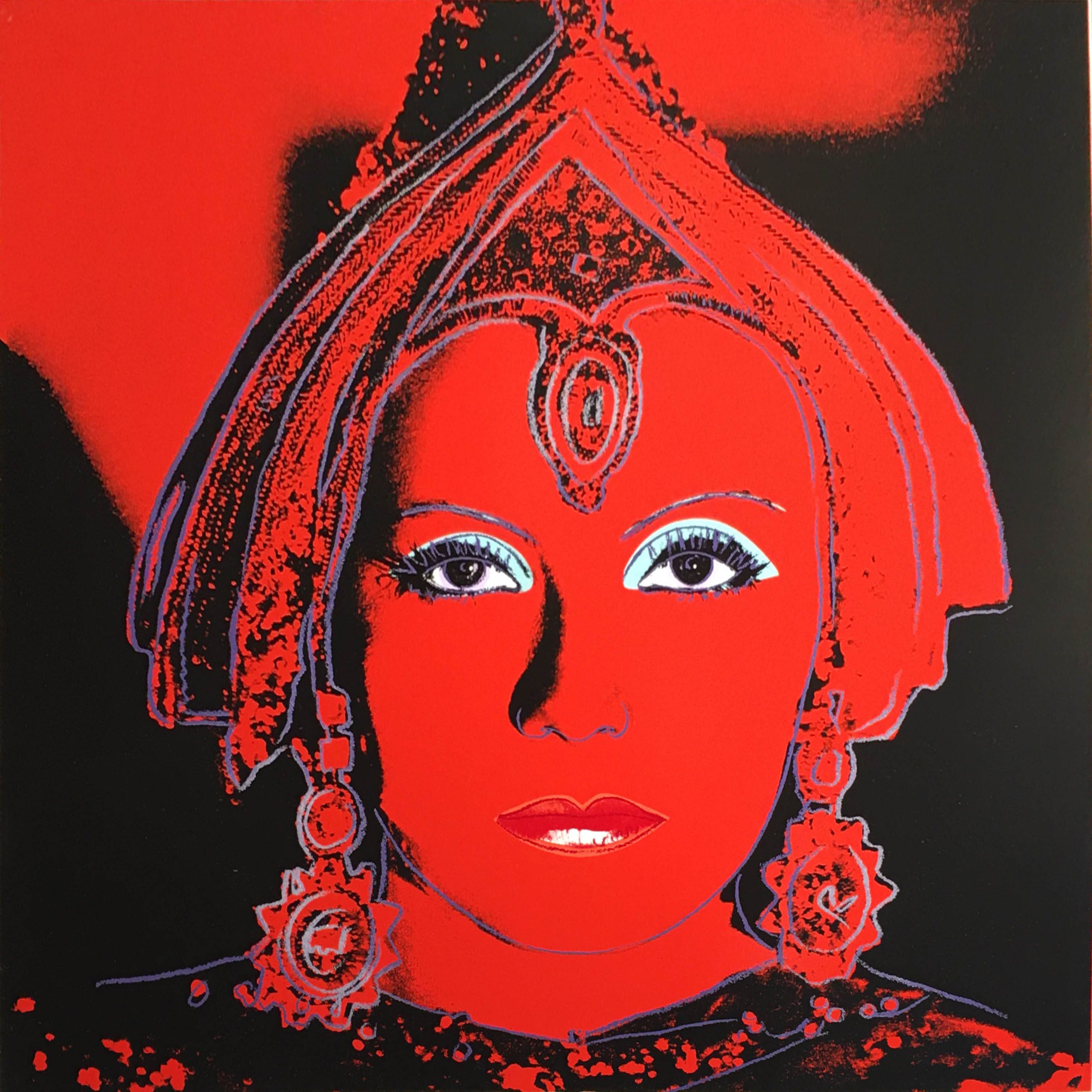
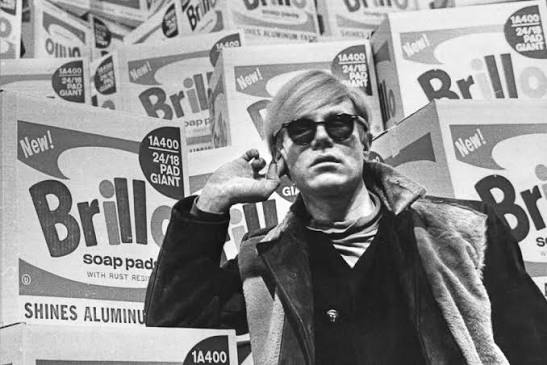
Andy Warhol
Myths: The Star II.258, 1981
America, Still Life: The Art That Won't Sit Still
When Andy Warhol's 'Shot Sage Blue Marilyn' sold at Christie's New York in May 2022 for $195 million, it didn't just set a record for American art at auction. It reframed an entire conversation about what American art means, who owns it, and why the world keeps coming back to it. The result landed with the force of a cultural reckoning, not merely a market transaction. Here was an image so thoroughly absorbed into the global visual vocabulary that its price felt almost beside the point, and yet the price was everything, a confirmation that American art sits at the absolute center of the contemporary collecting universe.
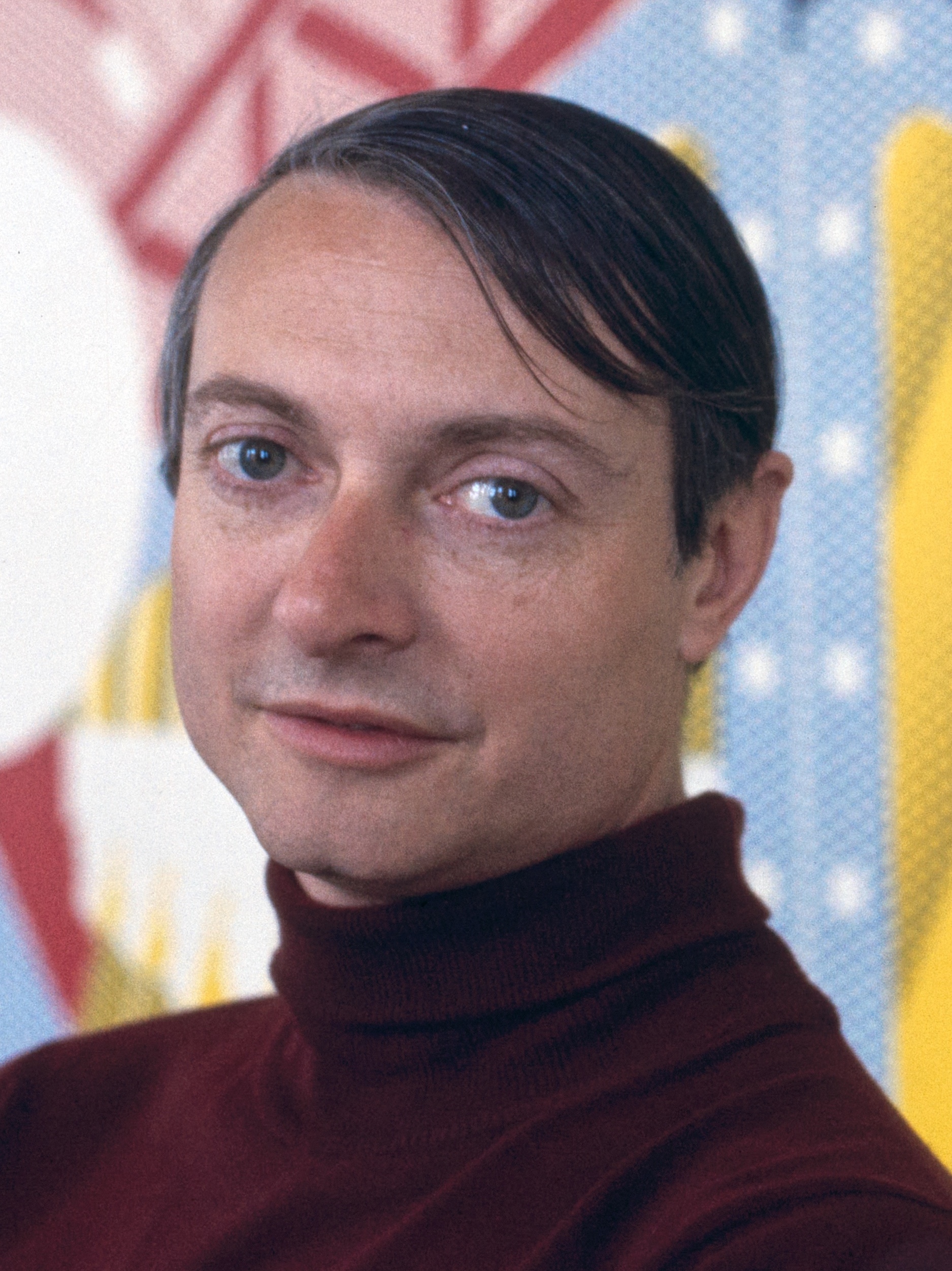
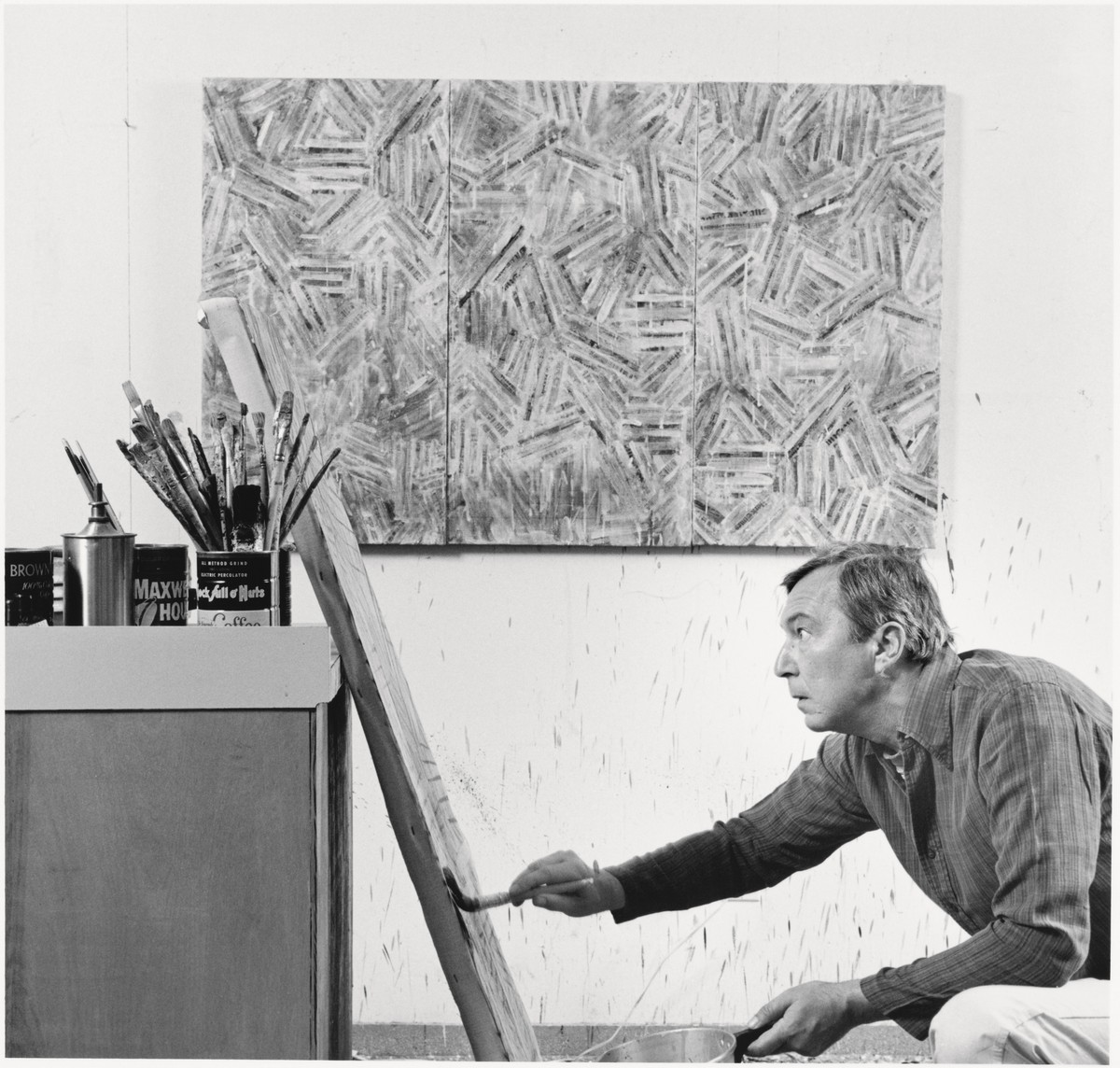
The appetite for American art at auction has not cooled since that moment. If anything, it has grown more sophisticated and more searching. Collectors are no longer content with the obvious touchstones, though artists like Roy Lichtenstein, Jasper Johns, and Robert Rauschenberg continue to command extraordinary sums when important works come to market. A strong Lichtenstein canvas from the early 1960s can clear eight figures without breaking a sweat, and Johns's targets and flags have long since passed into the realm of institutional trophies.
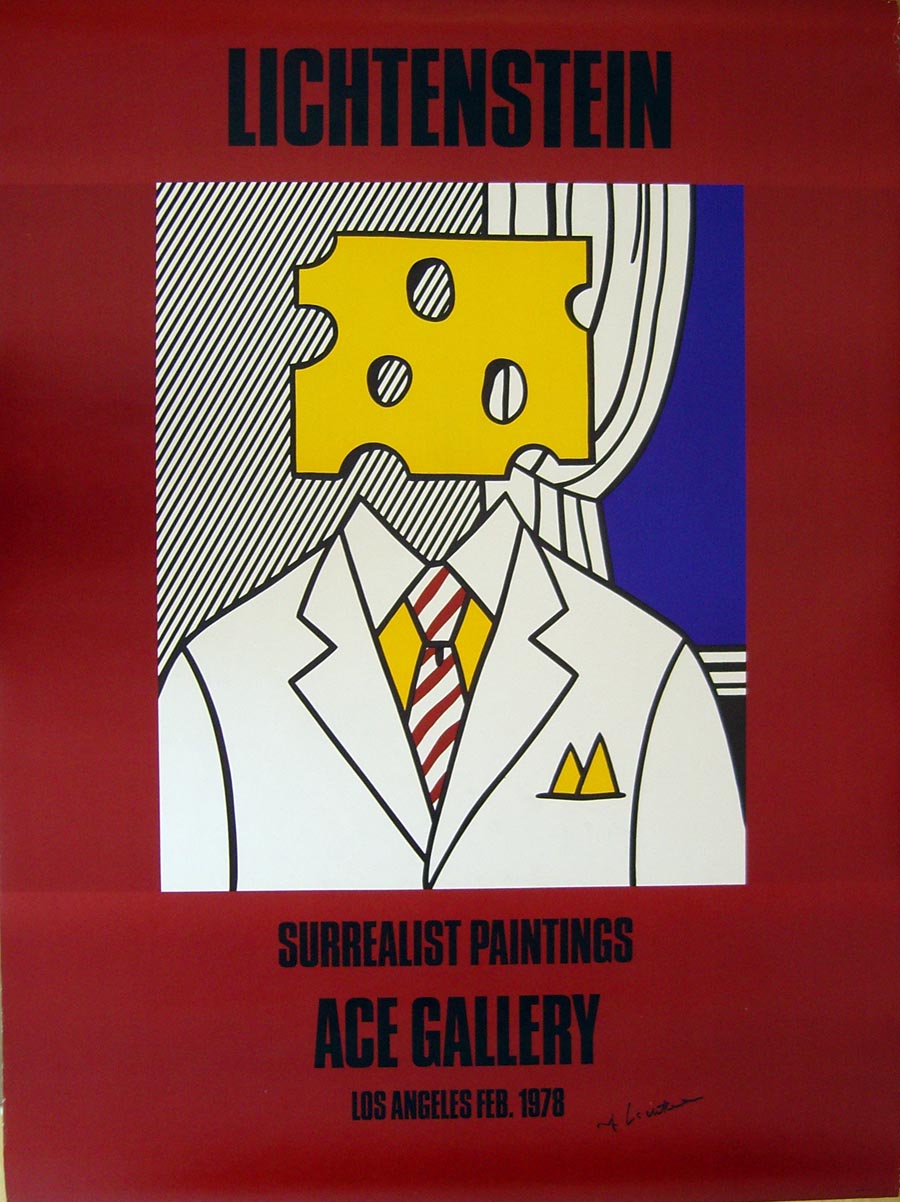
Roy Lichtenstein
Poster: Ace Gallery, 1978
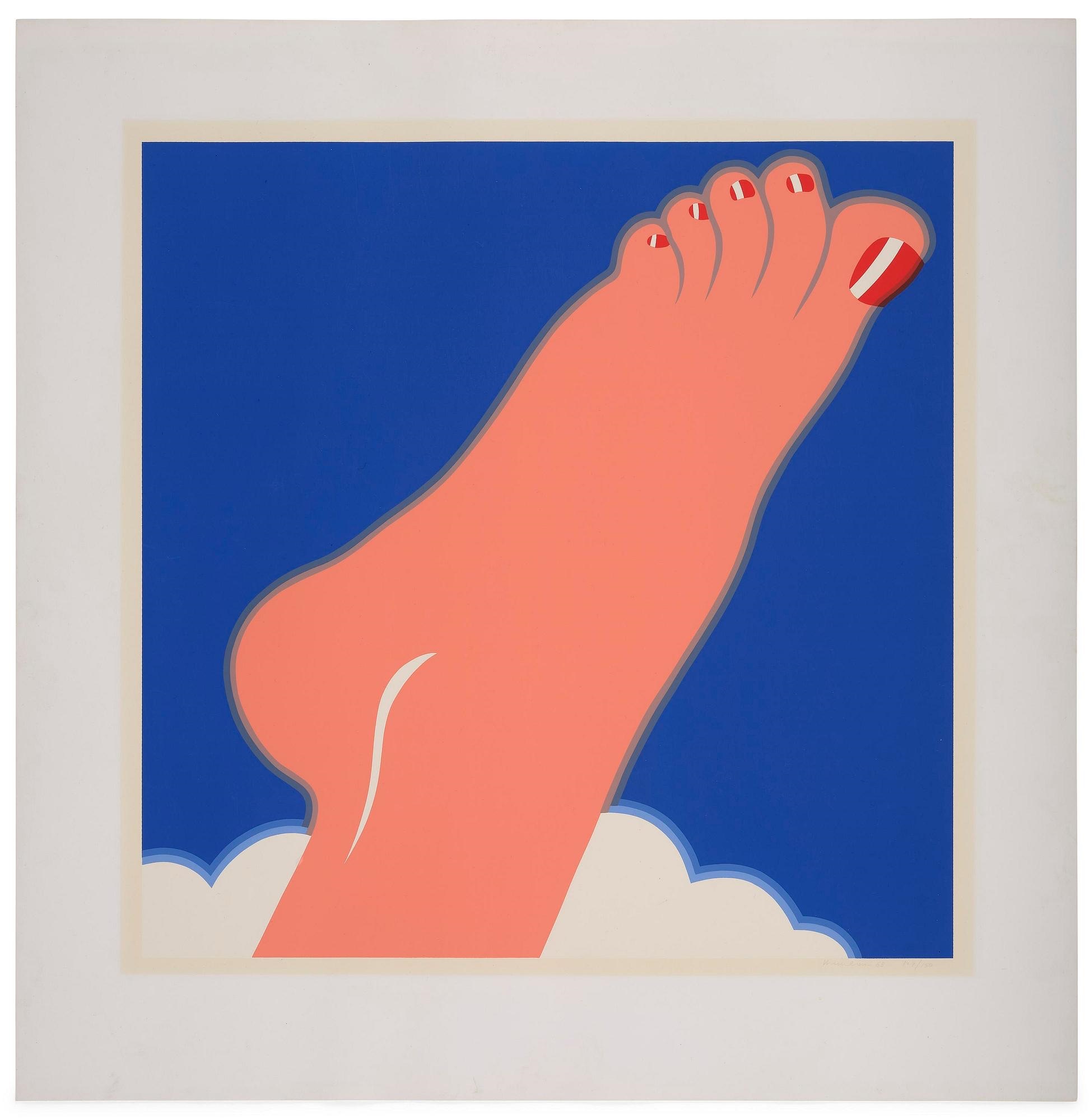
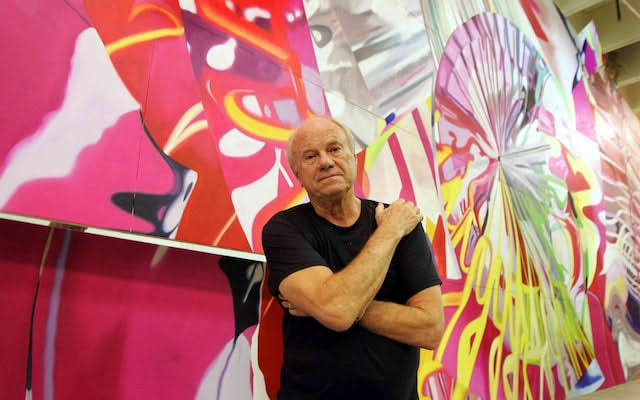
What's interesting now is the pressure building around figures who were once considered secondary to the Pop Art canon. James Rosenquist, whose F 111 was among the most politically charged paintings of the 1960s, is receiving serious critical and market reappraisal. Tom Wesselmann's Great American Nude series looks increasingly essential rather than merely provocative. The exhibition calendar over the past several years has done real work in reshaping the hierarchy.
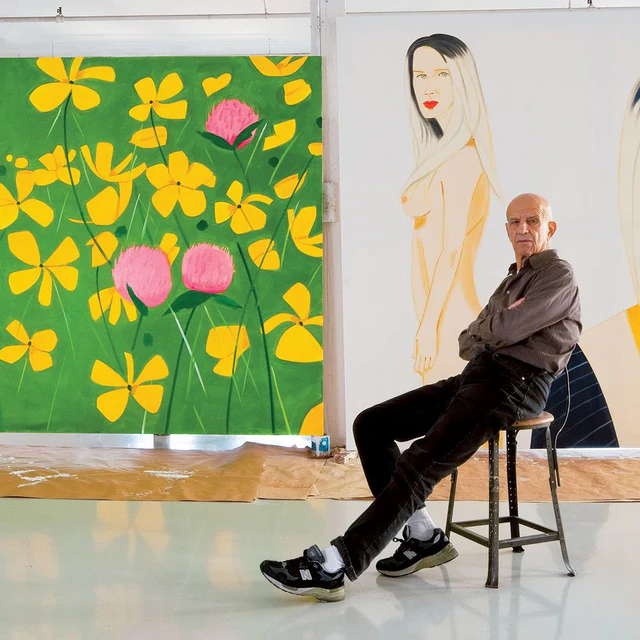
The Whitney Museum of American Art, which remains the institutional conscience of this conversation in the United States, mounted a major Alex Katz retrospective that traveled internationally and reminded a younger generation why Katz's cool, flattened portraiture was genuinely radical when it emerged in the late 1950s and early 1960s. The show made clear that Katz was not simply a stylist but a rigorous thinker about perception and presence, a painter who influenced everyone from the Pictures Generation to street artists without ever fully belonging to any movement. His market has reflected this renewed attention, with works selling well above estimate at both Sotheby's and Christie's in recent seasons. The Los Angeles County Museum of Art has been particularly active in reassessing West Coast contributions to American art history, with Ed Ruscha receiving the kind of sustained institutional attention that his work has always deserved but rarely received at this scale.

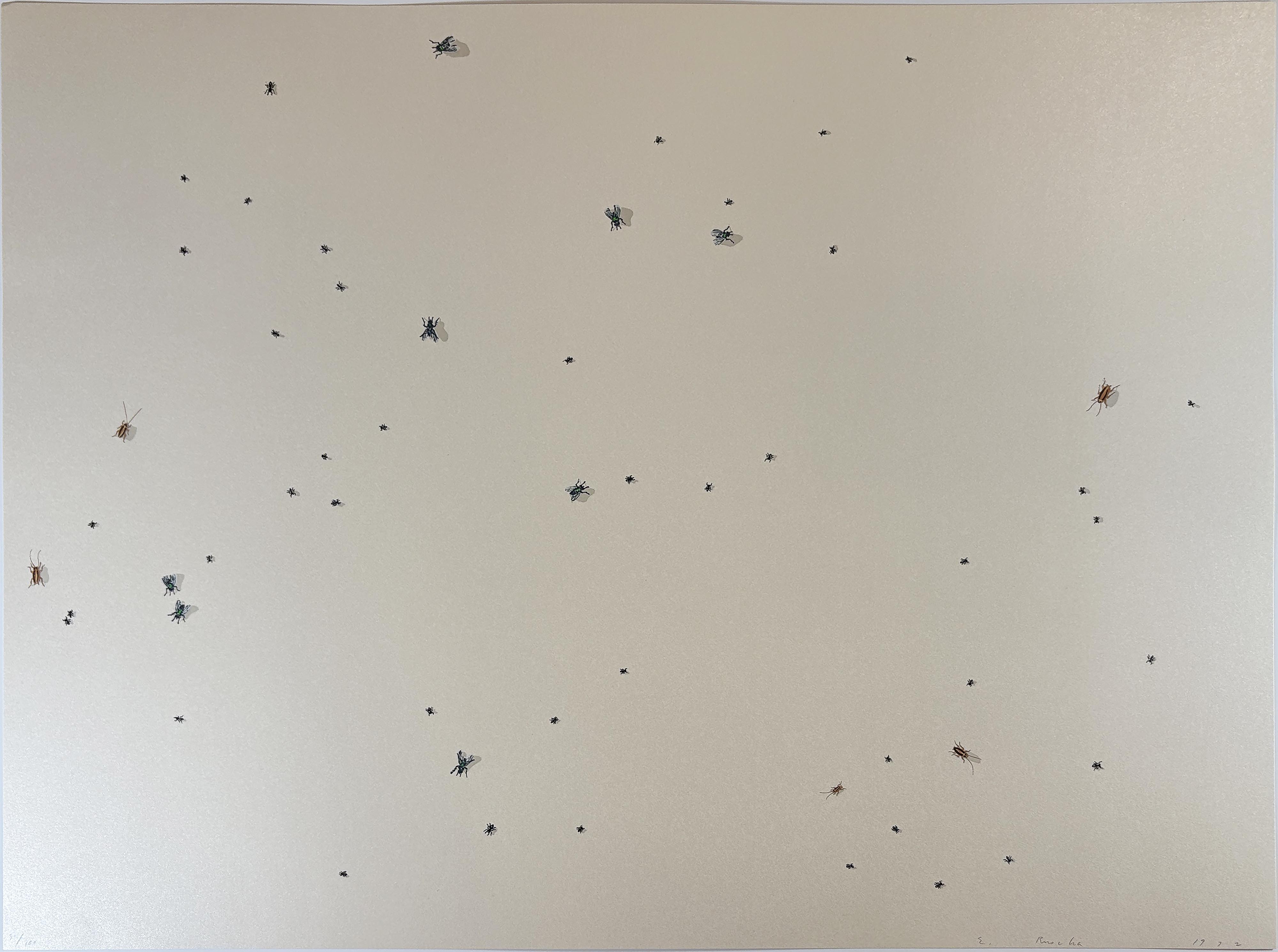
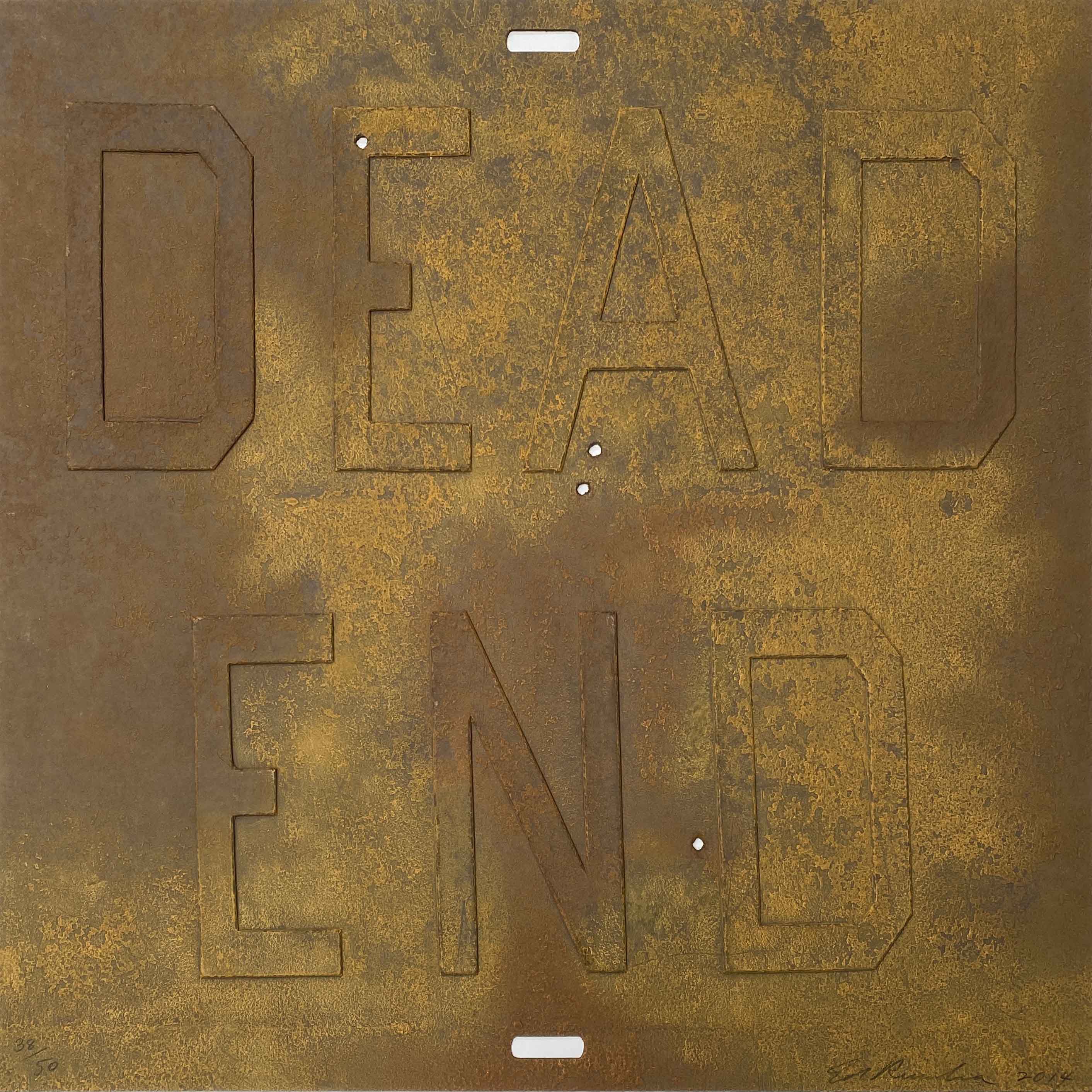
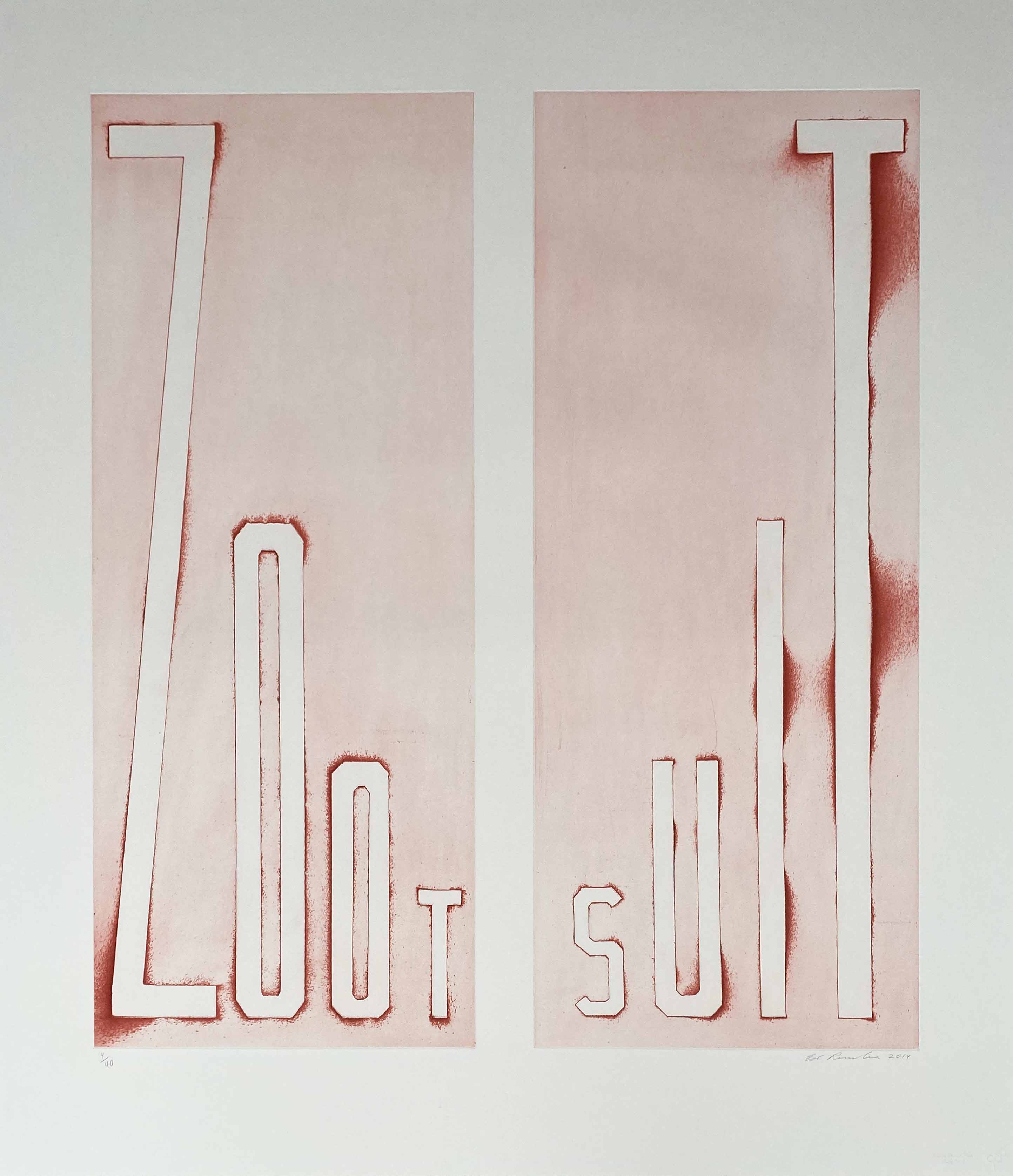
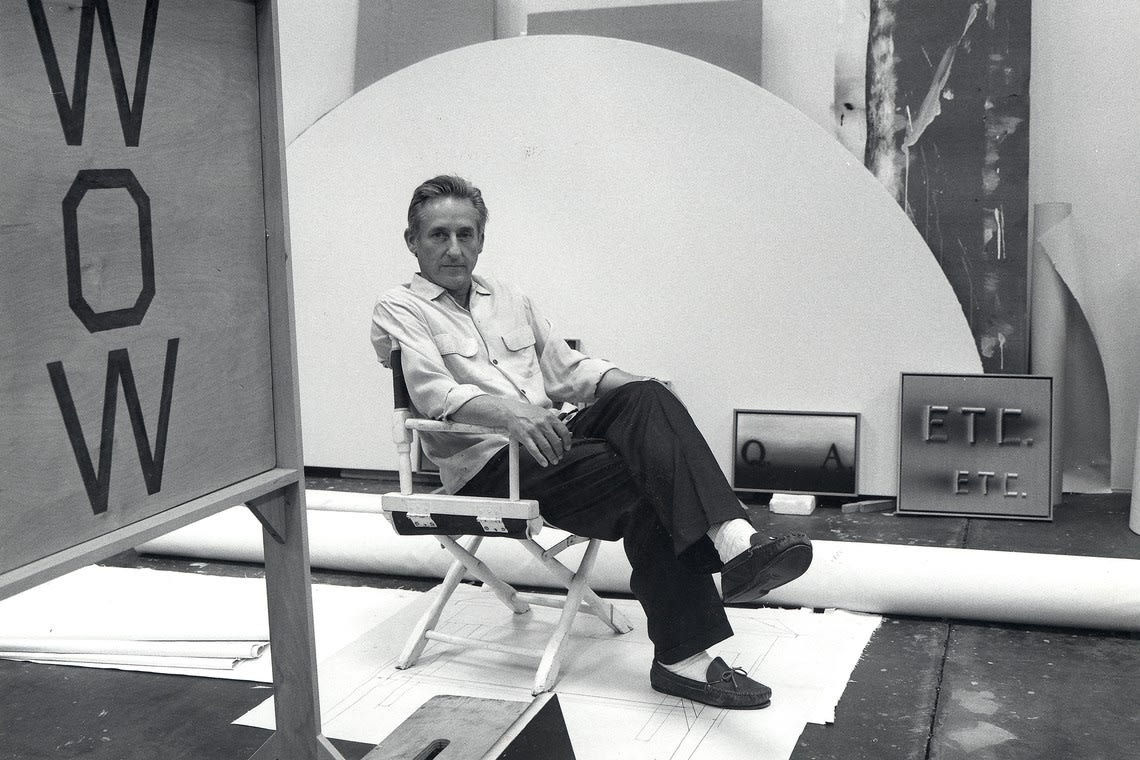
Ed Ruscha
Ex Libris, 2018
Ruscha's word paintings and his photographic books occupy a strange and brilliant position in the American canon, belonging simultaneously to Conceptualism, Pop, and something entirely their own. The Getty's ongoing archival and research projects around the Los Angeles art scene of the 1960s and 1970s have created an infrastructure of scholarship that will continue to influence how collectors and curators think about California's place in the larger story. For collectors, this has meant increasing confidence in Ruscha as a long term holding rather than a speculative bet. Critically, the most energizing writing about American art right now is happening at the intersections.
Curators like Darby English and scholars working in the tradition of Thomas Crow are asking harder questions about who gets included in the American art narrative and under what terms. The rediscovery of Alice Neel, whose portraits of New York life from the 1930s through the 1970s are now recognized as among the most psychologically acute paintings produced in this country, is a direct result of sustained critical pressure from feminist art history and a broader institutional willingness to look again at what was overlooked. Her market has transformed accordingly. Philip Guston's late figurative work, once controversial even among his admirers, is now understood as among the most morally serious painting America produced in the twentieth century, and the debate around the postponement of his retrospective in 2020 brought these questions into unusually sharp public focus.
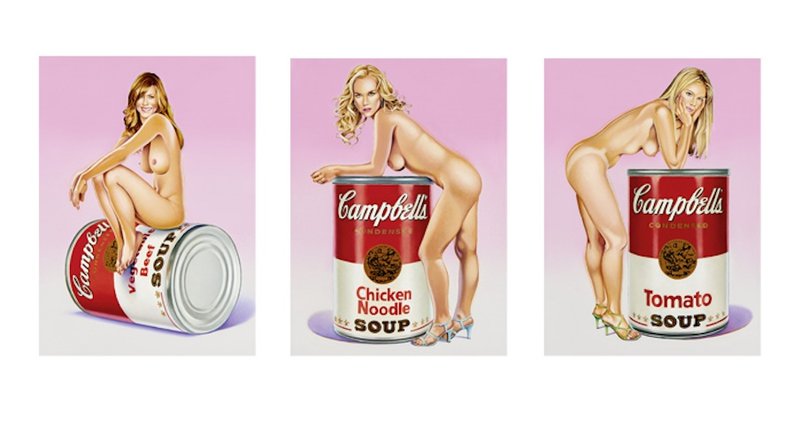
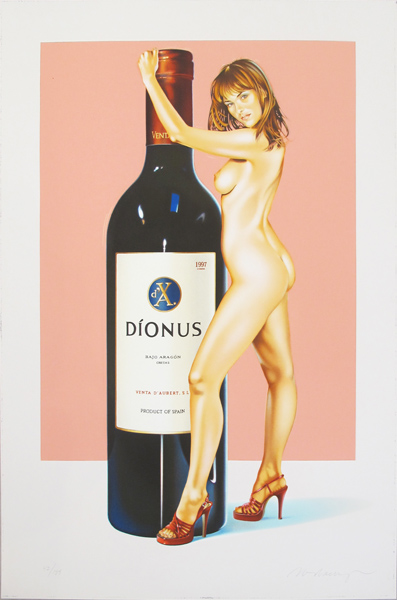
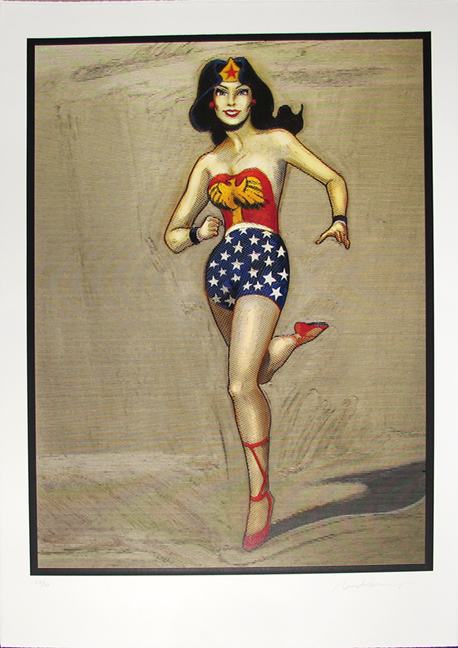
Mel Ramos
Campbell's Soup Girls (set of 3)
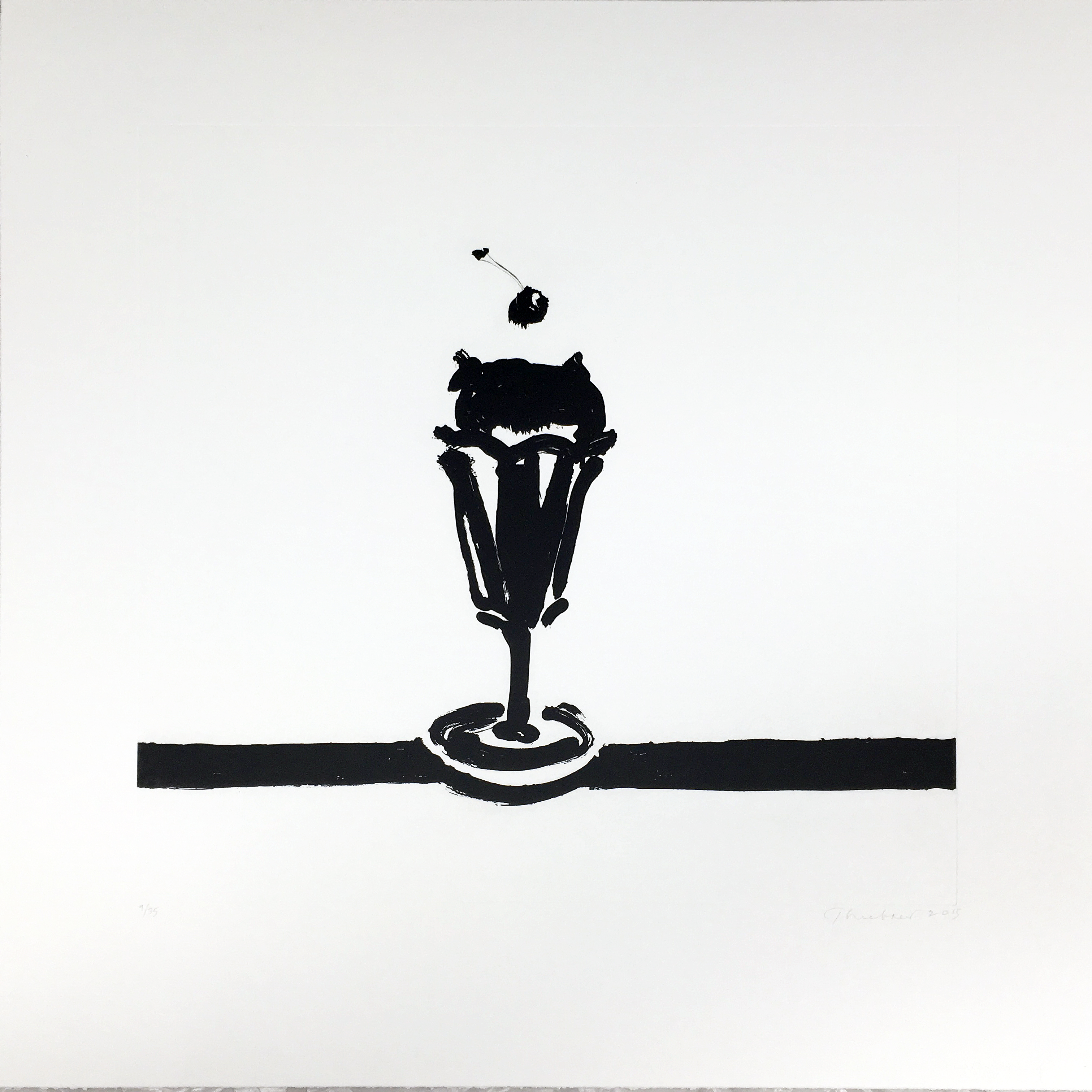
What is perhaps most striking about the current moment is the way that American art's supposed divisions, between the coasts, between abstraction and figuration, between high and low, are dissolving under collector and curatorial pressure. Helen Frankenthaler's poured canvases and Ellsworth Kelly's hard edge forms are being considered alongside Wayne Thiebaud's diner counters and Norman Rockwell's Saturday Evening Post covers with less anxiety about category than at any point in recent memory. The Met's American Wing and MoMA's permanent collection rehang in 2019 both signaled a genuine willingness to let the messiness of American visual culture speak for itself rather than forcing it into a clean developmental narrative. This is good news for collectors who have always trusted their eyes over art historical convention.
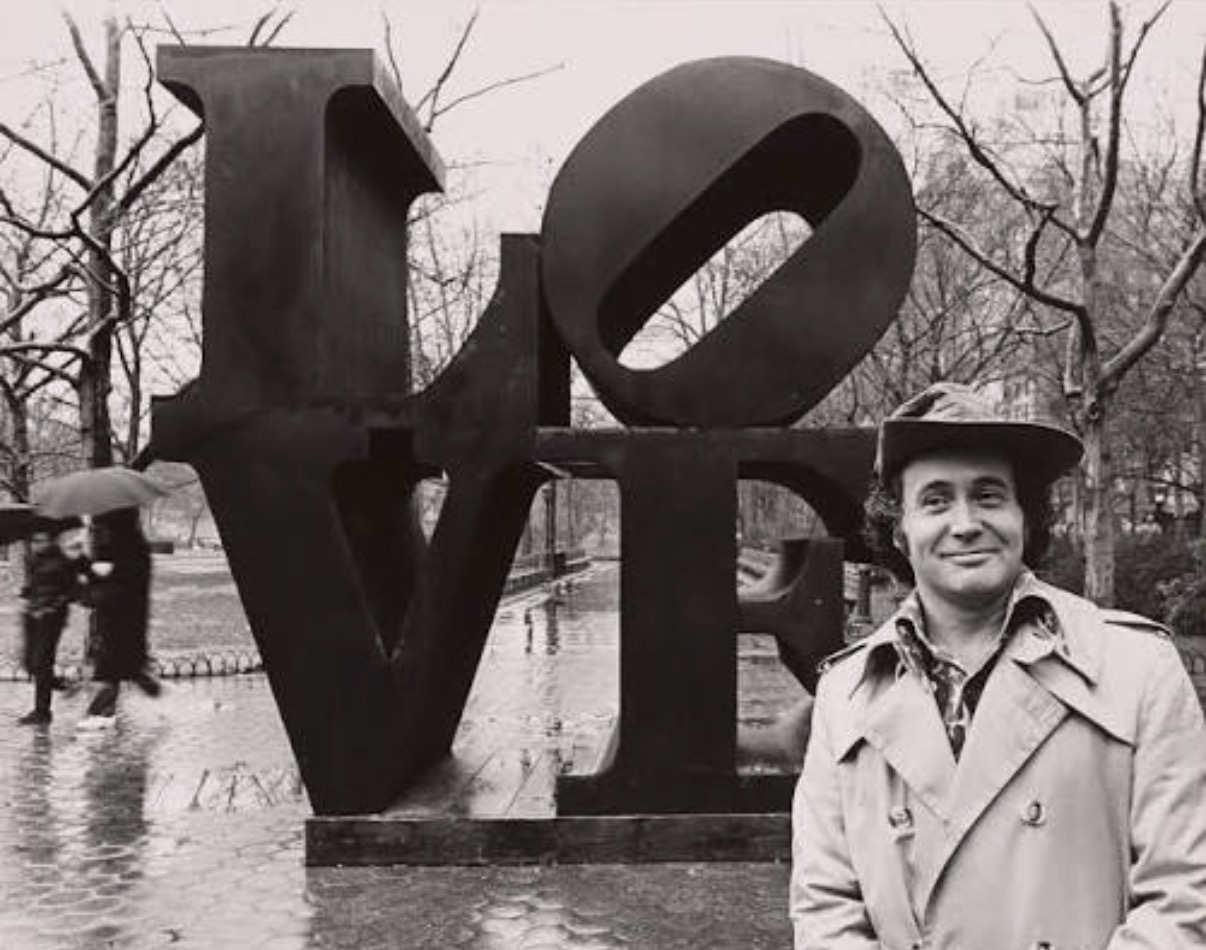
The energy right now feels particularly alive around artists who occupied the edges of established movements. Raymond Pettibon, whose drawings connect the punk underground to a deep tradition of American literary and visual dissent, is attracting serious institutional attention. Elizabeth Peyton's intimate portraits, which seemed almost willfully modest when she emerged in the 1990s, now look like some of the most emotionally intelligent figure painting of their era. Robert Indiana's LOVE is so embedded in popular culture that it can obscure the conceptual rigor underneath, but collectors who look closely are finding genuine depth.
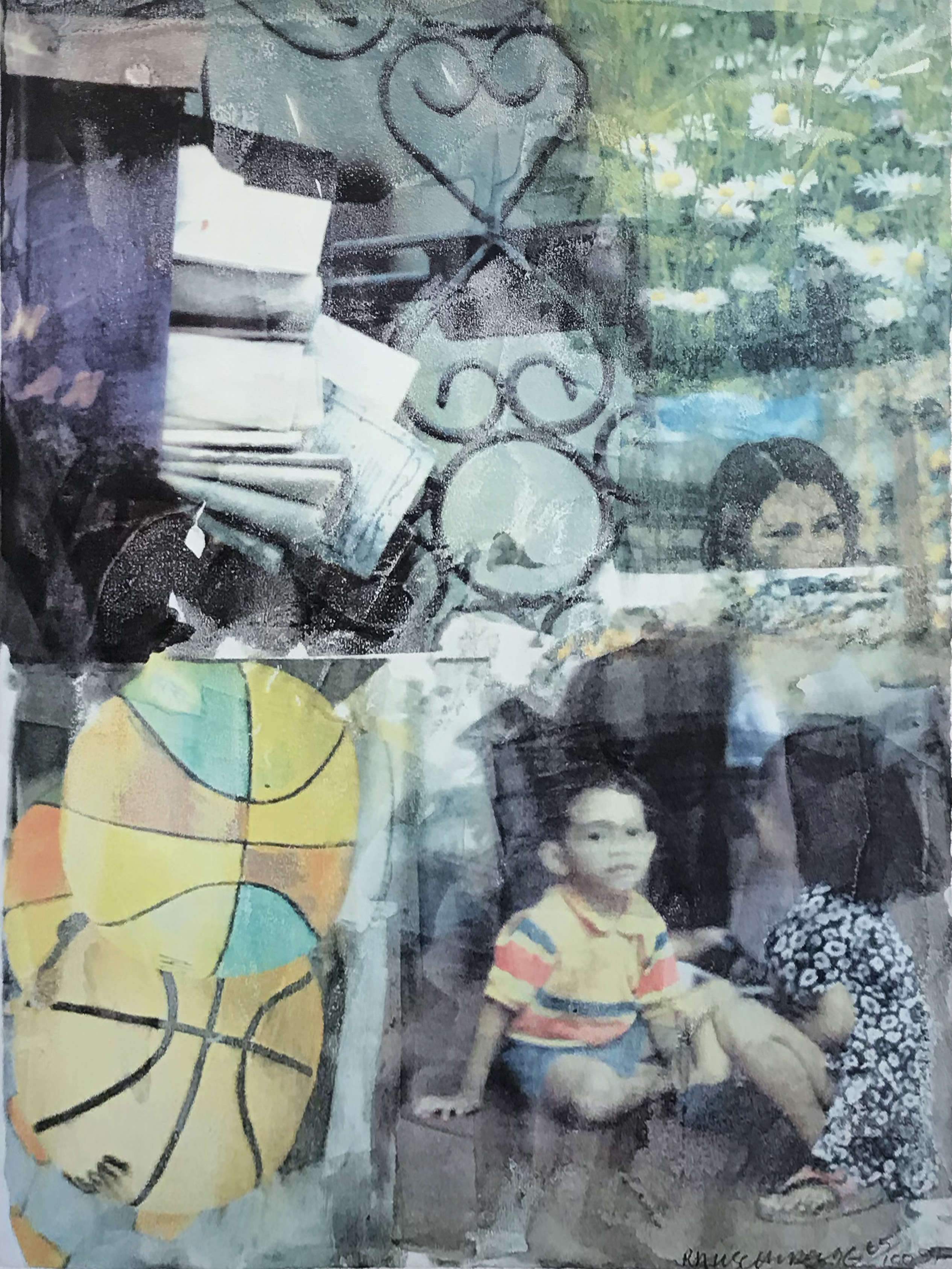
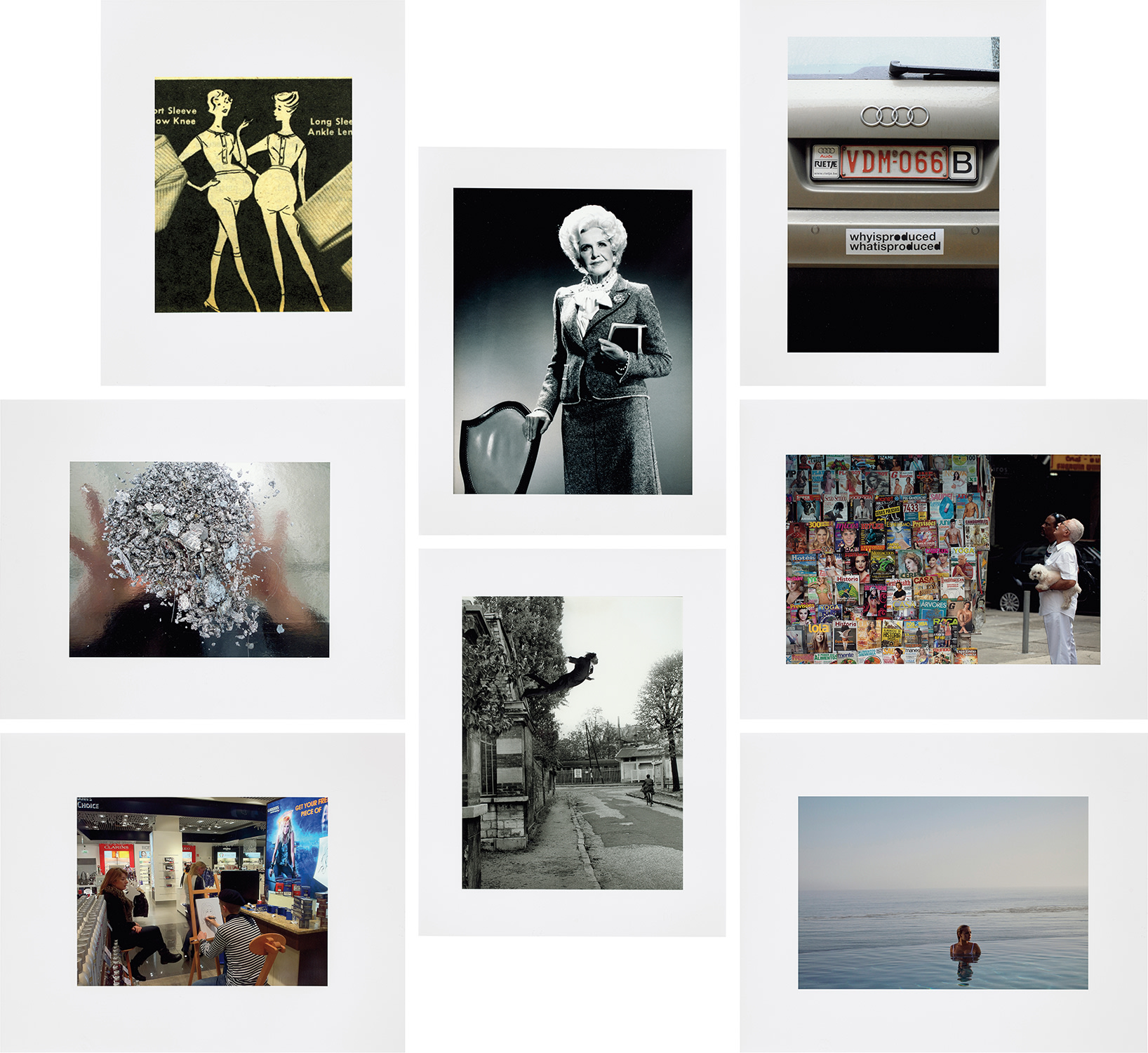
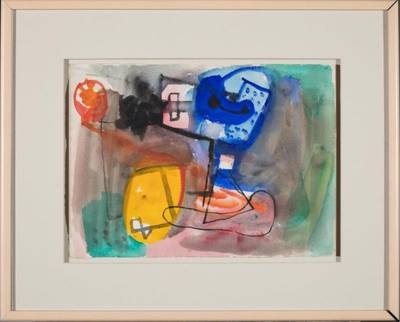
Robert Rauschenberg
Untitled , 1997
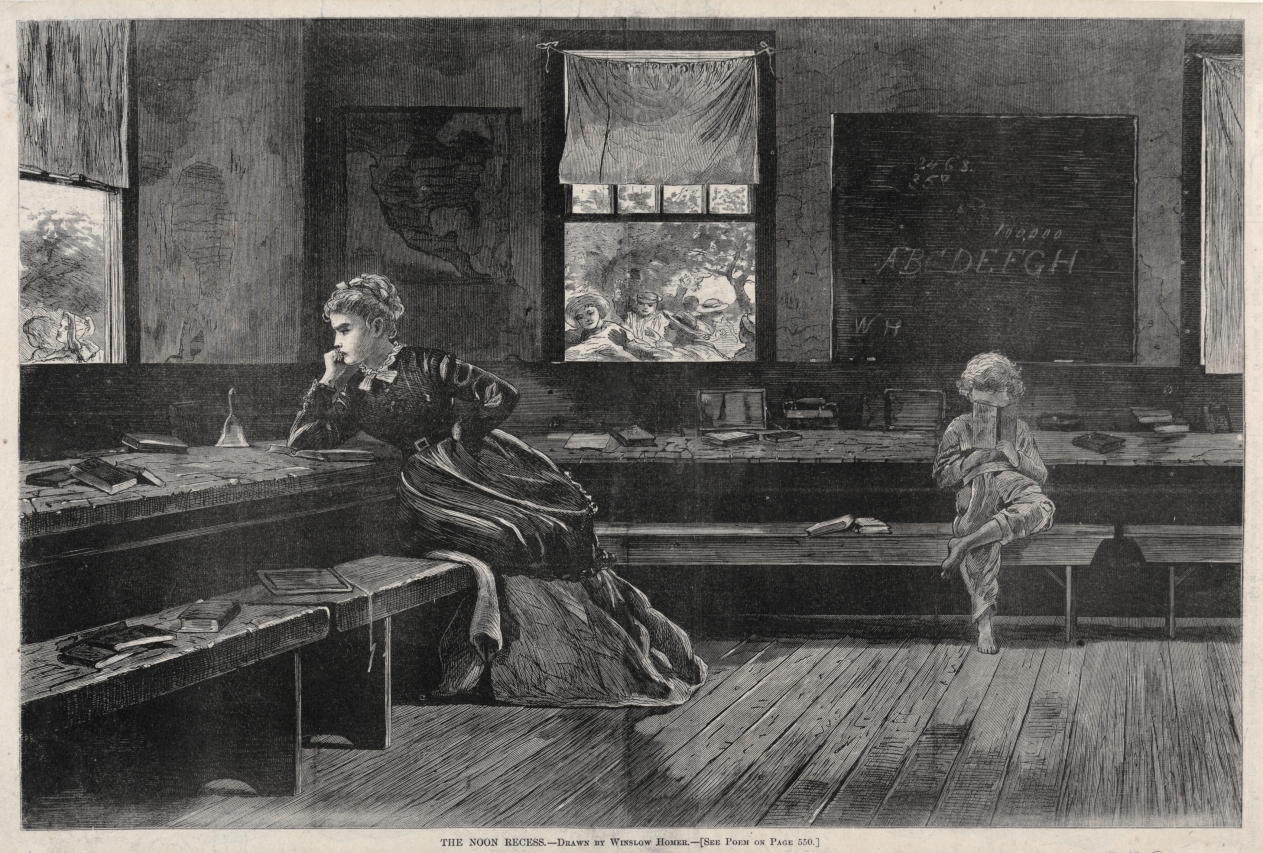
And Winslow Homer, whose late watercolors of the Maine coast feel as urgent as anything in contemporary painting, continues to surprise at auction when strong works appear. The Collection at collctn.art brings together many of the artists central to this conversation, with Warhol, Ruscha, Katz, Lichtenstein, and their peers well represented alongside figures whose time for reassessment has clearly arrived. For collectors working in this space, the current moment rewards both conviction and curiosity.
American art has never been a single thing, which is precisely what makes it so endlessly generative, and the market, the institutions, and the critics are all catching up to what the best collectors have long understood: that this is a conversation without a fixed conclusion, still unfolding, still surprising, still very much alive.