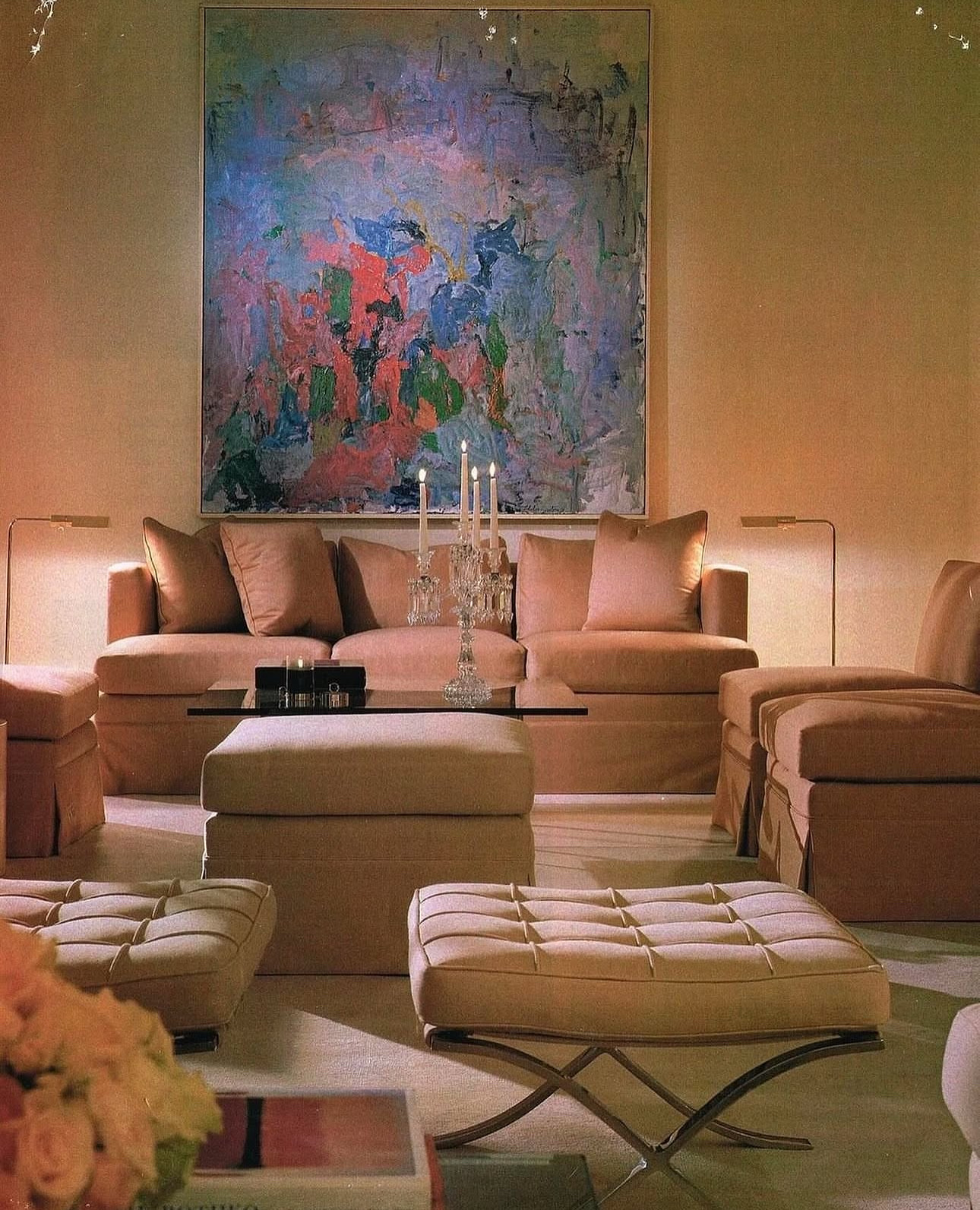
Philip Guston
Artist Spotlight
Philip Guston: The Painter Who Remade Everything
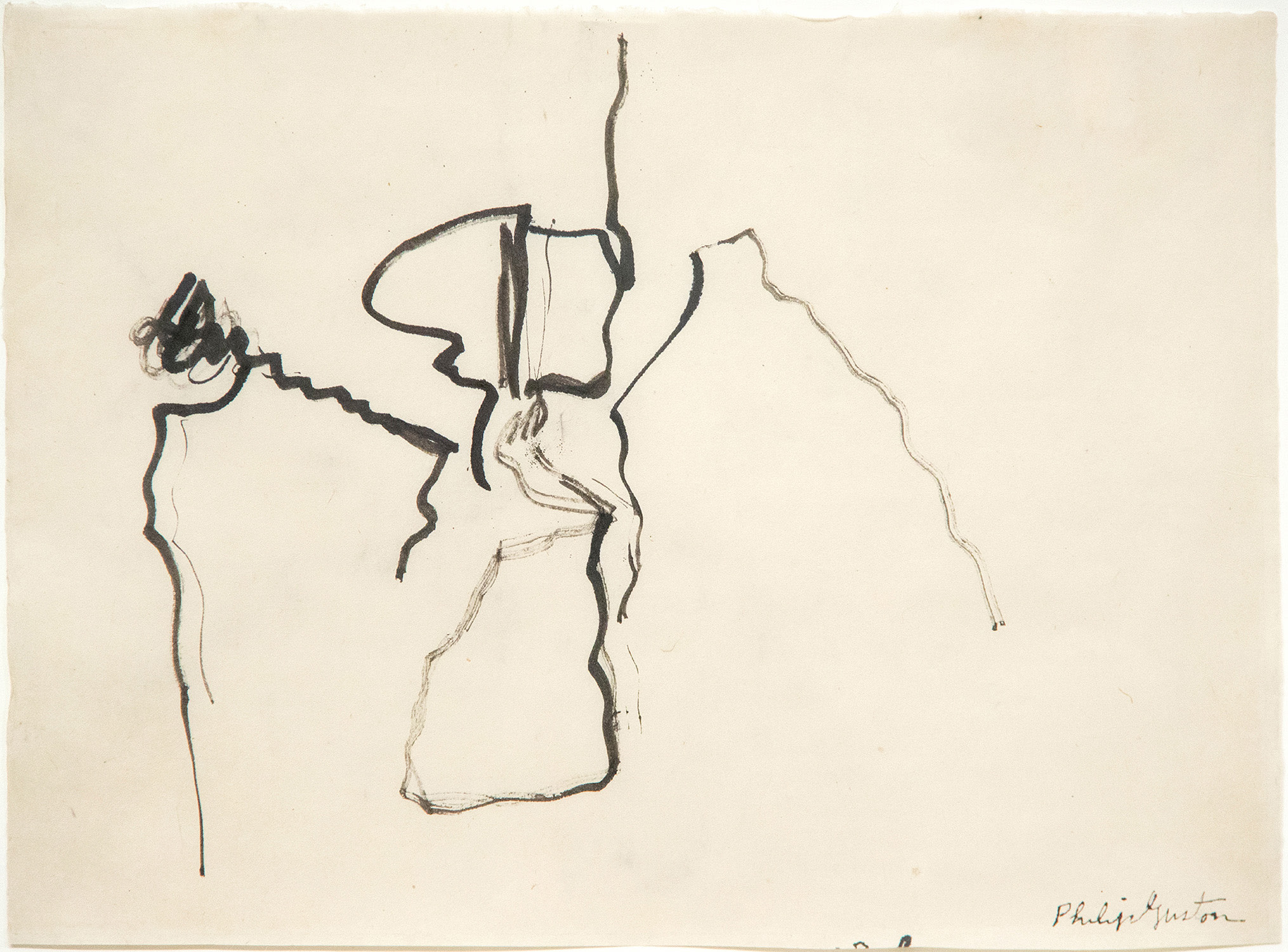
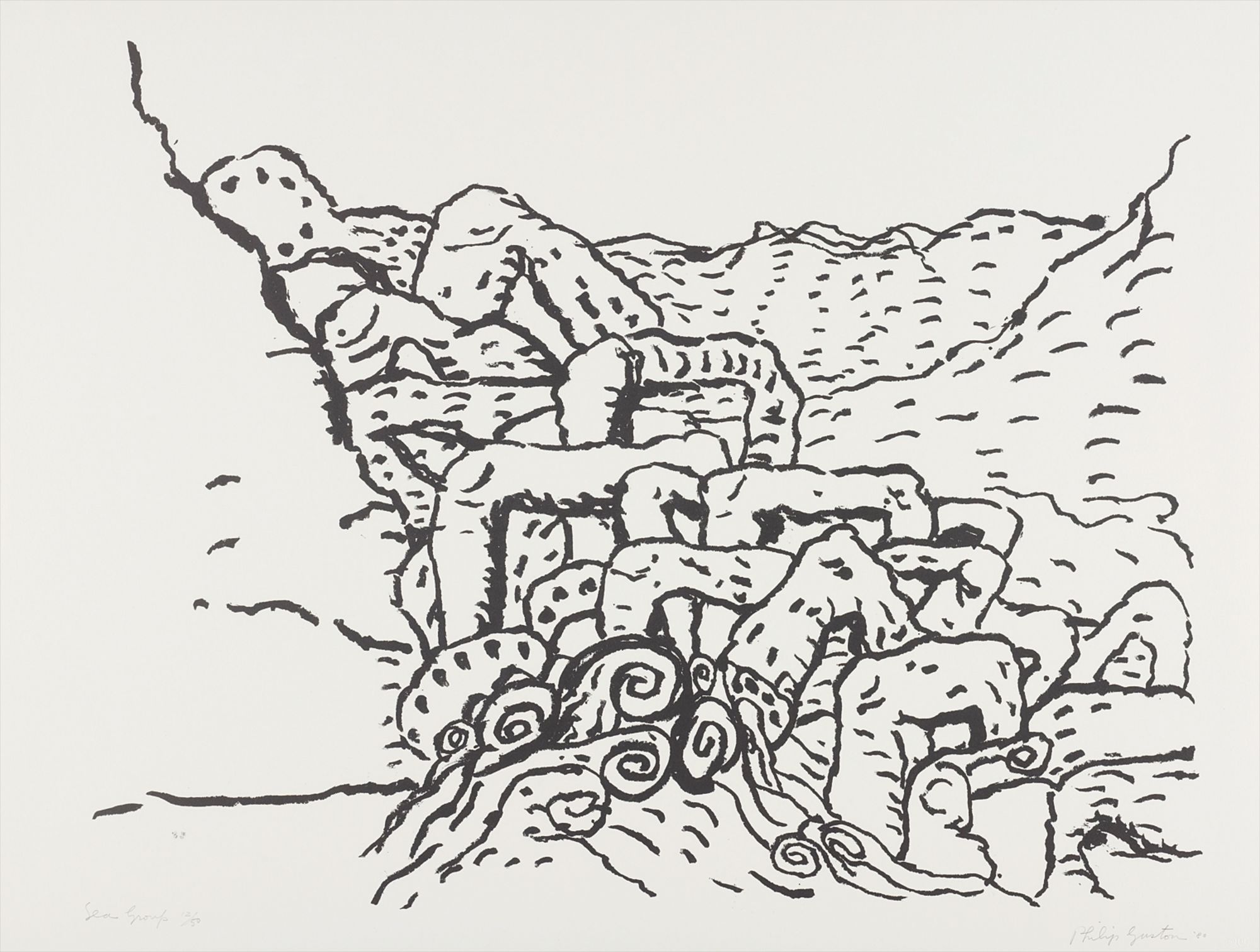
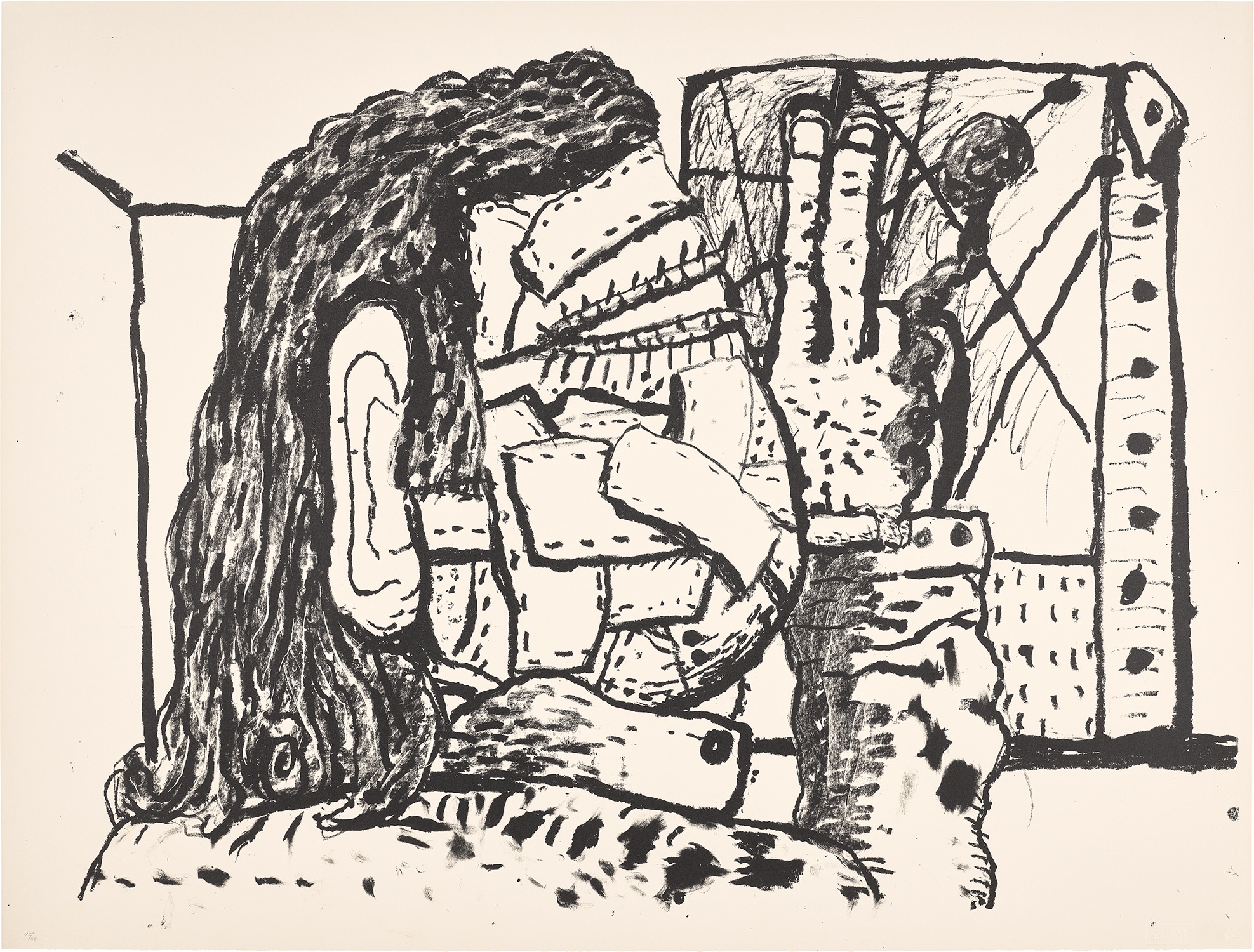
When MoMA, Tate Modern, and the Royal Academy joined forces to mount a landmark retrospective of Philip Guston's work, the art world paused to take stock of a painter who had, in many ways, predicted everything. The exhibition, which traveled between 2022 and 2024 after a delay that itself became part of the cultural conversation, drew record crowds and reminded a new generation just how visceral, funny, tragic, and alive Guston's canvases remain. Standing before his late paintings, viewers encountered something rare in modern art: work that refuses to let you look away, not because it… Continue reading
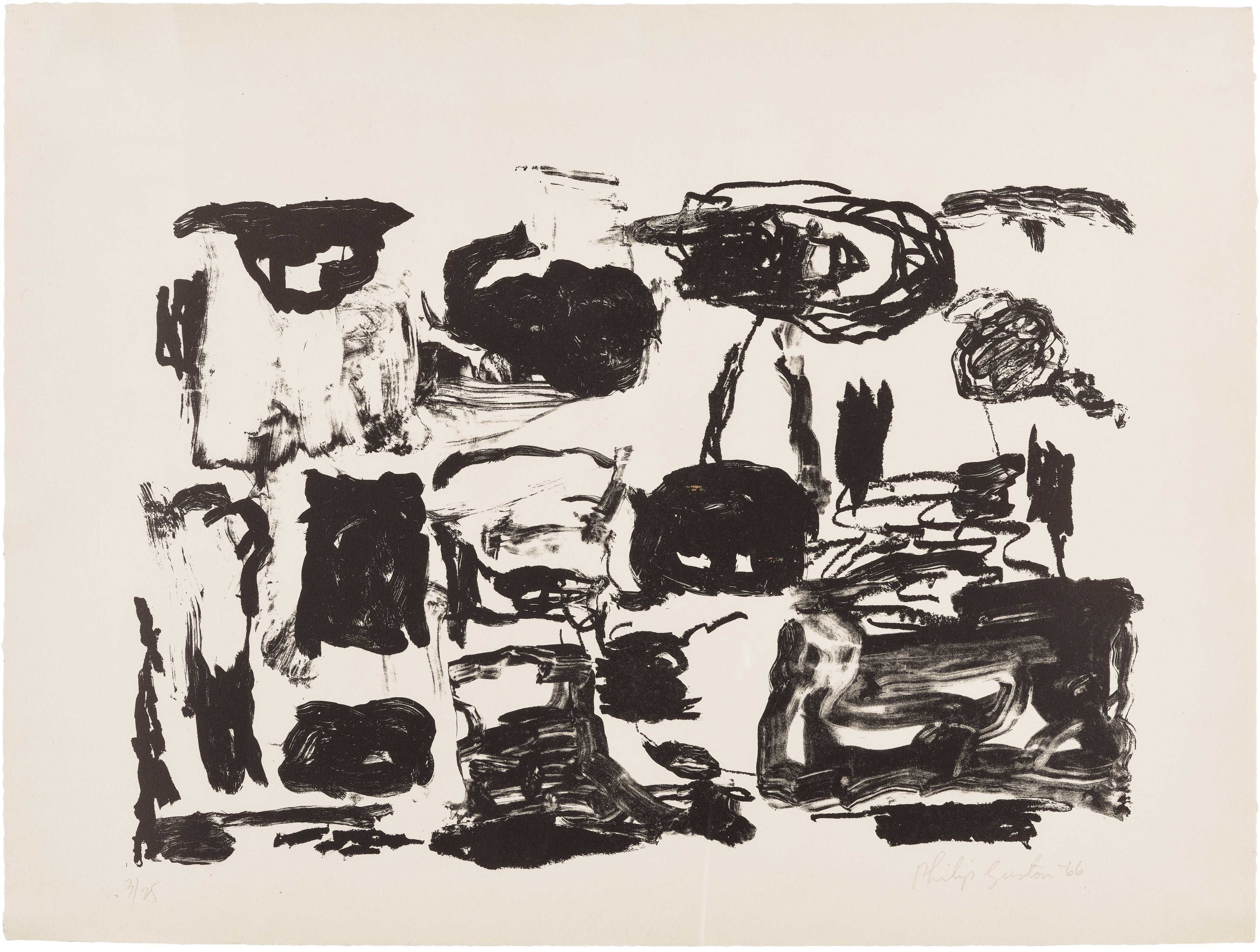
Collectors
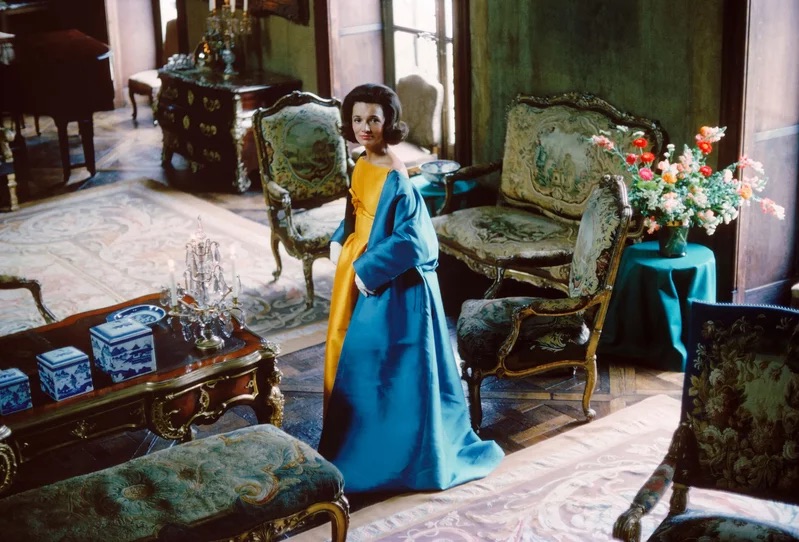
Artists in conversation
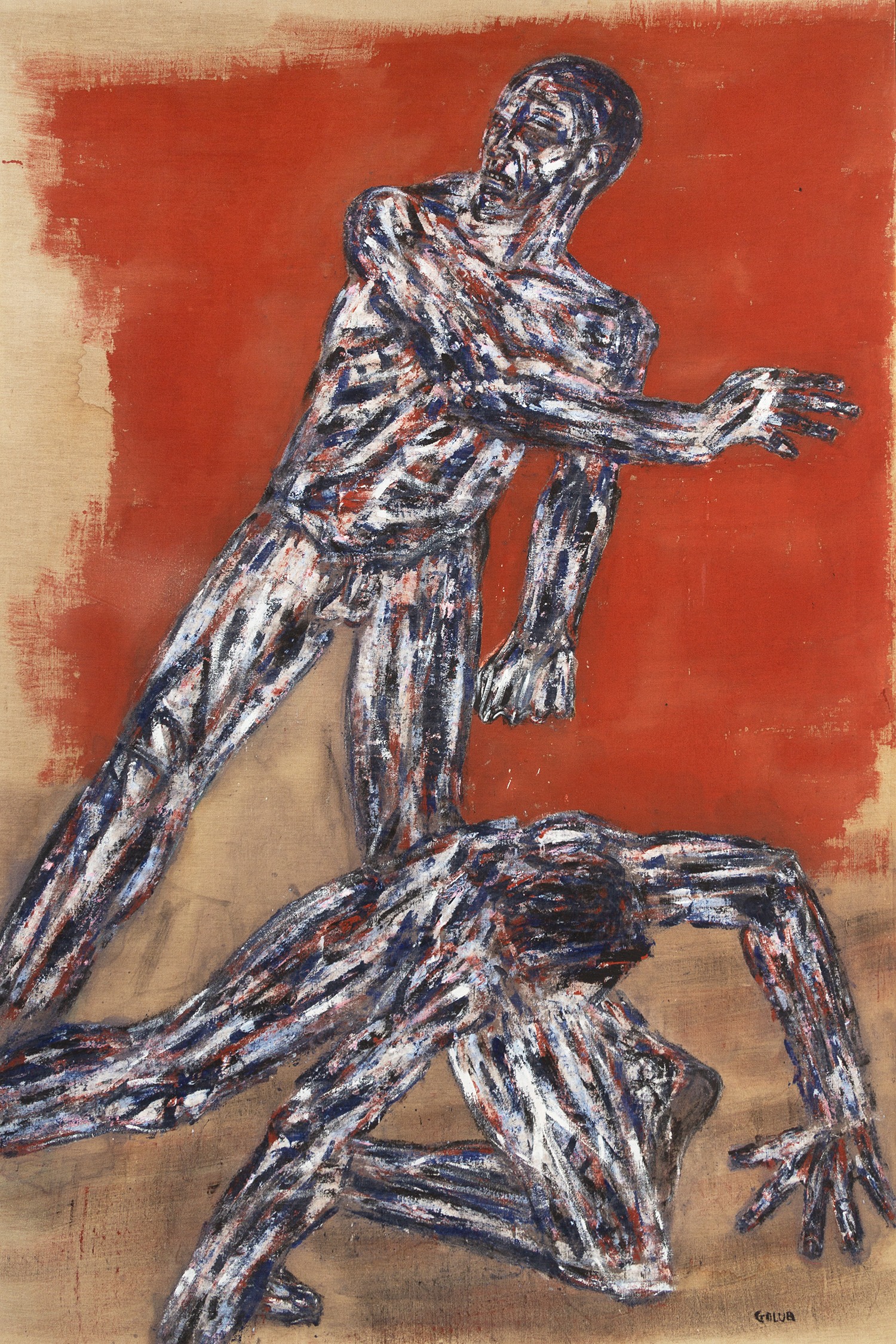
Leon Golub
Golub shared Guston's commitment to politically charged figurative painting that confronted violence and social complicity. Both artists used raw expressive technique to portray disturbing subject matter with unflinching moral weight.
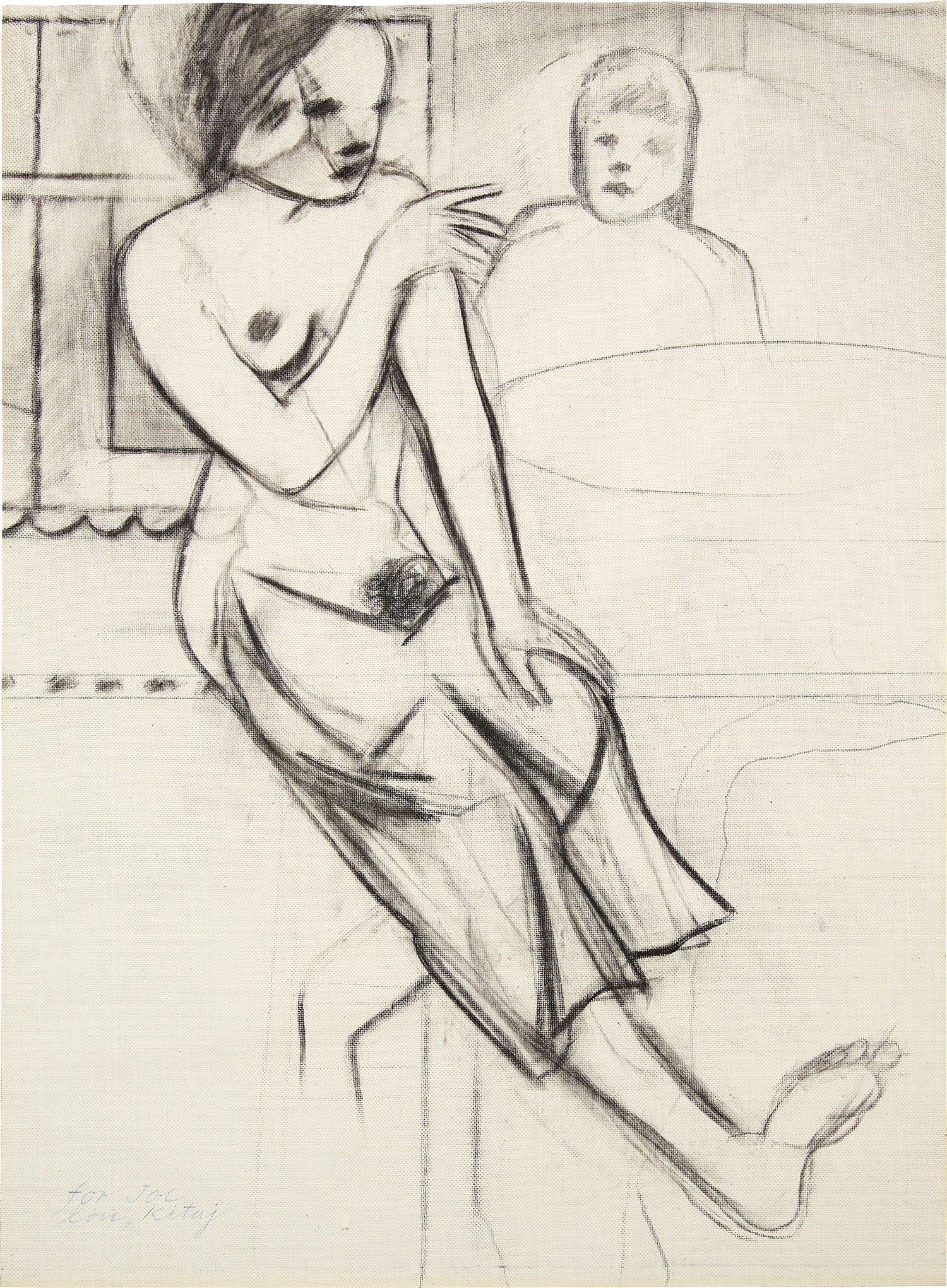
R.B. Kitaj
Kitaj similarly blended literary and political themes with bold figurative imagery in a period dominated by abstraction. His densely symbolic paintings share Guston's interest in narrative, identity, and the humanistic responsibilities of painting.
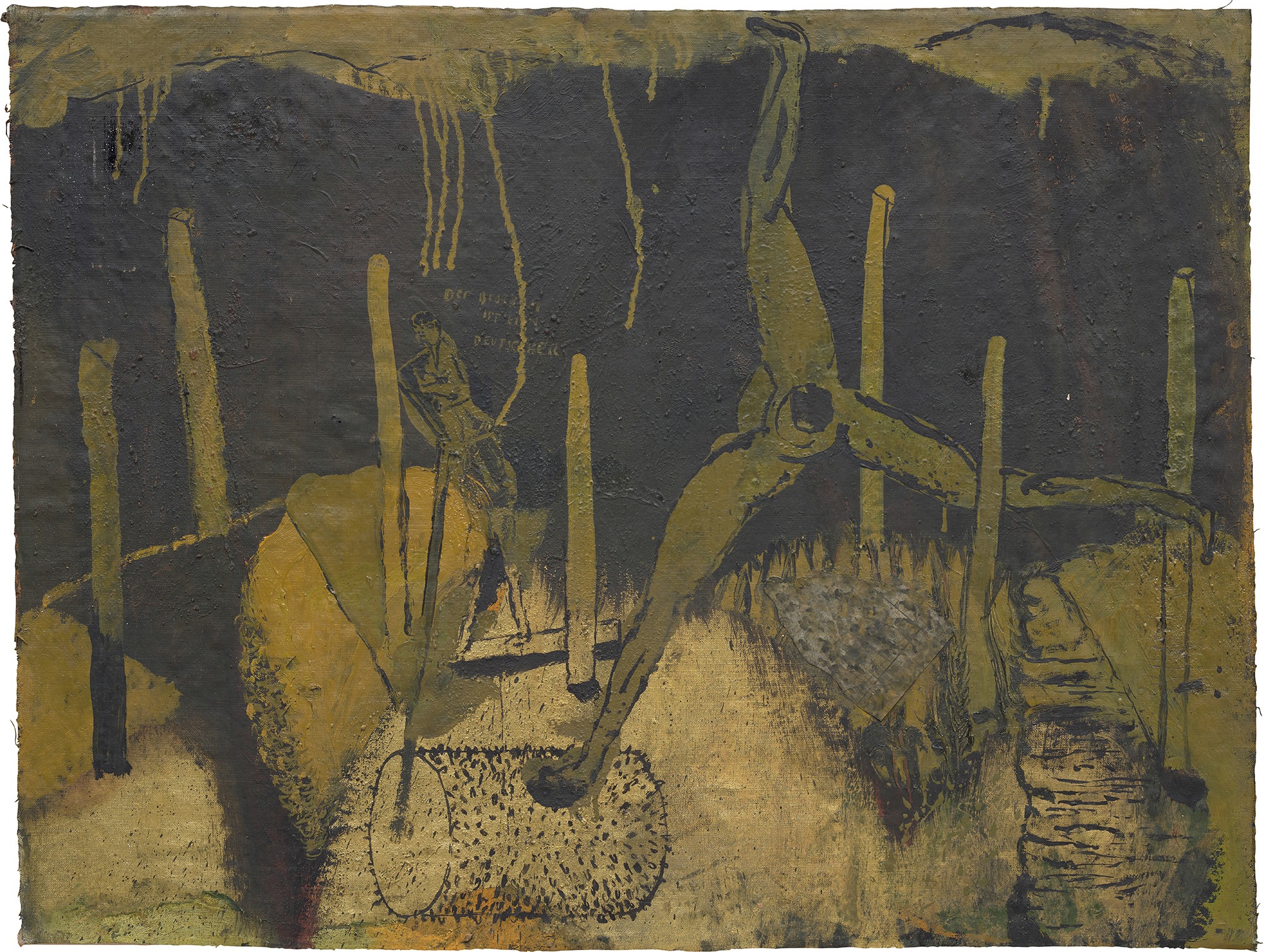
Neo Rauch
Rauch's surreal figurative paintings deploy cartoonish yet psychologically loaded imagery in a manner that echoes Guston's late work. Both artists construct dreamlike scenes populated by ambiguous figures engaged in strange ritualistic activities.
Artists who inspired them
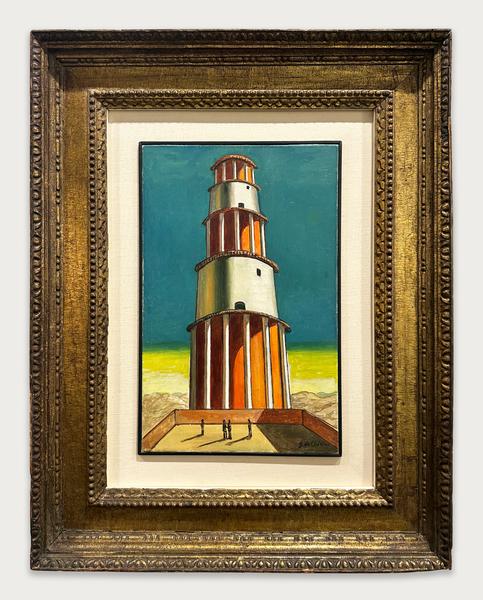
Giorgio de Chirico
De Chirico's metaphysical paintings introduced Guston to the power of mysterious hooded figures and uncanny everyday objects arranged in eerie compositions. This influence is directly visible in the haunting symbolic imagery of Guston's late figurative work.
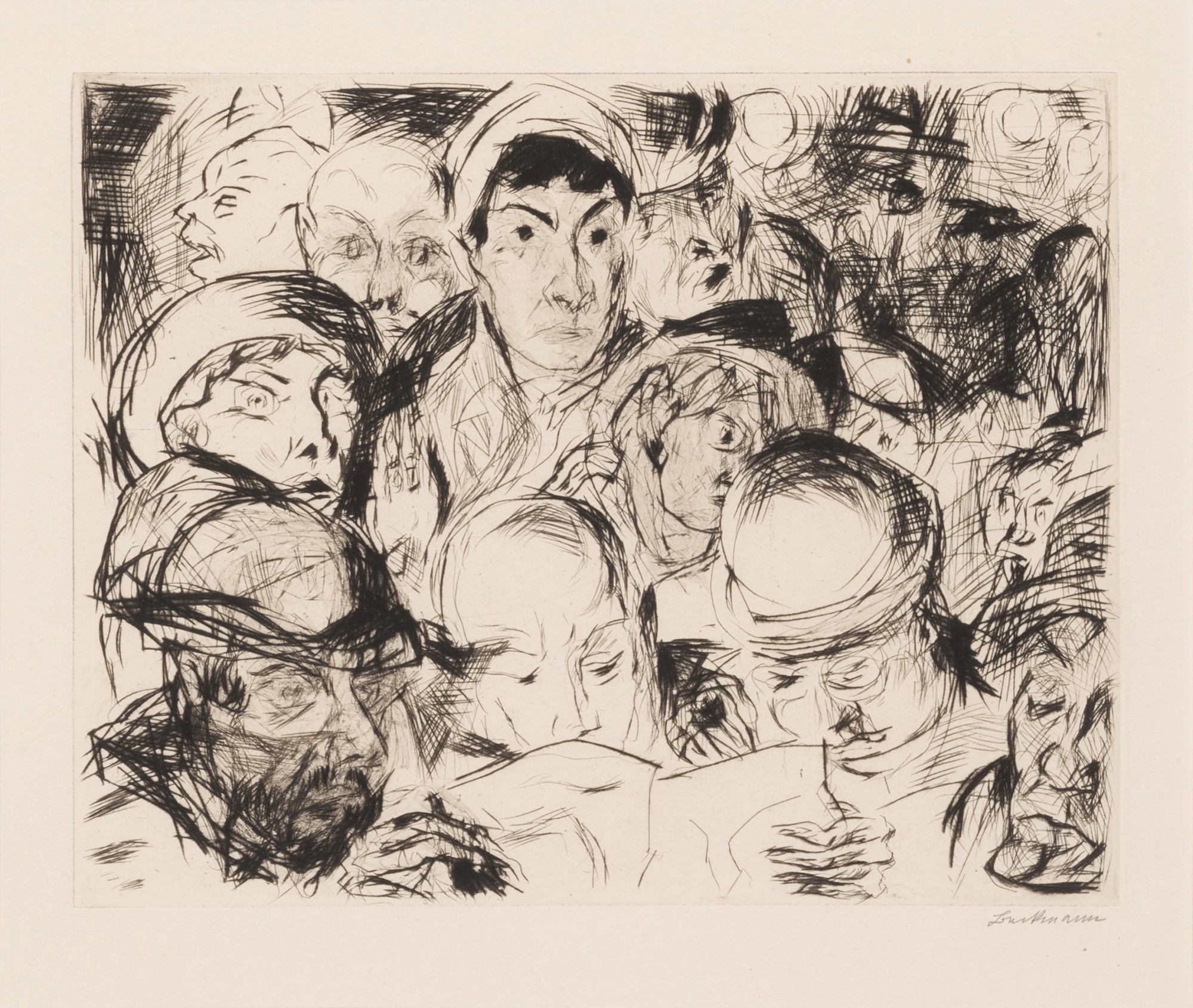
Max Beckmann
Beckmann's expressionistic figurative paintings addressing violence, suffering, and moral darkness gave Guston a model for how painting could confront historical and existential trauma. His bold outlines and unsettling narrative scenes resonated deeply with Guston's own evolving figurative vision.
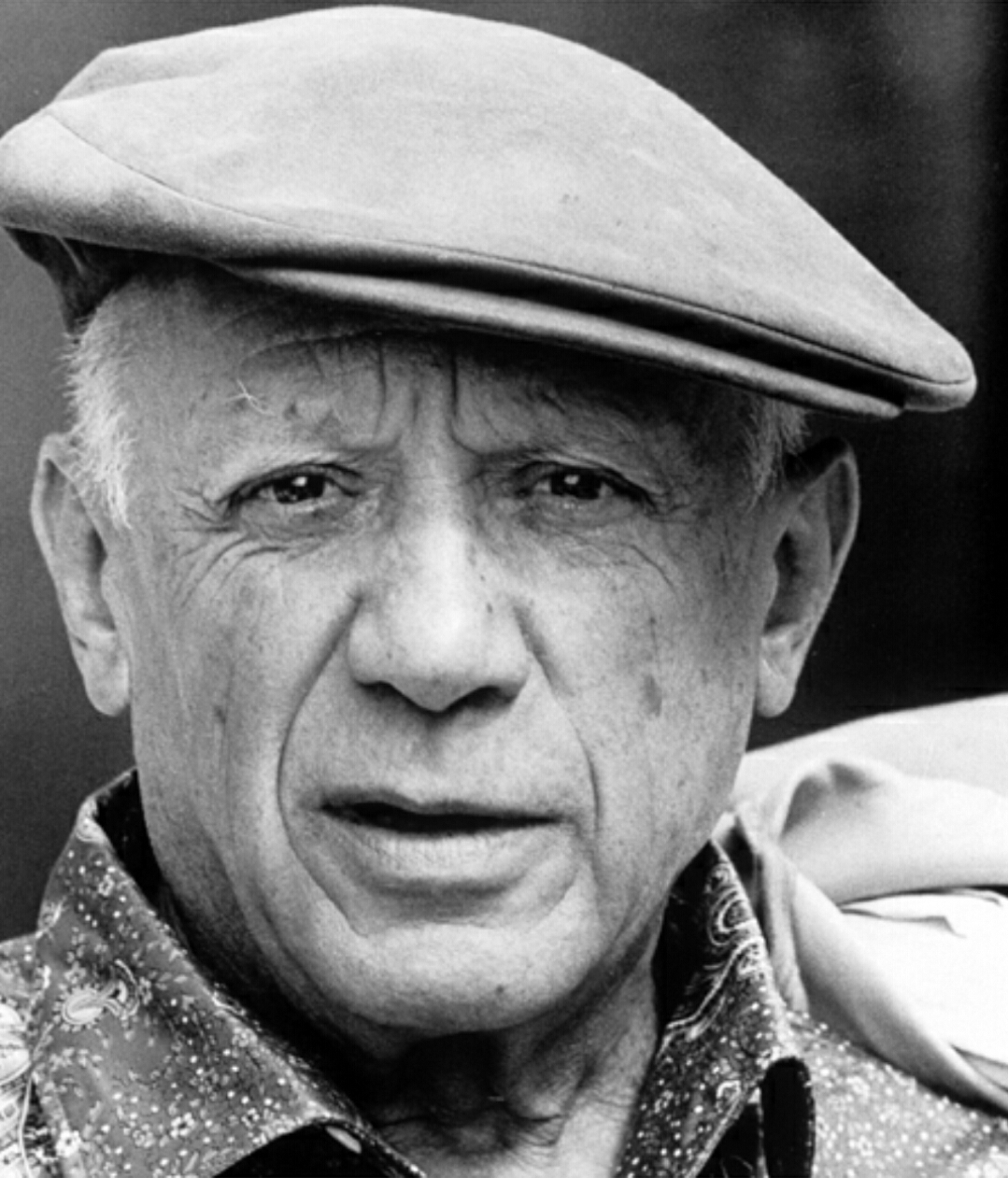
Pablo Picasso
Picasso's ability to move fluidly between abstraction and radical figuration was a liberating precedent for Guston's own controversial stylistic shift. Guston admired how Picasso used distorted forms to express psychological and political states with raw directness.
Artists they inspired
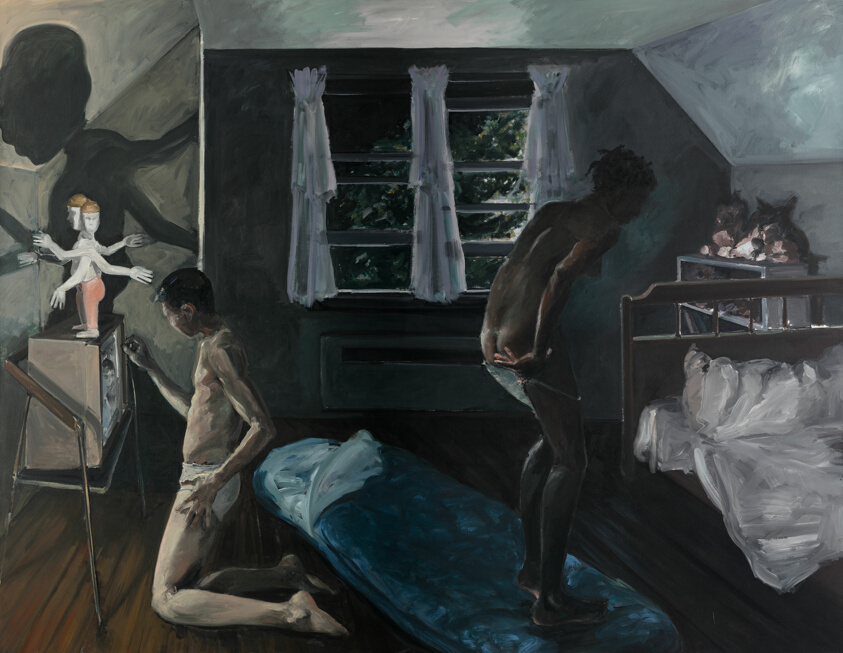
Eric Fischl
Fischl has cited Guston's courageous return to narrative figuration as a key validation for his own psychologically charged realist paintings. Guston's willingness to address uncomfortable social themes through accessible imagery cleared a path for Fischl's generation of American figurative painters.
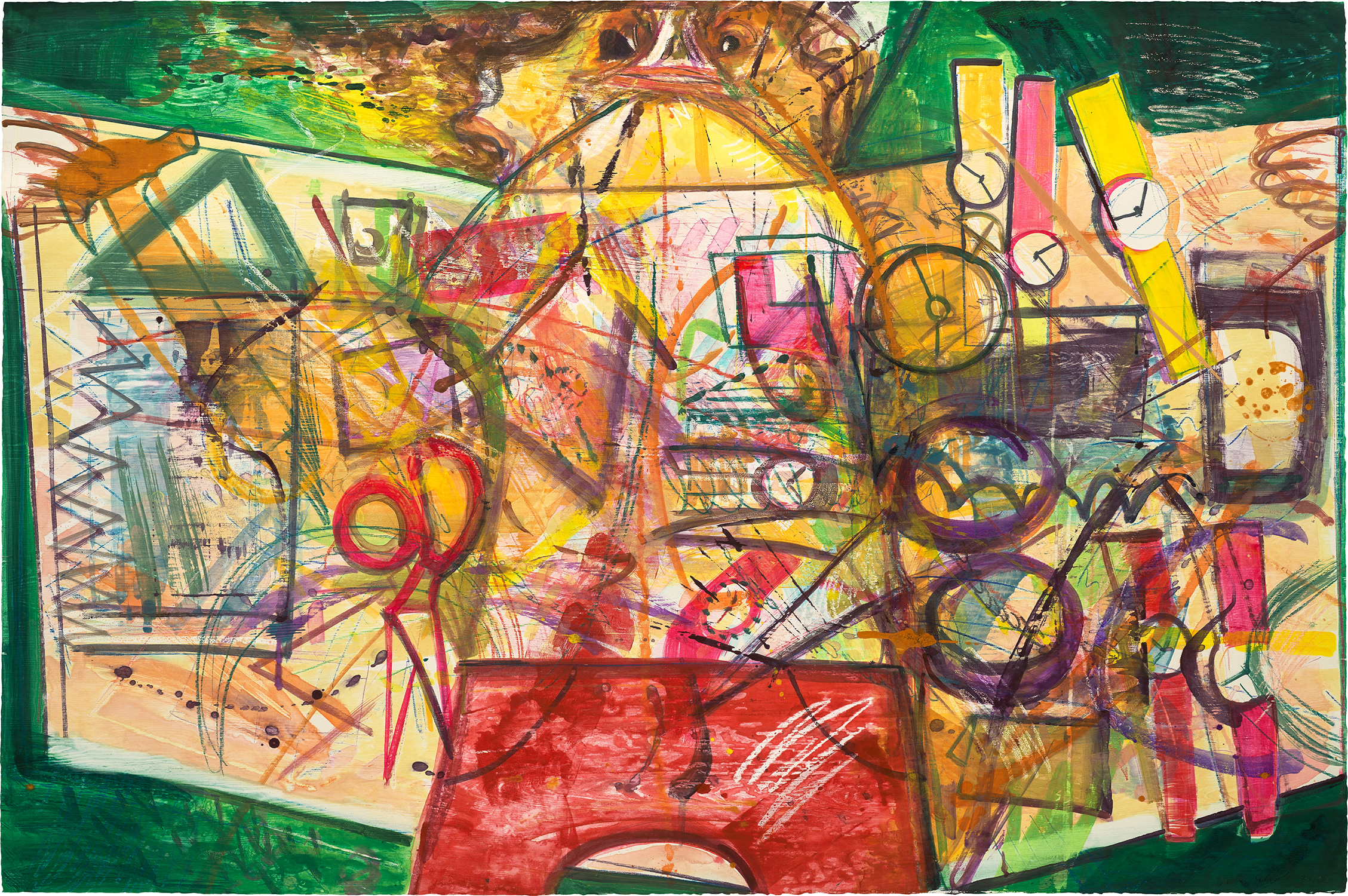
Dana Schutz
Schutz's gestural figurative paintings share Guston's cartoonish distortion of the human body and his use of humor and darkness as simultaneous registers. Her work carries forward the tradition of expressionistic American figuration that Guston pioneered in his late career.
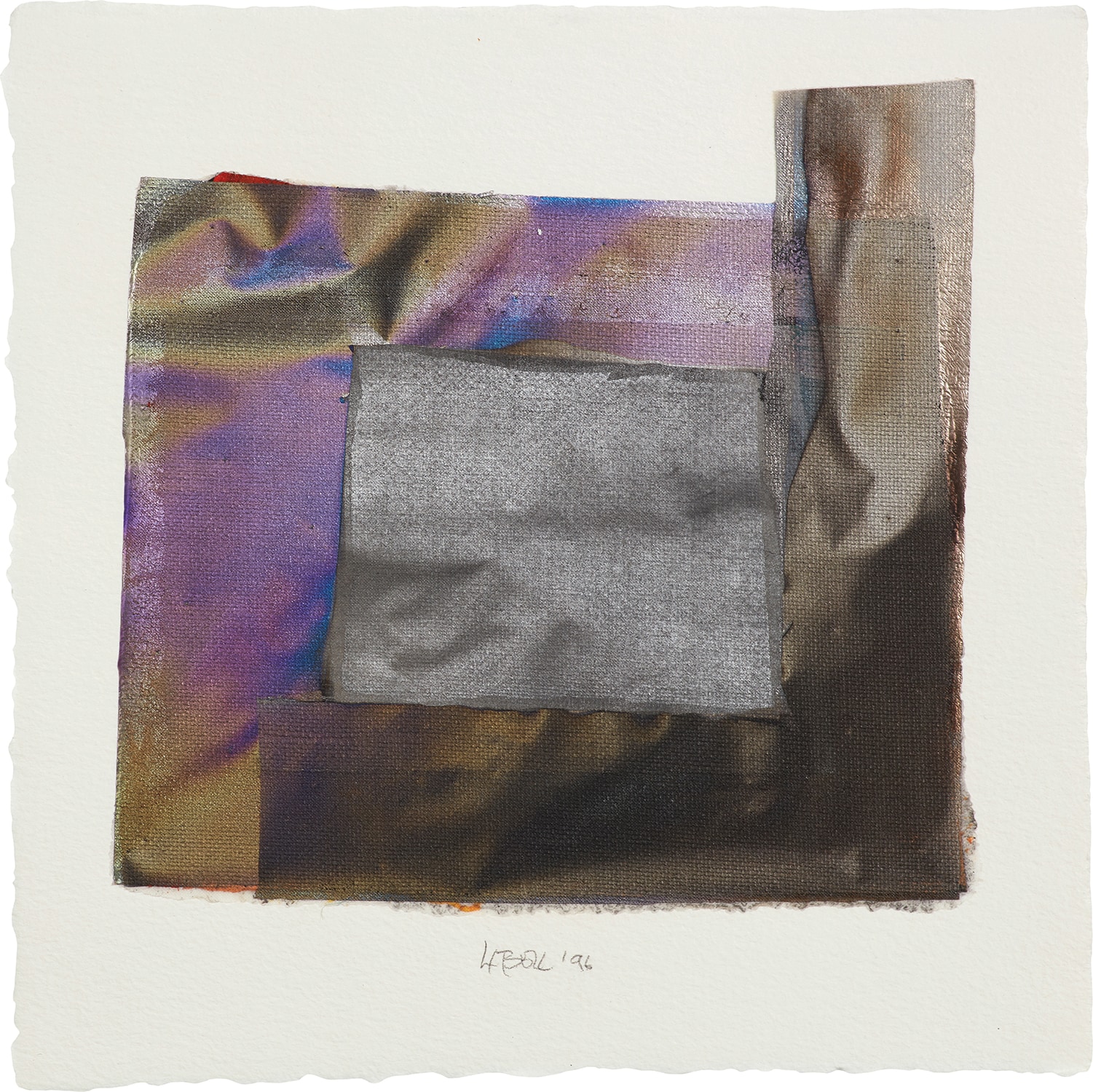
Carroll Dunham
Dunham's crude cartoon figuration and his blending of abstraction with provocative imagery are deeply indebted to Guston's late paintings. He has directly acknowledged Guston as a foundational influence on his approach to the figure and to the possibilities of painterly vulgarity.