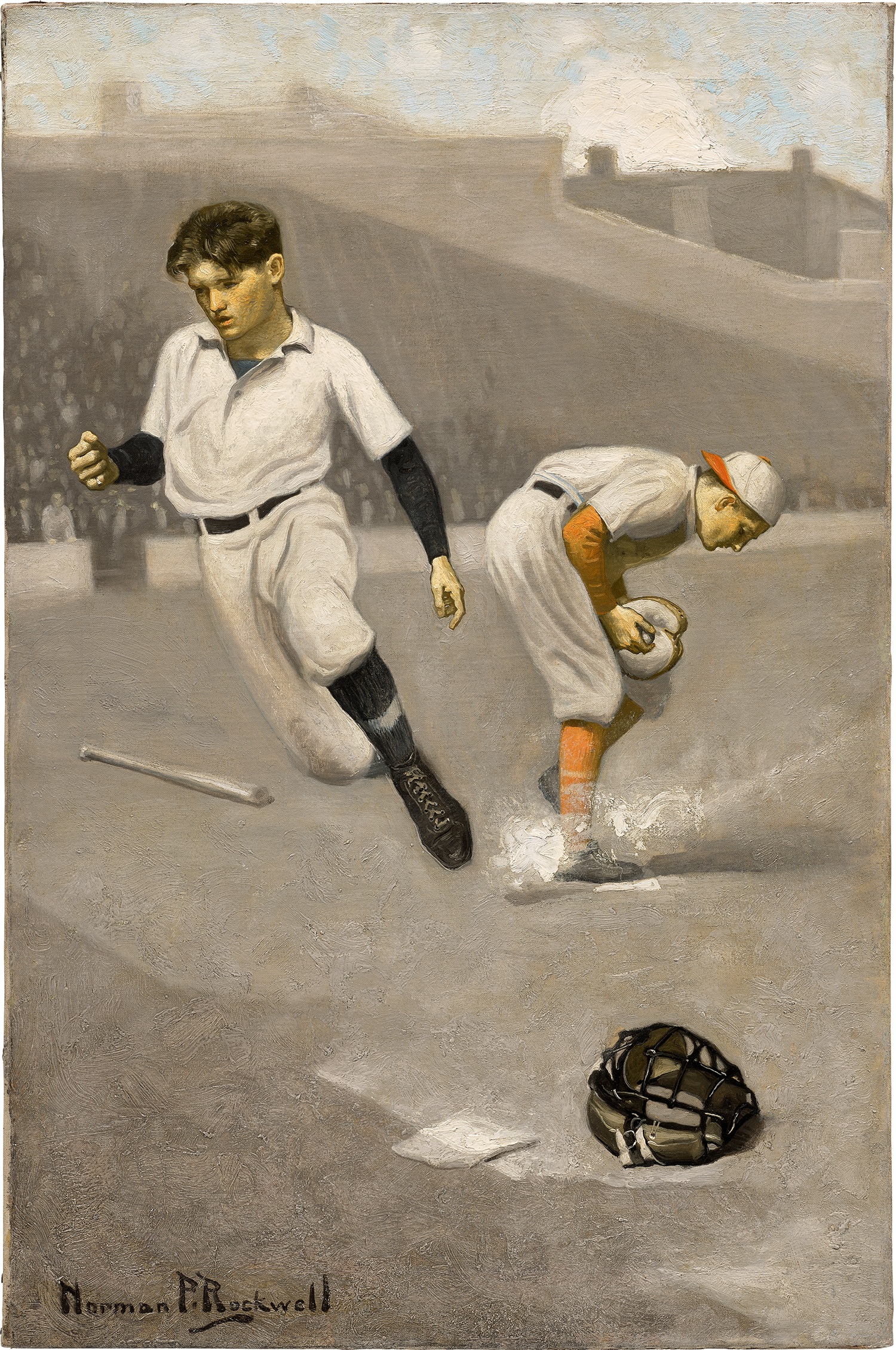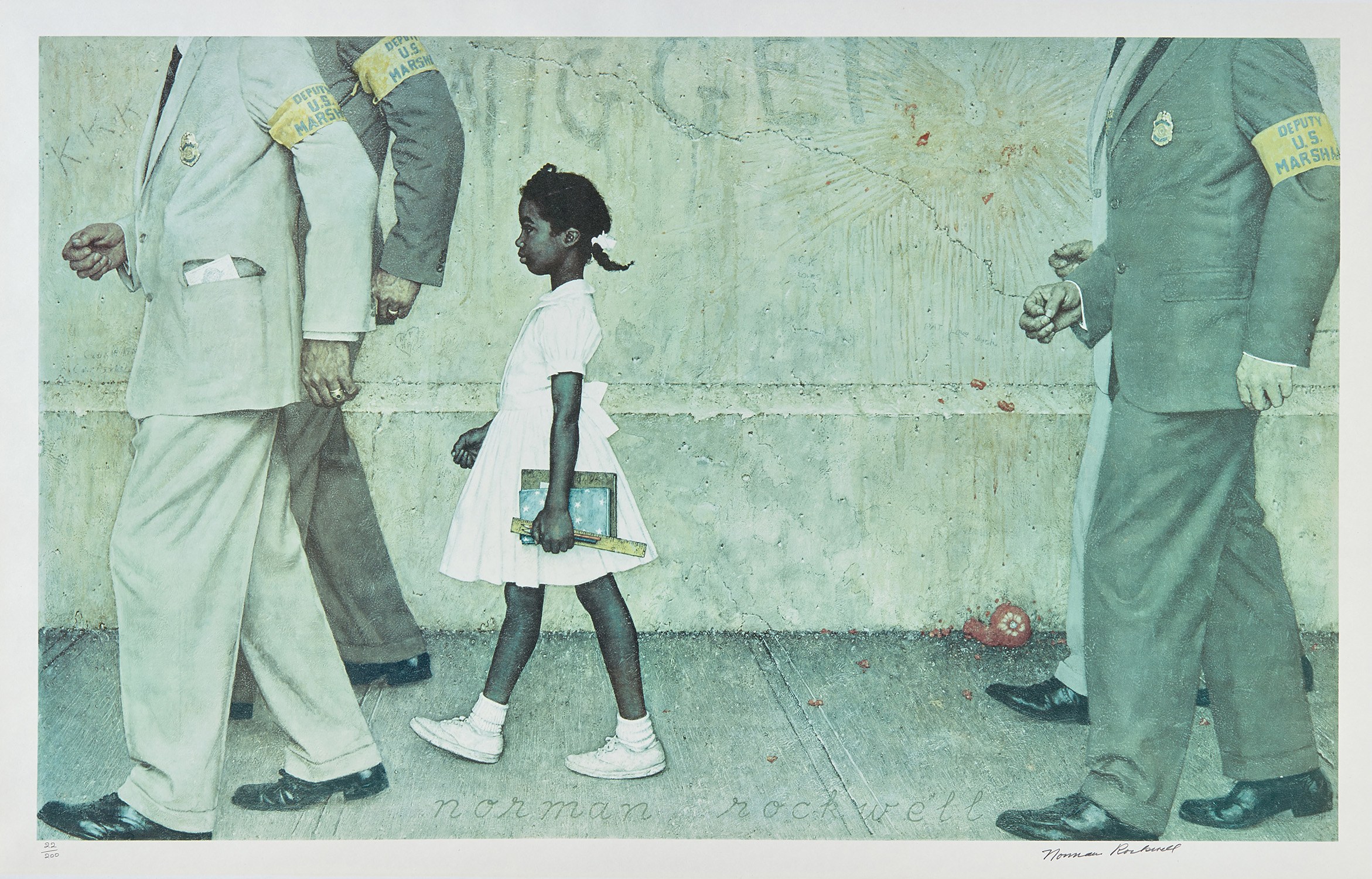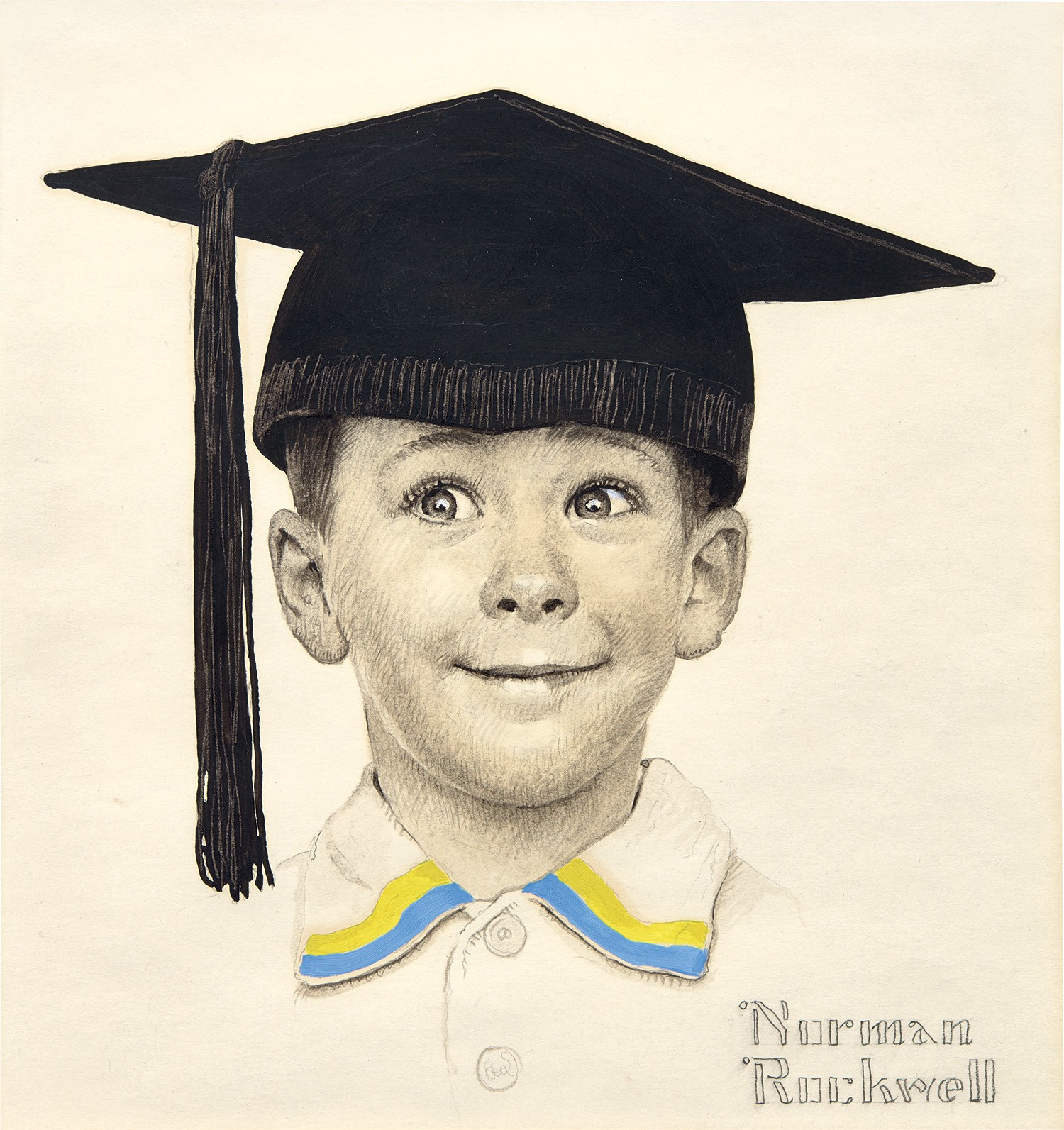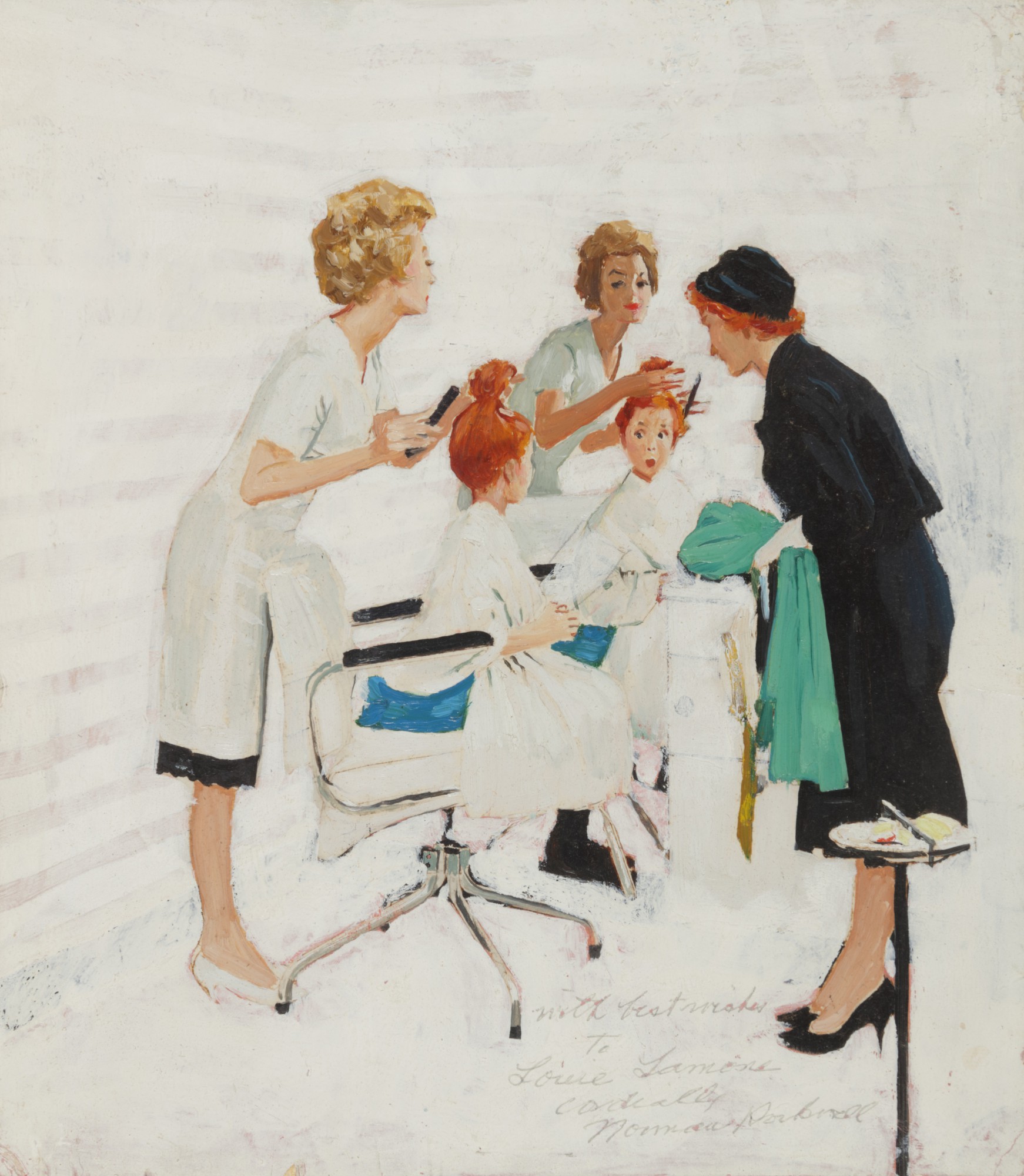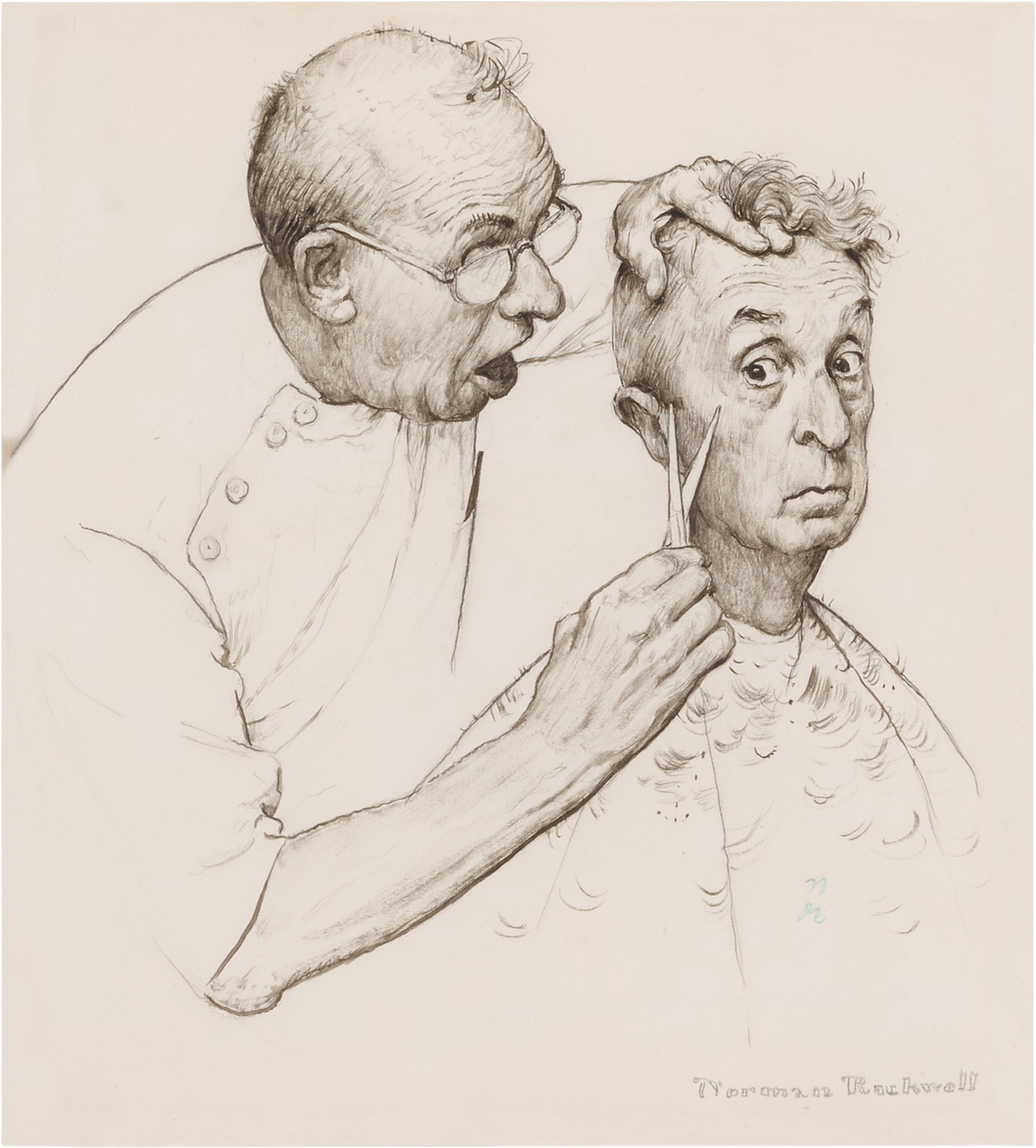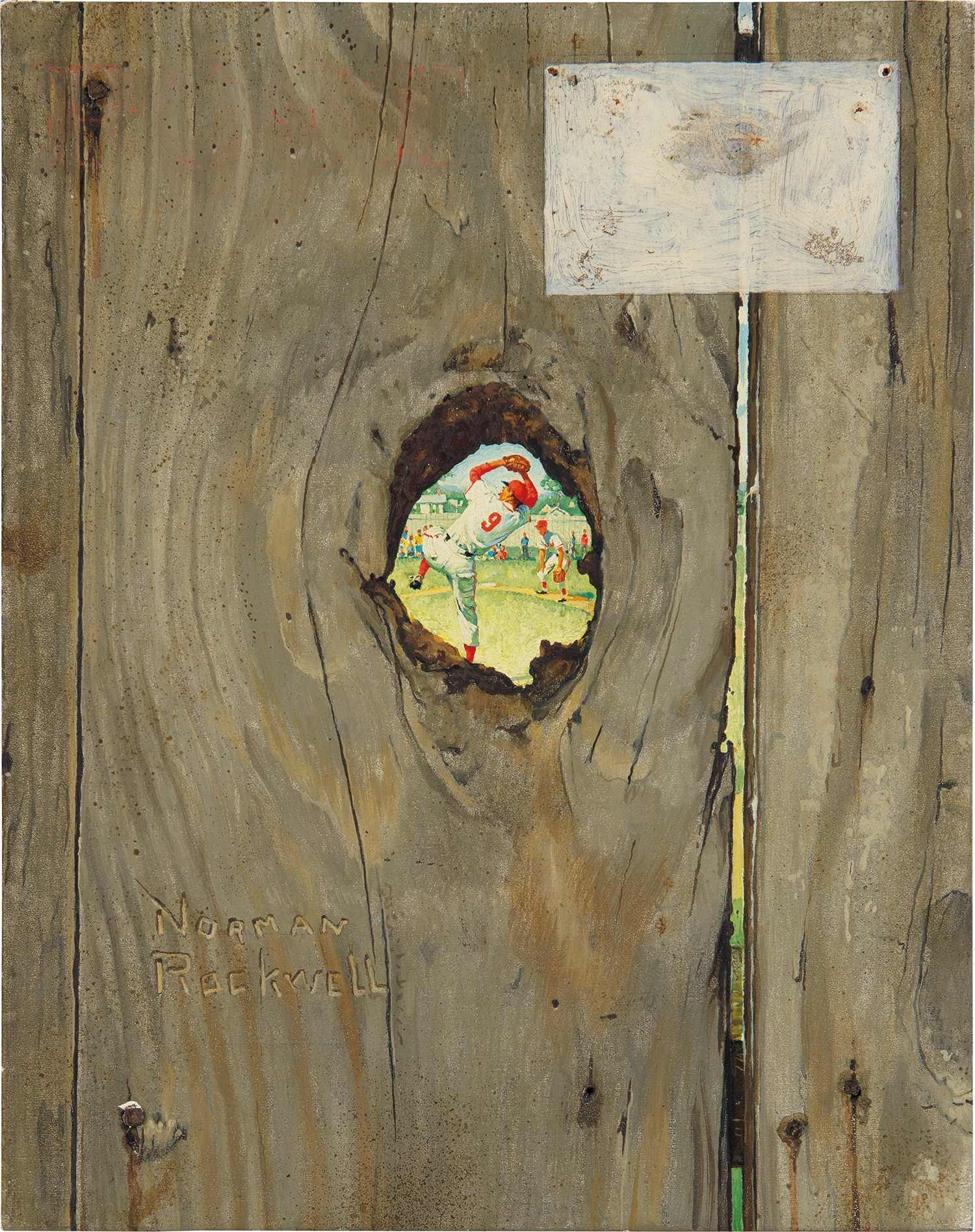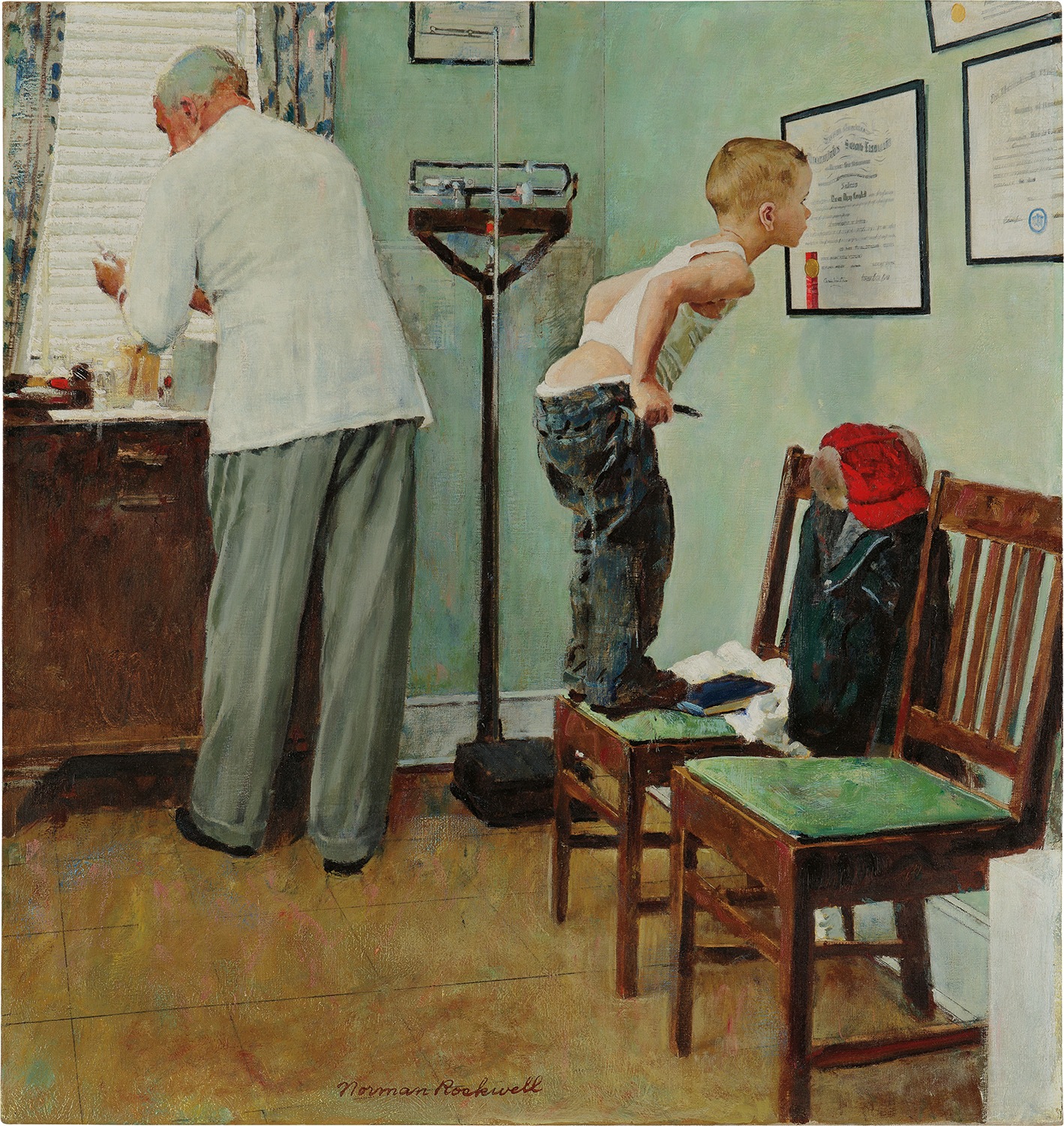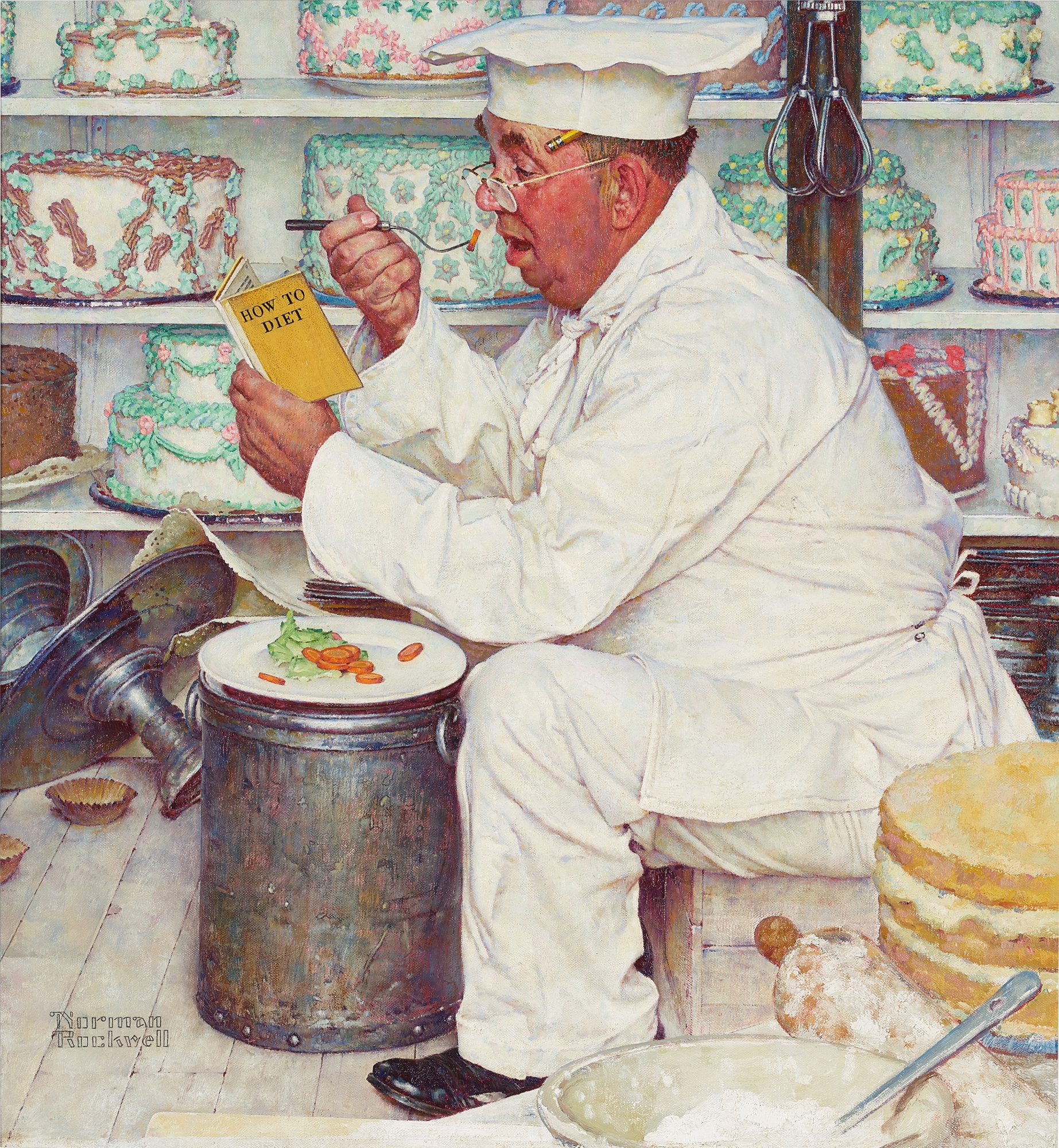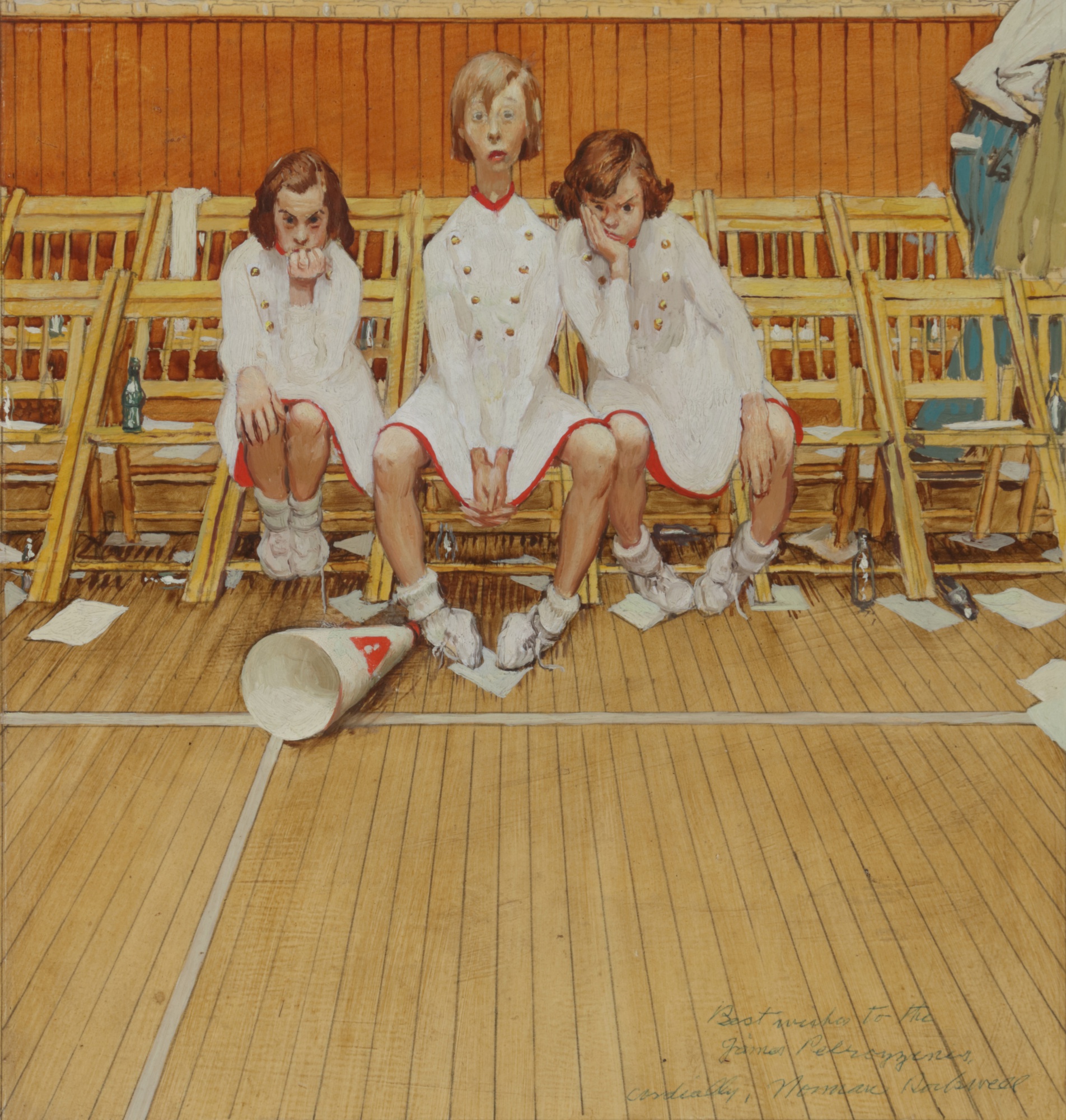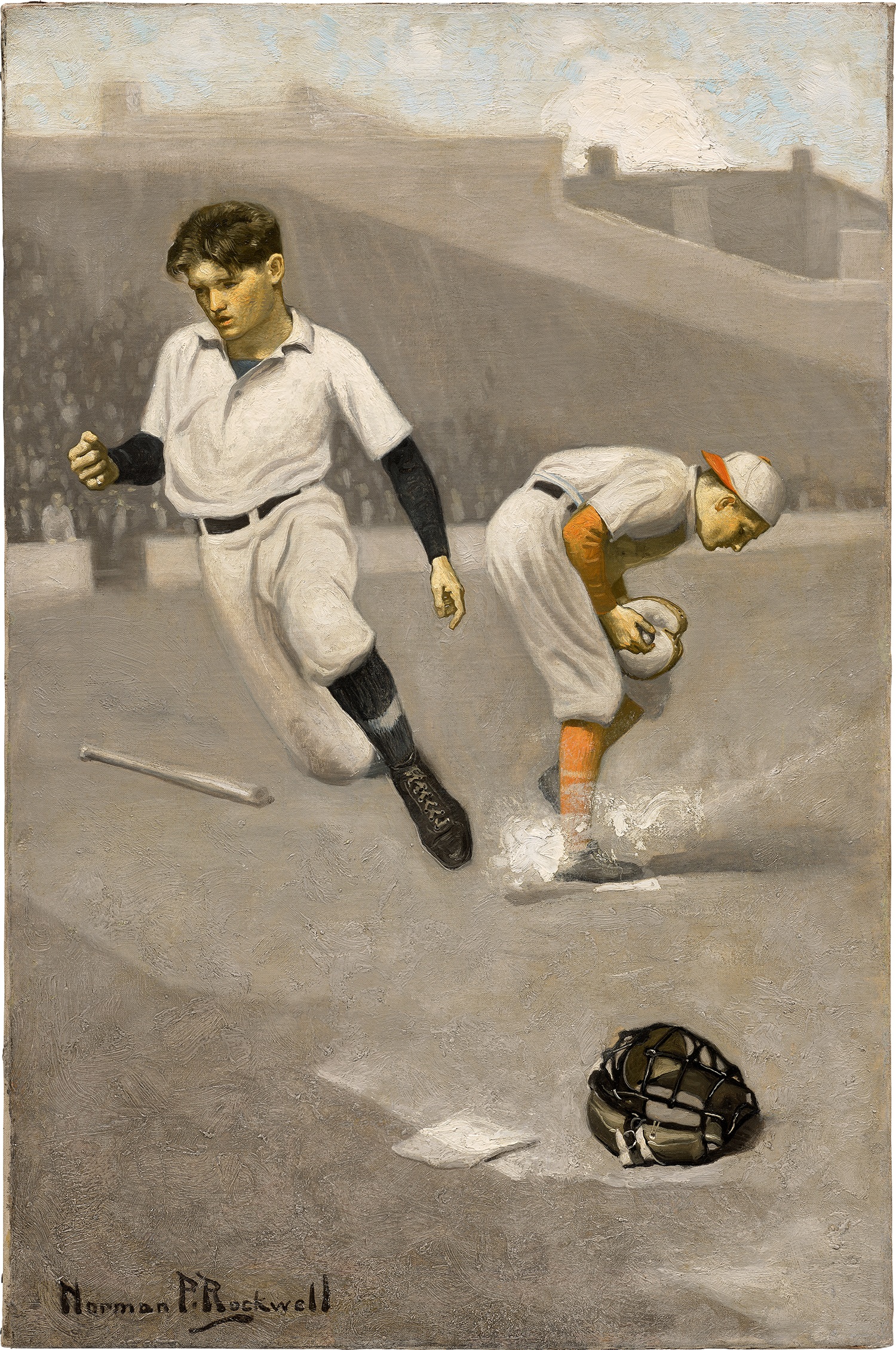
In 2021, the Norman Rockwell Museum in Stockbridge, Massachusetts drew tens of thousands of visitors to its landmark retrospective examining Rockwell's full arc as an artist, from his earliest commercial commissions to the searing civil rights paintings of his later career. The exhibition reminded a new generation that Rockwell was never simply a purveyor of sentiment. He was a precise and deeply serious craftsman whose canvases hold up to the closest scrutiny, technically and emotionally. That ongoing reassessment, gathering pace in museum circles and auction houses alike, has firmly repositioned him as one of the defining American artists of the twentieth century. Norman Percevel Rockwell was born in New York City on February 3, 1894, and showed an unusually focused artistic ambition from early childhood. He studied at the Chase Art School and the National Academy of Design before enrolling at the Art Students League, where he trained under the illustrator Thomas Fogarty and the painter George Bridgman. Bridgman's rigorous insistence on anatomical precision and compositional logic would leave a permanent mark on Rockwell's draftsmanship. By the time he was in his late teens, he was already contributing illustrations to Boys' Life magazine and had become art director of that publication at the remarkable age of nineteen. The breakthrough that would define his public reputation came in 1916, when the Saturday Evening Post accepted his first cover submission. It was the beginning of an association that would span nearly five decades and produce 323 covers in total, an unmatched record in American publishing history. Working from his studios in New Rochelle, Arlington, and later Stockbridge, Rockwell developed a method that combined meticulous photographic reference, posed live models, and oil studies of extraordinary care. Each finished canvas was the result of a sustained process more akin to Renaissance workshop practice than the spontaneous approach often associated with illustration. His early Post covers lean into gentle comedy and warm observational humor, but by the 1940s the ambition of his subject matter had grown considerably. The four paintings collectively known as the Four Freedoms, completed in 1943 and published in the Saturday Evening Post alongside essays by prominent writers, represent the clearest evidence of Rockwell's reach beyond commercial illustration. Inspired by Franklin D. Roosevelt's 1941 address to Congress, the series depicted Freedom of Speech, Freedom of Worship, Freedom from Want, and Freedom from Fear through intimate domestic scenes rather than allegorical grandeur. The United States government used the images in a war bonds tour that raised more than 130 million dollars. Freedom from Want, showing a family gathered at a Thanksgiving table, has become one of the most reproduced images in American visual culture. What strikes viewers returning to these works is their formal confidence: the handling of light, the psychological acuity of each face, the absolute command of pictorial space. Rockwell's later career is where collectors and critics find the most complex rewards. After leaving the Saturday Evening Post in 1963, he began working for Look magazine and produced a series of paintings addressing racial justice and civil rights with a directness that surprised those who had filed him away as a painter of uncomplicated nostalgia. The Problem We All Live With, painted in 1964, depicts six year old Ruby Bridges being escorted by federal marshals to a desegregated New Orleans school. It is a painting of controlled fury and moral clarity, and it hung in the Obama White House in 2011 when the now adult Ruby Bridges visited to see it. Works such as this one confirm that Rockwell was always responding to the full complexity of American life, not a curated version of it. The Study for The Problem We All Live With, available as a signed and numbered limited edition print, remains one of the most sought after works associated with this composition. From a collecting perspective, Rockwell occupies a singular position. His oil studies and preparatory works offer collectors an intimate view of his working process, revealing the layered thinking behind images that can appear deceptively simple in their final form. Works such as Study for Saying Grace from 1951 and Study for First Trip to the Beauty Shop from 1972 demonstrate that the studies are not merely functional documents but finished achievements in their own right, with a freshness and energy that the polished final canvases sometimes refine away. Pencil works such as I Paint the Candidates from 1964 show his draughtsmanship unadorned, and they appeal to collectors who want access to the artist's hand at its most direct. At auction, major Rockwell oils have commanded prices well into the tens of millions of dollars, with Saying Grace achieving a record result at Sotheby's New York in 2013 when it sold for just over 46 million dollars, establishing him firmly among the most valuable American artists at market. In art historical terms, Rockwell belongs to a tradition that includes Winslow Homer, Thomas Eakins, and John Singer Sargent: painters who worked in a representational American idiom with technical mastery and a profound interest in character and narrative. His contemporaries in illustration, including J. C. Leyendecker whose elegant Post covers preceded and influenced Rockwell's own, and Haddon Sundblom, form a broader context for understanding how seriously the leading commercial artists of the early twentieth century approached their craft. More recently, painters such as Eric Fischl and the photo realists have acknowledged debts to Rockwell's willingness to find meaning in the ordinary textures of American domestic life. The legacy Rockwell leaves is one of rare breadth. He gave Americans a mirror that was kind but never dishonest, warm but not without tension, and technically accomplished in ways that reward the collector who looks closely. His work invites the kind of sustained looking that the greatest paintings demand. As museum retrospectives continue to draw new audiences and the market for his studies and prints remains robust, Rockwell's place in the canon feels not merely secure but actively expanding. For collectors who value emotional intelligence alongside formal skill, and who want work that speaks to the lived experience of an entire culture, few artists offer more.