Acrylic On Canvas
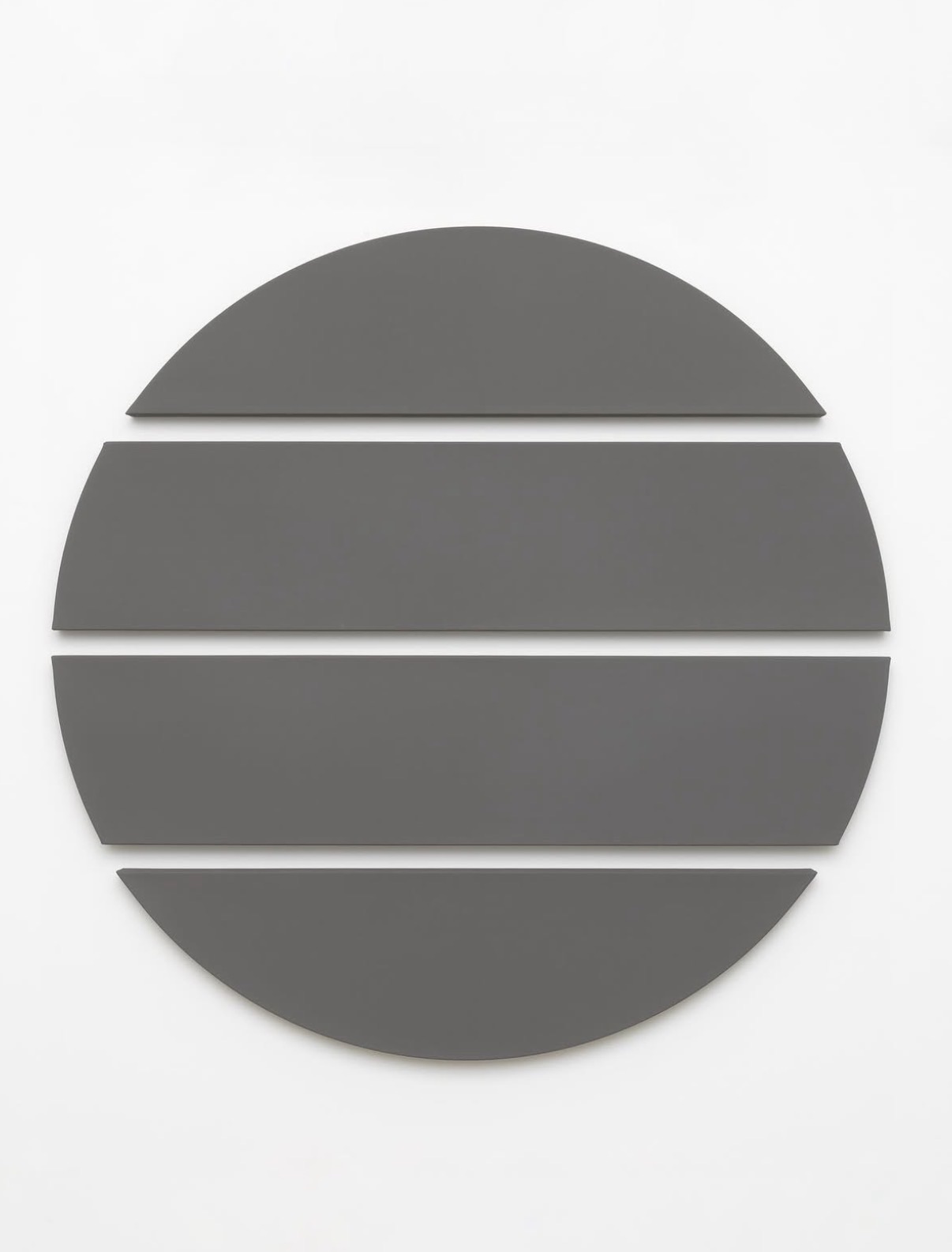
Alan Charlton
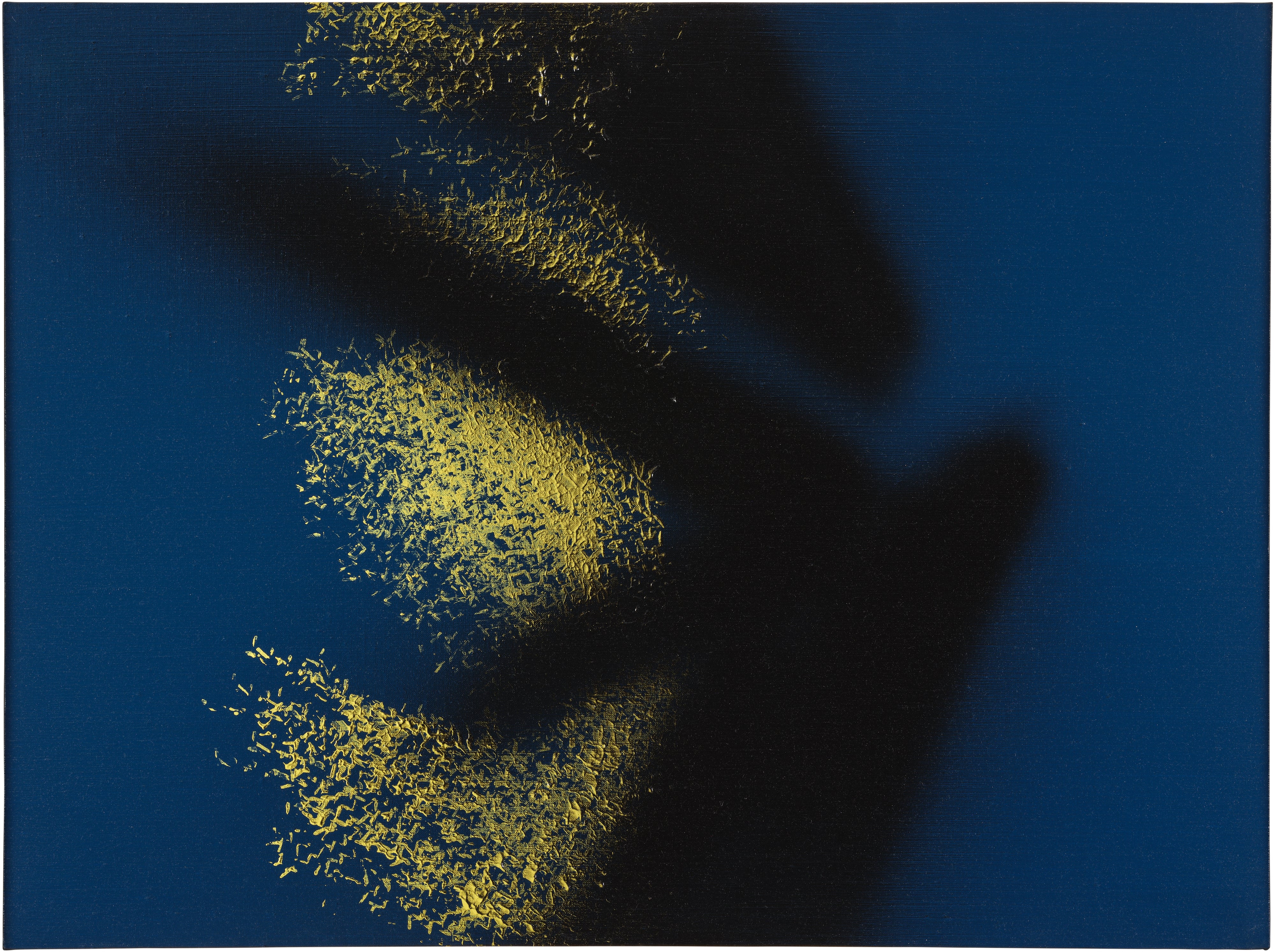
Circle Painting in 4 Parts, 2024
Acrylic's Long Game: Still Winning
There is something quietly radical about acrylic paint. It arrived without fanfare, a synthetic upstart in a world that had been mixing oils for five centuries, and within a generation it had reshaped what painting could be, how fast it could move, how flat it could go, how bold it dared to become. To collect works in acrylic is to hold something of that restlessness in your hands, the evidence of an art world that was genuinely reinventing itself in real time. The story begins, roughly, in the 1950s, when the first water based acrylic emulsions became commercially available to artists.
Liquitex launched its tube acrylics in 1963, and the timing was almost too perfect. Abstract Expressionism had wrung oil paint to its emotional limits. A new generation of painters was looking for something cooler, crisper, more immediate. Acrylic dried fast, sat flat, could be thinned to a stain or built into impasto, and it carried none of the amber weight of linseed oil.

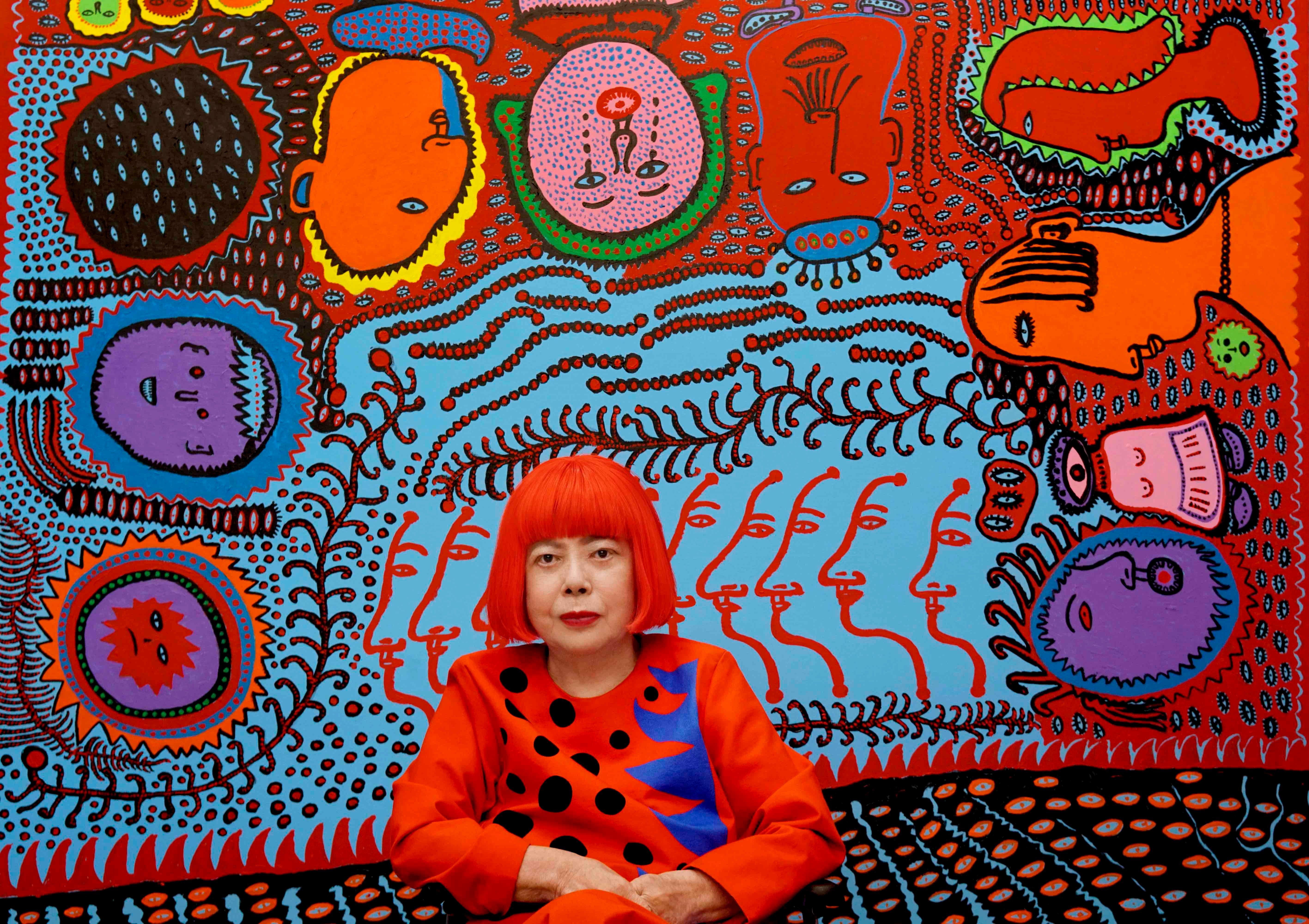
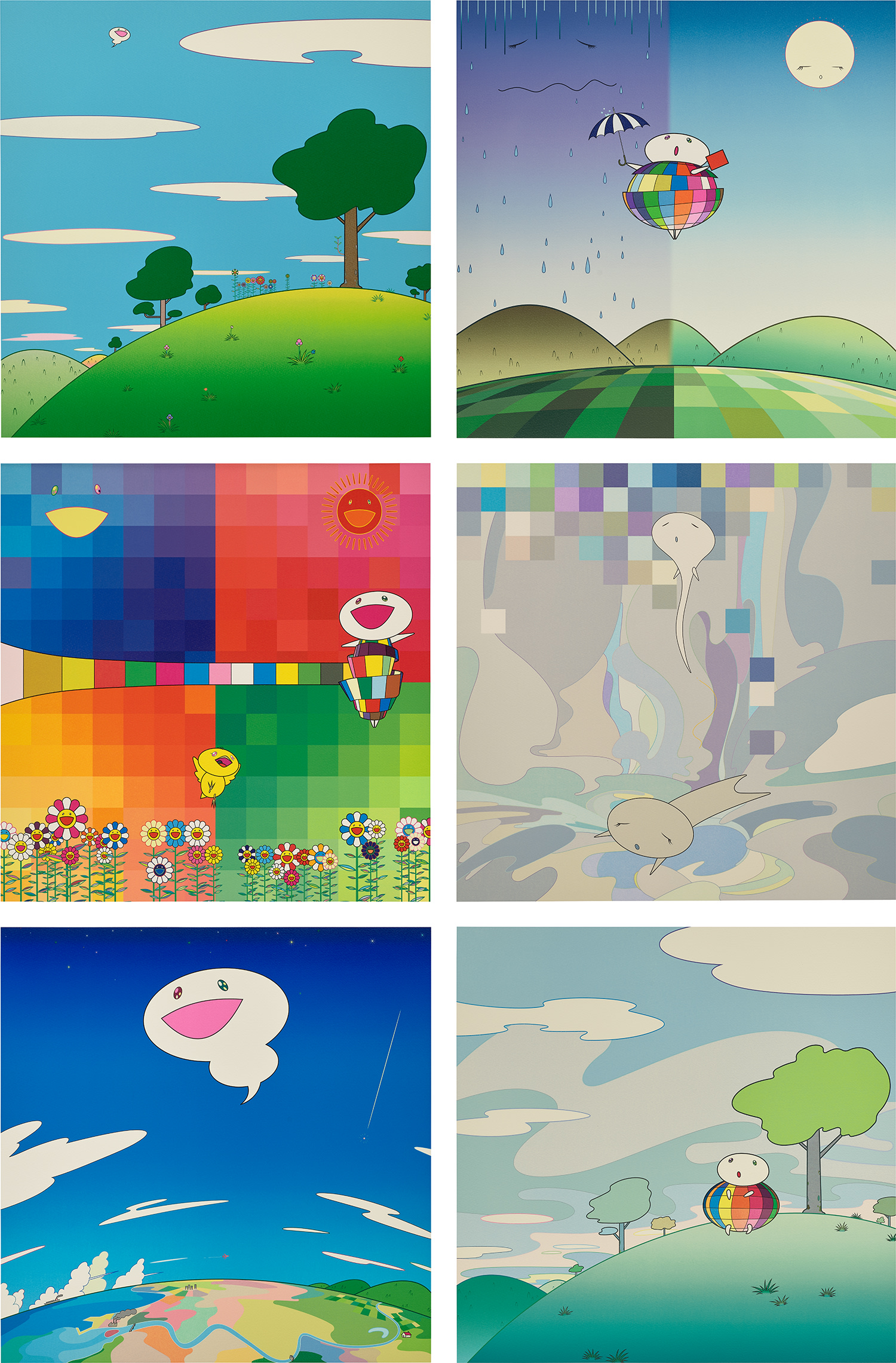
Takashi Murakami
Murakami.Flower #8321, 2022
For artists who wanted their surfaces to breathe, it was a revelation. Helen Frankenthaler was among the first major figures to sense what the medium could offer. She had famously developed her soak stain technique with thinned oils on unprimed canvas, but as she moved into acrylics during the 1960s her colors sharpened and her surfaces opened up in new ways. The works from this period, luminous and unguarded, feel like light passing through water.
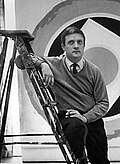
Kenneth Noland, equally central to the Color Field conversation, used acrylic to achieve those chevrons and targets that seem to hum with internal energy, their edges clean in a way oil paint simply resists. Both artists understood that acrylic was not a substitute for oil but a fundamentally different proposition, a different relationship between pigment, surface, and time. Pop art seized on acrylic's commercial character with obvious relish. Andy Warhol embraced its flatness as a philosophical position, collapsing the distance between fine art and the printed image.
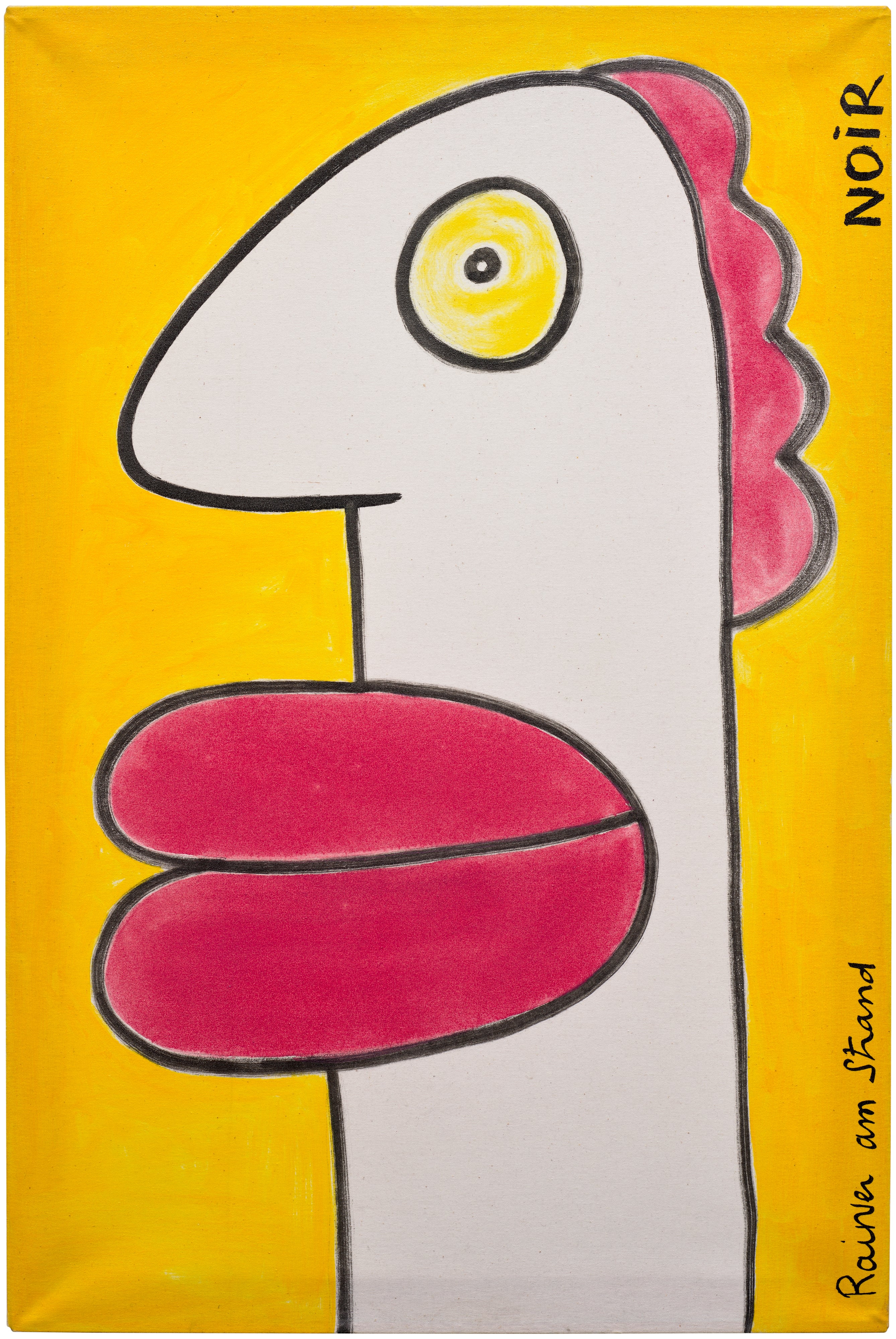
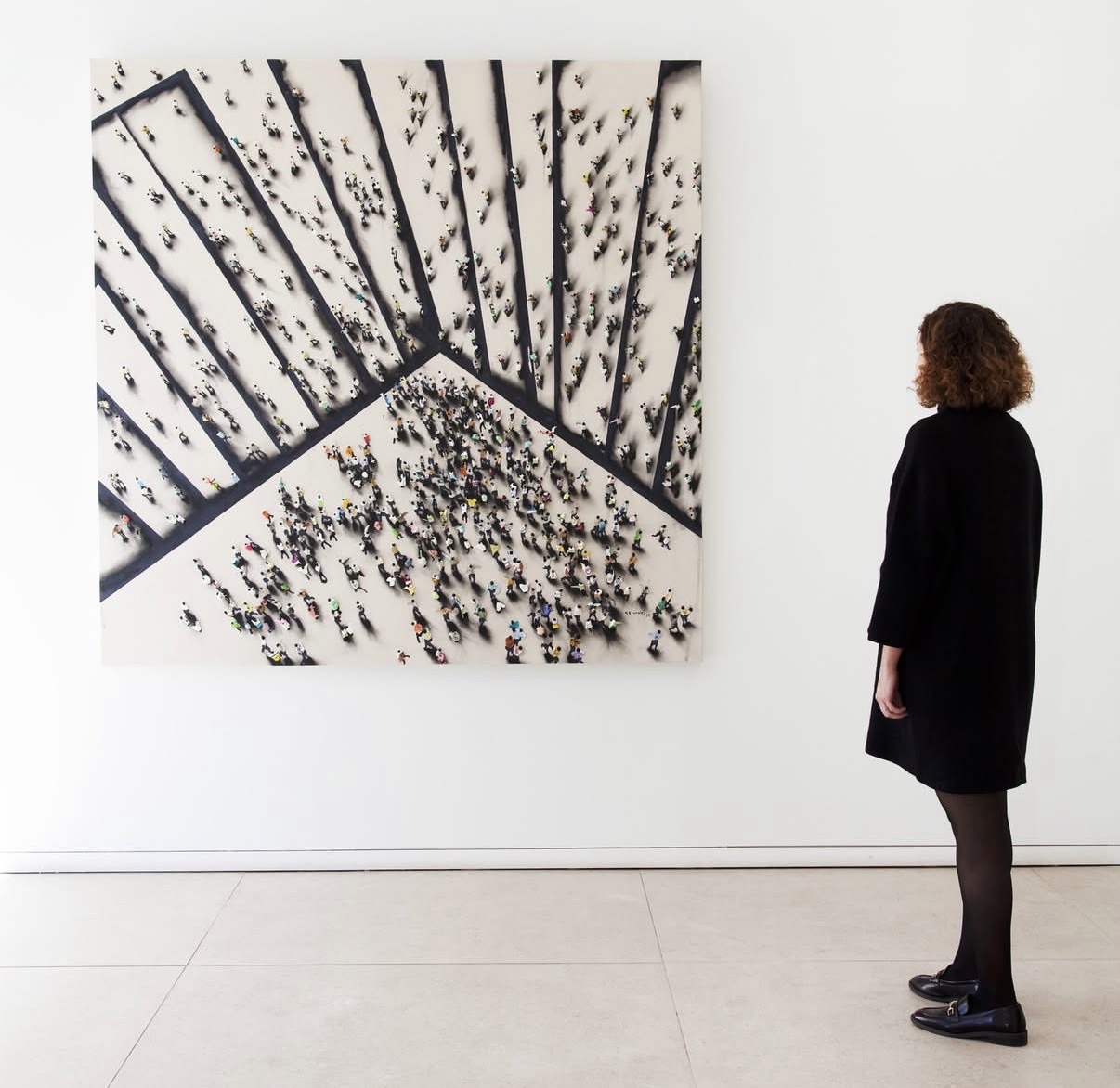
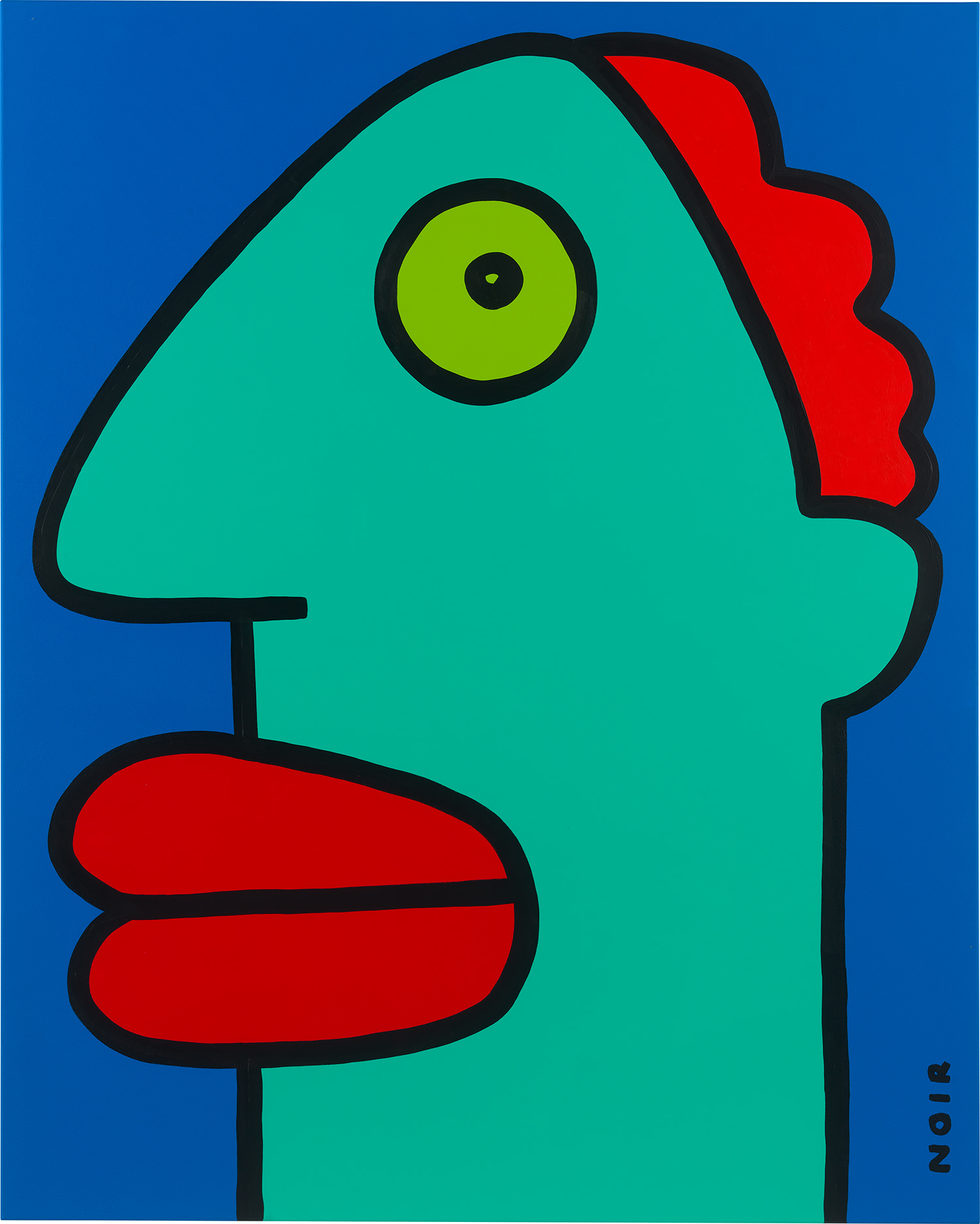
Thierry Noir
Rainer am Strand, 1993
The medium was perfectly suited to a moment when painting wanted to look like it had been manufactured rather than felt. Through the 1970s and into the 1980s, acrylic became the default for artists working at scale, for muralists and street painters and the generation that would eventually be called Street Art, long before that category had a name. Thierry Noir, painting directly onto the Berlin Wall beginning in 1984, used house paint and acrylic with the urgency of someone who understood that the surface might not be there tomorrow. His oversized cartoon heads, rendered in flat fields of saturated color, now read as some of the most charged acrylic painting of the late twentieth century.
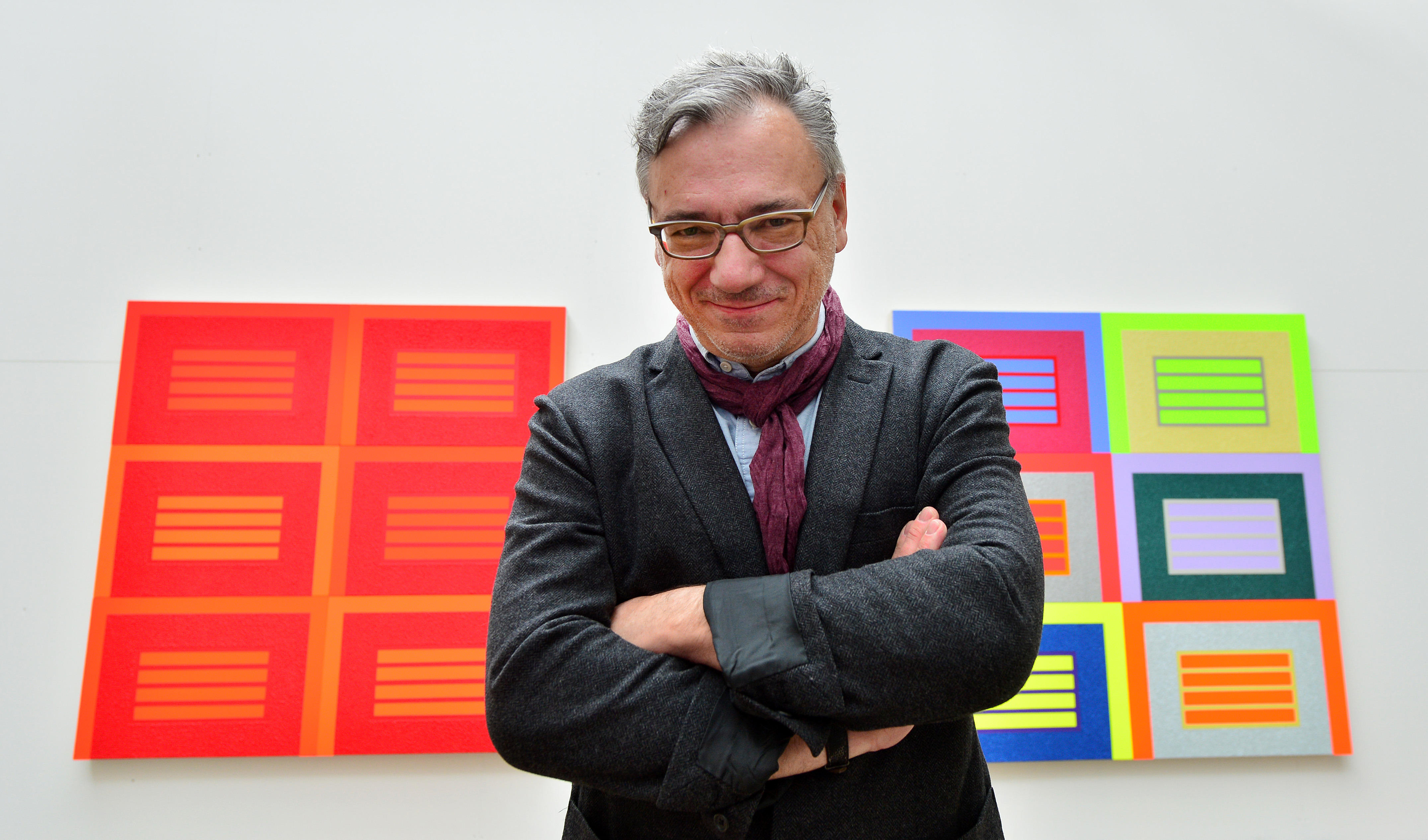
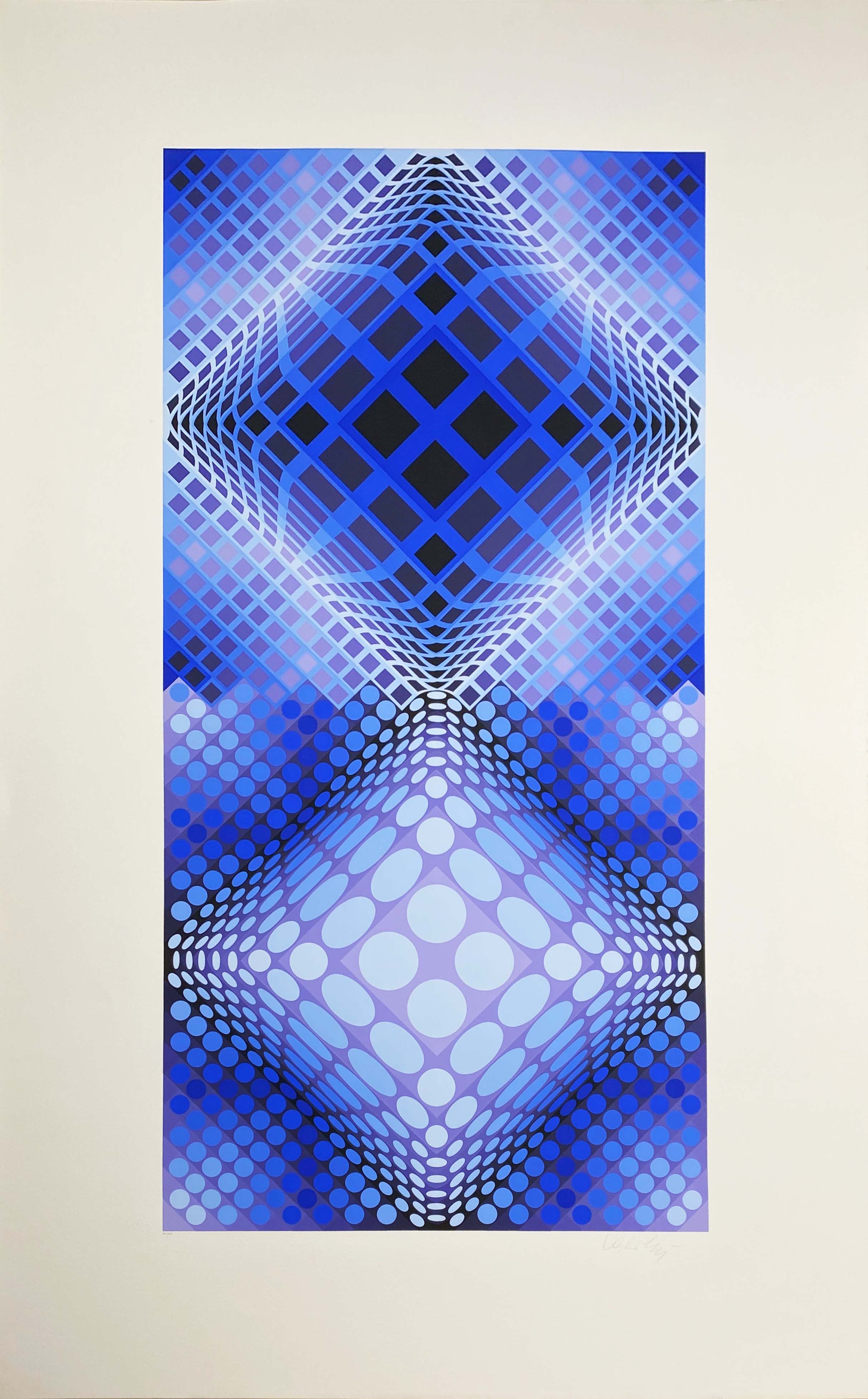
Op Art found in acrylic an ideal partner as well. Victor Vasarely's chromatic grids and spatial illusions depend entirely on the precision of the medium, its willingness to stay exactly where you put it, to dry without the yellowing or cracking that would undermine the optical game. Peter Halley, working decades later in a lineage that consciously echoes both Vasarely and Color Field, uses Day Glo acrylics and Roll a Tex to build his prison and cell paintings into something almost architectural. His surfaces are insistently artificial, and that artificiality is the point.
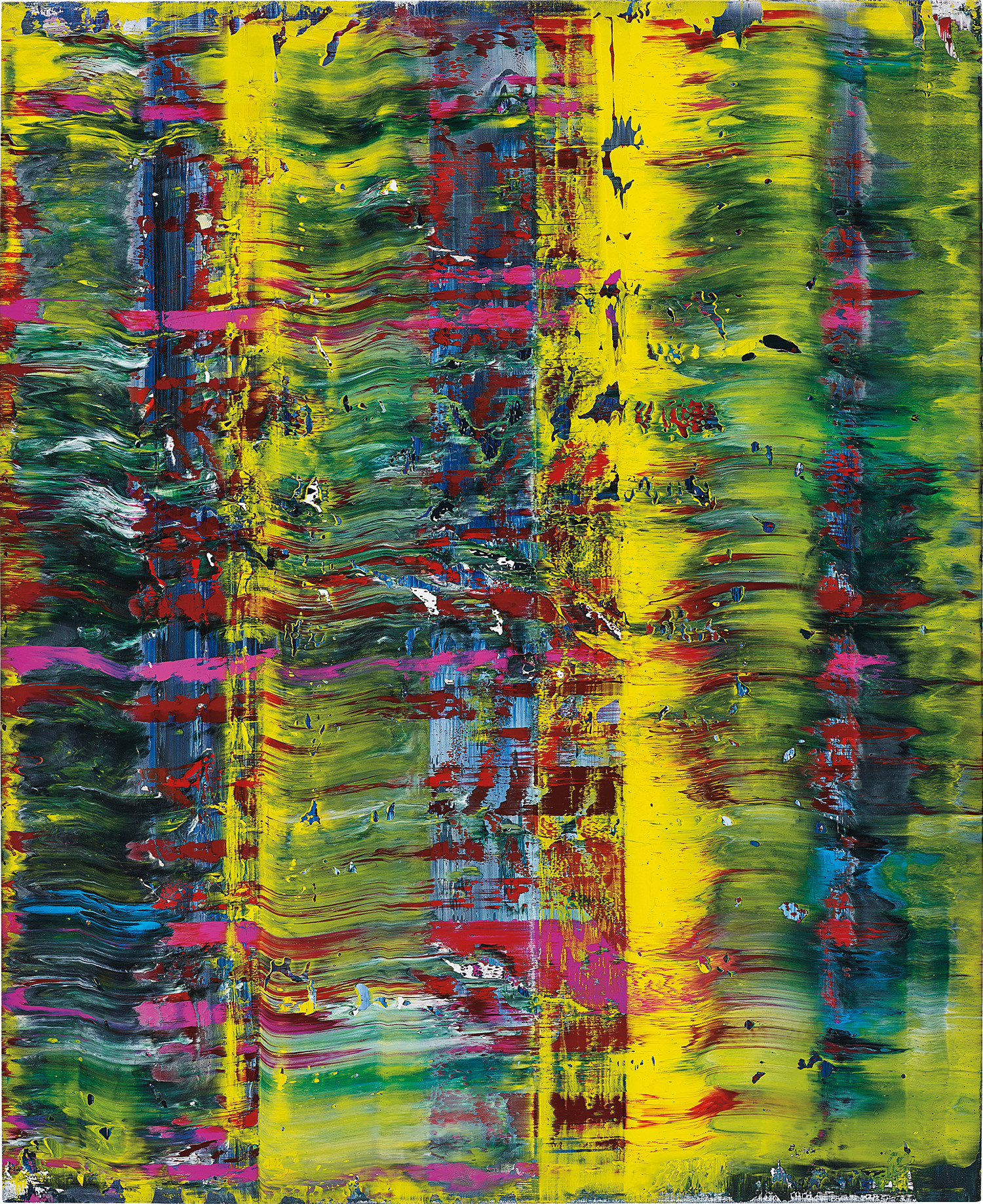
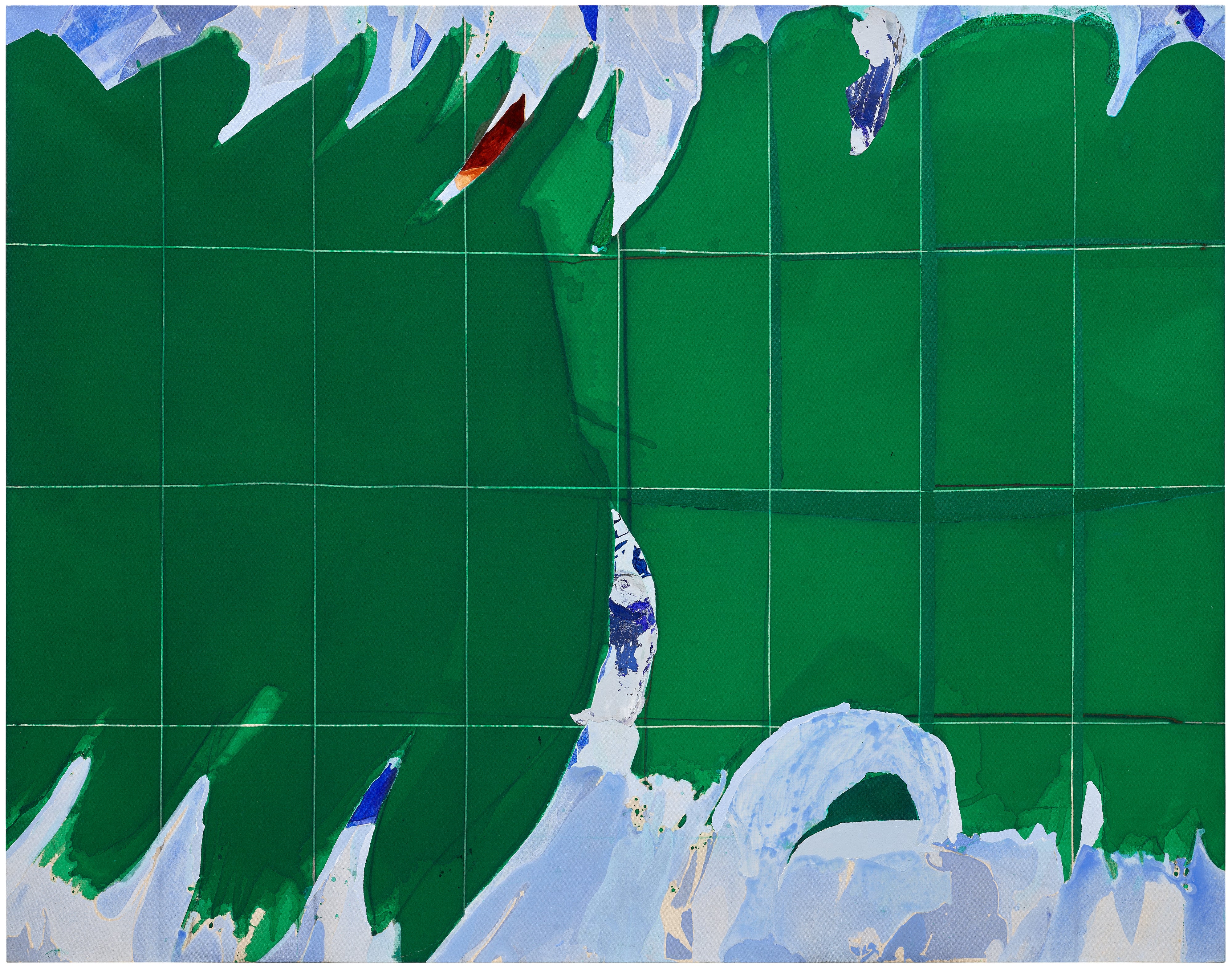
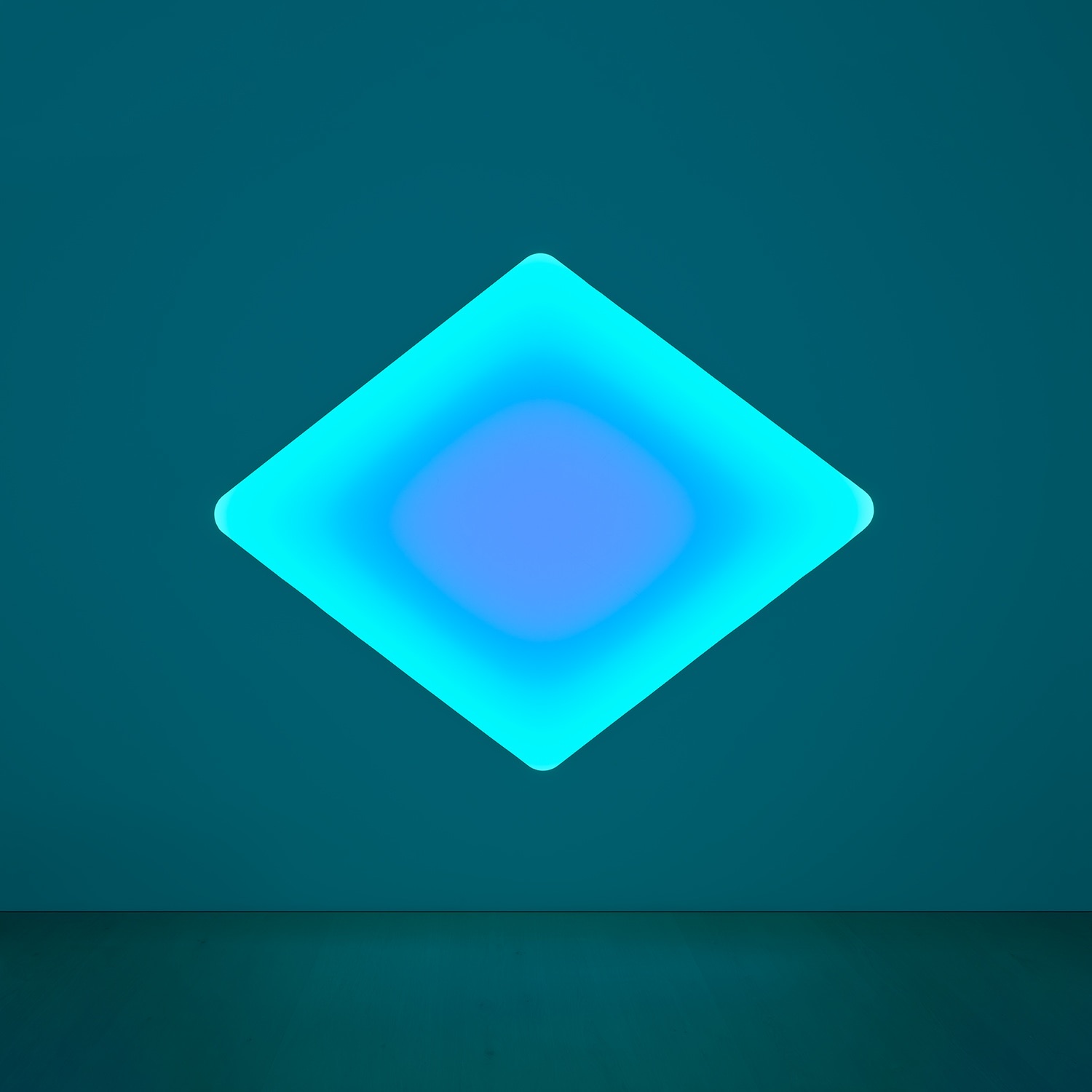
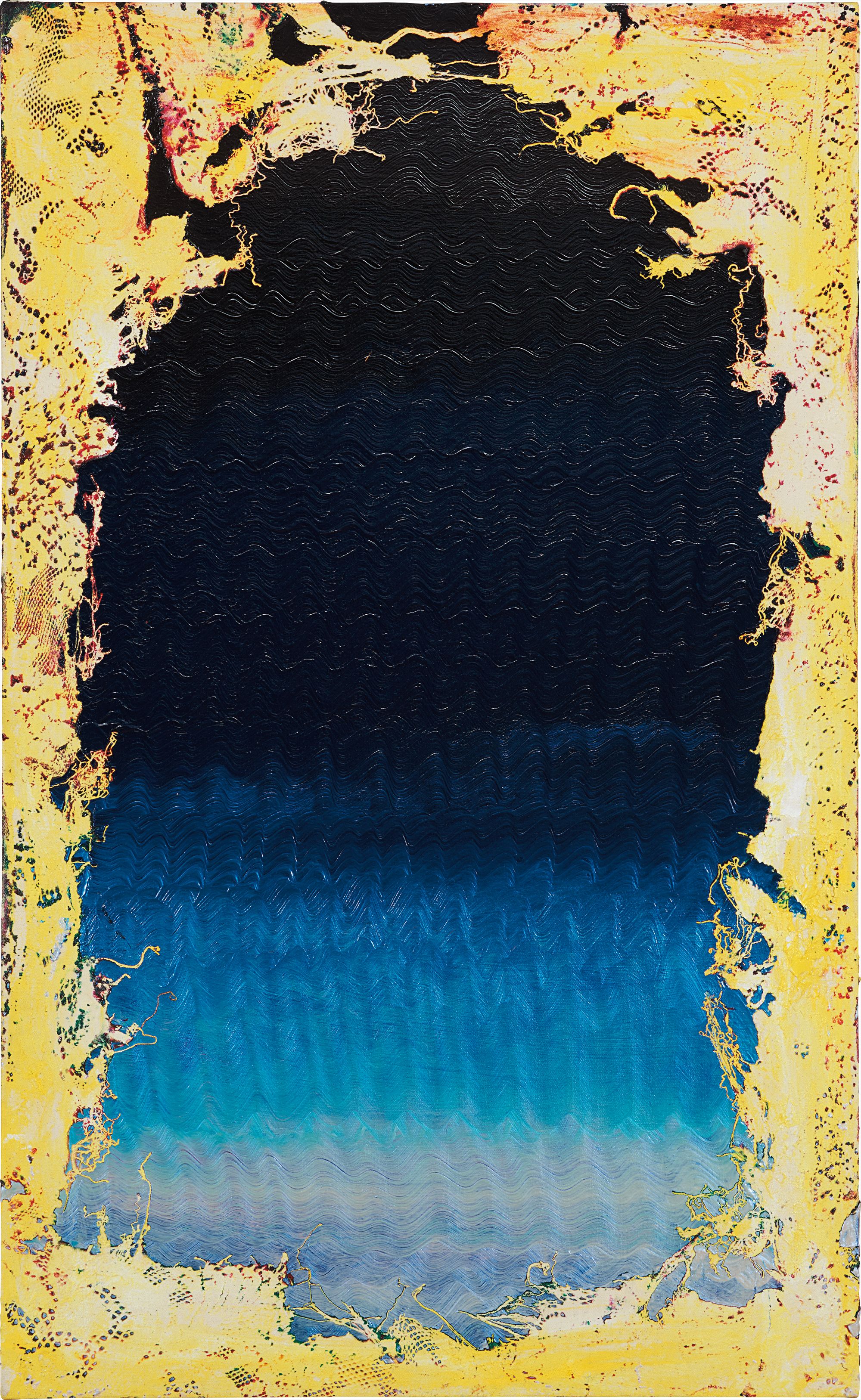
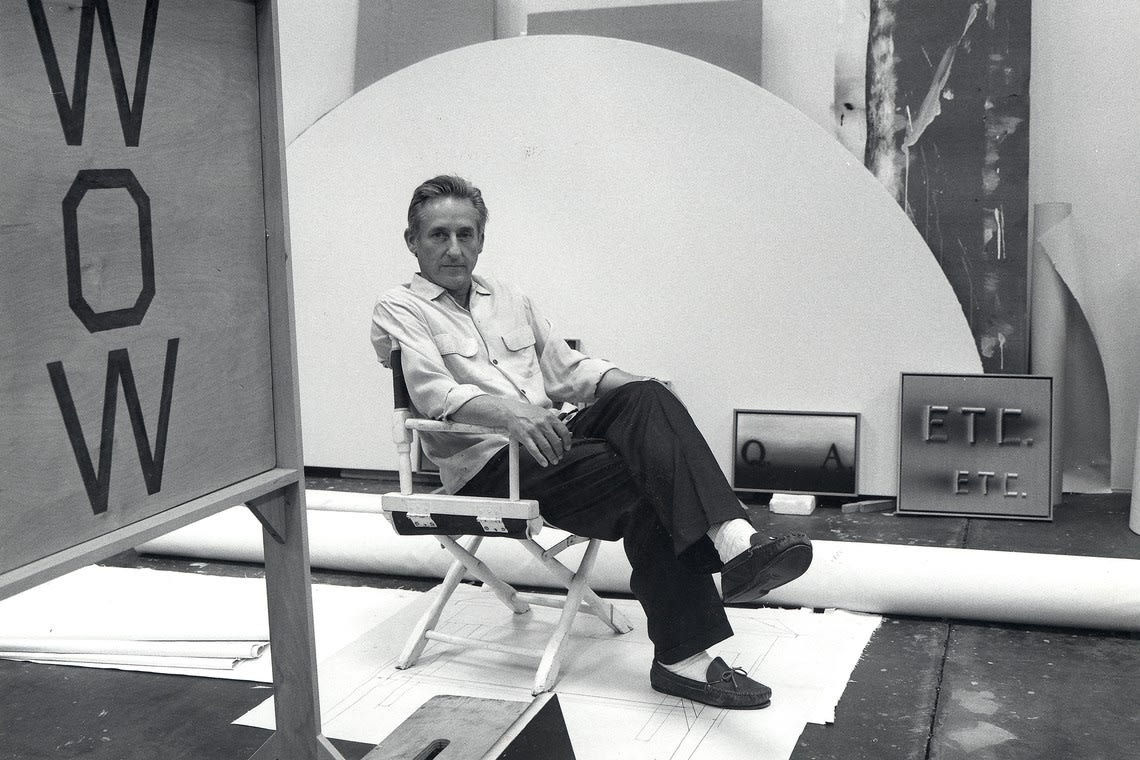
Stanley Casselman
Ir-43-5, 2013
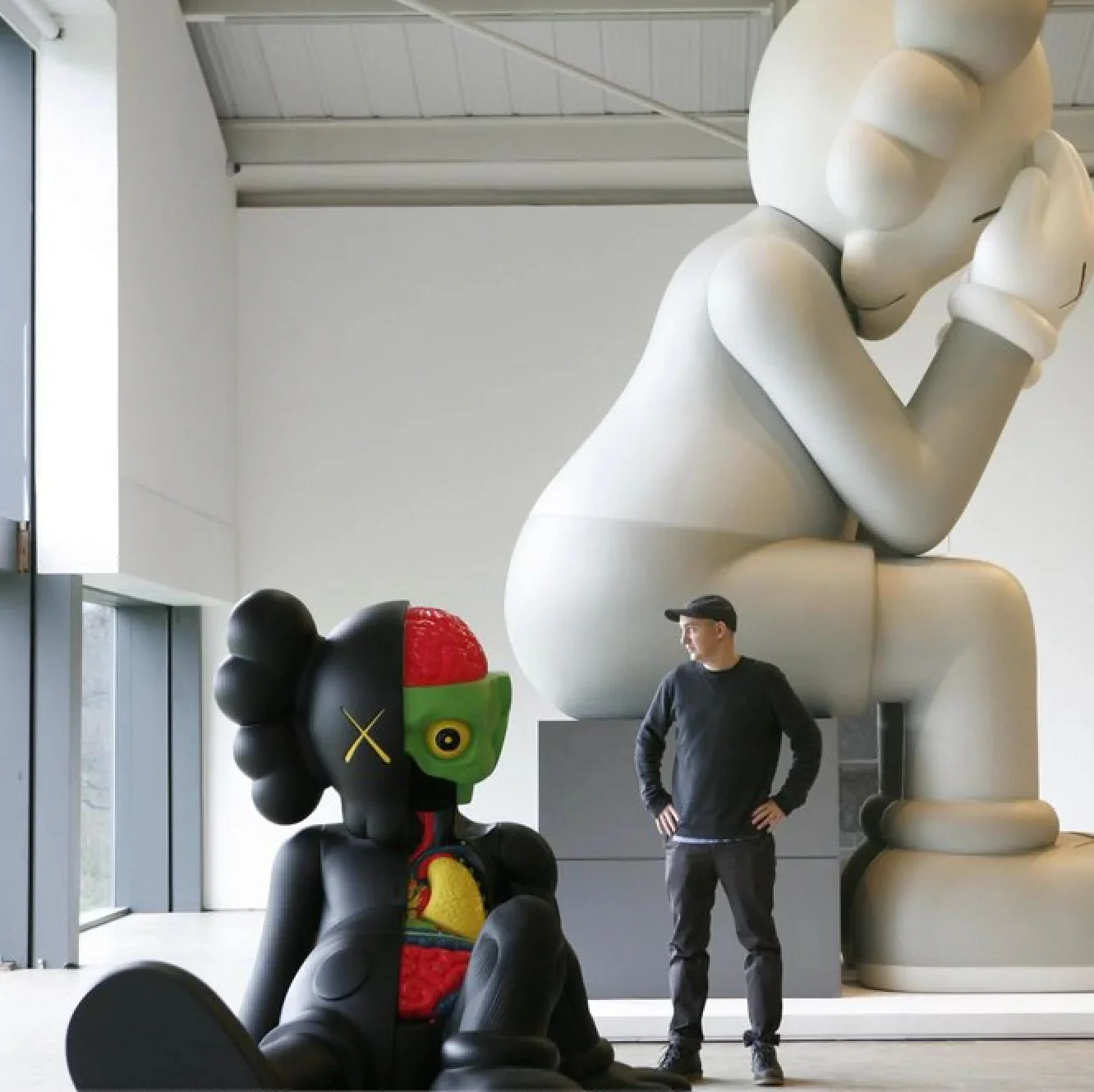
The medium performs the concept. The 1990s and 2000s saw acrylic become the lingua franca of an extraordinarily diverse generation. KAWS built his practice on the medium, using acrylic on canvas to translate the visual grammar of cartoons and street culture into large scale works that hold their own in any institutional context. Takashi Murakami, whose Superflat theory proposed a radical flattening of high and low culture, uses acrylic to achieve surfaces of almost unbearable smoothness, where the hand of the painter is deliberately effaced.
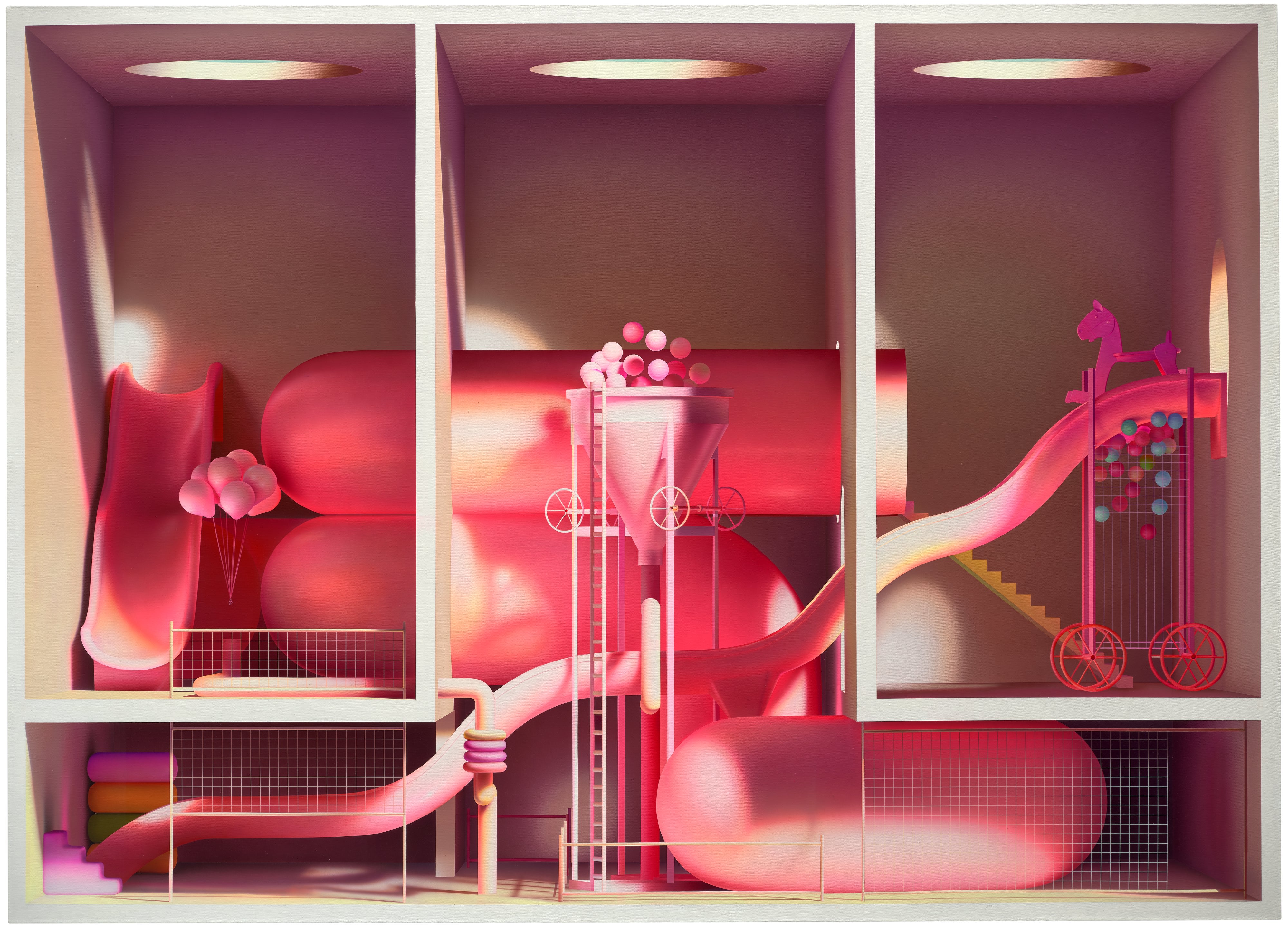
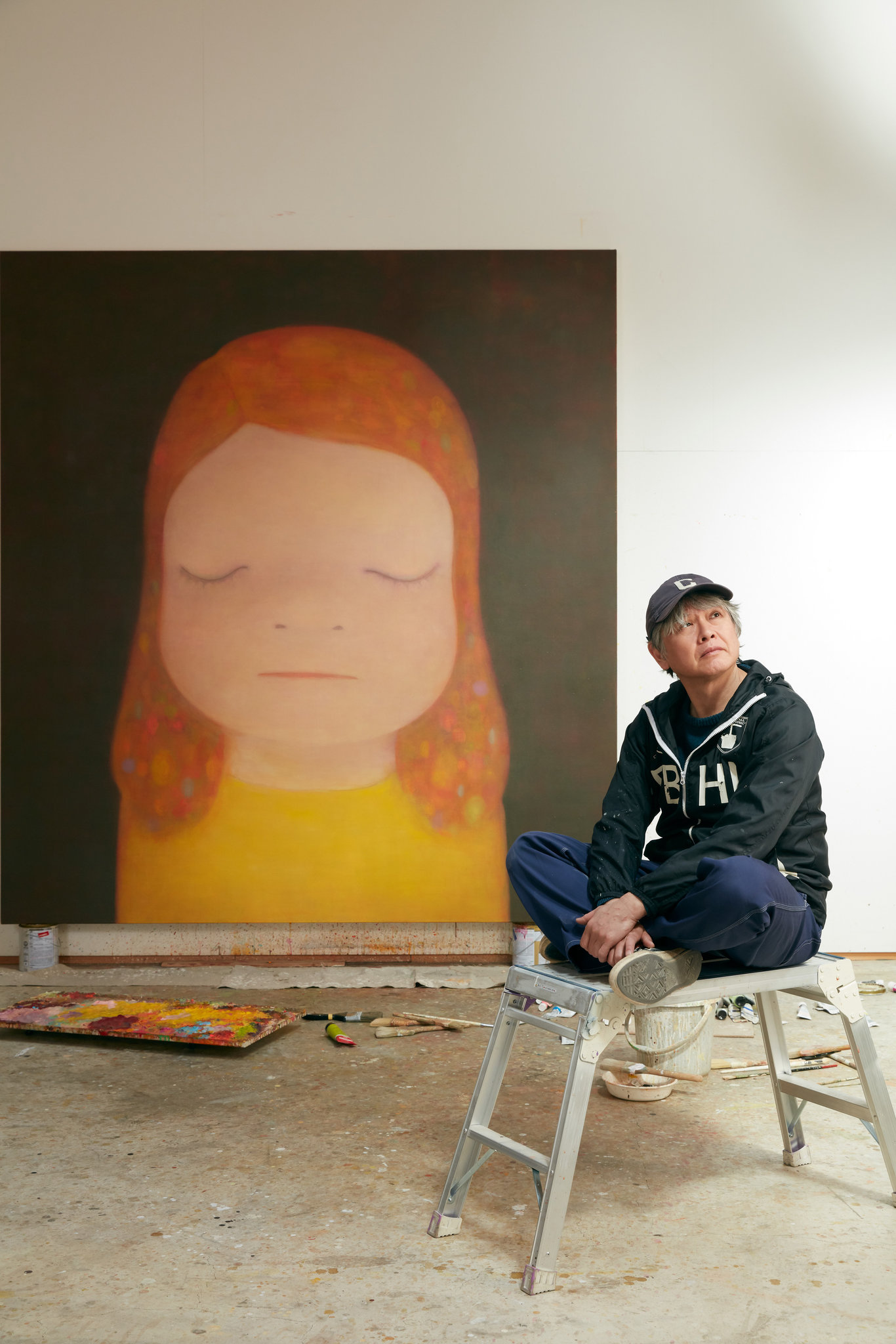
Yoshitomo Nara's solitary children and dogs, rendered in acrylic with a directness that feels both childlike and deeply considered, have become among the most recognized images in contemporary art. These artists did not simply use acrylic because it was convenient. They chose it because its properties, its speed, its flatness, its brightness, its democratic availability, were inseparable from what they were trying to say. Looking at the range of acrylic painting collected today, one is struck by how completely the medium has absorbed the full spectrum of artistic ambition.
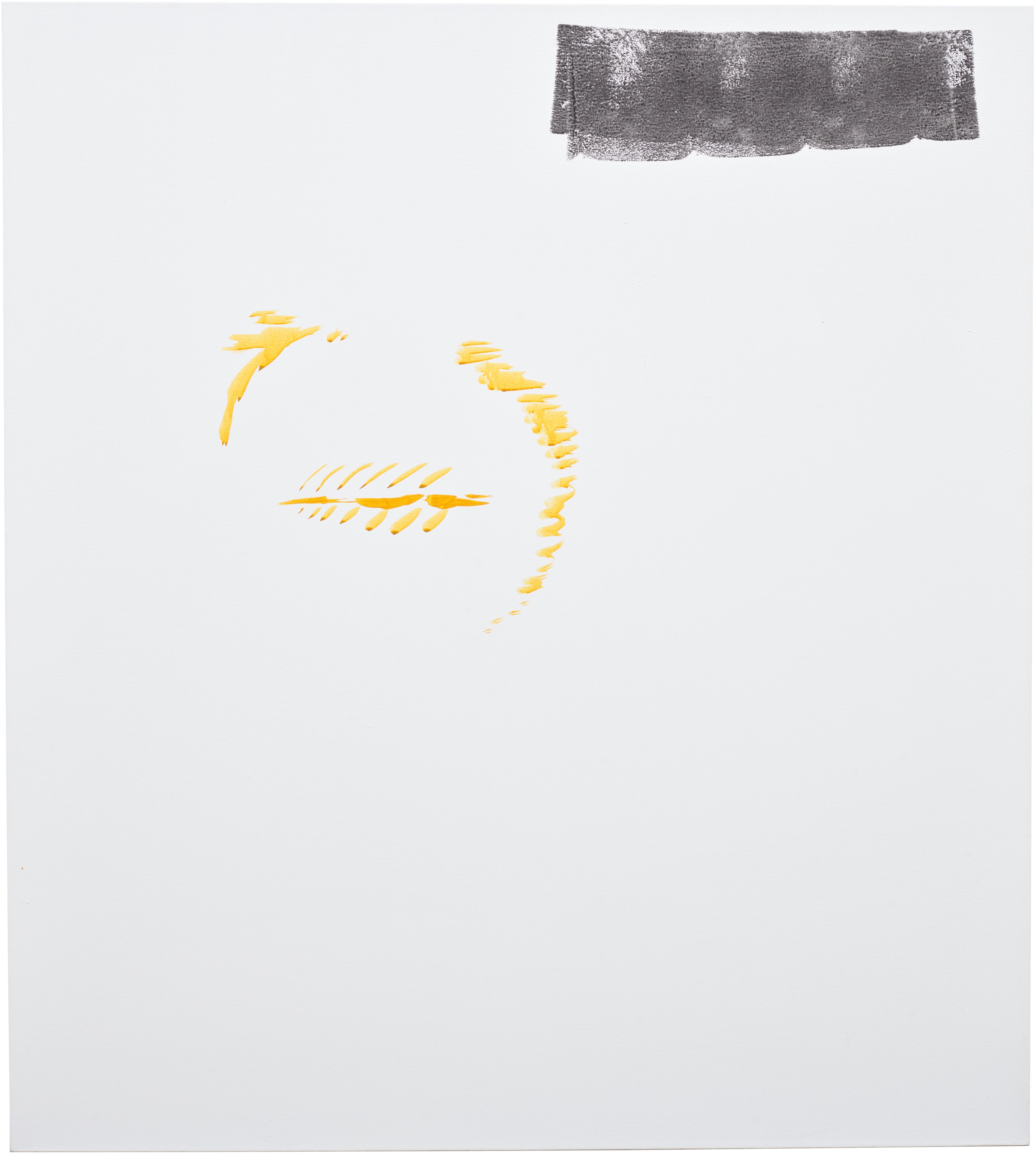
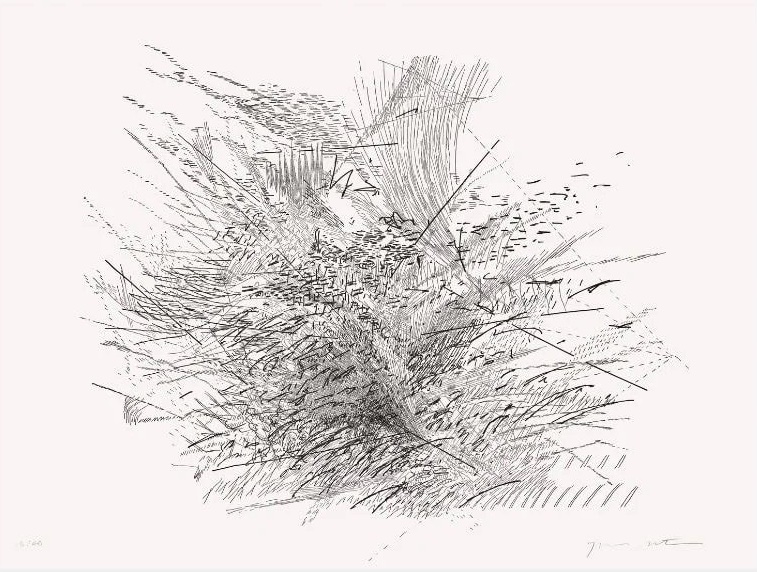
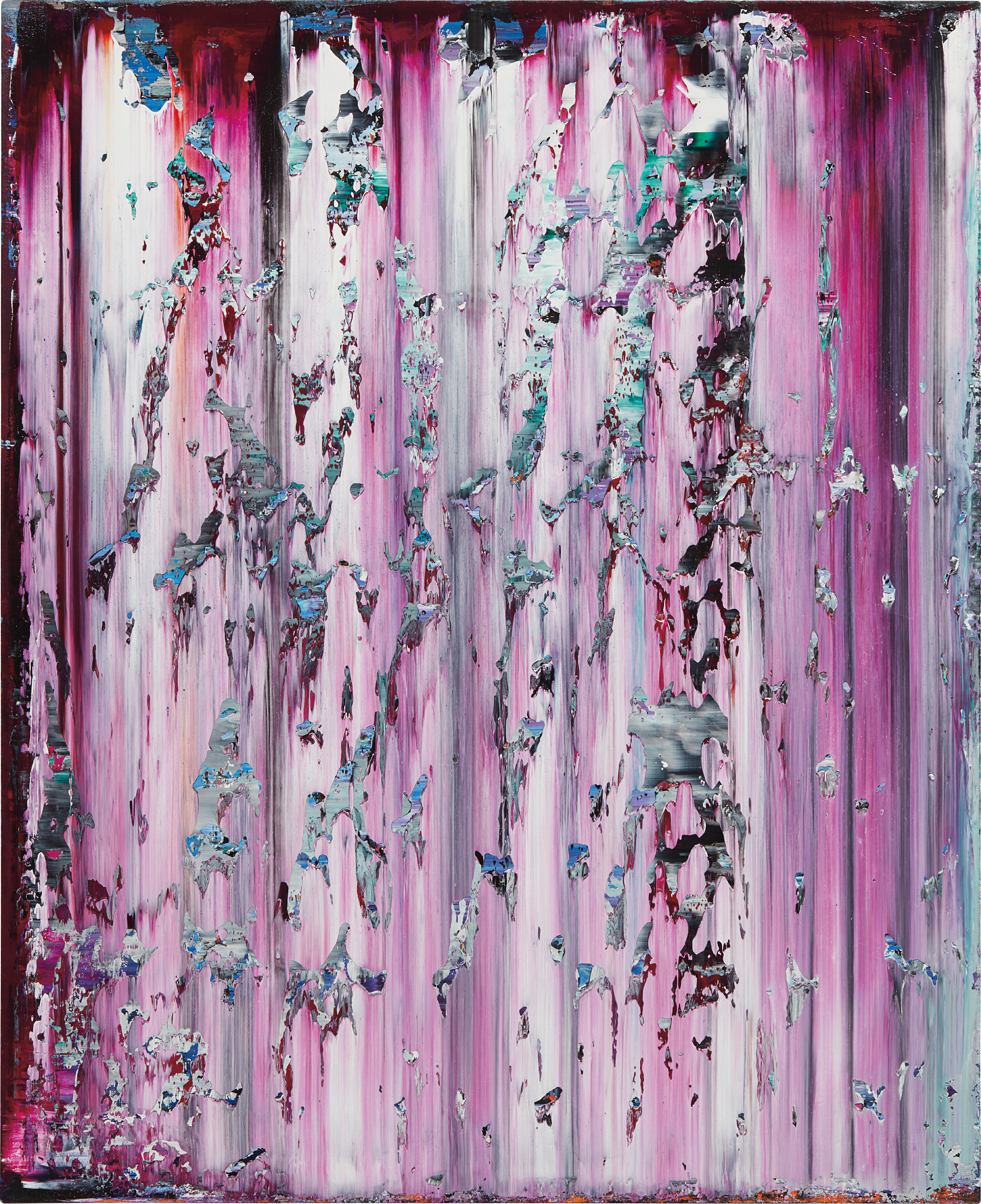
Michael Krebber
DEP-MK-0038, 2017
Genieve Figgis uses acrylic in a way that seems to defy its nature, pushing it into wet on wet passages that blur and bleed like watercolor, her figures dissolving at the edges of their own stories. Katherine Bernhardt paints with a loose, almost improvisational energy that lets the acrylic drip and pool, embracing accident as compositional intelligence. Isshaq Ismail, the Ghanaian painter whose figures emerge from thickly worked surfaces, demonstrates that acrylic can carry weight and cultural memory as readily as any traditional medium. Henry Taylor, one of the most important figurative painters working today, uses acrylic's speed to capture something true about the people he paints, a quality of presence that slower media might polish away.
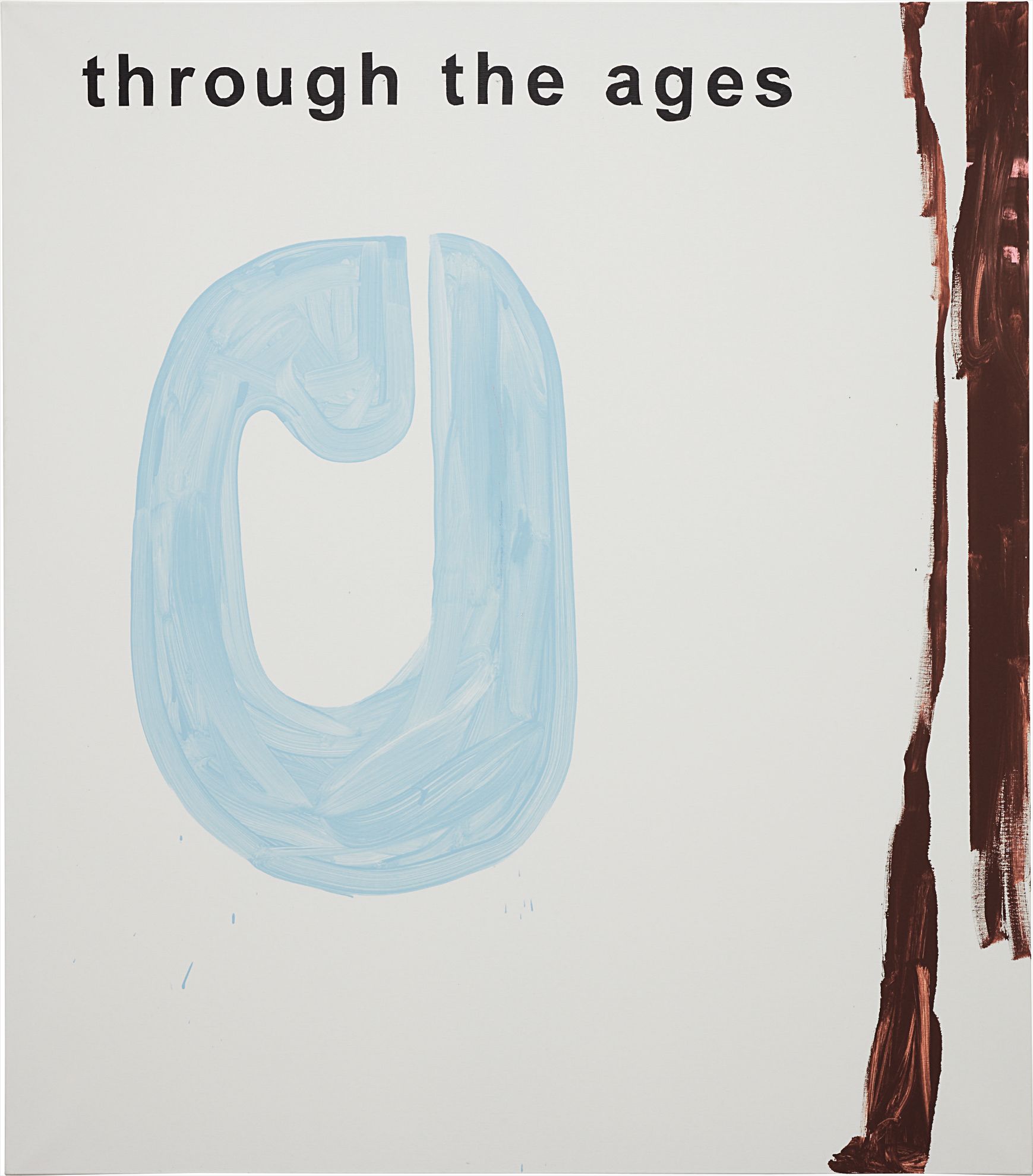
What unites this breadth is not style or geography or generation but a shared understanding that acrylic painting is not a lesser thing. The old prejudice, that oil was serious and acrylic was somehow provisional, has dissolved almost entirely in the face of the evidence. Mark Flood's text based works, Lucien Smith's rain paintings, the intricate surface patterning of Mr Doodle, the luminous figuration of Huang Yuxing, all of these find in acrylic not a compromise but a conviction. The medium has earned its place not by imitating oil but by being irreducibly itself: fast, bright, adaptable, honest about what it is.
To look at the acrylic works represented on The Collection is to see fifty years of that conversation compressed into a single moment. The history is here, and so is everything that is still being discovered.